Alternatives to Cable TVs
Cable TV is a great way to get high-quality video and audio, but it's not the only way. If you're looking for an alternative to cable, here are some of the best options out there.
Sort

Flexible viewing options beyond traditional cable packages
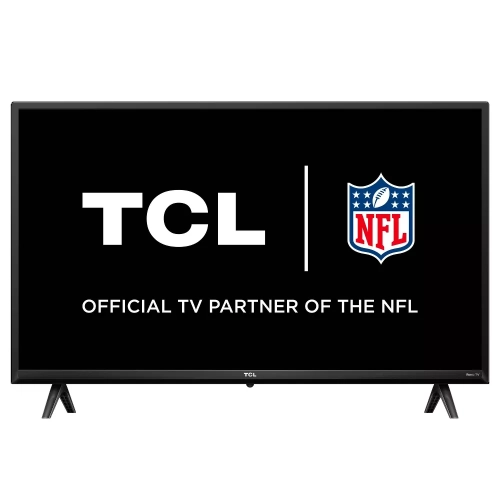
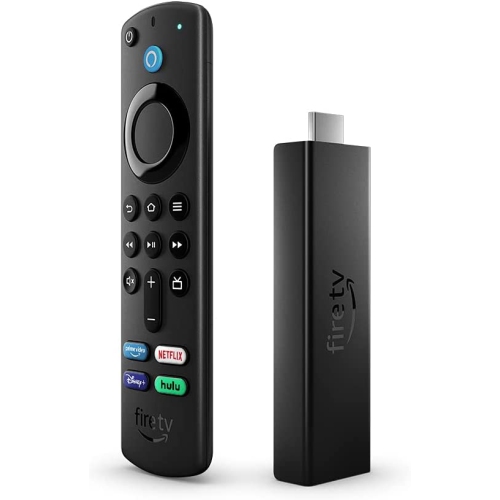
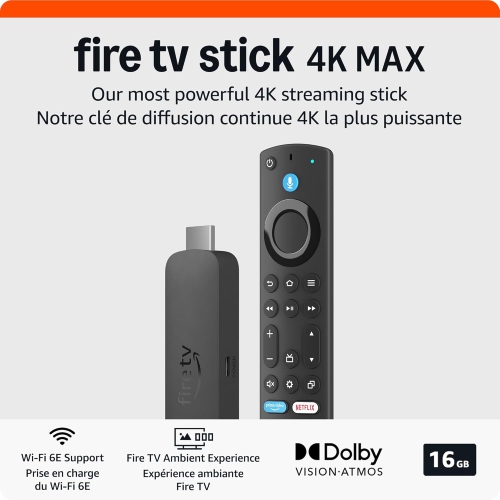
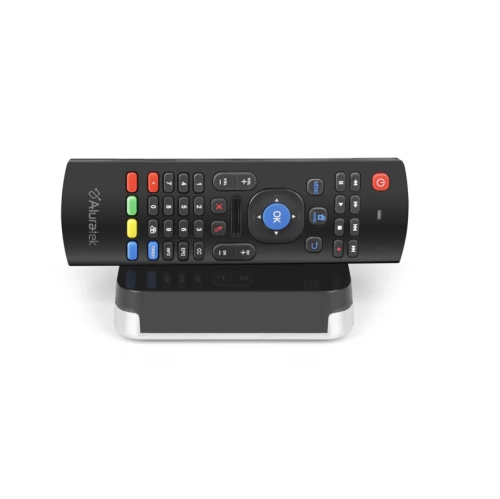
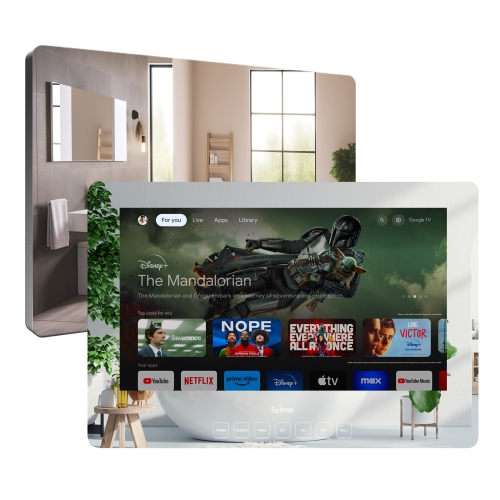
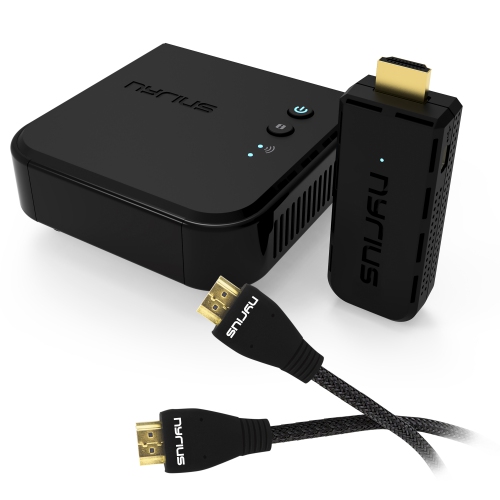
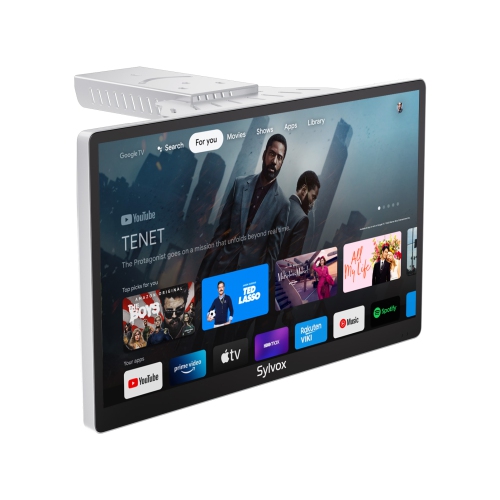
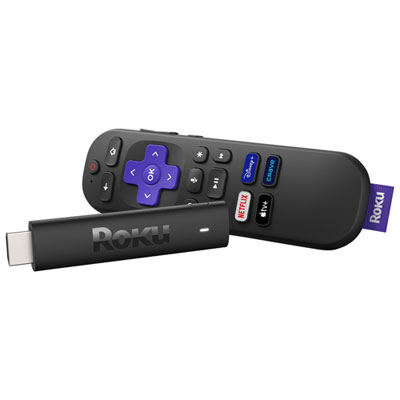
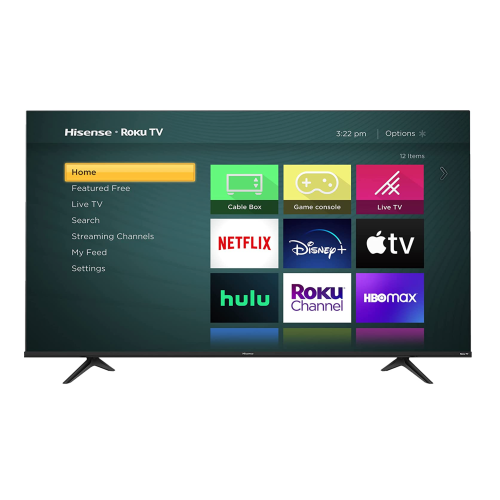
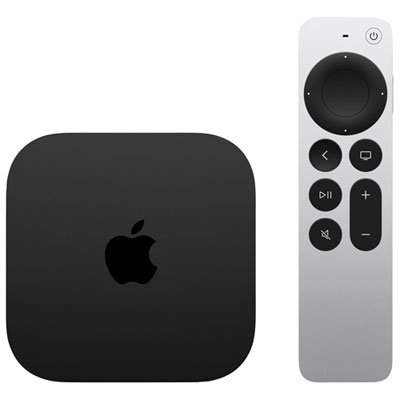
Moving away from cable television can give your household more flexibility in how it watches live channels, local news, sports, movies, and on-demand shows. The best alternative depends on the type of viewing you want to keep, the equipment already in your home, and how much control you want over monthly costs. Live TV streaming services are designed to feel familiar to cable subscribers, with channel guides, live broadcasts, cloud recording, and access to local or specialty programming through an internet connection. Many offer a selection of news, entertainment, sports, family, and lifestyle channels, while some let you choose a smaller package or add focused bundles based on your interests. This can be a practical fit for households that still enjoy turning on a live broadcast without managing a traditional cable box. Before choosing a service, check that your internet plan can support the number of screens you expect to use, especially if one person is watching a live game while others are streaming shows, attending video calls, or using connected devices. It is also worth reviewing local channel availability, supported areas, simultaneous streams, cloud recording limits, app compatibility, and whether certain sports or events may be subject to regional restrictions. A smart TV with built-in streaming access can make the transition feel simple, while a separate streaming device can add apps and services to a compatible television that does not have the features you need. Explore Streaming TV's to find display options that can serve as the centre of a more flexible home entertainment setup.
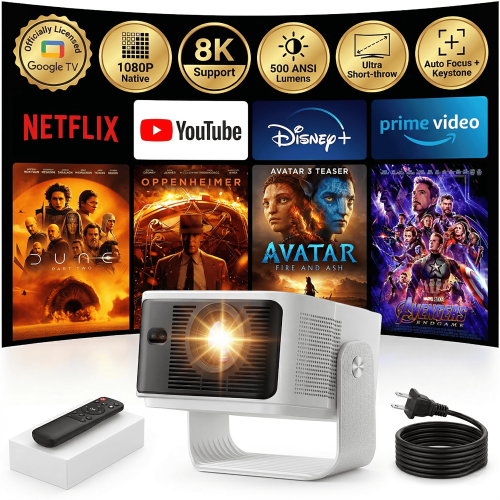
Free ad-supported streaming services provide another way to replace some of the everyday functions of cable without adding a traditional monthly television package. These platforms typically combine live, linear channels with on-demand movies, series, news, clips, and specialty programming, with commercial breaks supporting access. Their channel guides often resemble a traditional television lineup, making them appealing for casual viewing, background entertainment, and those moments when you want something ready to play without searching through a large library. On-demand services can complement free live channels by offering a deeper selection of films and series, while a paid live streaming service may be useful for households that want local broadcasts, major sports coverage, or a familiar range of specialty channels. Combining more than one type of service can create a balanced setup: free programming for everyday viewing, on-demand access for favourite series, and a live package for events or channels that are important to your household. Keep track of which services require a subscription, which include advertising, and which content may be available only for a limited time. It is also helpful to look for clear parental controls, closed captions, descriptive audio, language options, and simple profiles if several people share the same screen. For older relatives or anyone who prefers straightforward controls, a television with an uncluttered home screen, a voice-enabled remote, or clearly labelled shortcuts can make streaming less intimidating. These products can also be thoughtful gifts for students moving into a first apartment, family members setting up a guest room, or friends who enjoy films, live news, and entertainment but would rather choose their own viewing options than pay for a large channel bundle.
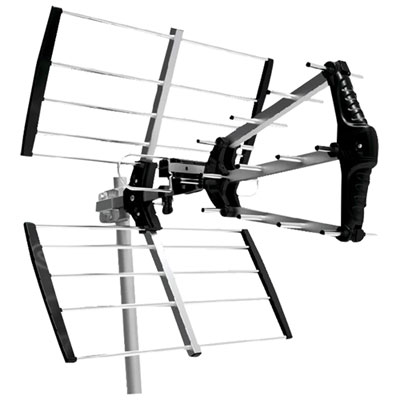
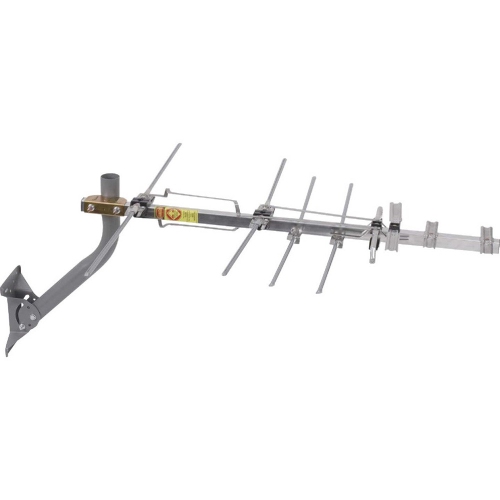
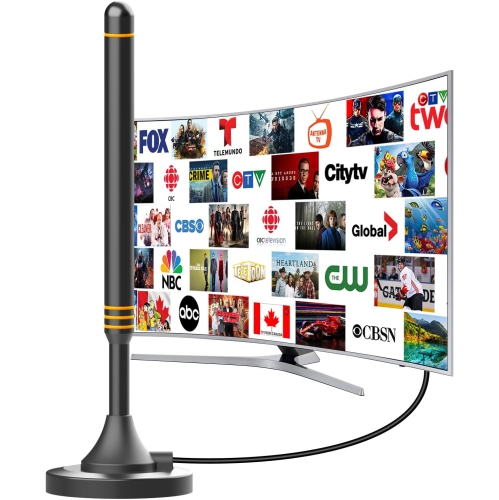
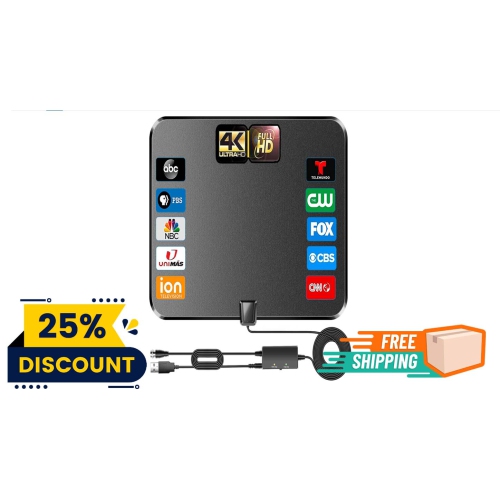
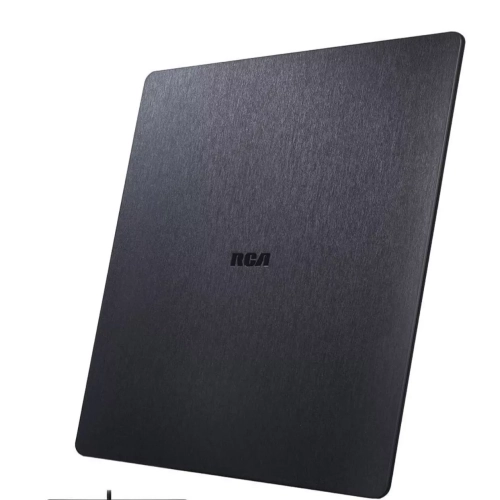
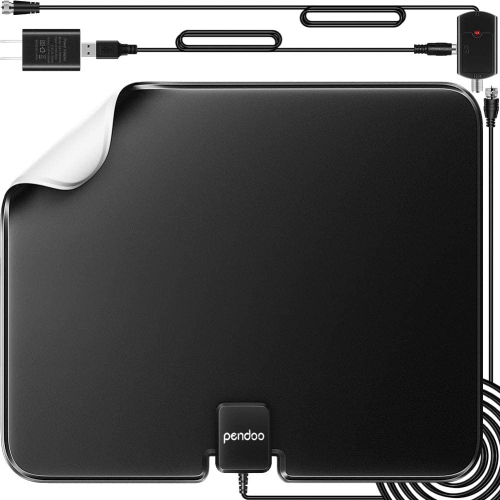
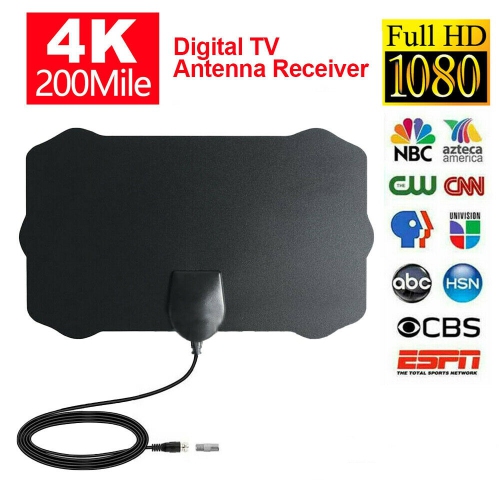
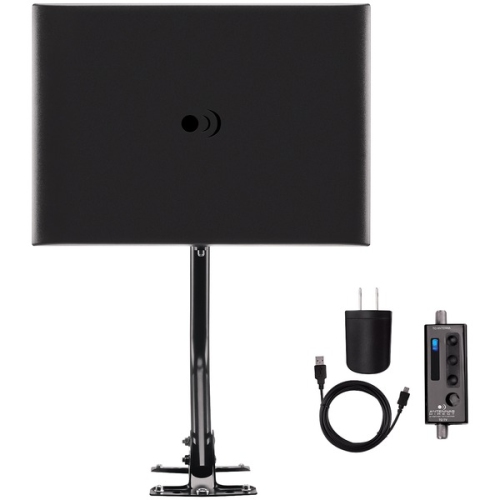
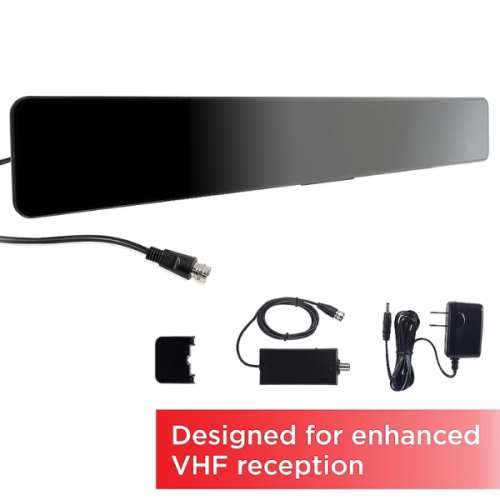
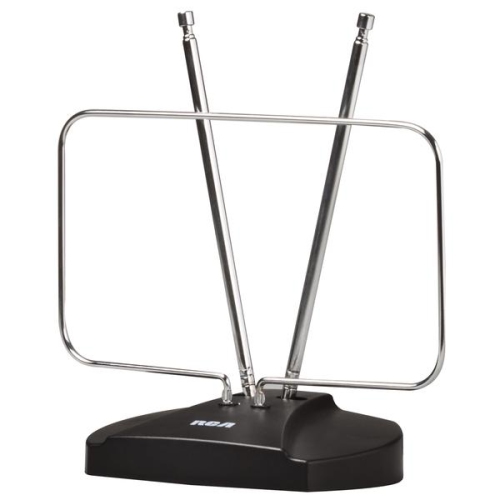
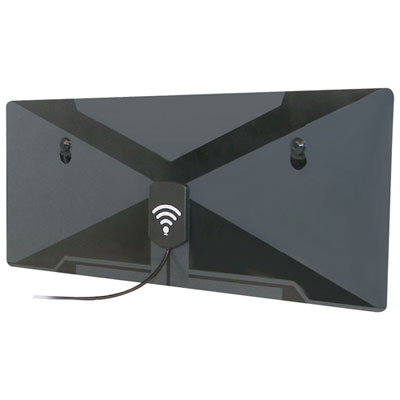
An over-the-air digital HDTV antenna can provide a particularly useful alternative for local broadcast networks, depending on the reception available in your area. Once connected to a compatible television, an antenna can receive free broadcast signals without relying on a cable subscription or using internet data for those channels. Reception is influenced by distance from broadcast towers, nearby buildings, hills, interior walls, and the placement of the antenna, so consider whether an indoor, amplified, or outdoor design is more suitable for your home. Scanning for channels after installation and trying a few positions can improve results; a location near a window or on an exterior-facing wall may work better than a closed-in cabinet. An antenna can be used on its own for local news, weather, major network programming, and live events, or paired with streaming services for a broader mix of entertainment. Some compatible devices can also help record broadcast programming, pause live television, or organize antenna channels alongside internet-based apps, although storage requirements and feature support vary. When comparing products, look at signal range, cable length, mounting options, amplifier requirements, tuner compatibility, and whether the design will suit the room where it is being installed. A compact antenna may be convenient for a rental or bedroom, while a more powerful setup may be better for a larger home or an area farther from transmitters. During the warmer months and cooler months alike, this combination can keep local programming accessible while giving your household more choice for movies, series, sports, and news. Whether you are replacing a full cable package, reducing unused channels, furnishing a new space, or creating a simple entertainment setup for visiting family, the right mix of live streaming, free ad-supported programming, on-demand access, and broadcast reception can make television more personal, adaptable, and easy to use.
Free ad-supported streaming services provide another way to replace some of the everyday functions of cable without adding a traditional monthly television package. These platforms typically combine live, linear channels with on-demand movies, series, news, clips, and specialty programming, with commercial breaks supporting access. Their channel guides often resemble a traditional television lineup, making them appealing for casual viewing, background entertainment, and those moments when you want something ready to play without searching through a large library. On-demand services can complement free live channels by offering a deeper selection of films and series, while a paid live streaming service may be useful for households that want local broadcasts, major sports coverage, or a familiar range of specialty channels. Combining more than one type of service can create a balanced setup: free programming for everyday viewing, on-demand access for favourite series, and a live package for events or channels that are important to your household. Keep track of which services require a subscription, which include advertising, and which content may be available only for a limited time. It is also helpful to look for clear parental controls, closed captions, descriptive audio, language options, and simple profiles if several people share the same screen. For older relatives or anyone who prefers straightforward controls, a television with an uncluttered home screen, a voice-enabled remote, or clearly labelled shortcuts can make streaming less intimidating. These products can also be thoughtful gifts for students moving into a first apartment, family members setting up a guest room, or friends who enjoy films, live news, and entertainment but would rather choose their own viewing options than pay for a large channel bundle.
An over-the-air digital HDTV antenna can provide a particularly useful alternative for local broadcast networks, depending on the reception available in your area. Once connected to a compatible television, an antenna can receive free broadcast signals without relying on a cable subscription or using internet data for those channels. Reception is influenced by distance from broadcast towers, nearby buildings, hills, interior walls, and the placement of the antenna, so consider whether an indoor, amplified, or outdoor design is more suitable for your home. Scanning for channels after installation and trying a few positions can improve results; a location near a window or on an exterior-facing wall may work better than a closed-in cabinet. An antenna can be used on its own for local news, weather, major network programming, and live events, or paired with streaming services for a broader mix of entertainment. Some compatible devices can also help record broadcast programming, pause live television, or organize antenna channels alongside internet-based apps, although storage requirements and feature support vary. When comparing products, look at signal range, cable length, mounting options, amplifier requirements, tuner compatibility, and whether the design will suit the room where it is being installed. A compact antenna may be convenient for a rental or bedroom, while a more powerful setup may be better for a larger home or an area farther from transmitters. During the warmer months and cooler months alike, this combination can keep local programming accessible while giving your household more choice for movies, series, sports, and news. Whether you are replacing a full cable package, reducing unused channels, furnishing a new space, or creating a simple entertainment setup for visiting family, the right mix of live streaming, free ad-supported programming, on-demand access, and broadcast reception can make television more personal, adaptable, and easy to use.
Top selling and popular products
-
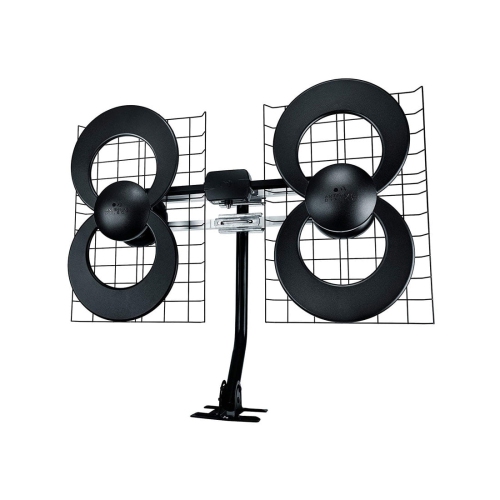 Your price for this item is $316.54
 -
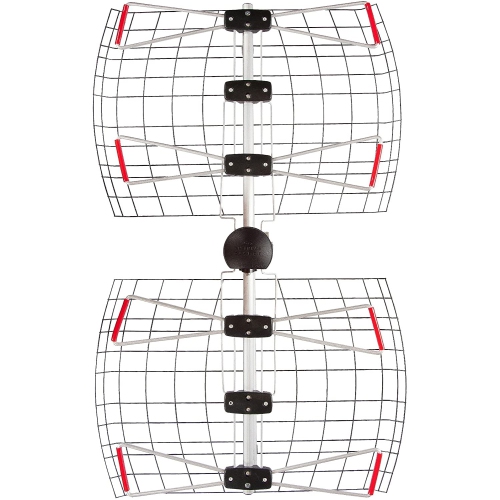 Your price for this item is $99.99
 -
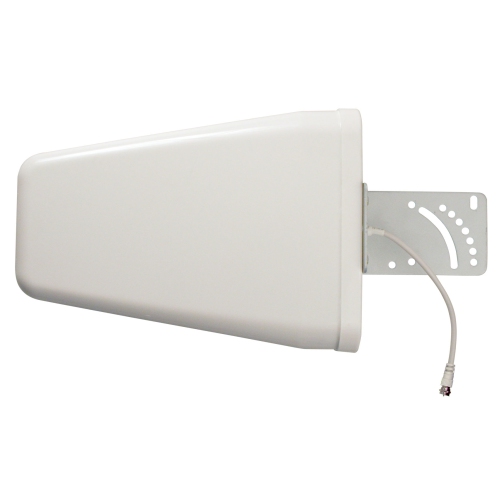 Your price for this item is $139.99
 -
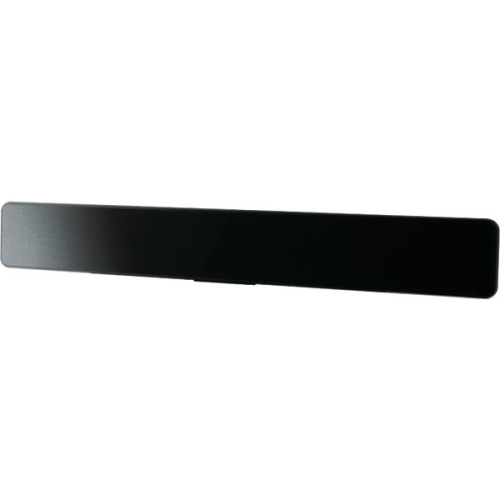 Your price for this item is $29
 -
 Your price for this item is $59
 -
 Your price for this item is $34.99
 -
 Your price for this item is $38.68
 -
 Your price for this item is $49.99
Discover more categories related to Alternatives to Cable TVs
Top Collections:
Pokemon Centers, Kindle Devices, Best Budget Office Chairs, Apple iPhones 16, Best Laptops for Writers, iPhone 15 Apple, Canon G7X Cameras, Refurbished Apple Laptops, Alarm Clock, Motorola Razr Phones
Some products may be subject to Environmental Handling Fees
(EHF) depending on your province.
Learn more about EHFs.