Recommended 65 Inch Tvs for Family Viewing
If you're looking for a new TV, you'll want to consider several factors. The size and shape of your living room, for example, will have an impact on which size TV is best. And if you have children, you'll want to think about whether a smart TV with streaming apps is right for your family. We've rounded up the best TVs for most families, based on their picture quality, sound quality, and value.
Sort

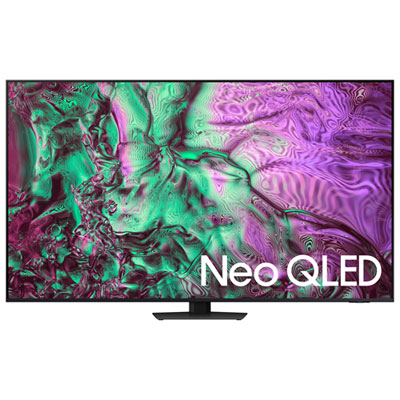
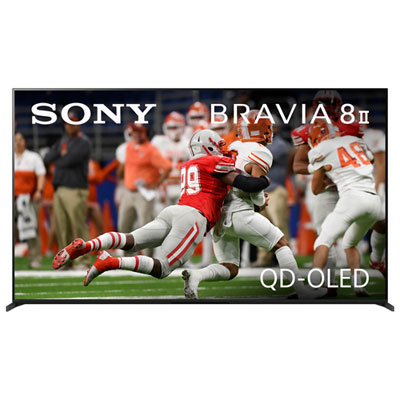
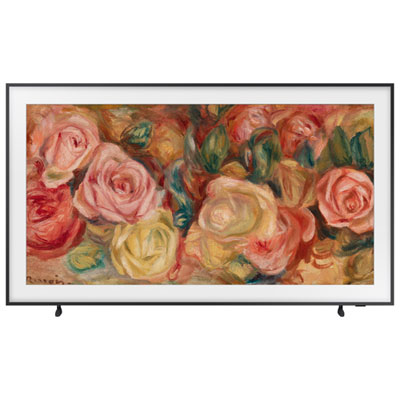
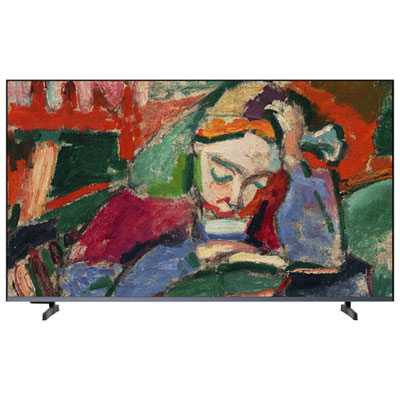
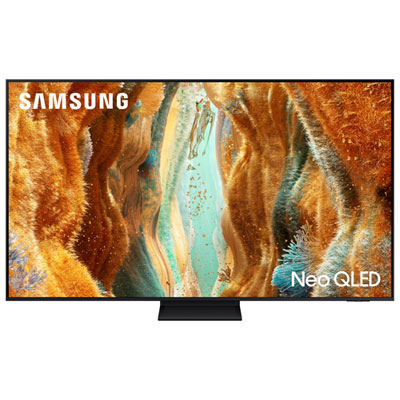
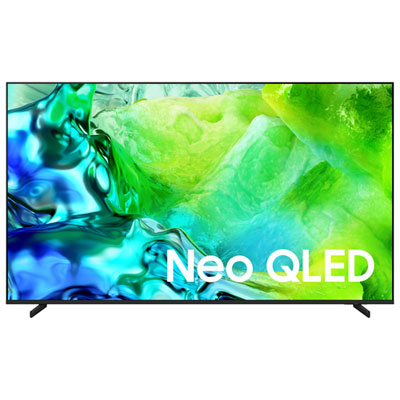
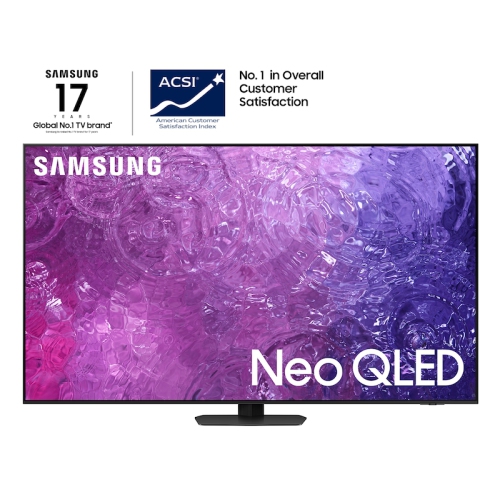
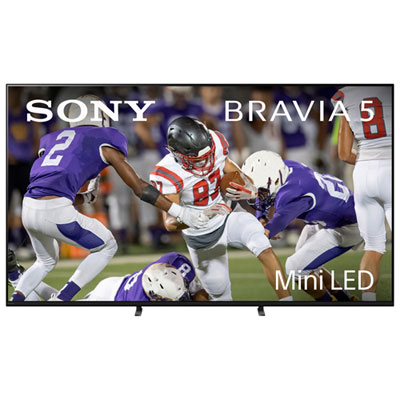
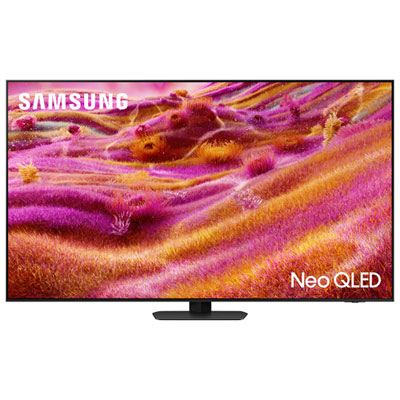

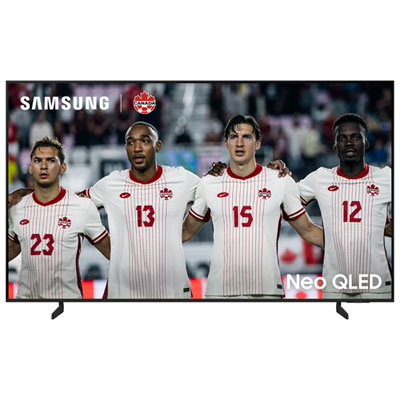
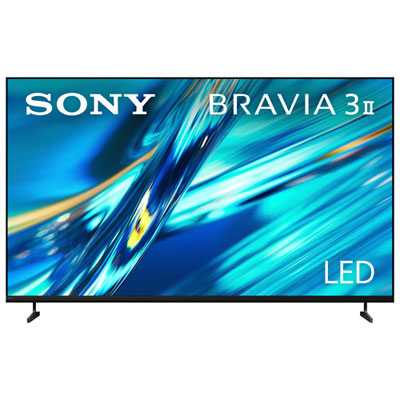
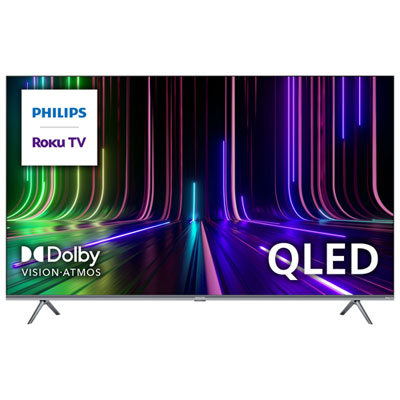
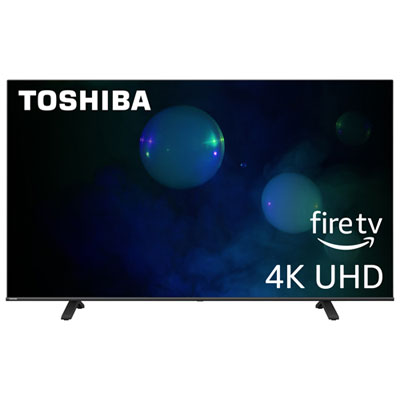

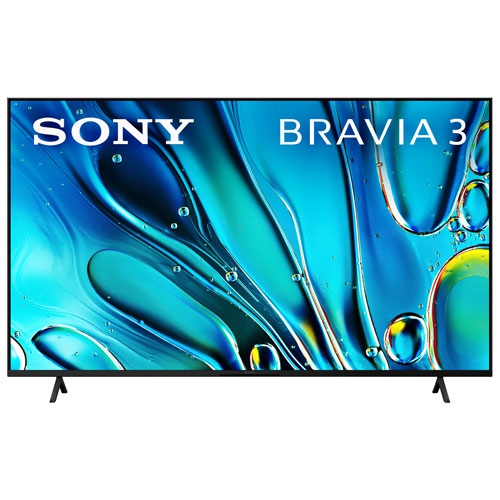
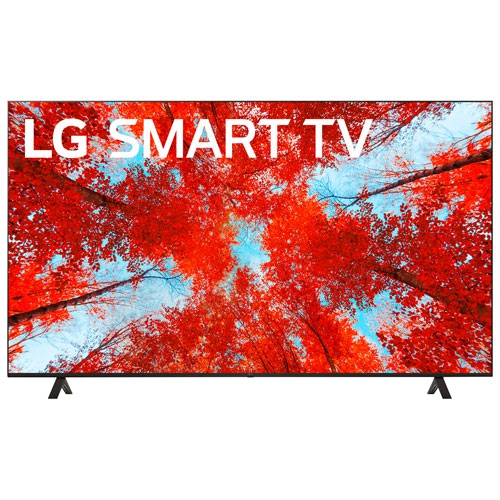
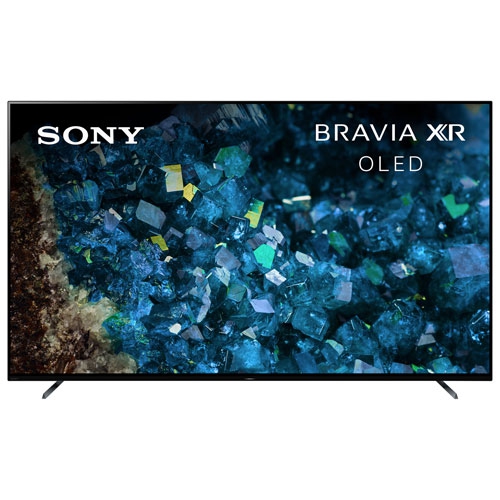
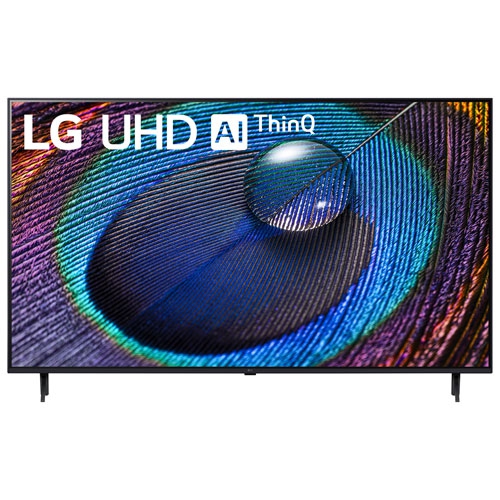
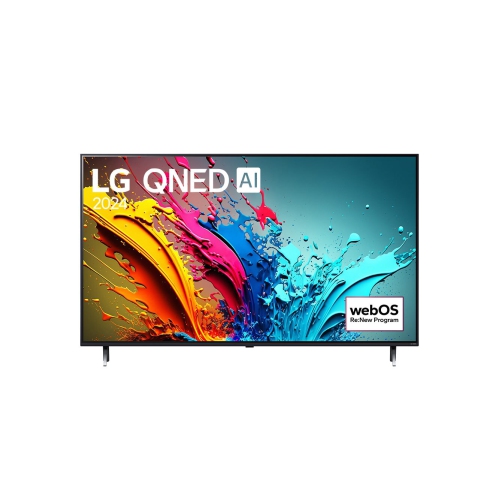

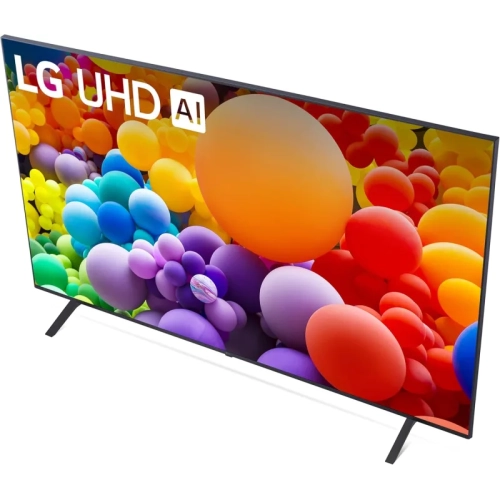
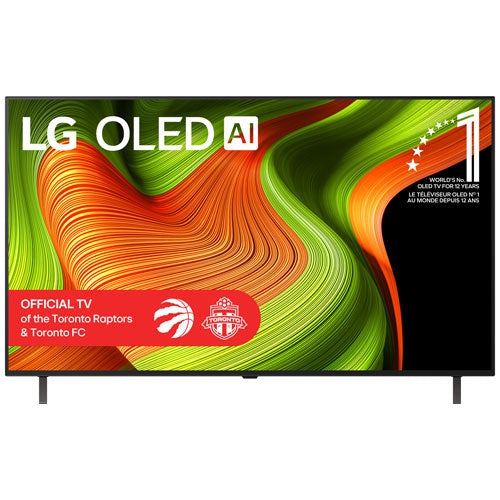
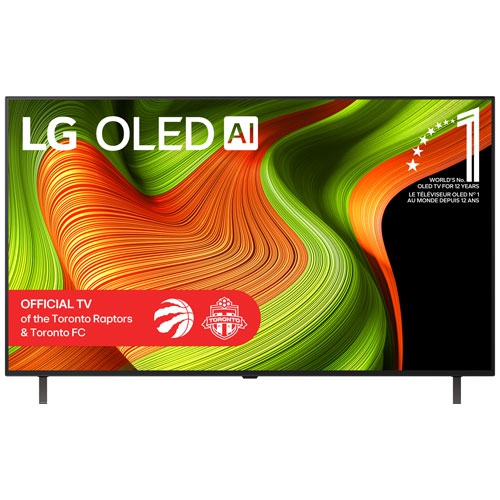
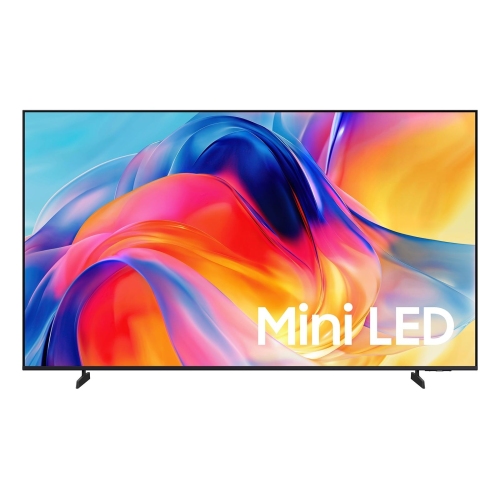
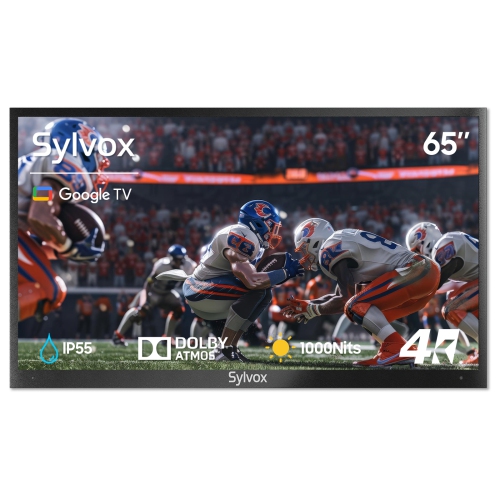
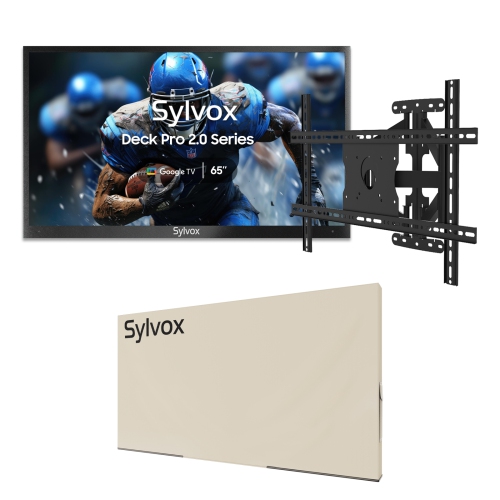

What matters most for a shared family screen
A 65-inch TV can create a comfortable centrepiece for family viewing, bringing films, television shows, sports, cartoons, news and games into clear focus without requiring everyone to sit close to the screen. This size often works well in a shared living room, family room or finished basement where seating is arranged several feet away, offering an immersive picture while leaving space for furniture and everyday movement. A 4K Ultra HD resolution is especially useful at this screen size because it delivers fine detail in faces, scenery, team uniforms and animated worlds, helping the picture look crisp from a typical sofa or sectional. When choosing from recommended 65-inch TVs for family viewing, consider the room as carefully as the specifications. Measure the wall or entertainment unit, account for the TV stand or mounting hardware, and leave enough clearance for vents, cables and nearby shelves. A low-profile design can suit a streamlined media area, while a model with a stable stand may be preferable for households that rearrange furniture or want the flexibility to place the TV on a console. Viewing distance also matters: a screen that feels wonderfully cinematic from the main sofa may look overwhelming if the room is compact, while a 65-inch display can feel like an ideal shared window into a film or live event in a larger space. As the weather warms or the cooler months encourage more time indoors, a well-positioned screen can support relaxed family routines, from weekend movie nights to animated shows after school and big-game gatherings with friends. It can also make a thoughtful gift for a household moving into a new home, setting up a shared entertainment room or replacing an older television that no longer keeps up with modern streaming services.
Picture performance is one of the most important differences among 65-inch TVs, particularly in a room where family members sit in different places. A conventional LED TV may provide a strong, versatile picture, while QLED and other quantum-dot displays can produce rich colour and useful brightness for daytime viewing. Mini-LED televisions use many smaller backlights and local dimming zones to improve contrast while maintaining high brightness, which can be helpful in rooms with uncovered windows, overhead lighting or pale walls that reflect light onto the screen. OLED televisions use self-lit pixels to create deep blacks and precise contrast, and their wide viewing performance can help viewers seated at the side of a sofa see a more consistent image. Viewing angles deserve extra attention when children spread out on the floor, several relatives gather around a sectional or one person watches from a nearby chair. Some standard panels can lose colour and contrast when viewed from the side, so a display with a wide viewing angle, an OLED panel or a suitable dispersion layer may be a better match for an open seating arrangement. Brightness and reflection handling are equally practical considerations: a screen that looks excellent in a dim evening room may need stronger brightness to remain easy to see during a sunny afternoon. Motion performance also matters for fast sports, action films and console gaming. A higher refresh rate can make quick movement appear smoother, while motion-processing settings may help reduce blur without making films look unnatural. Families who share the TV with gamers may also value features such as low input lag, an automatic game mode, variable refresh rate and support for current gaming connections. These details can make the screen more responsive for racing games, sports titles and cooperative play without taking away from its role as an everyday family TV.
Smart features can make a noticeable difference when several people use the same television. Built-in platforms such as Google TV, webOS and Fire TV can bring streaming apps, live content, rentals and connected devices together in one place, reducing the need to switch between separate boxes or remotes. Simple menus, voice search and profile support can help each family member find their preferred shows, while parental controls can provide added oversight for younger viewers. Check that the services your household uses are available on the chosen platform, and look for a remote with clearly arranged buttons that are easy for children, grandparents and occasional guests to understand. Wi-Fi connectivity is essential for streaming, though an Ethernet connection can be useful when the TV is close to a router or when a wired connection is preferred for reliability. Sound should be part of the decision as well. Many slim TVs provide clear dialogue for everyday viewing, but a soundbar or home theatre system can add fuller bass and a wider soundstage for films, concerts and sports. Make sure the TV offers the connections needed for speakers, game consoles, cable equipment and streaming accessories, including HDMI ports in convenient locations. A wall-mounted installation can save floor space and create a clean viewing area, while a console makes it easier to access ports and reposition the screen. For more room-specific options, browse Recommended 60 Inch Tvs for Large Rooms. Whether the goal is a welcoming space for family movie nights, a bright screen for daytime cartoons, a responsive display for shared gaming or an easy-to-use TV for multigenerational viewing, the recommended 65-inch TVs on this page offer a range of features to compare by picture quality, smart functions, connectivity and the way your household actually spends time together.
Picture performance is one of the most important differences among 65-inch TVs, particularly in a room where family members sit in different places. A conventional LED TV may provide a strong, versatile picture, while QLED and other quantum-dot displays can produce rich colour and useful brightness for daytime viewing. Mini-LED televisions use many smaller backlights and local dimming zones to improve contrast while maintaining high brightness, which can be helpful in rooms with uncovered windows, overhead lighting or pale walls that reflect light onto the screen. OLED televisions use self-lit pixels to create deep blacks and precise contrast, and their wide viewing performance can help viewers seated at the side of a sofa see a more consistent image. Viewing angles deserve extra attention when children spread out on the floor, several relatives gather around a sectional or one person watches from a nearby chair. Some standard panels can lose colour and contrast when viewed from the side, so a display with a wide viewing angle, an OLED panel or a suitable dispersion layer may be a better match for an open seating arrangement. Brightness and reflection handling are equally practical considerations: a screen that looks excellent in a dim evening room may need stronger brightness to remain easy to see during a sunny afternoon. Motion performance also matters for fast sports, action films and console gaming. A higher refresh rate can make quick movement appear smoother, while motion-processing settings may help reduce blur without making films look unnatural. Families who share the TV with gamers may also value features such as low input lag, an automatic game mode, variable refresh rate and support for current gaming connections. These details can make the screen more responsive for racing games, sports titles and cooperative play without taking away from its role as an everyday family TV.
Smart features can make a noticeable difference when several people use the same television. Built-in platforms such as Google TV, webOS and Fire TV can bring streaming apps, live content, rentals and connected devices together in one place, reducing the need to switch between separate boxes or remotes. Simple menus, voice search and profile support can help each family member find their preferred shows, while parental controls can provide added oversight for younger viewers. Check that the services your household uses are available on the chosen platform, and look for a remote with clearly arranged buttons that are easy for children, grandparents and occasional guests to understand. Wi-Fi connectivity is essential for streaming, though an Ethernet connection can be useful when the TV is close to a router or when a wired connection is preferred for reliability. Sound should be part of the decision as well. Many slim TVs provide clear dialogue for everyday viewing, but a soundbar or home theatre system can add fuller bass and a wider soundstage for films, concerts and sports. Make sure the TV offers the connections needed for speakers, game consoles, cable equipment and streaming accessories, including HDMI ports in convenient locations. A wall-mounted installation can save floor space and create a clean viewing area, while a console makes it easier to access ports and reposition the screen. For more room-specific options, browse Recommended 60 Inch Tvs for Large Rooms. Whether the goal is a welcoming space for family movie nights, a bright screen for daytime cartoons, a responsive display for shared gaming or an easy-to-use TV for multigenerational viewing, the recommended 65-inch TVs on this page offer a range of features to compare by picture quality, smart functions, connectivity and the way your household actually spends time together.
Top selling and popular products
-
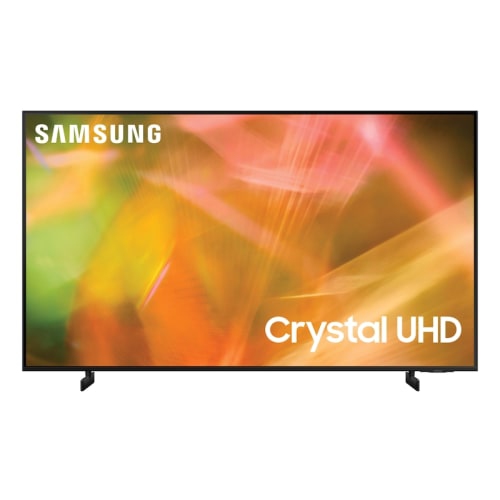 Your price for this item is $999.99
 -
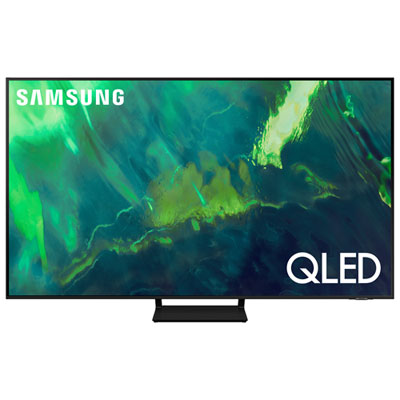 Your price for this item is $1199.97
 -
 Your price for this item is $1995.95
 -
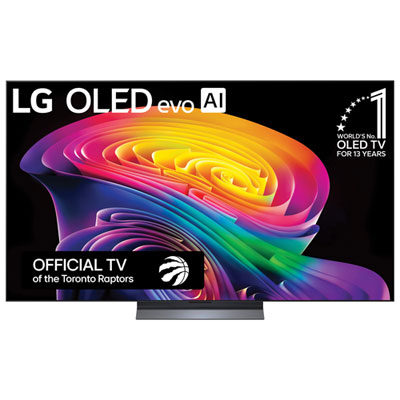 Your price for this item is $2499.99
 -
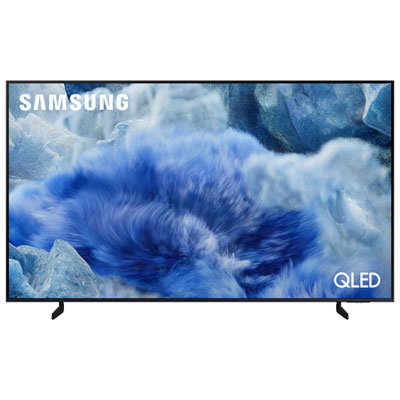 Your price for this item is $899.99
 -
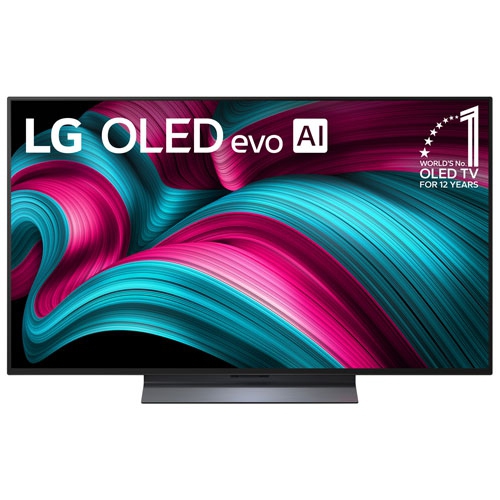 Your price for this item is $1749
 -
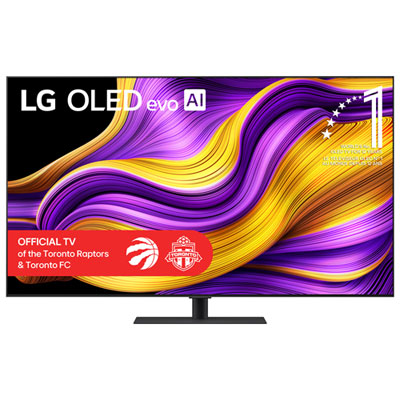 Your price for this item is $2999.99
 -
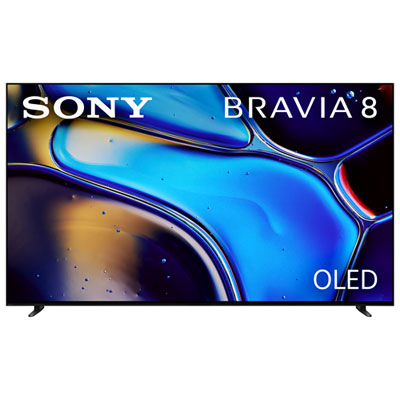 Your price for this item is $2399.99
Discover more categories related to Recommended 65 Inch Tvs for Family Viewing

Top Collections:
Pokemon Centers, Kindle Devices, Best Budget Office Chairs, Apple iPhones 16, Best Laptops for Writers, iPhone 15 Apple, Canon G7X Cameras, Refurbished Apple Laptops, Alarm Clock, Motorola Razr Phones
Some products may be subject to Environmental Handling Fees
(EHF) depending on your province.
Learn more about EHFs.