Sim Racing Setups
For those seeking the ultimate thrill of virtual racing at home, look no further than our collection of Sim Racing Setups. Immerse yourself in the high-speed world of racing with cutting-edge technology and realistic simulation experiences. Whether you're a seasoned pro or just starting out, these setups offer precision control, lifelike visuals, and an adrenaline-pumping adventure right from the comfort of your own space. Get ready to take your racing game to the next level with these top-of-the-line sim racing setups.
Sort
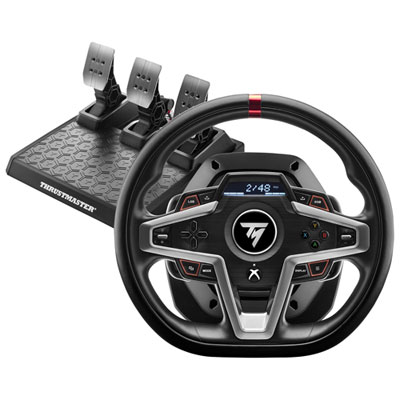
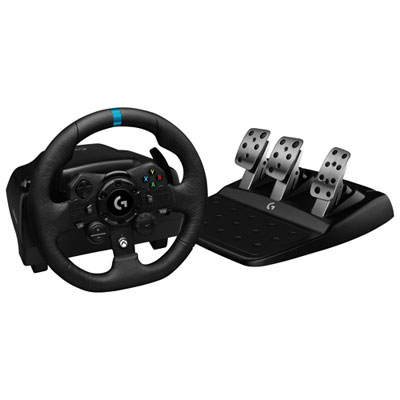
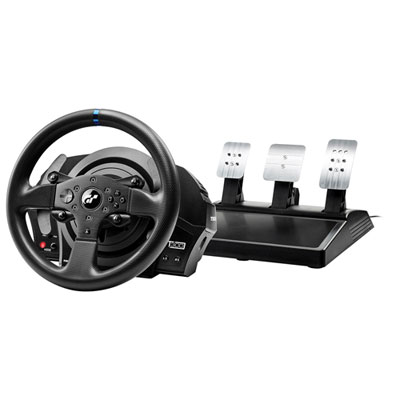
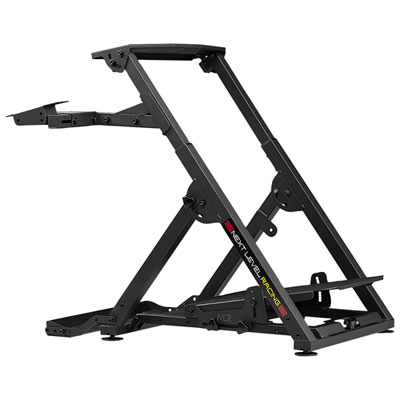
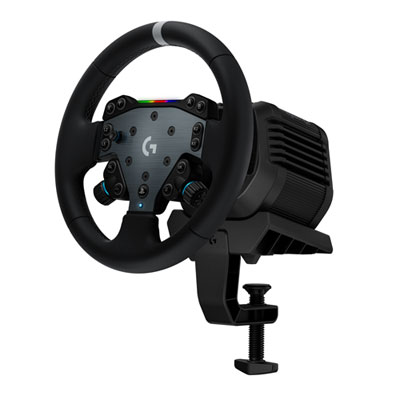
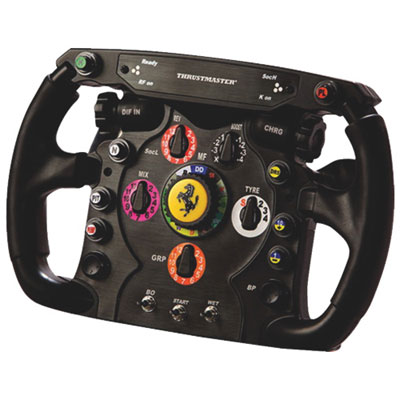

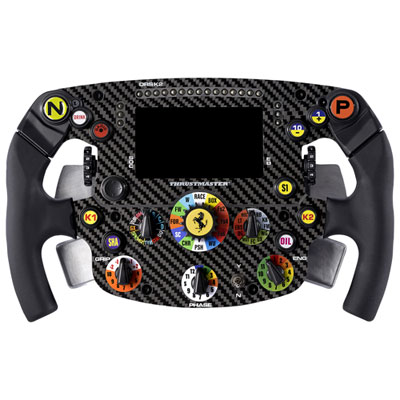
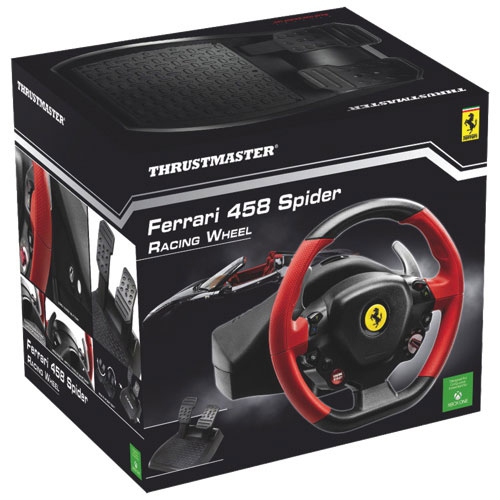
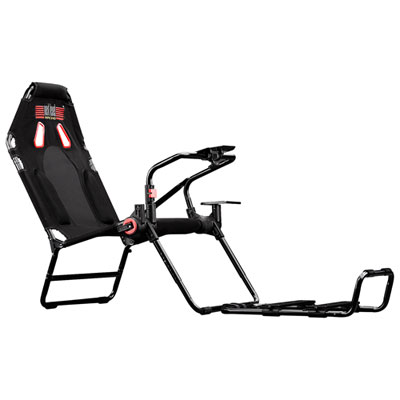
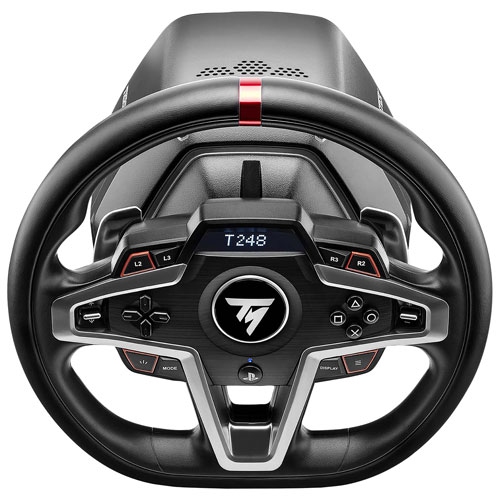
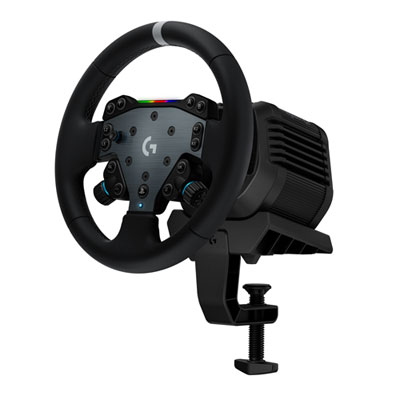
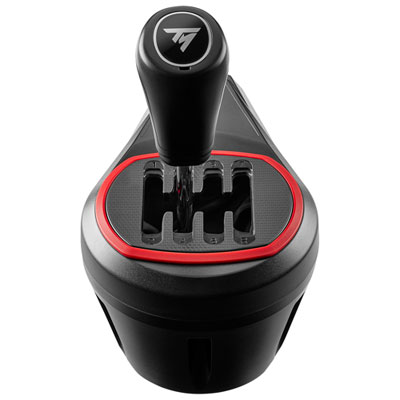
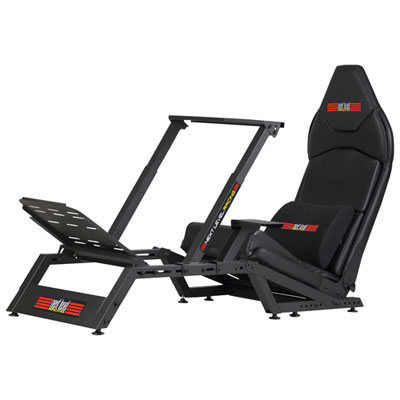
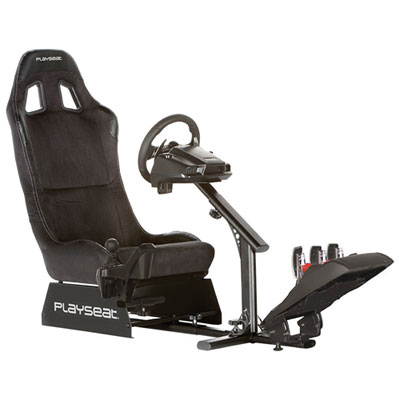
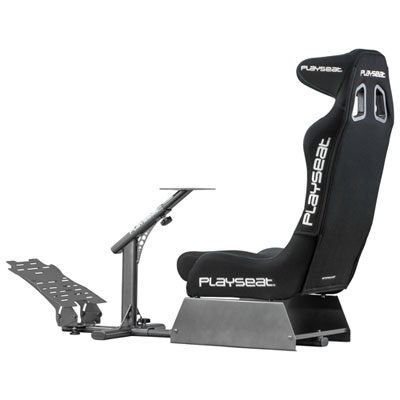
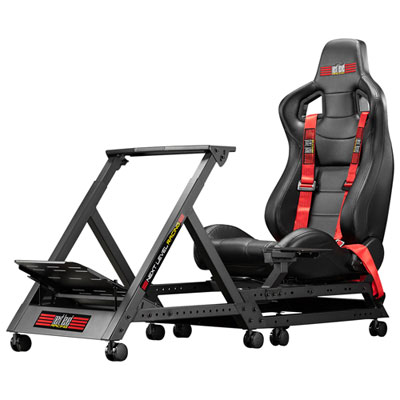
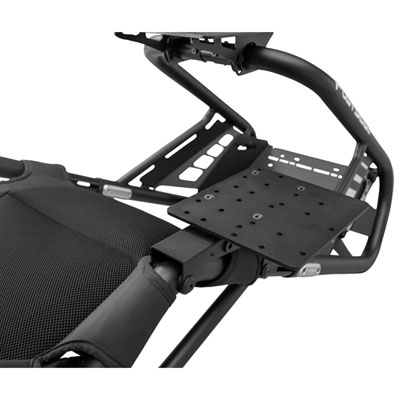
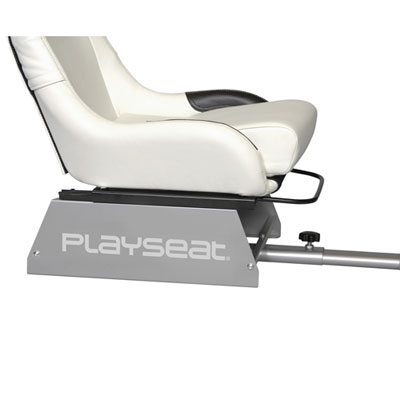
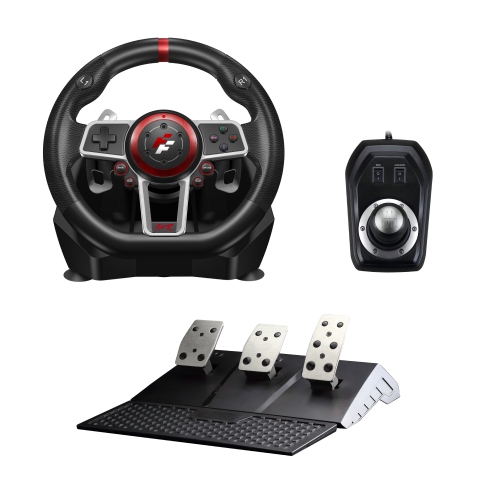
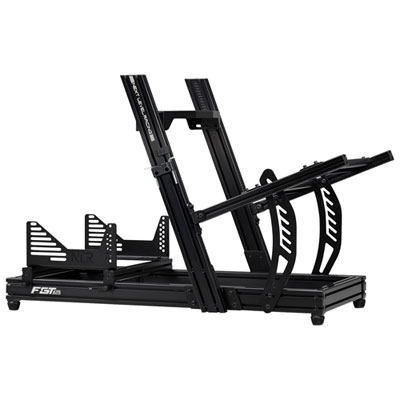
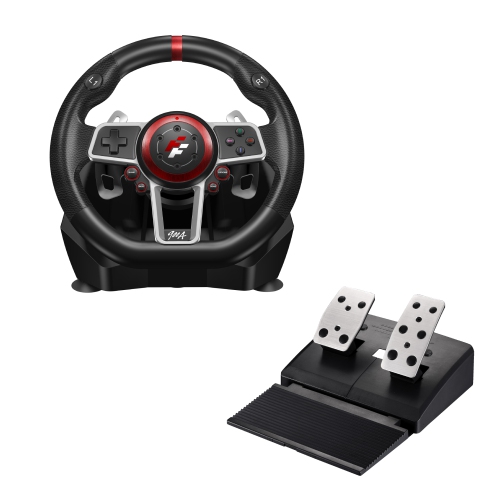
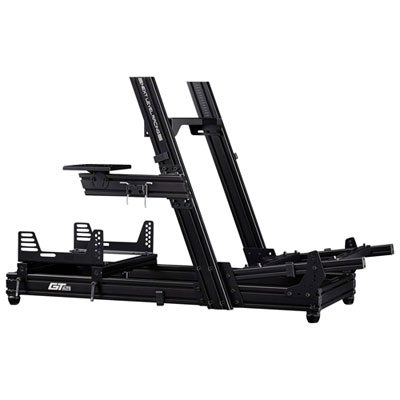
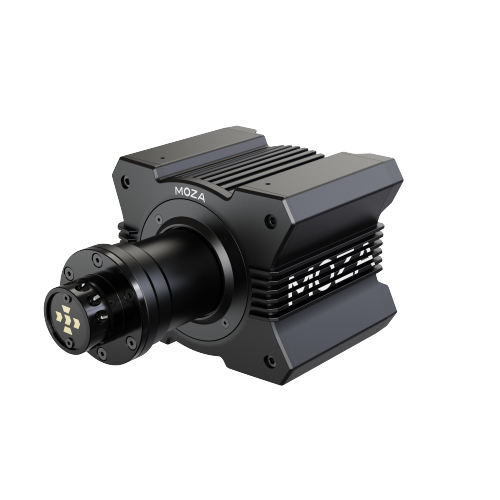
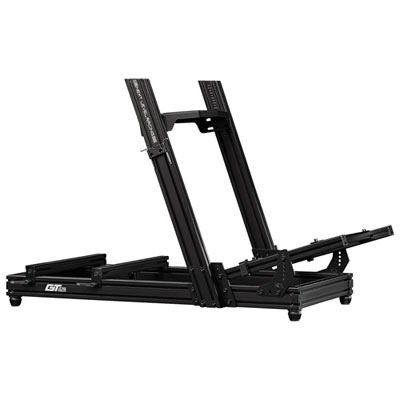
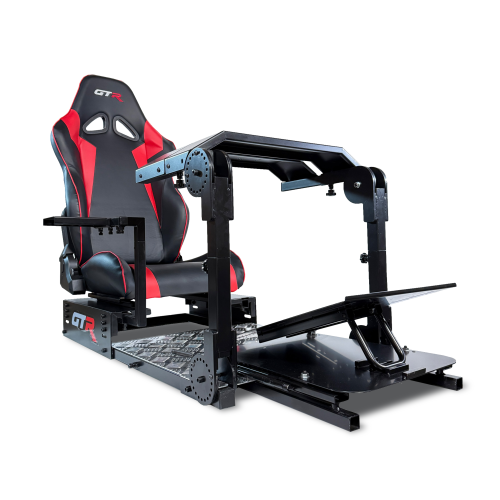
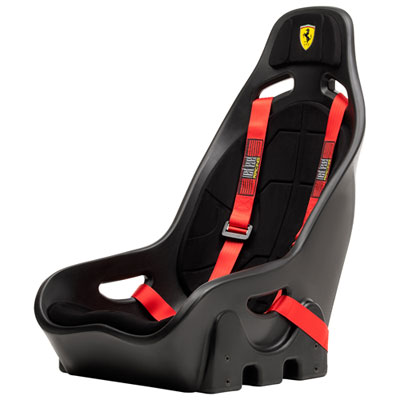
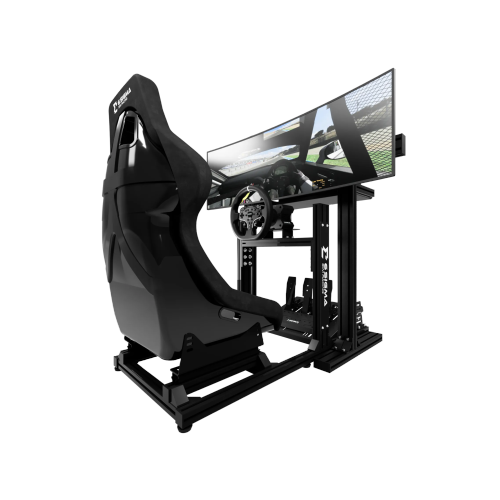
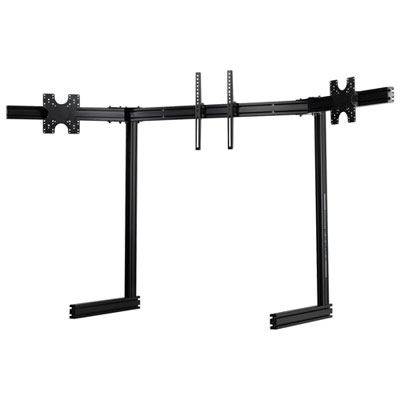
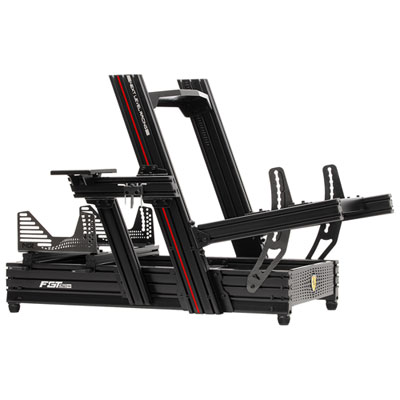
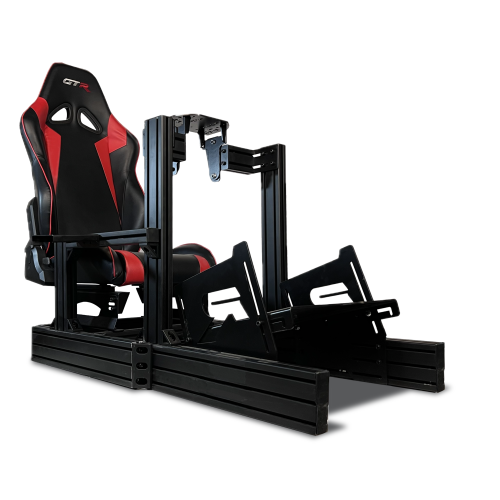
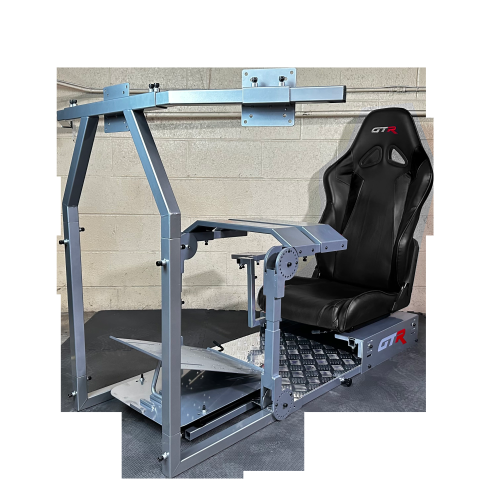
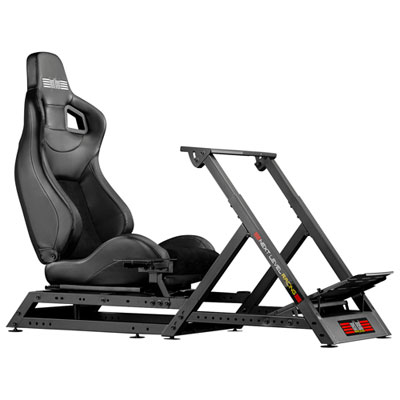
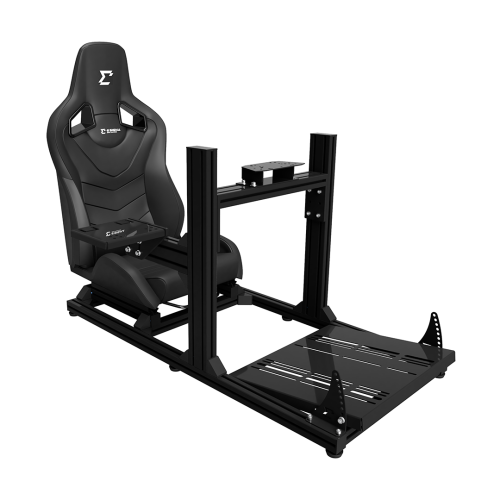
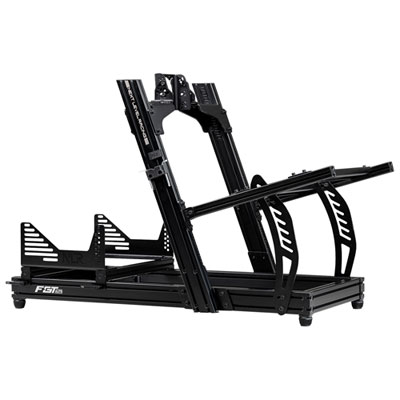
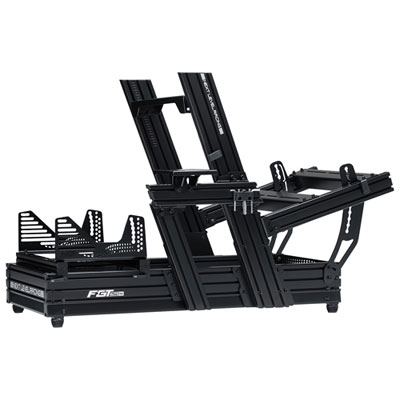
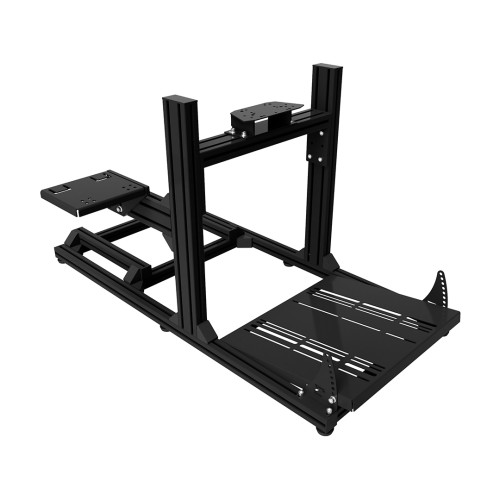
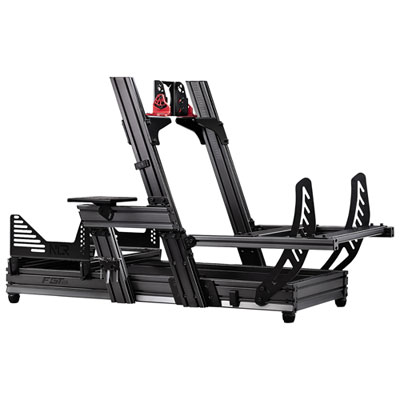
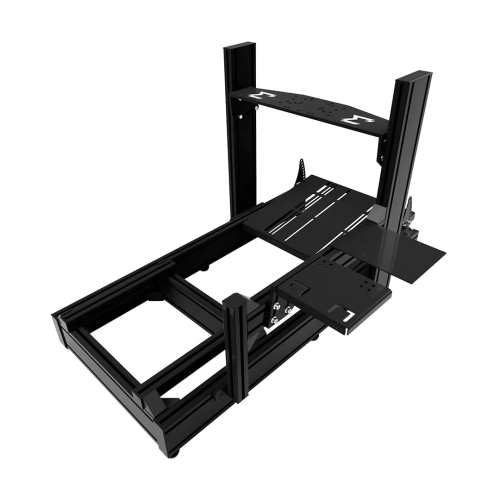
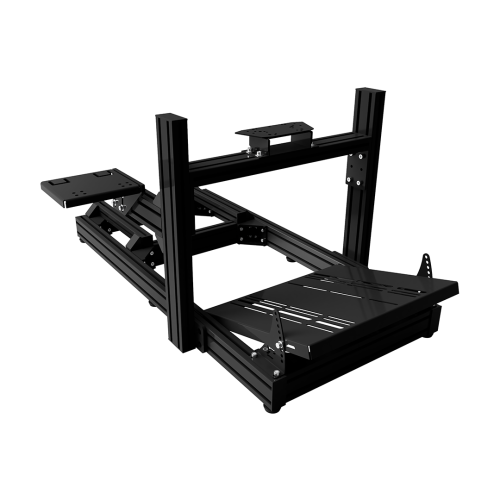

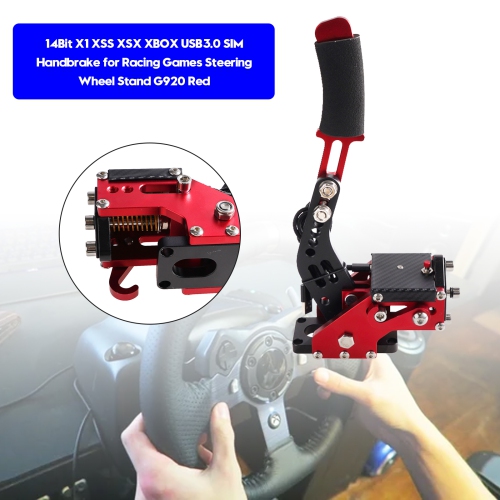
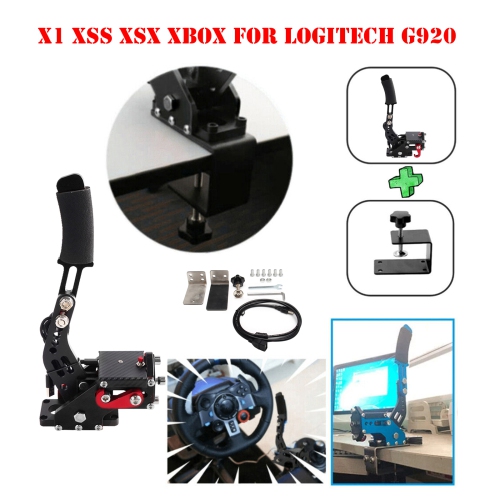
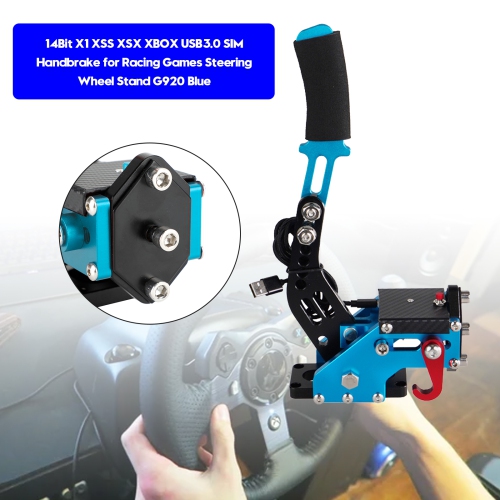
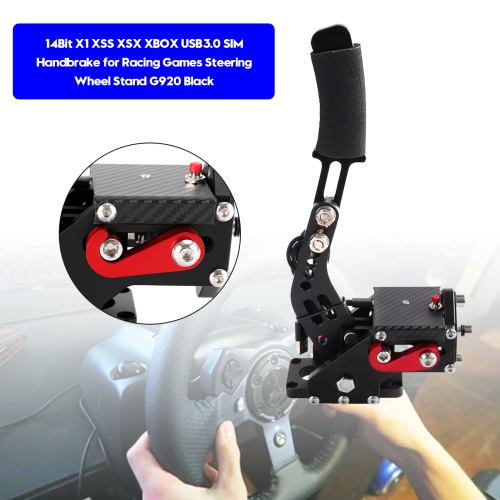

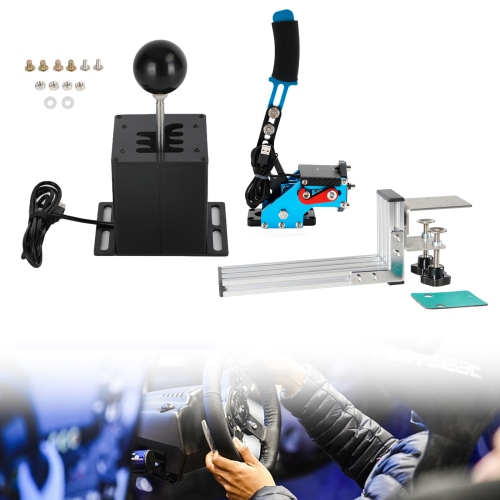
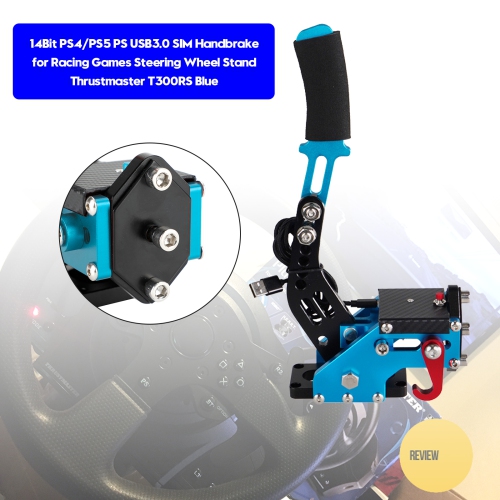
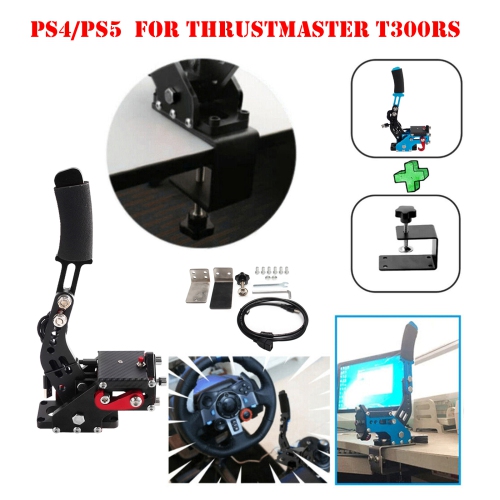
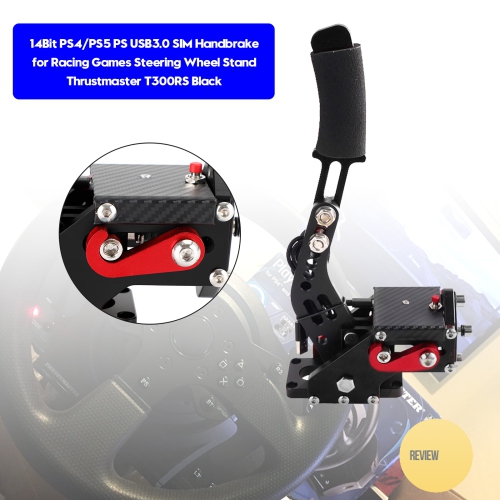
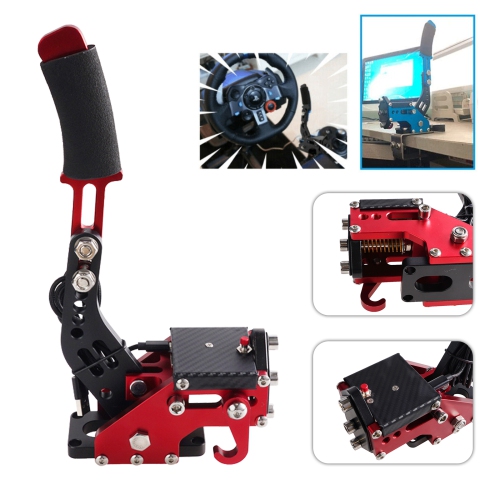
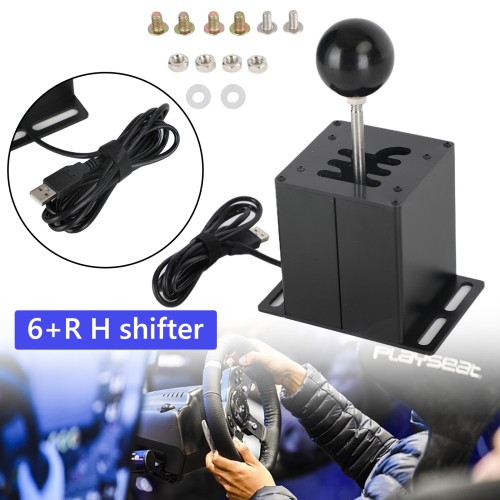
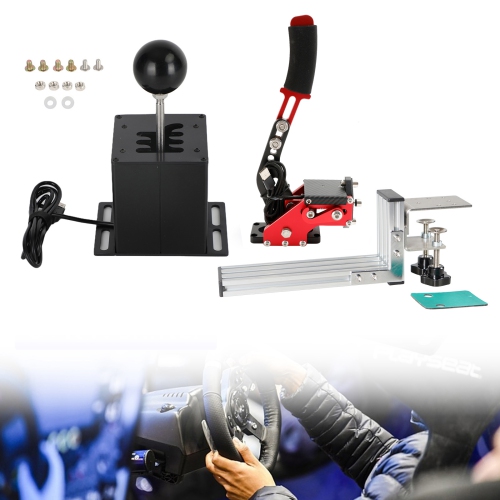
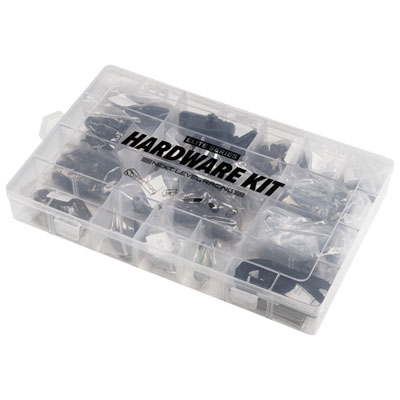
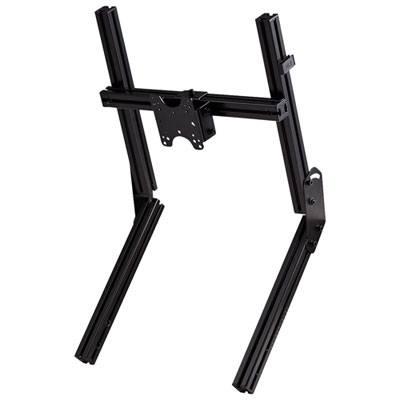
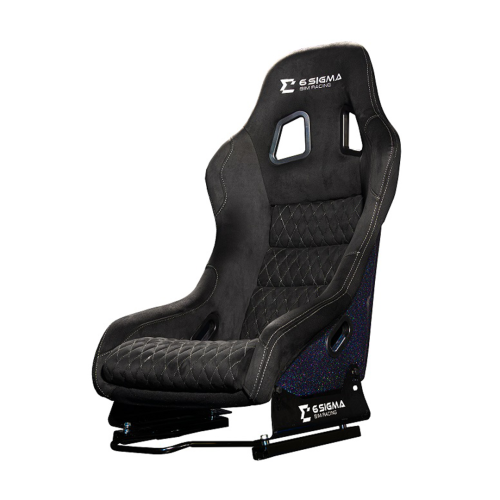
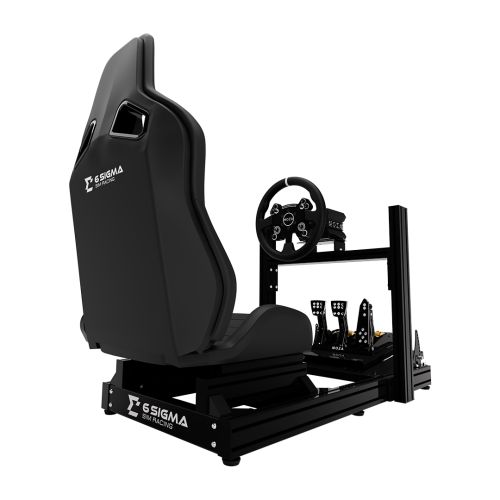
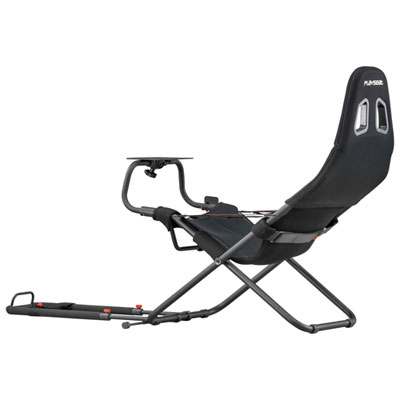
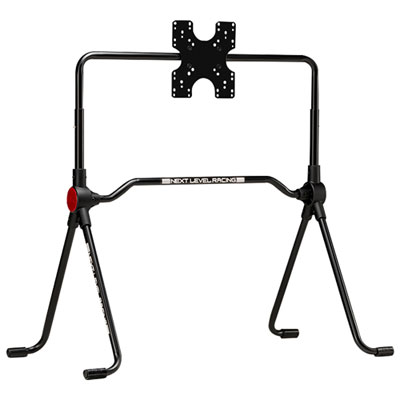
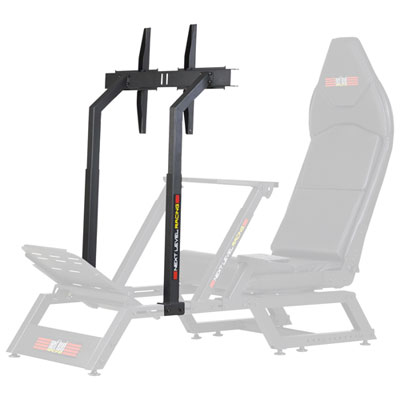
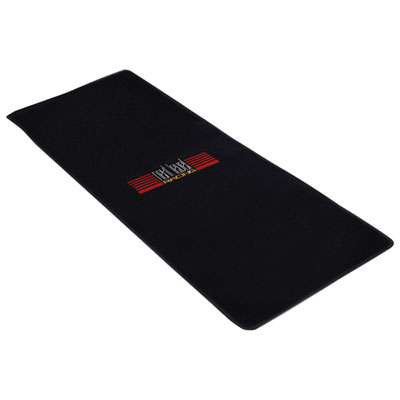
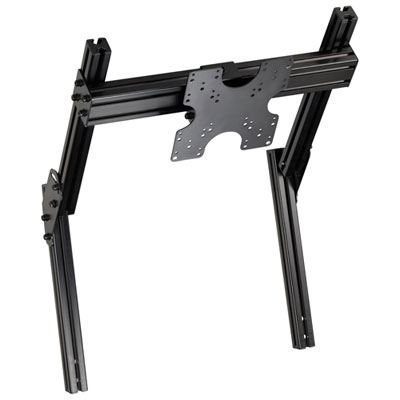
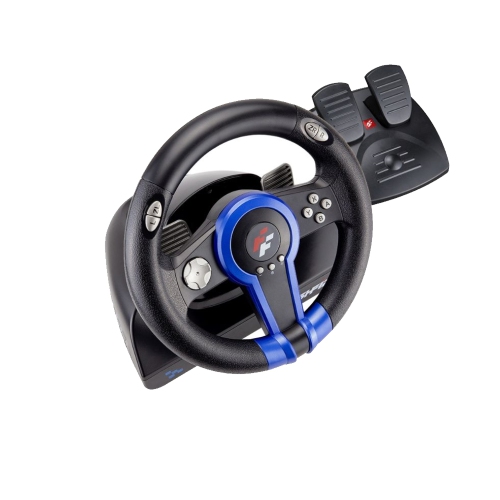
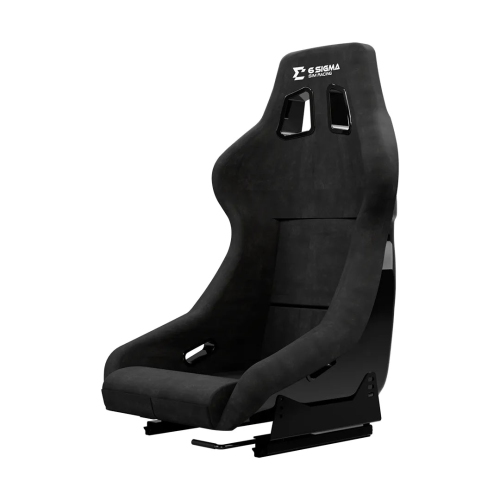
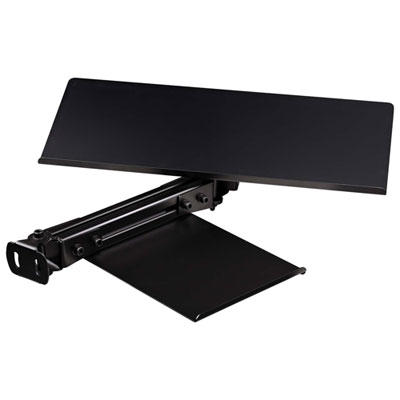
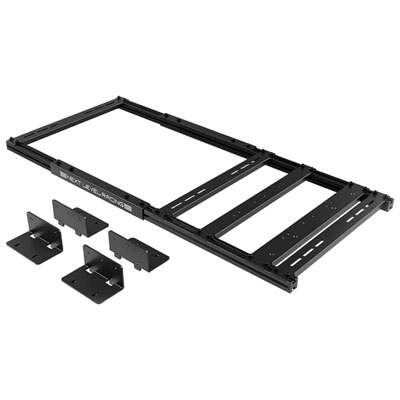
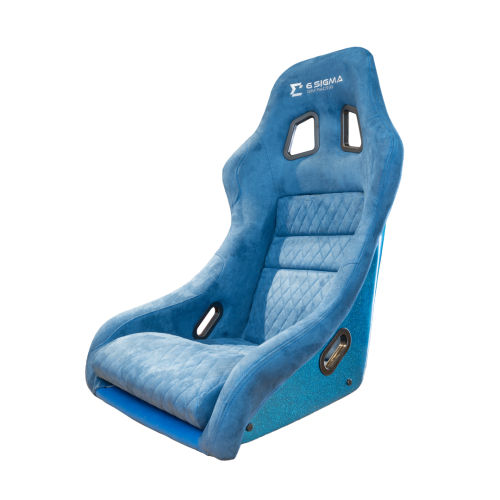
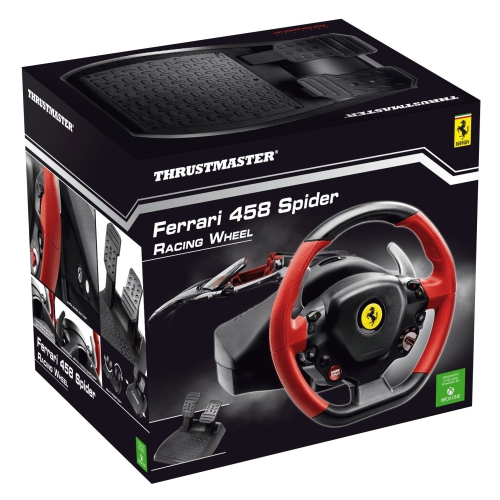
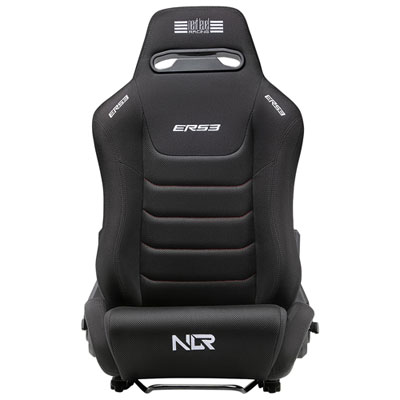
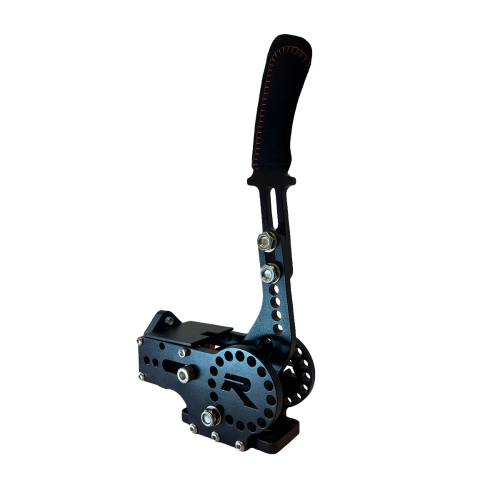
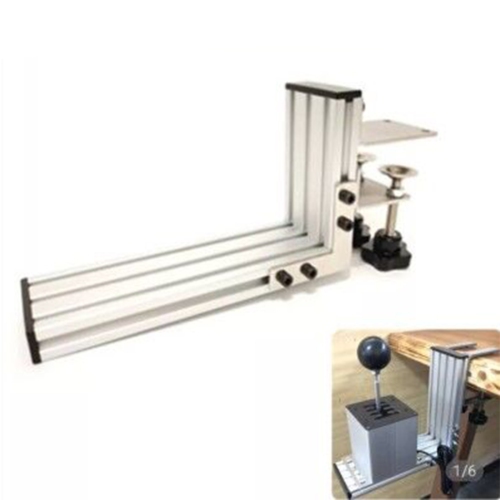
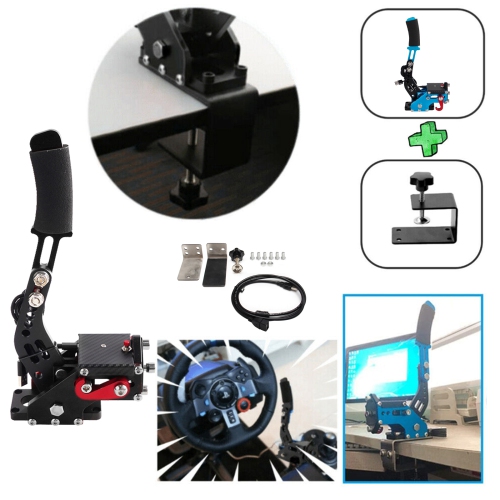

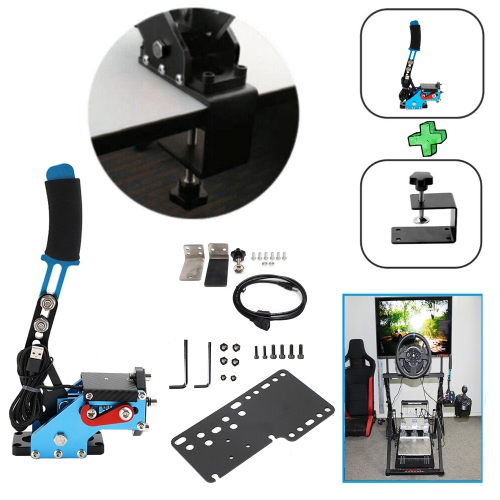
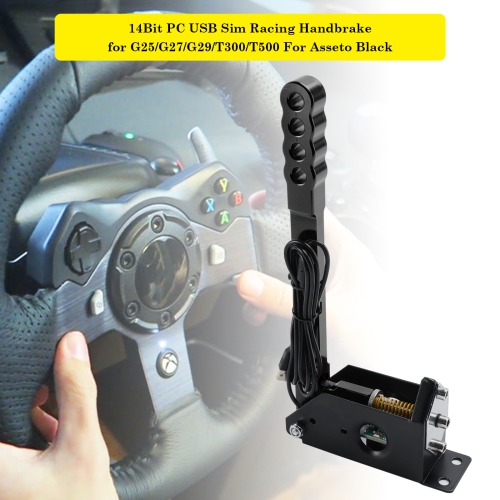
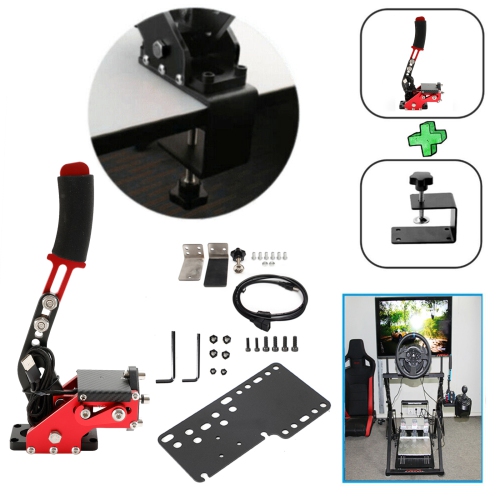
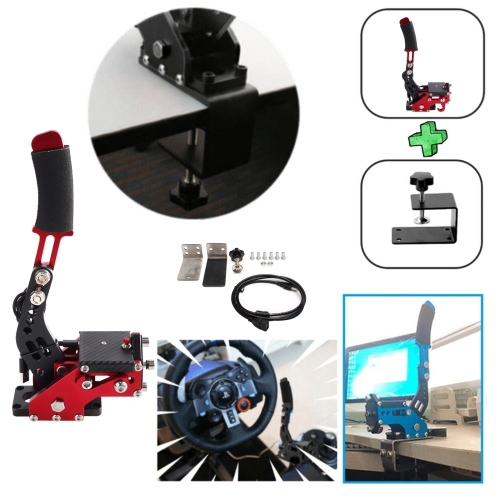
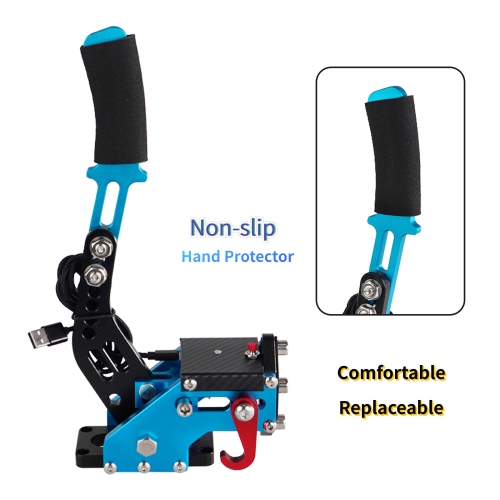
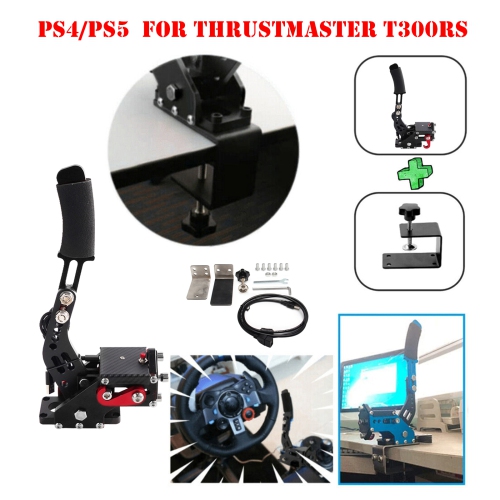
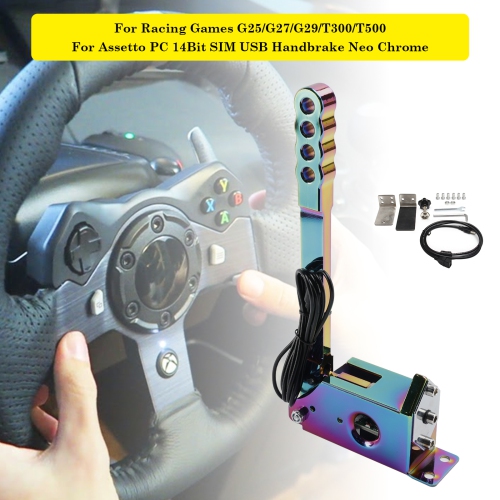
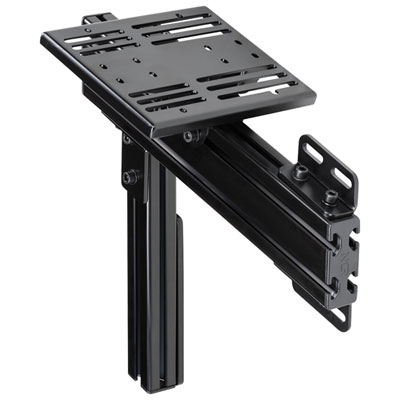
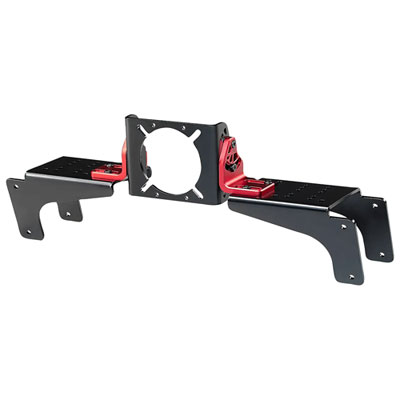
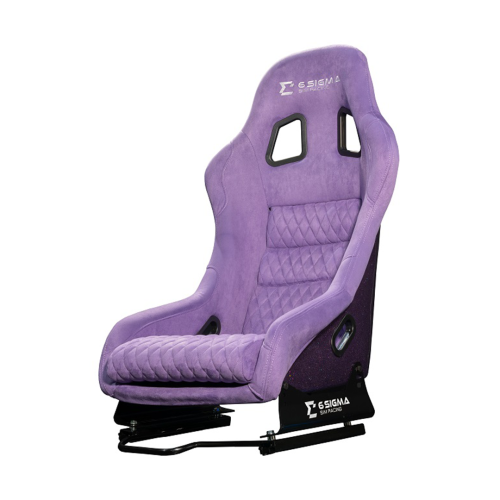
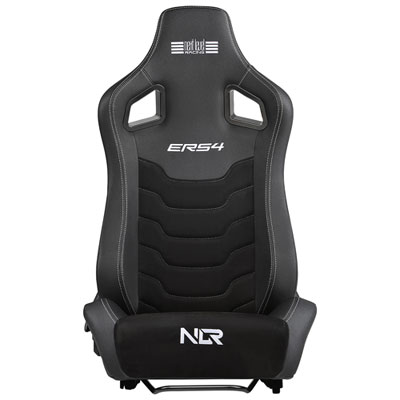
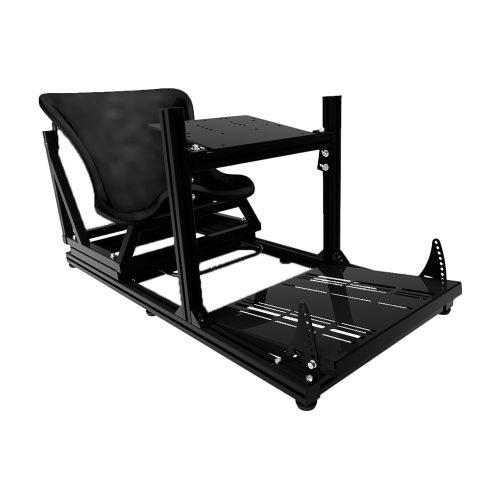
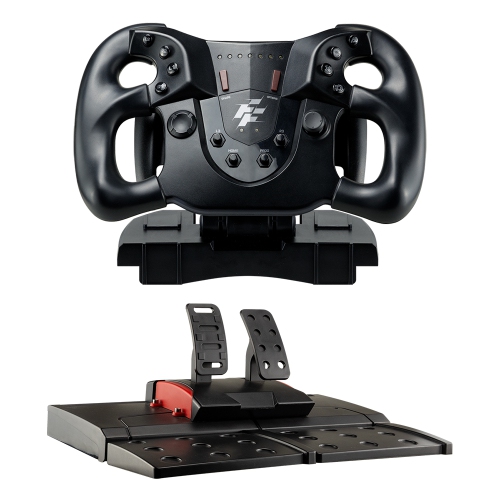
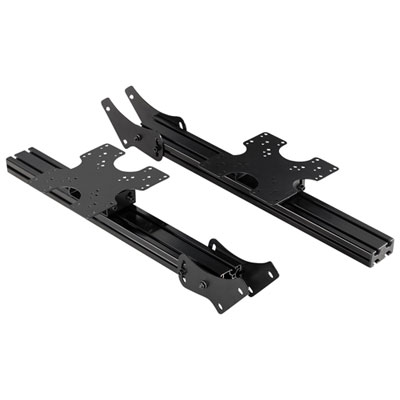
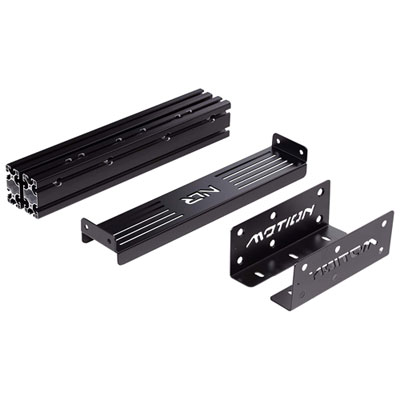
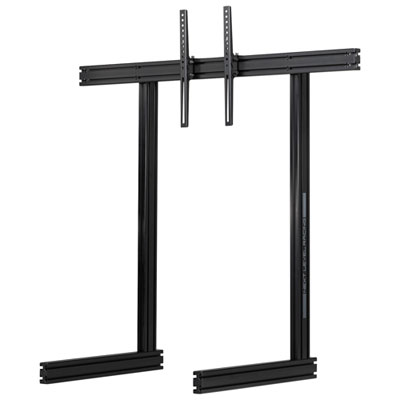
The right components shape a more immersive home driving experience
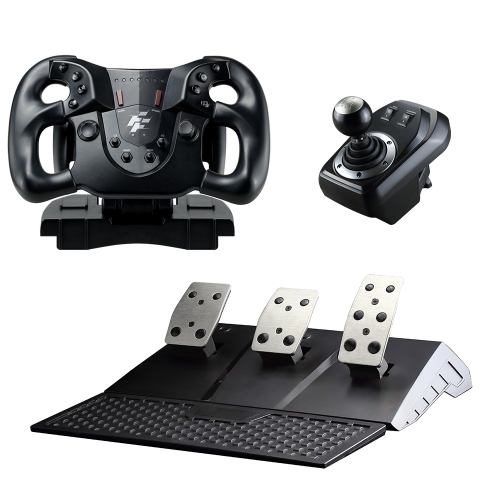
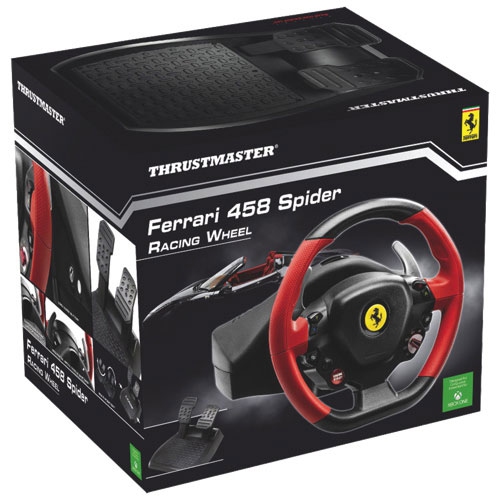
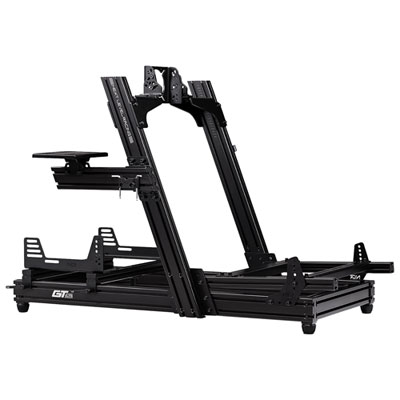
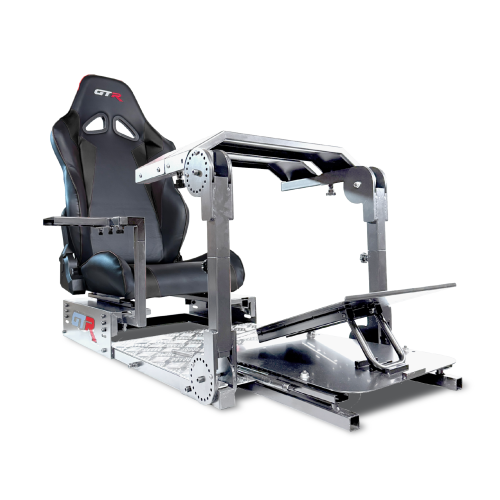
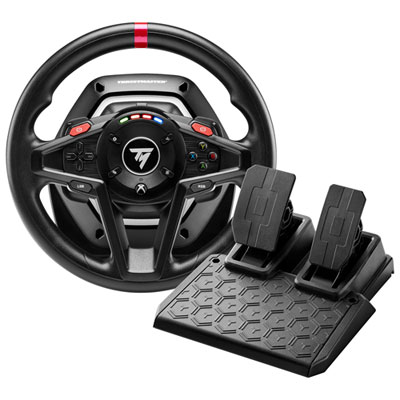
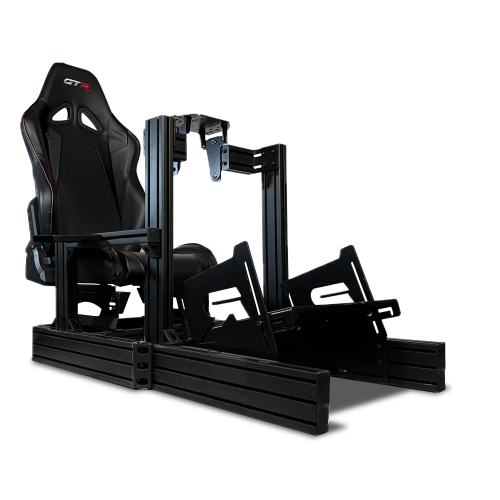
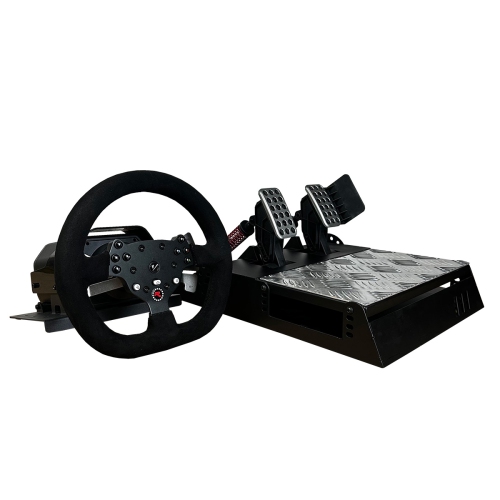
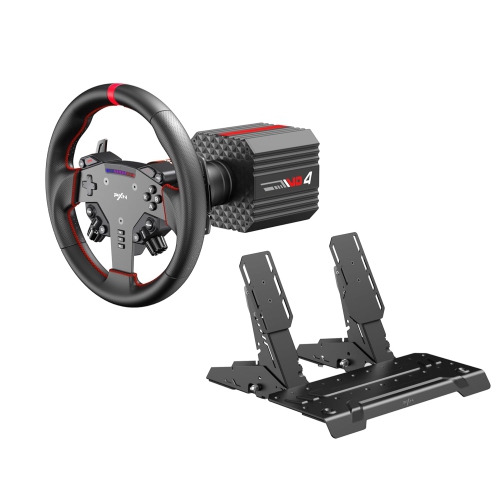
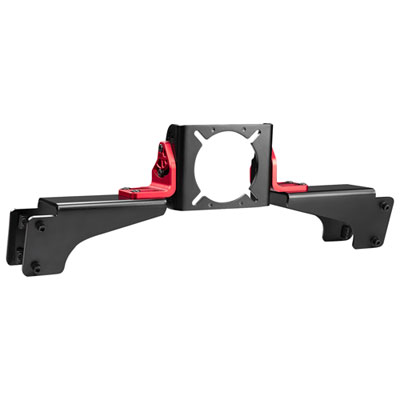
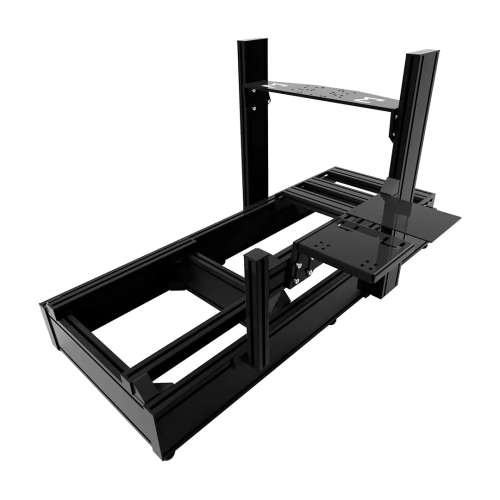
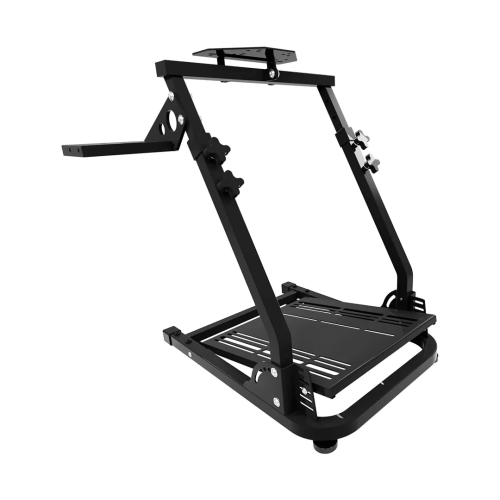
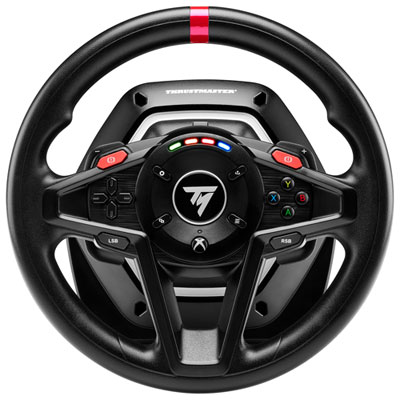
Sim racing setups bring the structure and sensation of a real driving environment into a gaming space, whether that space is a dedicated room, a home office, or a corner of the living room. A basic arrangement typically starts with a compatible gaming PC or console, a steering wheel and wheelbase, and a set of pedals. The wheelbase is the heart of the setup, translating on-screen road conditions, kerbs, traction changes, and steering resistance into force feedback that can be felt through the wheel. A suitable steering wheel provides the primary control point, while pedals allow for more precise throttle, braking, and clutch input than a conventional controller. Compatibility should be checked before choosing individual components, since connection types, mounting systems, supported platforms, and game support can vary. It is also worth considering the space available and how the equipment will be stored between sessions. A compact wheel stand can suit a shared room or occasional use, while a fixed cockpit or racing rig offers a more stable foundation for enthusiastic drivers who want a consistent seating position. Browse Racing Simulator Equipment to explore the components that can help bring a more focused, immersive driving experience to a home setup.
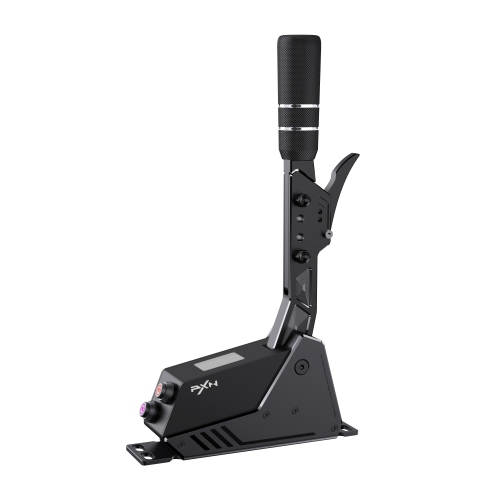
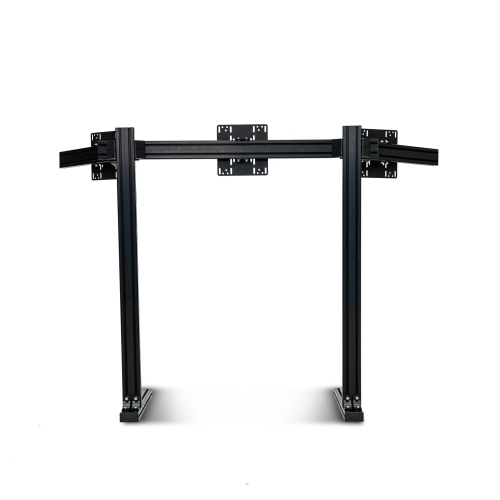
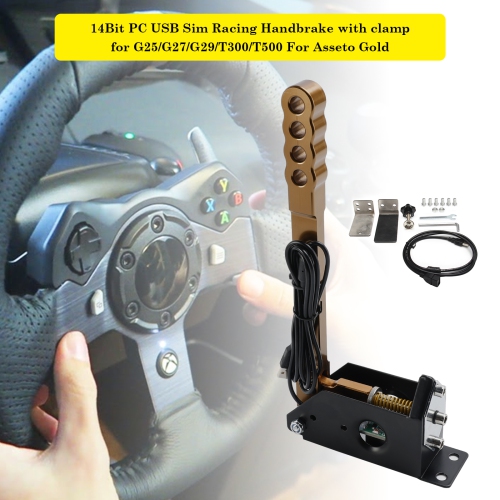
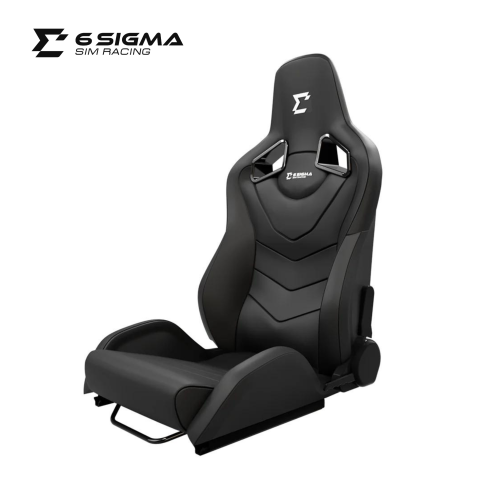
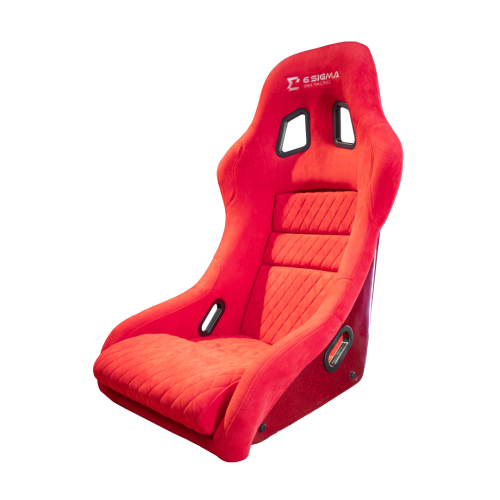
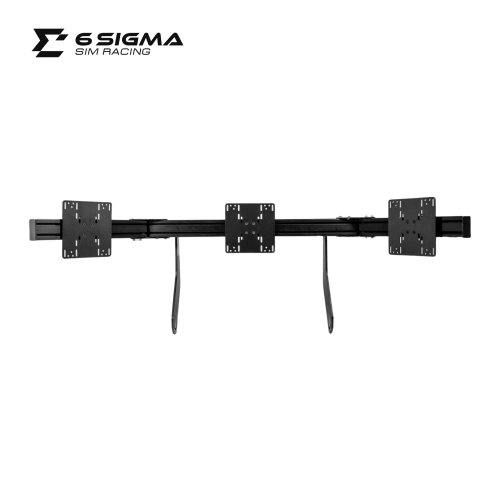
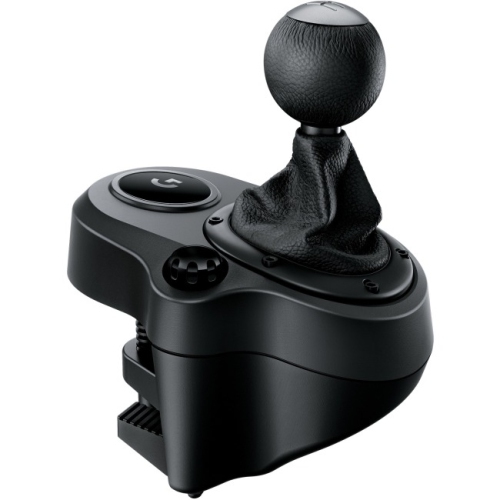
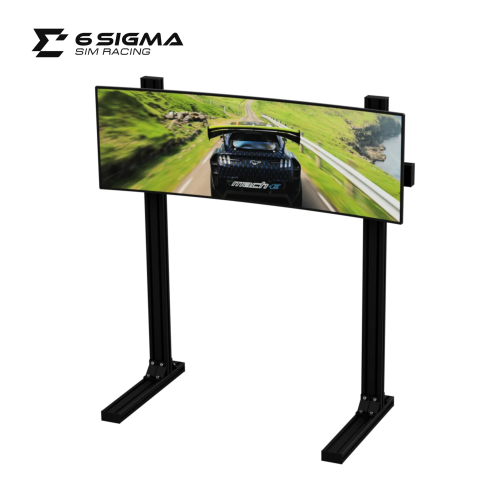
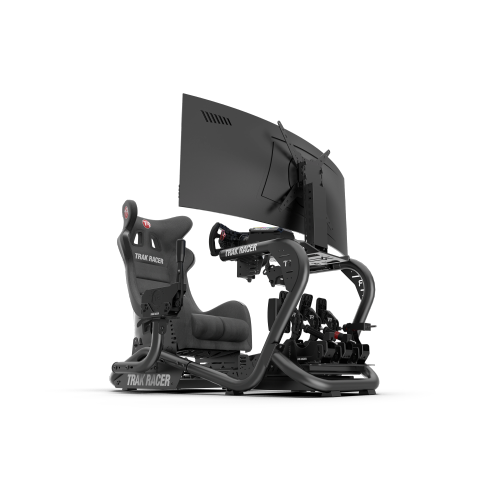
Comfort and stability become increasingly important as driving sessions grow longer. A dedicated racing seat or supportive chair helps keep the body aligned with the wheel and pedals, while a sturdy frame reduces unwanted movement when steering, braking, or using force feedback. The distance and height of the display also affect the experience. A high-resolution monitor with a fast refresh rate can make corners, braking points, and changing track conditions appear smoother and clearer, with less motion blur during quick movements. Some drivers prefer one wide display, while others build a multi-screen arrangement for a broader field of view; the right choice depends on desk or cockpit space, graphics hardware, and the level of immersion desired. Sound can add another layer of realism, but a clear visual image and dependable controls should generally take priority when building a setup from the ground up. Once the essential controls are in place, accessories such as a gear shifter, handbrake, button box, or tactile feedback device can make the arrangement feel more like a cockpit and provide quick access to functions that might otherwise require a keyboard or controller. These additions can be especially useful for drivers who enjoy a variety of racing disciplines, from circuit racing and rally stages to drifting and classic touring cars.
The best sim racing setup is one that suits the driver, the available space, and the games being played, rather than one built around the largest number of components. Beginners may prefer to start with a wheel, force-feedback wheelbase, and pedals, then add a stand, seat, upgraded display, or specialty controls as their interest develops. More experienced drivers may place greater importance on adjustable pedal positioning, stronger mounting points, detailed force feedback, and a seat that remains comfortable through longer practice runs. Reviewing the full connection path before buying can help prevent surprises: confirm that the wheelbase, steering wheel, pedals, shifter, handbrake, display, and platform can work together, and check whether any required adapters or mounting hardware are included. A thoughtful setup can also make a memorable gift for someone who enjoys racing games, motorsport, driving technology, or hands-on hobbies, particularly when the equipment matches their existing console or computer. During the cooler months, a home racing station can provide an engaging way to spend an afternoon or evening, with everything from a casual few laps to a carefully timed endurance session taking place from the comfort of home. Whether the goal is learning a new circuit, competing with friends, or simply enjoying the feeling of guiding a car through a fast corner, well-matched sim racing components can make each drive more responsive, comfortable, and rewarding.
Comfort and stability become increasingly important as driving sessions grow longer. A dedicated racing seat or supportive chair helps keep the body aligned with the wheel and pedals, while a sturdy frame reduces unwanted movement when steering, braking, or using force feedback. The distance and height of the display also affect the experience. A high-resolution monitor with a fast refresh rate can make corners, braking points, and changing track conditions appear smoother and clearer, with less motion blur during quick movements. Some drivers prefer one wide display, while others build a multi-screen arrangement for a broader field of view; the right choice depends on desk or cockpit space, graphics hardware, and the level of immersion desired. Sound can add another layer of realism, but a clear visual image and dependable controls should generally take priority when building a setup from the ground up. Once the essential controls are in place, accessories such as a gear shifter, handbrake, button box, or tactile feedback device can make the arrangement feel more like a cockpit and provide quick access to functions that might otherwise require a keyboard or controller. These additions can be especially useful for drivers who enjoy a variety of racing disciplines, from circuit racing and rally stages to drifting and classic touring cars.
The best sim racing setup is one that suits the driver, the available space, and the games being played, rather than one built around the largest number of components. Beginners may prefer to start with a wheel, force-feedback wheelbase, and pedals, then add a stand, seat, upgraded display, or specialty controls as their interest develops. More experienced drivers may place greater importance on adjustable pedal positioning, stronger mounting points, detailed force feedback, and a seat that remains comfortable through longer practice runs. Reviewing the full connection path before buying can help prevent surprises: confirm that the wheelbase, steering wheel, pedals, shifter, handbrake, display, and platform can work together, and check whether any required adapters or mounting hardware are included. A thoughtful setup can also make a memorable gift for someone who enjoys racing games, motorsport, driving technology, or hands-on hobbies, particularly when the equipment matches their existing console or computer. During the cooler months, a home racing station can provide an engaging way to spend an afternoon or evening, with everything from a casual few laps to a carefully timed endurance session taking place from the comfort of home. Whether the goal is learning a new circuit, competing with friends, or simply enjoying the feeling of guiding a car through a fast corner, well-matched sim racing components can make each drive more responsive, comfortable, and rewarding.
Top selling and popular products
-
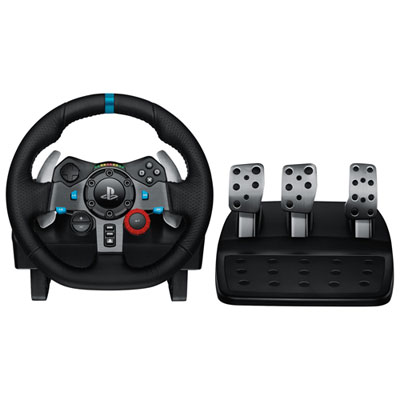 Your price for this item is $399.99
 -
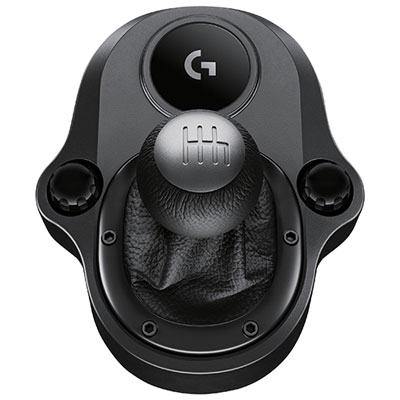 Your price for this item is $89.99
 -
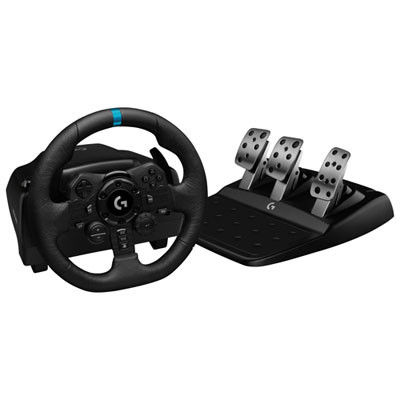 Your price for this item is $479.99
 -
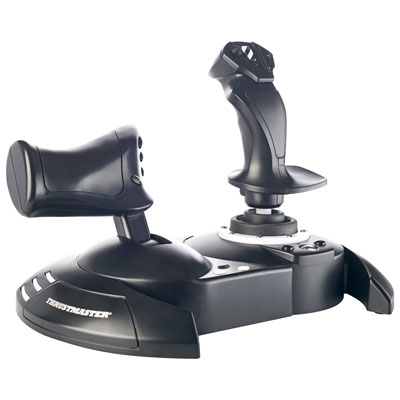 Your price for this item is $129.99
 -
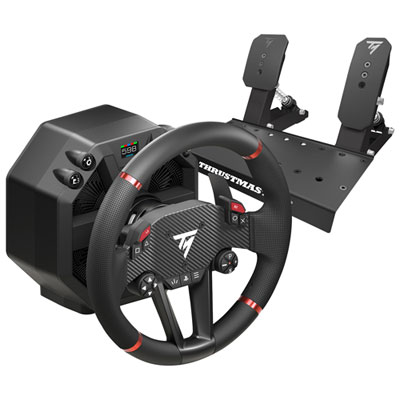 Your price for this item is $699.99
 -
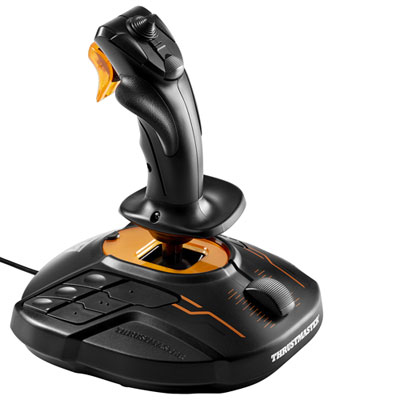 Your price for this item is $109.99
 -
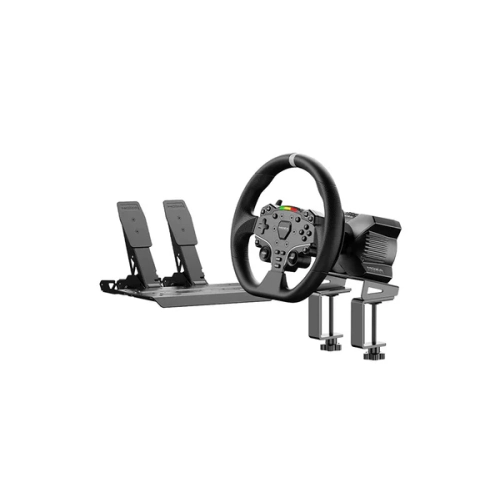 Your price for this item is $367.69
 -
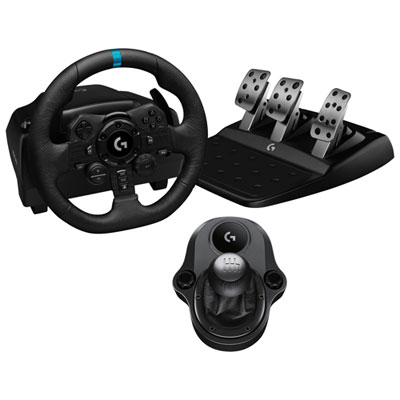 Your price for this item is $479.99
Discover more categories related to Sim Racing Setups
Top Collections:
Pokemon Centers, Kindle Devices, Best Budget Office Chairs, Apple iPhones 16, Best Laptops for Writers, iPhone 15 Apple, Canon G7X Cameras, Refurbished Apple Laptops, Alarm Clock, Motorola Razr Phones
Some products may be subject to Environmental Handling Fees
(EHF) depending on your province.
Learn more about EHFs.