Xbox Series X Online Co Op Games
Discover a world of excitement with Xbox Series X online co op games, designed to bring friends and family together for unforgettable gaming sessions. Whether you’re teaming up for epic adventures or strategizing to overcome challenging missions, these games offer endless opportunities for collaboration and fun. Explore a variety of genres and gameplay styles that make every multiplayer experience unique on your Xbox Series X. Find the perfect titles to enhance your collection and enjoy seamless online co-op action from the comfort of your home.
Sort
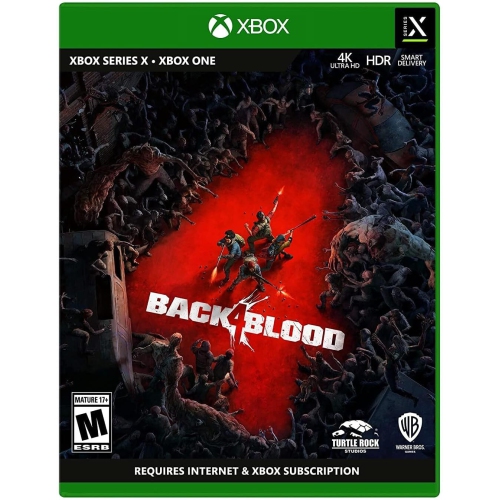
![NINTENDO Back 4 Blood [Xbox One & Xbox Series X] Love this game](https://multimedia.bbycastatic.ca/multimedia/products/500x500/193/19382/19382665.jpeg)
![UBISOFT Tom Clancy's Rainbow Six Extraction Standard Edition for Xbox One And Xbox Series X [Videogames] Tried it love it!](https://multimedia.bbycastatic.ca/multimedia/products/500x500/165/16558/16558257.jpeg)
![UBISOFT Tom Clancy's Rainbow Six Extraction [Xbox Series X / Xbox One] Love this game](https://multimedia.bbycastatic.ca/multimedia/products/500x500/193/19382/19382917.jpeg)
![SABER INTERACTIVE Evil Dead: The Game [Xbox One / Xbox Series X] Great game love the graphics didnt know i would love the game i just bought it cause it was cheap](https://multimedia.bbycastatic.ca/multimedia/products/500x500/193/19382/19382791.jpeg)
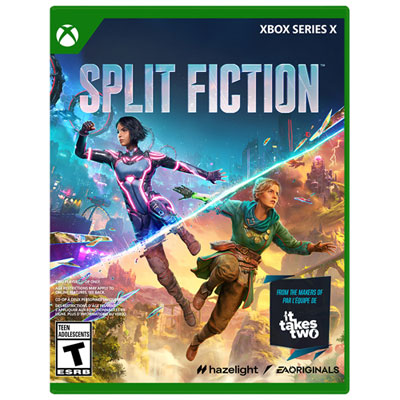
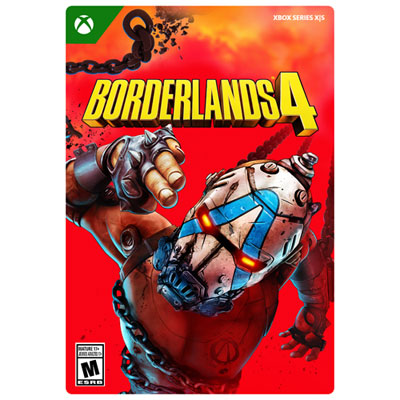
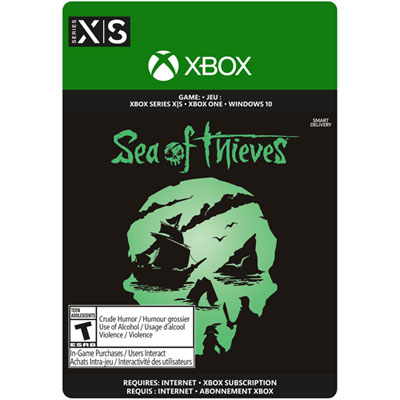


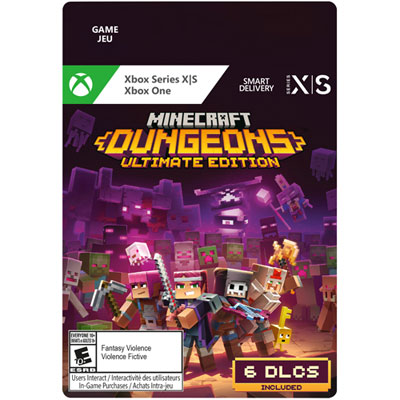
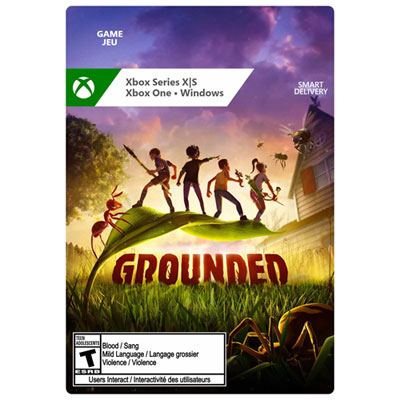
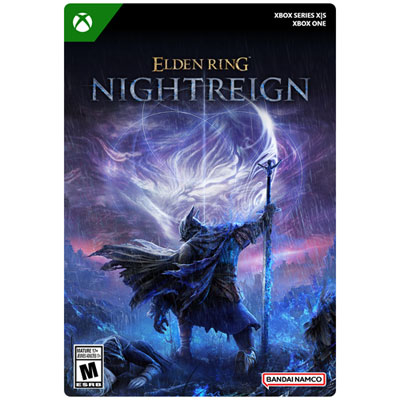

![SEGA Sonic Superstars [Xbox One / Xbox Series X]](https://multimedia.bbycastatic.ca/multimedia/products/500x500/198/19889/19889569.jpeg)
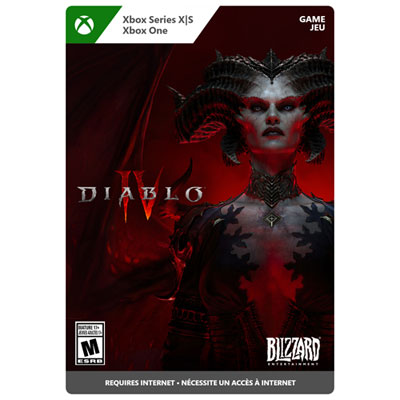
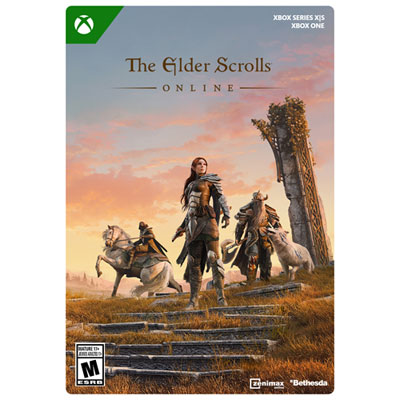
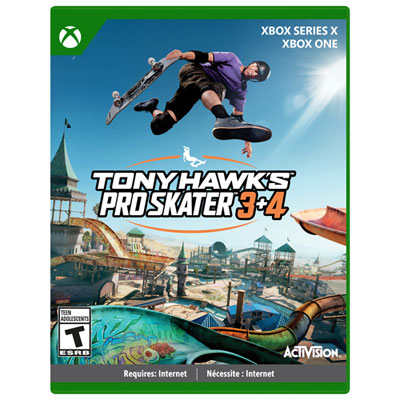
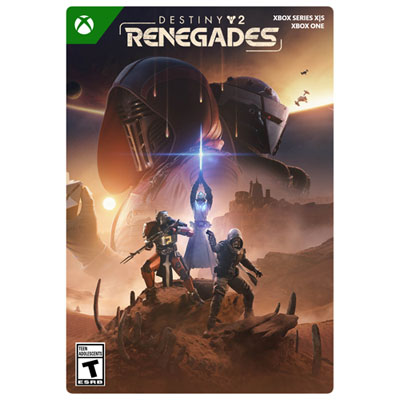
What makes a co-op game work for your group
Online co-op games for Xbox Series X centre on shared objectives, giving players a way to complete missions, solve puzzles, build settlements, or explore unfamiliar worlds together from separate consoles. Unlike competitive multiplayer, where opponents try to outscore or eliminate one another, cooperative play puts teammates on the same side. The appeal often comes from the small exchanges that make a session memorable: a perfectly timed rescue, a shortcut spotted by a friend, or a plan that finally works after several attempts. Different genres give that teamwork a different rhythm. Cooperative action games can reward quick reactions and complementary character abilities, while role-playing adventures offer longer stories, character development, and equipment choices that let each player contribute differently. Survival and crafting games often leave more room for setting shared goals, such as gathering supplies or finishing a base before heading out on another expedition. Puzzle and platform adventures tend to make communication part of the challenge, with one player operating a mechanism while another crosses an obstacle. Party-style games favour short rounds and clearly defined tasks, making them a natural fit for groups that want lively sessions without committing to a lengthy campaign. The best fit depends less on spectacle than on what the group enjoys doing together. Two friends who like talking through a problem may prefer a tightly designed two-player adventure; a larger group may want flexible roles and missions that fit into an evening. Player count deserves particular attention because online multiplayer does not automatically mean cooperative play, and a game’s maximum lobby size may differ from the number supported in its campaign. Some games offer a full shared story, while others reserve cooperation for separate missions or side modes. Descriptions that specify online co-op, supported team size, and the modes playable together give a clearer picture of the experience than a multiplayer label alone. For a wider view across the console family, Xbox Co Op Games brings the broader cooperative theme into focus.
The practical details of online co-op matter just as much as the genre, especially when friends have different hardware or schedules. Local co-op, split-screen play, and online co-op are separate features: support for sharing one screen does not guarantee that players can connect from different homes. Cross-play is another distinct feature, allowing supported games to connect players across different platforms, while cross-generation support concerns players using different console generations. Neither should be assumed from console compatibility alone. The relevant platform combinations, edition requirements, and supported modes need to match the group’s setup. Each participant will typically need access to the game, although some titles provide a specific guest-access arrangement with its own conditions. Paid online console multiplayer generally requires an eligible subscription, while free-to-play games generally do not; individual game requirements still matter. A reliable internet connection helps keep movement and timing consistent, particularly during encounters where several players must act at once. A wired connection can reduce the variability associated with Wi-Fi, though the quality of the home network and internet service also affects play. Voice chat makes it easier to call out a route or ask for help, but clear in-game markers, text chat, and non-verbal signals can be useful alternatives. For groups that meet only occasionally, session structure makes a noticeable difference. Short missions with frequent checkpoints are easier to fit around busy schedules than long sequences that require everyone to stay connected. Drop-in and drop-out support can make late arrivals less disruptive, but some story-driven games require a fixed pair or a particular host. Progression rules also vary: one game may save campaign progress for every participant, while another may tie story advancement to the host’s save. Separate character levels can create gaps between regular and occasional players, so level scaling, replayable missions, and adjustable difficulty can help a mixed-experience group stay involved. These distinctions shape whether a game feels welcoming for a quick catch-up or better suited to a standing commitment.
Comfort, accessibility, and the way a game is owned also influence its suitability for ongoing cooperative play. Readable menus, subtitle options, remappable controls, adjustable camera settings, and distinct visual cues can make shared adventures easier to follow, although the available settings differ by title. A friend learning to use a controller may appreciate generous checkpoints and a forgiving difficulty setting, while experienced teammates may enjoy optional challenges that demand more precise coordination. Games with complementary roles can give players different ways to contribute, but those roles are most satisfying when everyone has something meaningful to do rather than one person carrying the session. For households choosing games for younger players, age ratings and content descriptors provide a useful starting point alongside information about public matchmaking, communication features, and parental controls. Private sessions can keep the group limited to invited friends where that option is supported. Cooperative games can also make thoughtful gifts for siblings, partners, or friends who already enjoy spending time online together, provided the recipient’s console, preferred genres, and usual playing group are considered. Physical and digital formats bring different practical requirements. A disc-based game needs a compatible console with a disc drive, and the disc may need to remain inserted during play even after installation. Keeping discs in their cases and handling them by the edges helps protect the playing surface; a soft, lint-free cloth used gently from the centre outward can remove fingerprints. Digital games are associated with account access and applicable licence terms, so account compatibility matters when choosing a gift. Both formats can require substantial downloads, updates, and storage space, and an online game’s long-term playability may depend on continued server support. Downloadable additions can also have their own access requirements, particularly when a group wants to enter the same extra missions. For regular play, a comfortable controller and a well-fitting headset can support longer sessions, but the essential match is between the game and the people playing it. Shared goals, manageable session lengths, clear communication, and compatible access help turn a cooperative game into something friends can return to together.
The practical details of online co-op matter just as much as the genre, especially when friends have different hardware or schedules. Local co-op, split-screen play, and online co-op are separate features: support for sharing one screen does not guarantee that players can connect from different homes. Cross-play is another distinct feature, allowing supported games to connect players across different platforms, while cross-generation support concerns players using different console generations. Neither should be assumed from console compatibility alone. The relevant platform combinations, edition requirements, and supported modes need to match the group’s setup. Each participant will typically need access to the game, although some titles provide a specific guest-access arrangement with its own conditions. Paid online console multiplayer generally requires an eligible subscription, while free-to-play games generally do not; individual game requirements still matter. A reliable internet connection helps keep movement and timing consistent, particularly during encounters where several players must act at once. A wired connection can reduce the variability associated with Wi-Fi, though the quality of the home network and internet service also affects play. Voice chat makes it easier to call out a route or ask for help, but clear in-game markers, text chat, and non-verbal signals can be useful alternatives. For groups that meet only occasionally, session structure makes a noticeable difference. Short missions with frequent checkpoints are easier to fit around busy schedules than long sequences that require everyone to stay connected. Drop-in and drop-out support can make late arrivals less disruptive, but some story-driven games require a fixed pair or a particular host. Progression rules also vary: one game may save campaign progress for every participant, while another may tie story advancement to the host’s save. Separate character levels can create gaps between regular and occasional players, so level scaling, replayable missions, and adjustable difficulty can help a mixed-experience group stay involved. These distinctions shape whether a game feels welcoming for a quick catch-up or better suited to a standing commitment.
Comfort, accessibility, and the way a game is owned also influence its suitability for ongoing cooperative play. Readable menus, subtitle options, remappable controls, adjustable camera settings, and distinct visual cues can make shared adventures easier to follow, although the available settings differ by title. A friend learning to use a controller may appreciate generous checkpoints and a forgiving difficulty setting, while experienced teammates may enjoy optional challenges that demand more precise coordination. Games with complementary roles can give players different ways to contribute, but those roles are most satisfying when everyone has something meaningful to do rather than one person carrying the session. For households choosing games for younger players, age ratings and content descriptors provide a useful starting point alongside information about public matchmaking, communication features, and parental controls. Private sessions can keep the group limited to invited friends where that option is supported. Cooperative games can also make thoughtful gifts for siblings, partners, or friends who already enjoy spending time online together, provided the recipient’s console, preferred genres, and usual playing group are considered. Physical and digital formats bring different practical requirements. A disc-based game needs a compatible console with a disc drive, and the disc may need to remain inserted during play even after installation. Keeping discs in their cases and handling them by the edges helps protect the playing surface; a soft, lint-free cloth used gently from the centre outward can remove fingerprints. Digital games are associated with account access and applicable licence terms, so account compatibility matters when choosing a gift. Both formats can require substantial downloads, updates, and storage space, and an online game’s long-term playability may depend on continued server support. Downloadable additions can also have their own access requirements, particularly when a group wants to enter the same extra missions. For regular play, a comfortable controller and a well-fitting headset can support longer sessions, but the essential match is between the game and the people playing it. Shared goals, manageable session lengths, clear communication, and compatible access help turn a cooperative game into something friends can return to together.
Top selling and popular products
-
![ACTIVISION CLASSICS Call Of Duty: Ops Cold War for Xbox Series X [Videogames] In Black](https://multimedia.bbycastatic.ca/multimedia/products/500x500/176/17630/17630819.jpeg) Your price for this item is $69.99
Your price for this item is $69.99 -
![ACTIVISION CLASSICS Call Of Duty: Vanguard for Xbox Series X [Videogames]](https://multimedia.bbycastatic.ca/multimedia/products/500x500/176/17630/17630820.jpeg) Your price for this item is $59.99
Your price for this item is $59.99 -
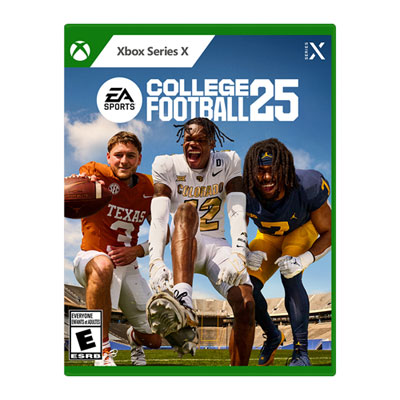 Your price for this item is $39.99
 -
![UBISOFT Immortals Fenyx Rising [Xbox One / Xbox Series X]](https://multimedia.bbycastatic.ca/multimedia/products/500x500/197/19776/19776638.jpeg) Your price for this item is $5.74
Your price for this item is $5.74 -
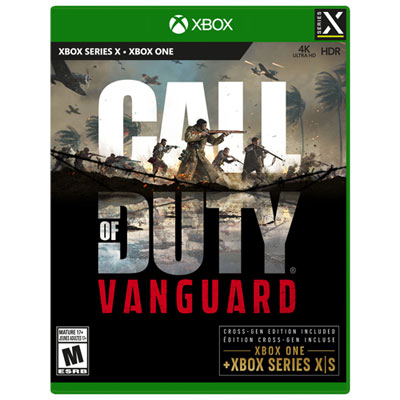 Your price for this item is $24.97
 -
 Your price for this item is $9.99
 -
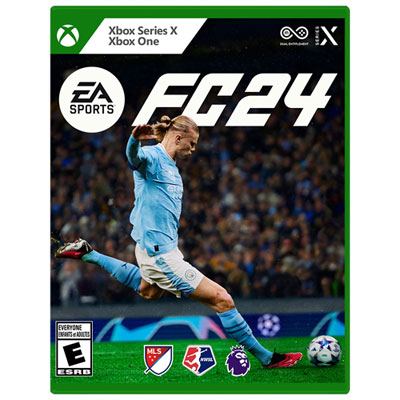 Your price for this item is $11.97
 -
![ELECTRONIC ARTS Ea Sports Fc 24 for Microsoft Xbox Series X [Videogames]](https://multimedia.bbycastatic.ca/multimedia/products/500x500/174/17457/17457990.jpeg) Your price for this item is $44.99
Your price for this item is $44.99
Discover more categories related to Xbox Series X Online Co Op Games

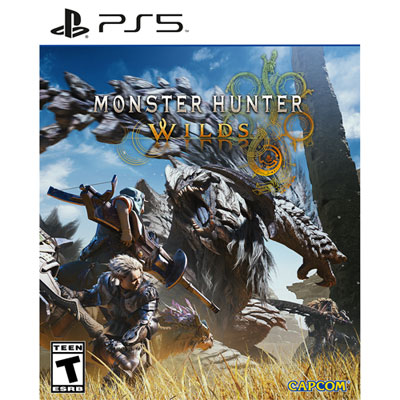
Top Collections:
Pokemon Centers, Kindle Devices, Best Budget Office Chairs, Apple iPhones 16, Best Laptops for Writers, iPhone 15 Apple, Canon G7X Cameras, Refurbished Apple Laptops, Alarm Clock, Motorola Razr Phones
Some products may be subject to Environmental Handling Fees
(EHF) depending on your province.
Learn more about EHFs.