Dance Movies
Immerse yourself in the rhythmic world of dance movies, where every beat tells a story and every move ignites passion. Perfect for movie nights or a solo escape into the dynamic realm of dance, these films captivate with their stunning choreography and compelling narratives. Whether you're a fan of ballet, hip-hop, salsa, or contemporary styles, our collection of dance movies offers something for everyone. Experience the thrill of competition, the beauty of artistic expression, and the joy of movement as you explore these cinematic gems.
Sort
![UNIVERSAL STUDIOS Honey 3: Dare to Dance - (Snap Case, Slipsleeve/digsleeve Packaging) - [DVD] I love dance movies and the music I have the
First DVD and the second](https://multimedia.bbycastatic.ca/multimedia/products/500x500/156/15691/15691084.jpeg)
![LIONSGATE Dirty Dancing [Steelbook] [Includes Digital Copy] [4K Ultra HD Blu-Ray/blu-Ray] [Only Best Buy] [1987] Dirty Dancing at its Best](https://multimedia.bbycastatic.ca/multimedia/products/500x500/161/16158/16158570.jpeg)
![UNIVERSAL STUDIOS Singin' In The Rain (4K Ultra HD + Blu-Ray) [Uhd] What a Great movie](https://multimedia.bbycastatic.ca/multimedia/products/500x500/181/18196/18196278.jpeg)
![PARAMOUNT Flashdance [Steelbook] [Includes Digital Copy] [4K Ultra HD Blu-Ray/blu-Ray] Great movie I love the steel book yhhhhhhhhhhhhhhhhh](https://multimedia.bbycastatic.ca/multimedia/products/500x500/171/17158/17158237.jpeg)
![TOUCHSTONE HOME ENTE Step Up - (Widescreen, Subtitled, Dubbed, Dolby, Ac-3) - [DVD] Great movie the best!!!!!!!!!!!!!!!!!!!!!!!!!!!! B](https://multimedia.bbycastatic.ca/multimedia/products/500x500/165/16549/16549555.jpeg)
![UNIVERSAL STUDIOS Seven Brides for Seven Brothers [DVD] Love Love Love this movie](https://multimedia.bbycastatic.ca/multimedia/products/500x500/184/18480/18480617.jpeg)
![UNIVERSAL STUDIOS A Cinderella Story [DVD] Great](https://multimedia.bbycastatic.ca/multimedia/products/500x500/182/18208/18208591.jpeg)
![WARNERBROTHERS Take The Lead - [DVD] Great price and super fast FREE shipping](https://multimedia.bbycastatic.ca/multimedia/products/500x500/192/19221/19221575.jpeg)
![LIONS GATE Step Up Revolution Dance Workout - (Dubbed, Widescreen, Dolby, Ac-3) - [DVD] love this movie](https://multimedia.bbycastatic.ca/multimedia/products/500x500/155/15589/15589256.jpeg)
![UNIVERSAL STUDIOS Billy Elliot [DVD] Happy we bought it and love it](https://multimedia.bbycastatic.ca/multimedia/products/500x500/181/18197/18197784.jpeg)
![UNIVERSAL STUDIOS Magic Mike's Last Dance [Blu-Ray]](https://multimedia.bbycastatic.ca/multimedia/products/500x500/182/18217/18217885.jpeg)
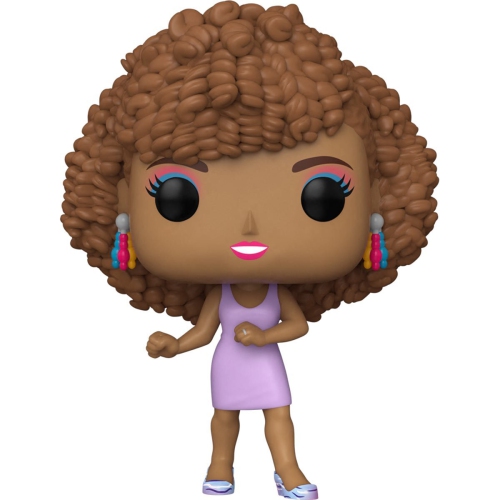
![UNIVERSAL STUDIOS Singin' In The Rain 60Th Anniversary [Blu-Ray]](https://multimedia.bbycastatic.ca/multimedia/products/500x500/191/19160/19160602.jpeg)

When choreography tells the story without a word
Dance movies are films that use choreography, music, and movement to tell stories about ambition, friendship, romance, rivalry, and belonging. Their defining moments often happen when dialogue gives way to a performance: a hesitant beginner finally finding the beat, a tightly rehearsed crew stepping onto a competition floor, or two partners learning to trust each other through a difficult lift. The genre spans ballet dramas, ballroom romances, hip-hop competitions, tap musicals, and stories built around social dancing. Some films centre on the discipline of formal training, while others explore the freedom and identity dancers find outside a studio. Ballet stories often pair the beauty of a finished performance with the demanding rehearsals behind it. Ballroom films make partnership visible through posture, timing, and the give-and-take of leading and following. Hip-hop and street-dance films can bring individual expression into sharp focus, with freestyle exchanges and synchronized routines revealing both personality and group loyalty. Tap adds another dimension by making the dancer part of the soundtrack, turning footwork into percussion. These differences give dance films a broad appeal beyond audiences who practise a particular style. A viewer drawn to sports dramas may enjoy the preparation and pressure of a dance competition, while someone who prefers romance may connect with a story in which emotional distance gradually disappears on the dance floor. Dance movies and musicals also overlap, although they are not identical: a musical may use songs to advance its plot, whereas a dance-centred film can tell its story through movement without characters singing. Across these approaches, memorable choreography does more than provide spectacle. The way a performer takes up space, holds back, or moves in step with others can reveal a turning point as clearly as a spoken confession. That combination of physical storytelling and music makes the genre well suited to both a focused first viewing and a familiar film revisited for its standout scenes.
The tone and focus of a dance movie can shape the experience as much as the dance style itself. A backstage drama may follow auditions, strained friendships, injuries, and the uncertainty of earning a place in a company. A competition story usually builds towards a public performance, giving rehearsals and setbacks a clear destination. Romantic dance films often place more weight on chemistry and personal growth, while ensemble stories allow several dancers with different strengths to find a shared rhythm. Documentaries offer another perspective, following performers, choreographers, or dance communities through the details of their work rather than a fictional plot. For viewers who enjoy observing technique, scenes filmed in wider shots can make full-body movement, formations, and footwork easier to appreciate. Close-ups and quick cuts create a different effect, drawing attention to effort, expression, and the excitement of a performance. Music is equally important: a driving bass line can give a crew routine its force, while a restrained piano passage can make a solo feel intensely personal. Some soundtracks draw on one musical tradition; others bring together styles that mirror the dancers’ different backgrounds. For listening beyond the film itself, Dance Compilation Albums offer a related way to explore beat-driven music, though a compilation is not necessarily a film soundtrack. Dance films can suit a solo movie night, a gathering with friends who enjoy performance, or a shared viewing after a recital. Age ratings and content descriptions matter for family viewing, since a film about dancing may still contain strong language, violence, or mature dramatic themes. Subtitles, captioning, and language options can also influence how comfortably different viewers follow the story. Someone interested in learning a dance style may find inspiration in a character’s progress or a beautifully staged routine, but a feature film is entertainment rather than a substitute for instruction. Its rehearsals and performances are shaped for the screen, and demanding movements often reflect professional training, careful staging, and repeated takes.
For a home film collection, the physical edition contributes to how a dance movie looks, sounds, and holds up through repeated viewing. DVD, Blu-ray, and 4K Ultra HD Blu-ray are different disc formats with different playback requirements; the format identified on the packaging needs to match a compatible player. A standard DVD player cannot play Blu-ray discs, and 4K Ultra HD Blu-ray discs require equipment that supports that format. Picture quality also depends on the source material and the transfer, not simply the format name. A well-presented image can make details such as costume texture, stage lighting, and dancers moving in the background easier to see. Sound presentation matters in a genre where the rhythm of a track, the tap of shoes, or a pause before the music starts helps carry a scene. Surround-sound tracks can add a sense of space when played through compatible equipment, although each edition’s audio options differ. Bonus features, when included, may add rehearsal footage, choreography discussions, interviews, or commentary that gives performance enthusiasts more to revisit after the credits. Running time, aspect ratio, subtitle options, and any listed alternate cuts help distinguish editions without relying on cover artwork alone. Physical discs are generally made from polycarbonate plastic with a reflective data layer, and their readable surfaces need protection from scratches and dirt. Handling a disc by its edges or centre opening helps keep fingerprints away from that surface. A soft, lint-free cloth used gently from the centre towards the outer edge is preferable to circular wiping, and discs belong in their cases when not in use. Keeping cases away from direct sunlight, excessive heat, and moisture helps protect both the media and printed inserts. With suitable care, a disc collection can support repeat viewing of favourite routines and easy sharing during household movie nights. Dance movies can also make thoughtful gifts for dance students, recital performers, musical-theatre fans, or anyone who loves movement-driven storytelling. A recipient’s preferred dance style, favourite story tone, viewing language, and playback equipment provide a more personal fit than an interest in dance alone.
The tone and focus of a dance movie can shape the experience as much as the dance style itself. A backstage drama may follow auditions, strained friendships, injuries, and the uncertainty of earning a place in a company. A competition story usually builds towards a public performance, giving rehearsals and setbacks a clear destination. Romantic dance films often place more weight on chemistry and personal growth, while ensemble stories allow several dancers with different strengths to find a shared rhythm. Documentaries offer another perspective, following performers, choreographers, or dance communities through the details of their work rather than a fictional plot. For viewers who enjoy observing technique, scenes filmed in wider shots can make full-body movement, formations, and footwork easier to appreciate. Close-ups and quick cuts create a different effect, drawing attention to effort, expression, and the excitement of a performance. Music is equally important: a driving bass line can give a crew routine its force, while a restrained piano passage can make a solo feel intensely personal. Some soundtracks draw on one musical tradition; others bring together styles that mirror the dancers’ different backgrounds. For listening beyond the film itself, Dance Compilation Albums offer a related way to explore beat-driven music, though a compilation is not necessarily a film soundtrack. Dance films can suit a solo movie night, a gathering with friends who enjoy performance, or a shared viewing after a recital. Age ratings and content descriptions matter for family viewing, since a film about dancing may still contain strong language, violence, or mature dramatic themes. Subtitles, captioning, and language options can also influence how comfortably different viewers follow the story. Someone interested in learning a dance style may find inspiration in a character’s progress or a beautifully staged routine, but a feature film is entertainment rather than a substitute for instruction. Its rehearsals and performances are shaped for the screen, and demanding movements often reflect professional training, careful staging, and repeated takes.
For a home film collection, the physical edition contributes to how a dance movie looks, sounds, and holds up through repeated viewing. DVD, Blu-ray, and 4K Ultra HD Blu-ray are different disc formats with different playback requirements; the format identified on the packaging needs to match a compatible player. A standard DVD player cannot play Blu-ray discs, and 4K Ultra HD Blu-ray discs require equipment that supports that format. Picture quality also depends on the source material and the transfer, not simply the format name. A well-presented image can make details such as costume texture, stage lighting, and dancers moving in the background easier to see. Sound presentation matters in a genre where the rhythm of a track, the tap of shoes, or a pause before the music starts helps carry a scene. Surround-sound tracks can add a sense of space when played through compatible equipment, although each edition’s audio options differ. Bonus features, when included, may add rehearsal footage, choreography discussions, interviews, or commentary that gives performance enthusiasts more to revisit after the credits. Running time, aspect ratio, subtitle options, and any listed alternate cuts help distinguish editions without relying on cover artwork alone. Physical discs are generally made from polycarbonate plastic with a reflective data layer, and their readable surfaces need protection from scratches and dirt. Handling a disc by its edges or centre opening helps keep fingerprints away from that surface. A soft, lint-free cloth used gently from the centre towards the outer edge is preferable to circular wiping, and discs belong in their cases when not in use. Keeping cases away from direct sunlight, excessive heat, and moisture helps protect both the media and printed inserts. With suitable care, a disc collection can support repeat viewing of favourite routines and easy sharing during household movie nights. Dance movies can also make thoughtful gifts for dance students, recital performers, musical-theatre fans, or anyone who loves movement-driven storytelling. A recipient’s preferred dance style, favourite story tone, viewing language, and playback equipment provide a more personal fit than an interest in dance alone.
Top selling and popular products
-
![LIONSGATE Tyler Perry's A Madea Christmas - [DVD]](https://multimedia.bbycastatic.ca/multimedia/products/500x500/193/19310/19310640.jpeg) Your price for this item is $5.99
Your price for this item is $5.99 -
![UNIVERSAL STUDIOS Three Amigos [DVD]](https://multimedia.bbycastatic.ca/multimedia/products/500x500/182/18208/18208687.jpeg) Your price for this item is $7.99
Your price for this item is $7.99 -
![PARAMOUNT Ferris Bueller's Day Off - [DVD]](https://multimedia.bbycastatic.ca/multimedia/products/500x500/196/19616/19616490.jpeg) Your price for this item is $14.19
Your price for this item is $14.19 -
![UNIVERSAL STUDIOS Blazing Saddles (30Th Anniversary Edition) [DVD]](https://multimedia.bbycastatic.ca/multimedia/products/500x500/183/18390/18390931.jpeg) Your price for this item is $10.99
Your price for this item is $10.99 -
![UNIVERSAL STUDIOS Paul [DVD]](https://multimedia.bbycastatic.ca/multimedia/products/500x500/182/18209/18209911.jpeg) Your price for this item is $6.99
Your price for this item is $6.99 -
![UNIVERSAL STUDIOS Sixteen Candles [DVD]](https://multimedia.bbycastatic.ca/multimedia/products/500x500/184/18481/18481325.jpeg) Your price for this item is $11.99
Your price for this item is $11.99 -
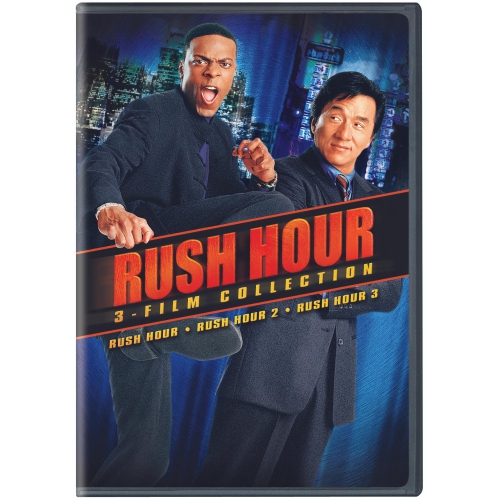 Your price for this item is $17.69
 -
![NEW LINE The Mask - (Remastered) - [DVD]](https://multimedia.bbycastatic.ca/multimedia/products/500x500/163/16320/16320758.jpeg) Your price for this item is $2.99
Your price for this item is $2.99
Discover more categories related to Dance Movies
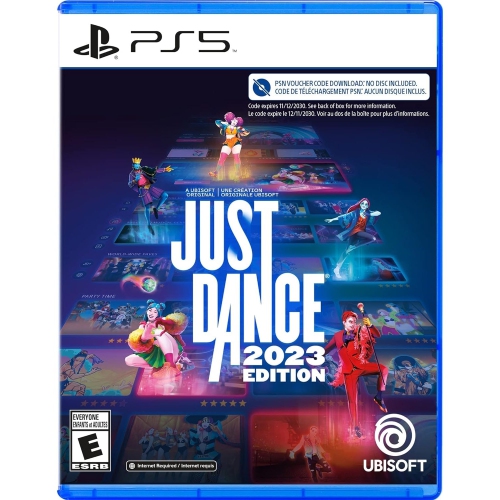
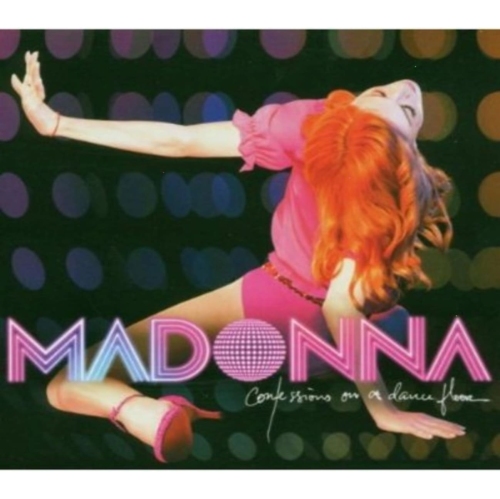

Top Collections:
Pokemon Centers, Kindle Devices, Best Budget Office Chairs, Apple iPhones 16, Canon G7X Cameras, iPhone 15 Apple, Alarm Clock, Refurbished Apple Laptops, Flip Phones, Best Laptops for Writers
Some products may be subject to Environmental Handling Fees
(EHF) depending on your province.
Learn more about EHFs.