Waterproof Wearable Tech
Whether you're hiking in the mountains, swimming in the ocean, or just going for a walk in the rain, you'll want to stay connected. And if you're going to stay connected, you might as well do it in style. These are some of the best waterproof wearable technologies on the market today.
Sort
![APPLE Watch Series 8 [Gps + Cellular 45Mm] Smart Watch W/ Midnight Aluminum Case With Midnight Sport Band - M/l. In Multicolor Love this watch!!! And at a great price from Best Buy](https://multimedia.bbycastatic.ca/multimedia/products/500x500/165/16593/16593793.jpeg)
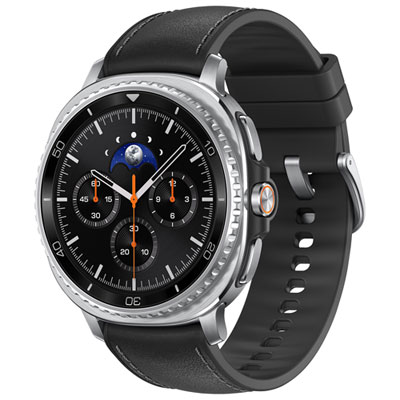
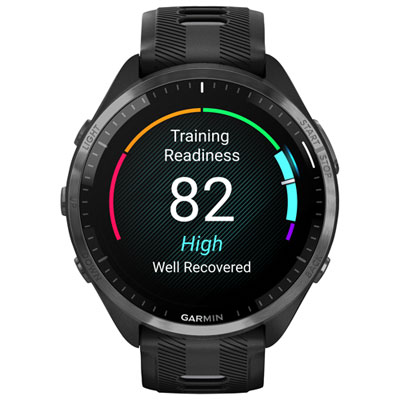
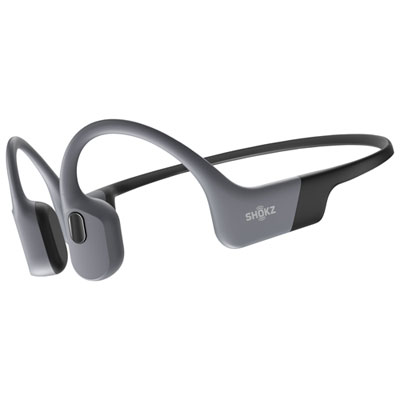
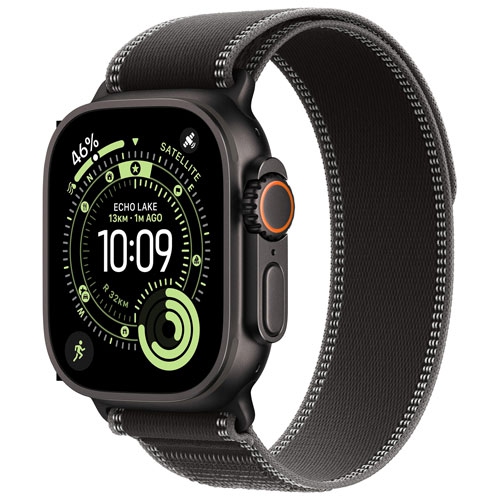
![APPLE Watch Ultra 2 [Gps + Cellular 49Mm] Smartwatch With Rugged Titanium Case & Blue/black Trail Loop, M/l In Multicolor The best love it](https://multimedia.bbycastatic.ca/multimedia/products/500x500/181/18165/18165759.jpeg)
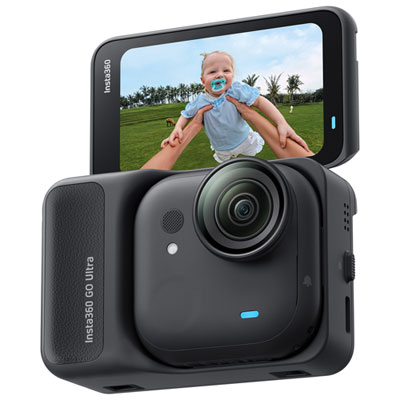
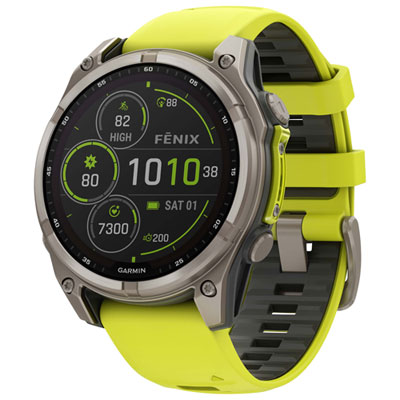
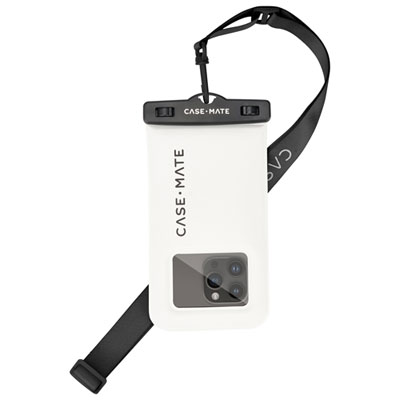
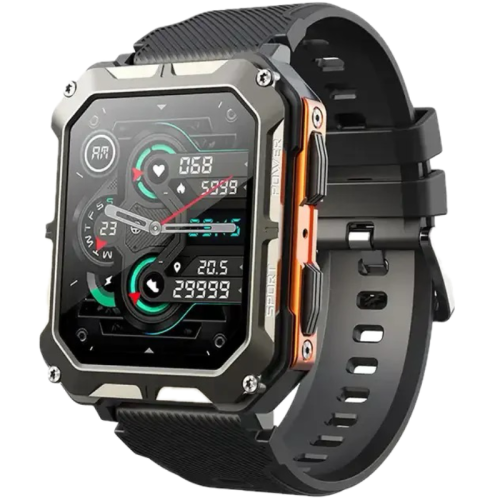
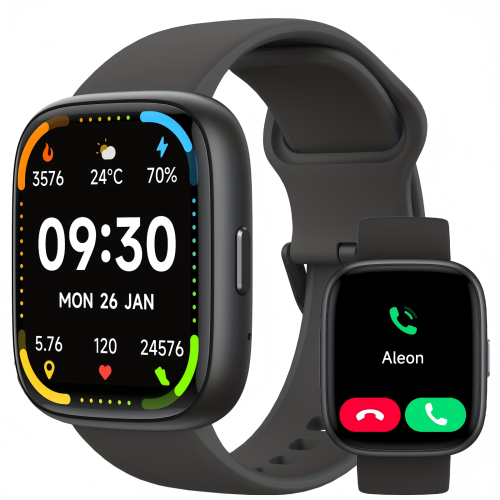
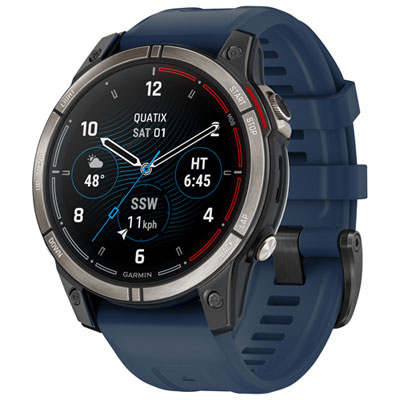
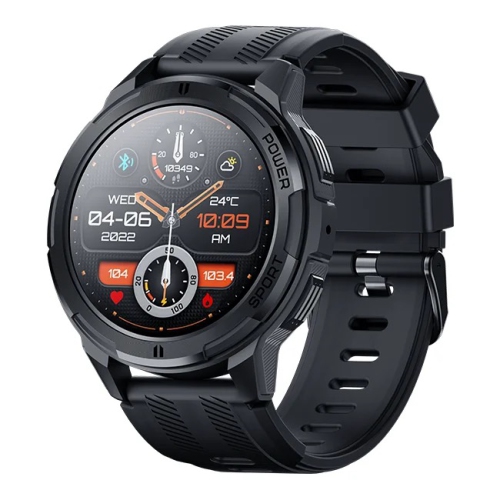
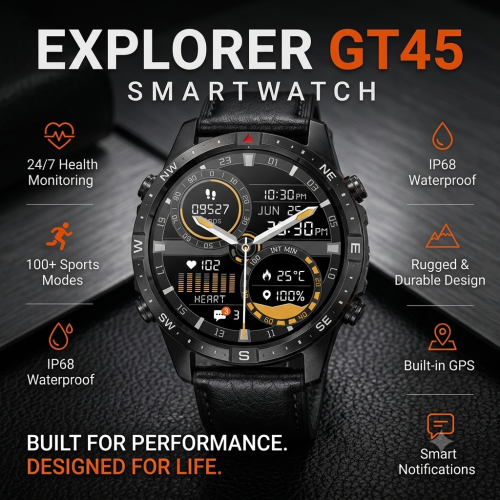
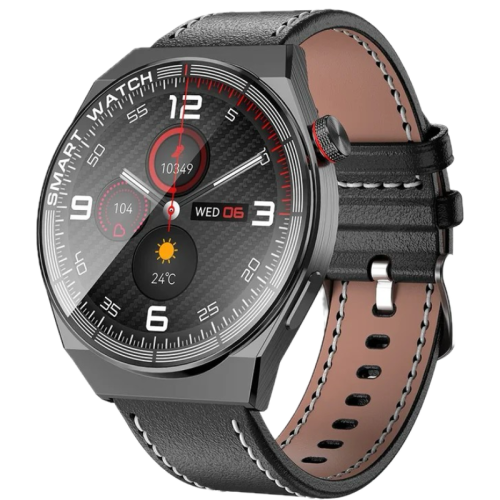
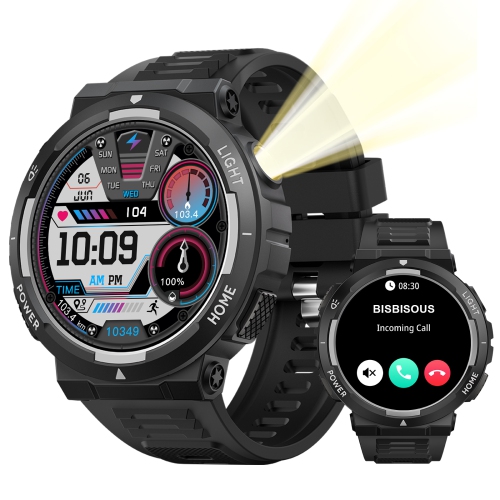
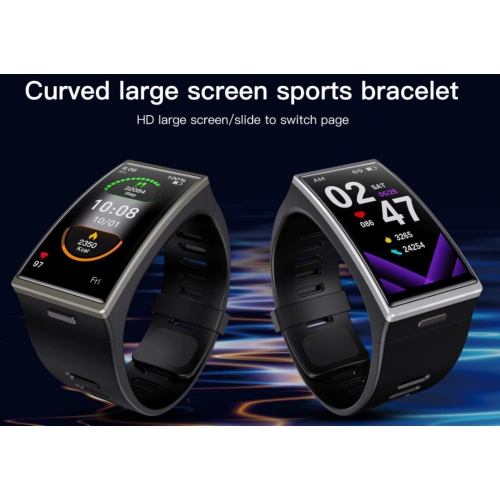
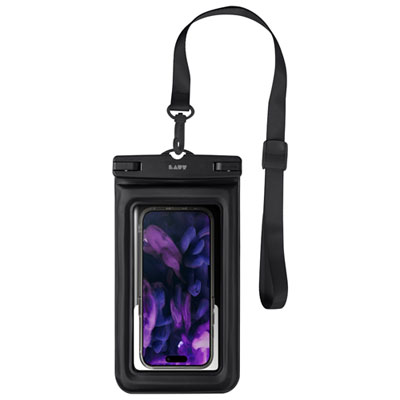
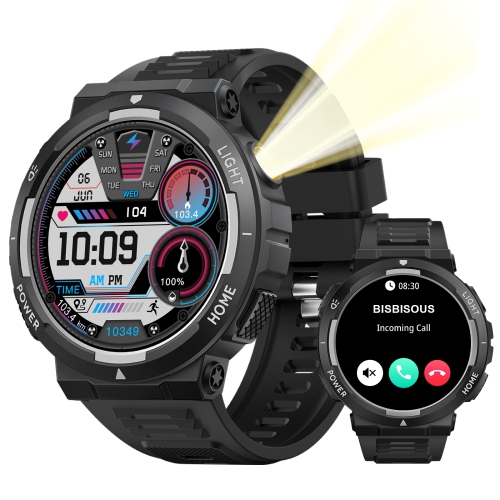
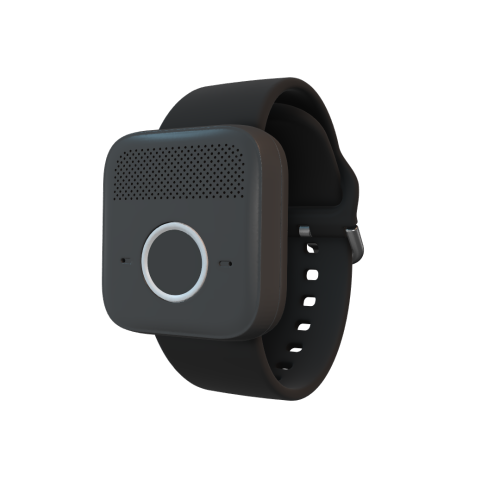
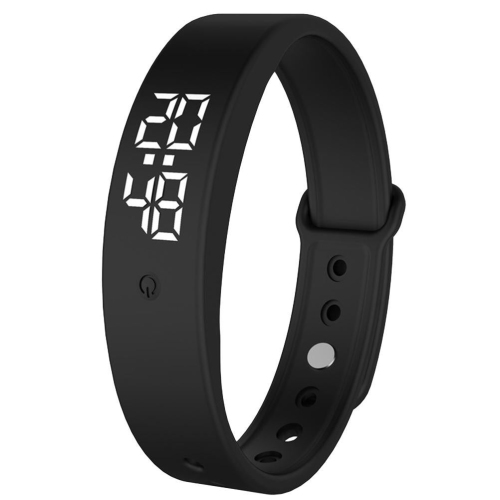
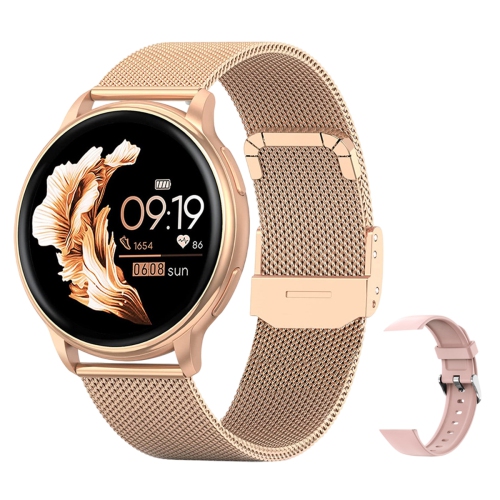
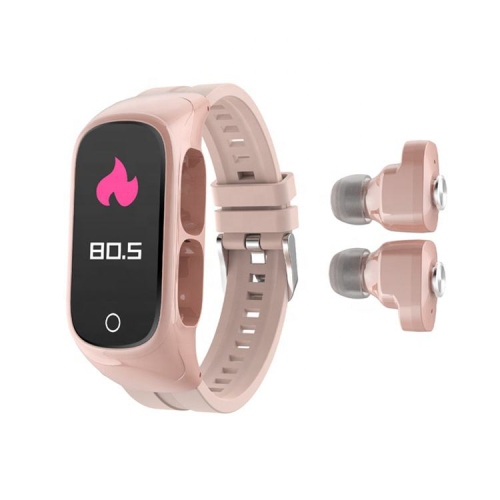
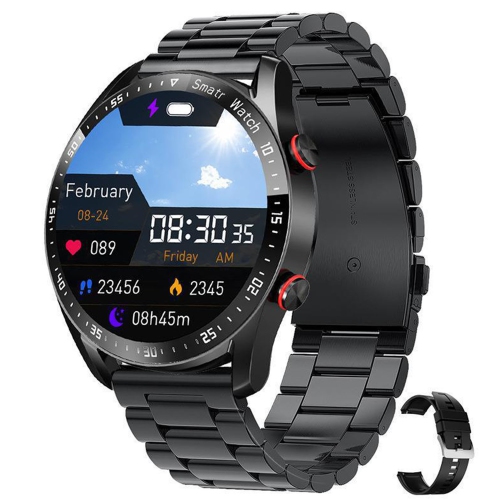
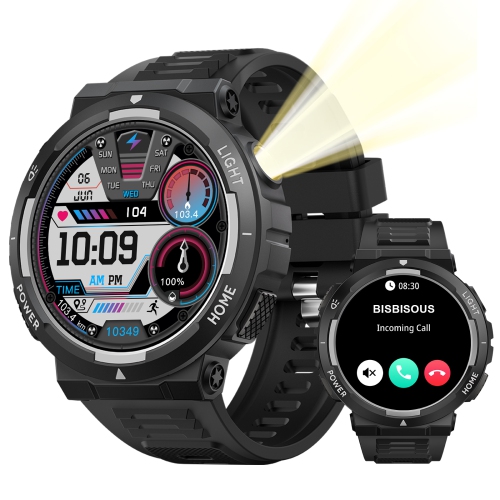
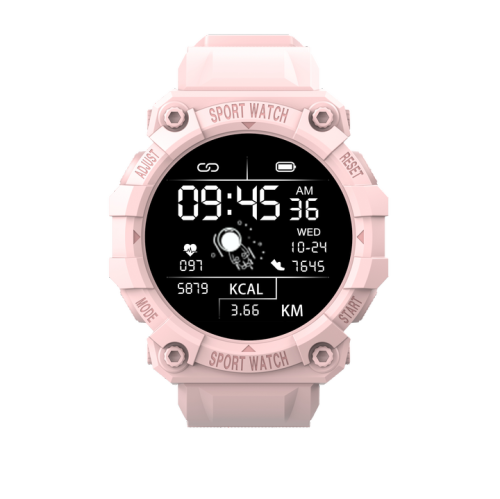
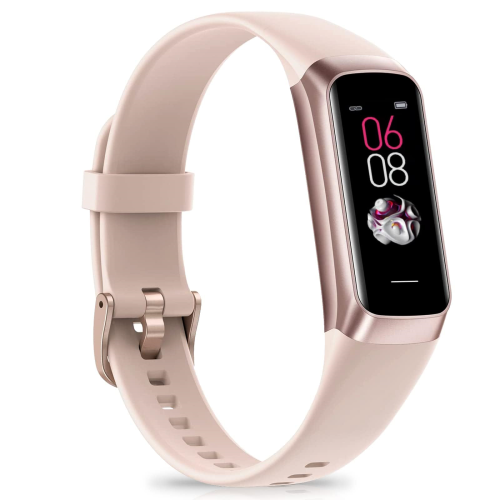
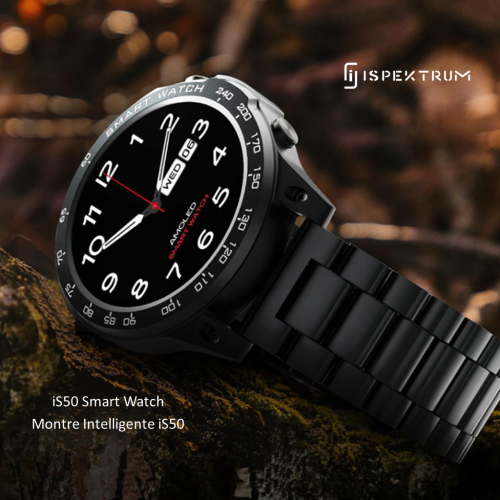
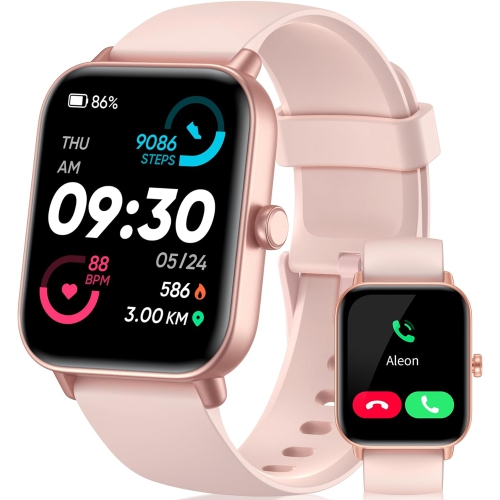


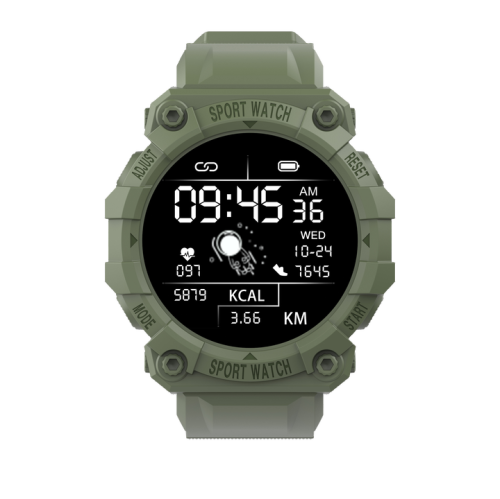
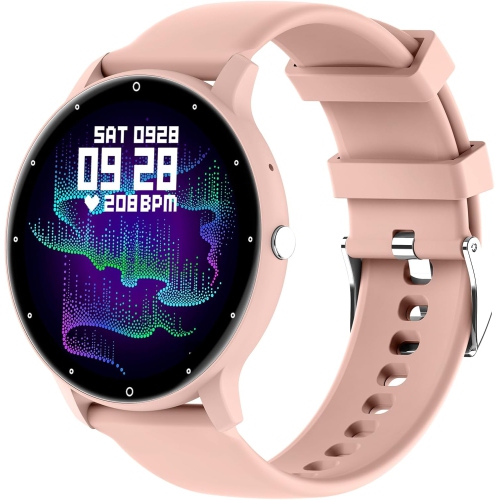
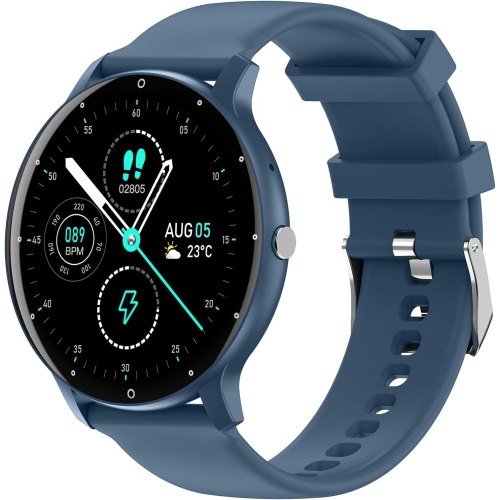
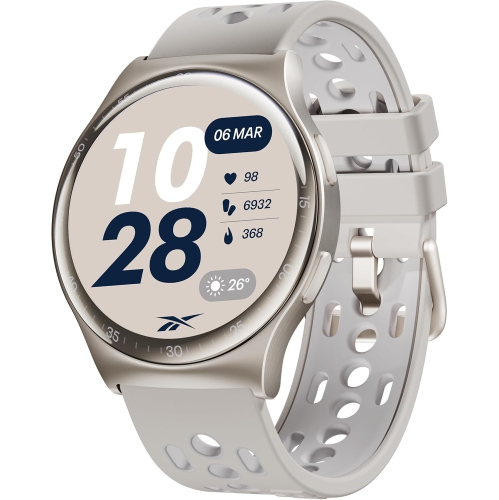
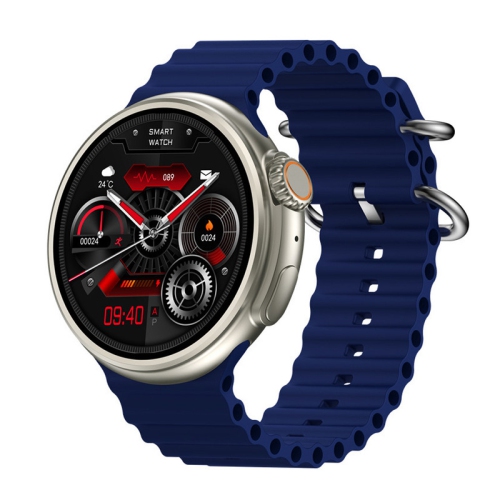
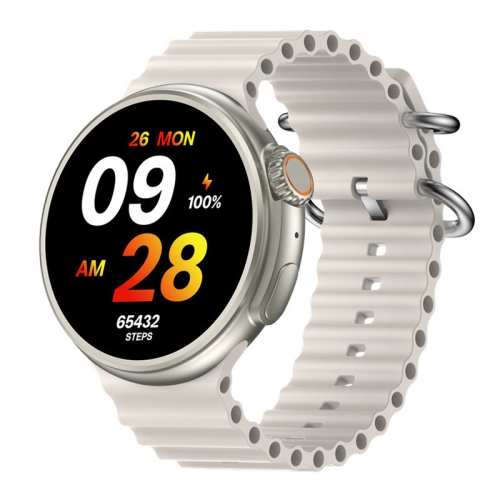
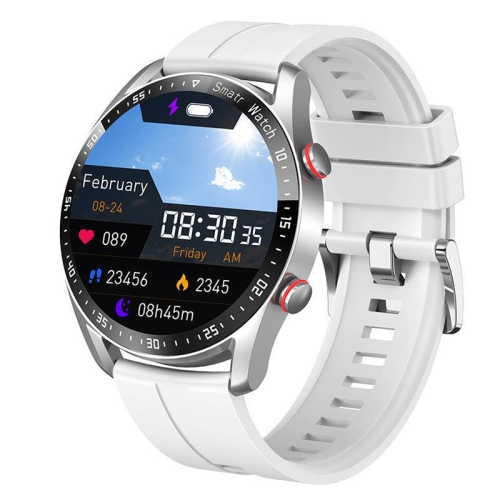
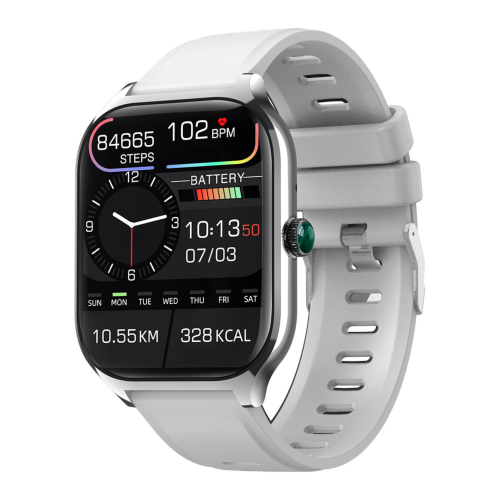
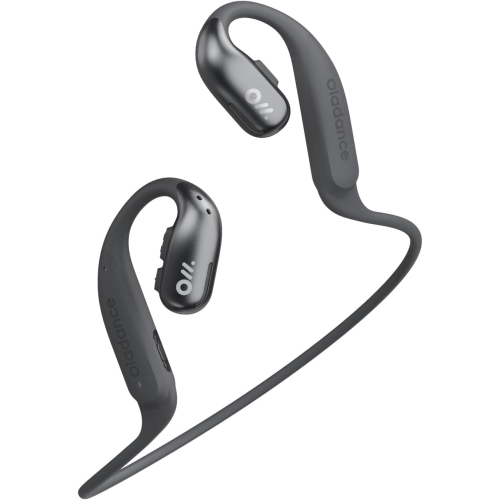
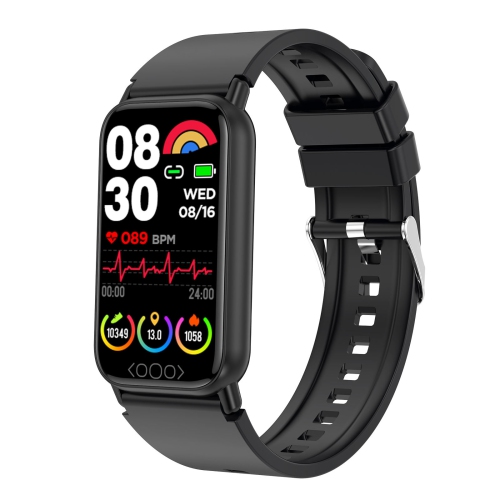
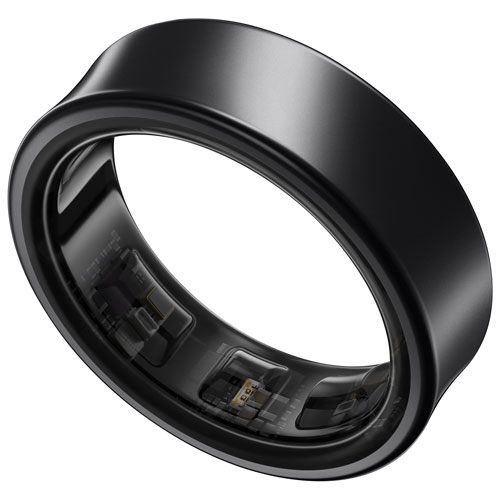
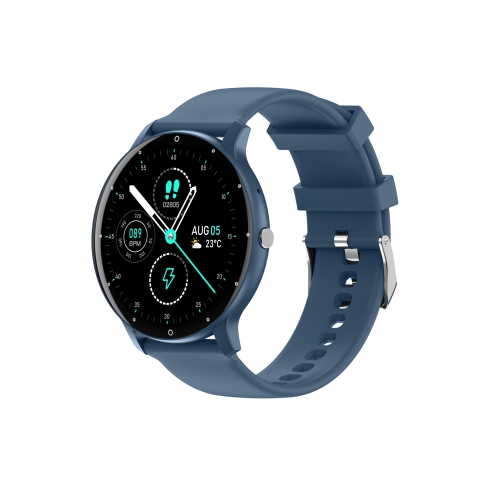
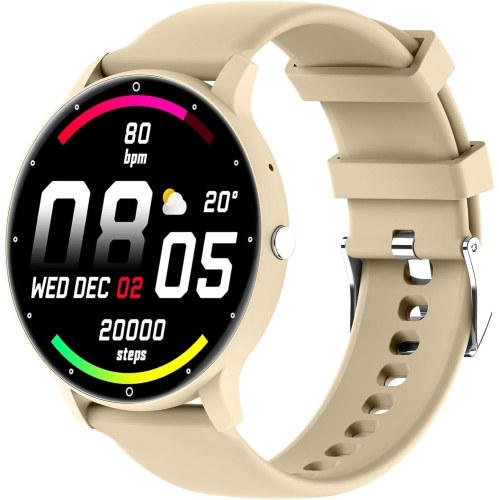
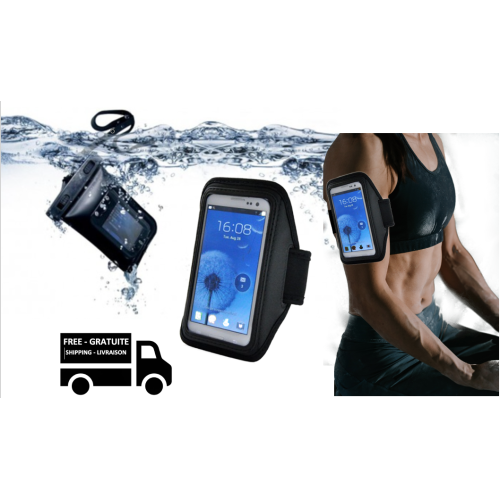
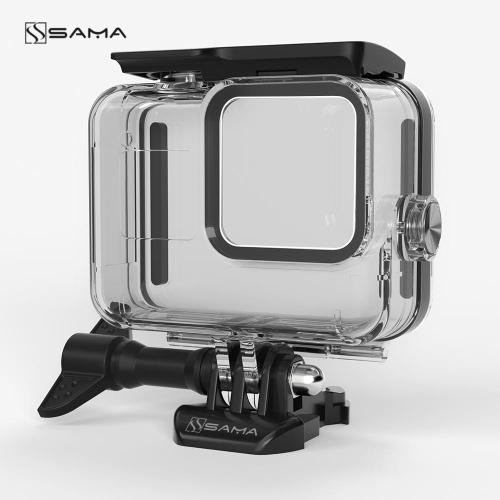
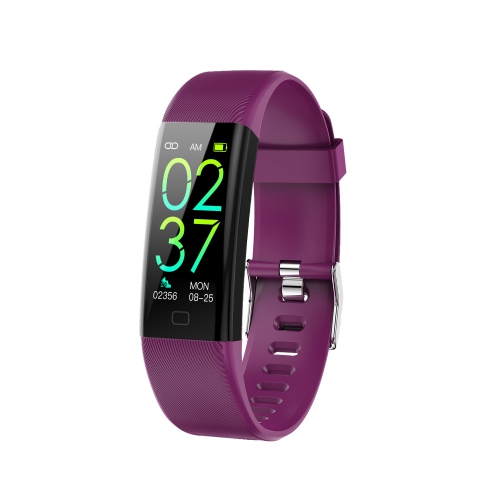
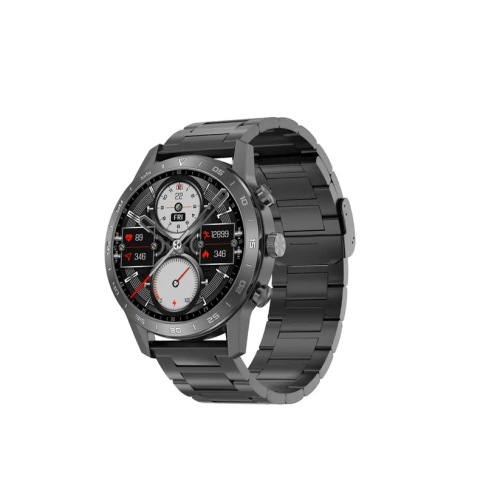

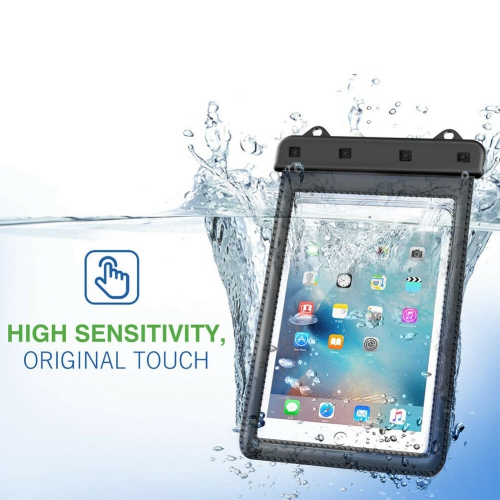
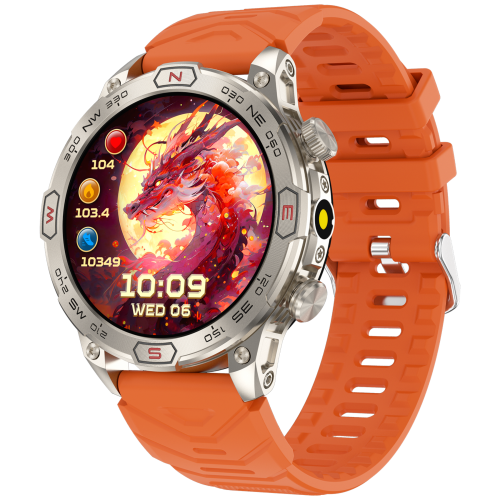
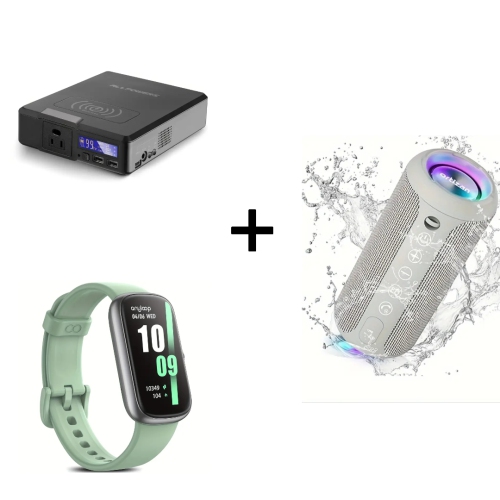
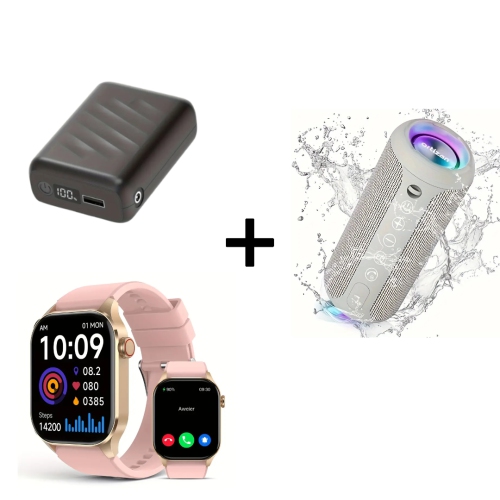
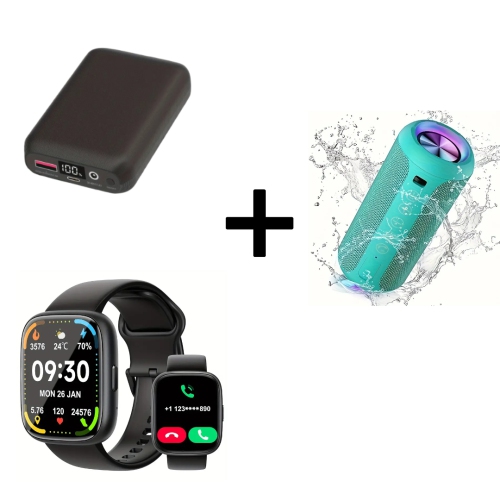
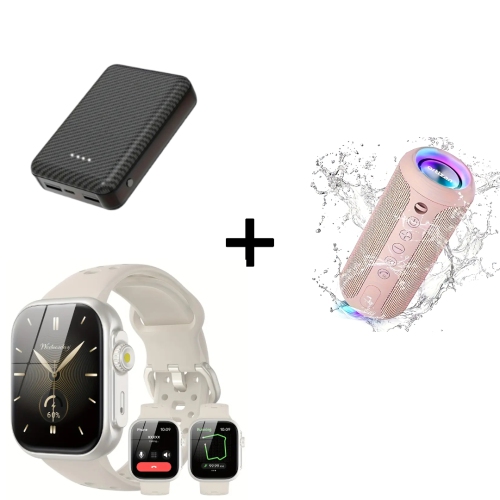
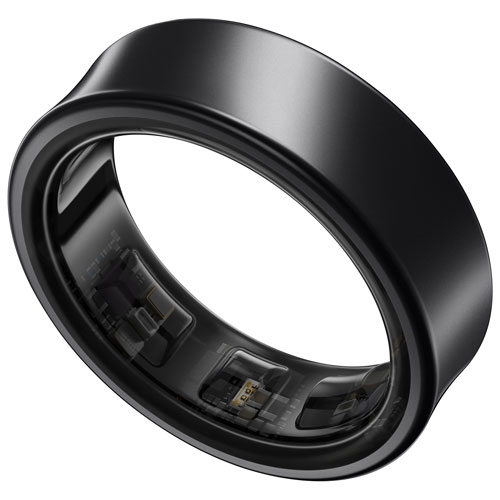
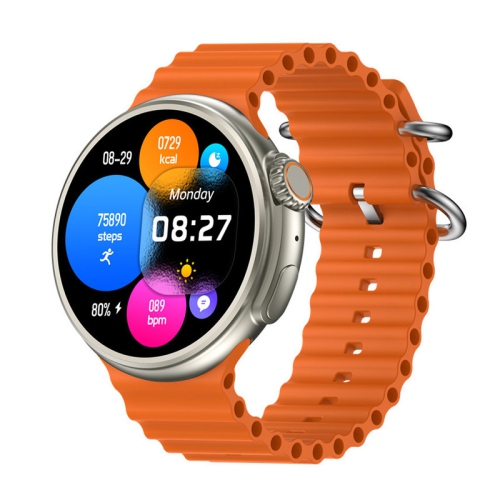
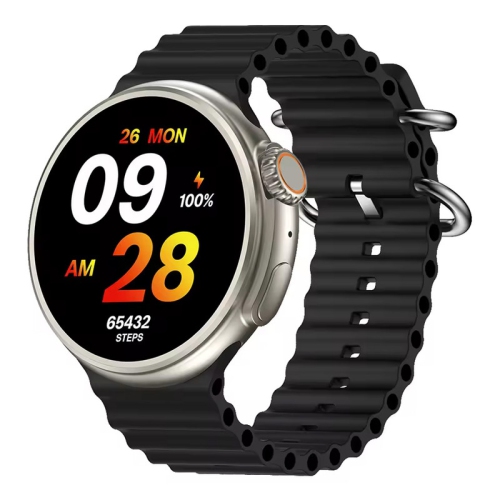
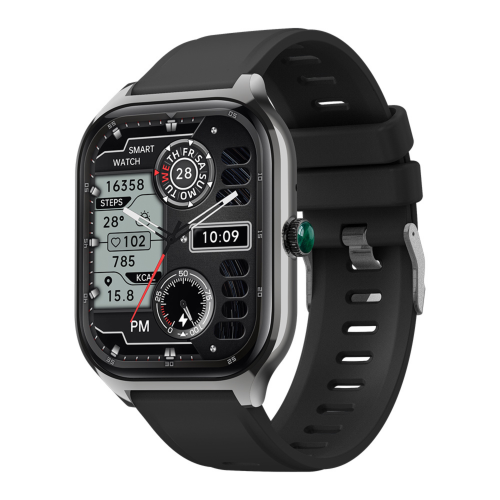
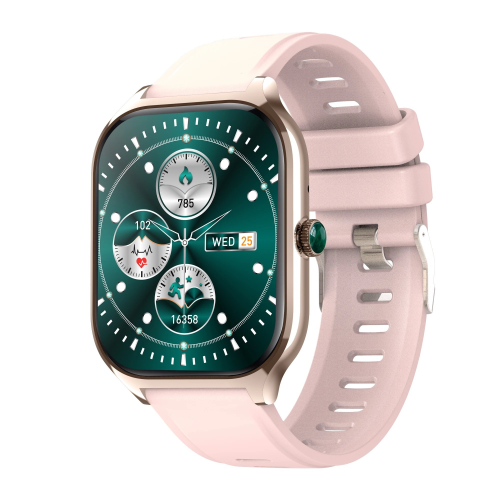
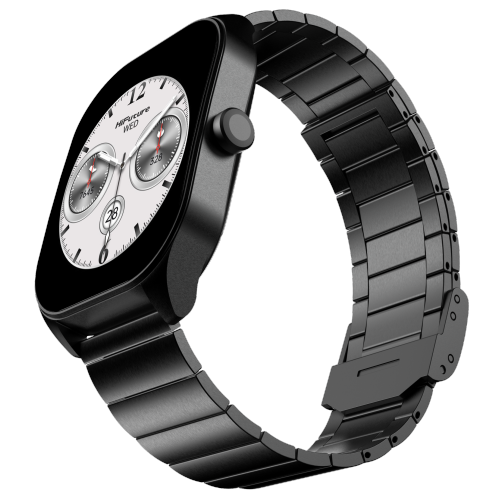
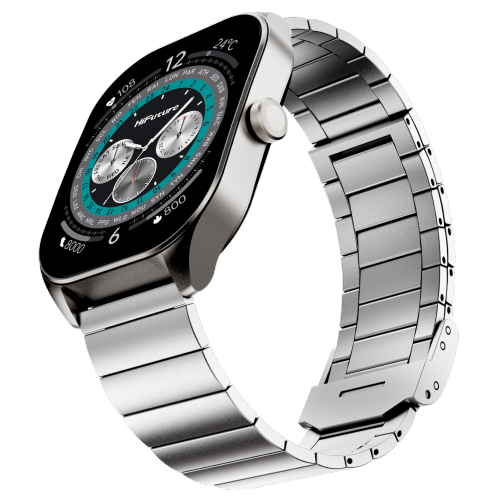
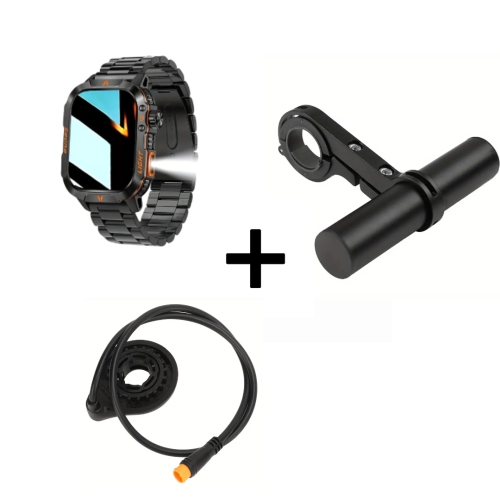
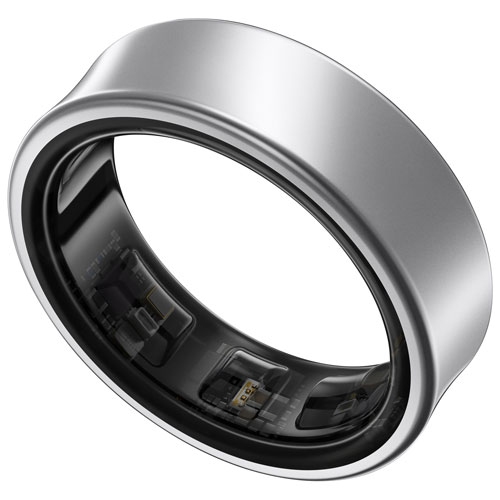
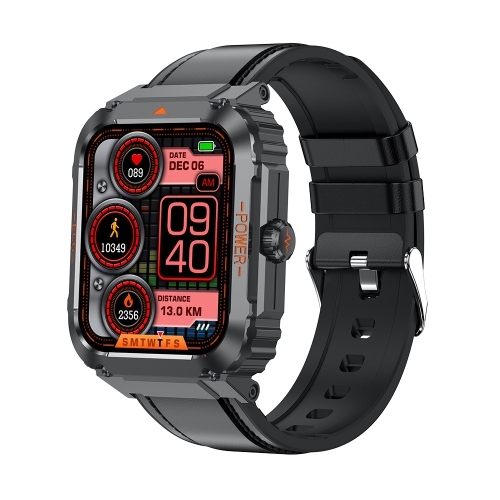
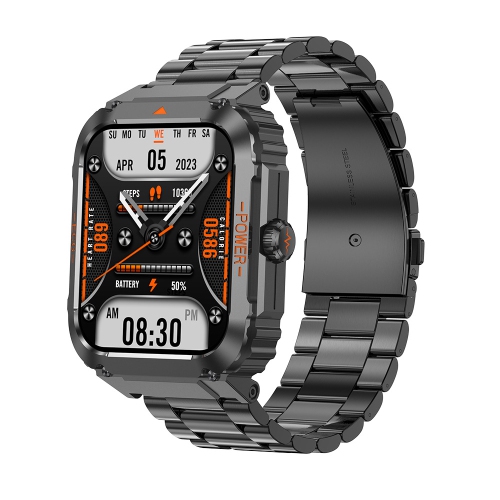
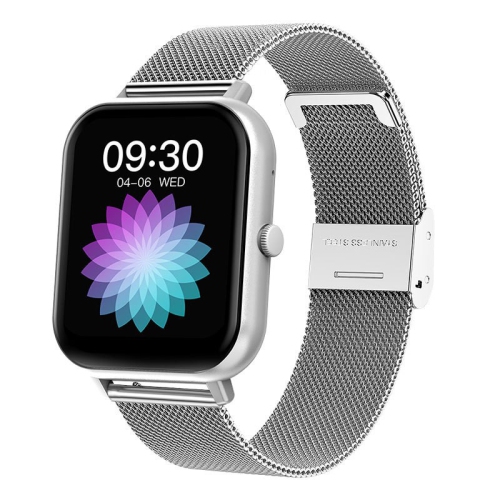
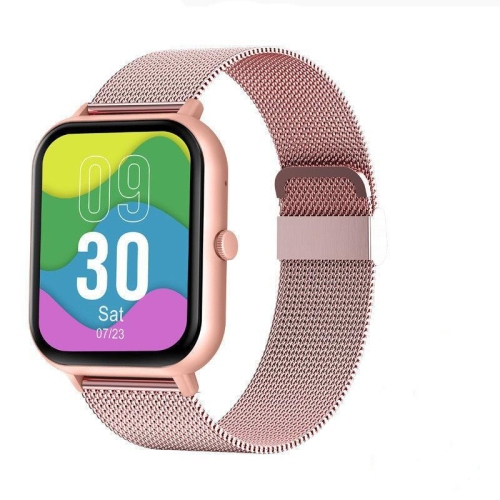
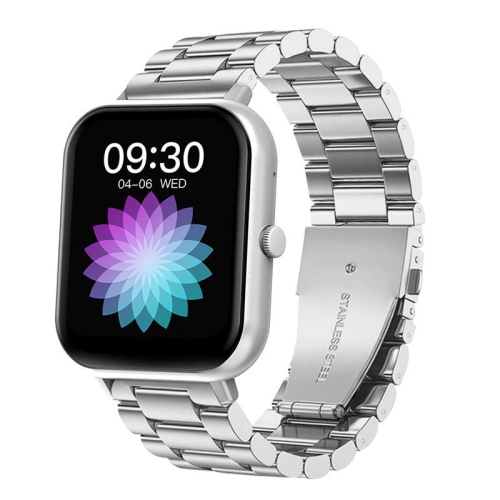
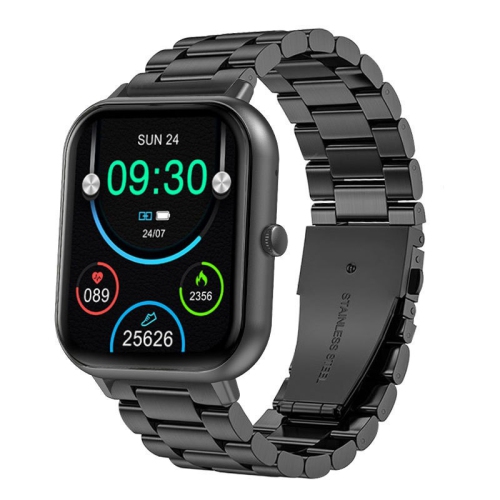
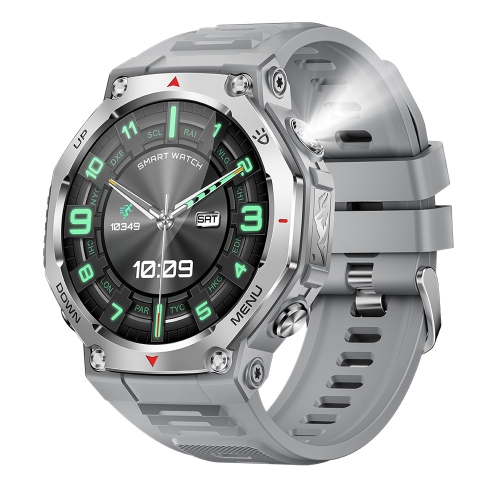
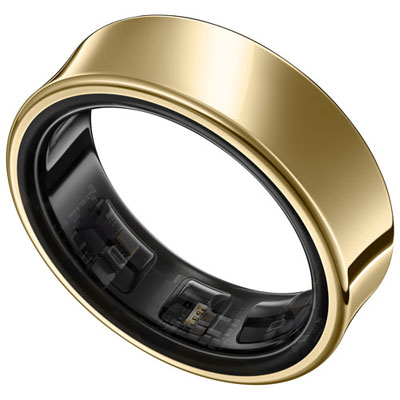
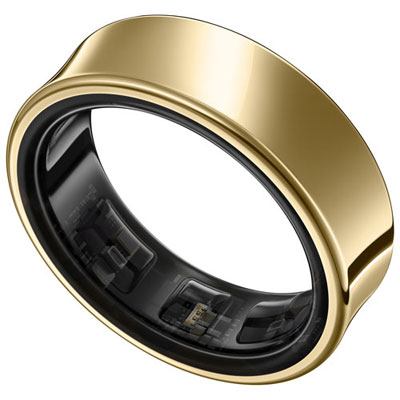
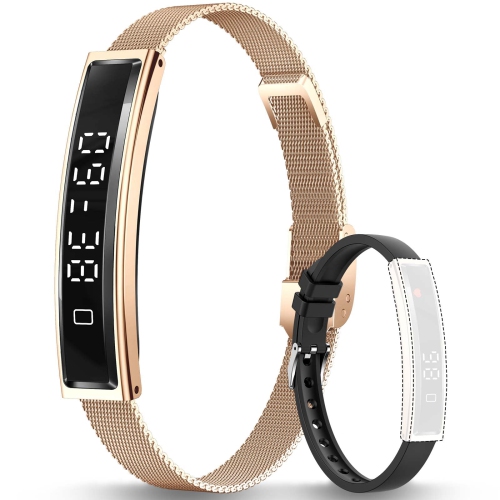
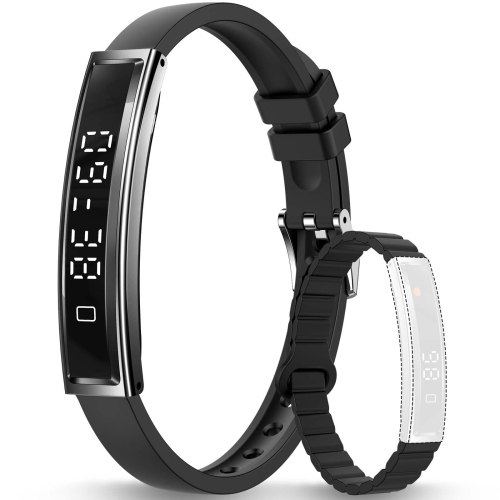
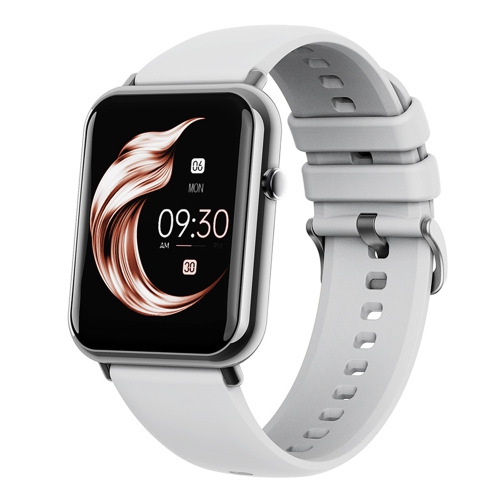
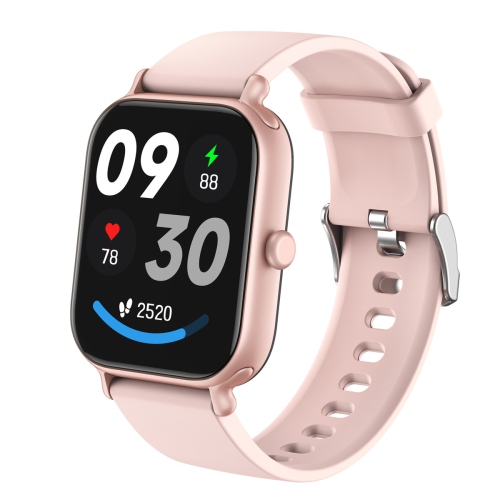
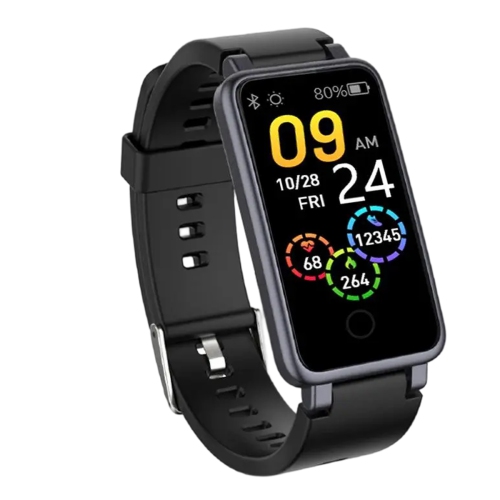
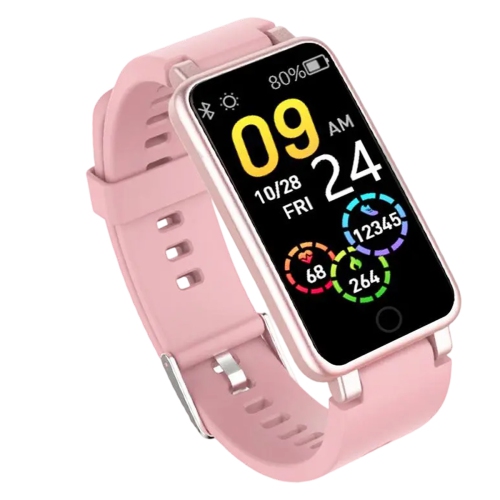
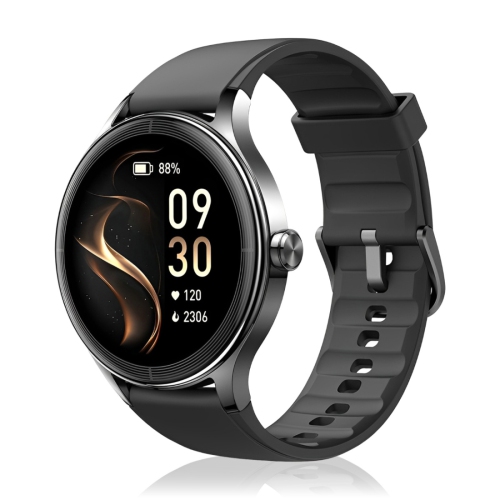
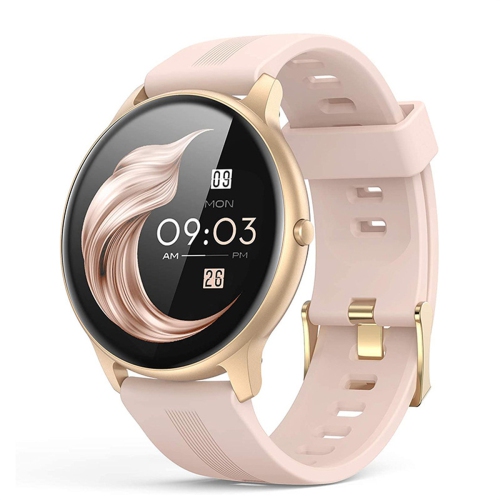
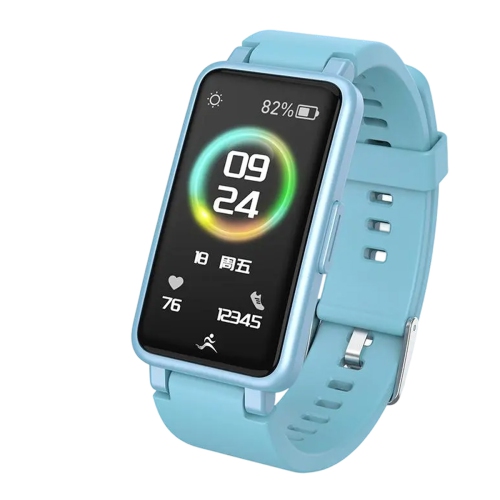
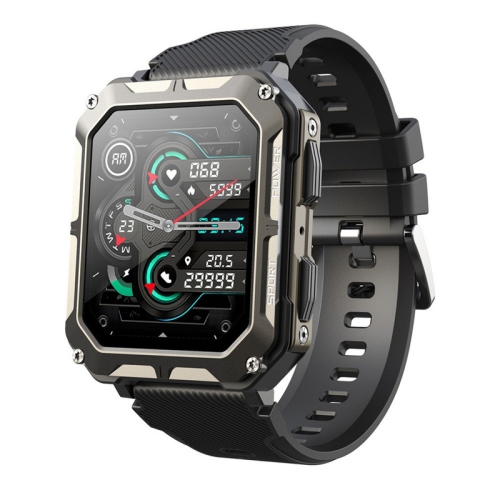
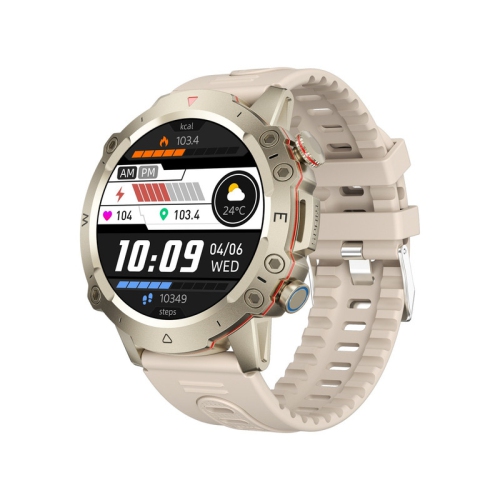
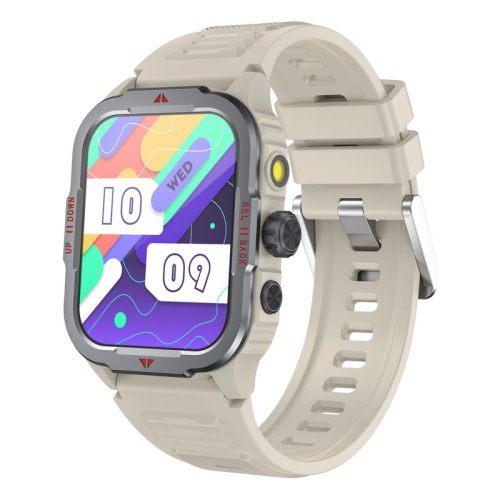
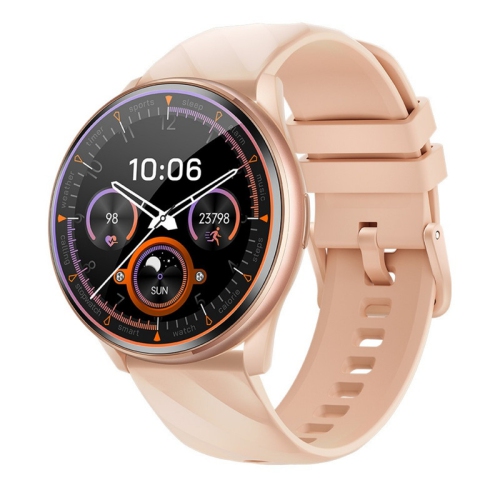
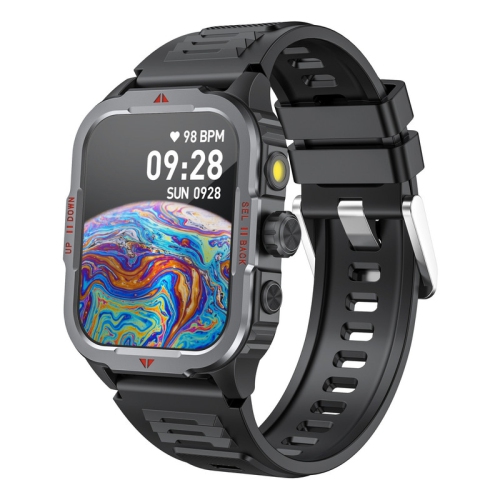
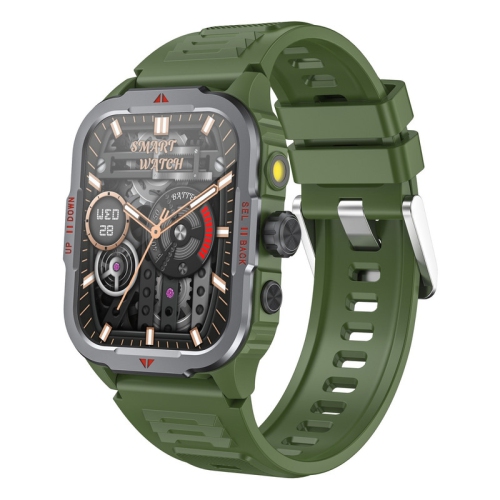
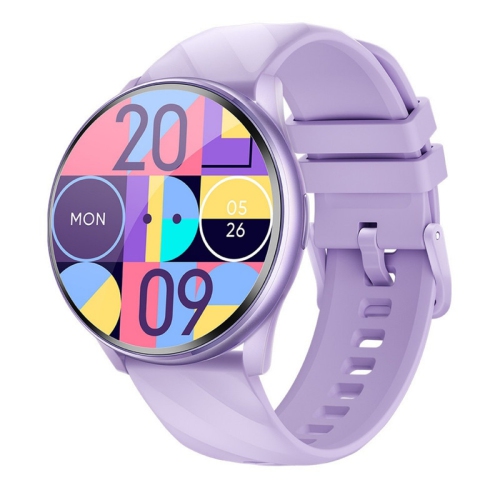
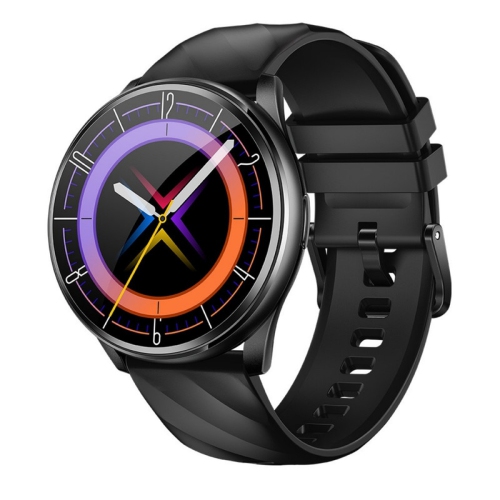
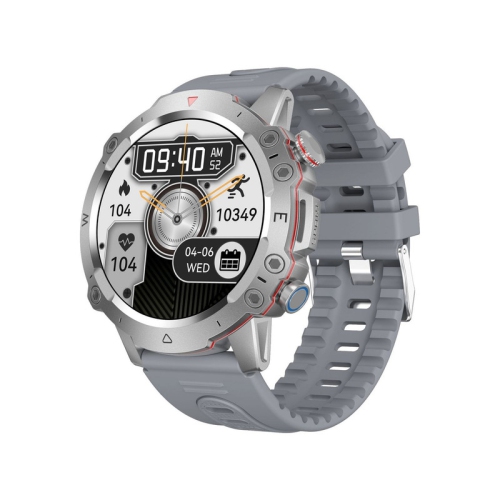
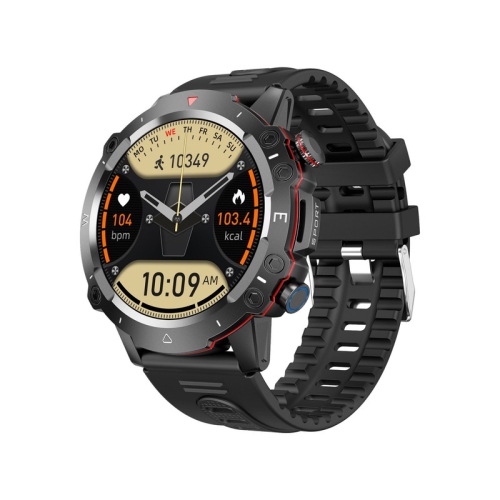
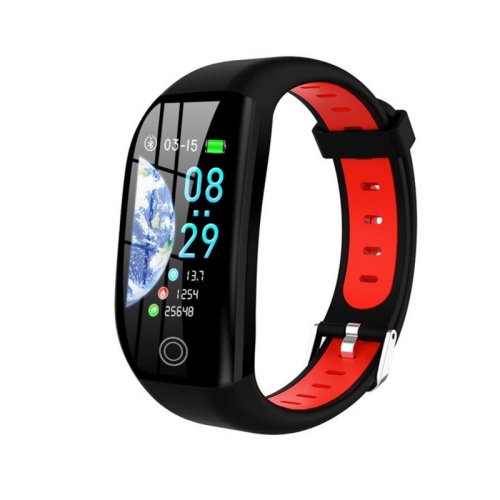
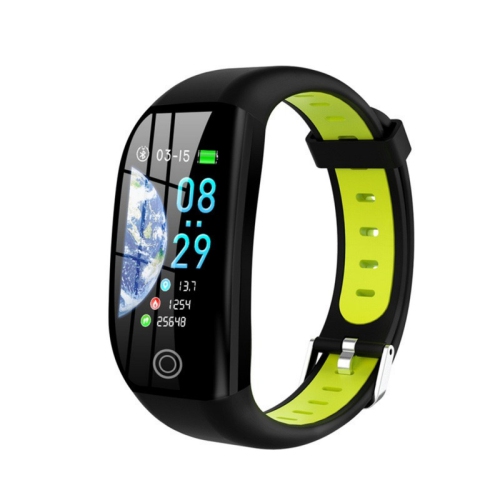
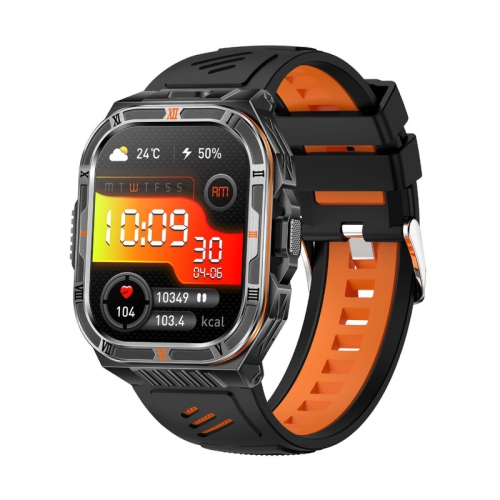
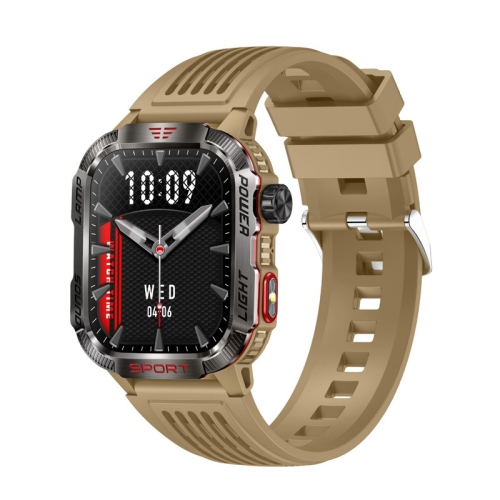
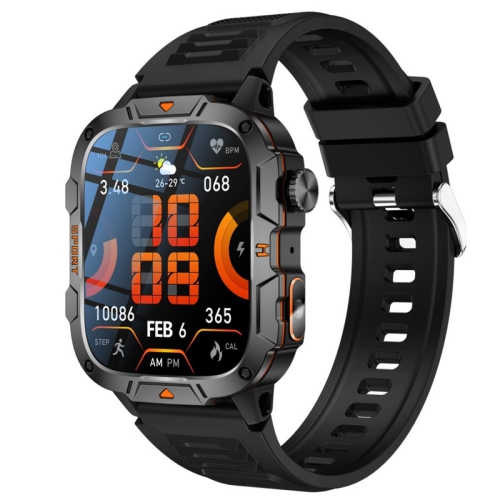
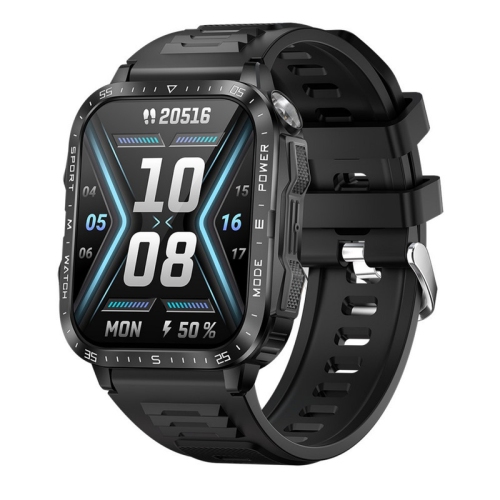
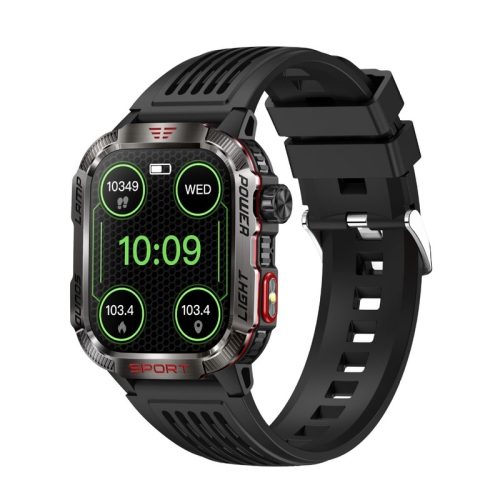
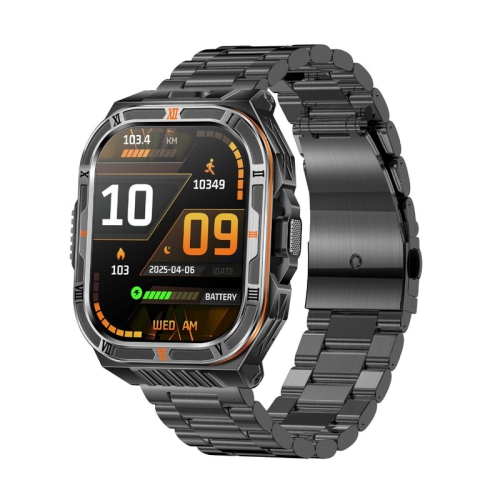
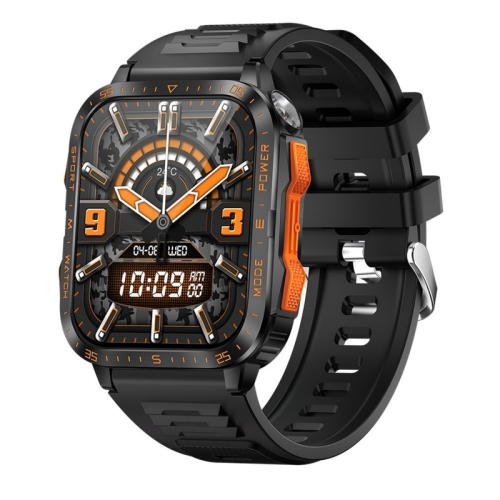
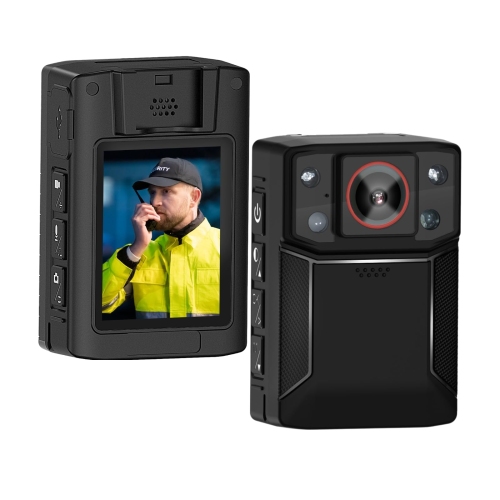
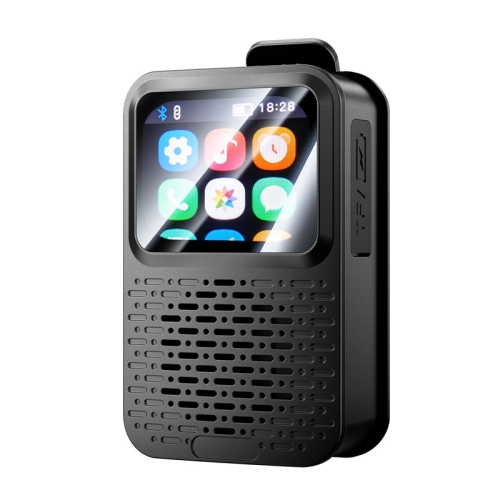
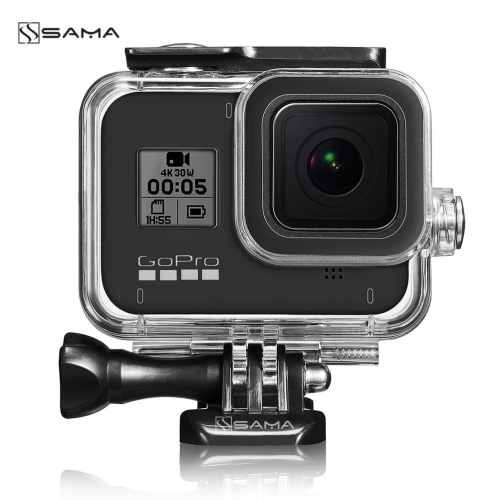
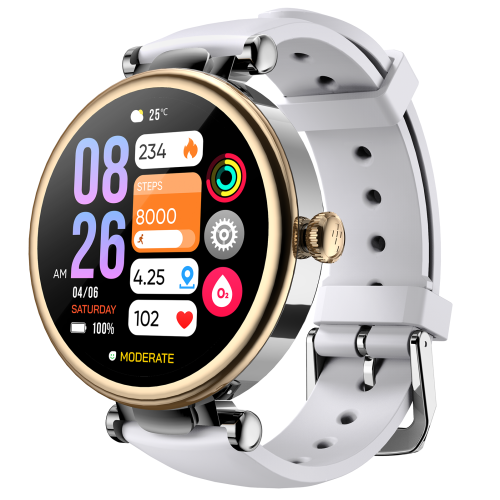
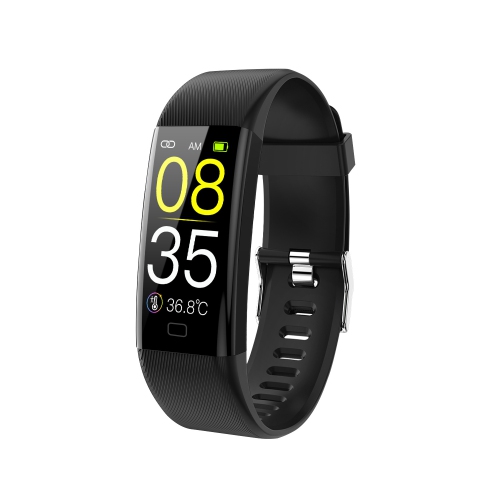
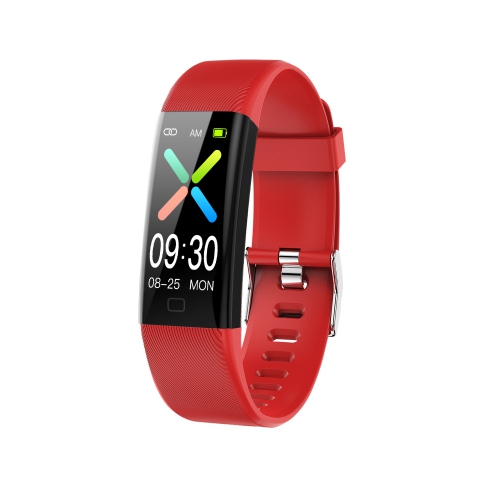
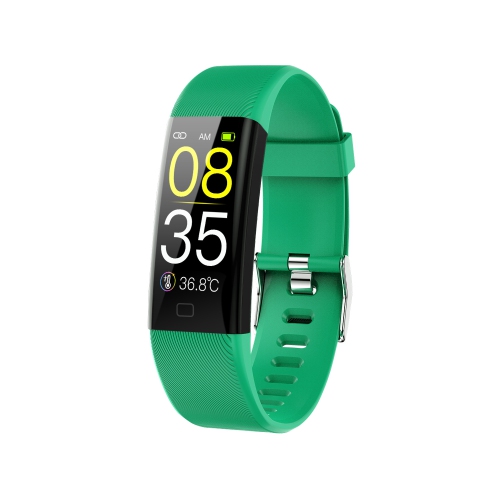
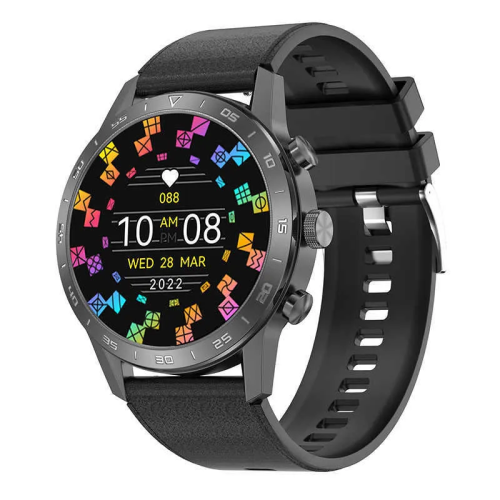
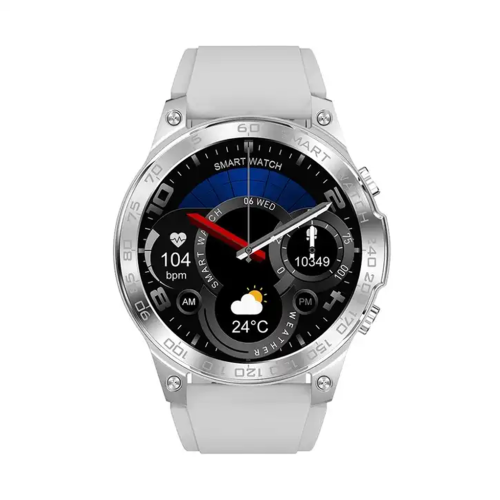
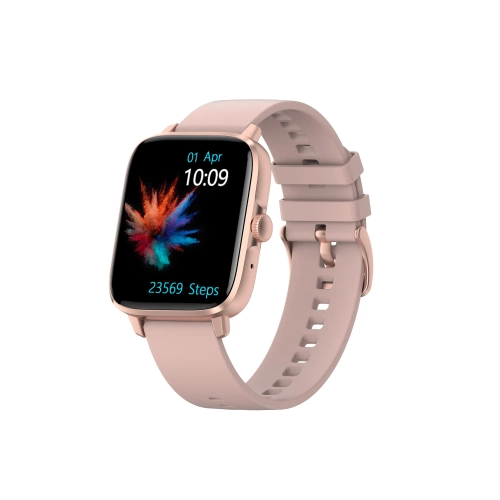
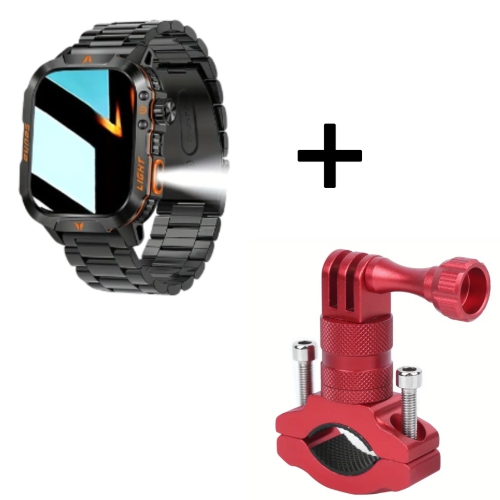
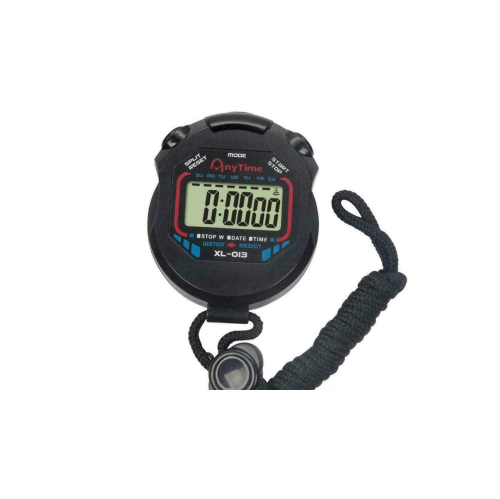
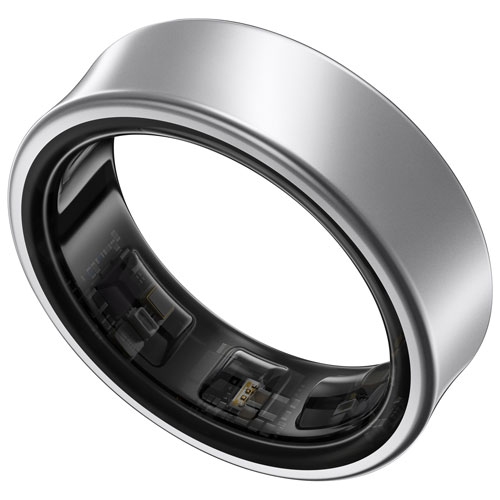
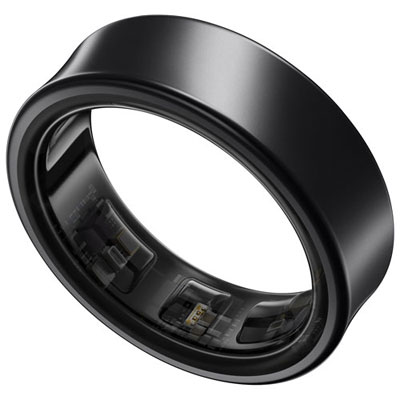
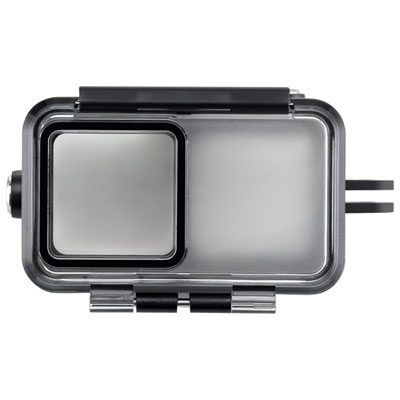
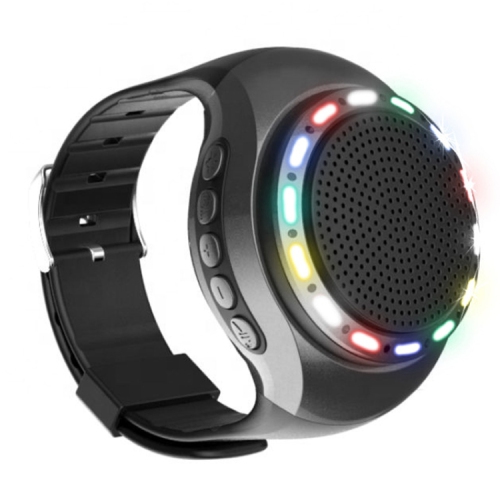
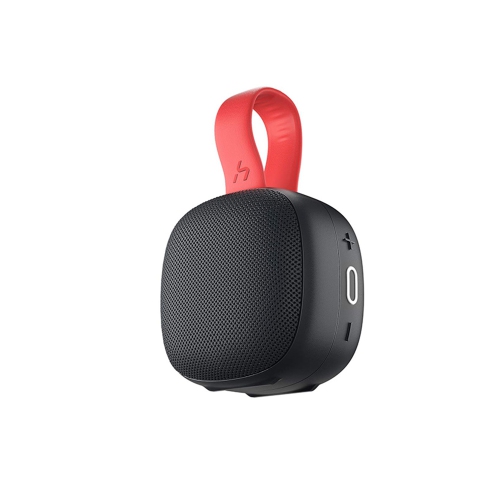
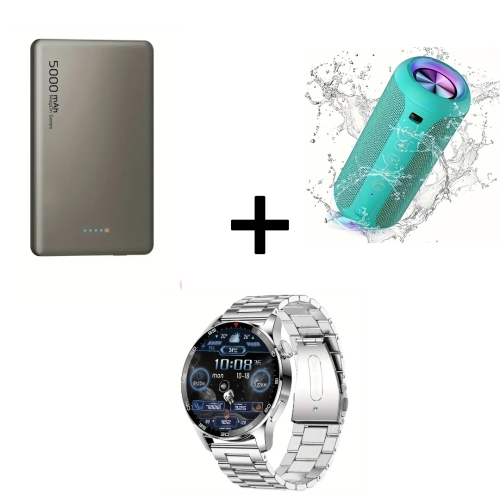
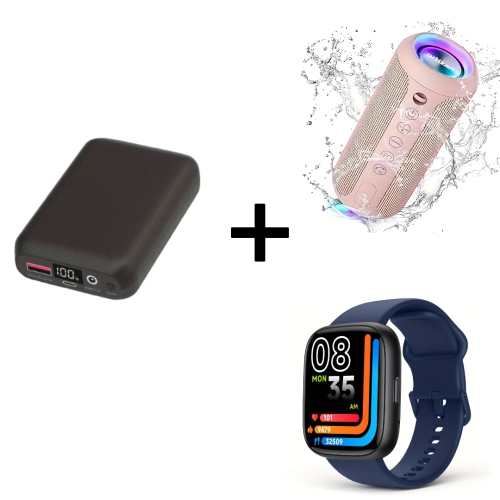
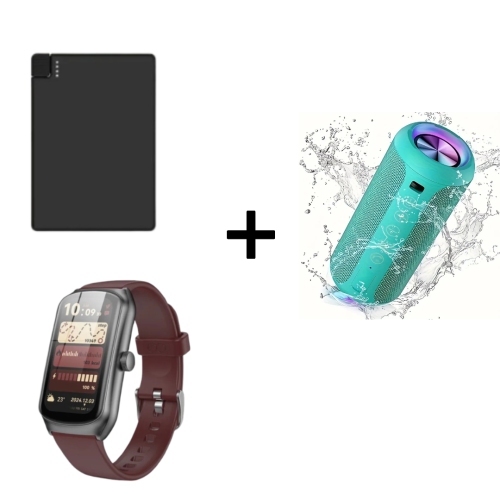
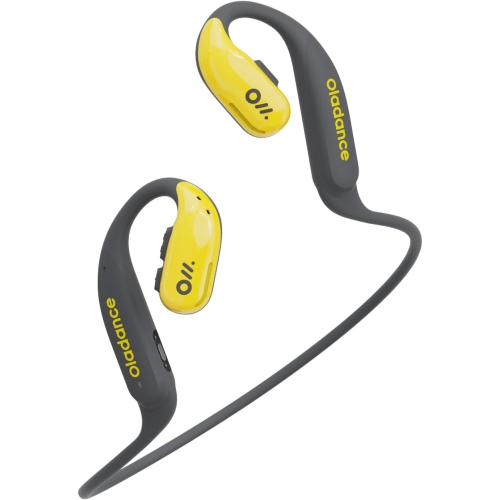
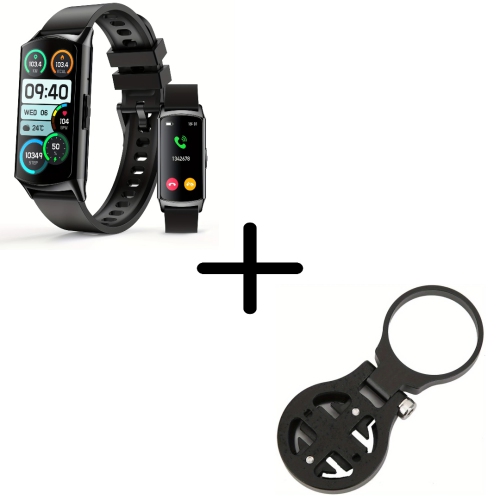
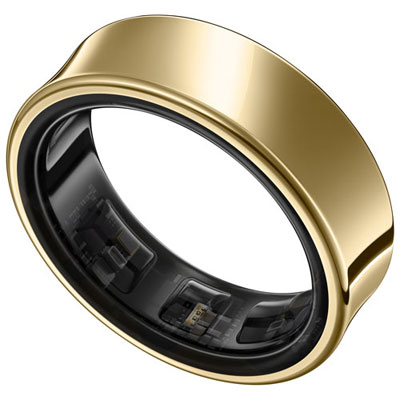
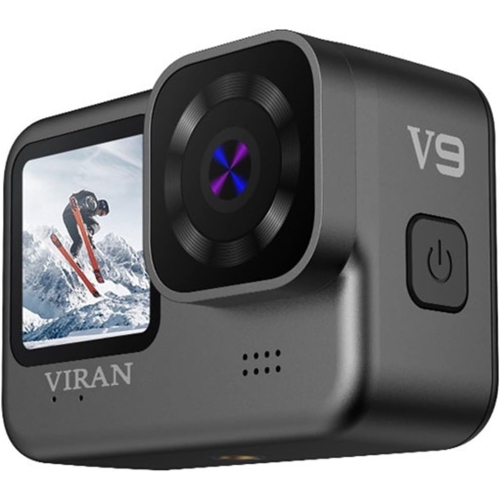
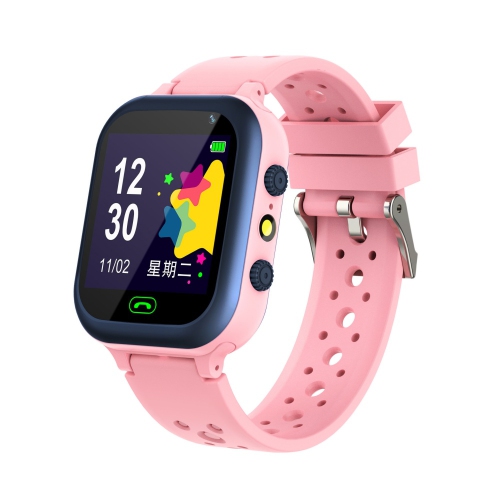
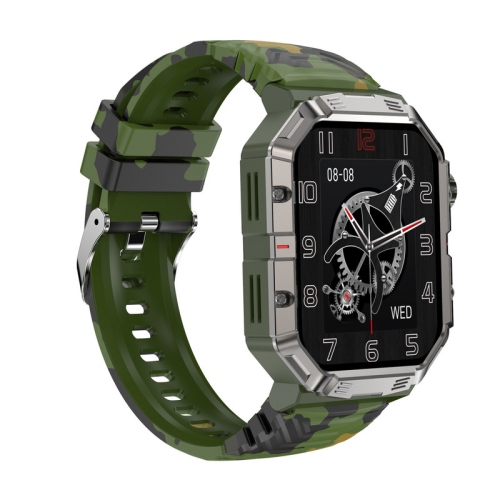
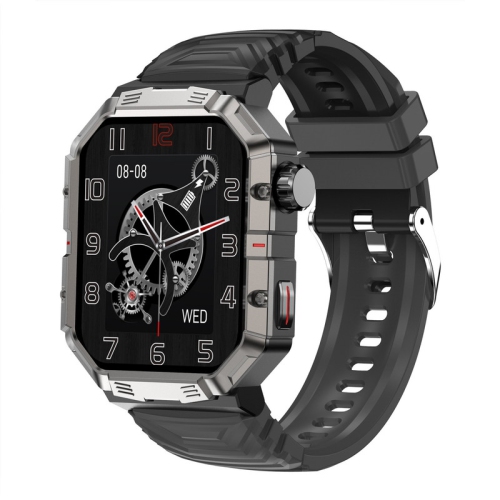
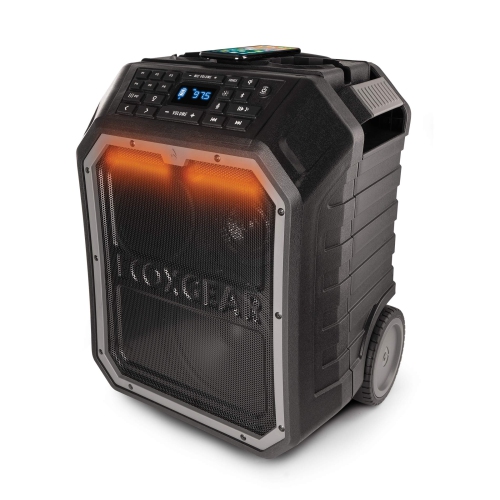
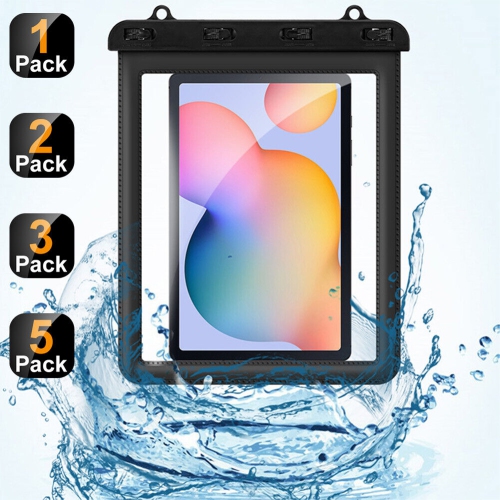
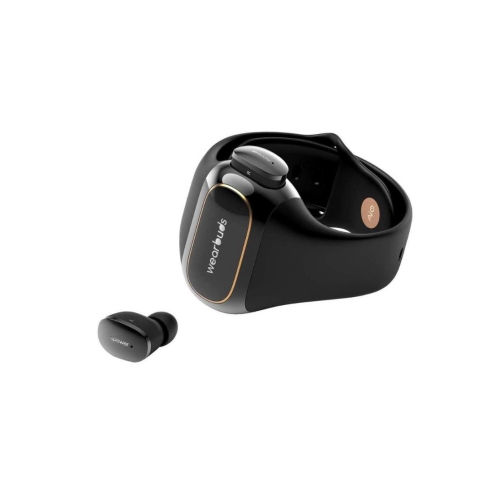
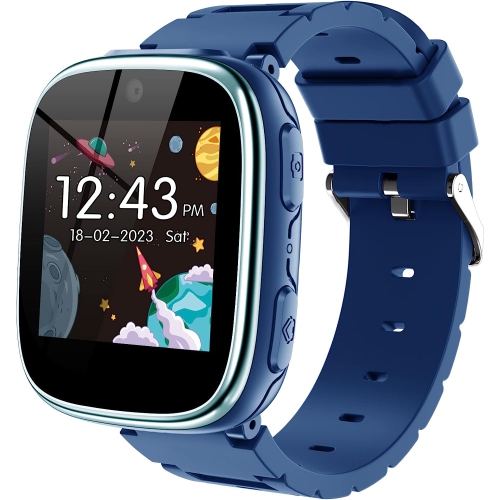
Water ratings reveal what your wearable can handle
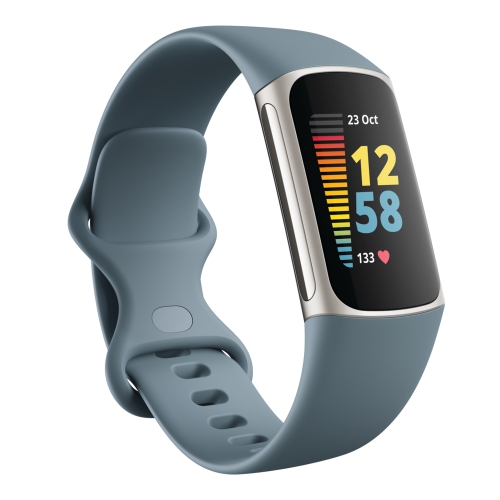
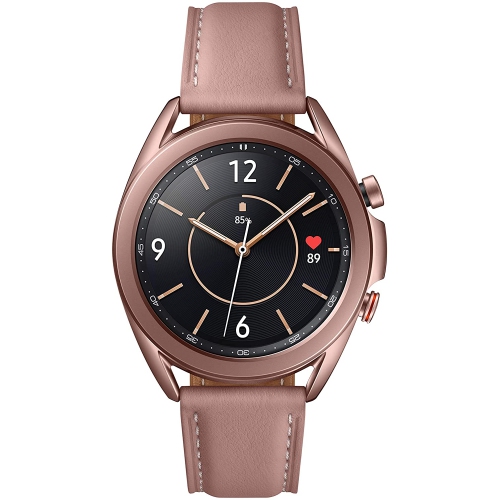
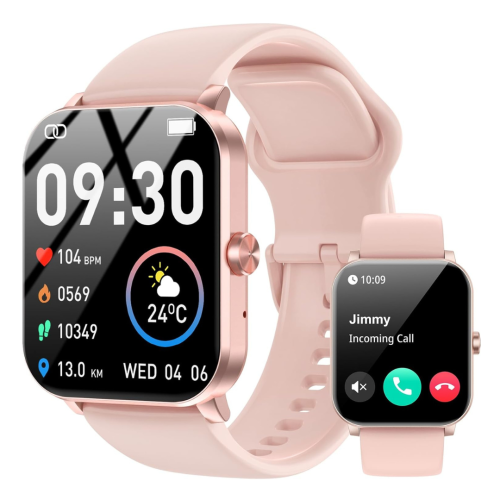
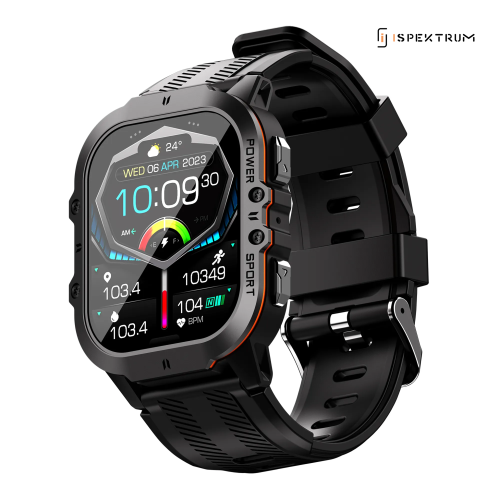
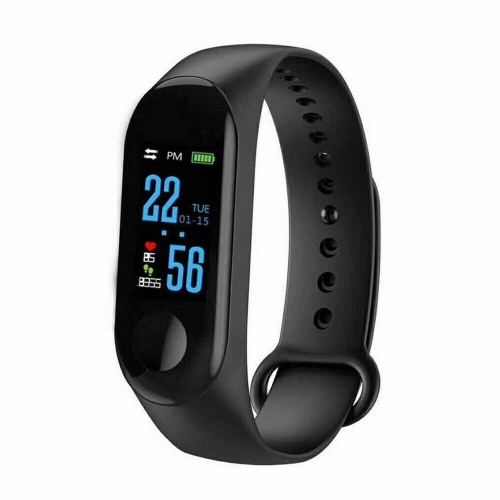
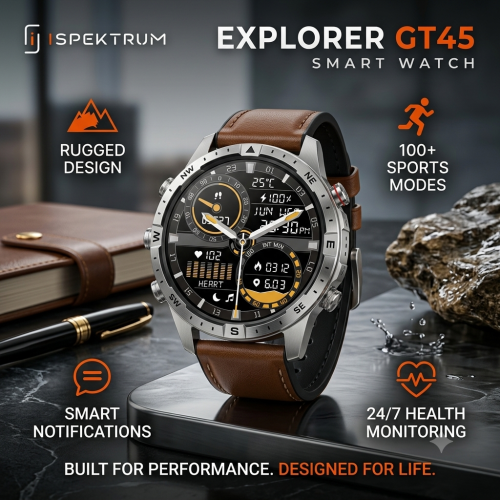
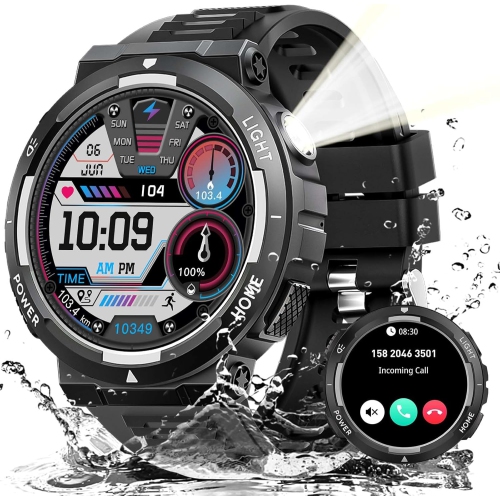
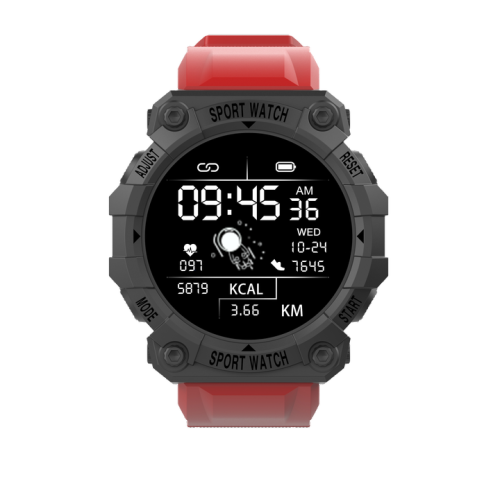
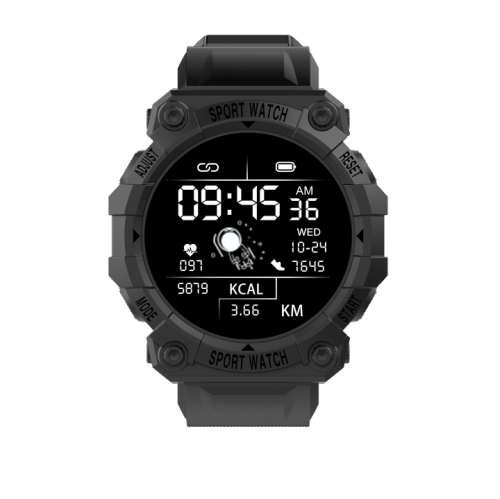
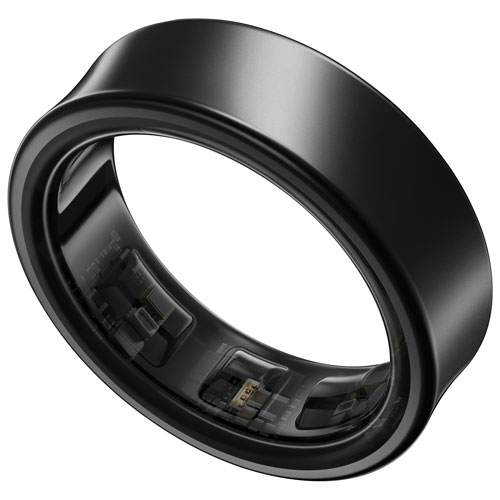
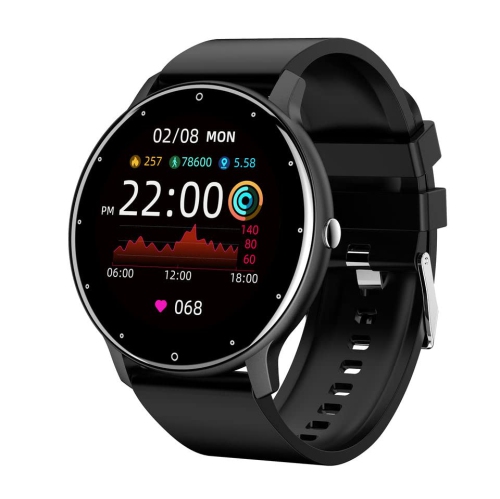
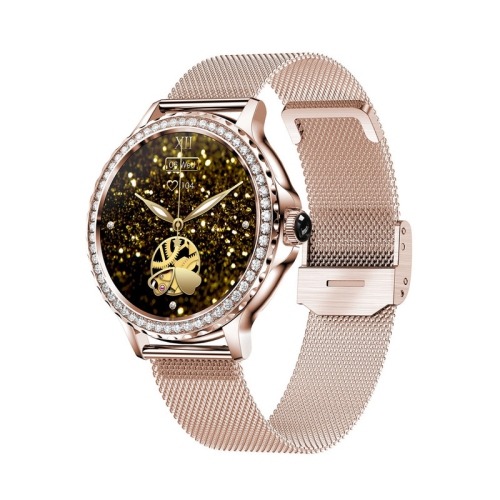
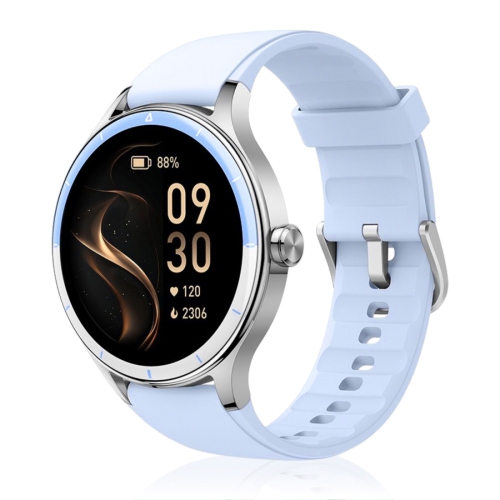
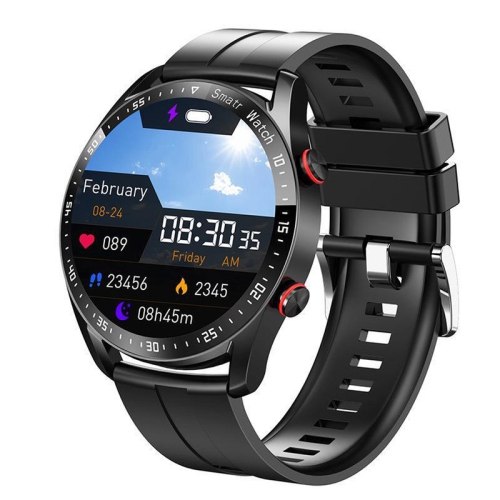
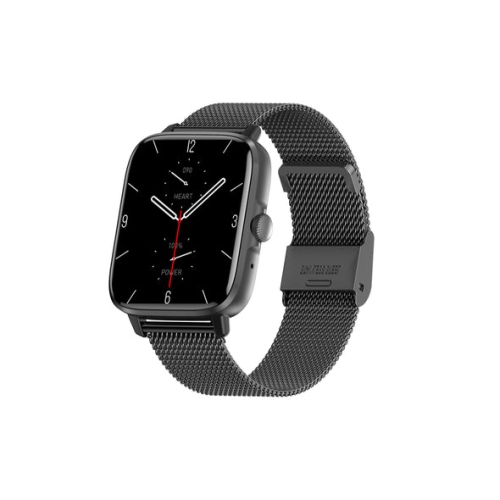
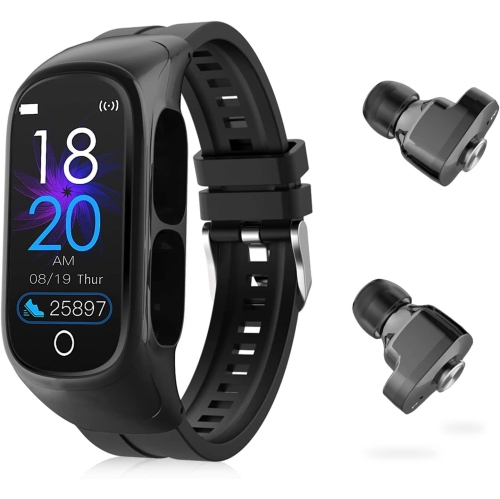
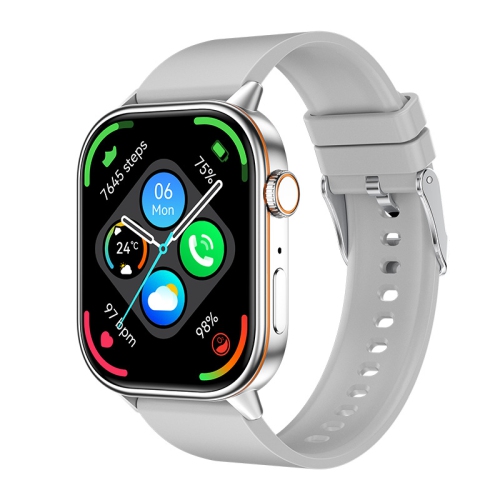
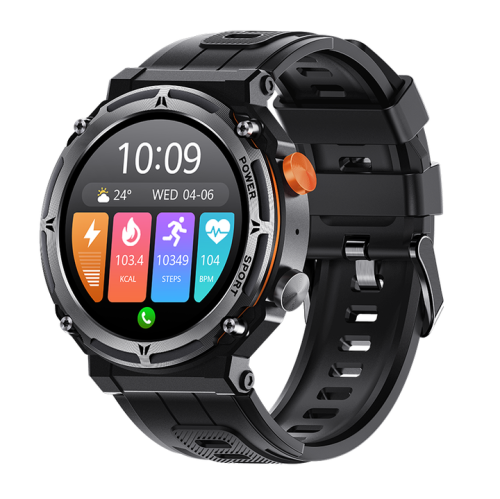
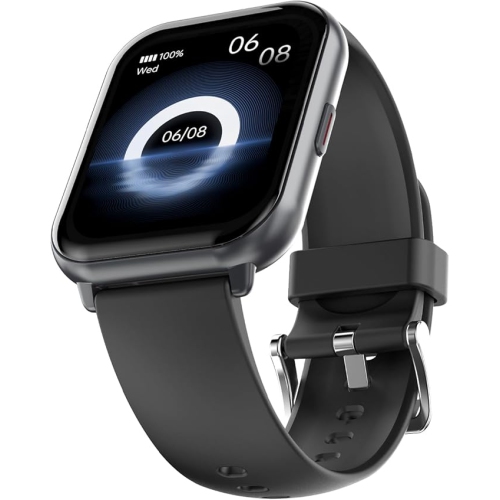
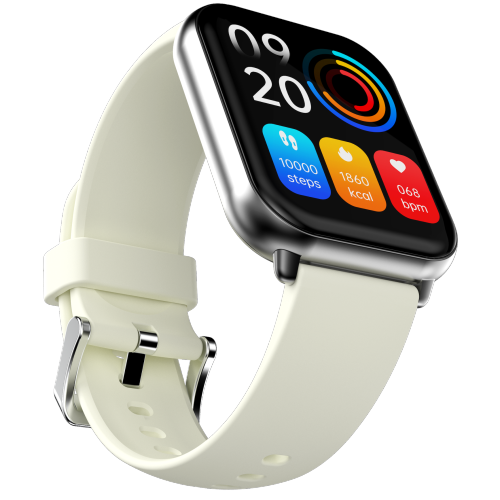
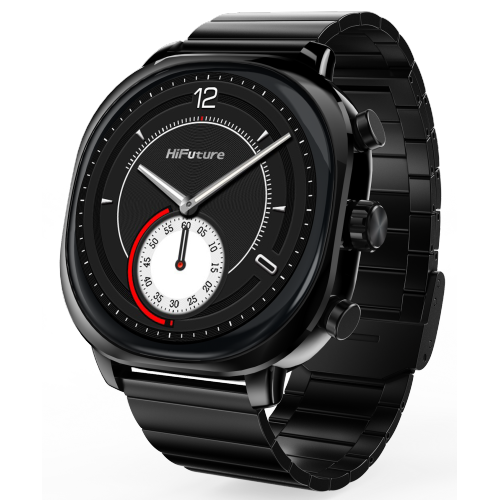
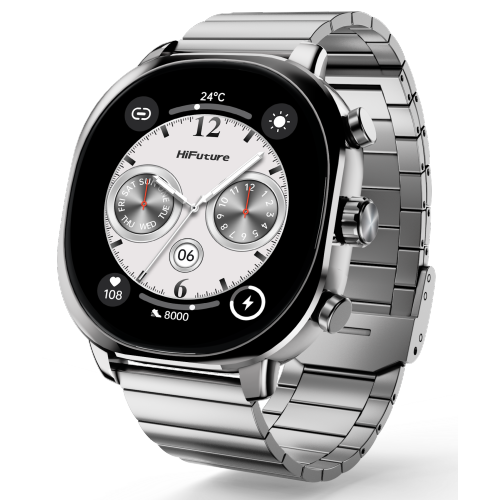
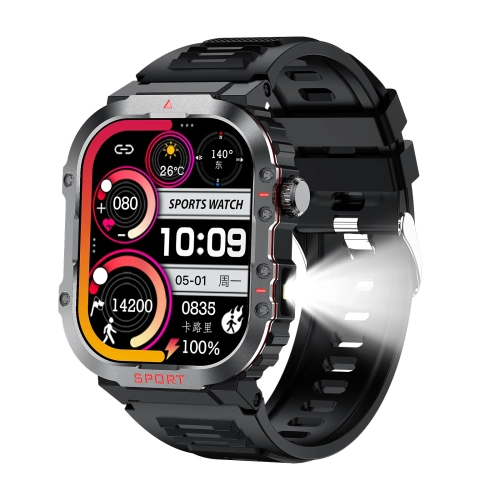
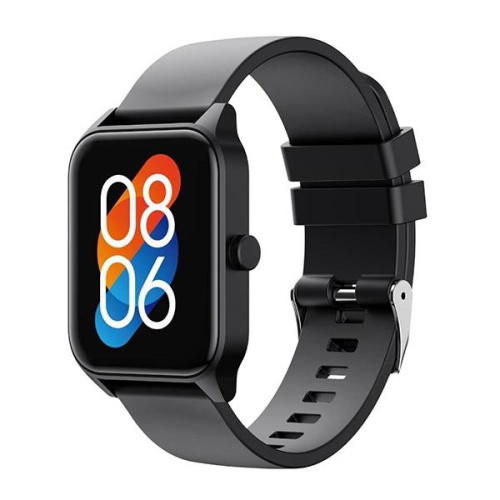
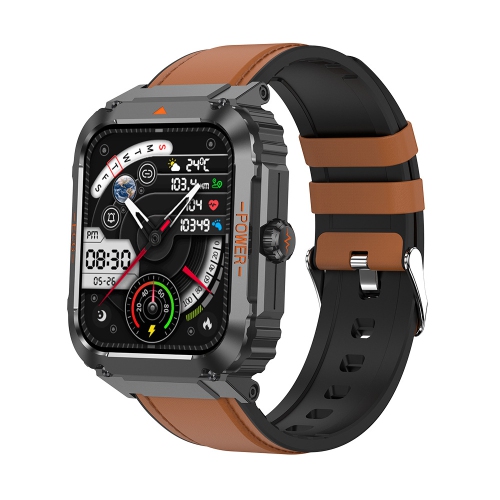
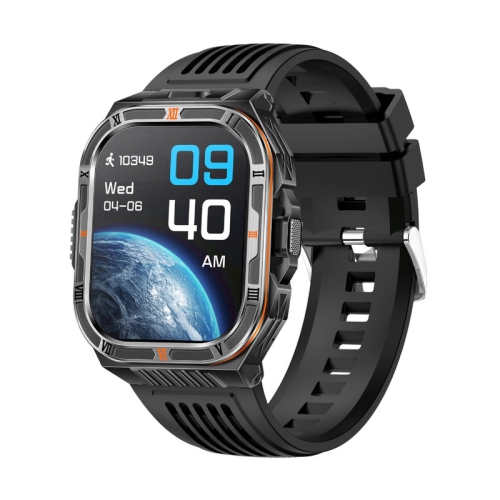
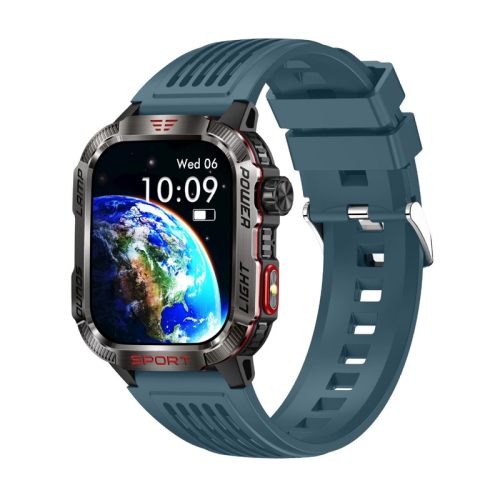
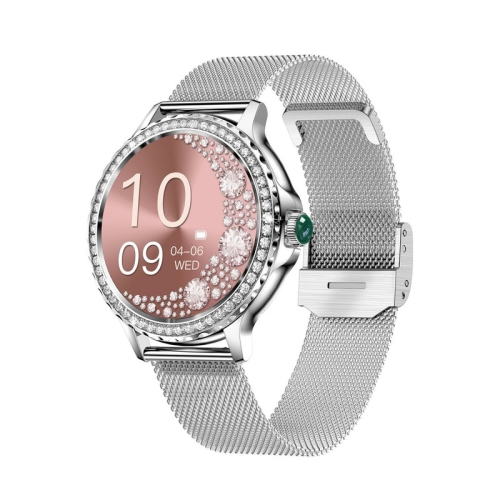
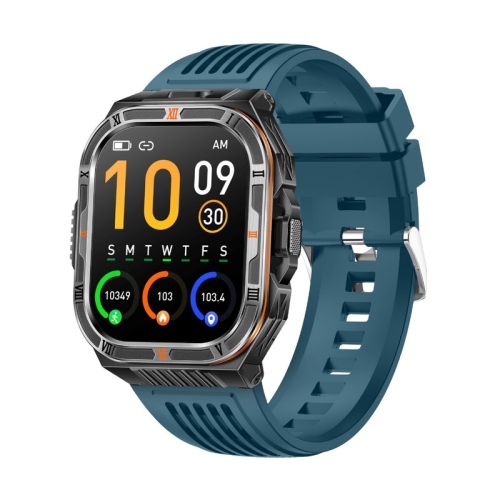
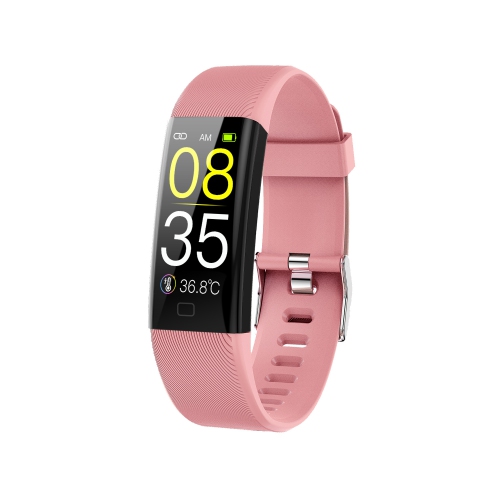
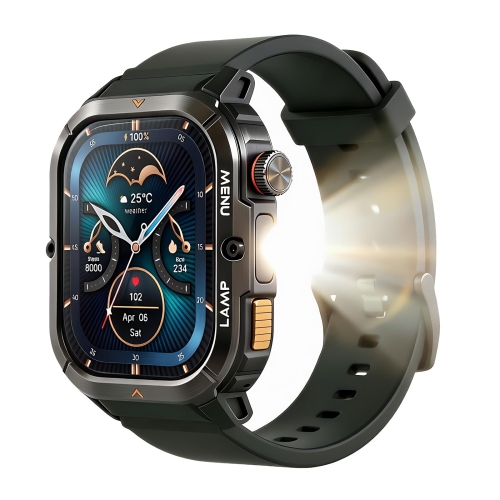
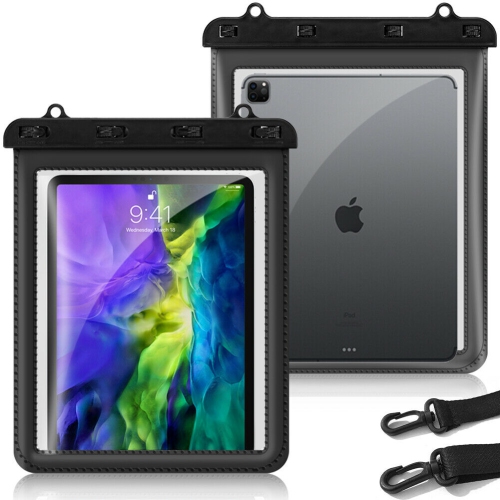
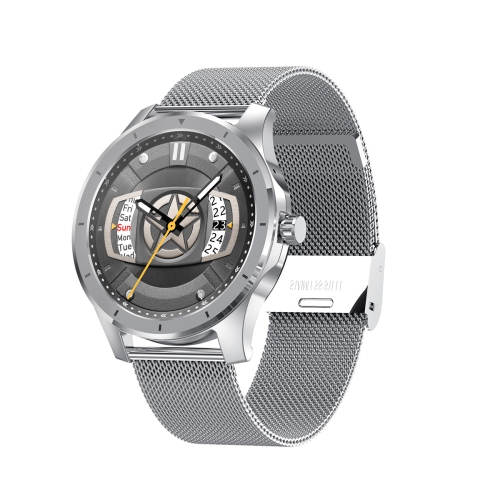
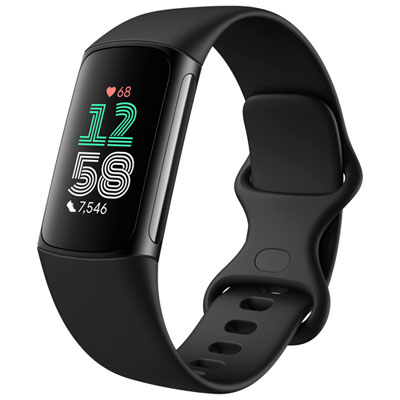
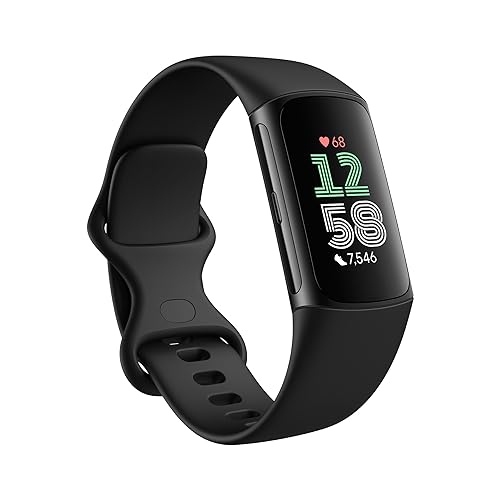
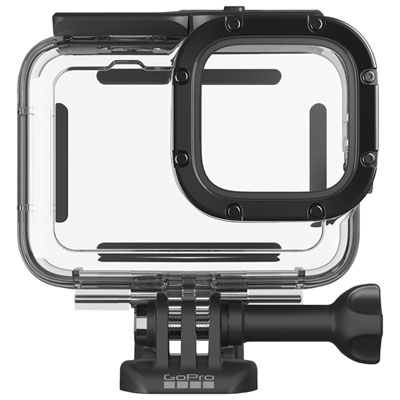
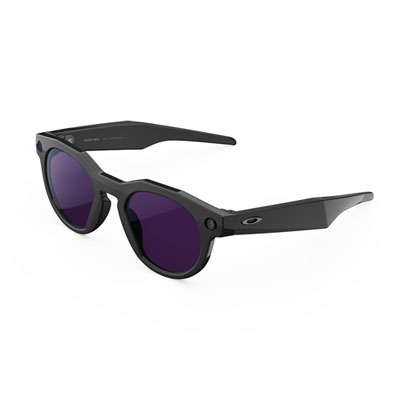
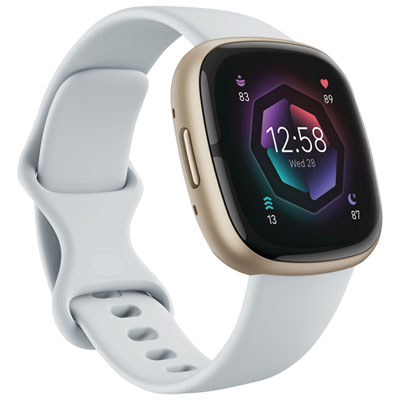
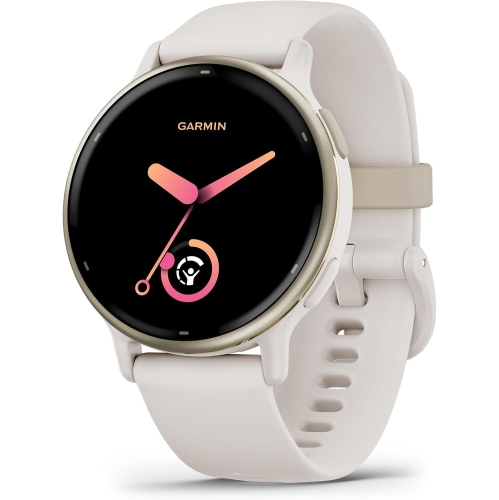
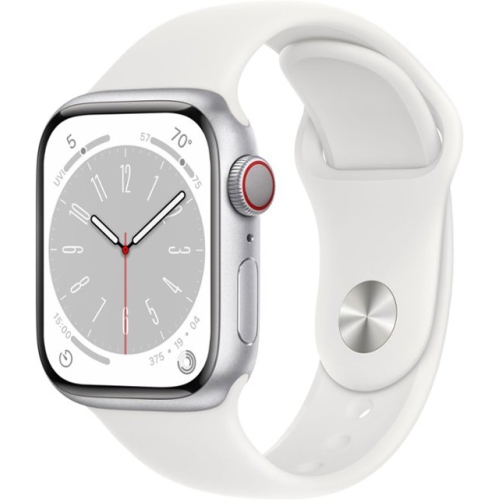
Waterproof wearable tech makes it easier to keep track of movement, health and communication when water is part of your routine. Whether you swim lengths before work, paddle on a calm lake, train in wet weather or simply want a device that can handle showers and accidental splashes, the right wearable can provide useful information without needing to stay on dry land. Waterproof smartwatches and fitness trackers may record steps, heart rate, calories, sleep and workout duration, while swim-focused models can recognize strokes, count lengths, estimate distance and measure pace. Some devices also offer built-in GPS for outdoor activities, route tracking, music controls, notifications and safety features. A wearable designed for use in and around water can be especially helpful during the cooler months, when you may move between rainy walks, indoor pools, damp changing rooms and everyday errands without wanting to remove your device. For an overview of options made for aquatic activities and wet conditions, explore Waterproof Smartwatches. When comparing products, start by looking closely at the device’s water-rating terminology rather than treating every description as interchangeable. A rating of 5ATM, or water resistance to 50 metres under laboratory conditions, is commonly associated with swimming, showering and shallow-water activities, but it does not mean the device is suitable for every type of diving or high-speed water sport. A 10ATM rating offers a higher level of protection, while dive-certified models may include depth sensors, dive timers and other features intended for underwater use. An IP rating, such as IP68, describes protection against dust and water exposure, but the exact testing conditions vary, and an IP68 device is not automatically designed for swimming. Always check the manufacturer’s instructions for salt water, chlorinated water, hot tubs, saunas, water pressure and depth limits, and rinse and dry the wearable as directed after use.
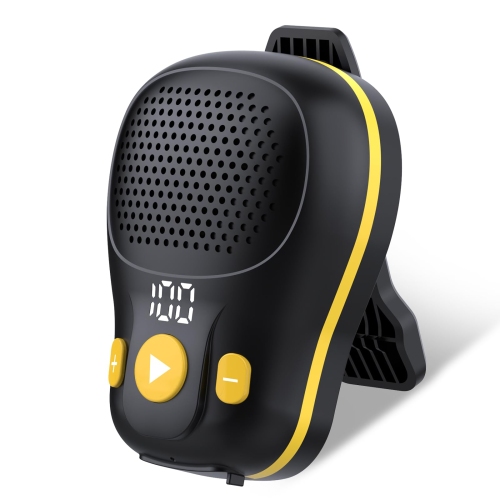
The best choice depends on how you expect to use it and what information you want to see at a glance. Swimmers may prioritize automatic lap counting, stroke recognition, interval tracking and a clear display that is easy to read beside a pool. Someone who enjoys open-water activities may value GPS, a secure strap, a bright screen and physical controls that are easy to operate with wet fingers. For diving or fast-moving water sports, look for a model specifically rated and certified for those conditions instead of relying on a general splash-resistance label. If listening to audio is part of your workout, waterproof headphones can offer an alternative to a smartwatch or fitness band; designs made for swimming may use internal storage or specialized wireless technology because standard Bluetooth connections can be unreliable underwater. Fit and comfort matter just as much as technical specifications. A strap should stay secure during turns, paddling or a brisk walk without pinching, and the case should feel light enough to wear for a full day. Consider battery life, charging time, screen visibility, button placement and whether the device can be worn overnight for sleep tracking. Compatibility with your phone is also important: check whether the wearable supports iOS, Android or both, and confirm which features require a paired phone, an app or a subscription. Health features can vary as well. Heart-rate readings, blood oxygen estimates, skin temperature, stress tools and workout measurements are useful for observing trends, but they are not a substitute for professional medical advice or emergency equipment. A practical routine can make a noticeable difference: after a swim, rinse away chlorine or salt, dry the charging contacts and wait until the device is fully dry before connecting it to a charger. Keeping the wearable clean and checking the strap regularly can help it remain comfortable through frequent use.
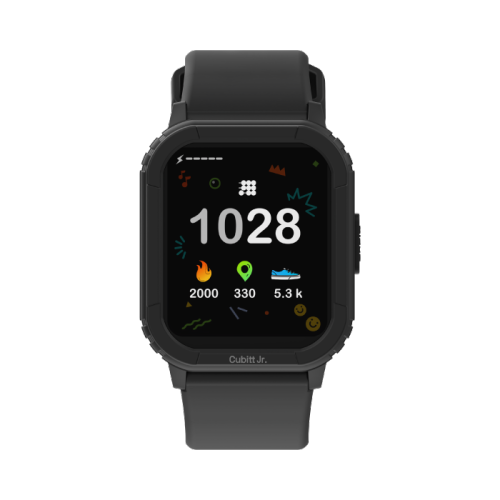
Waterproof wearable technology can suit many different lifestyles and can make a thoughtful gift for someone who enjoys swimming, fitness classes, travel, camping, boating or outdoor training. It may also be useful for a busy family member who wants activity reminders and notifications without carrying a phone during a workout. A parent heading to the community pool, a runner caught in autumn rain or a traveller spending time near the water may appreciate having essential information on their wrist rather than reaching into a bag. For a gift, consider the recipient’s phone type, preferred activities and comfort with technology before focusing on advanced specifications. Someone who wants simple progress updates may be happier with a streamlined tracker, while a multisport enthusiast may prefer detailed workout profiles, GPS and a larger display. A secure band is particularly important for children or active users, although any health or communication features should be checked for age suitability and local availability. During changing weather, water-ready wearables can bridge indoor and outdoor routines: tracking a pool session, recording a snowy walk, monitoring a gym workout or providing notifications while gloves and outer layers make phone access inconvenient. Look for clear information about the intended depth, duration and type of water exposure, along with warranty terms and replacement-band availability. A device marketed as waterproof still has limits, and damage caused by misuse, impact, chemicals or pressure may not be covered. By matching the rating, sensors, controls, compatibility and comfort to the activities ahead, shoppers can choose wearable tech that feels natural to use, delivers meaningful fitness information and stays ready for the next swim, workout or wet-weather adventure.
The best choice depends on how you expect to use it and what information you want to see at a glance. Swimmers may prioritize automatic lap counting, stroke recognition, interval tracking and a clear display that is easy to read beside a pool. Someone who enjoys open-water activities may value GPS, a secure strap, a bright screen and physical controls that are easy to operate with wet fingers. For diving or fast-moving water sports, look for a model specifically rated and certified for those conditions instead of relying on a general splash-resistance label. If listening to audio is part of your workout, waterproof headphones can offer an alternative to a smartwatch or fitness band; designs made for swimming may use internal storage or specialized wireless technology because standard Bluetooth connections can be unreliable underwater. Fit and comfort matter just as much as technical specifications. A strap should stay secure during turns, paddling or a brisk walk without pinching, and the case should feel light enough to wear for a full day. Consider battery life, charging time, screen visibility, button placement and whether the device can be worn overnight for sleep tracking. Compatibility with your phone is also important: check whether the wearable supports iOS, Android or both, and confirm which features require a paired phone, an app or a subscription. Health features can vary as well. Heart-rate readings, blood oxygen estimates, skin temperature, stress tools and workout measurements are useful for observing trends, but they are not a substitute for professional medical advice or emergency equipment. A practical routine can make a noticeable difference: after a swim, rinse away chlorine or salt, dry the charging contacts and wait until the device is fully dry before connecting it to a charger. Keeping the wearable clean and checking the strap regularly can help it remain comfortable through frequent use.
Waterproof wearable technology can suit many different lifestyles and can make a thoughtful gift for someone who enjoys swimming, fitness classes, travel, camping, boating or outdoor training. It may also be useful for a busy family member who wants activity reminders and notifications without carrying a phone during a workout. A parent heading to the community pool, a runner caught in autumn rain or a traveller spending time near the water may appreciate having essential information on their wrist rather than reaching into a bag. For a gift, consider the recipient’s phone type, preferred activities and comfort with technology before focusing on advanced specifications. Someone who wants simple progress updates may be happier with a streamlined tracker, while a multisport enthusiast may prefer detailed workout profiles, GPS and a larger display. A secure band is particularly important for children or active users, although any health or communication features should be checked for age suitability and local availability. During changing weather, water-ready wearables can bridge indoor and outdoor routines: tracking a pool session, recording a snowy walk, monitoring a gym workout or providing notifications while gloves and outer layers make phone access inconvenient. Look for clear information about the intended depth, duration and type of water exposure, along with warranty terms and replacement-band availability. A device marketed as waterproof still has limits, and damage caused by misuse, impact, chemicals or pressure may not be covered. By matching the rating, sensors, controls, compatibility and comfort to the activities ahead, shoppers can choose wearable tech that feels natural to use, delivers meaningful fitness information and stays ready for the next swim, workout or wet-weather adventure.
Top selling and popular products
-
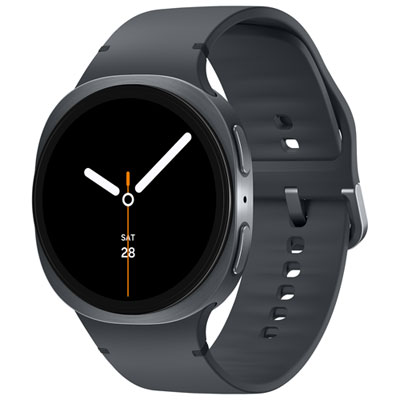 Your price for this item is $399.99
 -
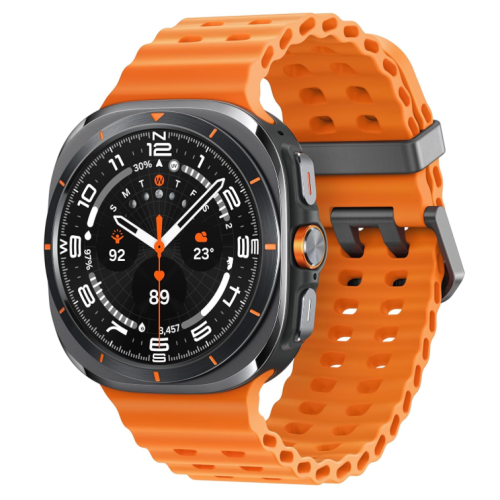 Your price for this item is $579.99
 -
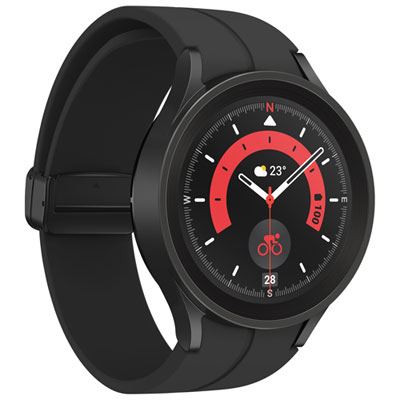 Your price for this item is $629.97
 -
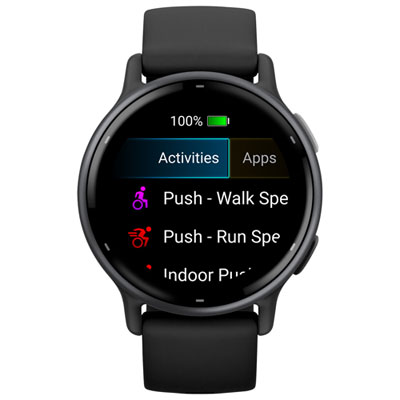 Your price for this item is $349.99
 -
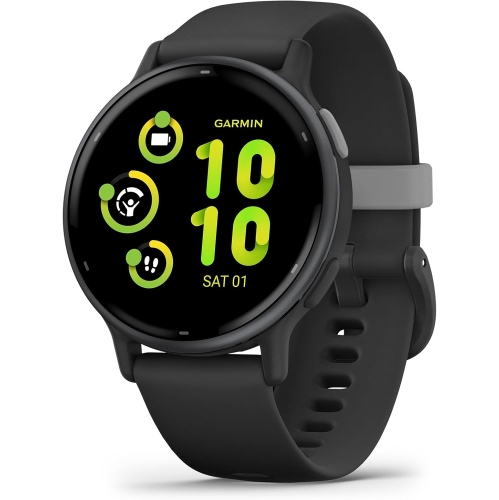 Your price for this item is $371.79
 -
 Your price for this item is $209.99
 -
 Your price for this item is $328.89
 -
 Your price for this item is $659.99
Discover more categories related to Waterproof Wearable Tech
Top Collections:
Pokemon Centers, Kindle Devices, Best Budget Office Chairs, Apple iPhones 16, Best Laptops for Writers, iPhone 15 Apple, Canon G7X Cameras, Refurbished Apple Laptops, Alarm Clock, Motorola Razr Phones
Some products may be subject to Environmental Handling Fees
(EHF) depending on your province.
Learn more about EHFs.