Apple Watch Track Workout
An Apple Watch is a great fitness tracker. It can track your heart rate, count your steps, and even monitor your sleep. If you're looking to take your workouts to the next level, here are some of the best Apple Watch accessories for tracking your workouts.
Sort
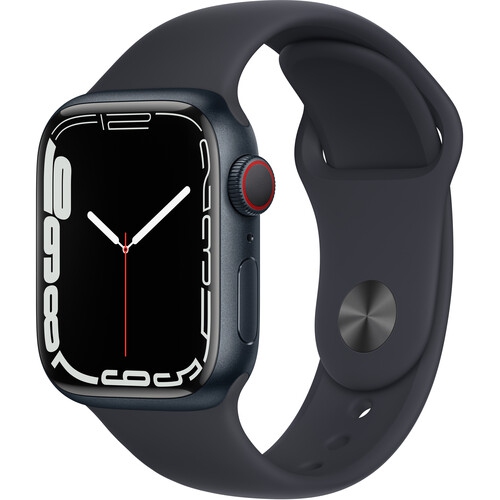
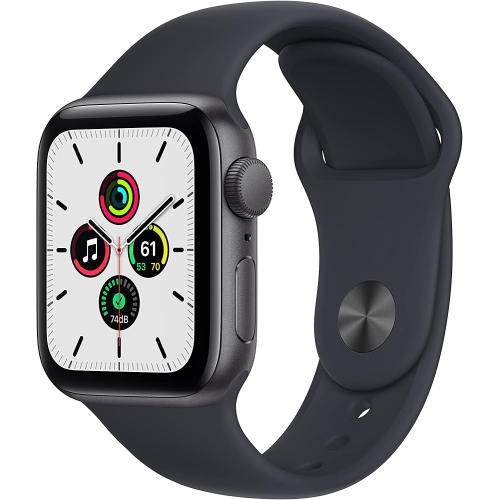
![APPLE Watch Series 10 [Gps 42MM Case] Smartwatch w Jet Aluminium Case w Ink Sport Loop. Fitness Tracker, Ecg App, Always-On Retina Display I Love the watch, it is the best size and shape and the best part is that it is waterproof](https://multimedia.bbycastatic.ca/multimedia/products/500x500/188/18891/18891521.jpeg)
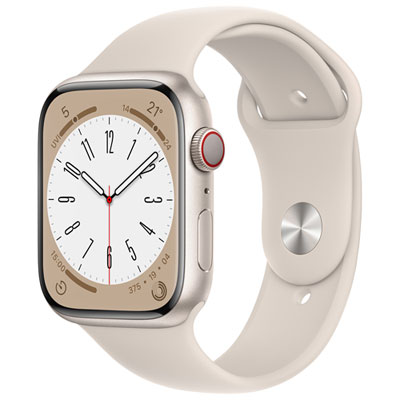
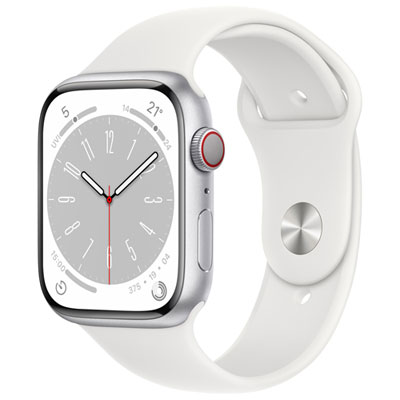
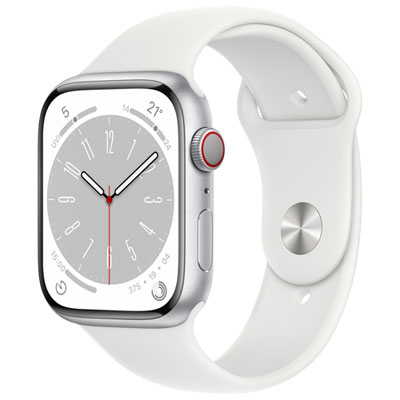
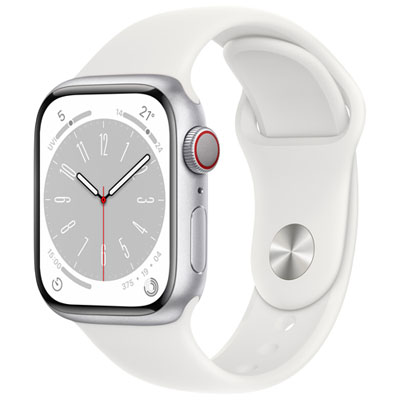
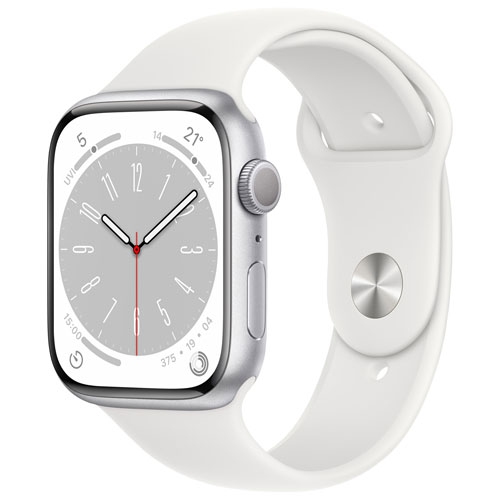
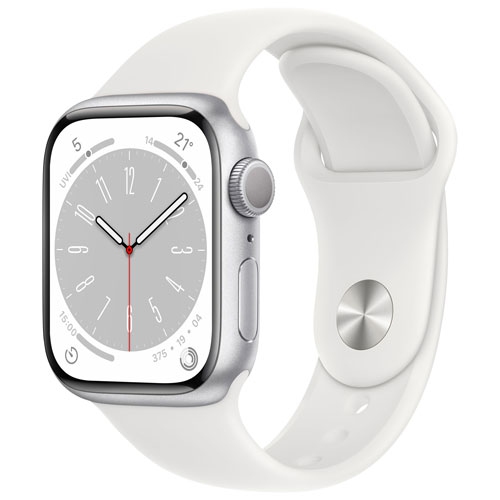
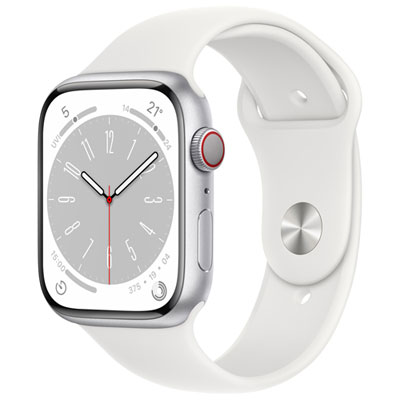
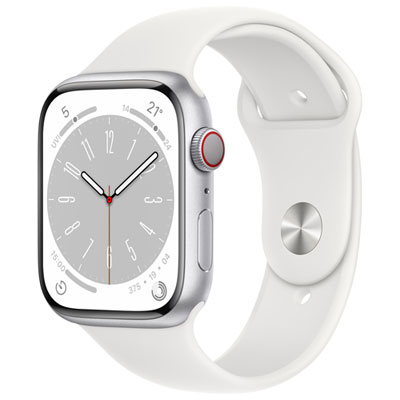
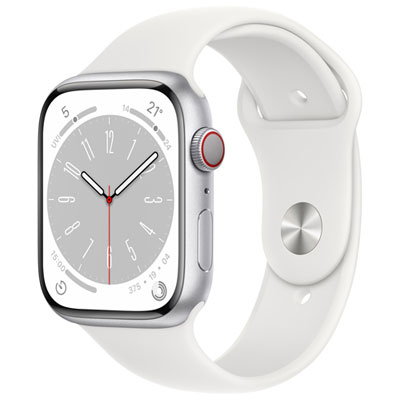
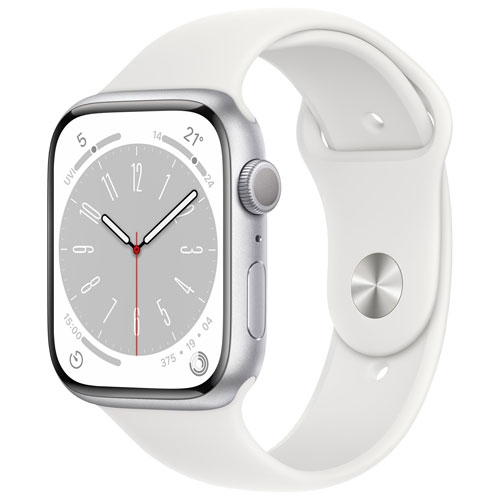
![APPLE Watch Series 8 [Gps + Cellular 45Mm] Smart Watch W/ Silver Aluminum Case With Sport Band - M/l In White Great purchase](https://multimedia.bbycastatic.ca/multimedia/products/500x500/165/16596/16596247.jpeg)
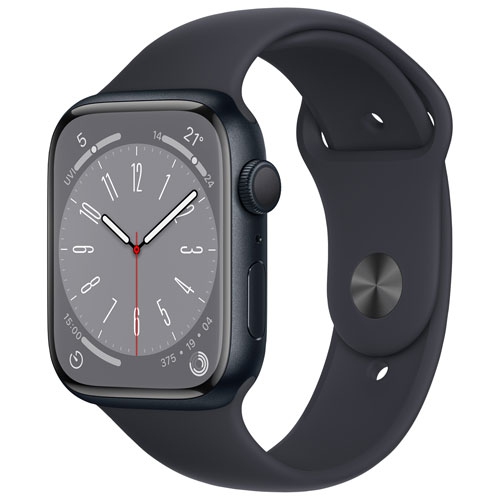
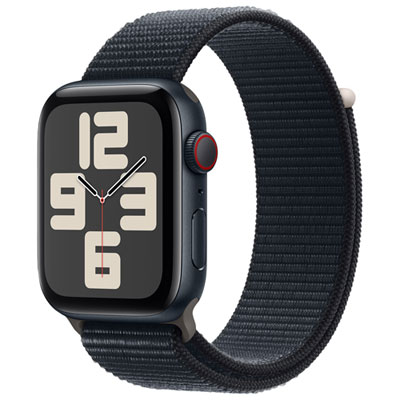
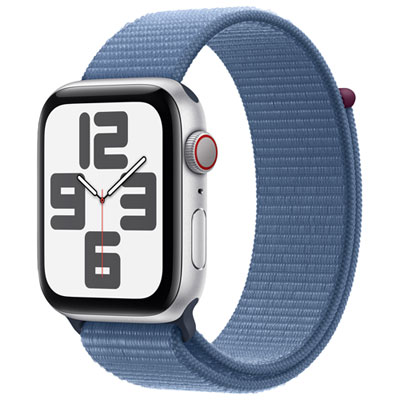
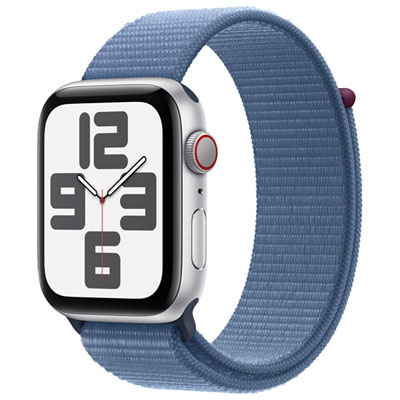
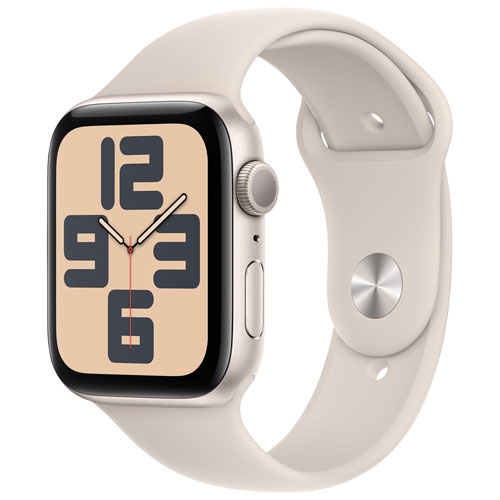
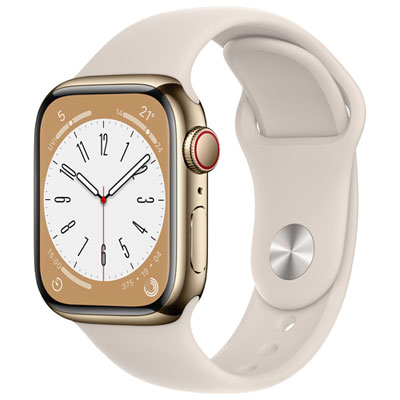
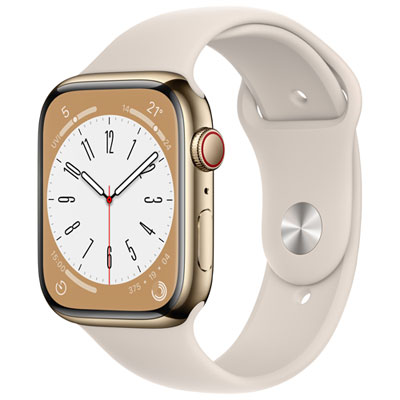
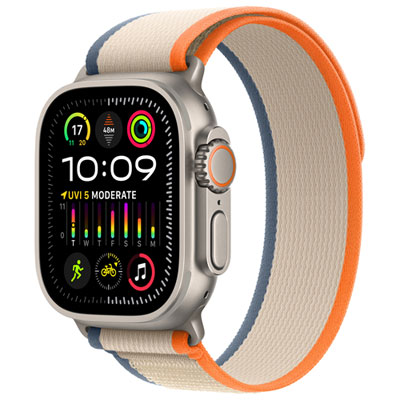
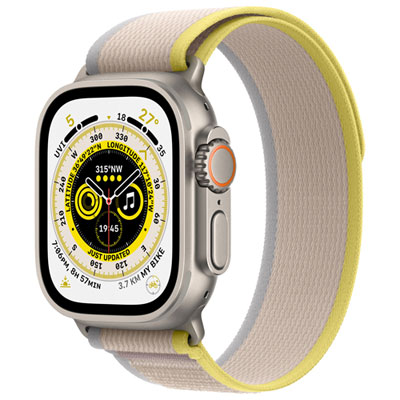
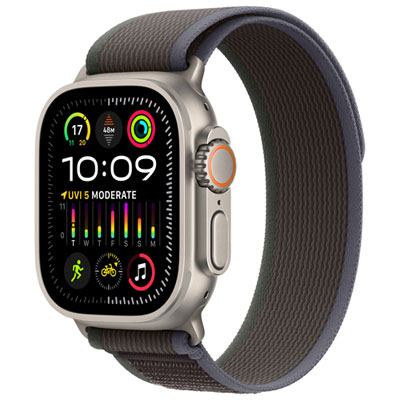
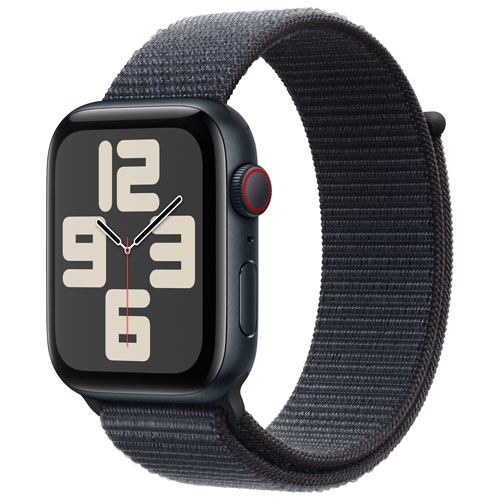
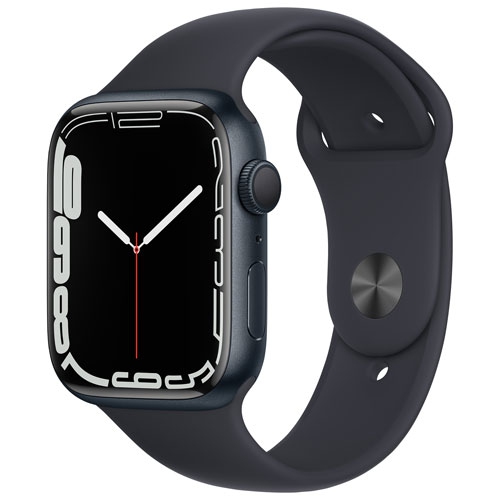
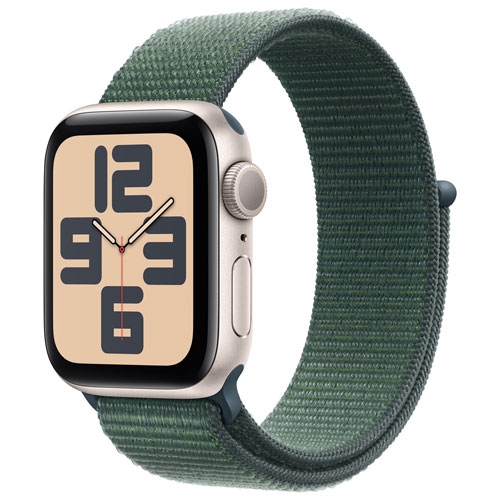
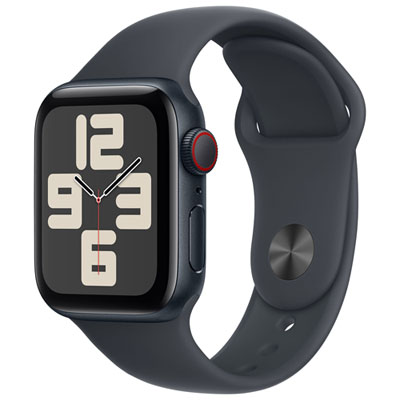
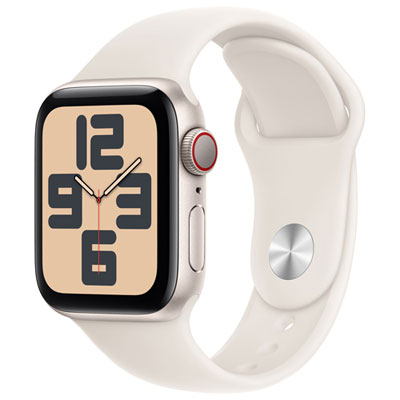
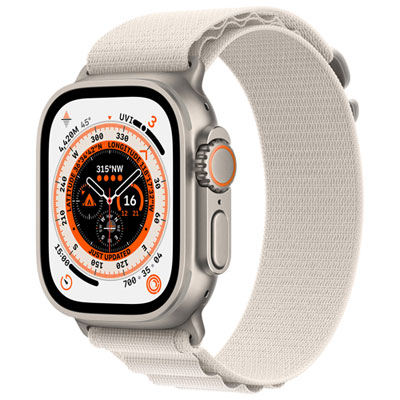
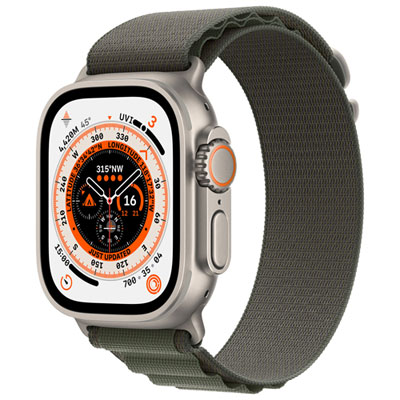

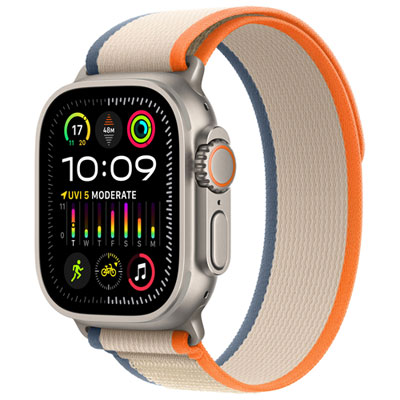
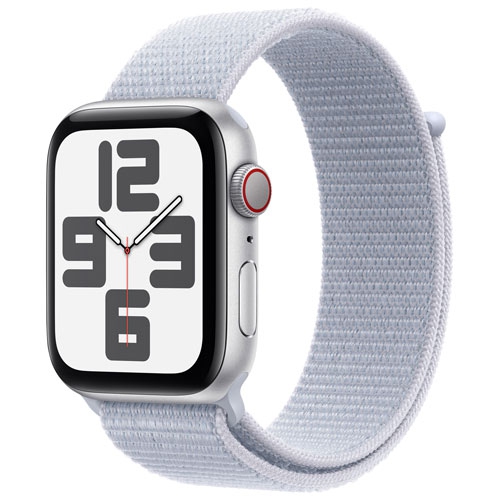
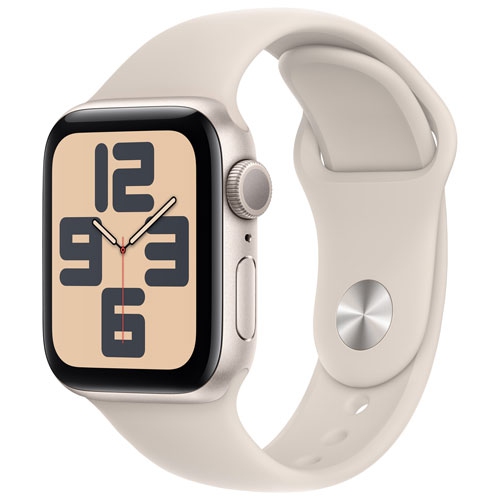
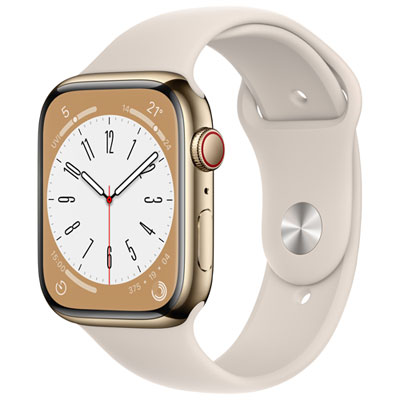
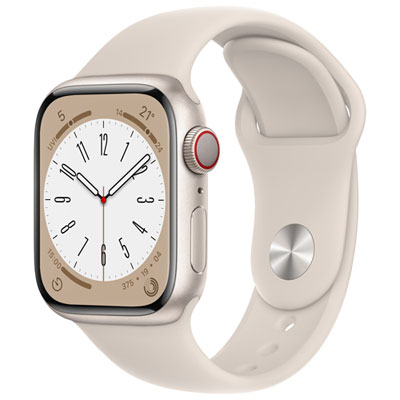
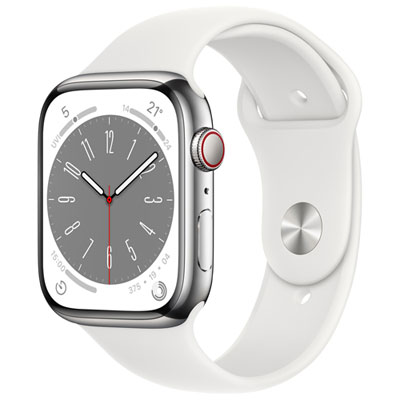
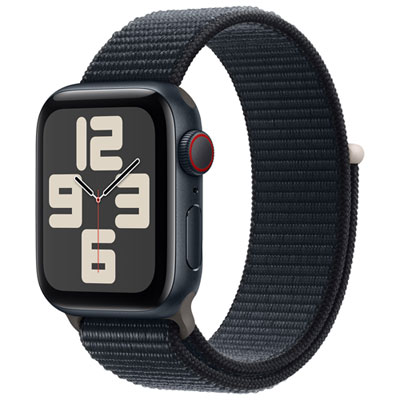
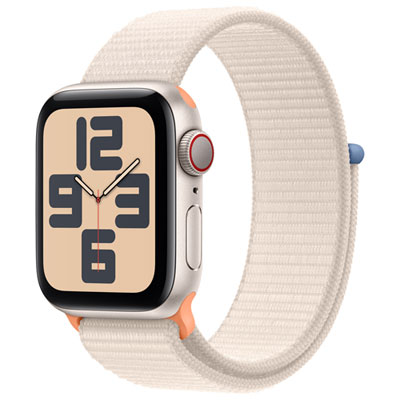
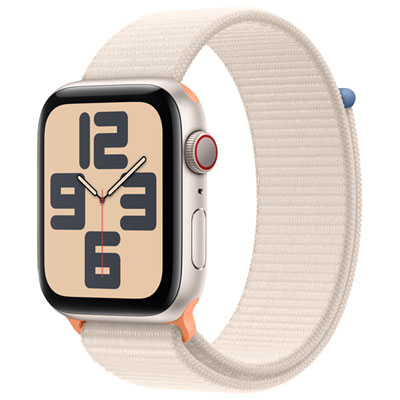
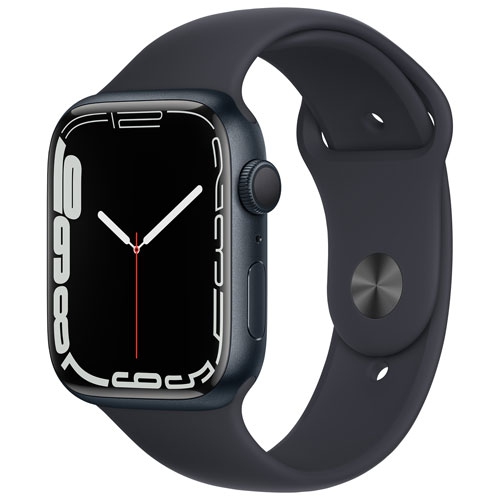
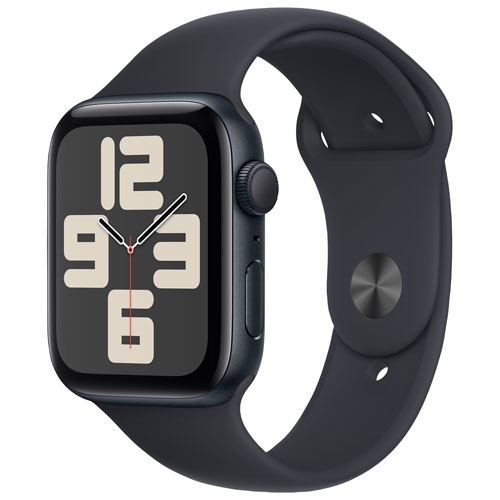
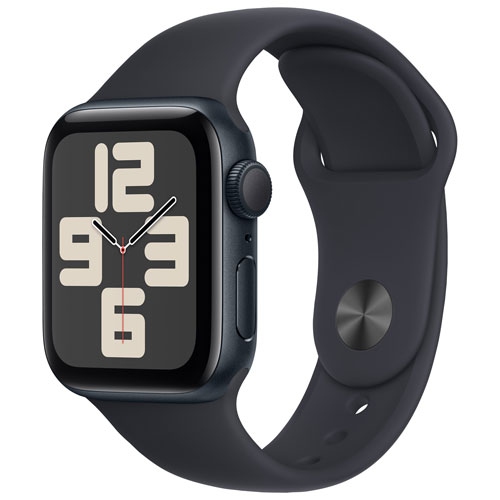
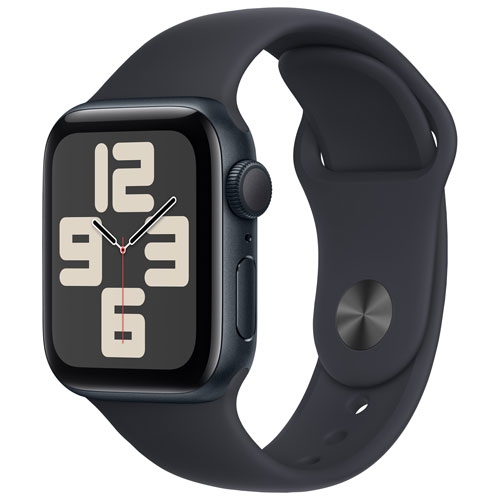
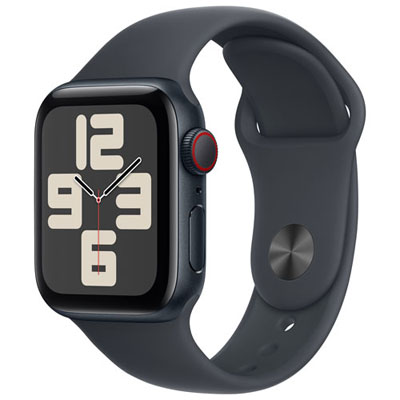
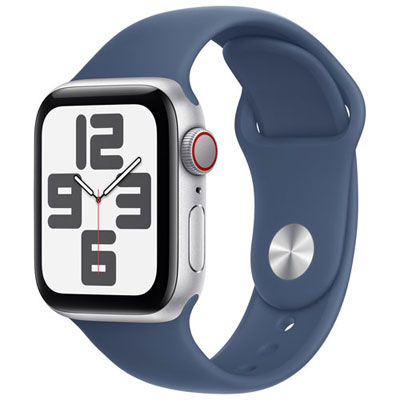
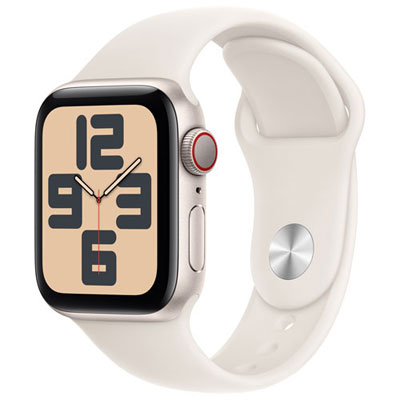
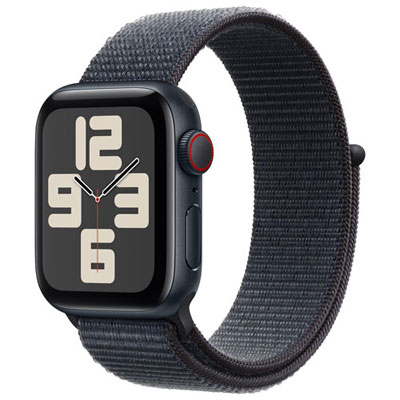
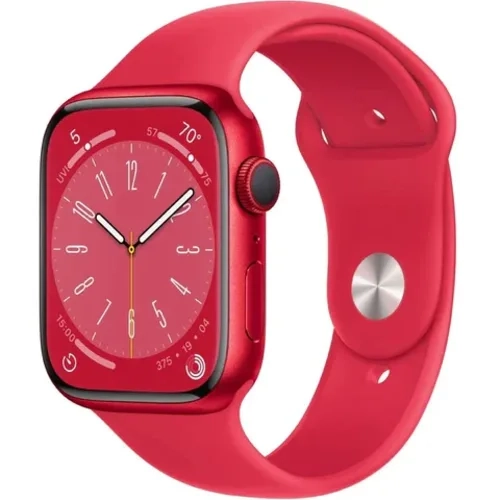
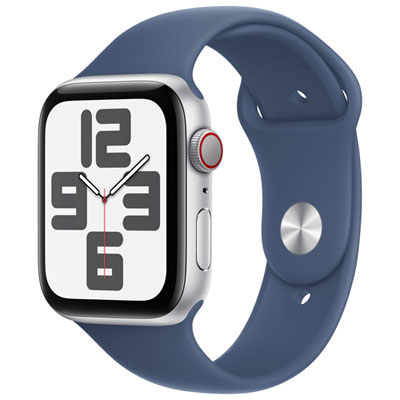
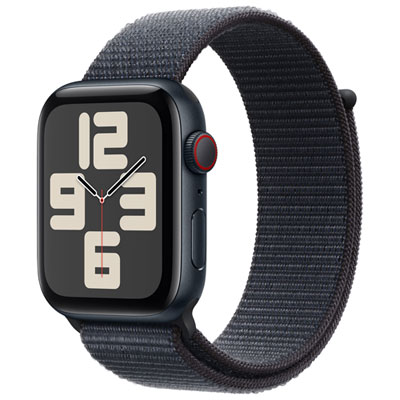
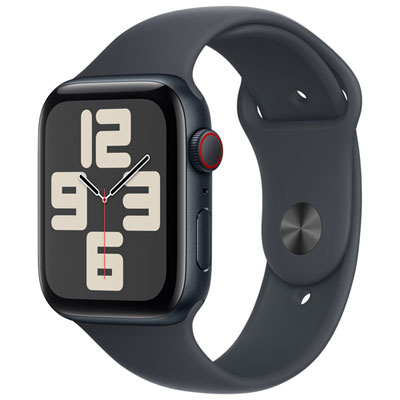
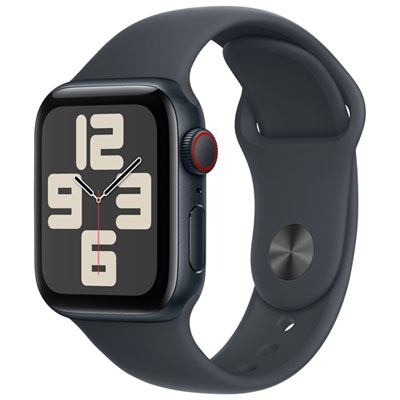
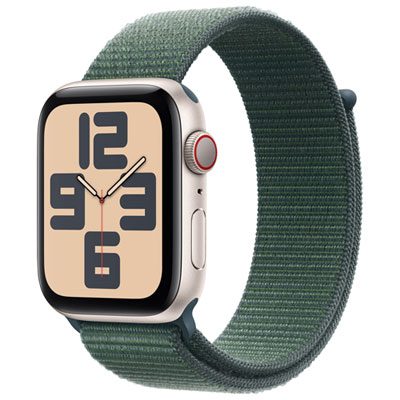

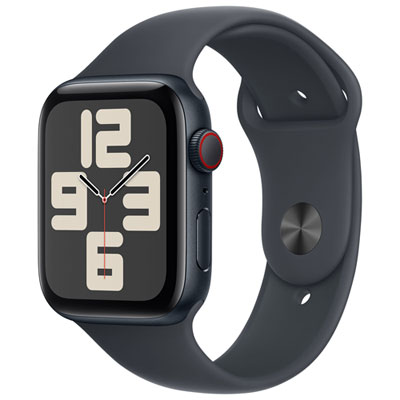
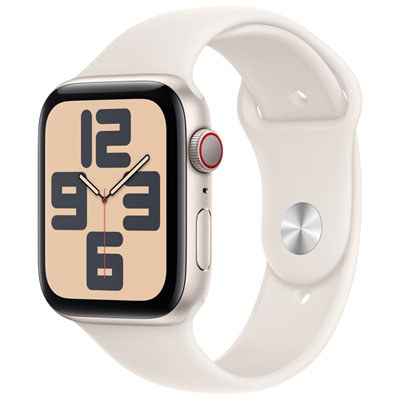
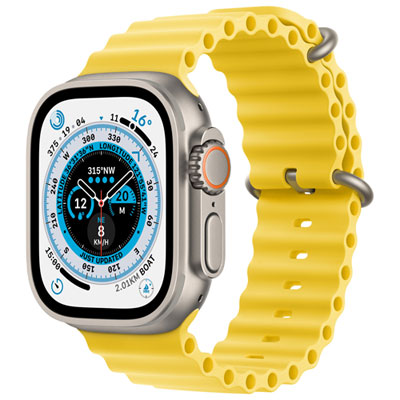
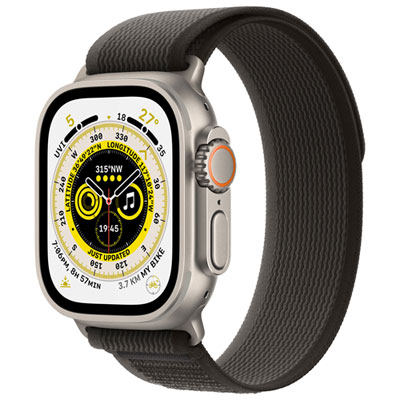

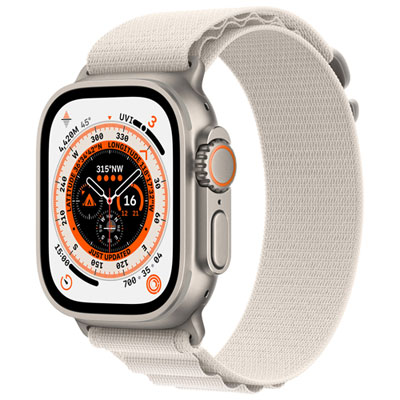
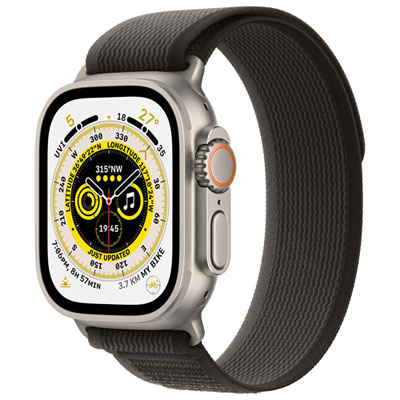
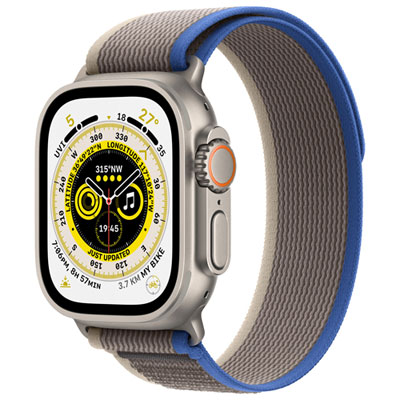
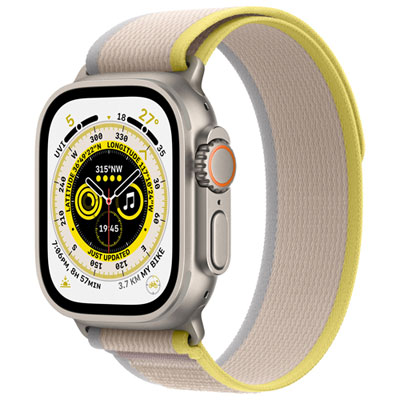
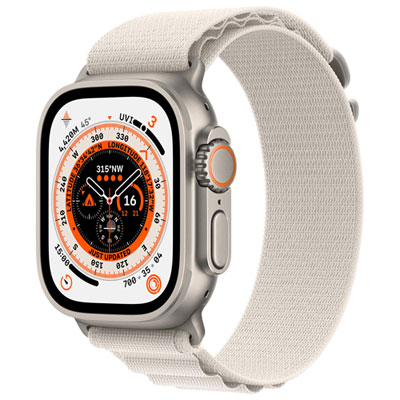
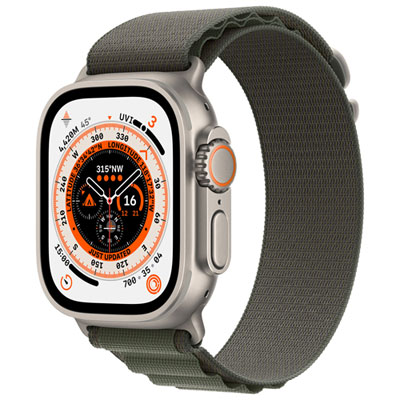
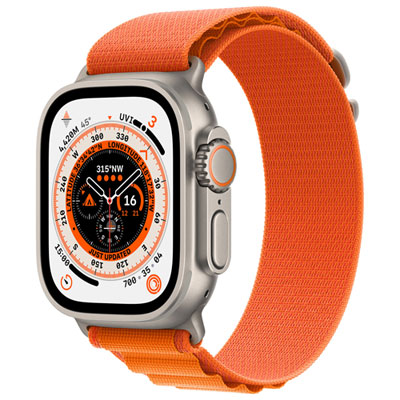
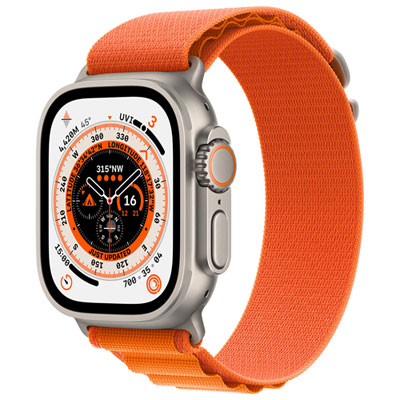
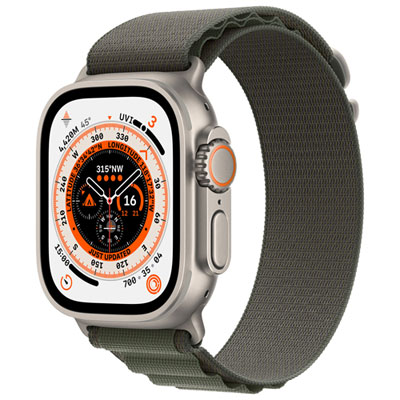
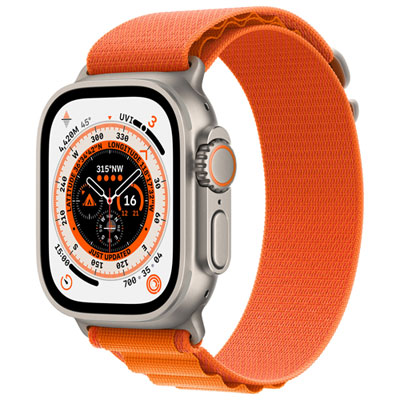
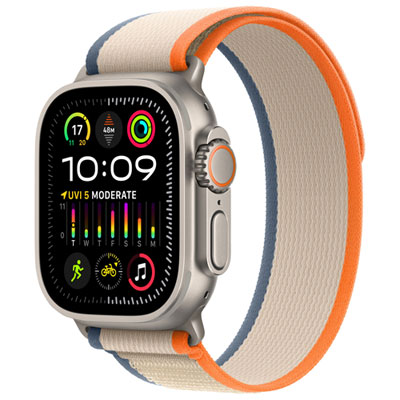
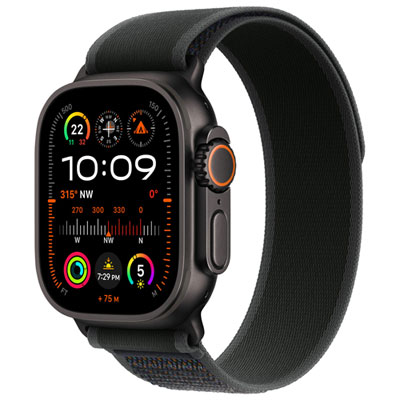
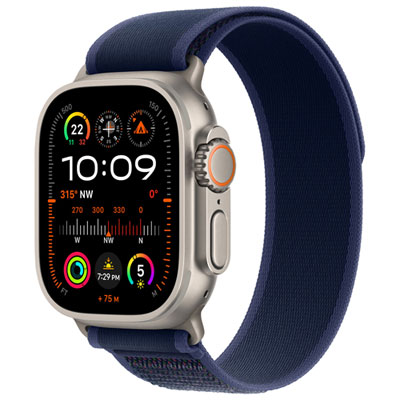
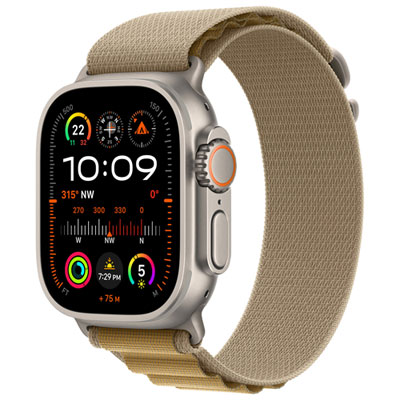
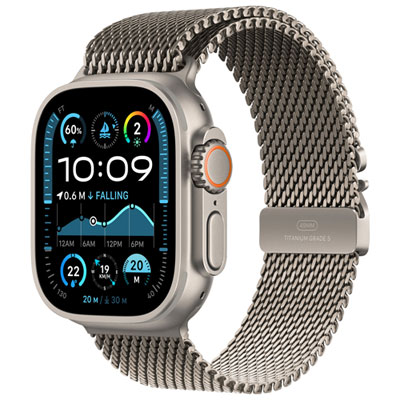
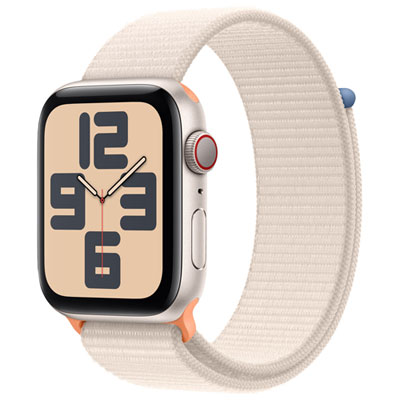
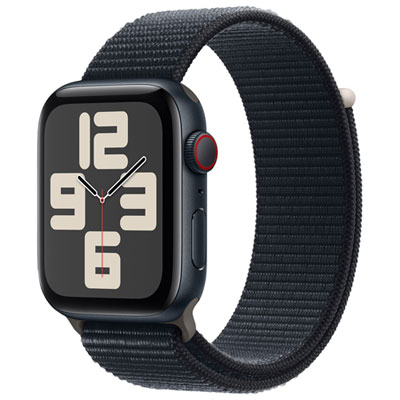
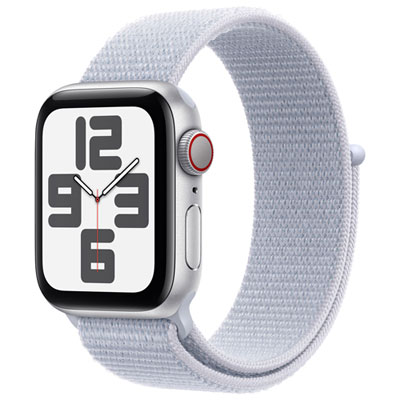
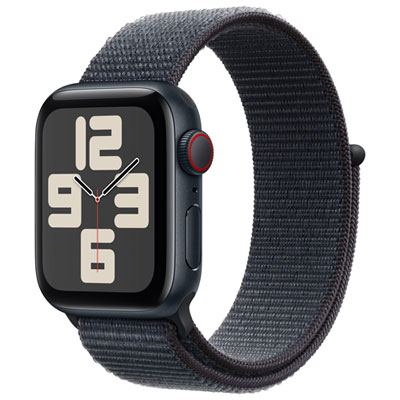
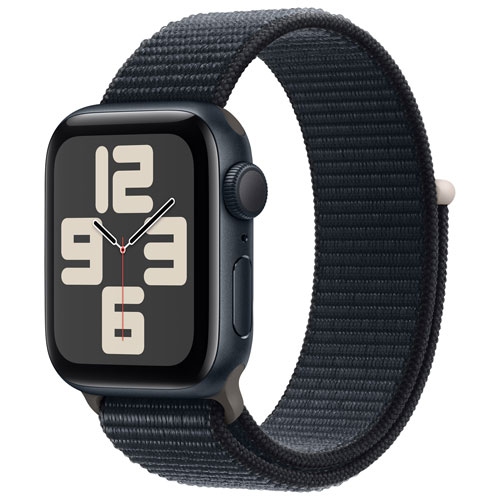
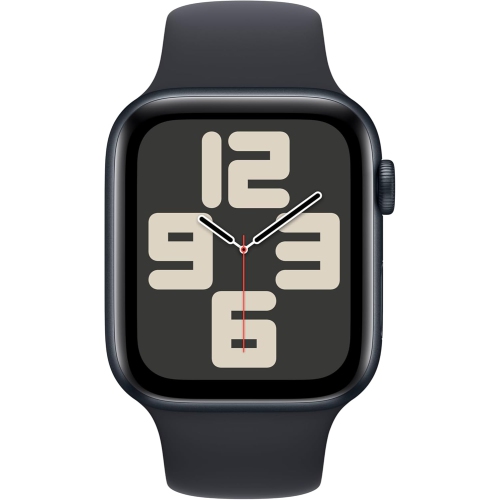
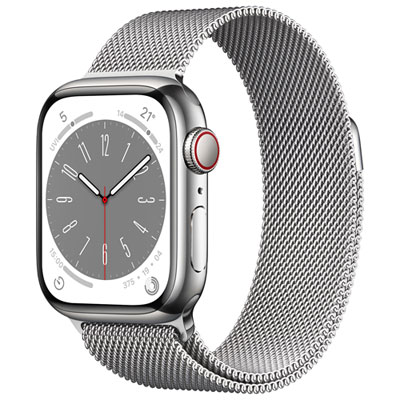
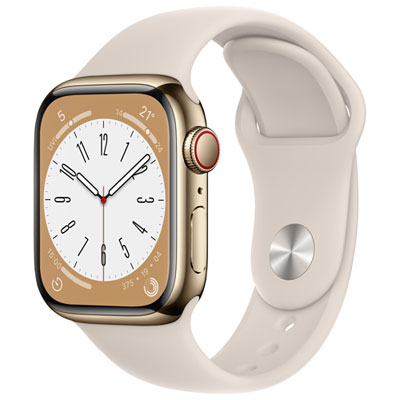
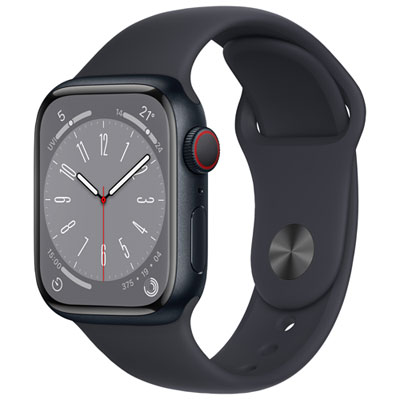
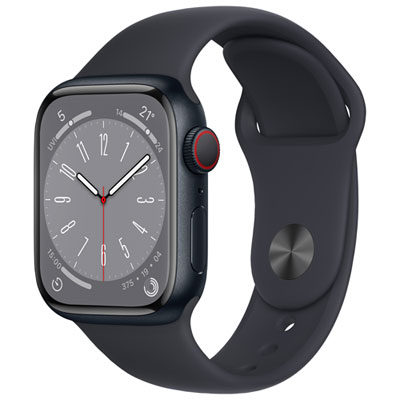
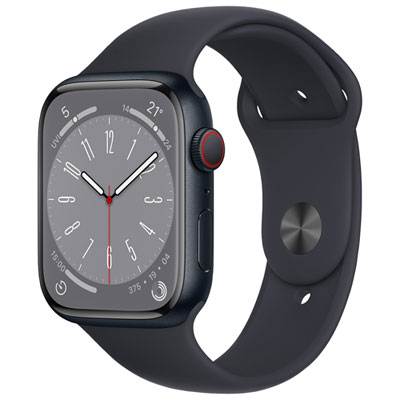
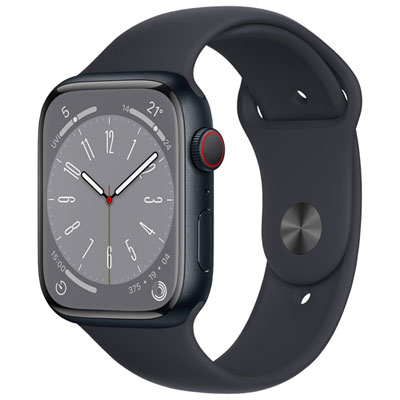
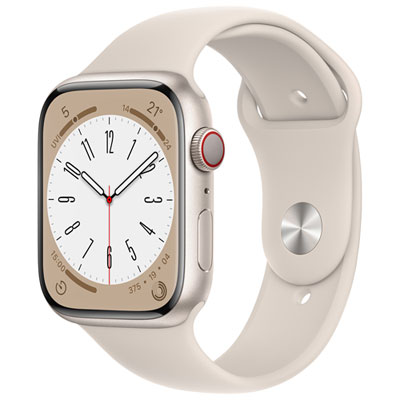
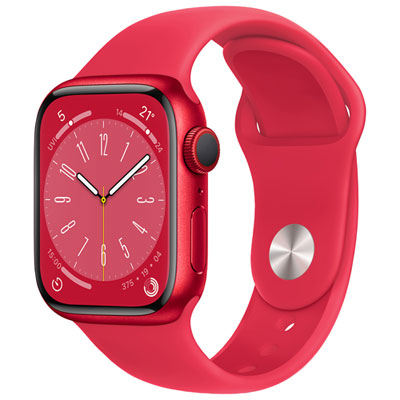
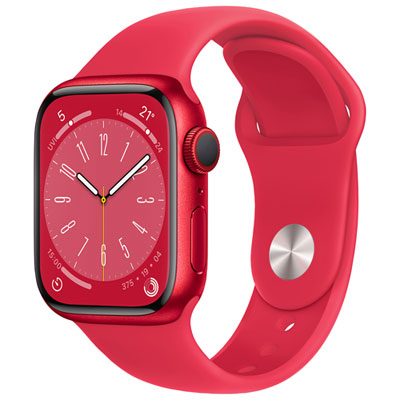
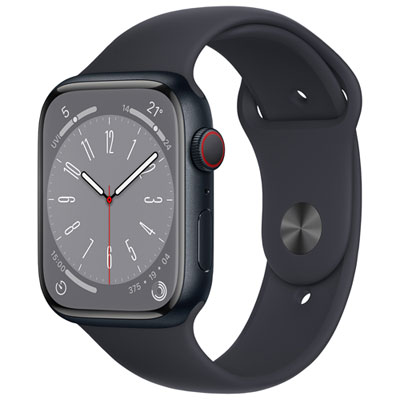
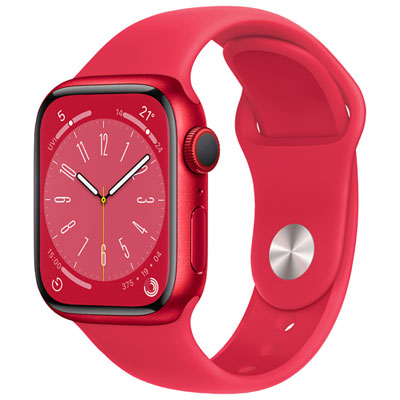
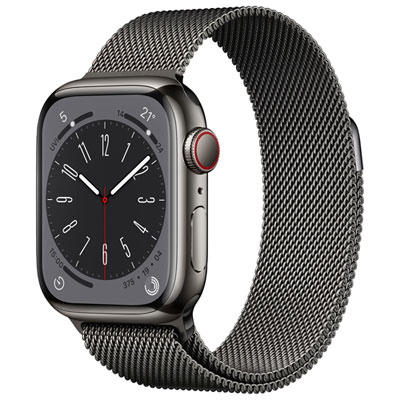
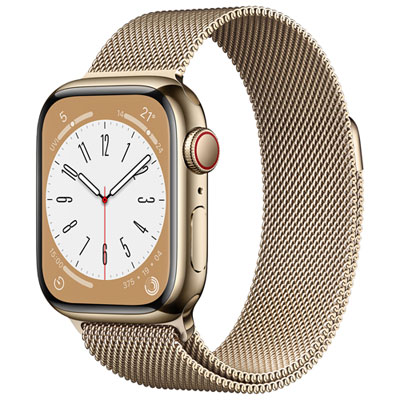

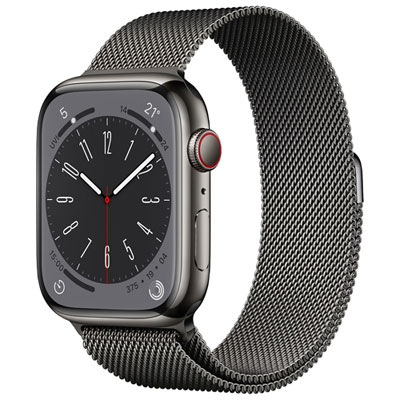
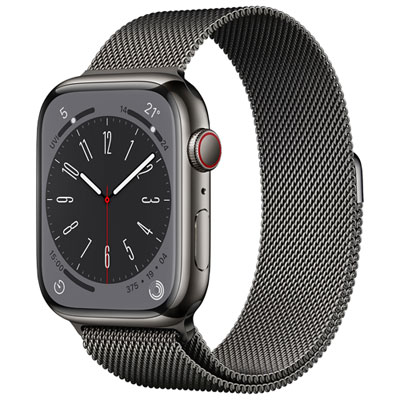
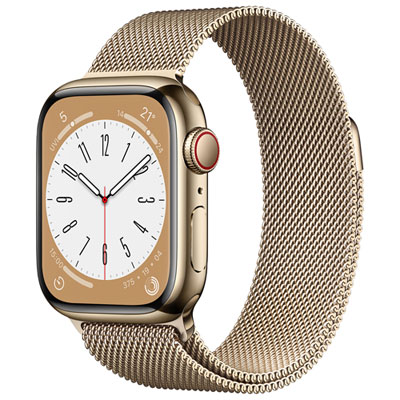
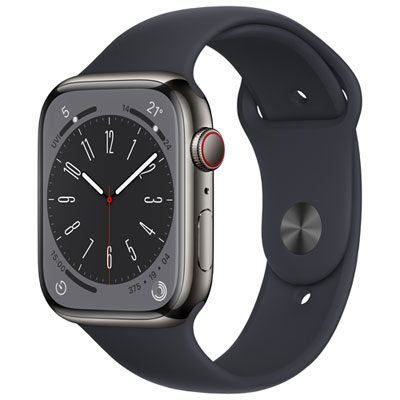

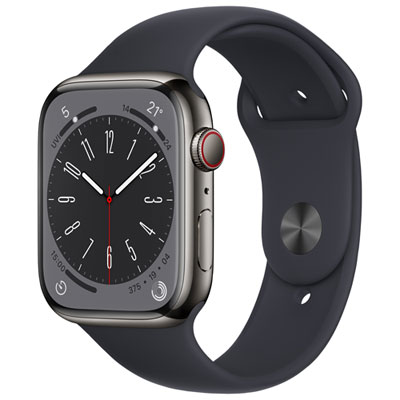
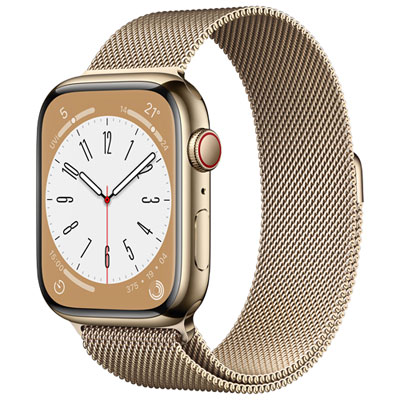
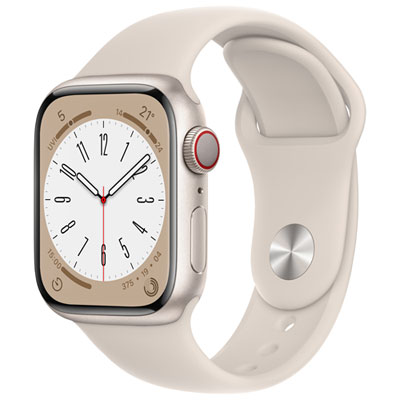
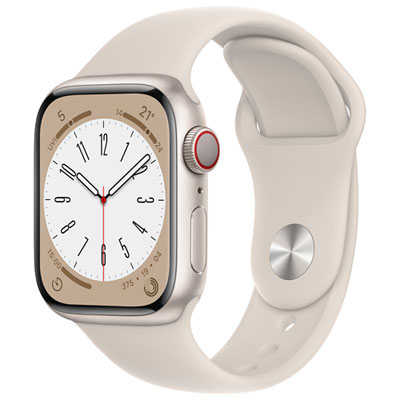
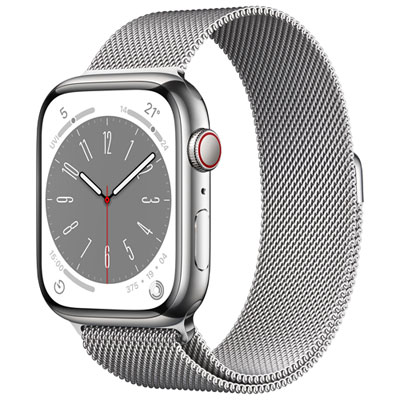
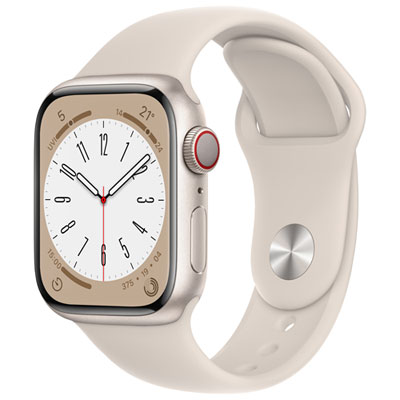
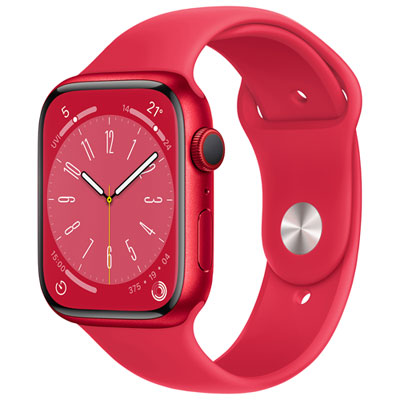
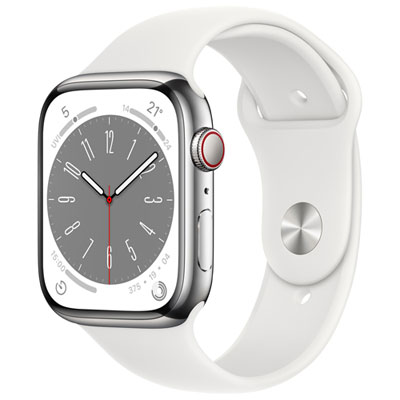
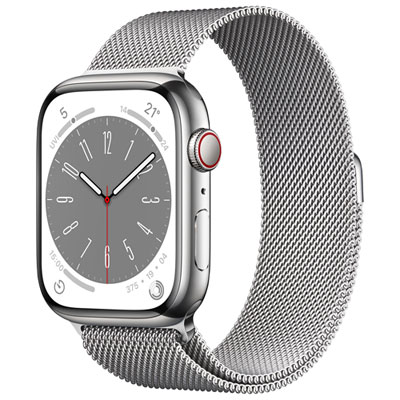
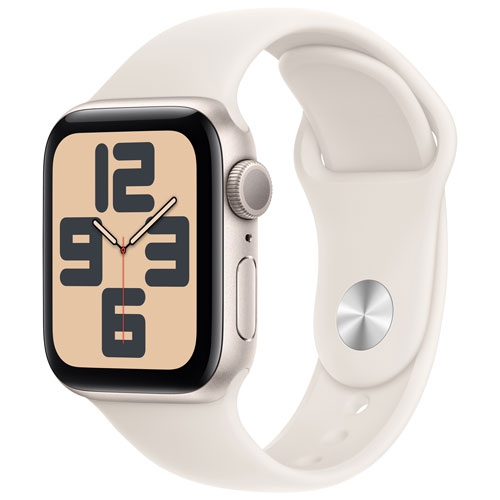
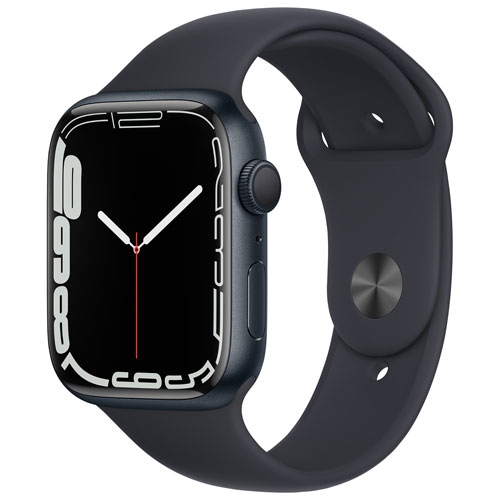
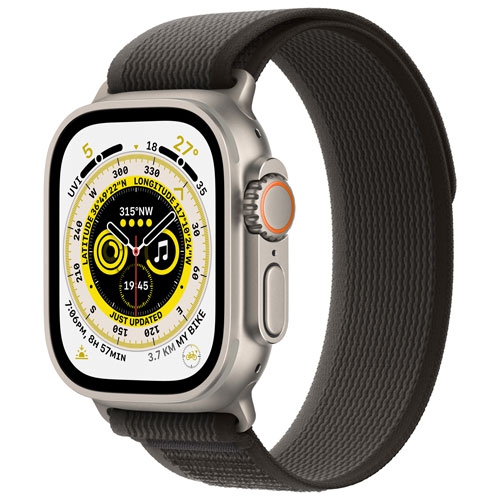
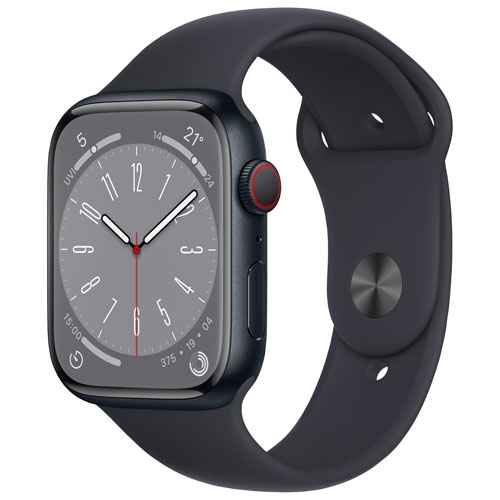
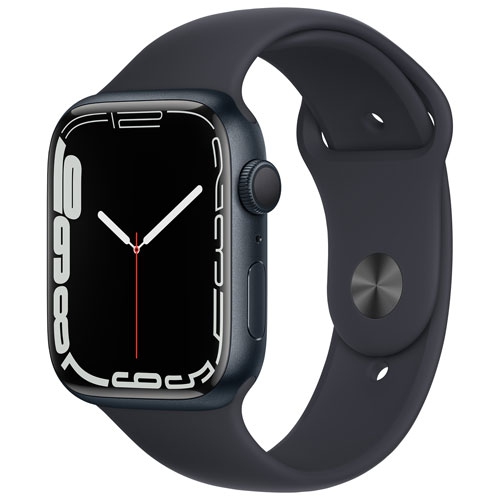
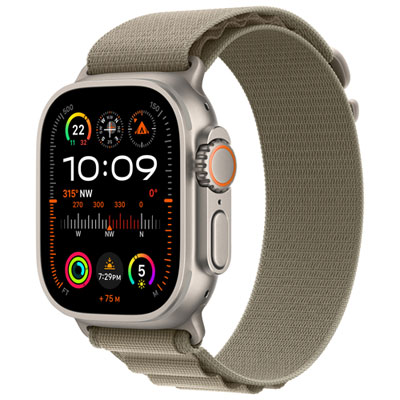
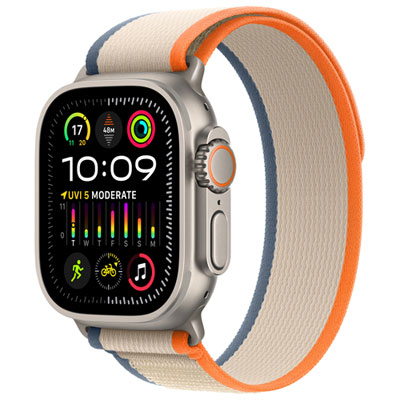
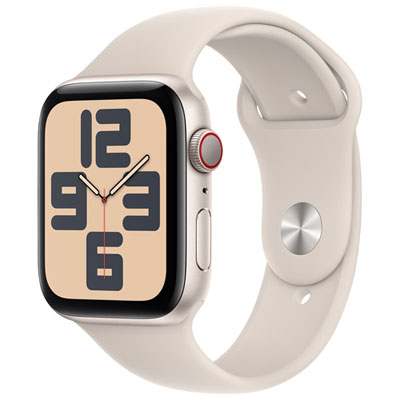
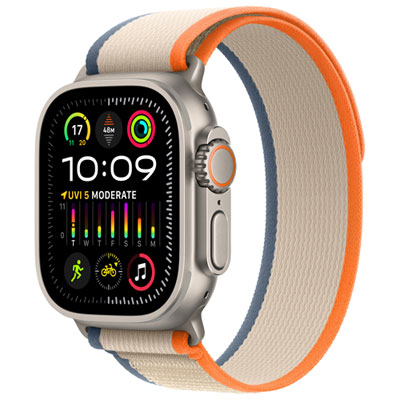

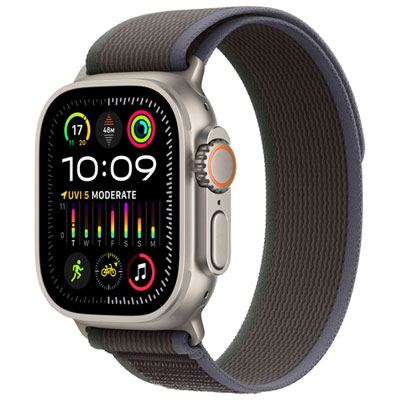
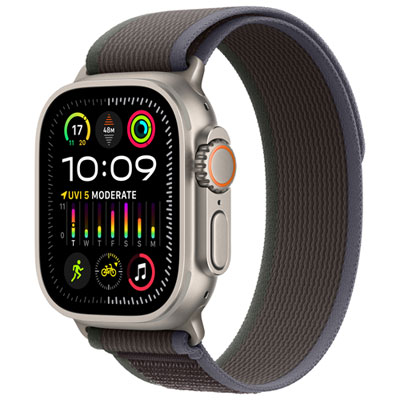
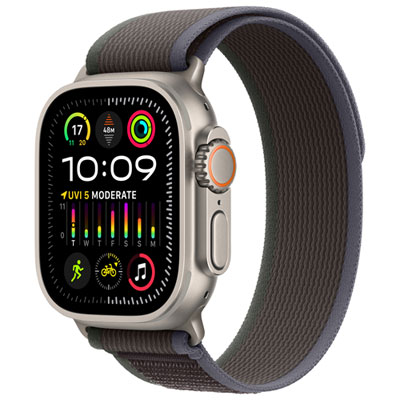
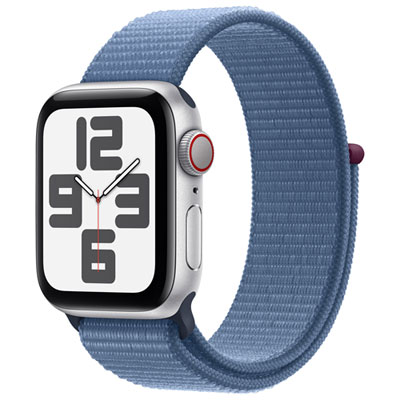
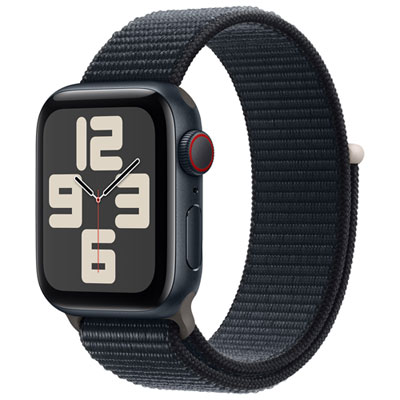
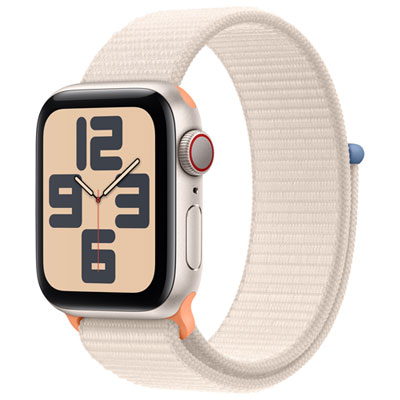
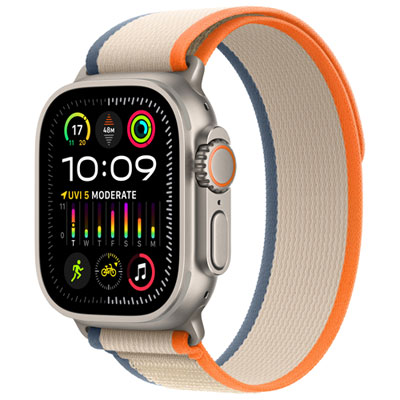
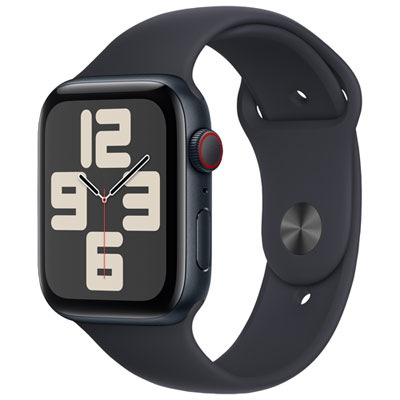
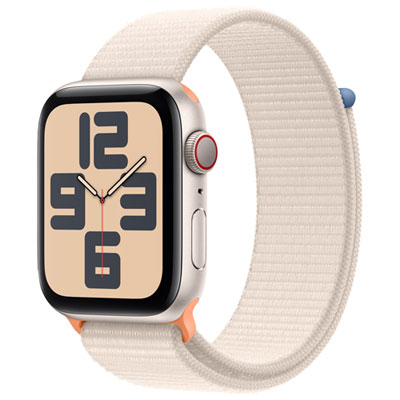
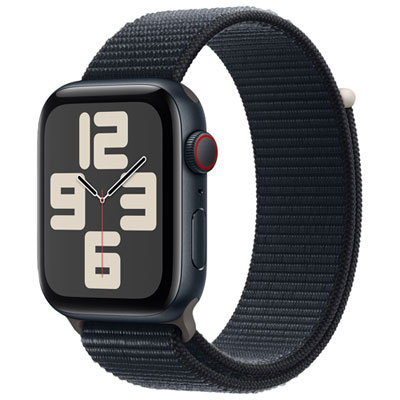
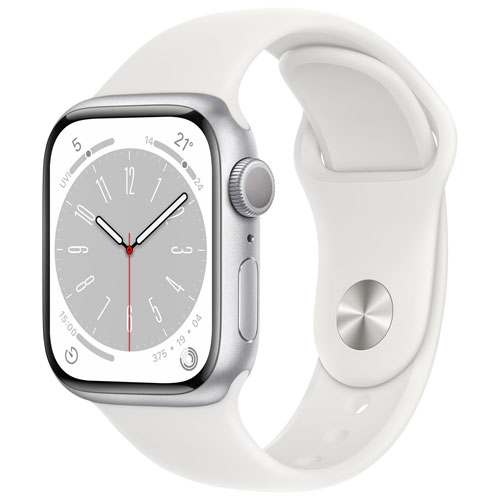
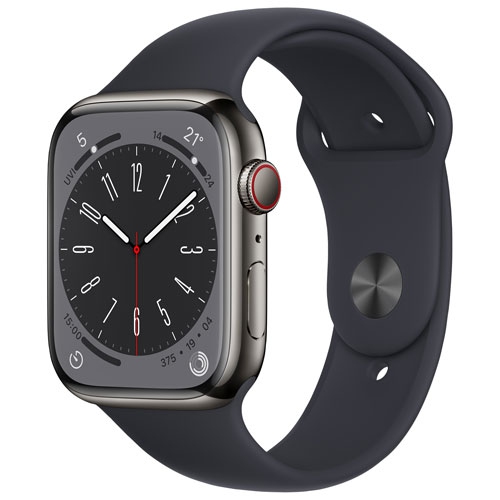
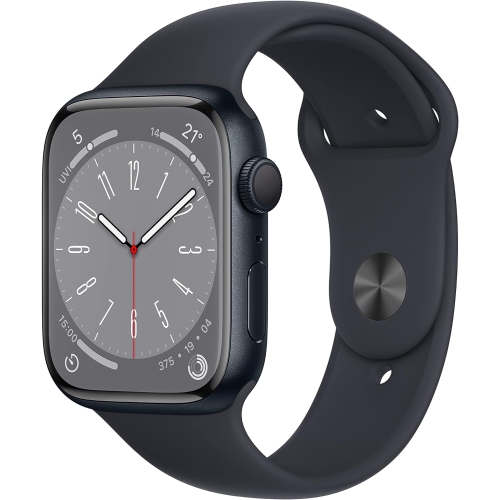
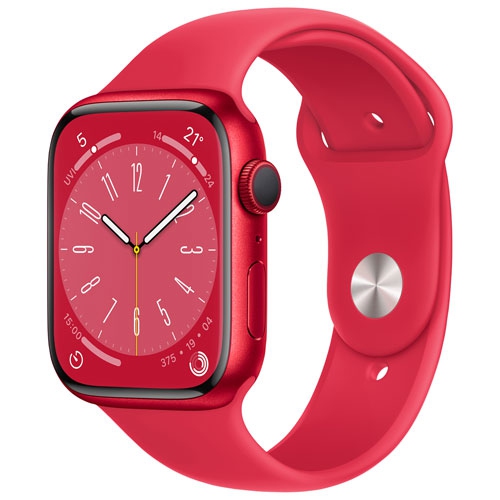
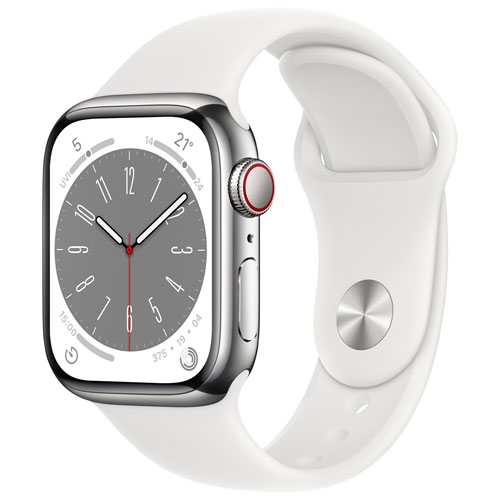
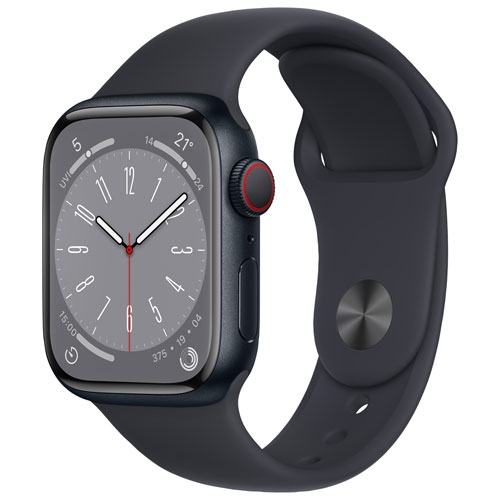
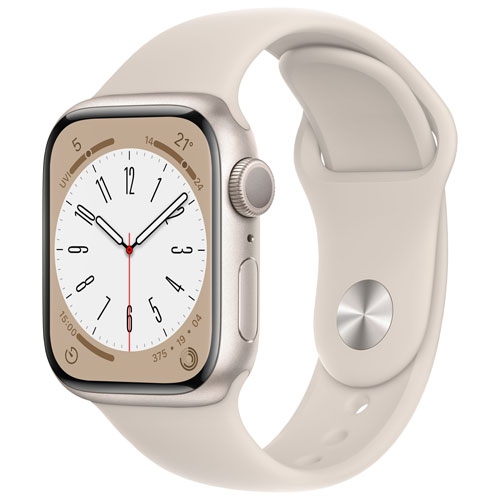
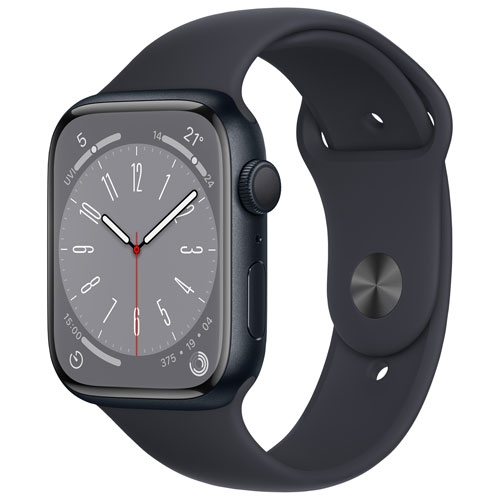
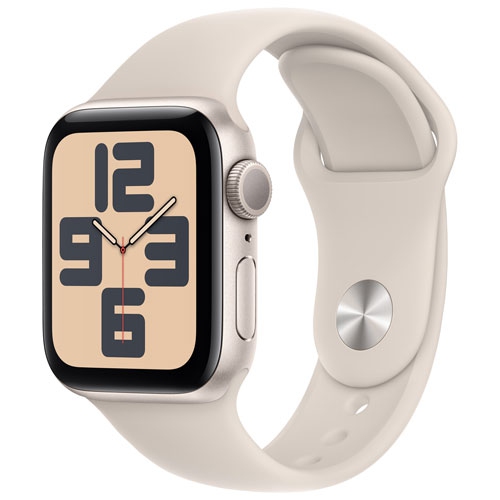
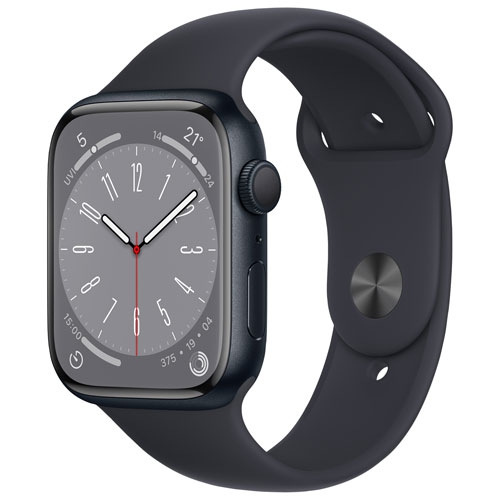
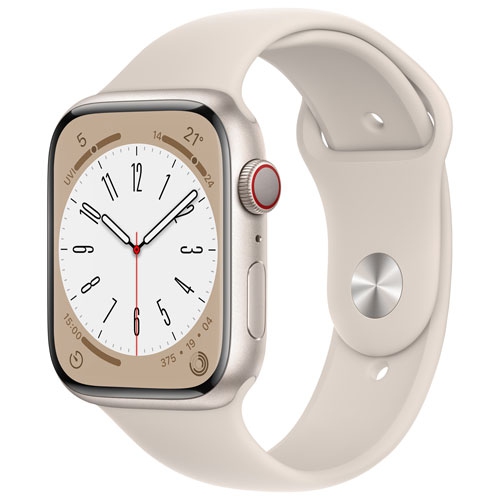
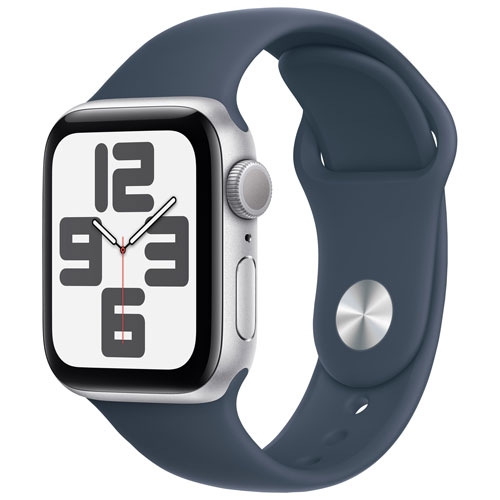
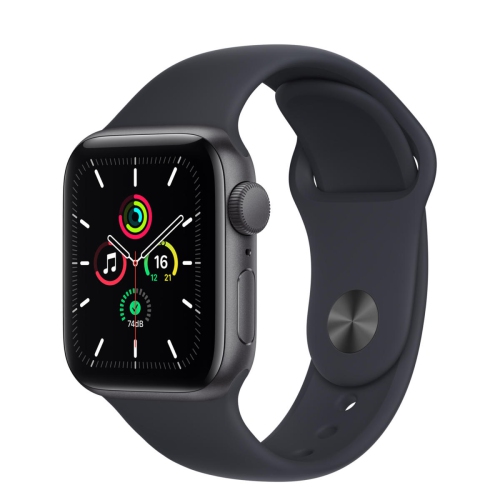
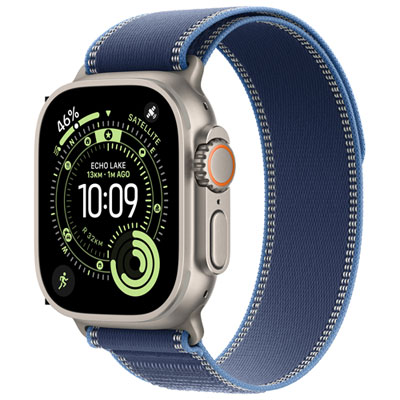
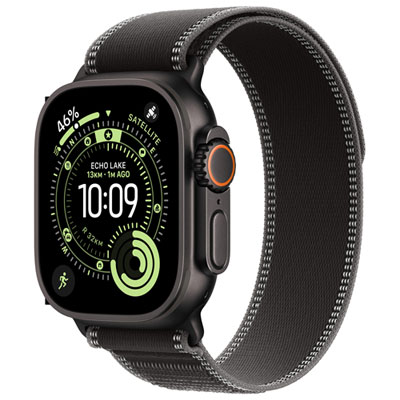
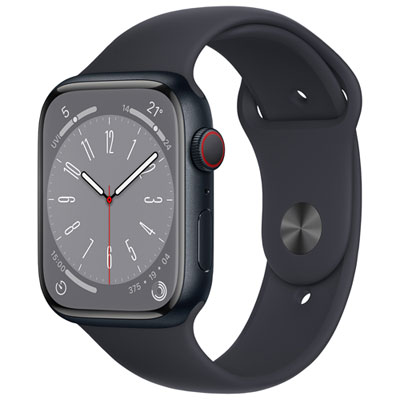
![APPLE Watch Series 8 [Gps + Cellular 45Mm] Smart Watch W/ Midnight Aluminum Case With Midnight Sport Band - M/l. In Multicolor Love this watch!!! And at a great price from Best Buy](https://multimedia.bbycastatic.ca/multimedia/products/500x500/165/16593/16593793.jpeg)

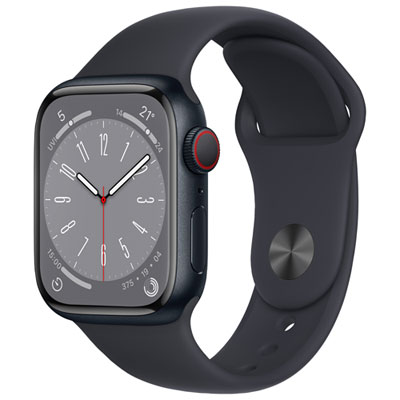
How workout summaries reveal progress beyond a single session
Workout-tracking smartwatches bring exercise measurements, daily movement summaries, and useful training information together on the wrist. The built-in Workout app records supported exercise sessions, while the Activity app summarizes everyday movement and progress towards daily goals. A companion fitness app on a compatible phone provides a larger view of workout history and trends over time. These functions serve different purposes: a dedicated workout captures a particular walk, run, ride, or training session, while daily activity tracking reflects movement throughout the day. Depending on the watch, software, and selected workout type, recorded measurements can include elapsed time, heart rate, estimated calories, distance, pace, and elevation. For someone taking a brisk walk at lunch, a glance at the wrist can show how long the walk has lasted and whether the pace has stayed steady. A runner may pay closer attention to split times and distance, while someone using a stationary bike may find duration and heart-rate patterns more useful. GPS-capable watches can measure outdoor routes and distance, although reception and accuracy depend on the surroundings and how the device is used. Indoor sessions rely on different sensor inputs and estimates, so treadmill distance may not match the machine exactly. Calorie figures are estimates rather than precise measurements, and wrist-based heart-rate readings are intended for general fitness information rather than medical diagnosis. For a closer look at this type of wearable, Apple Watches with Activity and Workout Tracking brings the focus to watches designed around exercise logging and everyday movement. The most useful tracking features are those that match a person's actual routine, whether that means regular gym visits, wheelchair-based workouts on supported devices, long walks, or a combination of activities. Clear workout summaries can make patterns easier to notice without turning every session into a competition. Consistent tracking gives context to an individual result: the same route may feel easier, a familiar workout may take less time, or a longer session may become more comfortable.
Fit plays a large part in how a workout watch feels and how reliably its sensors can take readings. A case should sit comfortably on top of the wrist, with the back of the watch maintaining skin contact without the band feeling restrictive. A loose fit can allow the case to bounce during a run or shift during floor exercises, while an overly tight band can become uncomfortable as movement continues. Case dimensions, weight, and band adjustment range matter as much as the screen's appearance, particularly for smaller wrists or anyone planning to wear the watch throughout the day. A larger display can make pace and heart-rate figures easier to read at a glance, but a smaller, lighter case may feel less intrusive during yoga or strength training. Smooth, flexible sport bands are often practical for sweaty sessions because they can be wiped clean, while woven bands can offer a soft feel and fine adjustment. Drying time, fastening style, and the material's suitability for water exposure vary, so a band that feels comfortable at a desk may not be the best choice for repeated pool sessions. Leather and some decorative bands generally require different care and may not suit frequent contact with sweat or water. Case materials and display construction also affect weight and resistance to everyday wear. Tougher glass or a more robust case can be helpful for active use, but no watch is immune to scratches, knocks, or damage from gym equipment. Water resistance is specific to the device and is not the same as unrestricted waterproofing; suitability for swimming, diving, or high-pressure water exposure must be confirmed in the manufacturer's specifications. After exercise, care usually involves cleaning and drying the watch and band according to those instructions, with particular attention to surfaces that touch the skin. Allowing a damp band to dry and keeping sensor surfaces clear of residue helps maintain comfort between sessions. An interchangeable band can also make one watch more adaptable, with a practical exercise fit and a different feel for everyday wear.
Compatibility and everyday convenience help determine whether a workout-tracking watch becomes a useful habit or spends more time on a charger. Phone compatibility, supported operating-system versions, and any account requirements deserve attention because pairing, workout history, app access, and notifications can depend on them. Some functions work directly on the watch, while others require a nearby phone, an internet connection, a separate service, or additional accessories. Cellular connectivity is not necessary for every workout-tracking feature, and a watch with onboard GPS may record an outdoor route without a phone nearby, subject to its capabilities. Battery life also varies with use: continuous GPS tracking, music playback, cellular connections, and display settings can draw more power than occasional time checks. Someone who wears a watch for both exercise and sleep may value a charging routine that fits around showering or desk time, while a distance athlete needs enough power for the full planned session. Controls matter during movement, too. Readable text, responsive buttons, accessible settings, and a screen layout that prioritizes the right measurements can make a watch more comfortable to use when hands are occupied or touchscreen input is awkward. Supported workout types are another consideration, especially for activities that need more than a basic timer. Strength training, swimming, cycling, and running can call for different measurements, and automatic exercise detection should not be assumed to capture every session or identify every activity accurately. Optional apps and compatible sensors may extend what a watch can track, but their requirements differ. These wearables can suit beginners who want a simple picture of their movement, regular exercisers building consistency, and experienced users interested in reviewing training patterns. As a gift, wrist size, preferred band feel, phone compatibility, and the recipient's favourite activities are more meaningful than a long list of unfamiliar features. A comfortable watch with relevant tracking tools, manageable charging needs, and understandable summaries can fit naturally into everyday life, providing useful feedback without demanding constant attention.
Fit plays a large part in how a workout watch feels and how reliably its sensors can take readings. A case should sit comfortably on top of the wrist, with the back of the watch maintaining skin contact without the band feeling restrictive. A loose fit can allow the case to bounce during a run or shift during floor exercises, while an overly tight band can become uncomfortable as movement continues. Case dimensions, weight, and band adjustment range matter as much as the screen's appearance, particularly for smaller wrists or anyone planning to wear the watch throughout the day. A larger display can make pace and heart-rate figures easier to read at a glance, but a smaller, lighter case may feel less intrusive during yoga or strength training. Smooth, flexible sport bands are often practical for sweaty sessions because they can be wiped clean, while woven bands can offer a soft feel and fine adjustment. Drying time, fastening style, and the material's suitability for water exposure vary, so a band that feels comfortable at a desk may not be the best choice for repeated pool sessions. Leather and some decorative bands generally require different care and may not suit frequent contact with sweat or water. Case materials and display construction also affect weight and resistance to everyday wear. Tougher glass or a more robust case can be helpful for active use, but no watch is immune to scratches, knocks, or damage from gym equipment. Water resistance is specific to the device and is not the same as unrestricted waterproofing; suitability for swimming, diving, or high-pressure water exposure must be confirmed in the manufacturer's specifications. After exercise, care usually involves cleaning and drying the watch and band according to those instructions, with particular attention to surfaces that touch the skin. Allowing a damp band to dry and keeping sensor surfaces clear of residue helps maintain comfort between sessions. An interchangeable band can also make one watch more adaptable, with a practical exercise fit and a different feel for everyday wear.
Compatibility and everyday convenience help determine whether a workout-tracking watch becomes a useful habit or spends more time on a charger. Phone compatibility, supported operating-system versions, and any account requirements deserve attention because pairing, workout history, app access, and notifications can depend on them. Some functions work directly on the watch, while others require a nearby phone, an internet connection, a separate service, or additional accessories. Cellular connectivity is not necessary for every workout-tracking feature, and a watch with onboard GPS may record an outdoor route without a phone nearby, subject to its capabilities. Battery life also varies with use: continuous GPS tracking, music playback, cellular connections, and display settings can draw more power than occasional time checks. Someone who wears a watch for both exercise and sleep may value a charging routine that fits around showering or desk time, while a distance athlete needs enough power for the full planned session. Controls matter during movement, too. Readable text, responsive buttons, accessible settings, and a screen layout that prioritizes the right measurements can make a watch more comfortable to use when hands are occupied or touchscreen input is awkward. Supported workout types are another consideration, especially for activities that need more than a basic timer. Strength training, swimming, cycling, and running can call for different measurements, and automatic exercise detection should not be assumed to capture every session or identify every activity accurately. Optional apps and compatible sensors may extend what a watch can track, but their requirements differ. These wearables can suit beginners who want a simple picture of their movement, regular exercisers building consistency, and experienced users interested in reviewing training patterns. As a gift, wrist size, preferred band feel, phone compatibility, and the recipient's favourite activities are more meaningful than a long list of unfamiliar features. A comfortable watch with relevant tracking tools, manageable charging needs, and understandable summaries can fit naturally into everyday life, providing useful feedback without demanding constant attention.
Top selling and popular products
-
 Your price for this item is $599.99
 -
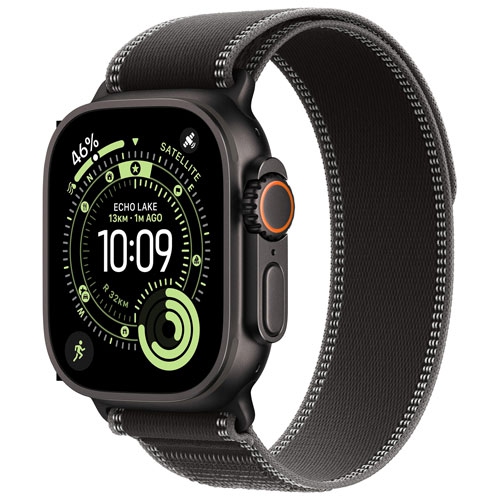 Your price for this item is $1069
 -
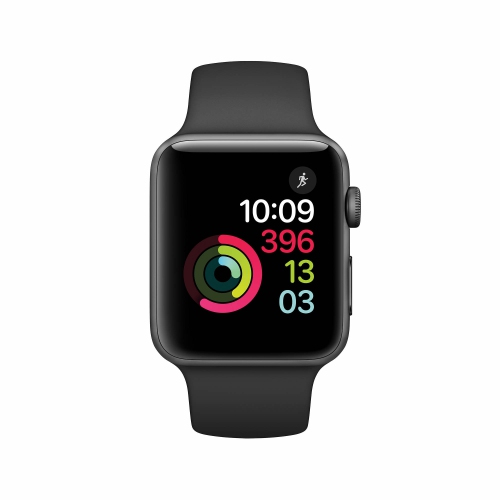 Your price for this item is $196.99
 -
![APPLE Watch Series 8 [Gps 41Mm] Smart Watch With Starlight Aluminum Case And Starlight Sport Band - S/m In Multicolor](https://multimedia.bbycastatic.ca/multimedia/products/500x500/165/16537/16537952.jpeg) Your price for this item is $594.95
Your price for this item is $594.95 -
![APPLE Watch Series 10 [Gps 46MM Case] Smartwatch With Jet Aluminum Case With Sport Band - M/l In Black](https://multimedia.bbycastatic.ca/multimedia/products/500x500/186/18618/18618511.jpeg) Your price for this item is $529.99
Your price for this item is $529.99 -
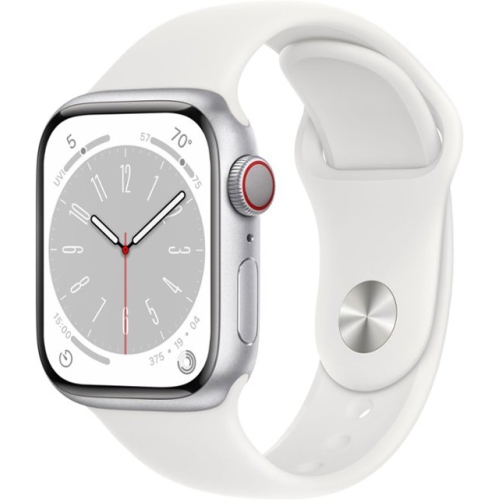 Your price for this item is $619
 -
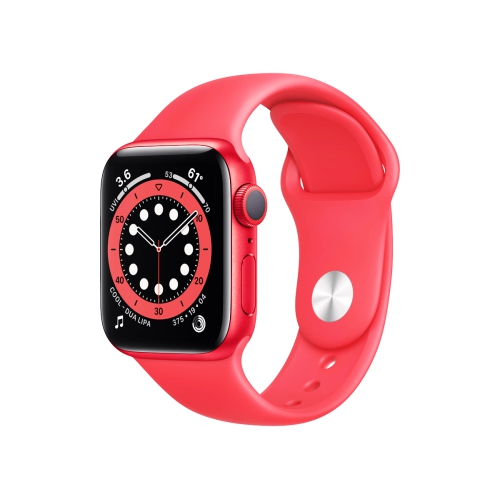 Your price for this item is $429.99
 -
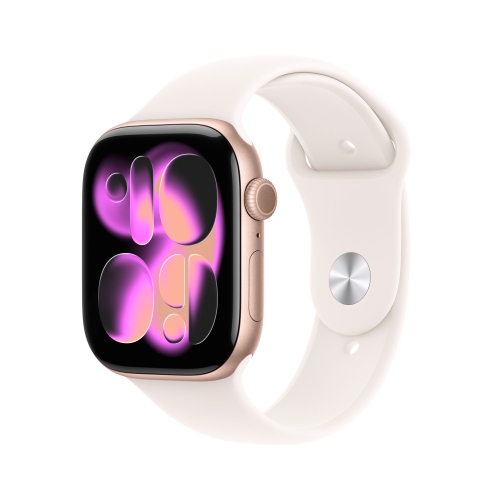
![APPLE Watch Series 10 [Gps 42MM Case] Smartwatch With Rose Aluminum Case With Light Blush Sport Band - S/m In Gold](https://multimedia.bbycastatic.ca/multimedia/products/500x500/185/18596/18596693.jpeg) Your price for this item is $799.99
Your price for this item is $799.99
Discover more categories related to Apple Watch Track Workout
Top Collections:
Pokemon Centers, Kindle Devices, Best Budget Office Chairs, Apple iPhones 16, Best Laptops for Writers, iPhone 15 Apple, Canon G7X Cameras, Refurbished Apple Laptops, Alarm Clock, Motorola Razr Phones
Some products may be subject to Environmental Handling Fees
(EHF) depending on your province.
Learn more about EHFs.