Fitbit Alta HR Fitbit
Discover the perfect way to stay on top of your health and fitness goals with the Fitbit Alta HR Fitbit collection. Designed for those who want to track their progress and stay motivated, these innovative devices offer a seamless blend of style and functionality. Whether you're looking to monitor your daily activity or simply enhance your wellness routine, the Fitbit Alta HR Fitbit lineup provides a range of options to fit your lifestyle. Explore the selection and find the ideal companion to support your journey toward a more active you.
Sort
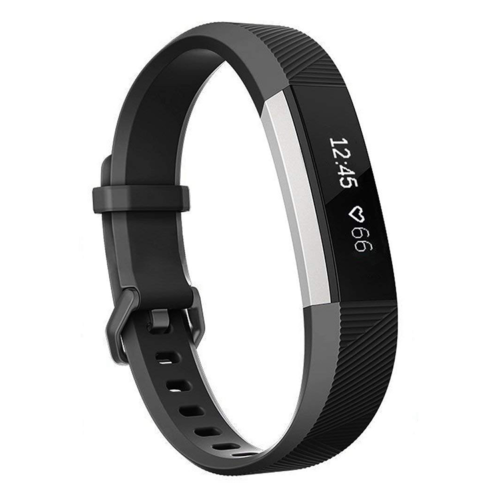
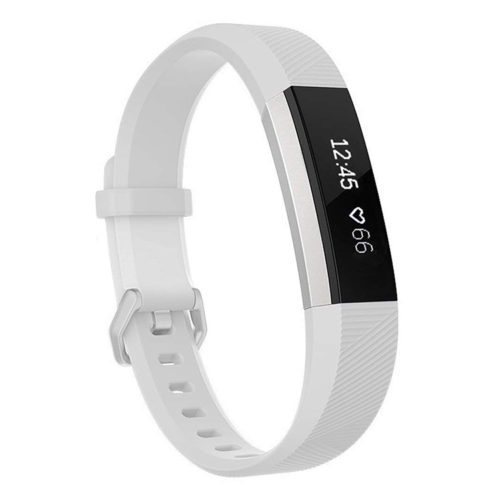

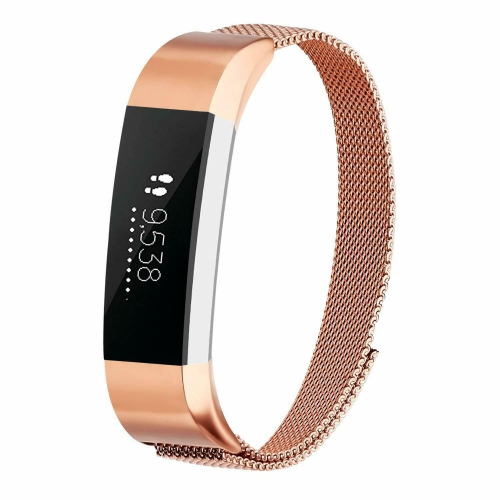
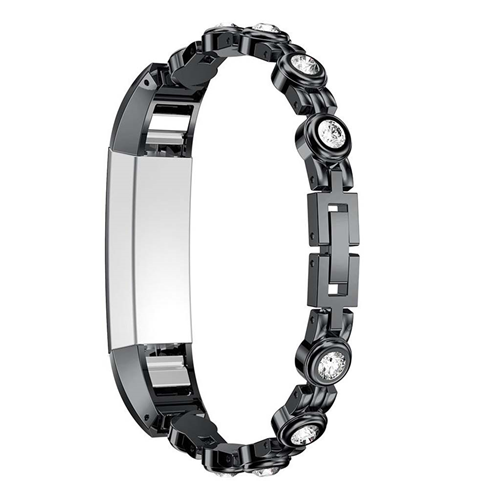
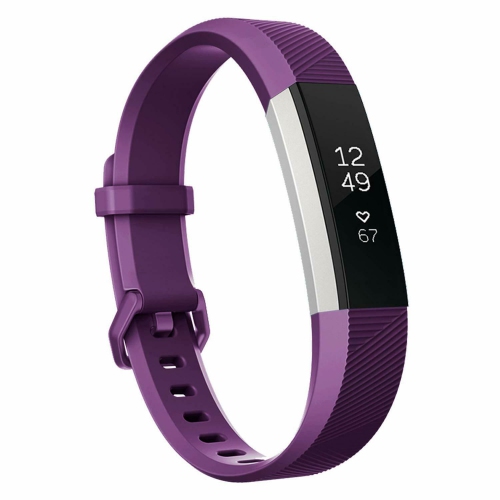

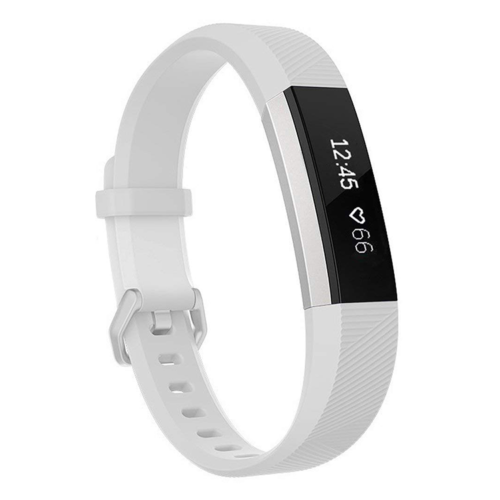
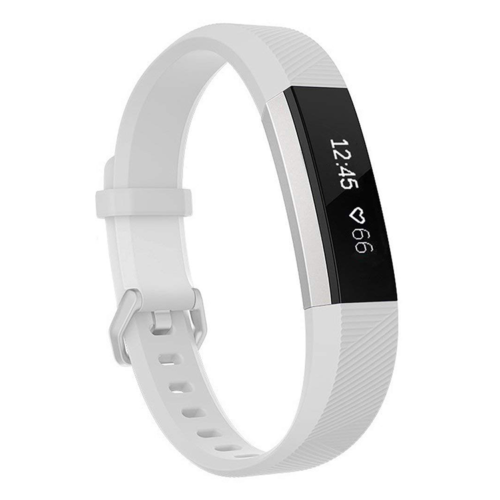
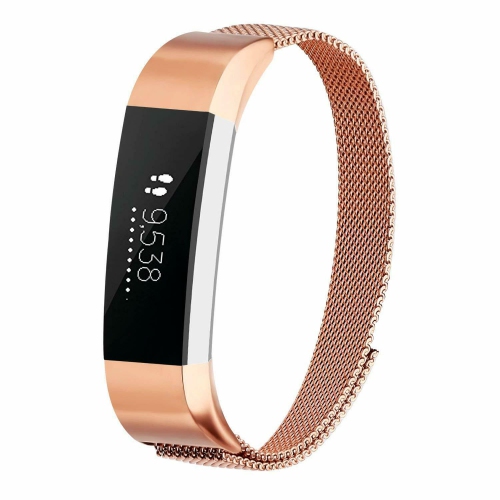
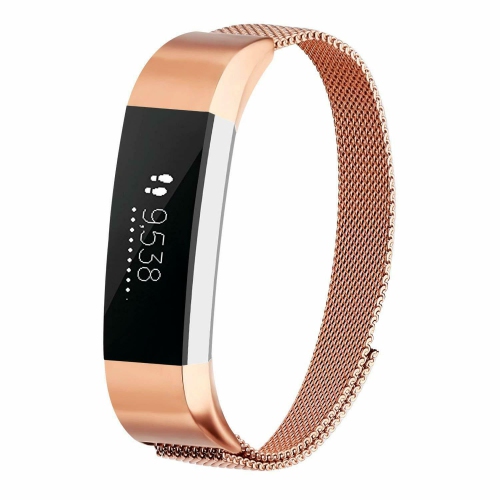

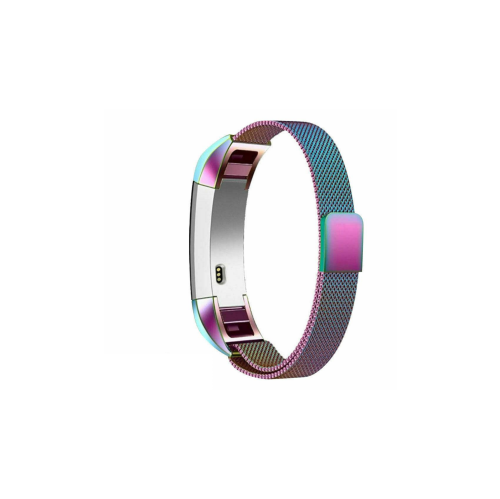
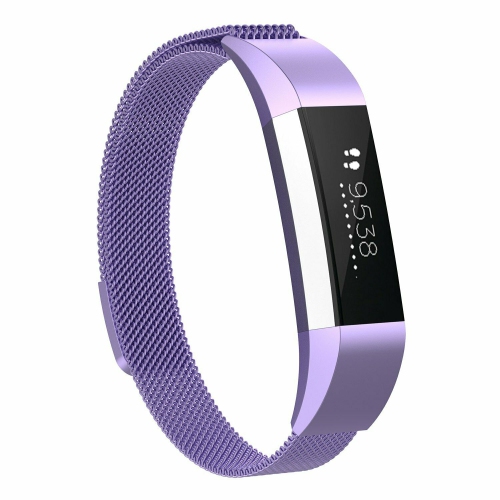
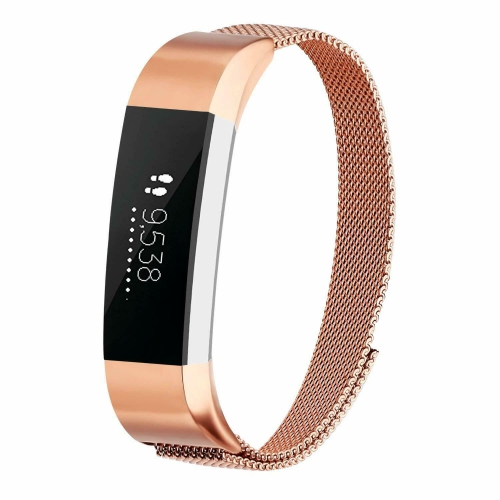
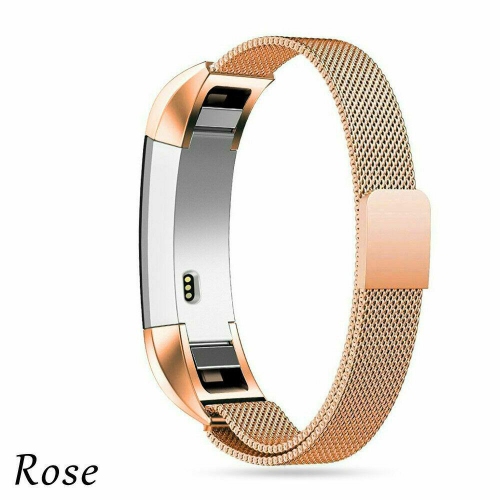
A slimmer way to track everyday activity and sleep
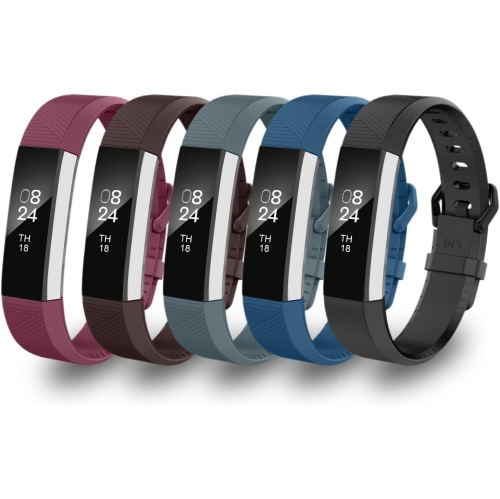
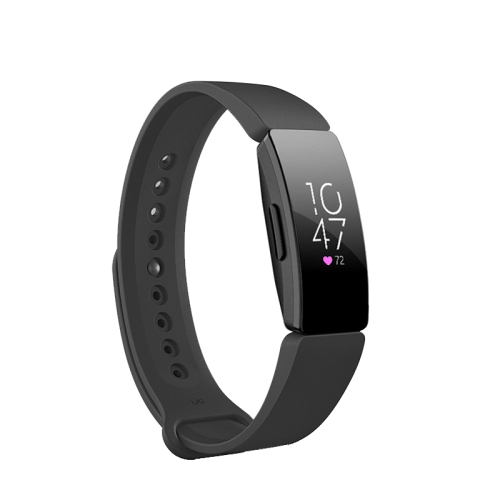
Slim wrist-based fitness trackers bring everyday activity, heart rate trends, and sleep information into a compact format that feels closer to a narrow bracelet than a full-size smartwatch. Their appeal is straightforward: a discreet screen, a comfortable band, and useful information within a quick glance or tap. For someone who wants to follow daily steps without wearing a large watch, this style of tracker fits naturally into walks, desk work, household tasks, and trips to the gym. Depending on the device, tracking features may include estimated distance, calories burned, active minutes, and continuous wrist-based heart rate readings. Together, those measurements can add context to an ordinary day, distinguishing a mostly seated afternoon from one filled with errands and a brisk evening walk. Sleep tracking can offer another layer of information, with compatible devices estimating time asleep and periods of light, deep, and REM sleep. These figures are best understood as estimates that reveal patterns over time, rather than clinical measurements or a diagnosis. A small monochrome display keeps the design understated, though the amount of information visible at once is more limited than on a larger screen. Supported call, text, and calendar notifications can make a slim tracker useful beyond exercise, particularly when a phone is tucked into a bag or coat pocket. Those features depend on the tracker’s capabilities, a compatible phone, and the relevant connection and notification settings. Battery performance also varies with the device, battery age, settings, and usage, so a stated maximum between charges is not a promise of identical results in every routine. For older tracker designs, phone compatibility, app requirements, and continued access to supported features matter just as much as the physical condition of the device. The strongest fit is often for someone who values a lightweight daily companion and simple activity awareness rather than extensive on-wrist apps, detailed maps, or a large colour display. For that person, low-profile construction and straightforward controls can matter more than a long list of extras.
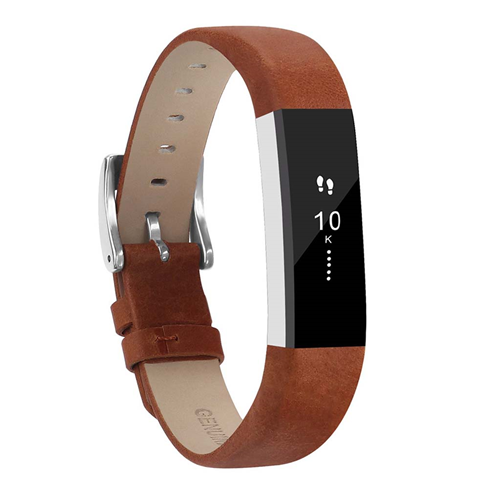
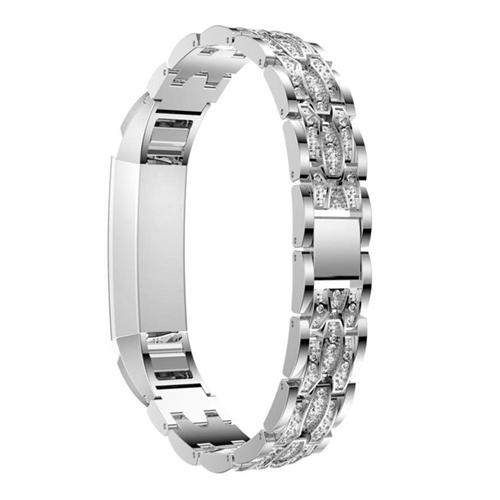
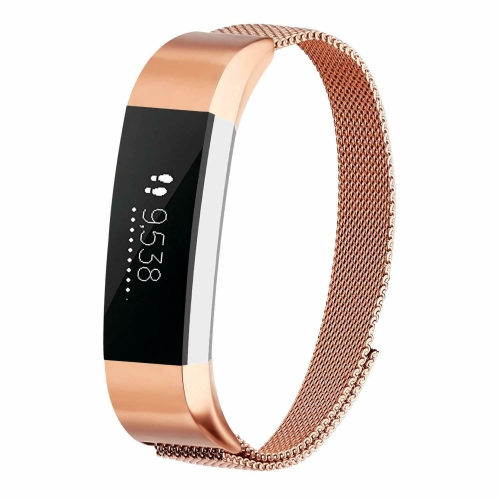
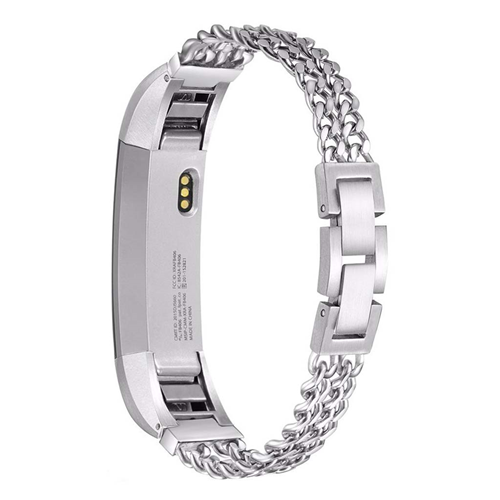
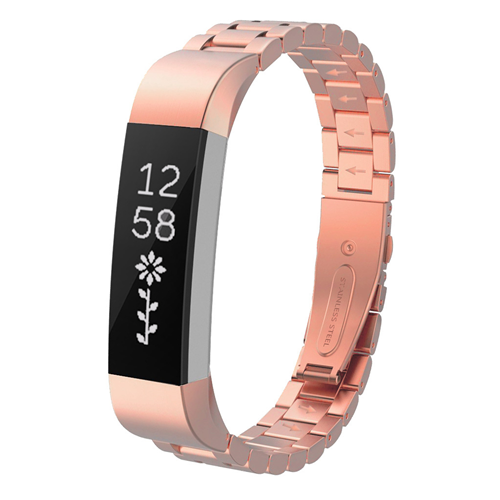
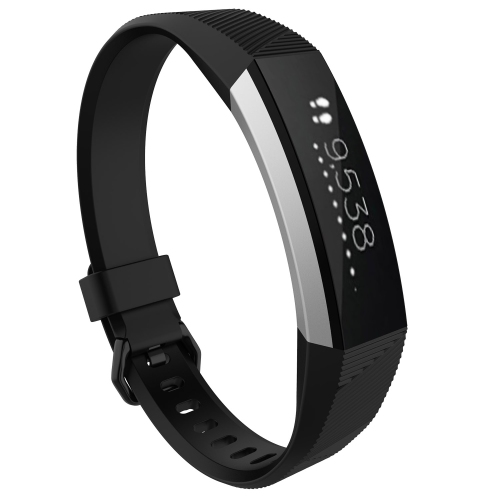
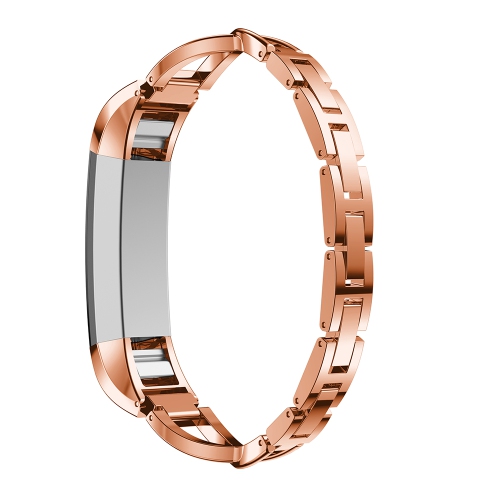
Bands and fastening hardware have a large influence on how comfortable a tracker feels from morning through bedtime. Flexible elastomer bands are common for everyday wear because they bend with the wrist and are generally easy to wipe clean, while leather and metal options offer a different feel and appearance when compatible attachments are used. Material choice is practical as well as visual: a band worn during a sweaty workout has different care needs from one reserved for an office or an evening out. Leather typically needs protection from prolonged moisture, while metal links or mesh can feel heavier and may require more precise adjustment. Wrist measurements are more useful than a size label alone, since sizing ranges and usable adjustment positions vary between bands. A secure fit should keep the sensor in contact with the skin without pinching, leaving deep marks, or restricting movement. Bands that slide freely around the wrist may interfere with consistent readings, while an overly tight fit can become uncomfortable during exercise or sleep. A traditional buckle gives a familiar fastening action, and the keeper loop helps prevent the loose end from catching on clothing. The connection between the band and the tracker deserves equal attention: similar-looking attachments are not necessarily interchangeable, even within closely related device families. Replacement bands need to match the exact tracker connection, not simply its general shape or width. Day-to-day comfort also depends on small details such as smooth edges, flexible material near the attachment points, and a clasp that does not press into the wrist while typing. During the cooler months, a slim profile can sit neatly beneath a sleeve, although snug cuffs may catch against raised hardware. For overnight wear, lightweight materials and an unobtrusive closure are particularly helpful. These details make replacement bands a thoughtful gift for someone who already uses a tracker, provided the device compatibility, wrist size, and preferred material are known. A fresh band can also change the appearance of a familiar device without changing the way its owner tracks daily activity.
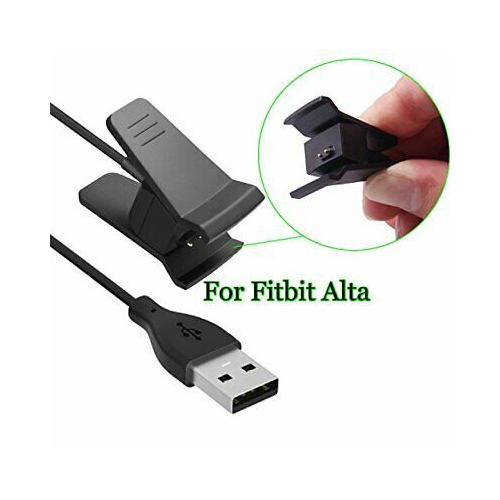
Charging accessories and routine care help keep a compact fitness tracker ready for regular use. A charging cable is not interchangeable simply because its clip resembles another one; contact placement, connector shape, and the device models listed as compatible all matter. For a closer look at this accessory category, Fitbit Alta Chargers provides a focused starting point, with exact device compatibility remaining the deciding detail. A secure charging connection should hold the tracker in its intended position without forcing the clip or placing strain on the cable. Cable length can affect convenience at a bedside table or desk, especially when the USB power source sits behind furniture. A dedicated charging spot also makes it easier to build short charging sessions into a routine, such as while showering or getting ready, provided the device and its contacts are dry before connection. Battery age is worth considering with older electronics, because a different cable will not necessarily resolve reduced battery capacity. Care for the tracker and band should follow their respective manufacturer instructions, particularly when different materials are combined. Wiping away sweat and everyday residue, drying the skin and band after moisture exposure, and allowing the wrist an occasional break can make regular wear more comfortable. Charging contacts should stay clean and dry, and harsh cleaners or abrasive scrubbing can damage finishes and components. Water resistance is another important distinction: tolerance for splashes does not automatically make a tracker suitable for swimming, bathing, or hot water. Cracked bands, loose closures, damaged cables, and attachment points that no longer lock securely are signs that an accessory needs attention. For commuting, gentle exercise, or sleep tracking, the most useful combination is a compatible device, a well-fitting band, and dependable charging equipment. Someone returning to a walking routine may appreciate the simplicity of daily step totals, while an established wearer may care more about replacing a worn strap or keeping a charger in a travel bag. In either case, comfort and compatibility help these small wearable accessories earn their place in everyday life.
Bands and fastening hardware have a large influence on how comfortable a tracker feels from morning through bedtime. Flexible elastomer bands are common for everyday wear because they bend with the wrist and are generally easy to wipe clean, while leather and metal options offer a different feel and appearance when compatible attachments are used. Material choice is practical as well as visual: a band worn during a sweaty workout has different care needs from one reserved for an office or an evening out. Leather typically needs protection from prolonged moisture, while metal links or mesh can feel heavier and may require more precise adjustment. Wrist measurements are more useful than a size label alone, since sizing ranges and usable adjustment positions vary between bands. A secure fit should keep the sensor in contact with the skin without pinching, leaving deep marks, or restricting movement. Bands that slide freely around the wrist may interfere with consistent readings, while an overly tight fit can become uncomfortable during exercise or sleep. A traditional buckle gives a familiar fastening action, and the keeper loop helps prevent the loose end from catching on clothing. The connection between the band and the tracker deserves equal attention: similar-looking attachments are not necessarily interchangeable, even within closely related device families. Replacement bands need to match the exact tracker connection, not simply its general shape or width. Day-to-day comfort also depends on small details such as smooth edges, flexible material near the attachment points, and a clasp that does not press into the wrist while typing. During the cooler months, a slim profile can sit neatly beneath a sleeve, although snug cuffs may catch against raised hardware. For overnight wear, lightweight materials and an unobtrusive closure are particularly helpful. These details make replacement bands a thoughtful gift for someone who already uses a tracker, provided the device compatibility, wrist size, and preferred material are known. A fresh band can also change the appearance of a familiar device without changing the way its owner tracks daily activity.
Charging accessories and routine care help keep a compact fitness tracker ready for regular use. A charging cable is not interchangeable simply because its clip resembles another one; contact placement, connector shape, and the device models listed as compatible all matter. For a closer look at this accessory category, Fitbit Alta Chargers provides a focused starting point, with exact device compatibility remaining the deciding detail. A secure charging connection should hold the tracker in its intended position without forcing the clip or placing strain on the cable. Cable length can affect convenience at a bedside table or desk, especially when the USB power source sits behind furniture. A dedicated charging spot also makes it easier to build short charging sessions into a routine, such as while showering or getting ready, provided the device and its contacts are dry before connection. Battery age is worth considering with older electronics, because a different cable will not necessarily resolve reduced battery capacity. Care for the tracker and band should follow their respective manufacturer instructions, particularly when different materials are combined. Wiping away sweat and everyday residue, drying the skin and band after moisture exposure, and allowing the wrist an occasional break can make regular wear more comfortable. Charging contacts should stay clean and dry, and harsh cleaners or abrasive scrubbing can damage finishes and components. Water resistance is another important distinction: tolerance for splashes does not automatically make a tracker suitable for swimming, bathing, or hot water. Cracked bands, loose closures, damaged cables, and attachment points that no longer lock securely are signs that an accessory needs attention. For commuting, gentle exercise, or sleep tracking, the most useful combination is a compatible device, a well-fitting band, and dependable charging equipment. Someone returning to a walking routine may appreciate the simplicity of daily step totals, while an established wearer may care more about replacing a worn strap or keeping a charger in a travel bag. In either case, comfort and compatibility help these small wearable accessories earn their place in everyday life.
Top selling and popular products
-
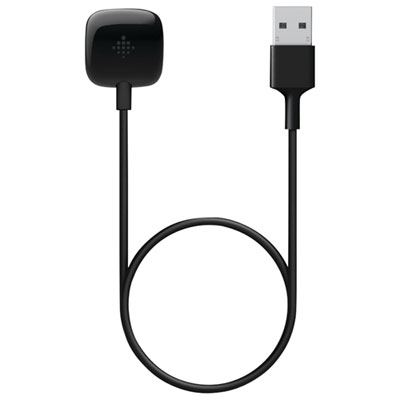 Your price for this item is $24.99
 -
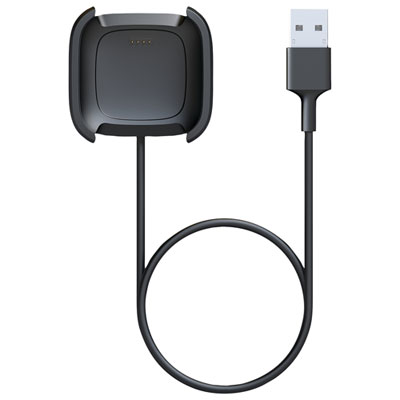 Your price for this item is $24.95
 -
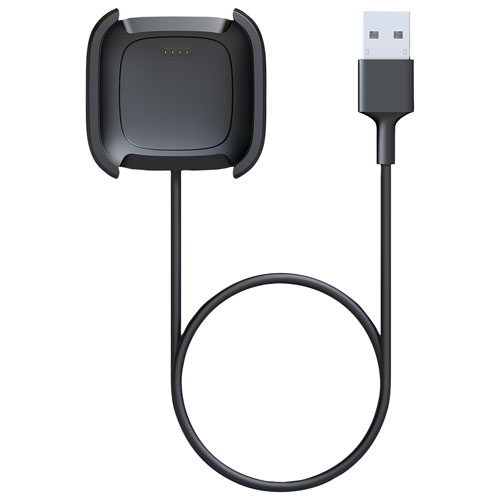 Your price for this item is $49
 -
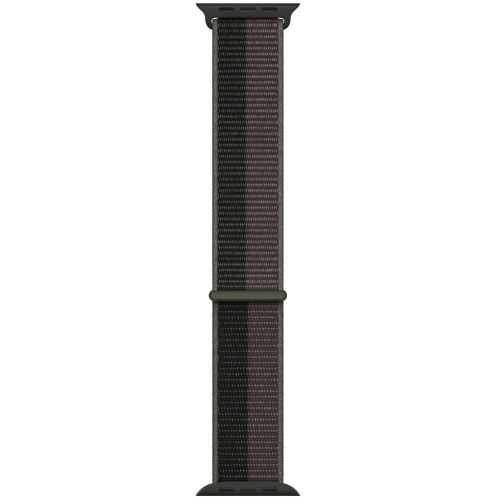 Your price for this item is $69.99
 -
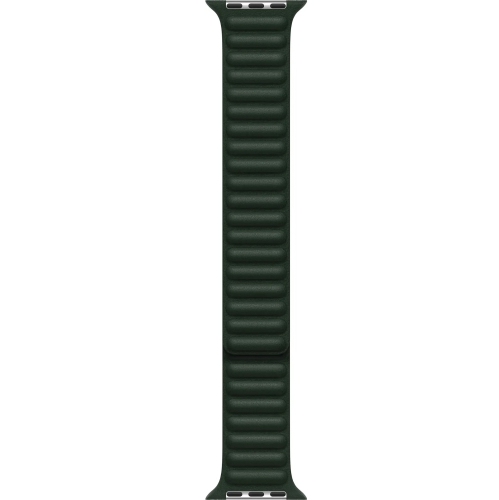 Your price for this item is $91.31
 -
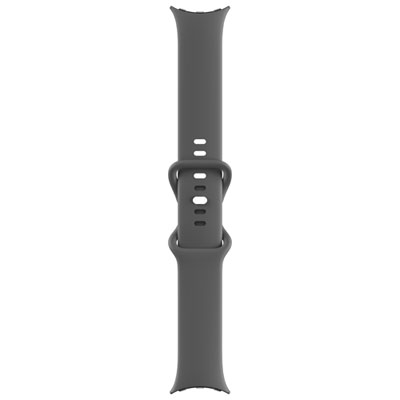 Your price for this item is $45.98
 -
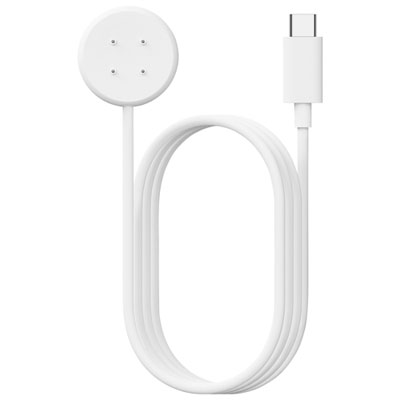 Your price for this item is $39.99
 -
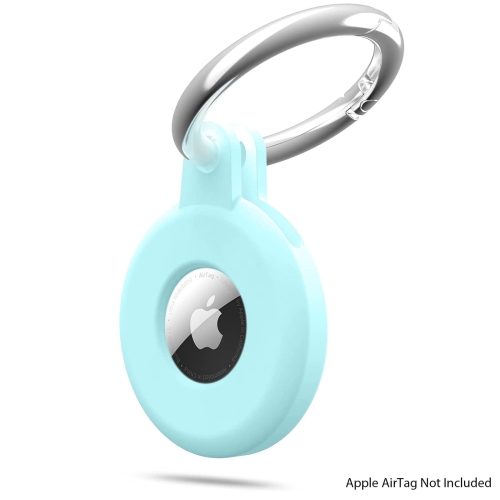 Your price for this item is $38
Discover more categories related to Fitbit Alta HR Fitbit
Top Collections:
Pokemon Centers, Kindle Devices, Best Budget Office Chairs, Apple iPhones 16, Canon G7X Cameras, iPhone 15 Apple, Alarm Clock, Refurbished Apple Laptops, Flip Phones, Best Laptops for Writers
Some products may be subject to Environmental Handling Fees
(EHF) depending on your province.
Learn more about EHFs.