Leather Watch Bands
Leather watch bands are a great way to add a classic and timeless look to almost any watch. They come in a variety of styles, colors, and textures, making it easy to find one that suits your individual style. Leather watch bands are also extremely durable, making them a great long-term investment. If you're looking for a watch band that will stand the test of time, leather is a great choice. Here are some of the great options available.
Sort
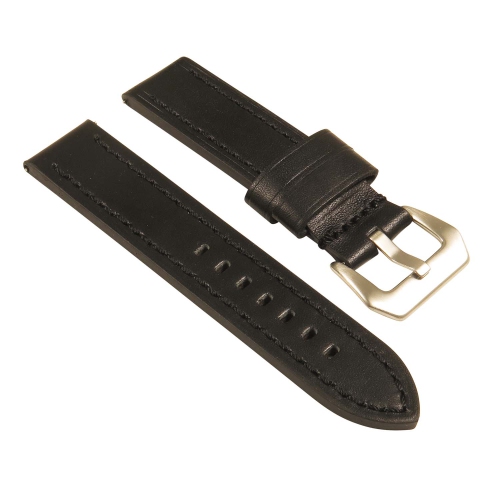

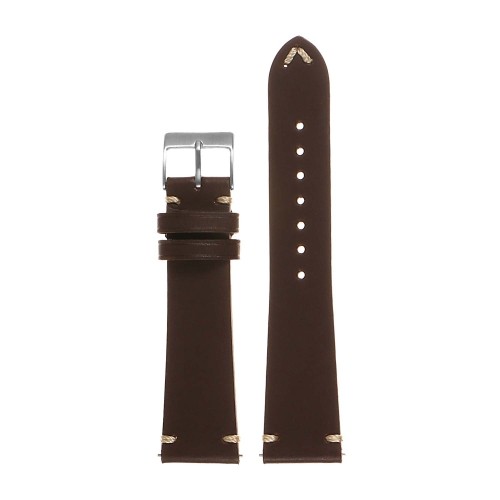


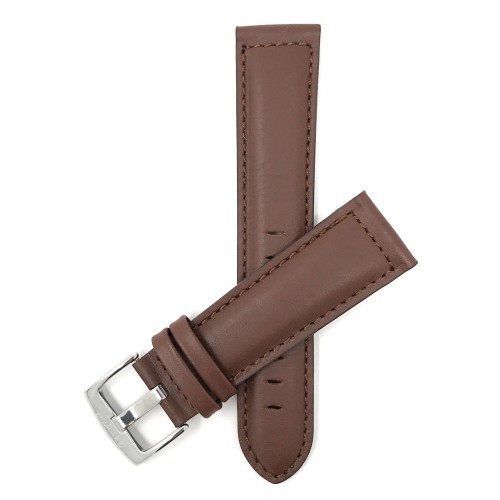


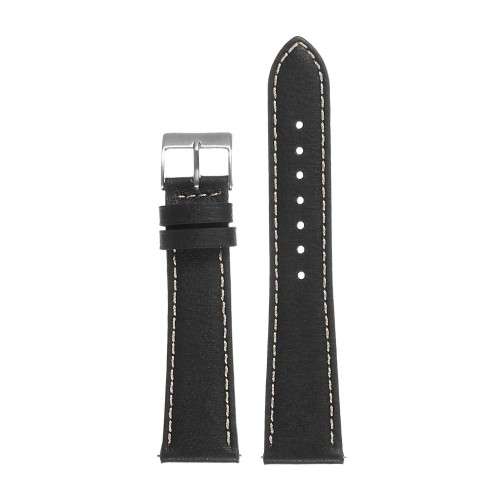
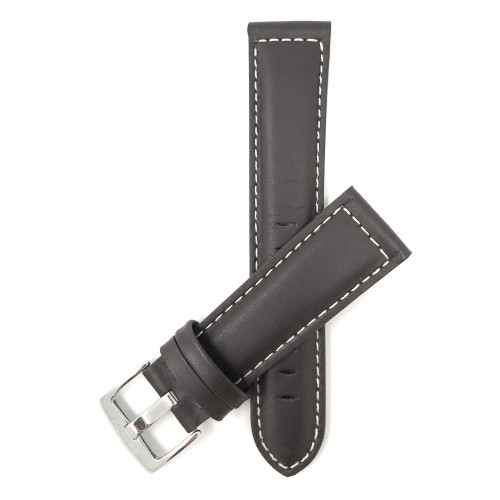


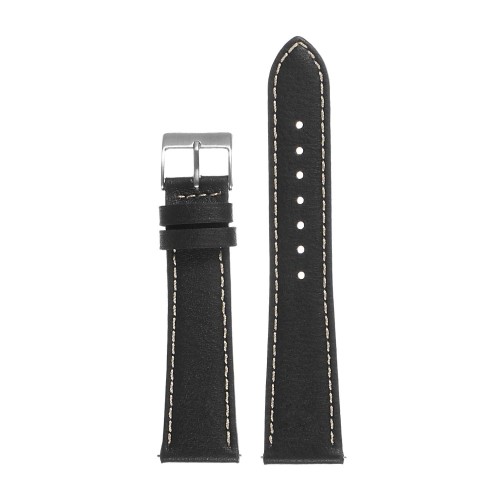

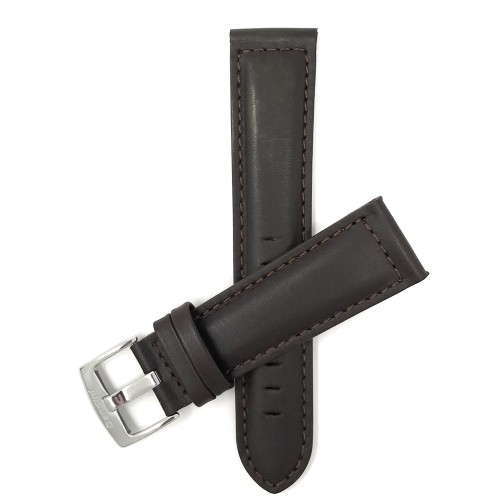


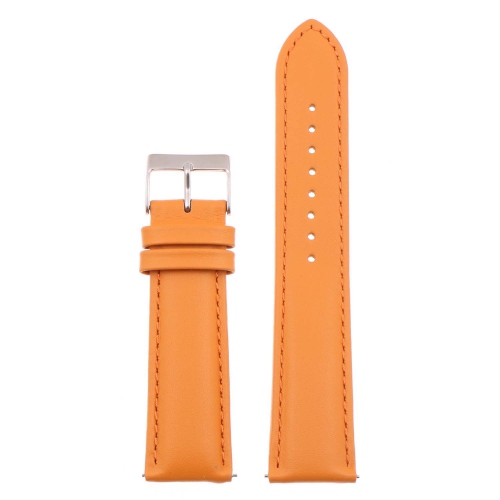
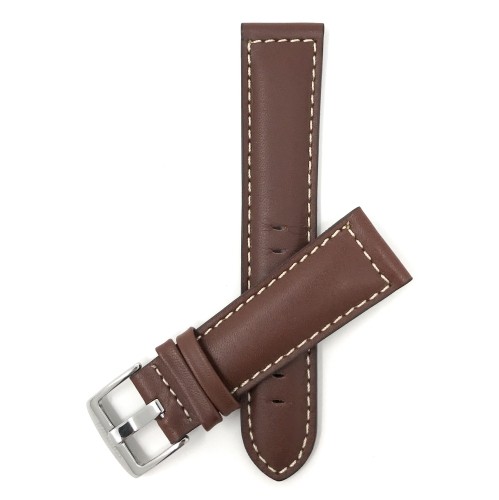


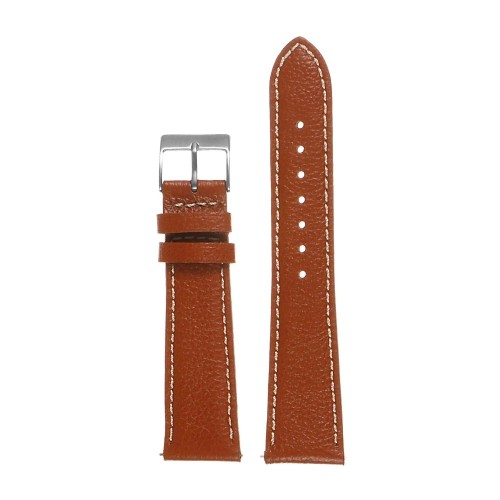


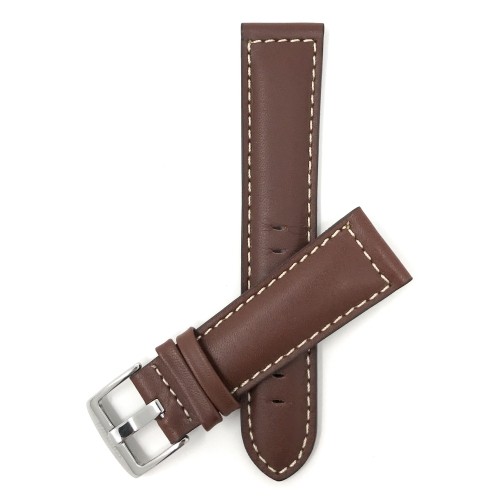


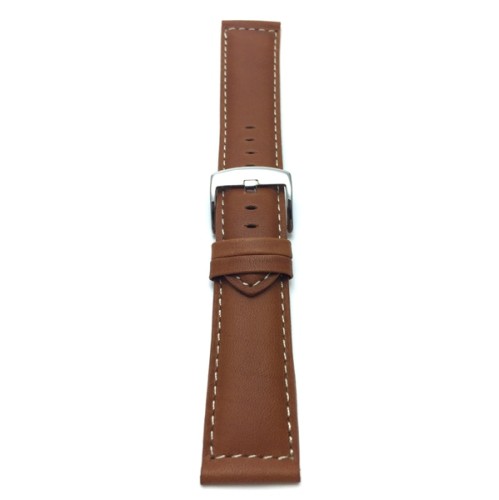

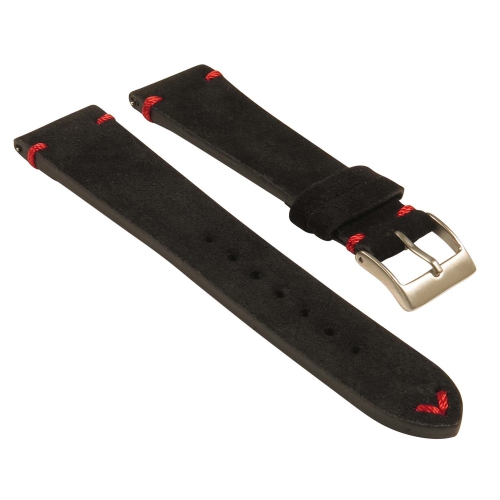

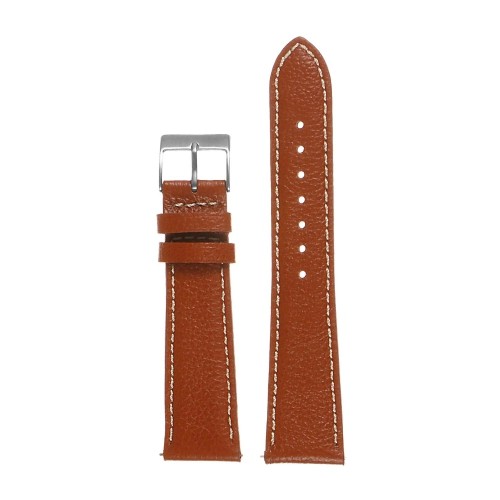
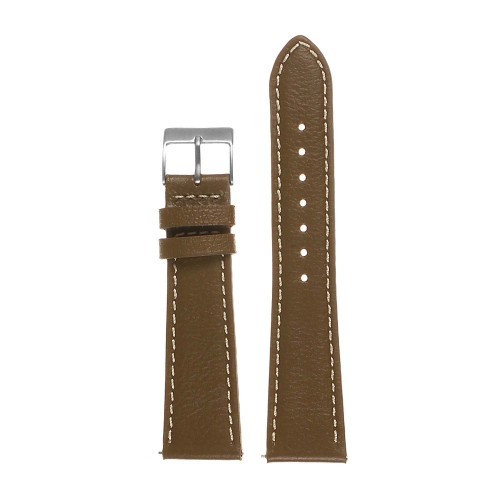


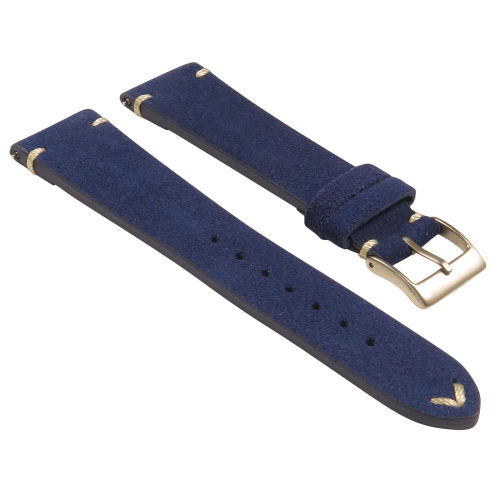






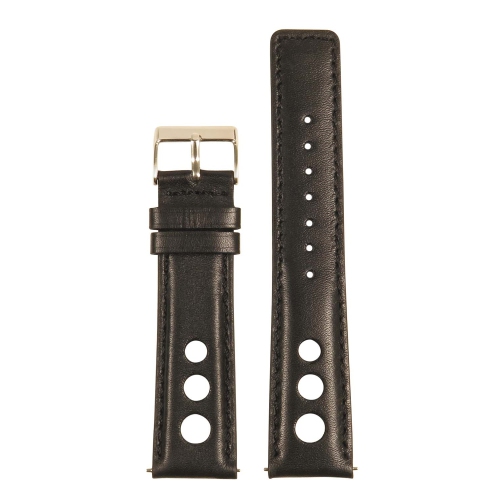


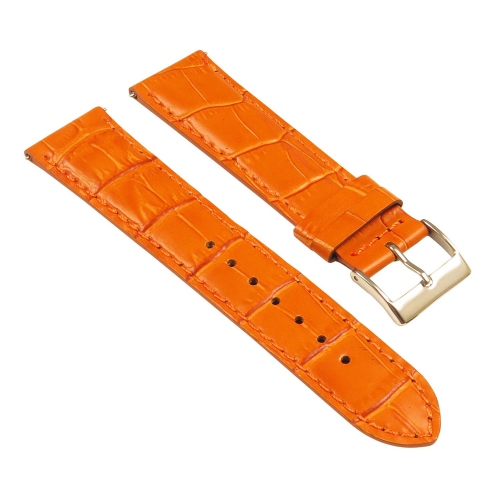
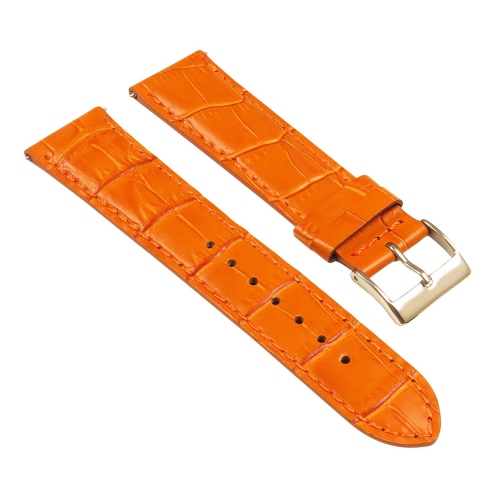


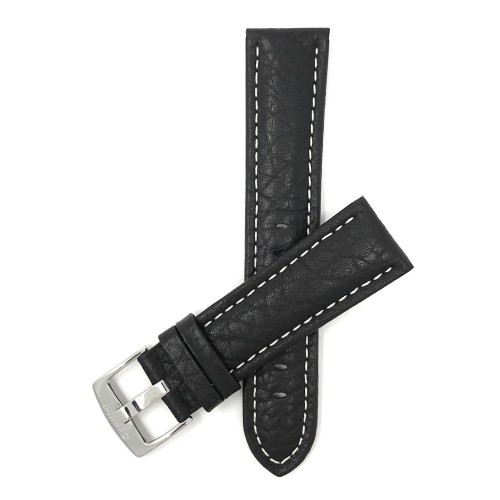


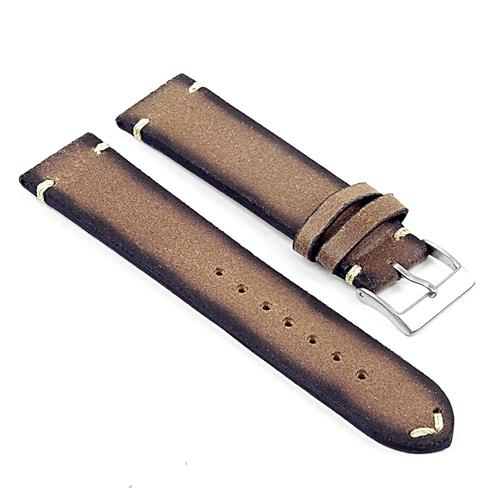
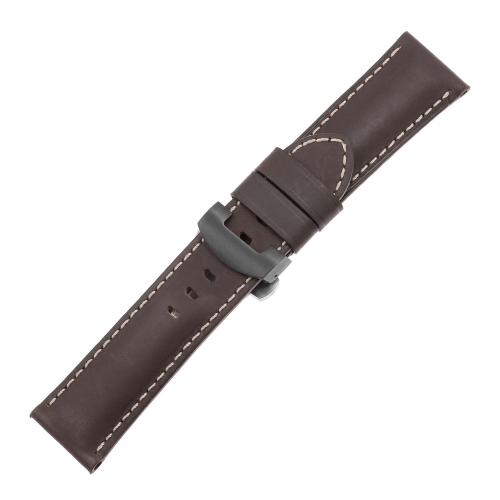

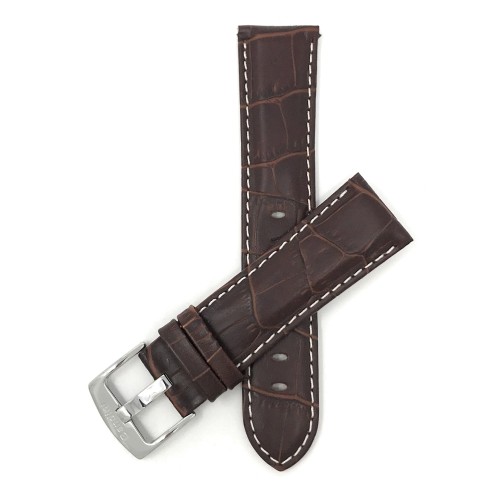

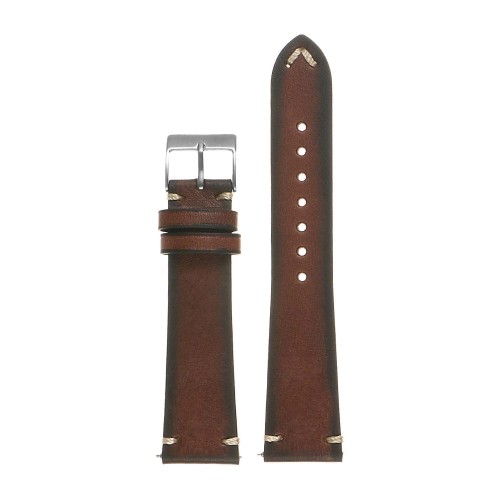
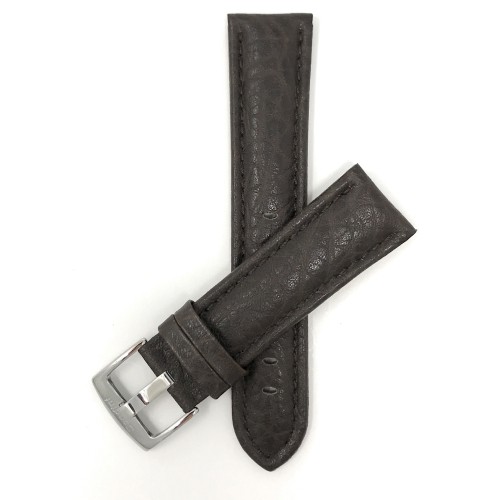
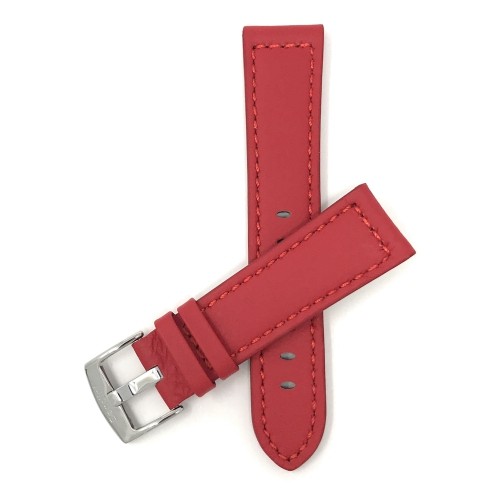


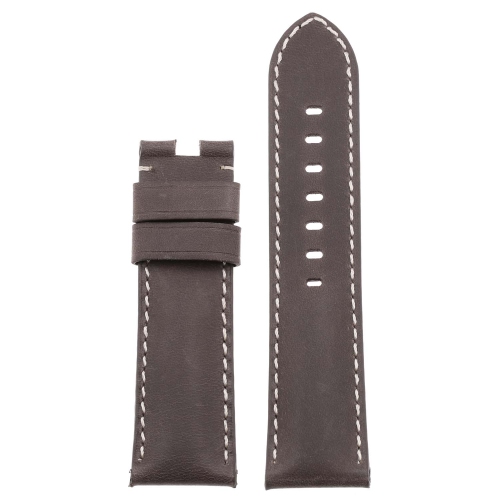


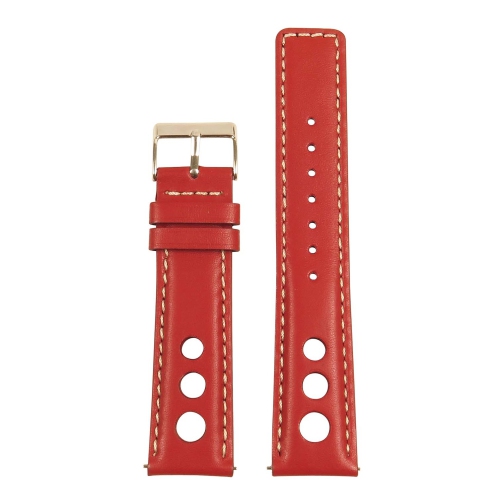


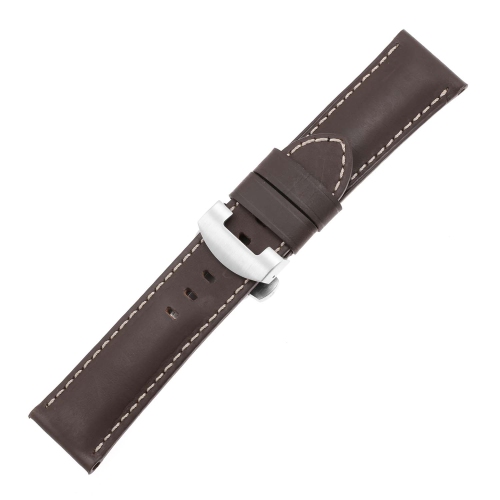


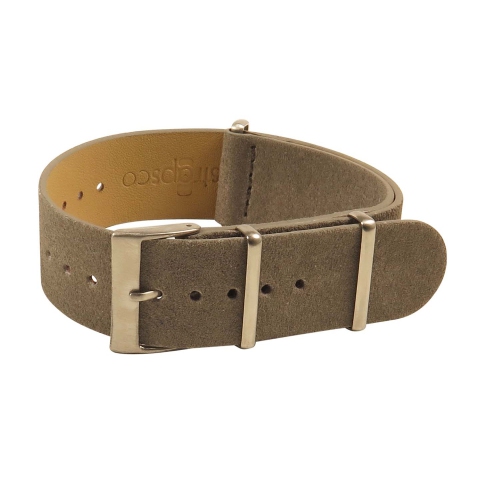


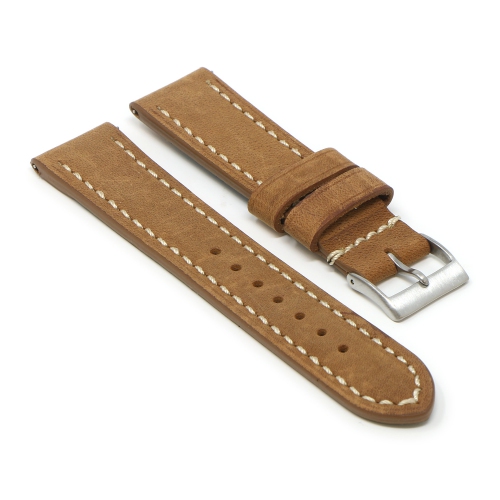


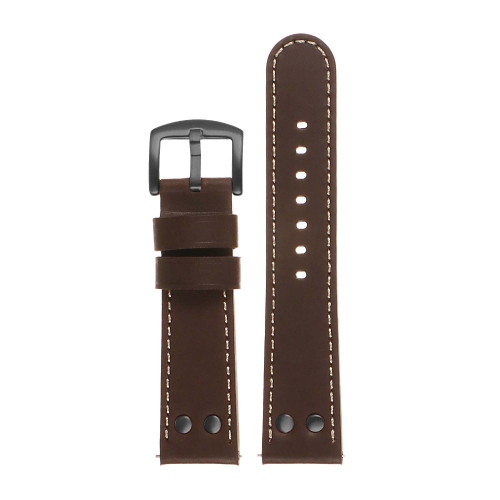

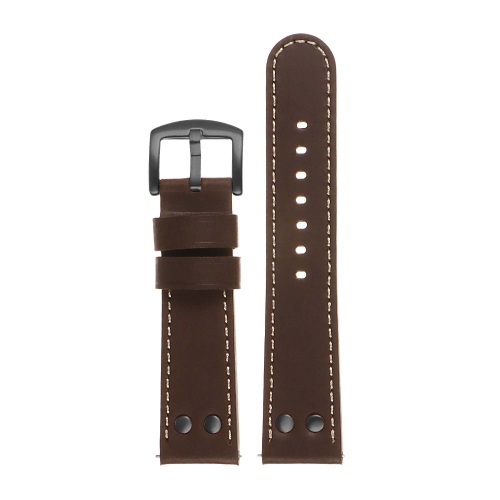
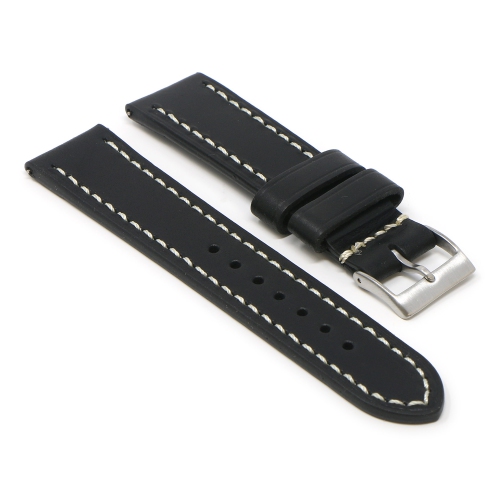
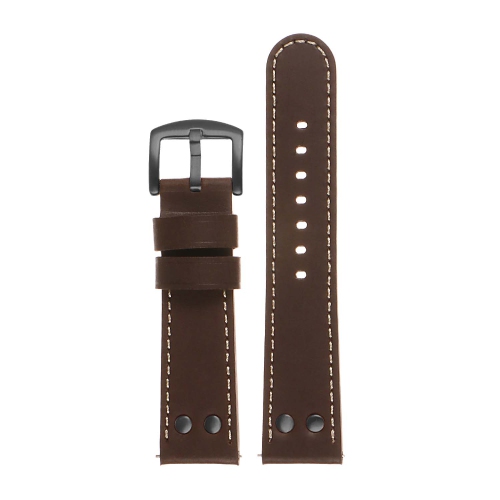


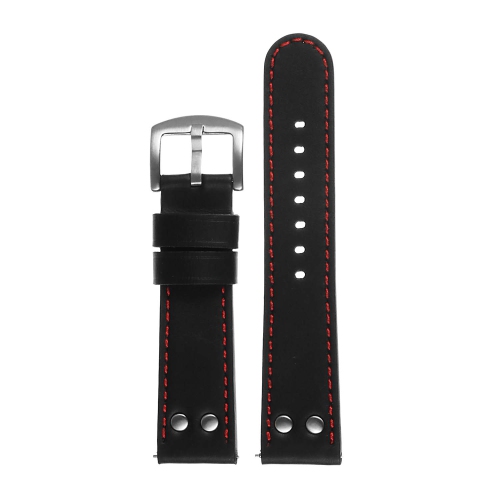
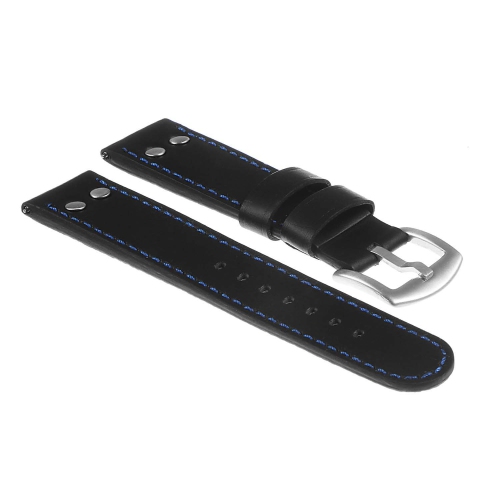


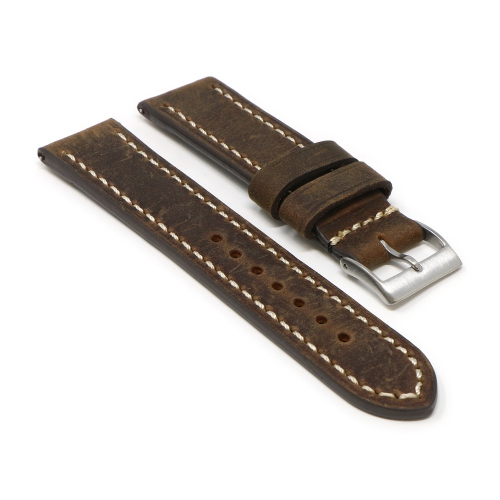

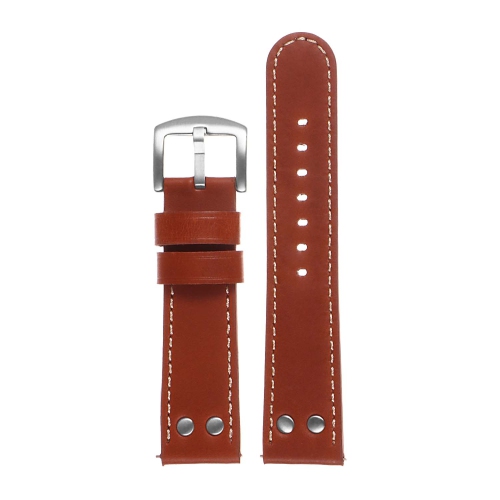
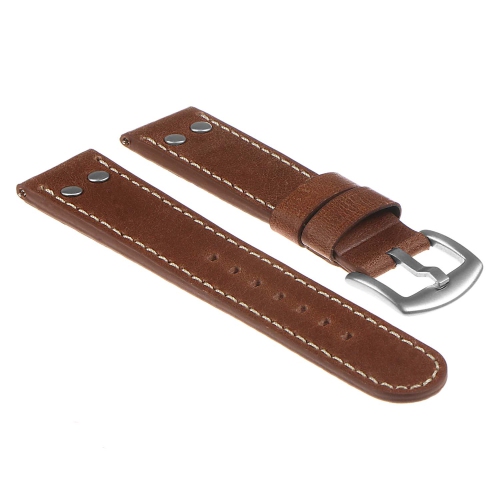

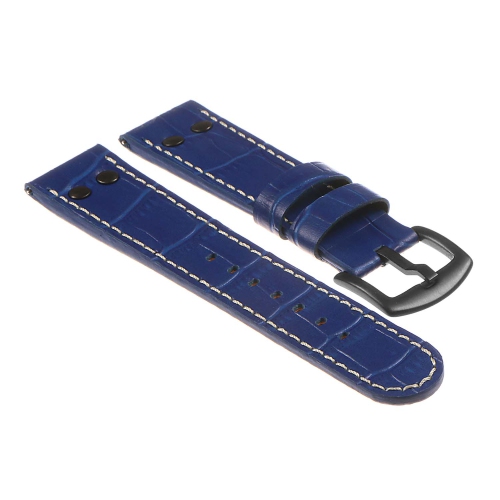


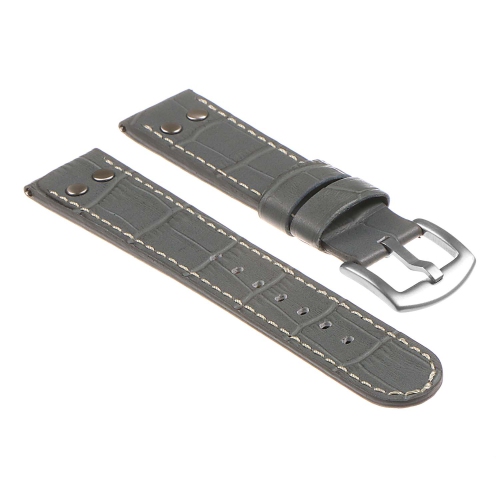

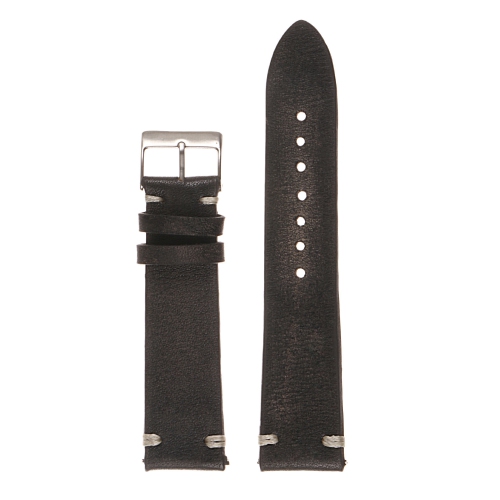


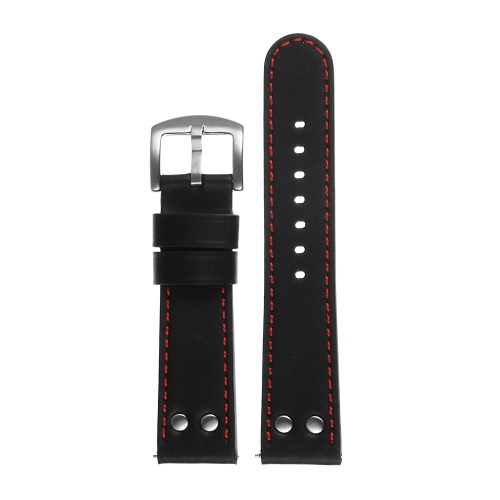
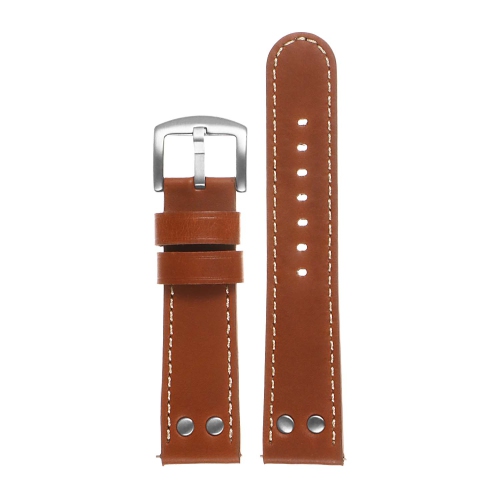


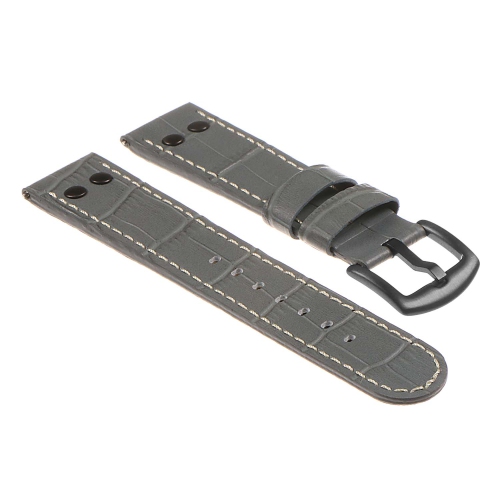
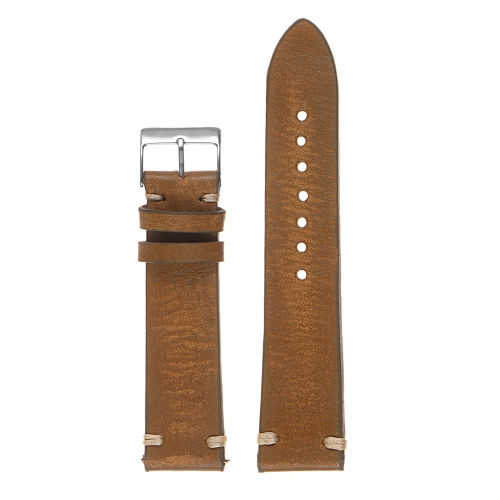
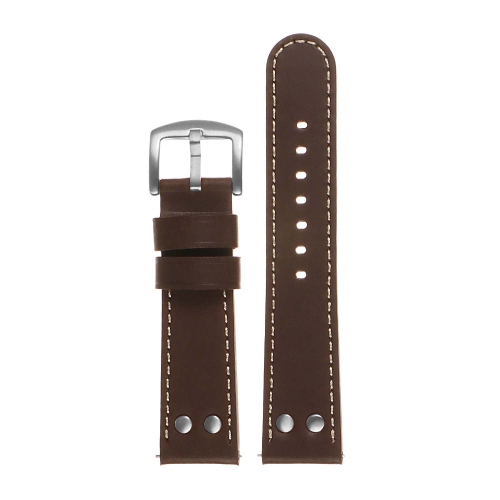
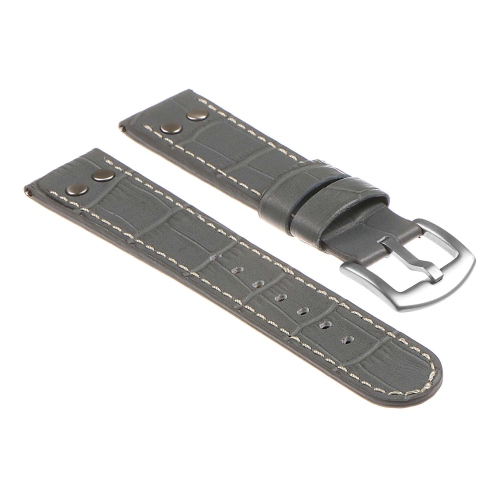


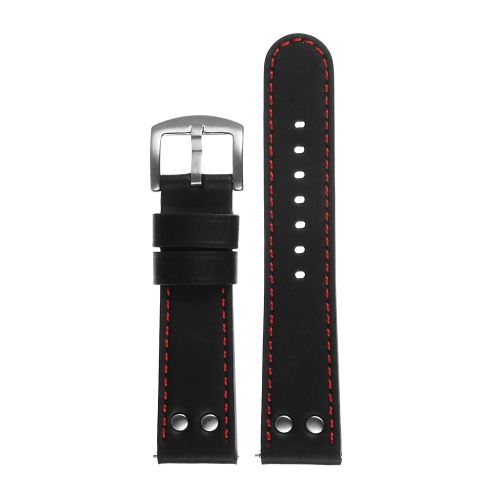


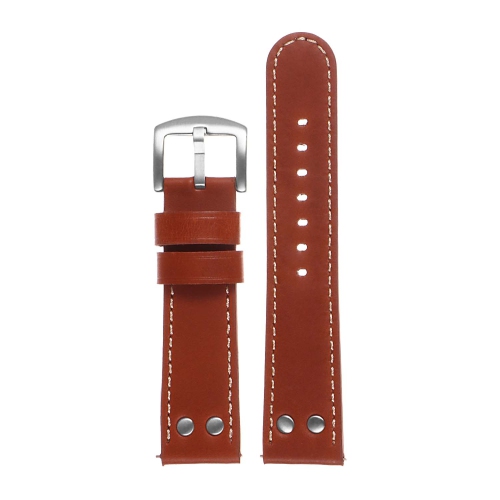


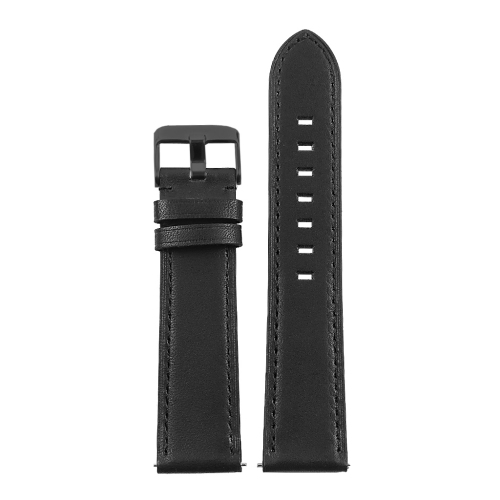


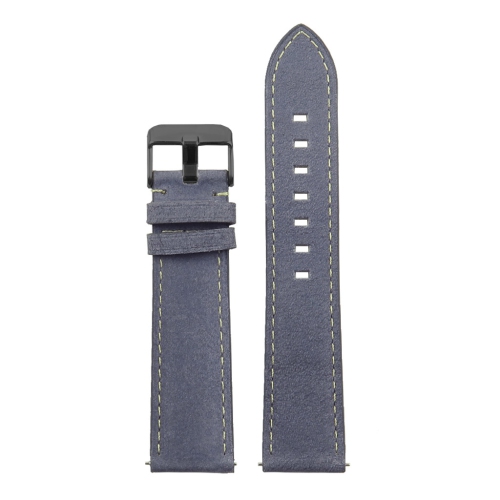
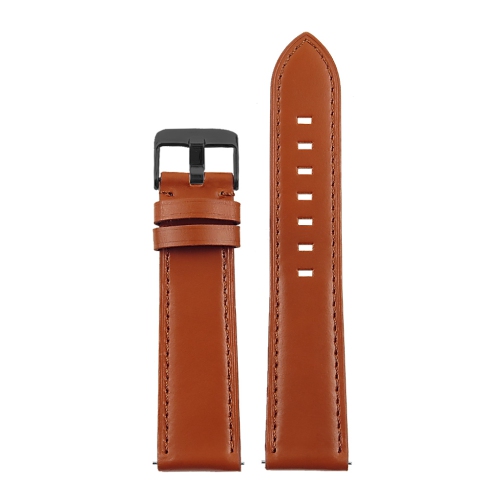
How a leather strap changes your watch’s character
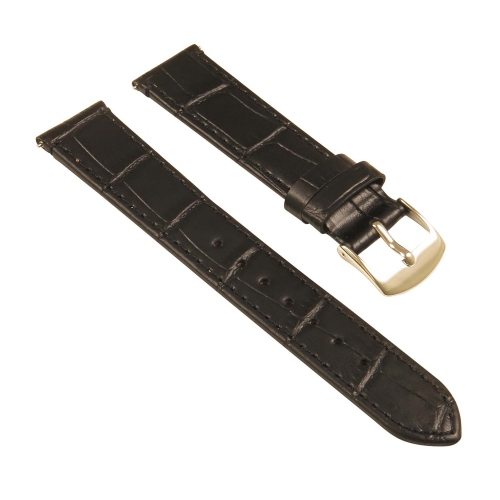
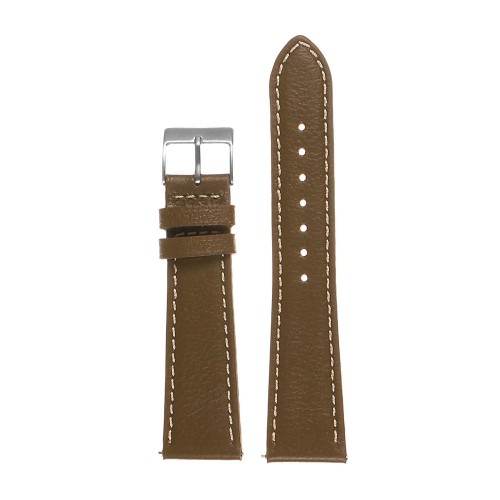
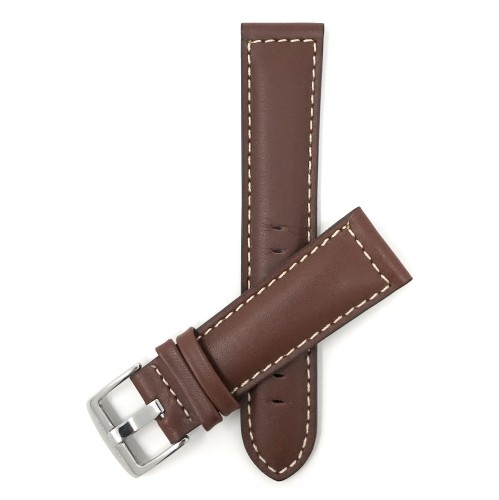
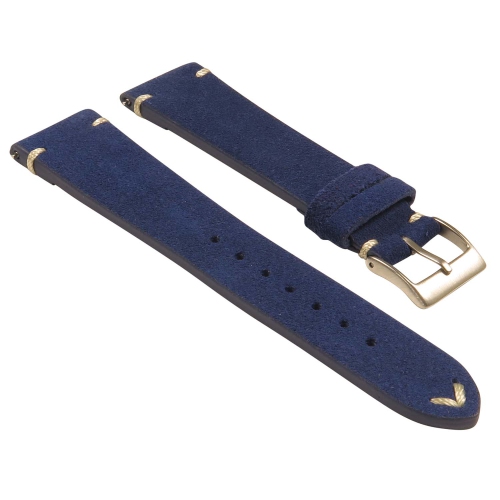
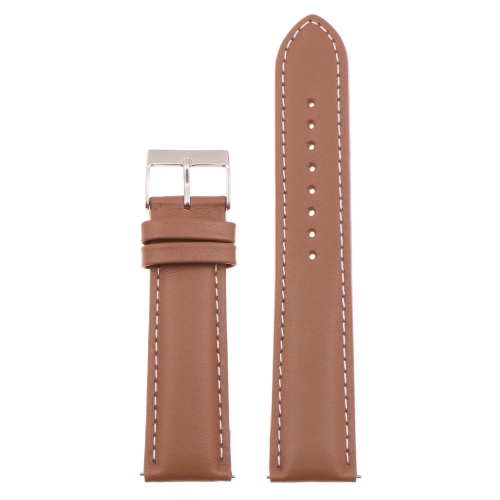
Leather watch bands give traditional watches and compatible smartwatches a distinctive mix of texture, flexibility, and personal style. A smooth black strap can make a familiar watch feel more formal, while a brown band with visible grain brings a relaxed finish to the same dial. Leather’s appeal is partly tactile: depending on its construction and finish, a band may feel structured at first and gradually soften where it curves around the wrist. Full-grain leather retains the natural grain surface and can develop a patina, with subtle changes in colour and character through regular wear. Top-grain leather has had some of its outer surface refined for a more uniform appearance, though its feel and durability still depend on the hide, finish, and overall construction. The term “genuine leather” identifies real leather but does not, by itself, describe a particular quality grade. Smooth, pebbled, suede, and embossed finishes offer different looks and care requirements; an embossed pattern can create a textured appearance without indicating that the band is made from an exotic hide. Construction matters just as much as the surface. Neat stitching, securely attached lining, finished edges, and a well-fitted buckle all contribute to how a strap looks and holds together over time. Slim leather straps tend to suit understated dress watches, particularly when the watch needs to slide comfortably beneath a shirt cuff. Padded bands have a fuller profile that can visually balance a larger case, although extra thickness does not automatically mean greater strength or comfort. A strap around 2 mm thick can complement a slim watch, while padding in the 3 mm to 5 mm range can give a more substantial watch a proportionate look; these are styling considerations rather than compatibility rules. Matching a buckle to a watch case creates a coordinated finish, while contrasting stitching can pick up a dial colour or add definition. For someone who wears the same watch to the office, dinner, and casual outings, changing the band offers a practical way to adjust its character without changing the watch itself.
Fit begins with the attachment point, not simply the size of the watch face. On a conventional watch, lug width is the distance between the inner edges of the two projections that hold the strap. Common leather watch band widths include 18 mm, 20 mm, 22 mm, and 24 mm, but other measurements exist, and the exact width must match the watch’s requirements. A strap that is too narrow may shift sideways, while one that is too wide can bunch at the ends or prevent the attachment hardware from seating properly. Case diameter and lug width are different measurements, so a large dial does not necessarily take a wide band. Smartwatch leather bands may use model-specific connectors or adapters instead of a standard lug attachment, making the stated device and case-size compatibility particularly important. Quick-release spring bars have a small lever that allows compatible bands to be changed without a separate spring-bar tool, but the pin ends still need to sit securely in the watch’s mounting holes. A gentle check after fitting helps confirm that both sides are engaged. Wrist fit also depends on strap length, adjustment-hole spacing, and how much space the watch case occupies across the wrist. Short, standard, and long labels can vary between manufacturers, so actual length measurements are more useful than the label alone. A comfortable band should hold the watch steadily without pinching, leaving enough room for ordinary wrist movement. For smartwatches with wrist sensors, the device’s fit requirements also matter. Keepers, the small loops that hold the loose strap end, help prevent excess length from catching on clothing. Buckle width may differ from lug width because many bands taper towards the closure; this distinction matters when retaining an existing buckle. For a gift, knowing the recipient’s watch model, attachment size, and approximate wrist size makes a leather band a more personal and usable choice. Those looking for a complete timepiece rather than a replacement strap can explore Leather Band Watches, where the watch and band are considered together.
Leather watch straps are generally best suited to everyday wear, office settings, social occasions, and other activities that do not involve prolonged moisture or heavy perspiration. A water-resistant watch case does not make its leather band water-resistant, and leather is usually not the best choice for swimming, showering, or strenuous workouts unless the band’s stated specifications expressly support that use. Moisture can affect the lining, cause staining, and weaken certain finishes or adhesives over time. Taking a leather band off before washing dishes or exercising can help preserve both its appearance and comfort. Routine care is usually simple: a soft, dry cloth removes surface dust and light marks, while any deeper cleaning should follow the manufacturer’s directions for that particular leather and finish. Suede needs different treatment from smooth finished leather, and an unsuitable cleaner or conditioner may darken the surface, leave residue, or change its texture. Where a care product is permitted, testing it on an inconspicuous area helps avoid an unexpected colour change. If a band becomes damp, allowing it to dry naturally away from direct heat is preferable to using a hair dryer or placing it against a radiator. Resting it between wears also gives the lining time to dry. Daily handling influences longevity: opening the buckle carefully rather than sharply folding or tugging the strap reduces repeated stress around the adjustment holes. Fragrance, lotions, and cleaning chemicals can mark some leather finishes, so avoiding direct contact helps keep the surface consistent. Over time, gentle creasing and colour variation may be part of the leather’s character, but splitting near the attachment points, loose stitching, elongated holes, or damaged hardware can signal that replacement is needed. For storage, a relaxed curve or a flat position is kinder to the strap than a tight fold. With a compatible attachment, a comfortable length, and care suited to its finish, a leather watch band can remain a useful part of a daily wardrobe while developing an appearance that feels distinctly personal.
Top selling and popular products
-
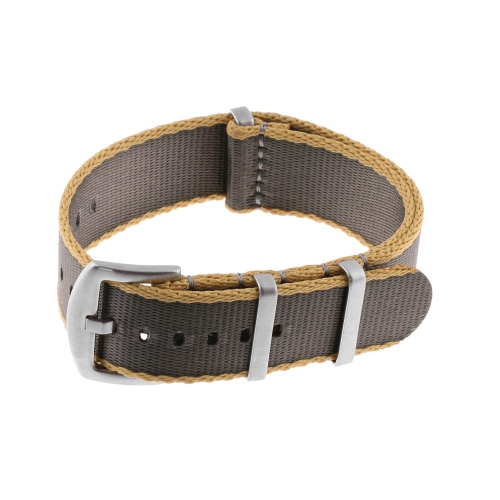 Your price for this item is $18.99
-
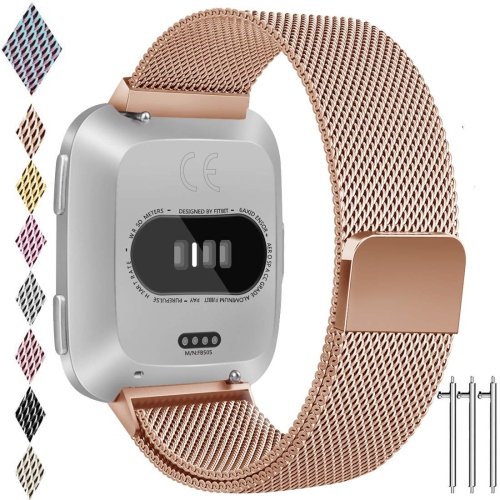 Your price for this item is $16.95
-
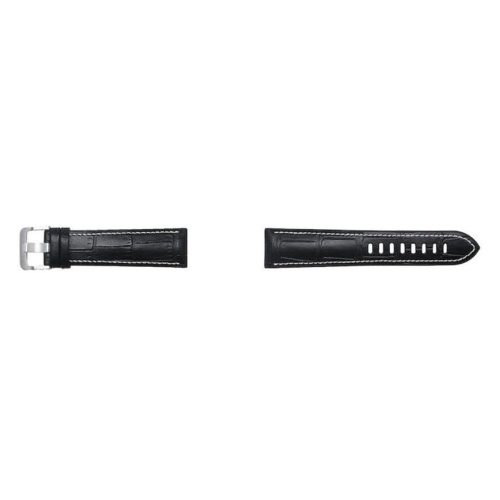 Your price for this item is $53.99
-
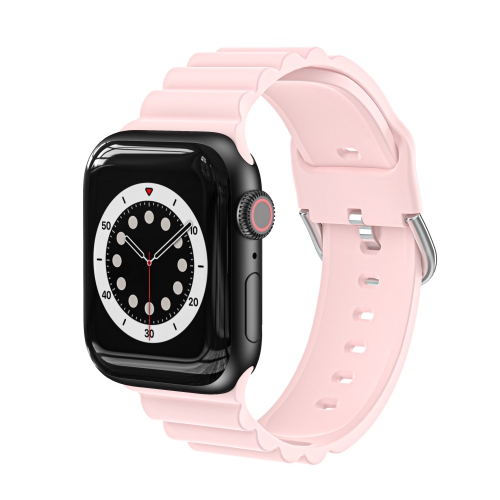 Your price for this item is $29
-
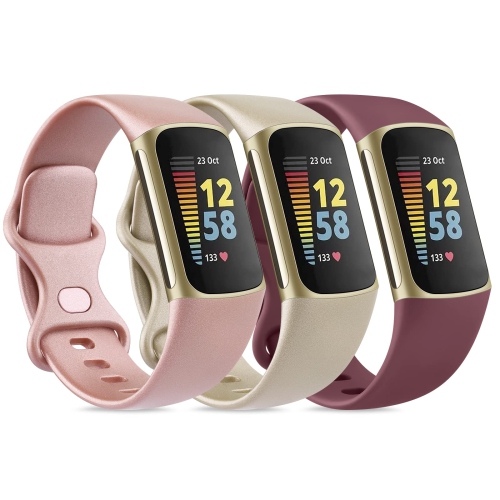 Your price for this item is $33.96
-
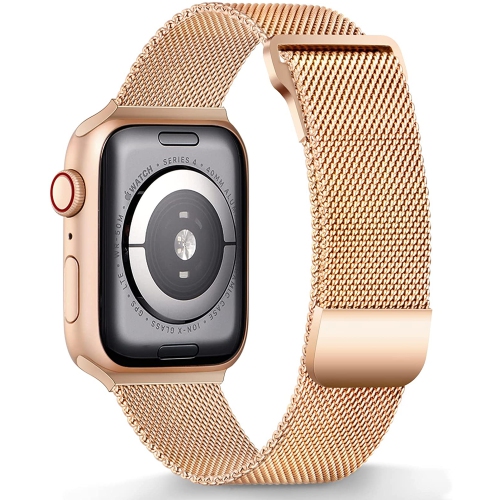 Your price for this item is $6.89
-
 Your price for this item is $19.99
-
 Your price for this item is $18.99
Discover more categories related to Leather Watch Bands


Top Collections:
Pokemon Centers, Kindle Devices, Best Budget Office Chairs, Canon G7X Cameras, Apple iPhones 16, Samsung Galaxy Phones, Refurbished Apple Laptops, Laptops for Students, iPhone 15 Apple, Budget Smartphones
Some products may be subject to Environmental Handling Fees
(EHF) depending on your province.
Learn more about EHFs.