Safety Watches
Stay connected and protected with our selection of safety watches. Whether you're an outdoor enthusiast, a busy parent, or someone who values personal security, these innovative timepieces offer more than just the time. With features like GPS tracking, emergency SOS buttons, heart rate monitoring, and activity tracking, our safety watches are designed to keep you safe and informed in any situation. Explore our range of options and find the perfect watch that fits your lifestyle and gives you peace of mind.
Sort
![APPLE Watch Series 8 [Gps + Cellular 45 Mm] Smart Watch W/gold Stainless Steel Case With Starlight Sport Band - Brand New In Multicolor Battery life is great!](https://multimedia.bbycastatic.ca/multimedia/products/500x500/192/19282/19282847.jpeg)
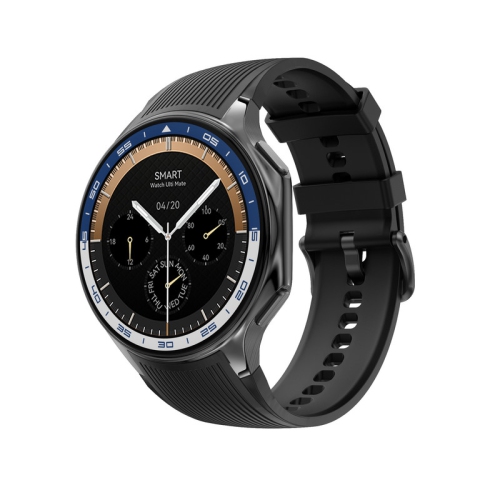
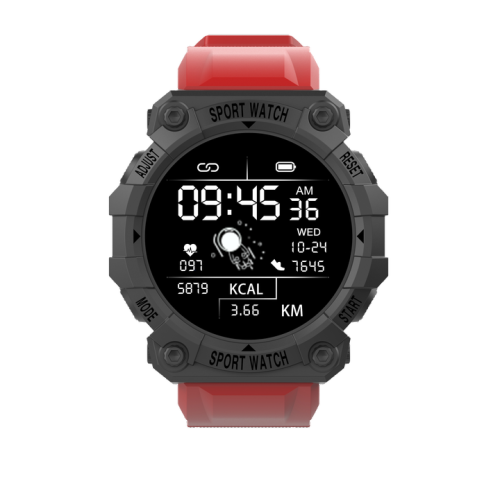
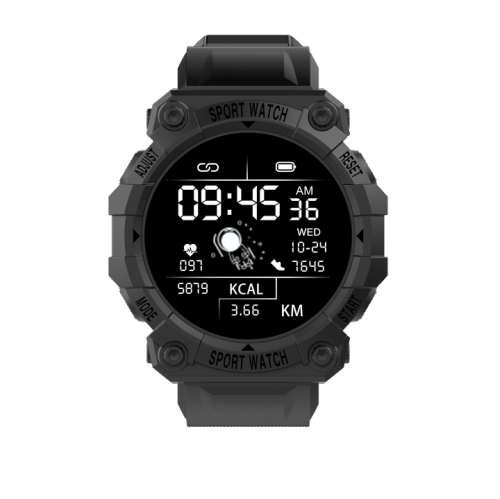
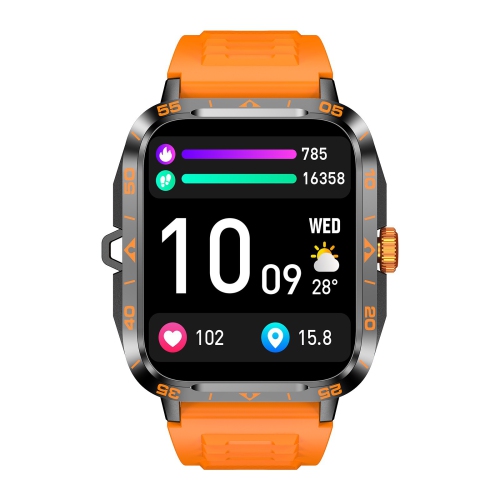
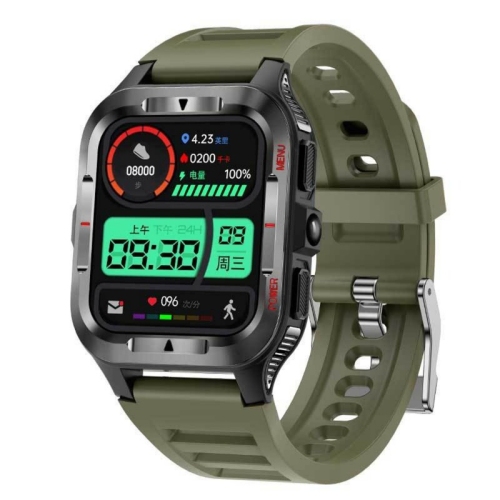
Emergency communication that stays close at hand
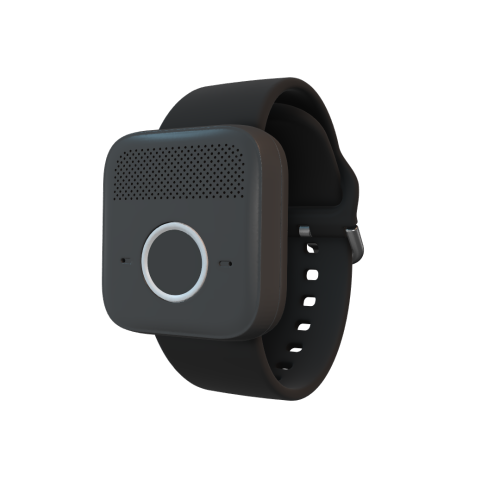
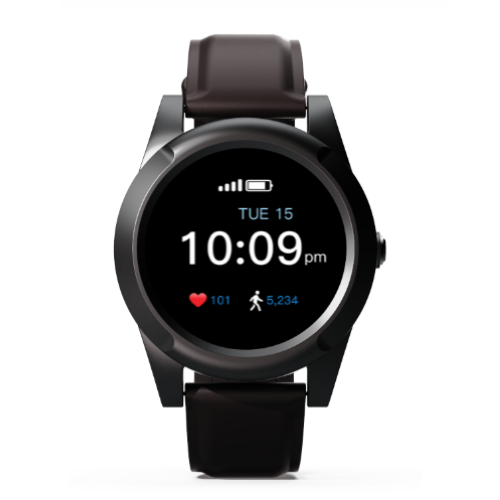
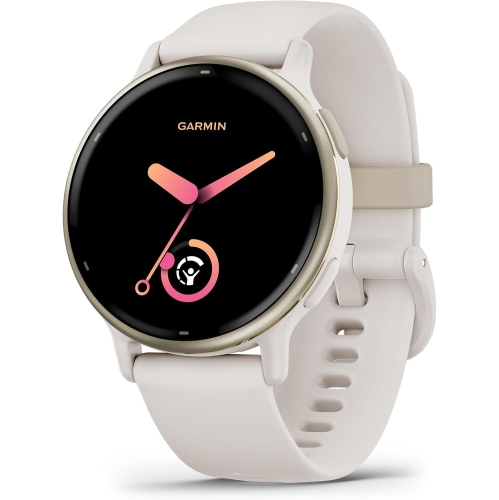
Safety watches are wearable devices designed to provide an extra line of communication when someone needs help, cannot easily reach a phone, or may be travelling beyond familiar surroundings. Depending on the model, they can combine emergency SOS buttons, fall detection, GPS location tracking, two-way voice communication, activity monitoring and loud alerts in a watch-style design that stays close at hand. They may be particularly useful for older adults who live independently, people recovering from an injury, individuals with mobility concerns, lone workers, caregivers and outdoor adventurers. A senior safety watch can make it easier to contact a family member, caregiver or professional monitoring centre with a simple press, while automatic fall detection may recognize a sudden impact and prompt the wearer to confirm that they are safe. Outdoor users may value location sharing and emergency communication during a hike, bike ride, camping trip or walk in an unfamiliar area. For people who work alone, a watch can offer a discreet way to request assistance without reaching into a pocket or carrying a larger device. The right choice depends on the wearer’s daily routine, comfort with technology and preferred response plan. Some watches connect with a smartphone and send alerts to selected contacts, while others use built-in cellular service to communicate independently and may connect directly with a staffed response centre. Reviewing these differences before purchase helps ensure the watch supports the type of help the wearer is most likely to need.
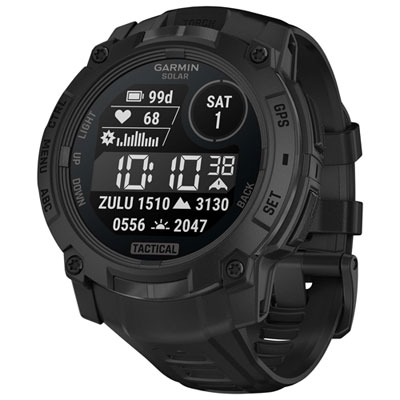
When comparing safety watches, start with the emergency features and how they operate in real-world situations. Look for an easy-to-find SOS control, clear on-screen instructions, audible alerts and two-way talk that allows the wearer to explain what happened. Fall detection can be helpful, but it should be treated as an additional safeguard rather than a substitute for a phone, personal support plan or professional medical advice. No sensor detects every fall, and some incidents may require the wearer to activate an alert manually. GPS can help approved contacts find the wearer outdoors, although location accuracy may vary around tall buildings, indoors, in wooded areas or where cellular coverage is limited. Confirm whether GPS tracking is continuous, activated only during an alert, or managed through a companion app. Battery life is another practical consideration: a watch that requires frequent charging may be less dependable if it is removed overnight or forgotten during a busy day. Check charging time, battery notifications and whether the device can remain connected while charging. Water resistance may be important for handwashing, rain, exercise or bathing, but water-resistant ratings have limits and do not always mean the watch is suitable for swimming. Also consider cellular coverage, required service plans, smartphone compatibility, contact limits, monitoring fees and whether emergency calls can reach local services. A bright display, large text, tactile buttons and adjustable alert volume can make everyday use easier for someone with limited vision, hearing or dexterity. For active users, a durable case, comfortable strap and secure fit can help the watch stay in place during walks, work or outdoor activity. Those shopping for jobsite wearables may also want to explore Watches for Construction Workers for designs suited to demanding work environments.
A safety watch can also be a thoughtful gift for a parent, grandparent, partner, employee or friend who values independence but may benefit from a simple way to stay connected. It can offer reassurance to family members without requiring the wearer to carry a separate emergency pendant, although the best gift is one the recipient feels comfortable wearing every day. Take time to set up emergency contacts, test the SOS process and explain what happens after an alert is sent. If the watch supports a monitoring centre, review the service agreement and confirm who will be contacted first. If it sends notifications to family members, choose people who can respond promptly and make sure they understand the wearer’s address, medical information and preferred emergency instructions. A short practice session can build confidence: try making a test call, locating the contacts list, checking the battery level and using the charging dock. For an older adult, a familiar watch face and a small number of clearly labelled functions may be more useful than an extensive collection of fitness features. For a lone worker, check-in reminders, location sharing and reliable communication may be the priorities, particularly during early starts, late shifts or work in isolated areas. For an outdoor explorer, GPS, weather-resistant construction, a strong alarm and extended battery life can add practical support during changing conditions and cooler months. Privacy is worth considering as well, since location and health-related information may be stored or shared through an app or monitoring service. Review permissions and notification settings so information goes only to trusted contacts. With the right combination of emergency communication, dependable connectivity, comfortable design and straightforward setup, safety watches can support greater confidence while helping families and caregivers stay informed when it matters.
When comparing safety watches, start with the emergency features and how they operate in real-world situations. Look for an easy-to-find SOS control, clear on-screen instructions, audible alerts and two-way talk that allows the wearer to explain what happened. Fall detection can be helpful, but it should be treated as an additional safeguard rather than a substitute for a phone, personal support plan or professional medical advice. No sensor detects every fall, and some incidents may require the wearer to activate an alert manually. GPS can help approved contacts find the wearer outdoors, although location accuracy may vary around tall buildings, indoors, in wooded areas or where cellular coverage is limited. Confirm whether GPS tracking is continuous, activated only during an alert, or managed through a companion app. Battery life is another practical consideration: a watch that requires frequent charging may be less dependable if it is removed overnight or forgotten during a busy day. Check charging time, battery notifications and whether the device can remain connected while charging. Water resistance may be important for handwashing, rain, exercise or bathing, but water-resistant ratings have limits and do not always mean the watch is suitable for swimming. Also consider cellular coverage, required service plans, smartphone compatibility, contact limits, monitoring fees and whether emergency calls can reach local services. A bright display, large text, tactile buttons and adjustable alert volume can make everyday use easier for someone with limited vision, hearing or dexterity. For active users, a durable case, comfortable strap and secure fit can help the watch stay in place during walks, work or outdoor activity. Those shopping for jobsite wearables may also want to explore Watches for Construction Workers for designs suited to demanding work environments.
A safety watch can also be a thoughtful gift for a parent, grandparent, partner, employee or friend who values independence but may benefit from a simple way to stay connected. It can offer reassurance to family members without requiring the wearer to carry a separate emergency pendant, although the best gift is one the recipient feels comfortable wearing every day. Take time to set up emergency contacts, test the SOS process and explain what happens after an alert is sent. If the watch supports a monitoring centre, review the service agreement and confirm who will be contacted first. If it sends notifications to family members, choose people who can respond promptly and make sure they understand the wearer’s address, medical information and preferred emergency instructions. A short practice session can build confidence: try making a test call, locating the contacts list, checking the battery level and using the charging dock. For an older adult, a familiar watch face and a small number of clearly labelled functions may be more useful than an extensive collection of fitness features. For a lone worker, check-in reminders, location sharing and reliable communication may be the priorities, particularly during early starts, late shifts or work in isolated areas. For an outdoor explorer, GPS, weather-resistant construction, a strong alarm and extended battery life can add practical support during changing conditions and cooler months. Privacy is worth considering as well, since location and health-related information may be stored or shared through an app or monitoring service. Review permissions and notification settings so information goes only to trusted contacts. With the right combination of emergency communication, dependable connectivity, comfortable design and straightforward setup, safety watches can support greater confidence while helping families and caregivers stay informed when it matters.
Top selling and popular products
-
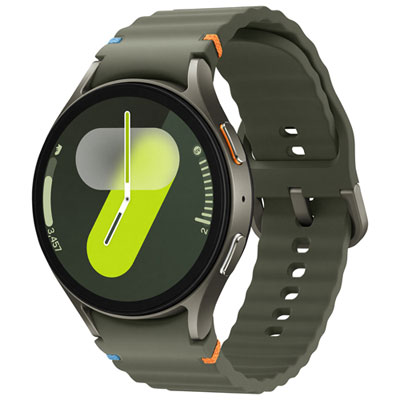 Your price for this item is $299.95
 -
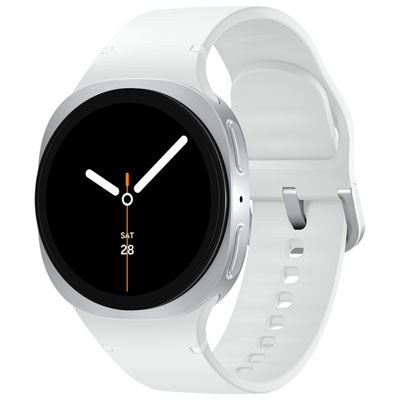 Your price for this item is $389.99
 -
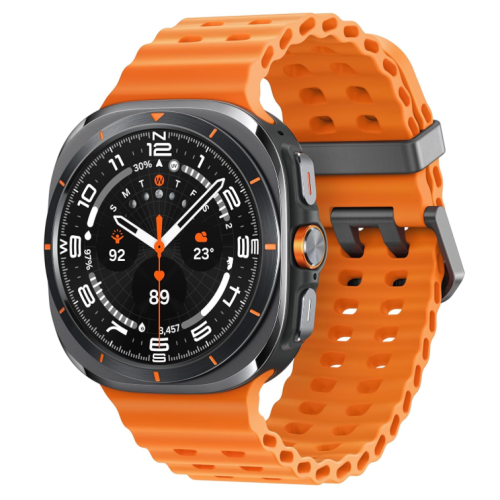 Your price for this item is $579.99
 -
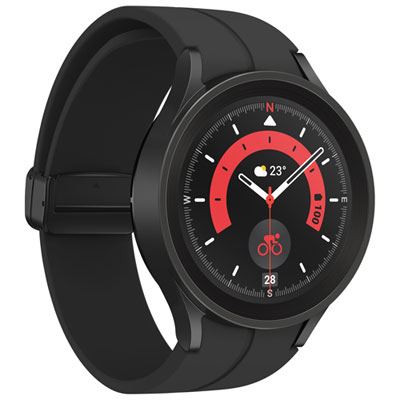 Your price for this item is $629.97
 -
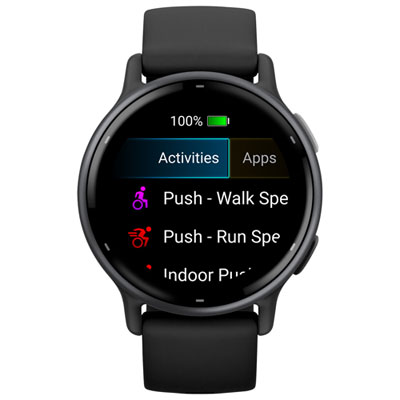 Your price for this item is $269.99
 -
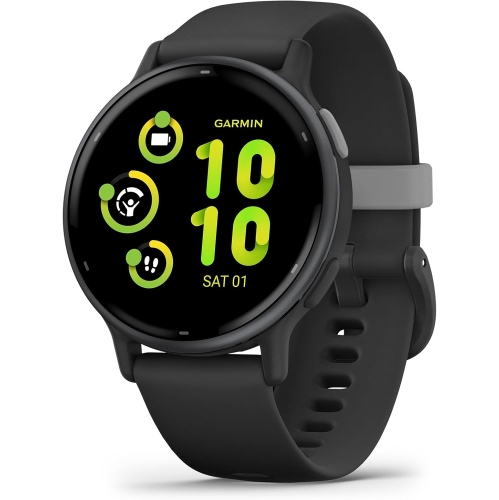 Your price for this item is $371.79
 -
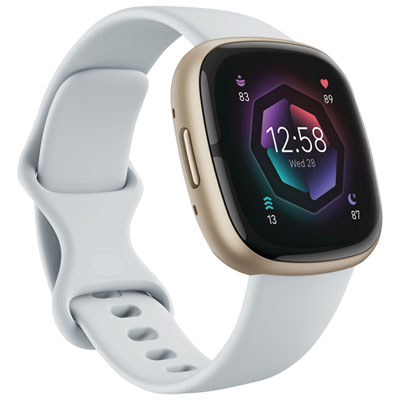 Your price for this item is $269.99
 -
 Your price for this item is $319
Discover more categories related to Safety Watches
Top Collections:
Pokemon Centers, Kindle Devices, Best Cell Phones Under $500, Alarm Clock, Canon G7X Cameras, iPhone 15 Apple, Apple iPhones 16, Laptops for Students, iPhone 14 256GB, Budget Smartphones
Some products may be subject to Environmental Handling Fees
(EHF) depending on your province.
Learn more about EHFs.