Safety Devices
Ensuring the safety of your loved ones and protecting your valuable belongings is of utmost importance. That's why at Best Buy, we offer a wide range of safety devices designed to provide peace of mind and security for your home or office. From surveillance cameras and smart doorbells to fire alarms and carbon monoxide detectors, our collection features top-quality options that are built to keep you and your property safe. Explore our selection of innovative safety devices and take proactive steps towards safeguarding what matters most to you.
Sort






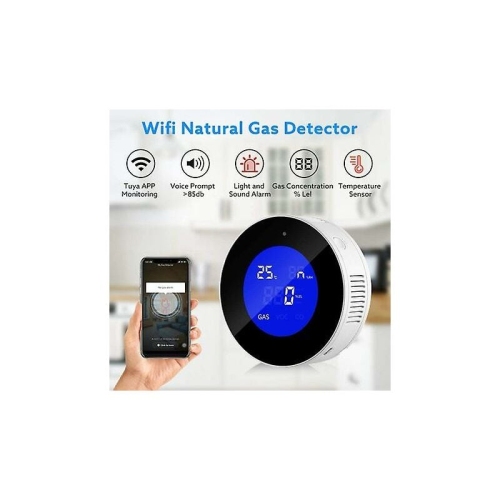
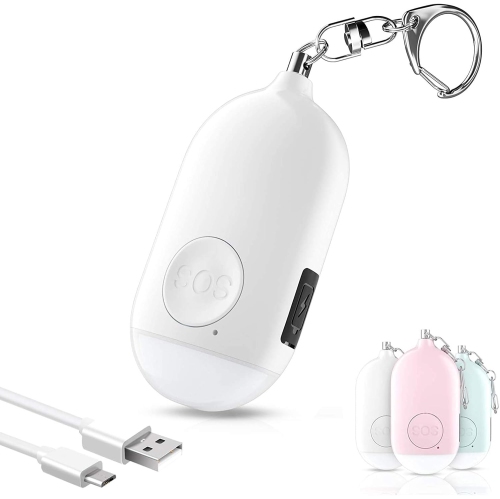
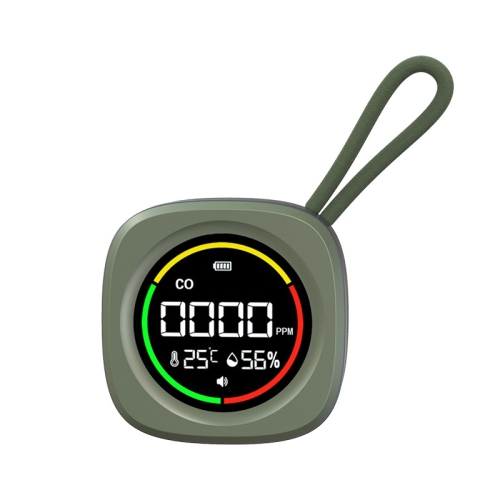


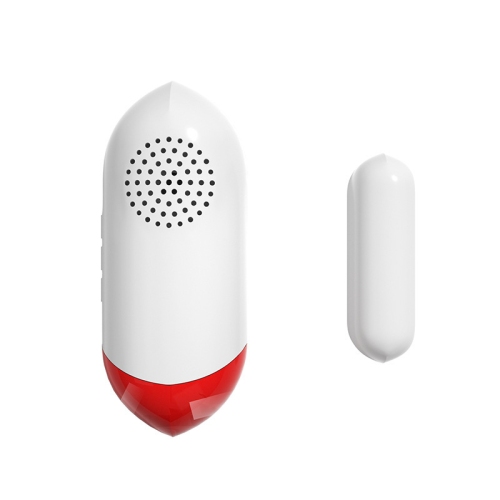
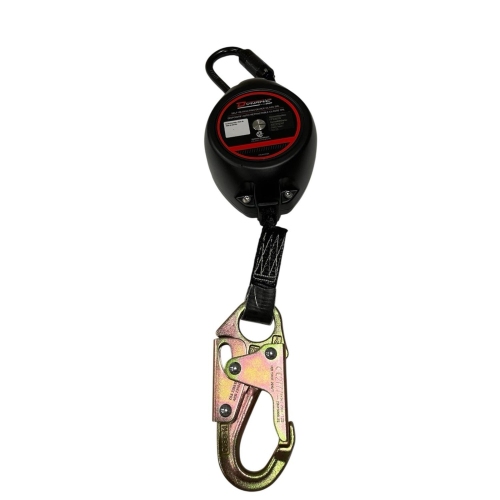
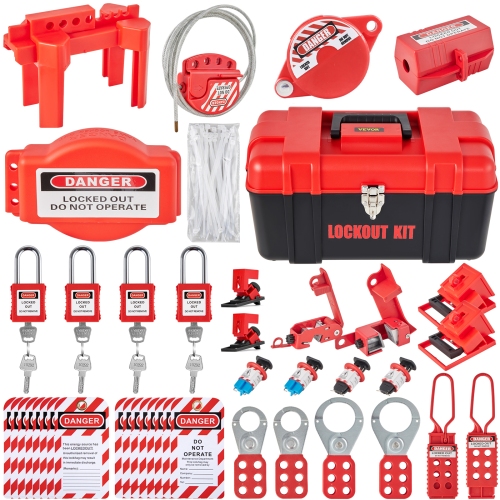

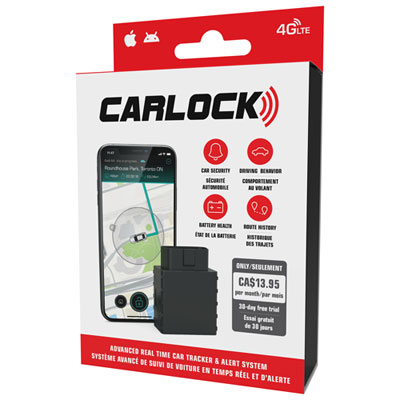

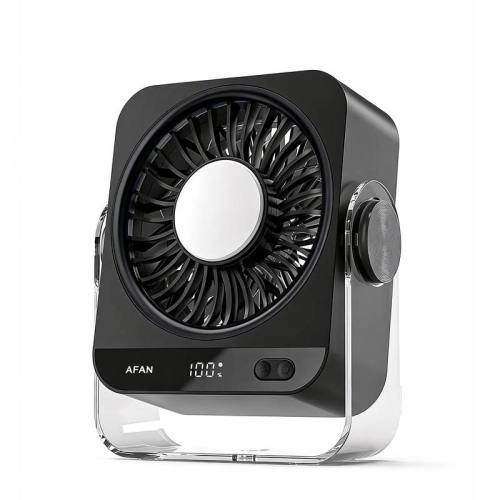



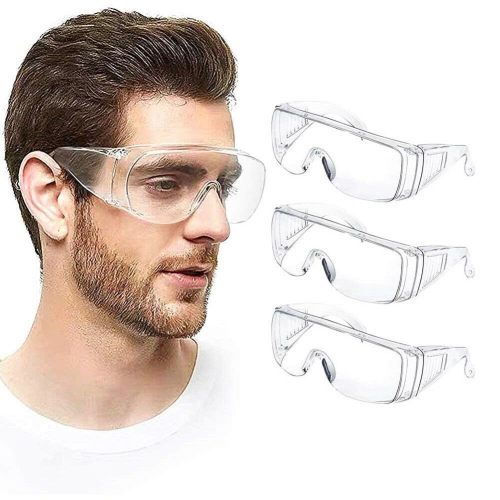
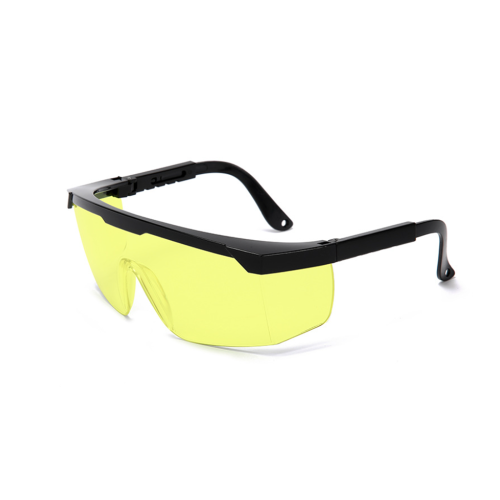
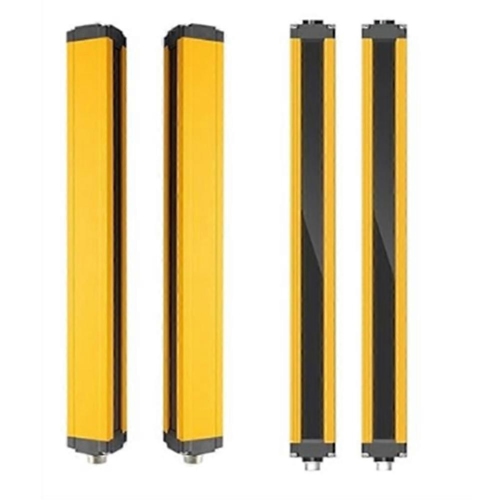

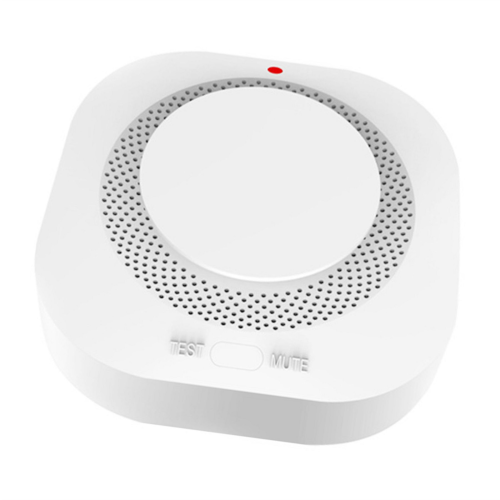

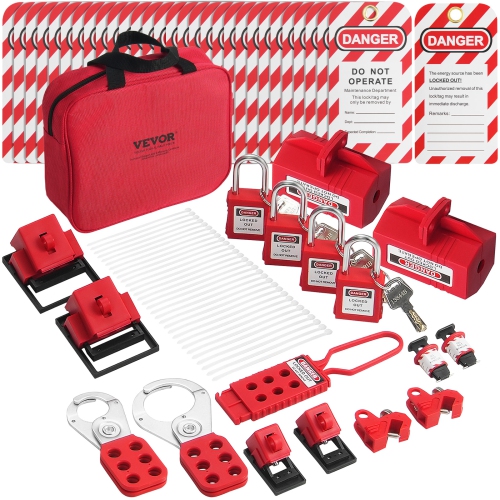
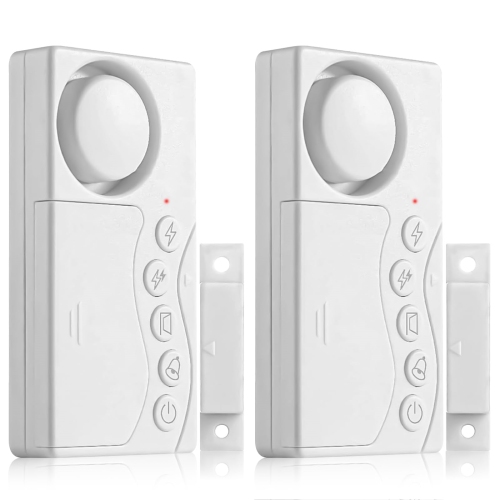
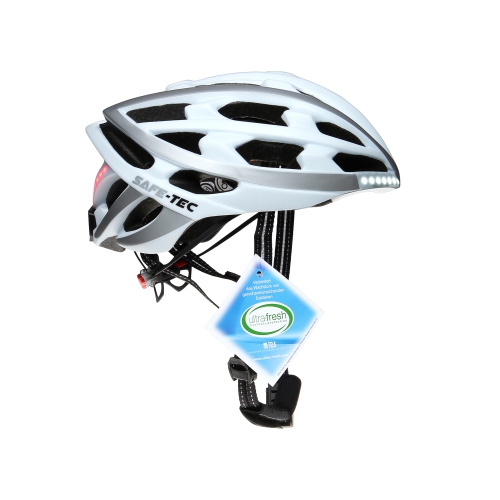

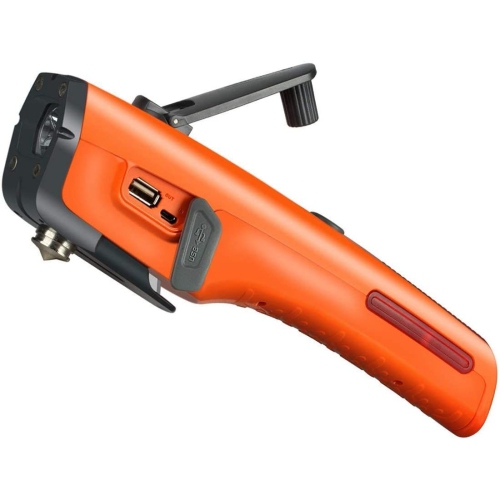
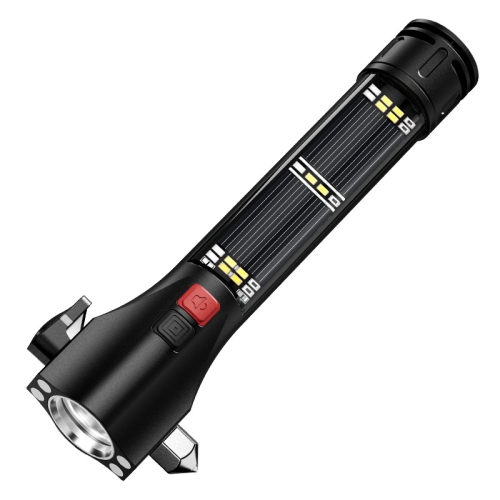
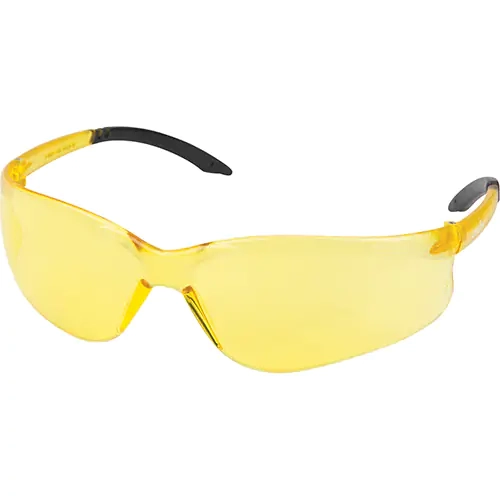

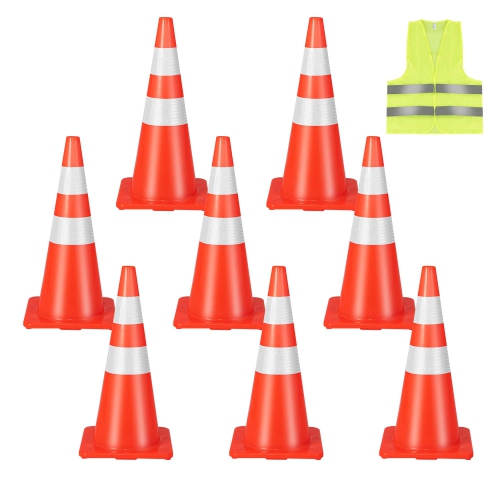

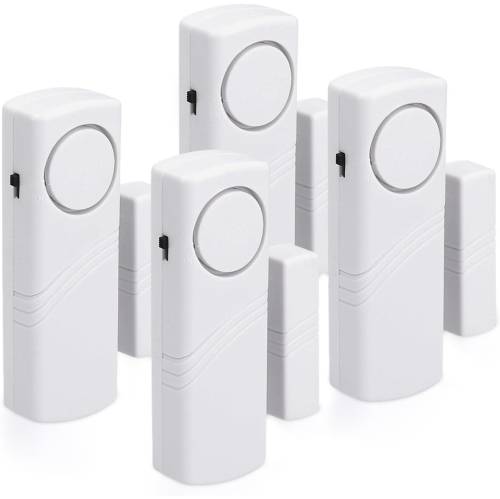




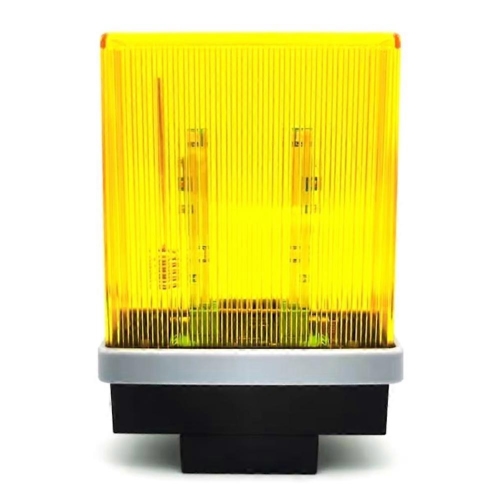

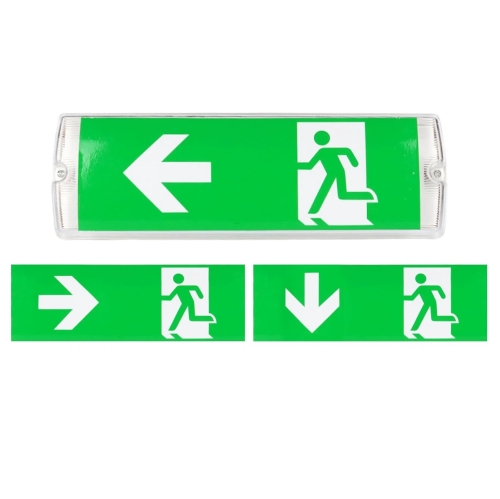
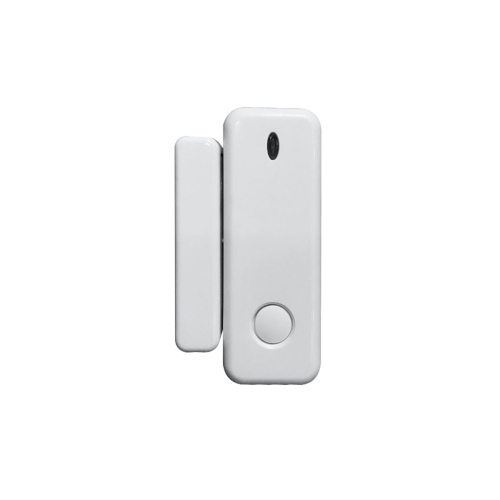
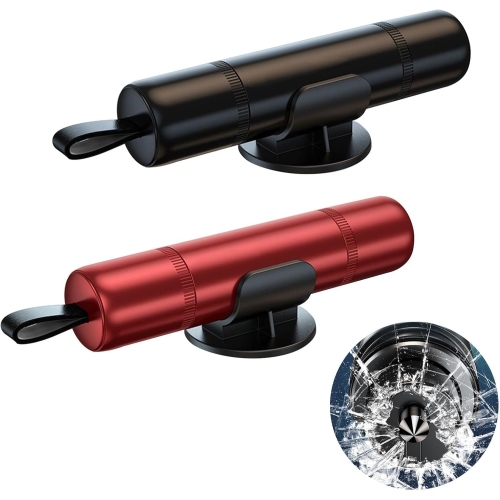
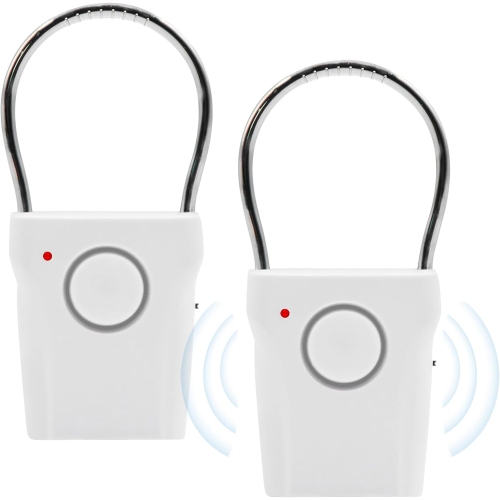
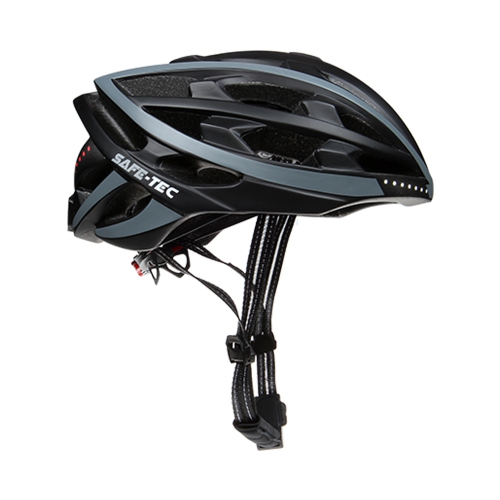

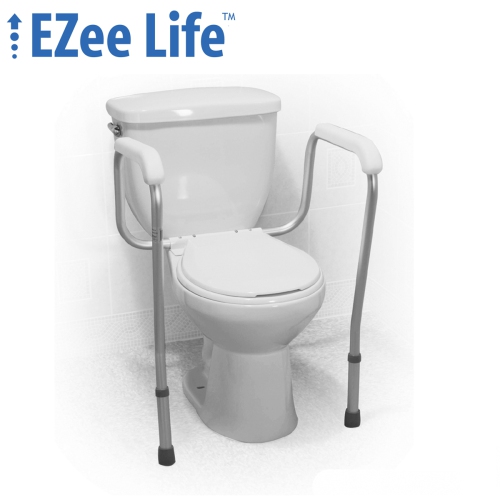
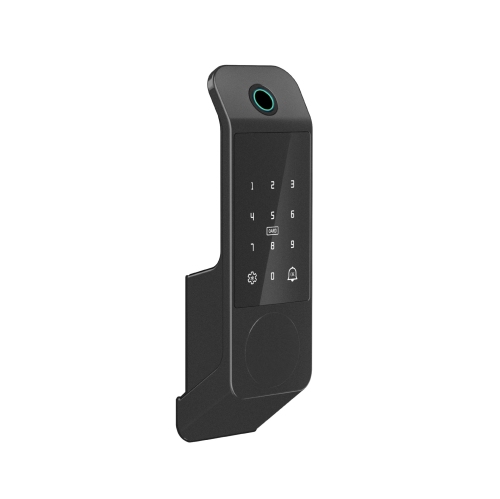
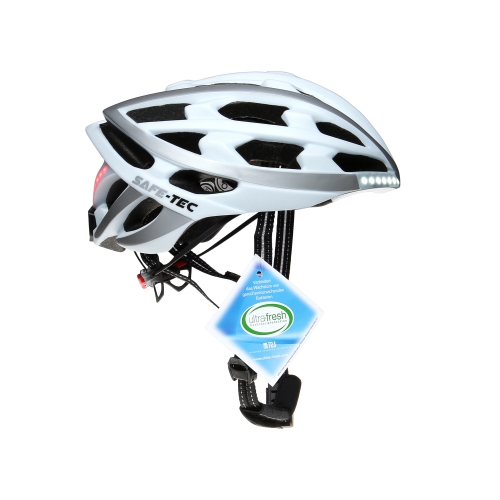



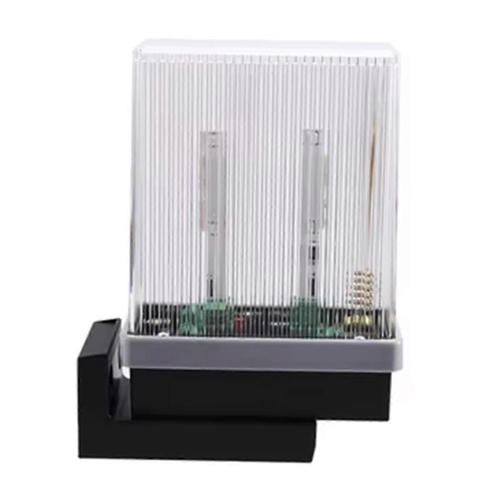

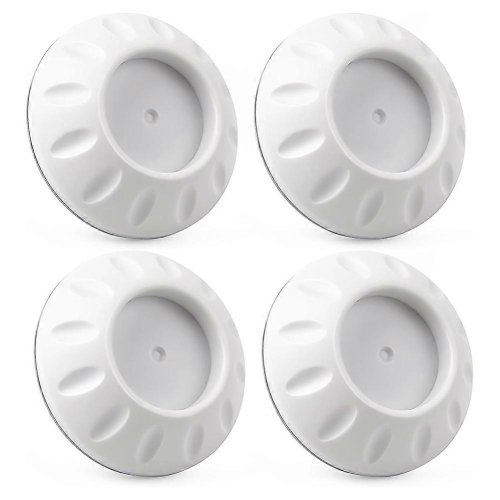
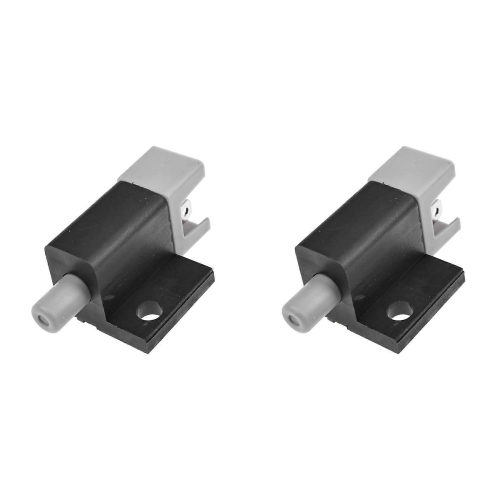

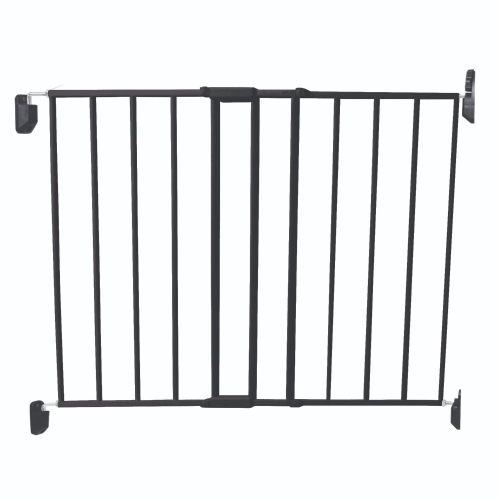
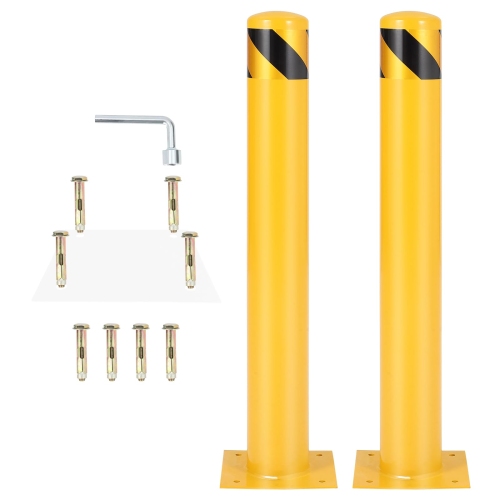
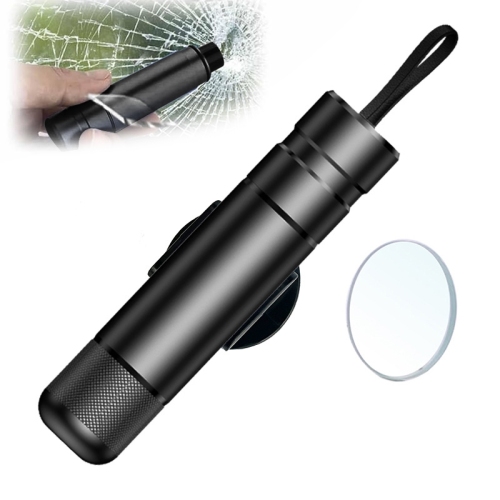
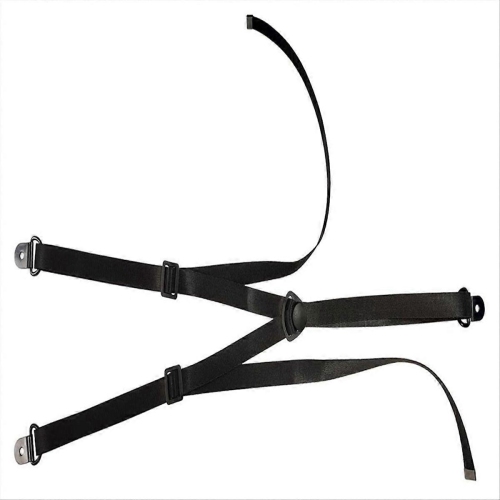
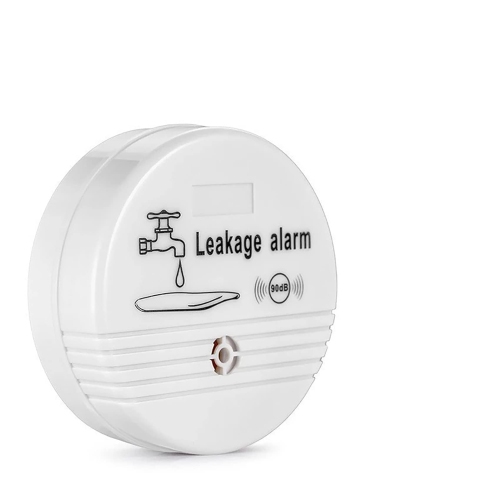
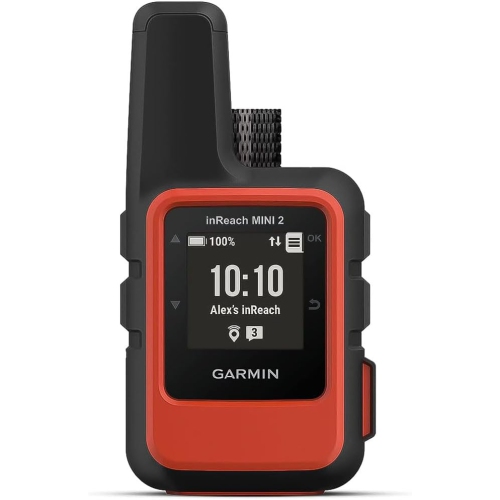

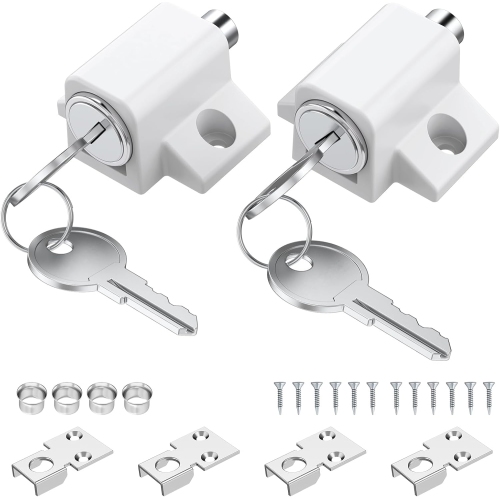
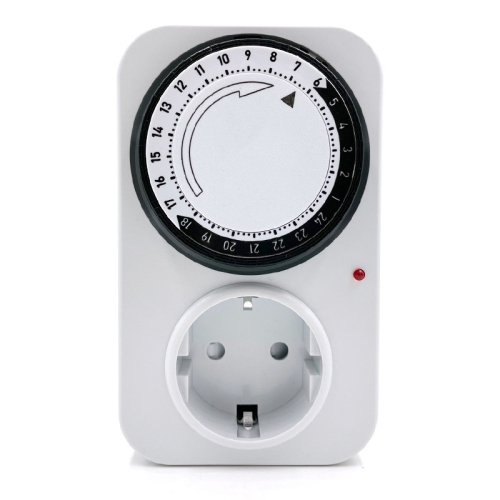
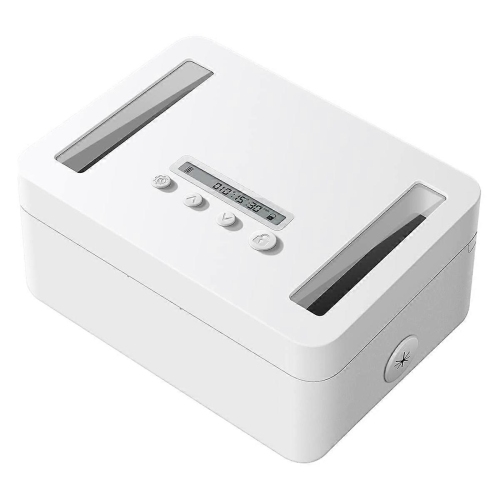
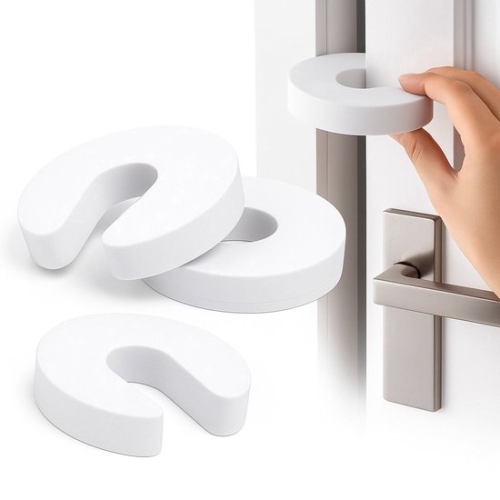
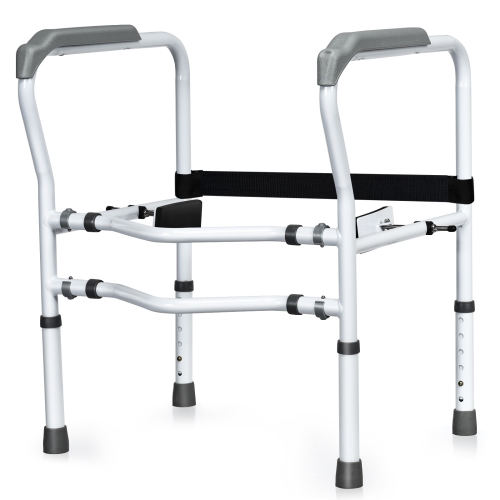
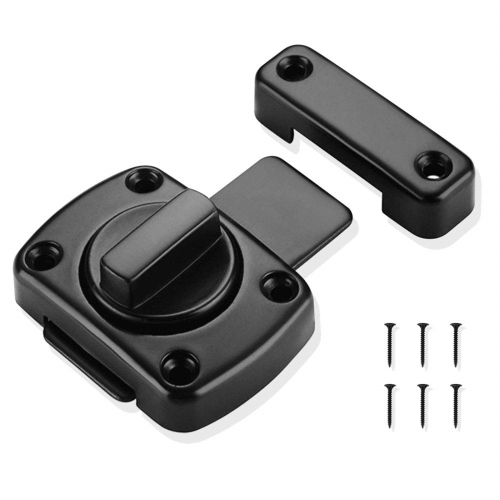
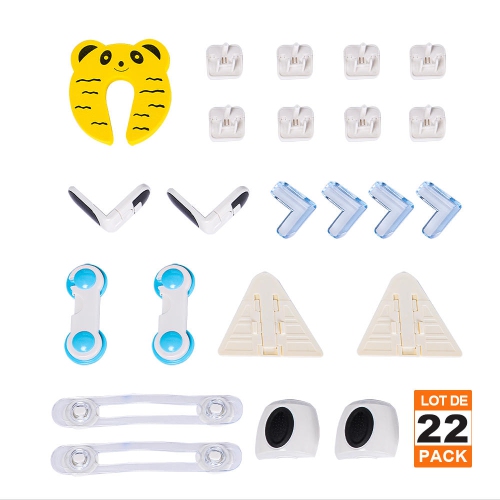
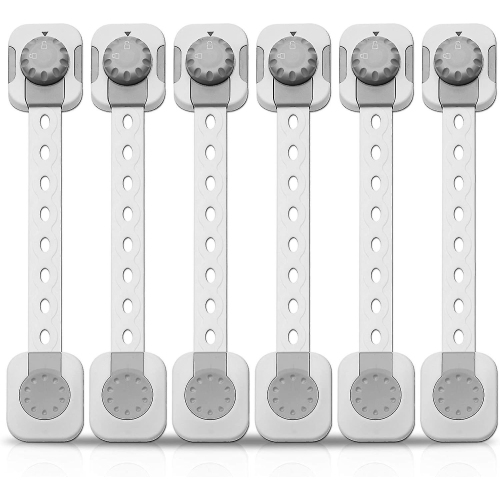





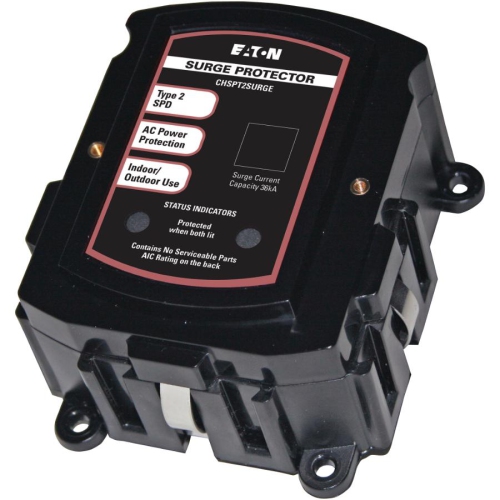
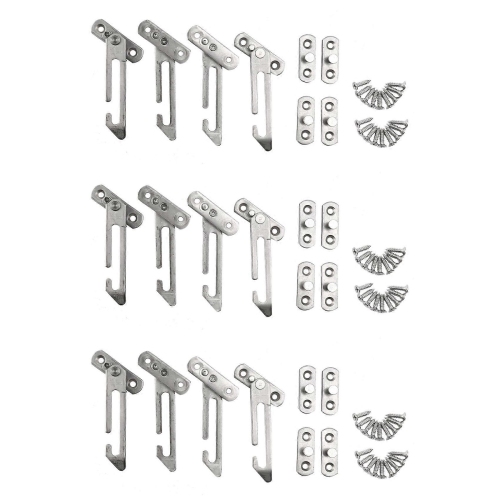
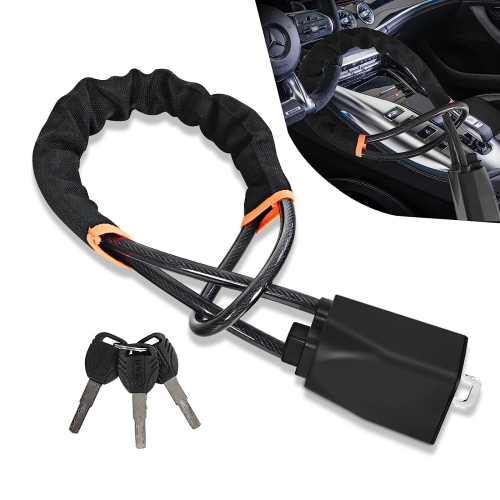

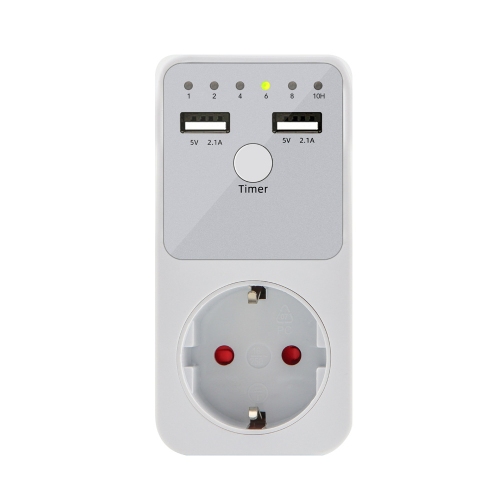
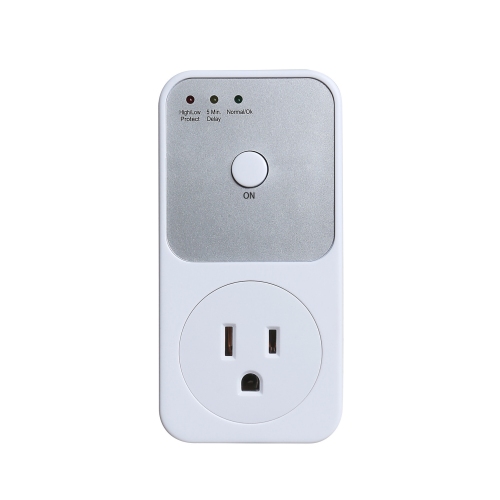

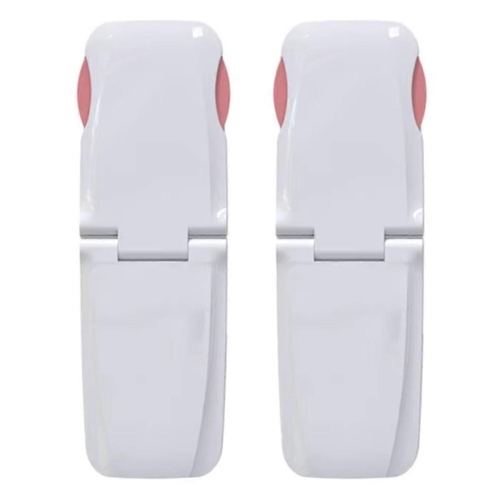

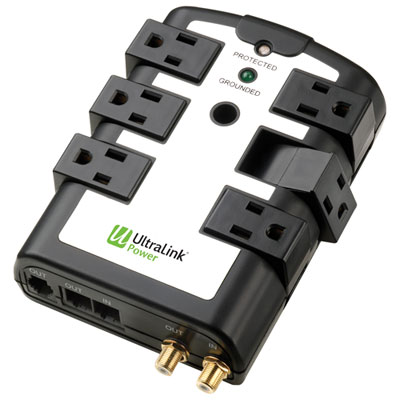

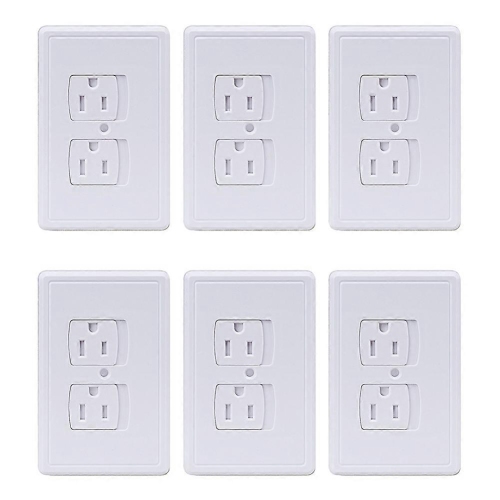
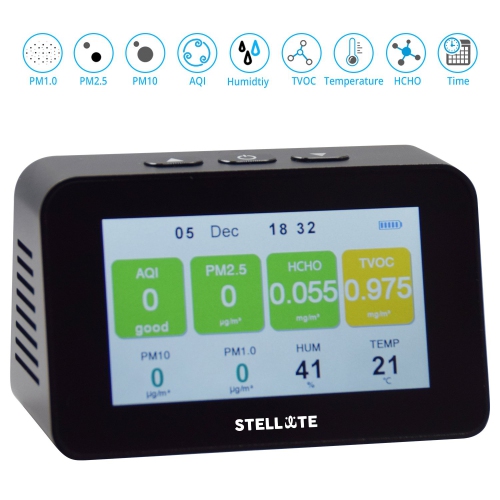
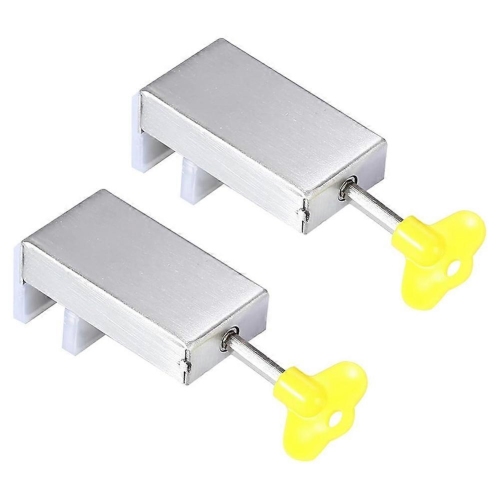




How alarms and barriers address different everyday risks
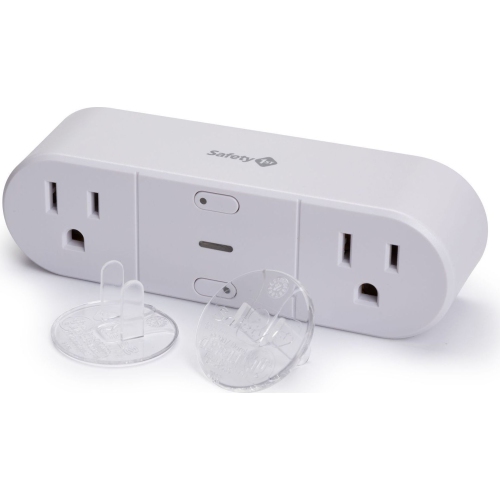
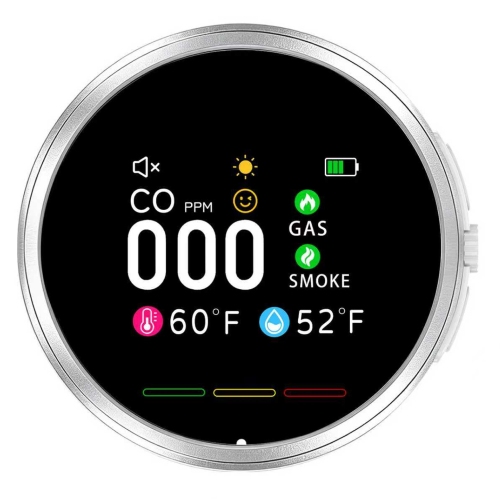
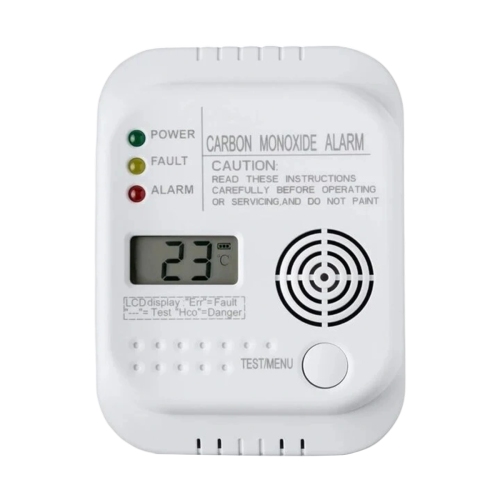
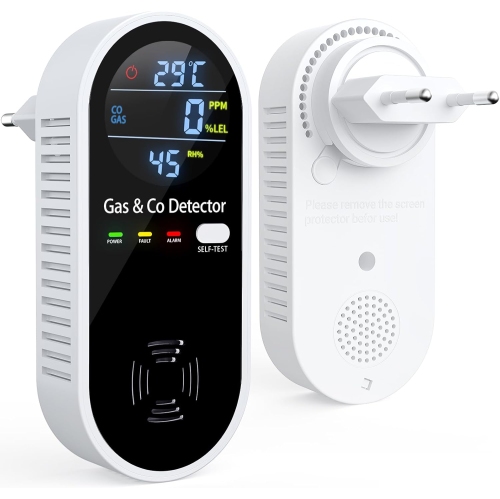
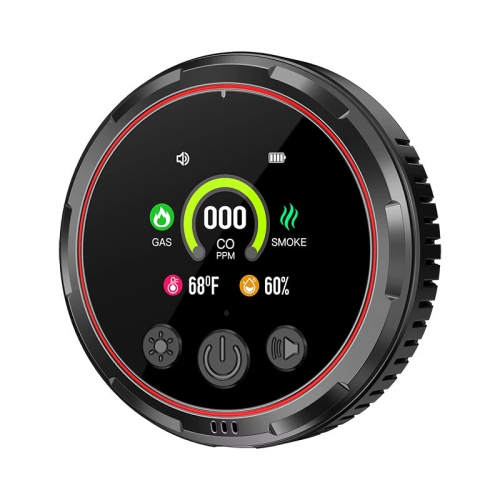
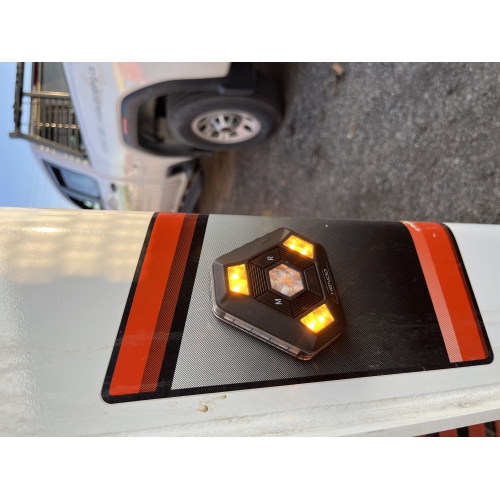
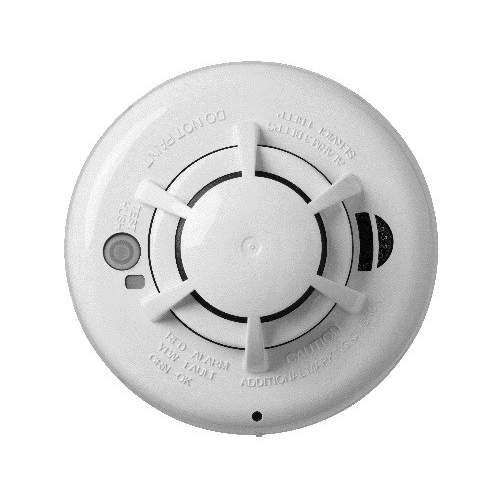
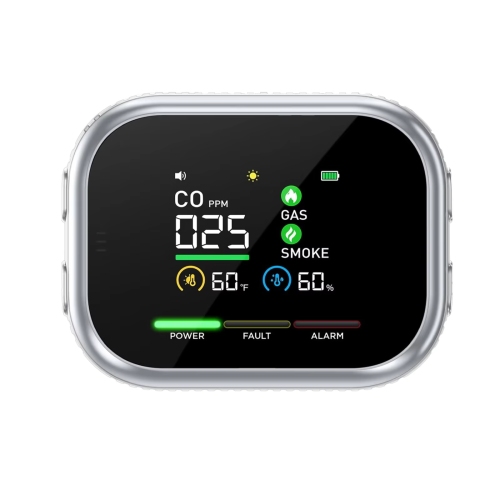
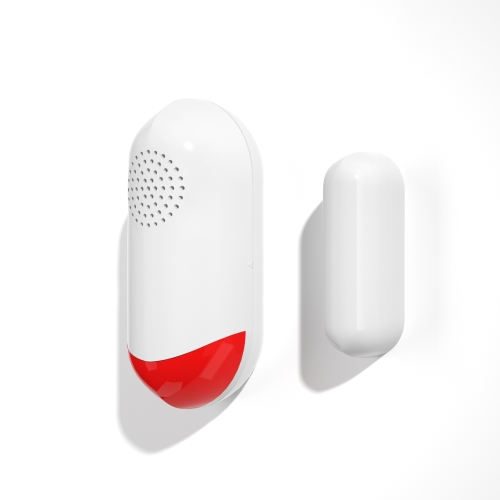
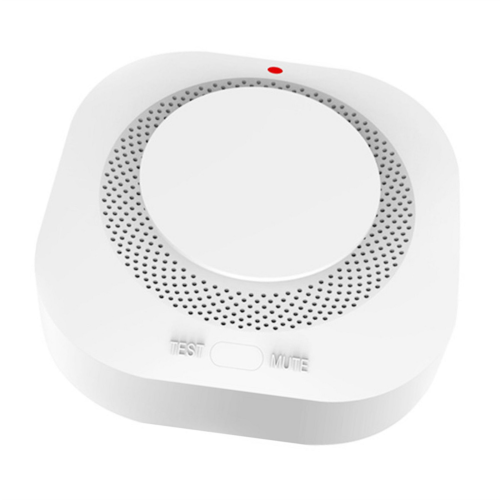
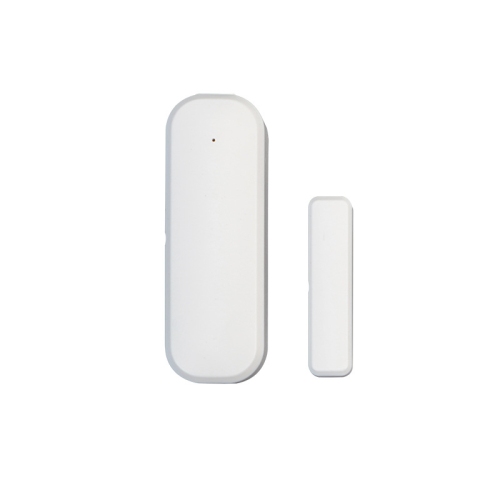
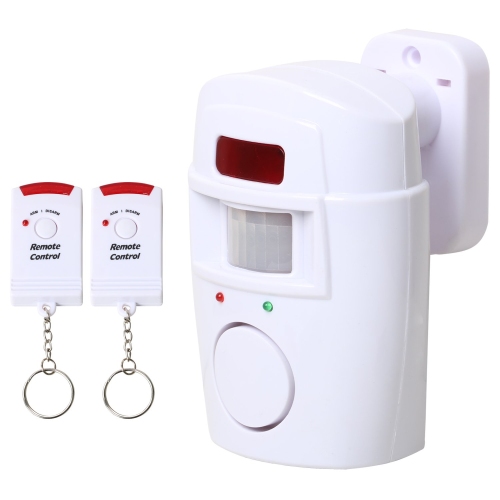
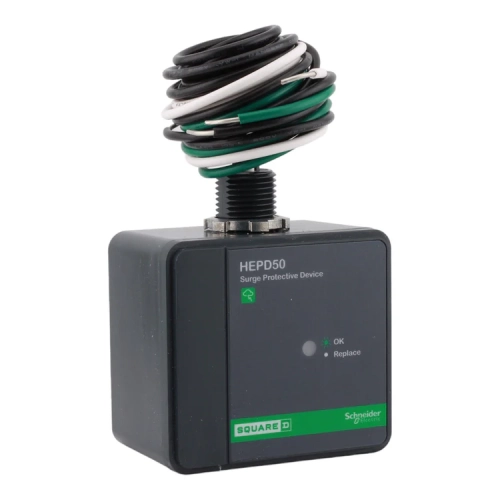
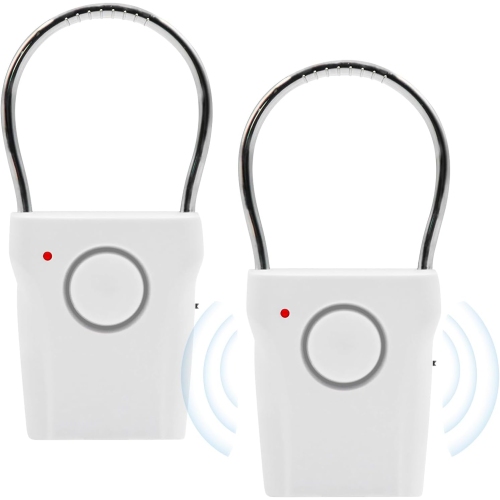
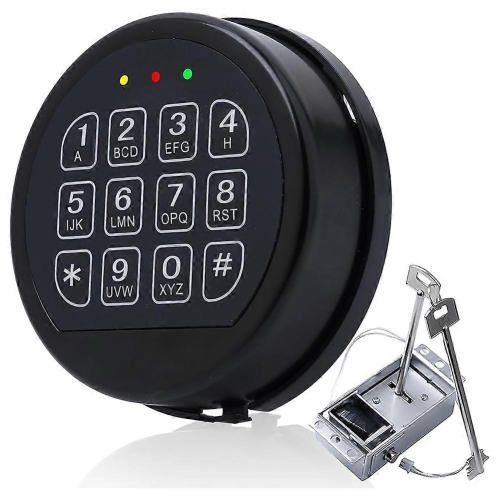
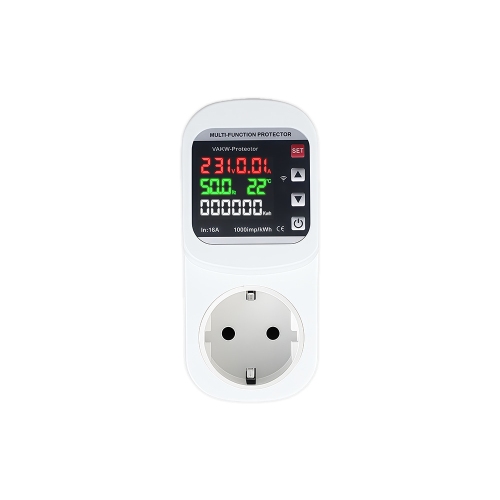
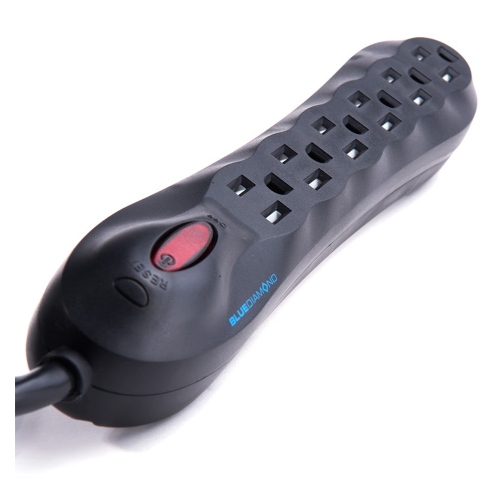
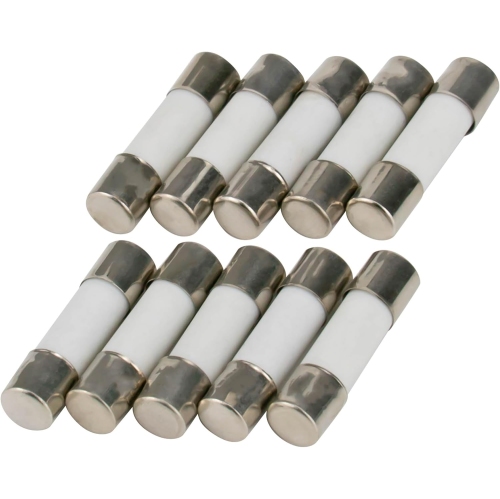
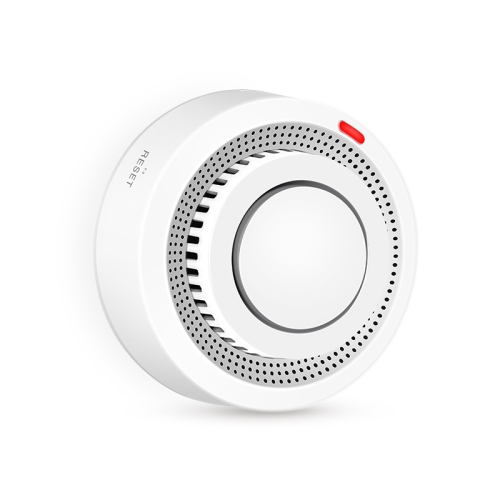
Safety devices are electronic, mechanical, and physical tools designed to help prevent accidents, detect hazards, alert people to emergencies, or limit injury and damage. Their purpose can be as simple as keeping a cabinet closed or as complex as sending an alert when someone needs assistance. Some provide a warning that allows time to respond, while others create a physical barrier between a person and a potential hazard. For homes, common categories include smoke alarms, carbon monoxide alarms, water leak sensors, fire extinguishers, and door or window sensors. Each addresses a different concern: a smoke alarm detects signs of a possible fire, while a carbon monoxide alarm monitors for a poisonous gas that cannot be seen or smelled. Neither replaces the other. Water leak sensors can help draw attention to moisture near plumbing, laundry areas, or appliances before a small leak goes unnoticed for an extended period. Door and window sensors indicate when an entry point opens, which can be useful for household security or awareness of movement through the home. A connected sensor may send a notification to a phone, but that capability depends on its design, setup, power source, and connection requirements. An audible alarm remains an important consideration for people who need a warning while they are at home. Browsing Home Safety Equipment can help bring these household categories into focus, particularly when furnishing a first apartment, moving into a larger home, or adapting a space for different occupants. The most useful safety features match the actual layout and routines of the household: a laundry area on another floor presents different concerns from a frequently used front entrance. Fire extinguishers also have distinct ratings and intended uses, so their suitability depends on the types of fire they are designed to address. They are not a substitute for a clear exit route or an emergency response plan. For detection and fire protection equipment, certification applicable in Canada, local requirements, and the manufacturer’s placement instructions are more meaningful than appearance alone.
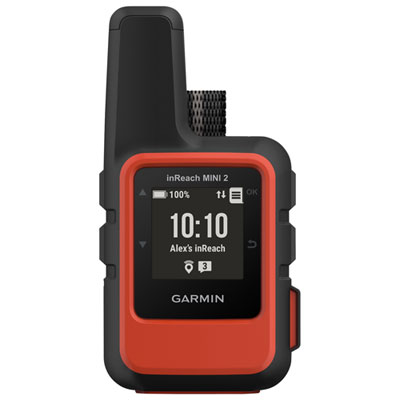
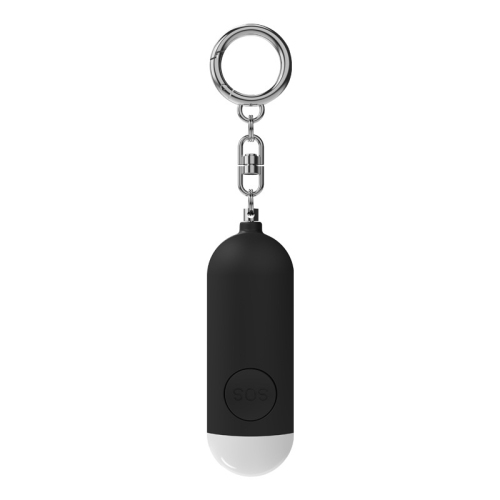
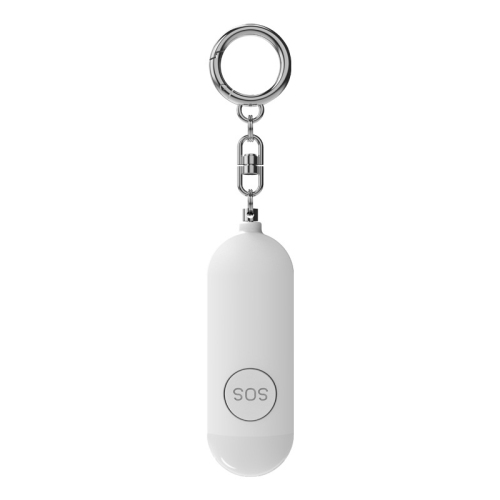
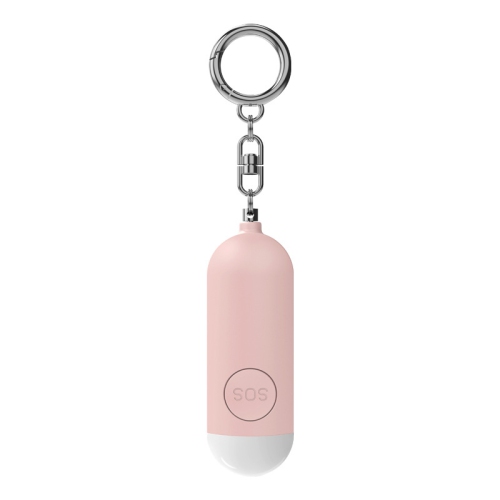
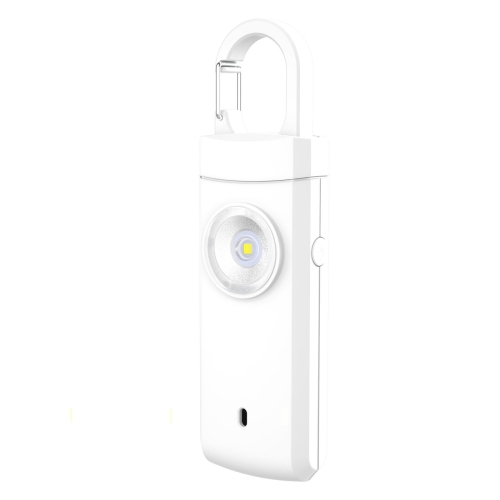
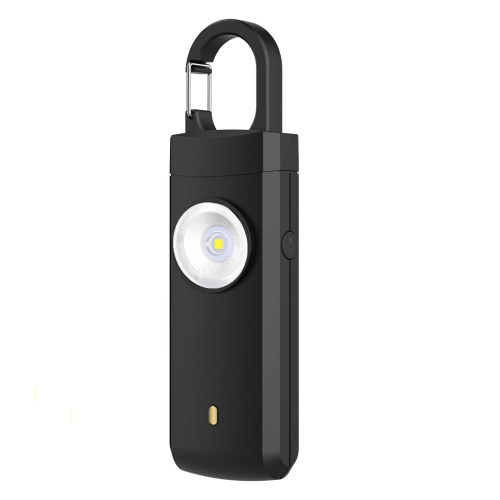
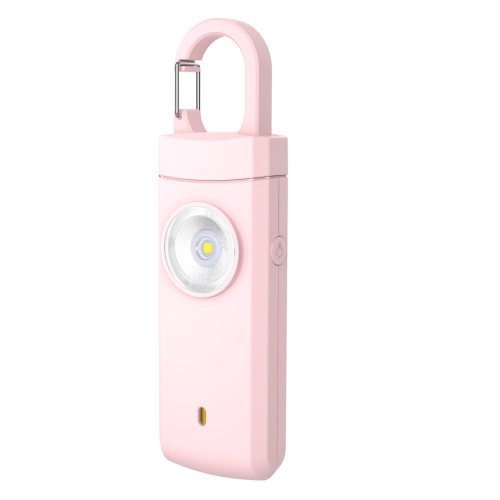
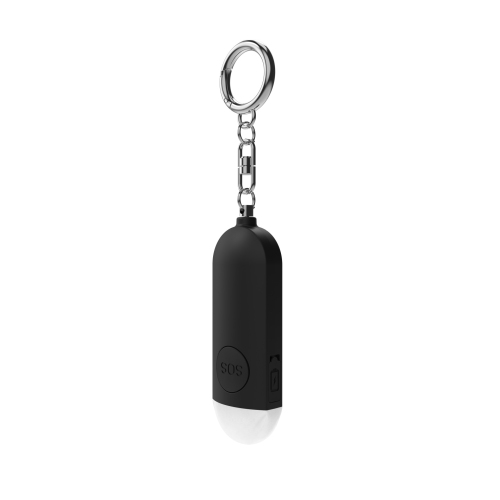
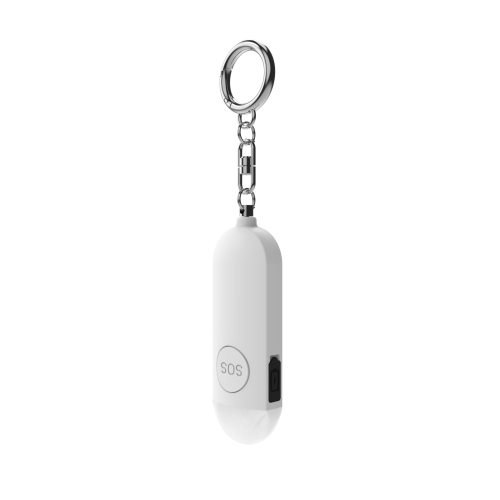
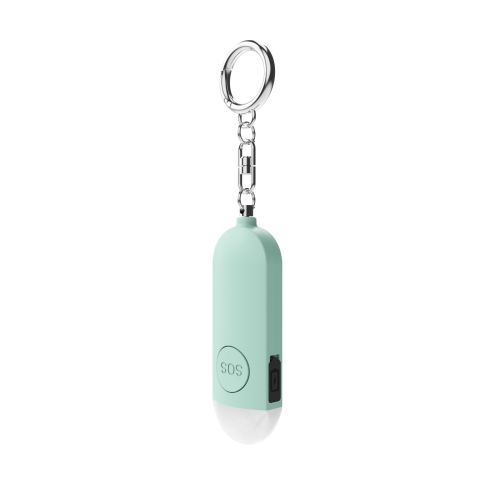
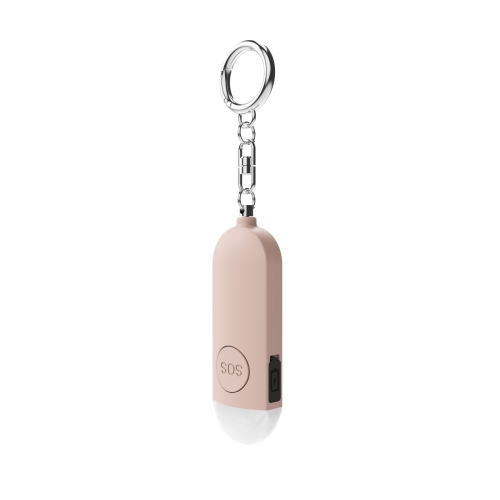
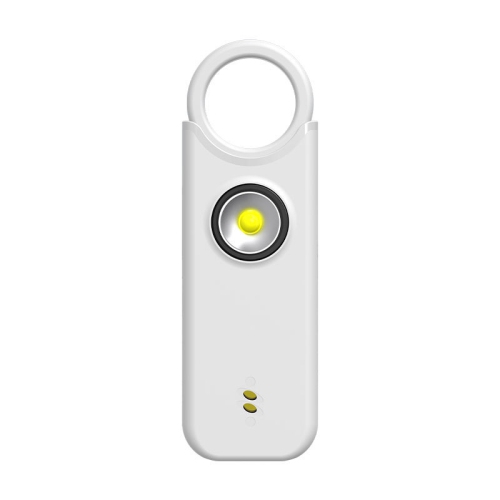
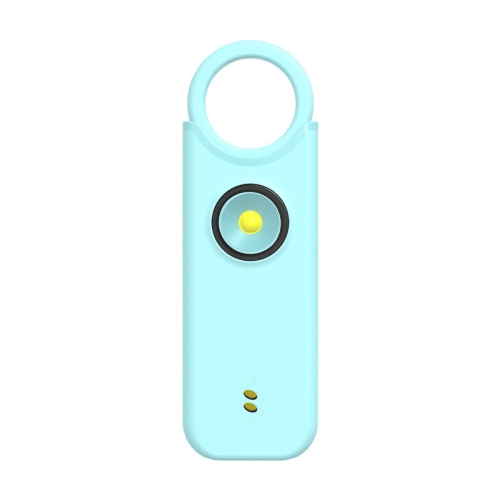
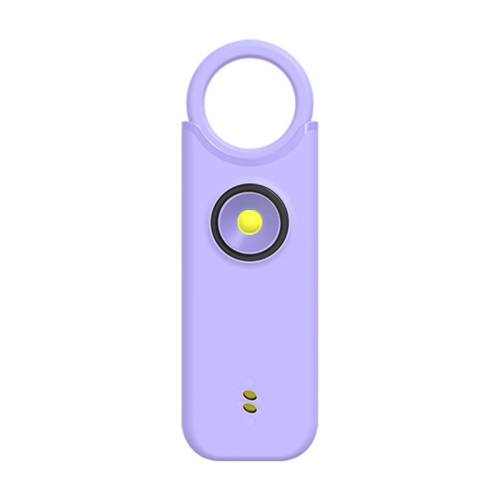
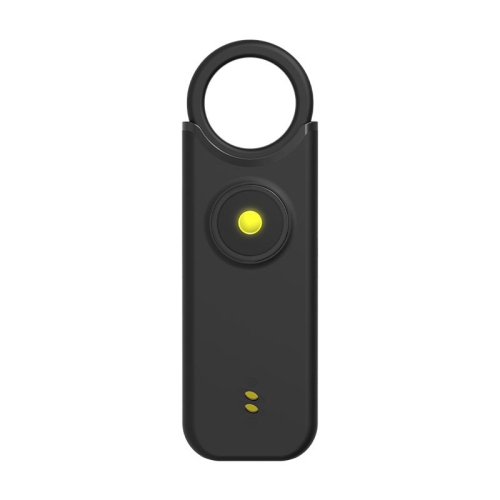
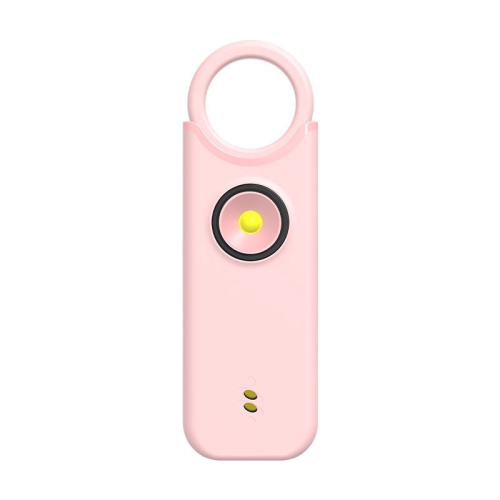
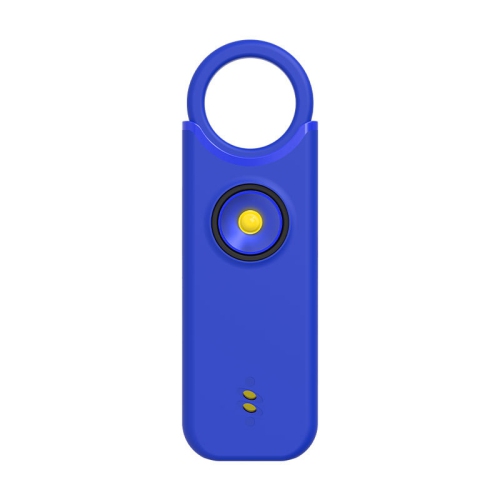
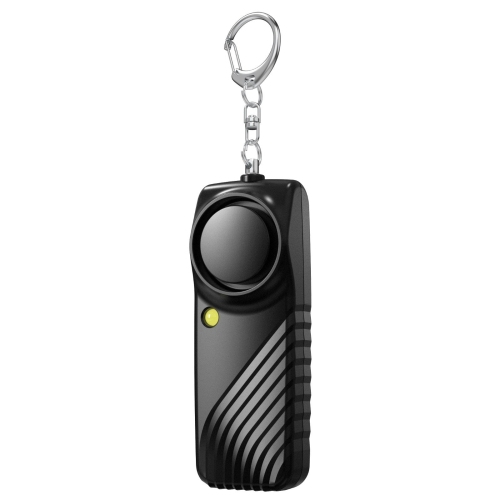
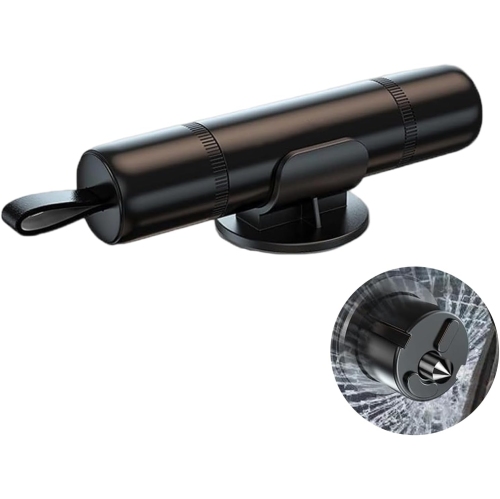
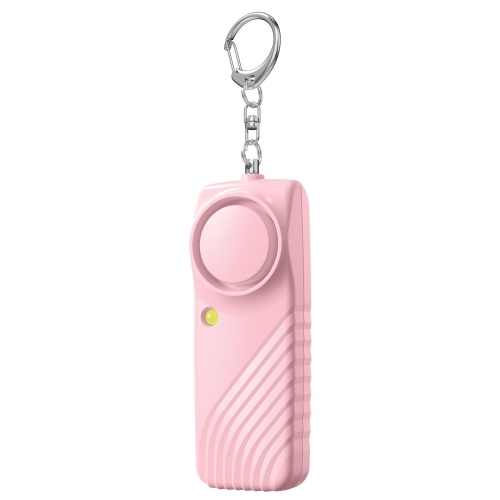
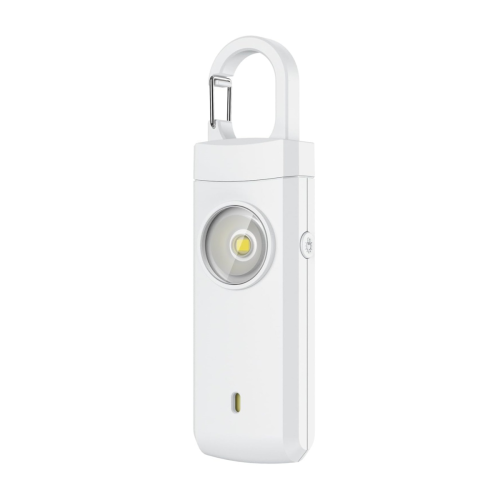
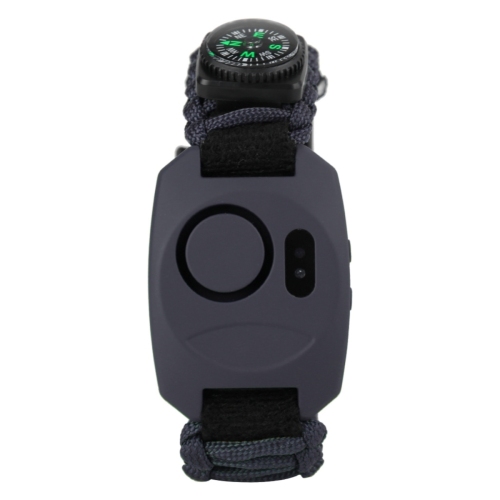
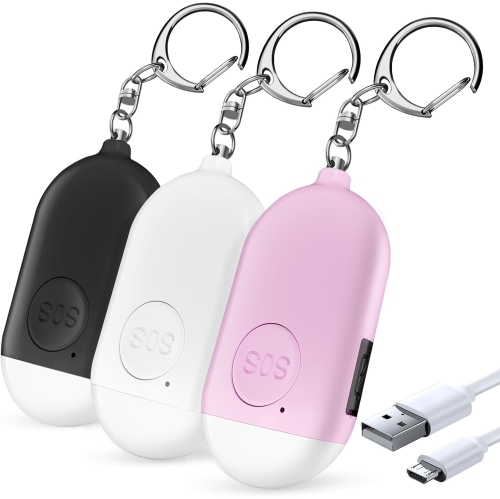
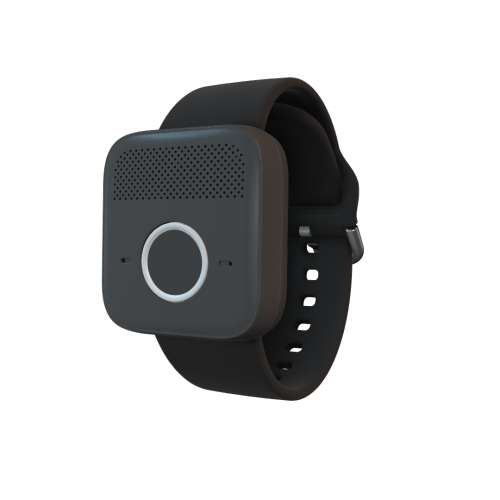
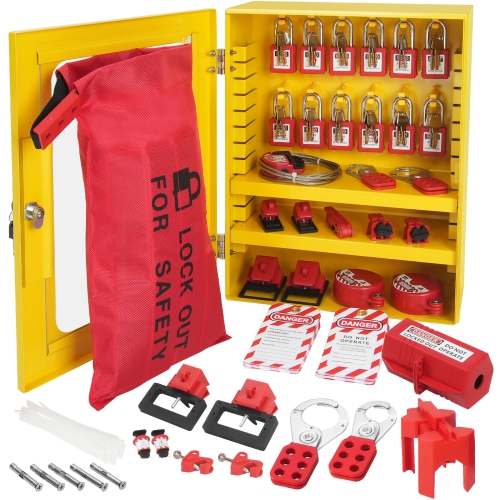
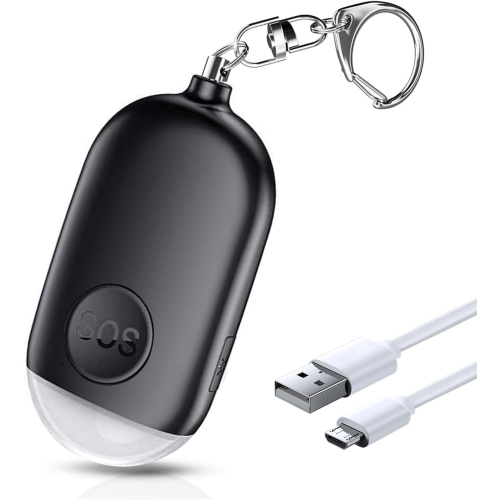
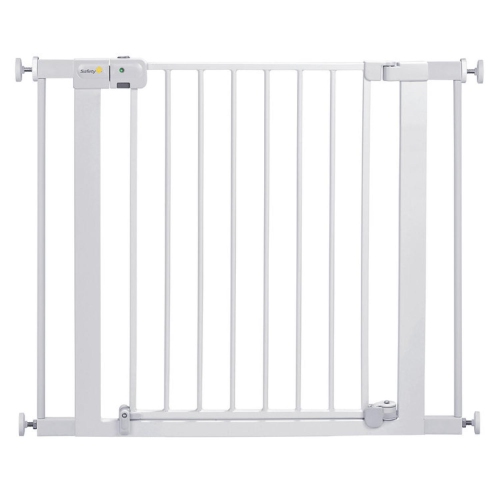
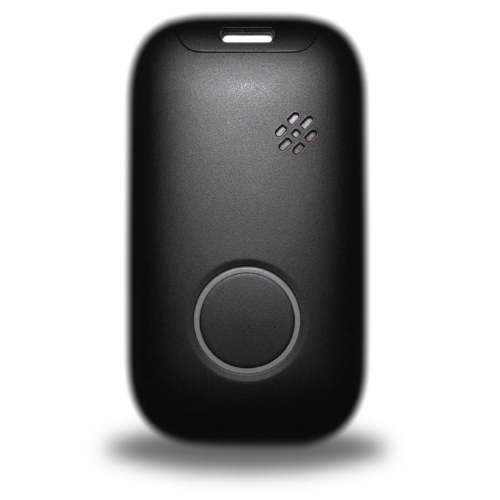
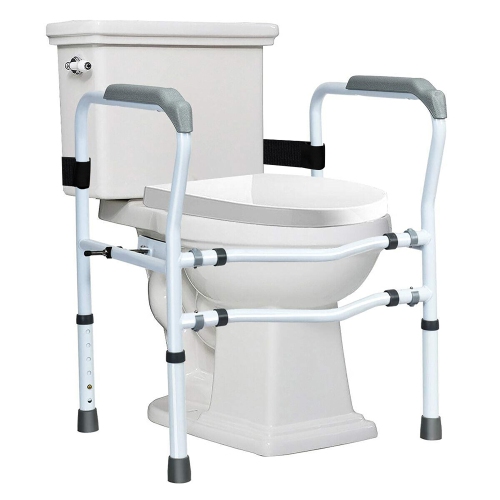
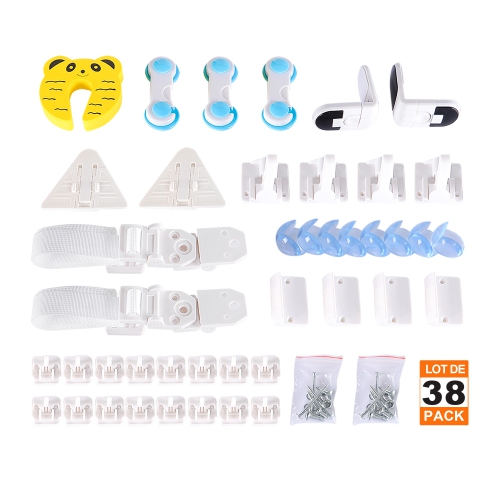
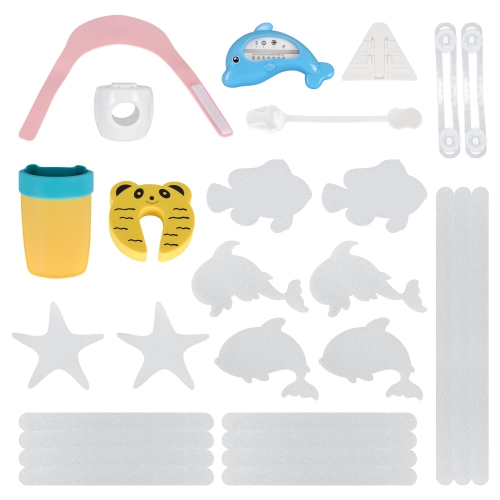
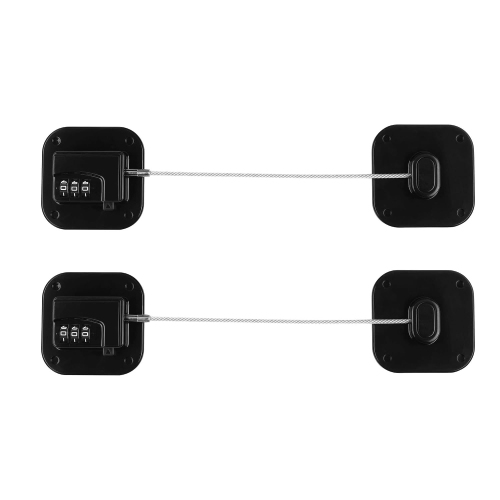
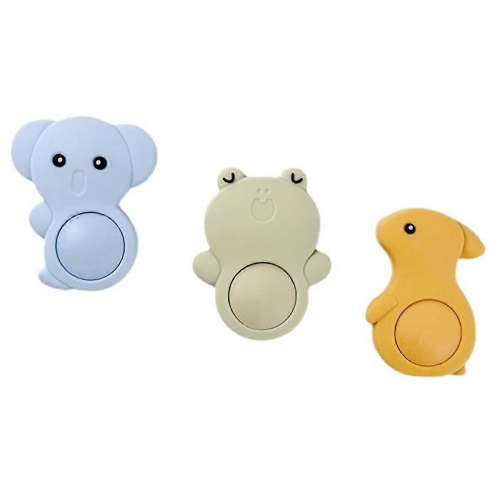
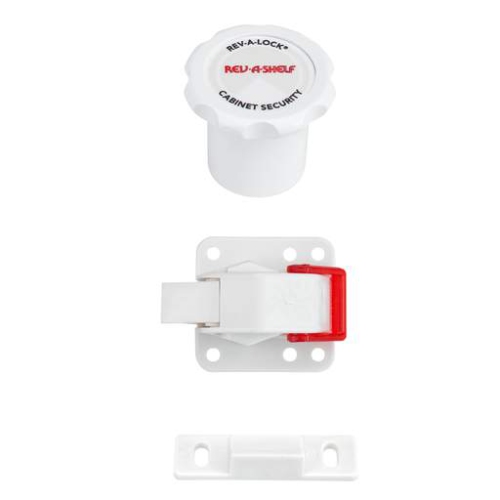
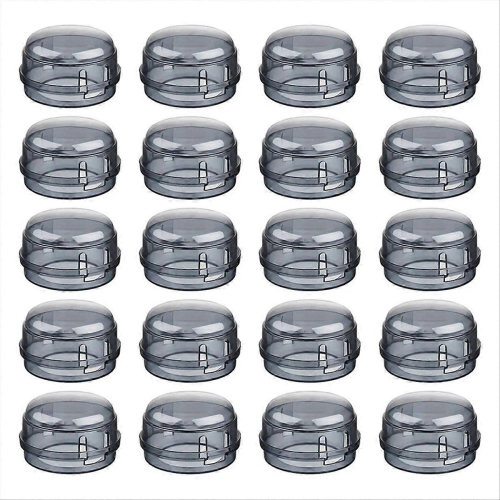
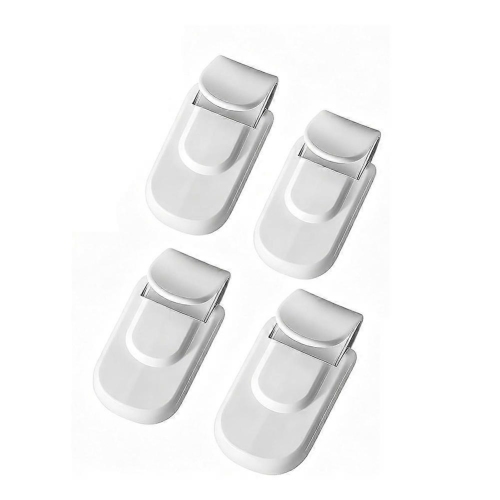
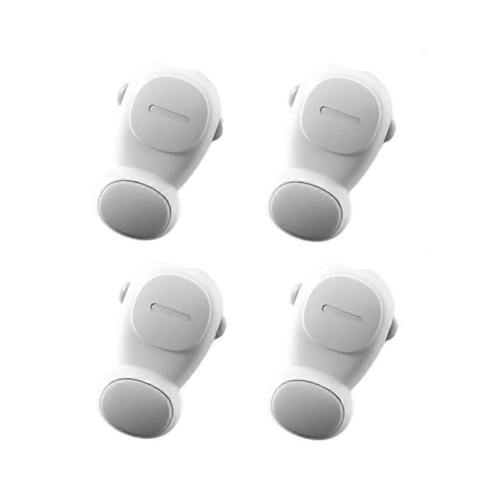
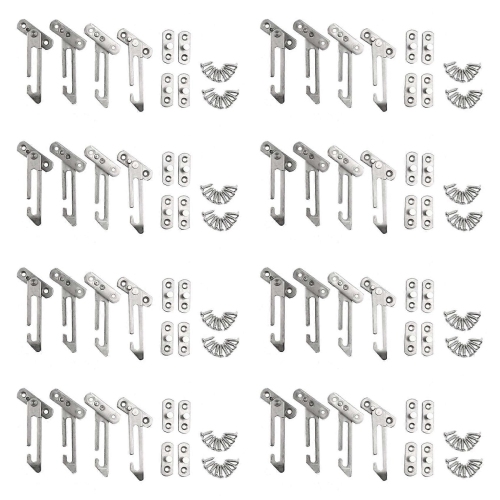
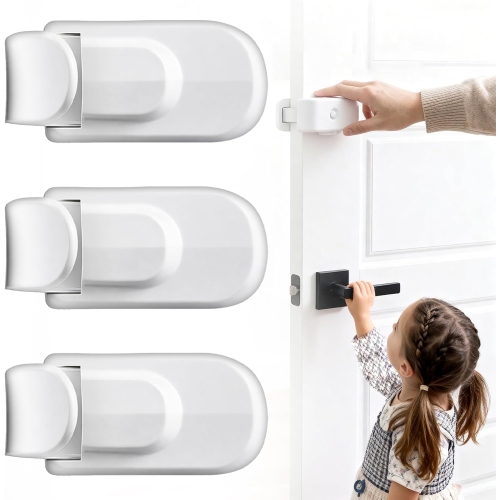
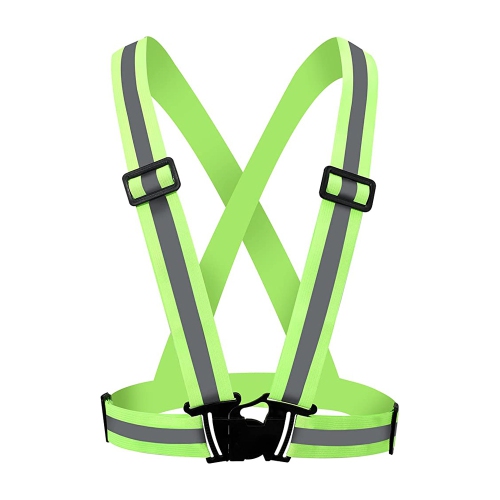
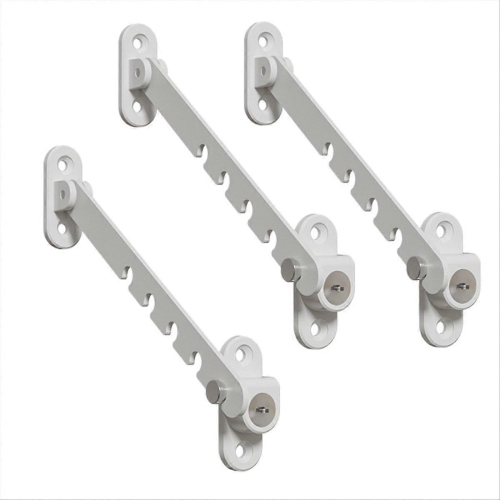
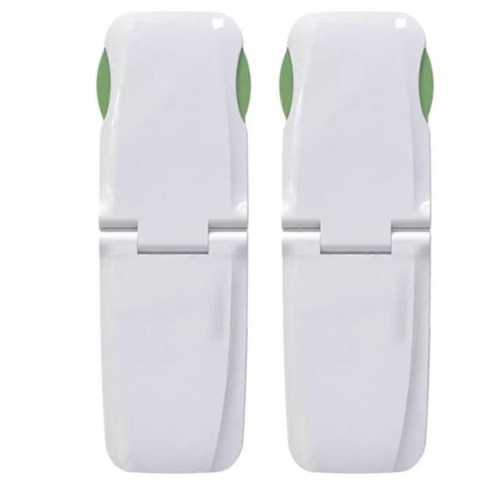
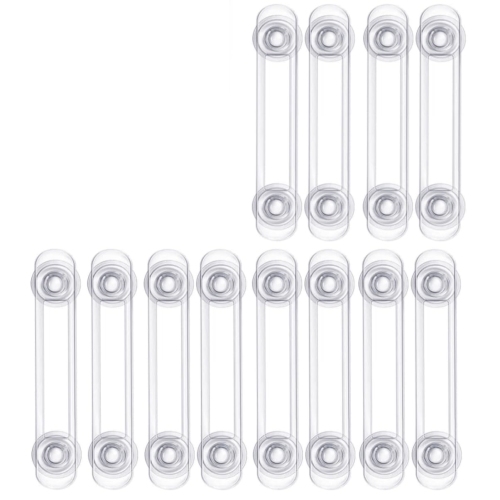
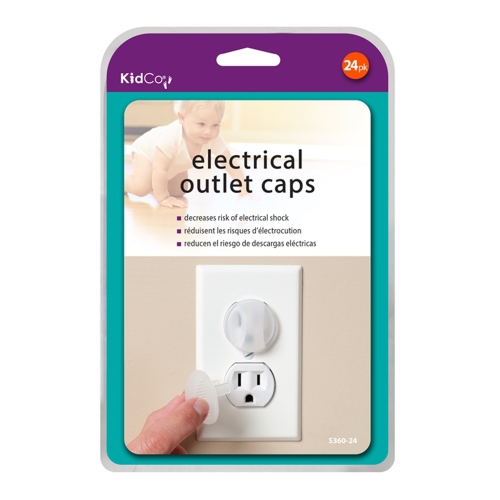
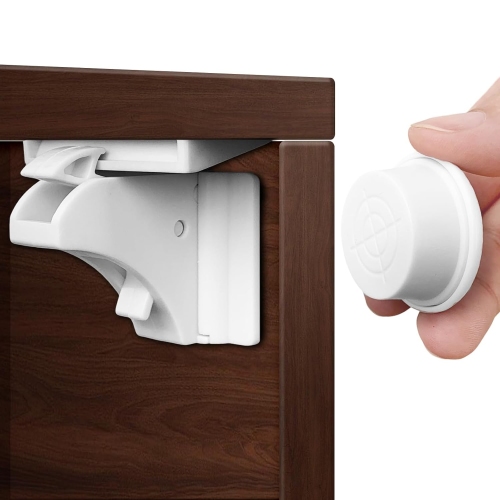
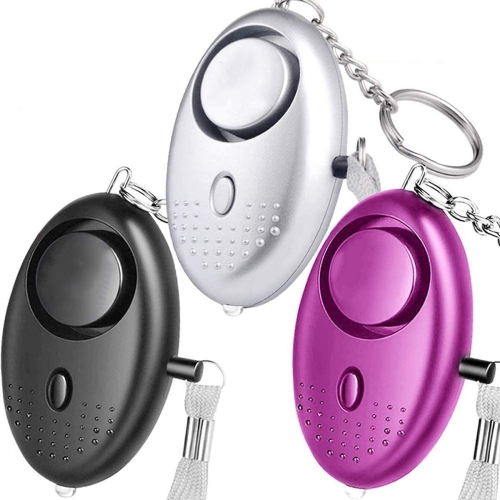
Personal safety devices focus on making it easier to signal distress, maintain contact, or request help. Portable alarms may use a pull pin or accessible button to activate a loud sound, drawing attention to someone who feels threatened or needs assistance. Their practical value depends partly on whether they can be reached quickly: an alarm attached to a bag strap serves a different purpose from one buried beneath a wallet and headphones. Wearable alert devices may offer an emergency button, two-way communication, location sharing, or fall detection, depending on their design. These features are not interchangeable. A sound-only alarm does not necessarily contact anyone, and a connected alert device may rely on a compatible phone, cellular connection, or separate monitoring service. Automatic fall detection can add another way to request assistance, but it may not detect every fall and can sometimes trigger an alert during other movements. For an older adult who lives alone, a clear button and comfortable fit may matter more than a large menu of functions. Someone who works alone or travels between locations may place greater importance on communication coverage, secure attachment, and an agreed check-in routine. Ease of use also includes how clearly an alert can be heard, seen, or felt, especially for people with hearing, vision, or dexterity differences. Within family homes, physical safety devices address another set of needs. Gates, cabinet locks, and other barriers can help restrict access to spaces or contents that are unsuitable for young children. Their effectiveness depends on correct installation, the child’s age and abilities, and compatibility with the surface or opening. A doorway barrier is not automatically appropriate for a stairway, and a pet barrier is not automatically suitable for child safety. These devices support supervision rather than replace it. Safety-related gifts can be thoughtful for someone setting up a home or seeking more independence, provided the recipient is comfortable with the device and any communication or monitoring features it involves. Personal preferences matter, particularly when a device is worn daily or shares information with another person.
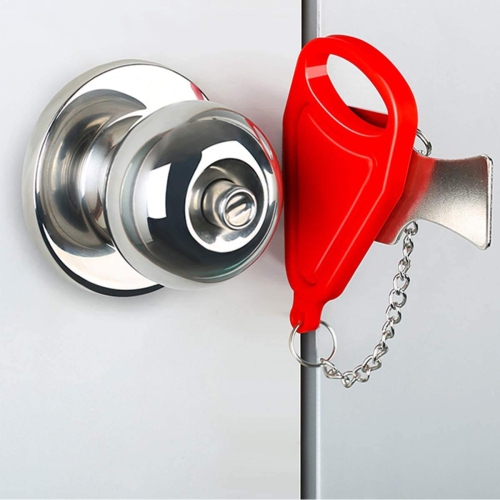
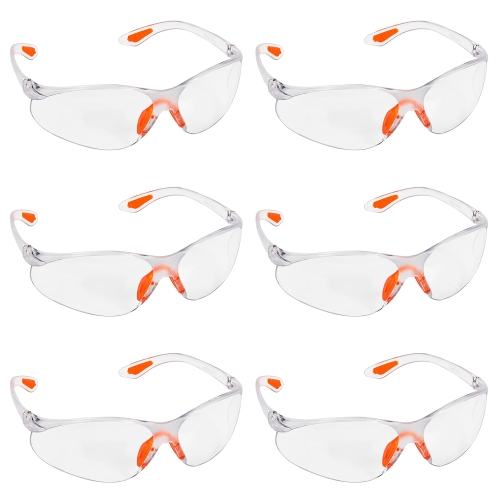
Materials, fit, power, and maintenance all influence how well a safety device suits everyday use. A protective housing needs to withstand the handling expected in its intended setting, whether that means occasional contact on a wall or regular movement inside a bag. Smooth edges, secure fastenings, readable indicators, and controls that are easy to distinguish can make a noticeable difference. For wearable devices, the strap or clip should hold securely without becoming uncomfortable during normal movement. Water resistance is worth checking for anything that may encounter splashes, but it does not necessarily mean a device can be submerged or worn while bathing. Physical barriers need dimensions and mounting hardware suited to the opening; improvising an attachment can undermine their function. Power arrangements also deserve attention. Replaceable batteries, sealed batteries, rechargeable batteries, and wired connections each involve different maintenance needs. A rechargeable device is only useful when it has enough charge, while a wired device may need a backup power source to continue certain functions during an outage. For connected devices, Wi-Fi compatibility, signal strength, phone requirements, and notification settings affect how alerts reach the intended person. Phone notifications and professional monitoring are separate capabilities, so it is important to understand what happens after an alert is triggered. Privacy controls are relevant when location data, household activity, or contact details are shared. Day-to-day care generally centres on keeping sensors and openings unobstructed, following approved cleaning methods, and using the specified test procedure. Paint, dust, unsuitable cleaning sprays, or accidental damage can interfere with some equipment. Manufacturer replacement dates and service-life limits matter even when a device still appears intact. In a busy household, clear responsibility for testing, charging, and responding to alerts helps keep equipment useful beyond its initial setup. Safety devices work best as part of a broader arrangement that includes suitable installation, accessible exits, reliable communication, and an understanding of their limits. A warning can provide valuable time and information, but it cannot guarantee that an accident will be prevented or that help will arrive automatically.
Top selling and popular products
-
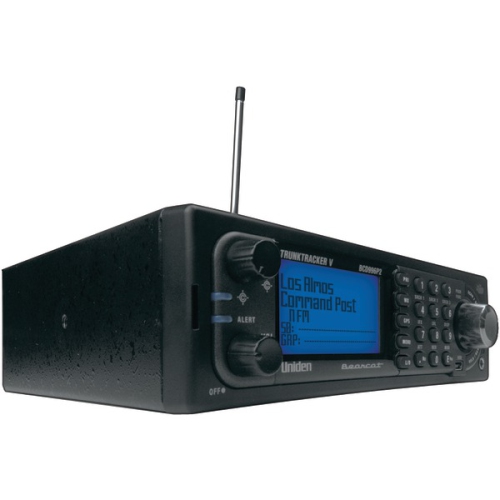 Your price for this item is $669.99
-
 Your price for this item is $278.7
-
 Your price for this item is $14.99
-
 Your price for this item is $199.98
-
 Your price for this item is $189.99
-
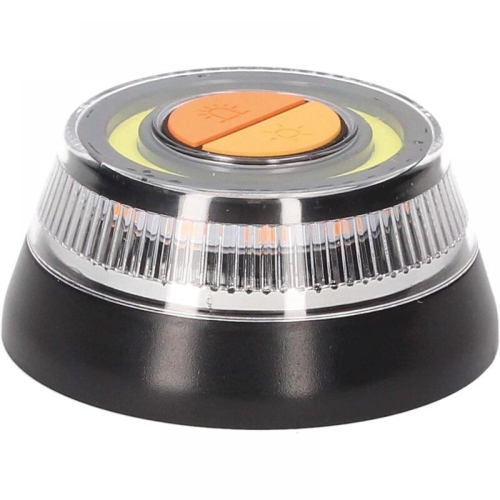 Your price for this item is $32.11
-
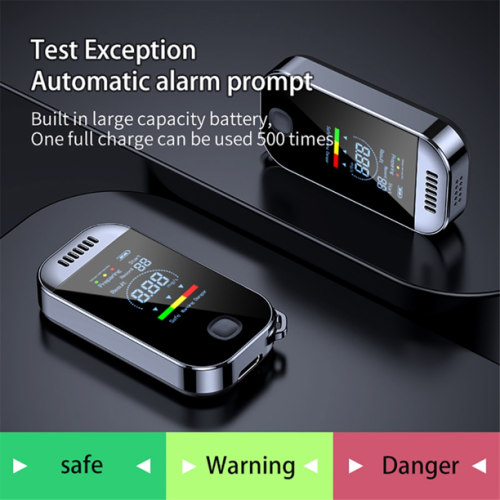 Your price for this item is $38.95
-
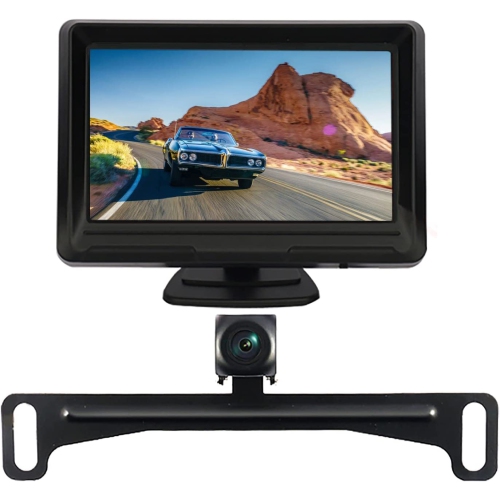 Your price for this item is $79.99
Discover more categories related to Safety Devices

Top Collections:
Pokemon Centers, Kindle Devices, Best Cameras for Sports Photography, Best Budget Office Chairs, Pokémon 30th Celebration Cards, Apple iPhones 16, Canon G7X Cameras, iPhone 15 Apple, Flip Phones, Samsung Galaxy Phones
Some products may be subject to Environmental Handling Fees
(EHF) depending on your province.
Learn more about EHFs.