Wearable Technology for Seniors
Wearable technology for seniors offers a smart and stylish way to stay connected, active, and independent every day. With easy-to-use designs and thoughtful features, these innovative devices are tailored to support the unique needs of older adults. Whether you’re looking to track daily activity, monitor wellness, or simplify communication with loved ones, wearable technology for seniors can help bring peace of mind and convenience to your routine. Explore a wide selection of options designed to enhance comfort, safety, and quality of life.
Sort


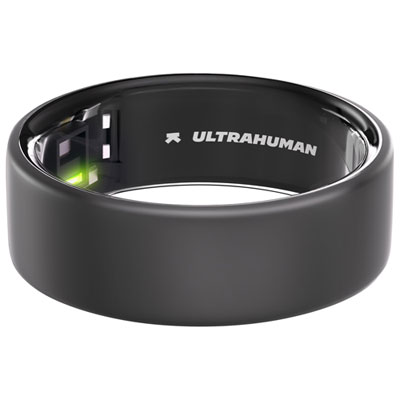
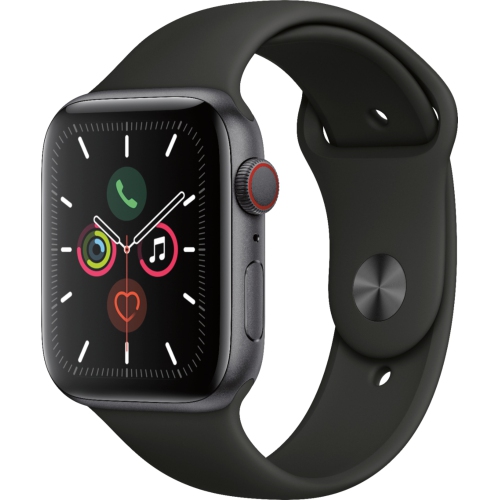
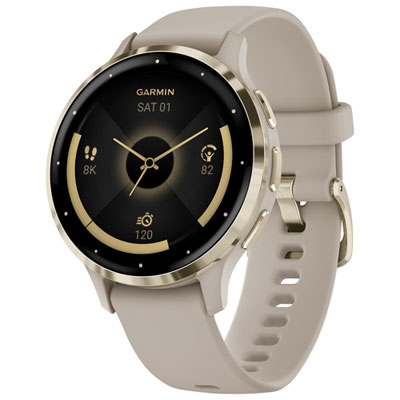
Practical support for safety, connection, and daily independence
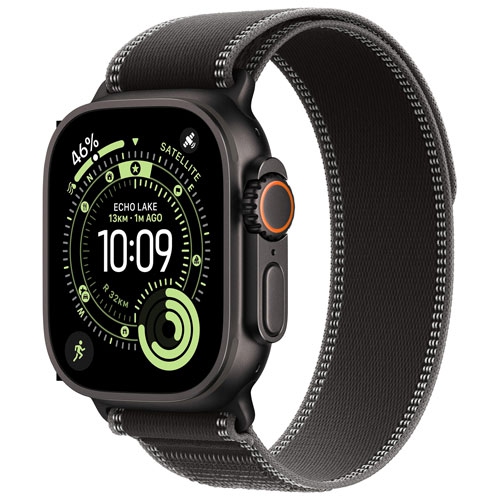
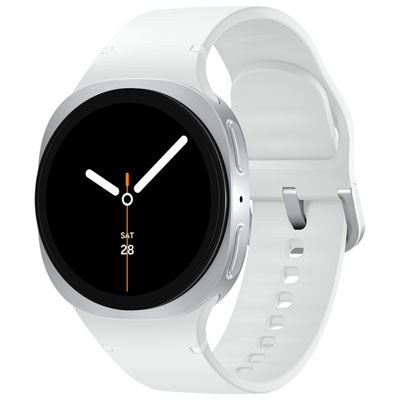
Wearable technology for seniors can support confidence, connection, and independence in a compact form that is easy to keep close throughout the day. Designed to be worn on the wrist or carried on the body, these devices may combine emergency assistance, location sharing, activity tracking, reminders, and everyday communication in one convenient accessory. For an older adult living alone, a wearable can provide reassurance during ordinary moments, such as walking to the mailbox, preparing dinner, or getting ready for bed. If a fall or other emergency occurs, a clearly marked SOS button may connect the wearer with a family member, caregiver, or professional monitoring team. Some devices also offer automatic fall detection, which can recognize a sudden impact and begin a cancellation countdown before sending an alert if the wearer does not respond. This can be especially helpful when someone is unable to reach a phone after losing balance. GPS location tracking may share the wearer’s coordinates with approved contacts or emergency responders, making it useful for seniors who enjoy independent walks, travel between familiar places, or occasionally become disoriented. Depending on the device, communication may work through a paired smartphone or built-in cellular connectivity, so it is worth considering whether the wearer is comfortable carrying and using a phone. For broader wellness needs, explore Health Gadgets for Seniors to find technology that can complement daily routines and personal care.
When choosing wearable technology for seniors, simplicity is often just as important as the feature list. Look for a comfortable band that can be adjusted securely without feeling tight, along with a display that is bright, high contrast, and large enough to read at a glance. Physical buttons may be easier for some people to locate and press than small touch controls, particularly in dim lighting or during a stressful situation. Clear audio, two-way talk, and strong speaker volume can make conversations easier for anyone with hearing challenges, while vibration alerts can provide a discreet reminder without relying on sound. Useful reminders may include appointments, medication schedules, hydration, or daily activities, although the device should be viewed as a helpful prompt rather than a replacement for medical advice or prescribed care. Battery life is another practical consideration: a wearable that needs frequent charging may be overlooked, while a magnetic charging dock can be simpler to position than a small plug and cable. Consider where the device will be charged, who will help with setup, and whether the wearer can recognize when the battery is low. Water resistance may be valuable for handwashing, light rain, or accidental splashes, but the level of protection varies. Before purchasing, review the manufacturer’s guidance for bathing, swimming, and other activities. It is also helpful to check whether a monthly professional monitoring plan is required, whether alerts can go directly to family contacts, and what fees or cellular requirements apply.
These wearables can make thoughtful gifts for a parent, grandparent, neighbour, or friend who wants to remain active while giving loved ones an added sense of connection. They may be particularly suitable for someone recovering from an injury, managing balance concerns, living independently, or spending more time outdoors during the warmer and cooler seasons. A senior who regularly visits a community centre, tends a garden, walks with a dog, or takes public transit may appreciate having assistance available without carrying a bulky personal alarm. For someone who has memory concerns, location sharing and caregiver notifications may help trusted contacts check in when needed, provided the wearer understands and agrees to those settings. The most successful gift is one that respects the recipient’s preferences: involve them in selecting the band style, display type, alert contacts, and monitoring arrangement rather than presenting the technology as a sign of frailty. Set aside time to charge the device, complete emergency contact details, adjust notification settings, and practise pressing the SOS button or responding to a fall-detection countdown. Family members should also understand what an alert looks like, how to return a call, and when to contact emergency services. Privacy settings deserve attention as well, since health information and location data may be shared through an accompanying app. With the right fit and setup, wearable technology can become a familiar part of a senior’s routine—resting comfortably on the wrist during a morning walk, offering a gentle reminder at lunchtime, and providing a direct line to help when it matters most.
When choosing wearable technology for seniors, simplicity is often just as important as the feature list. Look for a comfortable band that can be adjusted securely without feeling tight, along with a display that is bright, high contrast, and large enough to read at a glance. Physical buttons may be easier for some people to locate and press than small touch controls, particularly in dim lighting or during a stressful situation. Clear audio, two-way talk, and strong speaker volume can make conversations easier for anyone with hearing challenges, while vibration alerts can provide a discreet reminder without relying on sound. Useful reminders may include appointments, medication schedules, hydration, or daily activities, although the device should be viewed as a helpful prompt rather than a replacement for medical advice or prescribed care. Battery life is another practical consideration: a wearable that needs frequent charging may be overlooked, while a magnetic charging dock can be simpler to position than a small plug and cable. Consider where the device will be charged, who will help with setup, and whether the wearer can recognize when the battery is low. Water resistance may be valuable for handwashing, light rain, or accidental splashes, but the level of protection varies. Before purchasing, review the manufacturer’s guidance for bathing, swimming, and other activities. It is also helpful to check whether a monthly professional monitoring plan is required, whether alerts can go directly to family contacts, and what fees or cellular requirements apply.
These wearables can make thoughtful gifts for a parent, grandparent, neighbour, or friend who wants to remain active while giving loved ones an added sense of connection. They may be particularly suitable for someone recovering from an injury, managing balance concerns, living independently, or spending more time outdoors during the warmer and cooler seasons. A senior who regularly visits a community centre, tends a garden, walks with a dog, or takes public transit may appreciate having assistance available without carrying a bulky personal alarm. For someone who has memory concerns, location sharing and caregiver notifications may help trusted contacts check in when needed, provided the wearer understands and agrees to those settings. The most successful gift is one that respects the recipient’s preferences: involve them in selecting the band style, display type, alert contacts, and monitoring arrangement rather than presenting the technology as a sign of frailty. Set aside time to charge the device, complete emergency contact details, adjust notification settings, and practise pressing the SOS button or responding to a fall-detection countdown. Family members should also understand what an alert looks like, how to return a call, and when to contact emergency services. Privacy settings deserve attention as well, since health information and location data may be shared through an accompanying app. With the right fit and setup, wearable technology can become a familiar part of a senior’s routine—resting comfortably on the wrist during a morning walk, offering a gentle reminder at lunchtime, and providing a direct line to help when it matters most.
Top selling and popular products
-
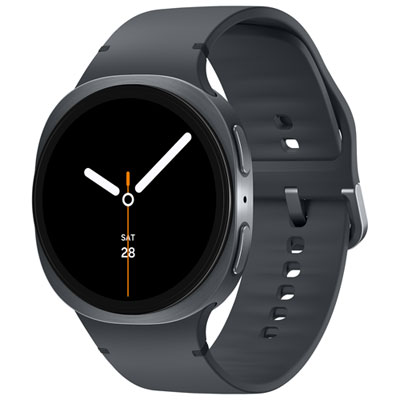 Your price for this item is $399.99
 -
 Your price for this item is $579.99
 -
 Your price for this item is $629.97
 -
 Your price for this item is $349.99
 -
 Your price for this item is $371.79
 -
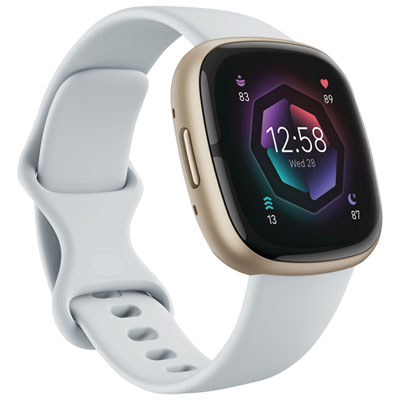 Your price for this item is $209.99
 -
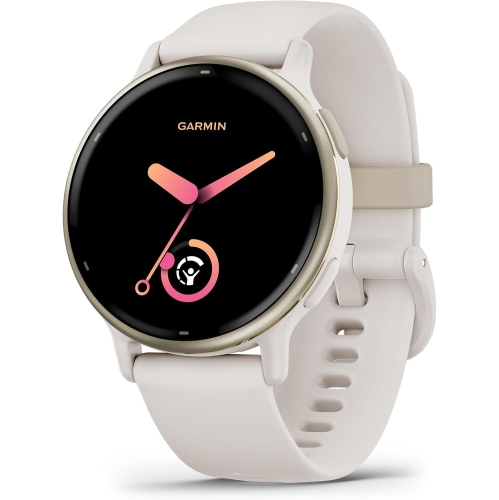 Your price for this item is $328.89
 -
 Your price for this item is $659.99
Discover more categories related to Wearable Technology for Seniors
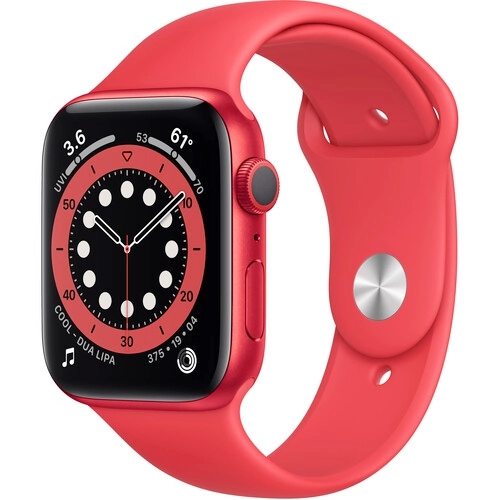
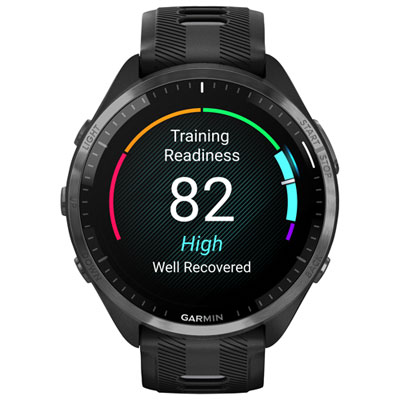
Top Collections:
Pokemon Centers, Kindle Devices, Best Budget Office Chairs, Apple iPhones 16, Canon G7X Cameras, iPhone 15 Apple, Alarm Clock, Refurbished Apple Laptops, Flip Phones, Best Laptops for Writers
Some products may be subject to Environmental Handling Fees
(EHF) depending on your province.
Learn more about EHFs.