Wrist Bands
Elevate your style and functionality with our diverse selection of wristbands, perfect for every occasion and need. Whether you're looking to make a fashion statement or seeking a practical accessory for your fitness tracker, our collection offers an array of options to suit any lifestyle. Discover vibrant colors, durable materials, and innovative designs that seamlessly blend comfort and versatility. From sleek minimalist styles to bold, eye-catching patterns, find the ideal wristband to complement your personal taste and enhance your daily activities. Explore the possibilities and transform your wristwear into a true reflection of your individuality.
Sort
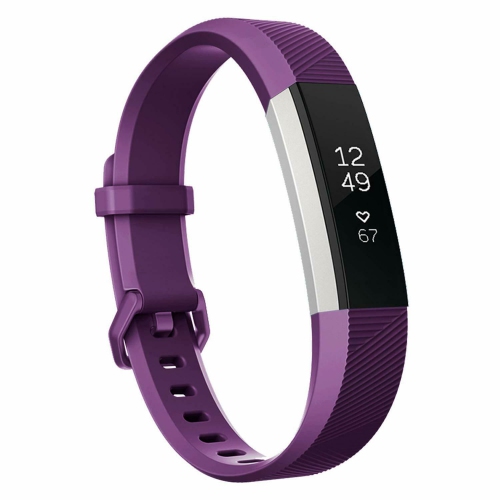
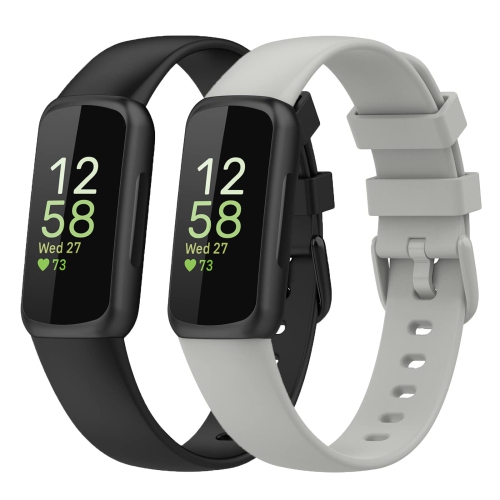
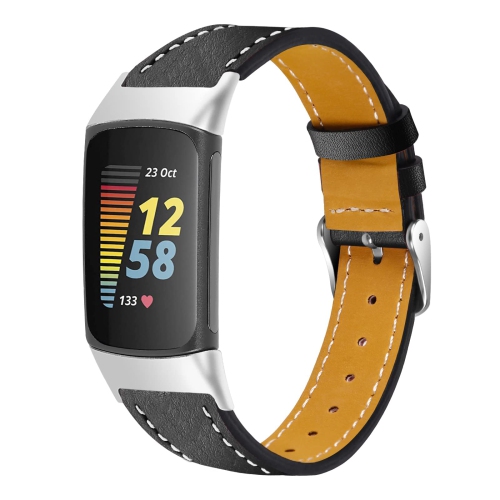
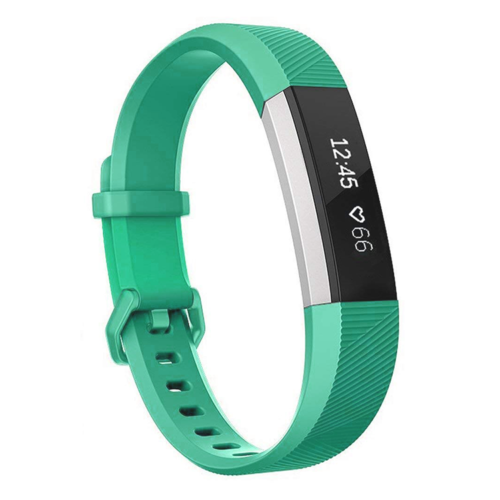

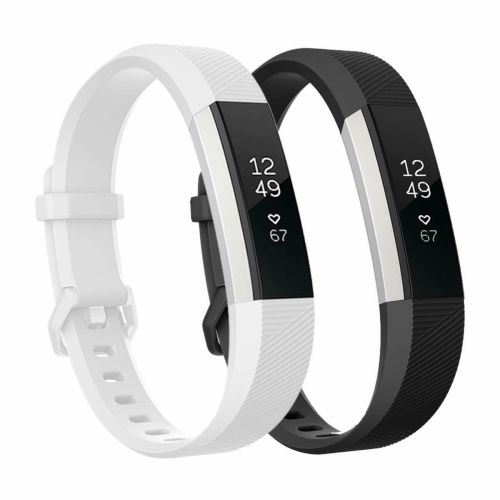
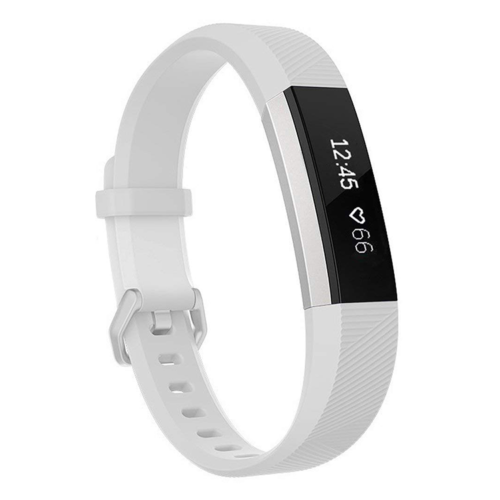
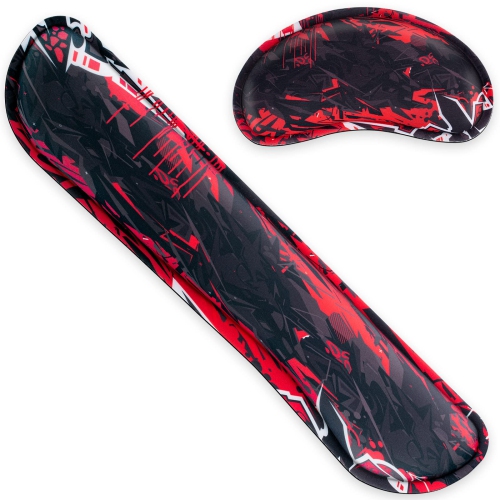
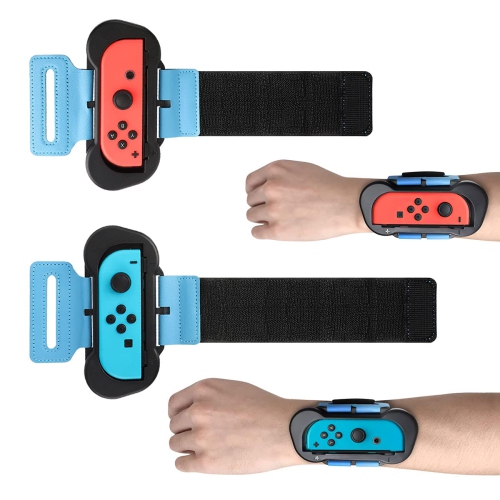
![THE COOP Portal 2 Wheatley Wrist Band [] In Multicolor](https://multimedia.bbycastatic.ca/multimedia/products/500x500/174/17406/17406593.jpeg)

![THE COOP Portal Aperture Labs Wrist Band [] In Black](https://multimedia.bbycastatic.ca/multimedia/products/500x500/174/17406/17406534.jpeg)
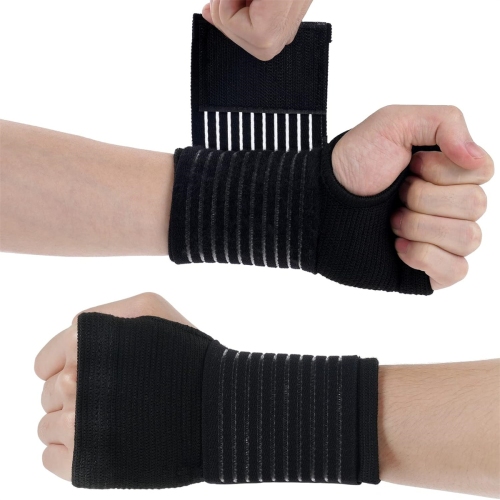
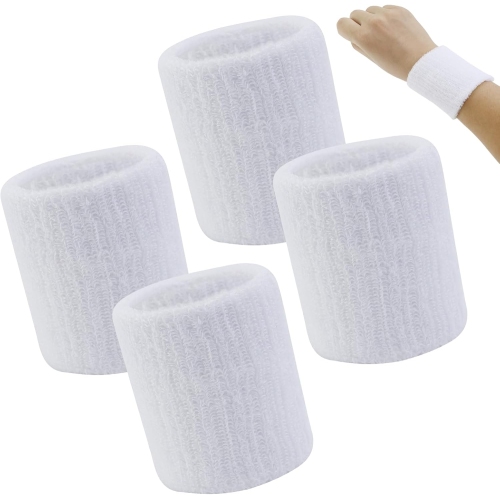
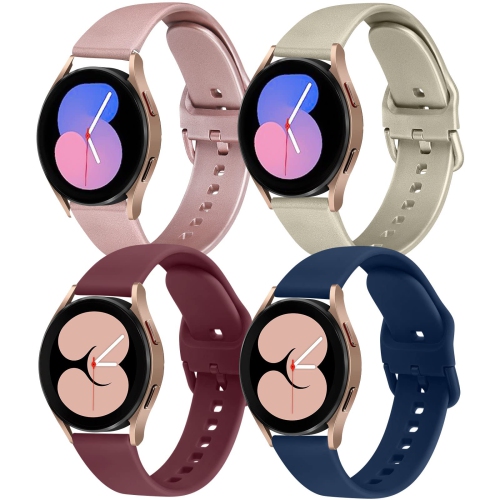
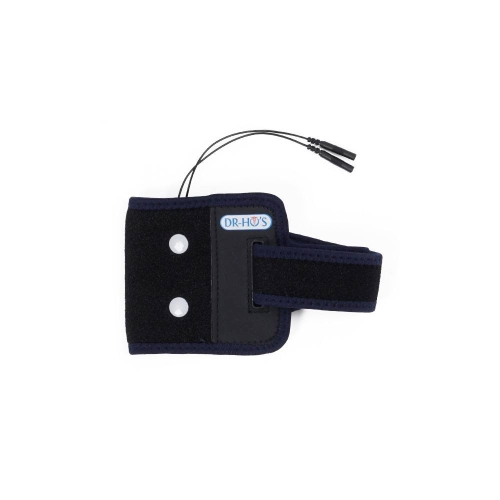

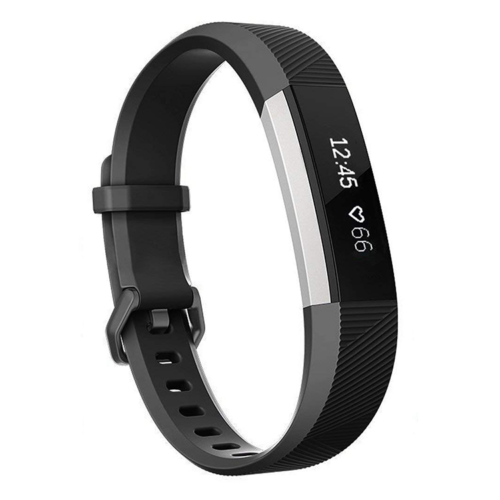
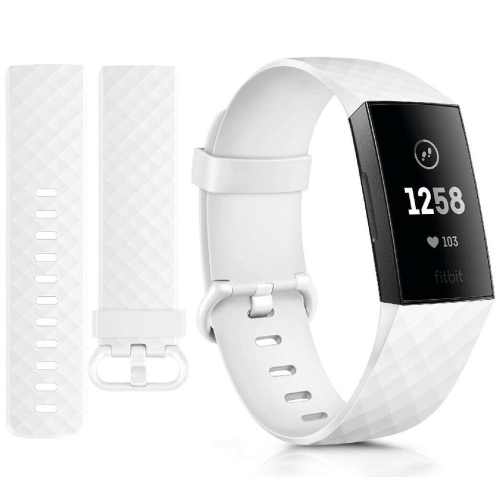
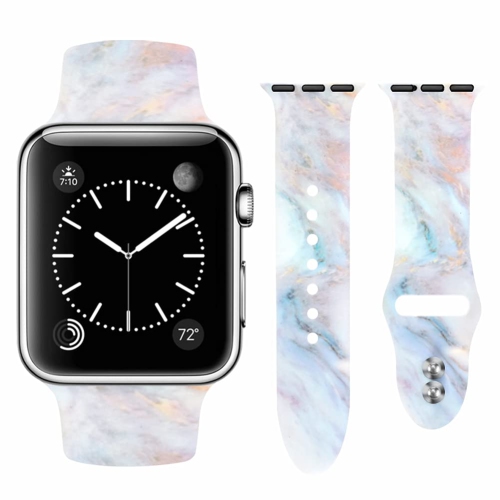
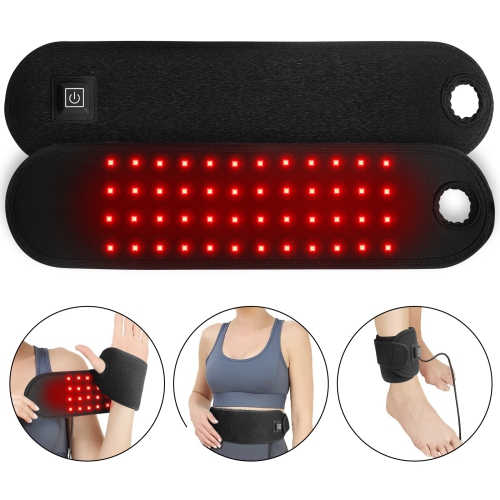
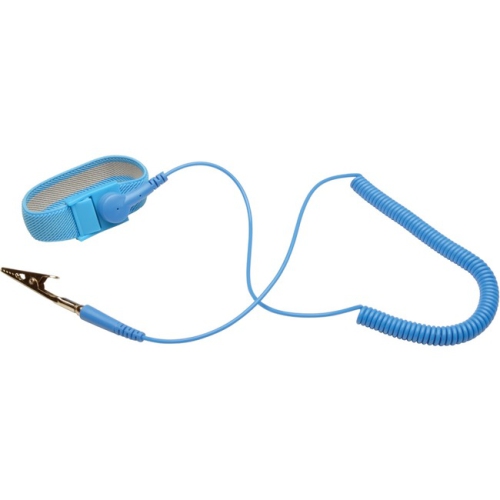
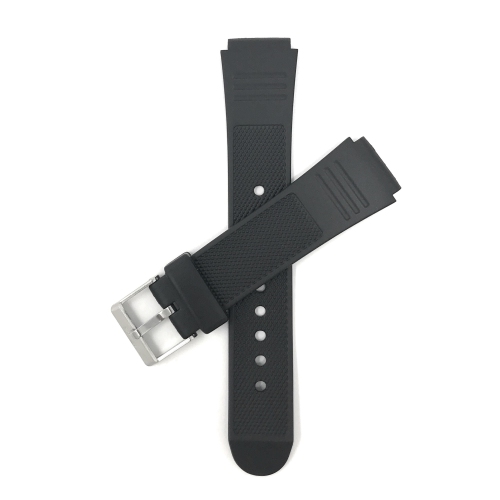
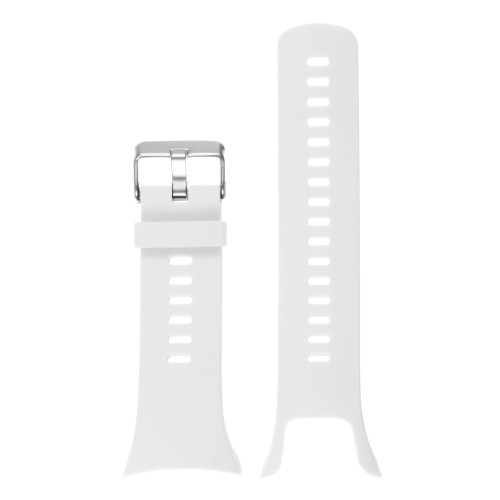
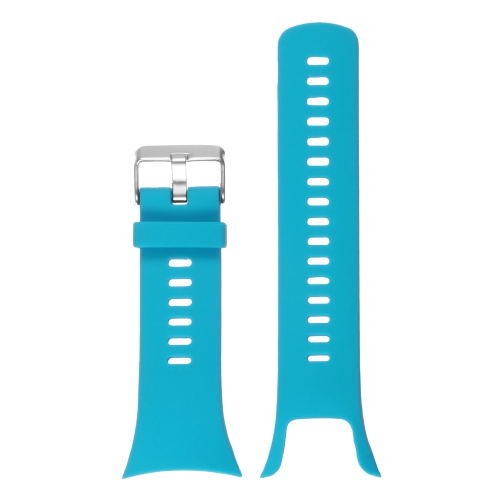
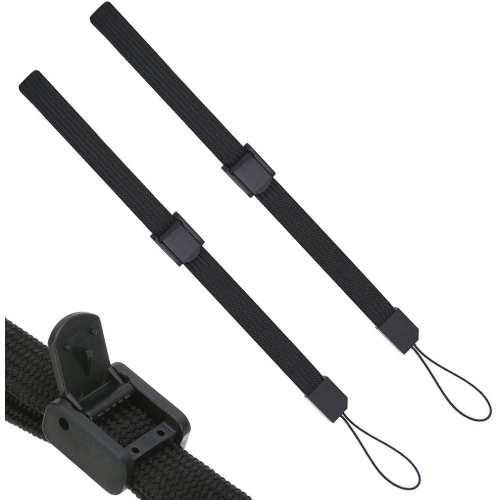
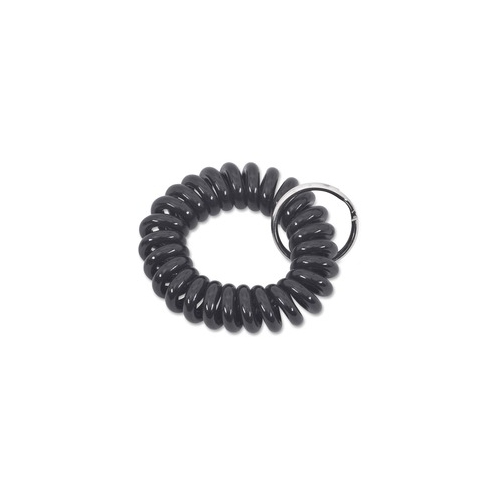
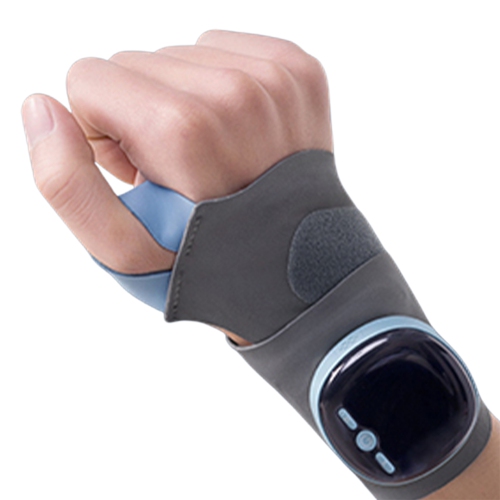

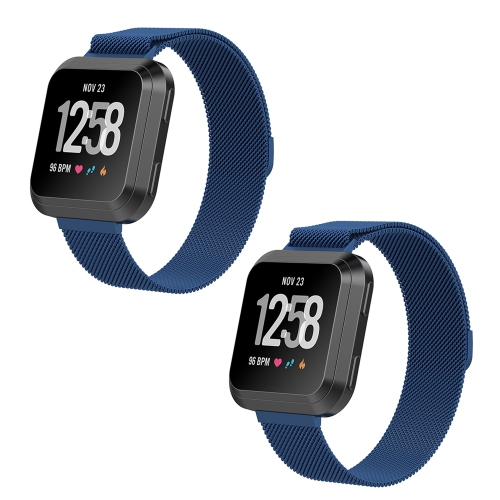
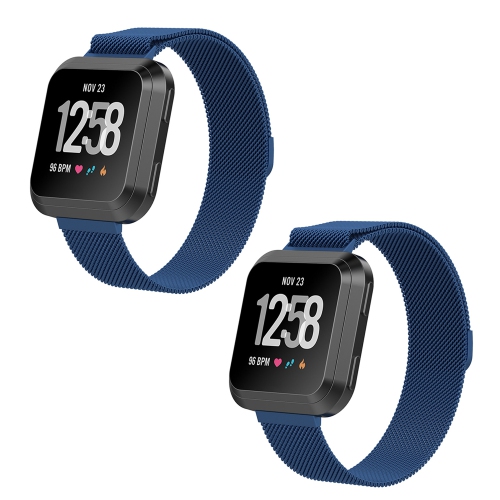
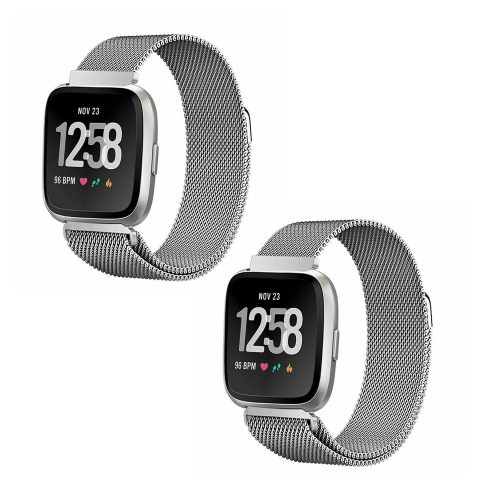
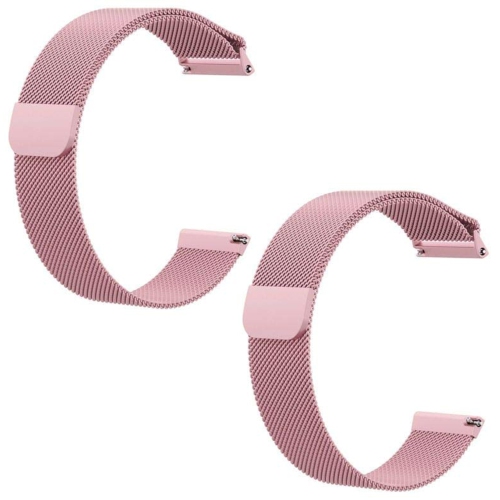
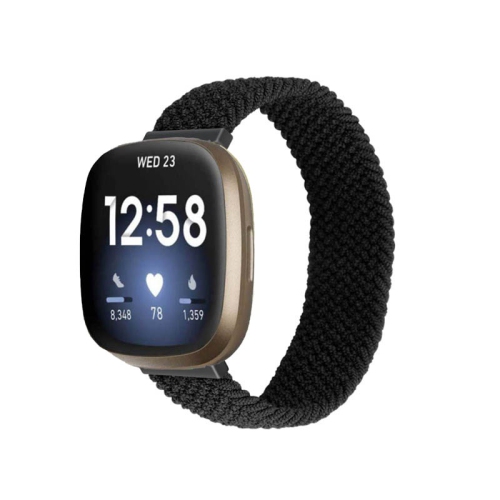
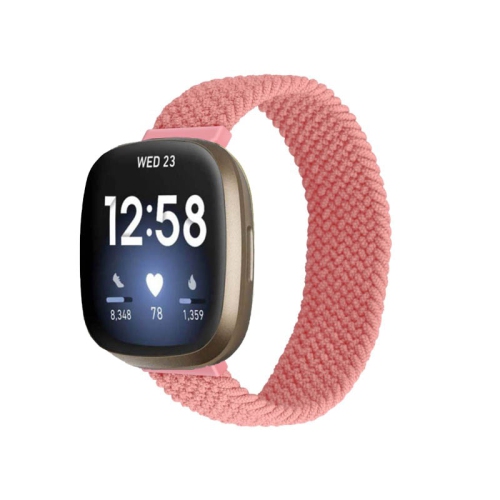
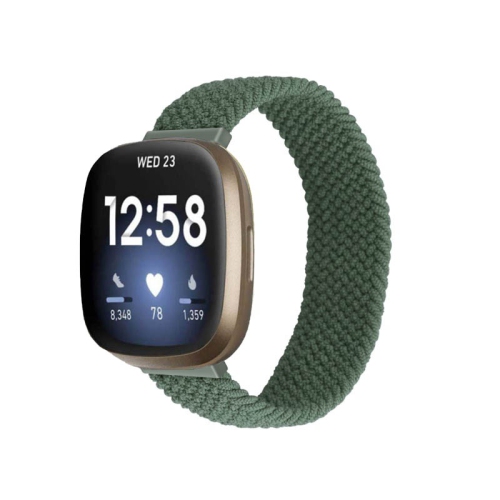
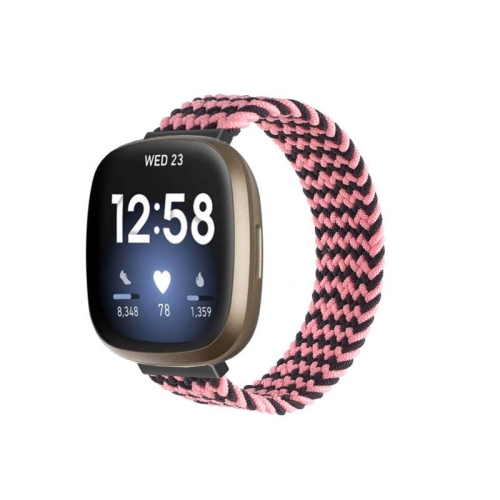
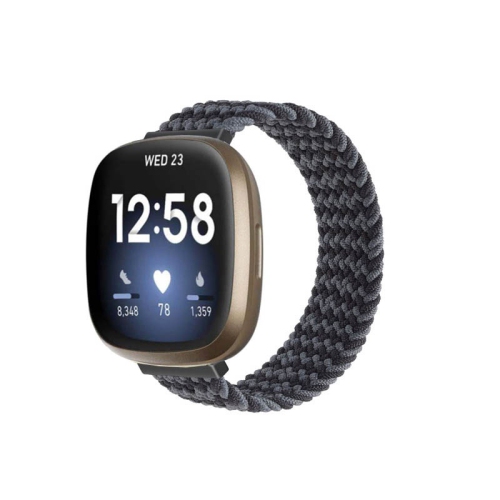
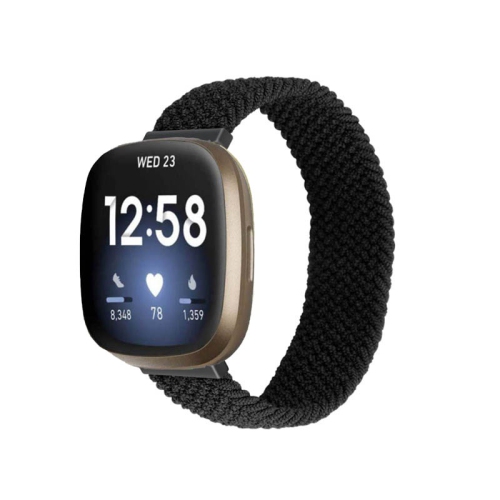
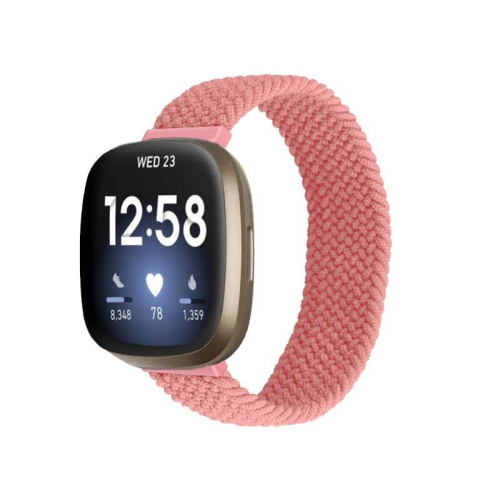
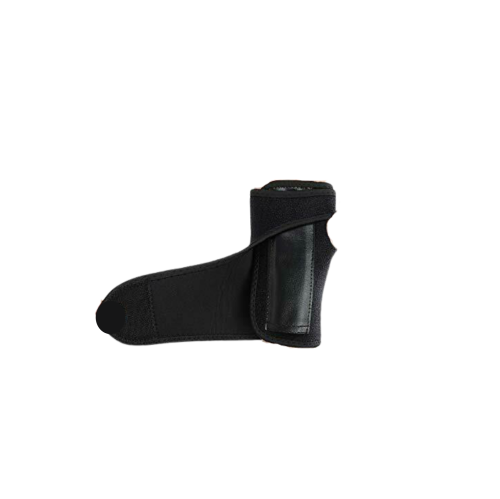
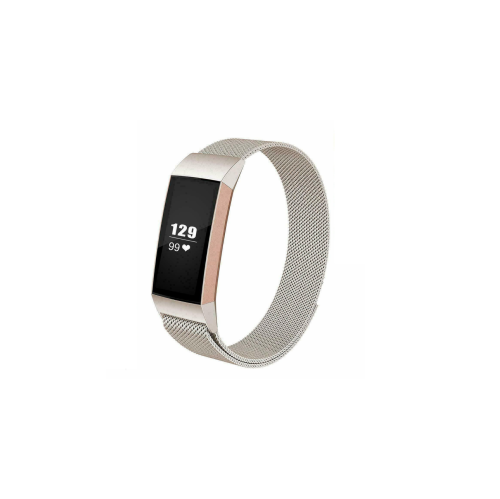
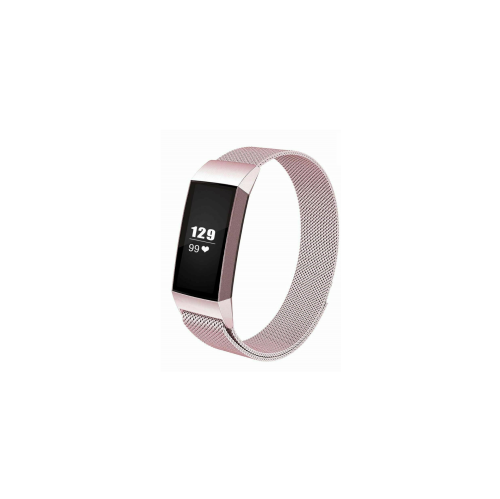
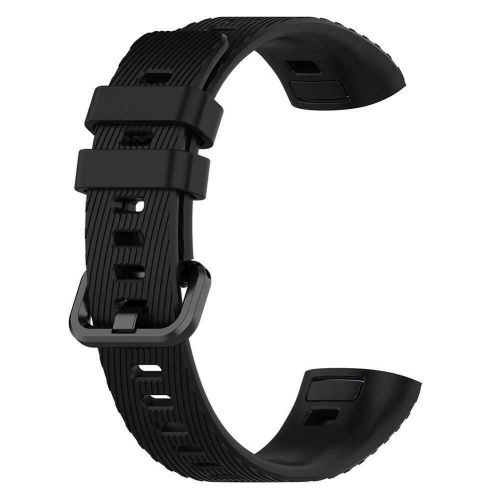
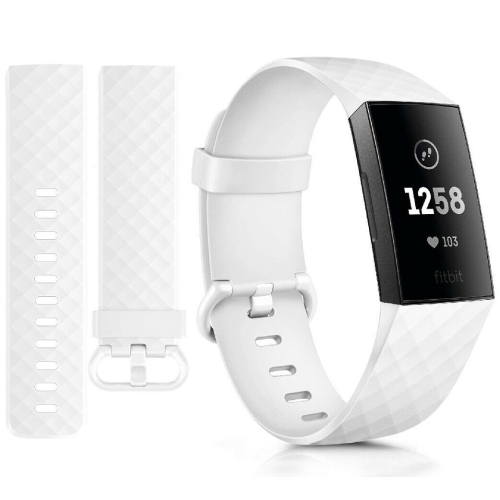
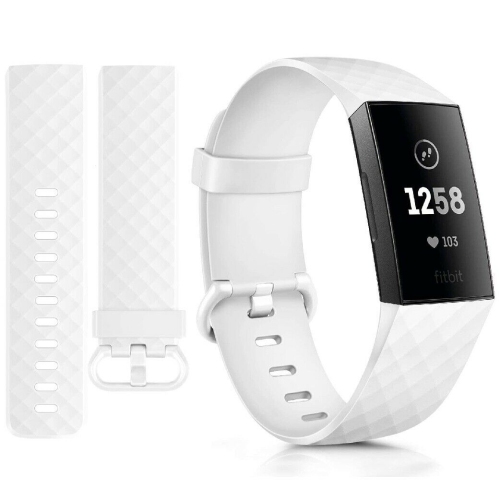
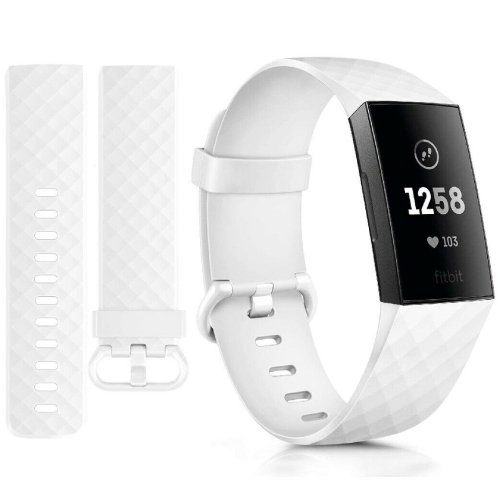
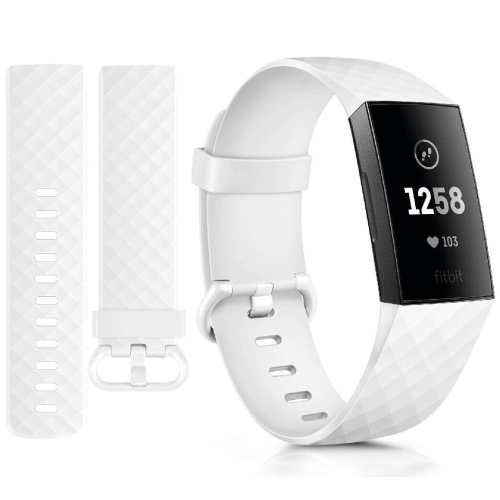

Why similar-looking bands serve very different purposes
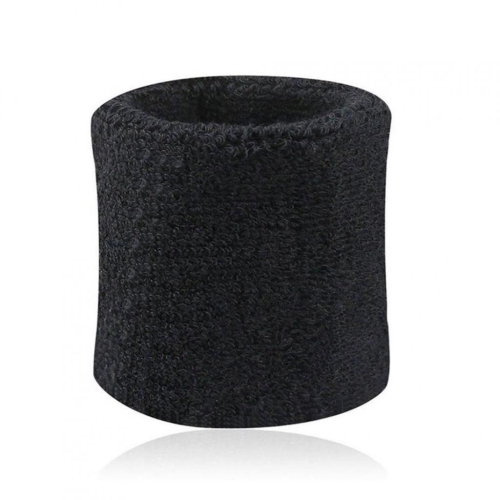
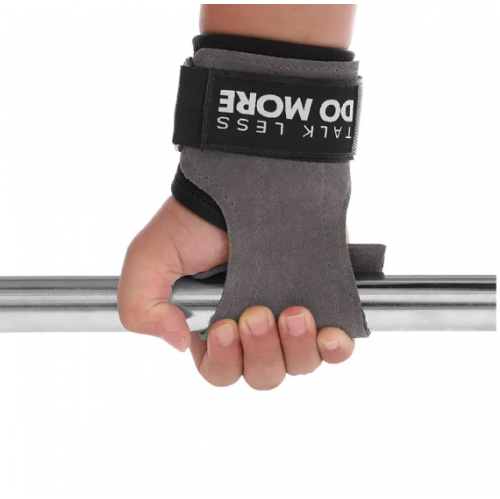
Wrist bands are bands worn around the wrist for sport, identification, access control, personal style, or displaying important information. The term covers several distinct types, from absorbent athletic sweatbands and flexible silicone bracelets to event admission bands and medical alert wristbands. Although they share a similar shape, their materials and construction serve different purposes. A soft terrycloth band helps absorb perspiration during a tennis match, while a printed admission band gives venue staff a visible way to check entry permissions. For exercise, cotton blends and other absorbent fabrics can help catch sweat before it reaches the hands and provide a convenient surface for wiping the forehead between points or sets. Stretch fibres help the fabric sit close to the wrist without requiring a buckle, and a smooth inner surface can make repeated arm movements more comfortable. Wider sweatbands offer more coverage, while narrower designs take up less space beside a watch or beneath a sleeve. Neither shape is automatically better; the practical difference comes down to the activity, wrist size, and preferred feel. Someone handling a racquet may want an unobtrusive fit that stays clear of the palm, while someone doing a circuit workout may prefer a broader band for wiping away perspiration. Athletic sweatbands absorb moisture but should not be confused with wrist wraps or braces designed for support. A comfortable band should stay in place without leaving deep marks, causing tingling, or restricting movement. Fabric stretch varies, so wrist measurements and the stated size range matter even when a band is described as one size. The Sport Wristbands page focuses on wristbands for active use. For washable fabric styles, following the care label, washing after sweaty sessions, and allowing the material to dry fully before wearing it again help maintain comfort. Stretched elastic, rough seams, and fabric that no longer holds its shape are useful signs that a well-used band may need replacing.
Identification and event wristbands put visibility and fastening security ahead of absorbency. At a concert, recreation centre, school activity, or private gathering, a coloured or printed wristband can show that someone has checked in or belongs to a particular admission group. Paper-like synthetic materials are often used for lightweight, short-duration wear, while plastic, vinyl, and woven fabric constructions suit different needs for flexibility, water resistance, and wear time. Material alone does not establish how secure a band will be: adhesive tabs, snap closures, and locking sliders each work differently, and some are intended to prevent removal without visible damage. A tamper-evident closure can help staff spot a transferred band, but a wristband is only one part of an admission process and does not independently verify identity or age. Clear printing, easily distinguished colours, and a consistent placement on the wrist can make checks simpler in a busy queue. For activities involving water or frequent handwashing, the fastening and printed information need to withstand moisture as well as the band itself. Fit matters here too, particularly when a band will remain on for several hours. Edges should not scrape the skin, and the loop should allow comfortable wrist movement without being so loose that it slips over the hand. Medical alert wristbands have a different role: they display information such as a serious allergy, a health condition, or an emergency contact detail that may be useful if the wearer cannot communicate. Their usefulness depends on readable information, an identifiable alert feature, and details that remain accurate. They do not replace medical records or guarantee that a responder will notice them. For children attending a supervised outing, an identification band may carry a caregiver’s contact number, with personal details limited to what is necessary. Across these uses, legibility, an appropriate closure, and a comfortable surface against the skin are more important than decorative detail. Single-use admission bands should not be treated as reusable bracelets when their closure or identification function depends on remaining intact.
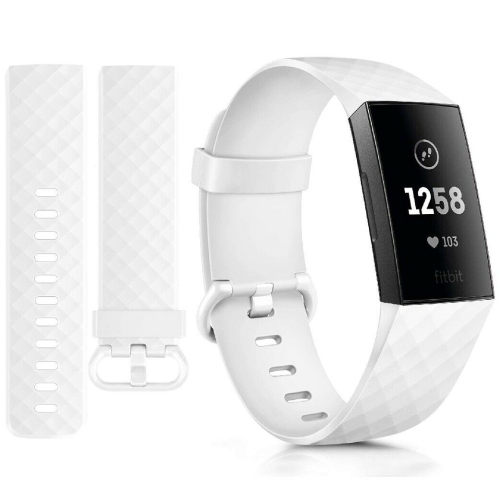
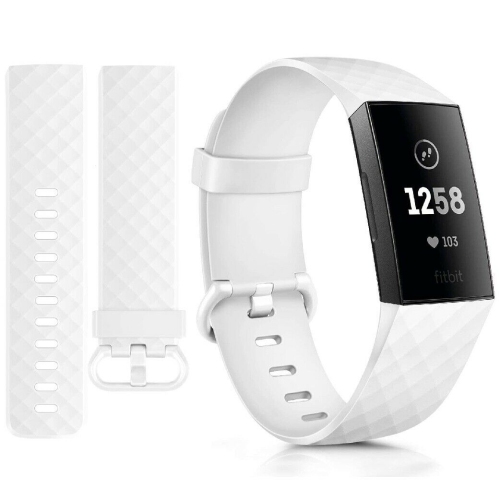
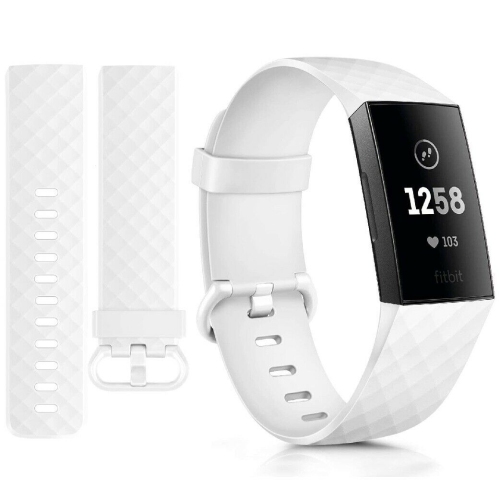
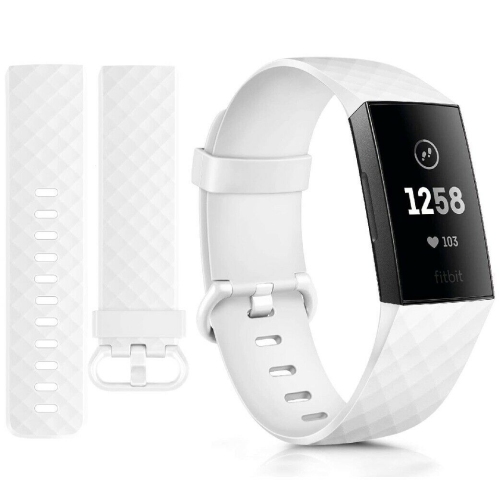
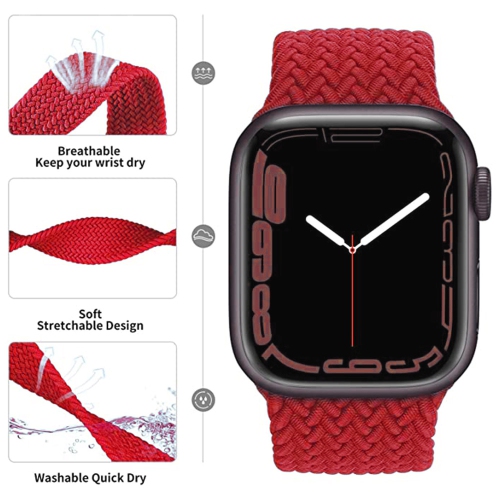
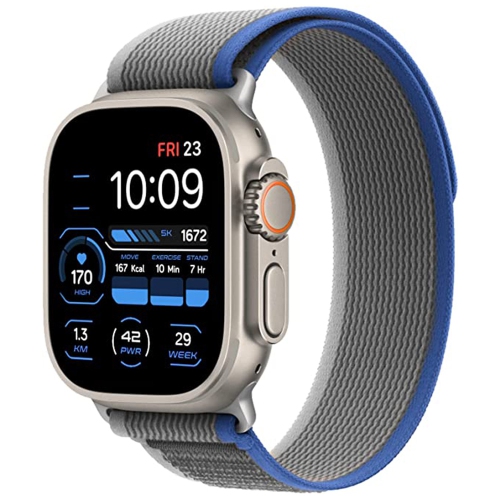
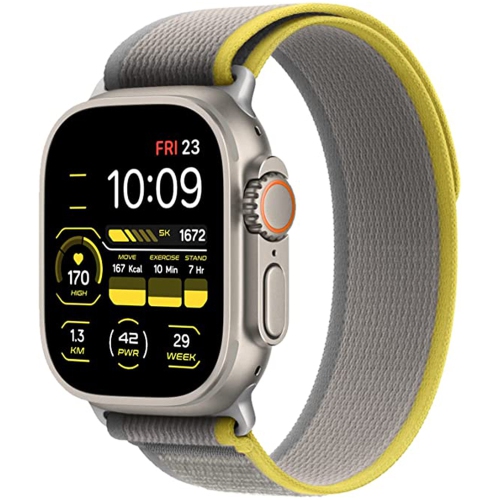
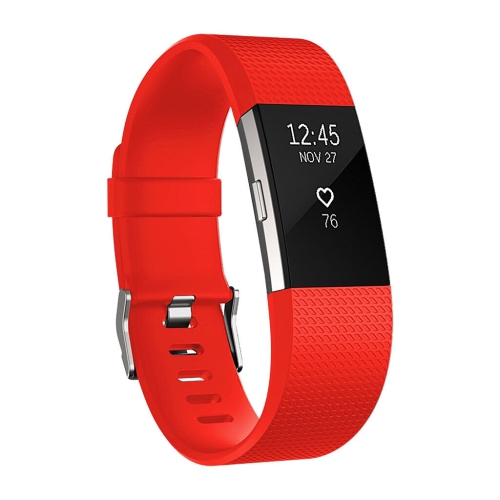
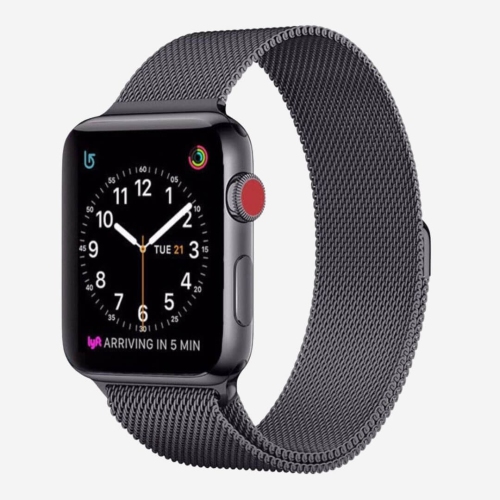
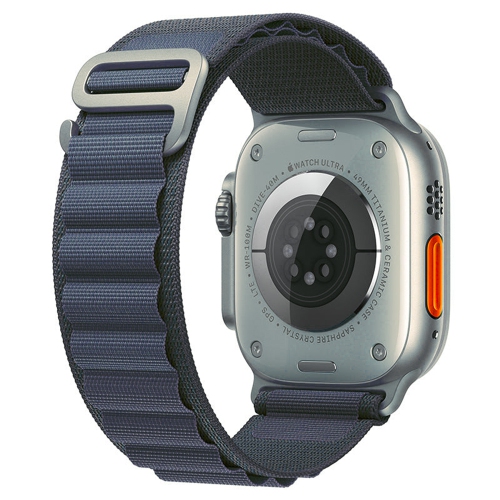
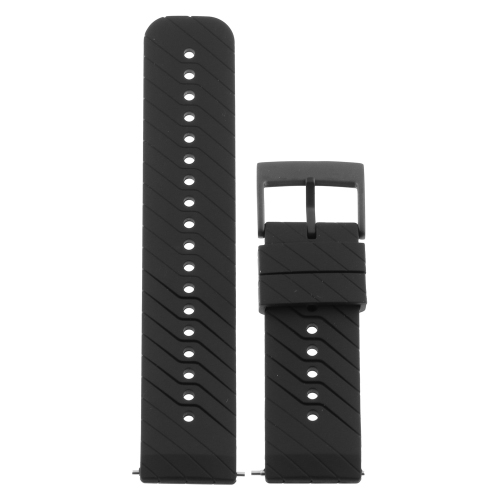
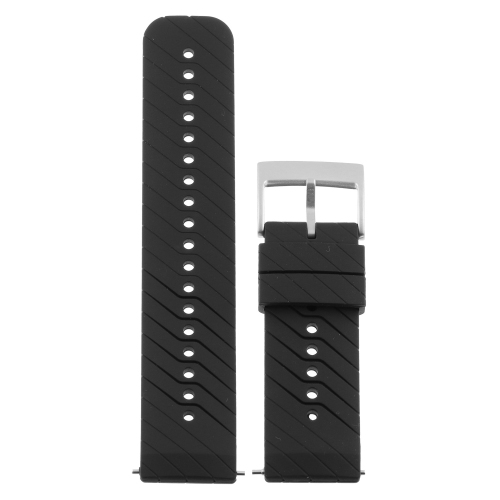
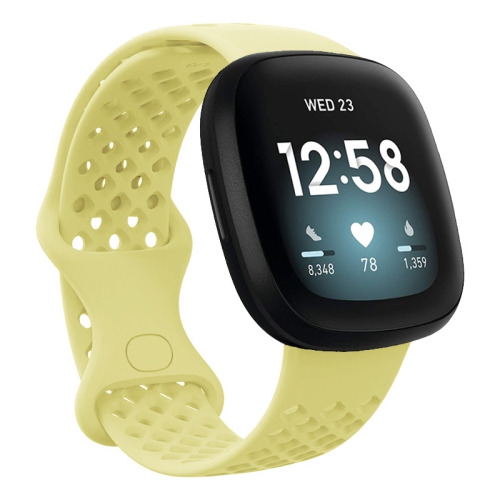
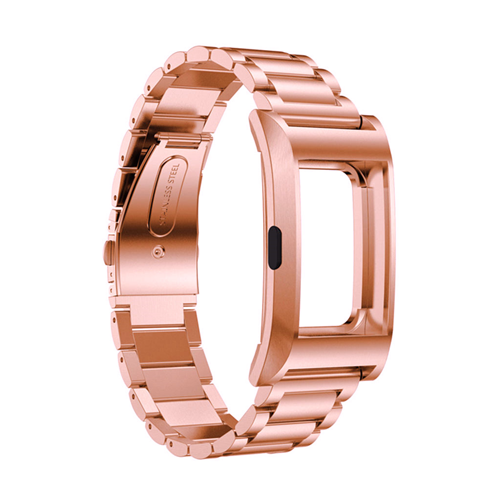
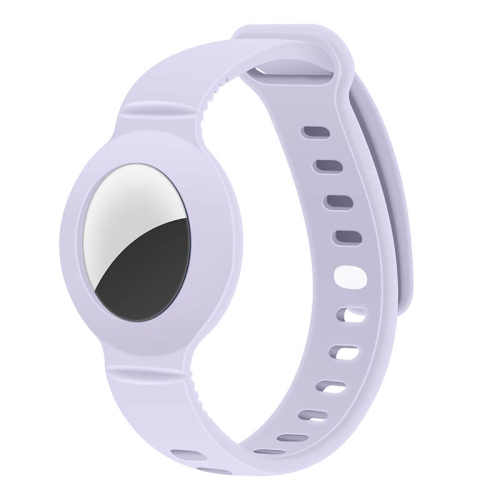
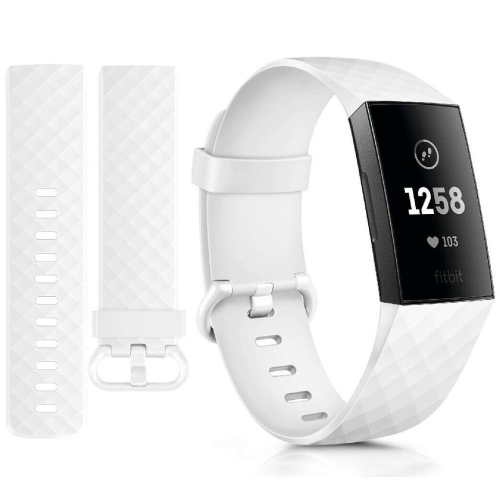
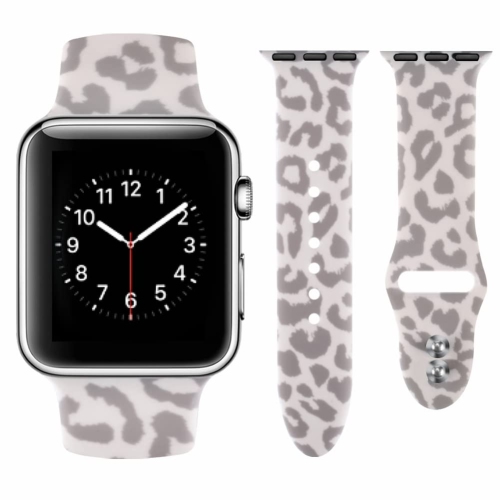
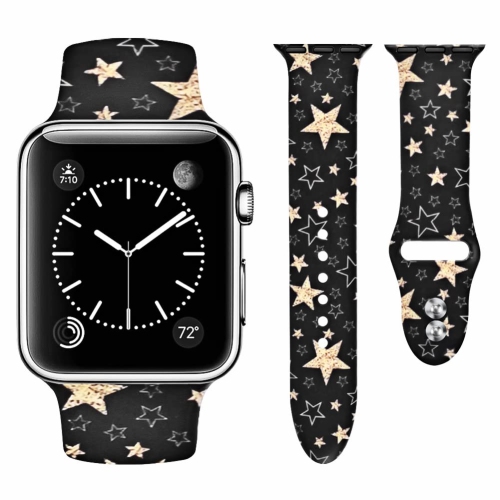
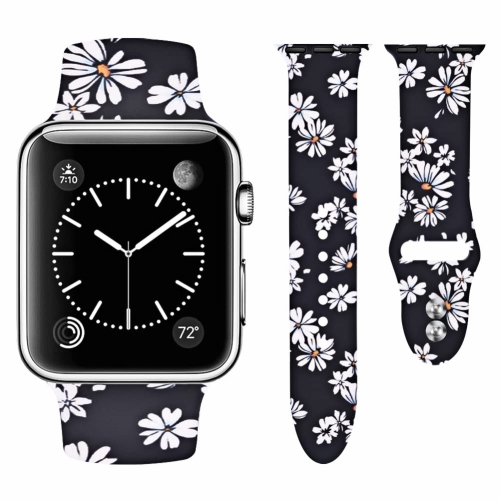
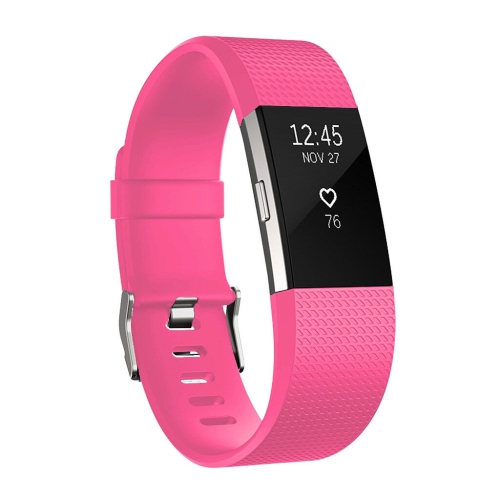
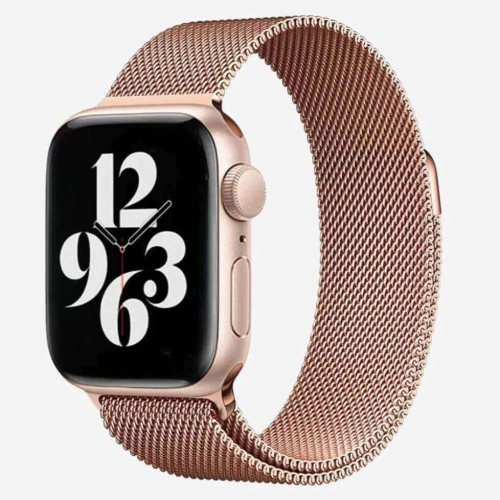
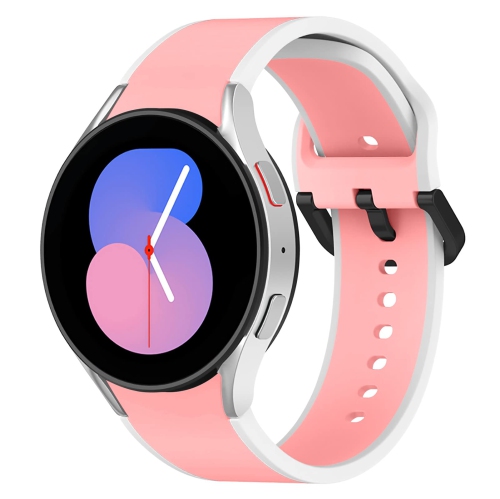
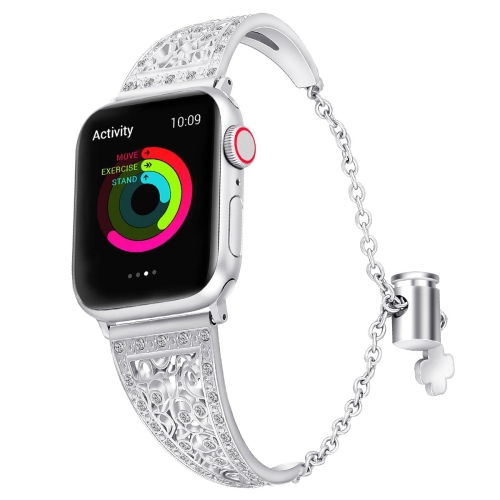
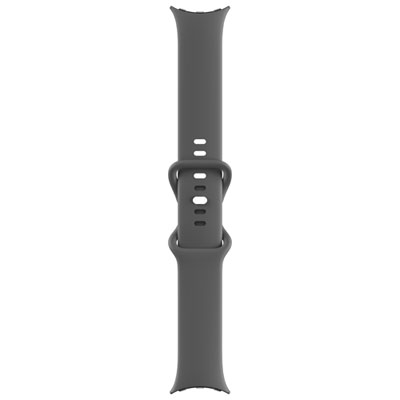
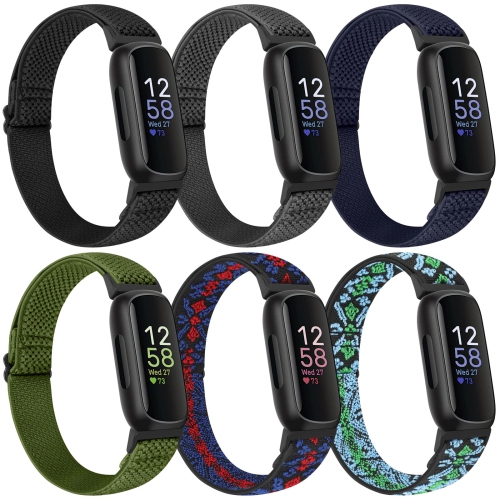
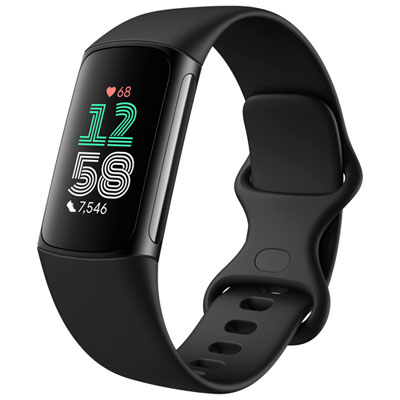
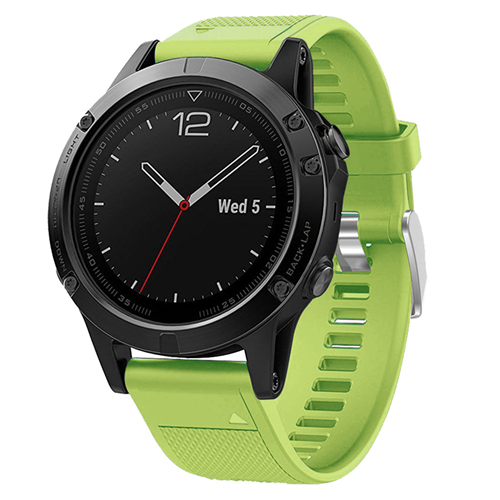
Silicone, rubber, textile, and bracelet-style wristbands also serve as everyday accessories, team identifiers, and visible expressions of a shared interest or cause. A simple coloured band can tie together a team outfit, while moulded lettering or a printed message gives a group or celebration a consistent visual detail. Silicone generally has a flexible, smooth feel and does not absorb moisture like terrycloth, though sweat or soap can remain between the band and the skin. Rubber formulations vary, so anyone with a known material sensitivity should check the composition rather than assume that similarly described bands are interchangeable. Woven designs bring a softer, textured finish, while adjustable closures can accommodate a more precise fit than a fixed loop. For bands worn with a smartwatch or fitness tracker, compatibility adds another consideration: the connector shape, attachment width, and supported device model must match, even when two straps look almost identical. A replacement strap changes how a wearable fits and feels; it does not add tracking features or change the device’s water-resistance rating. A secure clasp and sound attachment points matter during everyday movements such as pulling on a backpack, reaching into a bag, or working at a desk. Smooth closures are less likely to catch on knitted cuffs, and lower-profile bands may feel less intrusive when typing. Care depends on the material, with some washable bands suitable for mild soap and water and others requiring spot cleaning or specialist care. Cleaning instructions should take priority over assumptions based on appearance, especially where printing, adhesives, leather, or metal components are involved. Drying the band thoroughly and removing trapped residue help keep regular wear comfortable. For gifting, wrist size, preferred colours, fastening preferences, and intended use make a wristband feel thoughtfully chosen. A sporty recipient may appreciate an absorbent fabric style, while a team member may value a shared colour or message. The most useful wrist bands suit a clear purpose and remain comfortable through the movements that fill an ordinary day.
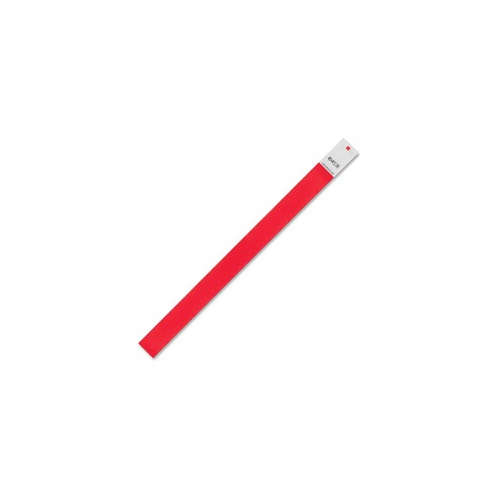
Identification and event wristbands put visibility and fastening security ahead of absorbency. At a concert, recreation centre, school activity, or private gathering, a coloured or printed wristband can show that someone has checked in or belongs to a particular admission group. Paper-like synthetic materials are often used for lightweight, short-duration wear, while plastic, vinyl, and woven fabric constructions suit different needs for flexibility, water resistance, and wear time. Material alone does not establish how secure a band will be: adhesive tabs, snap closures, and locking sliders each work differently, and some are intended to prevent removal without visible damage. A tamper-evident closure can help staff spot a transferred band, but a wristband is only one part of an admission process and does not independently verify identity or age. Clear printing, easily distinguished colours, and a consistent placement on the wrist can make checks simpler in a busy queue. For activities involving water or frequent handwashing, the fastening and printed information need to withstand moisture as well as the band itself. Fit matters here too, particularly when a band will remain on for several hours. Edges should not scrape the skin, and the loop should allow comfortable wrist movement without being so loose that it slips over the hand. Medical alert wristbands have a different role: they display information such as a serious allergy, a health condition, or an emergency contact detail that may be useful if the wearer cannot communicate. Their usefulness depends on readable information, an identifiable alert feature, and details that remain accurate. They do not replace medical records or guarantee that a responder will notice them. For children attending a supervised outing, an identification band may carry a caregiver’s contact number, with personal details limited to what is necessary. Across these uses, legibility, an appropriate closure, and a comfortable surface against the skin are more important than decorative detail. Single-use admission bands should not be treated as reusable bracelets when their closure or identification function depends on remaining intact.
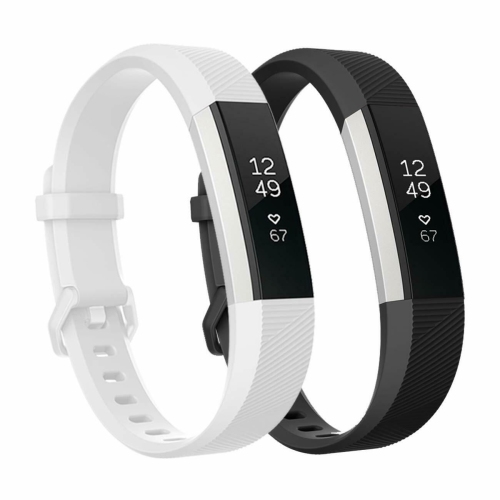
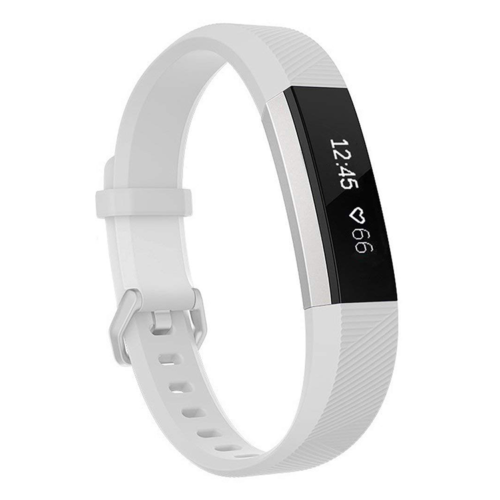
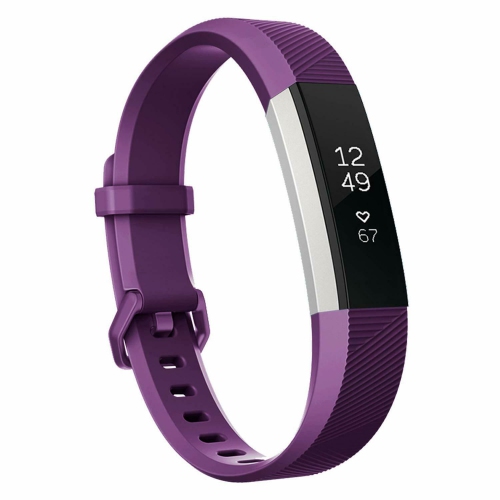
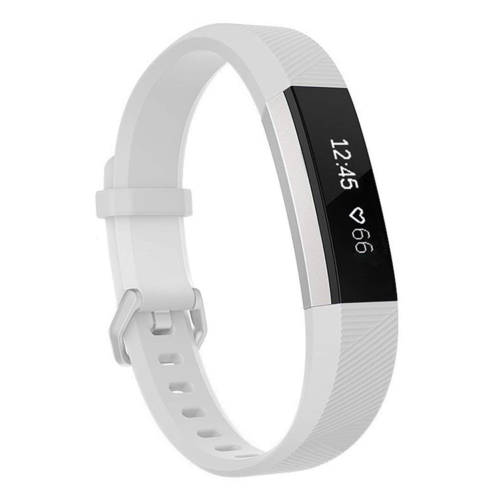
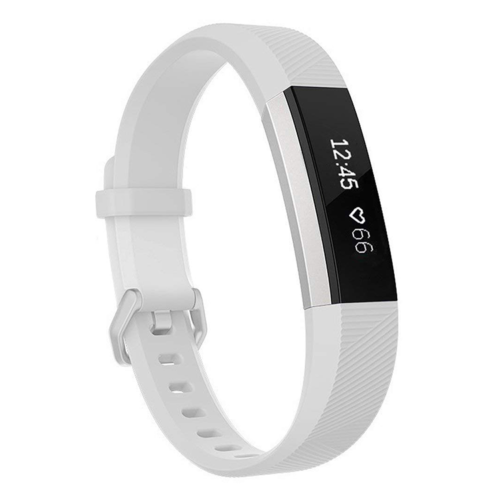
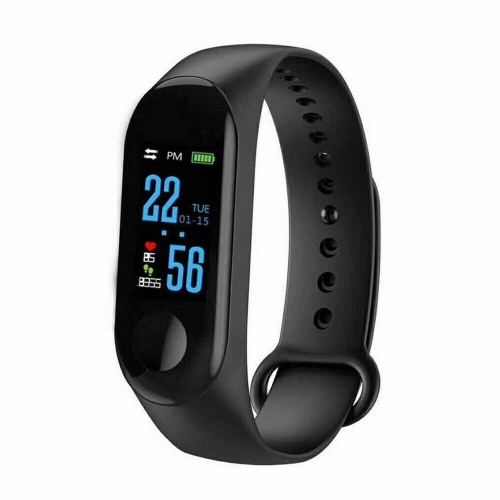
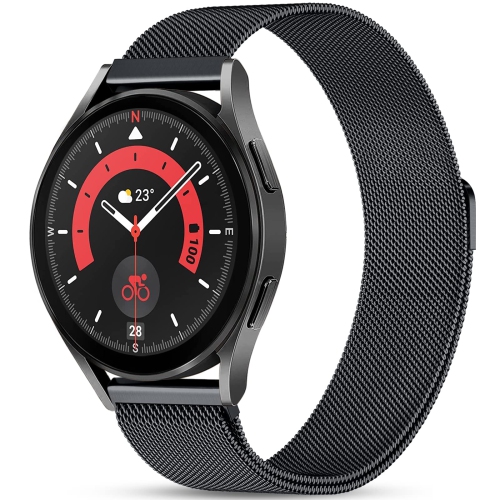
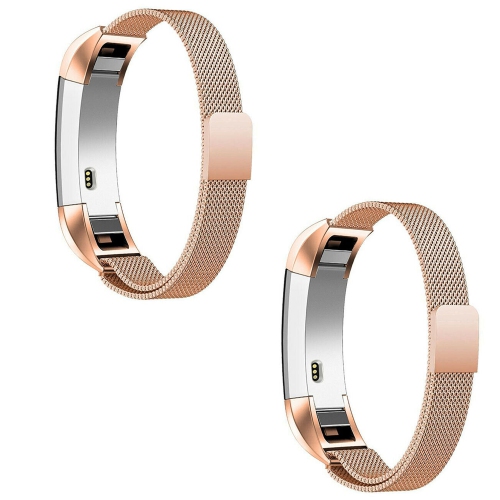
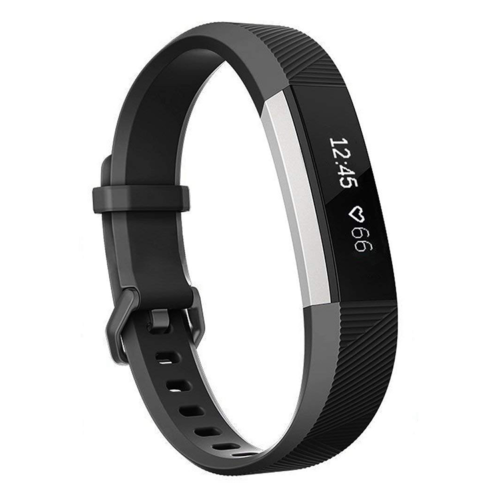
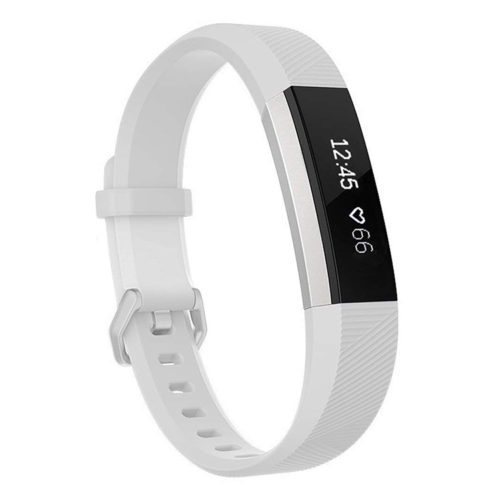
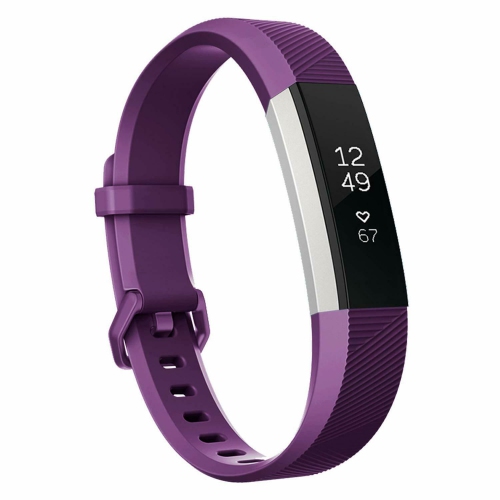
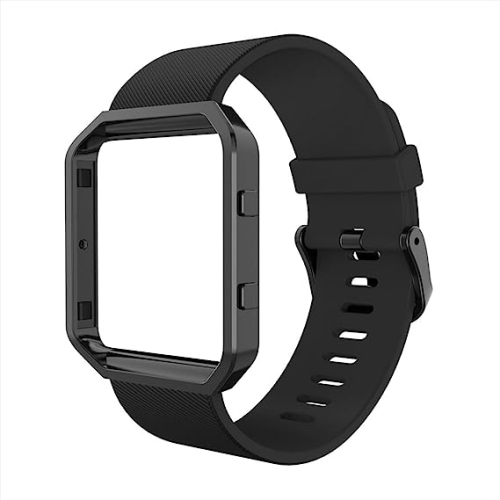
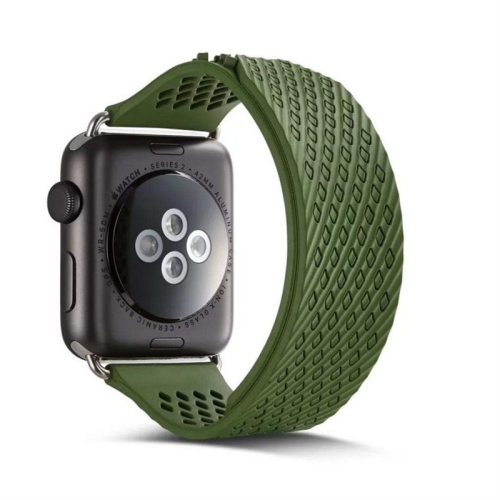
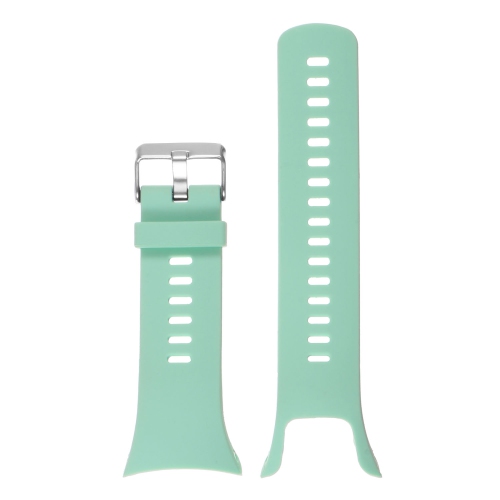
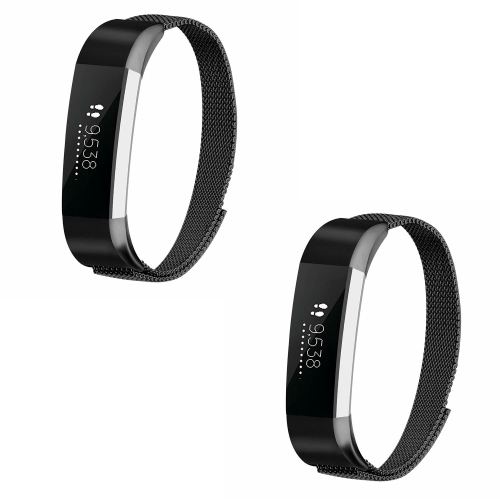
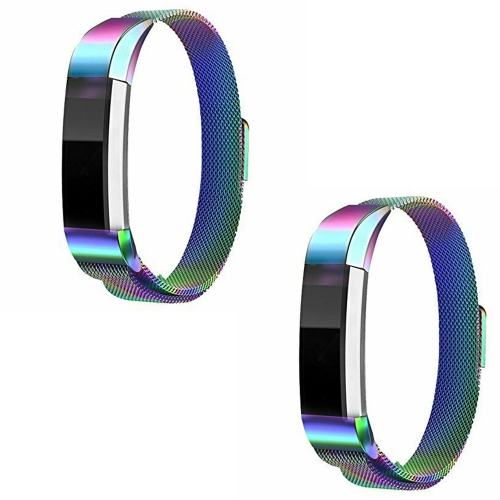
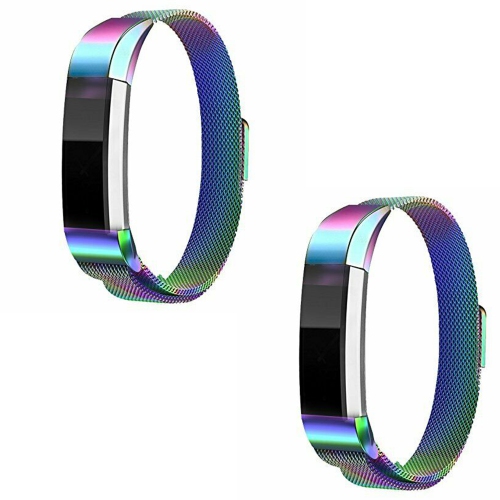
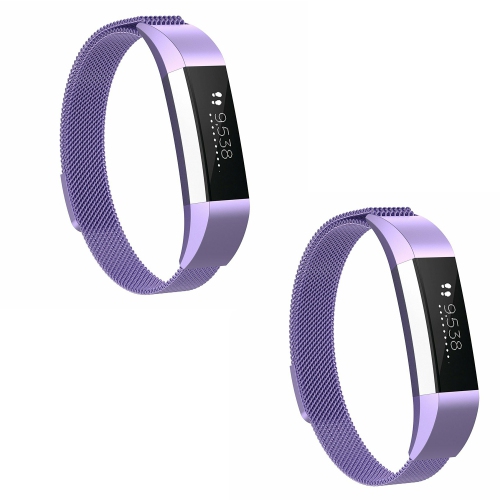
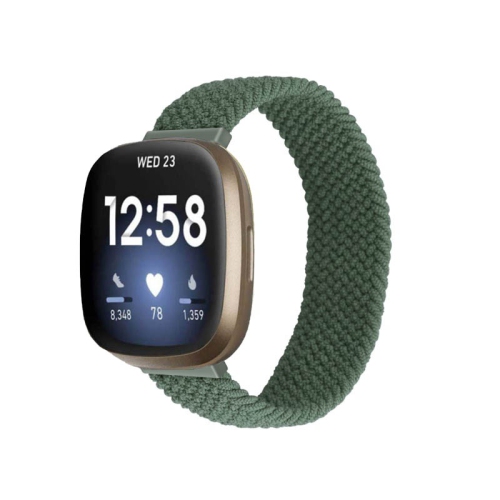
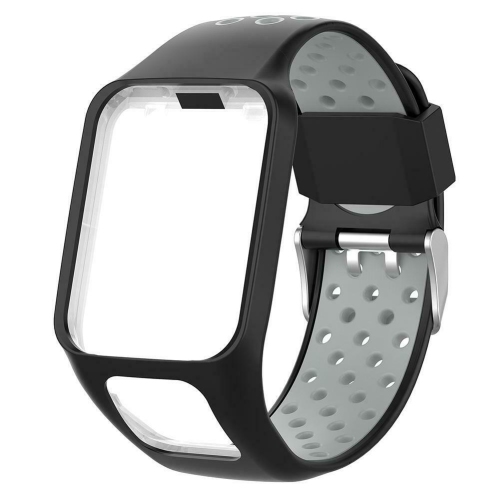
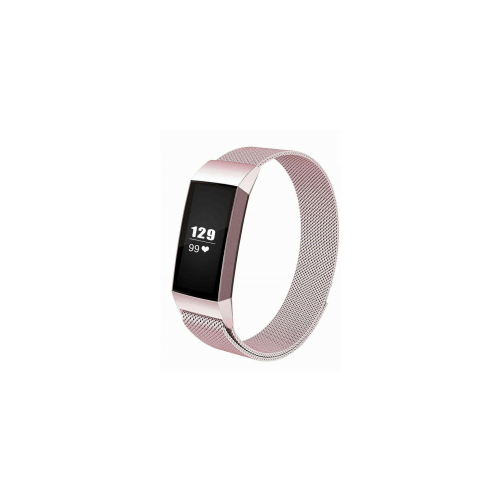
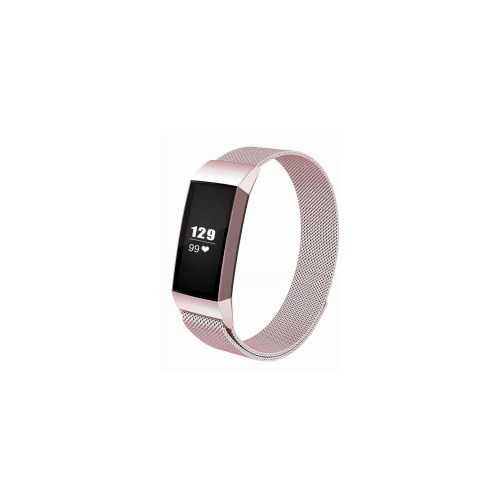
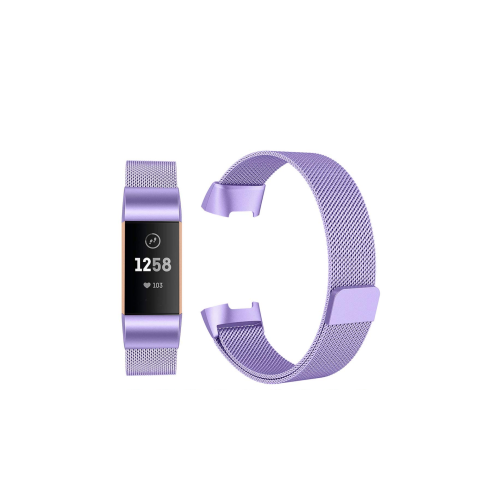
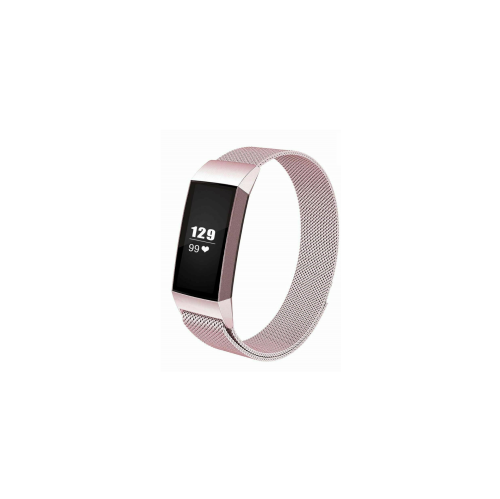
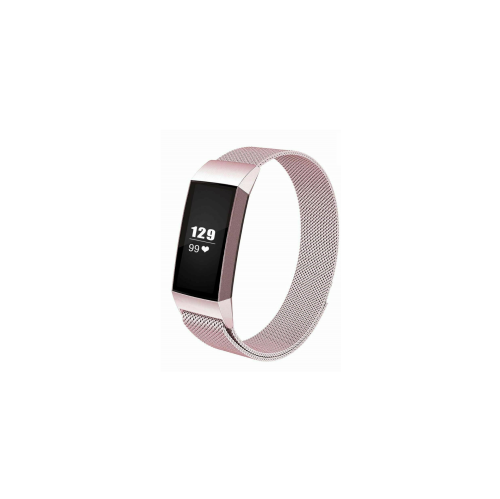
Silicone, rubber, textile, and bracelet-style wristbands also serve as everyday accessories, team identifiers, and visible expressions of a shared interest or cause. A simple coloured band can tie together a team outfit, while moulded lettering or a printed message gives a group or celebration a consistent visual detail. Silicone generally has a flexible, smooth feel and does not absorb moisture like terrycloth, though sweat or soap can remain between the band and the skin. Rubber formulations vary, so anyone with a known material sensitivity should check the composition rather than assume that similarly described bands are interchangeable. Woven designs bring a softer, textured finish, while adjustable closures can accommodate a more precise fit than a fixed loop. For bands worn with a smartwatch or fitness tracker, compatibility adds another consideration: the connector shape, attachment width, and supported device model must match, even when two straps look almost identical. A replacement strap changes how a wearable fits and feels; it does not add tracking features or change the device’s water-resistance rating. A secure clasp and sound attachment points matter during everyday movements such as pulling on a backpack, reaching into a bag, or working at a desk. Smooth closures are less likely to catch on knitted cuffs, and lower-profile bands may feel less intrusive when typing. Care depends on the material, with some washable bands suitable for mild soap and water and others requiring spot cleaning or specialist care. Cleaning instructions should take priority over assumptions based on appearance, especially where printing, adhesives, leather, or metal components are involved. Drying the band thoroughly and removing trapped residue help keep regular wear comfortable. For gifting, wrist size, preferred colours, fastening preferences, and intended use make a wristband feel thoughtfully chosen. A sporty recipient may appreciate an absorbent fabric style, while a team member may value a shared colour or message. The most useful wrist bands suit a clear purpose and remain comfortable through the movements that fill an ordinary day.
Top selling and popular products
-
 Your price for this item is $24.99
 -
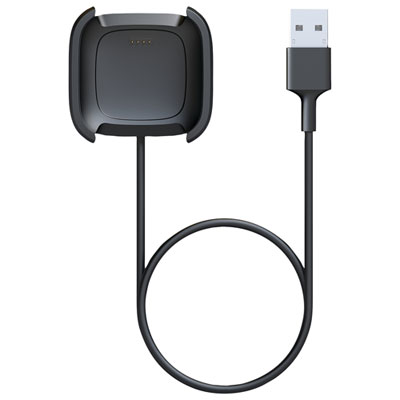 Your price for this item is $24.95
 -
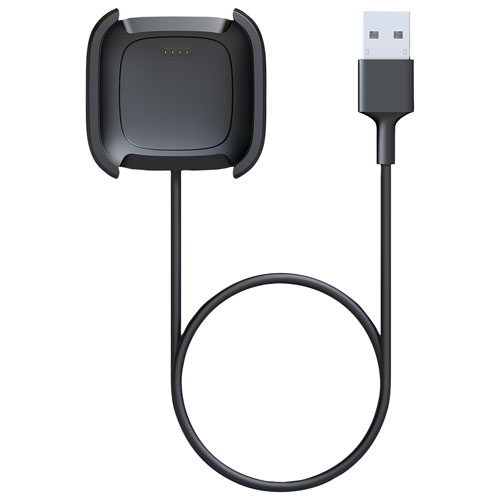 Your price for this item is $49
 -
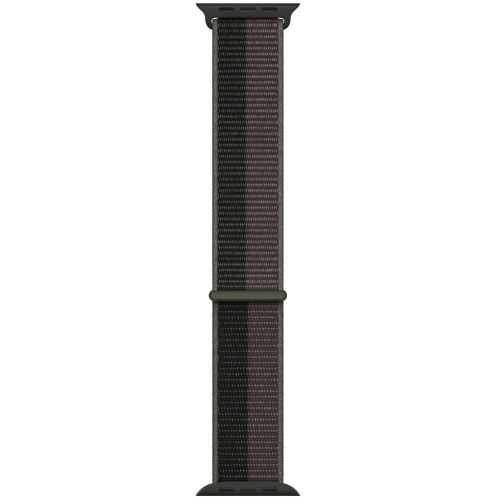 Your price for this item is $69.99
 -
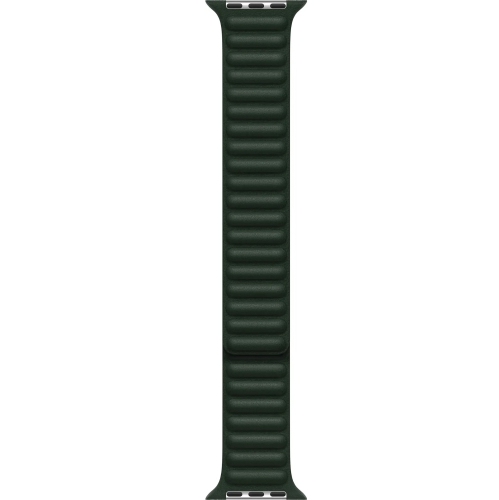 Your price for this item is $91.31
 -
 Your price for this item is $45.98
 -
 Your price for this item is $39.99
 -
 Your price for this item is $38
Discover more categories related to Wrist Bands

Top Collections:
Pokemon Centers, Kindle Devices, Best Budget Office Chairs, Apple iPhones 16, Best Laptops for Writers, iPhone 15 Apple, Canon G7X Cameras, Refurbished Apple Laptops, Alarm Clock, Motorola Razr Phones
Some products may be subject to Environmental Handling Fees
(EHF) depending on your province.
Learn more about EHFs.