Good Quality Wheelchair
A good quality wheelchair can make a world of difference for someone who uses one. Whether you're shopping for your own needs or helping to furnish a home for a loved one who uses one, it's important to find a chair that's comfortable, durable, and easy to use. Here are some great options available.
Sort
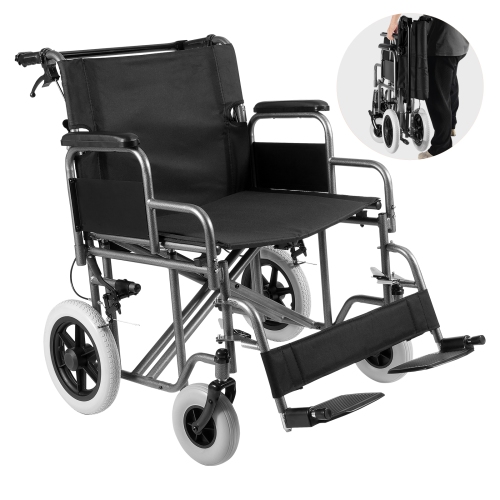
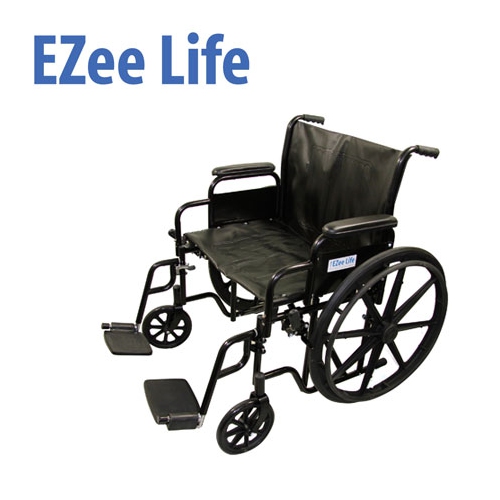
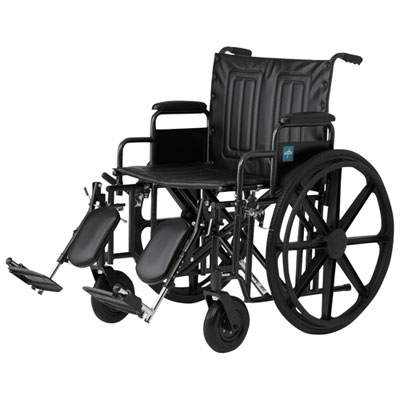
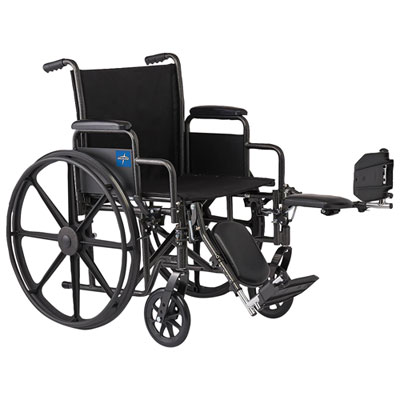
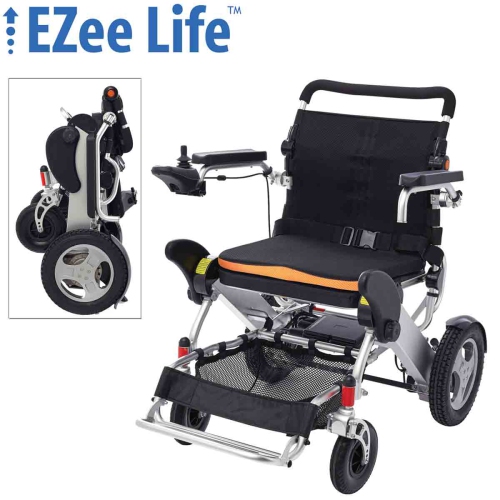
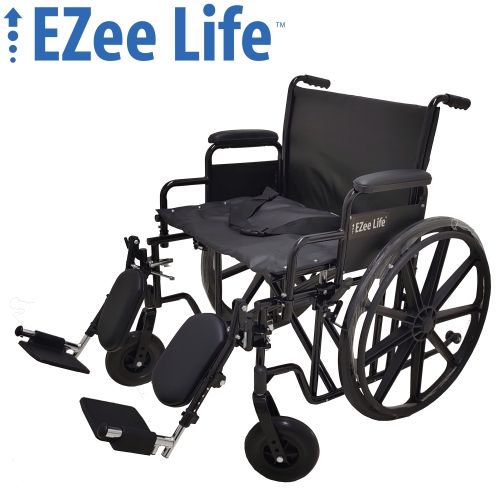
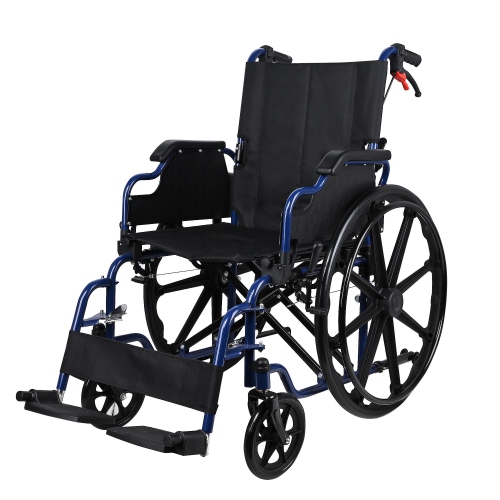
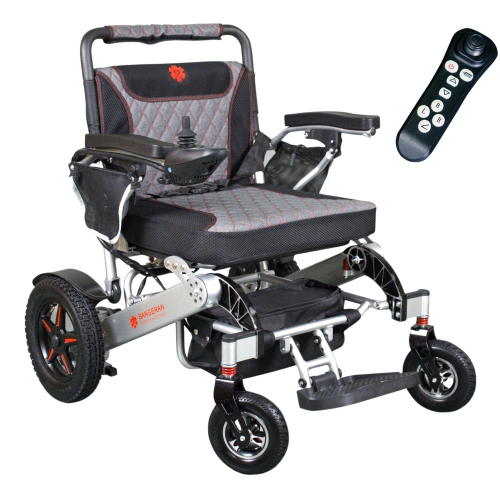

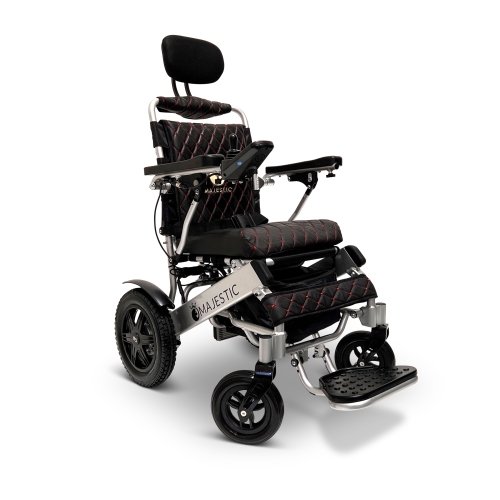
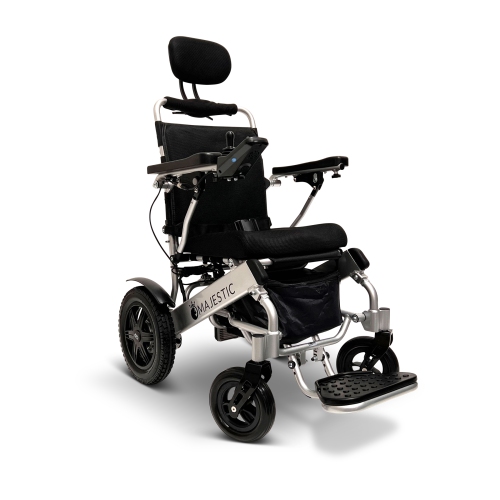
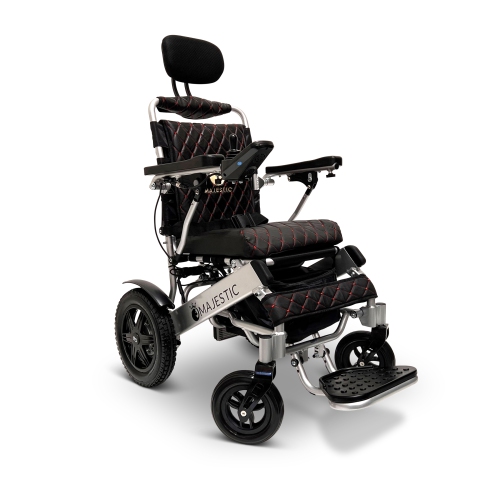
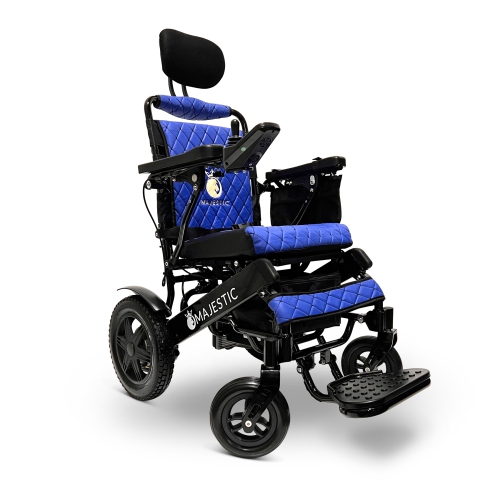
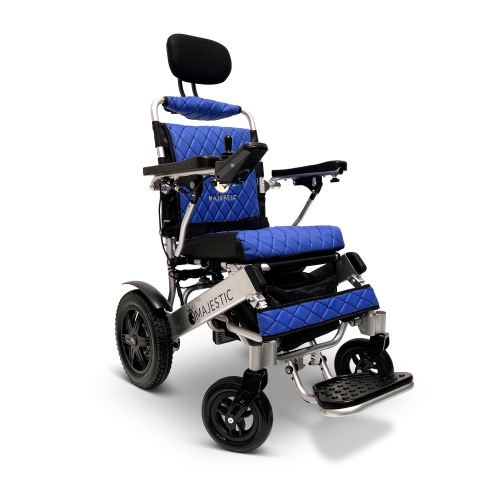
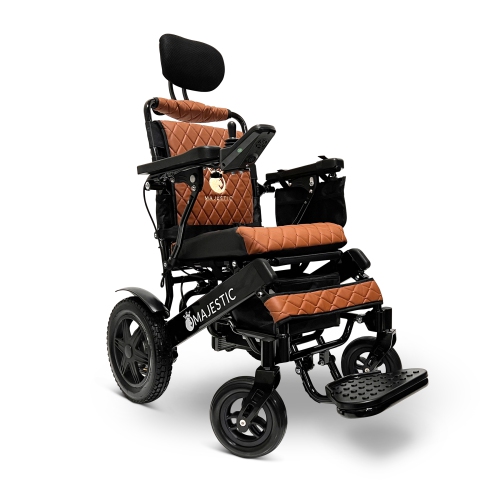
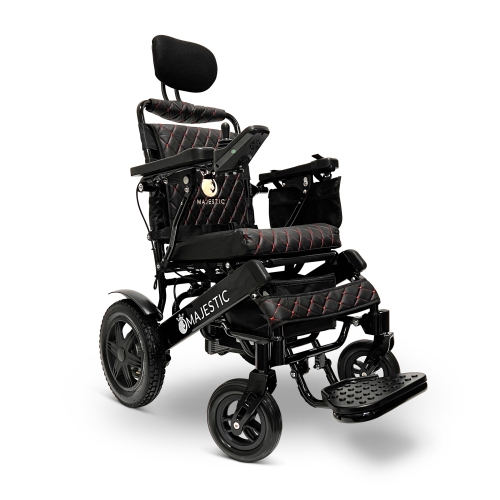
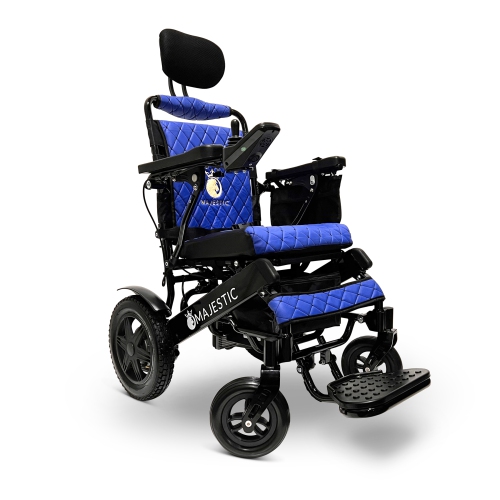
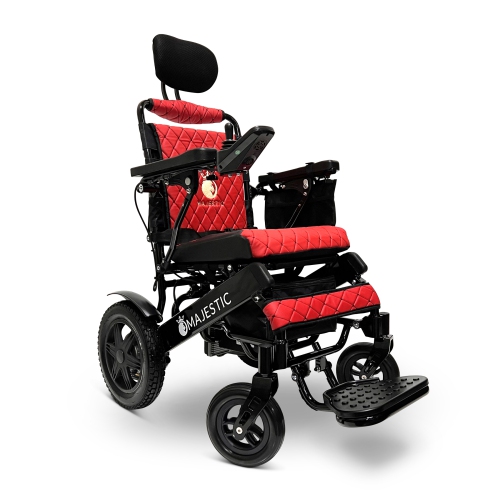
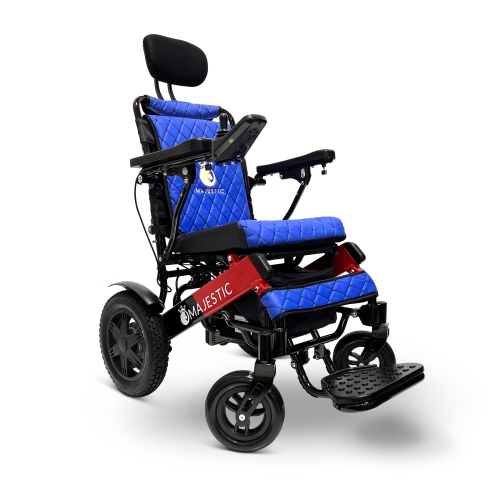
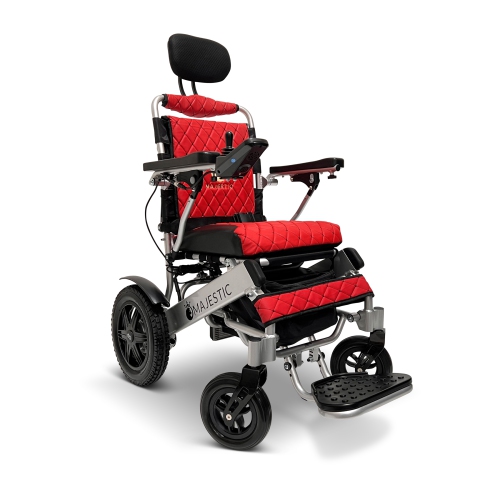
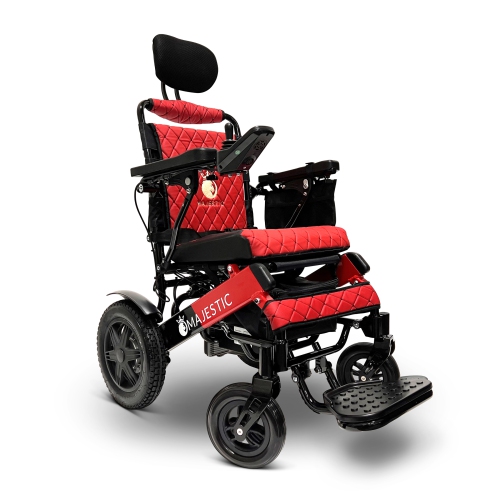
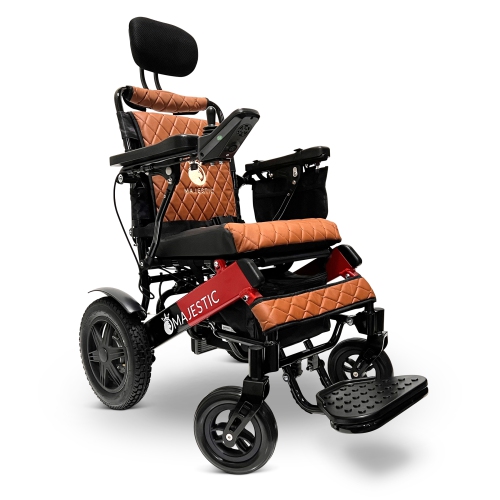
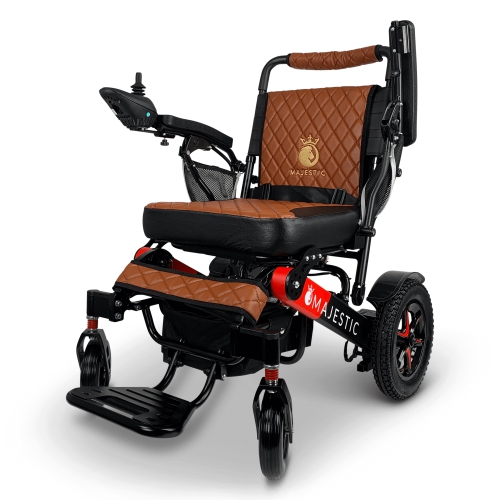
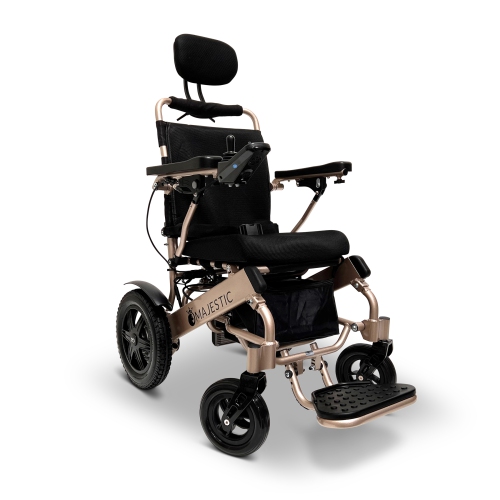
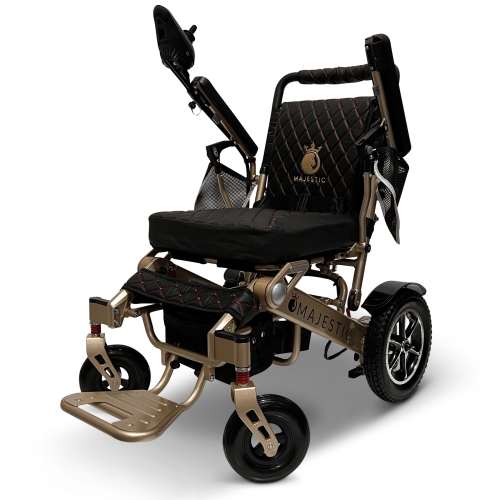
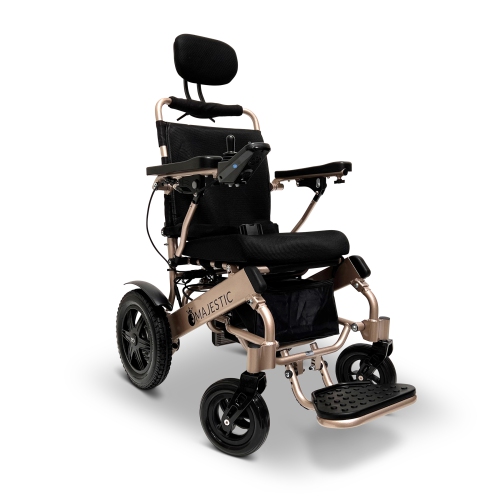
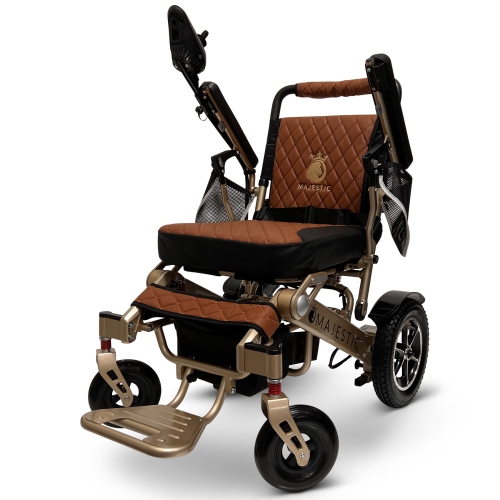
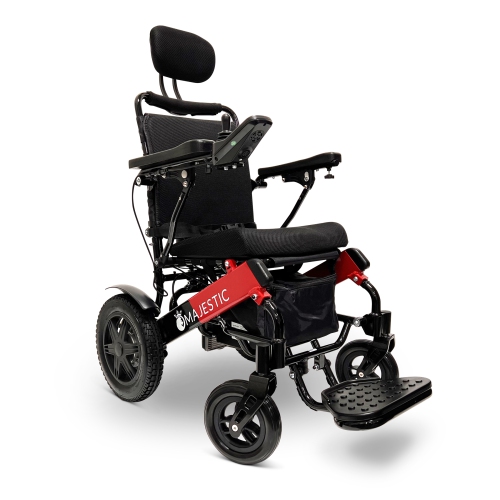
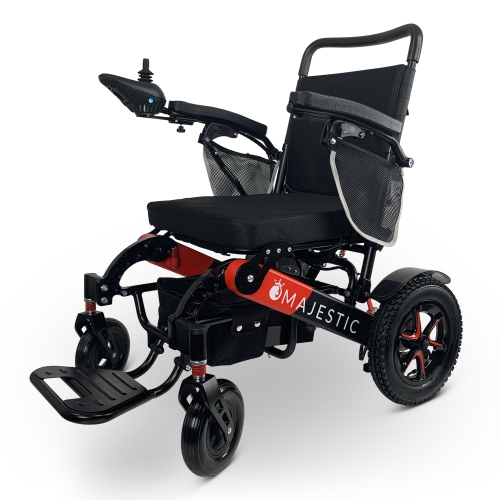
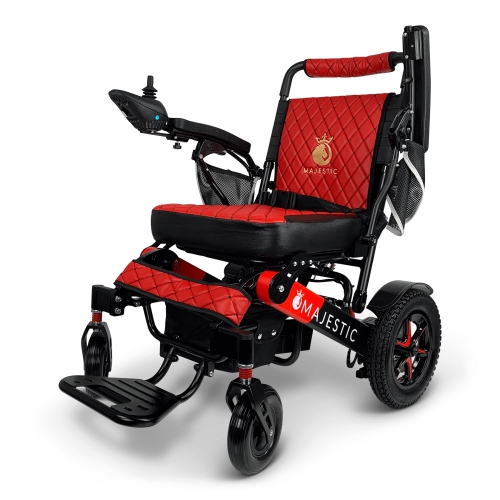
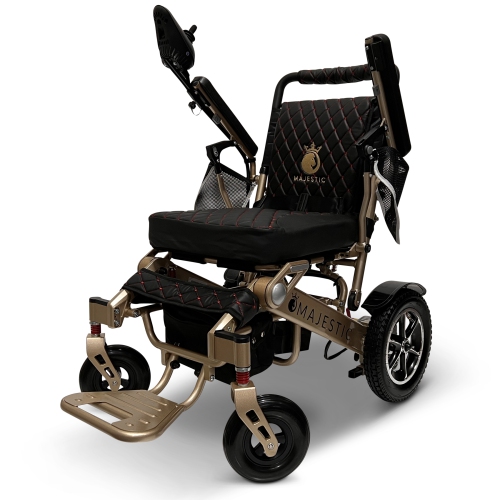
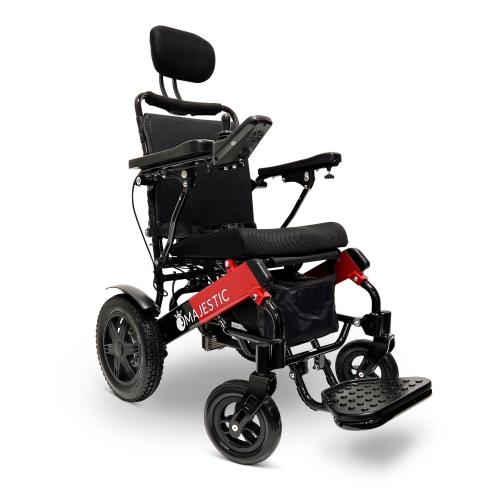
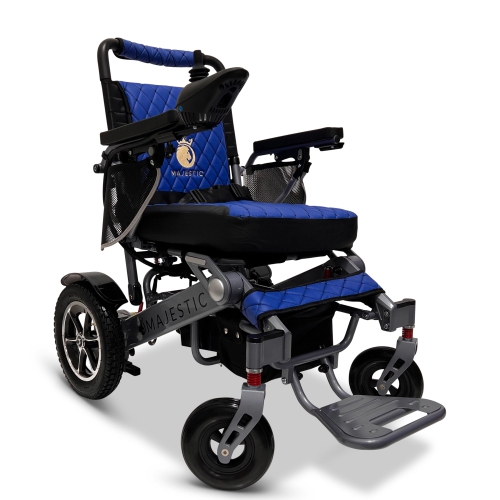

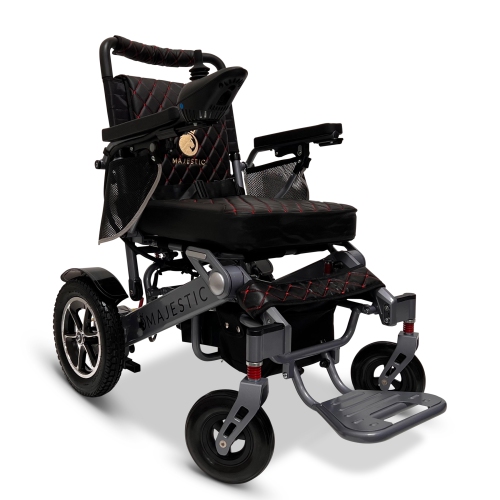
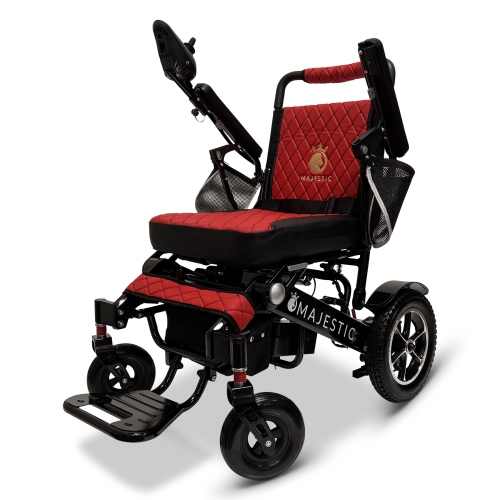
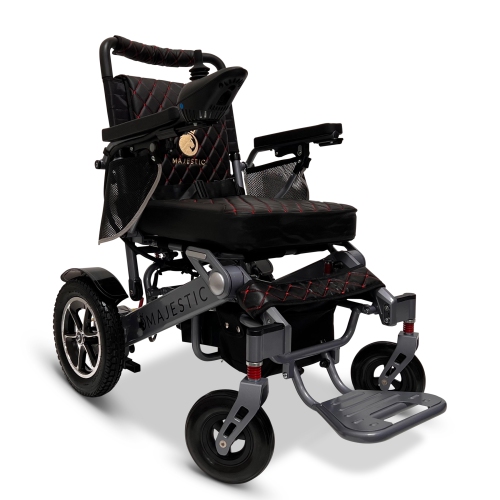
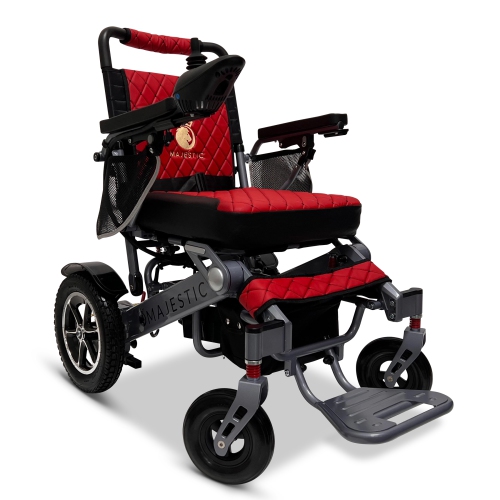
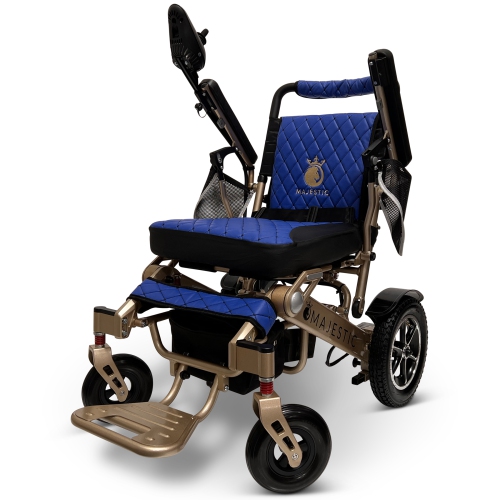
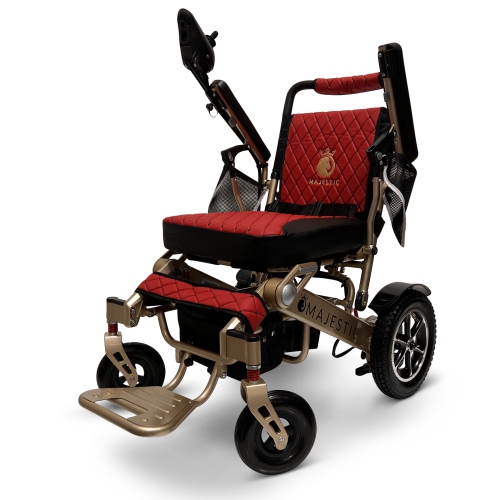
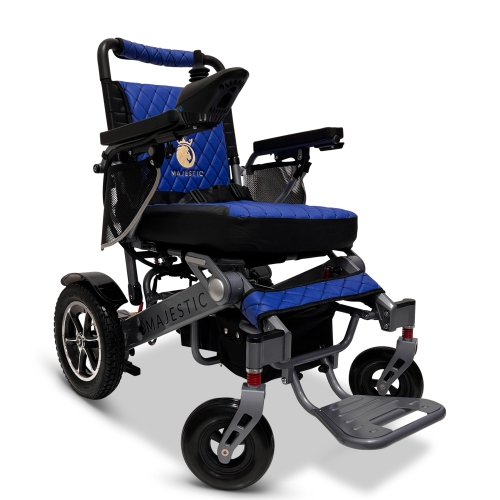
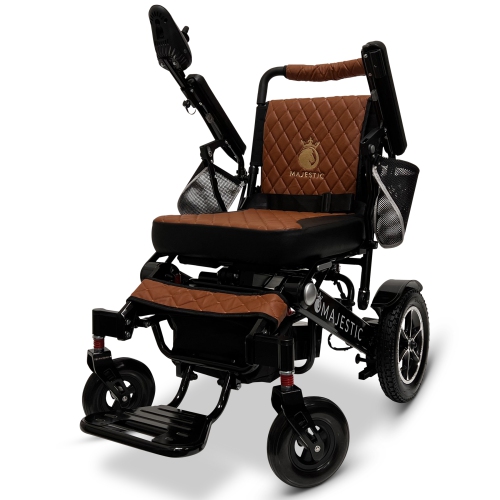
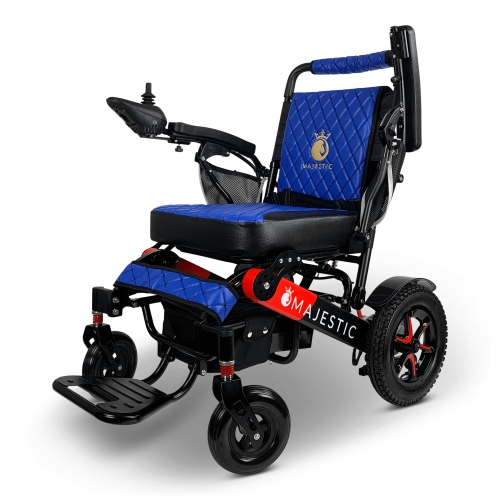
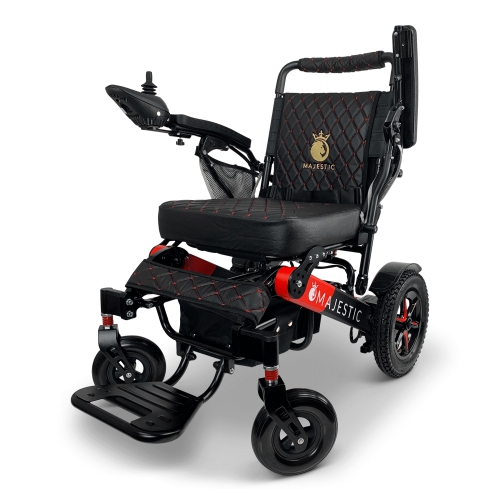
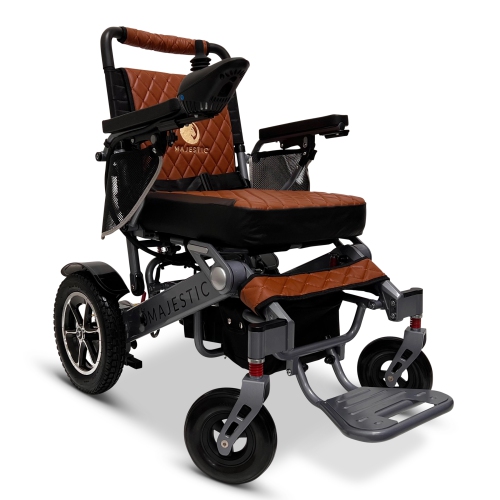
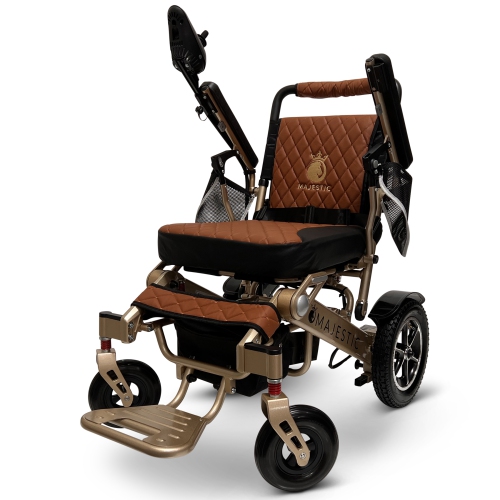
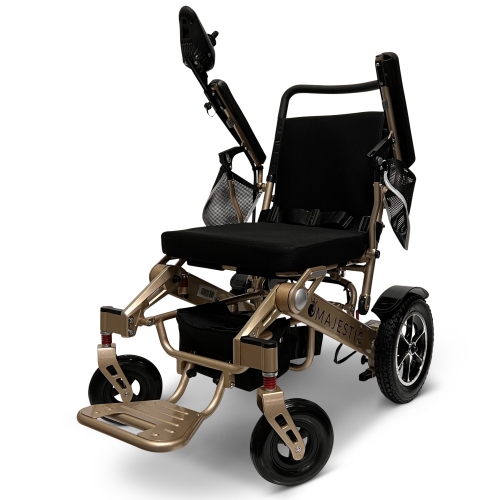
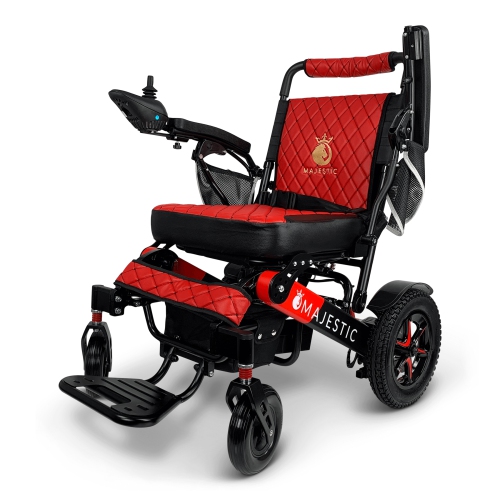
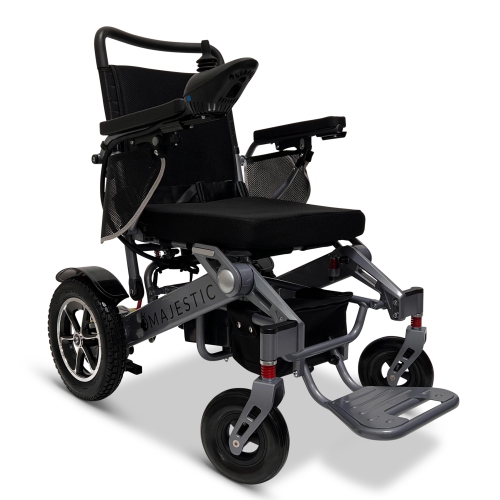
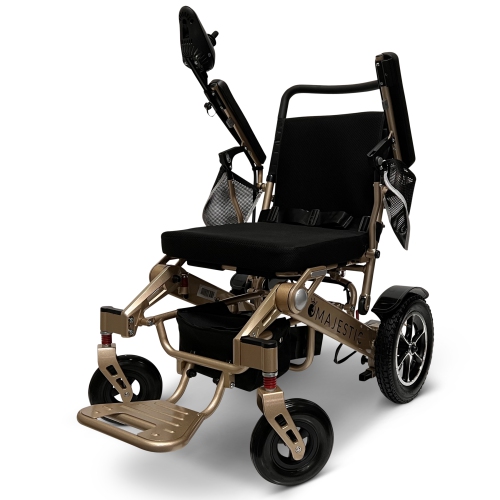
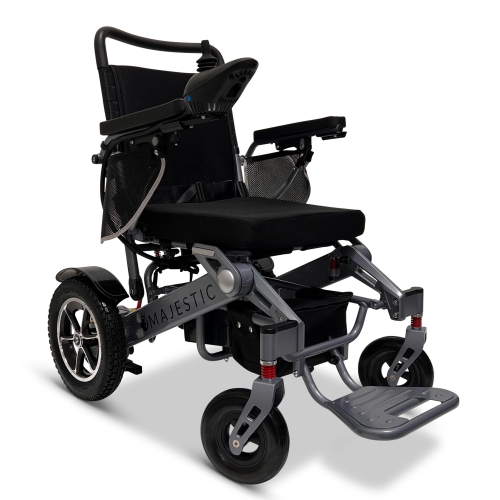
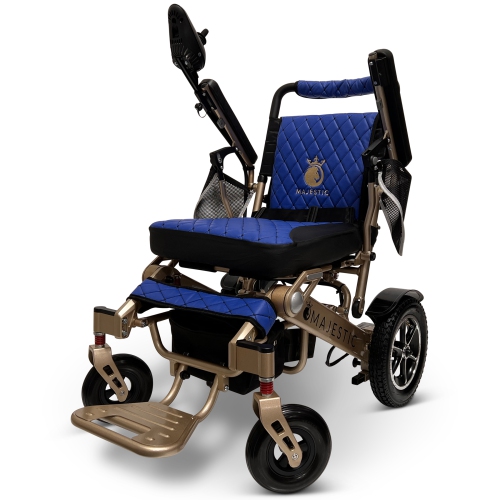
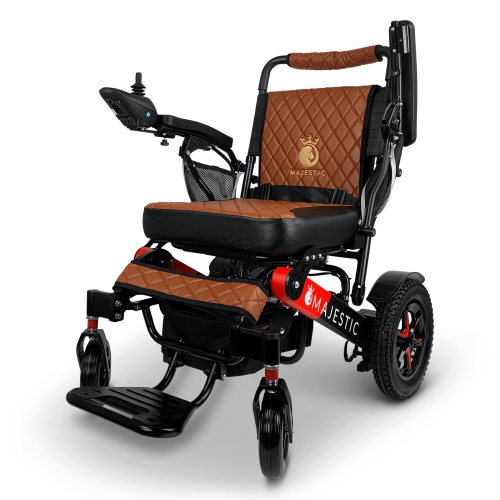
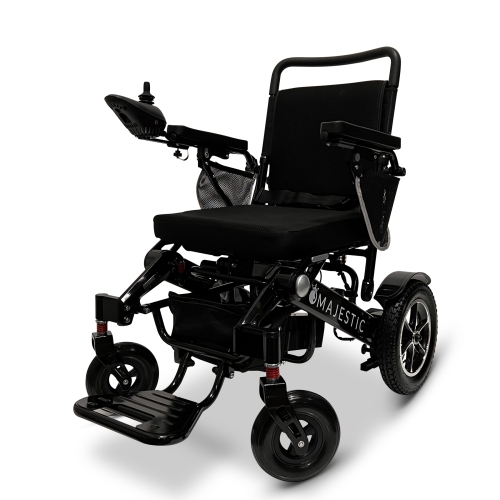


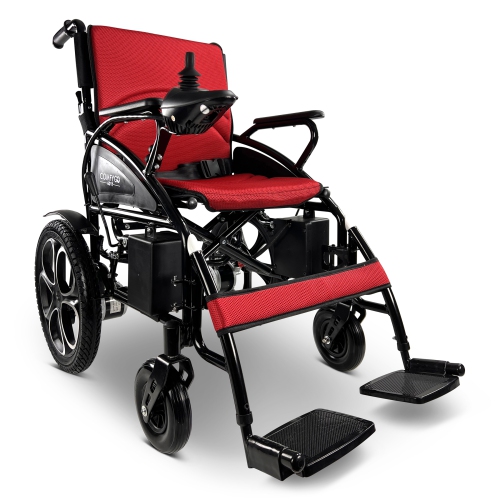

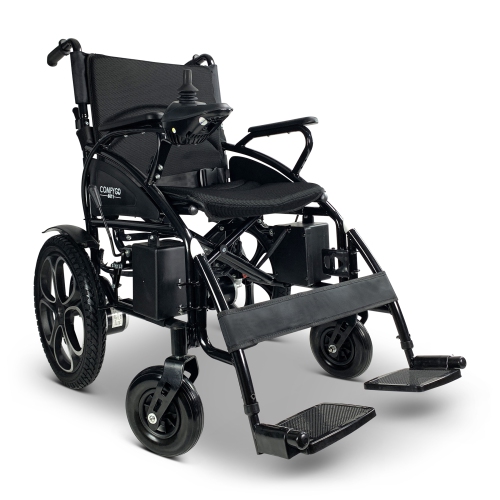
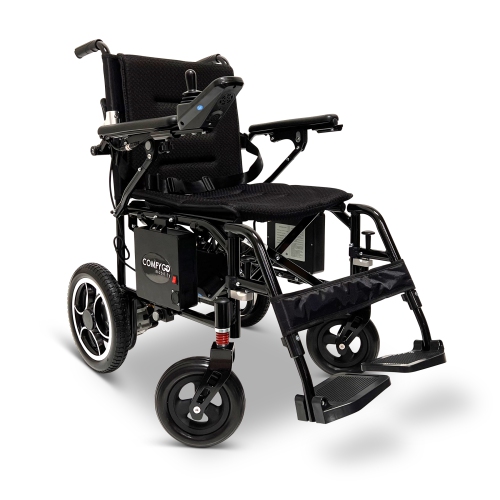
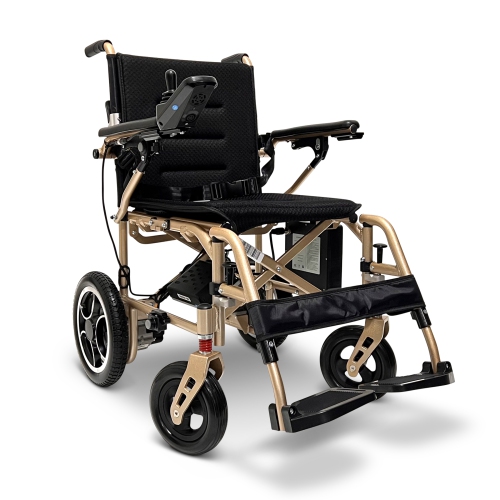
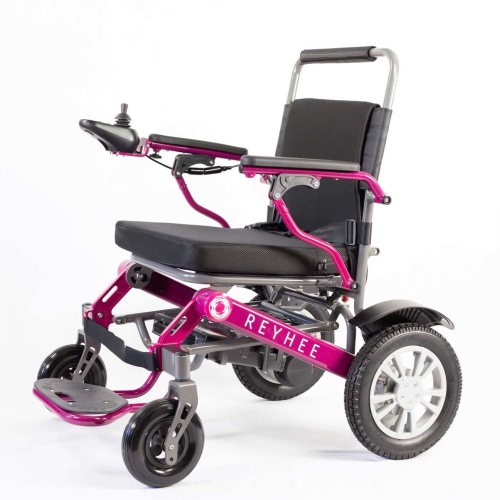
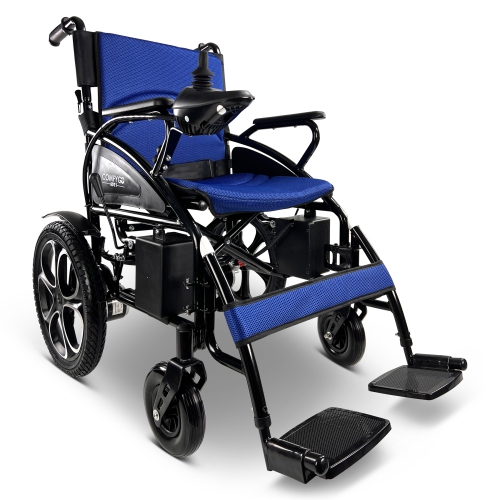
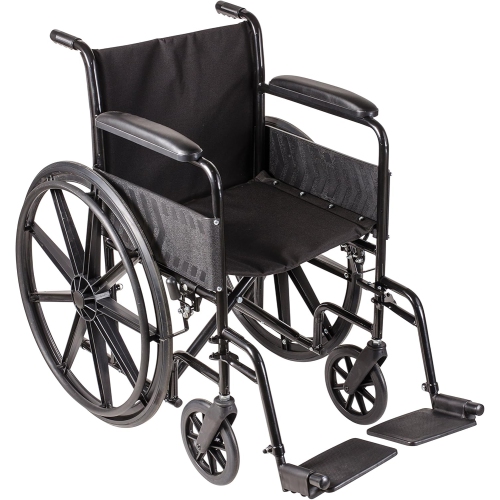
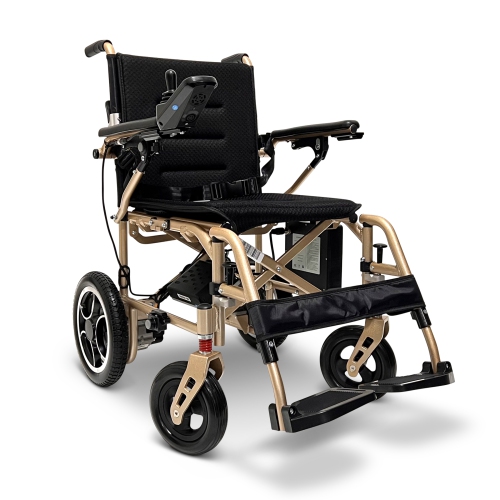

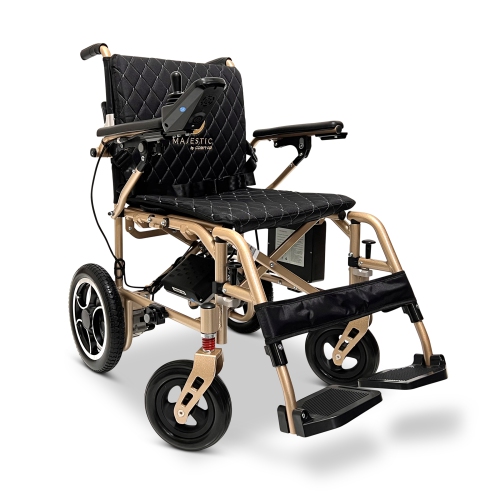

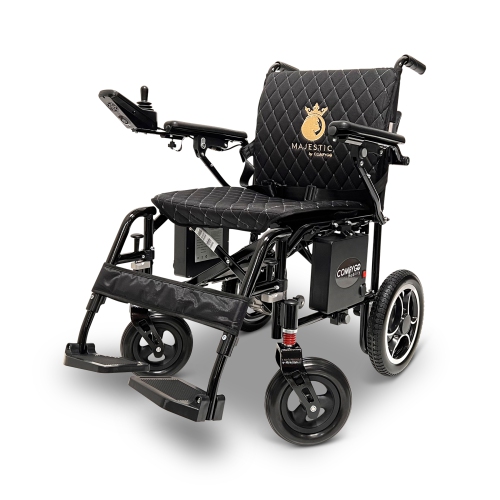
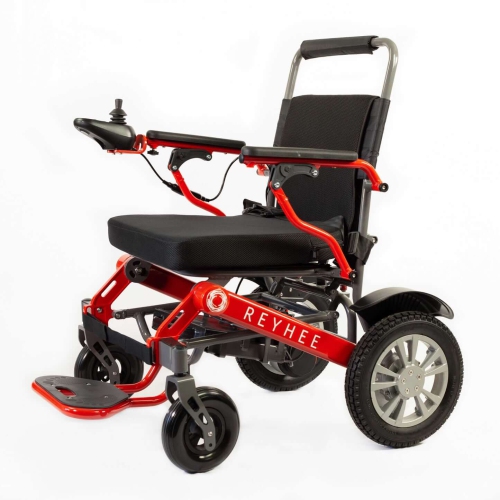


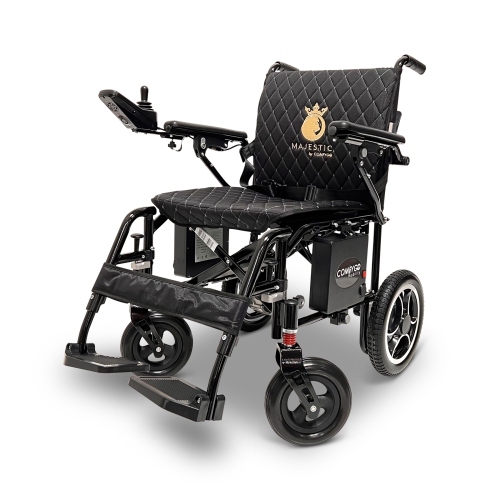


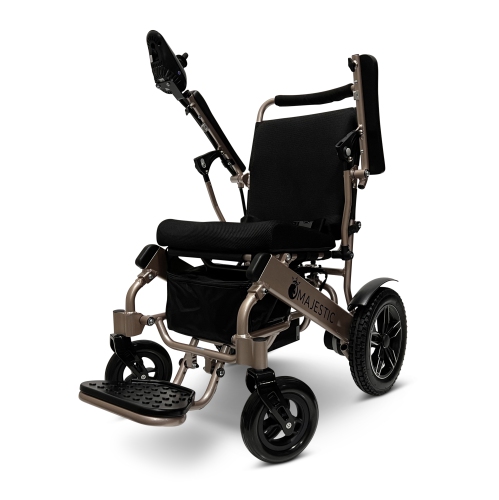
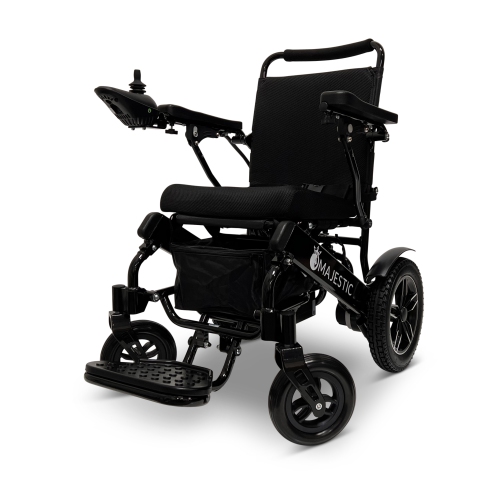
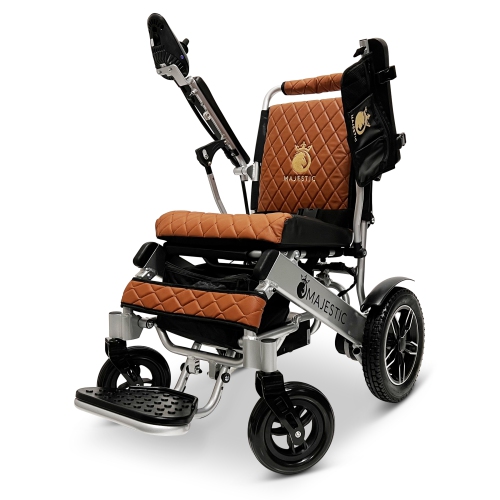
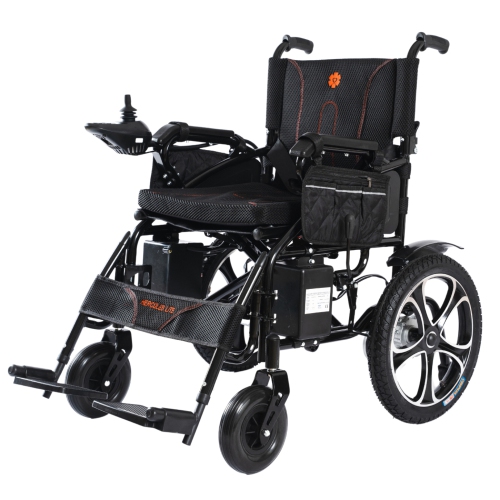
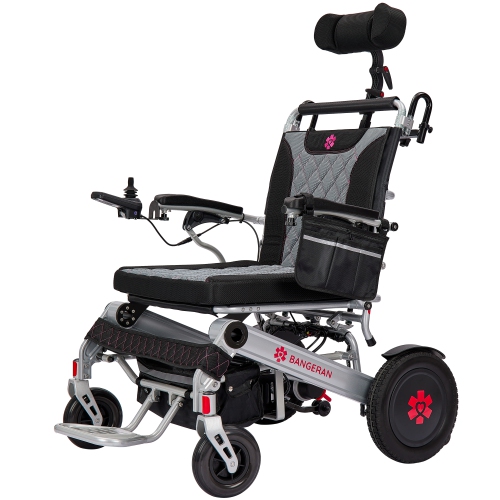
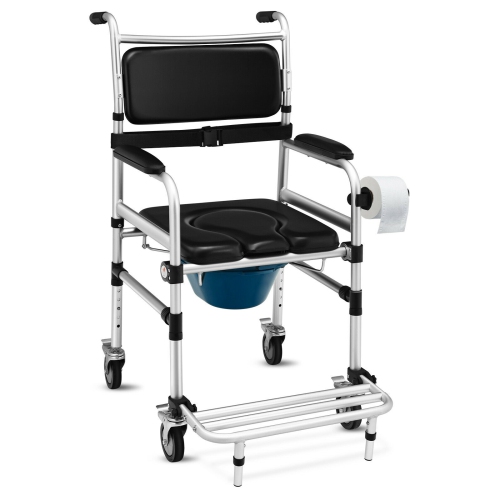
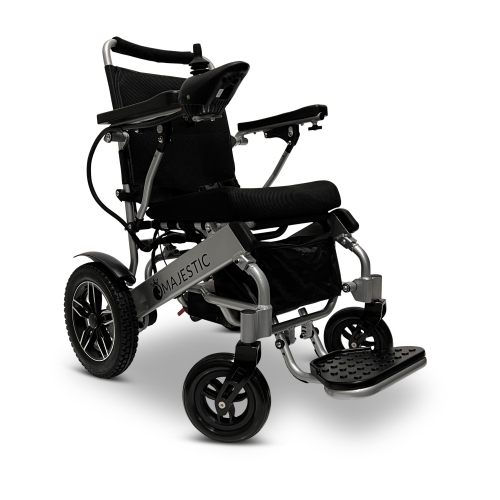

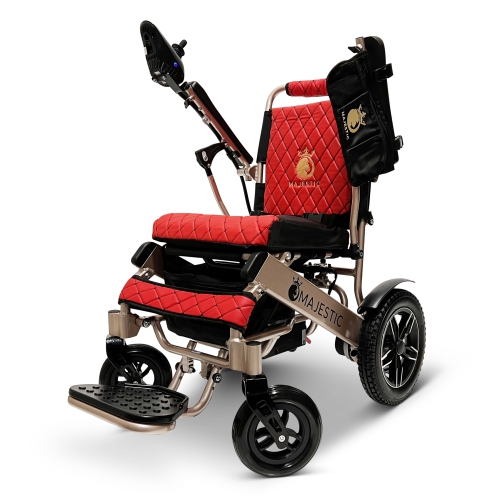
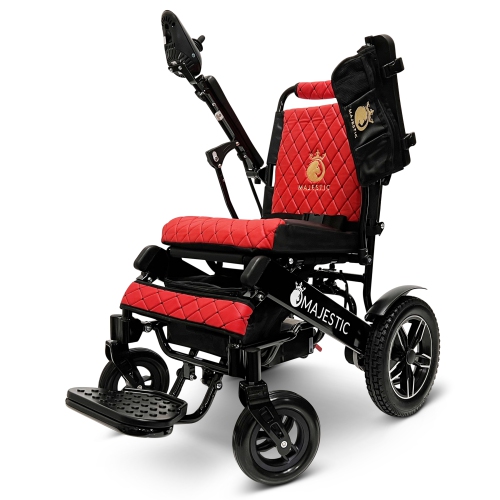
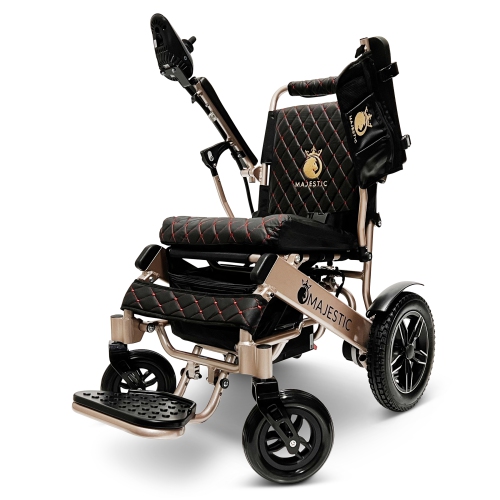
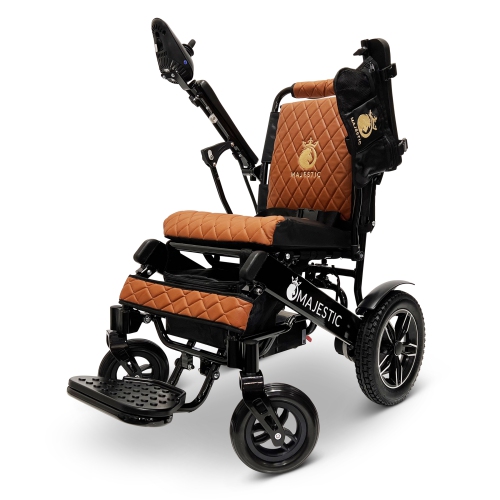
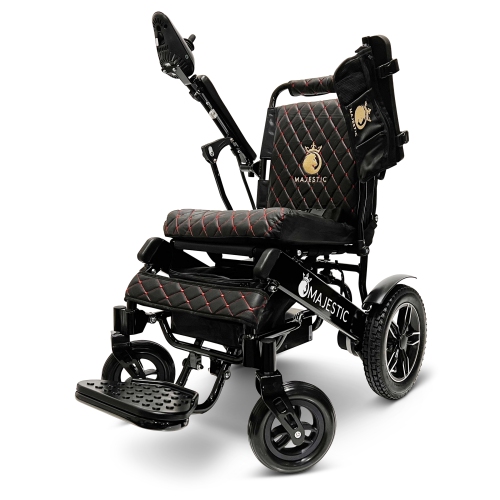
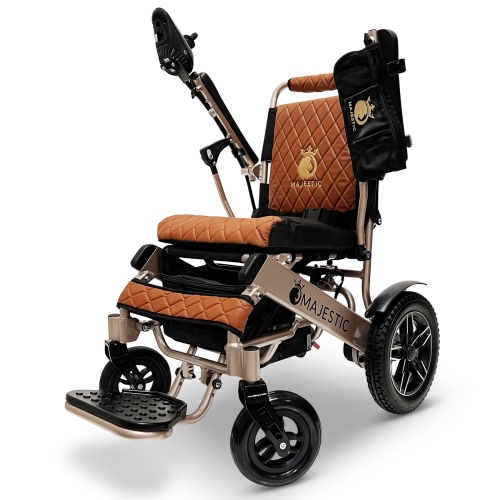
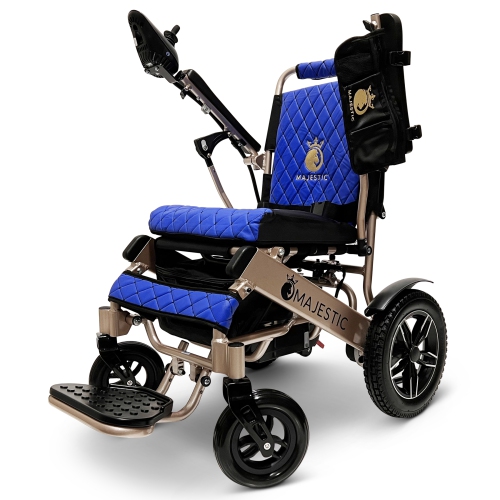
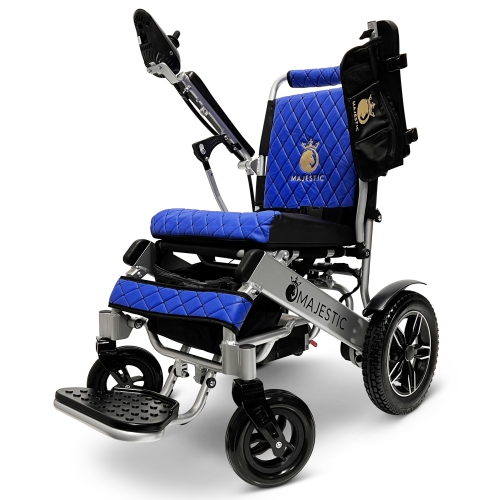
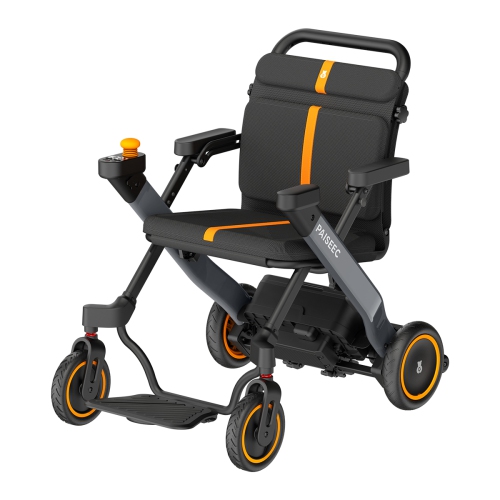
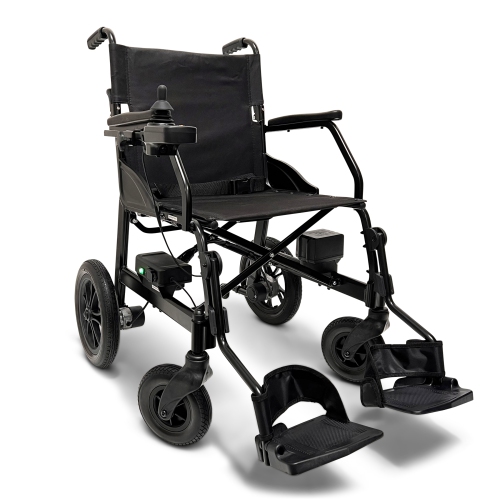
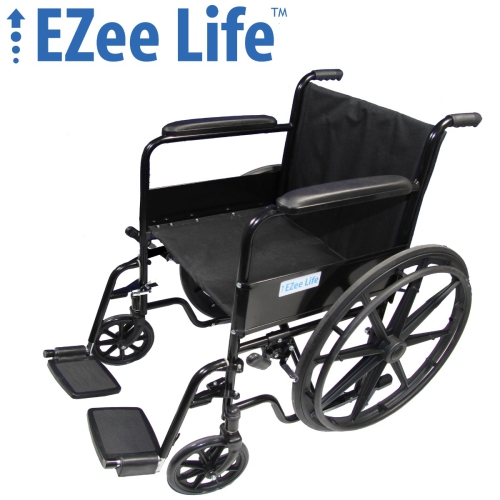
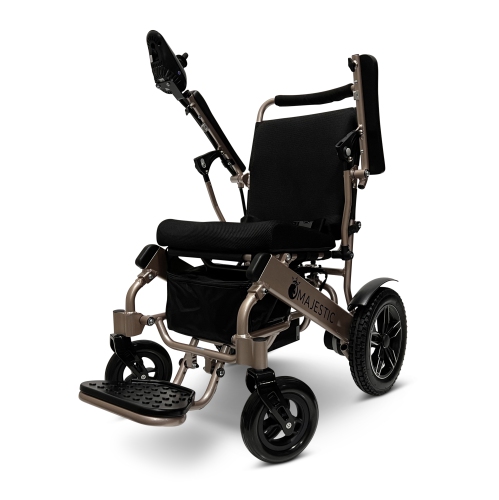

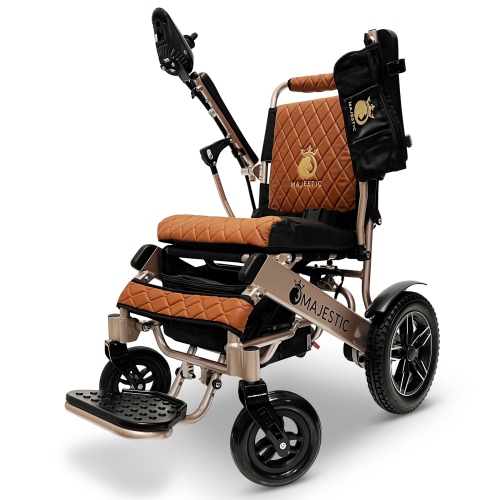
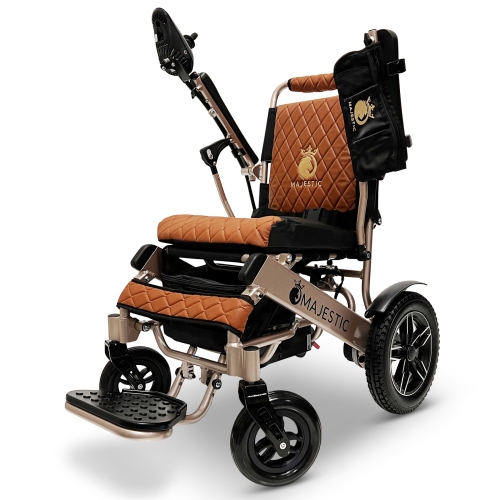
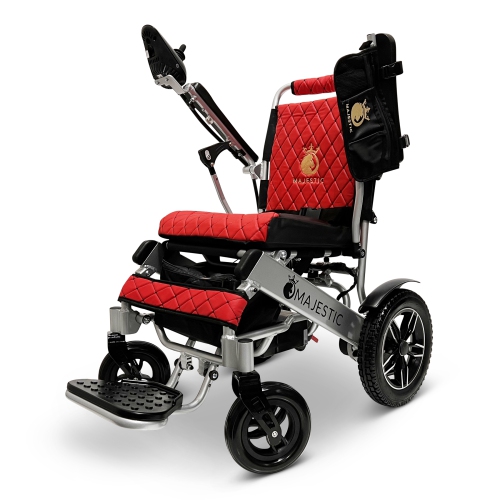
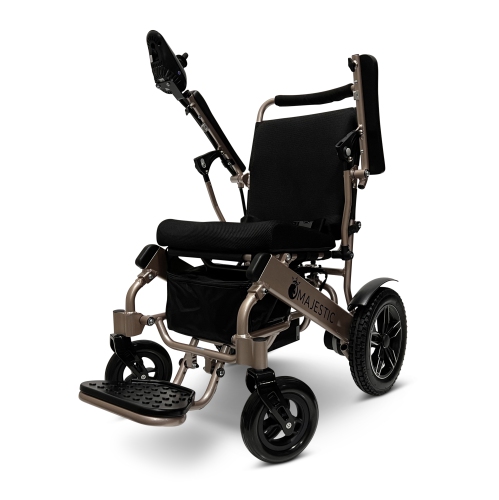
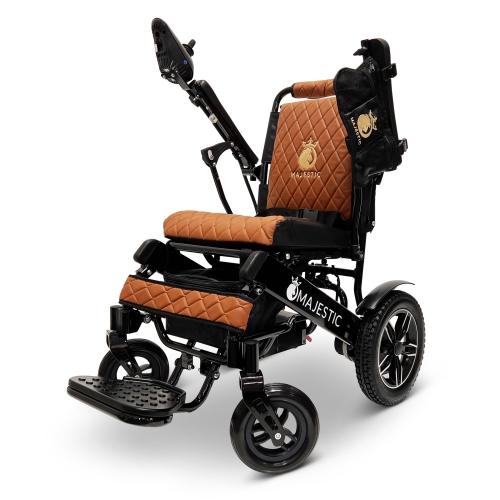
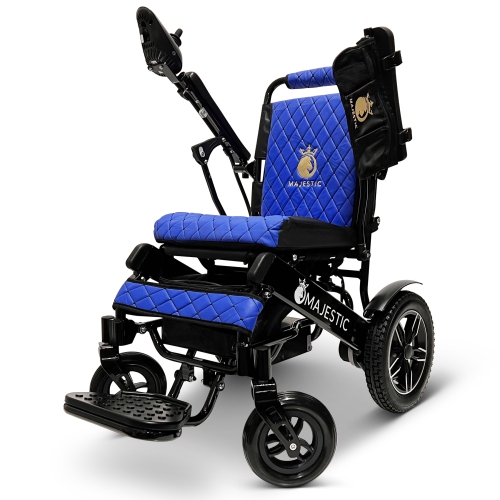
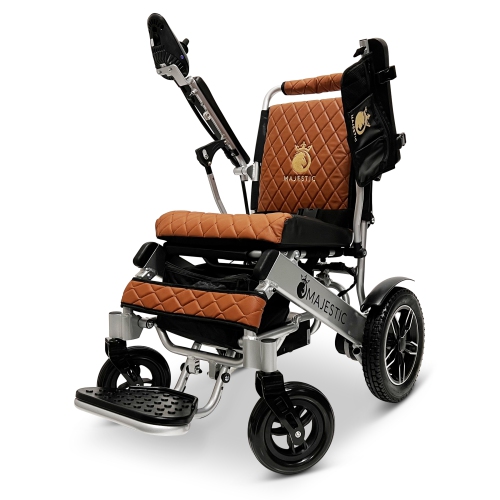
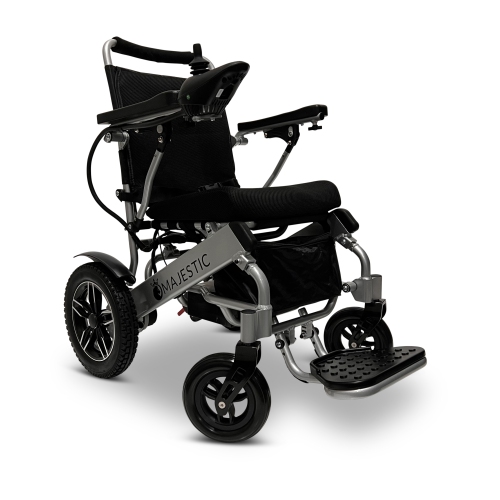
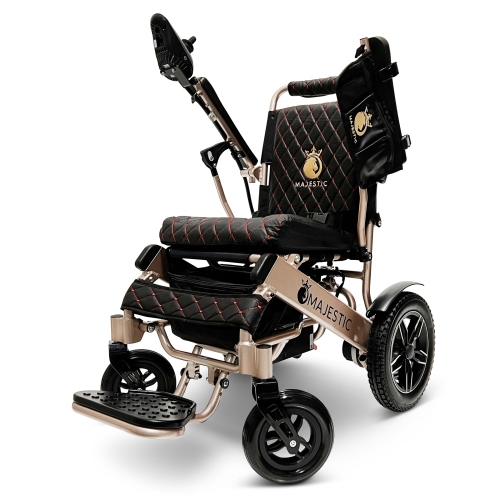
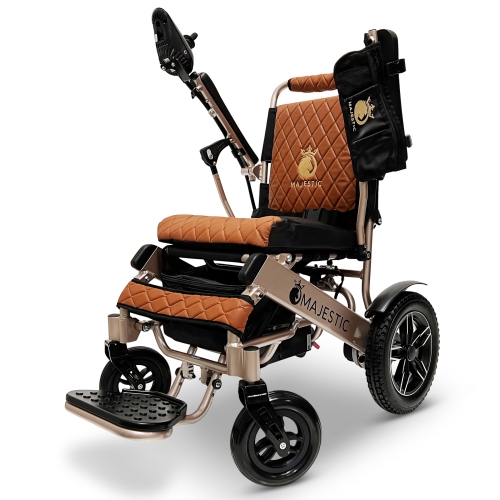
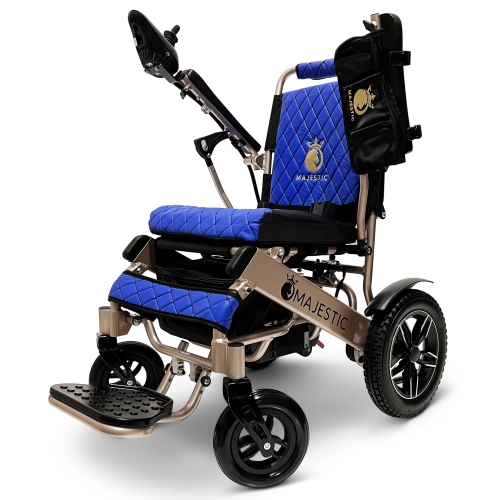
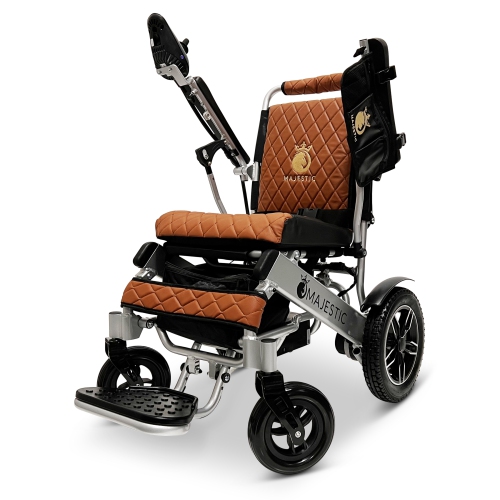
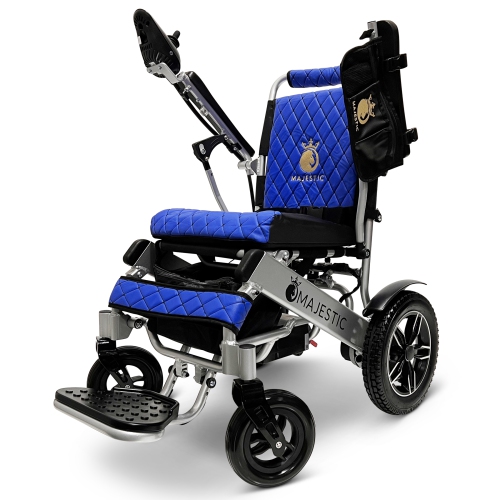
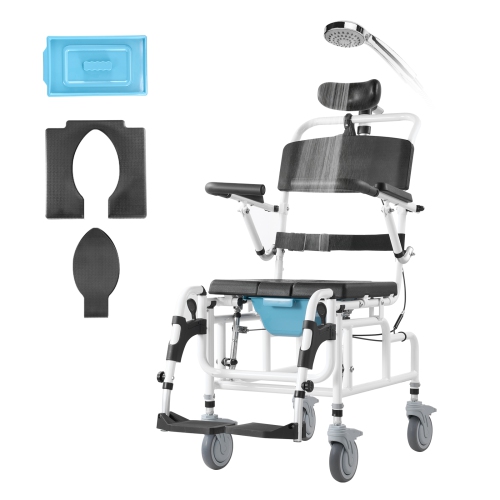
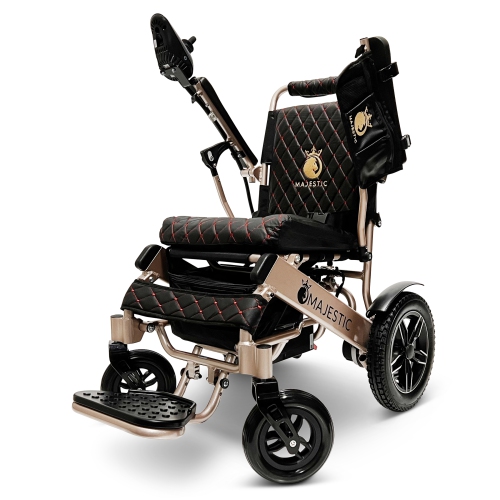
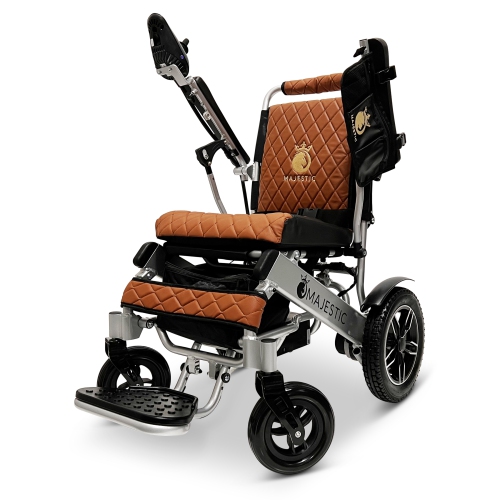
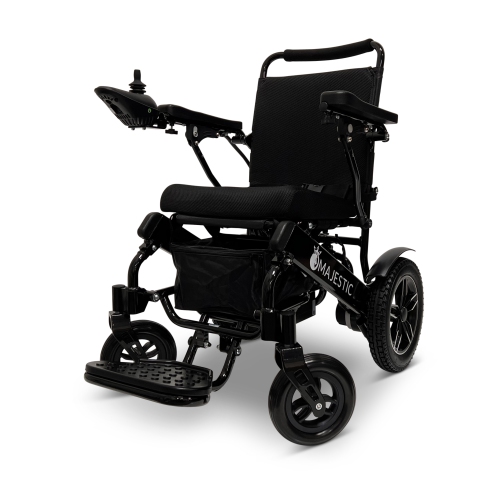

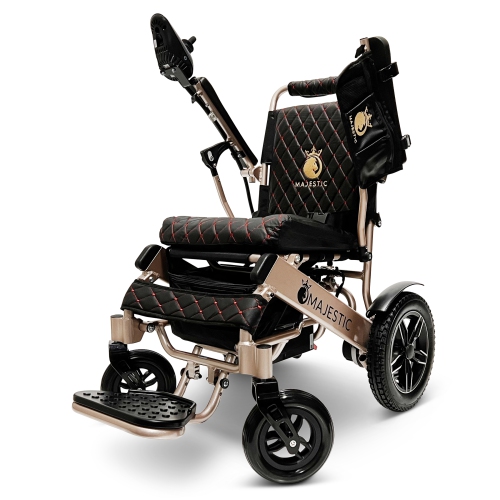
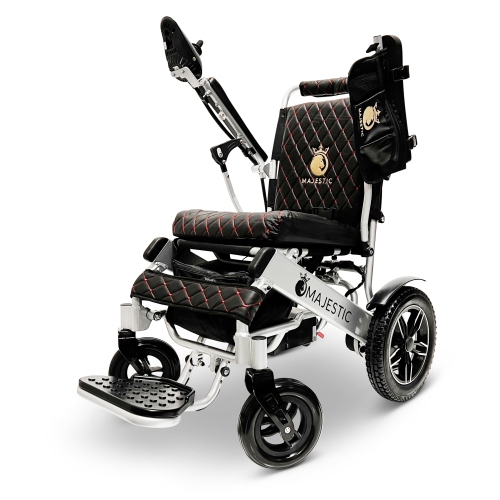
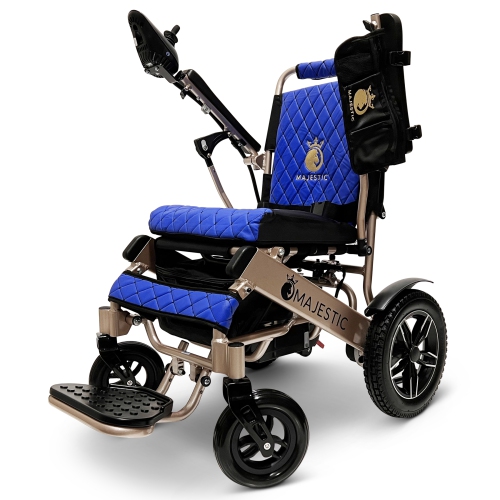
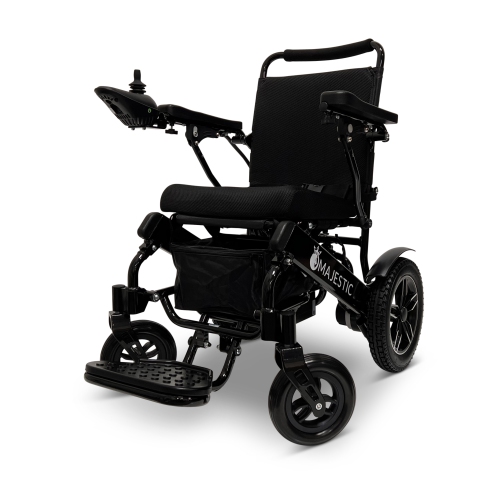
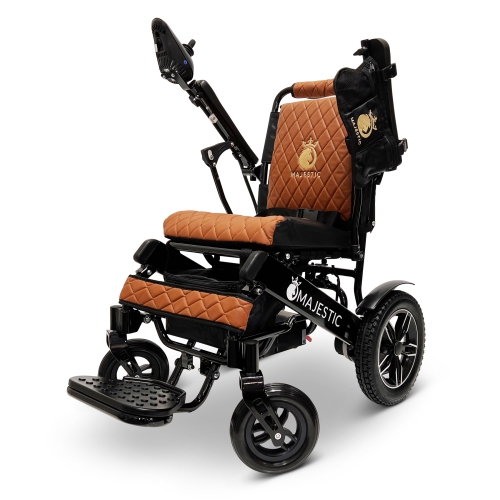
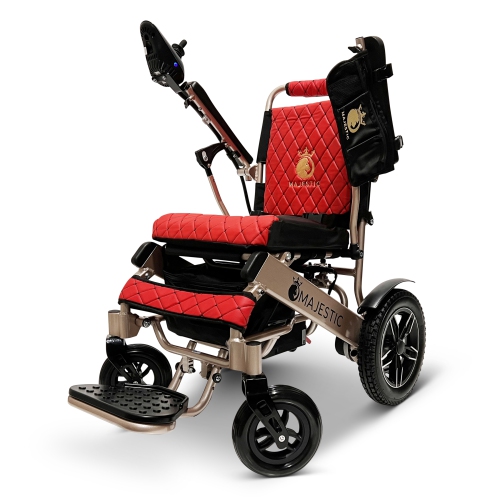
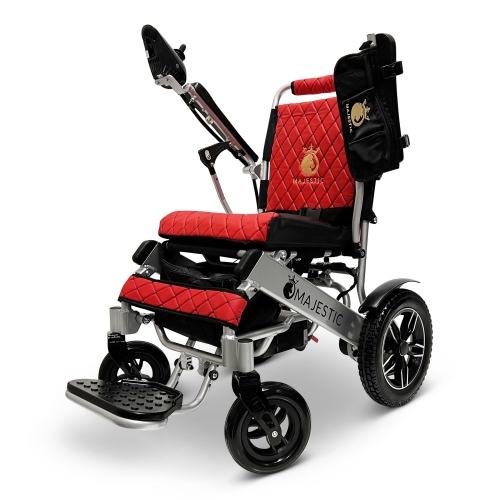



How wheelchair fit and features support daily mobility
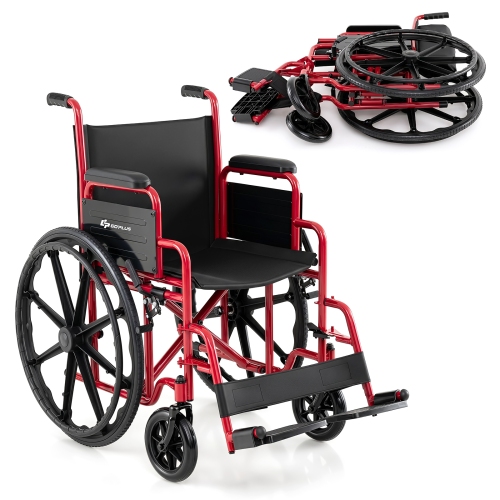
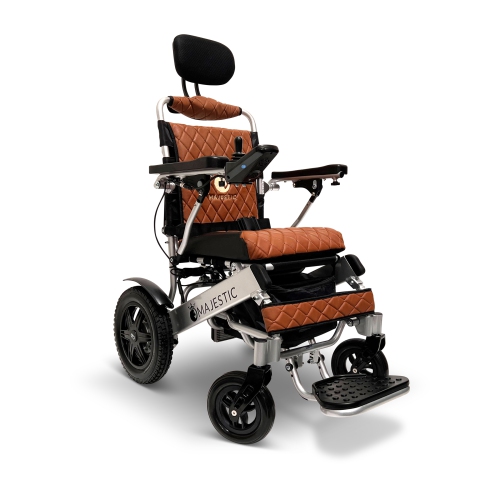
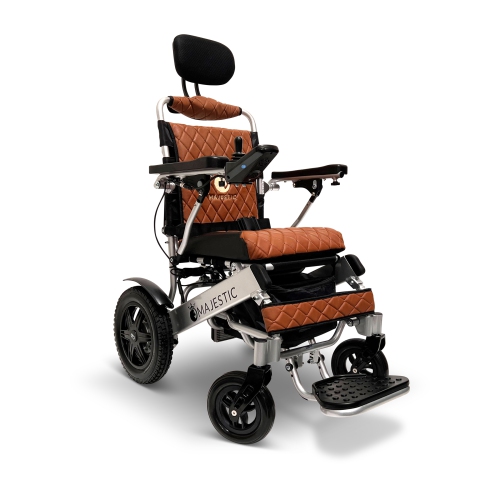
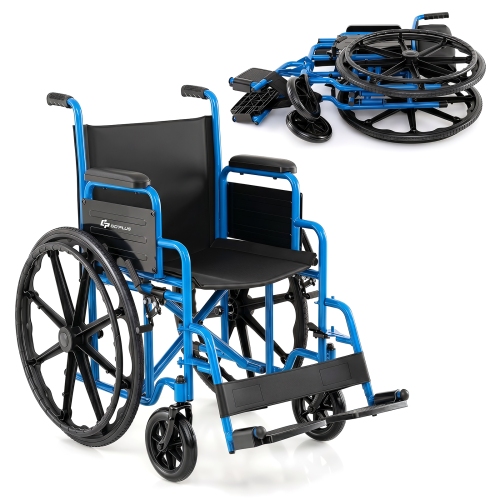
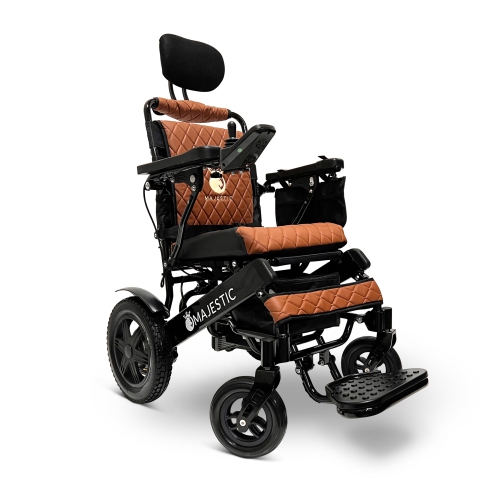
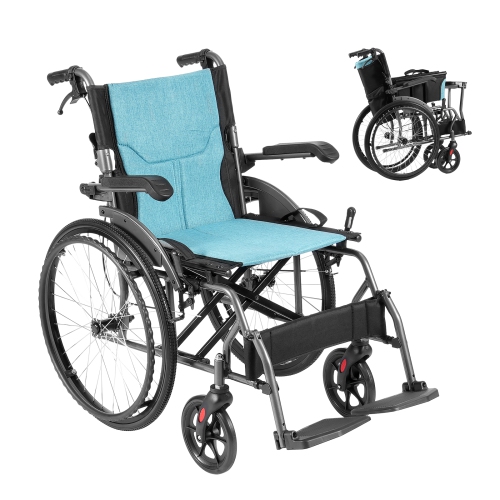
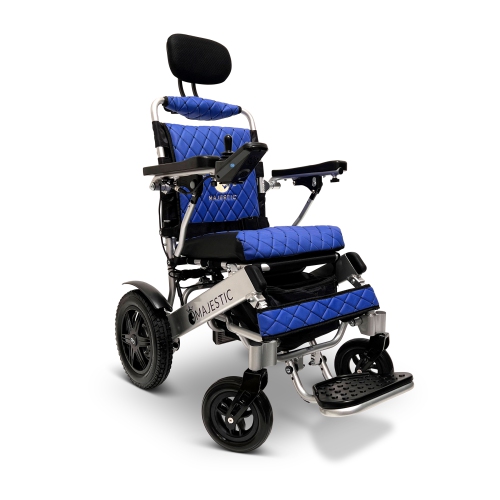
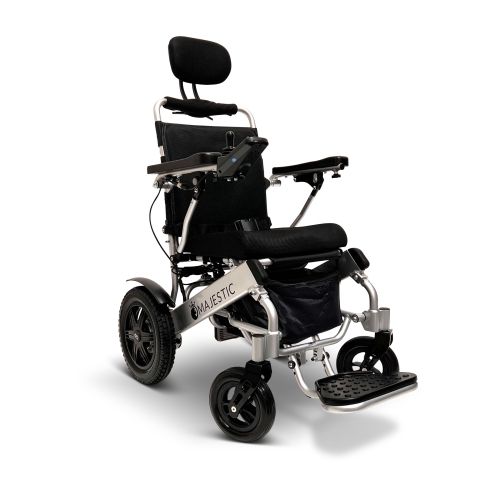
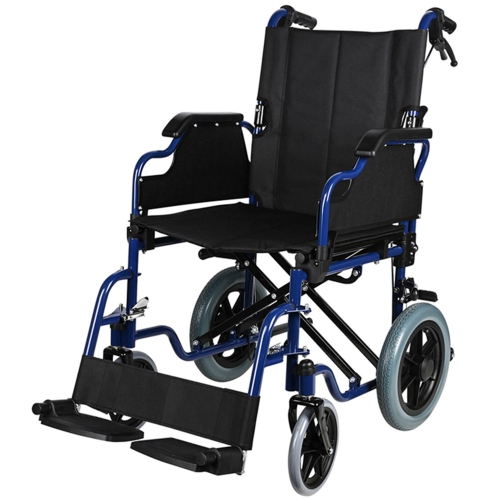
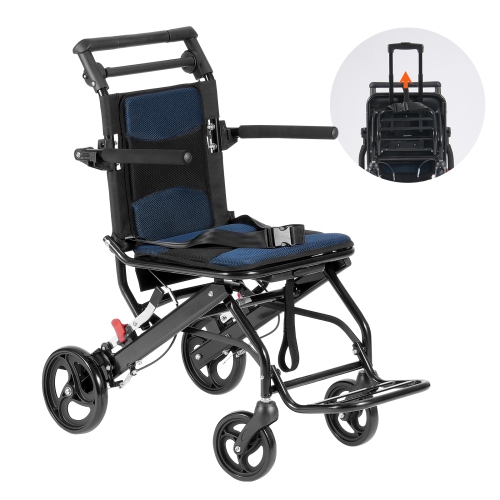
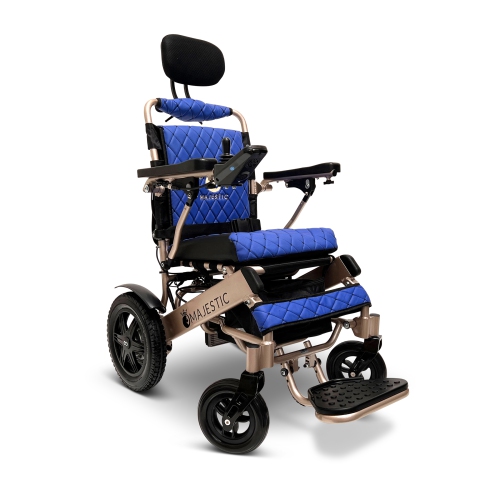
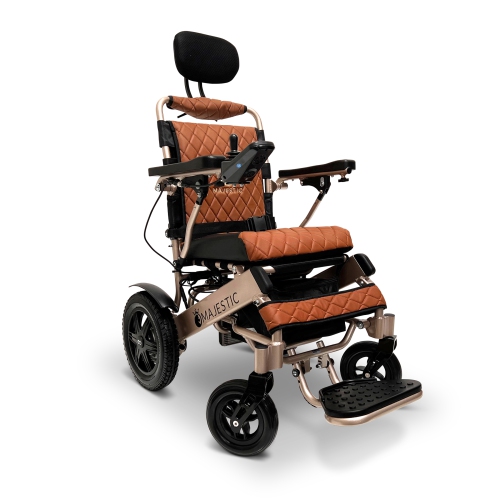
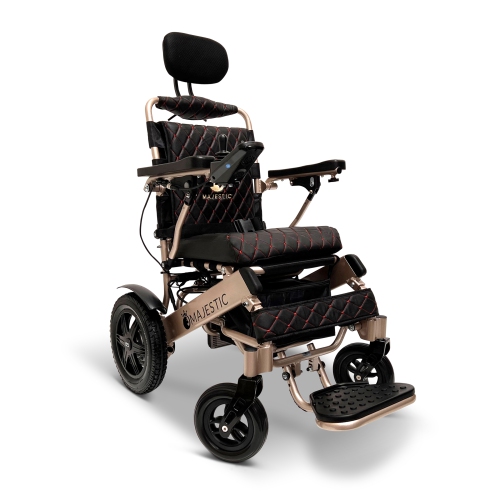
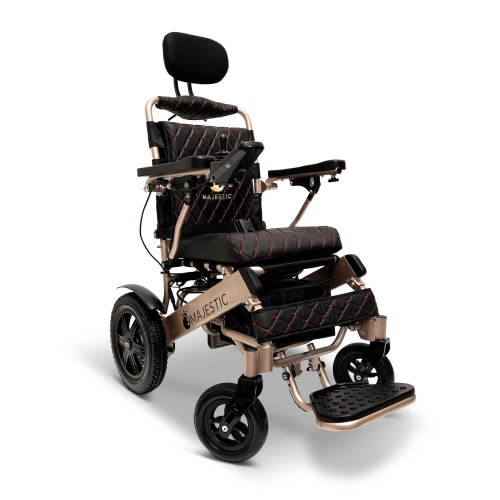
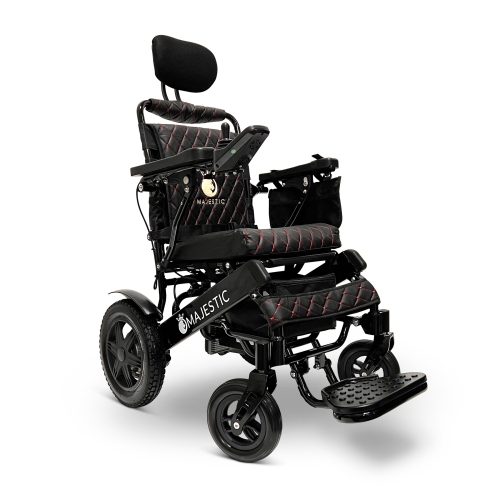
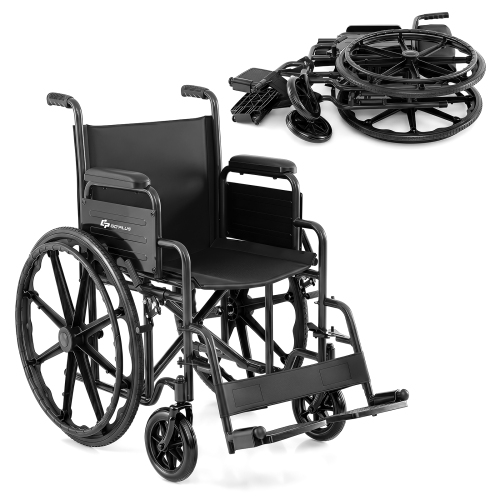
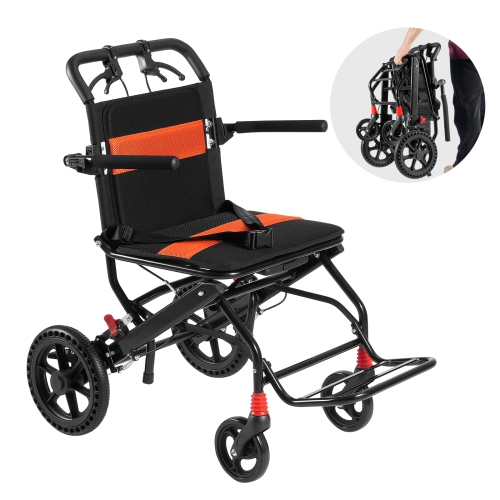
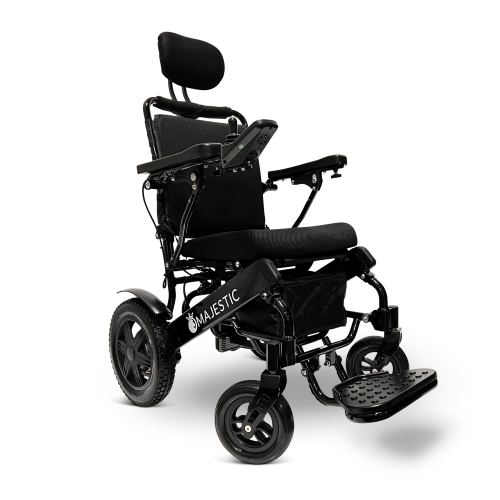
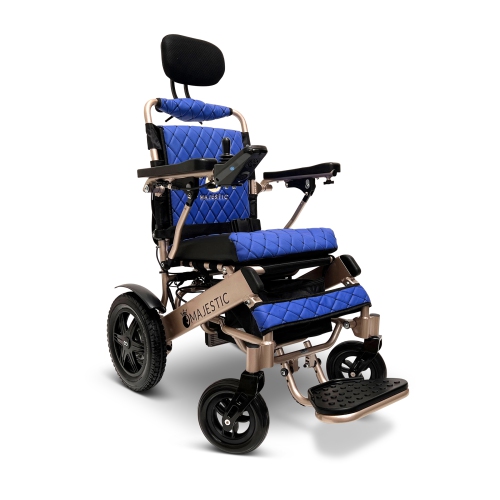
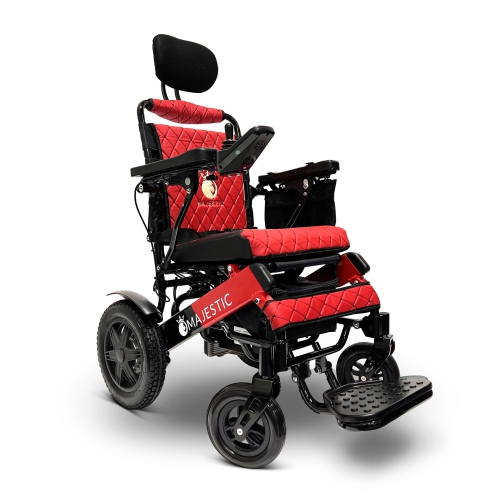
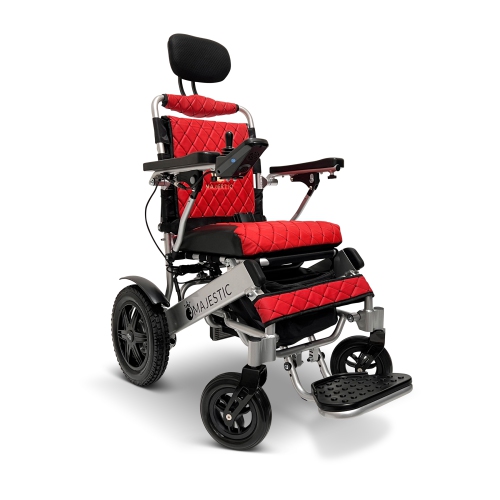
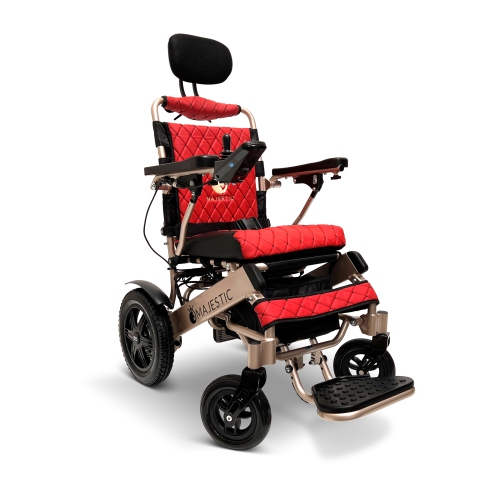
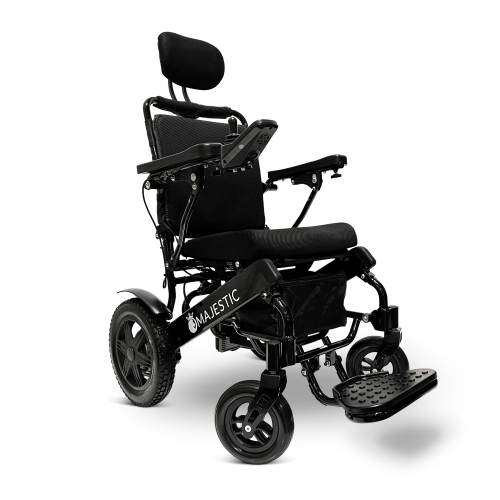
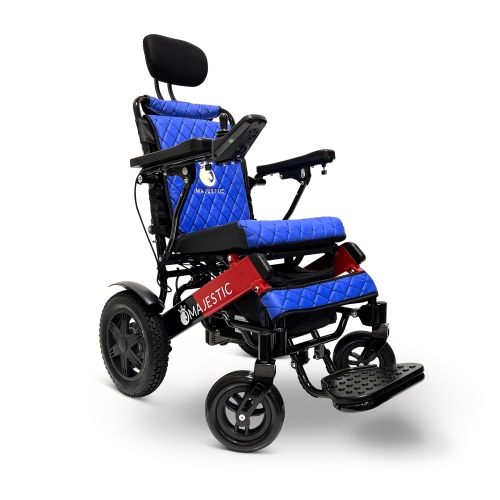
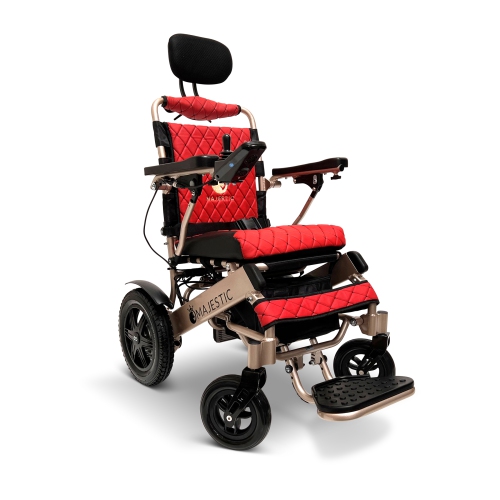
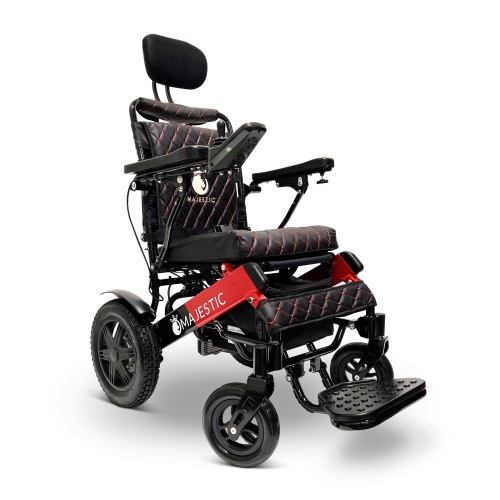
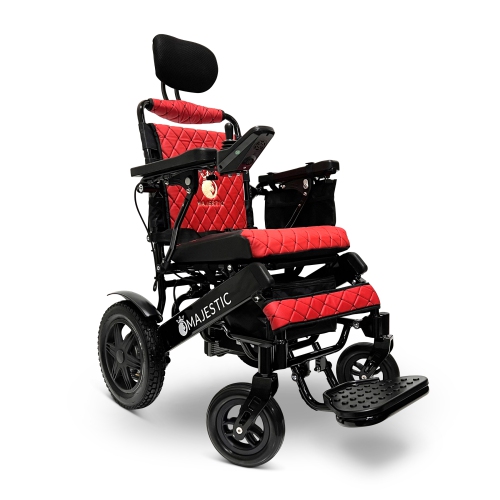
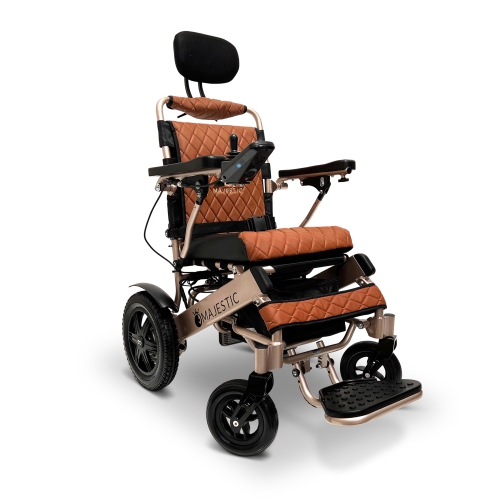
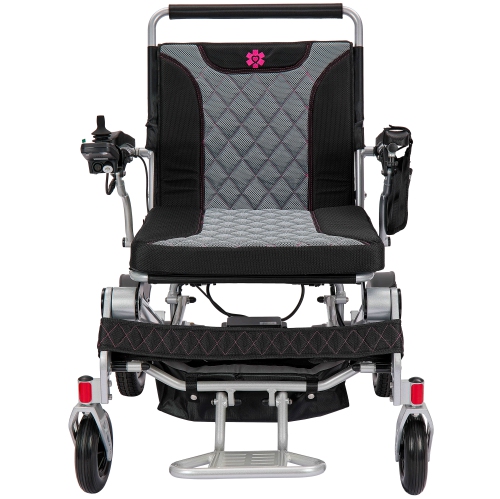
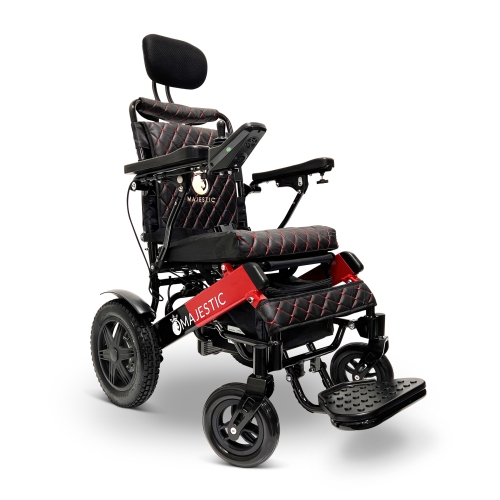
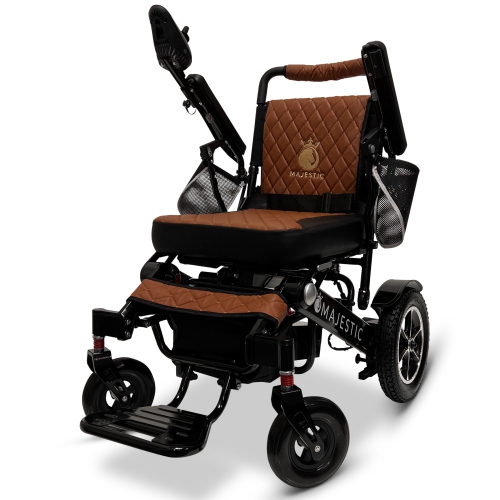
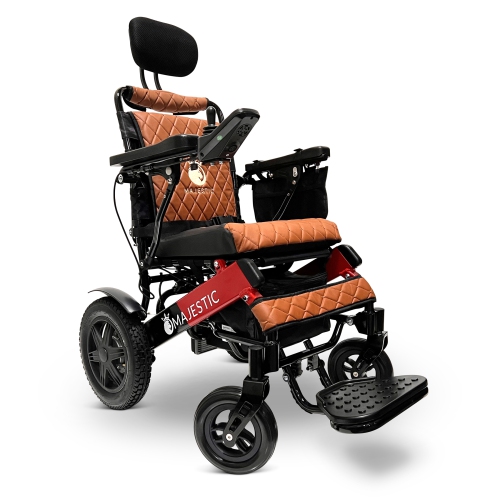
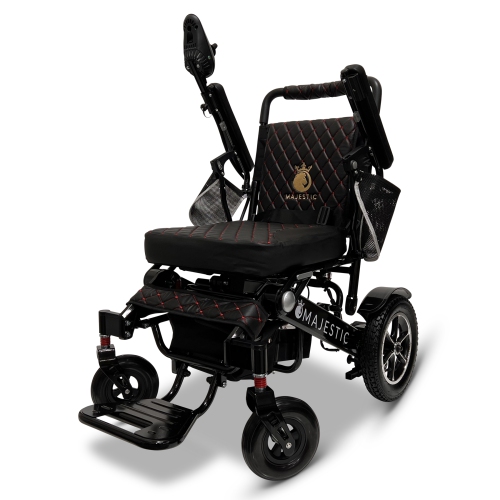
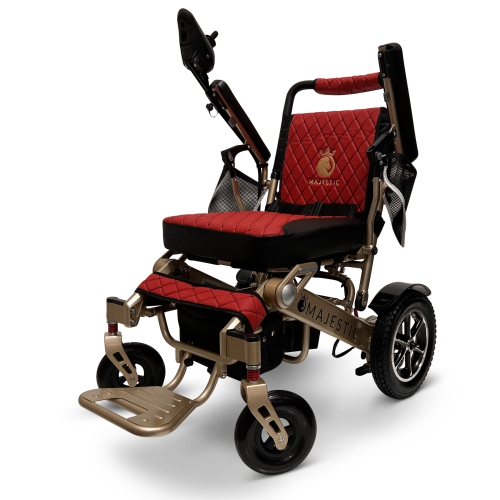
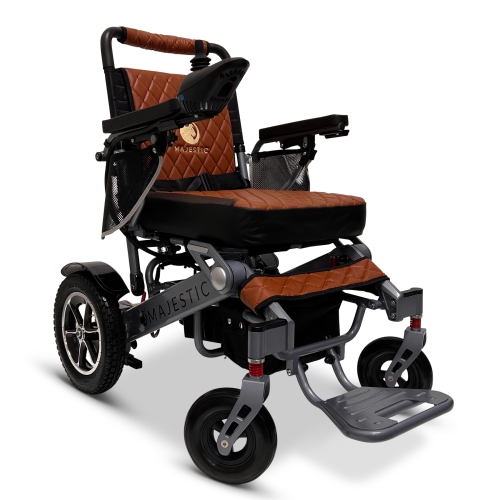
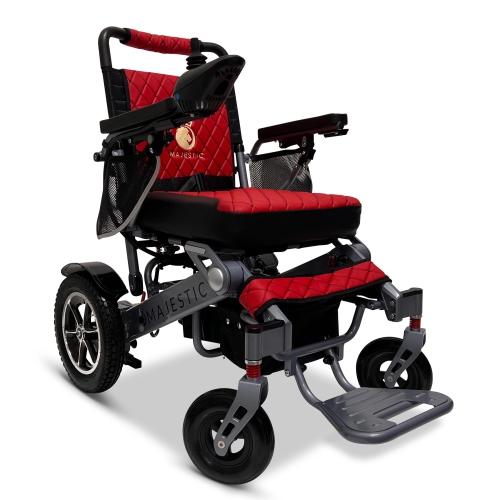
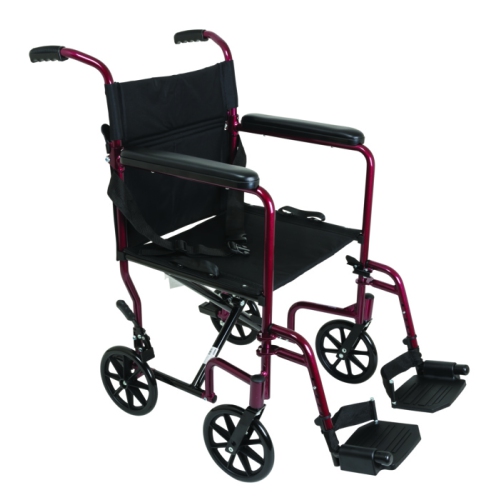
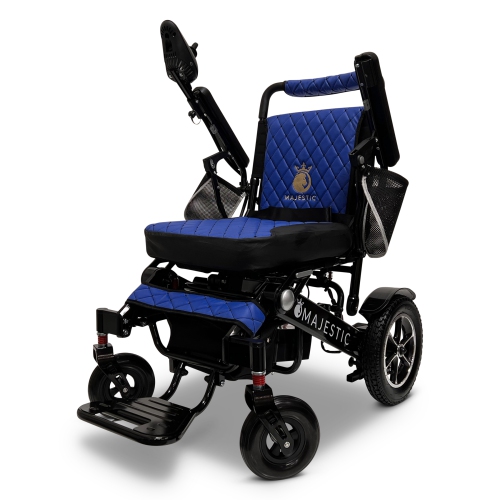
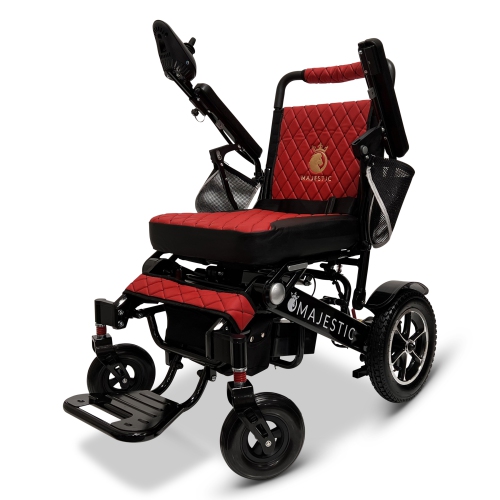
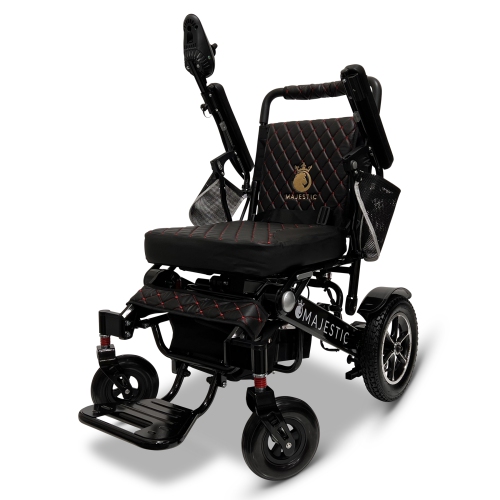
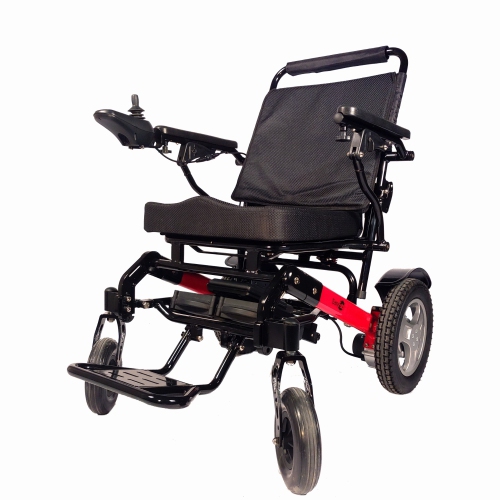
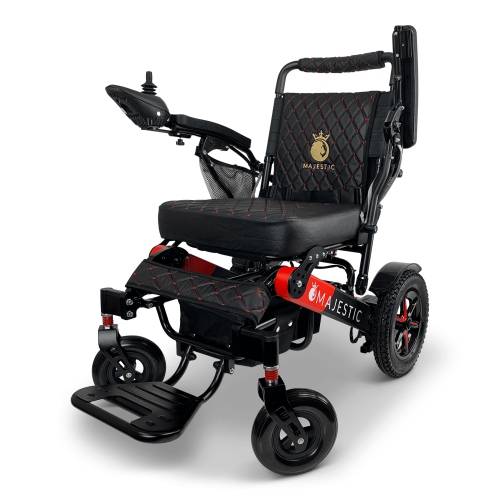
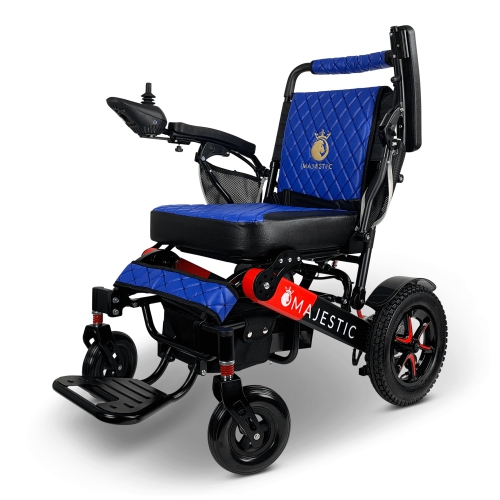
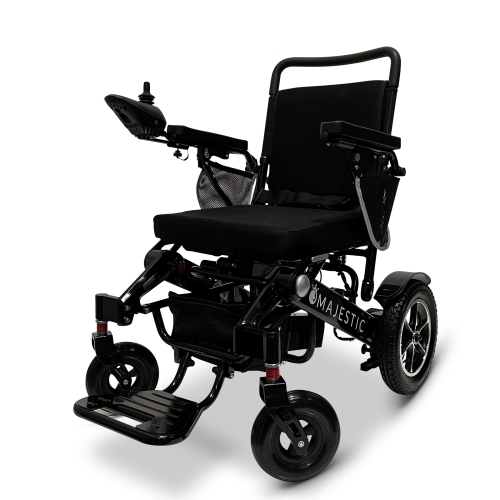
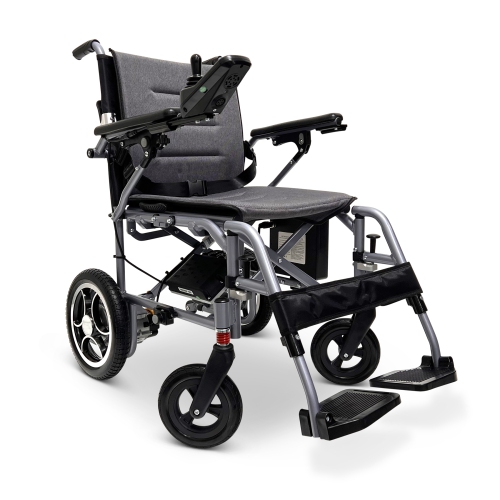
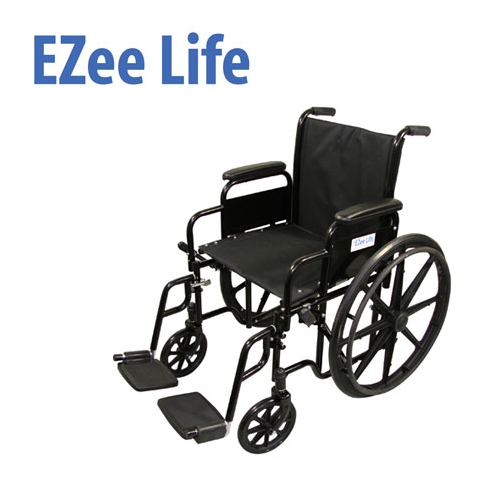
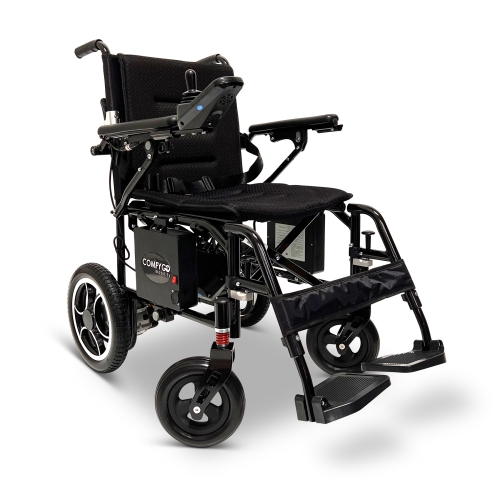
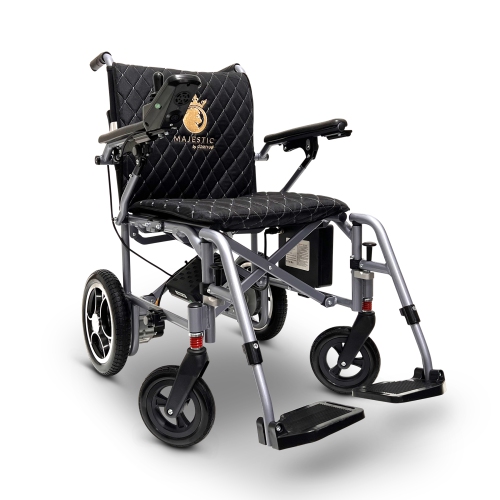
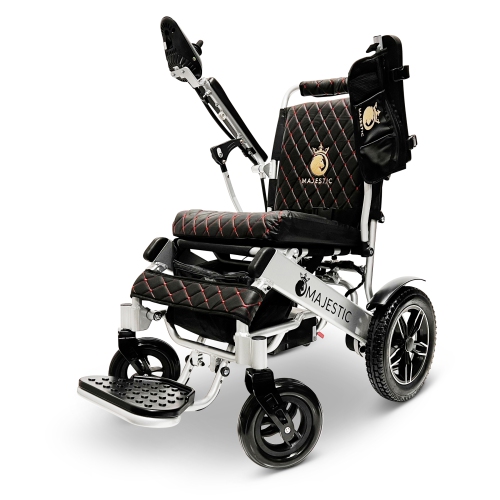
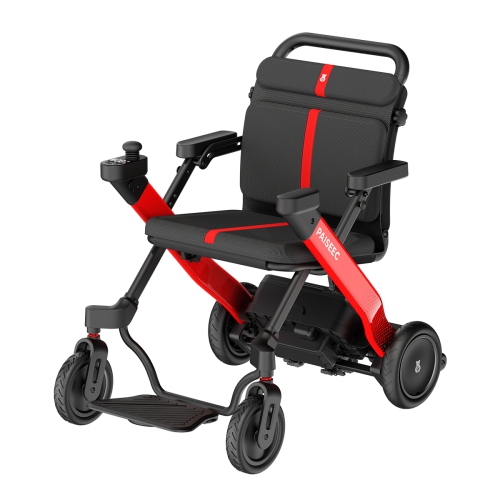
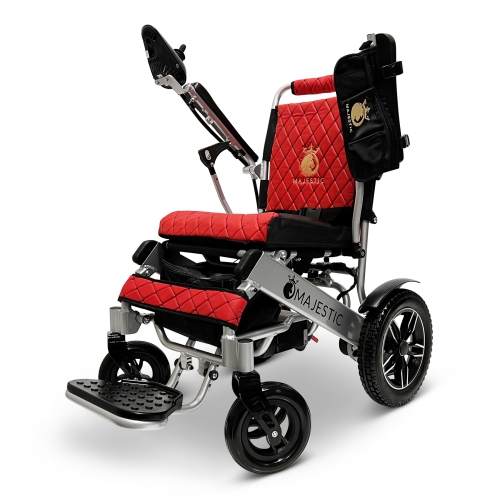
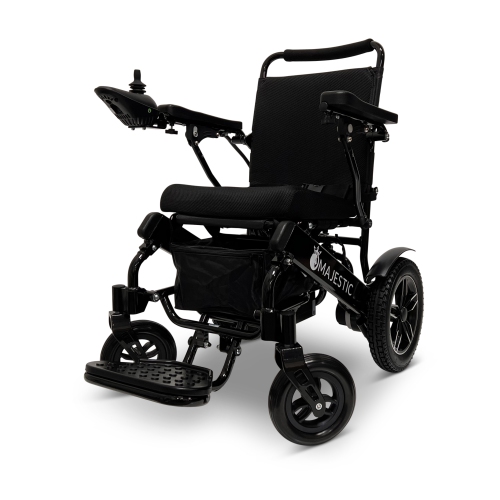
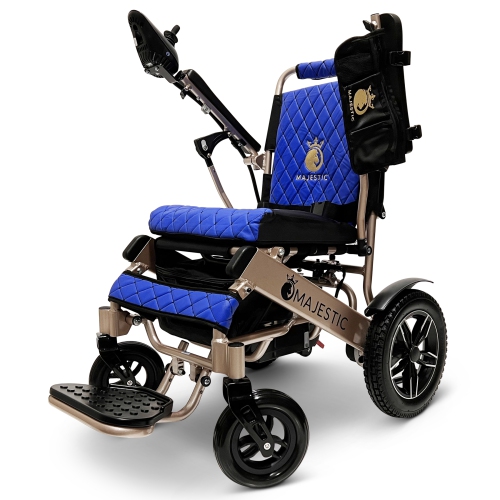
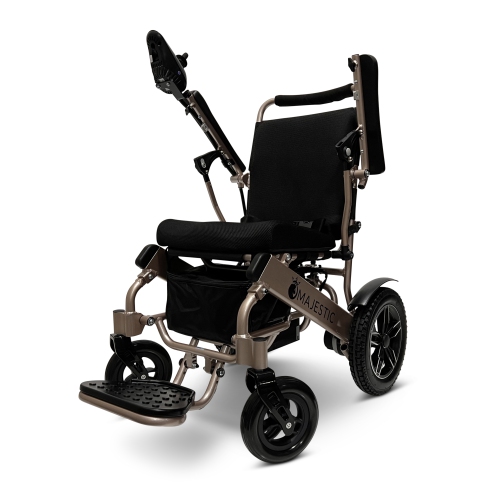
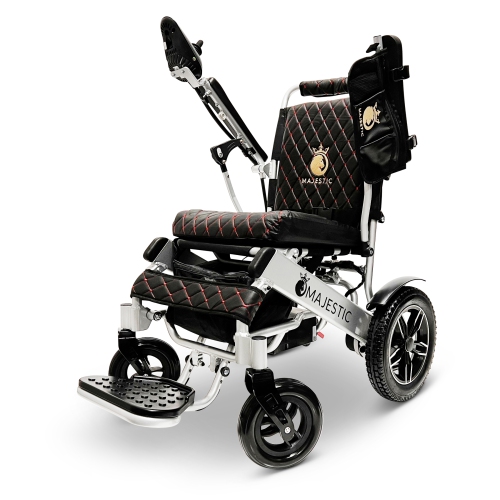
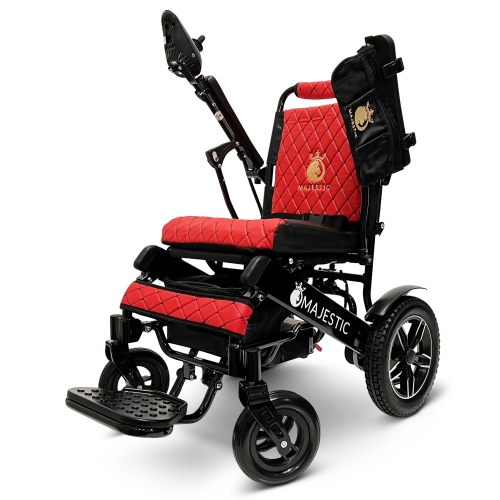
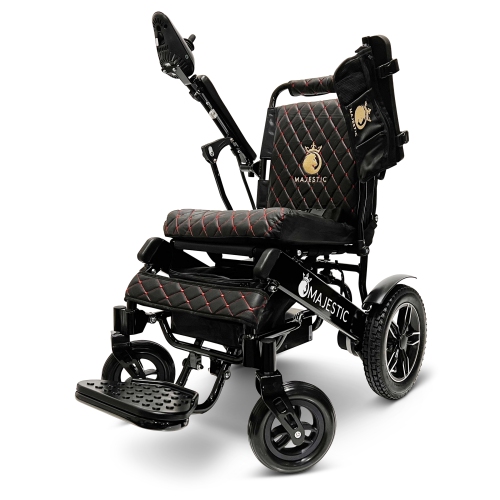
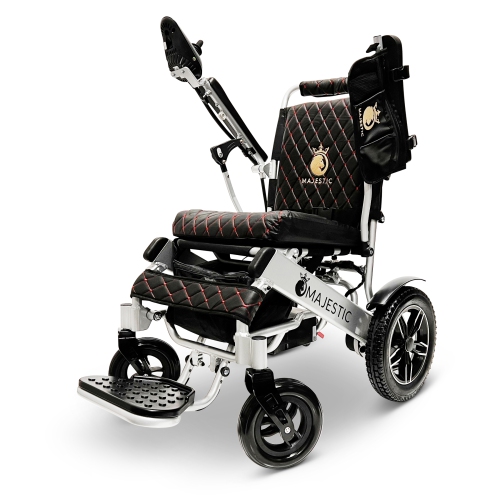
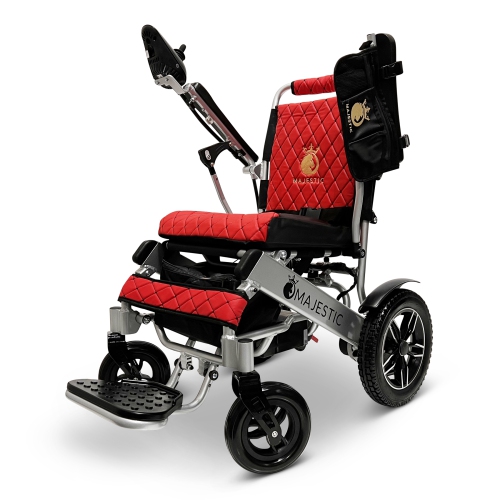
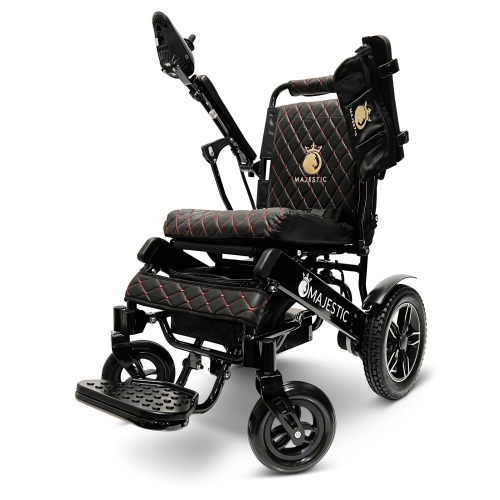
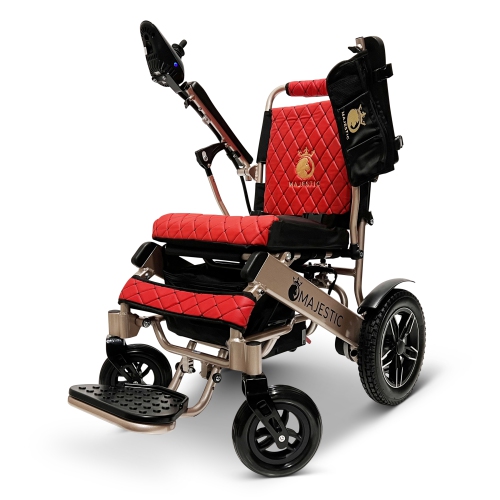
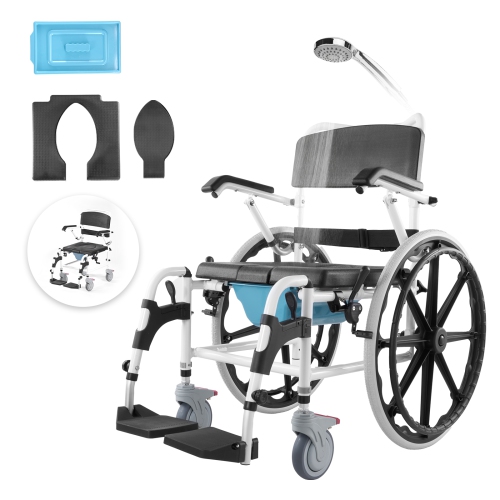
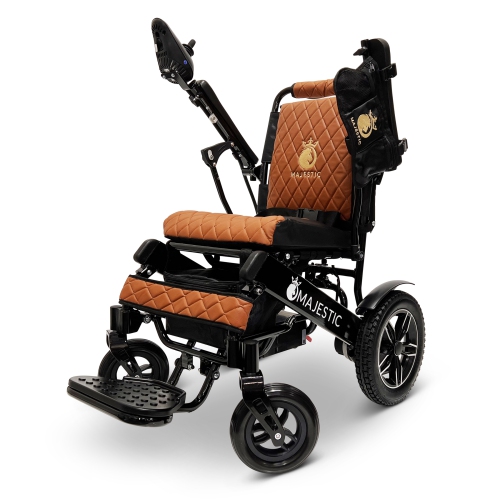
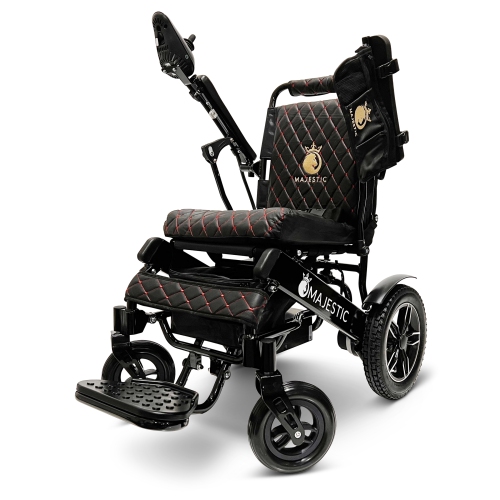
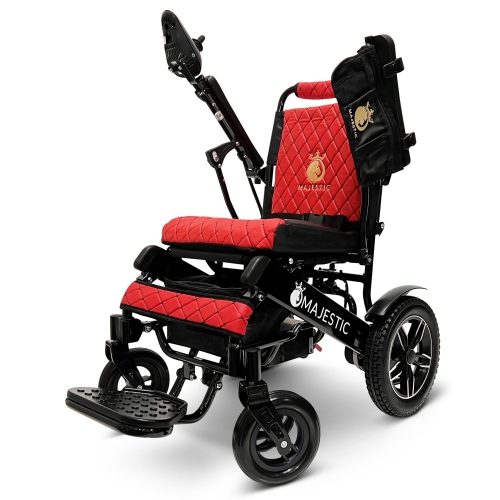
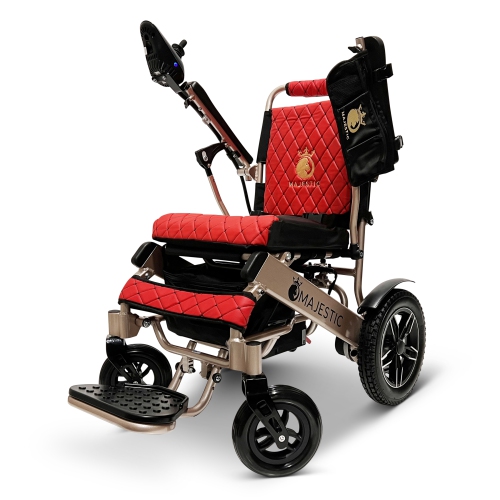
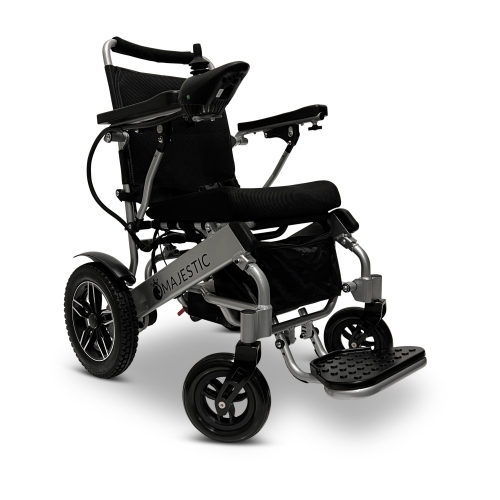
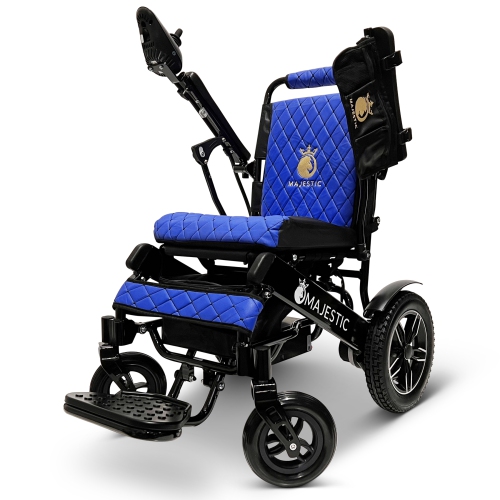
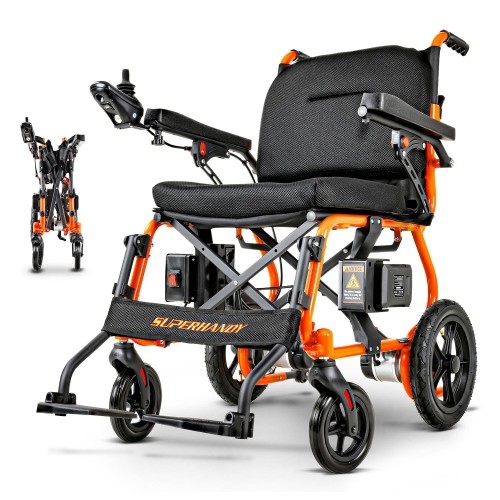
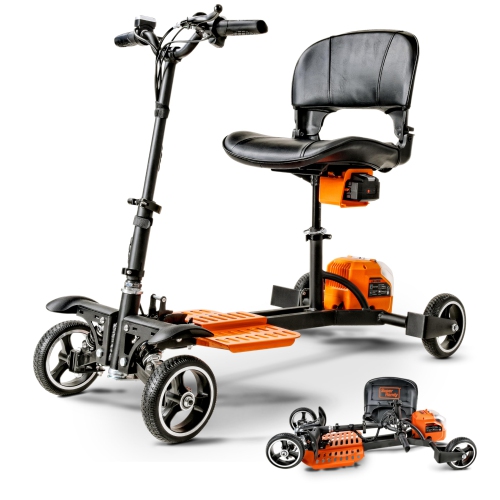
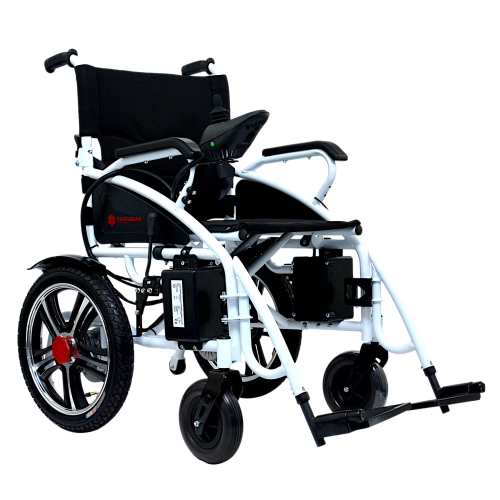
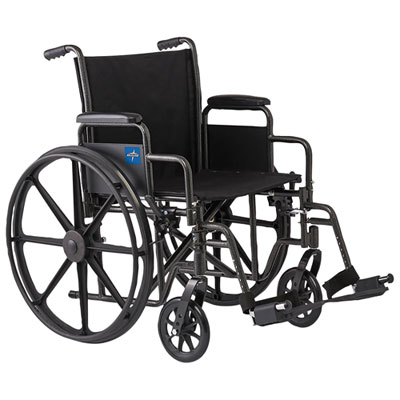
Choosing a good quality wheelchair starts with matching the chair to the person, their daily routine and the environments they use most often. Manual wheelchairs are a practical choice for people who can propel themselves independently or have a caregiver available to assist, while electric wheelchairs can provide greater mobility for users who have limited upper-body strength or tiring journeys. For everyday use, look for a sturdy frame, comfortable upholstery and dependable wheels that roll smoothly over the surfaces found at home, in care settings and outdoors. A powder-coated frame can offer a durable finish, while vinyl or similarly easy-care upholstery is useful for regular cleaning. Solid rubber tires are convenient for low-maintenance use and do not require inflation, whereas larger pneumatic or semi-pneumatic wheels may provide a softer ride over uneven ground. Weight is also an important consideration: a lighter chair may be easier to lift into a vehicle or store between outings, but a heavier frame can feel particularly stable. Always check the listed weight capacity and include clothing, bags and any other items that may be carried while seated. Seat width and depth should allow the user to sit comfortably with their back supported and their feet positioned securely, without excessive pressure at the hips or knees. For someone who spends longer periods in the chair, cushioning, breathable upholstery and a supportive backrest can make a meaningful difference to comfort. Families often compare these details when arranging a wheelchair for an older relative, an adult recovering from an injury or a person living with a long-term mobility limitation. Those looking for options selected with older users in mind can also explore Good Wheelchair for Elderly.
The chair’s configuration affects how easily it fits into everyday activities. Desk-length armrests allow the user to move closer to tables, desks and counters, which can be helpful during meals, work or hobbies. Detachable or removable arms may make side transfers easier and can provide more flexibility when positioning beside a bed or vehicle seat. Swing-away or detachable leg rests can simplify transfers and give the user more space when approaching a chair, while elevating leg rests may be useful when the legs need additional positioning support. Footrests should be adjusted so the feet rest securely rather than hanging unsupported, and they should not interfere with doorways or furniture during movement. A folding manual wheelchair can be convenient for transport and storage, particularly for families who use a car, share equipment between rooms or need to keep the chair out of the way during cooler months. Before choosing a model, measure doorways, hallways, lifts and the space available in a vehicle; a chair that fits comfortably in a room may still be difficult to manoeuvre through a narrow entrance. Consider the turning radius, brake design and push handles as well. Attendant-operated hand brakes can help a caregiver control speed on slopes, while accessible wheel locks help keep the chair steady during transfers. Indoor users may prioritize a compact frame and responsive steering for kitchens, washrooms and hallways. For outdoor use, look for wheels and construction suited to sidewalks, ramps and more variable surfaces, while remembering that wet conditions, loose gravel and steep inclines can affect handling. An electric wheelchair brings additional considerations, including battery range, charging time, controls and the user’s ability to operate the joystick safely. Whichever style is selected, review the manufacturer’s instructions and consider professional fitting or advice from an occupational therapist, physiotherapist or qualified mobility specialist when support needs are complex.
A good quality wheelchair should make ordinary routines feel more manageable, from moving between rooms in the morning to joining family at the table, visiting a community centre or enjoying time outdoors when the weather is comfortable. It may be purchased for personal use, arranged by a family member or chosen as practical support for someone recovering at home. Comfort and dignity are just as important as construction, so details such as padded armrests, a supportive seat, smooth brakes and easy-to-clean surfaces deserve close attention. Users who spend much of the day seated should follow professional guidance about posture, pressure relief and safe repositioning, since a standard chair may not meet every clinical need. Check whether the chair arrives assembled, whether footrests or other accessories are included and how replacement parts or servicing are handled. A product that is straightforward to fold, lift and clean can reduce effort for both the user and the caregiver, especially when moving between indoor spaces and appointments during the cooler months. Storage also matters: keep the chair in a dry, accessible location, protect it from unnecessary moisture and make sure the brakes, tires, footrests and fasteners are checked regularly. For powered models, follow the recommended charging and storage instructions and allow enough battery capacity for the planned outing. For manual models, a caregiver should use the push handles rather than the armrests when assisting, and ramps should be used only when they are designed for the chair and operated safely. Comparing capacity, dimensions, mobility features and comfort together makes it easier to choose a wheelchair that suits the user rather than simply selecting the lightest or most feature-packed option.
The chair’s configuration affects how easily it fits into everyday activities. Desk-length armrests allow the user to move closer to tables, desks and counters, which can be helpful during meals, work or hobbies. Detachable or removable arms may make side transfers easier and can provide more flexibility when positioning beside a bed or vehicle seat. Swing-away or detachable leg rests can simplify transfers and give the user more space when approaching a chair, while elevating leg rests may be useful when the legs need additional positioning support. Footrests should be adjusted so the feet rest securely rather than hanging unsupported, and they should not interfere with doorways or furniture during movement. A folding manual wheelchair can be convenient for transport and storage, particularly for families who use a car, share equipment between rooms or need to keep the chair out of the way during cooler months. Before choosing a model, measure doorways, hallways, lifts and the space available in a vehicle; a chair that fits comfortably in a room may still be difficult to manoeuvre through a narrow entrance. Consider the turning radius, brake design and push handles as well. Attendant-operated hand brakes can help a caregiver control speed on slopes, while accessible wheel locks help keep the chair steady during transfers. Indoor users may prioritize a compact frame and responsive steering for kitchens, washrooms and hallways. For outdoor use, look for wheels and construction suited to sidewalks, ramps and more variable surfaces, while remembering that wet conditions, loose gravel and steep inclines can affect handling. An electric wheelchair brings additional considerations, including battery range, charging time, controls and the user’s ability to operate the joystick safely. Whichever style is selected, review the manufacturer’s instructions and consider professional fitting or advice from an occupational therapist, physiotherapist or qualified mobility specialist when support needs are complex.
A good quality wheelchair should make ordinary routines feel more manageable, from moving between rooms in the morning to joining family at the table, visiting a community centre or enjoying time outdoors when the weather is comfortable. It may be purchased for personal use, arranged by a family member or chosen as practical support for someone recovering at home. Comfort and dignity are just as important as construction, so details such as padded armrests, a supportive seat, smooth brakes and easy-to-clean surfaces deserve close attention. Users who spend much of the day seated should follow professional guidance about posture, pressure relief and safe repositioning, since a standard chair may not meet every clinical need. Check whether the chair arrives assembled, whether footrests or other accessories are included and how replacement parts or servicing are handled. A product that is straightforward to fold, lift and clean can reduce effort for both the user and the caregiver, especially when moving between indoor spaces and appointments during the cooler months. Storage also matters: keep the chair in a dry, accessible location, protect it from unnecessary moisture and make sure the brakes, tires, footrests and fasteners are checked regularly. For powered models, follow the recommended charging and storage instructions and allow enough battery capacity for the planned outing. For manual models, a caregiver should use the push handles rather than the armrests when assisting, and ramps should be used only when they are designed for the chair and operated safely. Comparing capacity, dimensions, mobility features and comfort together makes it easier to choose a wheelchair that suits the user rather than simply selecting the lightest or most feature-packed option.
Top selling and popular products
-
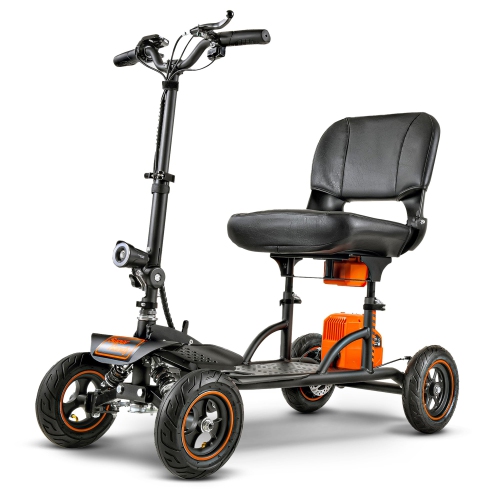 Your price for this item is $1100.99
 -
 Your price for this item is $950.99
 -
 Your price for this item is $999.99
 -
 Your price for this item is $1999
 -
 Your price for this item is $314.98
 -
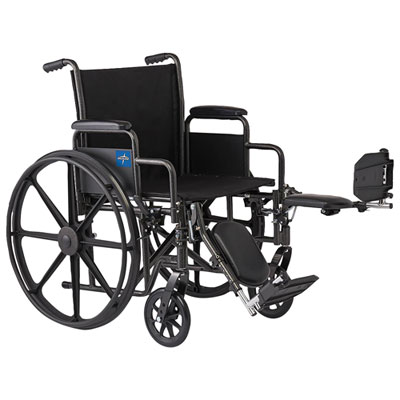 Your price for this item is $458.98
 -
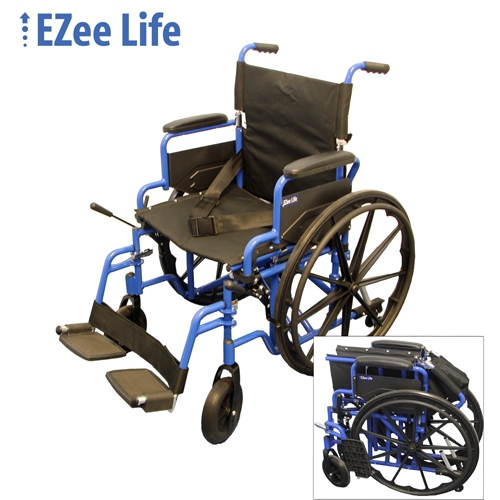 Your price for this item is $349.99
 -
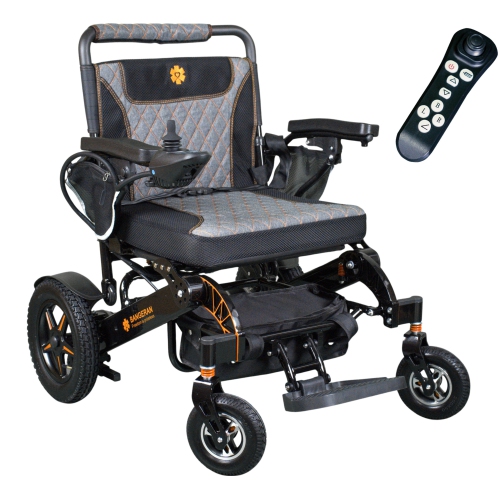 Your price for this item is $2039
Discover more categories related to Good Quality Wheelchair
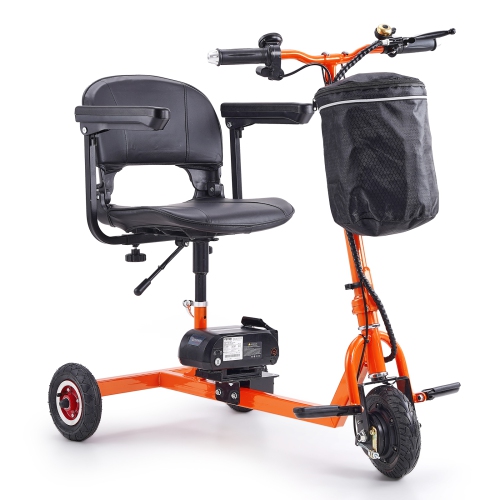
Top Collections:
Pokemon Centers, Kindle Devices, Best Budget Office Chairs, Canon G7X Cameras, Apple iPhones 16, Samsung Galaxy Phones, Refurbished Apple Laptops, Laptops for Students, iPhone 15 Apple, Budget Smartphones
Some products may be subject to Environmental Handling Fees
(EHF) depending on your province.
Learn more about EHFs.