3/4 inch Brass Pipe Fittings

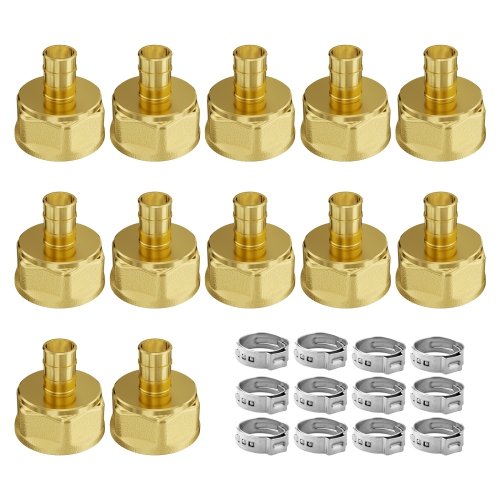
Find 3/4 inch brass pipe fittings to connect, adapt, or repair plumbing lines. Compare fitting types, connection styles, and thread specifications to match your existing pipework, and check each fitting’s listed pressure, temperature, and application ratings before choosing.
Read More

Sort

3/4 inch Brass Pipe Fittings

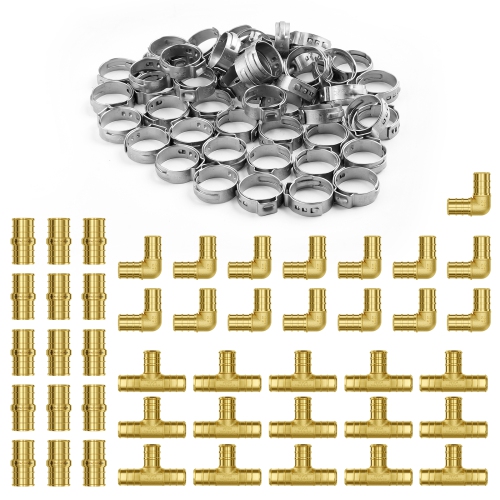
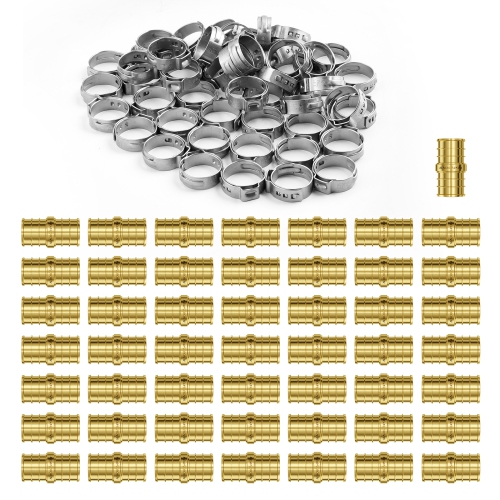
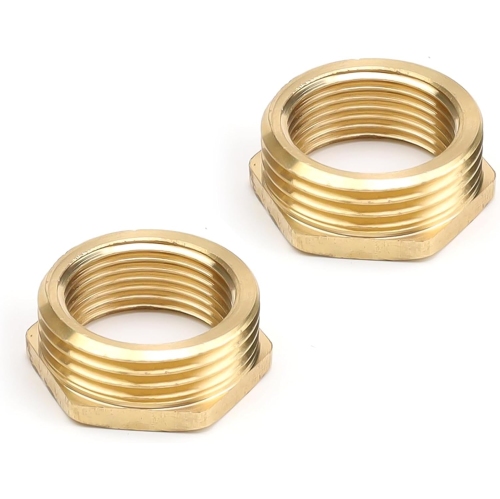
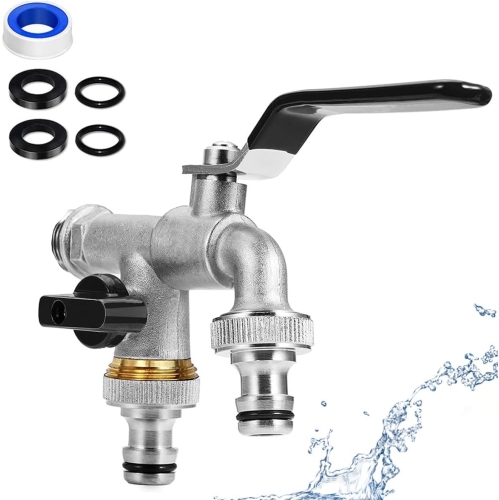
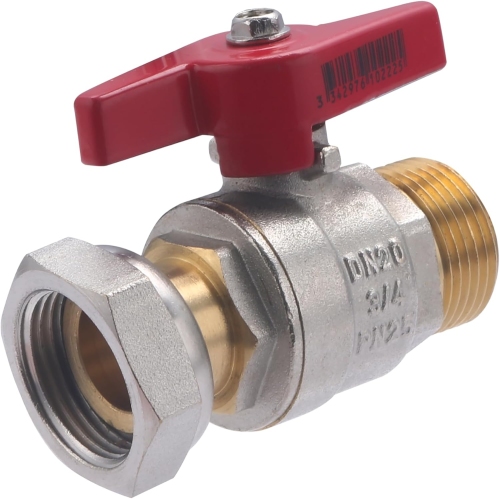
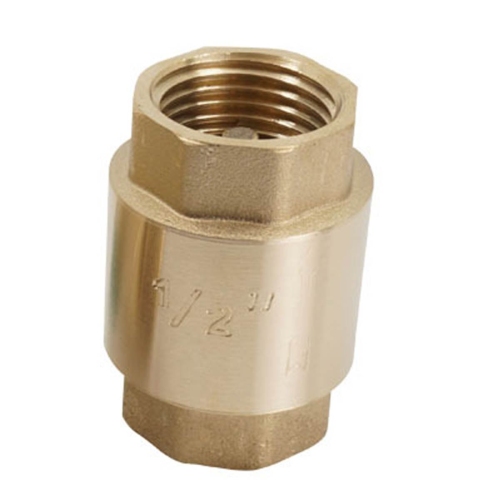
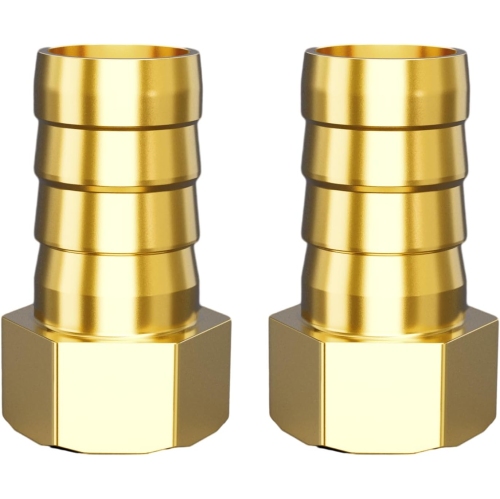
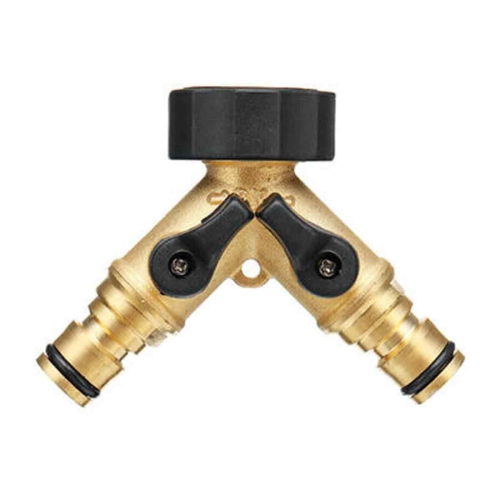
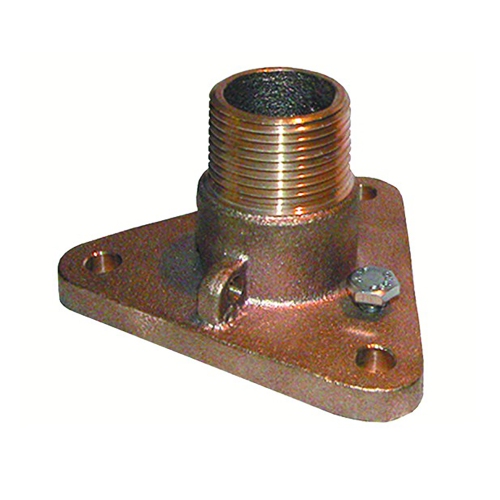
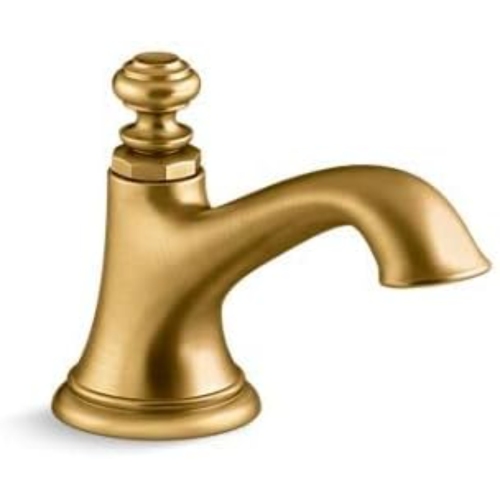
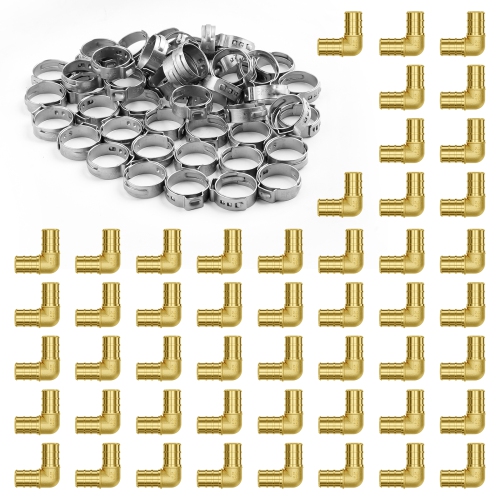
A tidy plumbing repair often comes down to one small connection: the elbow that clears a cabinet wall, the coupling that joins two pipe sections, or the adapter that brings different connection types together. The 3/4 inch Brass Pipe Fittings in this selection offer options for those practical jobs, whether you’re replacing a worn connector, planning a workshop water line, or gathering supplies for a larger installation. Brass is valued for its durability, corrosion resistance, and ability to form precisely machined connections, making it a familiar choice for many plumbing applications. The right fitting can help keep a run compact and accessible, especially beneath a sink or beside equipment where space is limited. Different shapes serve different purposes: elbows change direction, tees create branches, couplings join sections, and caps or plugs close unused openings. Choosing the shape that suits the layout can reduce unnecessary connections and leave more room for future maintenance.

Fit starts with more than the size printed on the package. For pipe-thread fittings, 3/4 inch generally describes a nominal pipe size, not a measurement you can confirm by expecting the threaded opening to measure exactly 3/4 inch across. Connection style matters just as much: male and female threads need to match their corresponding parts, and thread standards such as NPT and BSP should not be treated as interchangeable. Compression, flare, and threaded connections also seal in different ways, so two fittings with the same stated size may serve entirely different purposes. Before choosing, check every connection on the fitting, particularly on adapters and reducing fittings that may have different sizes at each end. A clear photo of the existing connection, its markings, and the surrounding space can be useful when comparing options. It is also worth allowing room for a wrench; a fitting that fits neatly into a narrow gap still needs enough access to be installed and serviced properly.

Material specifications and application approvals deserve the same attention as dimensions. For drinking-water plumbing, look for fittings explicitly certified for potable-water use and compliant with applicable lead-content requirements; brass construction alone does not establish suitability. Pressure and temperature ratings should match the intended service, and any use with fuel gas or other specialized systems requires fittings specifically approved for that application. Compatibility with adjoining pipe materials and local plumbing requirements matters, too. Where a threaded joint calls for sealant, choose one suitable for the fitting and the substance passing through it, and follow the manufacturer’s installation instructions rather than relying on extra tightening to stop a leak. These are useful supplies for plumbers, maintenance teams, and capable home renovators who know the specifications of the job ahead. For someone who enjoys practical projects, a carefully chosen assortment can also make a thoughtful addition to a workshop kit, provided the sizes and connection types match what they actually use. Having the correct fitting ready can turn an interrupted afternoon repair into a much more straightforward task.

Read More

FAQ

Some products may be subject to Environmental Handling Fees (EHF) depending on your province. Learn more about EHFs.