Pipe Fittings
Whether you're a seasoned professional or a DIY enthusiast, finding the right pipe fittings is essential for almost any plumbing project. From elbows to couplings, tees to adapters, this wide selection of pipe fittings offers versatility and durability to ensure a secure and leak-free connection for your piping system. Explore this range of high-quality pipe fittings designed to meet various plumbing needs and configurations, so you can tackle your projects with confidence and precision.
Sort

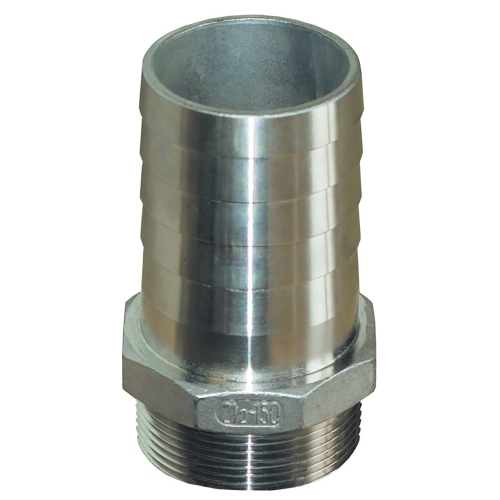
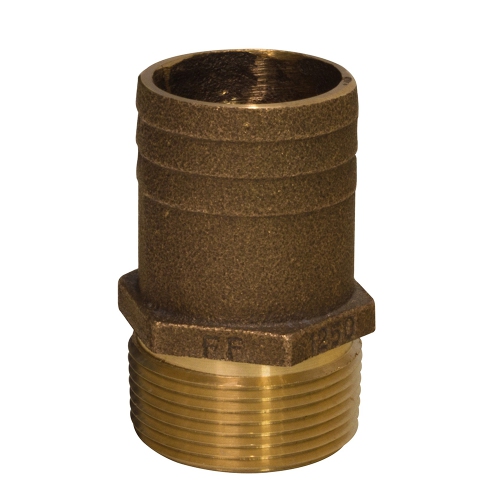
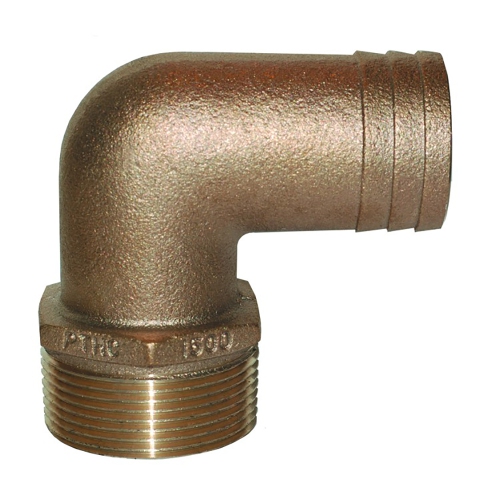
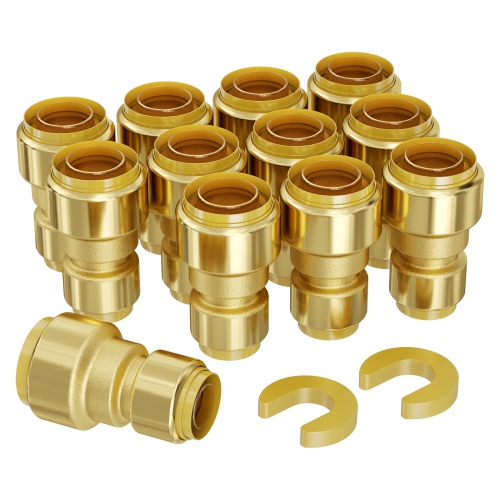
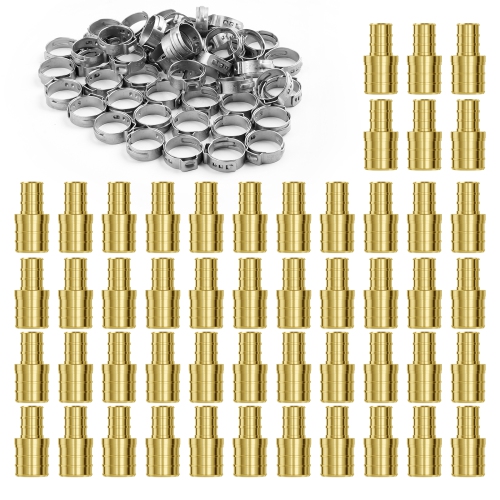
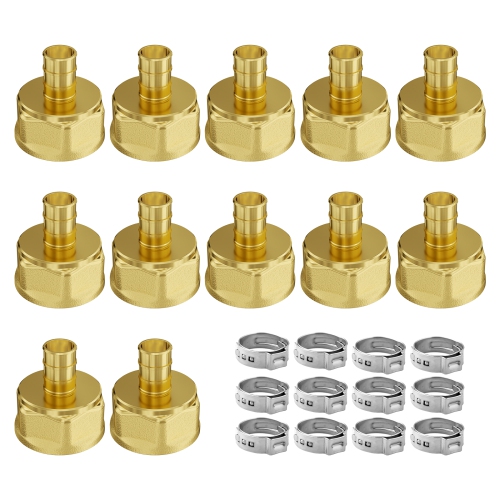
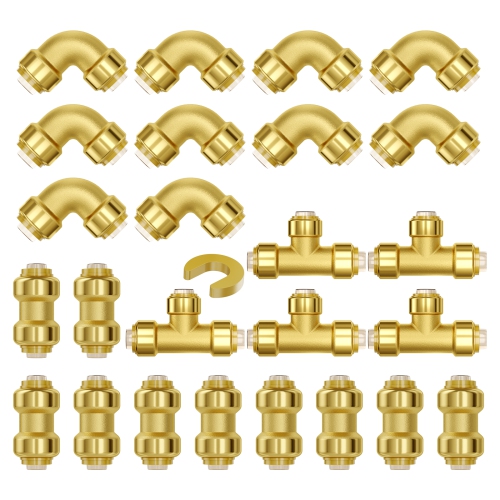
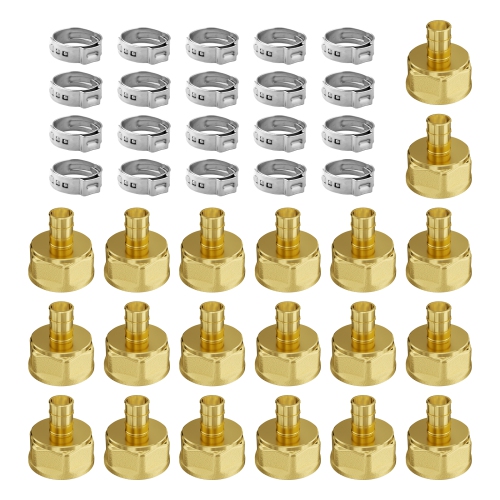
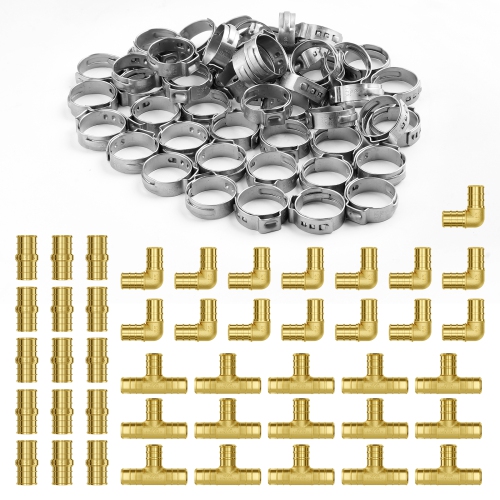

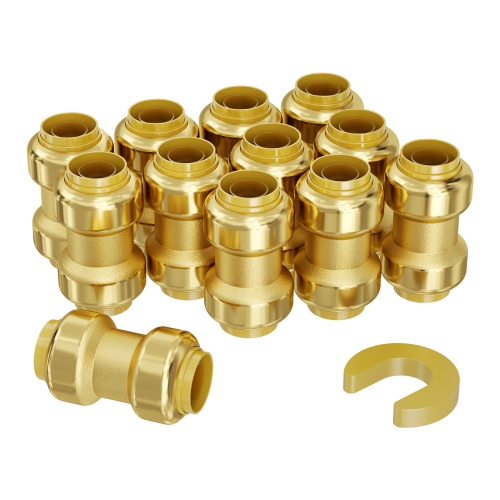

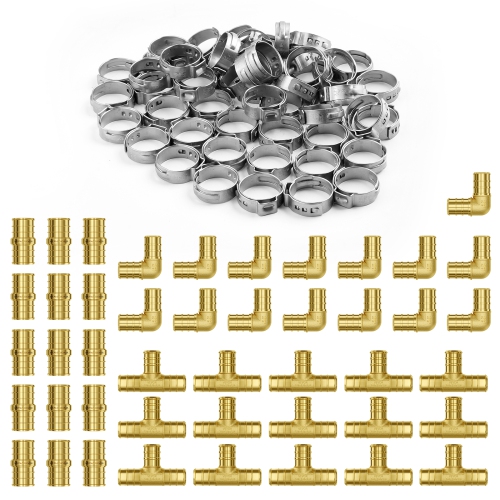
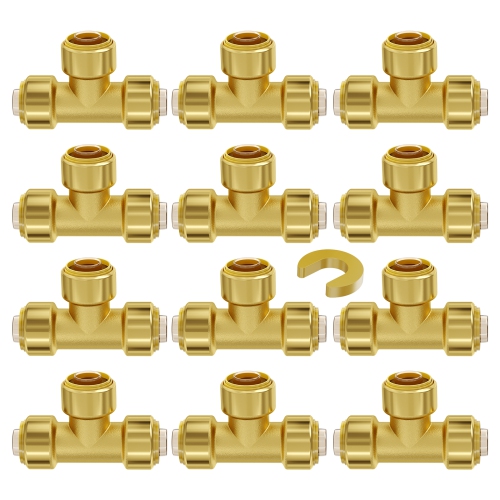
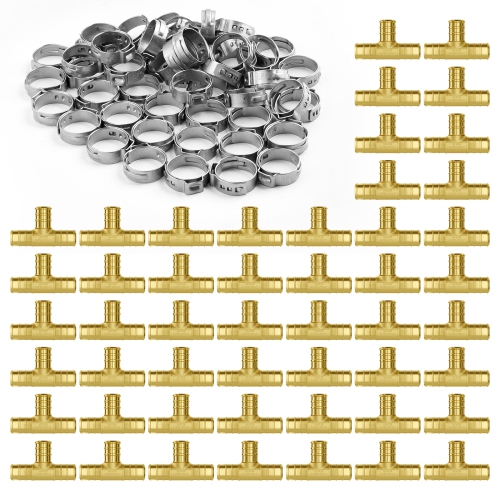
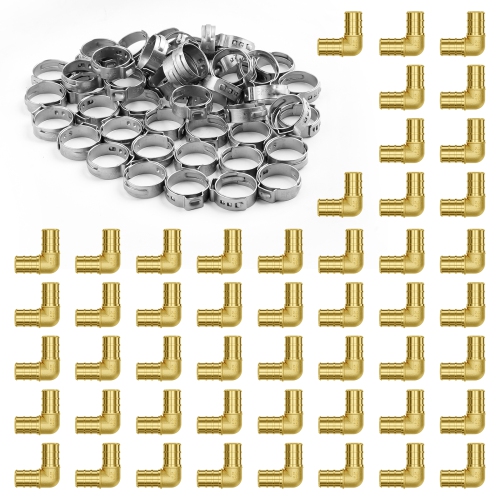
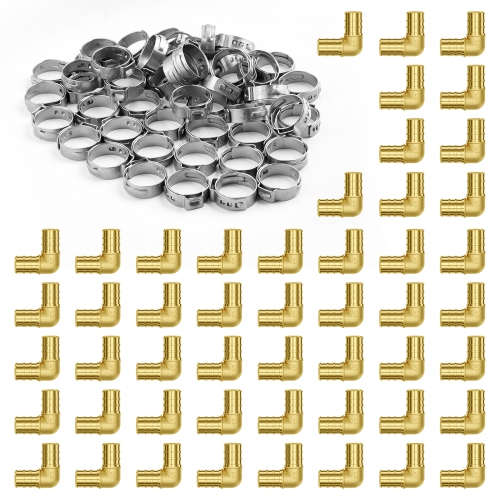
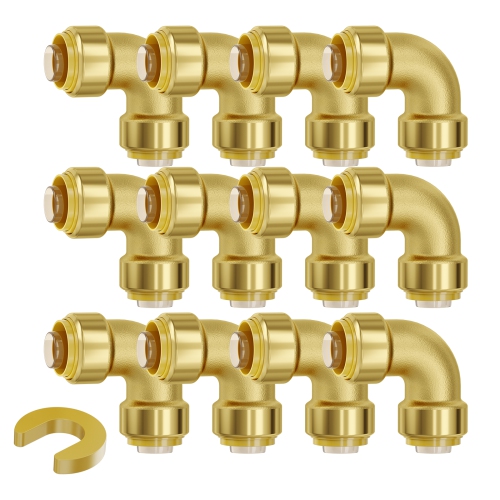

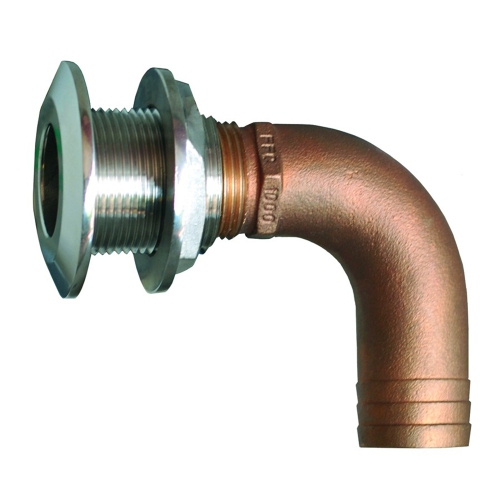
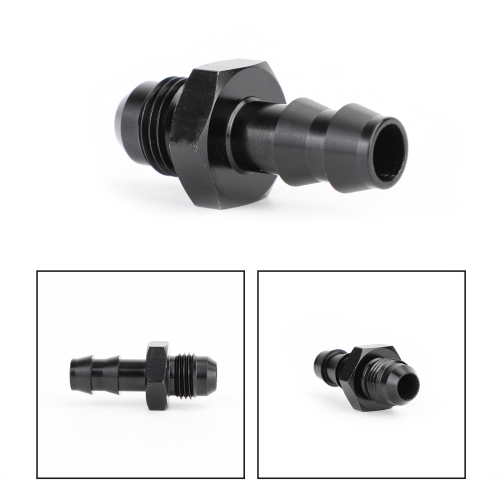
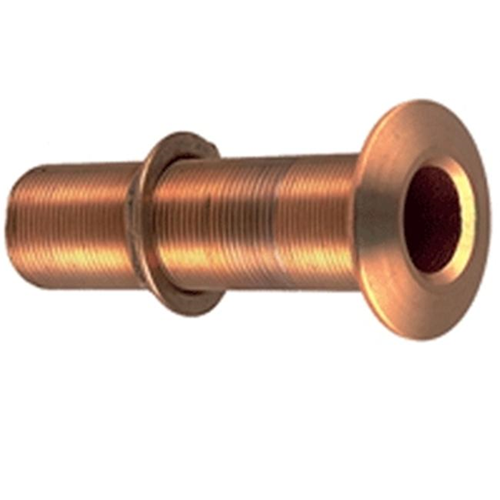
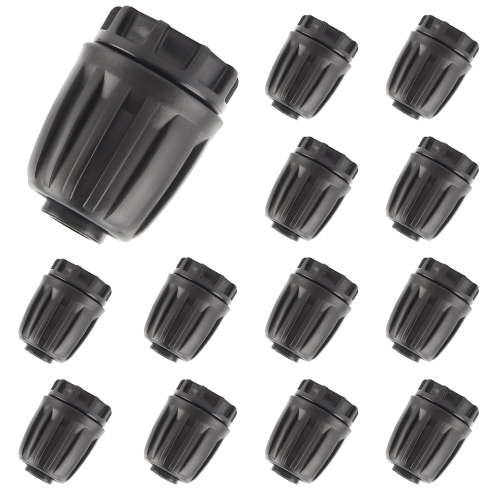
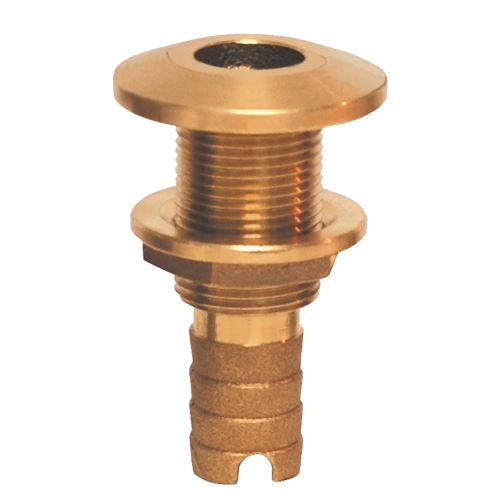
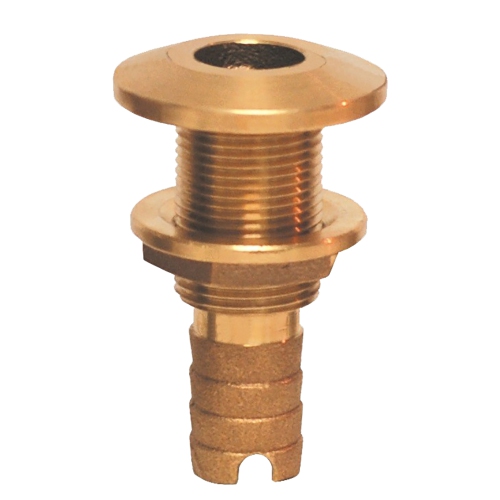
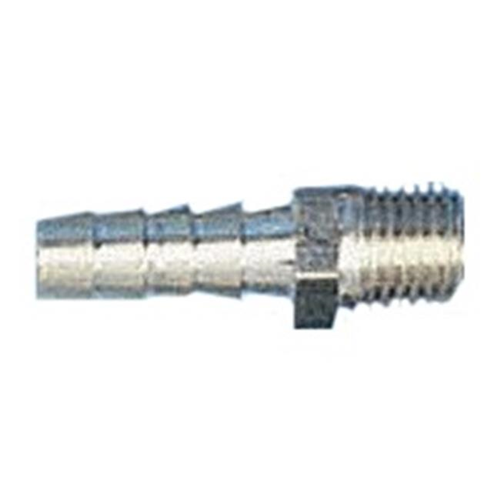
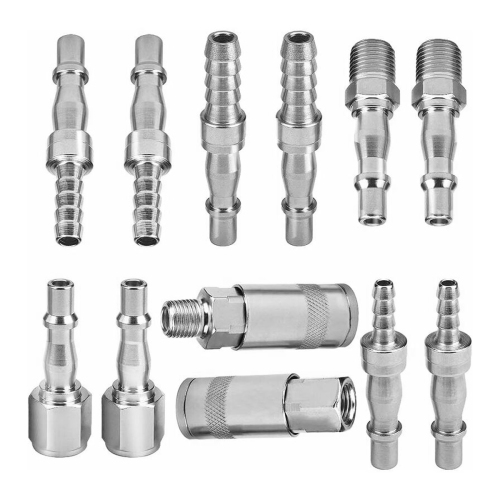
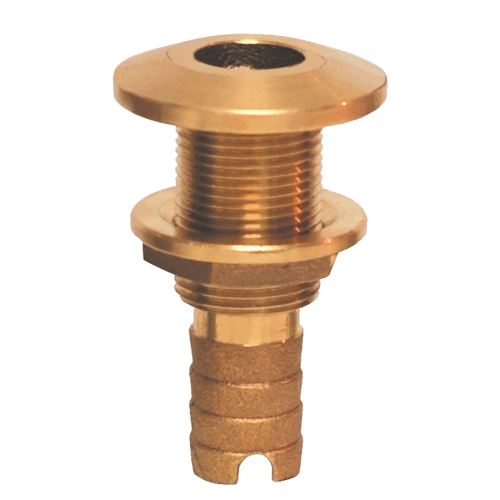
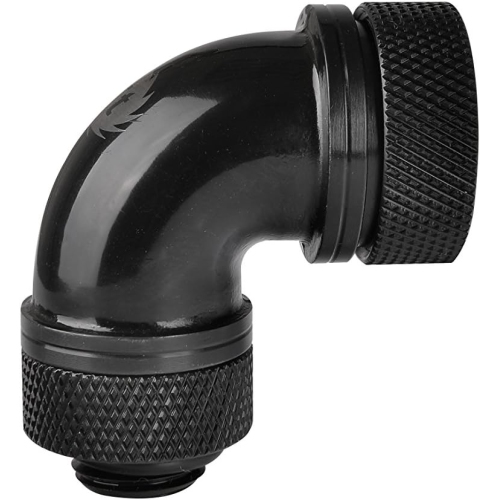

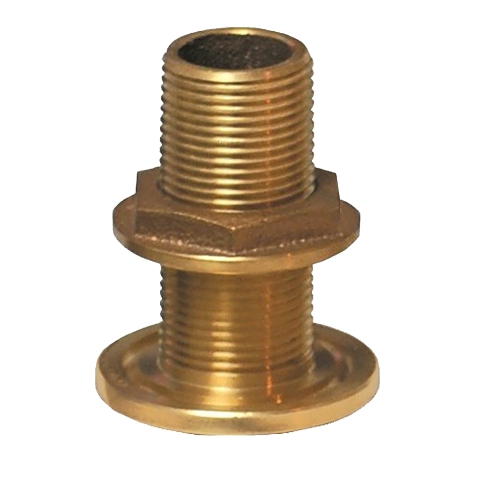

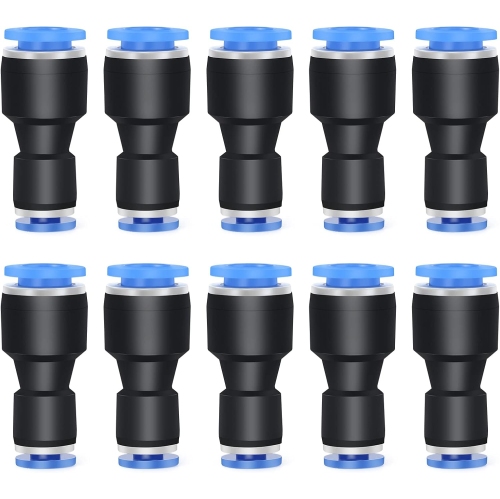
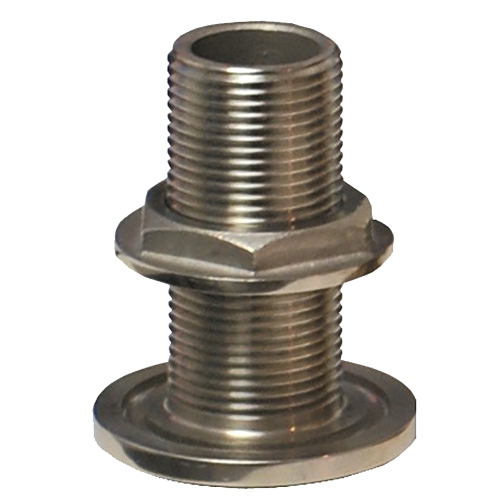
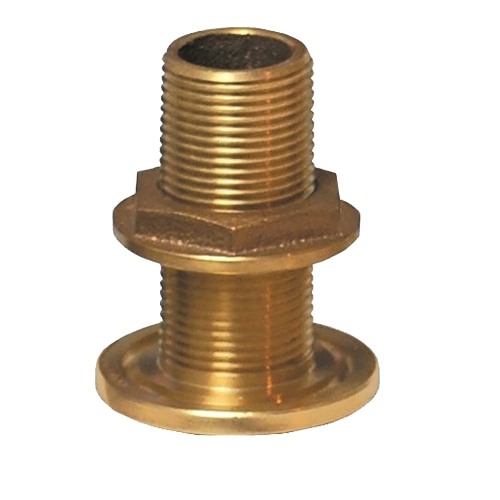
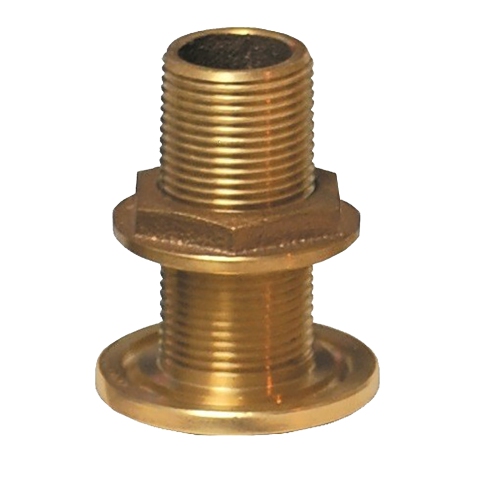
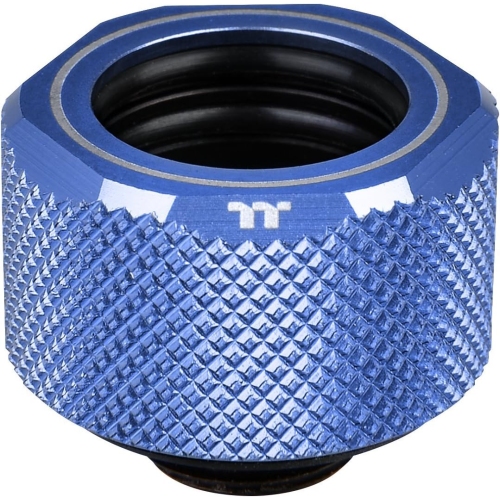
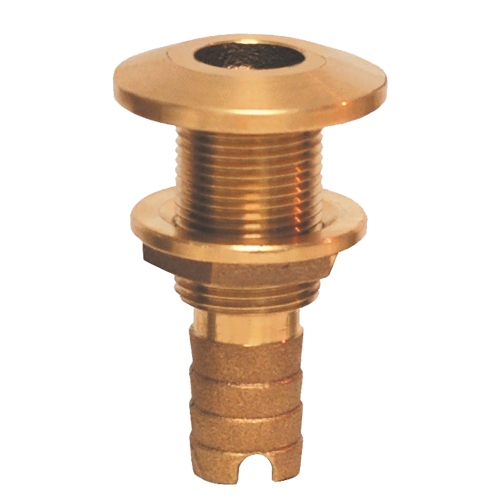
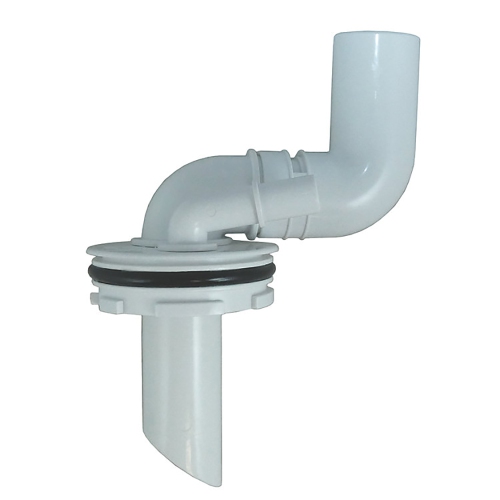
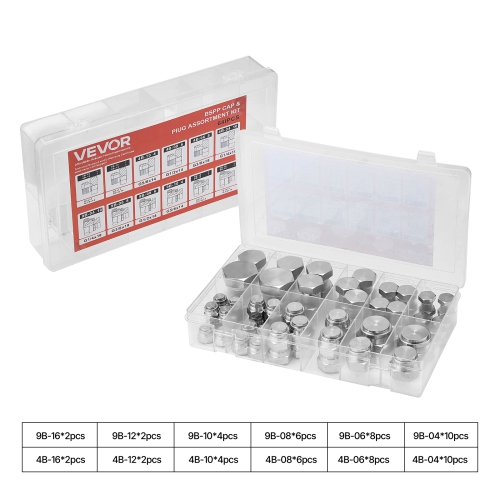
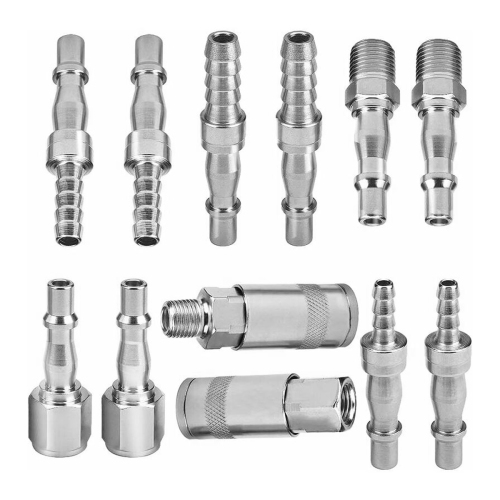

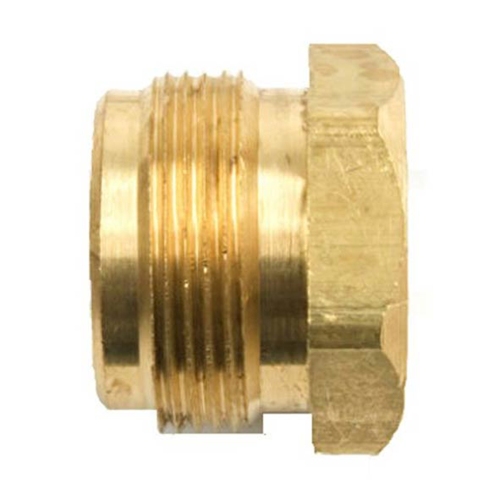
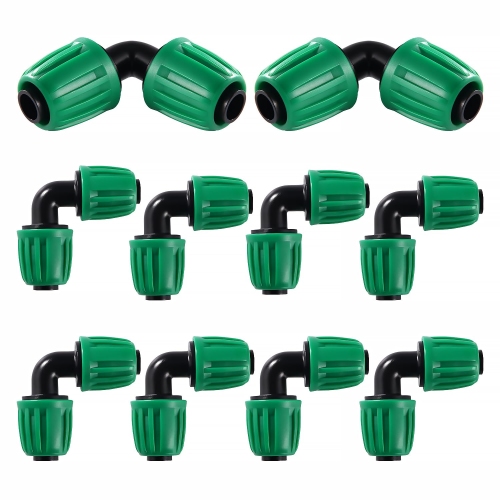
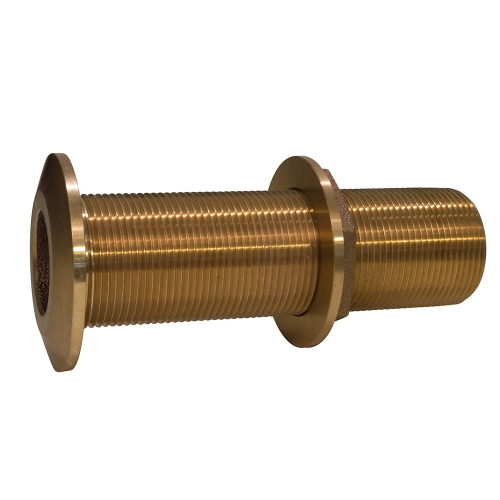
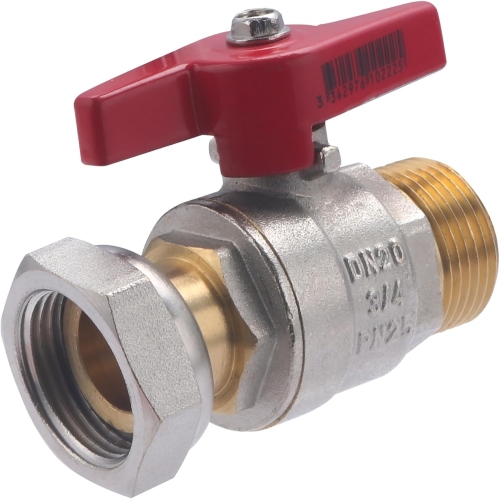
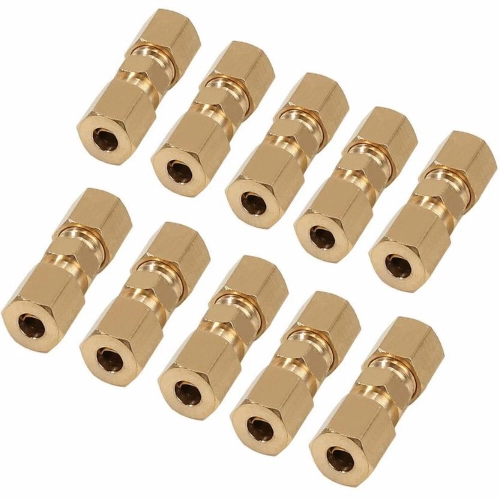
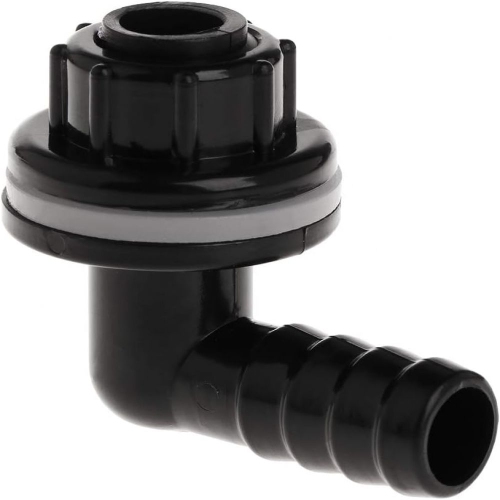
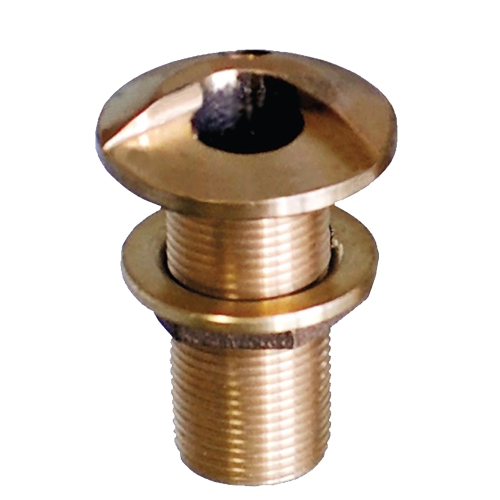
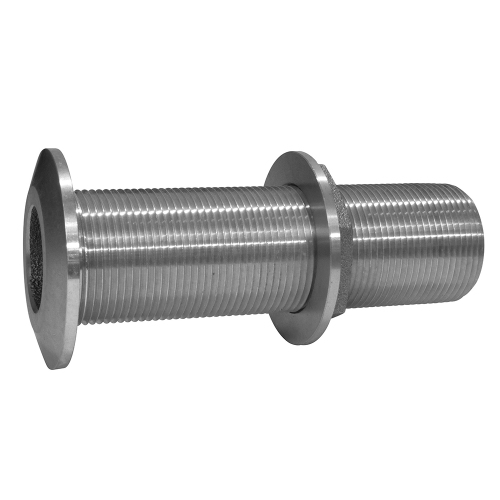

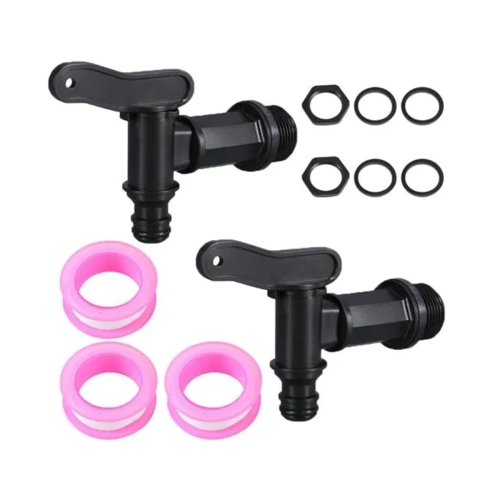
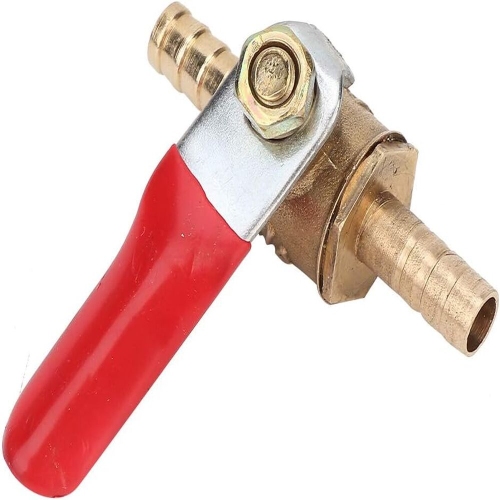
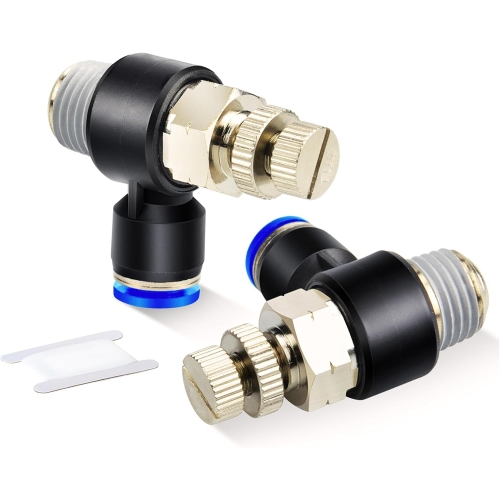
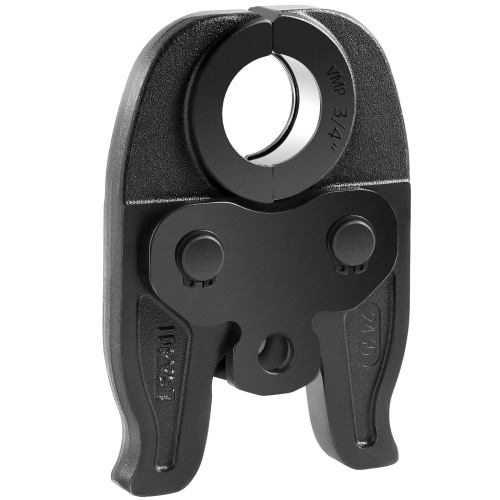
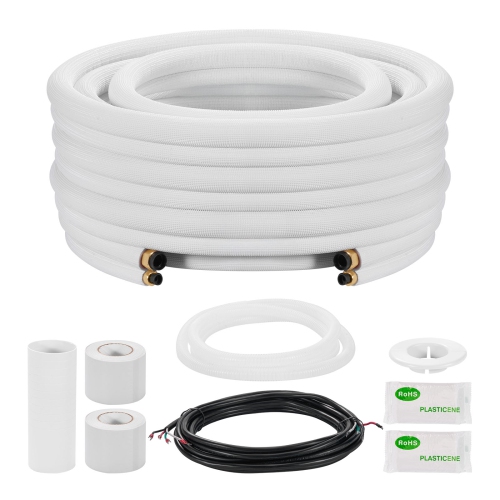
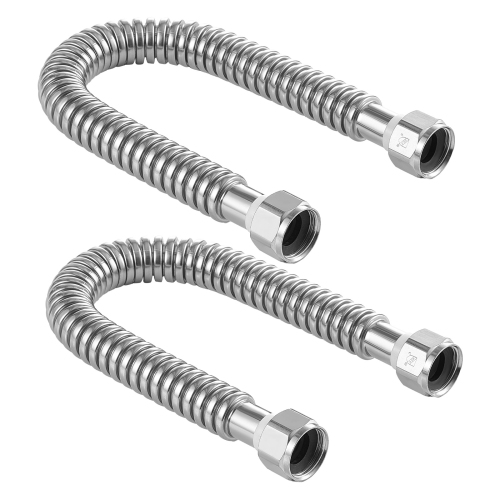
Why the right connection depends on more than size
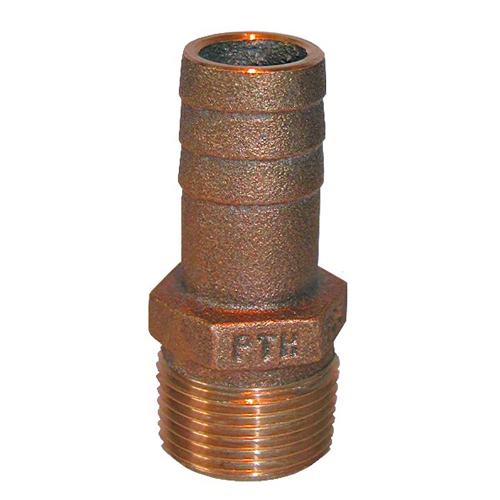
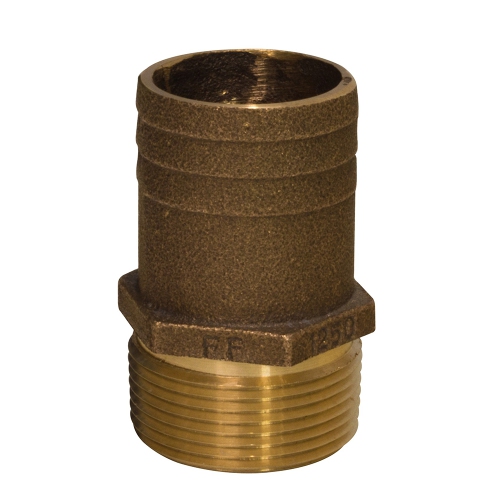
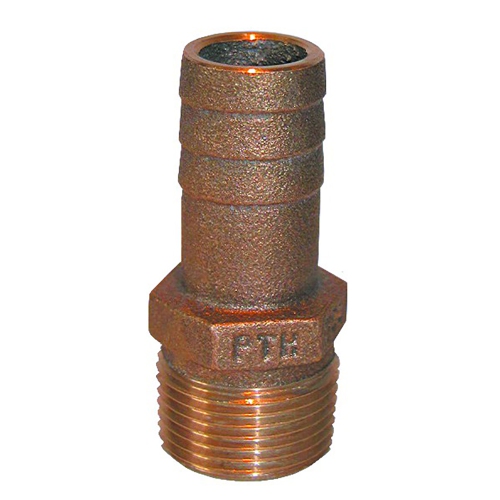
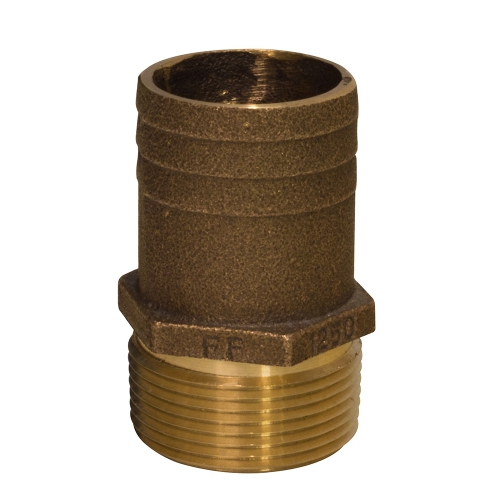
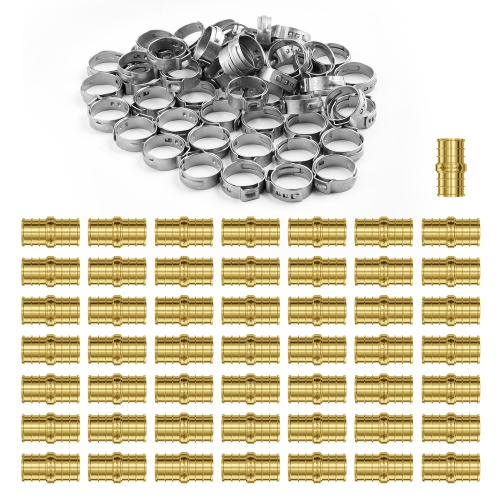
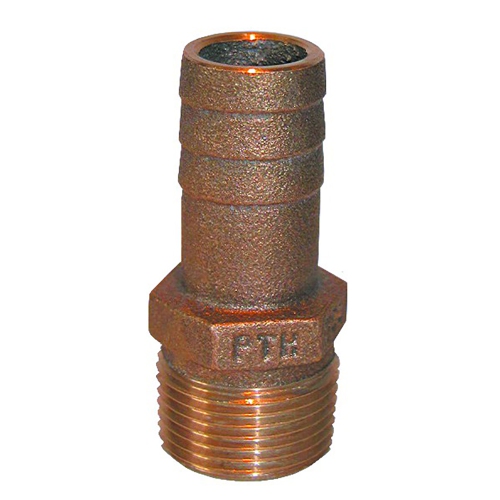
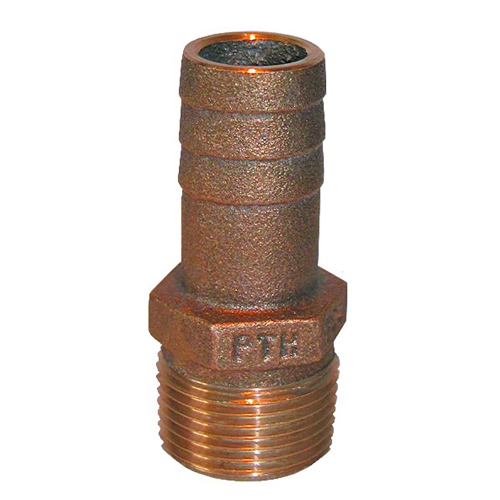
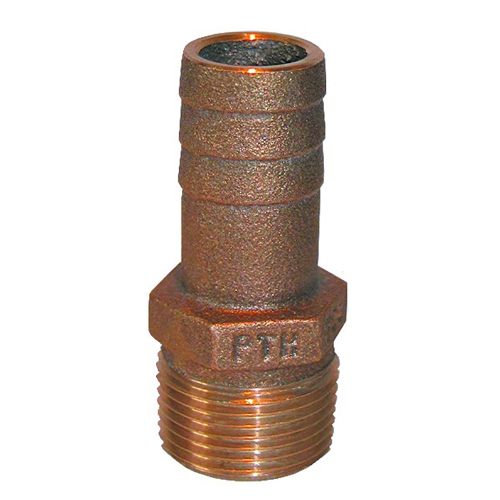
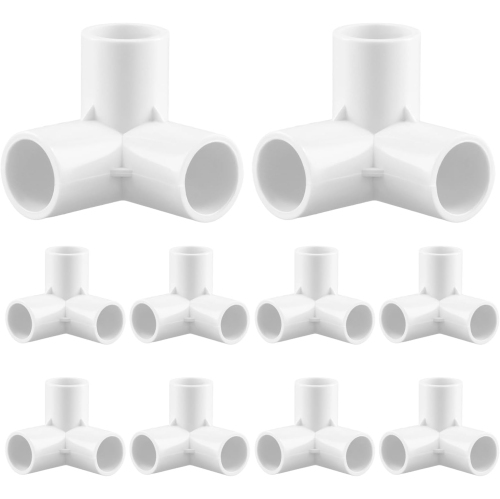
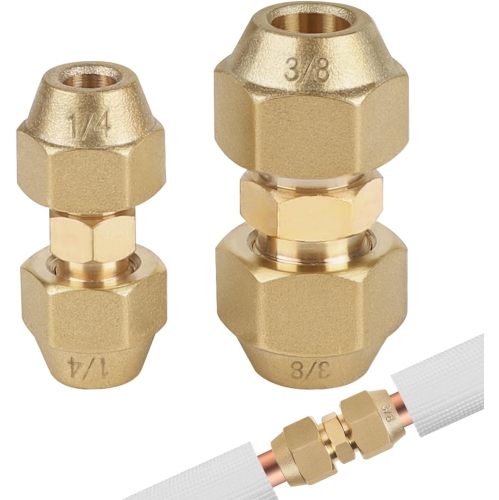
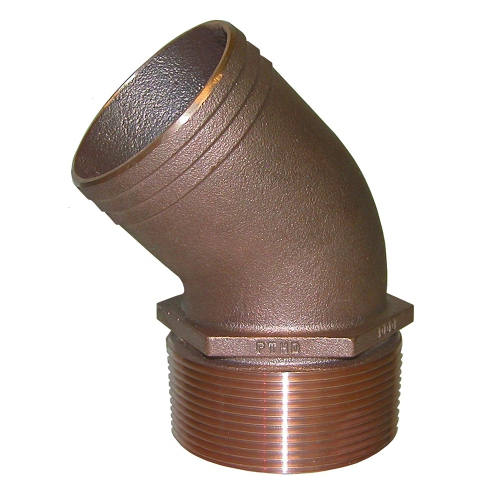
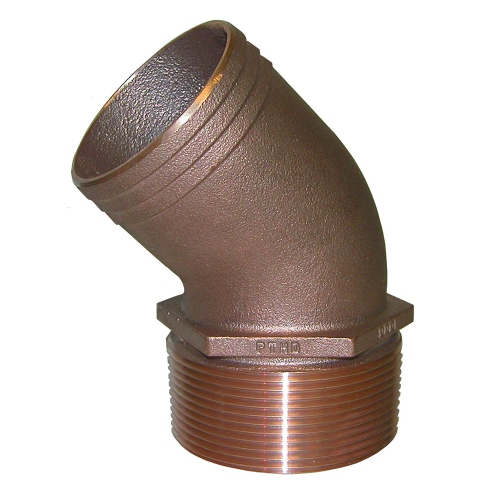
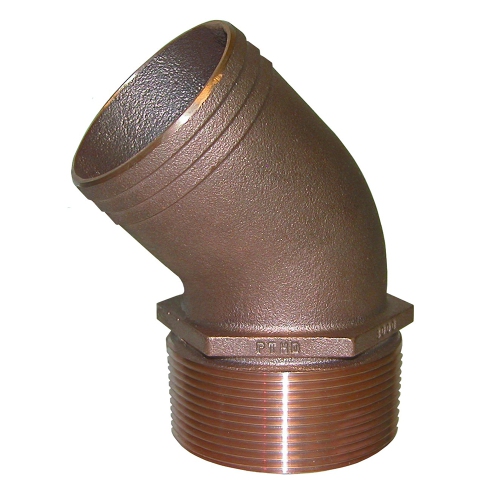
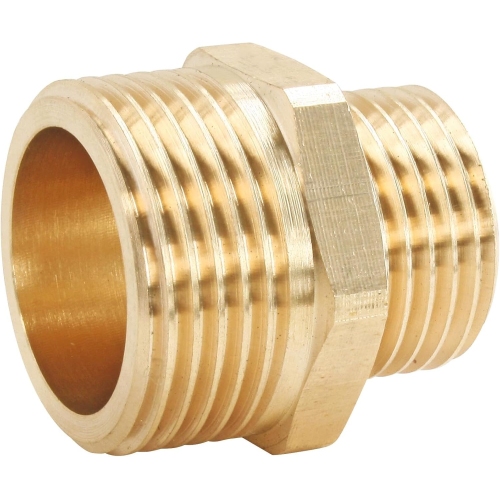
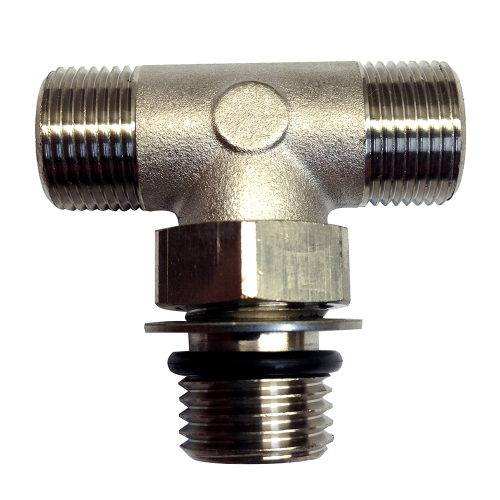
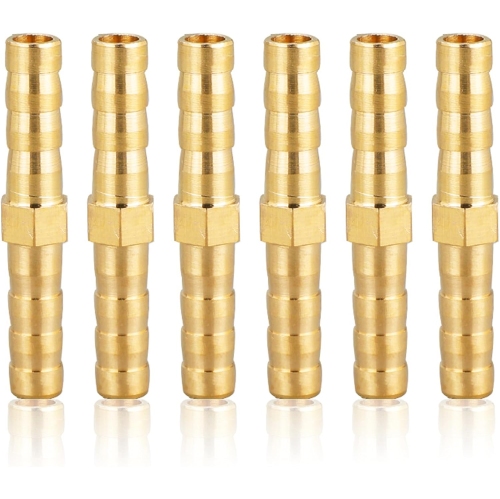
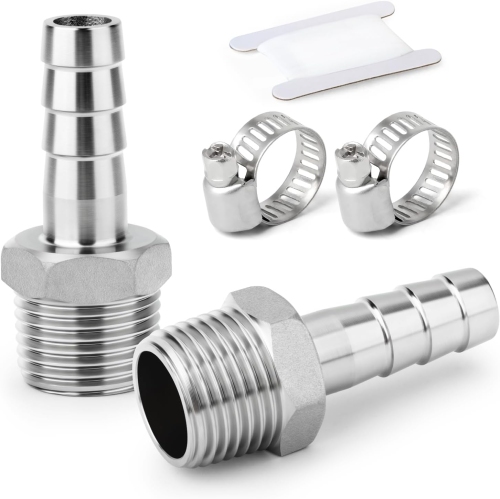
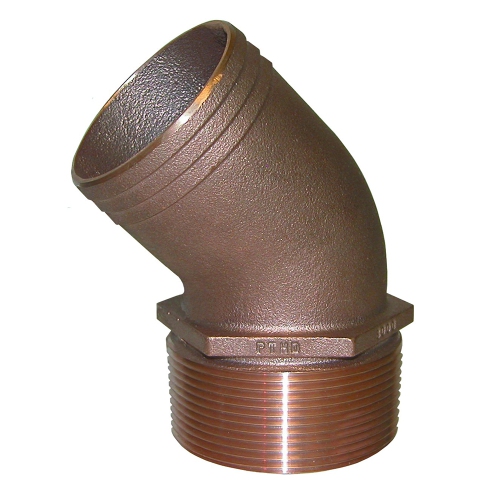
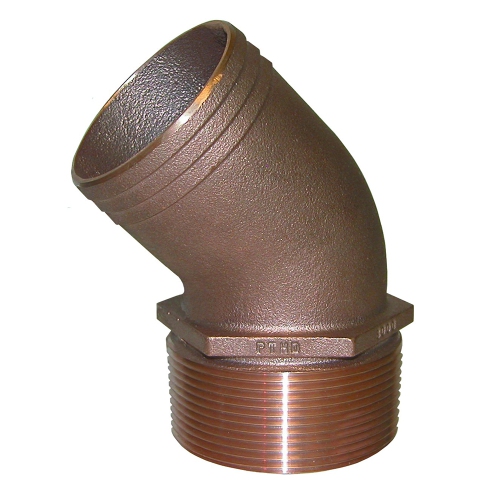
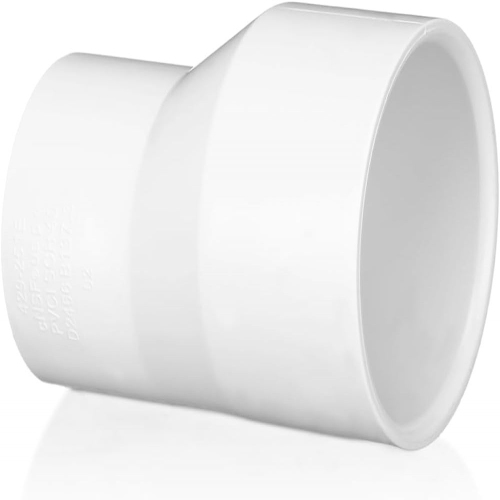
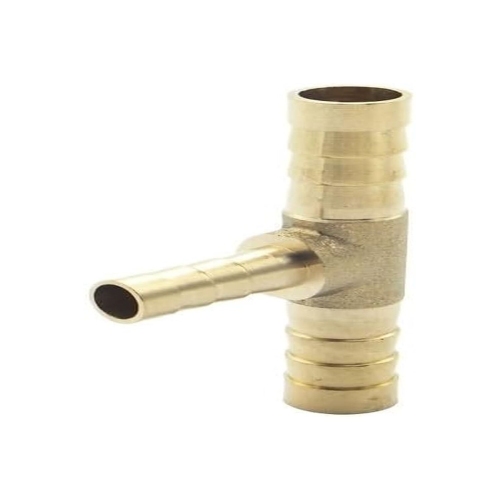
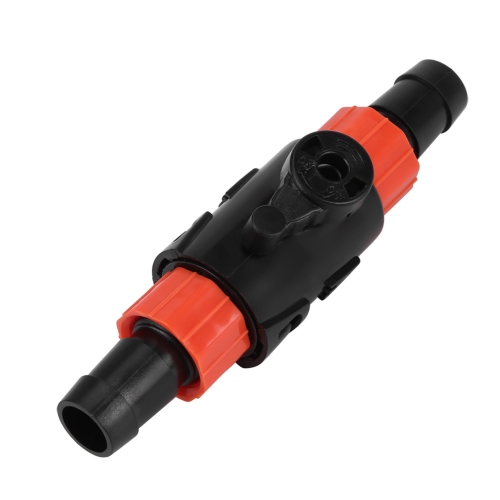
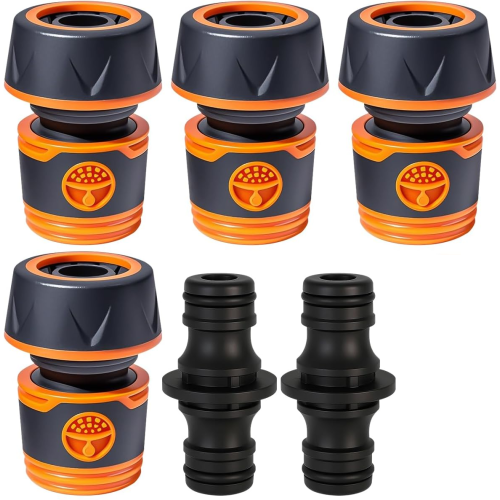
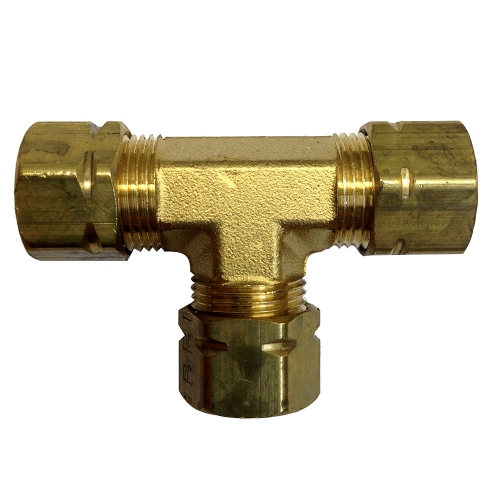
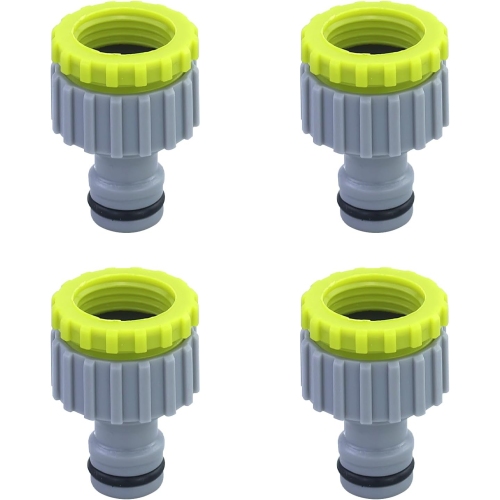
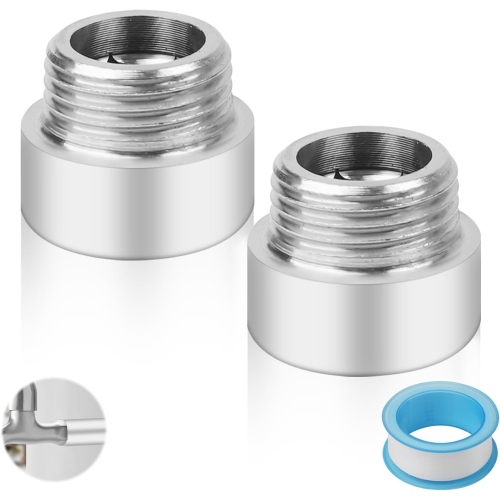
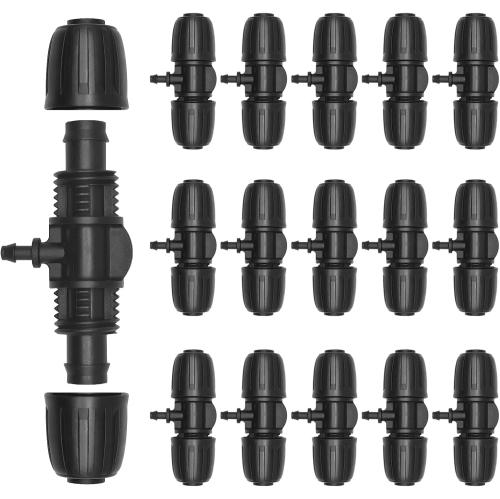
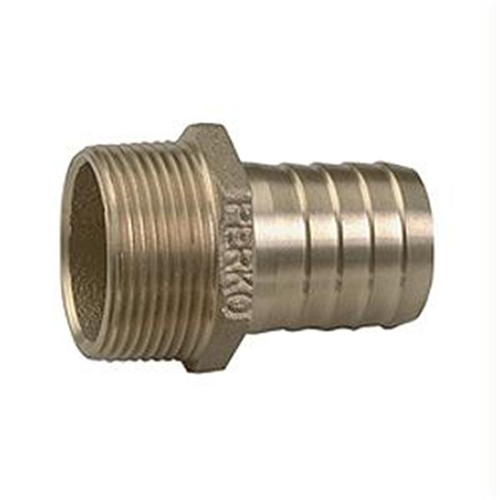
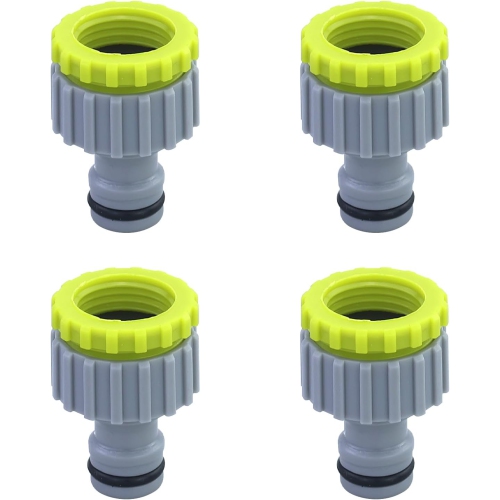
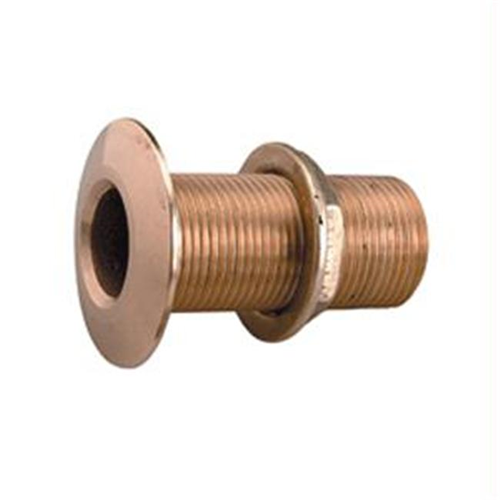
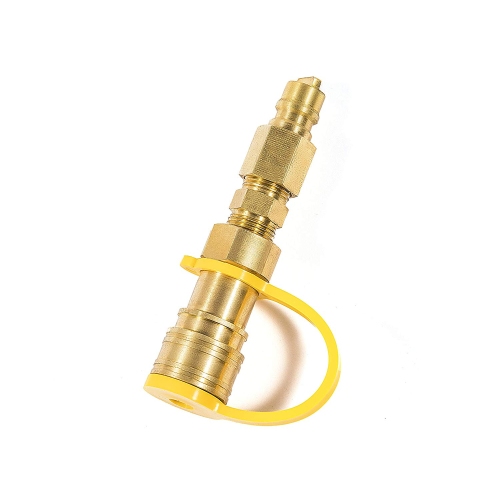
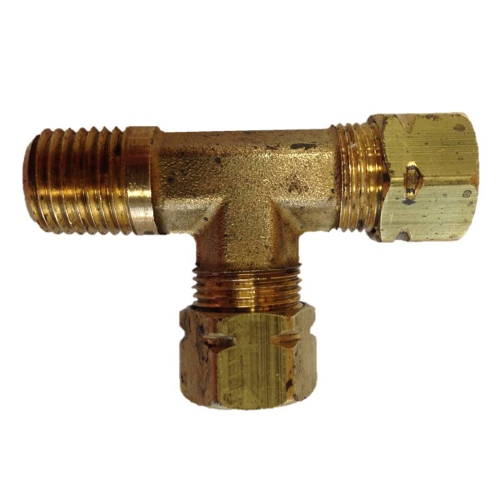
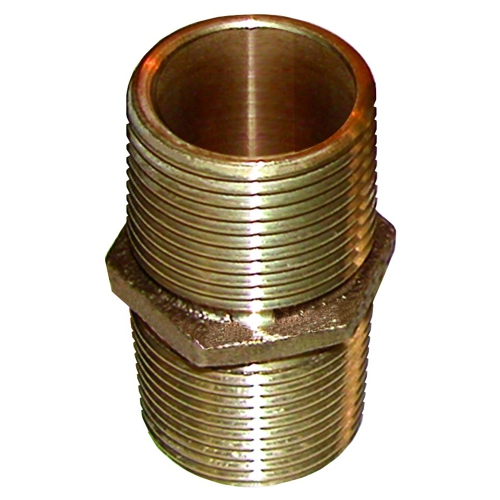
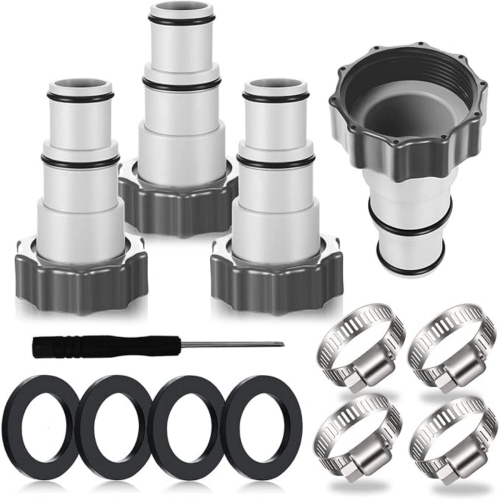
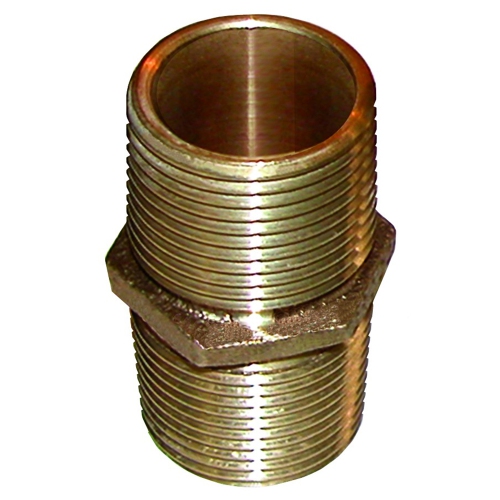
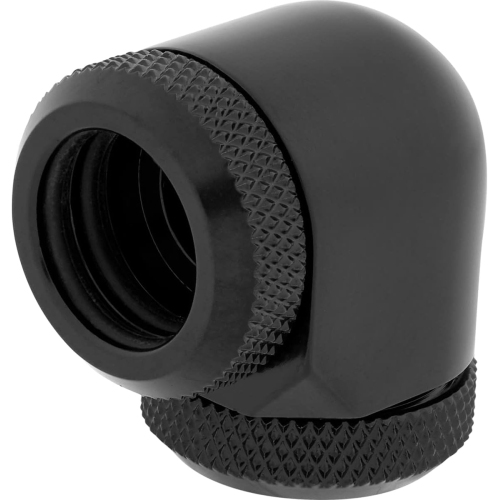
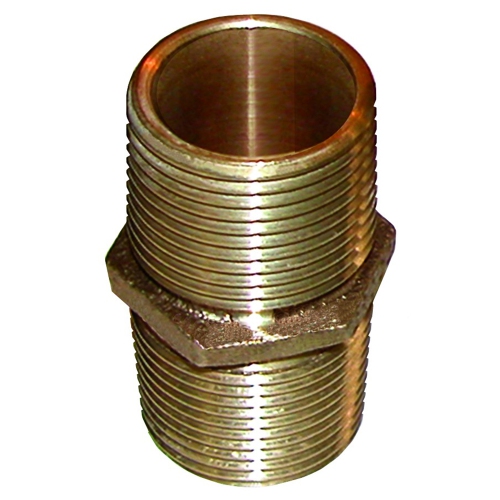
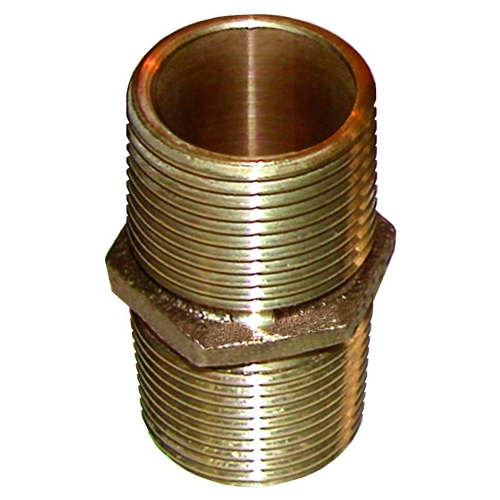
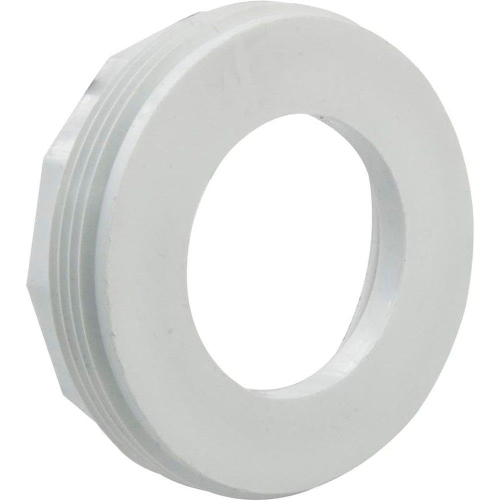
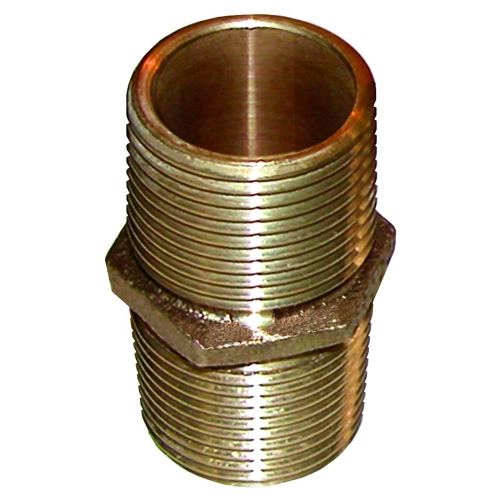
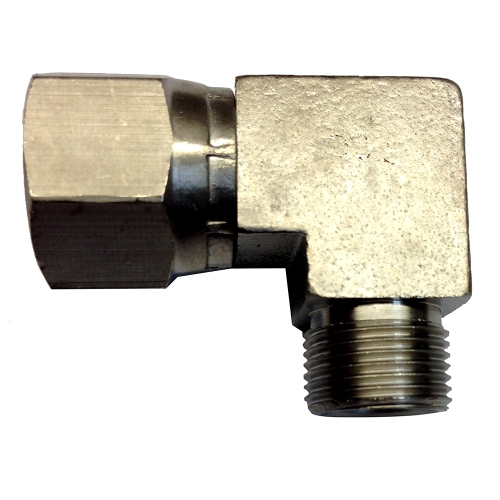
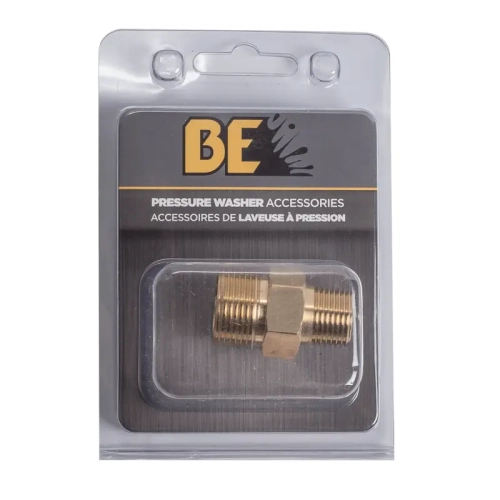
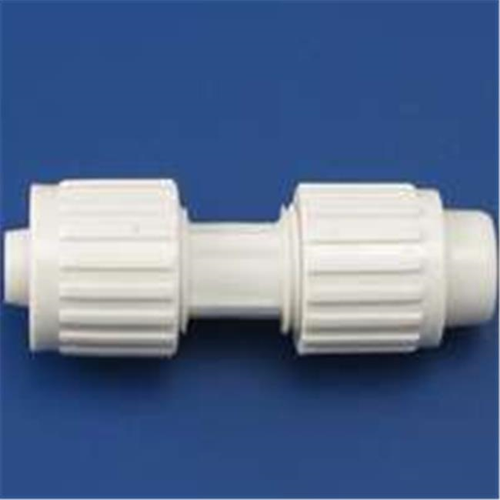
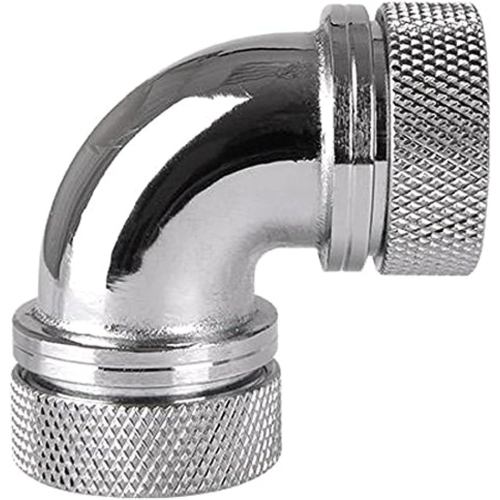
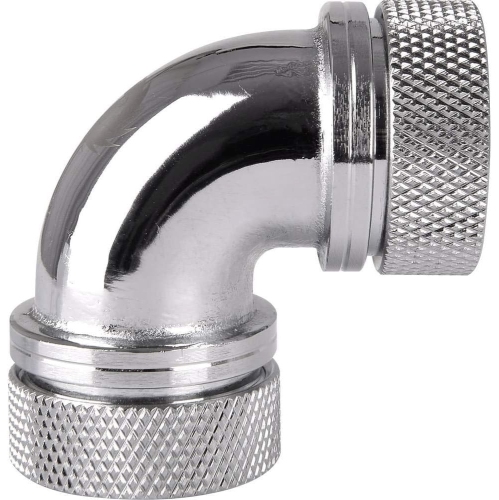
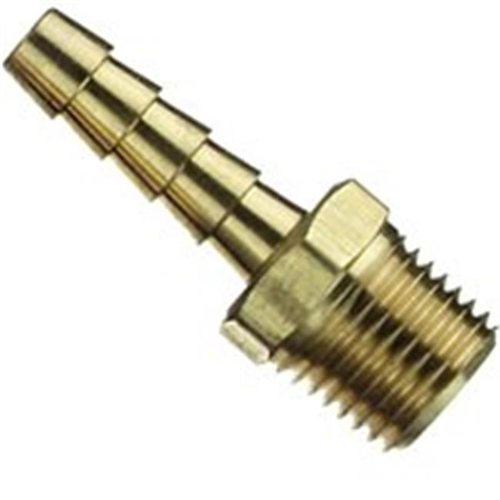
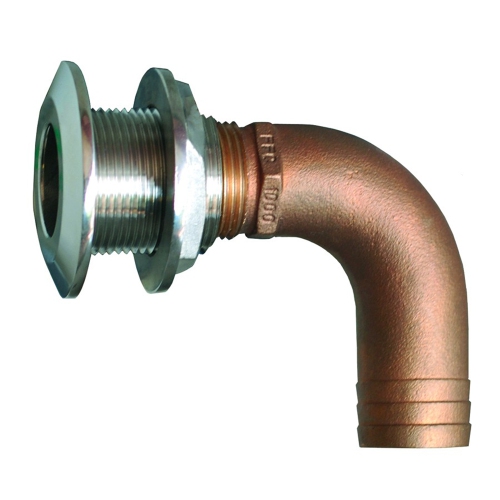
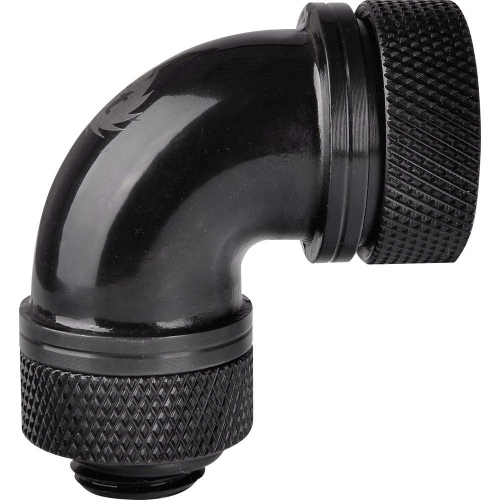
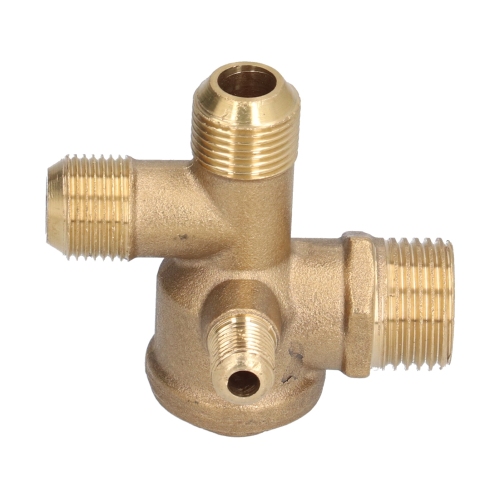
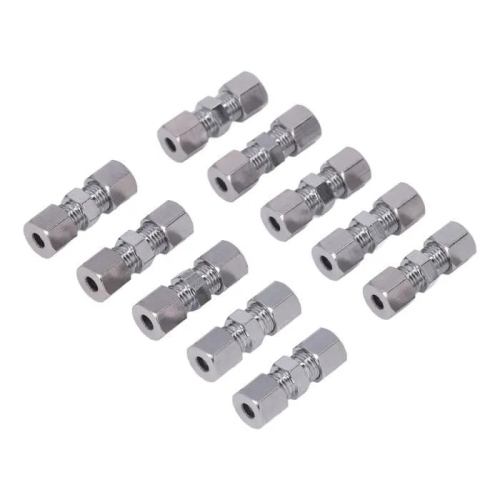
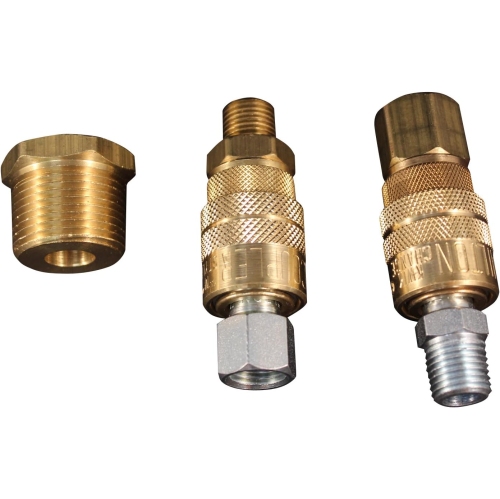
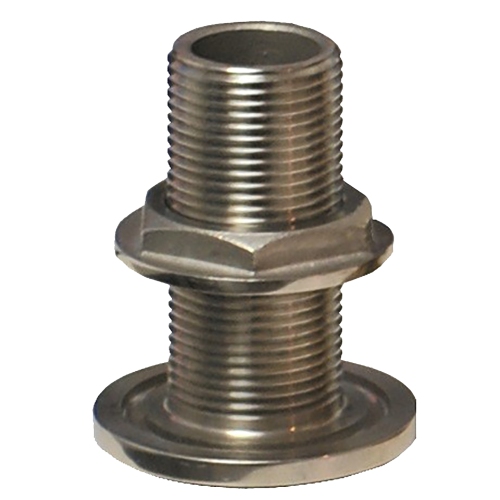
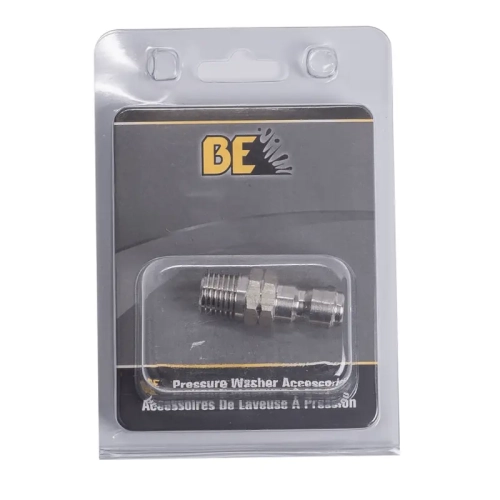
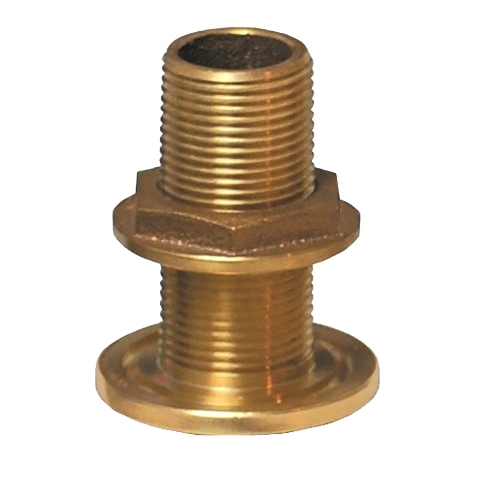
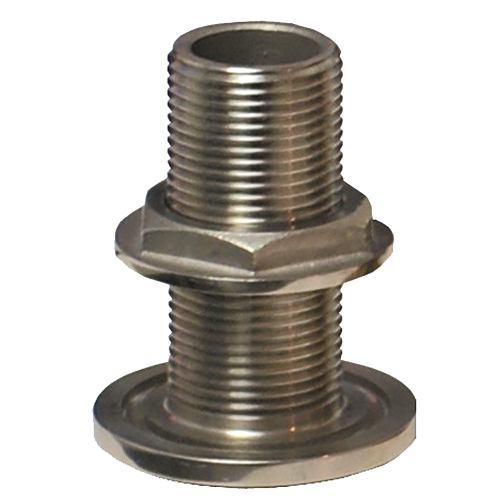
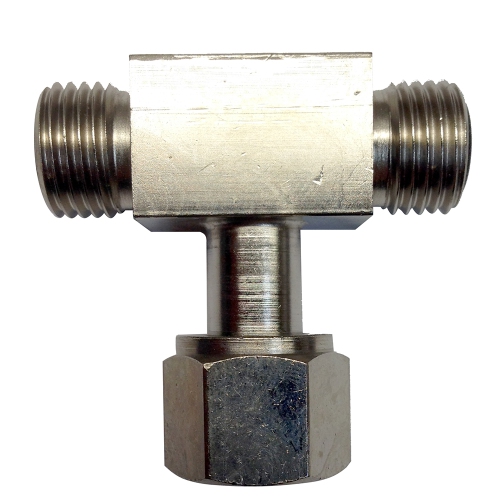
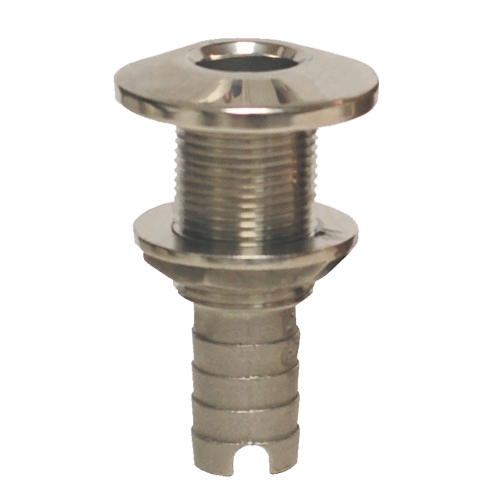
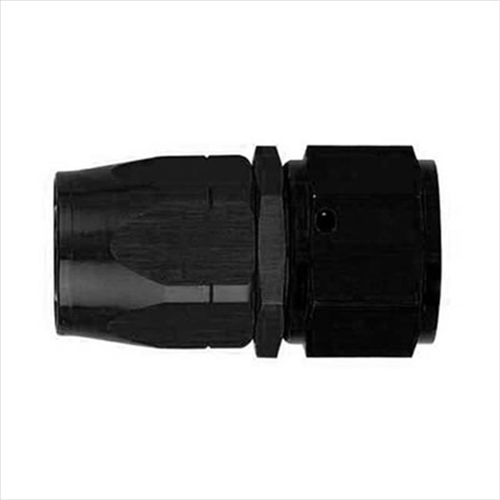
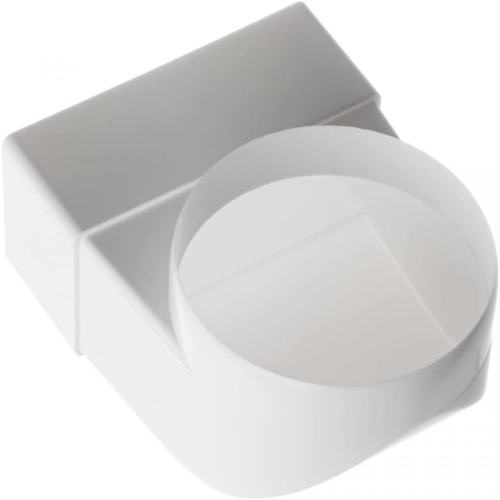
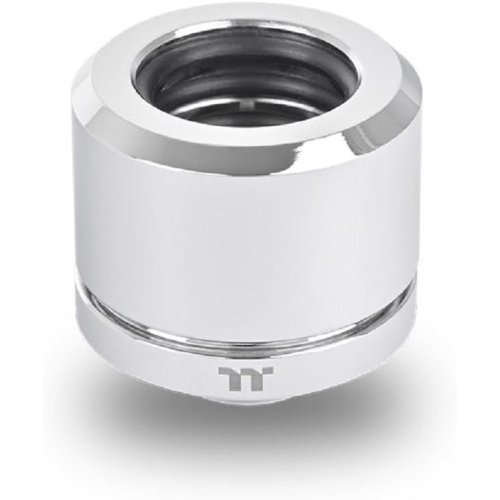
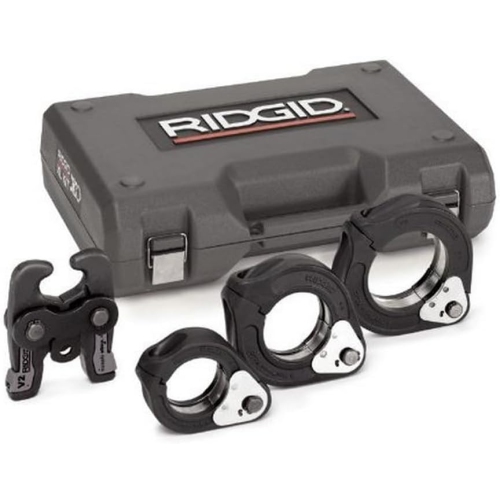
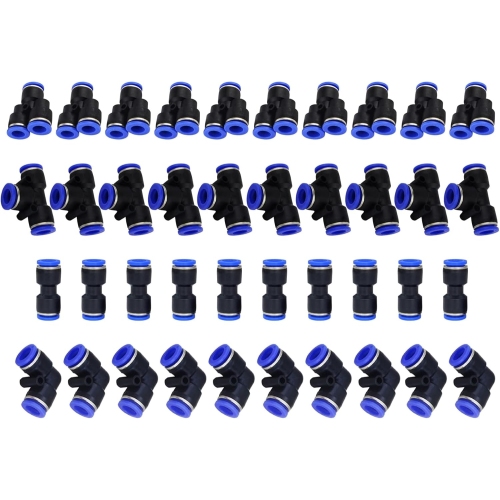
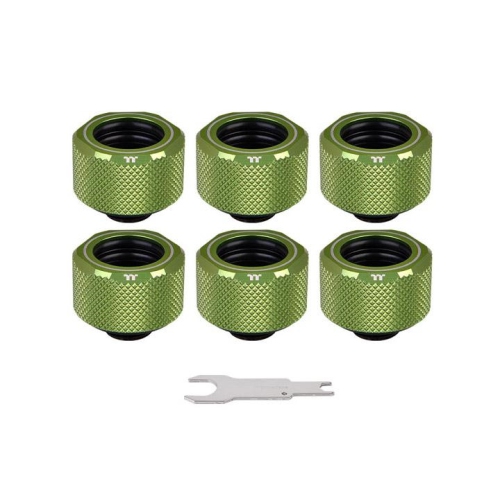
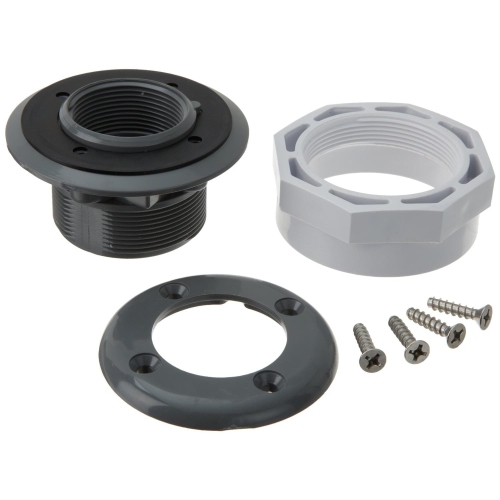
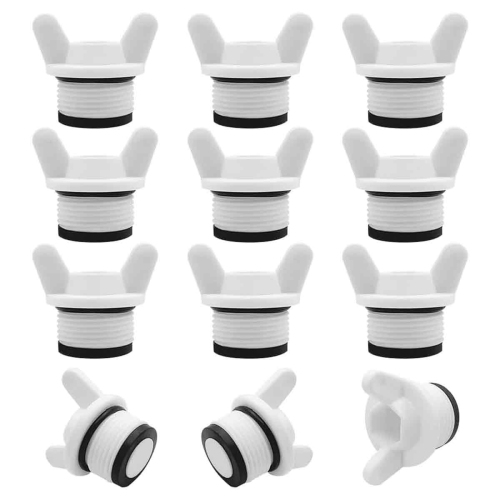
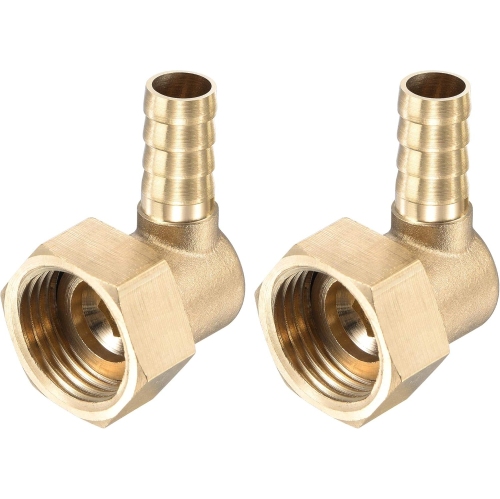
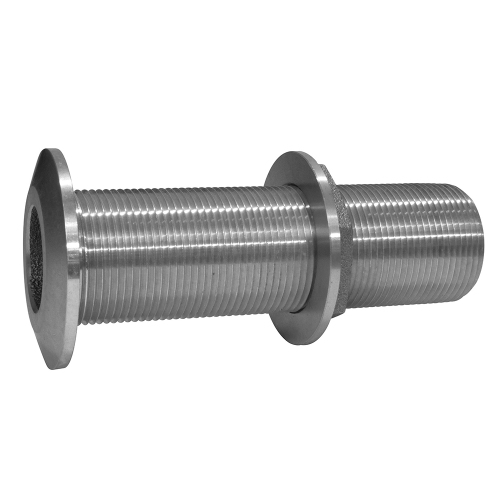
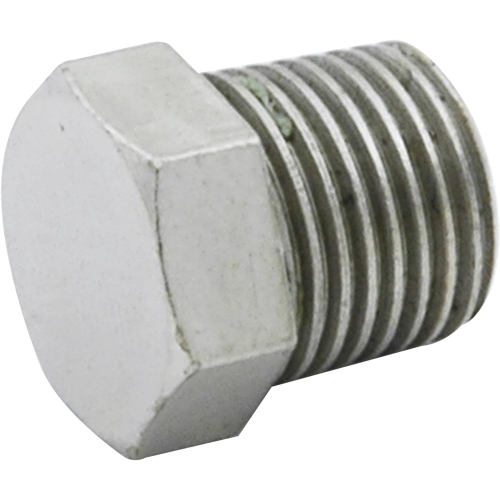
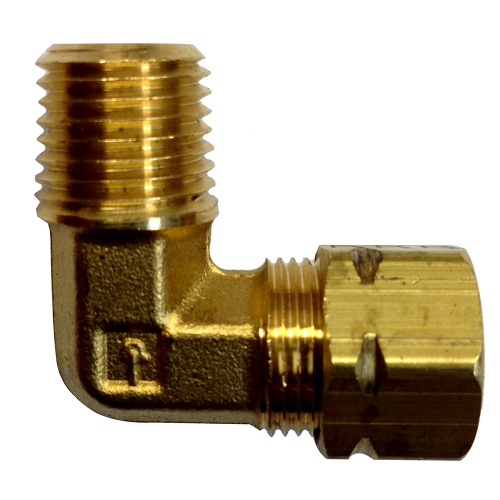
Pipe fittings are connectors that join pipe sections, change the direction of a run, create branches, connect different pipe sizes, or close an opening. They form the junctions that make plumbing, heating, drainage, and other piping systems work as a connected whole. A straight length of pipe carries water along a route; the fittings allow that route to turn beneath a sink, branch towards another fixture, or meet equipment in a utility room. Elbows change direction, commonly at 45-degree or 90-degree angles, while tees provide a three-way junction for branching or combining flow. Couplings connect two lengths of pipe, and unions provide a connection that can be taken apart for servicing without cutting the pipe. Reducers join different nominal pipe sizes, though their effect on flow depends on the wider system rather than the fitting alone. Caps close pipe ends, while plugs close openings in fittings, often through a threaded connection. Adapters connect compatible piping systems or change the connection style, such as from a threaded outlet to a soldered connection. These shapes can look straightforward, but their intended use matters as much as their appearance. A fitting designed for a pressurized water supply is not interchangeable with one made only for drain, waste, and vent piping. Drainage systems also use purpose-made junctions and swept bends that support the movement of wastewater and allow access for maintenance where required. Water lines, compressed-air lines, and heating circuits each place different demands on a connection. Gas piping requires fittings specifically approved for that service and installation by a qualified professional. For homeowners, renovation contractors, plumbers, and maintenance staff, the most useful distinction is between a connector that merely appears to fit and one that matches the pipe, connection method, and service requirements. That distinction applies equally to replacing a single junction beneath a basin and planning several connections along a larger pipe run.
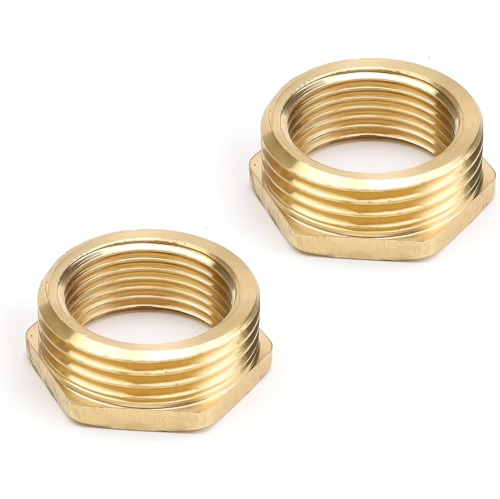
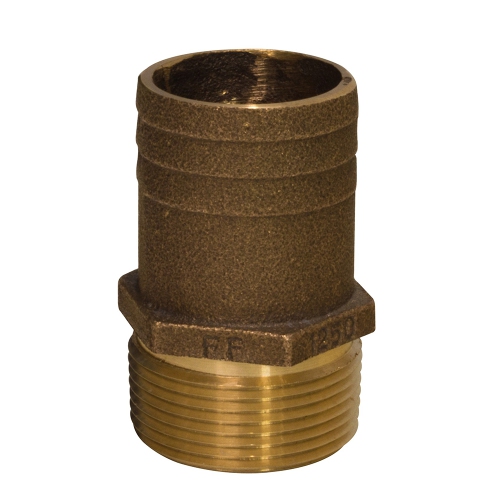
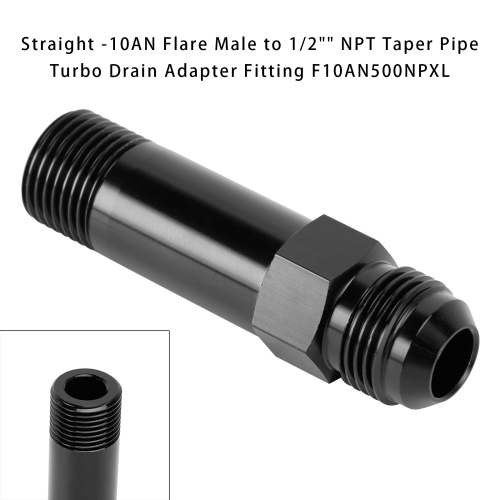
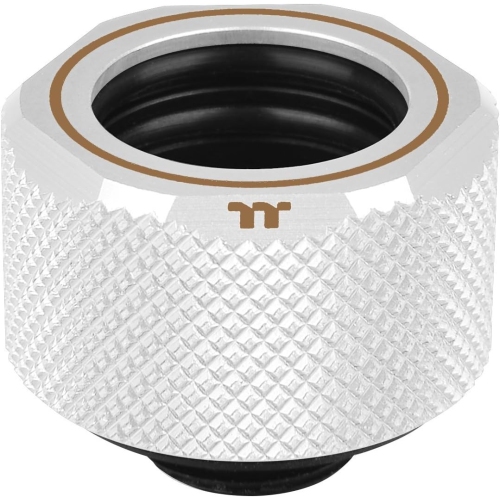
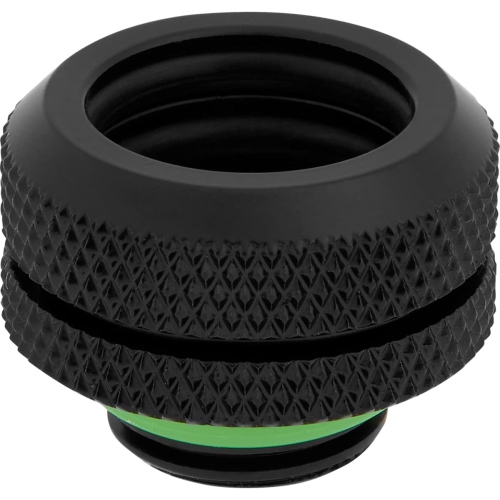
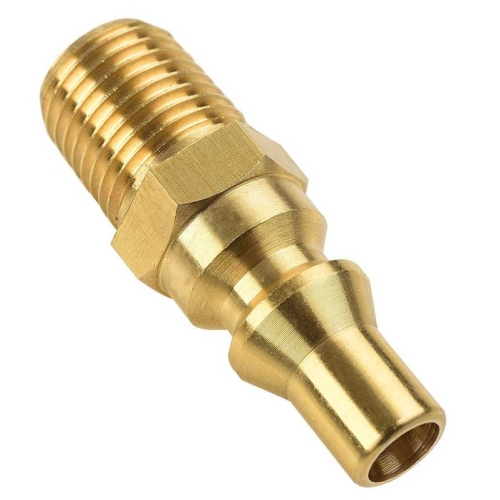
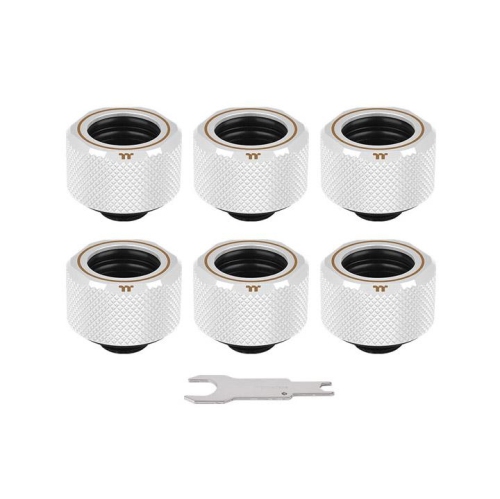
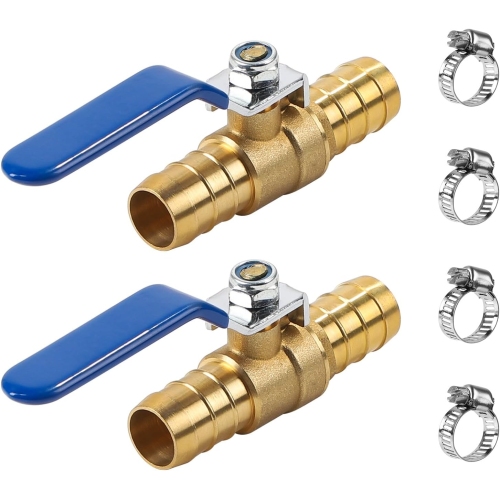
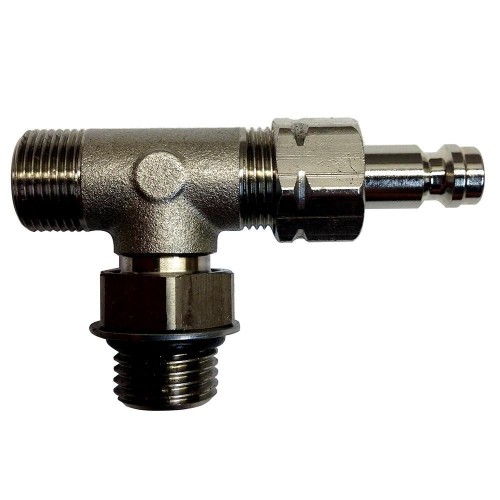
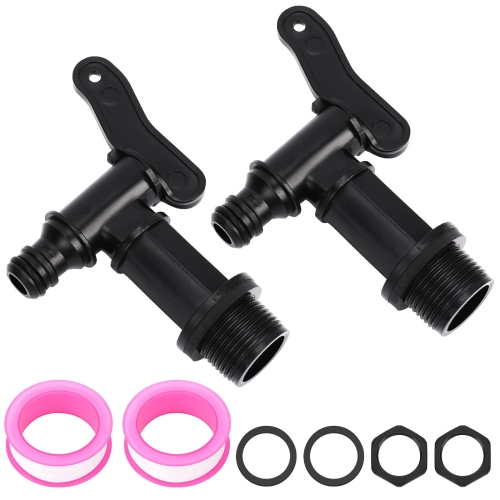
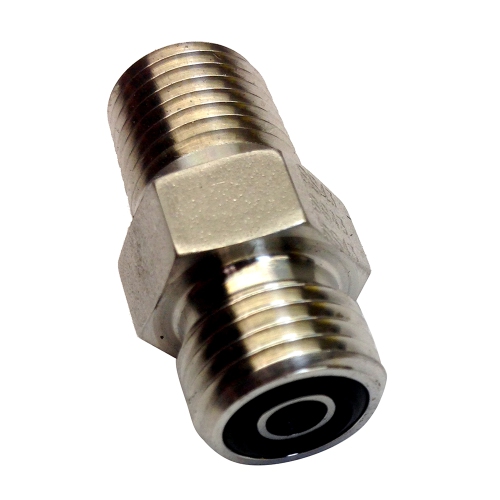
Material is another defining feature of pipe fittings because it affects compatibility, handling, durability, and the applications for which a connection is suitable. PVC fittings are lightweight and used in certain cold-water pressure systems, irrigation systems, and drainage applications, with separate specifications for each use. CPVC is a different material with its own ratings and joining requirements; it should not be treated as interchangeable with PVC simply because the pieces look similar. ABS fittings are commonly associated with drain, waste, and vent piping rather than pressurized drinking-water lines. Brass fittings are used for many threaded connections and transitions, including connections associated with PEX systems, but the alloy, certification, and application rating remain important. Fittings used for drinking water need to meet applicable requirements for potable-water contact, including lead-content requirements where relevant. Copper fittings are used in water distribution and heating systems, with soldered or press connections selected to suit the installation. Stainless steel and other metal fittings serve a range of mechanical and piping applications, but the material name alone does not establish suitability for a particular fluid or pressure. Connection style is equally important. Threaded fittings need matching thread standards and sizes; threads that begin to engage are not necessarily compatible. Nominal pipe size is a designation, not always a direct measurement of the outside diameter, so matching by appearance can lead to the wrong connection. Solder, press, compression, push-to-connect, and PEX crimp or expansion connections each have specific requirements for compatible pipe, fittings, and tools. Some connections depend on an internal seal, others on a compression component, a formed joint, or a properly bonded socket. Solvent-welded plastic connections require products intended for the relevant piping material. Where different metals meet, an approved transition may be needed to address corrosion concerns. Technical specifications provide a clearer basis for selection than colour or finish, particularly when two fittings have nearly identical shapes. Pressure ratings, operating limits, certification markings, and manufacturer compatibility information help establish whether a fitting belongs in the intended system.
Fit and access become especially noticeable in everyday installation spaces. Beneath a kitchen sink, the route between the drain outlet and the wall connection may need to leave room for cupboard storage and future cleaning. Beside a water heater or other serviceable equipment, a suitable union or transition can make later maintenance more practical. In a compact utility area, the outside dimensions of a fitting and the space needed for the joining tool can matter just as much as the nominal pipe size. Long-term durability also depends on how the surrounding pipework is supported: a sound connection should not be expected to carry unsupported pipe or compensate for a poorly aligned run. Repeated movement, unsuitable joining materials, and incompatible metals can shorten the life of an otherwise appropriate fitting. Exposed connections benefit from occasional visual checks for moisture, mineral deposits, cracking, or corrosion, while concealed connections need particular attention to installation quality and applicable code requirements. Surface cleaning should suit the material and any seals, without harsh chemicals or abrasive treatment that could damage protective finishes or plastic components. Paint, tape, or coatings should not obscure identification markings needed for maintenance or interfere with the connection. For a straightforward repair, identifying the existing pipe material, nominal size, connection type, and intended service makes the selection more precise. For a renovation or equipment installation, the full route matters, including branches, changes in size, access points, and transitions between systems. Related Piping Supplies can help connect the choice of fittings with the other components involved in a piping project. Professionals may need consistent specifications across several connections, while homeowners arranging a repair may be focused on a single replacement that matches the existing setup. In either case, suitability comes from the complete combination of material, dimensions, joining method, ratings, and intended use. A well-matched fitting does more than connect two openings: it supports a dependable system that can be inspected, maintained, and serviced throughout its working life.
Top selling and popular products
-
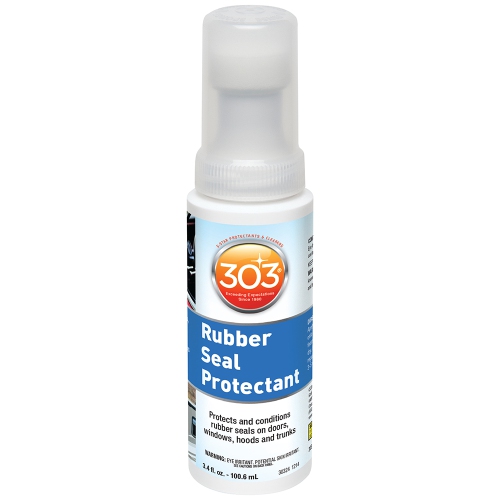 Your price for this item is $28.18
-
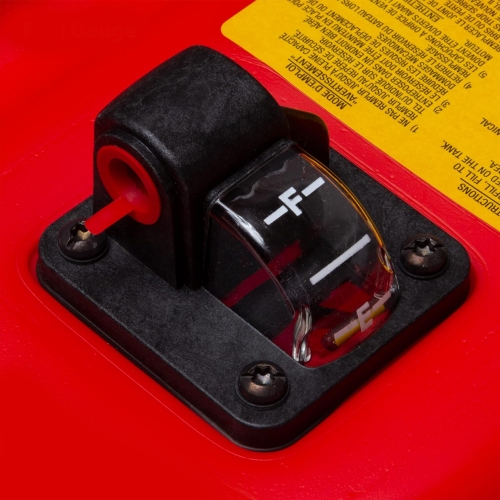 Your price for this item is $226.99
-
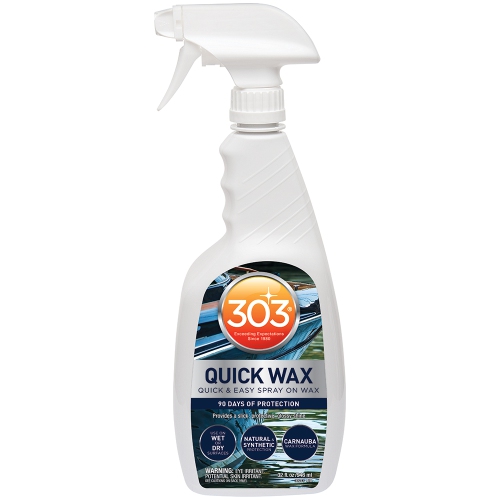 Your price for this item is $38.85
-
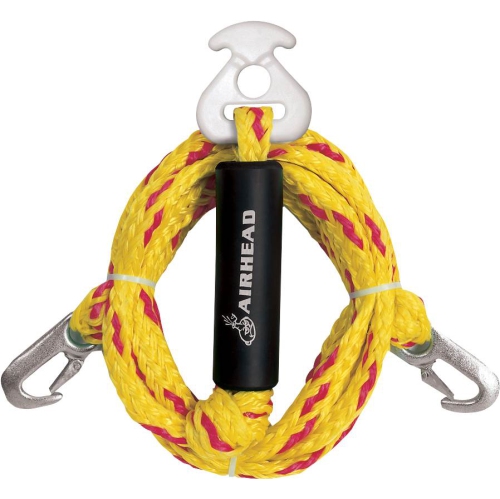 Your price for this item is $91.99
-
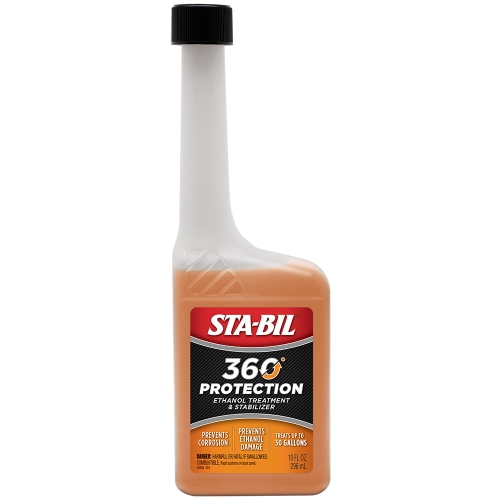 Your price for this item is $32.05
-
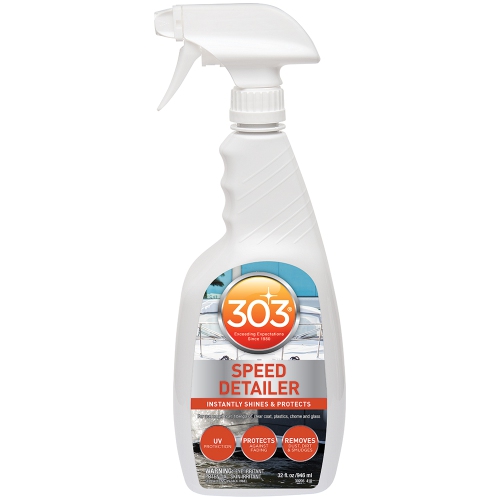 Your price for this item is $35.35
-
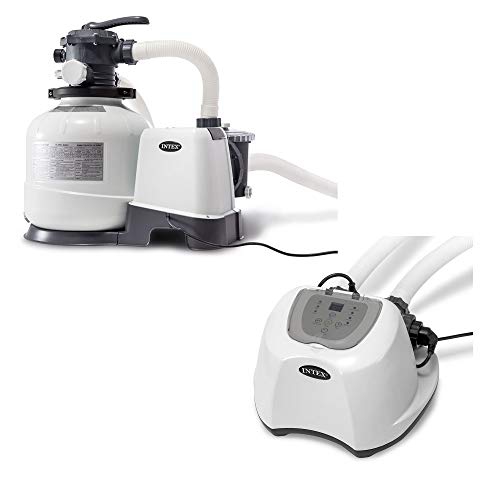 Your price for this item is $837.99
-
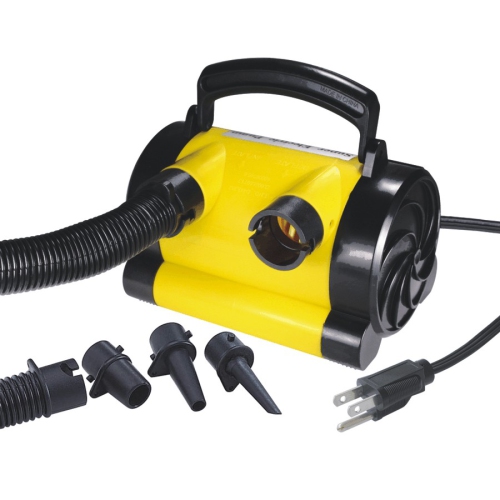 Your price for this item is $63.24
Discover more categories related to Pipe Fittings


Top Collections:
Best Black Friday Deals This Year, Best Black Friday Deals On Electronics, Kindle Devices, Pokemon Centers, Best Black Friday Deals On Apple Products, Best Cameras for Sports Photography, Dyson Airwrap, Pokémon 30th Celebration Cards, Apple iPhone 17 Pro, Canon G7X Cameras
Some products may be subject to Environmental Handling Fees
(EHF) depending on your province.
Learn more about EHFs.