3-in-1 Car Seats

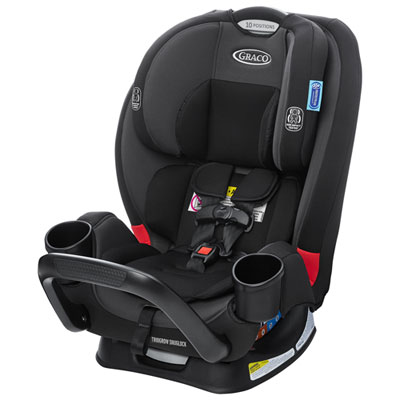
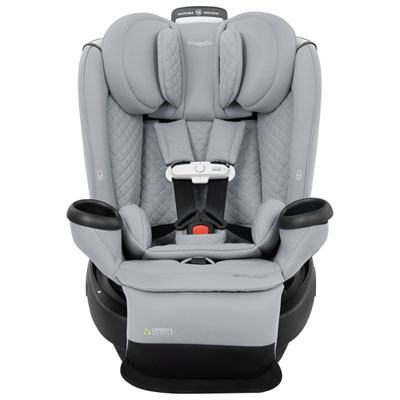
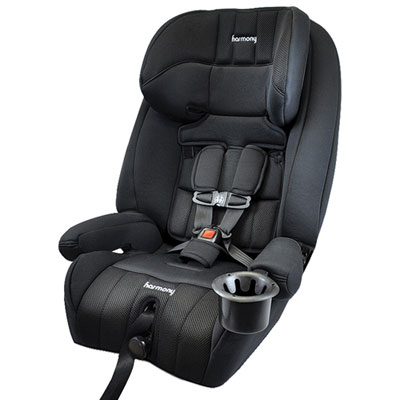
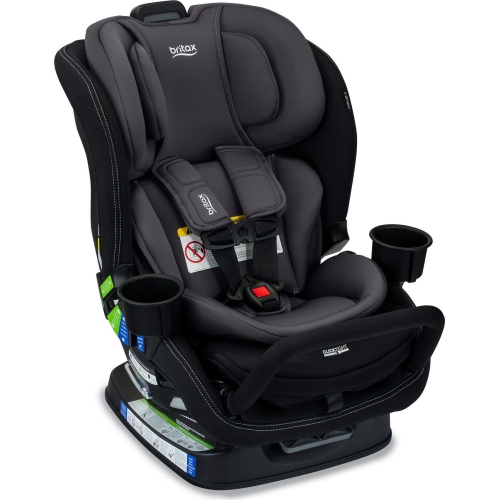
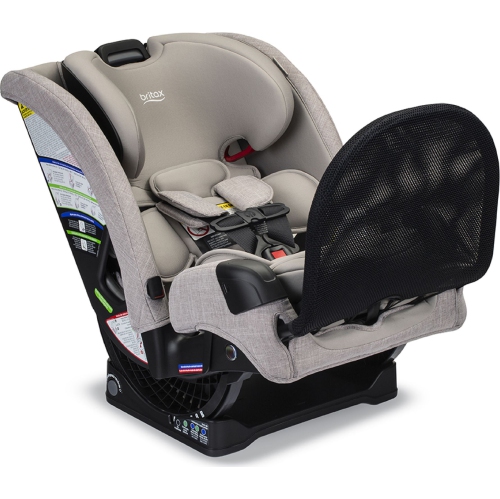
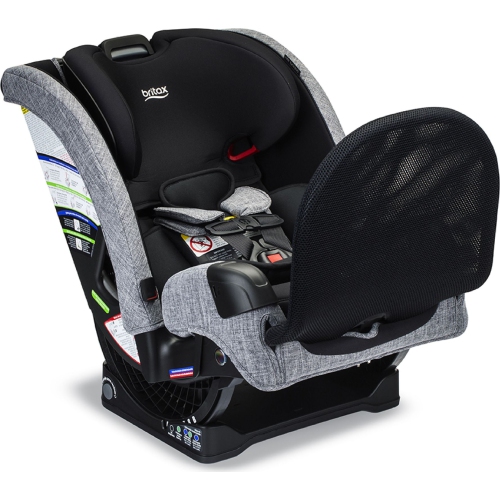
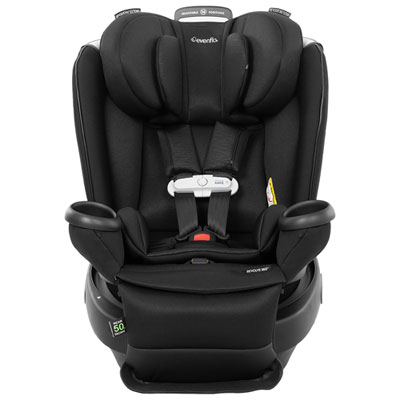
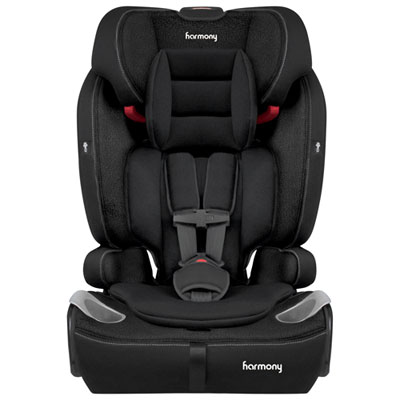
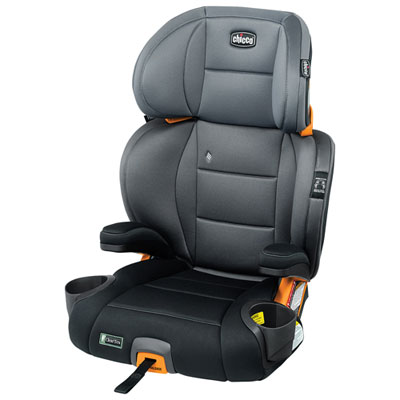
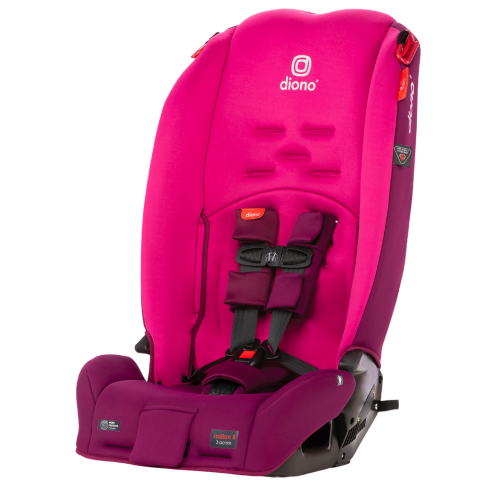
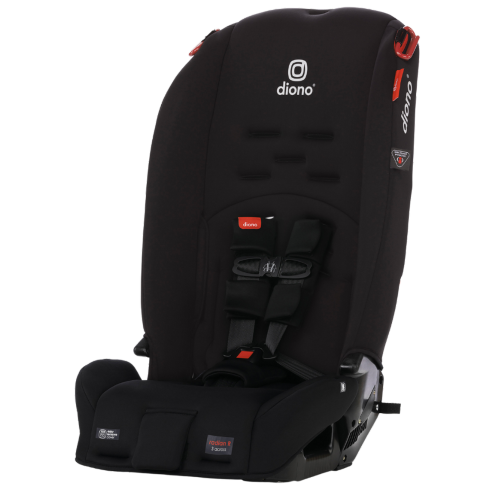
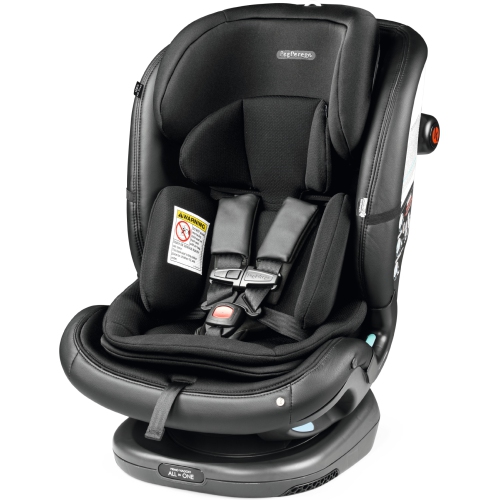
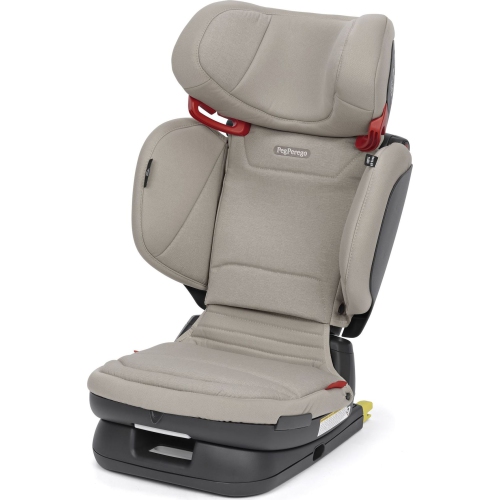
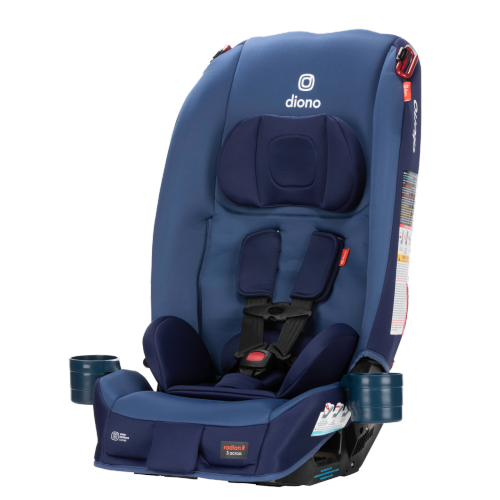
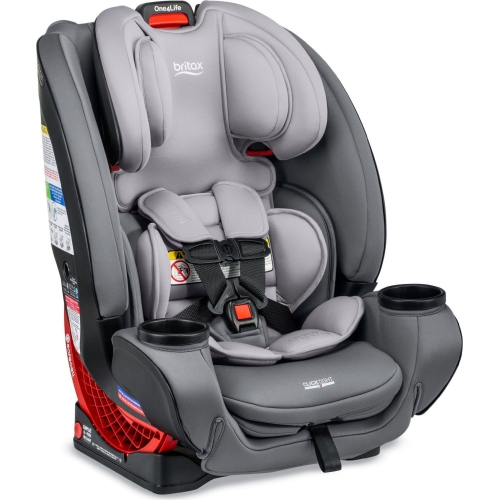
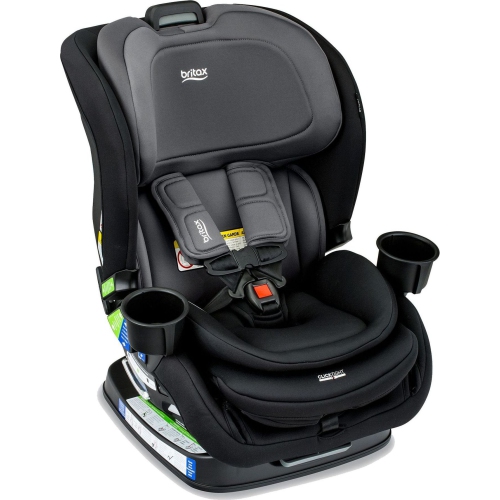
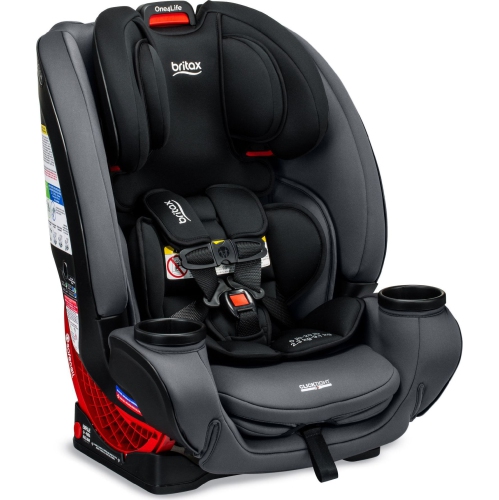
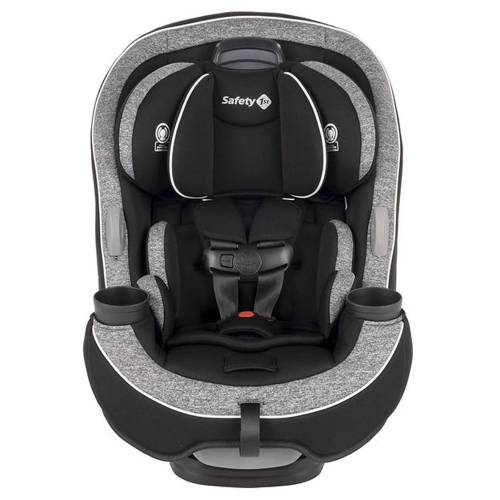
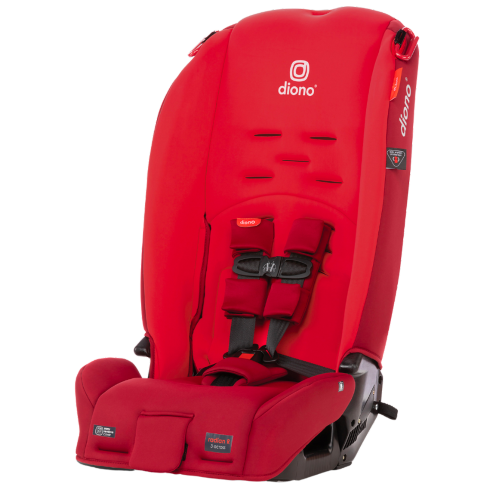
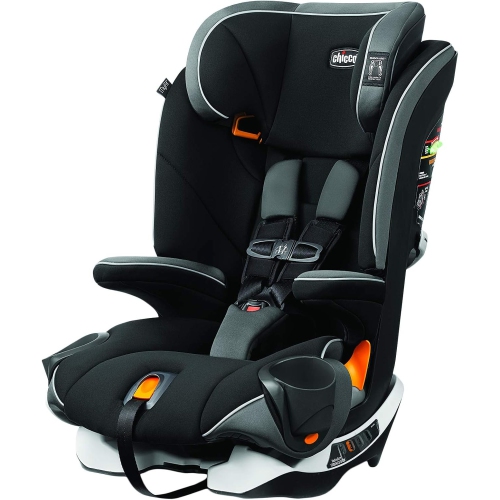
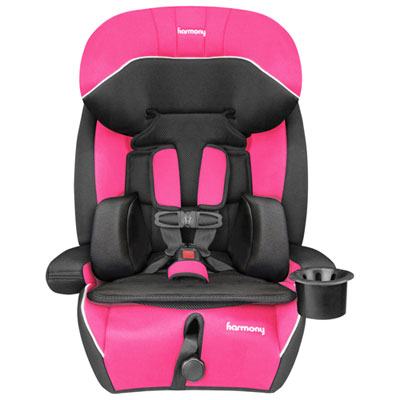
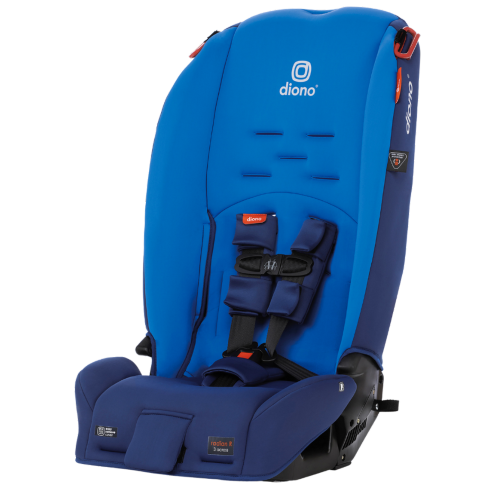
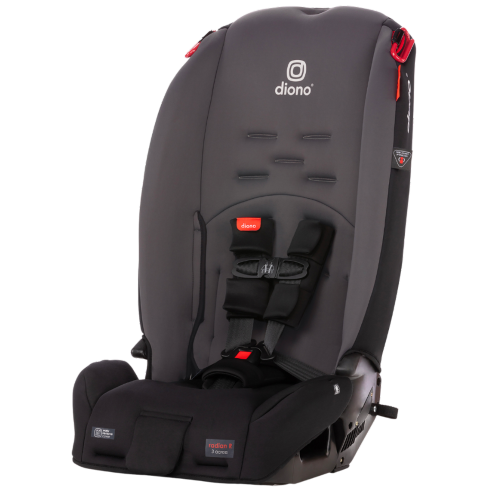
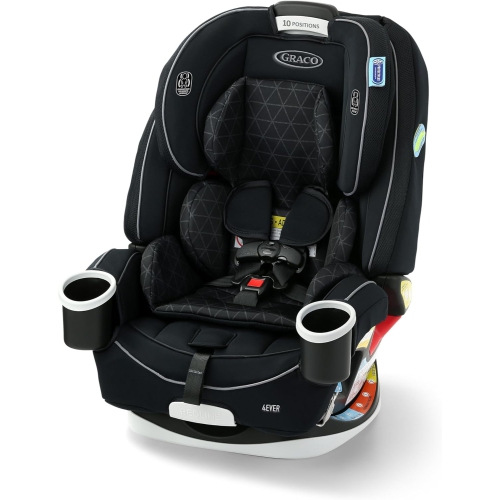
Find 3-in-1 car seats designed to adapt as your child grows, with modes that may include rear-facing, forward-facing, and booster seating. Compare each model’s seating modes, height and weight limits, and installation requirements to choose a seat that suits your child’s current stage and fits your vehicle.
Read More

Sort

Three seating modes don’t tell the whole story

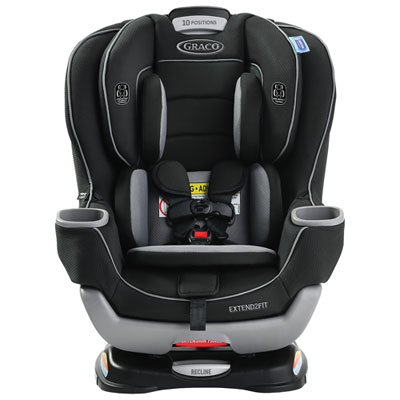
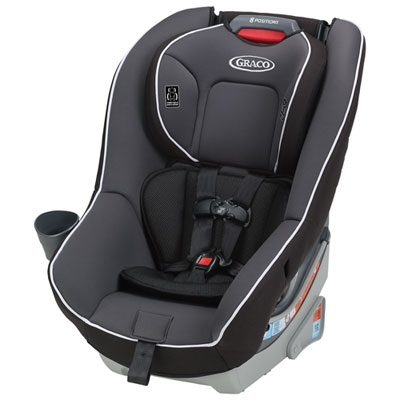
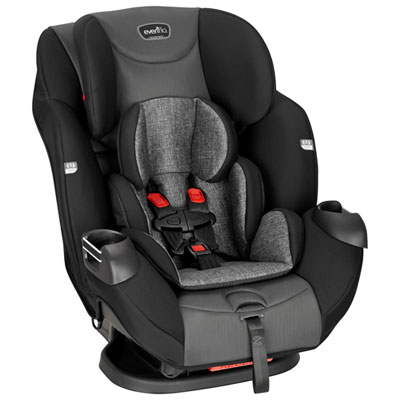
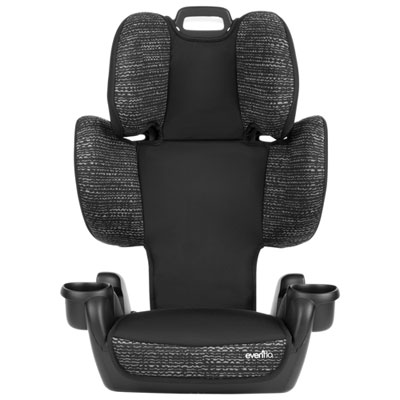
3-in-1 car seats combine three seating modes in one seat, giving families an option that can adapt as a child grows. The term can describe different combinations: some seats transition from rear-facing to forward-facing with a harness and then to a booster, while others begin as forward-facing harnessed seats and convert to high-back and backless boosters. That distinction matters when comparing options for an infant, toddler, or older child, since not every 3-in-1 seat is suitable from birth. The appropriate choice depends on the child’s age, height, weight, and readiness for each mode, along with the seat manufacturer’s requirements and provincial or territorial rules. For parents and caregivers planning ahead, a multi-stage seat can provide continuity through several stages without requiring a separate seat for each one. However, the number of modes alone does not determine how long a seat will fit a particular child; the limits and fit requirements for each stage are more useful points of comparison.
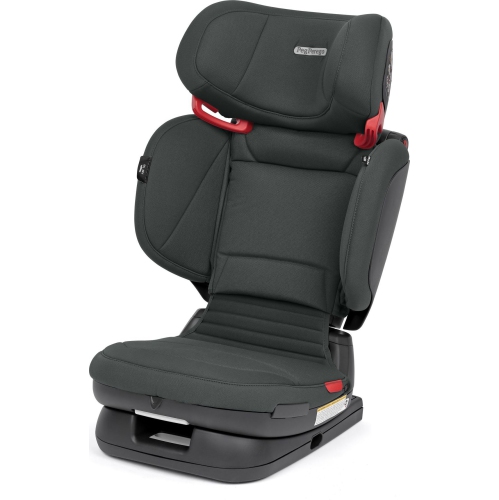
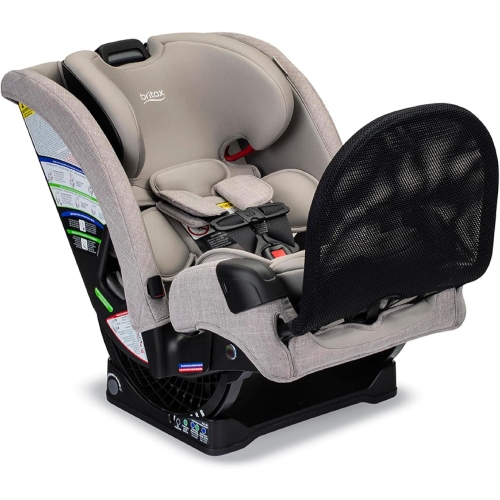
Vehicle fit and installation are important considerations when choosing among 3-in-1 car seats. Overall width, rear-facing depth, permitted recline positions, and access to the vehicle’s seat belt or Universal Anchorage System (UAS) can all affect how a seat works in a particular seating position. These details are especially relevant for compact vehicles, households fitting more than one child restraint across a rear seat, and families who regularly carry other passengers. A seat’s stated dimensions offer a starting point, but they do not establish compatibility on their own. The car seat instructions and vehicle owner’s manual determine which installation methods and seating positions are permitted, including applicable lower-anchor limits and top-tether requirements. Forward-facing harnessed seats require a top tether in Canada, while booster modes use the vehicle’s seat belt to restrain the child according to the seat’s instructions. If a seat will move frequently between vehicles or caregivers, its weight, adjustment process, and installation requirements may be particularly relevant to the purchase.

Day-to-day usability also helps distinguish the right 3-in-1 car seat for a household. When comparing product details, consider how the harness and headrest adjust, how clearly the recline settings are indicated, and what cleaning procedures the manufacturer allows. Removable covers, where offered, may simplify routine care, but washing and drying instructions vary, and harness components can have separate cleaning restrictions. Families looking for a seat to accommodate later growth should compare the rear-facing and harnessed-mode limits as well as the booster requirements rather than relying only on the highest advertised weight limit. Children should remain rear-facing until they reach the seat’s rear-facing height or weight limit, then use an appropriate forward-facing harnessed seat until its limits are reached; moving to a booster also requires the ability to sit correctly throughout the journey. For use in Canada, confirm that the seat carries the National Safety Mark, and check its expiry information before planning for years of use or a future hand-me-down. Together, these details help parents, grandparents, and other caregivers choose a seat that suits both the child’s current needs and the vehicles in which it will be used.

Read More

FAQ

Some products may be subject to Environmental Handling Fees (EHF) depending on your province. Learn more about EHFs.