Acoustic Electric Hybrid Guitars

Acoustic electric hybrid guitars combine acoustic sound with the option to plug into an amplifier or PA system. Compare guitars by body size, playing comfort, and pickup controls to find a fit for practising at home, recording, or performing live.
Read More

Sort

Acoustic and electric voices without switching guitars

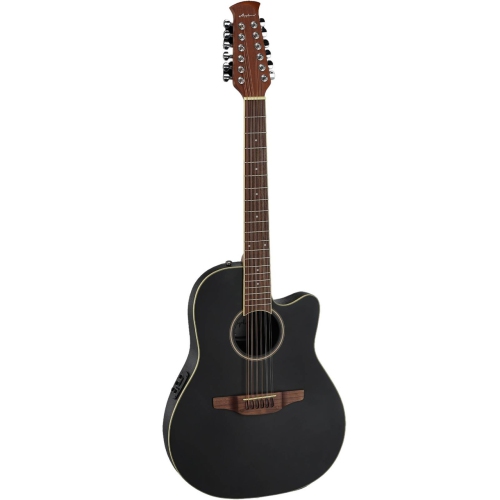
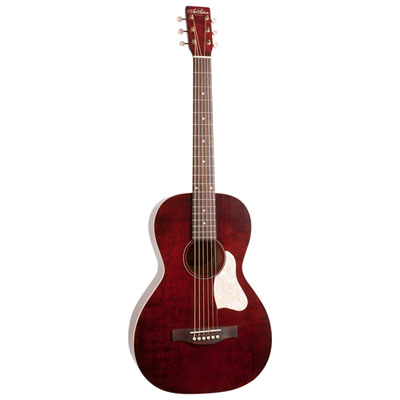
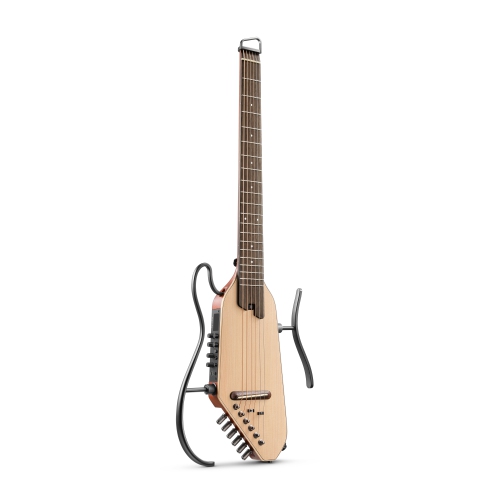
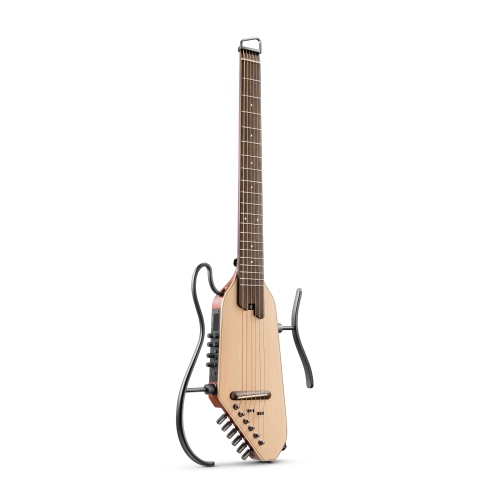
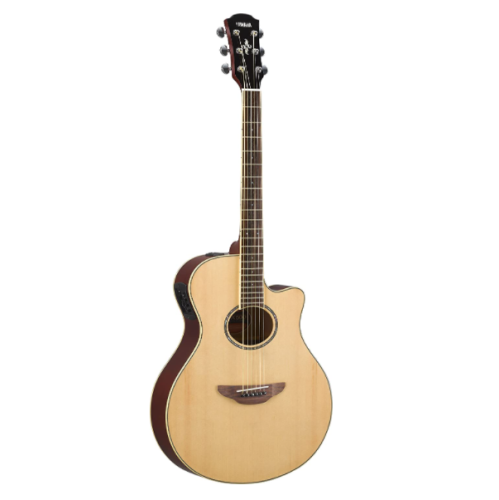
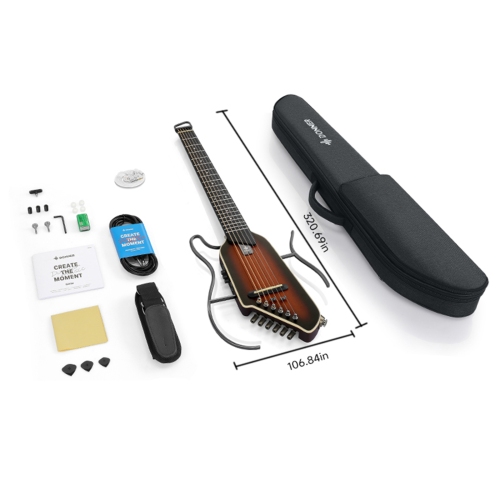
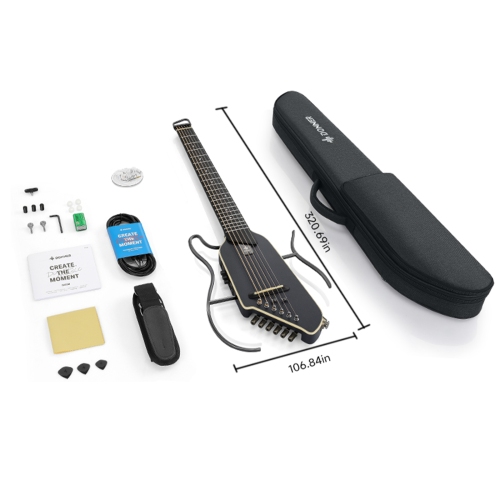
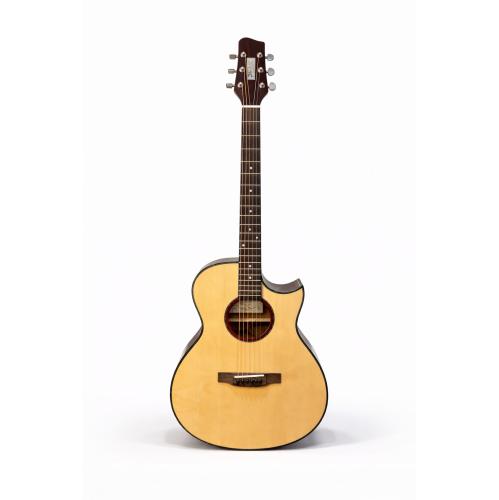
Acoustic-electric hybrid guitars combine acoustic-style sound and electric-guitar capability in one instrument, allowing players to move between clear, resonant textures and amplified electric tones without changing guitars. Unlike a conventional acoustic-electric guitar, which generally uses a pickup to amplify its acoustic voice, a hybrid is designed to offer distinct acoustic and electric sounds, often with the option to blend them. The way those sounds are produced varies: some designs pair a resonant body and an acoustic pickup system with magnetic pickups, while others use a compact body, bridge sensors, and electronic sound processing to create their acoustic-style voice. Magnetic pickups capture string vibration for familiar electric tones, while piezo pickups or body sensors provide a different response that can emphasize articulation, string detail, and percussive playing. Not every hybrid has the same construction or switching arrangement, so its usefulness depends on how those elements work together. For a singer accompanying a picked verse, a clear acoustic setting can leave room for the vocal; a blended setting can add weight to a strummed chorus, and an electric voice can carry a melodic lead between phrases. That flexibility makes these guitars appealing for songwriting, solo performances, rehearsals, and recording sessions where several musical textures need to come from a single instrument. Folk, pop, country, blues, and rock players may all find uses for the format, although the character of each sound remains dependent on the guitar’s design and the equipment connected to it. Unplugged volume also varies considerably. A thin or chambered hybrid may be comfortable for quiet practice but will not necessarily project like a full-depth acoustic guitar, and electronically generated acoustic sounds require a powered signal path to be heard as intended. Players whose main priority is traditional acoustic playing with amplification may also find related options among High Quality Acoustic Electric Guitars, while hybrid designs place greater emphasis on moving between different voices.
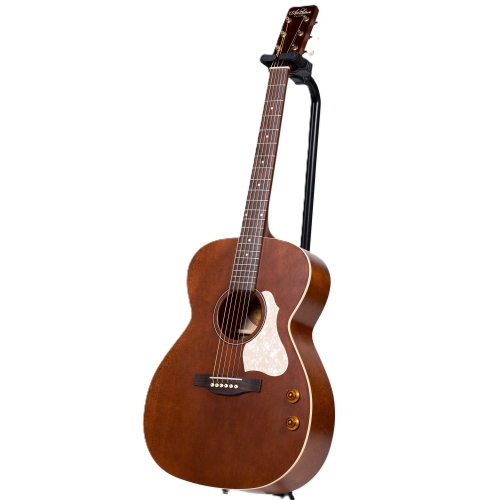
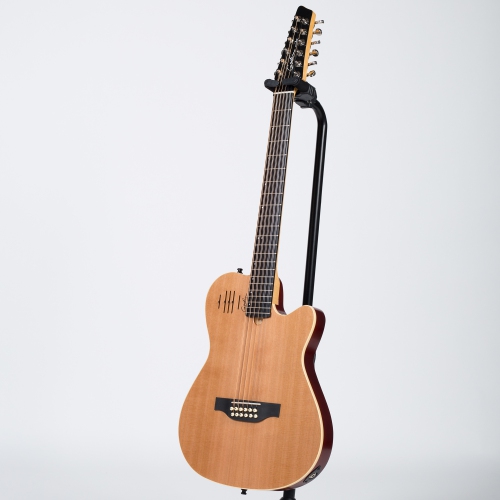
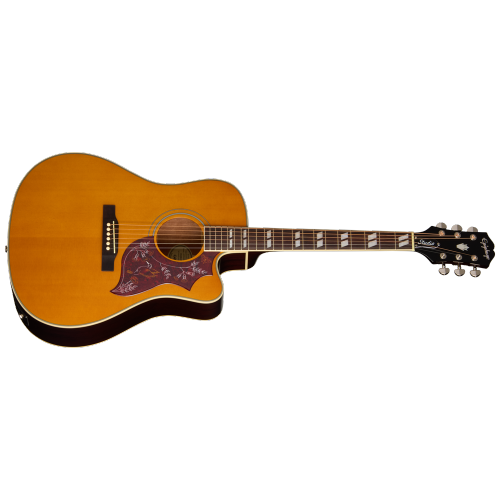
Body construction, materials, and physical fit all influence how an acoustic-electric hybrid guitar feels over a long playing session. A hollow or chambered body can contribute resonance and reduce weight, while a more compact design may feel familiar to someone moving from an electric guitar. Neither approach guarantees a particular sound or level of comfort: body depth, balance, bridge placement, and the shape of the neck matter alongside the materials. Spruce and cedar are commonly associated with acoustic soundboards, while mahogany, sapele, and maple appear in various body and neck constructions. Their contribution depends on where they are used, how the instrument is built, and how much of the amplified sound comes from its electronics. Solid wood can offer a responsive acoustic character, while laminated construction can provide structural consistency; the overall build is more informative than a wood name alone. Smooth fret ends, secure hardware, a well-fitted nut, and an even fretboard surface are practical signs of workmanship that affect daily use. Neck profile and nut width deserve particular attention because they determine how the fretting hand wraps around the instrument and how much space sits between strings. A player forming open chords may prefer a different feel from someone using wide stretches, quick lead passages, or intricate fingerstyle patterns. Scale length and string gauge also influence tension, with the final feel shaped by tuning and setup rather than any single measurement. A cutaway can make higher frets easier to reach, while rounded body edges and a balanced strap position can improve comfort when standing. Seated players benefit from a body shape that rests securely without forcing the picking arm into an awkward position. String material should suit the instrument’s design, especially when magnetic pickups are involved, since string construction can affect their response. Finish colour is a personal preference, but finish condition, control placement, and access to the battery compartment have practical importance long after the first impression.
The amplification setup is an important part of the hybrid guitar experience because acoustic and electric signals often benefit from different treatment. An acoustic voice typically needs clear, full-range amplification through an acoustic amplifier, suitable PA system, or recording setup, whereas an electric voice may rely on the character of a guitar amplifier and effects. A single blended output offers a straightforward connection, but separate outputs, where provided, can allow each sound to follow its own signal path. This can be useful for keeping a fingerpicked passage clear while sending an electric lead through overdrive, or for recording the two voices separately and adjusting their balance later. Compatibility depends on the guitar’s connections and controls, so a recording interface may need an appropriate instrument input or an external DI box. Onboard volume, tone, and blend controls should be easy to reach without interrupting a chord, particularly for performers who change sounds within a song. Feedback remains a consideration with amplified resonant instruments; body design, stage volume, speaker placement, and available phase or tone controls can help manage it, but no single feature removes every risk. Active electronics may require a battery, and a weakening battery can affect output or introduce distortion. Routine care includes wiping strings and contact areas after playing, keeping jacks and controls free of debris, and using cleaning products suitable for the finish. A fitted case or well-padded gig bag helps protect the neck, bridge, and electronics during transport, while a secure strap supports the instrument during standing performances. Periodic setup work can address fret buzz, string height, tuning stability, and intonation as playing preferences change. For a gift recipient, the strongest match is usually a guitar that suits an existing musical interest: a songwriter exploring layered arrangements, an electric player adding acoustic textures, or a performer simplifying a multi-guitar setup. Comfort, sound-switching preferences, and compatibility with existing equipment make the gift more useful than versatility alone.
Read More

FAQ

Some products may be subject to Environmental Handling Fees (EHF) depending on your province. Learn more about EHFs.