Climbing Cameras
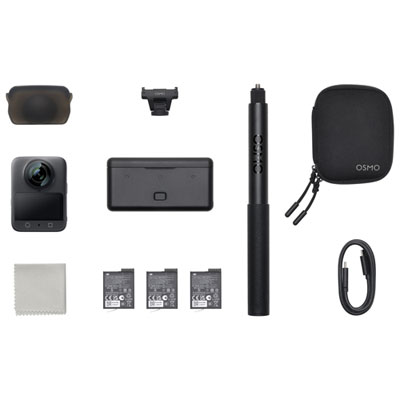
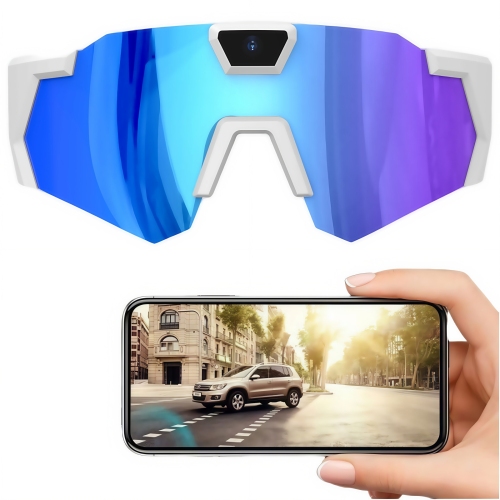
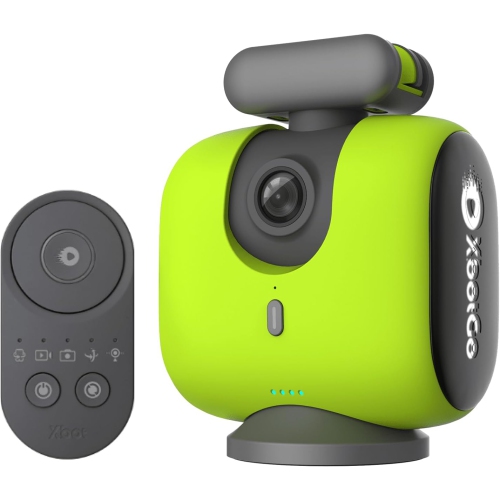
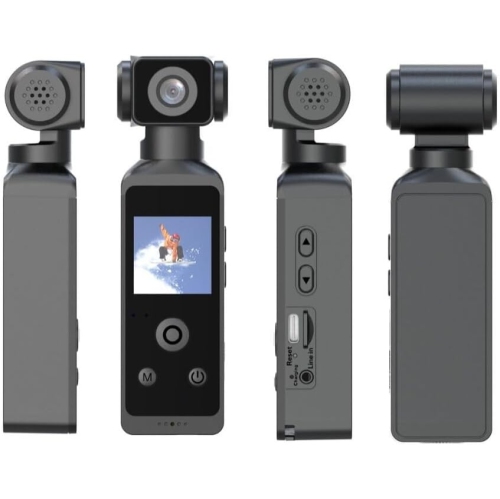
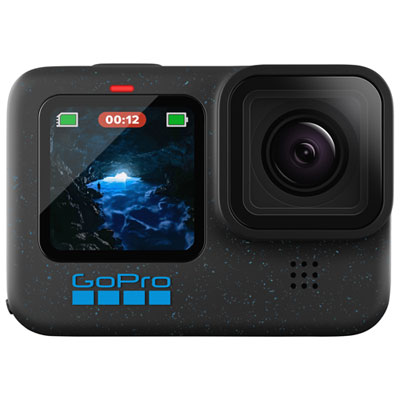
Climbing cameras let you capture your route and the view without stopping to reach for your phone. Explore compact action cameras for climbing footage, and compare mounting compatibility, image stabilization, battery life and weather resistance to find an option that suits your gear and the length of your outings.

FAQ
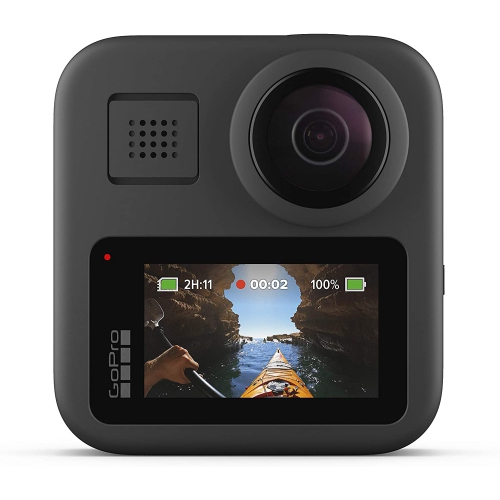
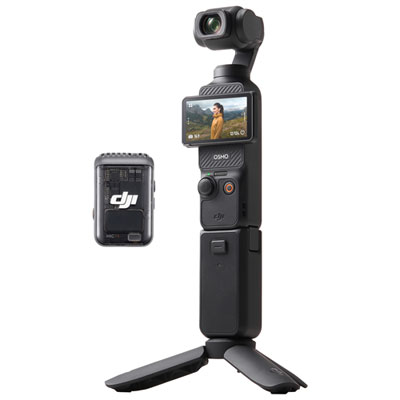
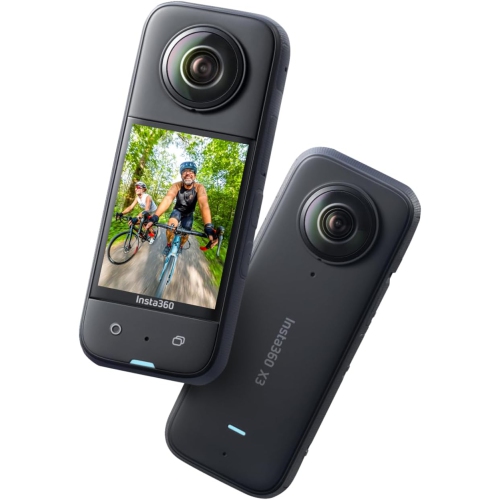
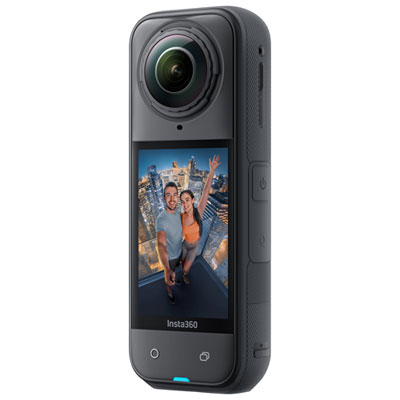
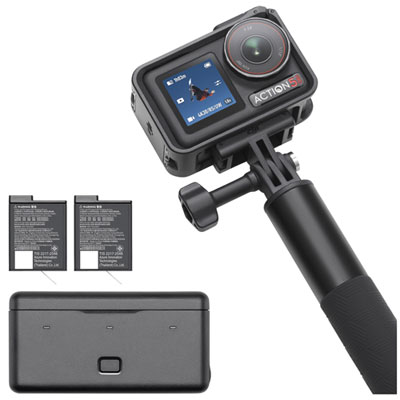
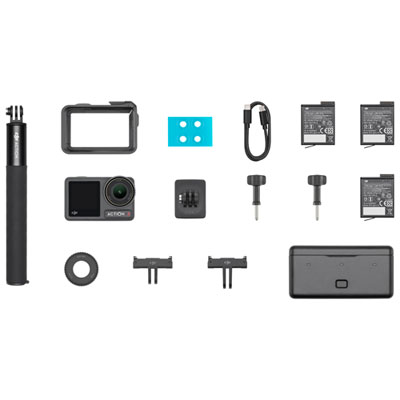
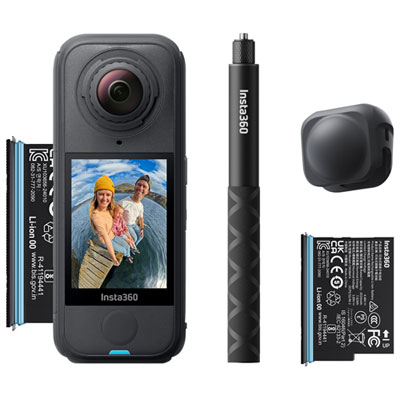
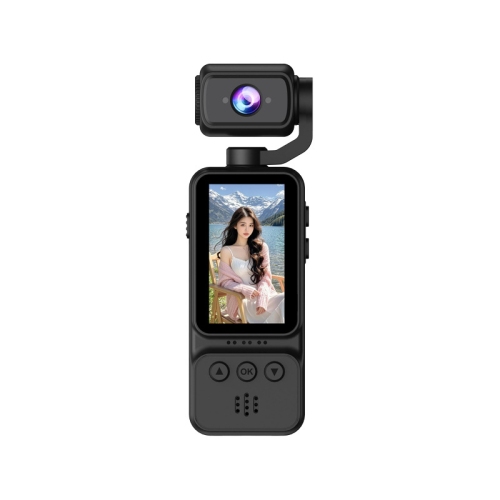
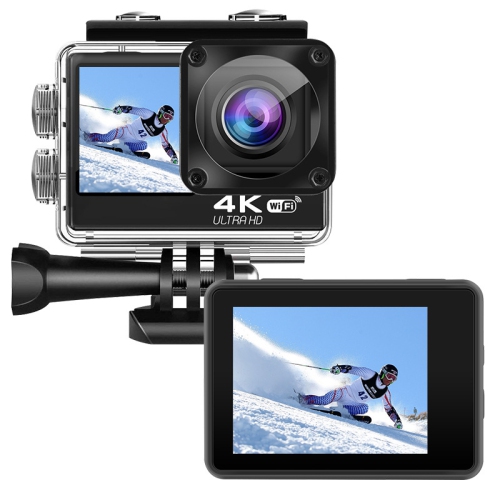
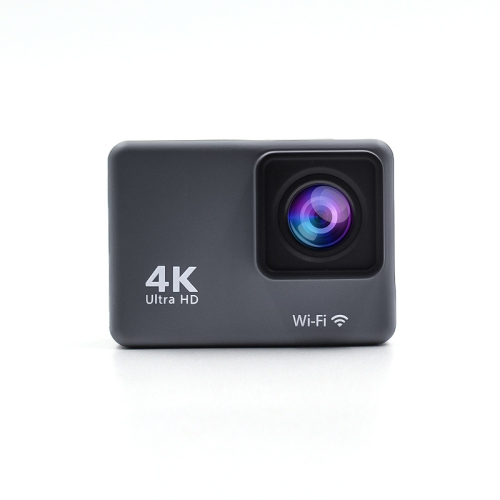
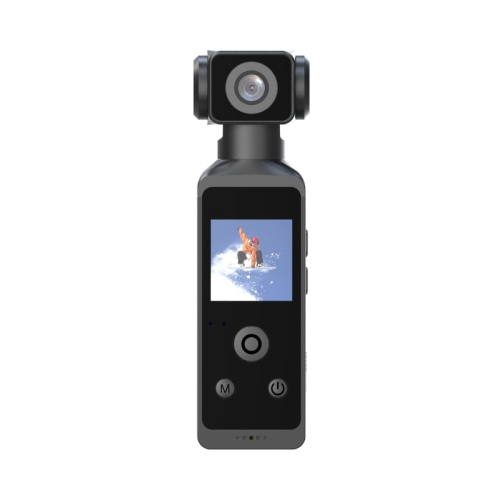
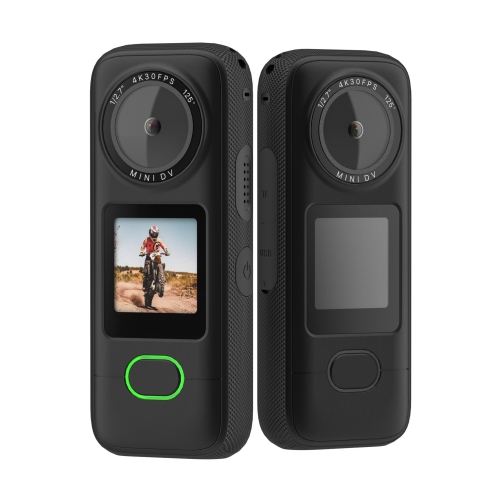
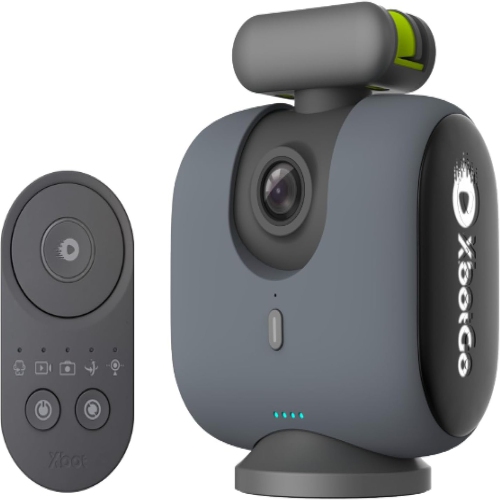
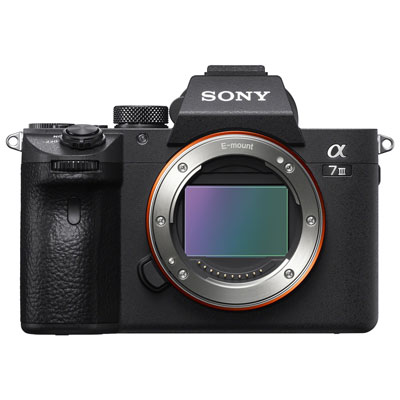
Action cameras are a common choice for first-person climbing footage, while 360-degree cameras capture views in every direction for reframing during editing. Compact cameras offer another option for taking photos and videos from viewpoints along a route.
Depending on the model, climbing cameras may offer standard video, slow motion, time-lapse and burst photography. Time-lapse can condense a lengthy climb into a short sequence, while burst mode captures a series of still images.
Common options include helmet mounts, chest mounts and clips designed for backpack straps. Each provides a different perspective, from a first-person view to footage that includes more of the climber’s movements. Mount compatibility varies by camera and attachment system.
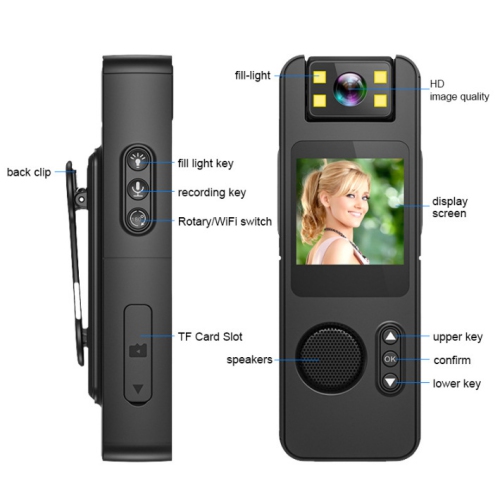
Many climbing cameras save footage to a removable microSD card, while some use built-in storage. Supported card formats and speed requirements vary by model. Higher-resolution video and higher frame rates generally use more storage than lower-resolution settings.
Depending on the camera, you can transfer files through USB, a memory card reader or Wi-Fi using a compatible mobile app. Editing apps let you trim clips, combine sequences and add music or captions. Footage from a 360-degree camera may require compatible software to choose viewing angles and export a conventional video.
Top selling and popular products
Discover more categories related to Climbing Cameras
Some products may be subject to Environmental Handling Fees (EHF) depending on your province. Learn more about EHFs.