Air Conditioners for Small Window
Finding the perfect air conditioner for a small window can make all the difference in maintaining a comfortable and cool living space during those hot summer months. Whether you're living in a cozy apartment or need to cool down a specific room, these compact units are designed to fit seamlessly into smaller windows without compromising on efficiency. Explore a variety of options that cater to different needs and preferences, ensuring you enjoy optimal cooling performance while maximizing your space.
Sort
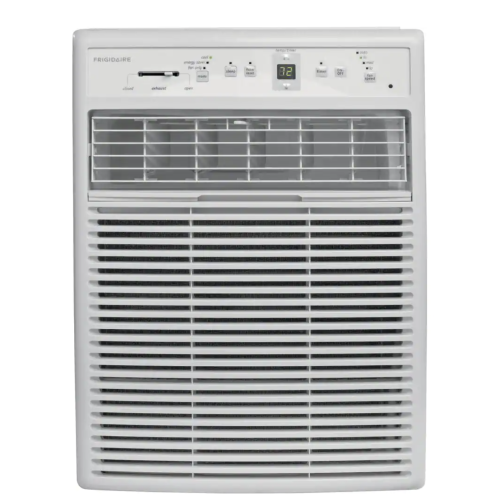
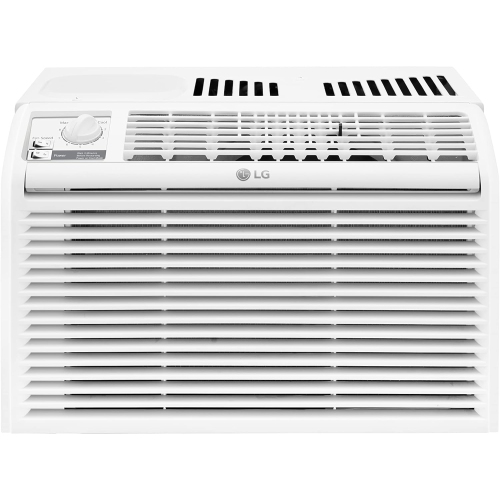
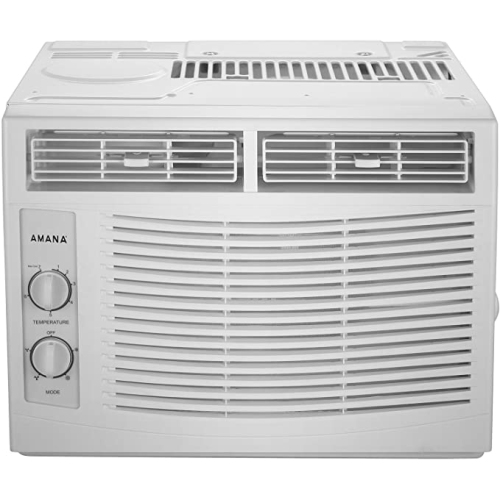
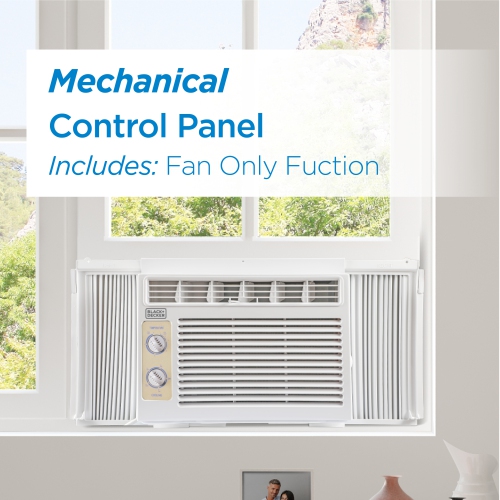
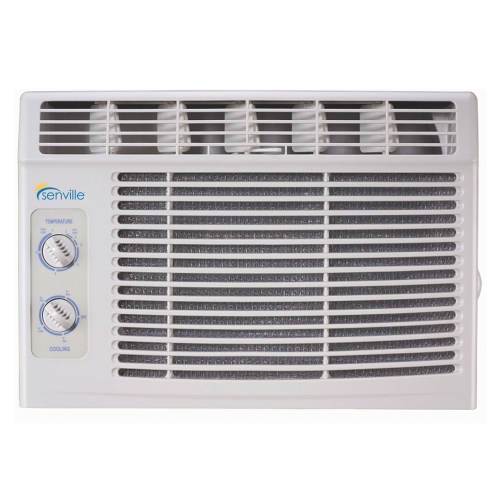
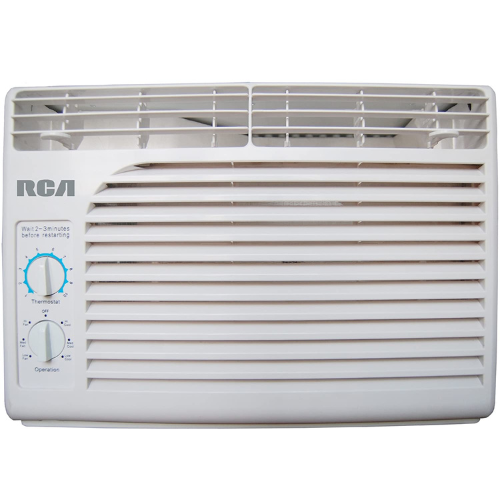
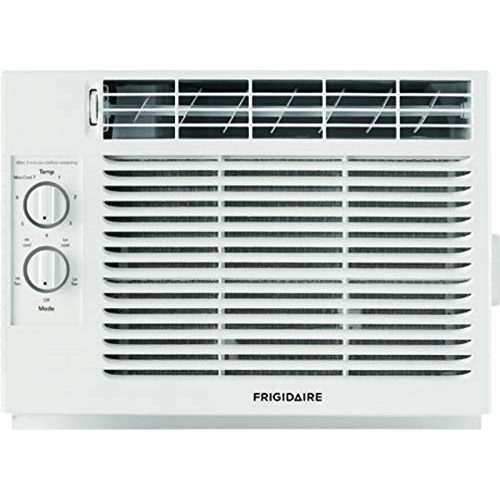
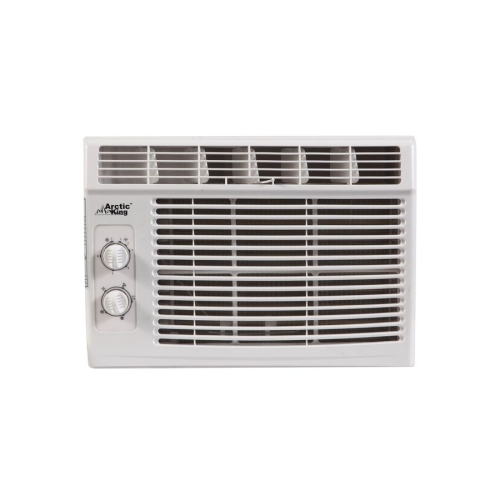
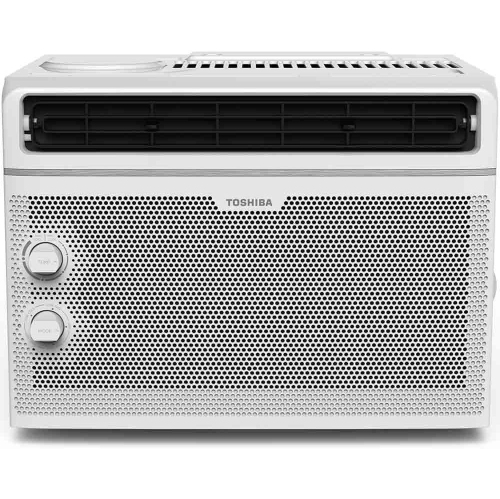
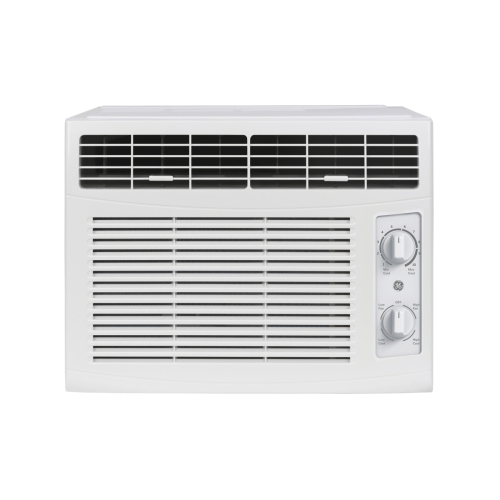
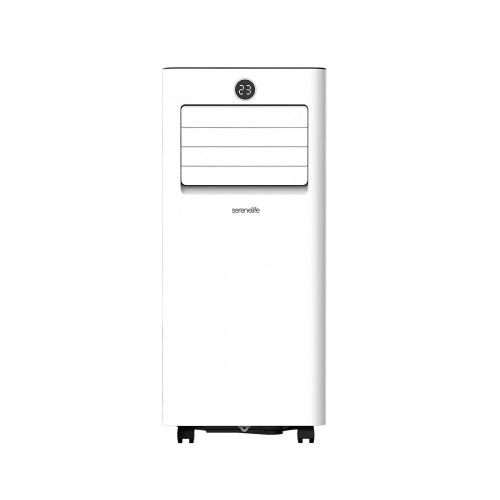
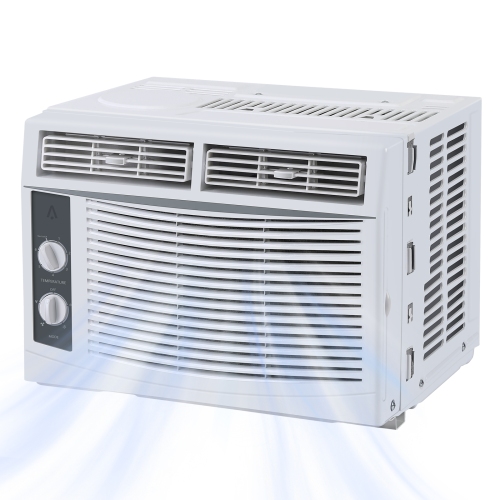

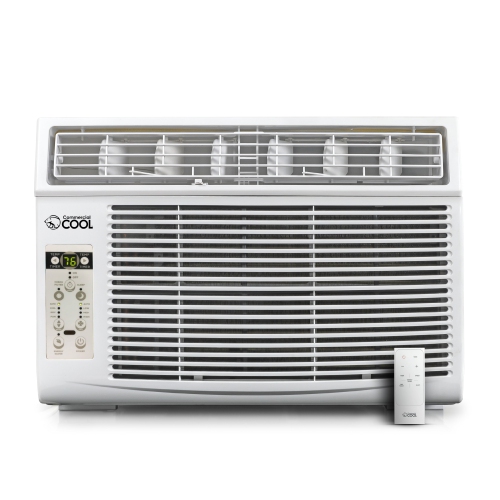

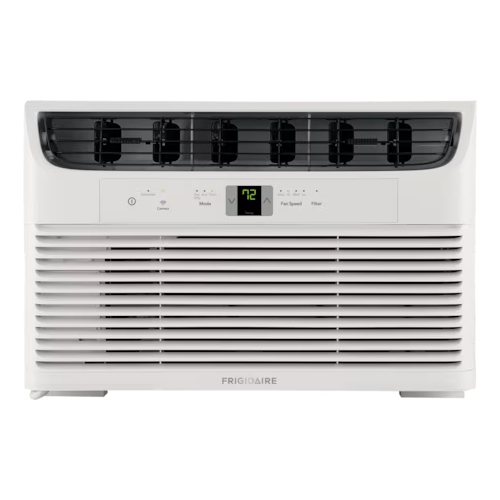
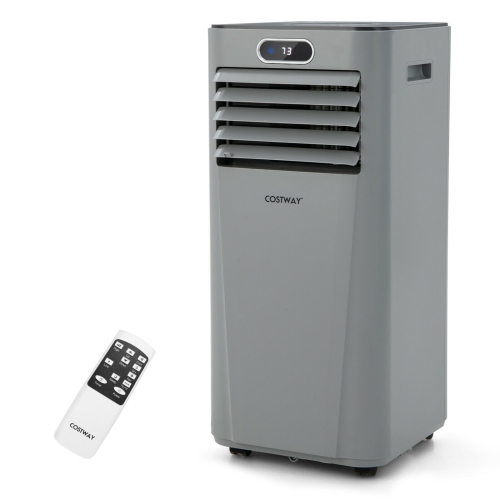
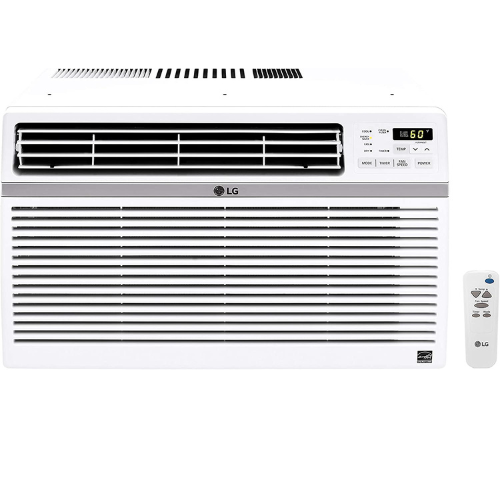
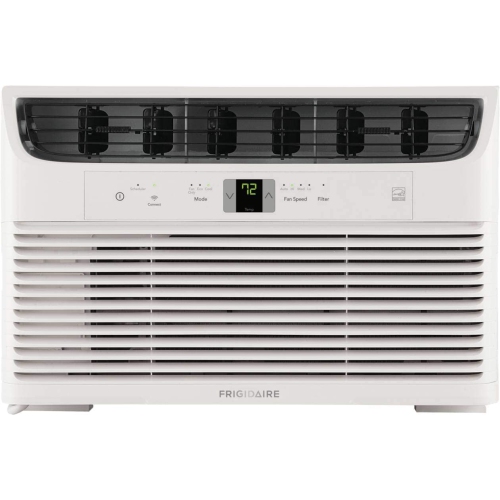

Small-space cooling starts with the right window fit
Air conditioners for small windows bring focused cooling to bedrooms, home offices, and other rooms where both floor space and the window opening are limited. A compact window unit keeps the main appliance out of the room, leaving more space for a desk, bed, or reading chair. Small window air conditioners often have cooling capacities of 5,000 to 8,000 BTU/h, with typical room coverage ranging from about 150 to 350 square feet, depending on the model and room conditions. As a general reference, a 5,000 BTU/h unit commonly suits a room of up to approximately 150 square feet, while an 8,000 BTU/h unit may serve an area of up to approximately 350 square feet. These figures are starting points rather than guarantees: direct sunlight, high ceilings, limited insulation, and heat from computers or cooking can increase cooling needs. A shaded bedroom and a sunny top-floor office may need different capacities even when their floor areas match. Physical fit is a separate consideration from cooling power. A unit described as compact does not necessarily fit every narrow window, and a lower BTU rating does not guarantee a smaller cabinet. The manufacturer's minimum and maximum opening widths, minimum opening height, and installation clearances determine whether a unit will fit properly. The usable opening matters more than the outside dimensions of the window frame, particularly when tracks, handles, or other hardware take up space. Many standard window units are designed for vertically opening windows, while horizontally sliding and casement windows require designs or mounting arrangements specifically approved for those window types. Adjustable side panels can close gaps within a stated width range, but they cannot compensate for an opening that is too narrow for the cabinet itself. For a small apartment bedroom or a spare room used as an office, the best match brings together suitable cooling capacity, the correct window fit, and controls that are easy to reach. That combination makes a compact air conditioner useful without letting its footprint dictate the entire room layout.
Comfort depends on more than the temperature shown on a display. Adjustable fan speeds and directional louvers help shape airflow, whether the aim is to move cooled air across a narrow room or keep a steady draft away from a pillow. In a home office, directing air above the desk can be more comfortable than having it blow straight onto hands and paperwork. In a bedroom, a gentler fan setting may be preferable once the room reaches the desired temperature. Depending on the design, controls may include simple rotary dials, an electronic thermostat, a remote control, or Wi-Fi connectivity for adjustments through a compatible app. Timers and sleep settings can reduce the need for manual changes, although their functions differ between models. Display brightness also matters beside a bed, especially when indicator lights remain visible after the main lights are off. Operating sound deserves attention in small rooms because the appliance may sit only a short distance from the bed or seating area. Published sound ratings are most useful when compared at similar fan speeds and operating modes; a low-fan rating does not describe every sound the unit makes while cooling. Compressor starts, airflow, and vibration through the window frame can all affect how noticeable it feels in daily use. Shoppers who prioritize restful bedrooms or quieter workspaces can explore Quiet Air Conditioners for Small Windows alongside their requirements for size and cooling capacity. Some designs use variable-speed compressors to adjust output more gradually, while others cycle the compressor on and off to maintain the set temperature. Window air conditioners also remove some moisture as they cool, which can make a room feel less clammy, but they do not replace ventilation or address the source of persistent dampness. An appropriately sized unit generally offers better-balanced comfort than an oversized one that cools the air quickly and shuts off before removing much moisture.
Construction, installation, and routine care all contribute to how well a small window air conditioner holds up over time. These appliances commonly combine a metal cabinet with plastic interior grilles, controls, and adjustable air outlets. The exterior portion is exposed to outdoor conditions, while the room-facing surfaces need to withstand regular dusting and filter access. A sturdy window frame and the specified mounting hardware are essential because the unit's weight must be supported as directed by the manufacturer. Side panels and foam seals help close gaps, but they are not substitutes for structural support. Some installations require a separate support bracket, and rental buildings or condominium properties may have their own rules for window-mounted appliances. Installation angle and drainage arrangements also vary, so the correct position is the one specified for the unit rather than a universal amount of outward tilt. Electrical requirements deserve equal attention: voltage, outlet type, and circuit capacity must match the appliance, and extension cords or power bars should not be used in place of the required connection. Once installed, keeping the filter clean helps maintain airflow and limits dust buildup behind the front grille. Washable filters need to dry fully before being refitted, while replaceable filters should be changed according to the manufacturer's recommendations. A soft cloth is usually suitable for accessible exterior surfaces; delicate fins and internal components need more careful handling. Curtains, furniture, and blinds should leave the indoor grille clear, and the outdoor section needs the specified clearance to release heat. When a unit is removed for an extended period, allowing it to drain and dry as directed before storage helps prevent trapped moisture and odours. Protecting the cabinet and fins during handling can also reduce accidental damage. For households cooling one frequently used room rather than an entire home, these practical details help a compact window air conditioner remain a dependable, unobtrusive part of the space.
Top selling and popular products
-
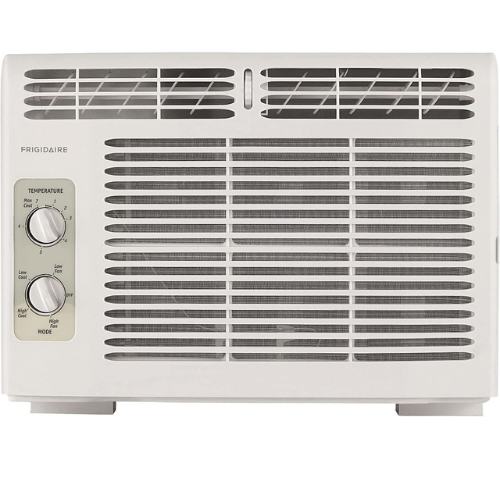 Your price for this item is $400
-
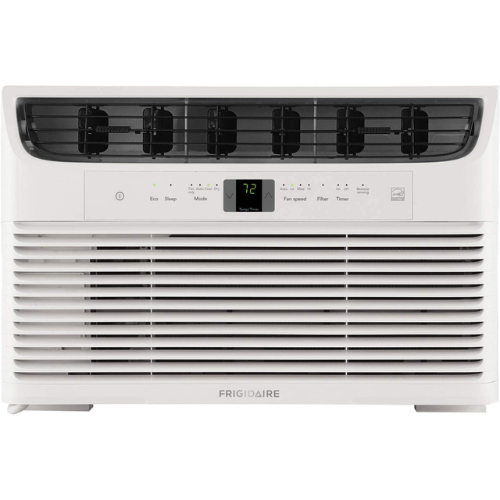 Your price for this item is $799
-
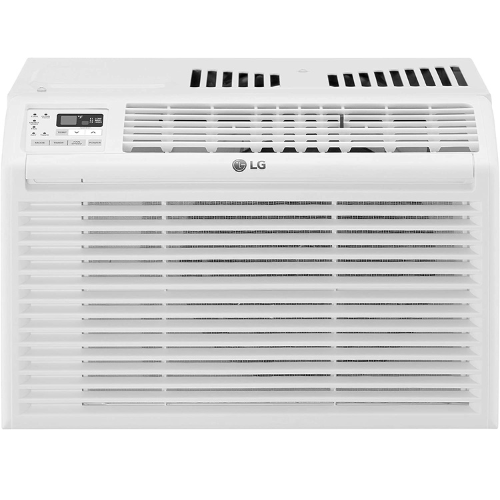 Your price for this item is $699
-
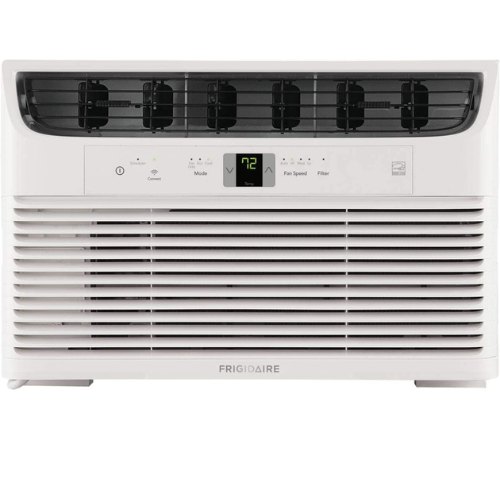 Your price for this item is $399
-
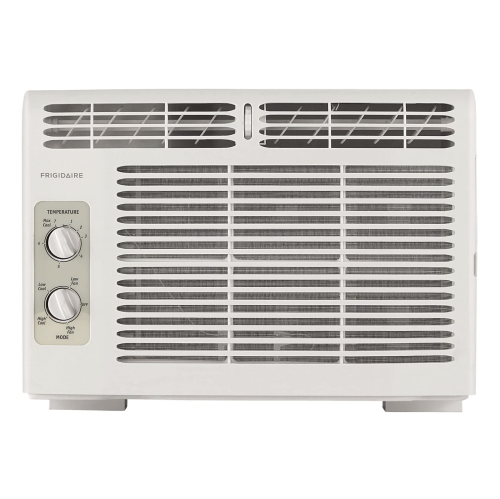 Your price for this item is $429
-
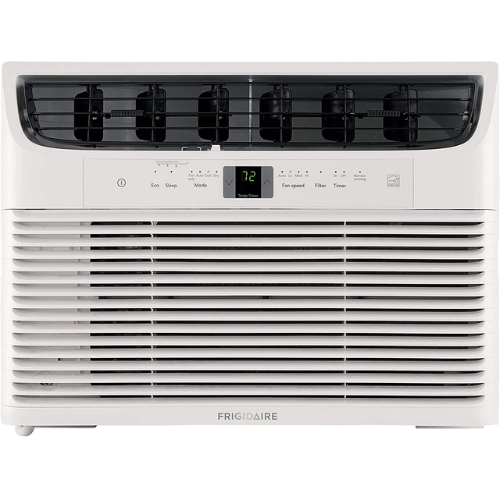 Your price for this item is $873.99
-
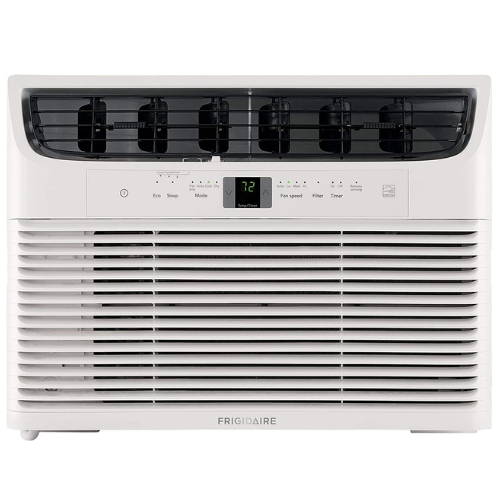 Your price for this item is $695
-
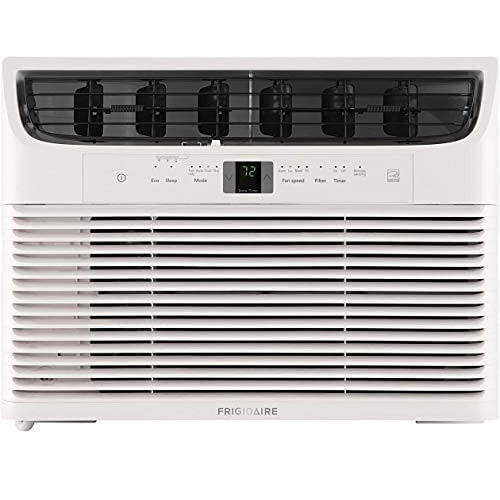 Your price for this item is $829
Discover more categories related to Air Conditioners for Small Window
Top Collections:
Best Black Friday Deals This Year, Best Black Friday Deals On Electronics, Kindle Devices, Pokemon Centers, Best Black Friday Deals On Apple Products, Best Cameras for Sports Photography, Dyson Airwrap, Pokémon 30th Celebration Cards, Apple iPhone 17 Pro, Canon G7X Cameras
Some products may be subject to Environmental Handling Fees
(EHF) depending on your province.
Learn more about EHFs.