Bedroom Air Purifiers for Allergies
If you or your child suffers from allergies, you may be looking for a way to improve the quality of your indoor air. An air purifier can help, but it's important to choose the right one. A good place to start is with a bedroom air purifier. These machines are designed to clean the air in your bedroom and they're relatively reliable. Here are some great options for bedroom air purifiers.
Sort
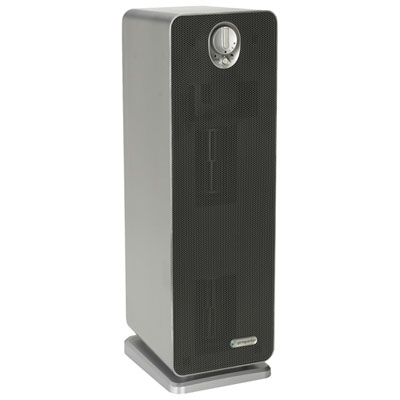
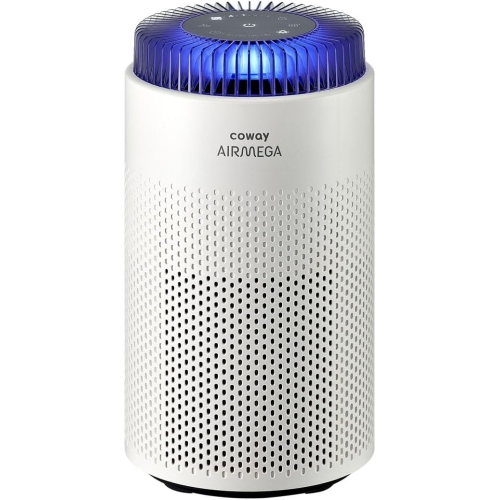
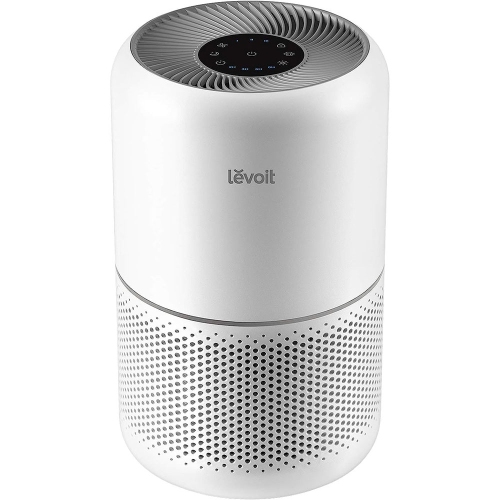
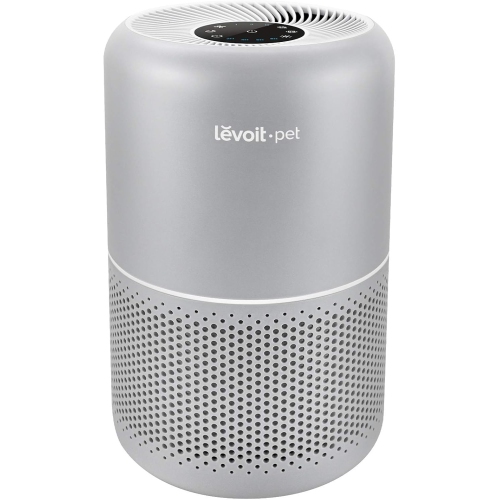
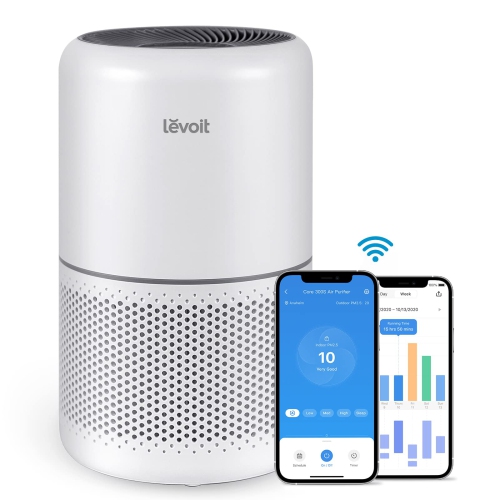
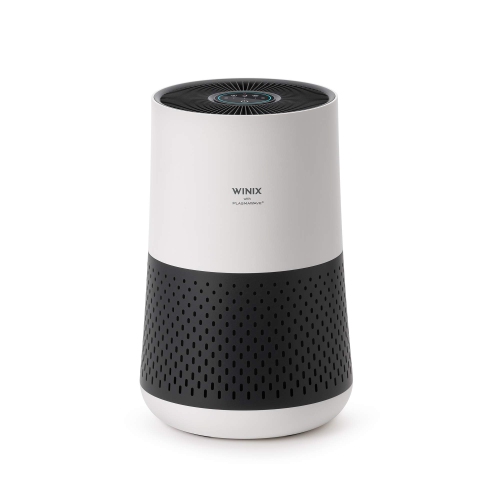
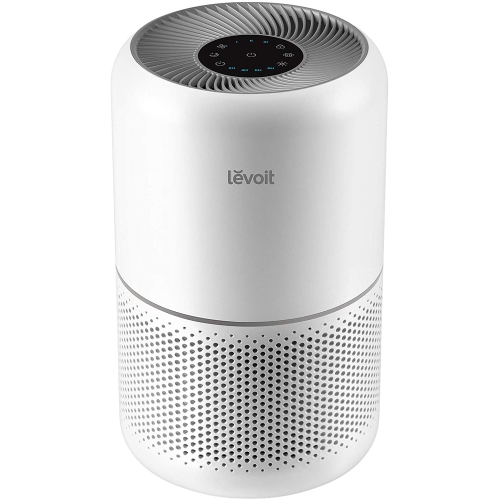
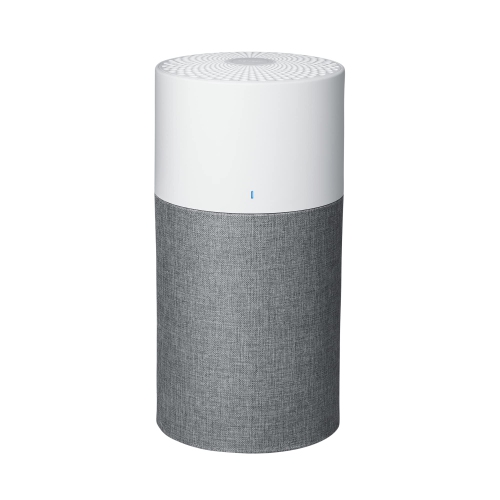
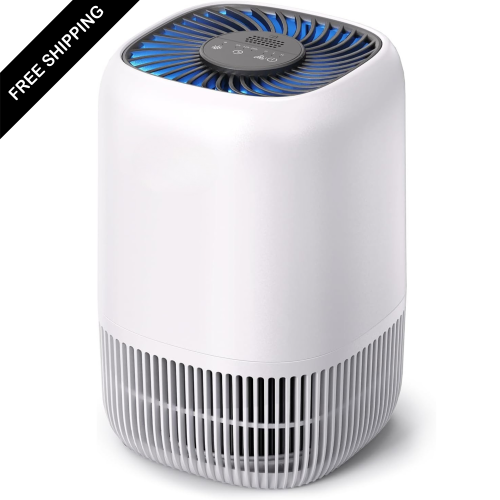
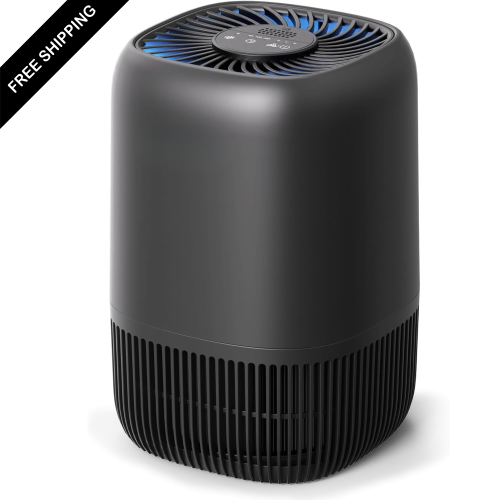
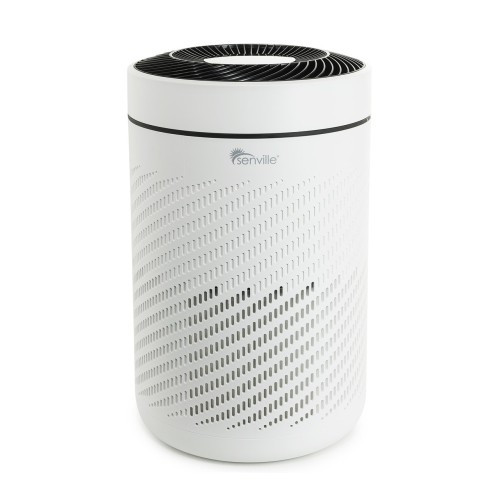
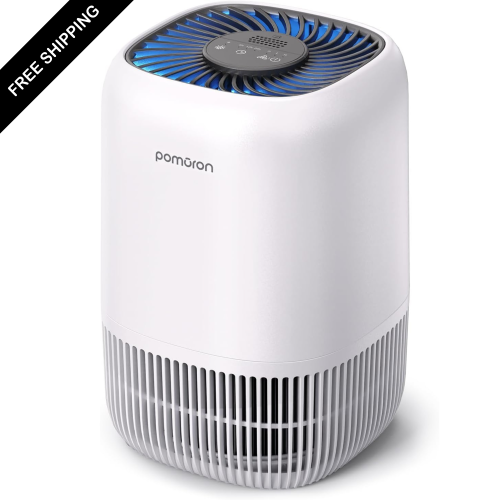
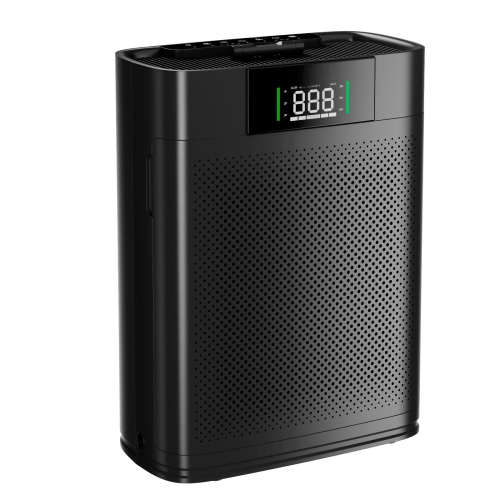
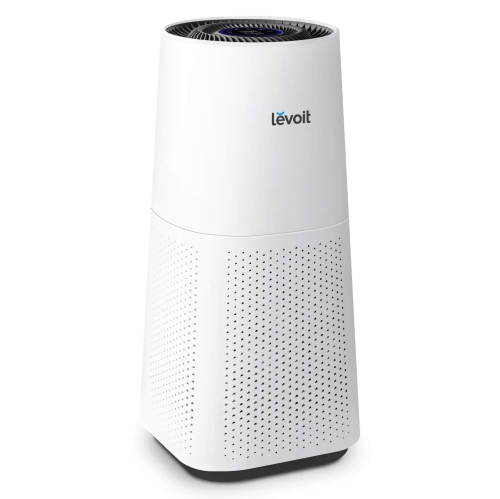
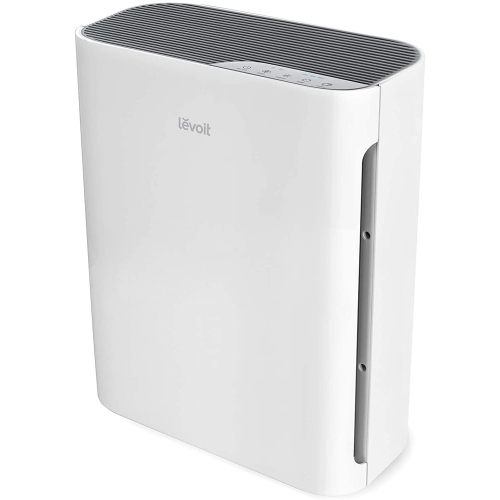
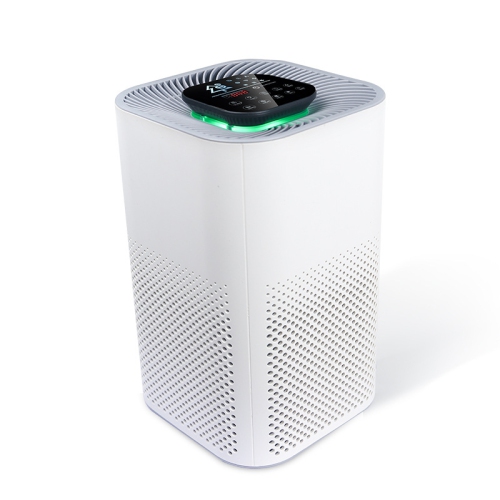
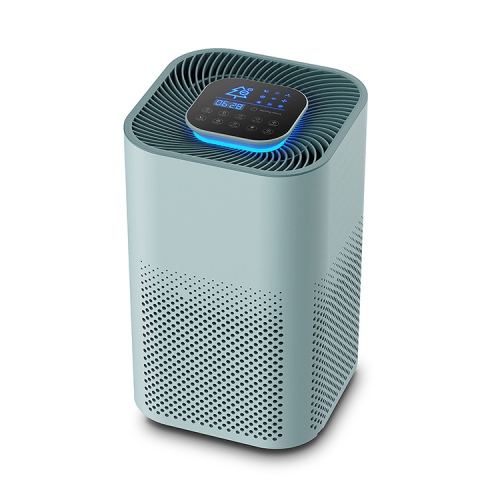
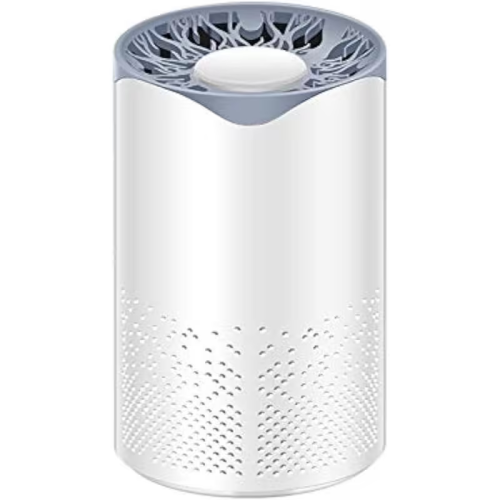
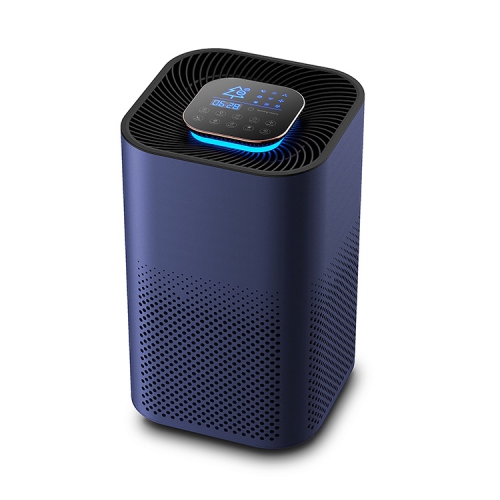
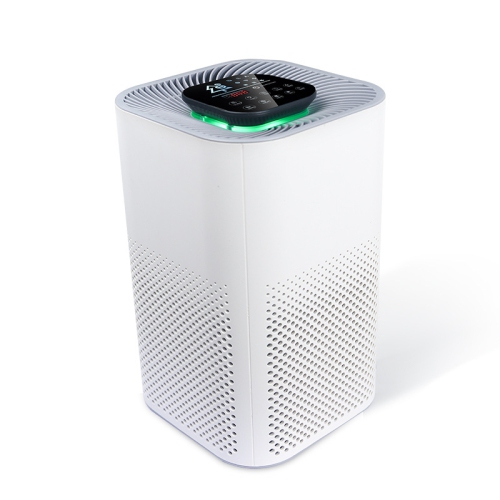
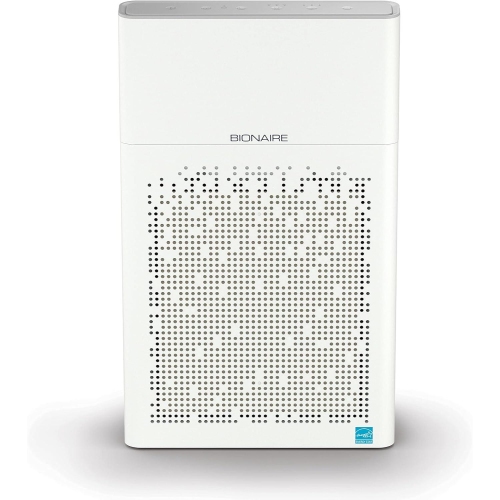
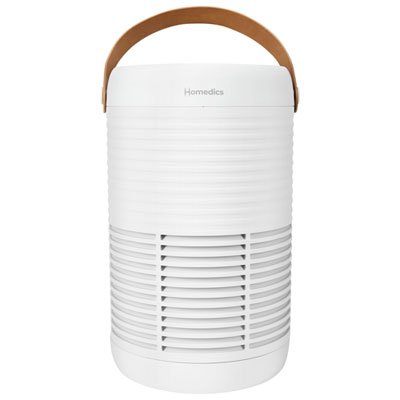
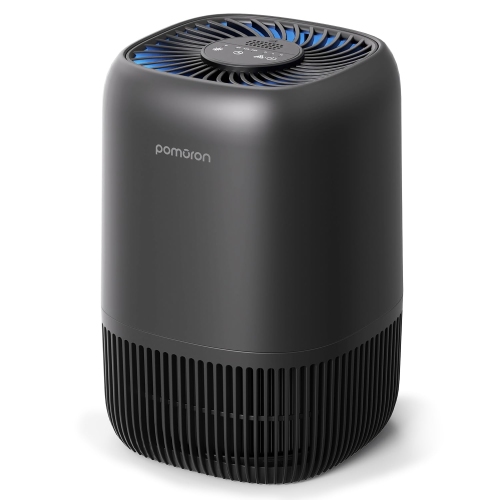
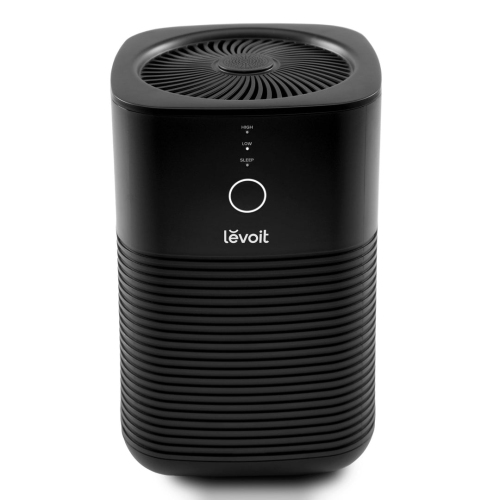
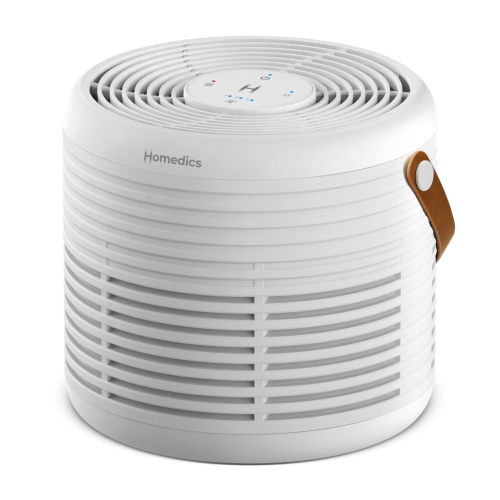
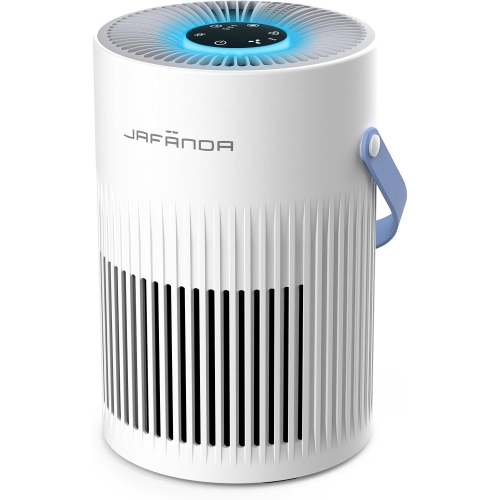
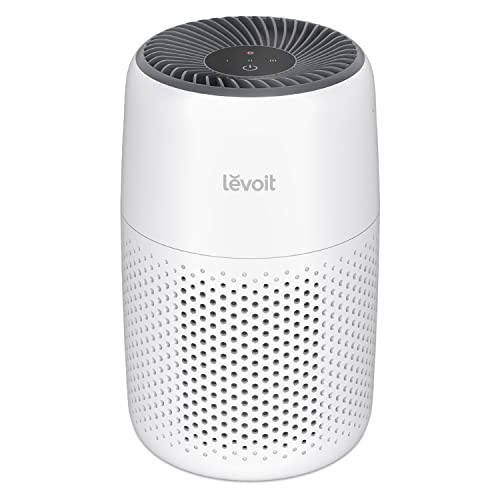

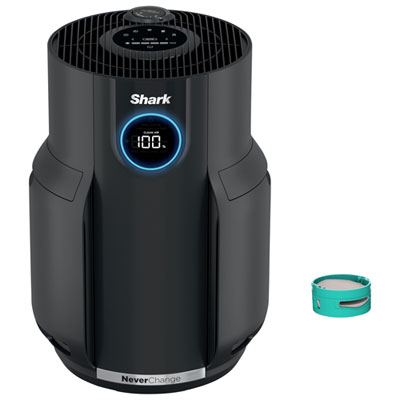
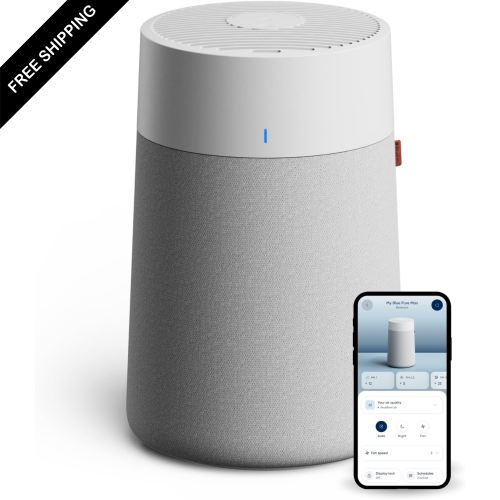
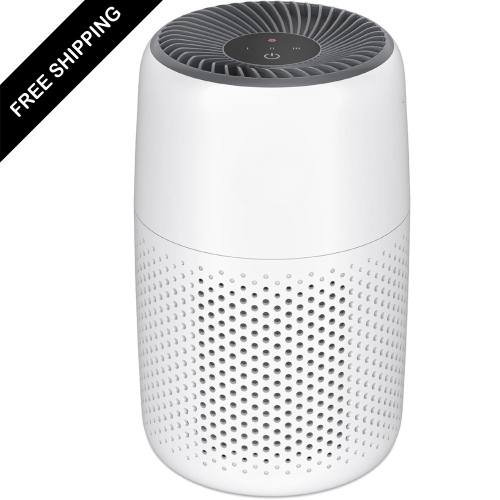
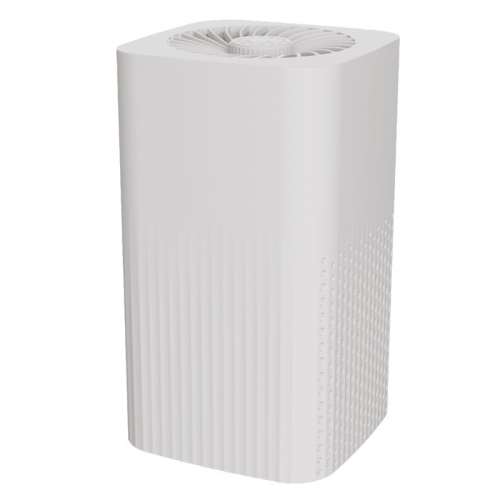
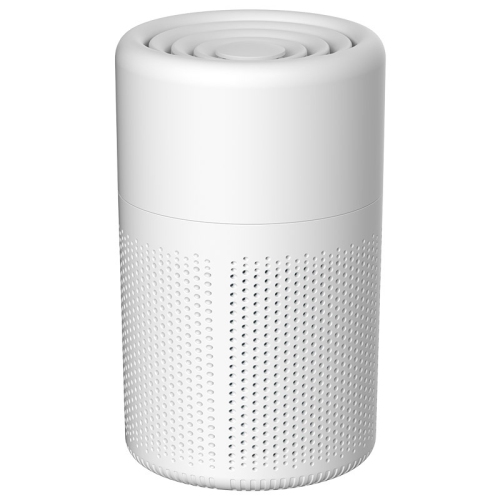
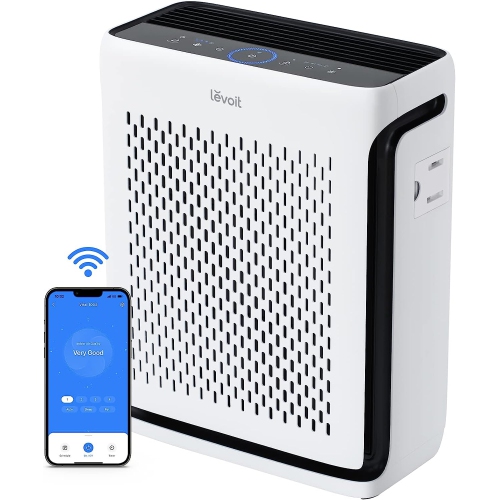
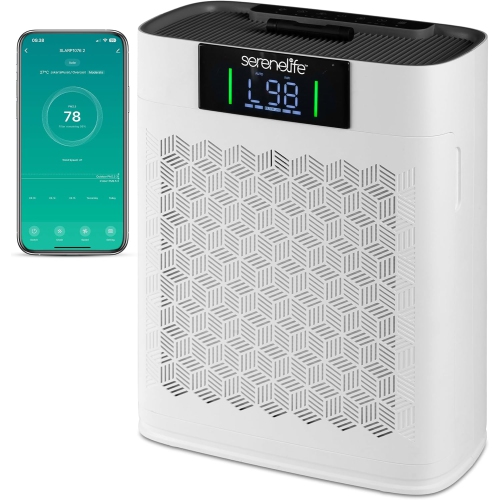
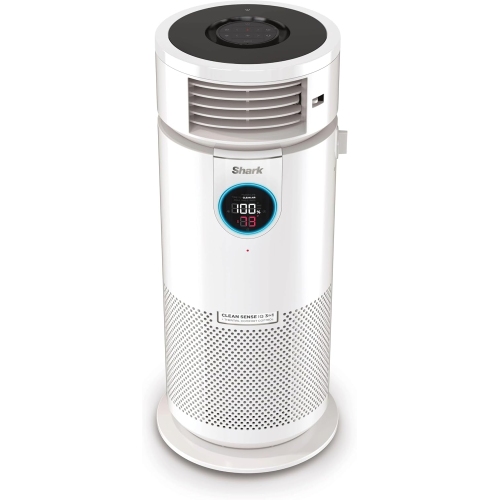
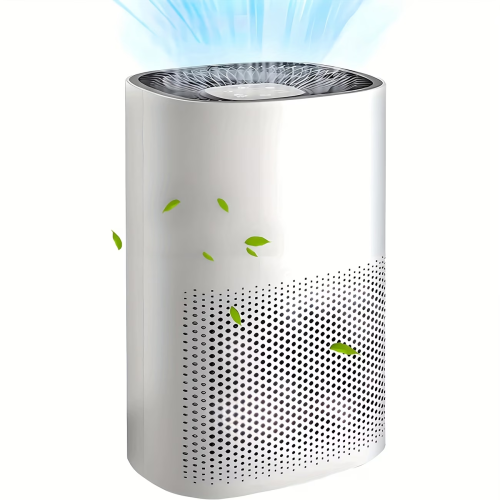
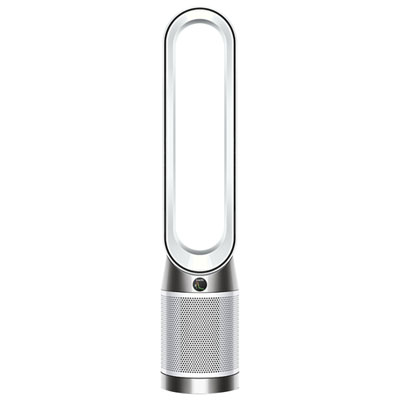
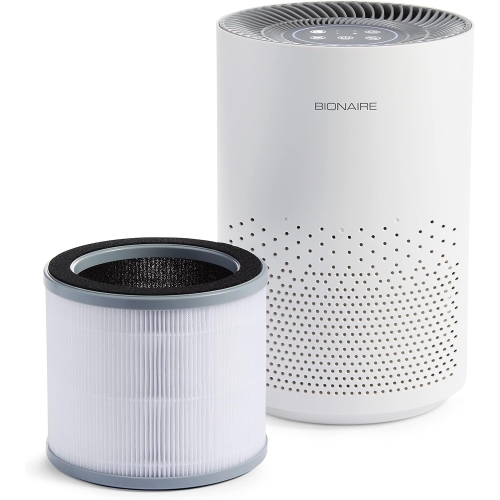
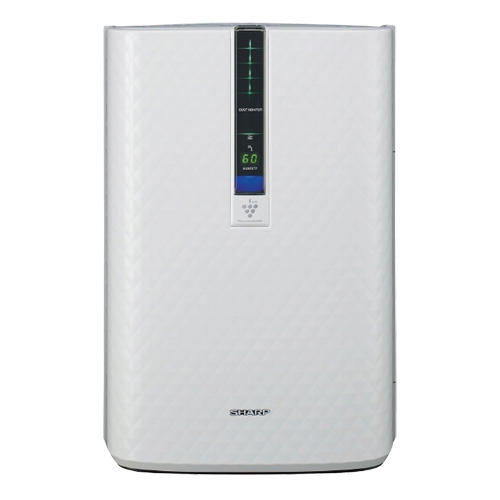
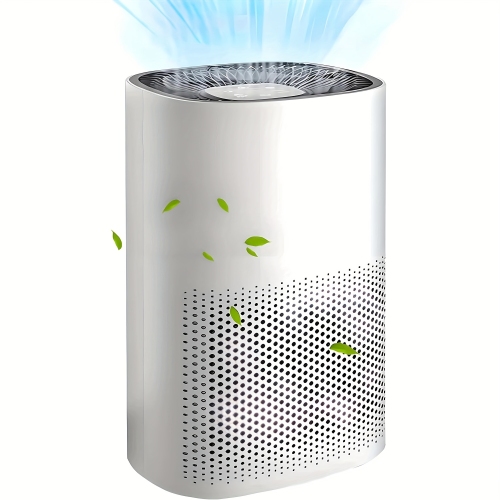
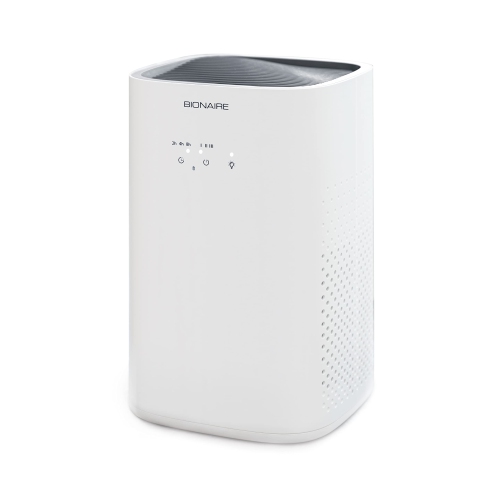
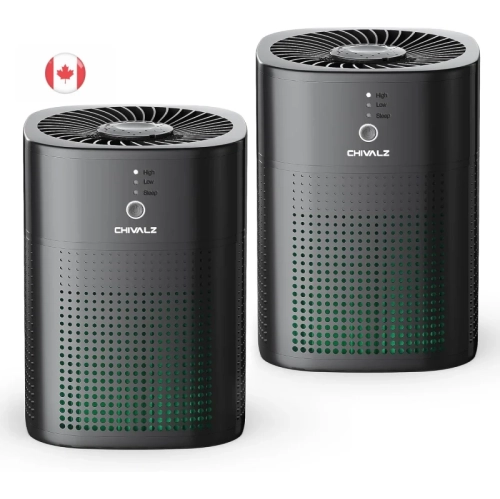
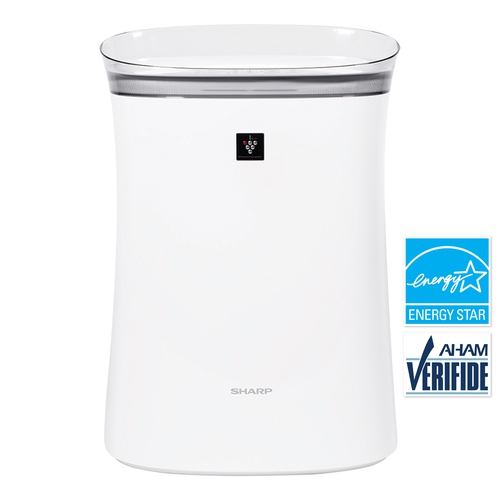
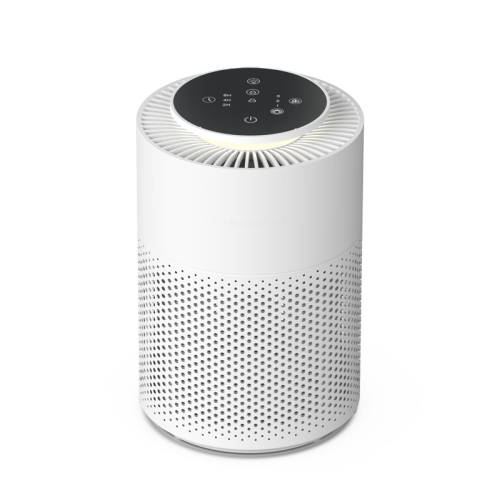
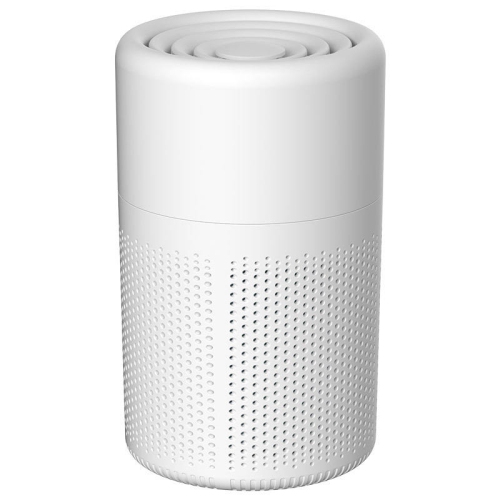
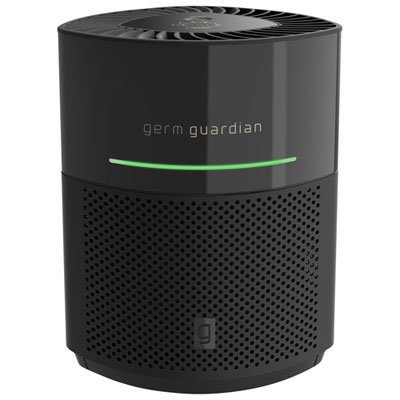
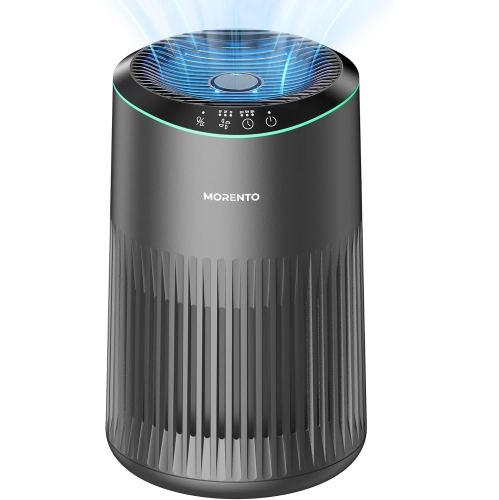
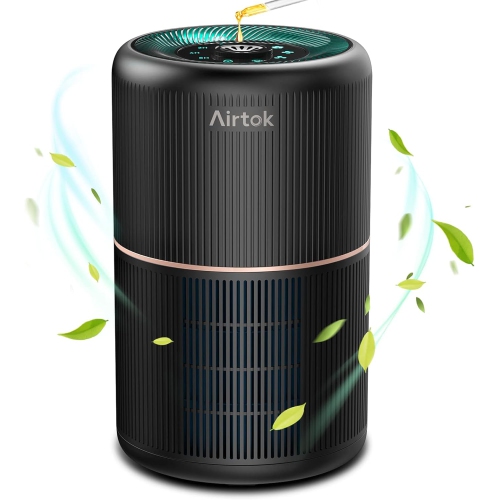
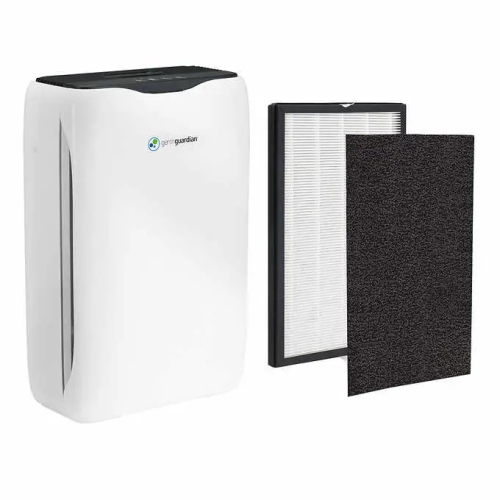
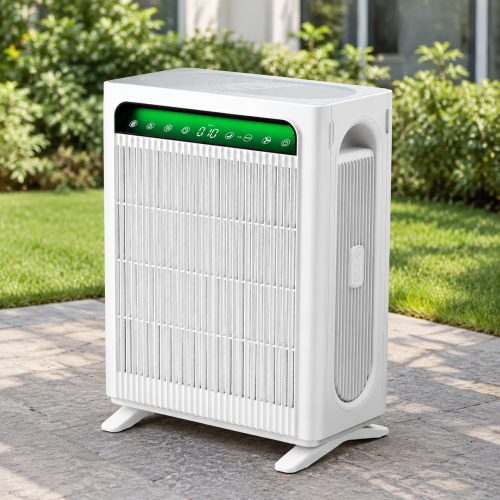
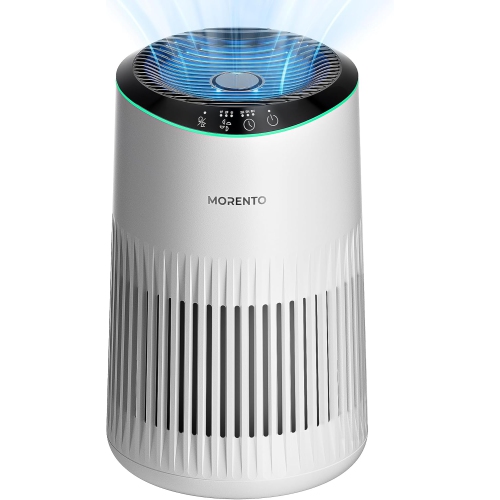
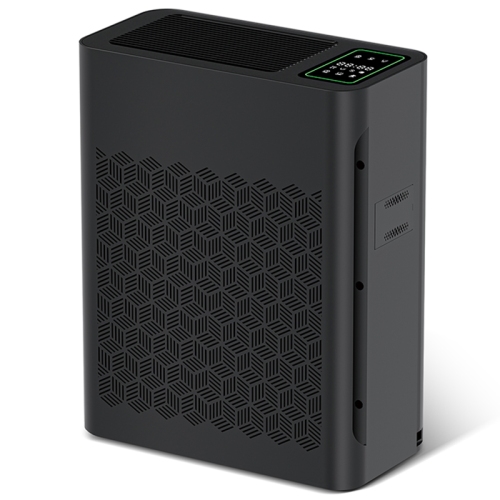
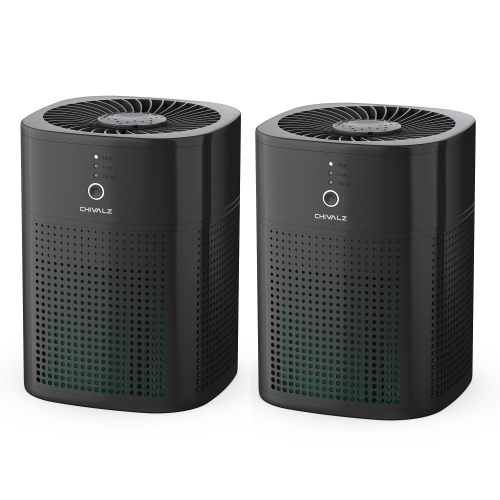
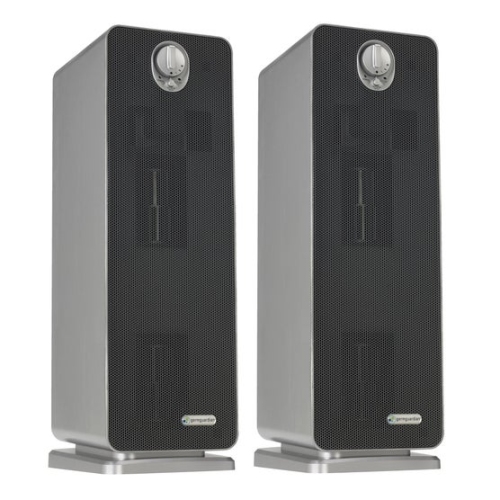
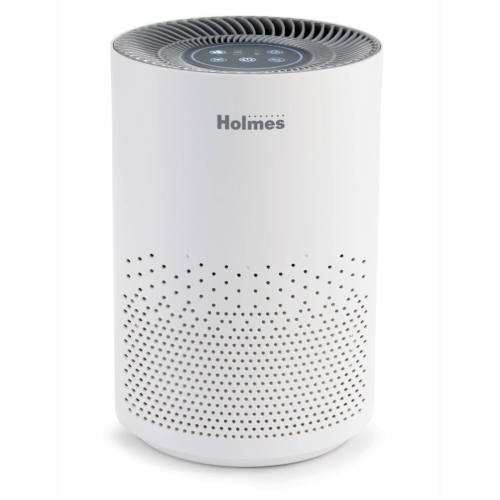
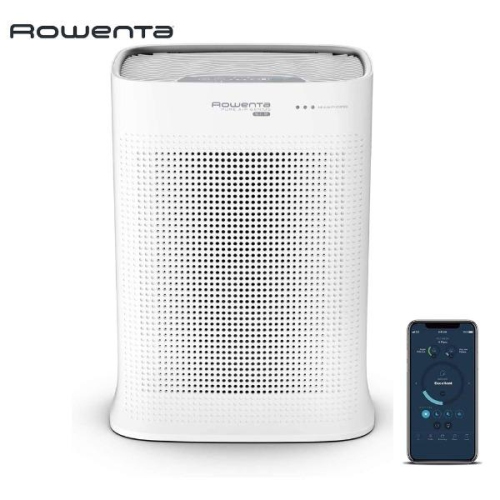
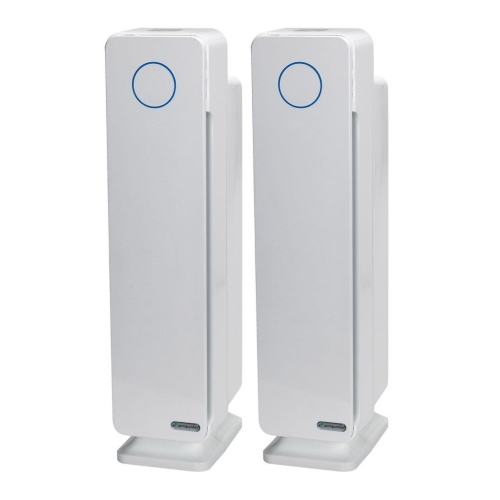
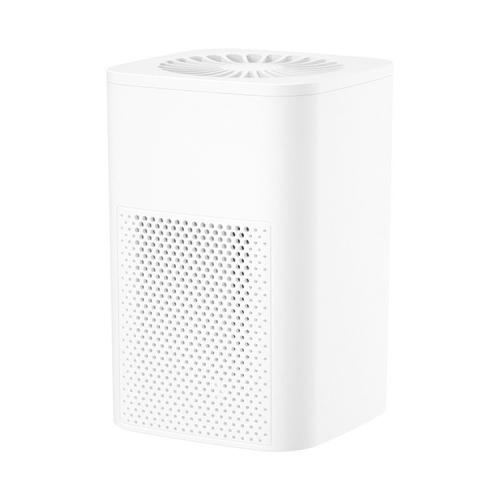
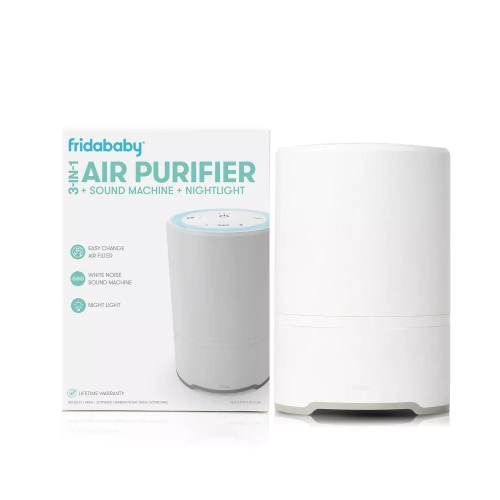
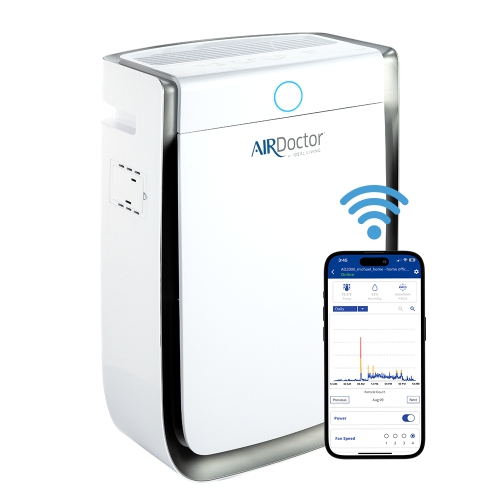
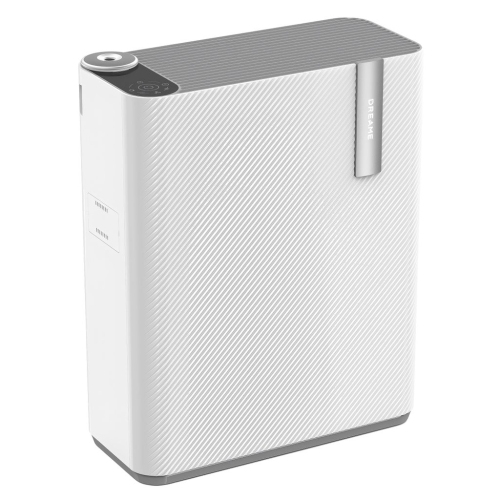
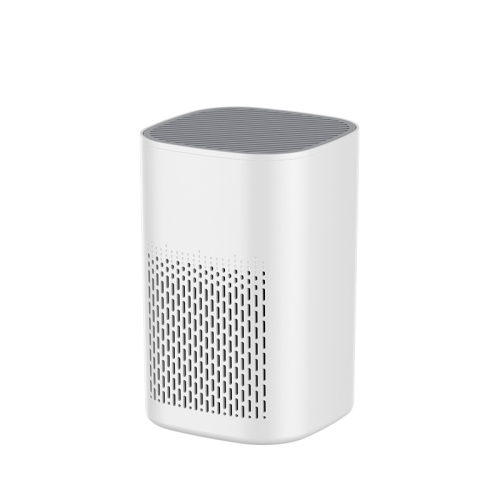
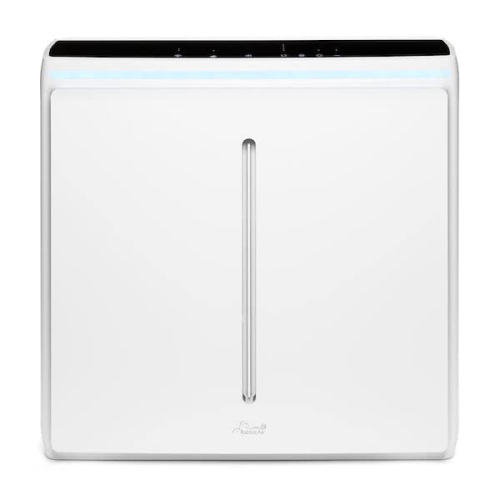
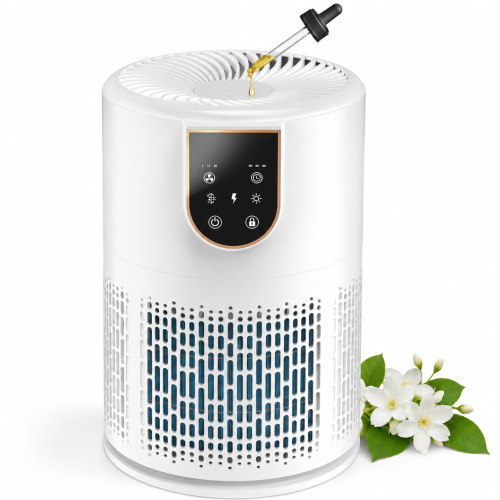
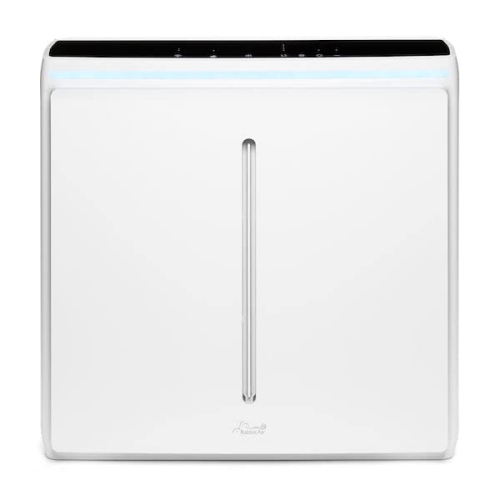
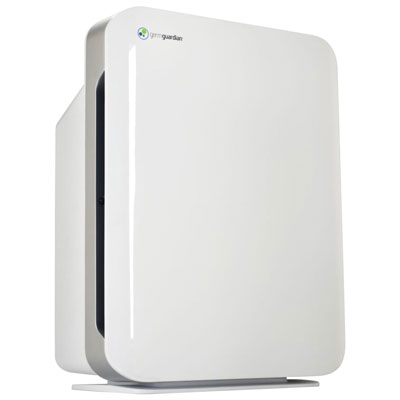
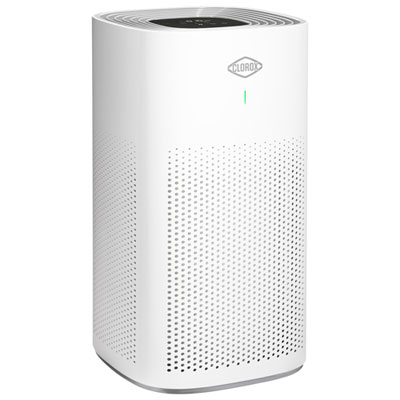
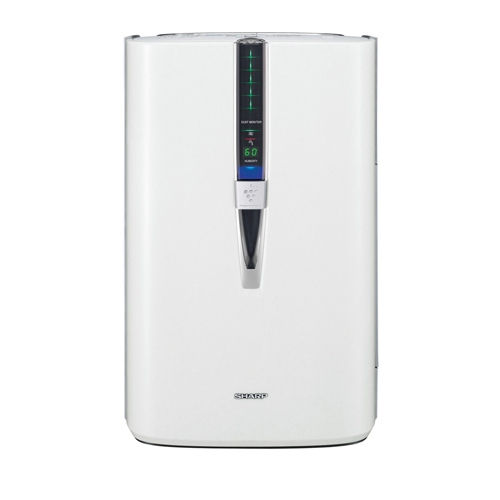
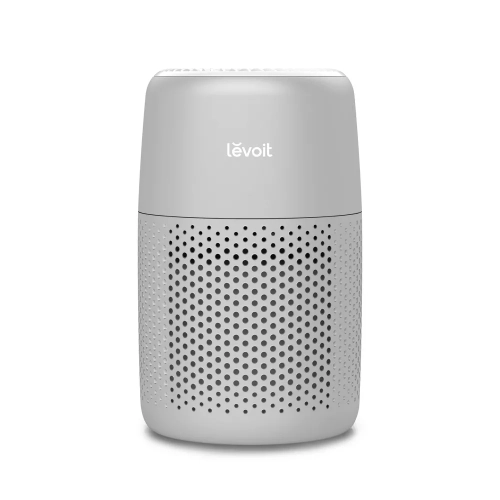
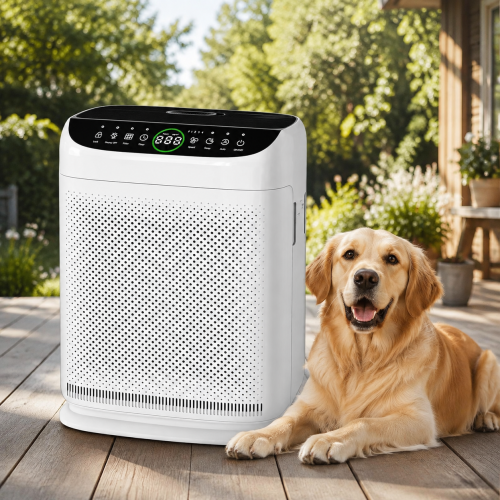
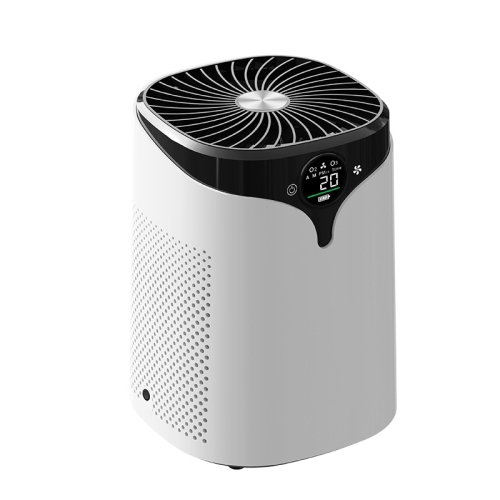
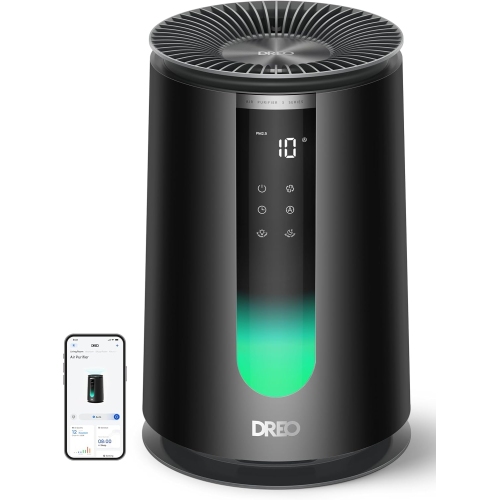
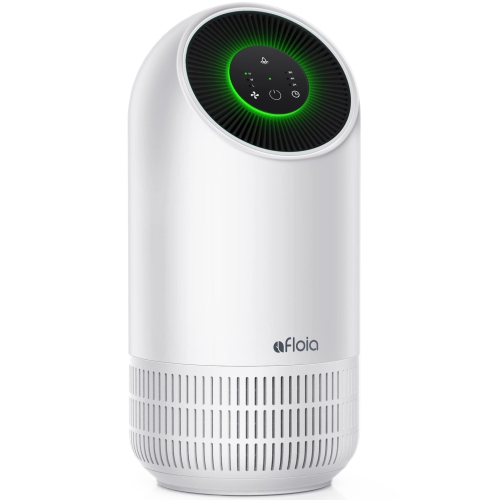
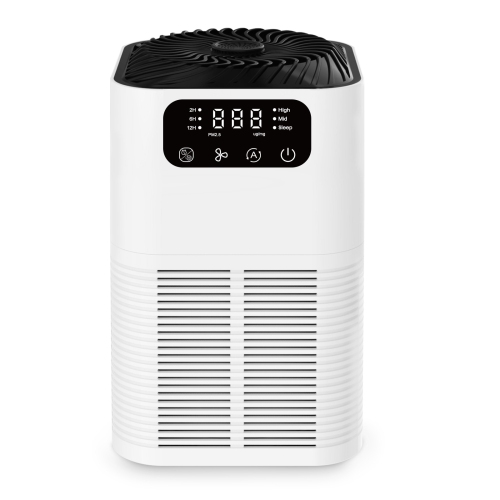
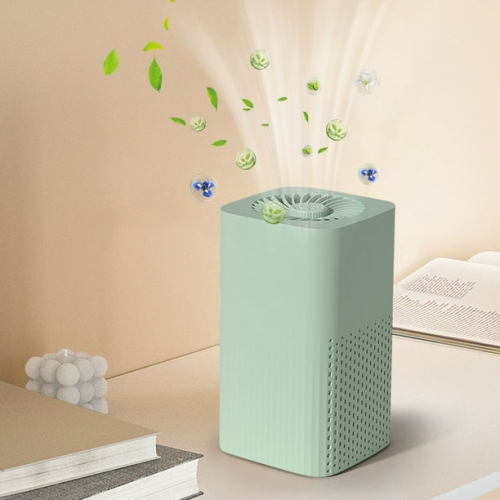

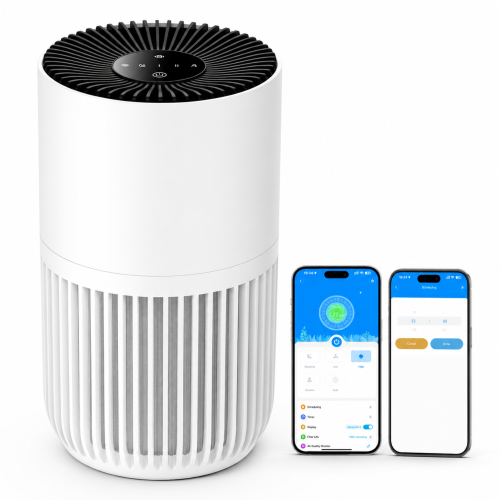
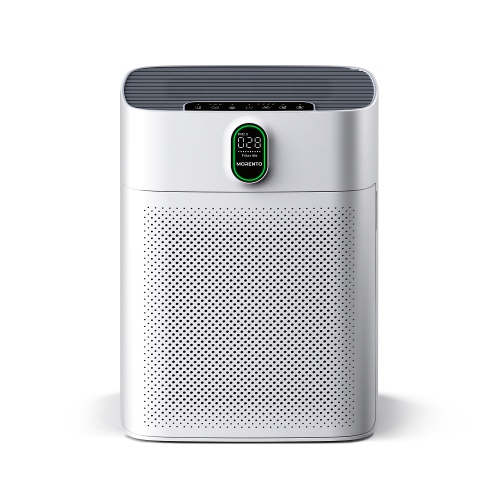
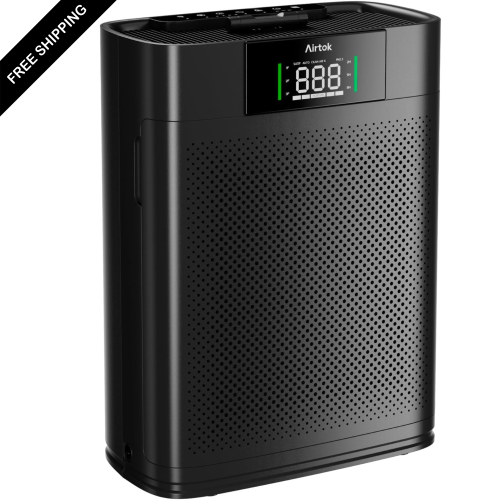
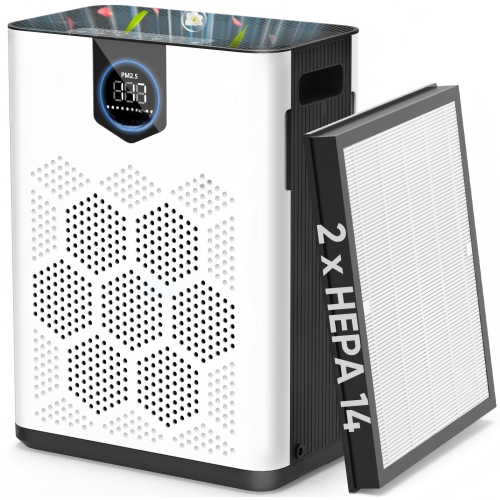
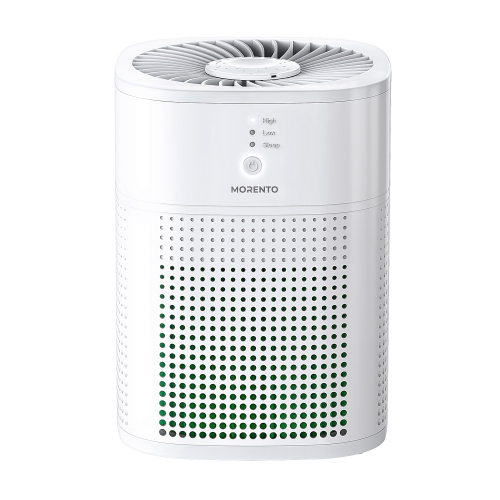
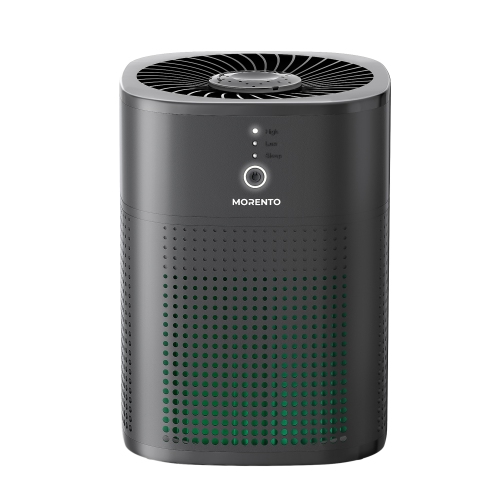
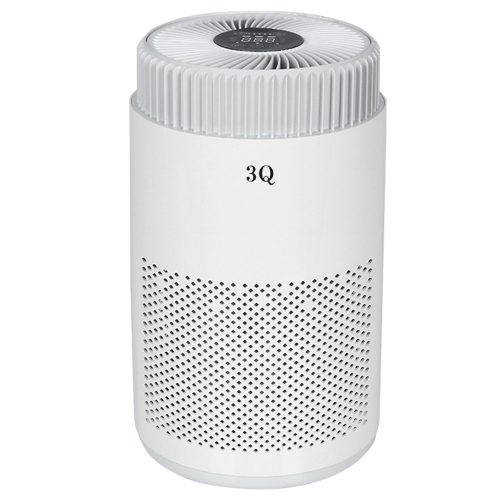
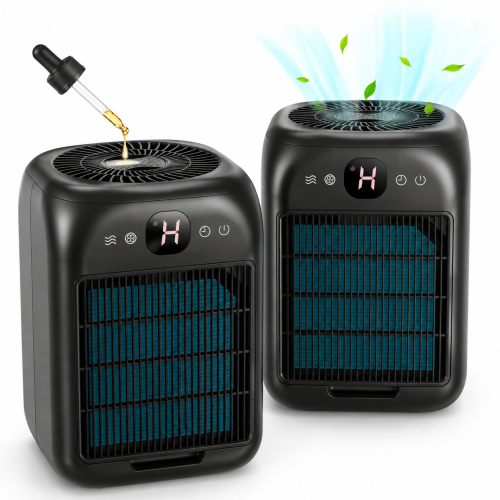
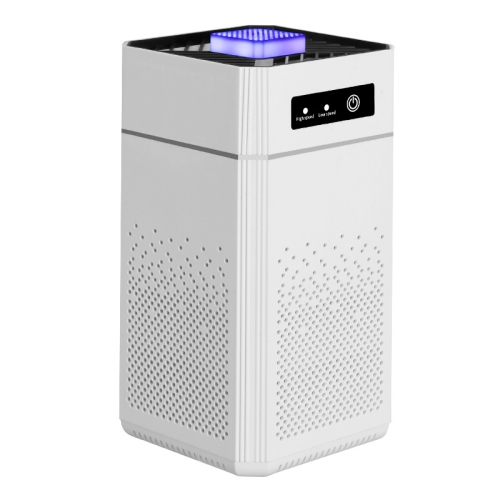
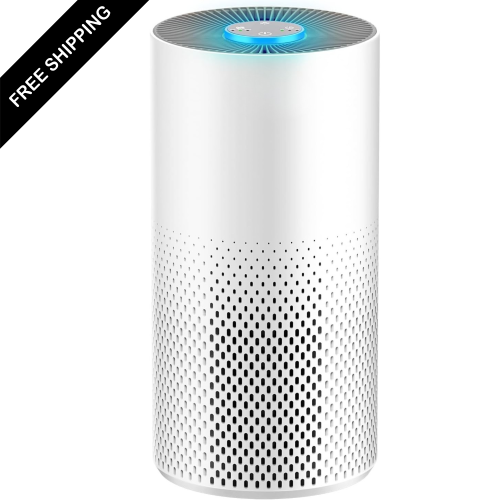
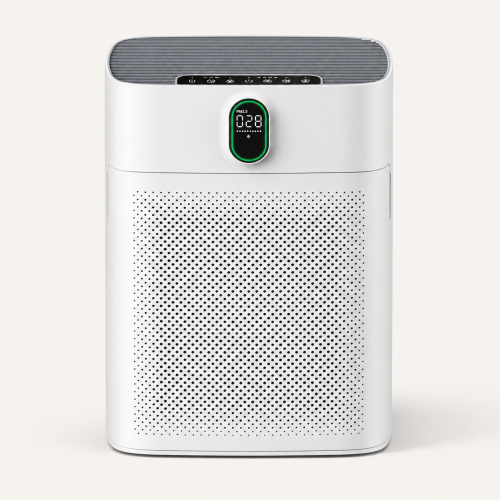
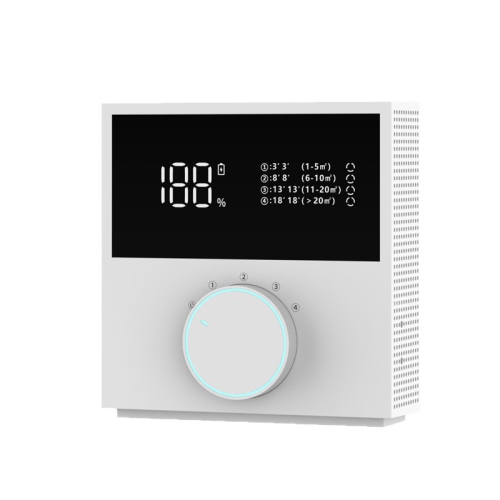
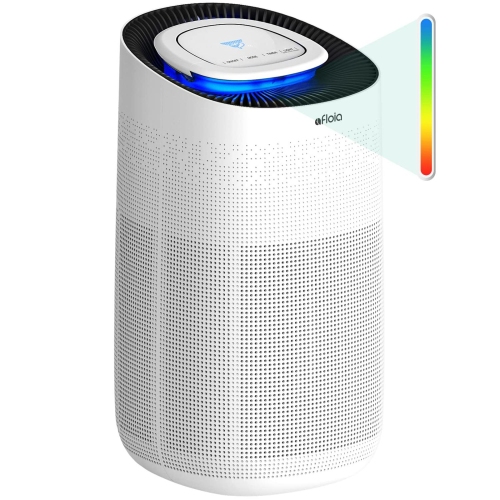
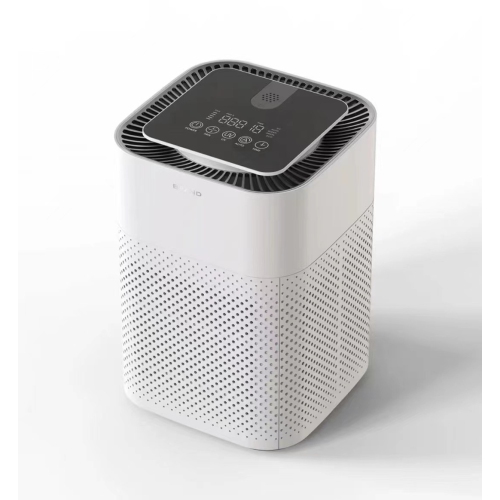
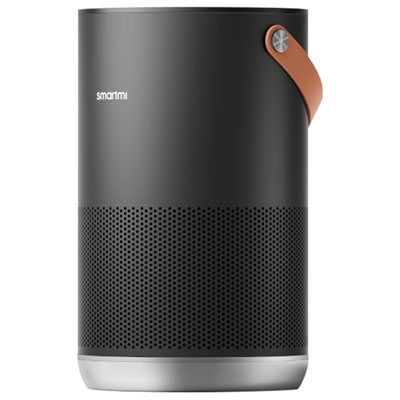
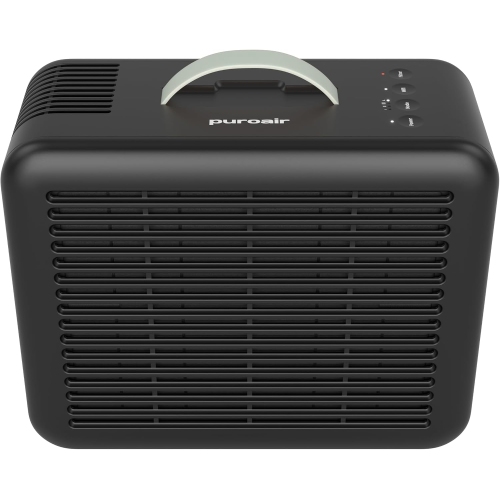
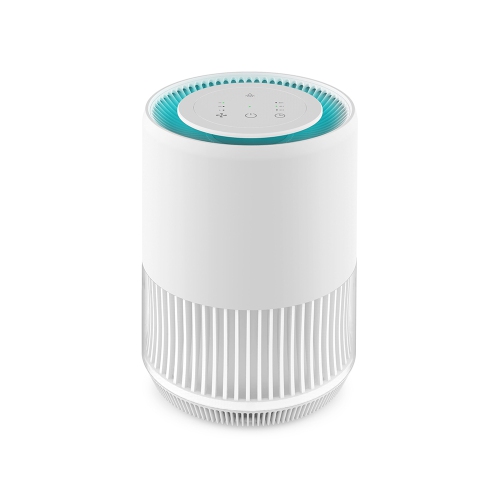
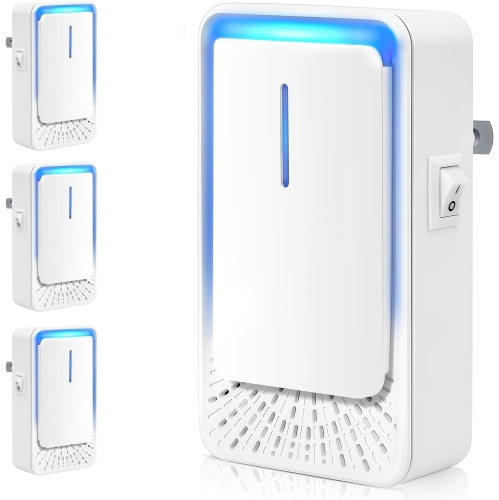
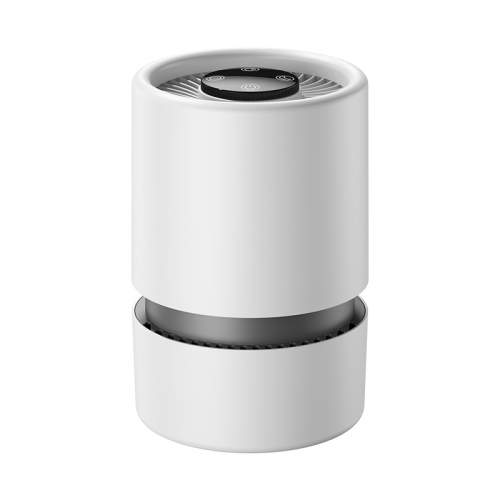
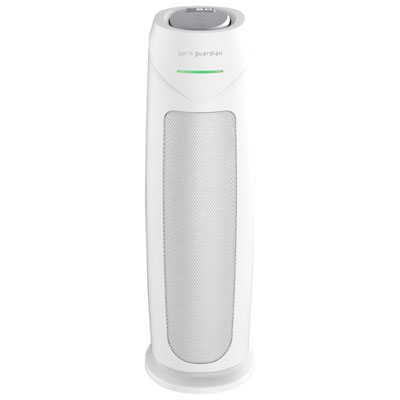
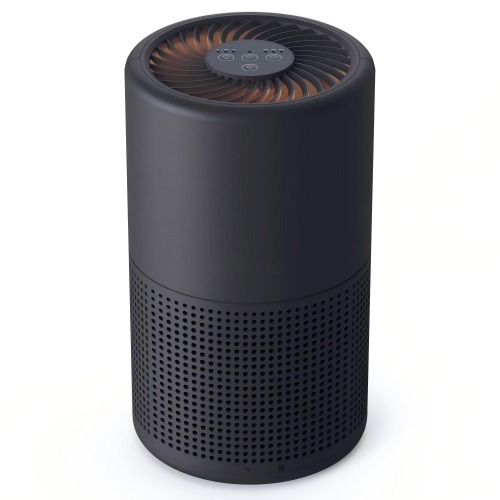
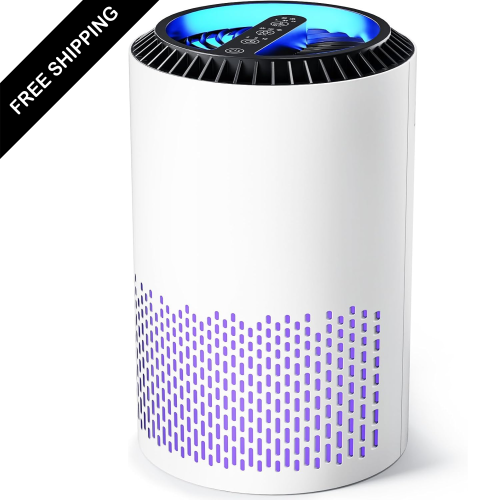
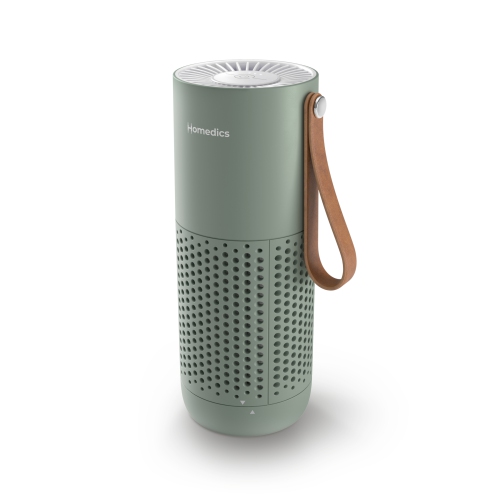
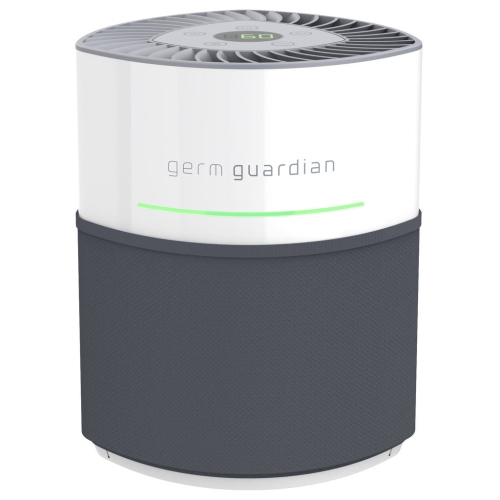
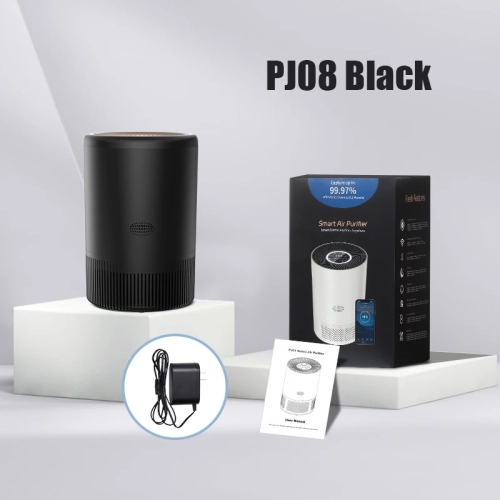
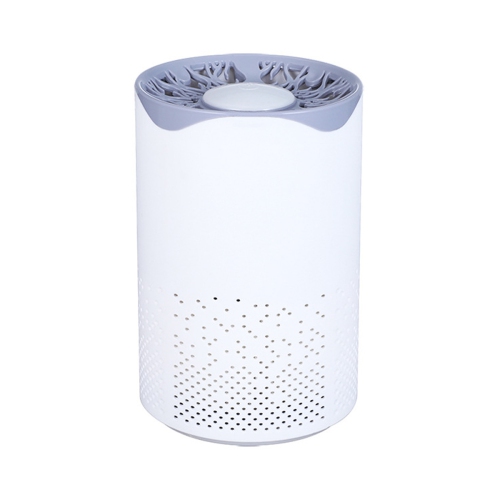
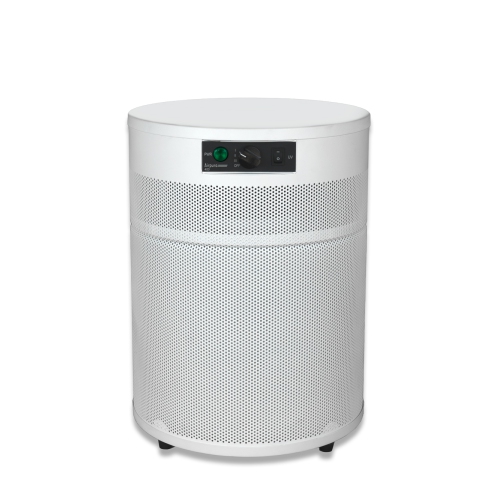
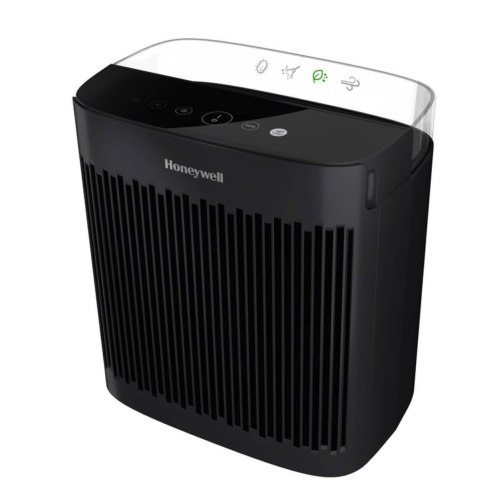
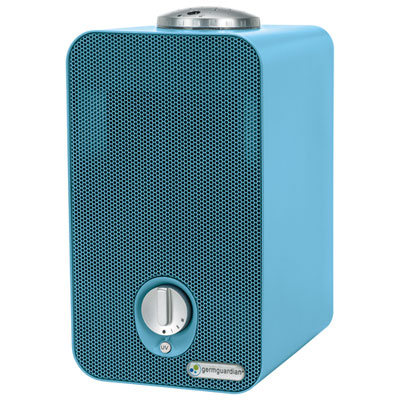
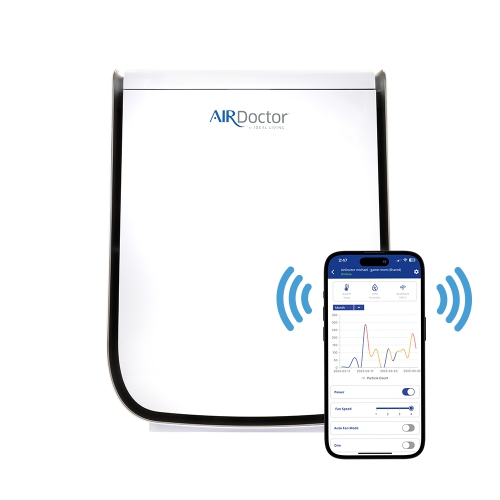
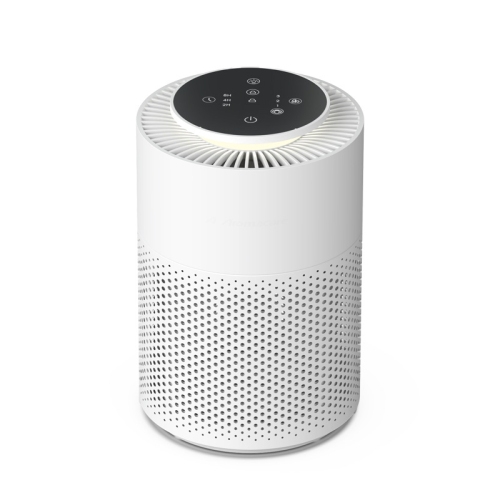
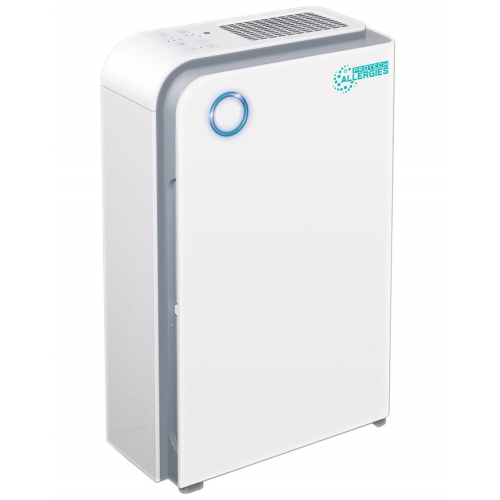
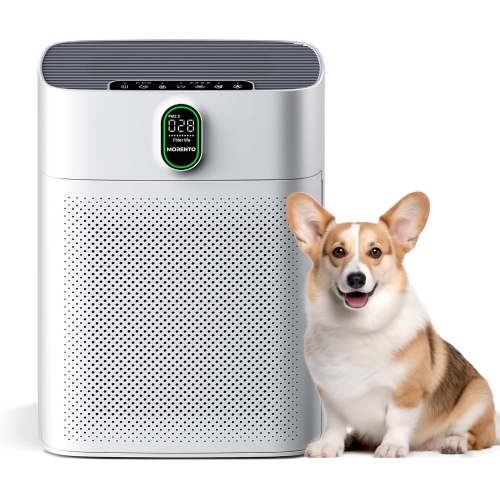
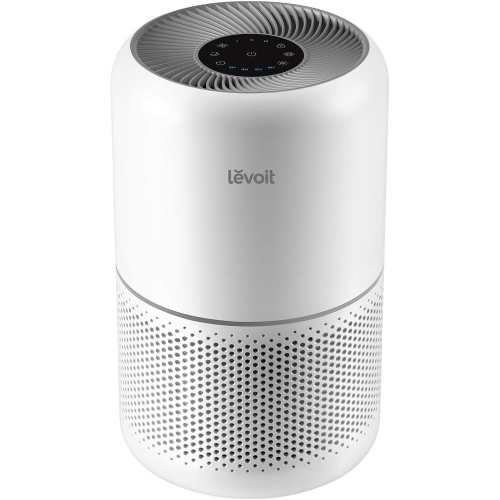
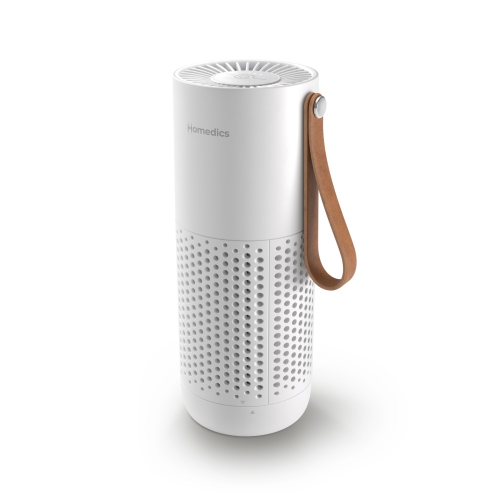
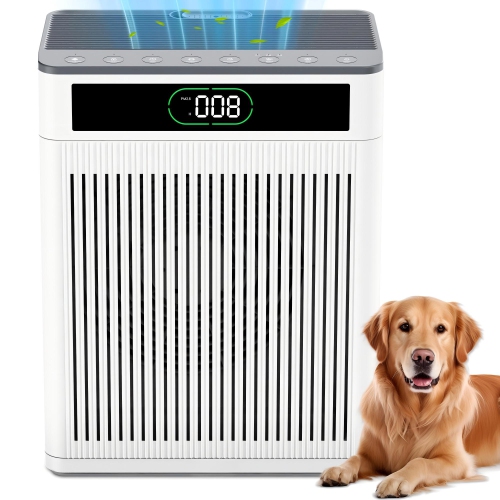
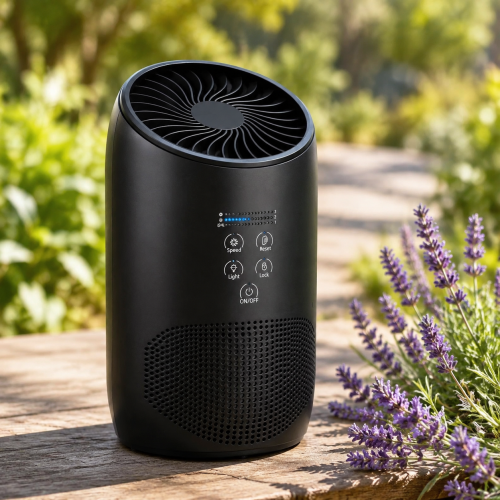
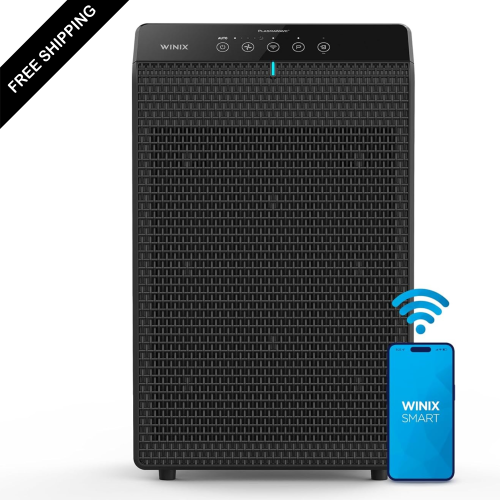

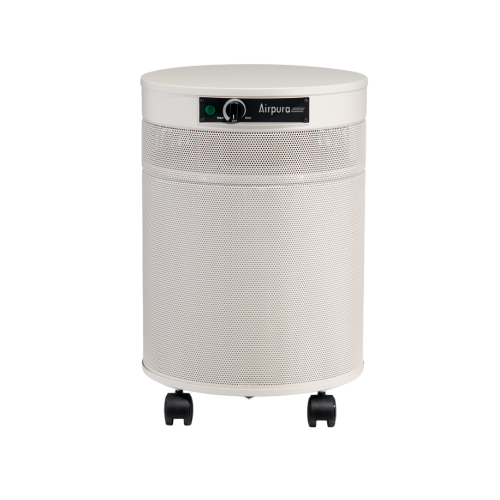
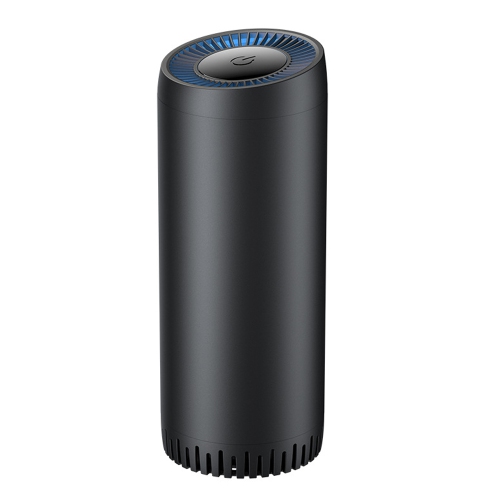
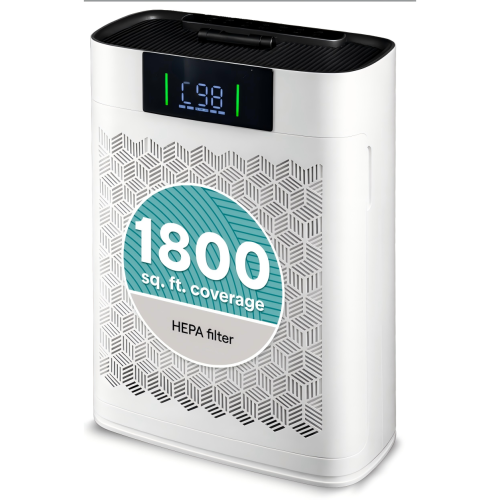
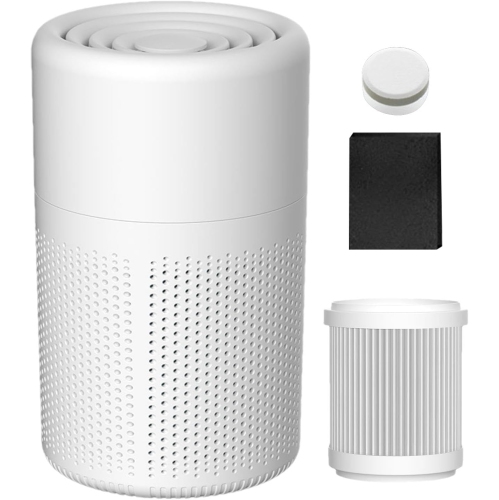
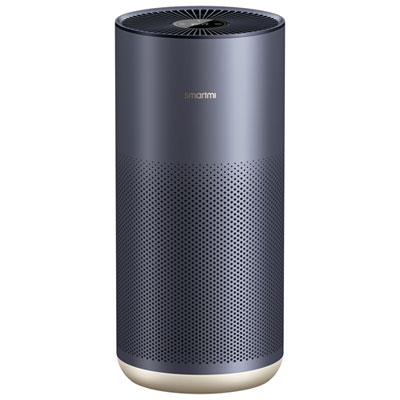
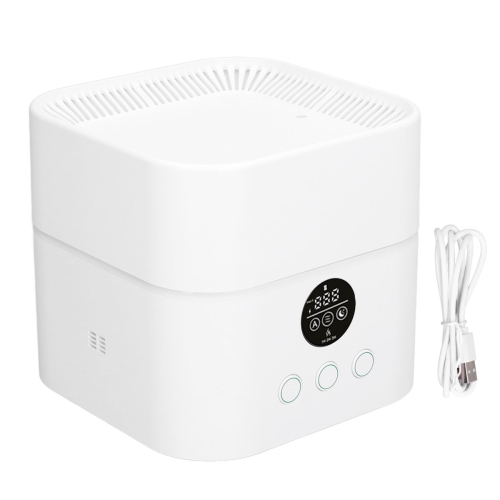
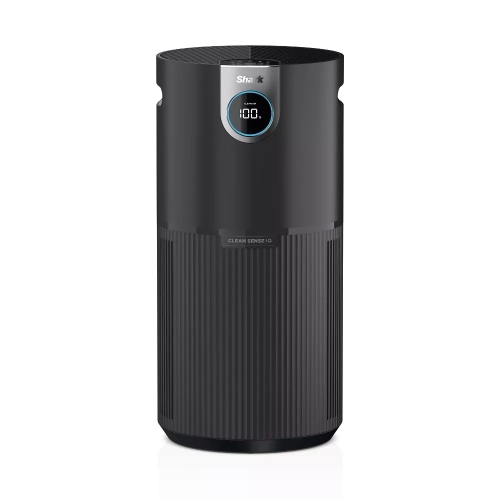
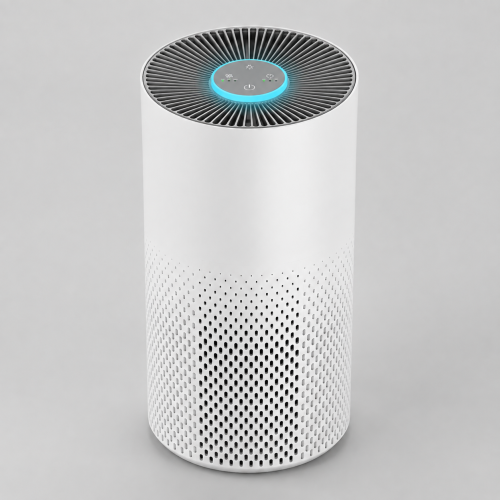
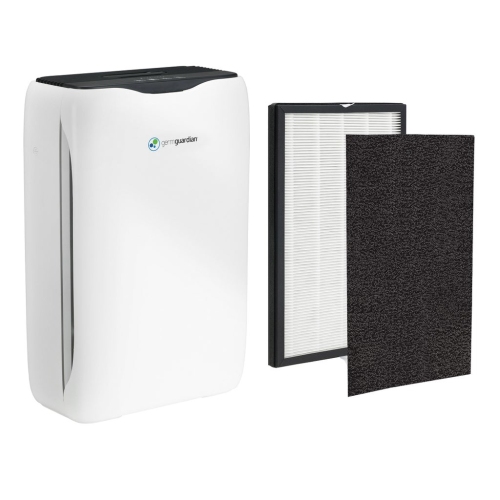
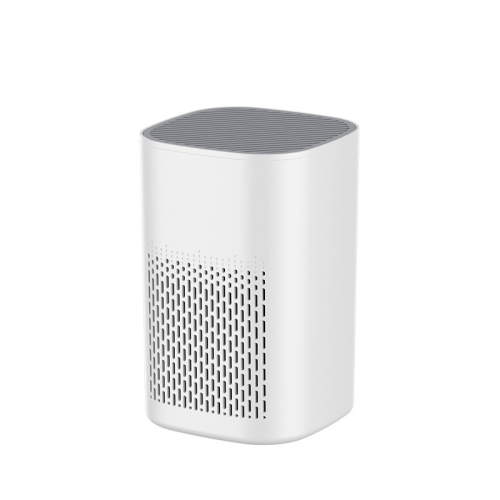
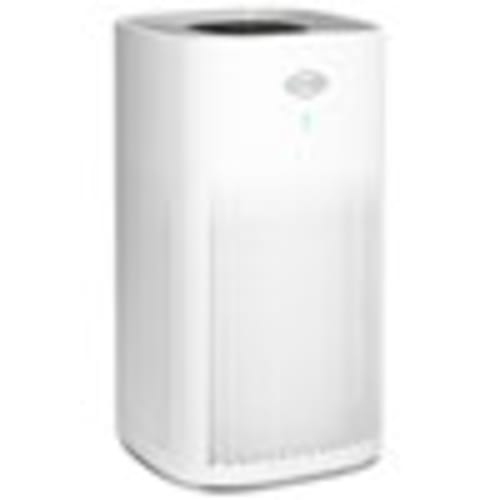
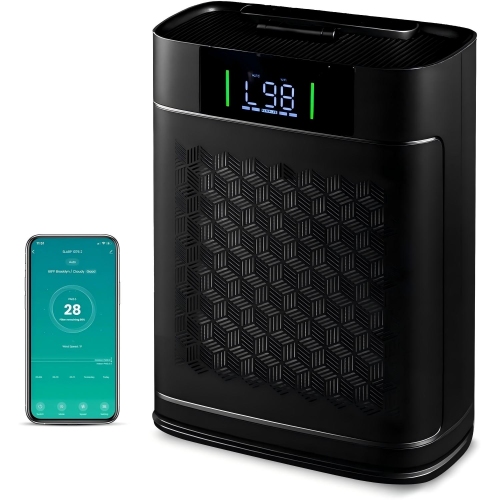
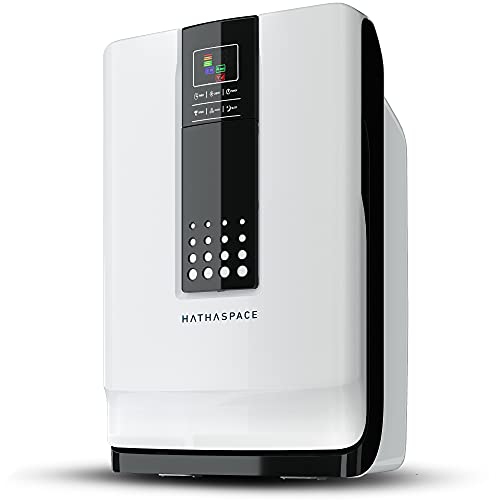
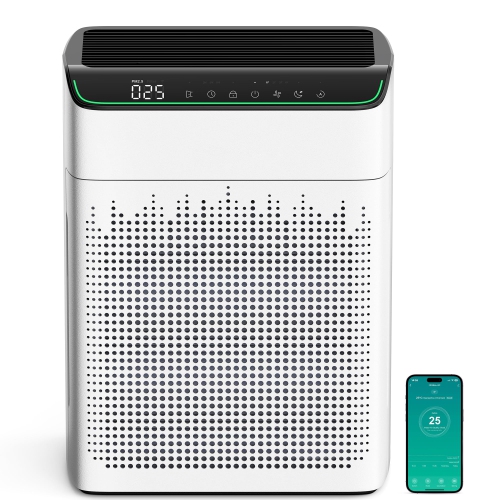
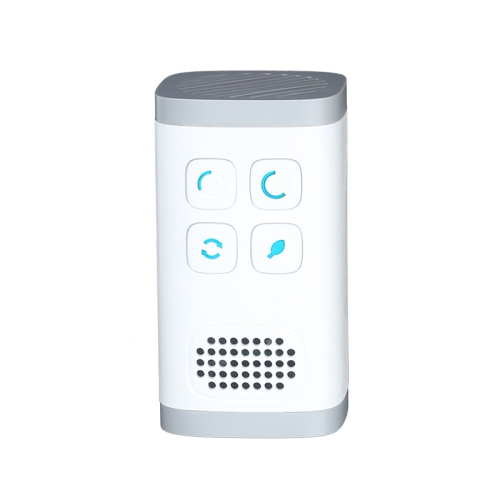
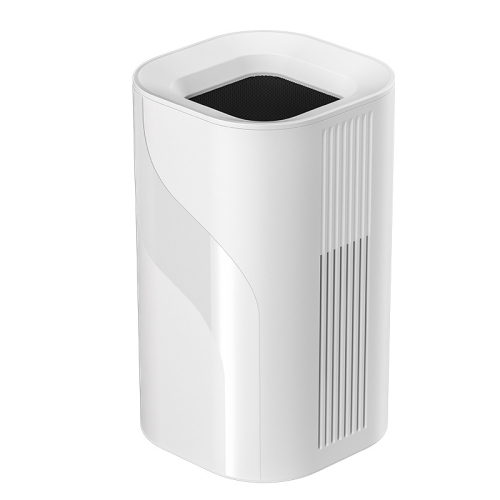
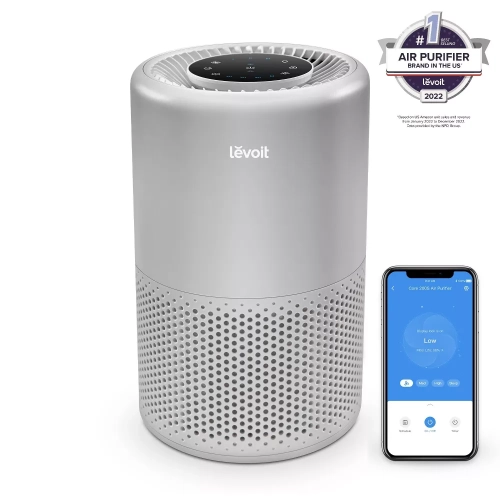
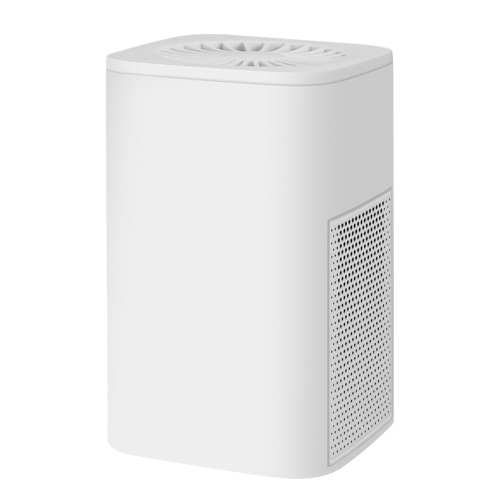
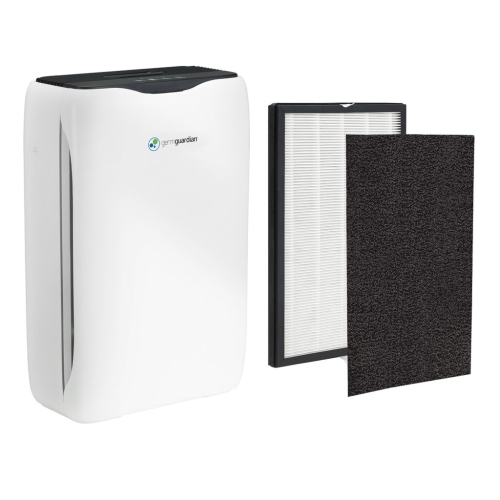
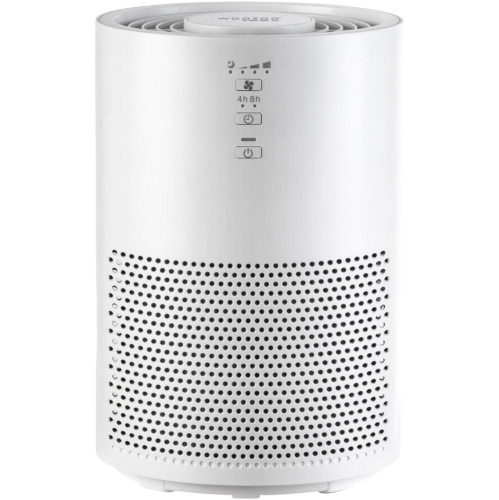
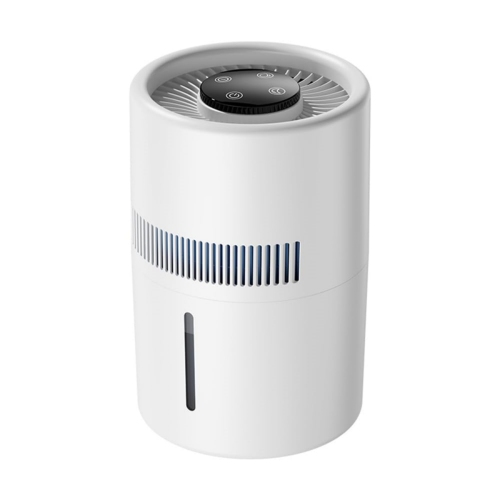
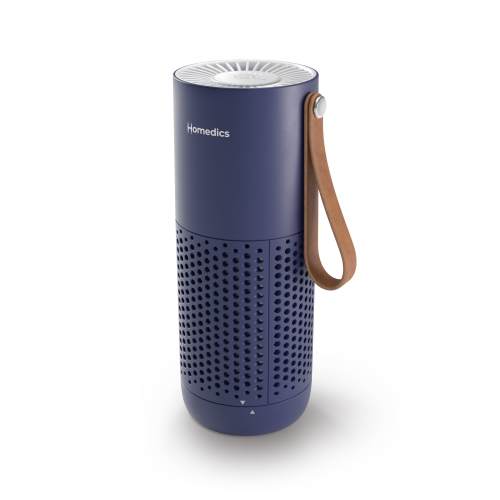
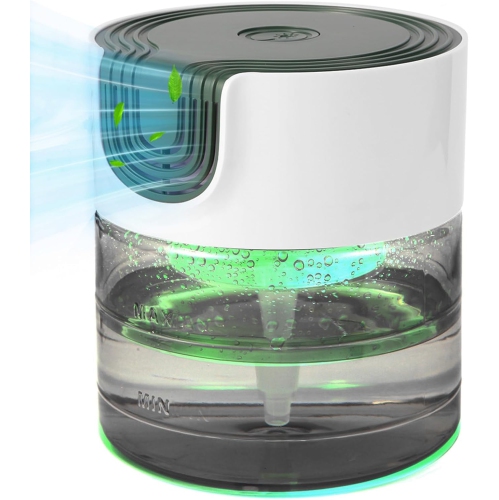
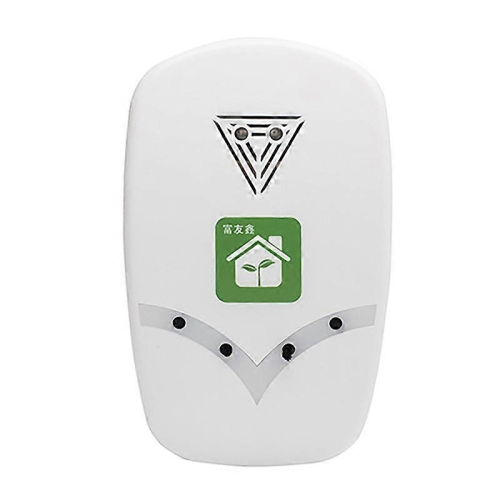
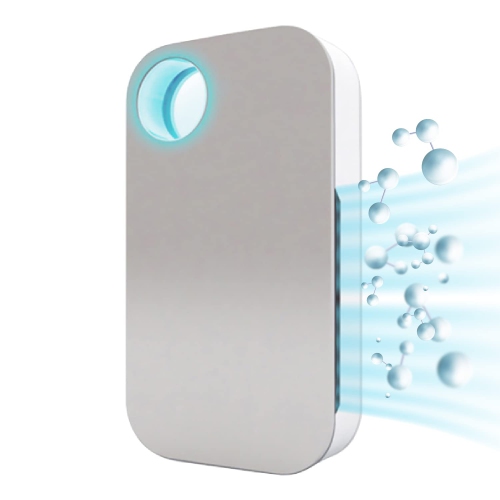
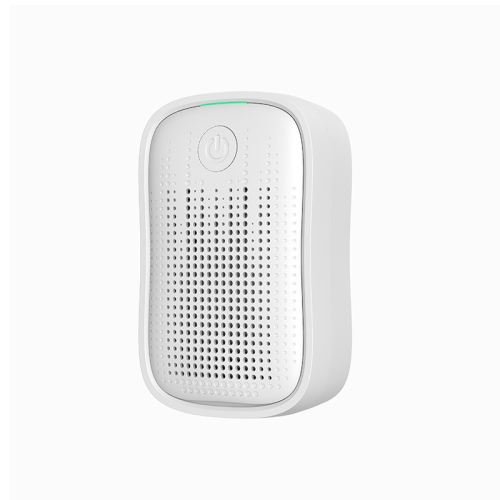
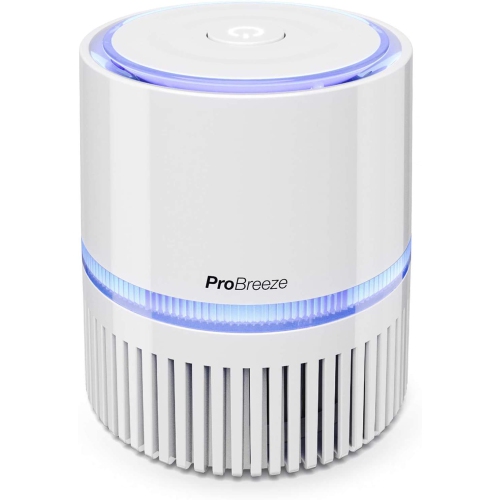
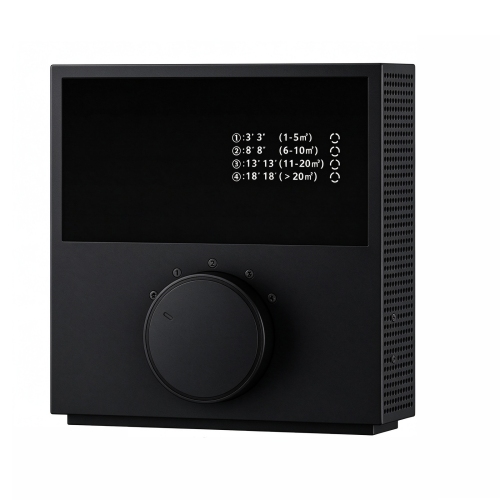
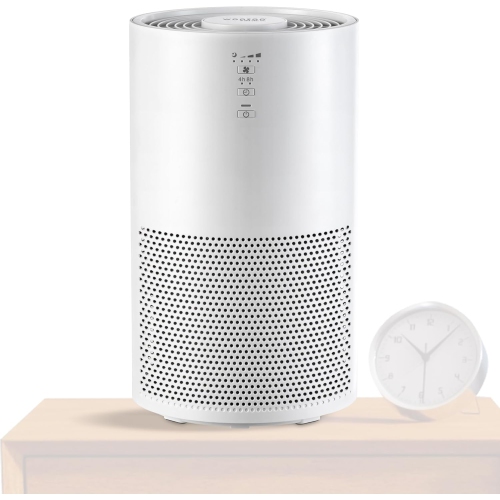
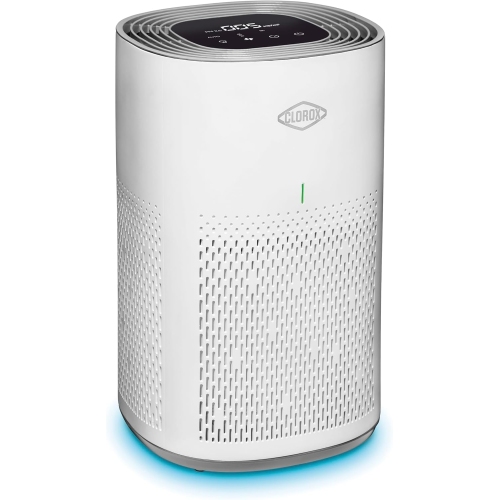
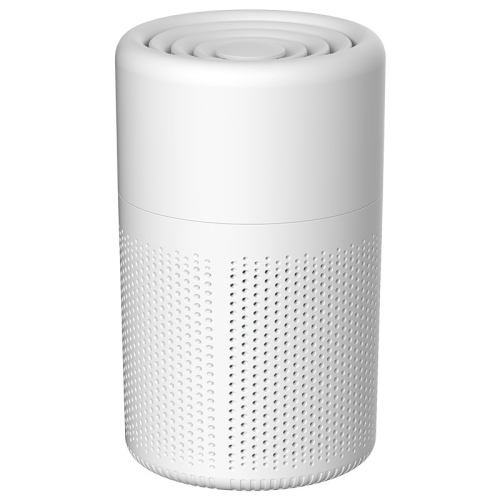
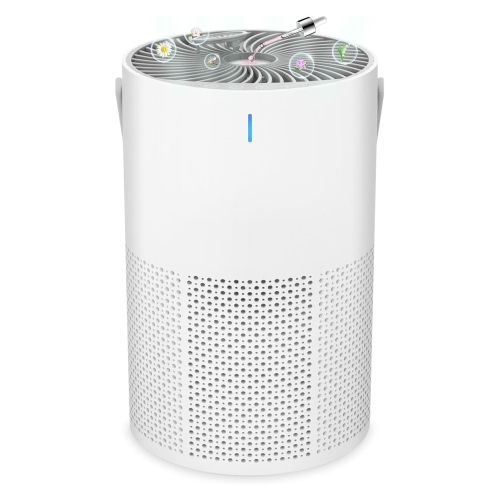
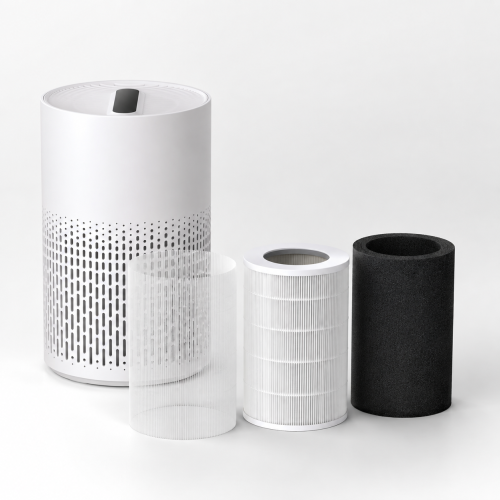
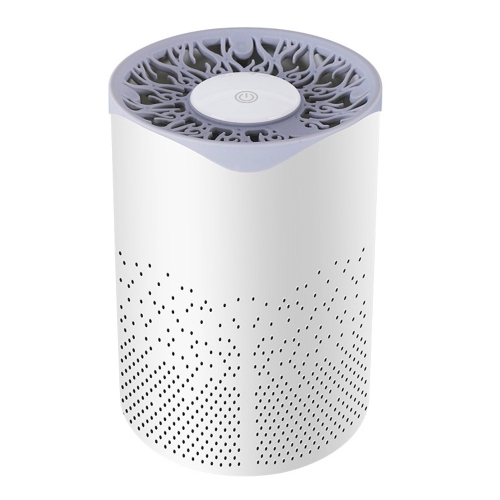

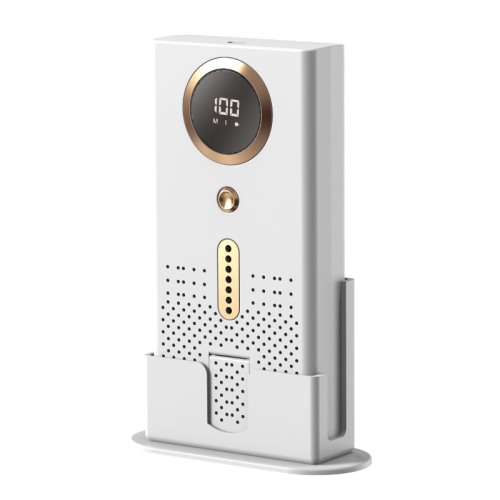
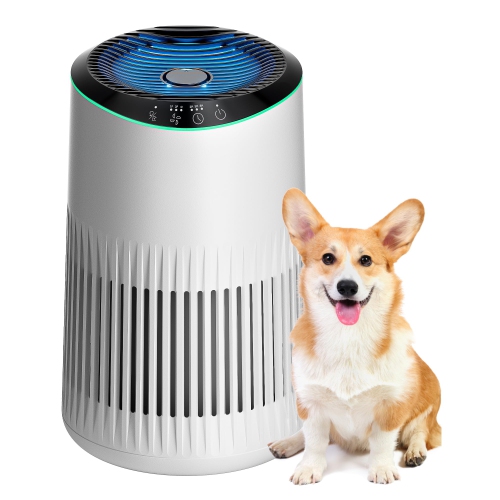
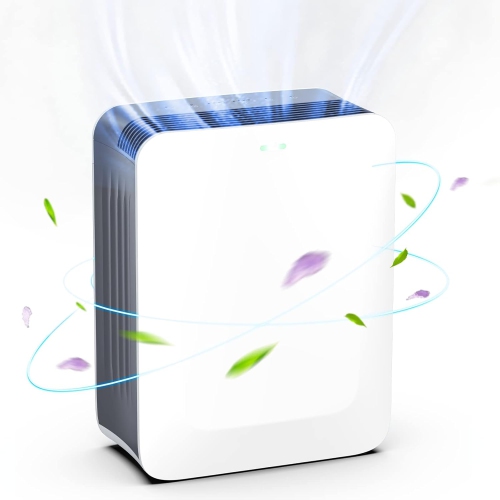
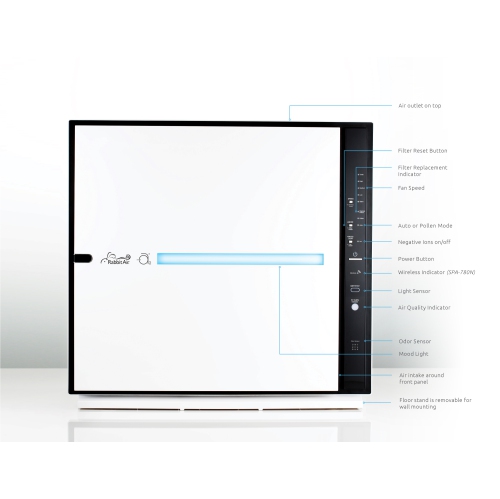
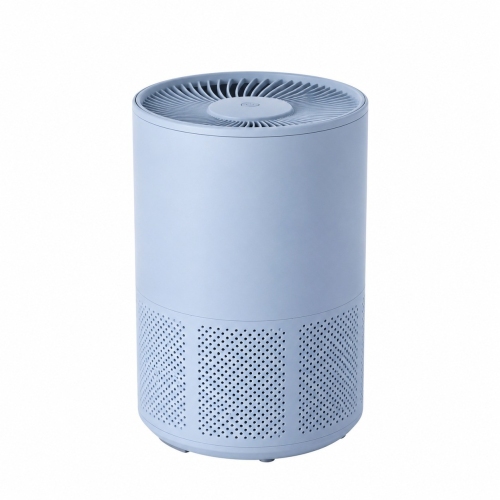
Room coverage and quiet operation shape better overnight filtration
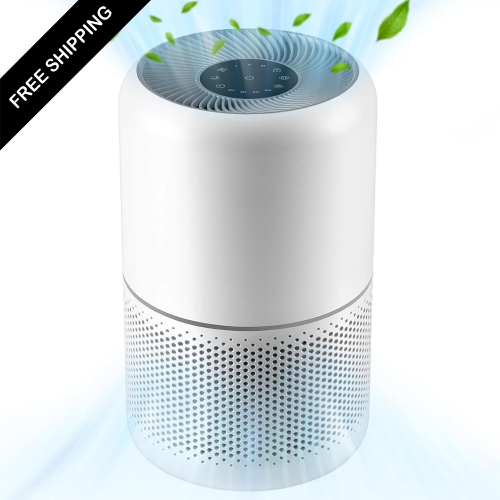
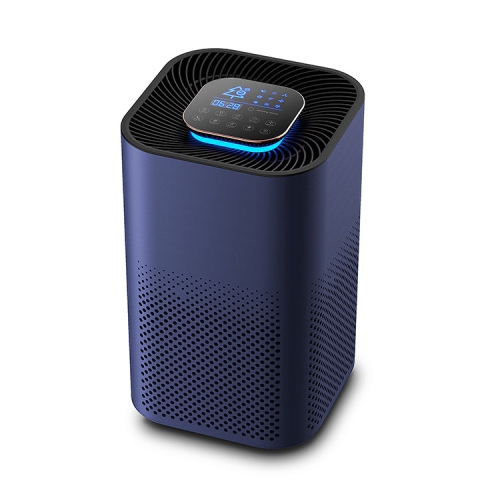
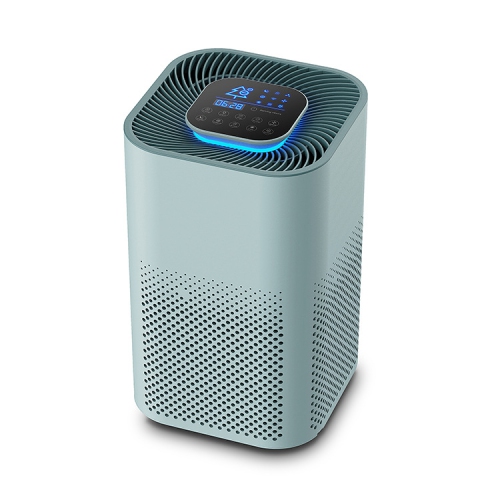
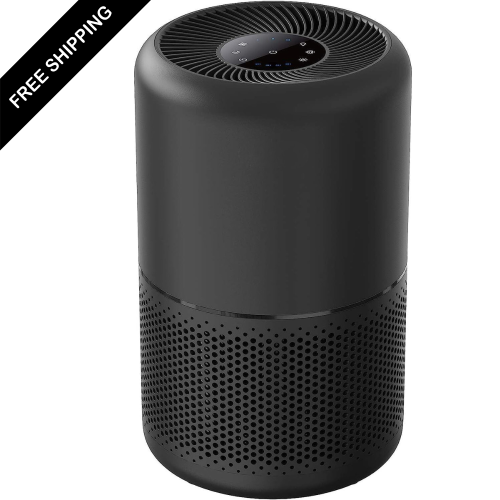
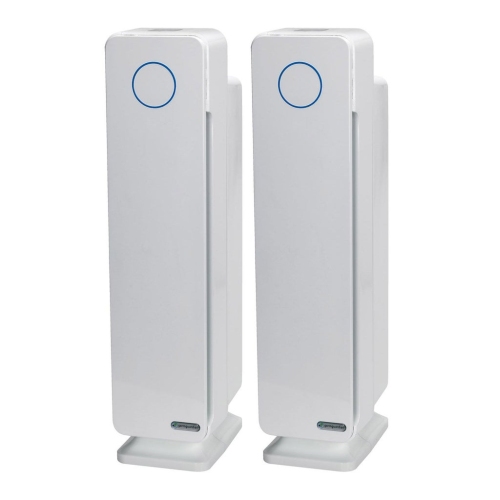
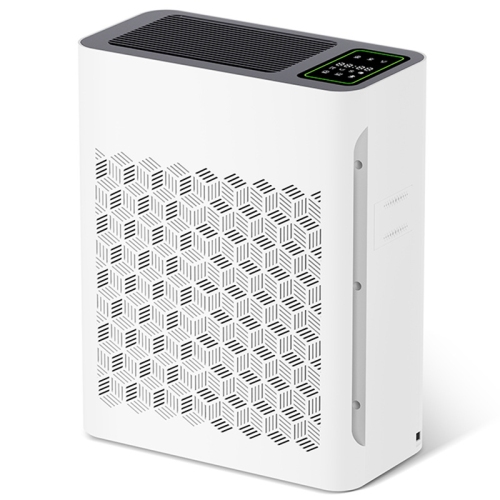
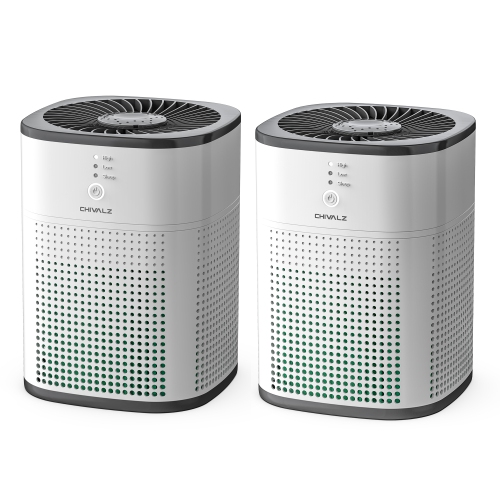
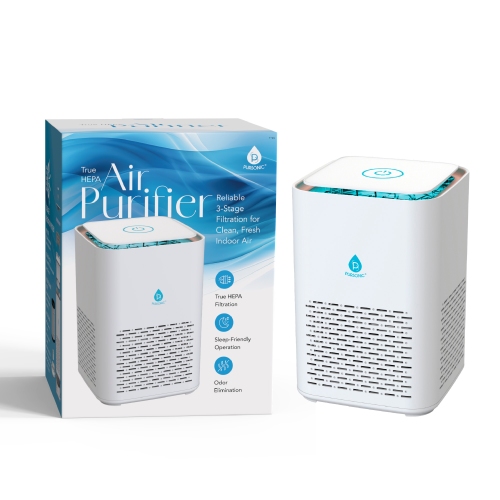
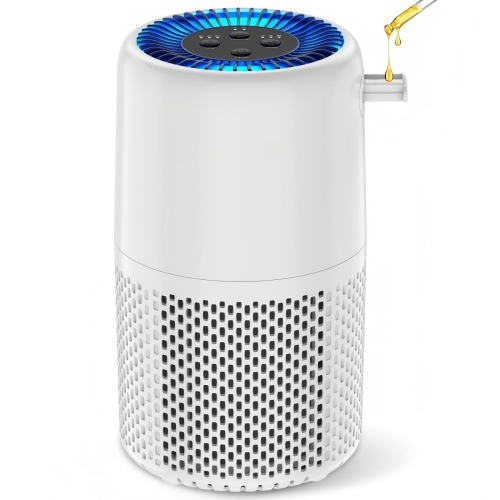
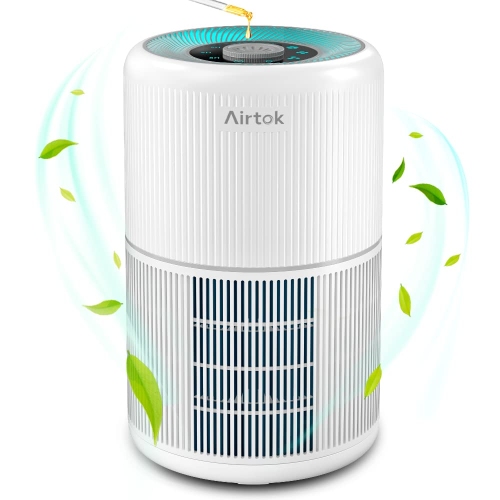
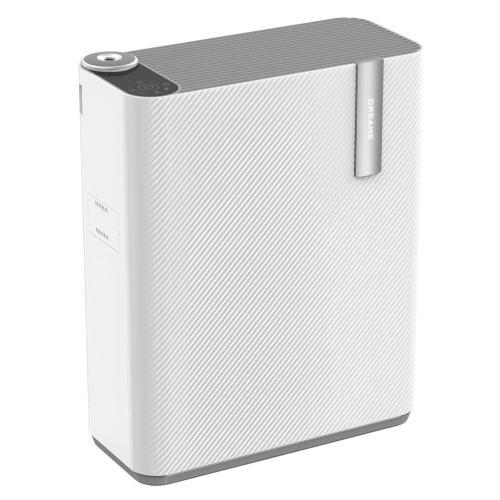
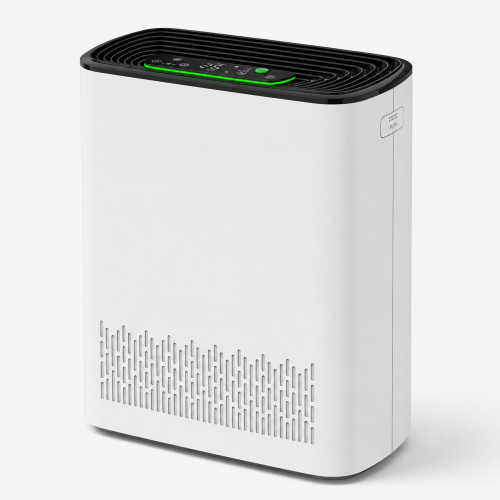
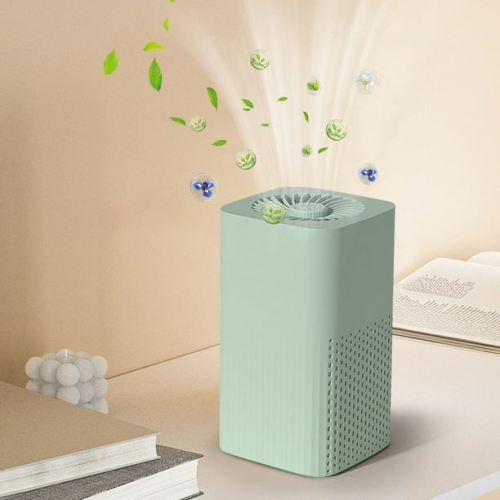
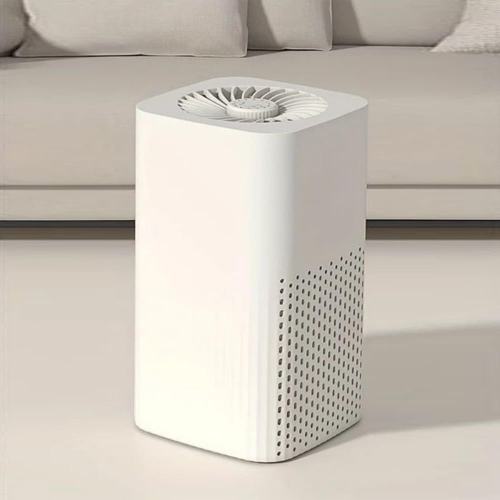
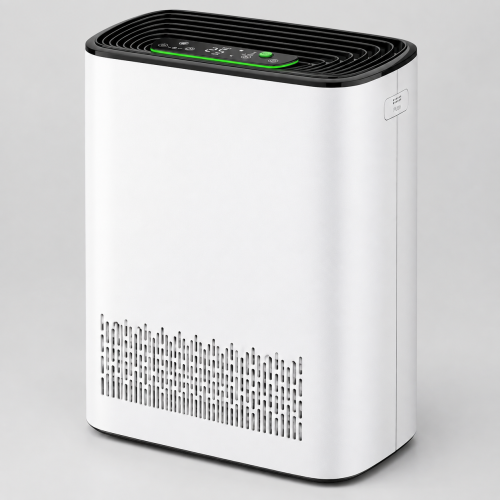
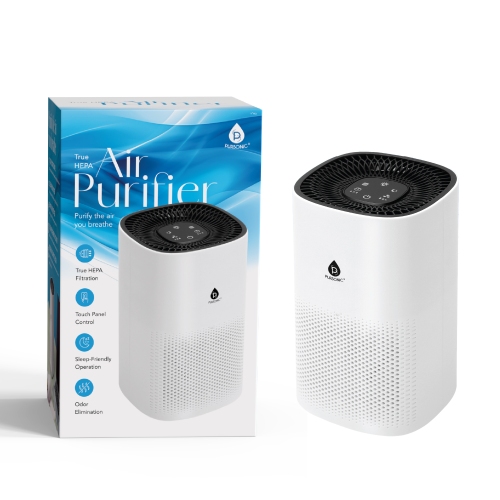
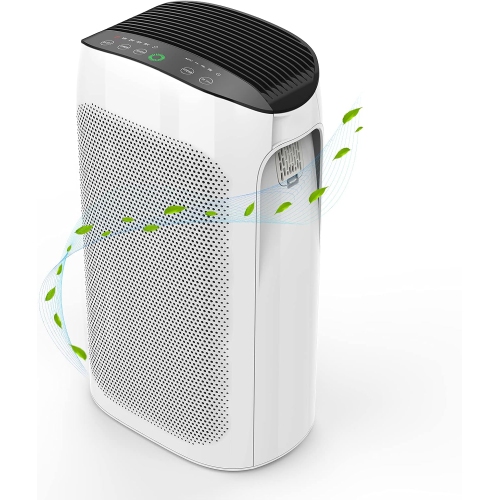
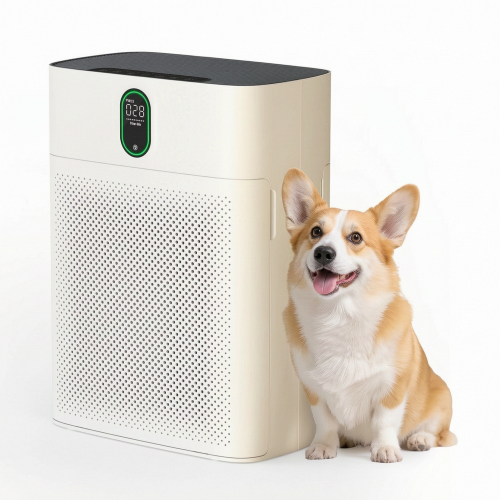
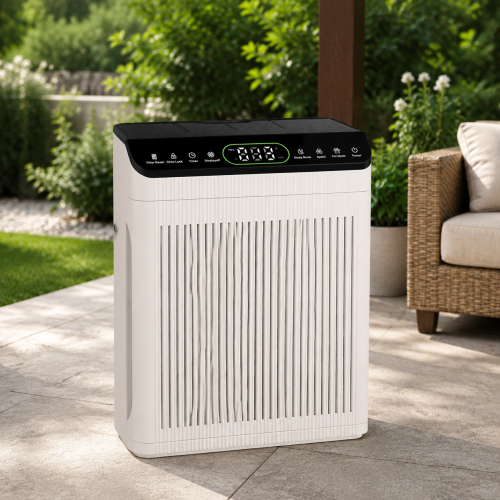
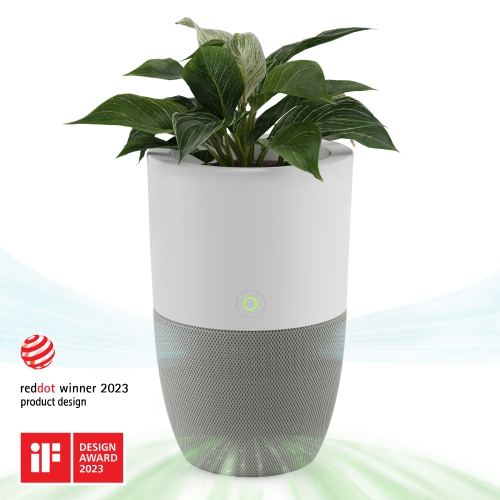
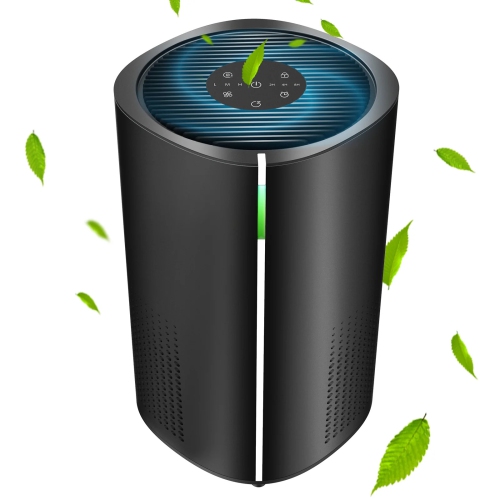
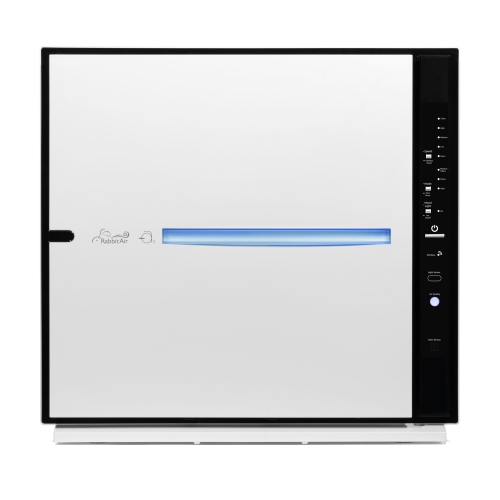
Bedroom air purifiers for allergies can help create a more comfortable sleeping environment by filtering airborne particles that may irritate sensitive noses, throats, and eyes. In a bedroom, common triggers include pollen carried in on clothing, pet dander, dust, dust mite debris, and mould spores. During warmer weather, open windows and outdoor activity can bring more pollen indoors, while cooler months often mean closed windows and increased time spent inside. A properly sized air purifier can help reduce the concentration of these particles as air circulates through its filters, complementing regular cleaning, washing bedding, and other steps recommended by a healthcare professional. These appliances are especially useful for people who wake with a stuffy nose, sneeze when making the bed, notice irritation around pets, or want cleaner-feeling air in a child’s or guest bedroom. They can also be a thoughtful practical gift for a student moving into a residence, someone setting up a new bedroom, or a family member who is sensitive to seasonal allergens. Choose a unit designed for the room where it will be used, rather than relying only on the purifier’s overall size. Bedroom layouts, ceiling heights, doors, and furnishings all affect circulation, so checking the recommended room coverage and Clean Air Delivery Rate (CADR) is important. A model with a CADR suited to the bedroom can filter the air more effectively and achieve repeated air changes over time. If the purifier will be moved between rooms, select coverage for the largest space where it is likely to operate. Keep the unit on a level surface with sufficient clearance around its air intake and outlet, and avoid placing it behind a dresser, inside a shelf, or directly against a wall.
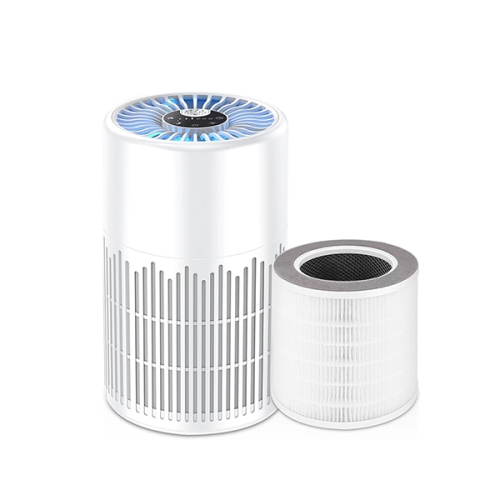
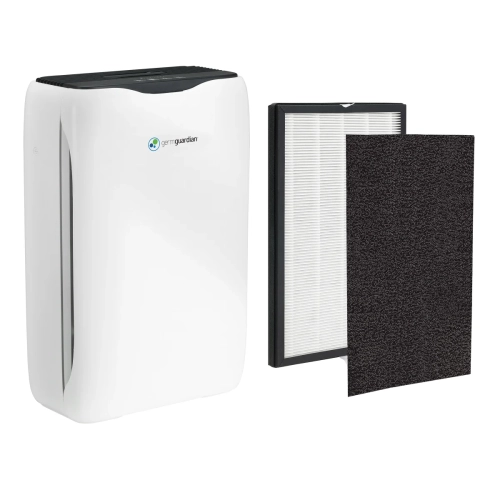
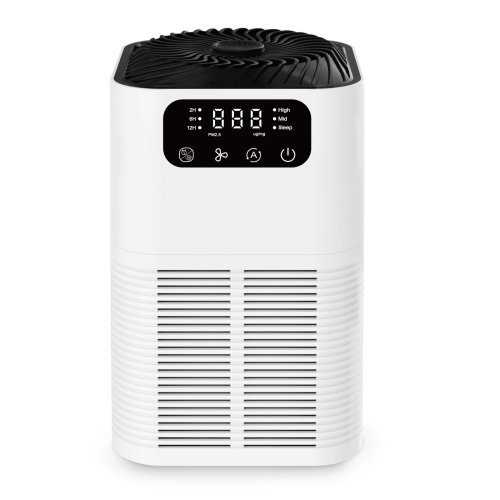
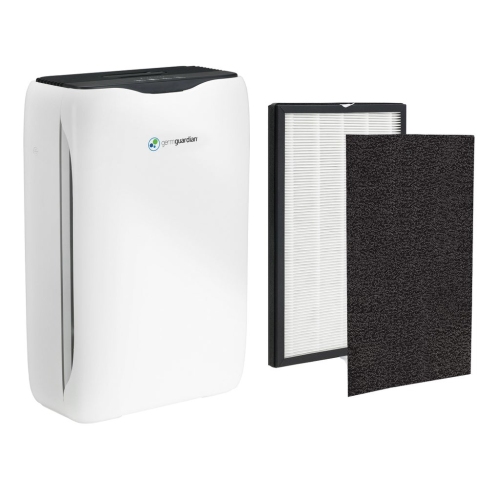
Filter design is one of the most important considerations when shopping for a bedroom air purifier for allergies. A True HEPA filter is designed to capture very small airborne particles, including pollen, pet dander, dust, and some mould spores. When a product specifies a 99.97% capture rate for particles as small as 0.3 microns, that performance refers to the filter under defined test conditions; real-world results also depend on airflow, room size, filter condition, and how consistently the purifier runs. A washable or replaceable pre-filter can capture larger particles such as hair and visible dust before they reach the main filter, helping the filtration system work efficiently. Some models include an activated carbon filter, which can help reduce household odours from pets, cooking, smoke, or stale air. Carbon filtration is different from particle filtration, so shoppers who are primarily concerned with pollen or dust should give priority to True HEPA filtration and suitable CADR. Those whose main concern includes odours may prefer a design with a substantial carbon layer. People focused on dust-related triggers can also explore Air Purifiers for Dust Allergies for additional options. Controls and operating features matter just as much as filter specifications in a bedroom. Sleep mode typically lowers fan speed and dims or turns off display lights, making it easier to keep the purifier running overnight without bright illumination or distracting noise. Auto mode uses an air-quality sensor to adjust fan speed when the air changes, while a manual setting allows more direct control. Timers, remote controls, app connectivity, filter-life indicators, and child locks may also be useful depending on the room and household. For a light sleeper, pay close attention to published noise levels and look for a low-speed setting that can operate quietly for several hours. A purifier should not be tucked away simply because its display is bright or its fan is noticeable; a model that fits comfortably into the room and is easy to operate is more likely to be used consistently.
For ongoing allergy support, many people leave their purifier running continuously on a low or automatic setting, particularly while sleeping. Allowing the unit to operate regularly helps maintain filtration rather than waiting until the room feels dusty or uncomfortable. Close windows during periods of high outdoor pollen when practical, keep bedroom doors positioned according to how you want air to circulate, and place the purifier near the area where air can move freely. It is also worth remembering that an air purifier only filters airborne particles; it does not remove dust settled on floors, bedding, curtains, or furniture. Vacuuming, dusting with a damp cloth, washing sheets according to their care instructions, and keeping pets’ sleeping areas clean can work alongside filtration. Filter maintenance should be part of the buying decision. Check the manufacturer’s instructions for cleaning the pre-filter and replacing the main filter, as schedules vary with usage, indoor air conditions, and the type of filter. A pre-filter may need regular vacuuming, while a HEPA filter commonly requires replacement after several months to a year, though a filter-life indicator can provide a more convenient reminder. Do not wash a filter unless the instructions specifically say it is washable, since moisture can damage filter material or encourage odours. When comparing bedroom air purifiers, consider the cost and availability of replacement filters, the controls you will use most often, the purifier’s footprint, and whether its appearance suits the room. A compact unit may work well on a nightstand or dresser when its airflow is unobstructed, while a larger bedroom may benefit from a floor-standing design with higher CADR. With the right combination of filtration, room coverage, quiet operation, and regular maintenance, a bedroom air purifier can become a simple part of a nightly routine during changing seasons and throughout the year.
Filter design is one of the most important considerations when shopping for a bedroom air purifier for allergies. A True HEPA filter is designed to capture very small airborne particles, including pollen, pet dander, dust, and some mould spores. When a product specifies a 99.97% capture rate for particles as small as 0.3 microns, that performance refers to the filter under defined test conditions; real-world results also depend on airflow, room size, filter condition, and how consistently the purifier runs. A washable or replaceable pre-filter can capture larger particles such as hair and visible dust before they reach the main filter, helping the filtration system work efficiently. Some models include an activated carbon filter, which can help reduce household odours from pets, cooking, smoke, or stale air. Carbon filtration is different from particle filtration, so shoppers who are primarily concerned with pollen or dust should give priority to True HEPA filtration and suitable CADR. Those whose main concern includes odours may prefer a design with a substantial carbon layer. People focused on dust-related triggers can also explore Air Purifiers for Dust Allergies for additional options. Controls and operating features matter just as much as filter specifications in a bedroom. Sleep mode typically lowers fan speed and dims or turns off display lights, making it easier to keep the purifier running overnight without bright illumination or distracting noise. Auto mode uses an air-quality sensor to adjust fan speed when the air changes, while a manual setting allows more direct control. Timers, remote controls, app connectivity, filter-life indicators, and child locks may also be useful depending on the room and household. For a light sleeper, pay close attention to published noise levels and look for a low-speed setting that can operate quietly for several hours. A purifier should not be tucked away simply because its display is bright or its fan is noticeable; a model that fits comfortably into the room and is easy to operate is more likely to be used consistently.
For ongoing allergy support, many people leave their purifier running continuously on a low or automatic setting, particularly while sleeping. Allowing the unit to operate regularly helps maintain filtration rather than waiting until the room feels dusty or uncomfortable. Close windows during periods of high outdoor pollen when practical, keep bedroom doors positioned according to how you want air to circulate, and place the purifier near the area where air can move freely. It is also worth remembering that an air purifier only filters airborne particles; it does not remove dust settled on floors, bedding, curtains, or furniture. Vacuuming, dusting with a damp cloth, washing sheets according to their care instructions, and keeping pets’ sleeping areas clean can work alongside filtration. Filter maintenance should be part of the buying decision. Check the manufacturer’s instructions for cleaning the pre-filter and replacing the main filter, as schedules vary with usage, indoor air conditions, and the type of filter. A pre-filter may need regular vacuuming, while a HEPA filter commonly requires replacement after several months to a year, though a filter-life indicator can provide a more convenient reminder. Do not wash a filter unless the instructions specifically say it is washable, since moisture can damage filter material or encourage odours. When comparing bedroom air purifiers, consider the cost and availability of replacement filters, the controls you will use most often, the purifier’s footprint, and whether its appearance suits the room. A compact unit may work well on a nightstand or dresser when its airflow is unobstructed, while a larger bedroom may benefit from a floor-standing design with higher CADR. With the right combination of filtration, room coverage, quiet operation, and regular maintenance, a bedroom air purifier can become a simple part of a nightly routine during changing seasons and throughout the year.
Top selling and popular products
-
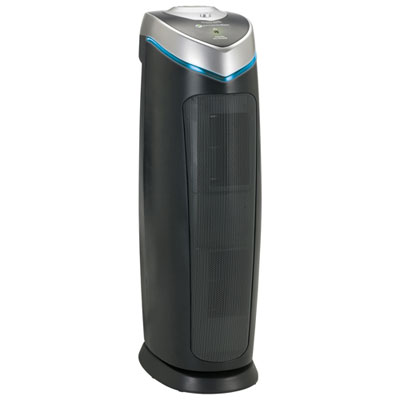 Your price for this item is $139.99
 -
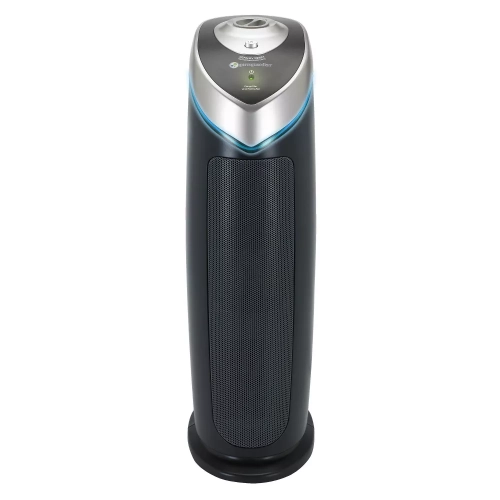 Your price for this item is $323.72
 -
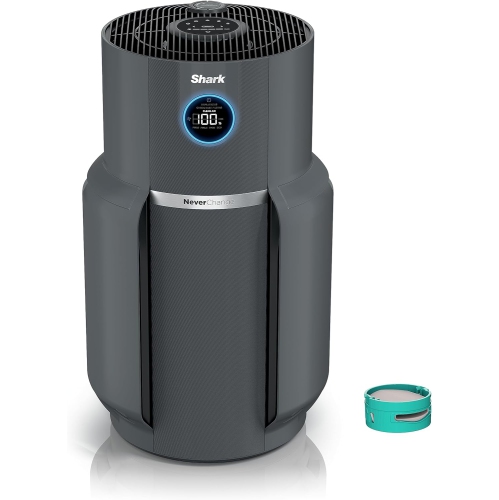 Your price for this item is $999.99
 -
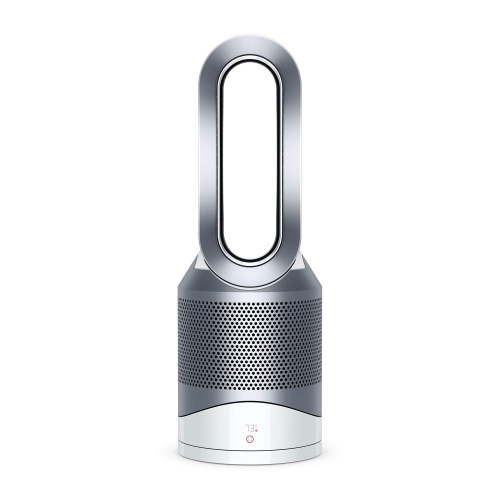 Your price for this item is $729.99
 -
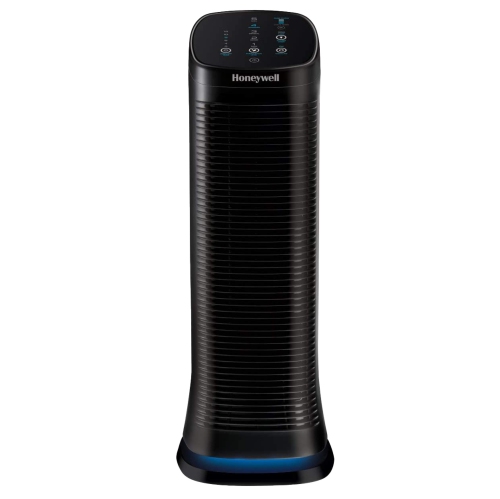 Your price for this item is $583.14
 -
 Your price for this item is $719.39
 -
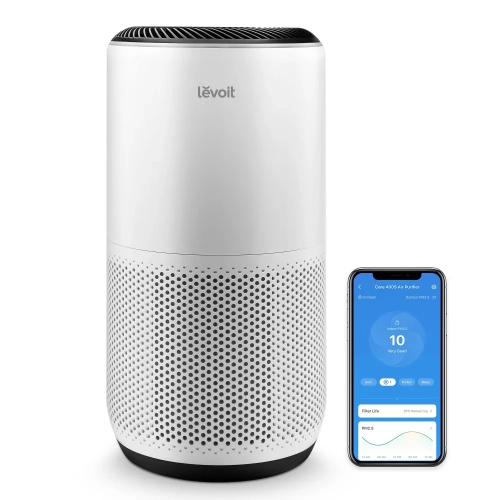 Your price for this item is $699.99
 -
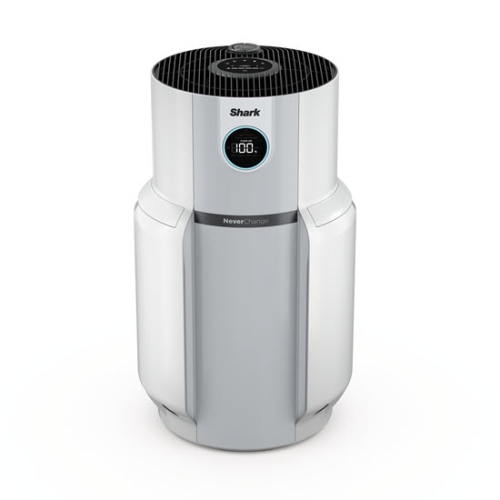 Your price for this item is $229.95
Discover more categories related to Bedroom Air Purifiers for Allergies
Top Collections:
Pokemon Centers, Best Cameras for Sports Photography, Kindle Devices, Samsung Galaxy Phones, Canon G7X Cameras, Pokémon 30th Celebration Cards, Refurbished Apple Laptops, iPhone 15 Apple, Laptops for Students, Budget Smartphones
Some products may be subject to Environmental Handling Fees
(EHF) depending on your province.
Learn more about EHFs.