Cat Litter Air Purifiers
A litter box air purifier is a great way to keep your home smelling fresh and clean. It's also a great way to keep the air quality in your home safe for your family. A good air purifier will help reduce airborne allergens and irritants that can cause health problems. Here are some of our favorites.
Sort


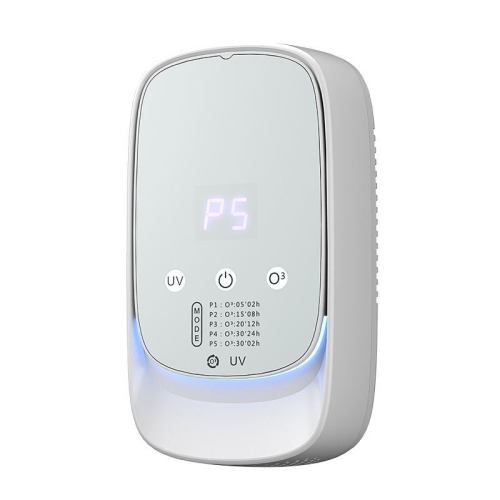

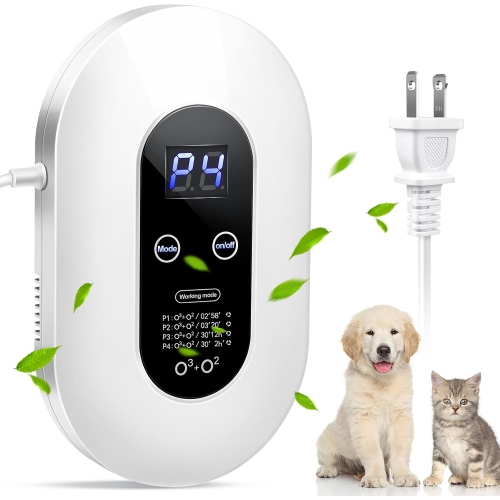
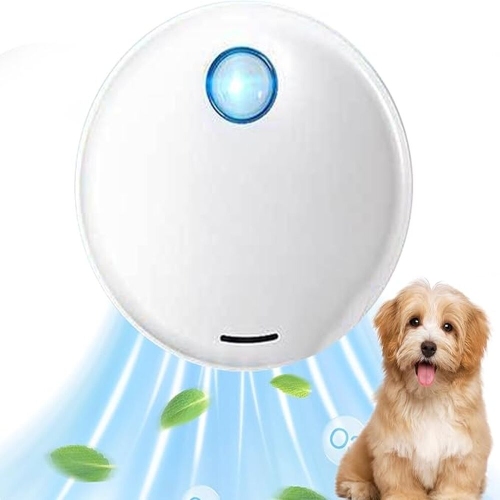

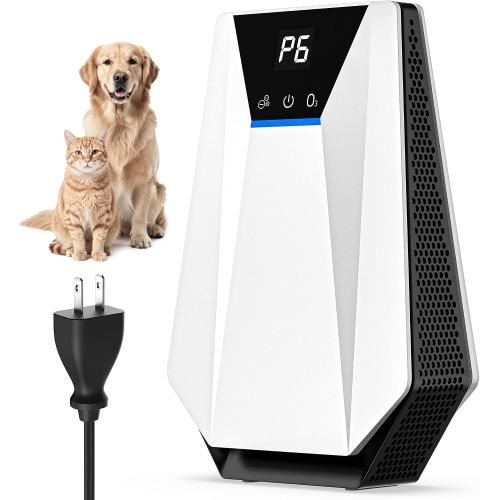
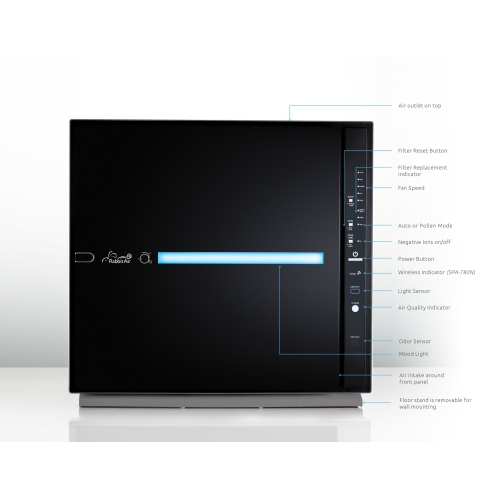
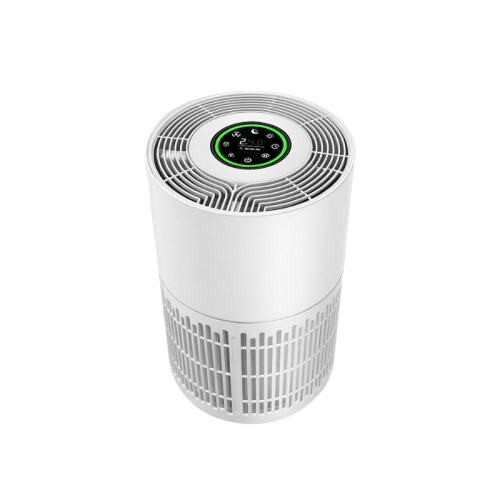
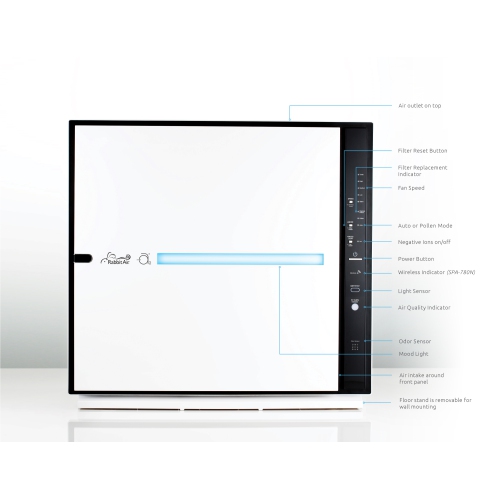
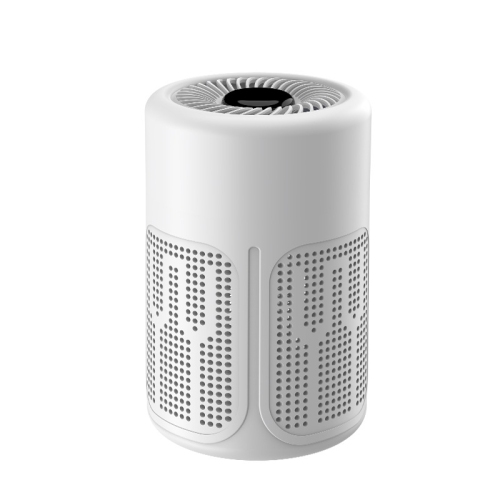
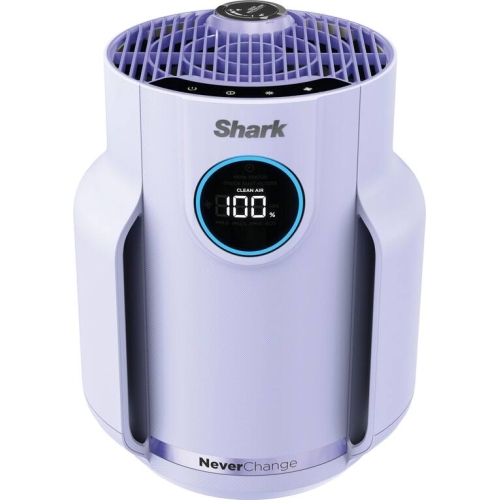
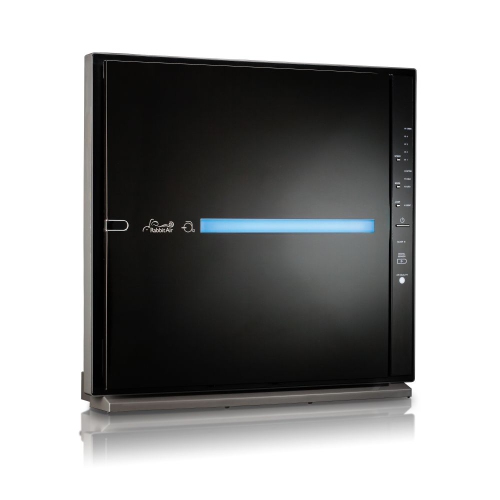
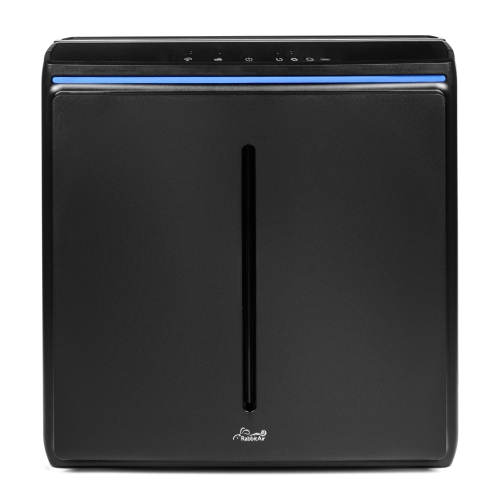

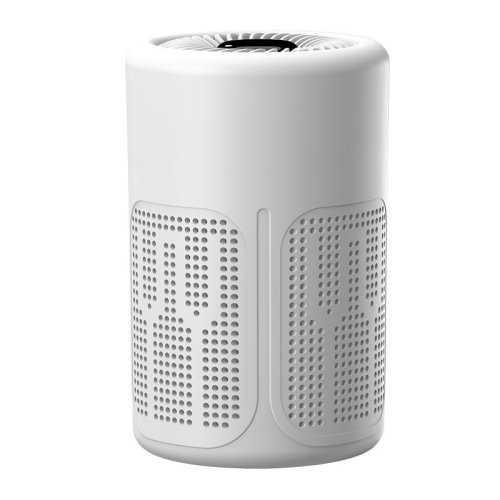
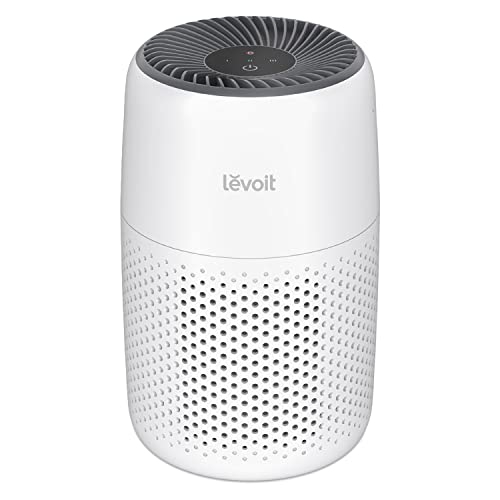
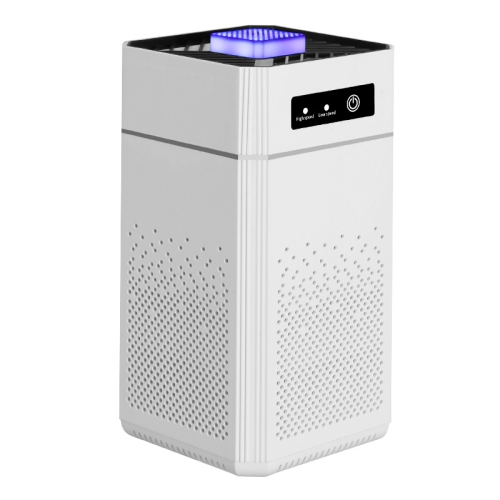
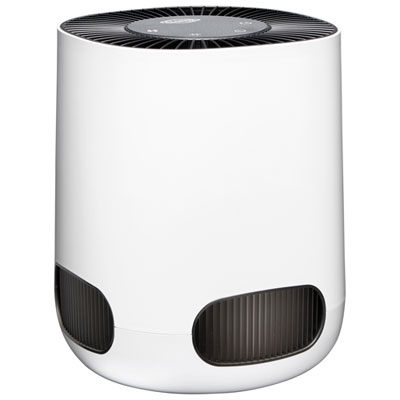
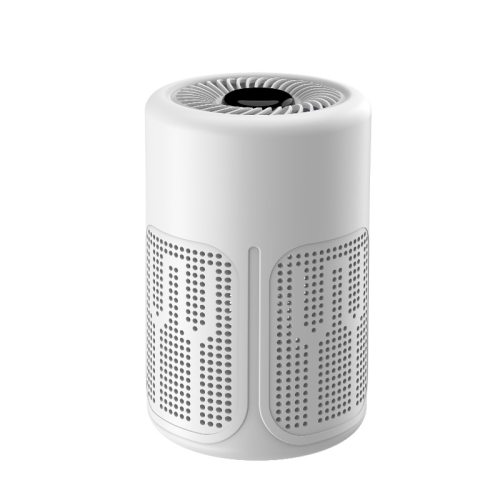
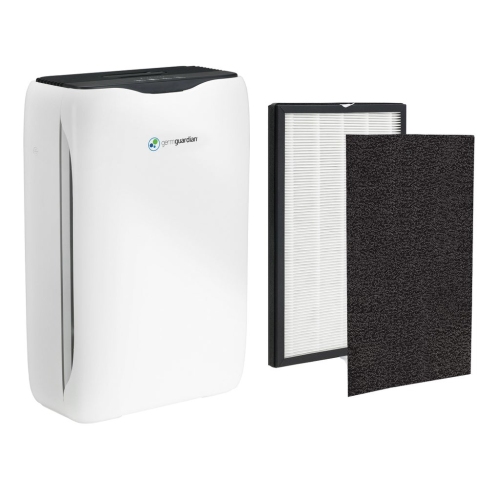
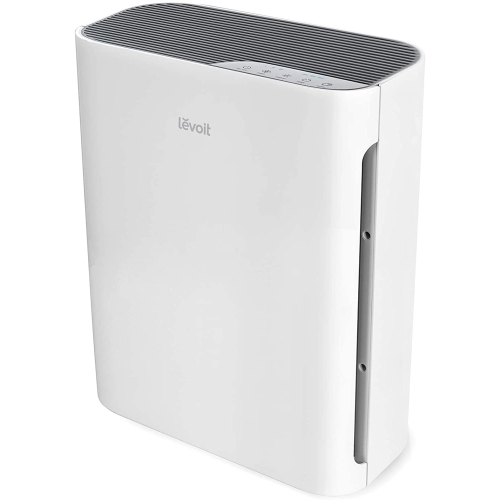
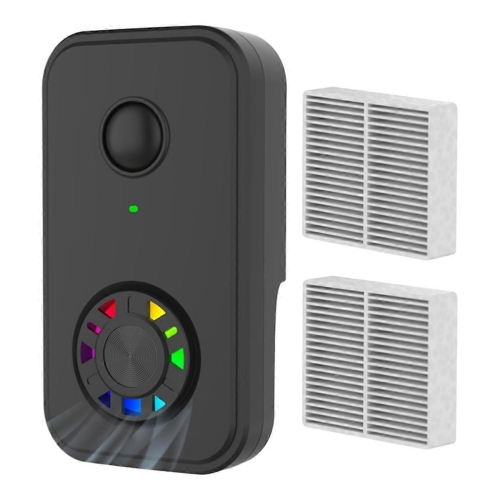
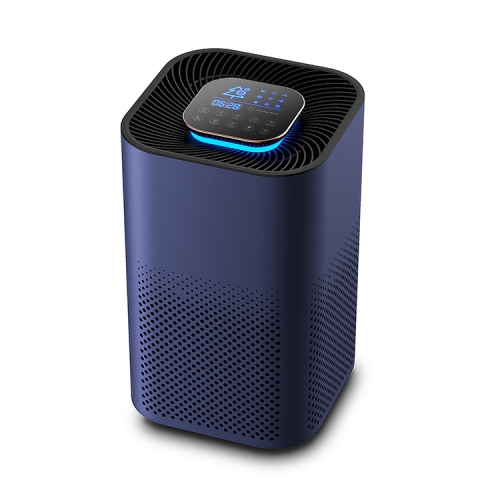
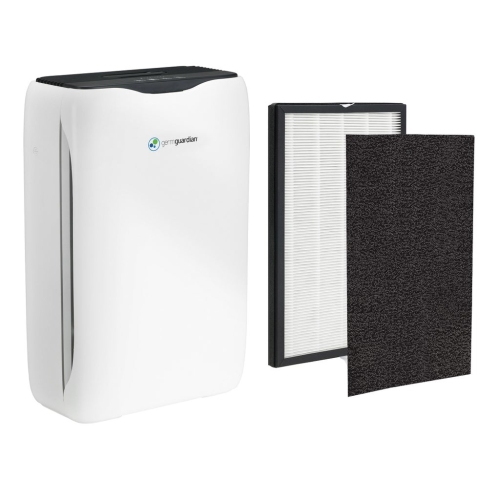
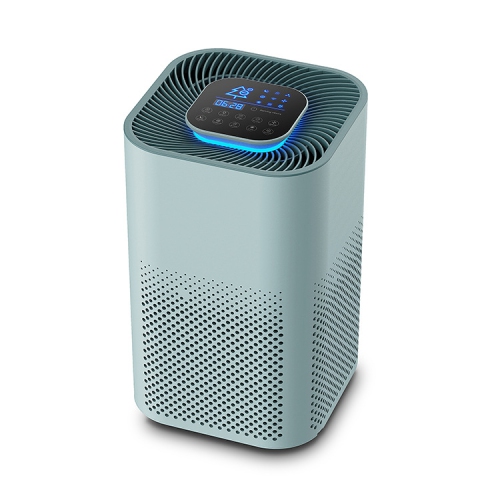
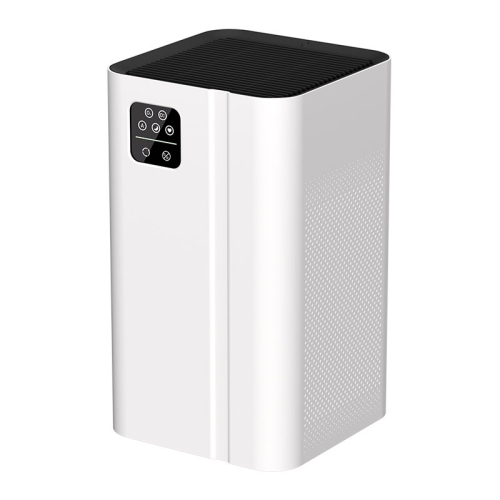
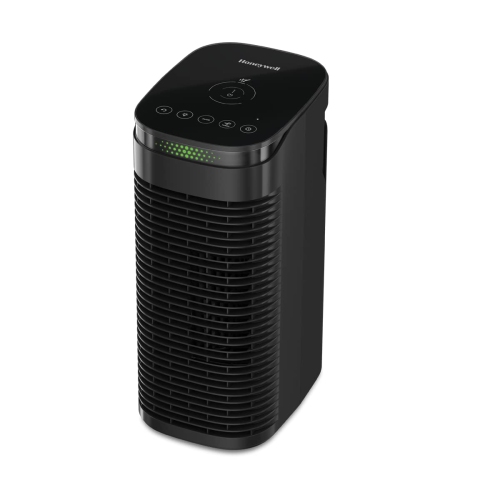

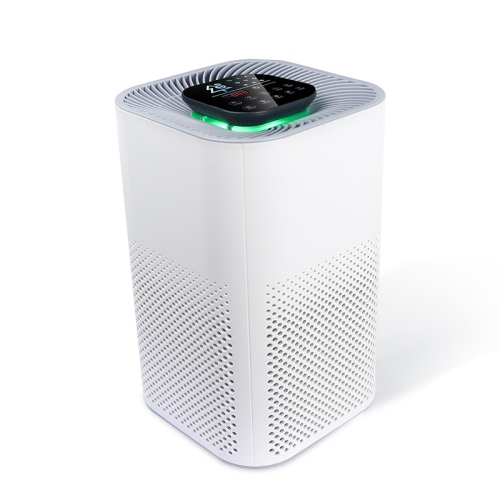
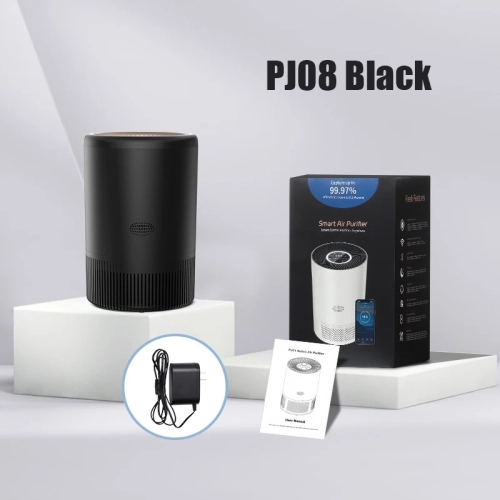
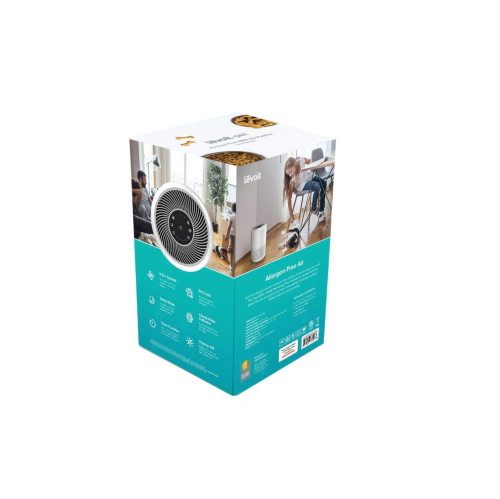
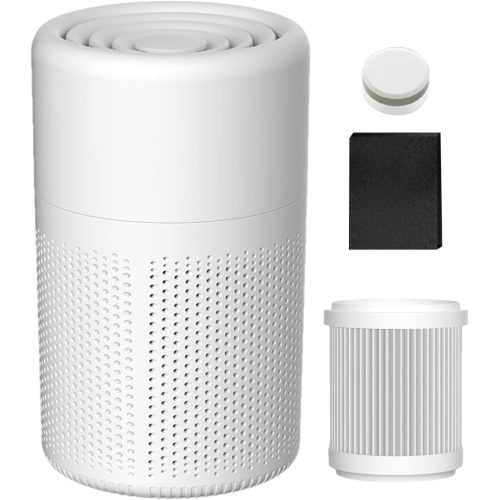
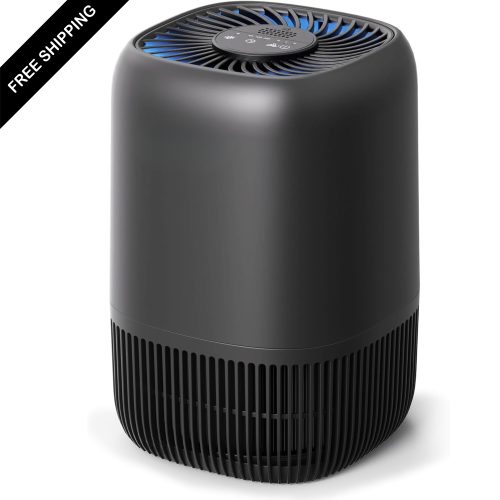

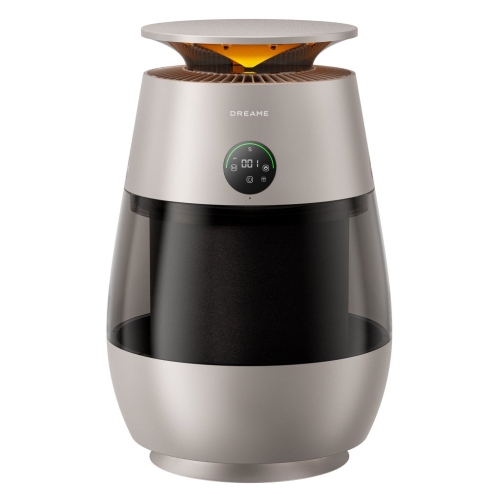
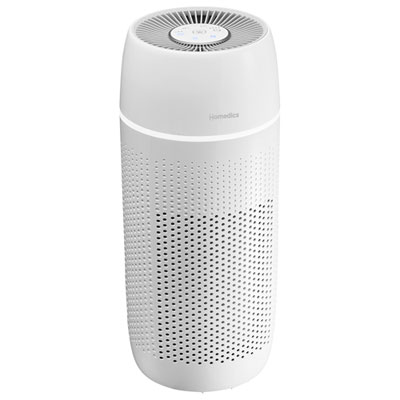

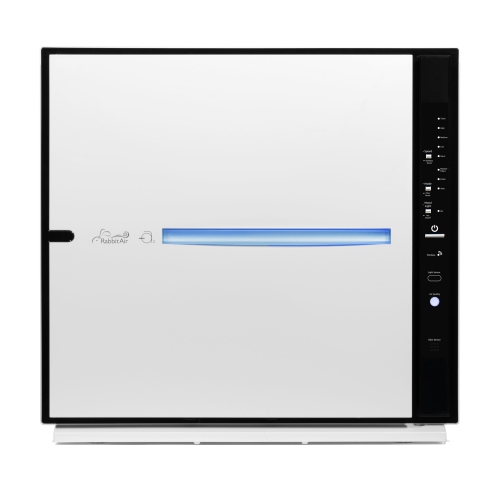
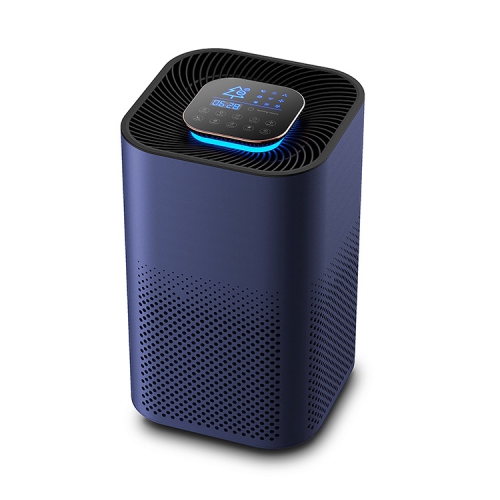
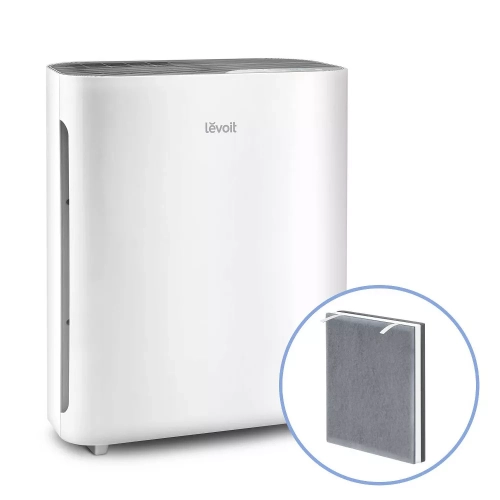

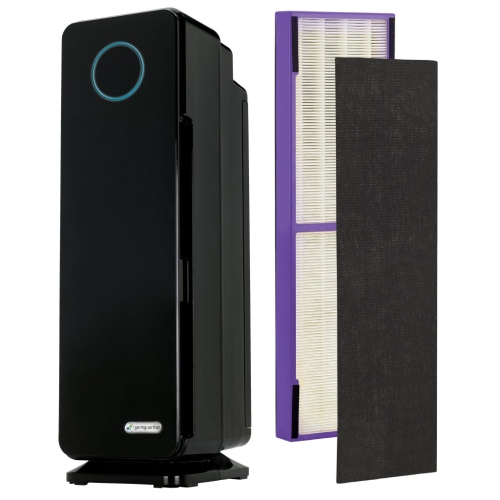
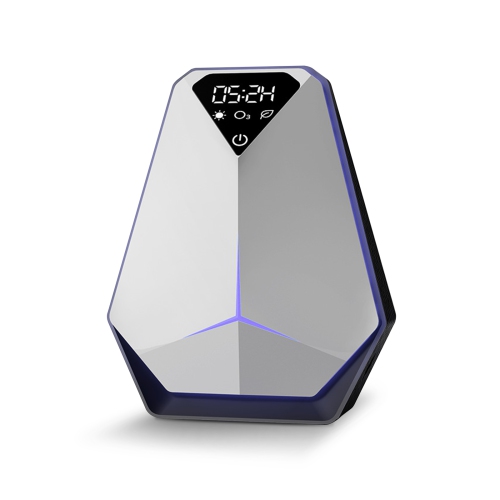
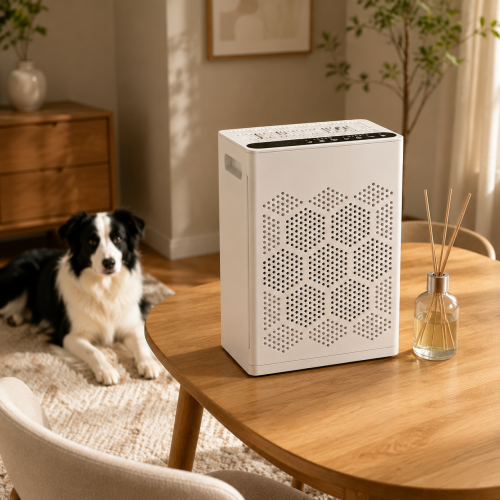
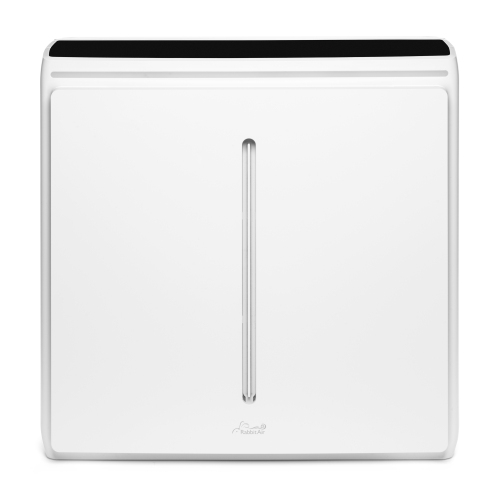
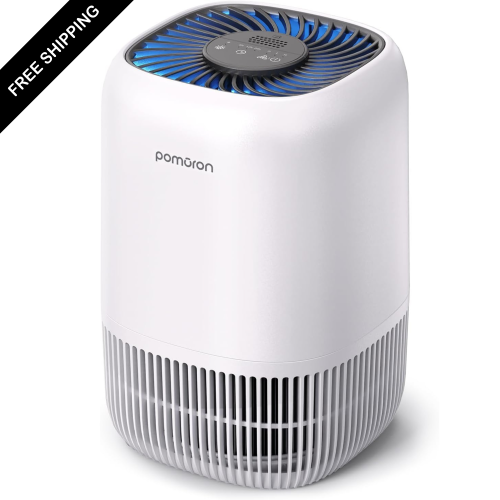
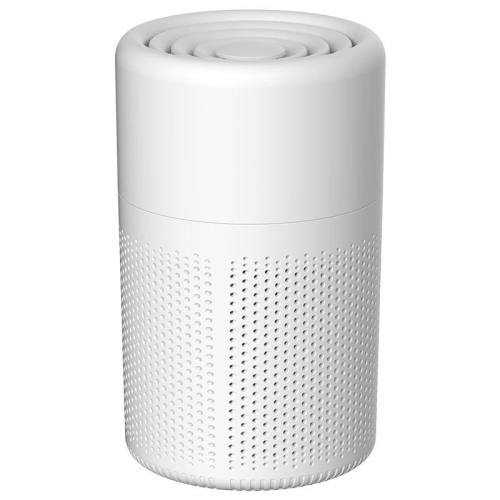
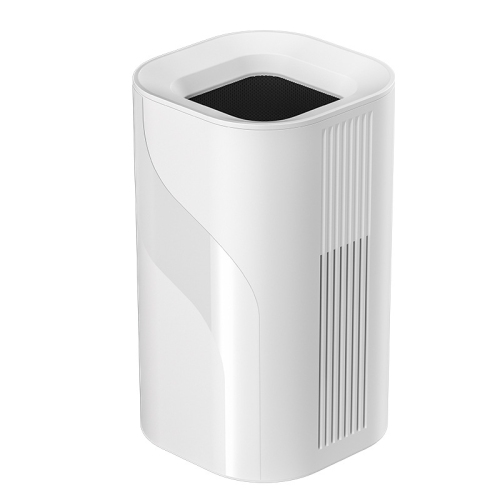

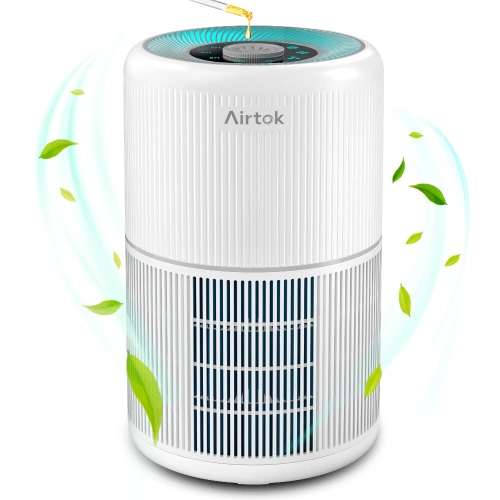
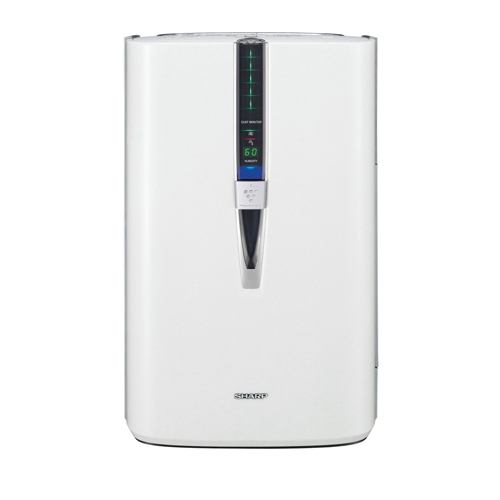
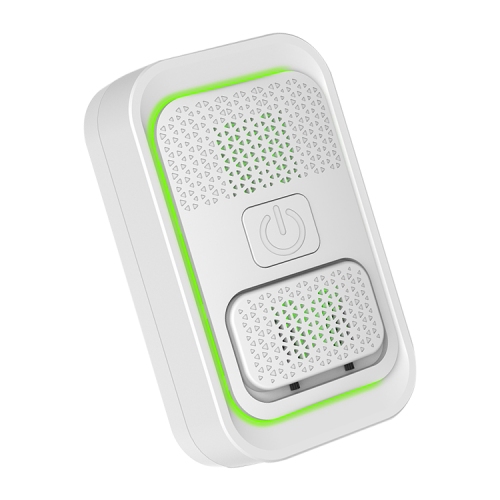
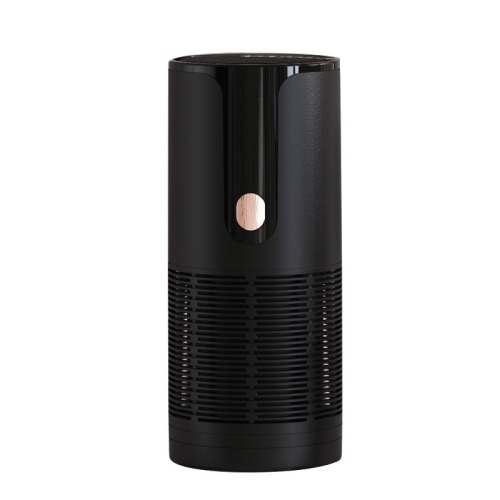
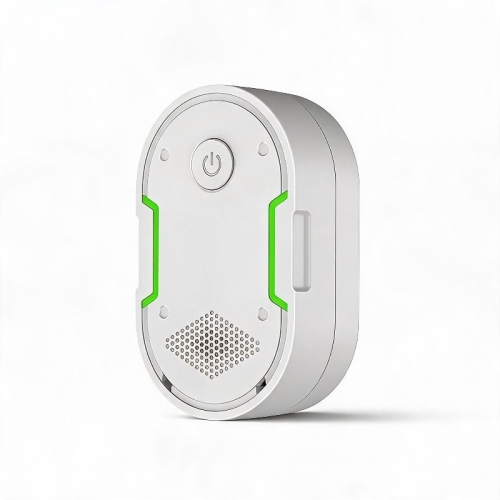

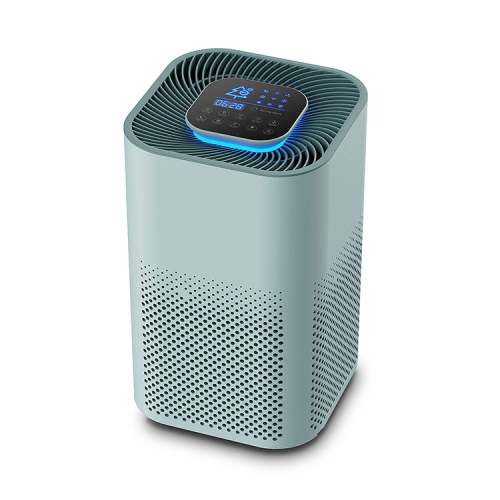
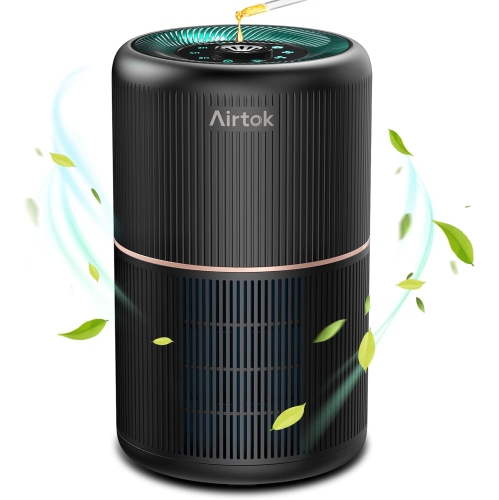
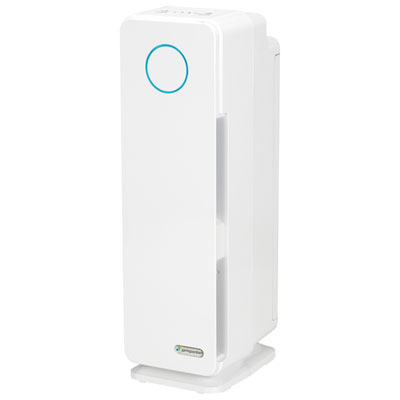
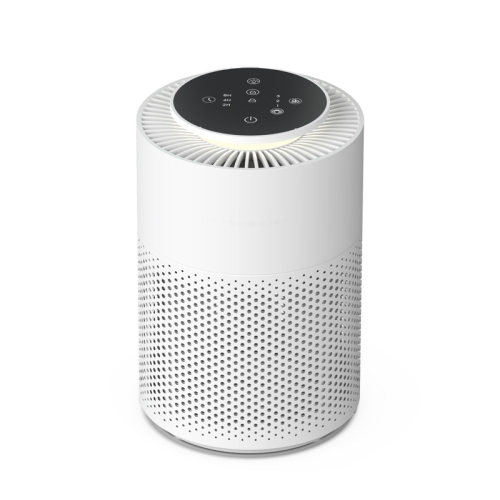
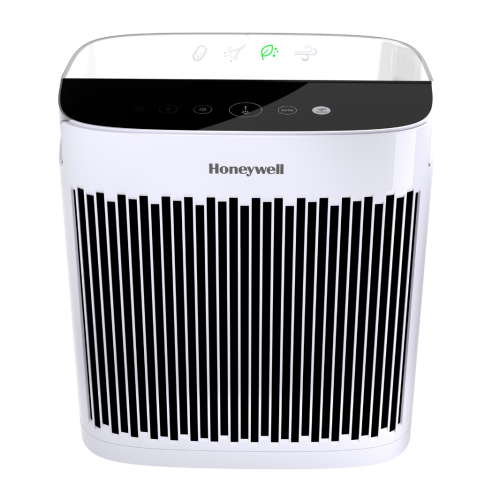
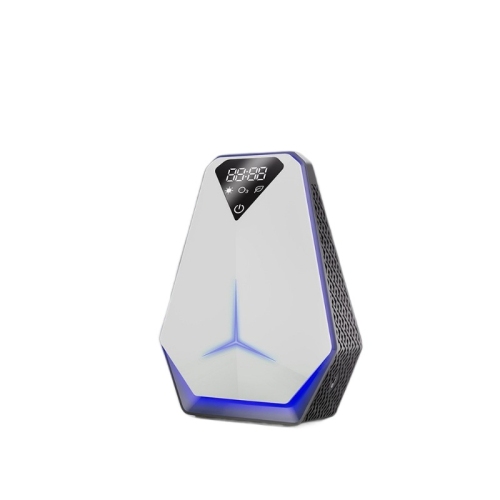
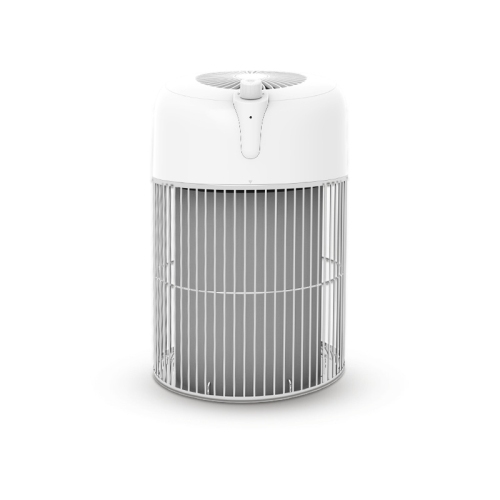

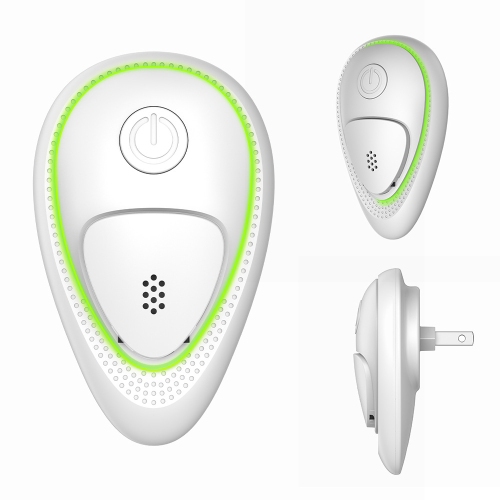
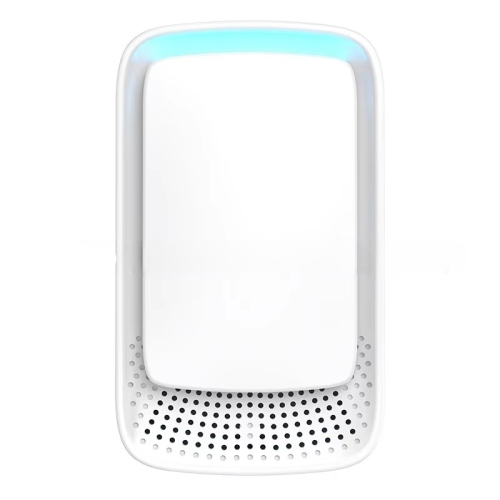
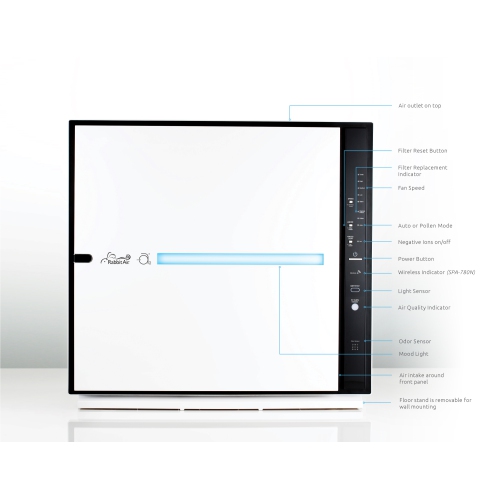

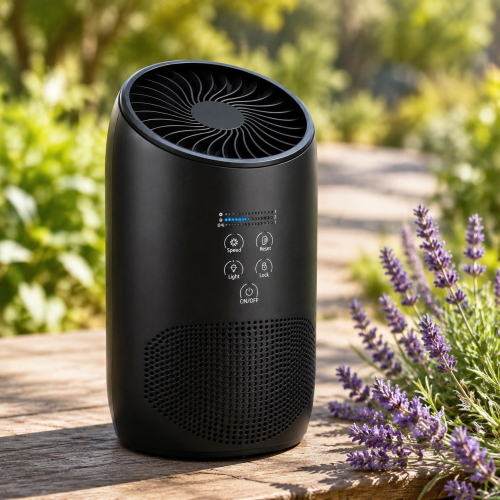
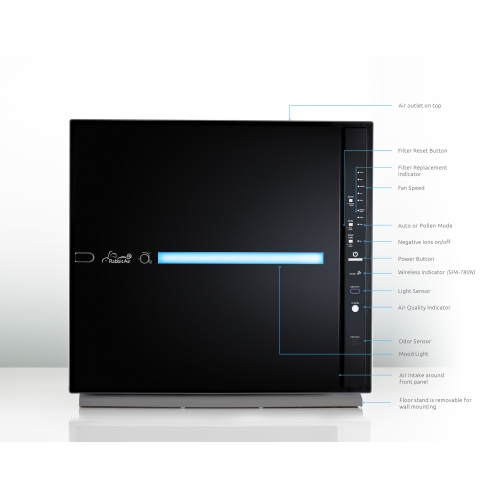

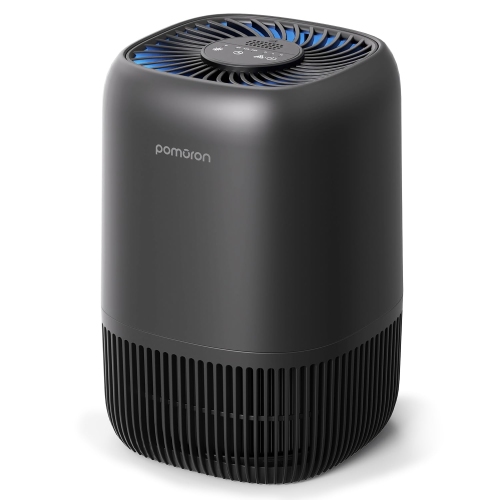
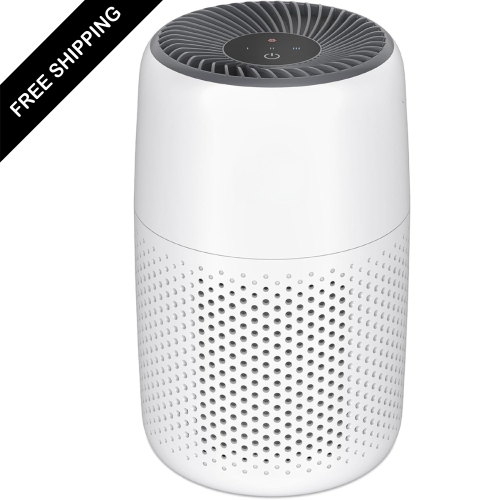
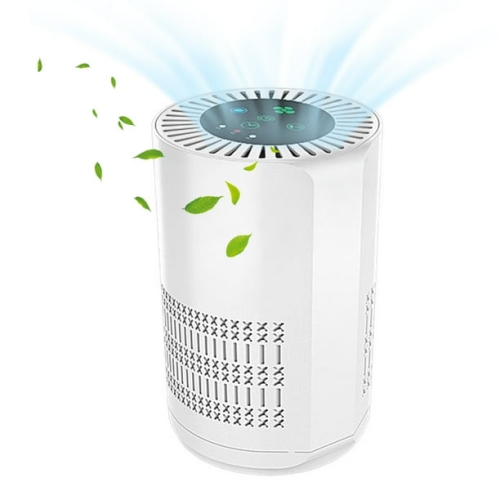
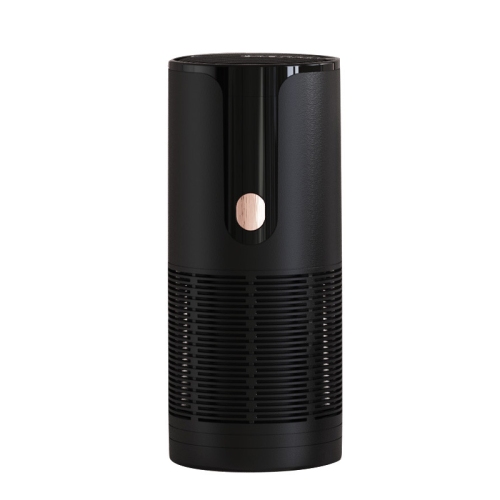
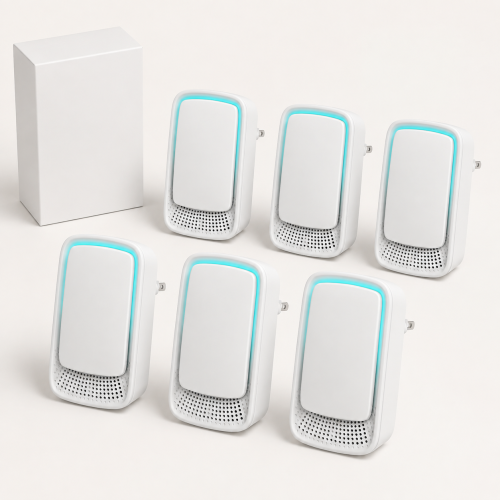
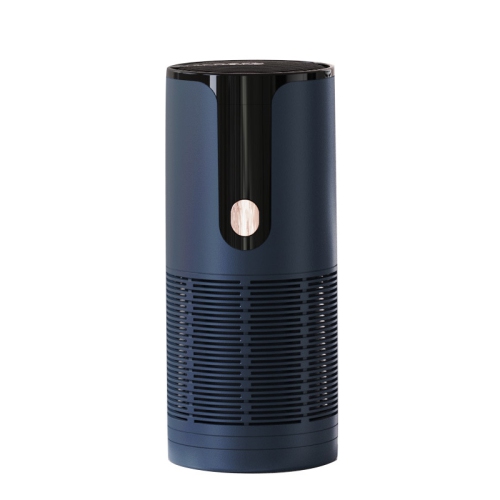

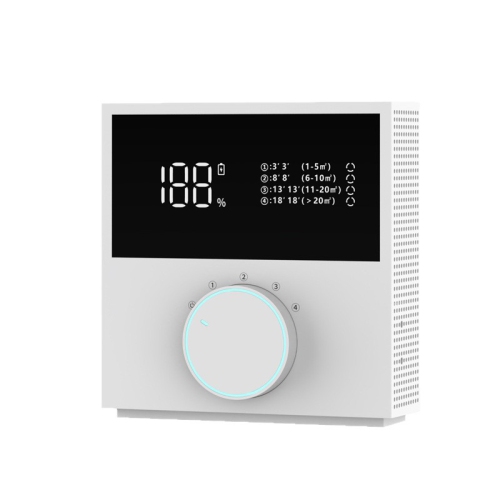
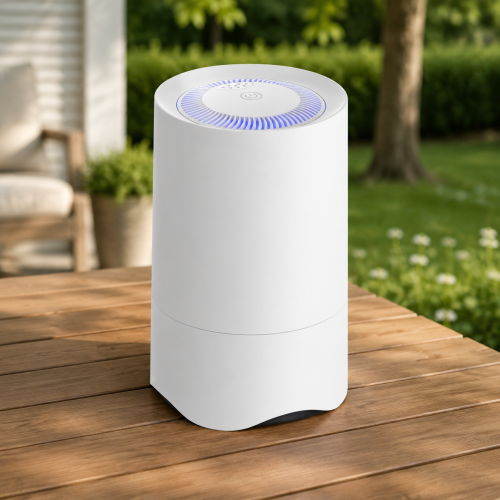

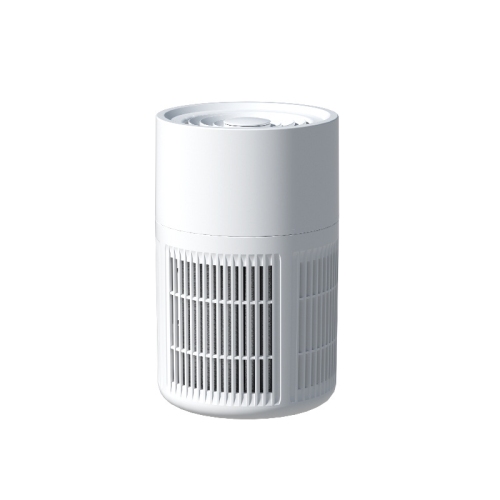
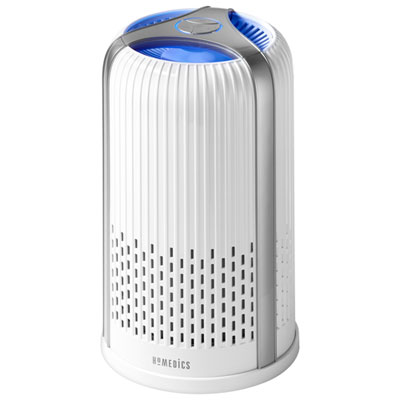
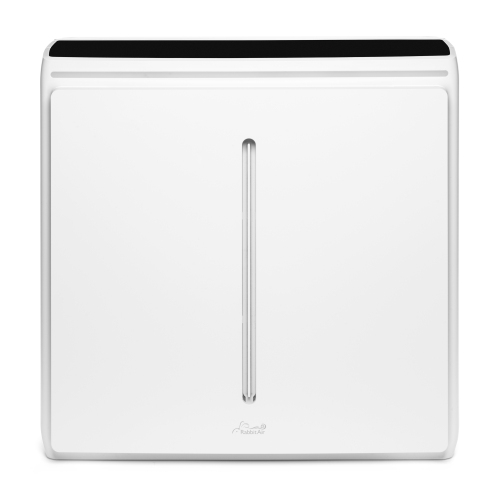
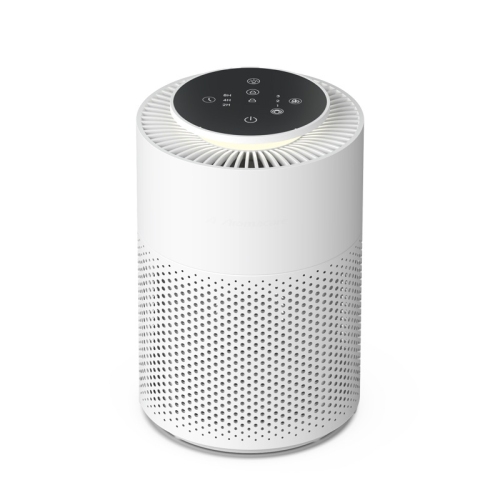

Why litter dust and odours need different filters
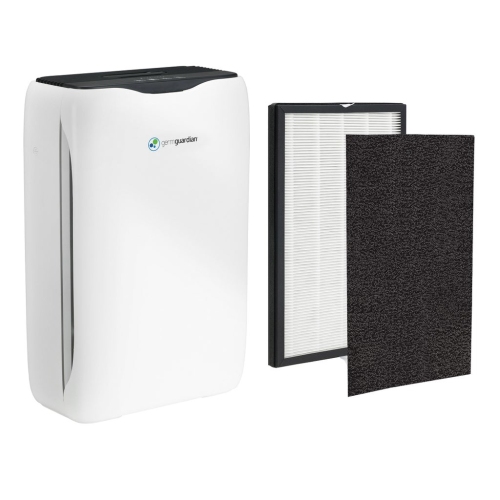
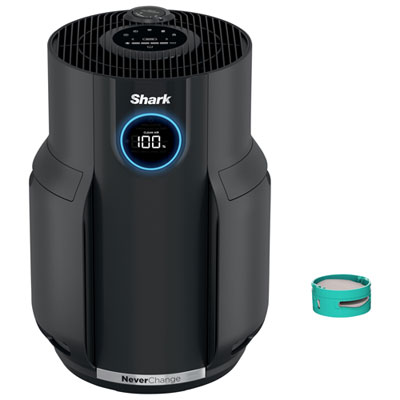
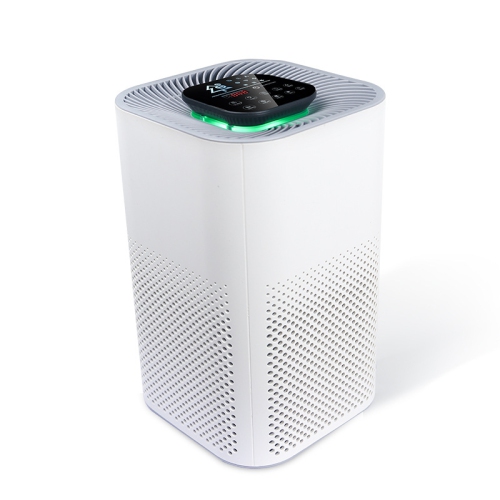
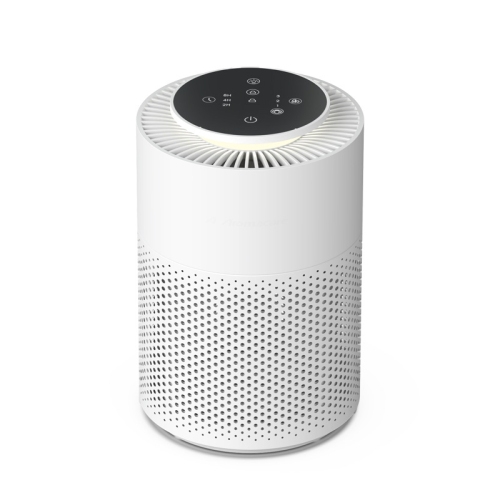
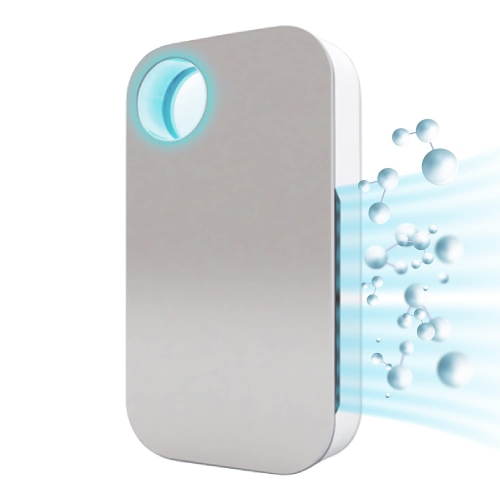
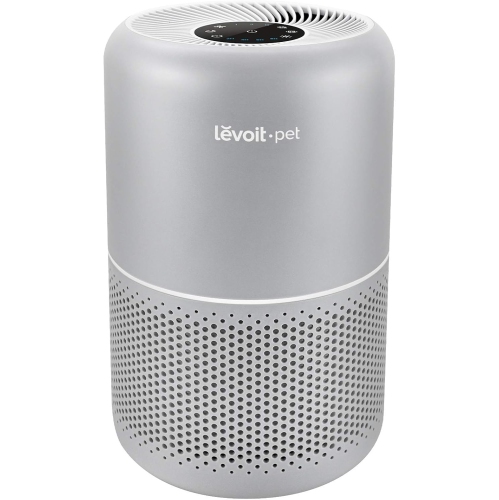
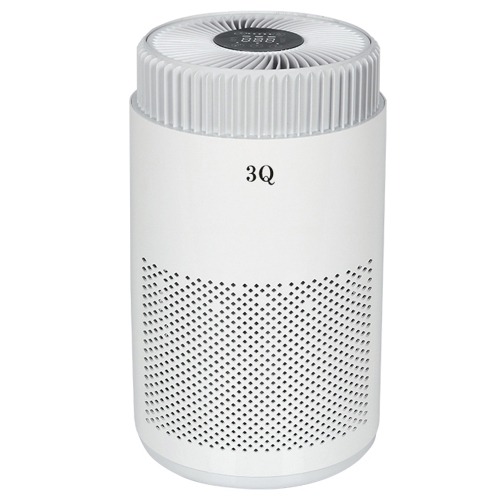
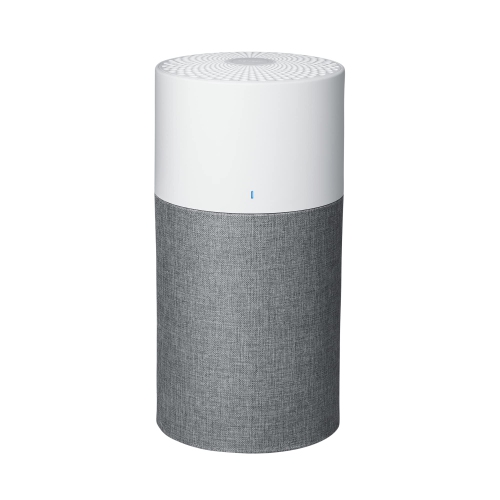
Cat litter air purifiers help manage two different concerns around a litter box: airborne particles and lingering odours. A purifier that combines effective particle filtration with substantial activated carbon or other odour-targeting media can address both, although each filter has a separate job. HEPA filters capture fine airborne particles, including litter dust and pet dander, as air passes through the unit. They do not remove gaseous odours on their own. Activated carbon traps certain gas molecules on its porous surface, helping reduce smells that particle filters cannot capture. The amount and type of carbon matter: a substantial bed of granular or pelleted carbon generally offers more capacity than a thin carbon-coated sheet, but performance also depends on airflow and filter design. Ammonia from cat urine is a particular consideration because ordinary activated carbon may not capture it effectively; media specifically formulated for ammonia removal can be more suitable for that concern. Descriptions that distinguish particle filtration from gas filtration are therefore more useful than a broad claim of pet odour control. These appliances complement regular scooping, litter replacement, and litter-box cleaning rather than replacing them. A freshly scooped tray can still release a puff of dust when a cat digs, while a covered box may release trapped smells when its entrance flap opens. Air filtration can help capture some of that airborne material before it spreads farther into the room. Results depend on the litter, the number of cats, the cleanliness of the box, and how much air actually passes through the purifier. Unscented litter and consistent cleaning also make it easier to judge whether an odour filter is helping, without introducing another fragrance. For homes with several litter boxes, strong odours may require attention to each source rather than relying on one purifier elsewhere in the home. Persistent or unusually strong urine smells warrant checking the box and surrounding surfaces, not simply increasing the fan speed.
Room size, airflow, and placement shape how well cat litter air purifiers fit into everyday life. A compact unit beside a litter tray in a home office has a different task from a larger purifier serving an open living area with several pet spaces. Published room coverage is most meaningful when considered alongside ceiling height and the number of air changes the unit can provide. Clean air delivery rate, often shortened to CADR, helps compare particle-cleaning performance, but it does not establish how effectively a purifier removes litter-box gases. For odour concerns, details about the gas-filter media remain important. Positioning a purifier near the litter area can help it draw in affected air, provided its intake and outlet have the clearance specified by the manufacturer. Tucking it behind the box, pushing it against a wall, or placing it inside a cabinet can restrict airflow. The outlet should not blow directly across loose litter or into a cat’s face, and the appliance should leave the route to the box open. A stable location outside the path of scattered litter and accidental splashes is practical, especially for enthusiastic diggers. Sound matters when the box shares space with a desk, television, or bed. A low setting may be comfortable for continuous use, while higher speeds move more air but create more fan noise. Sleep modes, dimmable displays, and simple controls can make a purifier less intrusive in a shared room. Automatic modes offer convenience, though many built-in sensors primarily detect particles and should not be assumed to measure ammonia or every odour. Households also dealing with fur on upholstery may find Air Purifiers for Cat Hair relevant to their broader pet-cleaning needs. Larger airborne hairs may be caught by a prefilter, but fur already resting on a sofa, rug, or scratching post still needs regular vacuuming or brushing. For litter-focused use, the most relevant combination remains suitable particle filtration, meaningful odour-filter capacity, and airflow that matches the space.
Filter construction and routine care are important parts of long-term performance. A well-fitting filter assembly helps keep air moving through the intended media rather than around gaps, while an accessible filter compartment makes maintenance less awkward. A prefilter can collect larger debris before it reaches the finer particle filter, which is useful in homes where cats shed heavily. Some prefilters are washable, while others require gentle vacuuming or replacement; the care instructions determine what is appropriate. HEPA and carbon filters should not be washed unless they are specifically designed for it, since moisture can damage the media or affect performance. Replacement intervals vary with daily run time, dust levels, litter habits, and the number of pets. A household with several cats may load filters faster than a single-cat home, and odour media can lose effectiveness even when it does not look dirty. Filter reminders are helpful prompts, but some are based on elapsed time rather than a direct measurement of remaining filtration capacity. Continued smells, reduced airflow, or visible buildup can signal that maintenance deserves attention. A smooth, wipeable exterior is easier to keep clean near a litter area, and a sturdy base is useful around curious cats that rub against furniture or investigate moving air. Cord placement also matters: keeping cables out of walking routes and away from chewing helps the appliance fit safely into the room. Controls that can be locked may prevent an inquisitive paw from changing the settings. For occupied pet spaces, mechanical filtration without intentional ozone generation is a sensible priority, as ozone can irritate the respiratory system of both people and animals. Ionizing features deserve a careful look at the manufacturer’s emissions information rather than an assumption that every added technology is beneficial. Cats that are wary of new appliances may be more comfortable with a quiet unit placed at a respectful distance from their usual approach to the box. With appropriate filtration and regular upkeep, a purifier can support a more comfortable shared living space without fragrances or unrealistic promises of eliminating every trace of litter-box odour.
Top selling and popular products
-
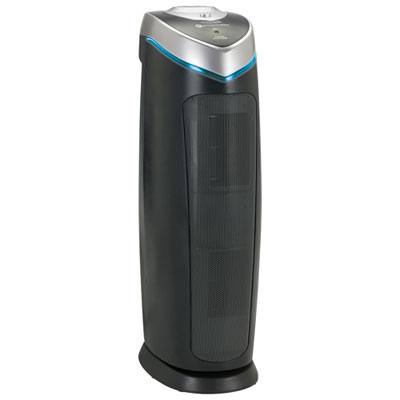 Your price for this item is $139.99
-
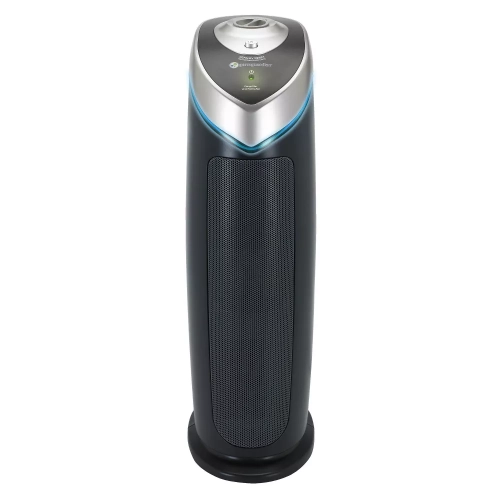 Your price for this item is $323.72
-
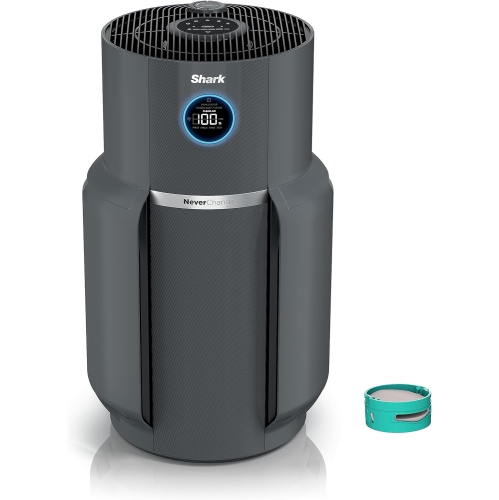 Your price for this item is $999.99
-
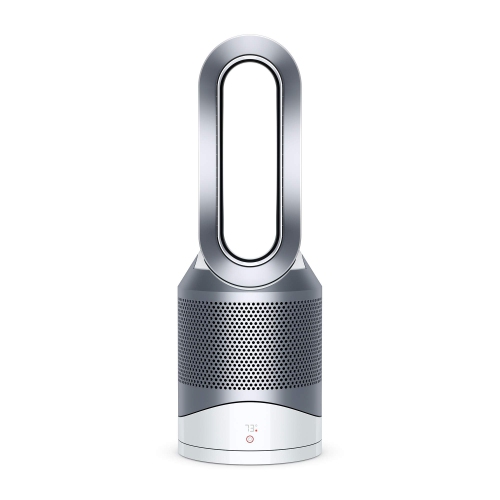 Your price for this item is $729.99
-
 Your price for this item is $583.14
-
 Your price for this item is $719.39
-
 Your price for this item is $699.99
-
 Your price for this item is $229.95
Discover more categories related to Cat Litter Air Purifiers
Top Collections:
Pokemon Centers, Best Cameras for Sports Photography, Kindle Devices, Samsung Galaxy Phones, Canon G7X Cameras, Pokémon 30th Celebration Cards, Refurbished Apple Laptops, iPhone 15 Apple, Laptops for Students, Budget Smartphones
Some products may be subject to Environmental Handling Fees
(EHF) depending on your province.
Learn more about EHFs.