Animal Games

Explore animal games for players who enjoy animal-themed characters and activities. Compare each game’s description, recommended age, and play requirements to find an experience that matches your interests, whether you’re choosing for yourself or a younger player.

Read More

Sort

From virtual pet care to shared tabletop play

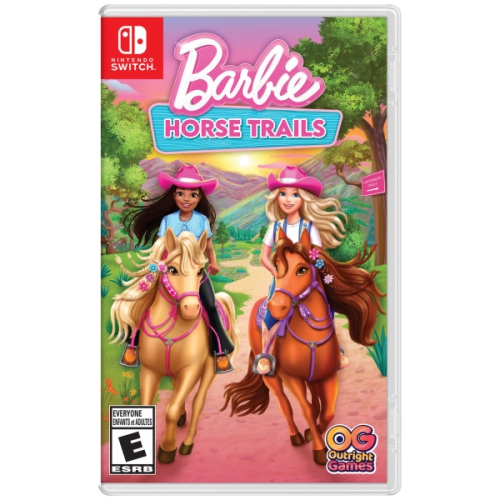
Animal games put animals at the centre of the action, whether the experience involves caring for a virtual pet, exploring a world on four paws, solving wildlife-themed puzzles or gathering around a tabletop. The category includes pet-care simulations, animal adventures, management games, educational activities and multiplayer challenges, with different styles suited to different interests. A pet-care game might revolve around feeding, grooming, training and building trust through repeated interactions. An animal adventure may let the player follow a scent trail, squeeze through a narrow passage or use a creature’s particular abilities to solve a puzzle. Management-style games often involve planning spaces, organizing routines and keeping track of several animals’ needs at once. Puzzle and matching games tend to offer shorter rounds, while more detailed simulations can support longer sessions built around gradual progress. The distinction matters for everyday play: a few quick matching rounds fit a short break, whereas a story-driven adventure benefits from time to explore and follow its characters. Animal games also differ in how closely they follow real animal behaviour. Some use recognizable feeding habits, movement patterns and social interactions; others feature talking creatures, imaginative settings and abilities designed purely for fun. Realistic detail can appeal to someone fascinated by horses, cats or marine life, while expressive characters and playful animation may be a stronger draw for someone who enjoys lighthearted adventures. An animal theme does not necessarily mean a game is intended for young children. Reading demands, strategic depth, competition and depictions of hunting or danger can vary considerably. Age ratings and content descriptions help distinguish gentle pet play from more challenging survival or action experiences. For gift giving, a favourite animal is a useful starting point, but the recipient’s preferred way to play matters just as much. Someone who enjoys arranging spaces may appreciate a simulation more than a fast-paced chase, even when both feature the same creatures.

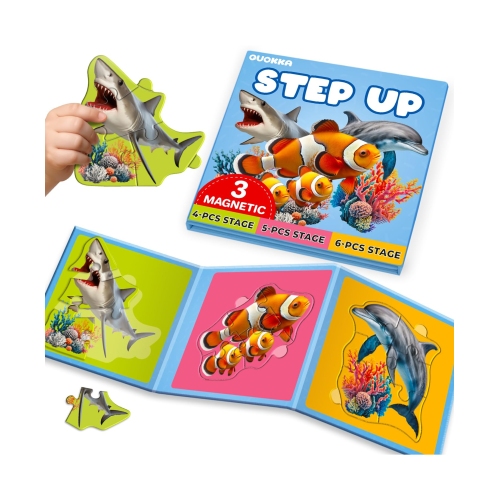
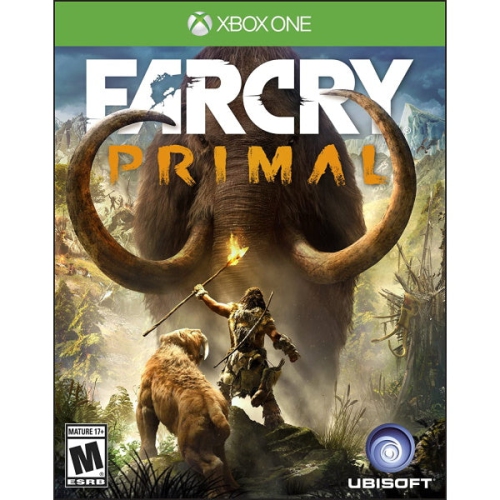
Digital animal games span console, computer, mobile and browser-based formats, and the format shapes both access and play. Console and computer games can offer detailed worlds, extended stories and controller-based movement, while touch-based games often use tapping, dragging and simple gestures for activities such as sorting animals or completing care routines. Browser games commonly centre on short activities, including matching, merging, clicker mechanics and timed challenges. These formats are not interchangeable: a game designed for one platform may not run on another, and computer versions can have specific operating system, memory and graphics requirements. Physical editions also need a compatible system and, where applicable, a disc drive. Digital editions require sufficient storage, and some games need an internet connection for setup, updates or particular features. Local multiplayer and online multiplayer are different experiences, too. Local play may let people share a screen or take turns in the same room, while online play connects participants through separate devices and accounts. The number of supported players and any additional controller requirements affect how comfortably a game fits a household. For younger players, animal-themed learning games can introduce vocabulary, counting, sequencing and classification through concrete tasks. Matching a bird to its silhouette, grouping animals by diet or placing creatures in the correct geographic region gives a clear purpose to each interaction. Educational value depends on the activity and the accuracy of its information, rather than the animal theme alone. Spoken instructions, readable text, adjustable difficulty and the ability to pause can make a meaningful difference for children still developing reading or controller skills. For shared family use, separate save files help preserve individual progress. Online features deserve attention as well, particularly chat, public profiles and contact with unfamiliar players. Age-appropriate account settings and adult involvement can help keep the experience suitable for the child. Clear sound controls, subtitle options and adjustable movement settings are also worth noting for players with different sensory and accessibility needs.

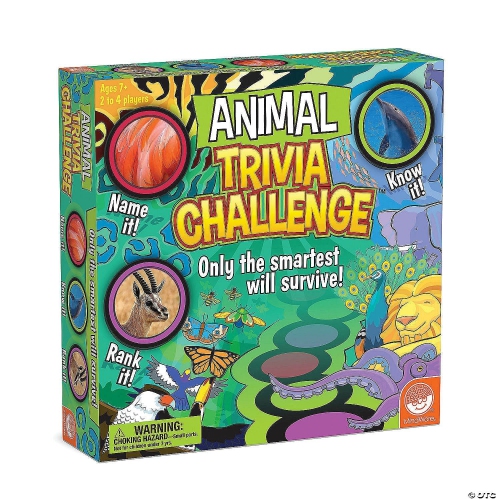
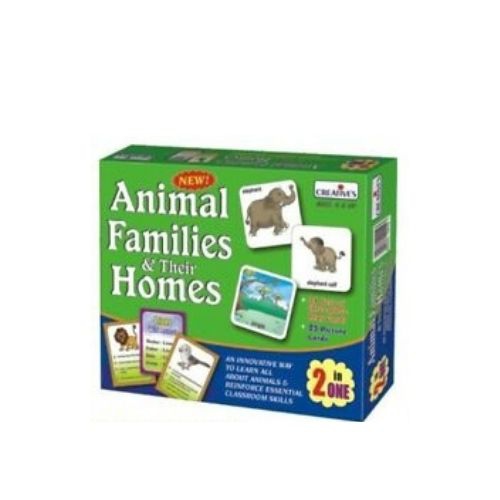
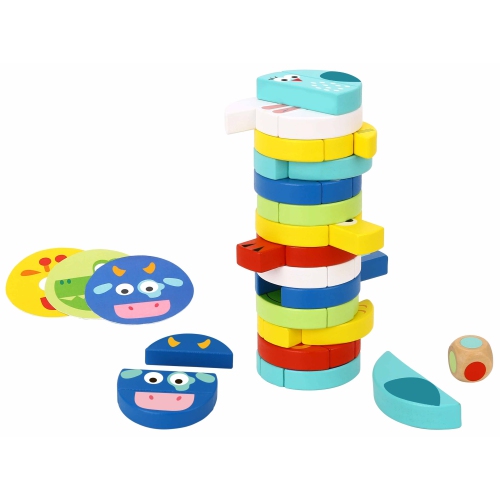
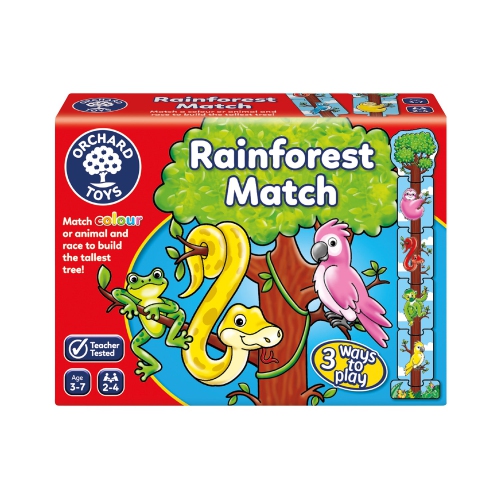
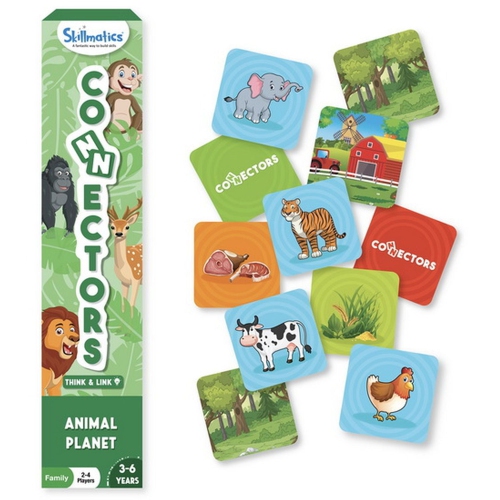
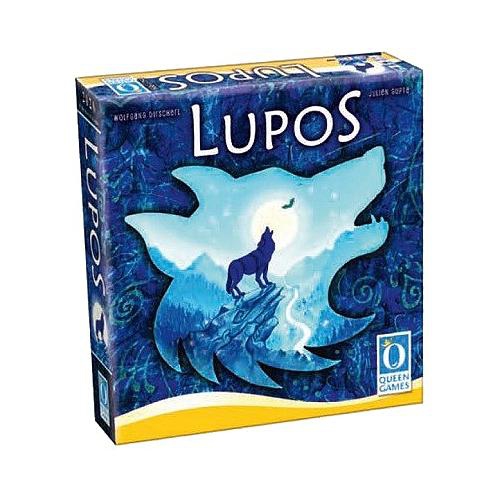
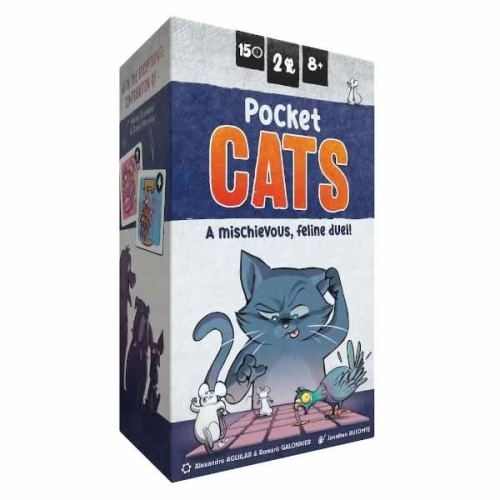
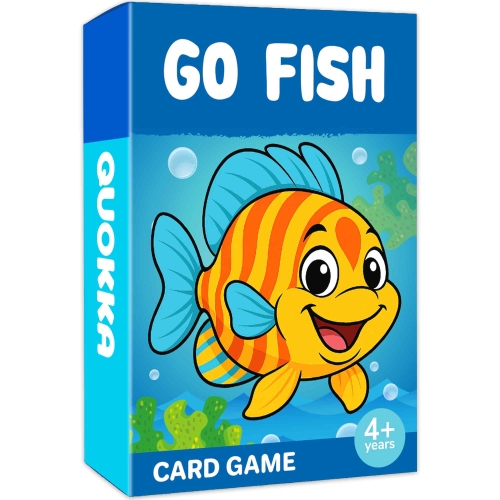
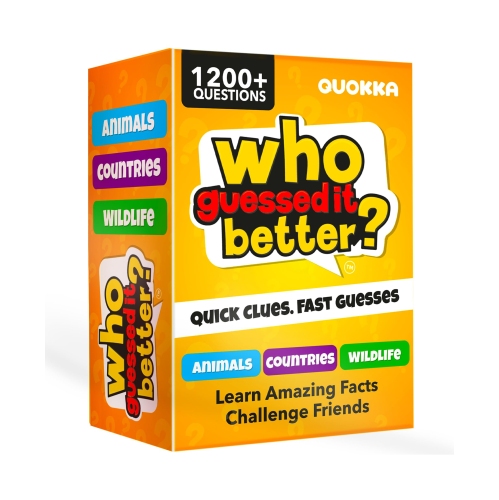
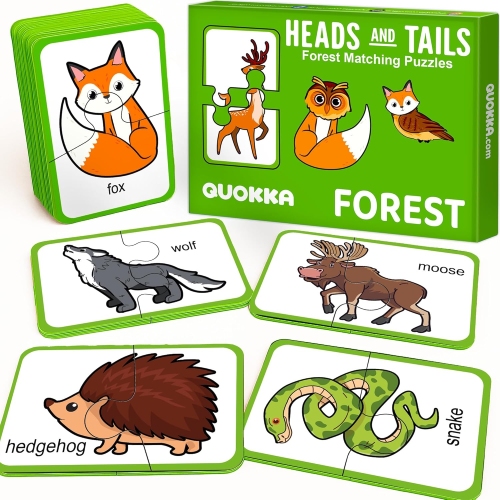
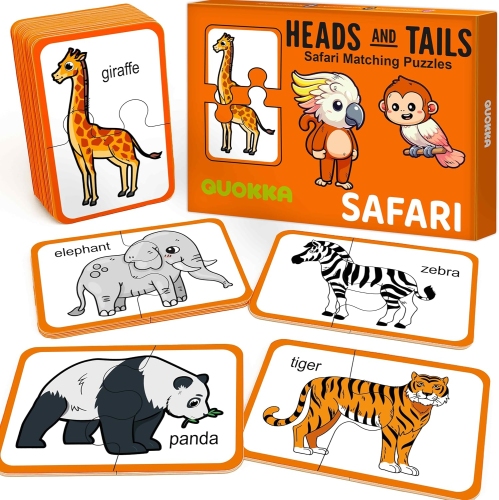
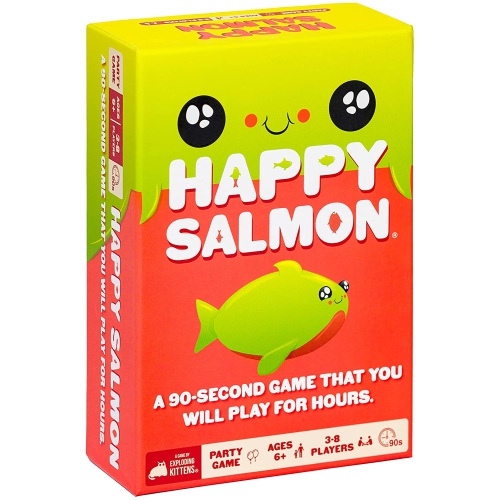
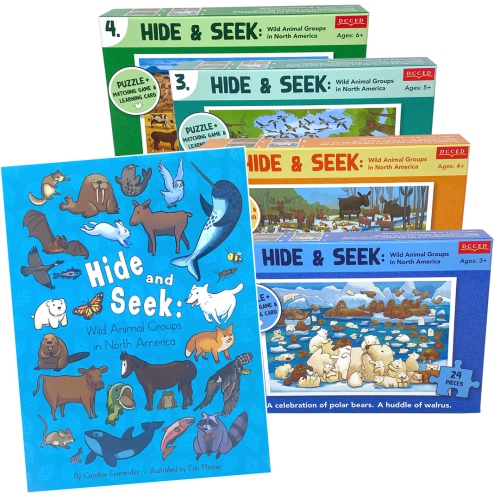
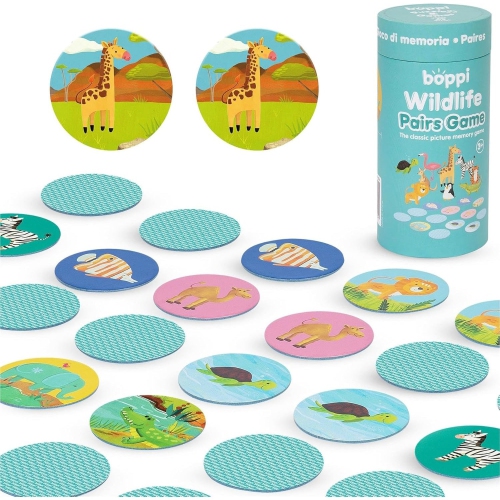
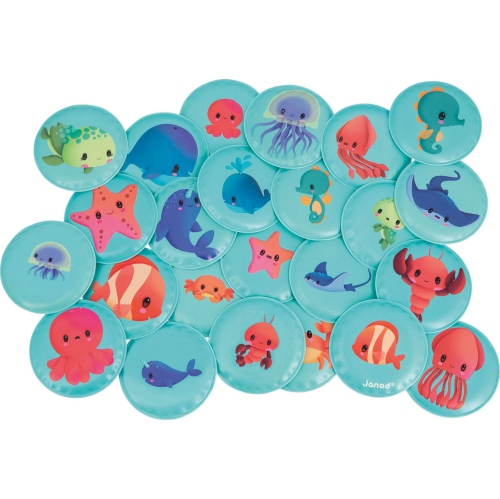
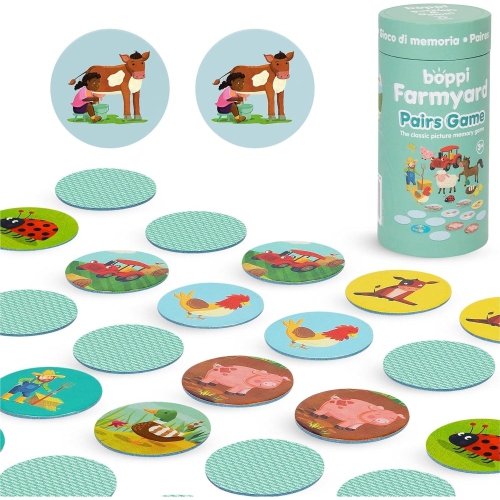
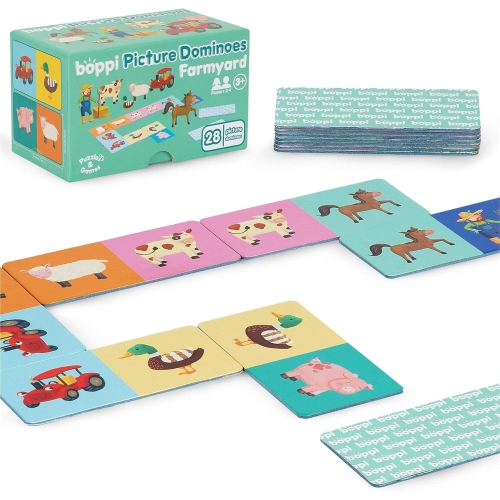
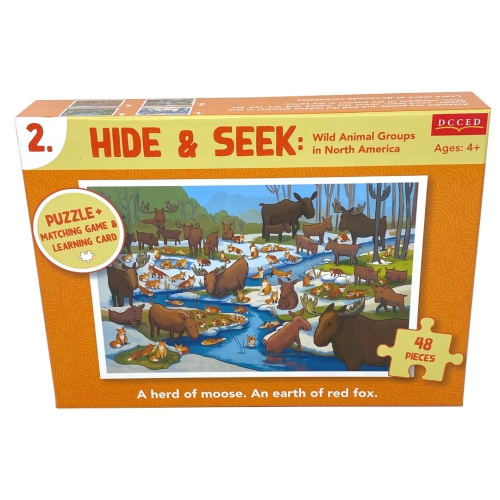
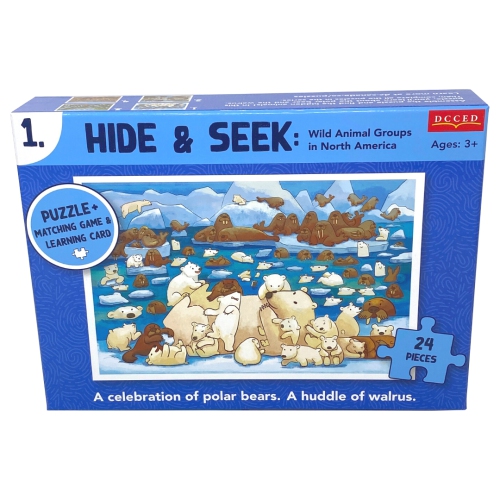
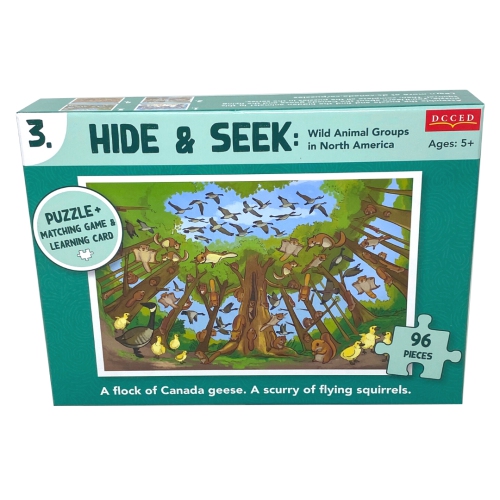
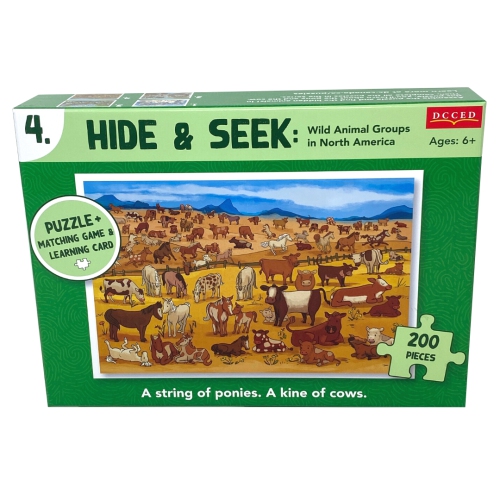
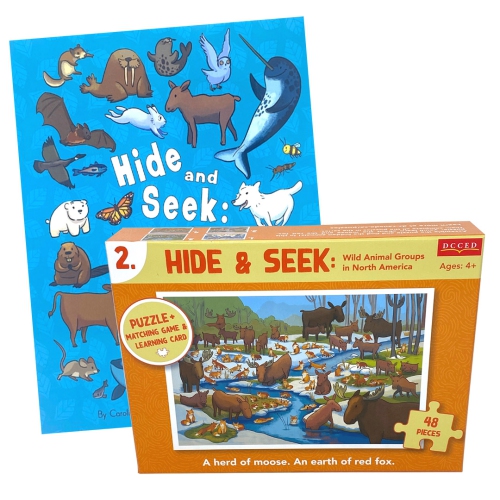
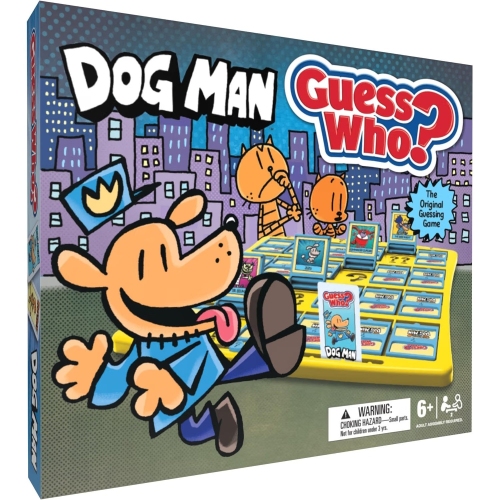
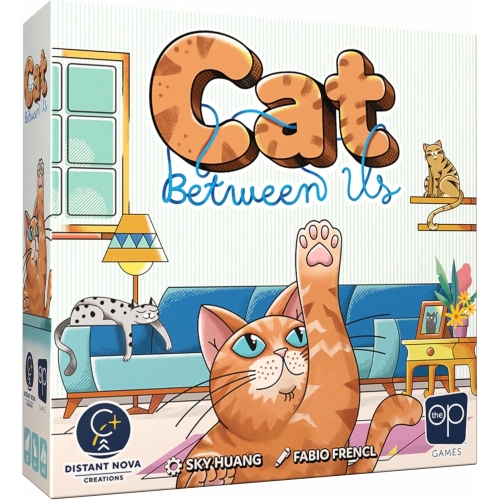
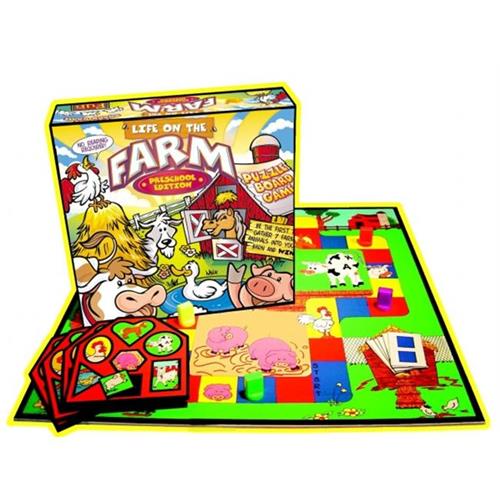
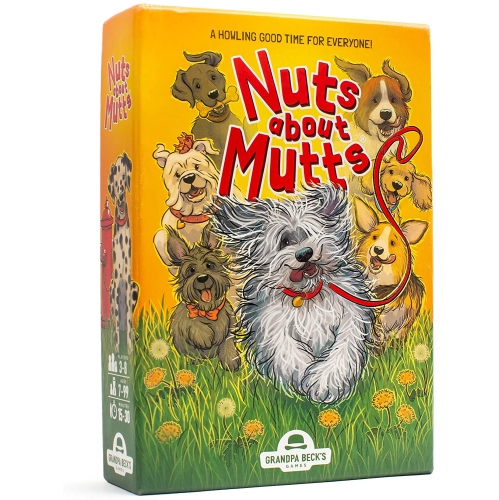
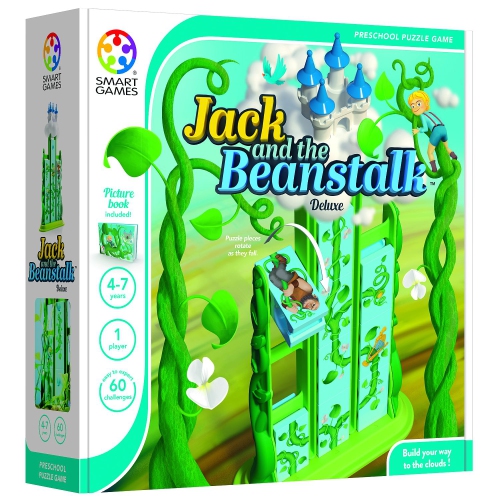
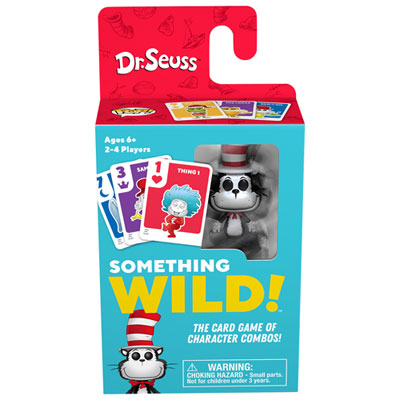
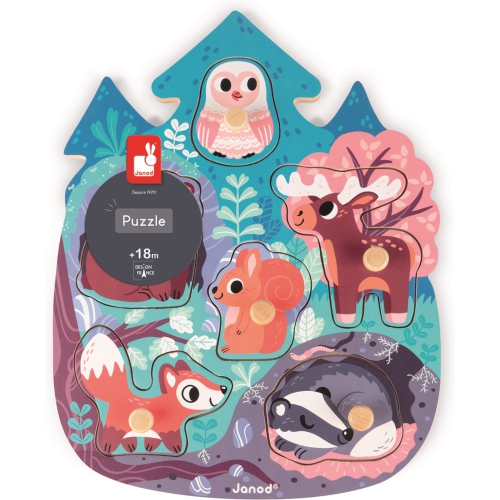
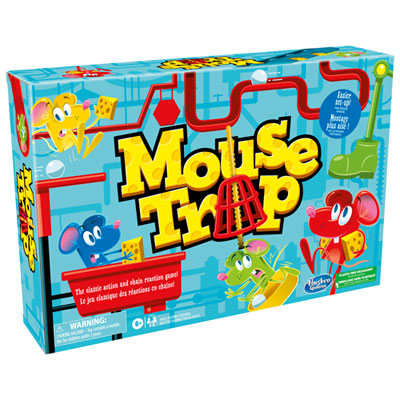
Tabletop play brings the same animal appeal to a shared surface, with tactile pieces, face-to-face interaction and rules that do not depend on a screen. Animal Board Games can involve matching pictures, remembering hidden animals, building patterns, answering factual questions or making strategic decisions across several turns. Some reward quick recognition, while others give players time to plan. A cooperative format lets the group work towards a shared goal; a competitive format gives each participant a separate score or objective. These differences can matter more than the artwork when a game is intended for siblings of different ages or a group with mixed experience. Picture-led components reduce reliance on reading, but small pieces, detailed symbols and multi-step turns still need to suit the players. The stated age range, player count and typical session length provide useful context, especially for a gift intended for a particular family. Table space is another practical consideration: a compact card game has different needs from a layout with individual boards and numerous pieces. Materials and construction influence how well a physical game handles repeated play. Sturdy cardboard, clearly printed cards, smooth wooden pieces and well-finished plastic components each have different handling qualities. Rounded corners and pieces that are easy to grasp can be helpful for younger players, though age guidance and small-parts warnings remain important. Cards and cardboard generally need dry storage away from spills, while other components should be cleaned only as directed by the manufacturer. Returning pieces to bags, trays or compartments makes the next session easier to set up and reduces the chance of losing essential parts. Durable packaging is particularly useful for games that travel between homes or get played frequently. Whether the occasion is a birthday, a family gathering or an ordinary evening together, the strongest match combines an appealing animal theme with rules, pacing and physical components that suit the people playing.
Read More

FAQ

Some products may be subject to Environmental Handling Fees (EHF) depending on your province. Learn more about EHFs.