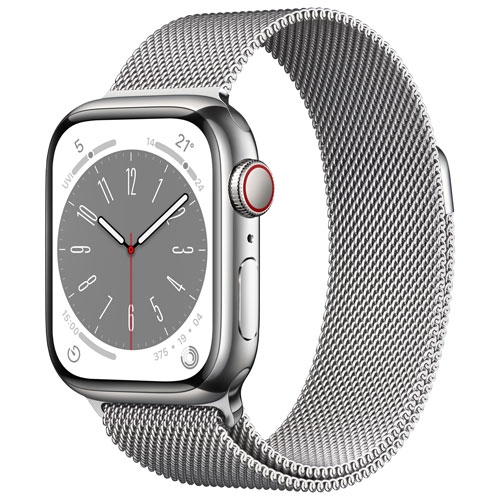
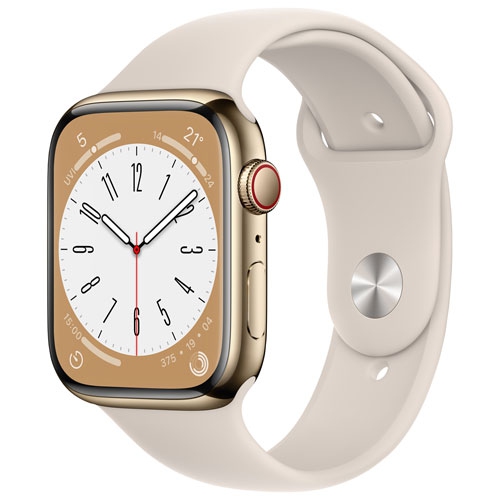
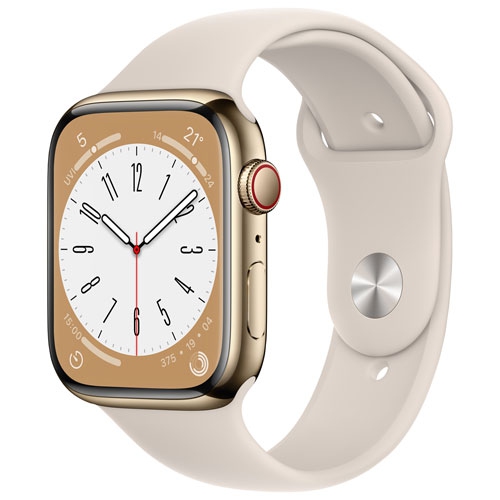
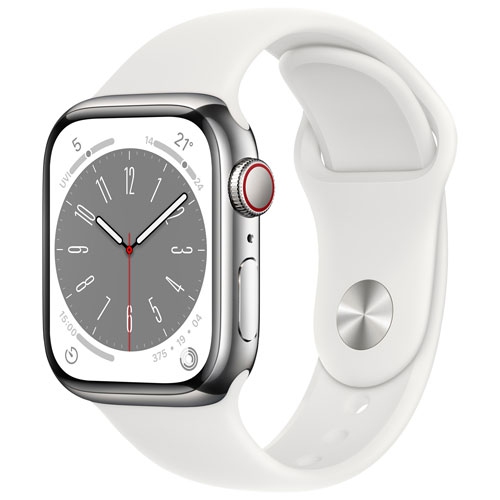
Apple Stainless Steel Bands

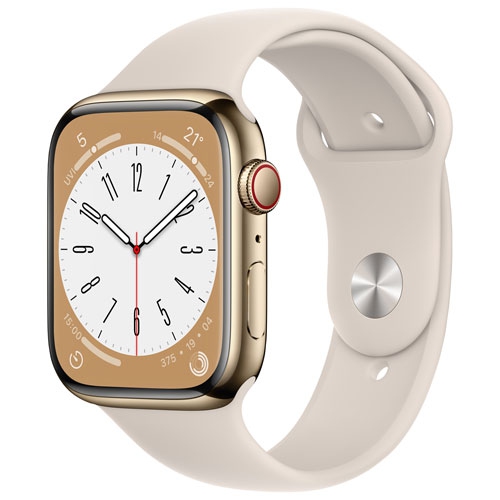
Find Apple stainless steel bands to update the look of your Apple Watch or replace your current strap. When comparing watch bands, check compatibility with your watch’s case size and your wrist measurements to help ensure a comfortable, secure fit.
Sort

How metal bands change your watch’s look and feel

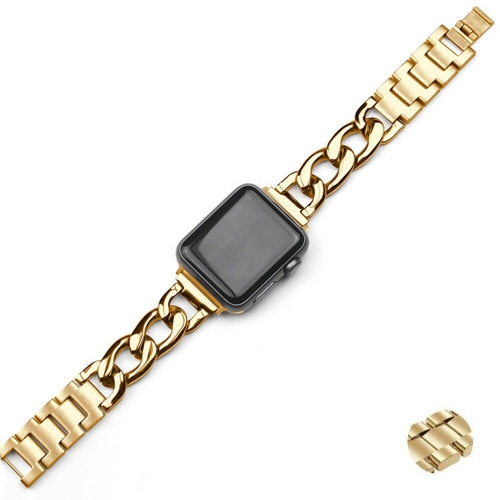
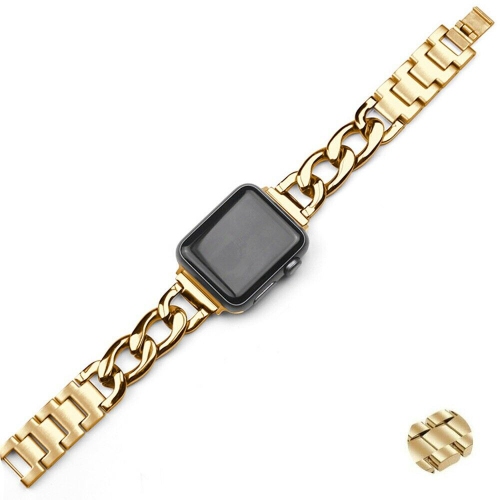
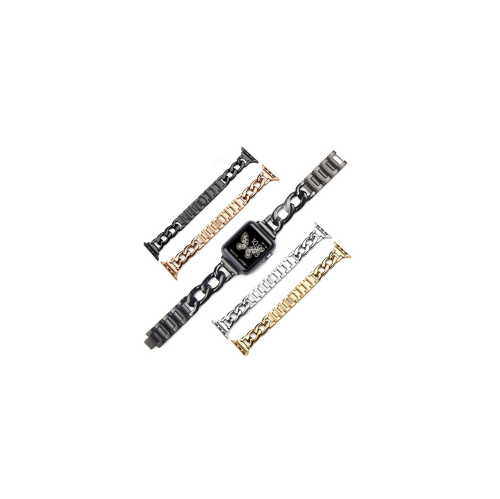
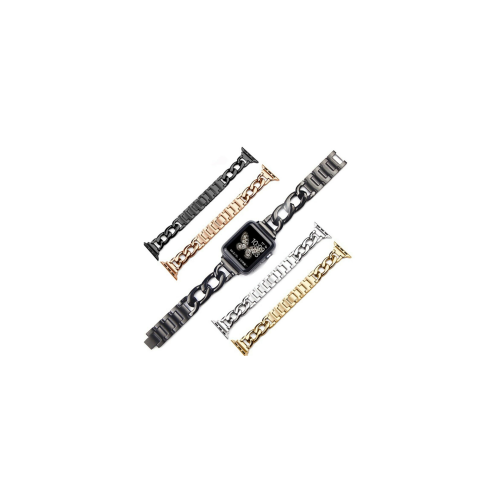
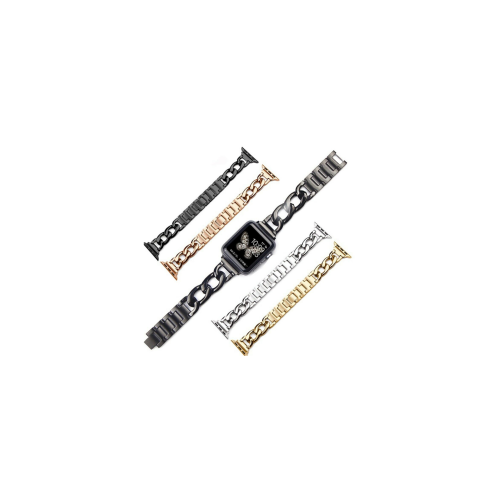
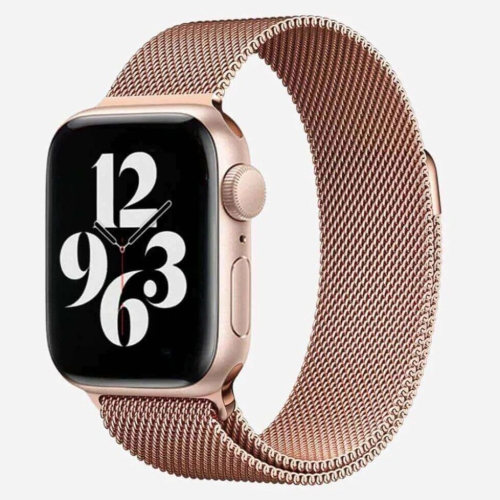
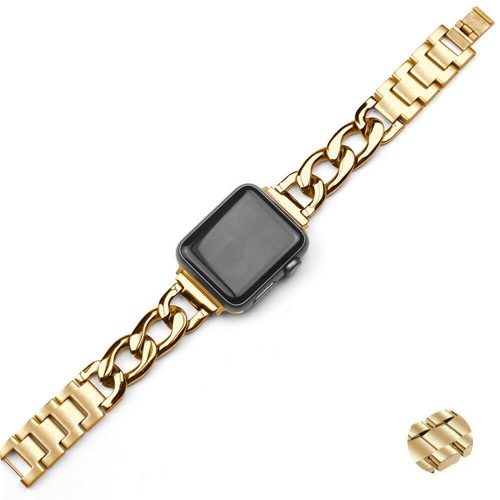
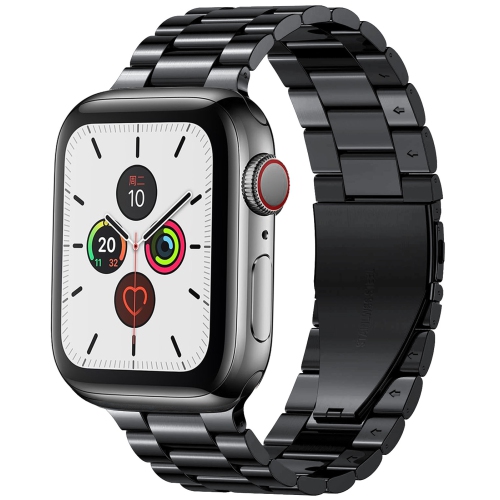
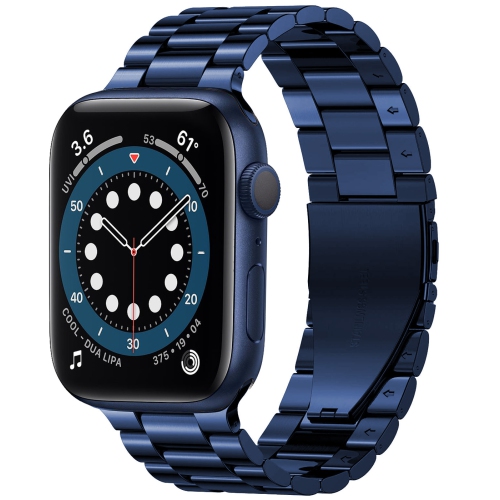
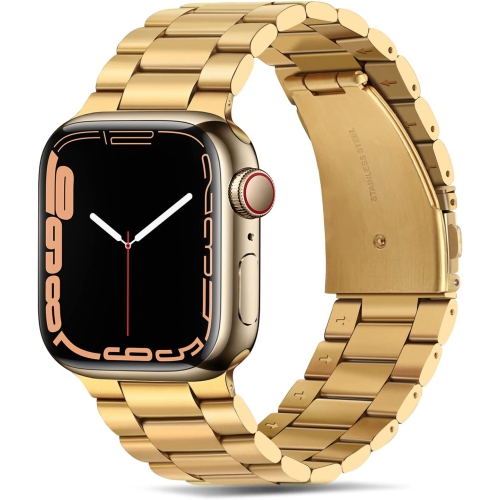
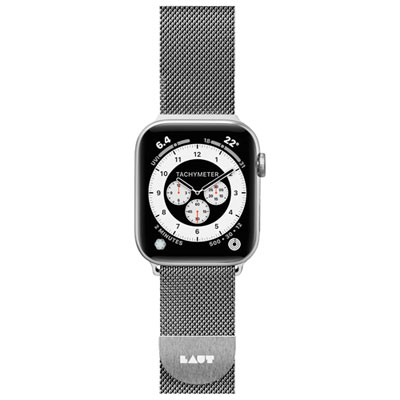
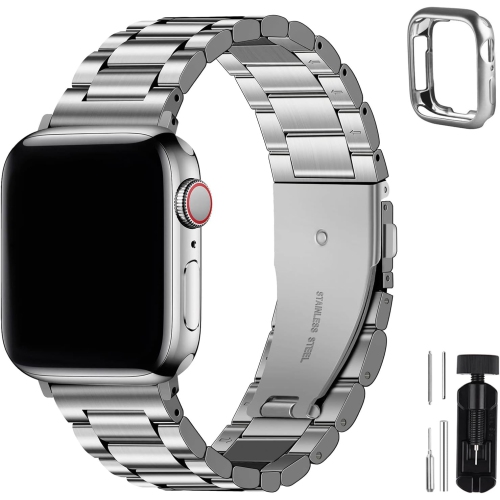
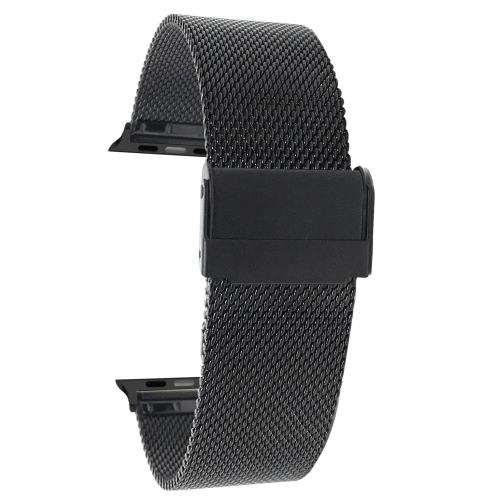
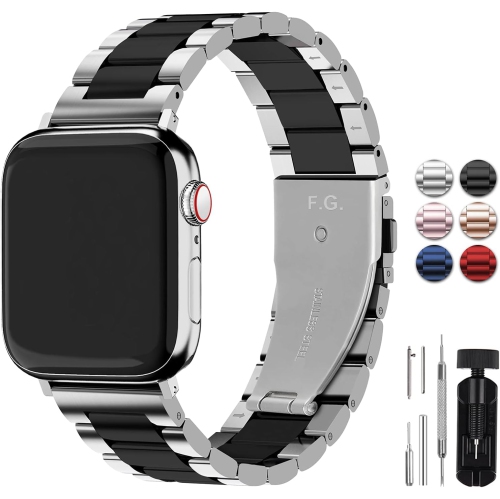
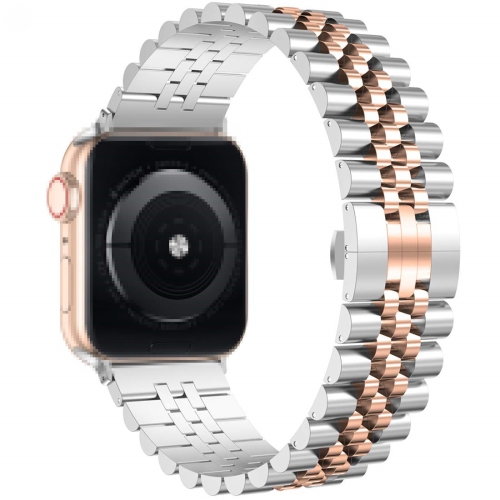
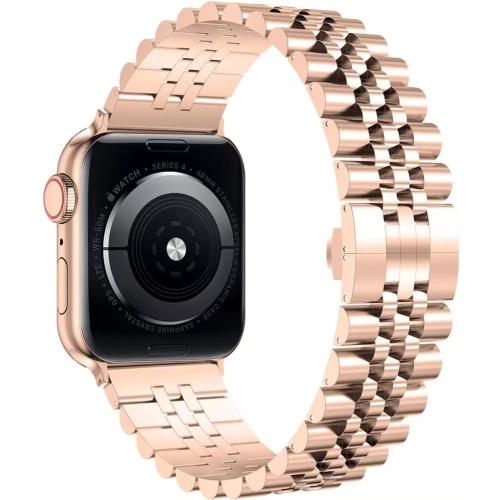
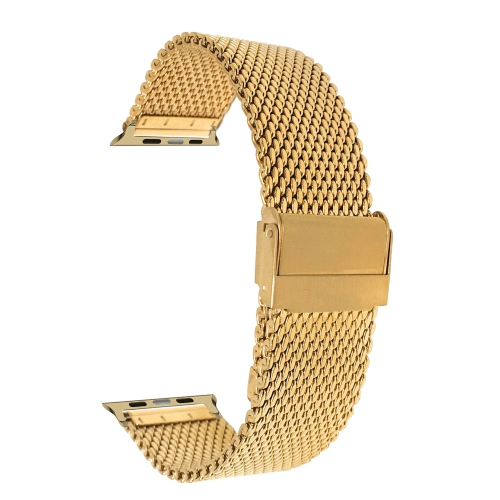
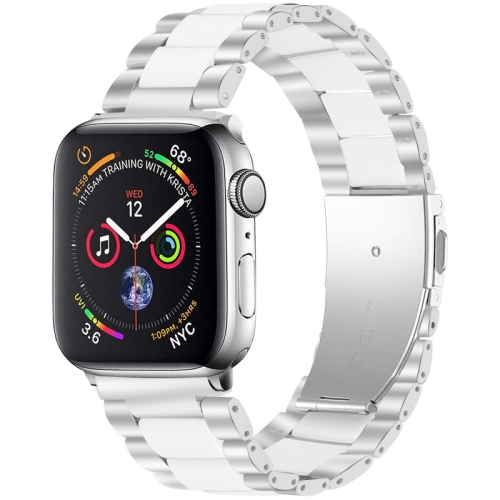
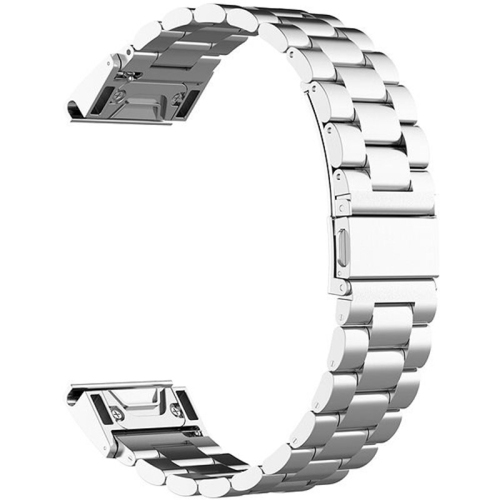
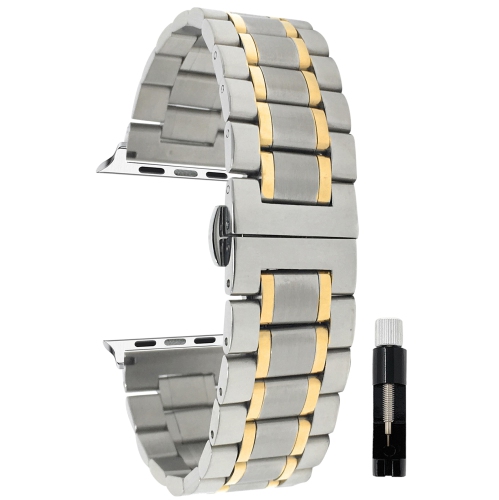
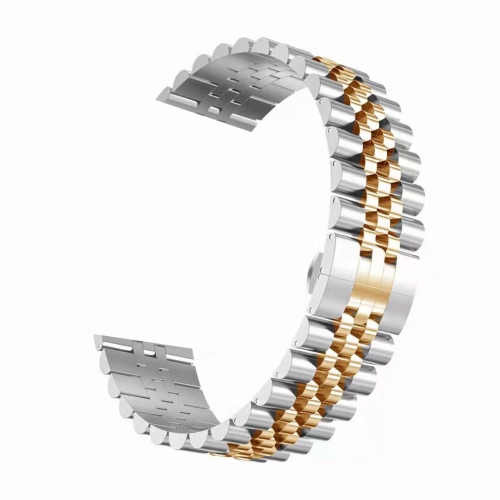
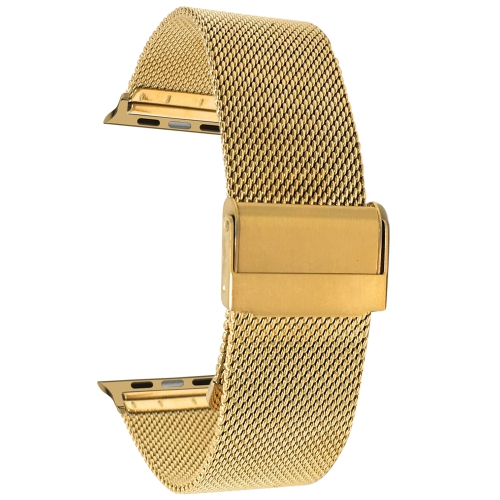
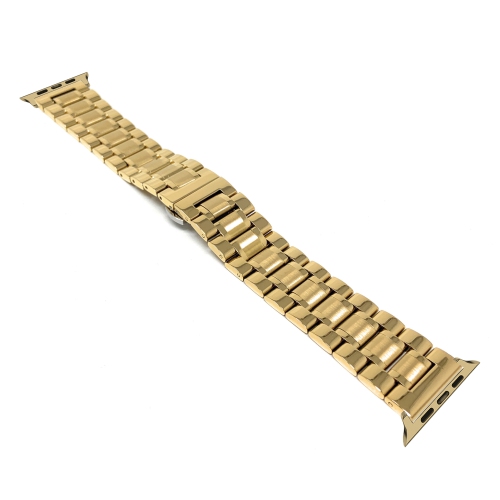
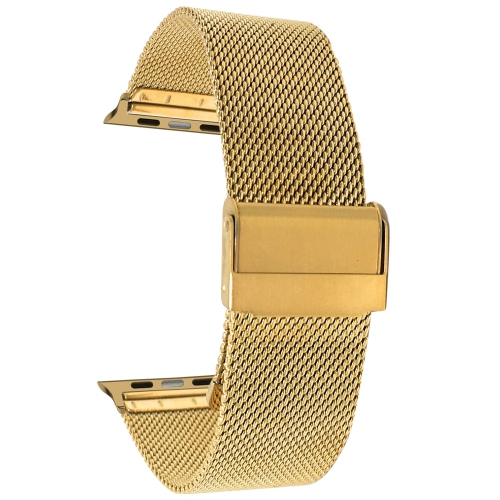
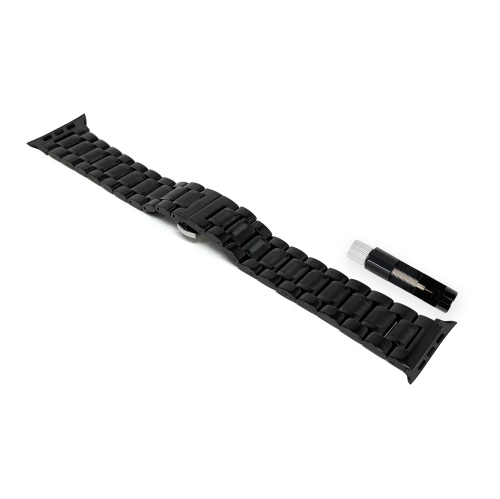
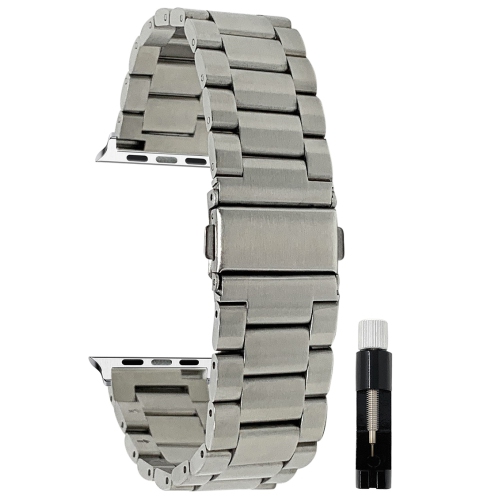
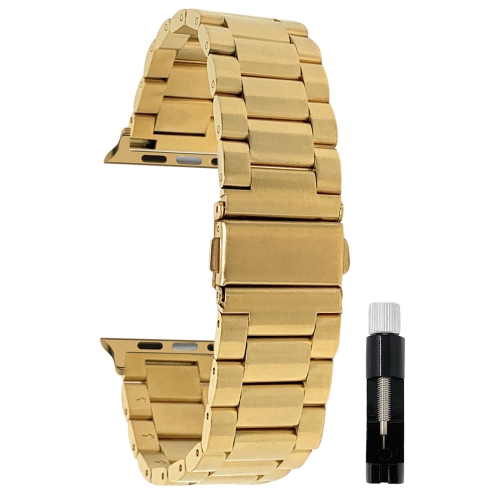
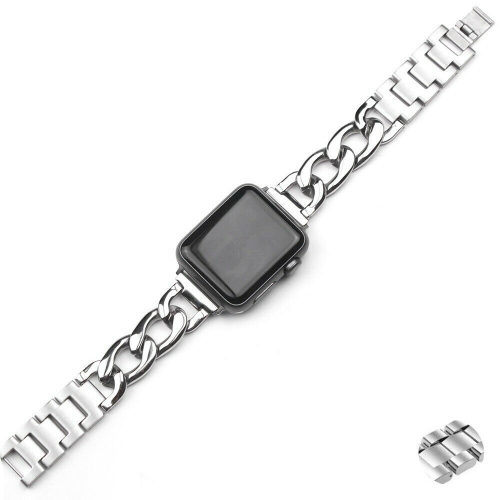
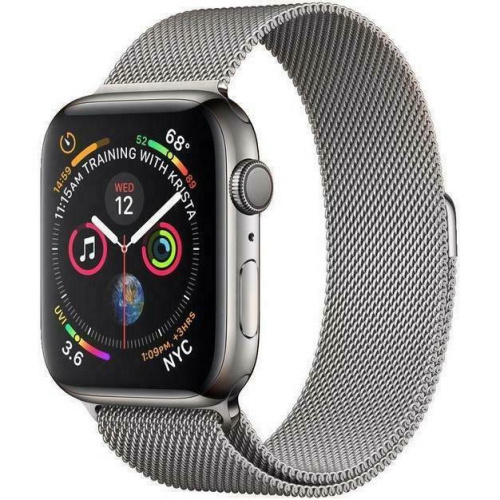
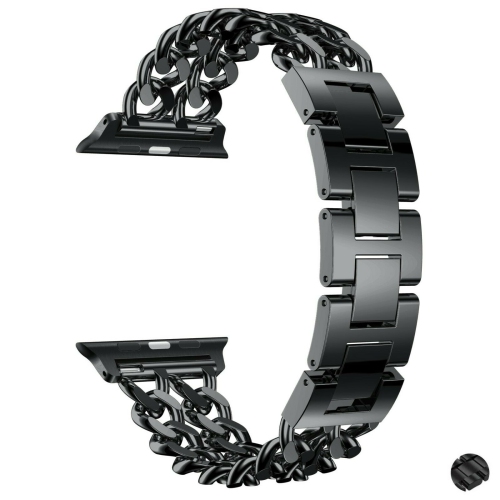
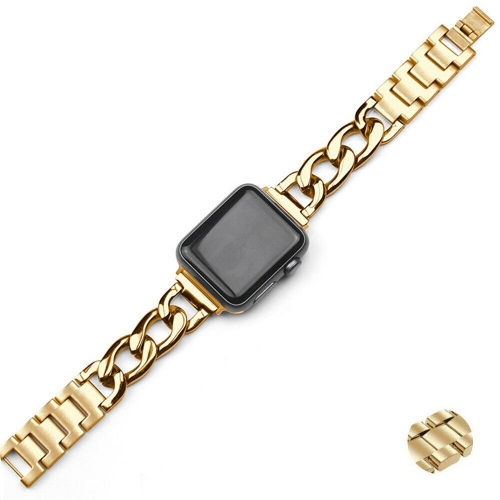
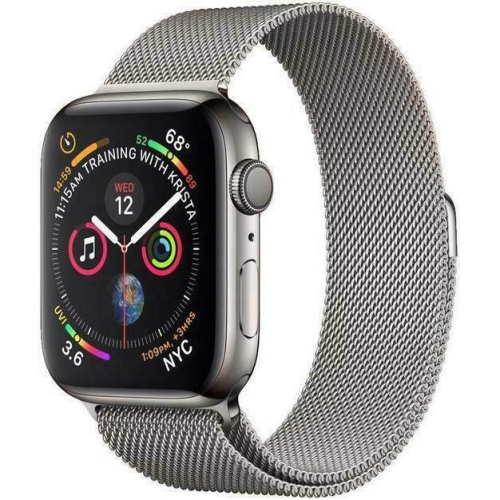
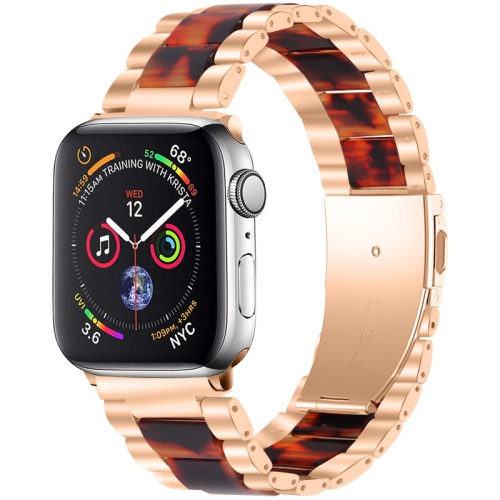
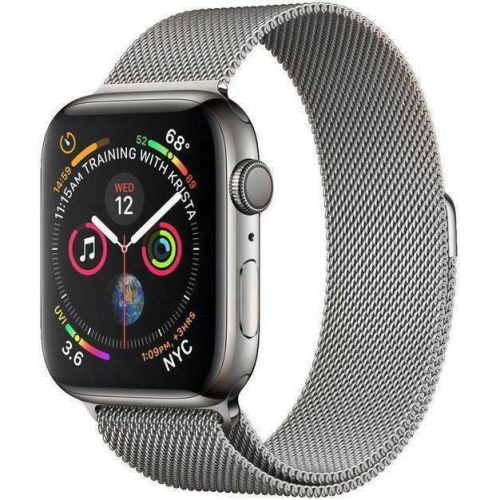
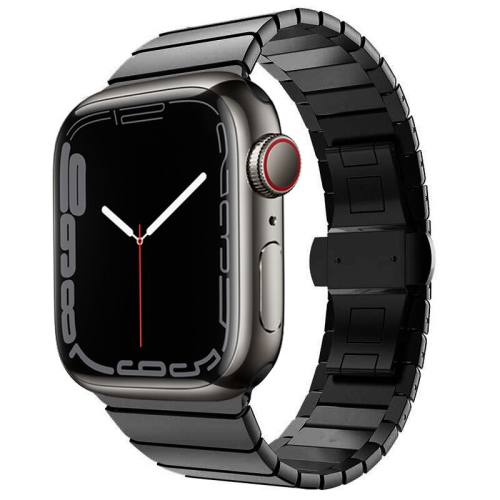
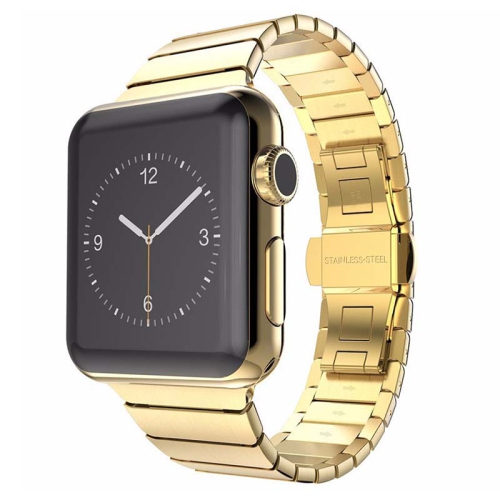
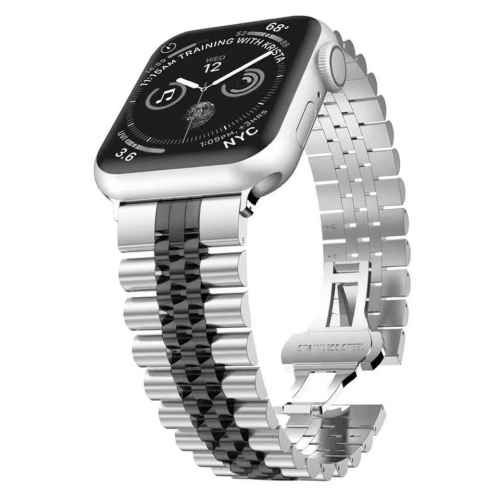
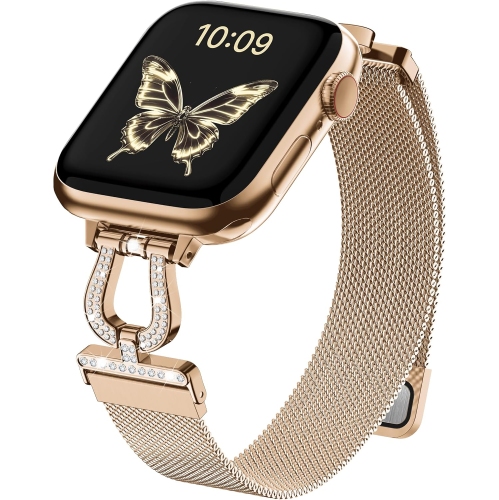
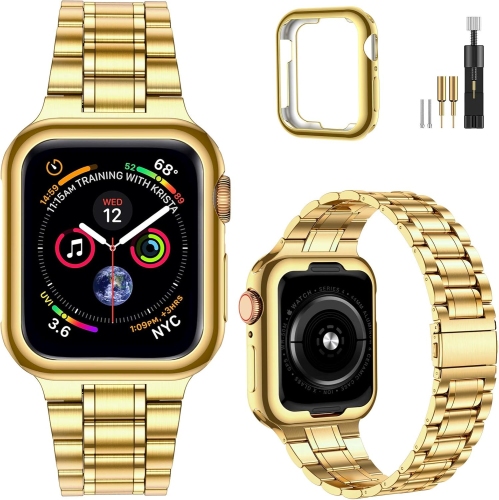
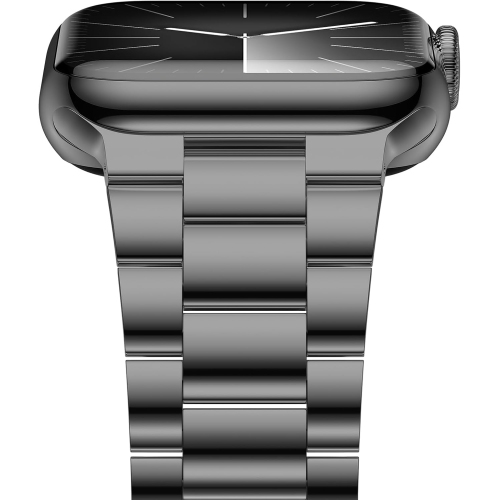
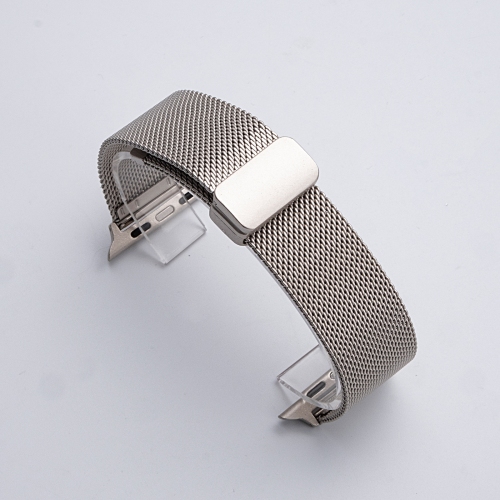
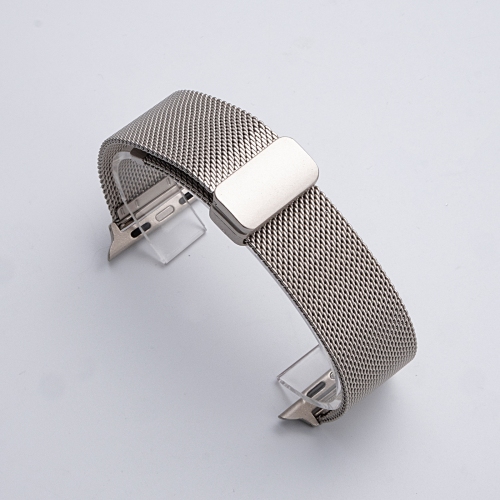
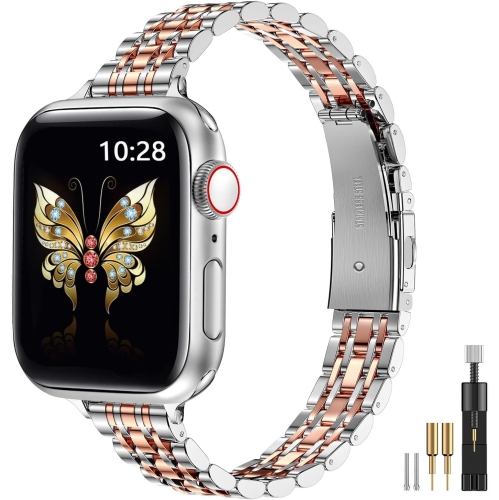
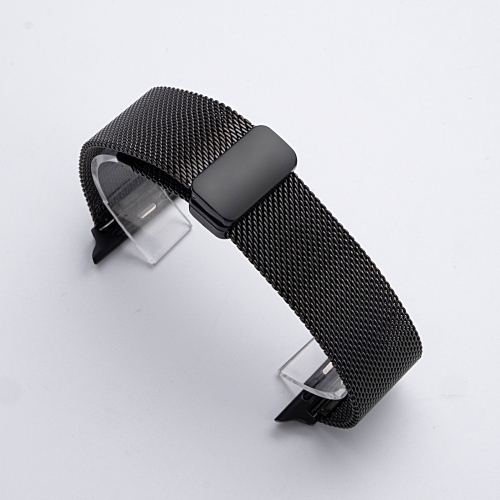
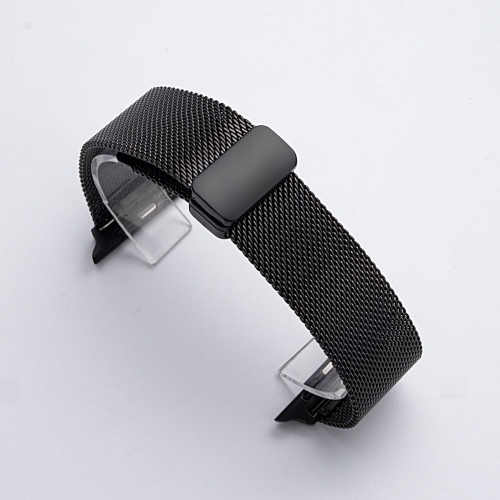
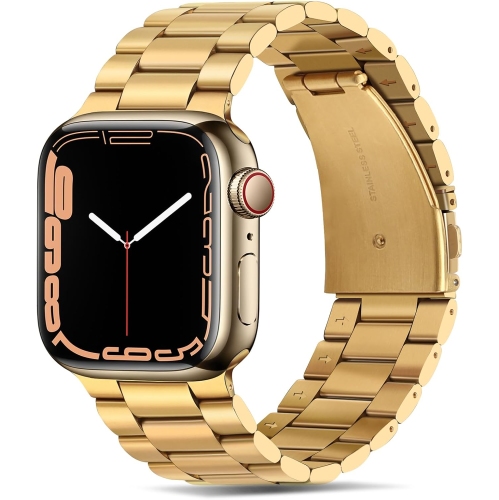
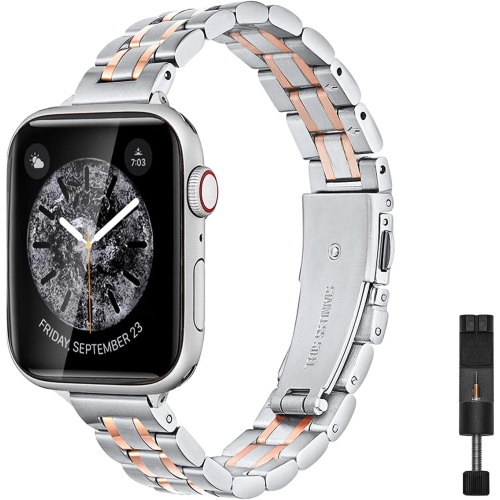
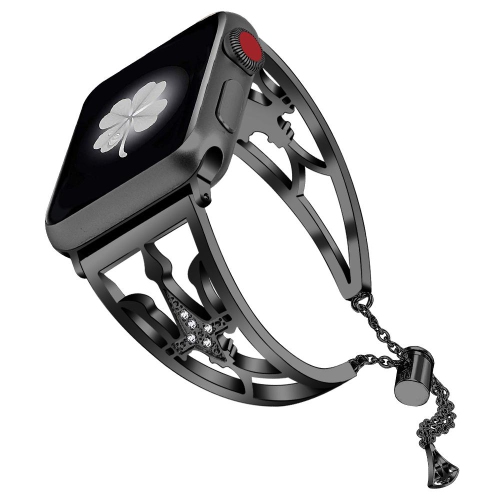
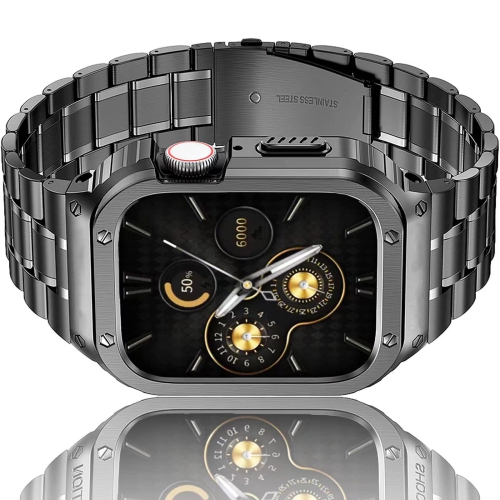
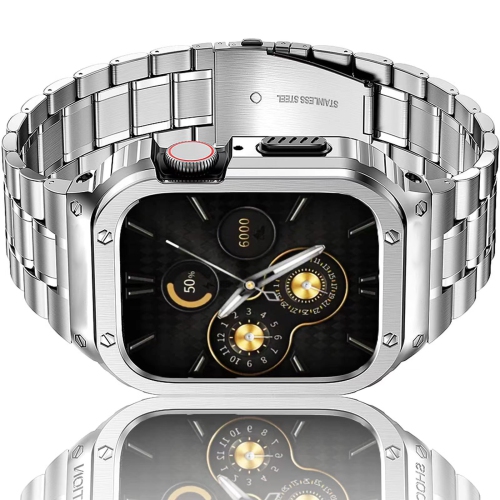
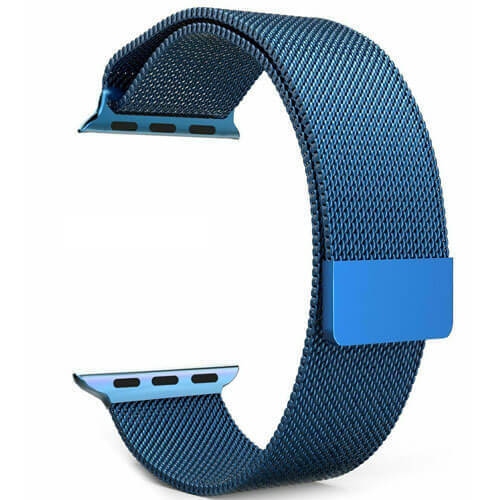
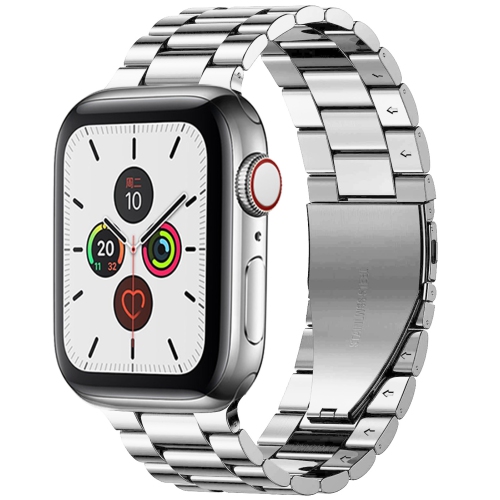
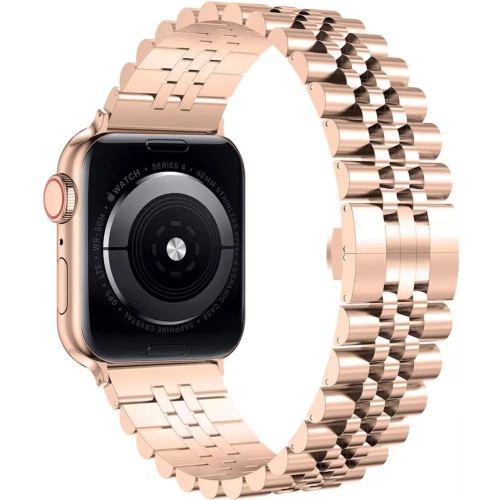
Stainless steel watch bands give a smartwatch a more traditional wristwatch appearance while keeping its screen and everyday functions close at hand. The appeal is as much about texture and proportion as it is about shine: a brushed link bracelet has a restrained, structured look, while a polished finish catches the light and feels dressier alongside a shirt cuff or tailored jacket. Fine metal mesh offers a different effect, with closely woven strands that follow the curve of the wrist rather than forming a row of distinct links. These differences can make the same watch feel more suited to an office, a dinner out, or a relaxed weekend without changing the watch itself. Stainless steel also has a noticeable weight, which some wearers appreciate for its substantial feel. Others may prefer a narrower profile or a lighter mesh construction, particularly when wearing a watch throughout a full workday. Band width, link shape, and the size of the watch case all influence the overall balance; a broad bracelet can look bold, while a slimmer design places more visual emphasis on the screen. Silver-tone finishes are easy to pair with many accessories, while darker or warmer metallic finishes can complement jewellery, belt buckles, and other details already in a wardrobe. An exact match is not essential, but similar finishes often create a more coordinated appearance. Surface treatments vary, so colour alone does not tell the full story about how a band will feel or wear. The broader selection of Bands for Apple Watch provides context for how metal designs differ from softer, more flexible alternatives. Within stainless steel styles, the most meaningful distinctions are often practical ones: how smoothly the bracelet bends, how the clasp sits beneath the wrist, and whether its finish suits the settings where it will be worn most often. A band that looks right with formal clothing may also work comfortably with denim and a simple knit, making this material appealing beyond dress occasions.

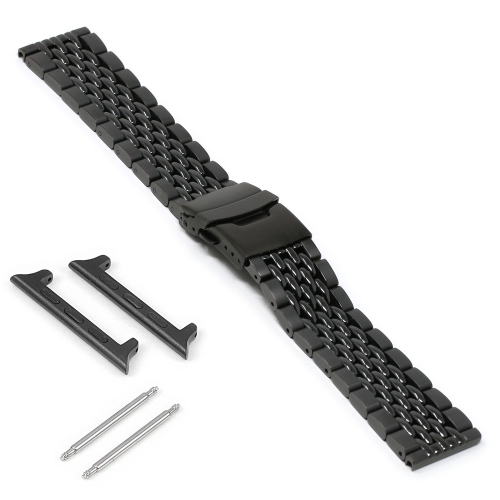
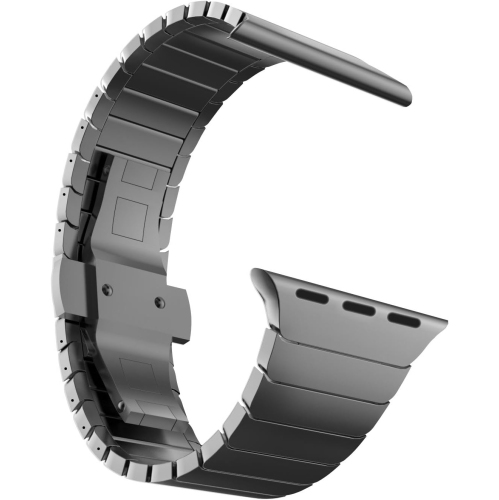
Fit depends on both the connection to the watch and the way the band wraps around the wrist. A compatible connector should match the watch’s stated requirements; visual similarity is not enough to establish that two parts will fit securely. Case compatibility and wrist sizing are separate details, so a band can have the right attachment yet still be too short, too long, or difficult to adjust comfortably. Listed wrist measurements are especially useful for people with smaller or larger wrists, and the adjustment method matters just as much as the overall range. Link bracelets commonly rely on removable sections, sometimes paired with smaller adjustments at the clasp. Some designs allow links to be released without tools, while others may require a suitable tool or help from someone experienced with watch bracelets. Mesh bands may use a sliding clasp or magnetic closure, depending on the construction, offering a different approach to fine adjustments. The goal is a secure fit that does not pinch, leave excessive pressure marks, or allow the watch to swing freely around the wrist. For watches with wrist-based sensors, fit should also follow the watch maker’s wearing guidance. Everyday movements reveal details that are easy to overlook in a photograph: a bulky clasp may press against a desk while typing, a loose bracelet may slide towards the hand, and widely spaced links may catch hair. Smooth edges, flexible joints, and a closure that stays fastened help make extended wear more comfortable. Stainless steel is not automatically suitable for every skin type, either. Some alloys contain nickel, and coatings or finishes may introduce other materials that matter to people with sensitivities. Material descriptions are therefore worth considering alongside appearance. For a gift, the recipient’s watch compatibility, approximate wrist size, and preference for a light or substantial band are more useful than guessing from style alone. Someone who wears a watch mainly at work may value a low-profile clasp, while someone who enjoys traditional watches may appreciate the articulated feel of a link bracelet.

Stainless steel is valued for its strength and resistance to corrosion, but everyday wear still leaves a history on its surface. A wrist resting beside a keyboard, brushing a door frame, or sliding across a tabletop can gradually produce fine marks. Polished surfaces tend to make these marks more noticeable, while brushed textures may help disguise some light wear without preventing it. Coloured finishes can also wear differently from uncoated steel, particularly at edges and points of frequent contact. Durability is therefore best understood as the ability to handle regular use with appropriate care, not a promise that the band will remain untouched by scratches. Routine cleaning is usually straightforward, though the band maker’s instructions should take priority. A soft, lint-free cloth helps remove fingerprints and surface residue; where permitted, a lightly dampened cloth can address everyday buildup. Moisture can collect between links, around clasp mechanisms, and inside woven mesh, so thorough drying matters. A watch’s water-resistance rating does not automatically establish what cleaning methods are suitable for its band, finish, or closure. Strong cleaners, abrasive pads, and polishing compounds can alter surface treatments, and a household cleaning method that suits one metal accessory may not suit another. After exercise, removing perspiration promptly can help keep the band comfortable against the skin. For high-movement activities, contact sports, or situations where metal could strike equipment, a different band material may be a more practical choice. When a steel band is removed, storing it away from loose jewellery and hard objects helps limit unnecessary scratching. Keeping spare links and adjustment components together also makes later resizing easier. These small details support the qualities that draw people to stainless steel in the first place: a defined shape, a satisfying feel, and an appearance that moves easily between everyday clothing and more polished outfits. Whether worn daily or saved for occasions that call for a dressier finish, a well-fitting metal band offers a distinct way to make a smartwatch feel personal.
FAQ

Some products may be subject to Environmental Handling Fees (EHF) depending on your province. Learn more about EHFs.