Appliance Extension Cords
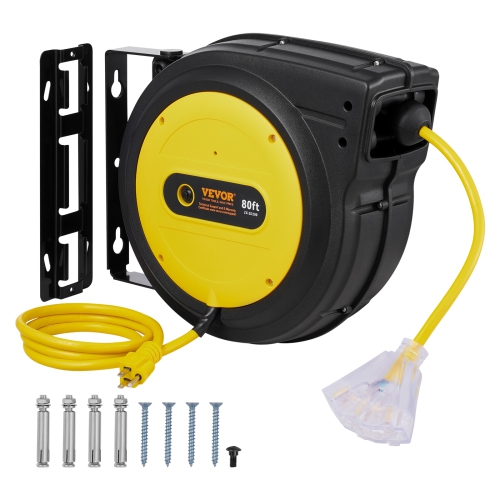
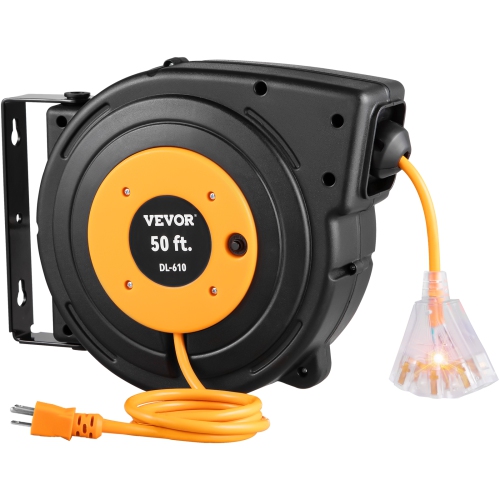
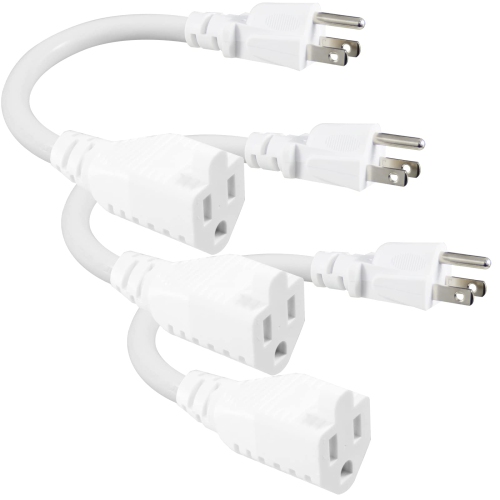
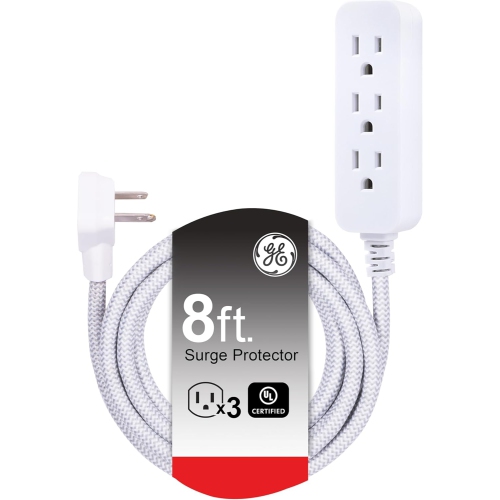
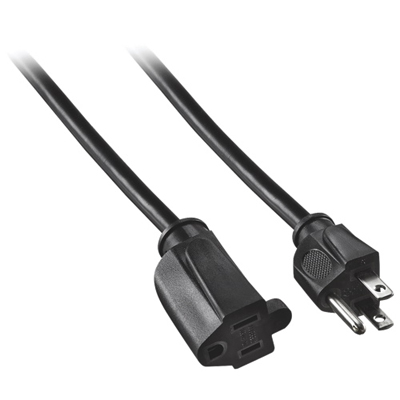
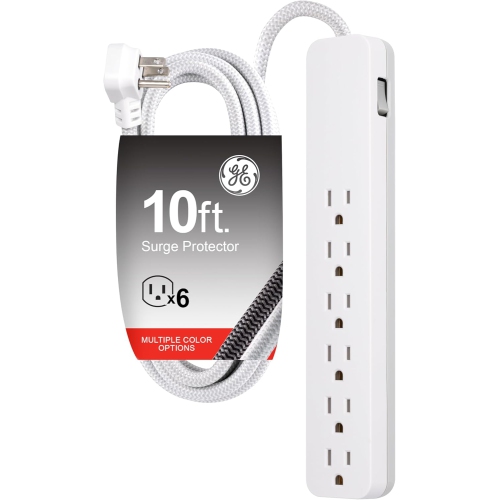
Appliance Extension Cords provide a convenient solution for powering devices and appliances throughout your home or workspace. Whether you need to reach outlets behind furniture or connect multiple appliances in one area, these cords offer the flexibility to arrange your space as needed. Explore a variety of lengths and designs to find the right Appliance Extension Cords that fit your setup and help keep your electronics running smoothly.
Sort
Appliance Extension Cords
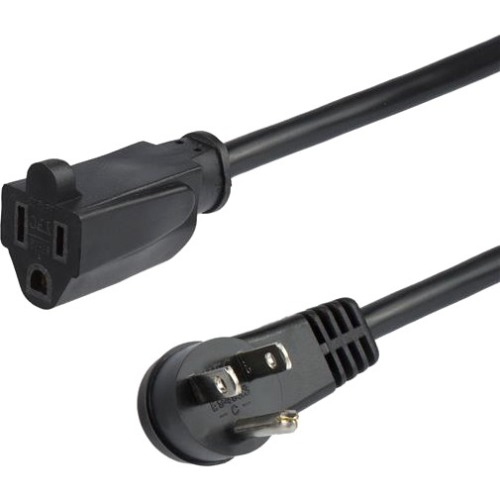
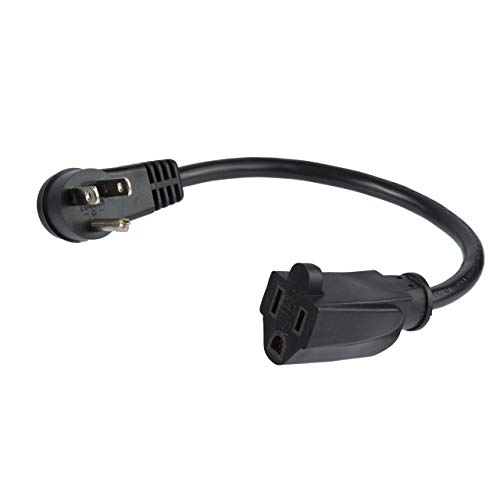
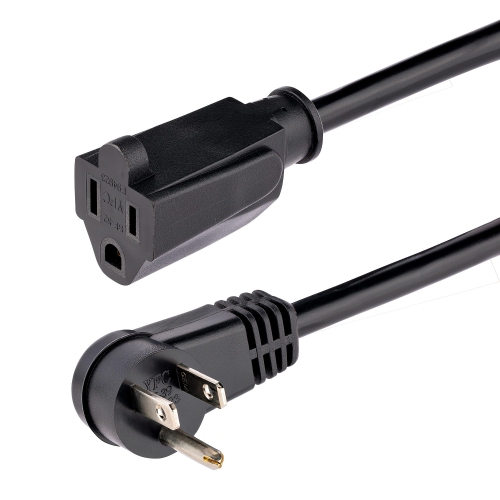
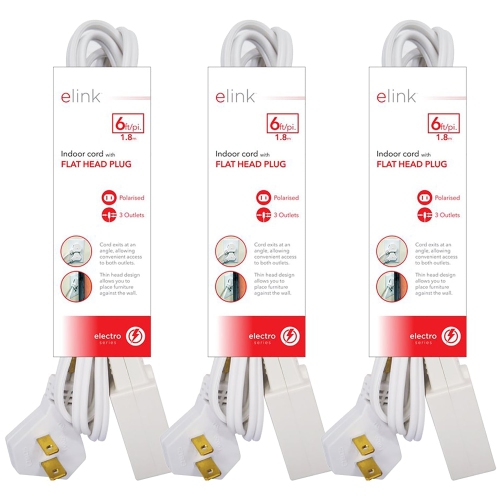
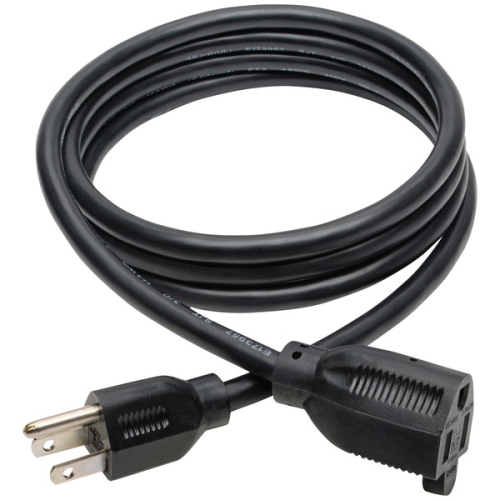
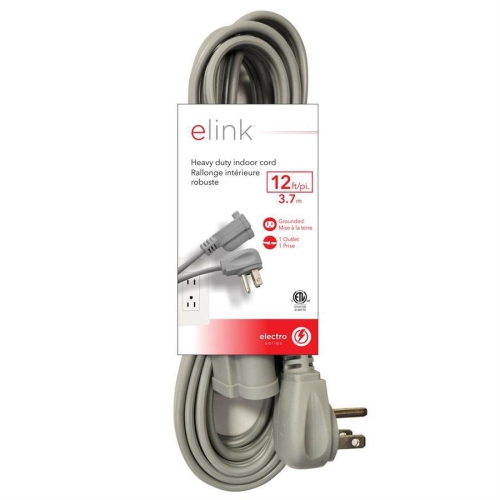
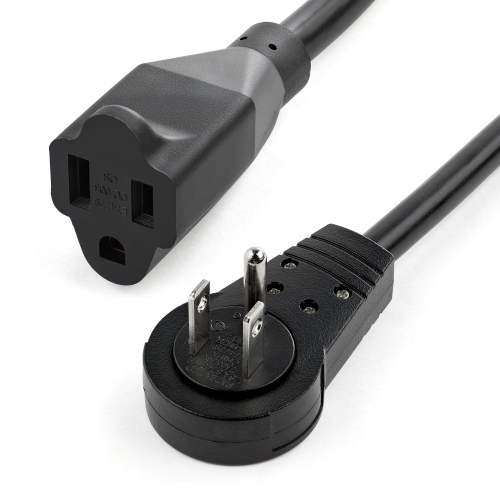
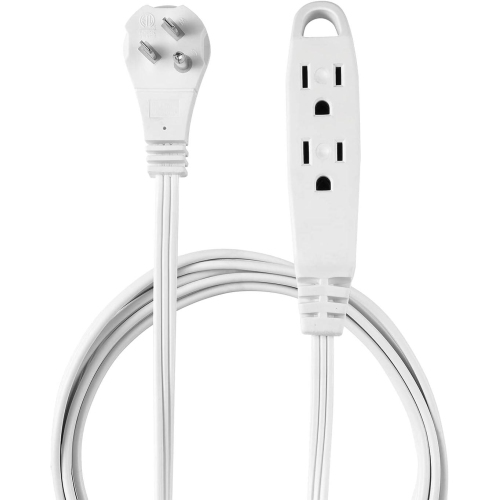
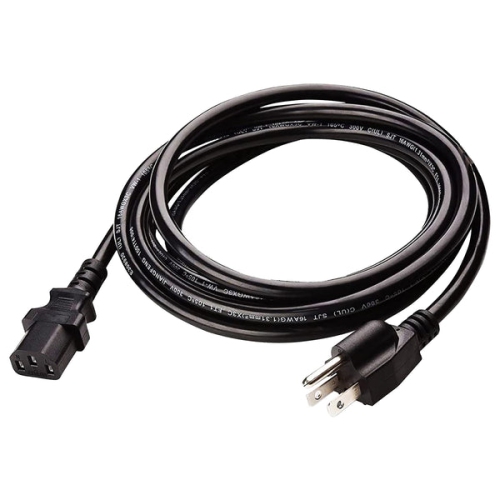
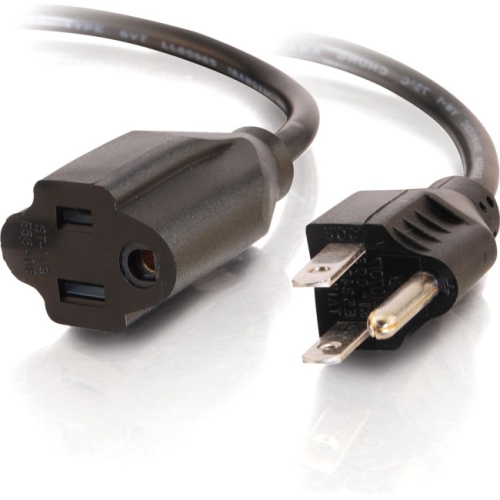
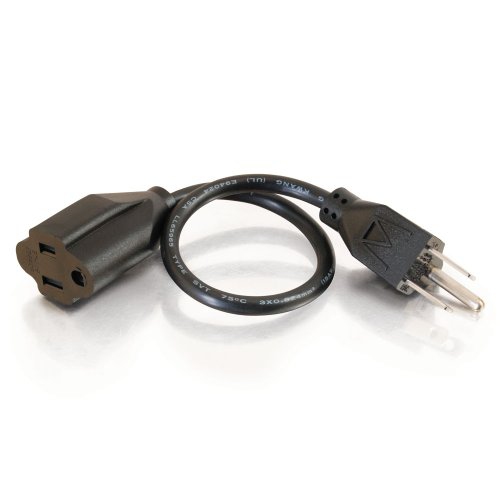
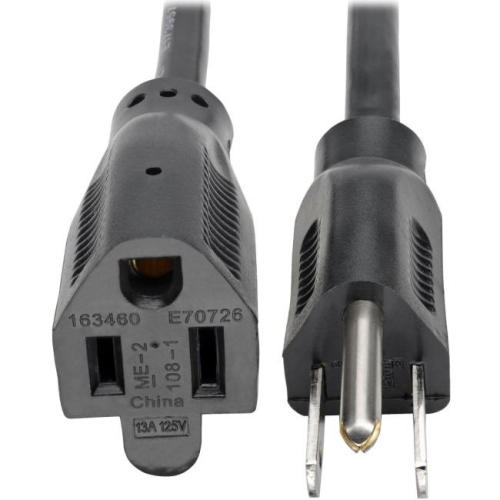
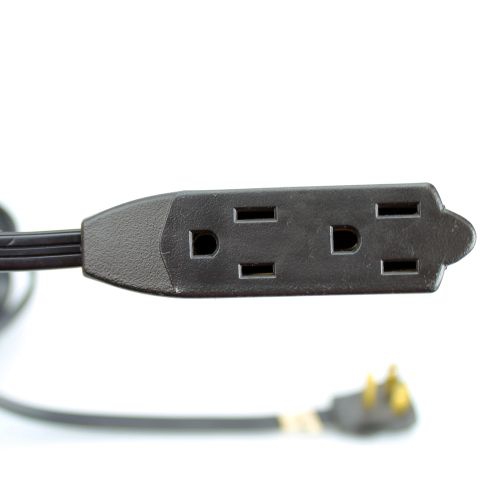
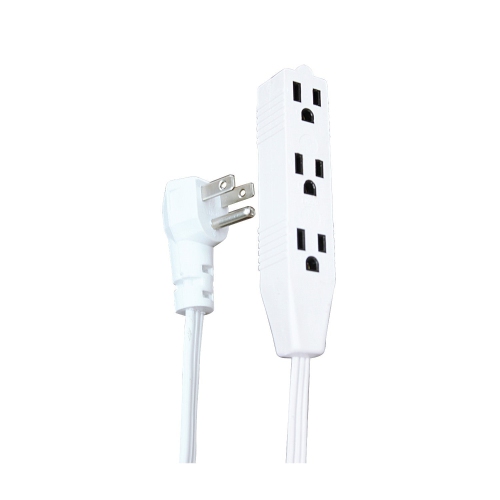
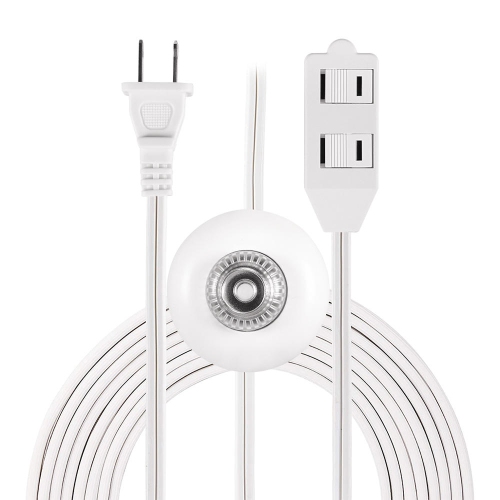
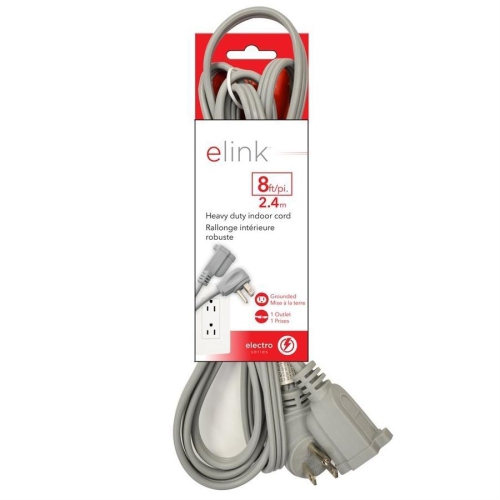
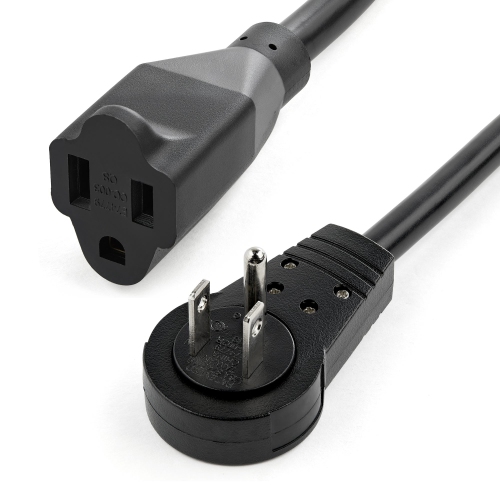
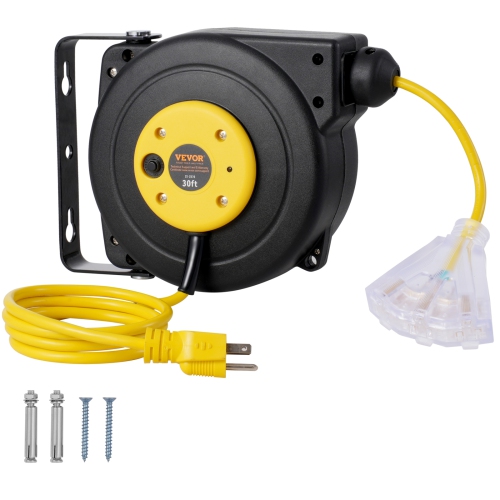
When it comes to powering major appliances around the home, choosing the right appliance extension cord is essential for both safety and convenience. These heavy-duty cords are specifically designed to handle the higher electrical demands of devices such as air conditioners, portable heaters, microwaves, washers, and refrigerators. Unlike standard household extension cords, appliance extension cords feature thicker wires—usually 12 or 14 gauge—to safely carry more current without overheating. In the midst of the Canadian winter, when portable heaters or dehumidifiers are often in use, having a properly rated extension cord is particularly important to ensure reliable performance and peace of mind. Many models come equipped with three-prong grounded plugs that provide an extra layer of protection against electrical faults, and some offer flat or right-angle plug designs to fit neatly behind appliances or in tight spaces where every centimetre counts. The outer jackets on these cords are typically made from durable vinyl, designed to resist moisture, abrasion, and sunlight, making them suitable for a variety of home environments, including basements, garages, and laundry rooms.
Selecting the right microwave extension cord or appliance extension cord involves more than just matching plug types. It’s important to check the cord’s amperage and wattage ratings against the appliance’s requirements, which are usually listed on the product’s nameplate. For example, a microwave often requires a 14-gauge cord rated for at least 15 amps, while larger appliances like portable air conditioners or power tools may need a 12-gauge cord to support higher loads. Always ensure the extension cord is certified by recognized safety organizations such as UL or ETL, which is a mark of quality and reliability. While these cords are a practical solution for temporary setups—like rearranging the laundry room, hosting gatherings where extra kitchen appliances are needed, or setting up a workspace in the garage—they are not intended as permanent wiring solutions; local electrical codes generally recommend limiting their use to short-term situations. If you’re planning to lend a hand to a friend or family member who’s moving into a new home, an appliance extension cord can make a thoughtful and practical housewarming gift, especially during the winter months when access to power for essential appliances is critical.
Whether you’re outfitting a new space, managing seasonal needs, or simply looking for a safer way to connect your appliances, choosing the right cord makes all the difference. Be mindful of what else shares the circuit, especially with high-draw appliances, to avoid tripping breakers or overloading the system. Although some heavy-duty cords are marketed for use with refrigerators, many experts advise caution due to the continuous power draw these appliances require. For those looking to explore a wider selection or compare different types of extension cords for various household and workspace needs, visit our dedicated page for Power Extension Cords. Here you’ll find options tailored for everything from small electronics to major appliances, ensuring you can power your devices confidently and safely, no matter the season or setup.
Selecting the right microwave extension cord or appliance extension cord involves more than just matching plug types. It’s important to check the cord’s amperage and wattage ratings against the appliance’s requirements, which are usually listed on the product’s nameplate. For example, a microwave often requires a 14-gauge cord rated for at least 15 amps, while larger appliances like portable air conditioners or power tools may need a 12-gauge cord to support higher loads. Always ensure the extension cord is certified by recognized safety organizations such as UL or ETL, which is a mark of quality and reliability. While these cords are a practical solution for temporary setups—like rearranging the laundry room, hosting gatherings where extra kitchen appliances are needed, or setting up a workspace in the garage—they are not intended as permanent wiring solutions; local electrical codes generally recommend limiting their use to short-term situations. If you’re planning to lend a hand to a friend or family member who’s moving into a new home, an appliance extension cord can make a thoughtful and practical housewarming gift, especially during the winter months when access to power for essential appliances is critical.
Whether you’re outfitting a new space, managing seasonal needs, or simply looking for a safer way to connect your appliances, choosing the right cord makes all the difference. Be mindful of what else shares the circuit, especially with high-draw appliances, to avoid tripping breakers or overloading the system. Although some heavy-duty cords are marketed for use with refrigerators, many experts advise caution due to the continuous power draw these appliances require. For those looking to explore a wider selection or compare different types of extension cords for various household and workspace needs, visit our dedicated page for Power Extension Cords. Here you’ll find options tailored for everything from small electronics to major appliances, ensuring you can power your devices confidently and safely, no matter the season or setup.
Top Collections:
Affordable Laptops For Students, Best Cell Phone Under $500, Best Laptops Under $1000, Budget Smartphones, Best Laptop For Video Editing, Laptop Computers Under $200, Kindle Devices, Top Laptops for University Students, Dyson Airwrap, NVMe Solid State Drives
Some products may be subject to Environmental Handling Fees
(EHF) depending on your province.
Learn more about EHFs.