22 Inch Built-In Microwaves
Upgrade your kitchen with the convenience and style of a 22-inch built-in microwave. Perfect for maximizing countertop space, these microwaves are designed to seamlessly fit into your cabinetry for a sleek, integrated look. Whether you're warming up leftovers or preparing meals, a 22-inch built-in microwave offers reliable performance and a modern touch to any home. Explore a variety of options to find the perfect match for your cooking needs and kitchen layout.
Sort
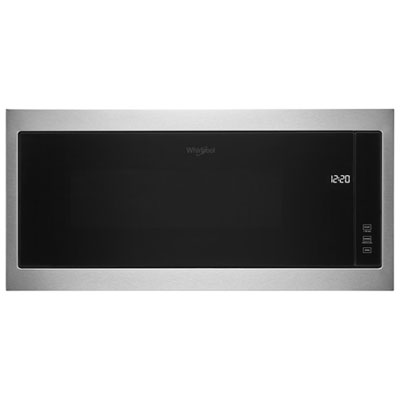
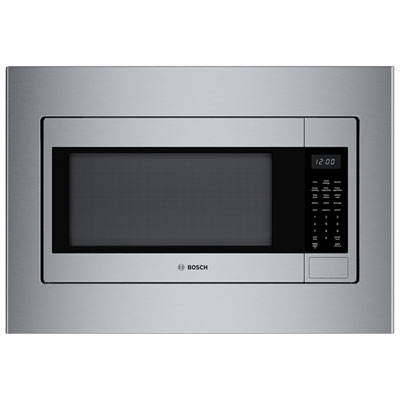
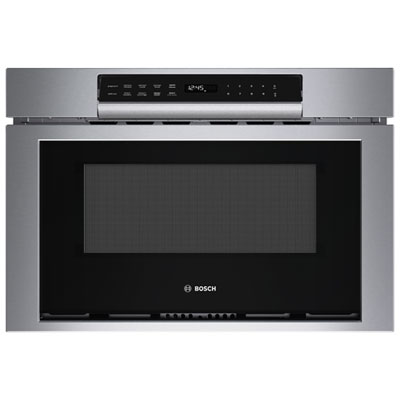

More countertop space starts with the right fit
22-inch built-in microwaves bring everyday heating and reheating into a fitted kitchen layout without taking up valuable countertop space. Their appeal is as much about placement as appearance: a microwave set into suitable cabinetry can leave more room for chopping vegetables, setting out lunch containers, or keeping a coffee station organized. This size category can suit kitchens where cabinet width is limited, although the stated appliance width is only one part of the fit. The microwave’s exterior dimensions, required cabinet opening, ventilation clearances, and any compatible trim kit all affect the finished installation. A trim kit frames the appliance within the opening and, where specified by the manufacturer, helps provide the necessary airflow; it is not simply a decorative surround that can be swapped between unrelated models. An opening left by an older microwave may therefore need adjustments even when the replacement has a similar listed width. Door movement matters, too, particularly beside a refrigerator, perpendicular wall, or cabinet handle that could interfere with access. A comfortable installation height makes it easier to see inside and lift out a bowl of soup without reaching above shoulder level. In a shared household, that height also affects how easily different people can use the appliance, including someone who prefers to work from a seated position. Built-in installation requires a microwave specifically approved for that use, rather than a countertop appliance enclosed without the manufacturer’s permission. The electrical connection, support surface, clearances, and installation method all need to match the appliance’s requirements and applicable local codes. When these details are accounted for, a compact built-in microwave can feel like a natural part of the cabinetry rather than an appliance squeezed into an unused opening. It can work particularly well in a condo kitchen, a smaller home, or a larger kitchen where keeping the main work surface clear is a priority.
Cooking space and everyday controls shape the experience just as much as the exterior dimensions. Two microwaves with similar outside widths can have different interior capacities, and the usable space depends on the cavity shape, turntable diameter, and clearance above the dish. A dinner plate, a tall mug, and a covered casserole each need room in a different direction. For households that regularly reheat plated meals, the ability to accommodate a familiar dinner plate without its edge touching the walls can matter more than a capacity figure alone. A family warming several portions may place greater value on room for a larger microwave-safe dish, while someone preparing a quick breakfast may prefer straightforward controls and an easy-to-read display. Wattage influences heating speed, but cooking results also depend on the food, portion size, power setting, and time allowed for heat to spread. Adjustable power levels are useful for gentler tasks such as softening butter or warming a delicate sauce, rather than applying full power to everything. Where included, sensor cooking can adjust operation based on moisture detected during heating, while automatic defrost settings offer a starting point for thawing foods according to the appliance’s instructions. These functions do not replace stirring, rotating food when directed, or checking that a meal has reached a safe temperature. A quick-start control can be handy for adding a short burst of heating, and a clearly labelled control lock may help prevent unintended operation; neither feature should be assumed to be present on every model. Interior lighting and a clear door window make it easier to monitor a bowl of oatmeal before it spills over. For busy households, these small usability details often make a greater difference than a long list of cooking programs. Microwave-safe containers, vented covers used as directed, and accessible controls support the repeated routines that give this appliance its place in the kitchen, from reheating leftovers to steaming vegetables alongside a meal prepared on the cooktop.
Materials, finish, and ease of cleaning influence how well a built-in microwave holds up to daily use. Stainless steel can coordinate with other kitchen appliances, while black, white, or other finishes may blend more closely with surrounding cabinetry, depending on the model. Fingerprint-resistant surfaces, where offered, can reduce visible marks, but no finish is completely free from routine care. Handles and touch controls collect cooking residue, and the lower edge of the door can catch small splashes as dishes are removed. A soft cloth and a cleaner approved by the manufacturer help maintain the surface without the scratching that abrasive pads or harsh products may cause. Inside, prompt attention to splattered sauces and spilled drinks keeps residue from becoming harder to remove after repeated heating. Removable turntables and support rings can make routine cleaning more manageable when they are washed and replaced according to the care instructions. Keeping door seals and their contact surfaces clean also supports proper closure, while ventilation openings need to remain unobstructed. Durability involves more than the visible finish: a door that opens comfortably, controls that remain easy to read, and an interior that accommodates regularly used cookware all contribute to long-term satisfaction. Because the microwave sits within cabinetry, access for servicing or eventual replacement is another practical part of the layout. A kitchen renovation may also involve deciding whether microwave cooking should remain separate from the main oven or be combined within one coordinated installation. For layouts planned around both functions, 24 inch wall oven microwave combos represent a different appliance format with their own cabinet, electrical, and installation requirements, rather than a direct substitute for a 22-inch microwave opening. A separate built-in microwave remains a practical choice when the main oven is already in place or when a dedicated reheating station better suits the kitchen. The strongest fit brings together the right installation dimensions, comfortable access, manageable care, and cooking features that suit the household’s actual meals.
Top selling and popular products
-
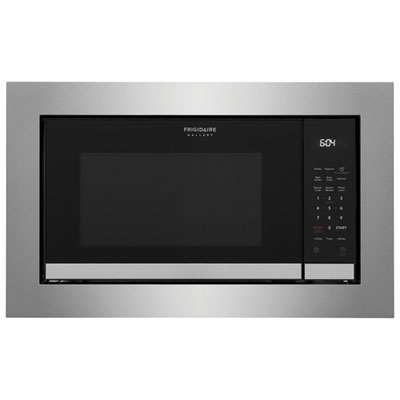 Your price for this item is $699.99
-
 Your price for this item is $1199
-
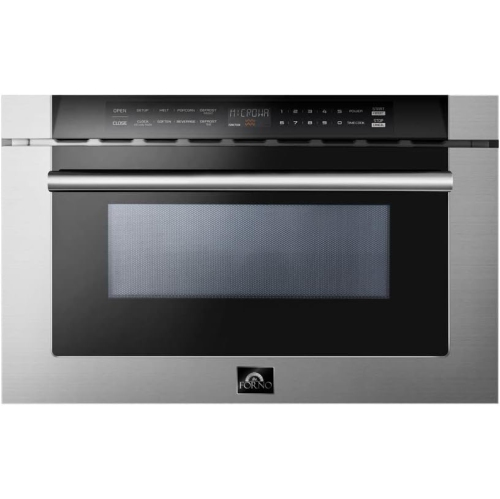 Your price for this item is $1299
-
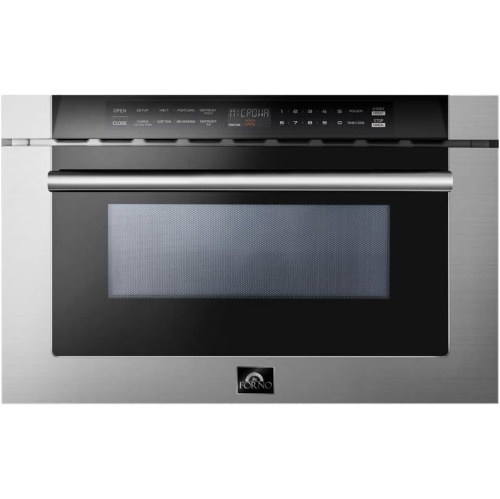 Your price for this item is $1299
-
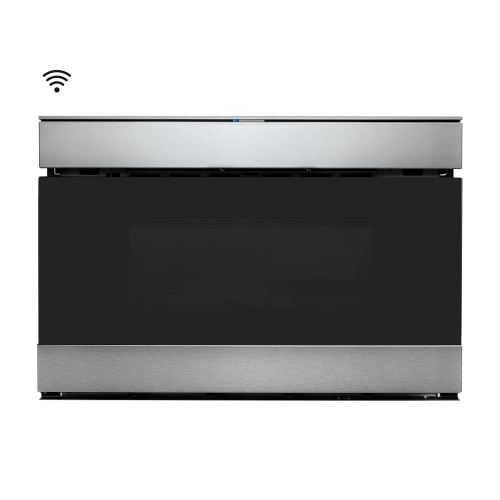 Your price for this item is $2499.99
-
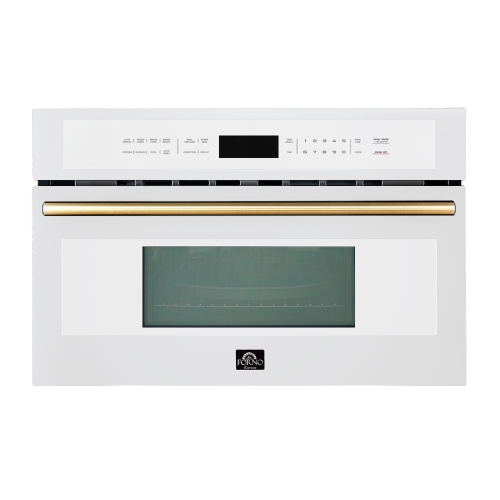 Your price for this item is $1599
-
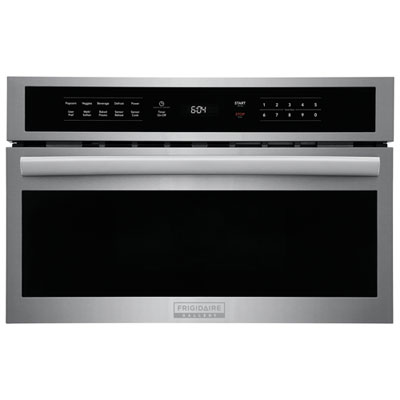 Your price for this item is $1199.99
-
 Your price for this item is $699.99
Discover more categories related to 22 Inch Built-In Microwaves
Top Collections:
Best Black Friday Deals This Year, Best Black Friday Deals On Electronics, Kindle Devices, Pokemon Centers, Best Black Friday Deals On Apple Products, Best Cameras for Sports Photography, Dyson Airwrap, Pokémon 30th Celebration Cards, Apple iPhone 17 Pro, Canon G7X Cameras
Some products may be subject to Environmental Handling Fees
(EHF) depending on your province.
Learn more about EHFs.