36 Inch Gas ranges
36-inch gas range is a one of the popular size for gas ranges for many reasons. These are large enough to accommodate multiple burners, but not so big that it takes up too much space. This size is ideal for many families, as it can easily accommodate large meals and provide plenty of cooking area. Here are some of the best options available on the market today.
Sort
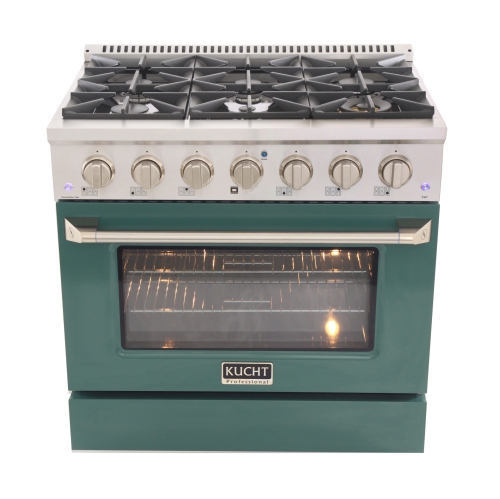
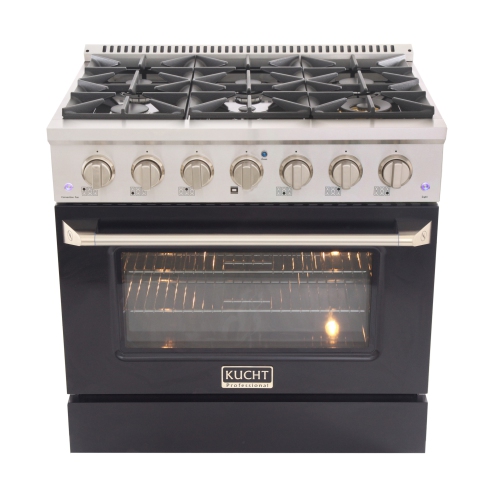
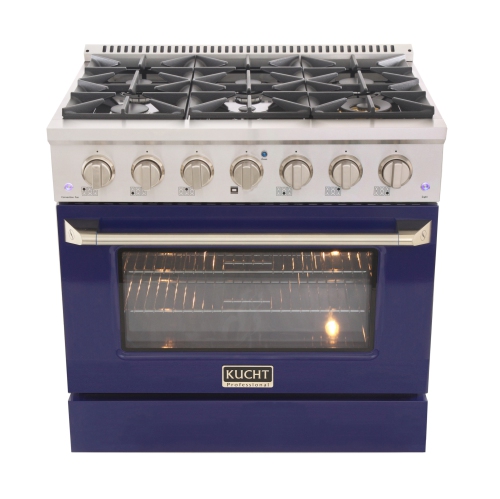
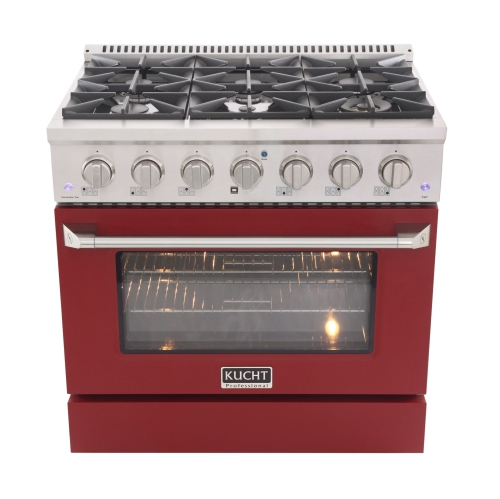
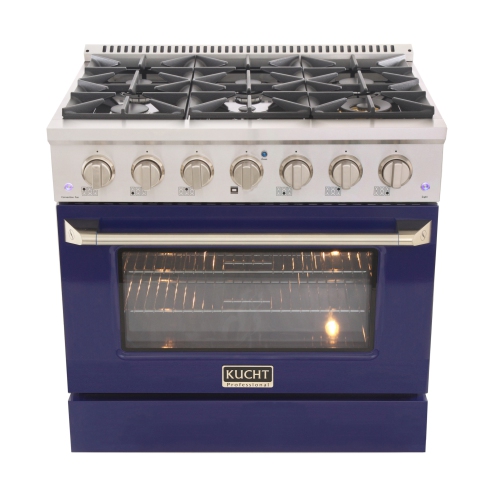
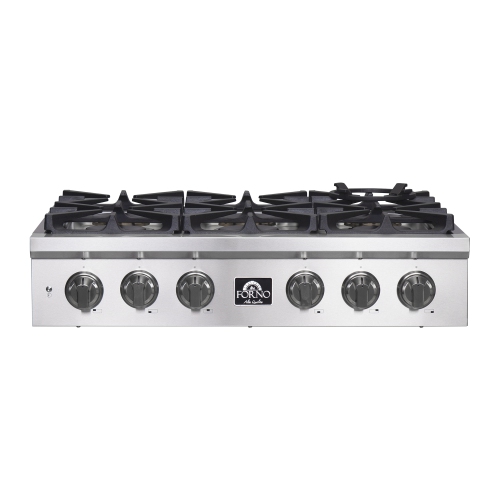
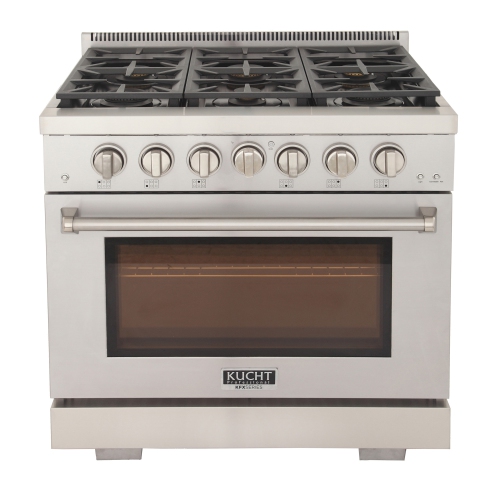
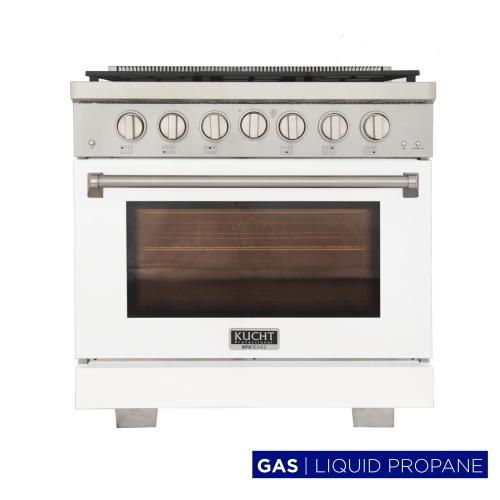
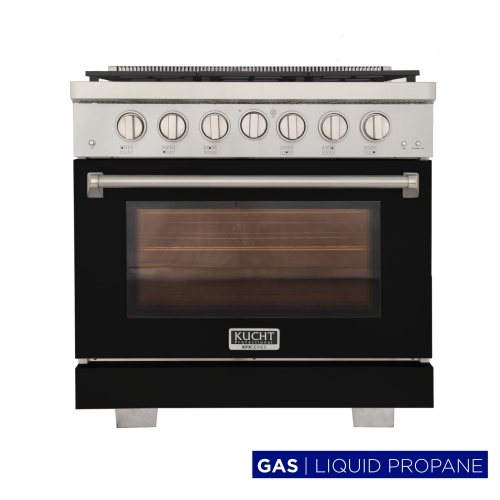
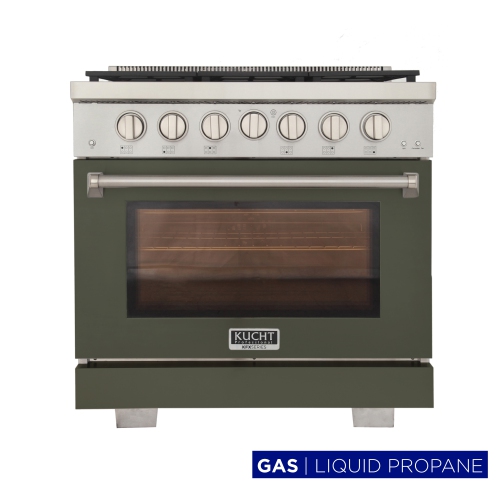

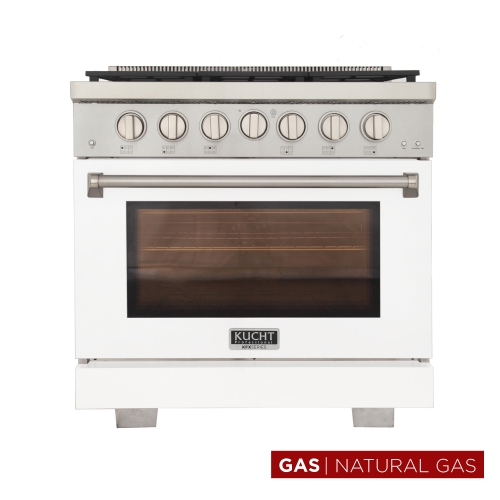
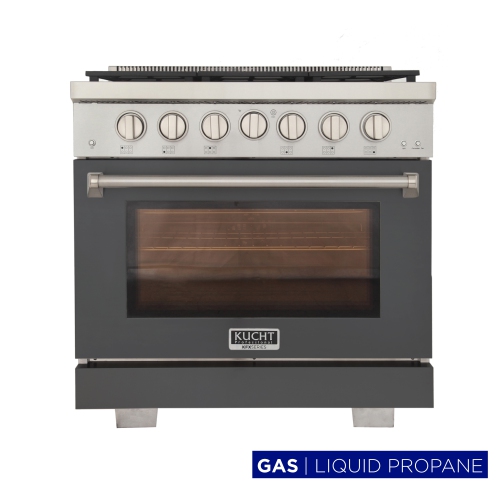
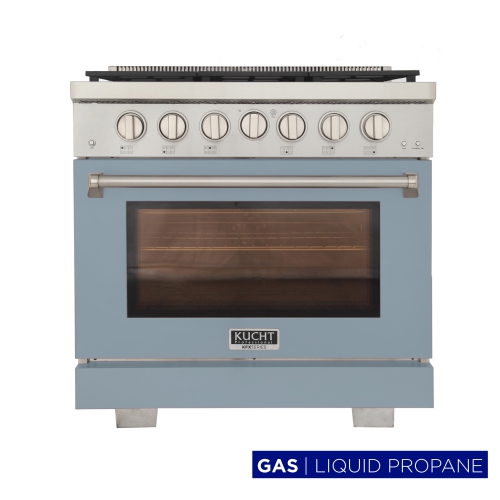
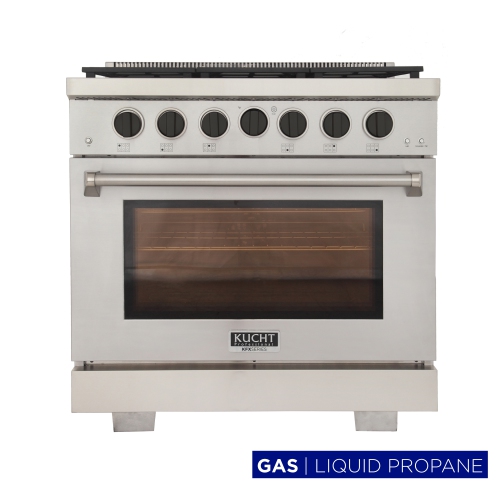
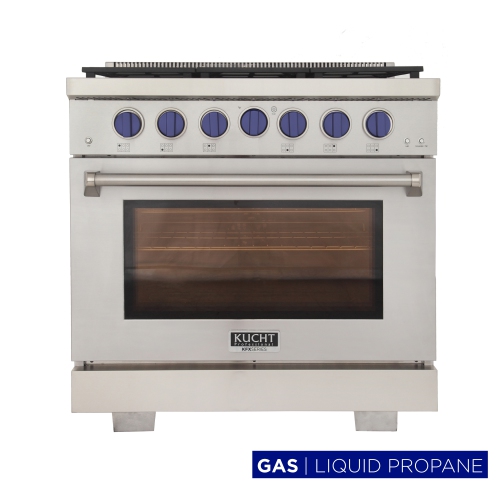
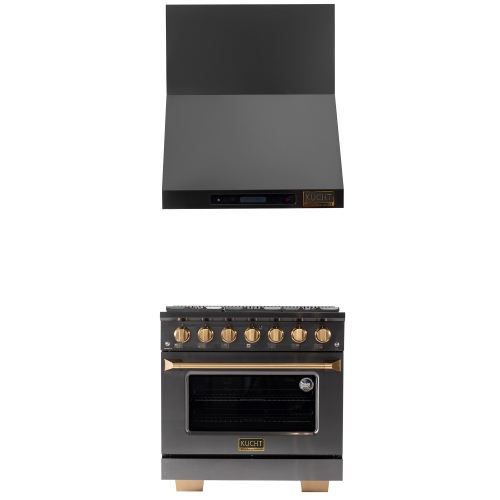
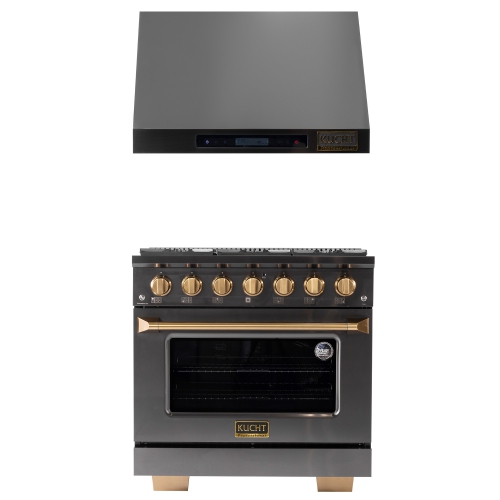
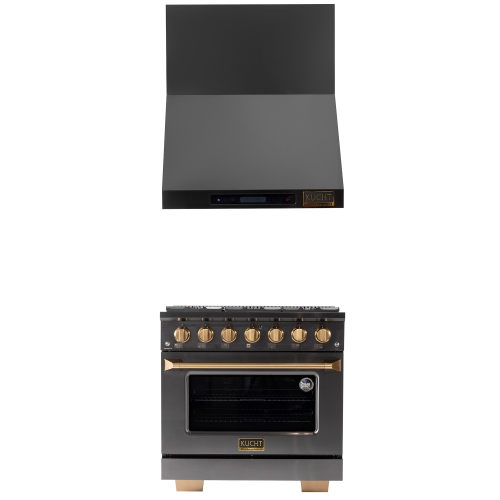
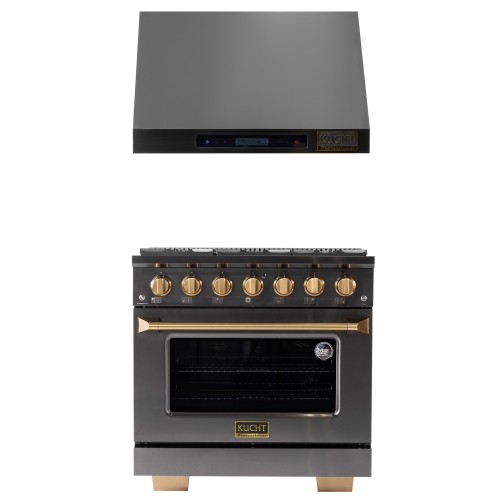
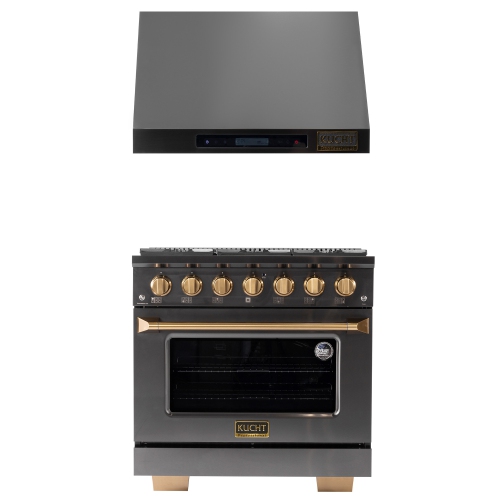
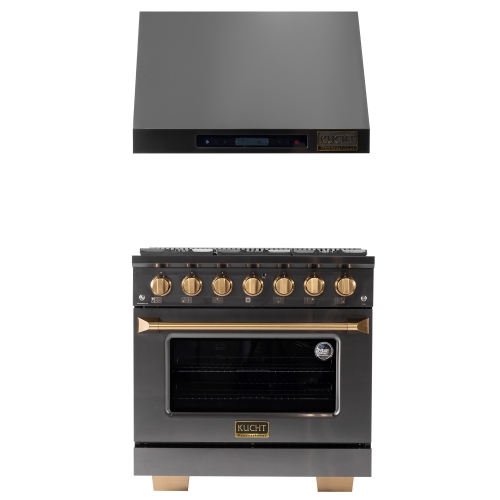
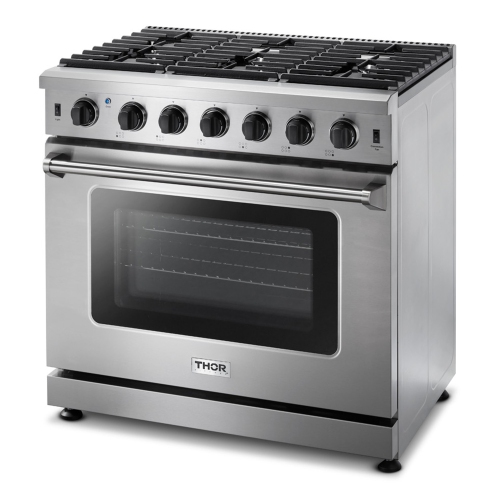
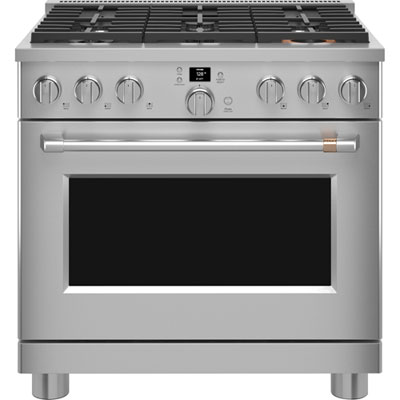
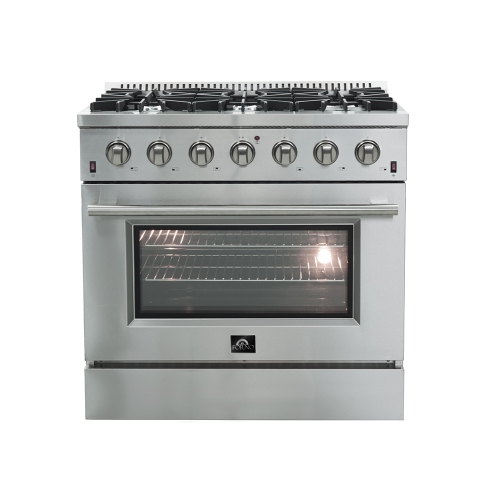
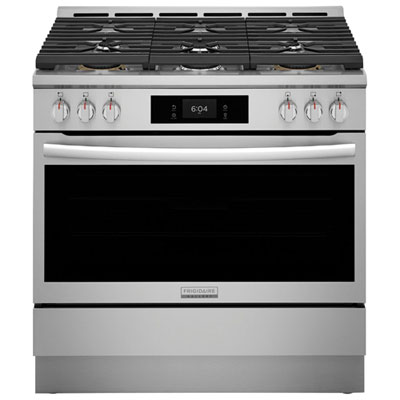
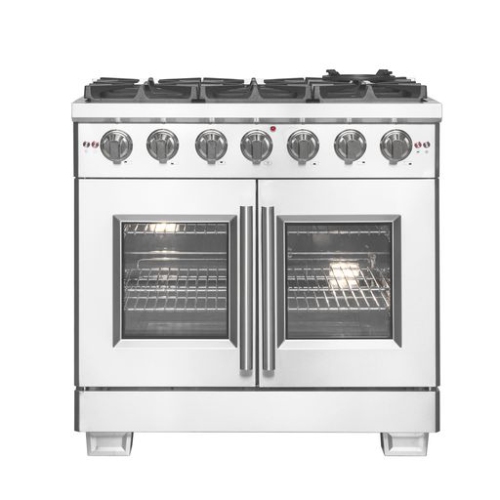
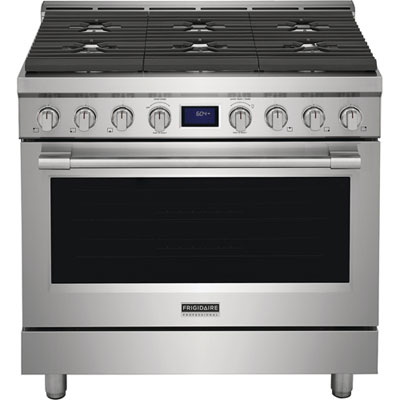
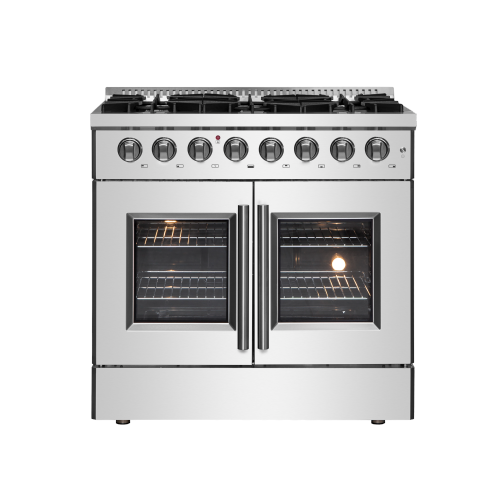
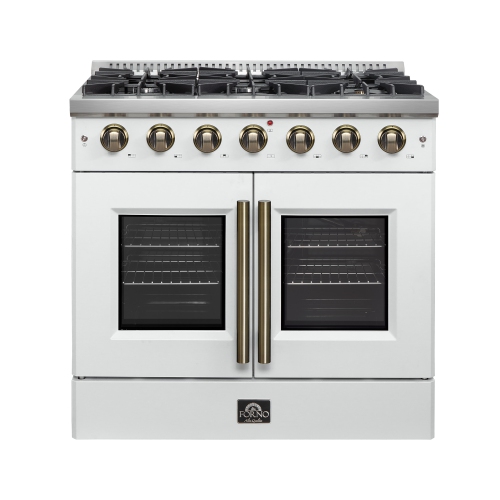
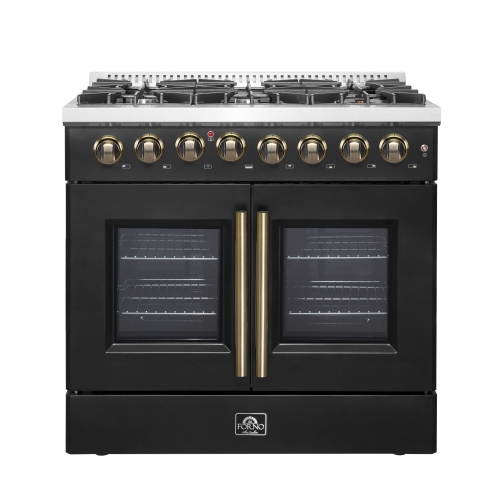
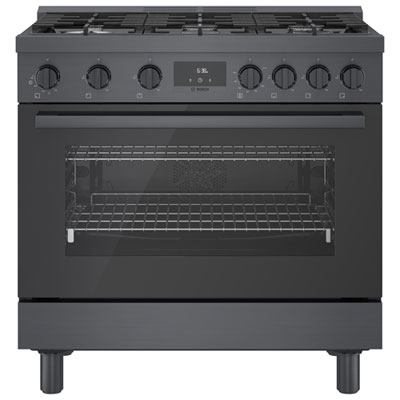
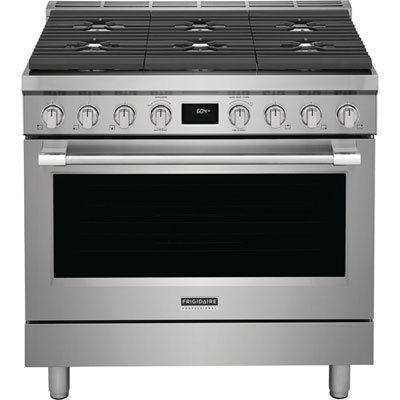
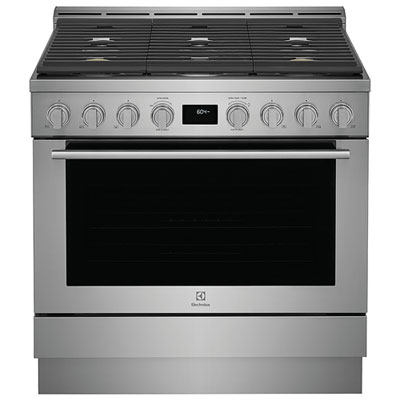
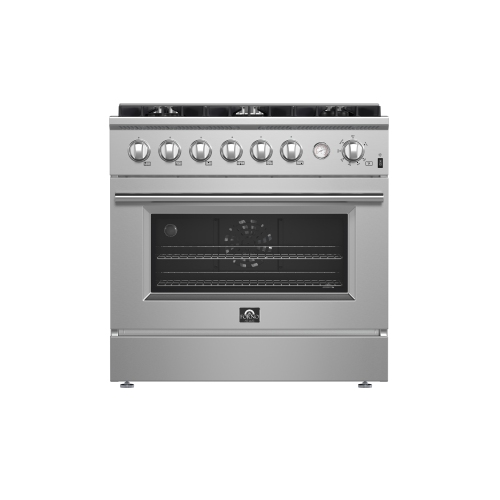
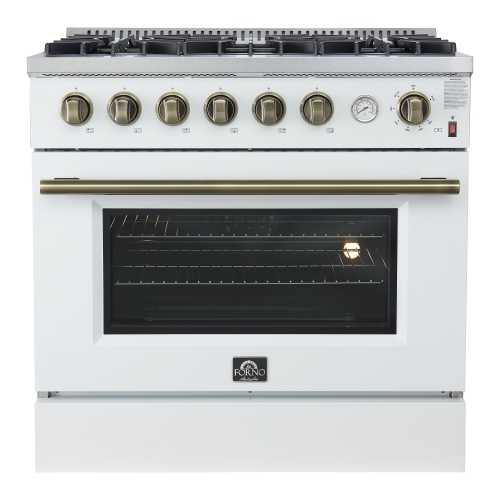
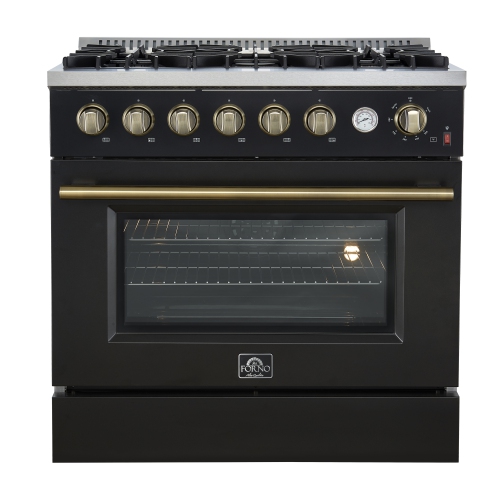
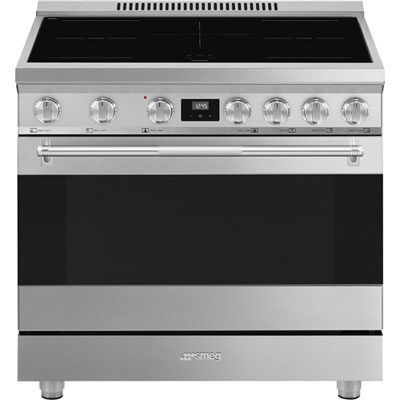
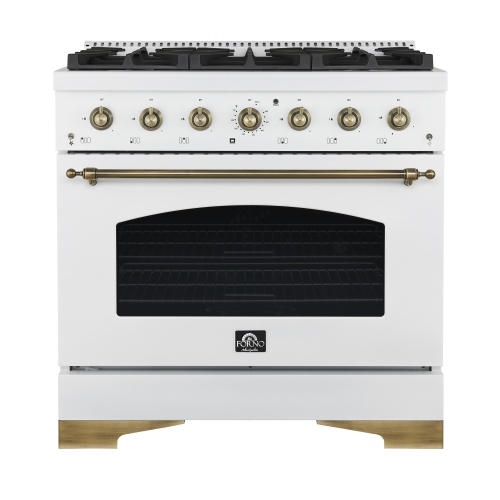
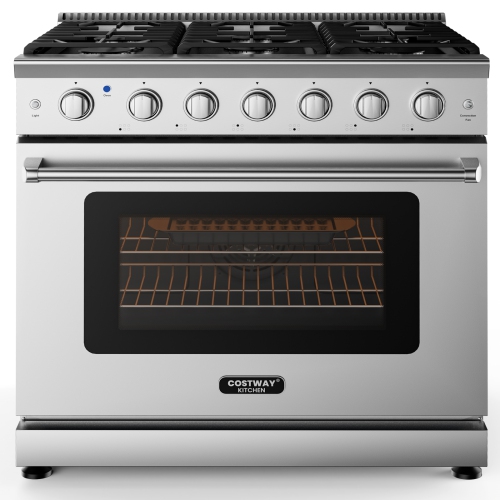
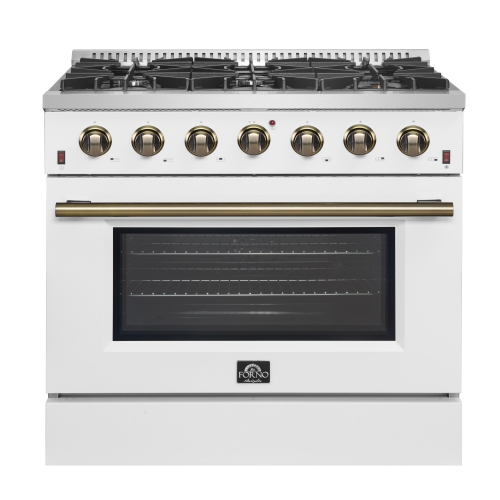
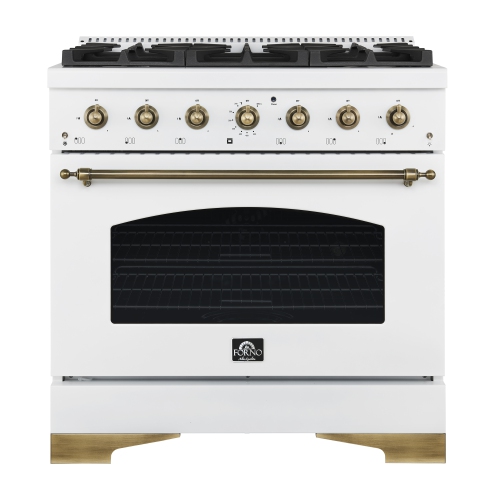
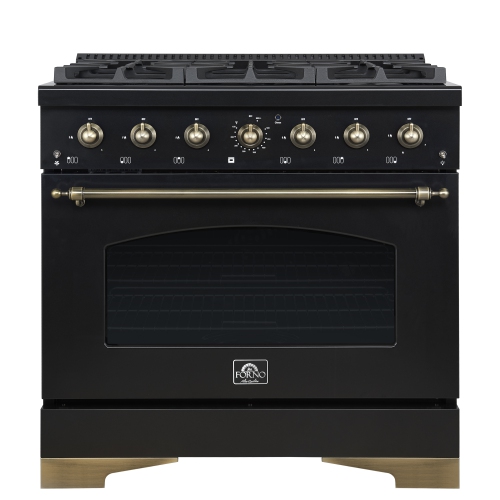
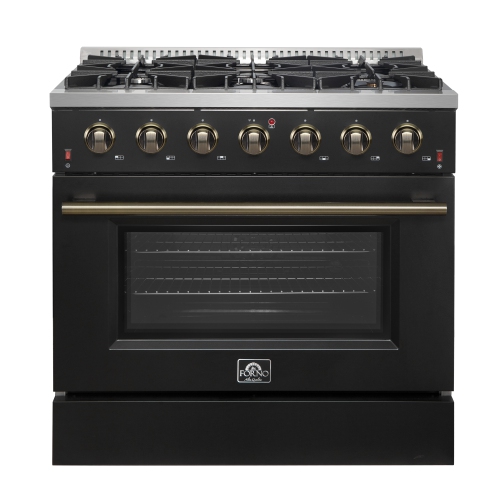
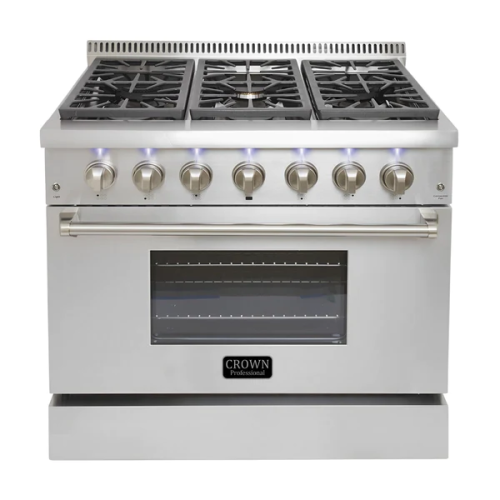
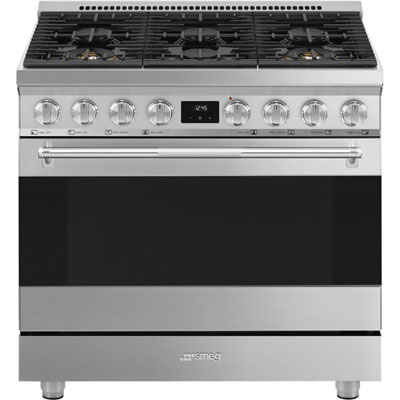
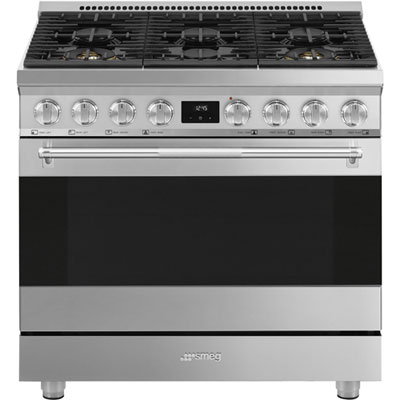
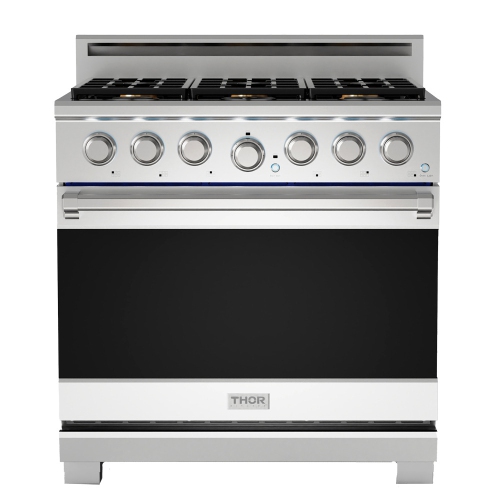
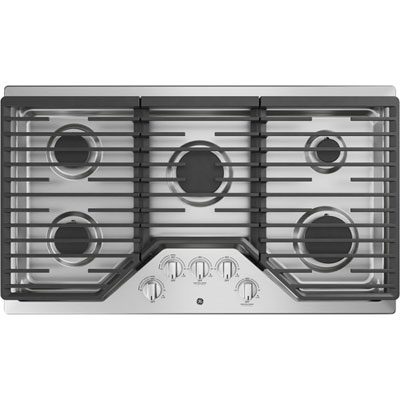
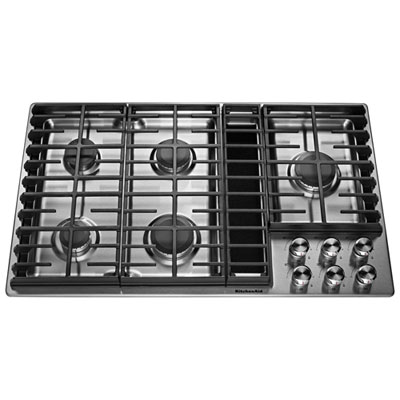
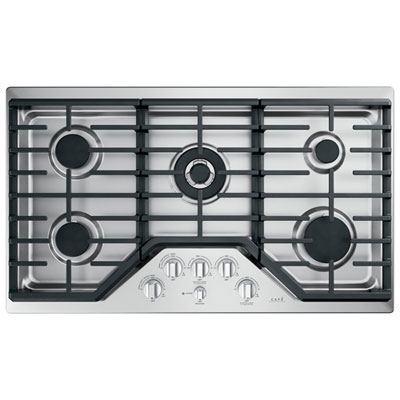
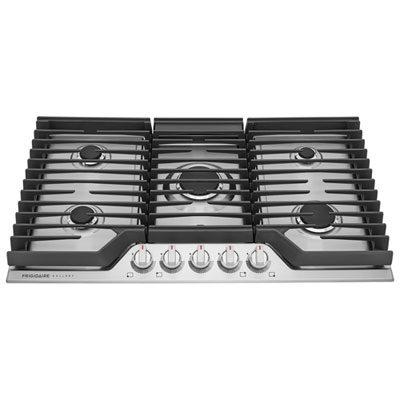
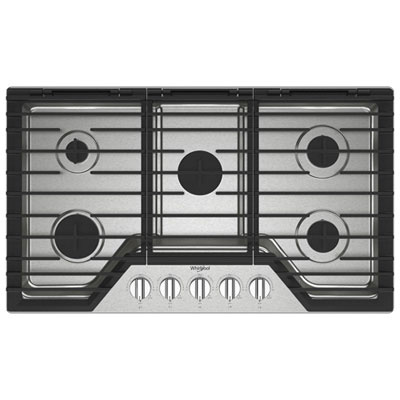
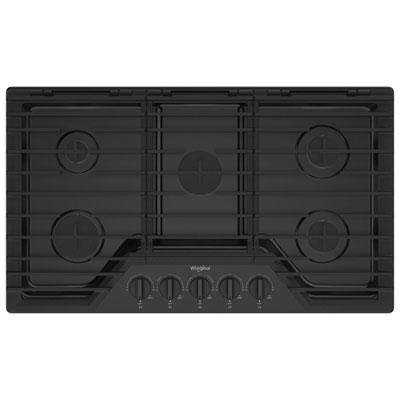

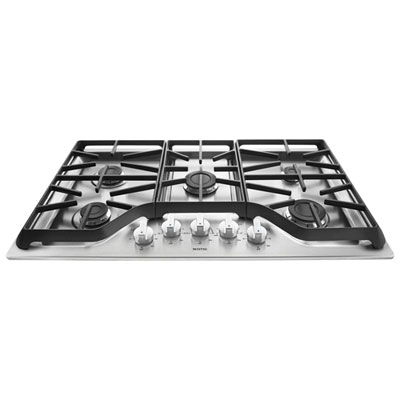
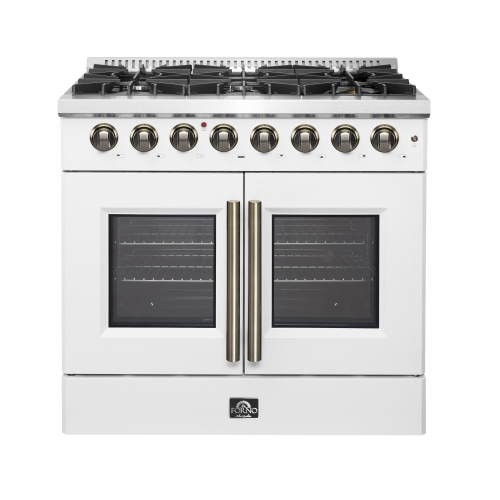
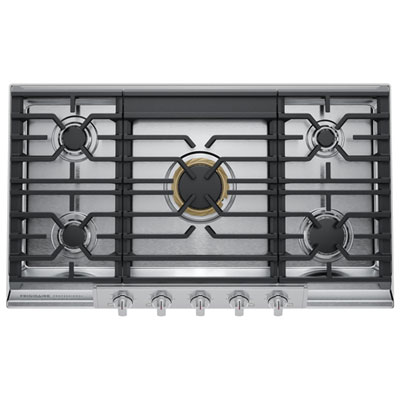
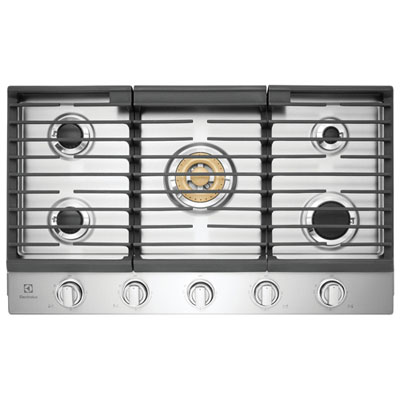
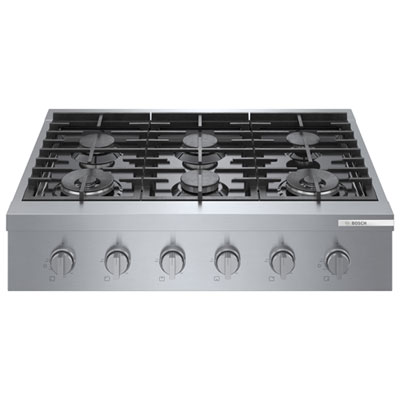
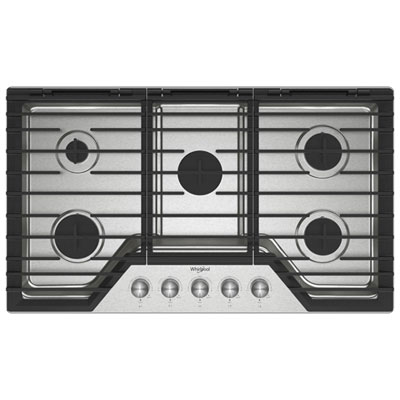
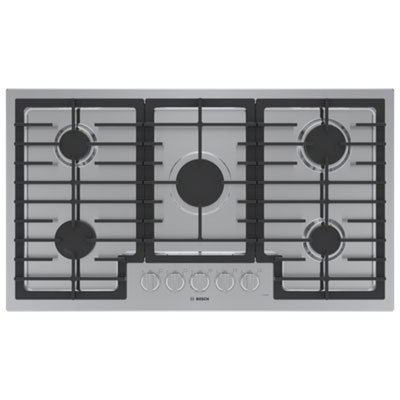
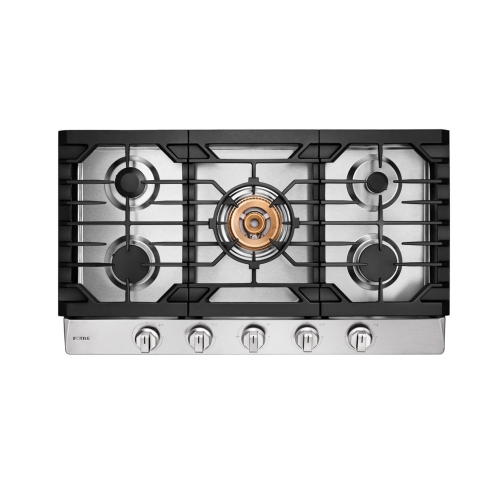
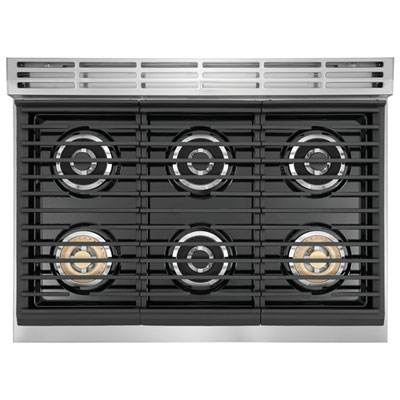
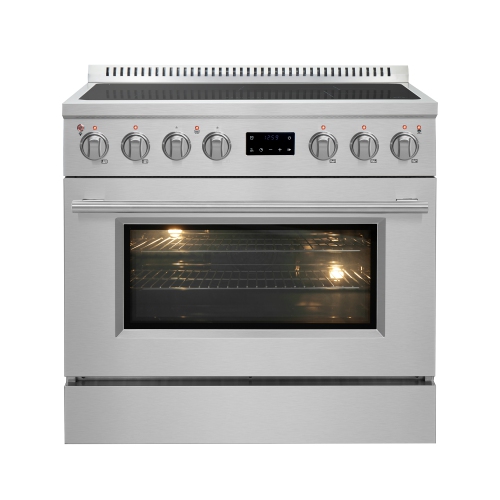
More cooktop space for meals with multiple dishes
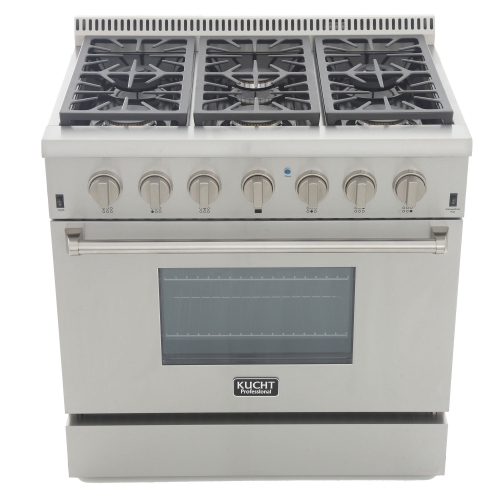
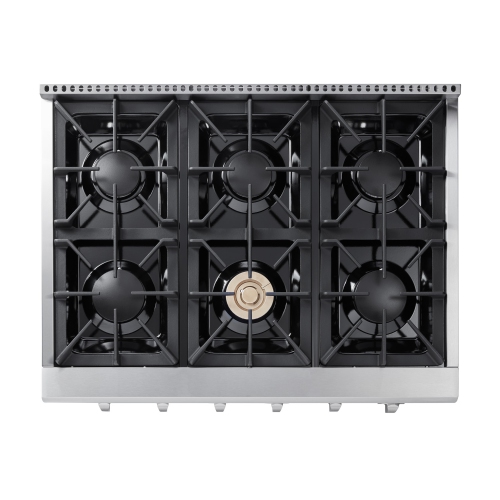
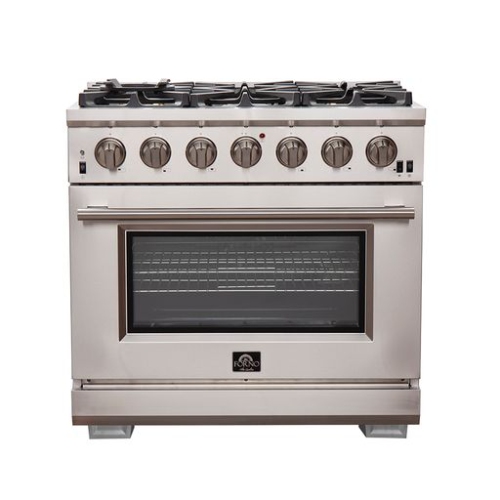
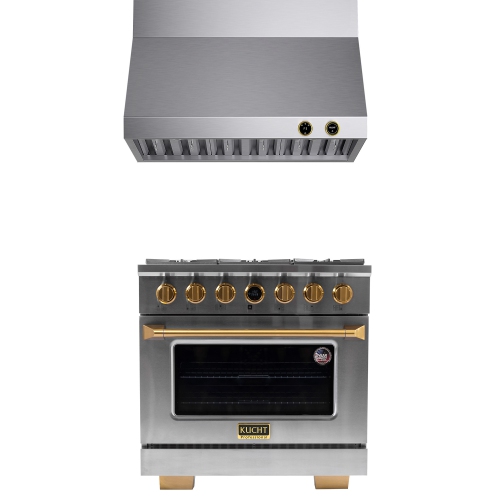
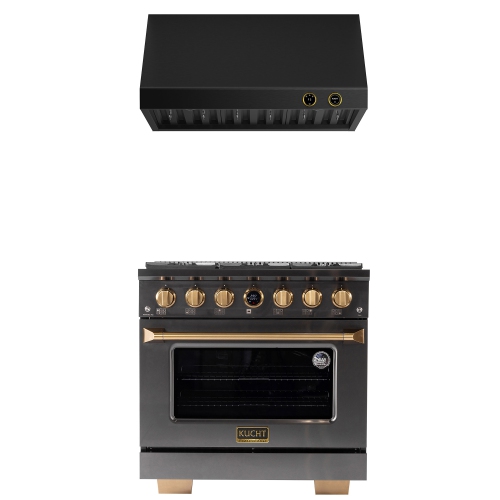
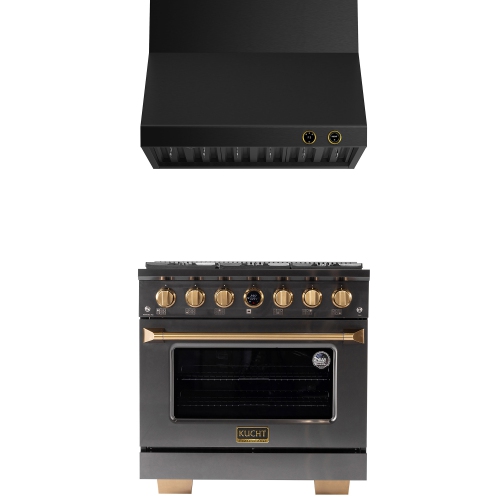
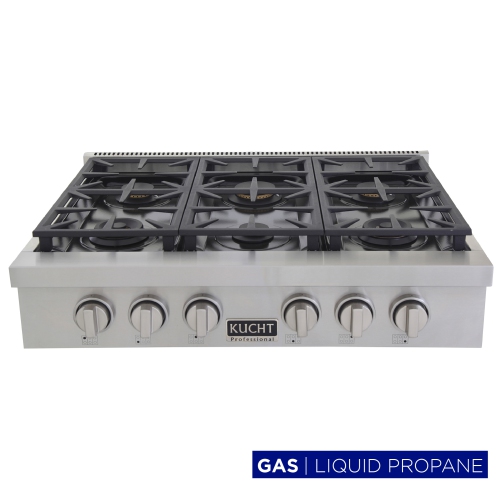
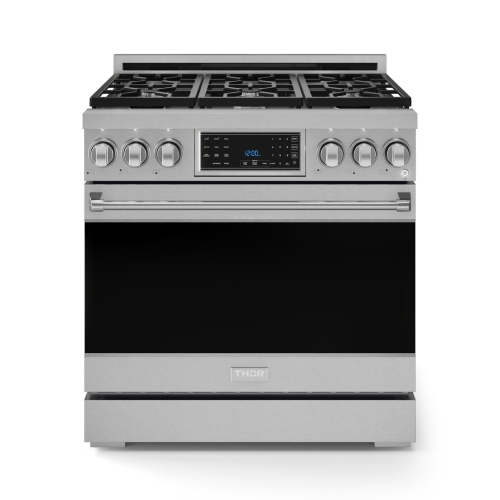
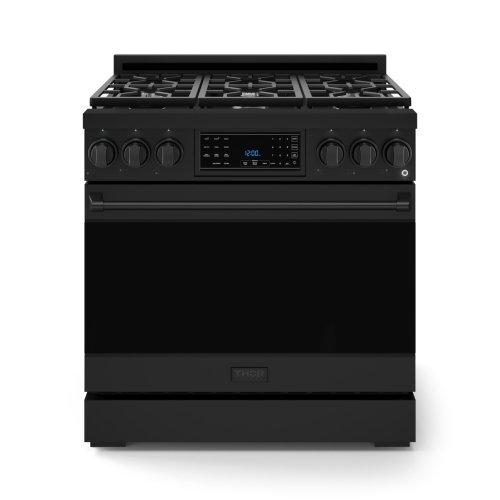
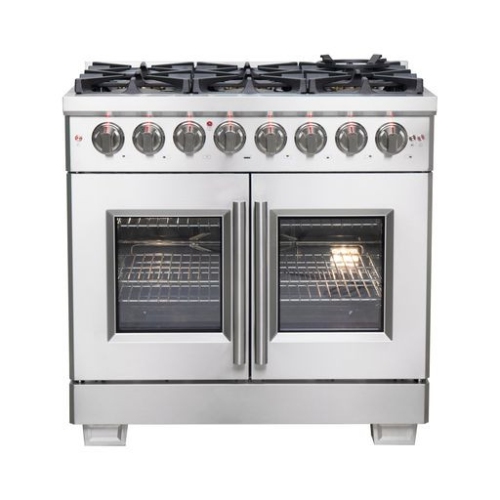
36-inch gas ranges combine a gas cooktop and an oven in a single appliance, with a wider cooking surface than a standard 30-inch range. That extra width can make a noticeable difference when a stockpot, a frying pan, and a saucepan all need attention at once. Many designs have five or six burners, although burner count, spacing, and layout vary. For households that cook most meals at home, prepare food in batches, or regularly host family gatherings, the appeal is as much about usable space as cooking power. A broad cooktop gives larger cookware more breathing room, while an oven beneath keeps roasting, baking, and stovetop cooking together in one place. The 36-inch measurement describes the nominal appliance width, not the oven capacity or the exact cabinet opening required, so exterior dimensions and installation specifications still matter. Stainless steel is a common finish, offering a neutral appearance that works with wood cabinetry, painted cupboards, and stone countertops. Porcelain-enamel oven interiors and cast-iron burner grates are also common, bringing practical surfaces to an appliance used for everything from weekday oatmeal to a long, slow braise. Professional-style details, such as substantial control knobs and continuous grates, can create a substantial focal point without making every range equivalent to commercial cooking equipment. Some layouts prioritize six separate cooking zones; others devote space to a griddle or another cooking surface. A griddle can be useful for pancakes or toasted sandwiches, but it also occupies room that might otherwise hold a pot. The most useful arrangement depends on familiar routines: several burners for a meal with multiple side dishes, generous spacing for wide skillets, or an oven that comfortably fits a favourite roasting pan. During the cooler months, that flexibility suits simmering soups, trays of roasted vegetables, and meals that bring everyone to the kitchen.
Burner performance on a 36-inch gas range involves more than the highest heat setting. Gas flames provide a visible indication of heat and respond quickly when adjusted, making it easier to move from a lively boil to a gentler simmer. Burner output is commonly expressed in British thermal units, or BTUs, but a high maximum rating does not tell the whole story. A powerful burner can help bring a large pot of water to the boil, while a burner designed for low heat is useful for keeping gravy warm or melting chocolate with suitable cookware. Pan size and burner placement are equally important. Flames should stay beneath the base of the pan rather than curl around its sides, and a small saucepan needs a stable resting position on the grate. Continuous grates can make it easier to reposition a heavy pot between burners, although cookware should still be moved carefully to protect the surface and avoid spills. Sealed burners help limit where spills can travel, but removable caps and surrounding surfaces still need regular cleaning. Oven features deserve the same attention as the cooktop. A gas oven is distinct from a dual-fuel design, which pairs gas burners with an electric oven; the distinction affects both cooking preferences and installation requirements. Convection, when included, circulates heated air with a fan and can support more even cooking, particularly when preparing food on multiple racks. Results still depend on spacing, cookware, and the recipe, and some recipes need adjustments to time or temperature. Oven capacity is usually stated in cubic feet, but usable rack width, depth, and positioning are more revealing when fitting a deep casserole or a large baking sheet. Broiler location and design also vary, affecting how dishes are positioned for browning. Clear oven lighting, an easy-to-read display, and racks that move smoothly under a loaded pan can matter just as much in everyday cooking as specialized settings.
A successful fit starts with the kitchen opening, the surrounding cabinetry, and the path the appliance must travel to reach its destination. A nominal 36-inch gas range needs the exact clearances specified for its design, including any required space beside combustible surfaces and above the cooktop. Handle projection, oven-door swing, countertop height, and the position of the gas connection can all affect how naturally the appliance sits in the room. An open oven door should leave enough room to stand safely with a hot tray, especially opposite an island. Freestanding and slide-in designs may meet adjoining surfaces differently, so their installation details are not interchangeable. Where a smaller kitchen calls for a narrower footprint, 24-inch gas ranges offer a different size category to consider. Fuel compatibility is another essential detail: natural gas and propane require the correct appliance configuration, and conversion should only be undertaken where the manufacturer permits it, using approved components and qualified service. Many all-gas ranges use a 120-volt electrical connection for ignition, lighting, or fans, whereas dual-fuel designs commonly need a higher-voltage circuit. The appliance specifications determine the actual requirements. Professional installation should include the required anti-tip device, and ventilation should be planned around the range specifications, the hood’s coverage, and local requirements. A hood that exhausts outdoors helps remove cooking odours, moisture, and combustion by-products. Once installed, steady care helps preserve appearance and reliable operation. Let burners and grates cool before wiping away splashes, use cleaners suitable for each finish, and avoid abrasive pads that can scratch stainless steel or damage enamel. Burner caps should be clean, dry, and properly seated after washing. Heavy cast-iron grates need careful handling, and dishwasher cleaning is appropriate only when the care instructions allow it. Oven-cleaning methods differ, so a self-cleaning cycle should never be assumed. With well-matched cookware, sensible maintenance, and enough working space around it, a 36-inch gas range can serve as a dependable centre for daily meals and larger occasions alike.
Burner performance on a 36-inch gas range involves more than the highest heat setting. Gas flames provide a visible indication of heat and respond quickly when adjusted, making it easier to move from a lively boil to a gentler simmer. Burner output is commonly expressed in British thermal units, or BTUs, but a high maximum rating does not tell the whole story. A powerful burner can help bring a large pot of water to the boil, while a burner designed for low heat is useful for keeping gravy warm or melting chocolate with suitable cookware. Pan size and burner placement are equally important. Flames should stay beneath the base of the pan rather than curl around its sides, and a small saucepan needs a stable resting position on the grate. Continuous grates can make it easier to reposition a heavy pot between burners, although cookware should still be moved carefully to protect the surface and avoid spills. Sealed burners help limit where spills can travel, but removable caps and surrounding surfaces still need regular cleaning. Oven features deserve the same attention as the cooktop. A gas oven is distinct from a dual-fuel design, which pairs gas burners with an electric oven; the distinction affects both cooking preferences and installation requirements. Convection, when included, circulates heated air with a fan and can support more even cooking, particularly when preparing food on multiple racks. Results still depend on spacing, cookware, and the recipe, and some recipes need adjustments to time or temperature. Oven capacity is usually stated in cubic feet, but usable rack width, depth, and positioning are more revealing when fitting a deep casserole or a large baking sheet. Broiler location and design also vary, affecting how dishes are positioned for browning. Clear oven lighting, an easy-to-read display, and racks that move smoothly under a loaded pan can matter just as much in everyday cooking as specialized settings.
A successful fit starts with the kitchen opening, the surrounding cabinetry, and the path the appliance must travel to reach its destination. A nominal 36-inch gas range needs the exact clearances specified for its design, including any required space beside combustible surfaces and above the cooktop. Handle projection, oven-door swing, countertop height, and the position of the gas connection can all affect how naturally the appliance sits in the room. An open oven door should leave enough room to stand safely with a hot tray, especially opposite an island. Freestanding and slide-in designs may meet adjoining surfaces differently, so their installation details are not interchangeable. Where a smaller kitchen calls for a narrower footprint, 24-inch gas ranges offer a different size category to consider. Fuel compatibility is another essential detail: natural gas and propane require the correct appliance configuration, and conversion should only be undertaken where the manufacturer permits it, using approved components and qualified service. Many all-gas ranges use a 120-volt electrical connection for ignition, lighting, or fans, whereas dual-fuel designs commonly need a higher-voltage circuit. The appliance specifications determine the actual requirements. Professional installation should include the required anti-tip device, and ventilation should be planned around the range specifications, the hood’s coverage, and local requirements. A hood that exhausts outdoors helps remove cooking odours, moisture, and combustion by-products. Once installed, steady care helps preserve appearance and reliable operation. Let burners and grates cool before wiping away splashes, use cleaners suitable for each finish, and avoid abrasive pads that can scratch stainless steel or damage enamel. Burner caps should be clean, dry, and properly seated after washing. Heavy cast-iron grates need careful handling, and dishwasher cleaning is appropriate only when the care instructions allow it. Oven-cleaning methods differ, so a self-cleaning cycle should never be assumed. With well-matched cookware, sensible maintenance, and enough working space around it, a 36-inch gas range can serve as a dependable centre for daily meals and larger occasions alike.
Top selling and popular products
-
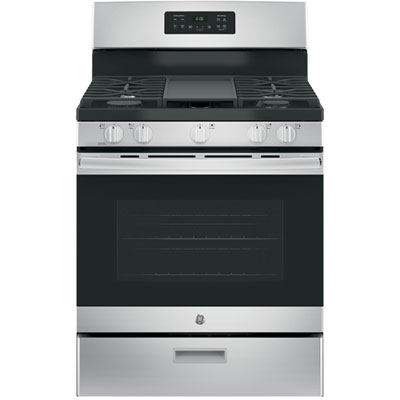 Your price for this item is $949.99
 -
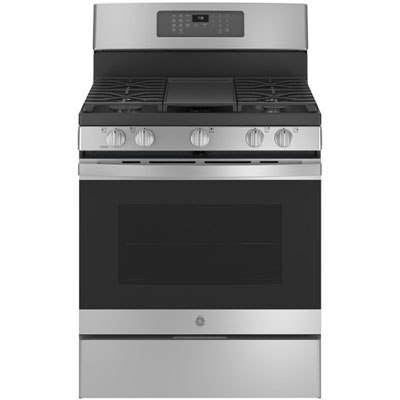 Your price for this item is $2049.99
 -
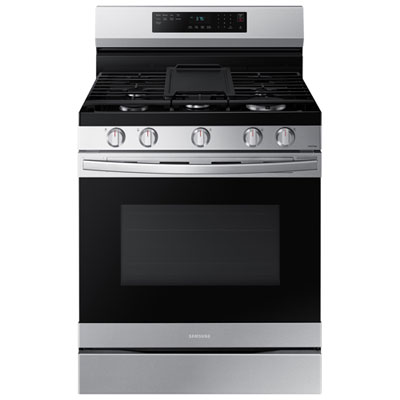 Your price for this item is $1395.99
 -
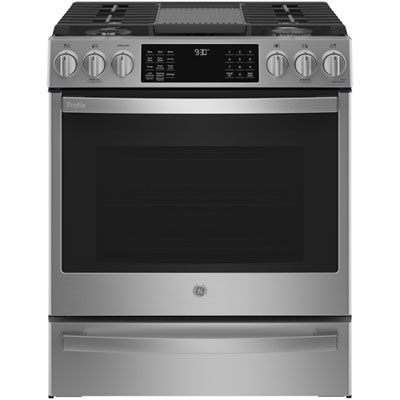 Your price for this item is $3999.99
 -
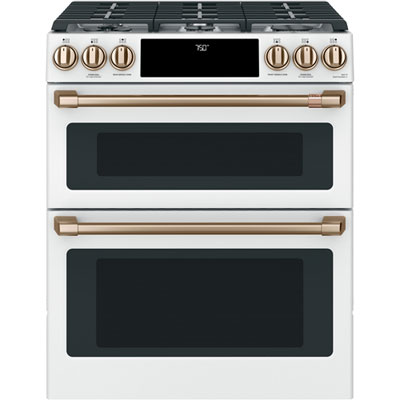 Your price for this item is $5199.99
 -
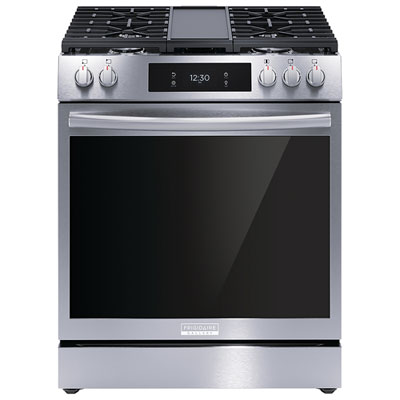 Your price for this item is $1799.99
 -
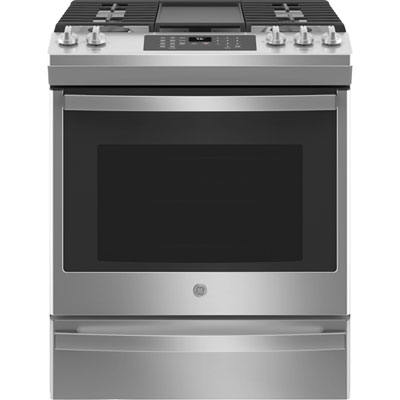 Your price for this item is $1699.99
 -
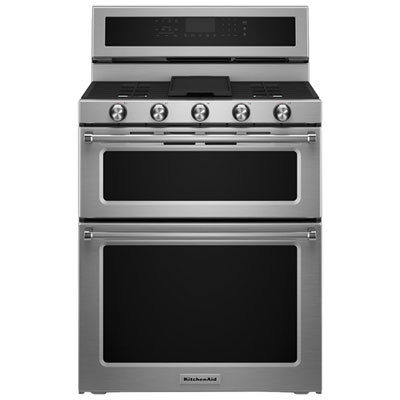 Your price for this item is $3099.99
Discover more categories related to 36 Inch Gas ranges

Top Collections:
Pokemon Centers, Kindle Devices, Best Budget Office Chairs, Apple iPhones 16, Best Laptops for Writers, iPhone 15 Apple, Canon G7X Cameras, Refurbished Apple Laptops, Alarm Clock, Motorola Razr Phones
Some products may be subject to Environmental Handling Fees
(EHF) depending on your province.
Learn more about EHFs.