4-Slice Toasters
4-slice toasters make breakfast and snack time quick and convenient for busy households. Perfect for families or anyone who wants to toast multiple slices at once, these kitchen essentials save time and help you prepare more in less time. With a variety of styles and finishes available, it’s easy to find a model that fits your countertop and complements your kitchen décor. Explore the selection of reliable and stylish options to discover the ideal fit for your daily routine.
Sort


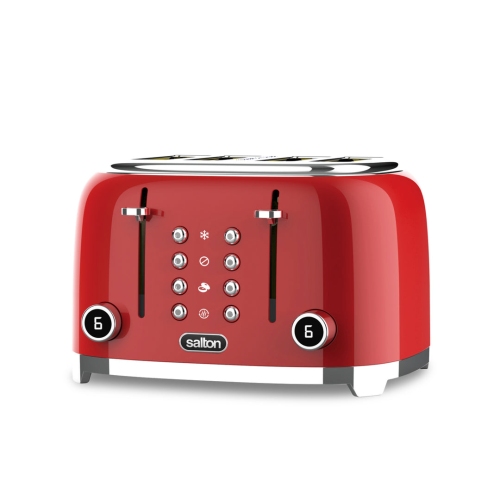
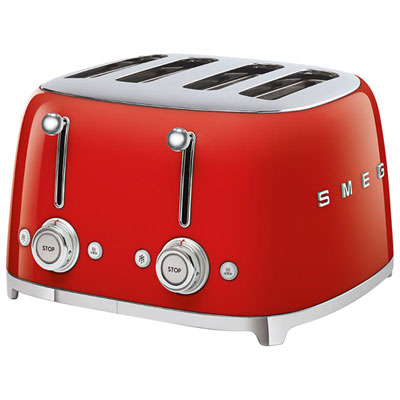

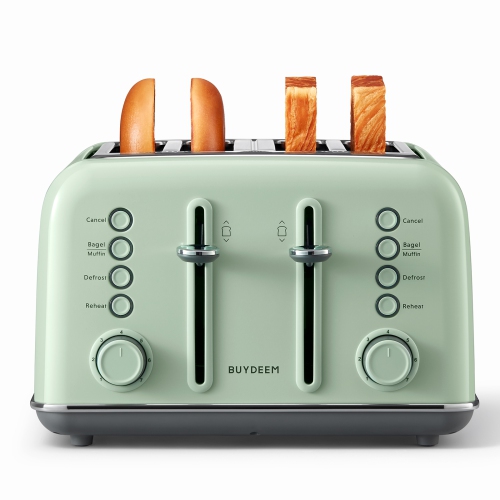

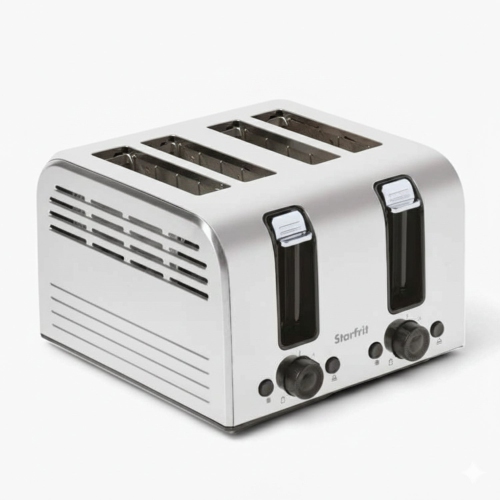
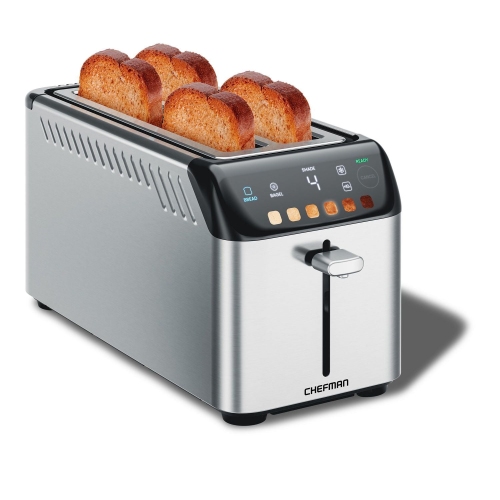
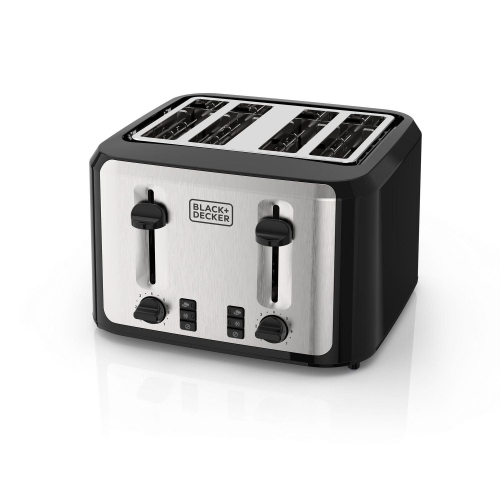
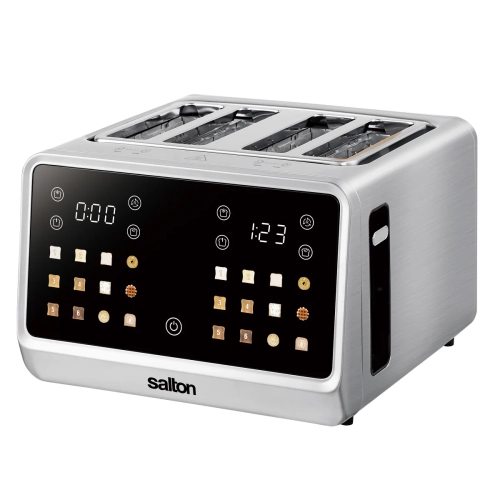
Shared breakfasts with room for different toast preferences
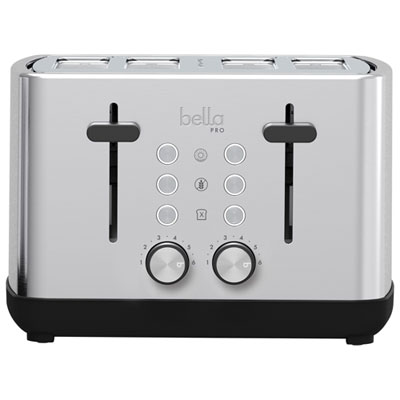
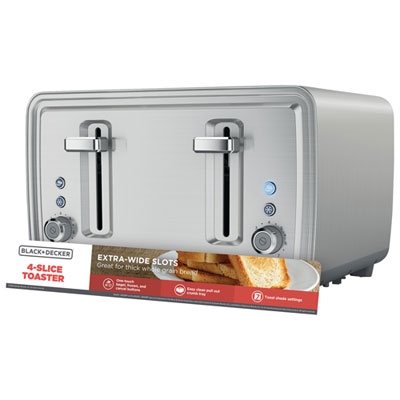
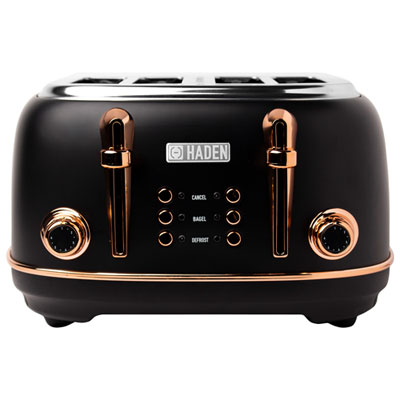
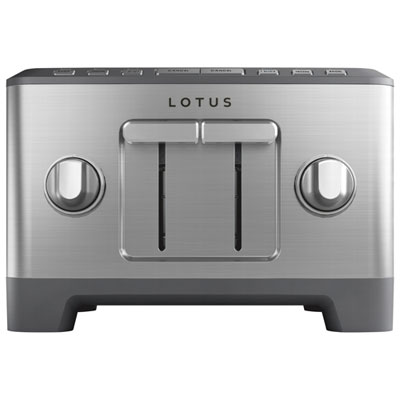
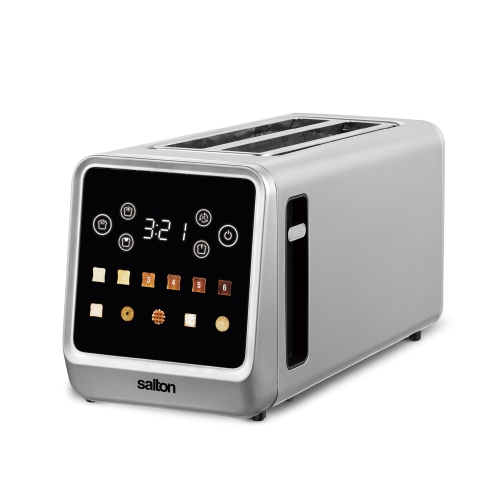
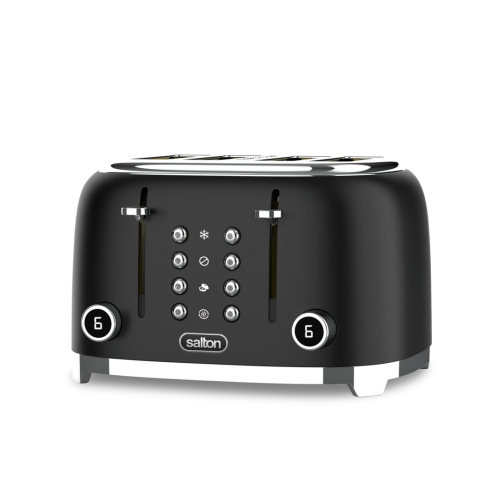
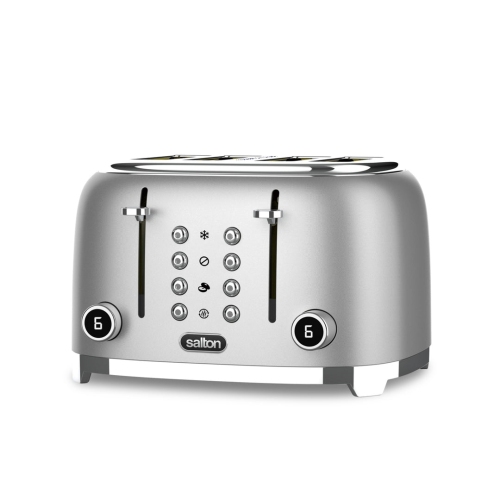
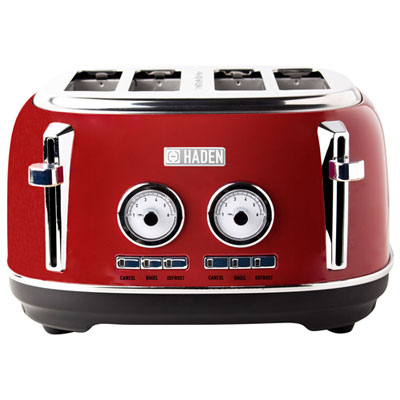
4-slice toasters toast up to four slices of bread in one batch, making them a practical addition to kitchens where breakfast often involves more than one person. They suit families getting ready for school, couples who like different toast settings, and shared households where counter space needs to work hard. Preparing toast together can also make a difference when serving eggs, setting out sandwich ingredients, or putting breakfast on the table for guests. The category includes familiar four-slot designs as well as long-slot configurations that can accommodate four standard slices, depending on the dimensions of the bread and slots. Slot width matters for thick-cut bread and sliced bagels, while slot length and depth affect how comfortably taller or wider slices fit. A broad piece of sourdough may need more room than packaged sandwich bread, so capacity alone does not describe everything a toaster can handle. The appliance’s footprint matters just as much in everyday use. Four-slot layouts are often wider, while two-long-slot designs may extend farther towards the back of the counter. Narrow 4-Slice Toasters offer a related option when side-to-side space is limited, although overall depth, cord placement, and the clearance specified in the appliance instructions still need consideration. There should also be enough room to operate the levers and remove the crumb tray without rearranging nearby appliances. Stainless steel, painted metal, and plastic exterior finishes create different looks, from a simple brushed surface beside a kettle to a rounded silhouette that adds colour to the kitchen. Brushed finishes can make fingerprints less noticeable than highly polished surfaces, while smooth controls and accessible corners are easier to wipe down. A stable base, clearly marked settings, and comfortable control spacing help a larger toaster feel like a useful part of the counter rather than an awkward appliance that needs moving before every meal. Cabinet overhangs and nearby storage also affect where a toaster can be safely used.
Independent controls are among the most useful features on a 4-slice toaster, particularly when two people prefer noticeably different results. On designs with separately controlled pairs of slots, one side can prepare lightly toasted sandwich bread while the other gives a second serving a darker finish. Separate levers can also let one pair run without starting the other, although the exact arrangement varies by model. Shade settings control the degree of browning, but the numbers are not a universal measure of cooking time or an identical result across different toasters. Bread thickness, moisture, ingredients, and whether the appliance is already warm can all affect the finish. A thin slice of white bread and a dense slice of rye may need different settings even when the goal is the same golden colour. Several clearly marked shade levels make those adjustments easier, while a cancel button provides a straightforward way to stop a cycle early. Extra-wide slots create room for thicker slices, and self-centring guides help position bread between the heating elements. Neither feature guarantees identical browning on every type of bread, but both are relevant to households that use more than a standard sliced loaf. Bagel settings are designed around the different needs of cut and outer surfaces; some concentrate heat on the cut face, so loading direction should follow the appliance instructions. Defrost functions adapt the cycle for bread taken from the freezer, and reheat functions warm previously toasted bread with less additional browning than a regular cycle. These functions have distinct purposes and should not be treated as interchangeable. A high-lift lever raises smaller pieces closer to the slot opening, reducing the need to reach down towards hot surfaces. Visible progress indicators or countdown displays can make it easier to coordinate toast with eggs or a hot drink, while an audible alert may be helpful when attention is elsewhere in the kitchen. Large, legible markings and controls that are easy to grip are worth considering for anyone who finds small buttons or faint lettering frustrating.
Everyday care has a noticeable effect on how pleasant a toaster is to use. Removable crumb trays collect loose bread particles beneath the slots, making routine cleaning more manageable than tipping the appliance over. On a four-slot design, there may be more than one tray, and access from the front or rear can affect how easily each one slides out in its usual counter position. The toaster should be unplugged and allowed to cool before cleaning, with trays emptied and wiped according to the manufacturer’s directions. A soft, slightly damp cloth is generally suitable for exterior surfaces when permitted by the instructions, while abrasive cleaners can scratch decorative finishes. The appliance should never be immersed in water, and metal utensils should not be inserted into the slots. Bread that fits freely is important: forcing in an oversized slice can leave it caught against the heating elements. Butter, spreads, and toppings belong on the toast after it comes out, and filled pastries or other foods should only be used when the appliance instructions specifically permit them. For durability, useful details include levers that move smoothly, controls that feel secure, trays that slide back into place properly, and feet that keep the base steady during normal operation. Stainless steel describes the exterior material, not a guarantee of toasting performance or service life; heating consistency and the quality of moving parts matter too. Accessible warranty information and clear care instructions help establish what ownership involves beyond the first breakfast. Cord storage can keep excess cable tidier when the toaster is not in use, but the cord should remain clear of hot surfaces during operation. As a housewarming, wedding, or shared-household gift, a 4-slice toaster makes the most sense for someone who regularly prepares several servings or enjoys bread, bagels, and toast as part of everyday meals. Matching the capacity, controls, and physical dimensions to that routine gives the appliance a clear purpose, whether it stays beside the bread bin or is brought out when breakfast needs an extra pair of slots.
Top selling and popular products
-
 Your price for this item is $34.99
-
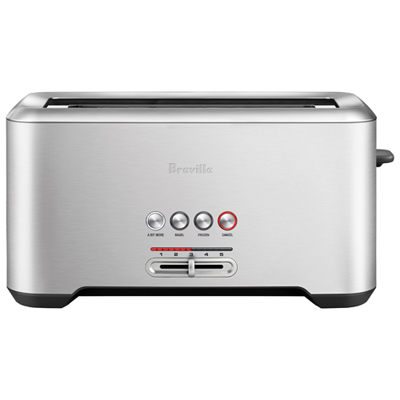 Your price for this item is $159.99
-
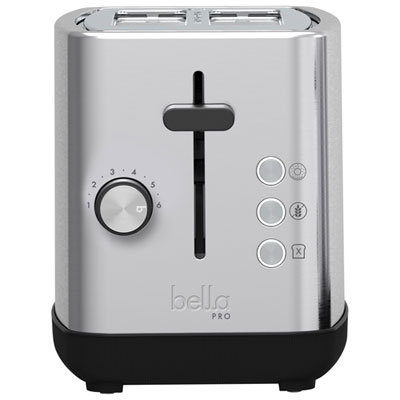 Your price for this item is $109.99
-
 Your price for this item is $122.82
-
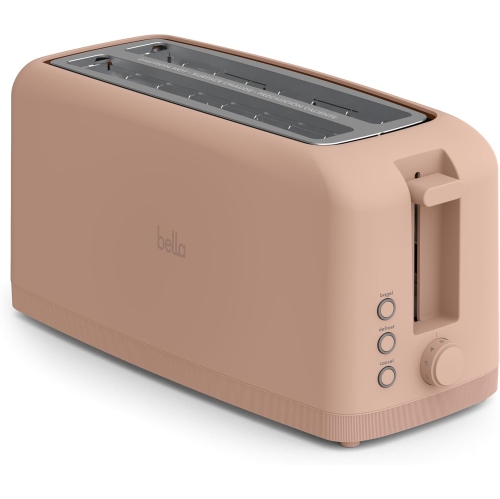 Your price for this item is $104.99
-
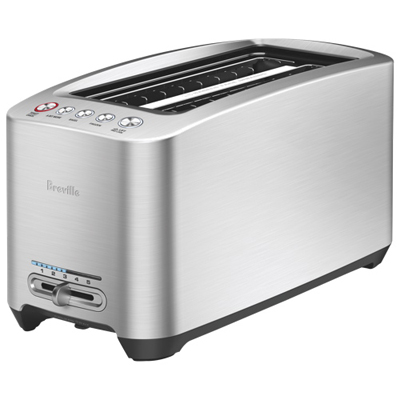 Your price for this item is $179.99
-
 Your price for this item is $209.99
-
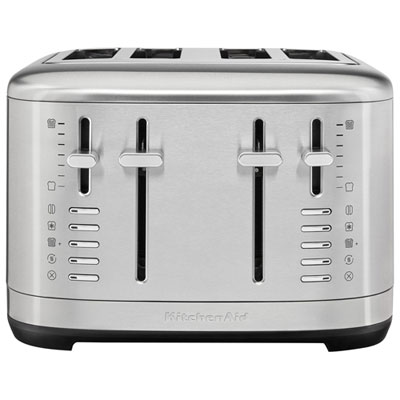 Your price for this item is $219.99
Discover more categories related to 4-Slice Toasters
Top Collections:
Best Black Friday Deals This Year, Best Black Friday Deals On Electronics, Kindle Devices, Pokemon Centers, Best Black Friday Deals On Apple Products, Best Cameras for Sports Photography, Dyson Airwrap, Pokémon 30th Celebration Cards, Apple iPhone 17 Pro, Canon G7X Cameras
Some products may be subject to Environmental Handling Fees
(EHF) depending on your province.
Learn more about EHFs.