Ac Units for Small Rooms
Looking to beat the summer heat in your small room? Look no further! Our selection of AC units for small rooms is here to keep you cool and comfortable all season long. Whether you're working from home, studying, or simply trying to relax, these compact air conditioning units are designed to provide powerful cooling performance without taking up too much space. With a range of sizes and features available, finding the perfect AC unit for your small room has never been easier. Say goodbye to sweaty days and sleepless nights – it's time to stay cool with our top-notch AC units for small rooms.
Sort
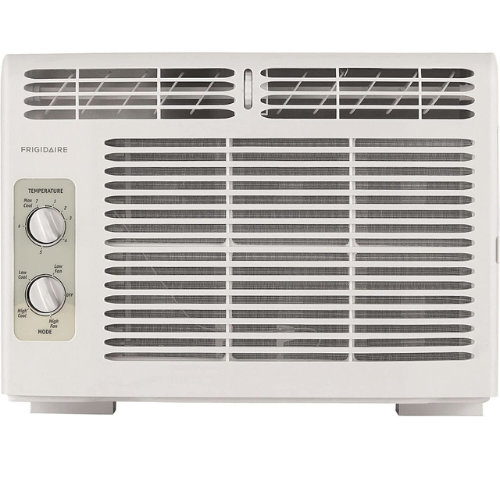
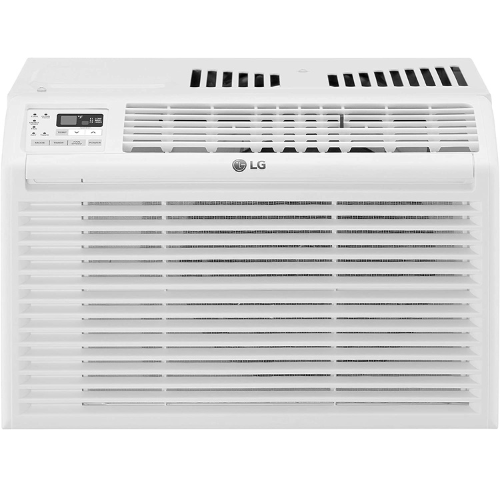
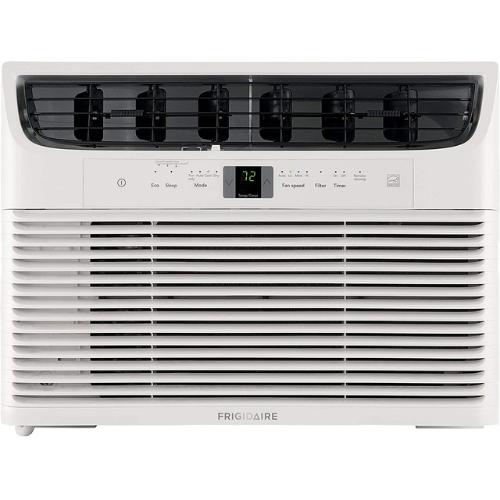
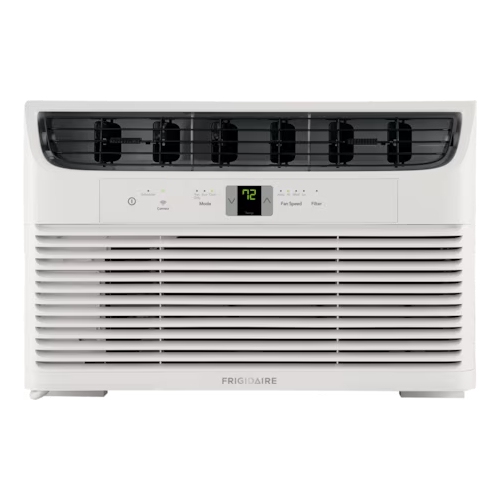

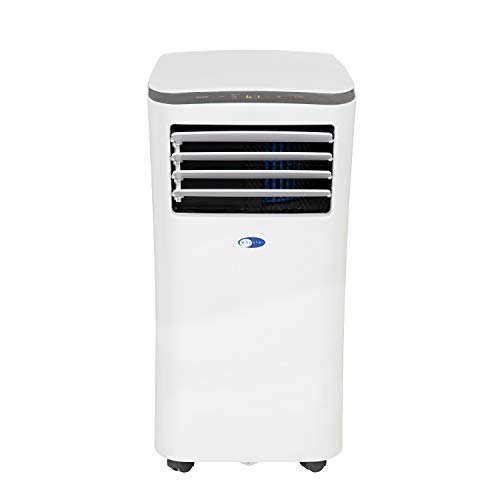

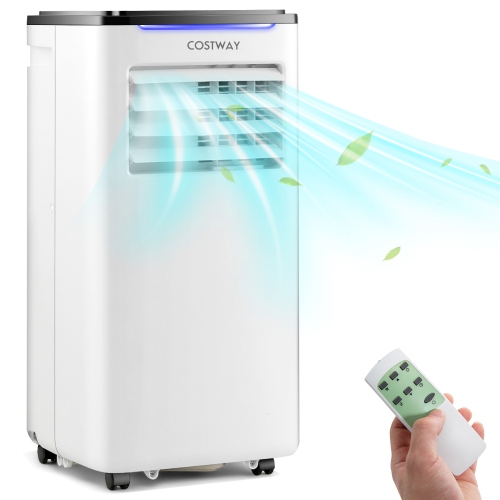
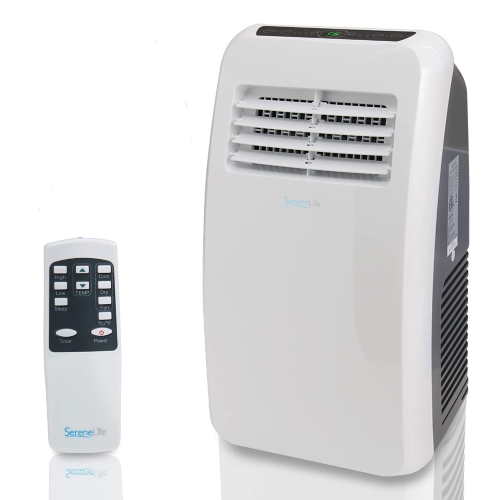
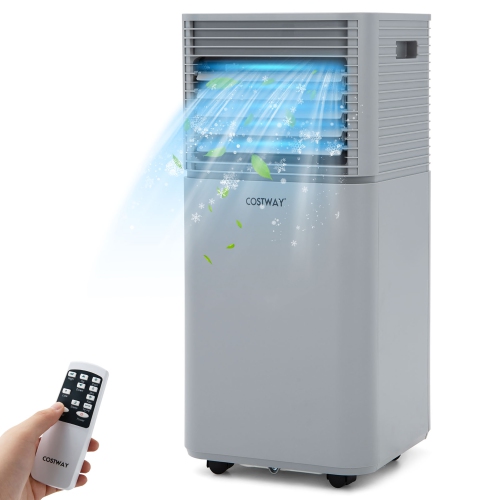
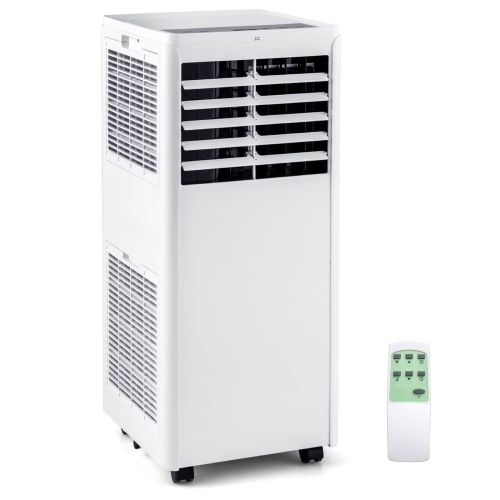
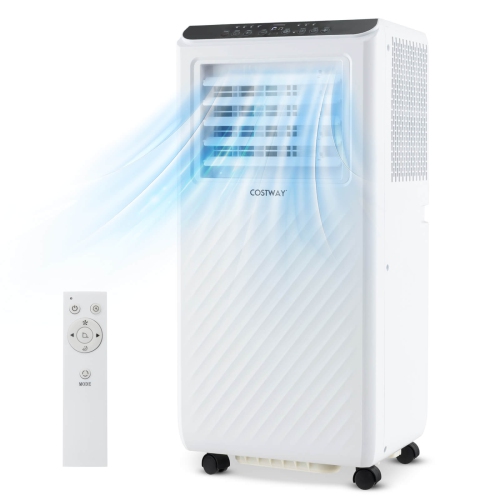
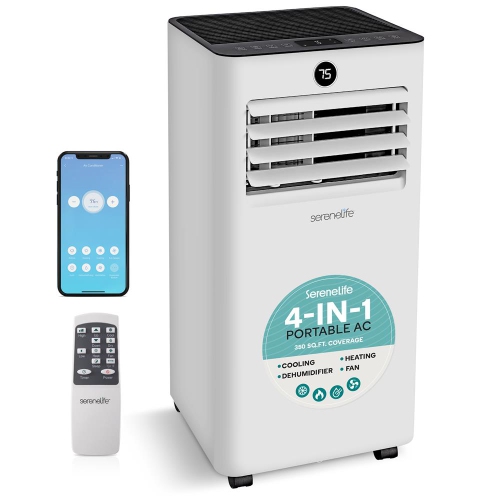
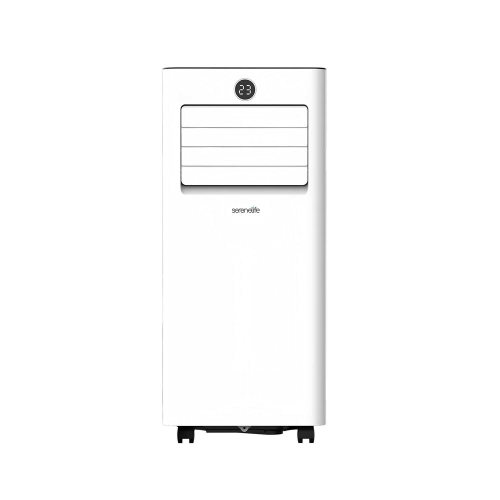
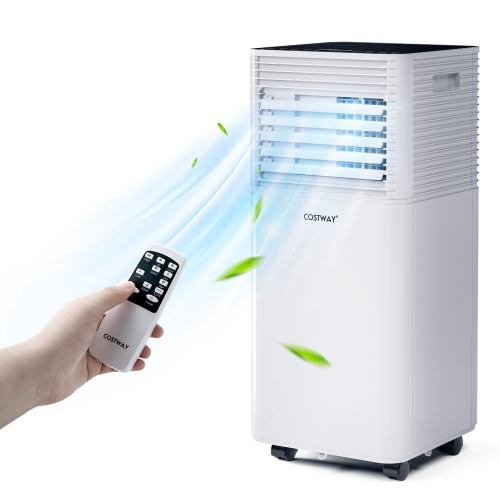
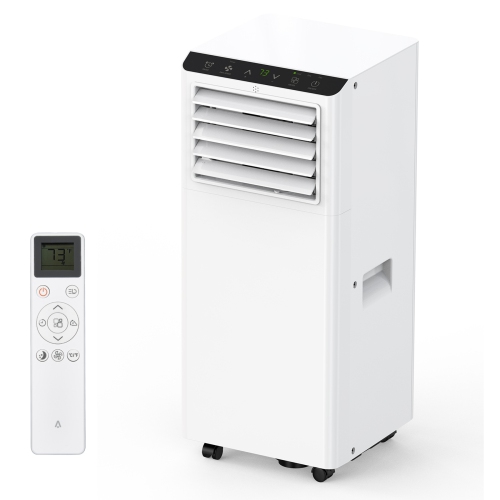
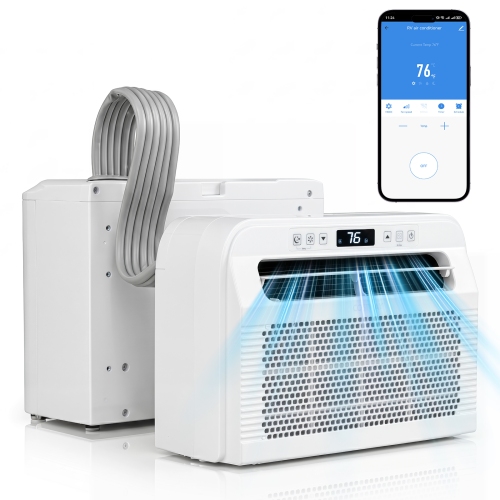
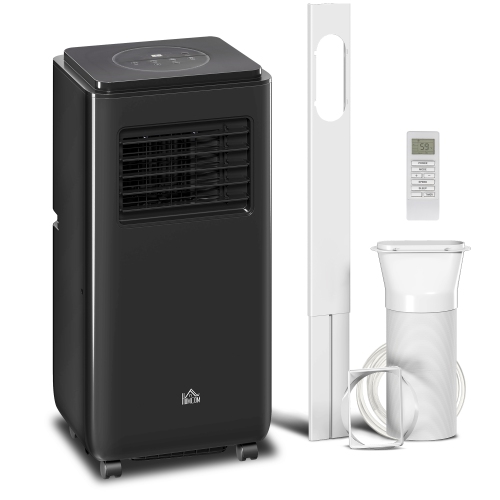
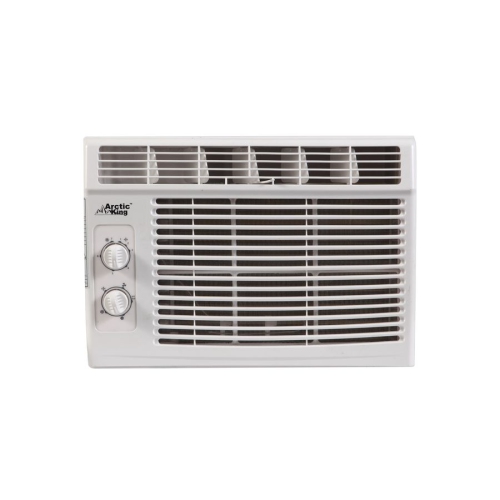
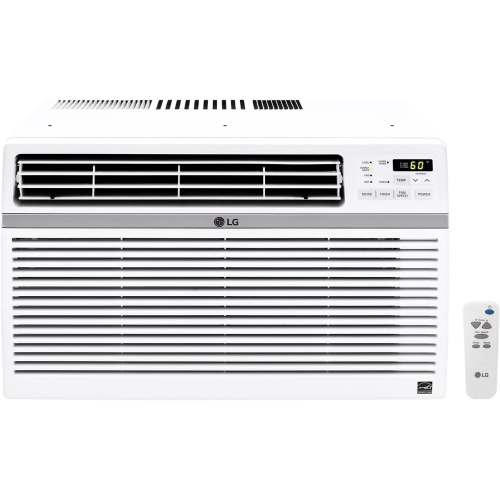
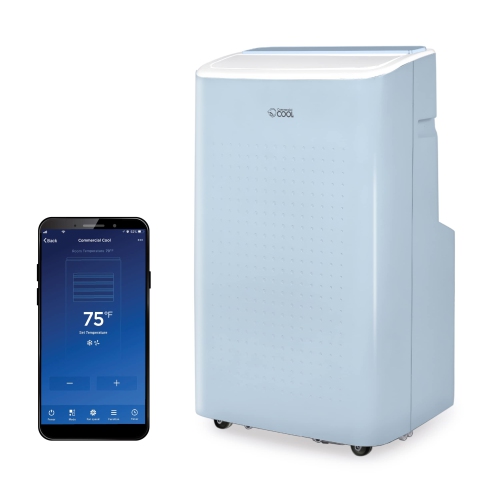
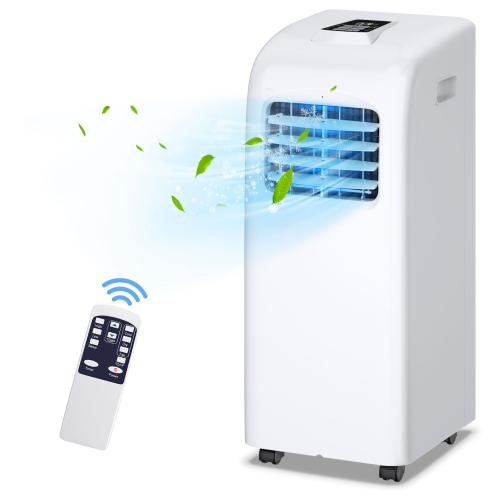
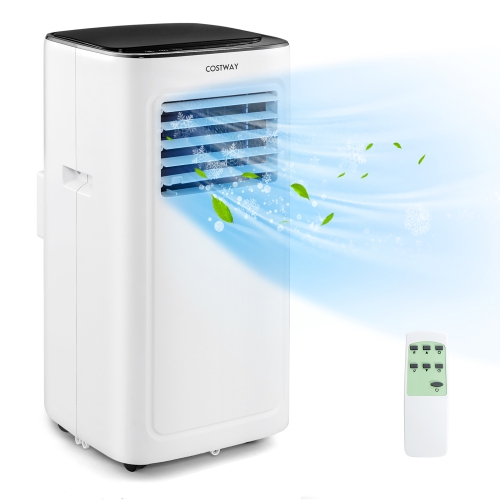
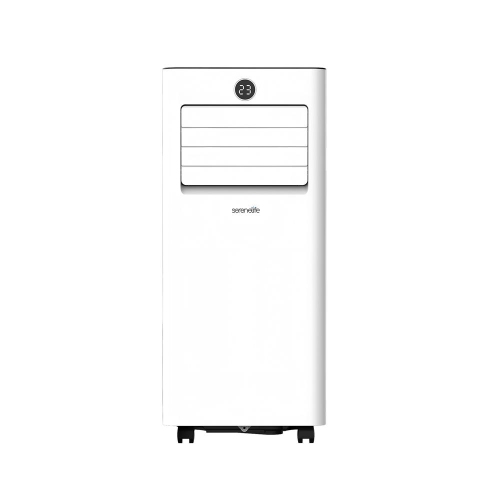
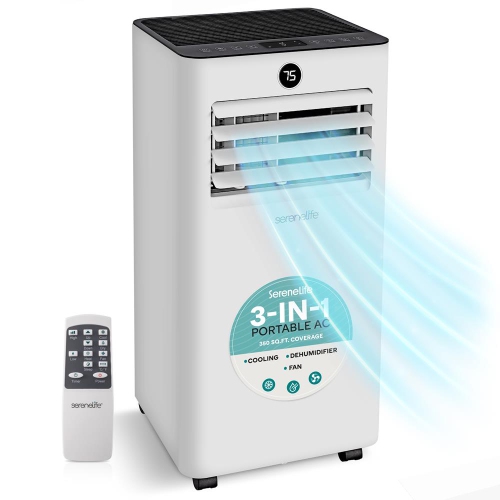
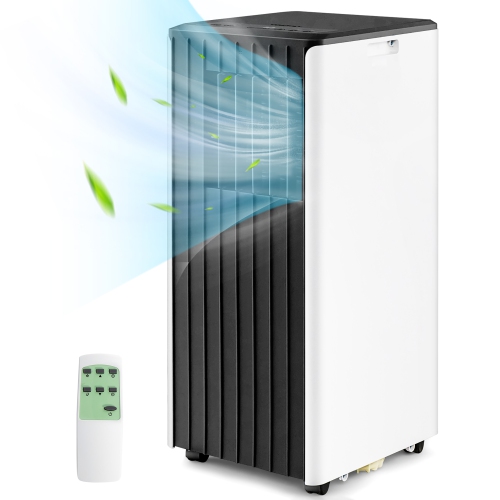




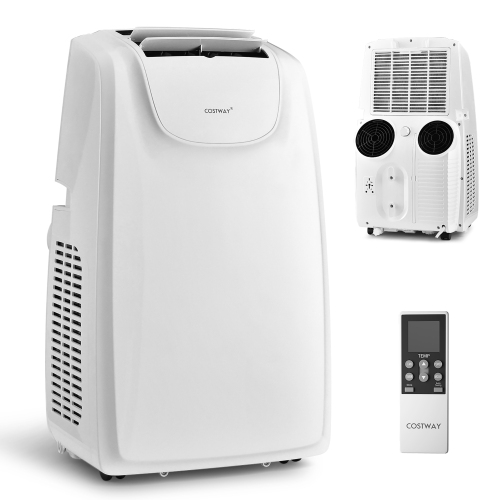
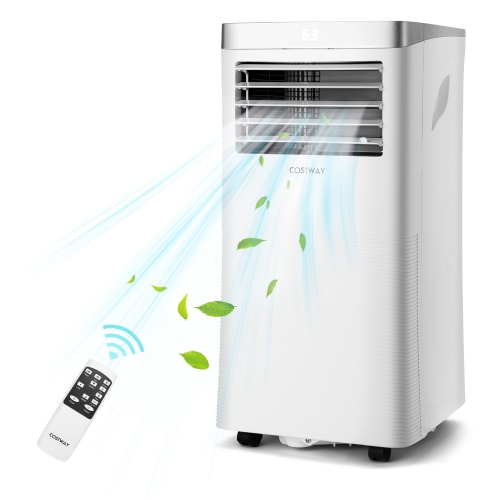
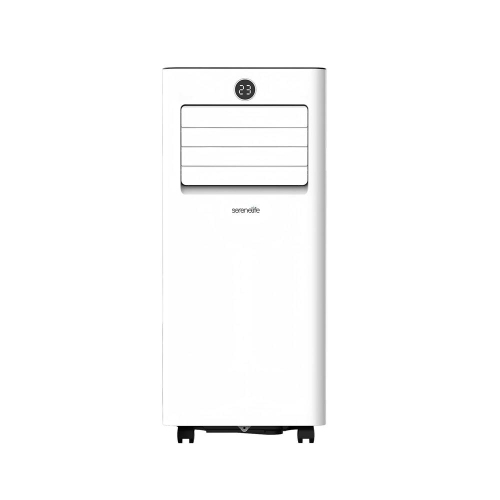
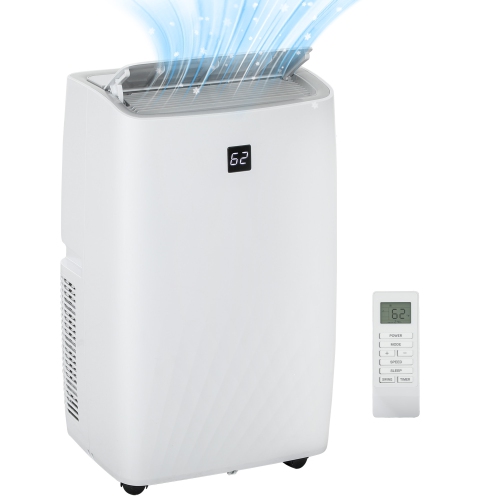

Understanding BTU ratings and installation options for compact spaces
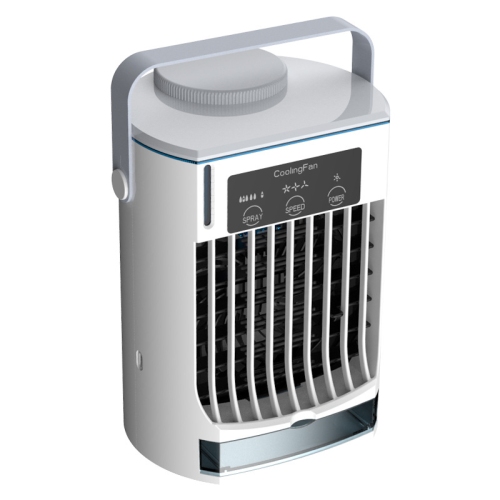
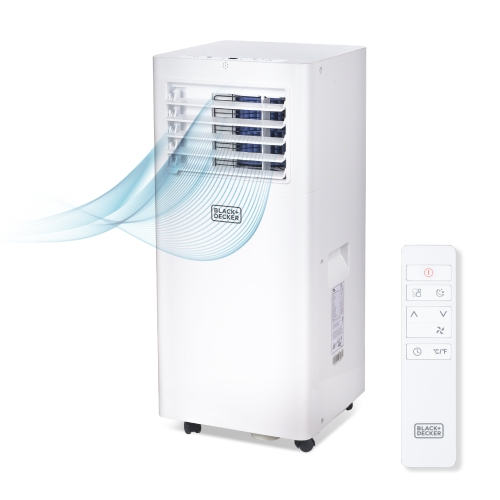
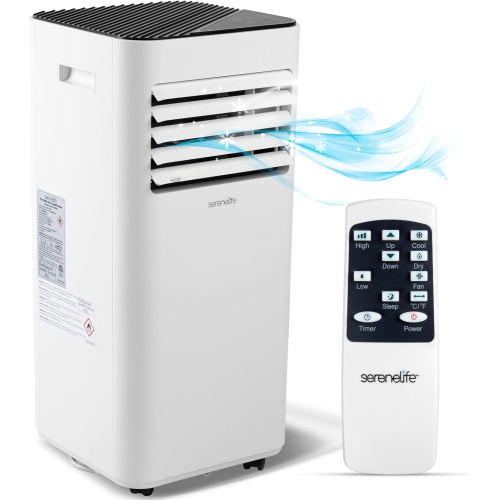
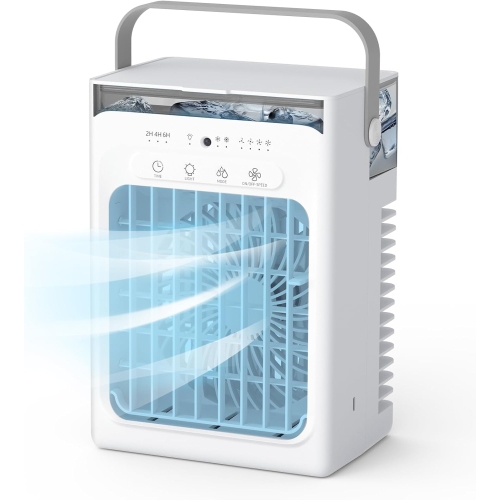
Air conditioning for a small room can make a noticeable difference in a bedroom, home office, nursery, guest room, studio apartment or compact living space. A properly sized AC unit helps take the heavy, stagnant feeling out of the air without overwhelming the room with unnecessary noise or cold spots. For spaces measuring up to approximately 150 square feet, a unit rated around 5,000 BTU is commonly recommended as a starting point. Larger small rooms, such as bedrooms or living areas measuring roughly 250 to 350 square feet, may be better suited to an air conditioner in the 7,000 to 8,000 BTU range. Room size is only one part of the calculation, however. A room with direct afternoon sunlight, high ceilings, several occupants, heat-producing electronics or limited insulation may need more cooling capacity than a shaded room of the same size. Conversely, choosing an oversized unit for a very small room can lead to short operating cycles, uneven cooling and a clammy feeling because the air conditioner may cool the temperature quickly without running long enough to remove much humidity. Measuring the room before shopping is a useful first step: multiply its length by its width to estimate the square footage, then consider the room’s windows, sunlight and typical use. A bedroom may benefit from quieter operation and a sleep-friendly timer, while a home office may be more comfortable with adjustable fan speeds and controls that are easy to reach from a desk. For compact spaces where a full-sized system would be impractical, browse the selection of Mini Air Conditioner for Small Rooms to find cooling options suited to a smaller footprint.
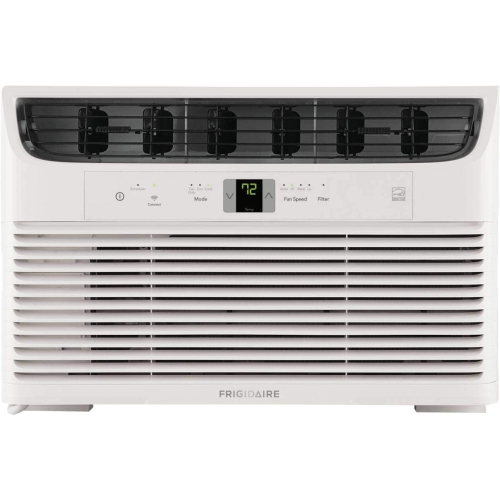
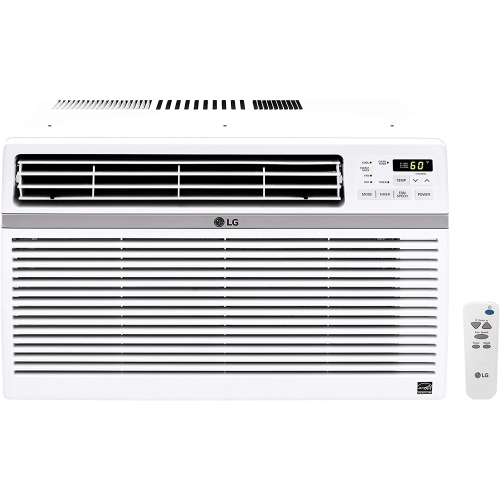
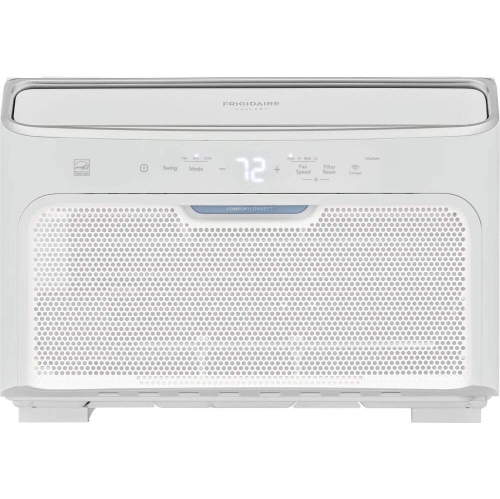
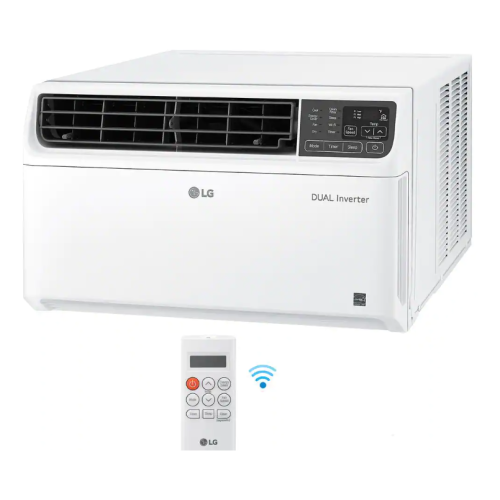
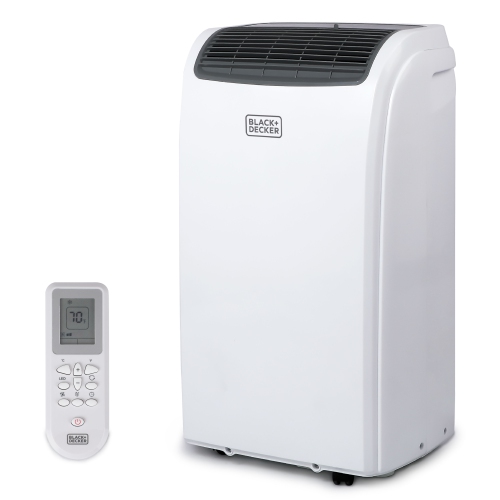
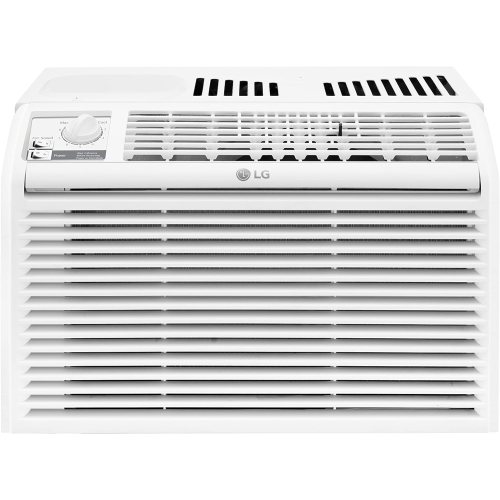
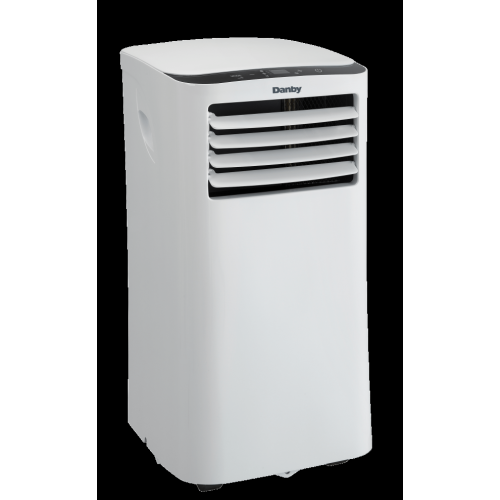
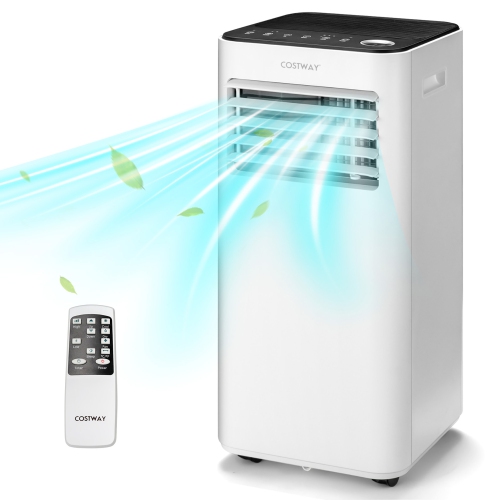
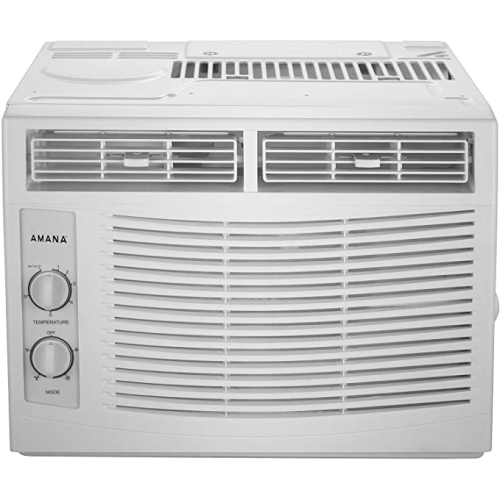
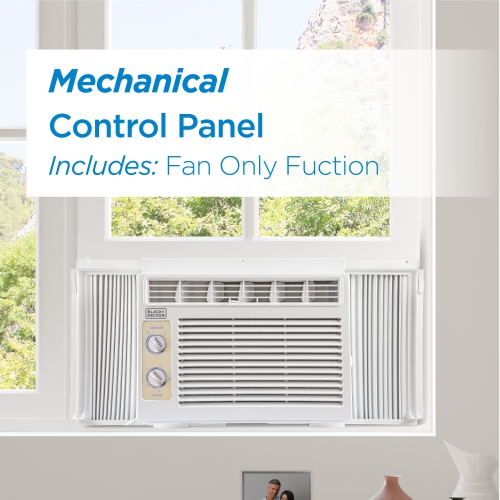
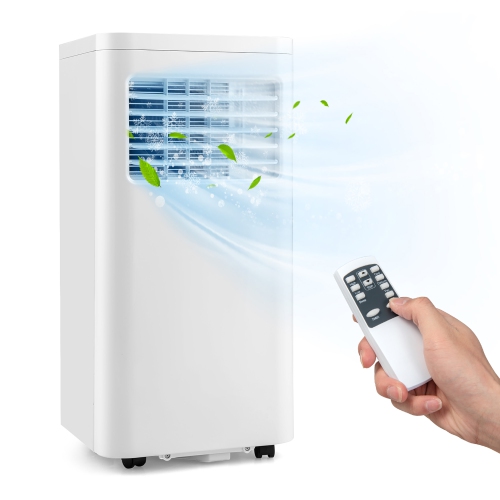
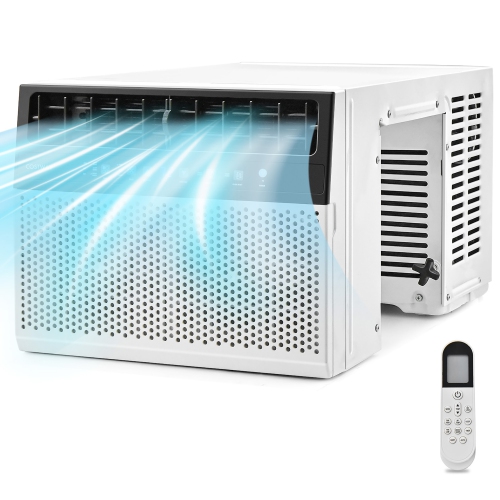
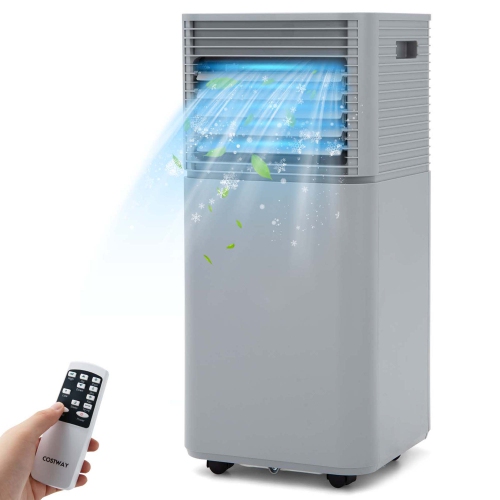
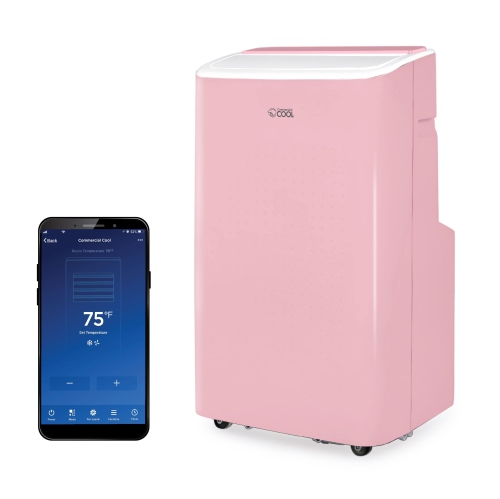
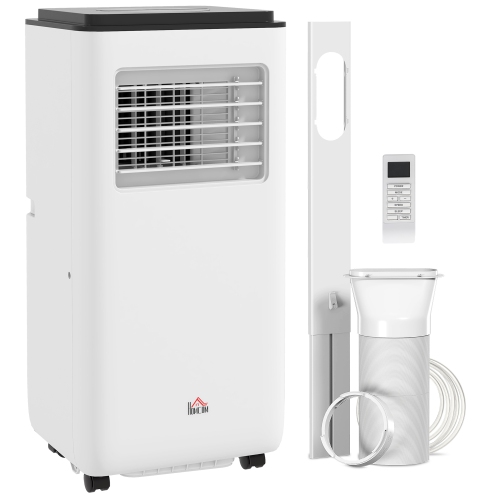
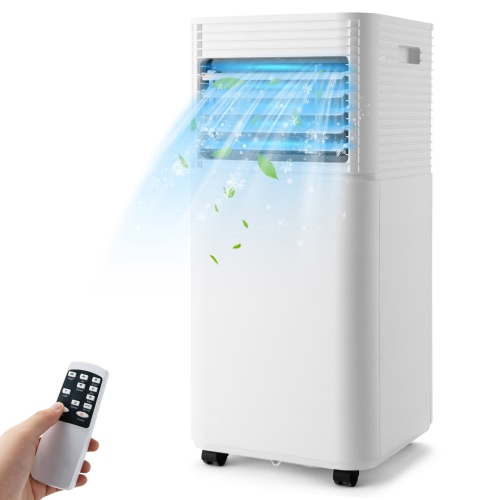
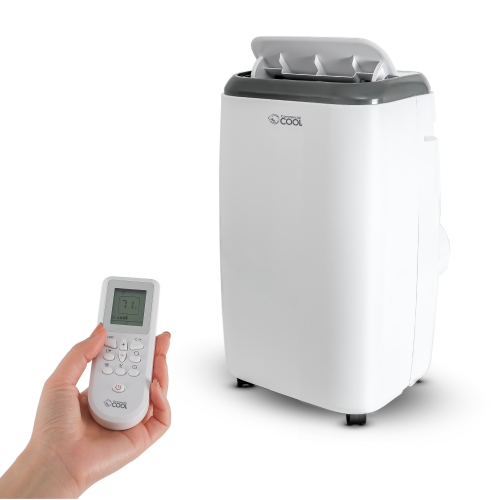
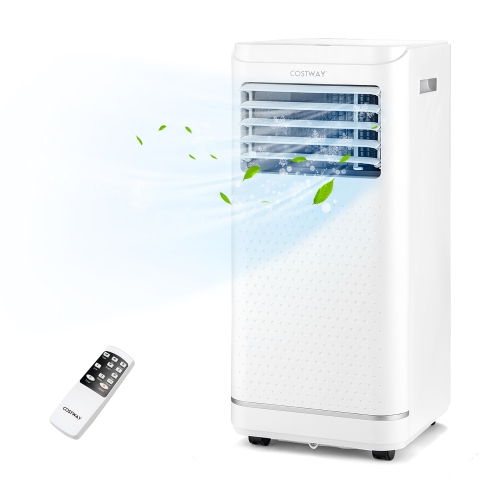
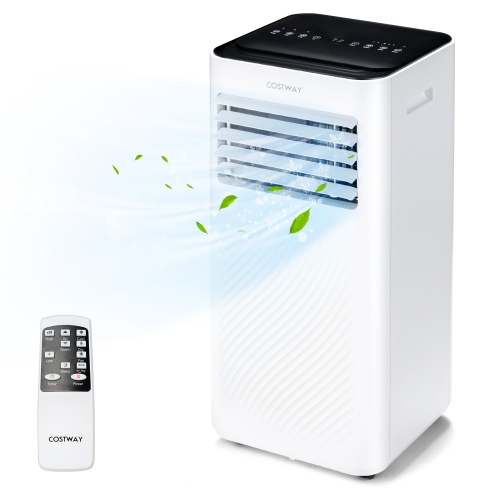
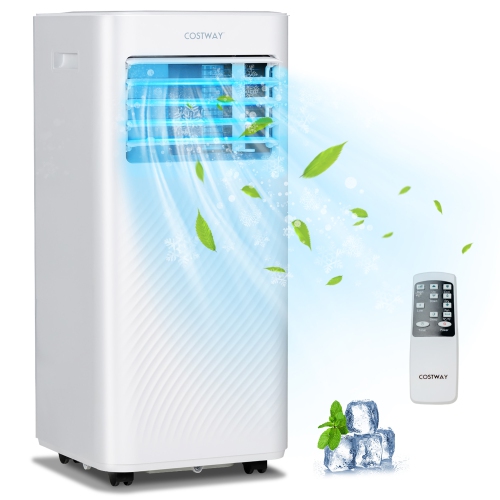
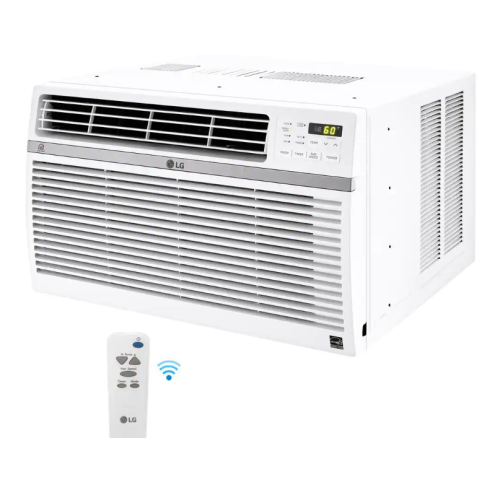
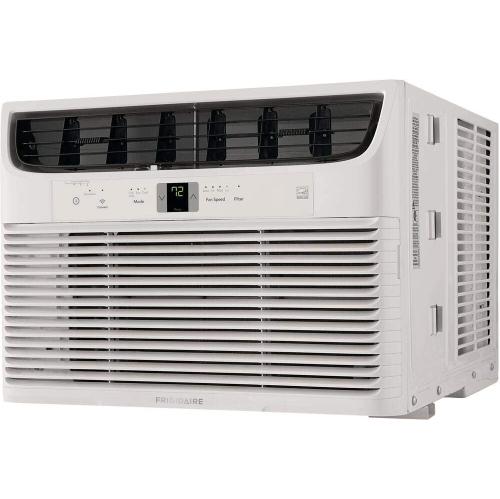
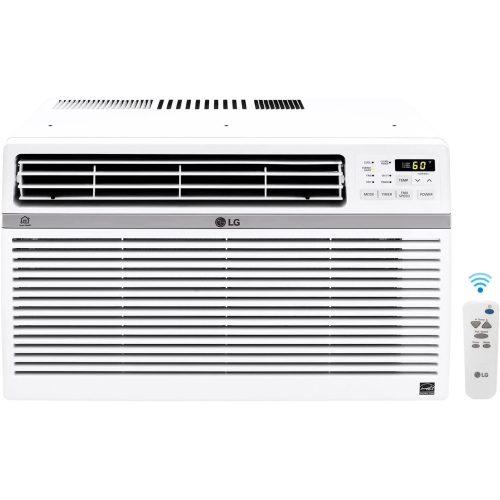
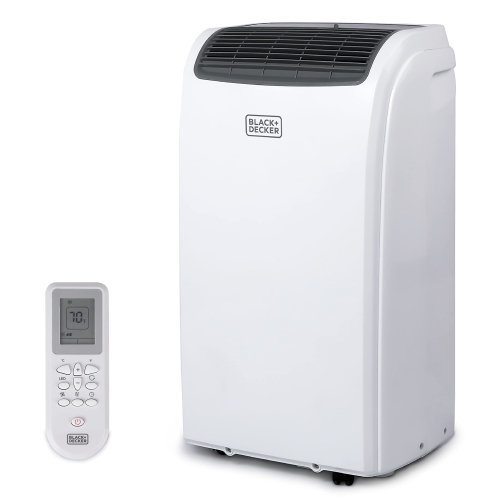
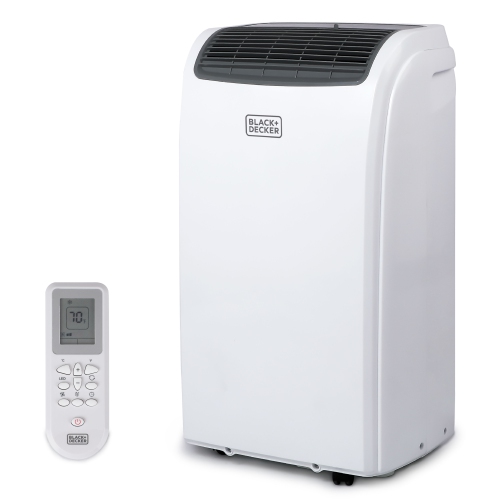
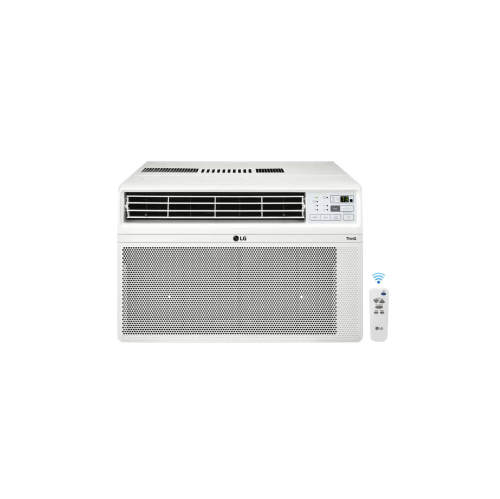
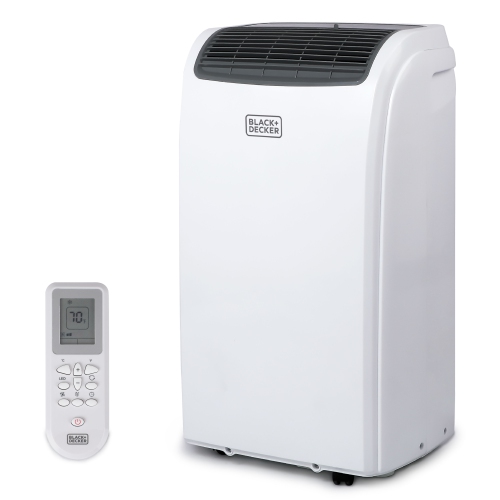
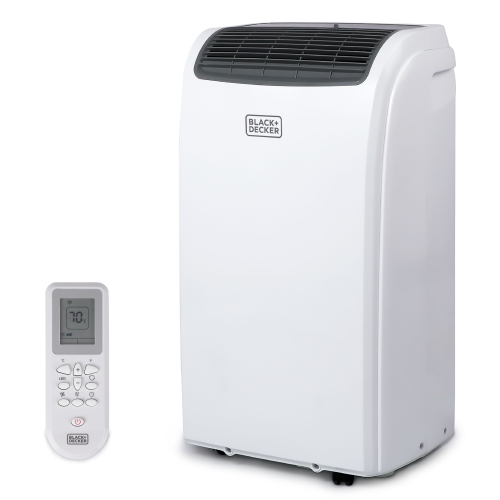
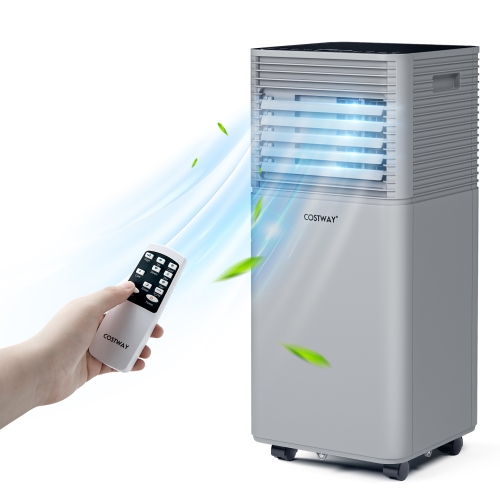
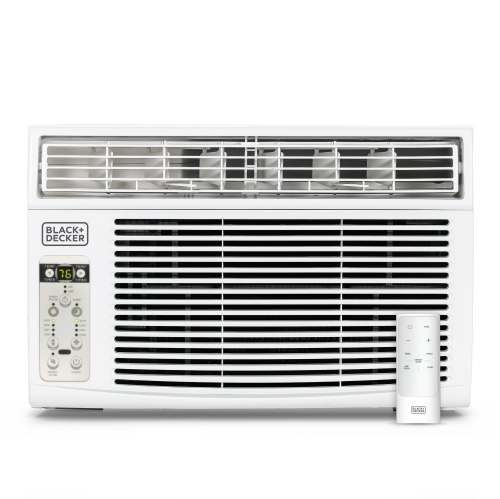
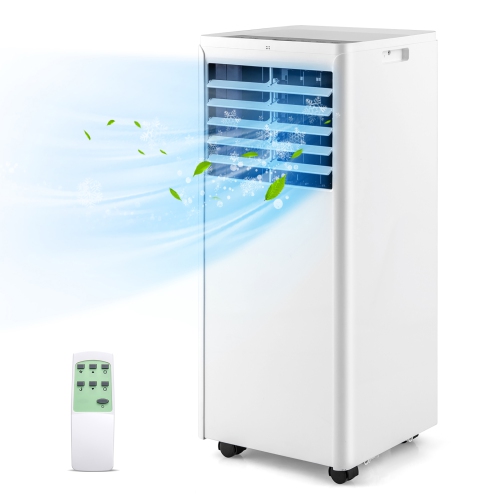
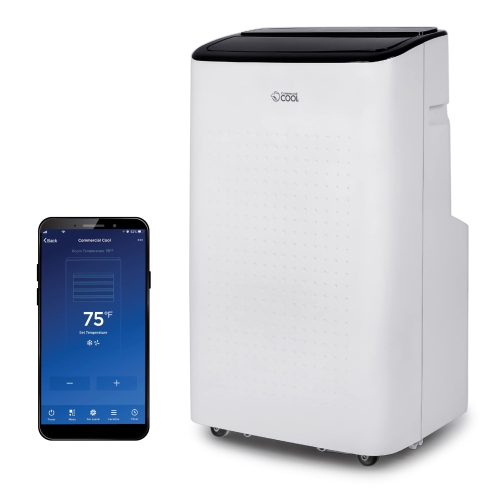
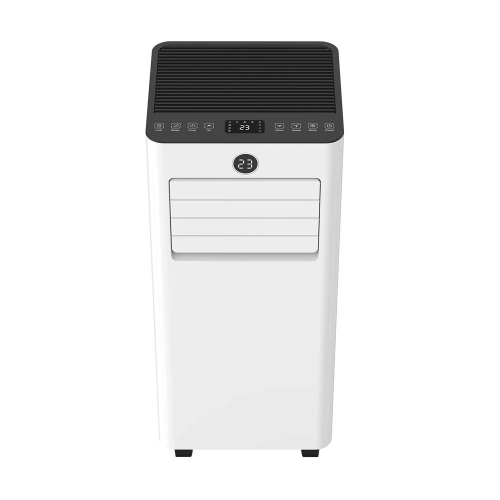
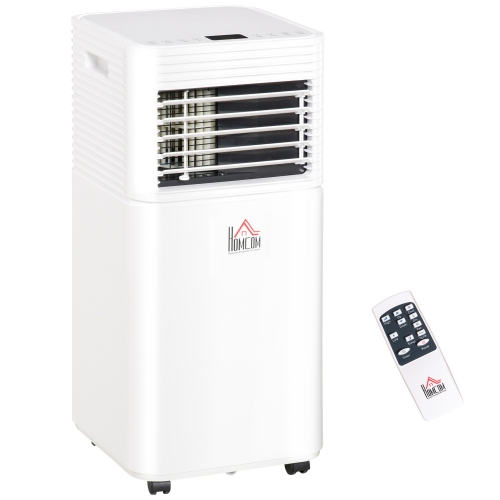
Window air conditioners are a practical choice when a compatible window is available. They sit partly inside and partly outside the room, allowing warm air to move outdoors while cooled air circulates indoors. Before choosing a window-mounted unit, check the window style, opening width, sill depth and available support area. Many units are designed for standard vertical-opening windows, while casement or sliding windows may require a different type of installation or an additional support solution. A secure fit helps reduce drafts and vibration, and the unit should be installed according to the manufacturer’s instructions rather than balanced loosely in the opening. Portable air conditioners offer more flexibility when window installation is not possible, when a room is rented or when cooling needs change from one area to another. Their caster wheels make it easier to move a unit between a bedroom, office or living space, although the exhaust hose still needs to connect to a suitable window kit. Portable models can also occupy more floor space than expected, so leave room for air circulation around the cabinet and avoid placing the unit where it blocks a doorway, wardrobe or frequently used walkway. Think about how the room is arranged during the warmest part of the day: a unit beside a bed may be convenient for reaching the controls, but a position near a window or wall outlet may provide a cleaner installation. Features such as remote controls, programmable timers, sleep settings, washable filters, dehumidifying modes and multiple fan speeds can make everyday use more comfortable. Noise level matters as well, particularly for light sleepers, babies, students attending online classes or anyone who spends long hours working in a compact room. Mechanical controls can be straightforward and dependable, while digital controls may offer more precise temperature adjustments and scheduling. If the room has limited electrical access, check the power requirements and avoid using an unsuitable extension cord; plugging the air conditioner directly into a properly rated outlet is generally the safest approach.
Small-room AC units are useful wherever a central system does not cool evenly or where only one room needs attention. A person working in a top-floor office may use one to take the edge off the heat around a computer and desk, while a student may place one in a bedroom that becomes warm after the sun goes down. In an apartment, a compact air conditioner can help create a more comfortable sleeping environment without cooling every room. It can also be a considerate gift for someone moving into a first apartment, setting up a home office, welcoming a baby or preparing a guest room, provided the recipient’s window type and room dimensions are known. During the warmer part of the year, close blinds or curtains during strong sunlight, keep doors and windows closed while the unit is running, and position furniture so cooled air can circulate rather than being blocked by a bed or bookcase. Clean or replace the filter as directed, keep the air intake and exhaust clear, and empty any internal water reservoir when the model requires it. As the weather cools, store portable accessories together and follow the manufacturer’s guidance for cleaning and storage; a window unit may also need to be removed or covered according to the installation instructions. Features and cooling capacity vary, so compare BTU ratings, dimensions, installation requirements, noise specifications and control options alongside the room’s actual needs. With the right size and setup, an AC unit for a small room can provide targeted comfort in the places where heat is most distracting, from a warm pillow at bedtime to a stuffy workspace on a bright afternoon.
Window air conditioners are a practical choice when a compatible window is available. They sit partly inside and partly outside the room, allowing warm air to move outdoors while cooled air circulates indoors. Before choosing a window-mounted unit, check the window style, opening width, sill depth and available support area. Many units are designed for standard vertical-opening windows, while casement or sliding windows may require a different type of installation or an additional support solution. A secure fit helps reduce drafts and vibration, and the unit should be installed according to the manufacturer’s instructions rather than balanced loosely in the opening. Portable air conditioners offer more flexibility when window installation is not possible, when a room is rented or when cooling needs change from one area to another. Their caster wheels make it easier to move a unit between a bedroom, office or living space, although the exhaust hose still needs to connect to a suitable window kit. Portable models can also occupy more floor space than expected, so leave room for air circulation around the cabinet and avoid placing the unit where it blocks a doorway, wardrobe or frequently used walkway. Think about how the room is arranged during the warmest part of the day: a unit beside a bed may be convenient for reaching the controls, but a position near a window or wall outlet may provide a cleaner installation. Features such as remote controls, programmable timers, sleep settings, washable filters, dehumidifying modes and multiple fan speeds can make everyday use more comfortable. Noise level matters as well, particularly for light sleepers, babies, students attending online classes or anyone who spends long hours working in a compact room. Mechanical controls can be straightforward and dependable, while digital controls may offer more precise temperature adjustments and scheduling. If the room has limited electrical access, check the power requirements and avoid using an unsuitable extension cord; plugging the air conditioner directly into a properly rated outlet is generally the safest approach.
Small-room AC units are useful wherever a central system does not cool evenly or where only one room needs attention. A person working in a top-floor office may use one to take the edge off the heat around a computer and desk, while a student may place one in a bedroom that becomes warm after the sun goes down. In an apartment, a compact air conditioner can help create a more comfortable sleeping environment without cooling every room. It can also be a considerate gift for someone moving into a first apartment, setting up a home office, welcoming a baby or preparing a guest room, provided the recipient’s window type and room dimensions are known. During the warmer part of the year, close blinds or curtains during strong sunlight, keep doors and windows closed while the unit is running, and position furniture so cooled air can circulate rather than being blocked by a bed or bookcase. Clean or replace the filter as directed, keep the air intake and exhaust clear, and empty any internal water reservoir when the model requires it. As the weather cools, store portable accessories together and follow the manufacturer’s guidance for cleaning and storage; a window unit may also need to be removed or covered according to the installation instructions. Features and cooling capacity vary, so compare BTU ratings, dimensions, installation requirements, noise specifications and control options alongside the room’s actual needs. With the right size and setup, an AC unit for a small room can provide targeted comfort in the places where heat is most distracting, from a warm pillow at bedtime to a stuffy workspace on a bright afternoon.
Top selling and popular products
-
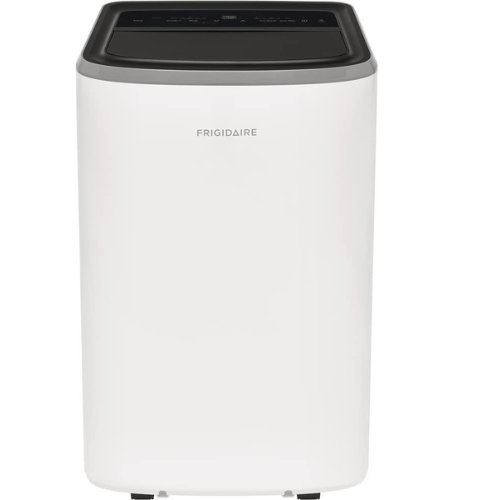 Your price for this item is $860
 -
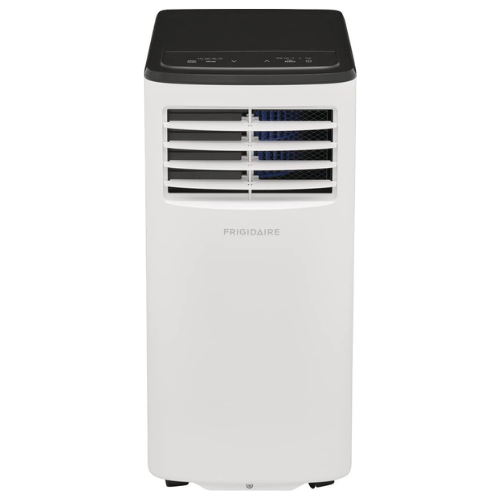 Your price for this item is $599
 -
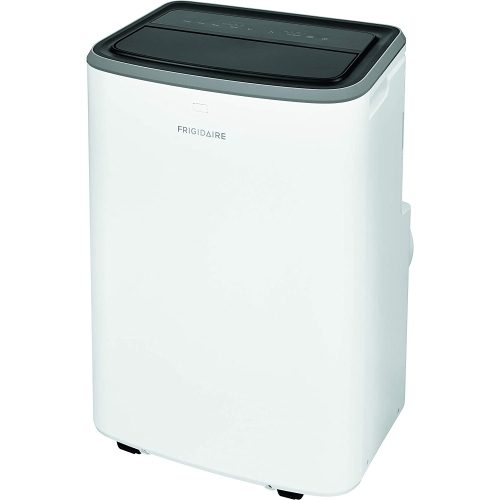 Your price for this item is $1000
 -
 Your price for this item is $999
 -
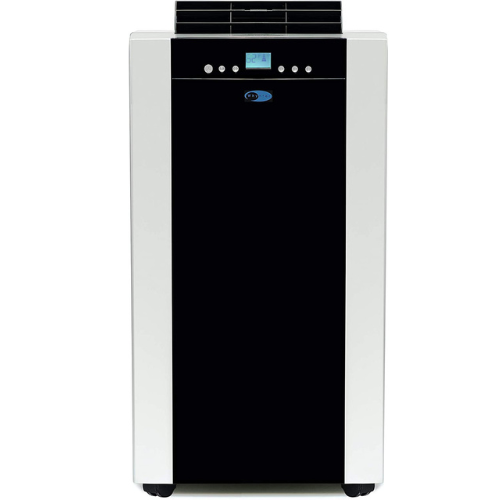 Your price for this item is $1089
 -
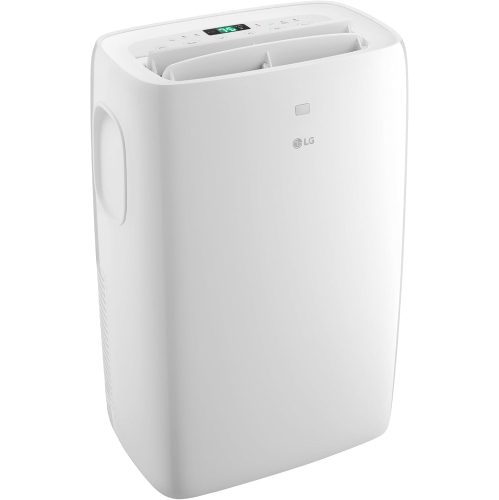 Your price for this item is $839.68
 -
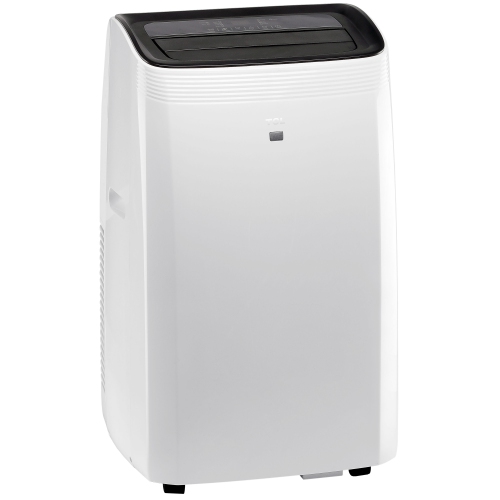 Your price for this item is $549.99
 -
 Your price for this item is $519.99
Discover more categories related to Ac Units for Small Rooms
Top Collections:
Pokemon Centers, Kindle Devices, Best Budget Office Chairs, Apple iPhones 16, Best Laptops for Writers, iPhone 15 Apple, Canon G7X Cameras, Refurbished Apple Laptops, Alarm Clock, Motorola Razr Phones
Some products may be subject to Environmental Handling Fees
(EHF) depending on your province.
Learn more about EHFs.