Air Conditioner Installation Kits
Our air conditioner installation kits are essential for ensuring a smooth and hassle-free installation of your new air conditioner, whether it's a window unit or a portable one. With everything you need conveniently packaged together, you'll have peace of mind knowing that your cooling system will be up and running in no time. From window seals to exhaust hoses, our wide range of installation kits has got you covered. Say goodbye to hot and sticky days and hello to cool comfort with our top-notch air conditioner installation kits.
Sort





















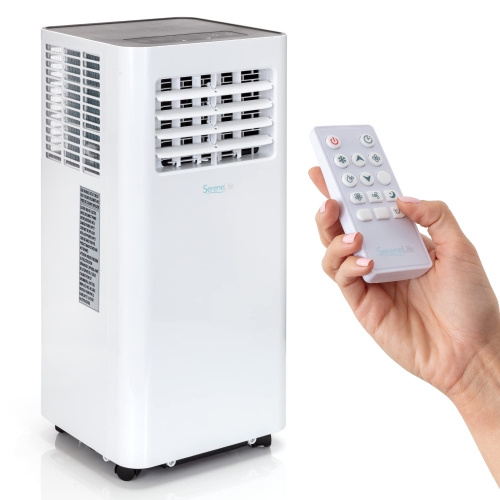


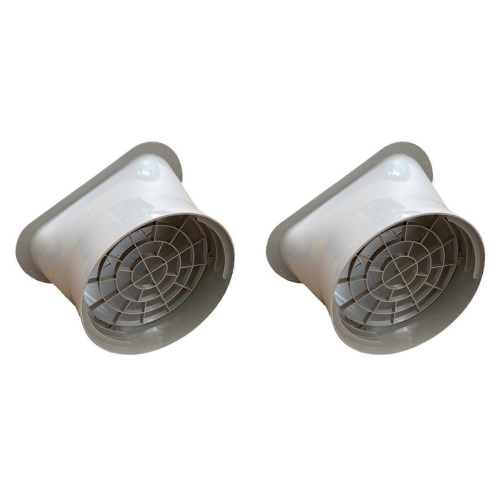
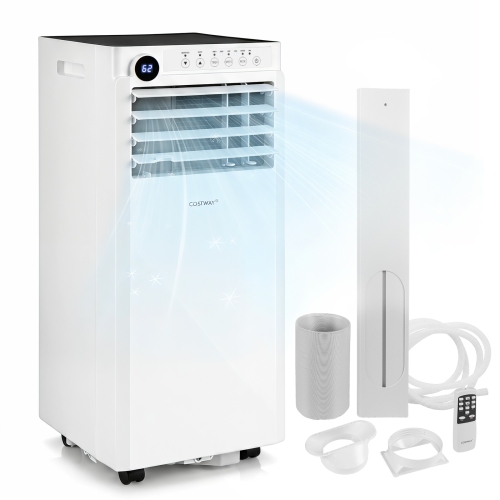
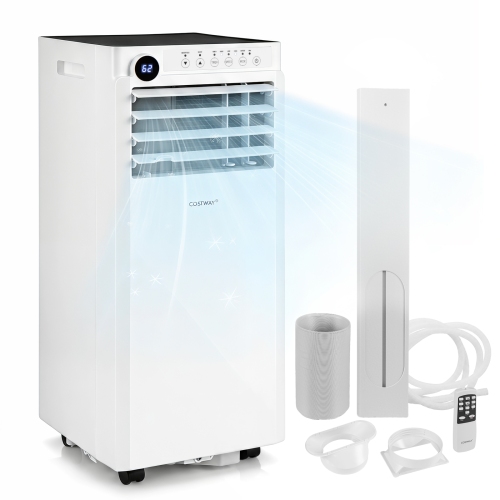
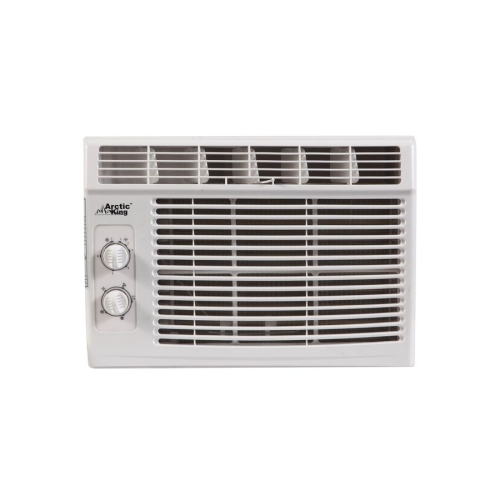
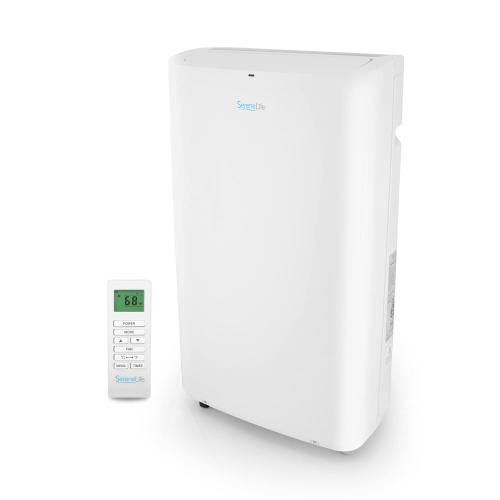

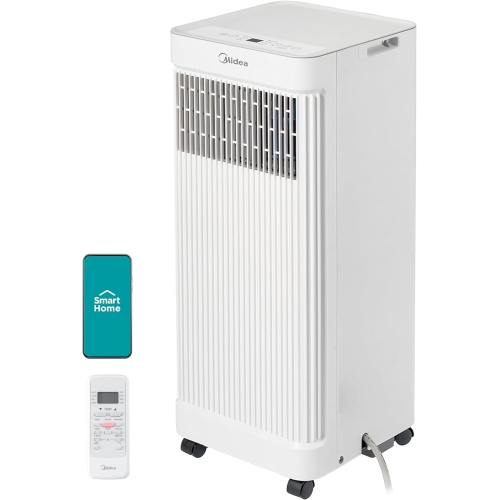
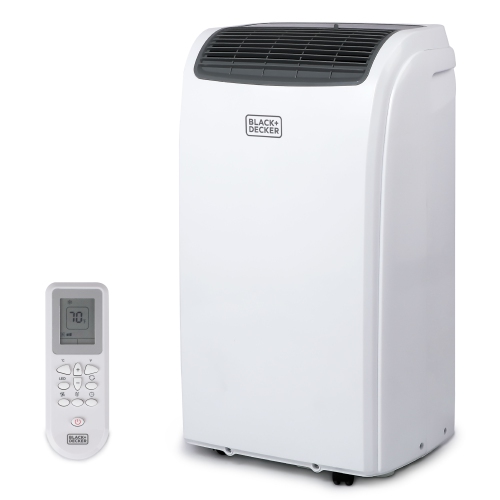

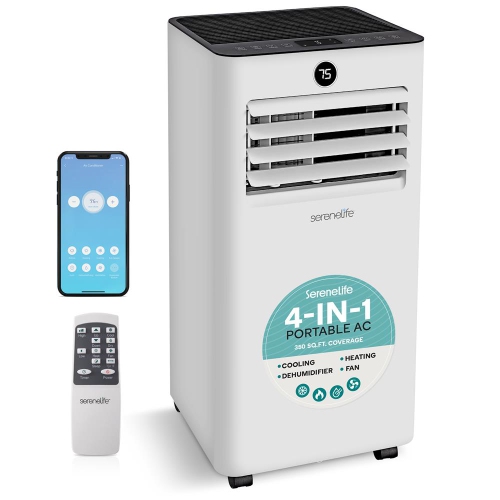

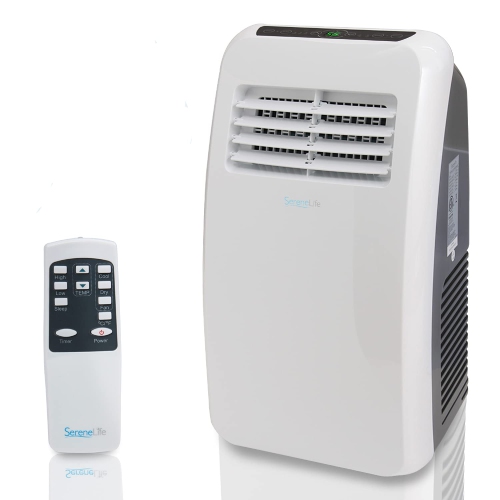
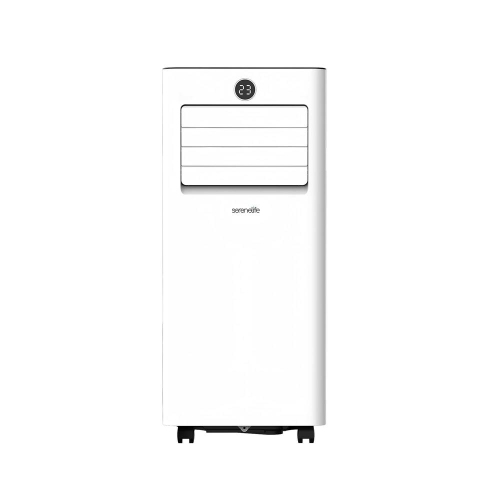
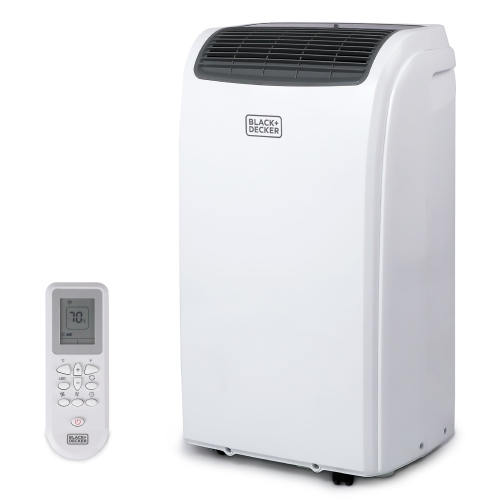
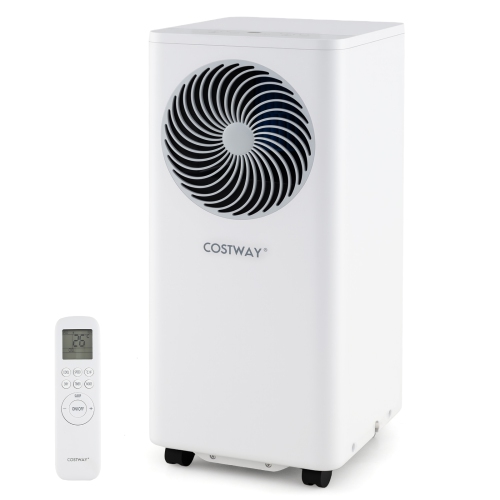
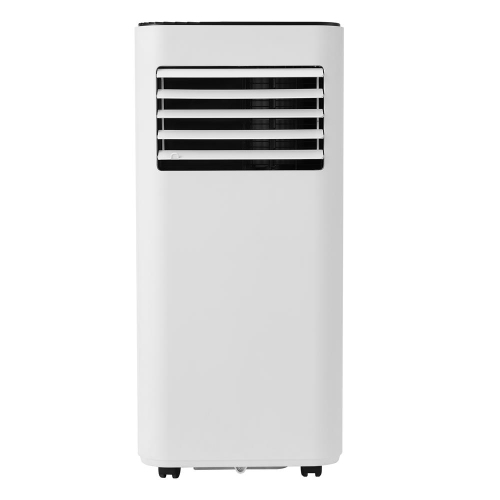

Why your air conditioner type determines the right kit
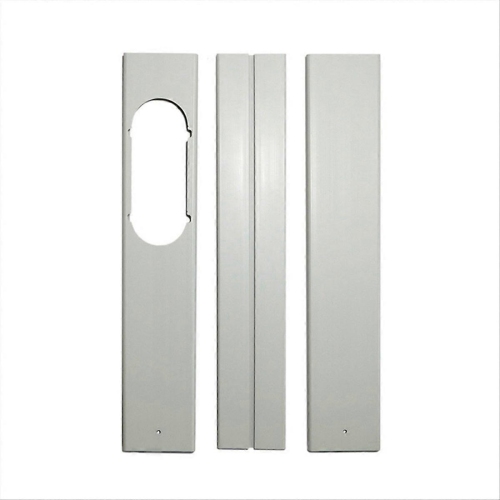
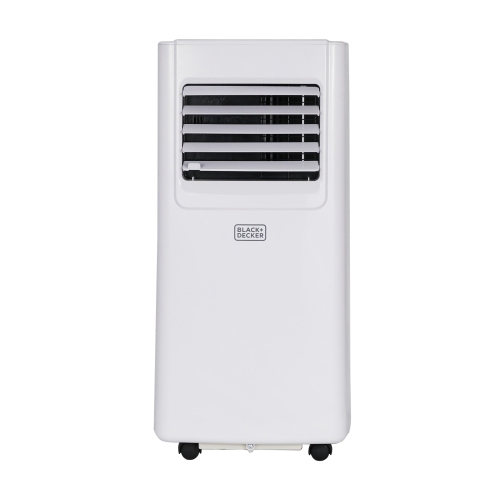
Air conditioner installation kits provide the connections, seals, or mounting components needed to fit an air conditioner to a particular space. The right type depends on whether the appliance is portable, window-mounted, or part of a ductless mini-split system; these kits serve different purposes and are not interchangeable. For a portable air conditioner, installation usually centres on carrying exhaust air outdoors through a compatible window opening. A kit may include an adjustable window panel, an exhaust hose, hose adapters, sealing strips, and fasteners, although the contents vary. The panel’s adjustment range needs to suit the actual opening, while the hose connection must match the appliance’s specified diameter and attachment style. Two fittings can look similar yet use different locking tabs or thread directions, so appearance alone is not a reliable measure of compatibility. Single-hose and dual-hose portable air conditioners also need arrangements that match their design. In a condo with a horizontal sliding window, for example, the panel may need to stand vertically rather than sit across the sill. A hinged casement window generally needs a different solution from a sliding or sash window, and a standard rigid panel may not be suitable. Related Air Conditioner Vent Kits focus on the exhaust connection and window opening, which are central considerations for portable units. Rigid plastic panels are common because they are lightweight and easy to wipe clean, while flexible hoses allow some positioning around furniture. That flexibility has limits: the hose should remain within the appliance manufacturer’s permitted length and routing, without sharp bends or compression. A long stretch across a room can restrict airflow and create an awkward obstacle beside a bed or desk. The most useful fit is one that lets the appliance stand in its required position, keeps its air intake clear, and allows the window assembly to close securely around the exhaust connection. A neat-looking panel alone does not establish that the complete setup is compatible.
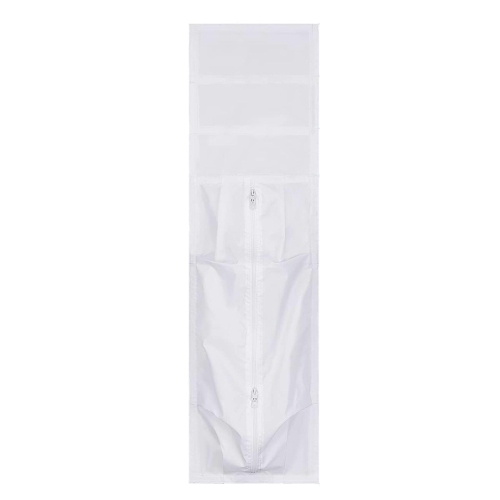
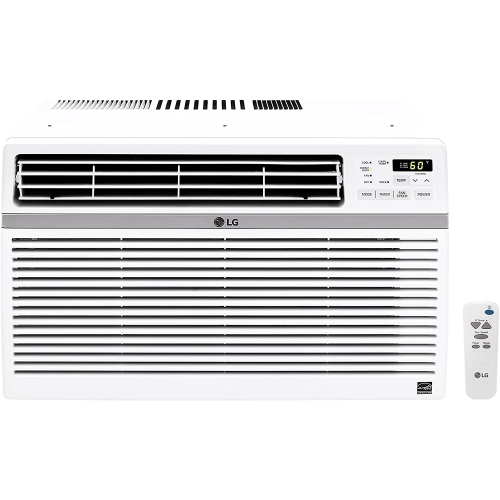
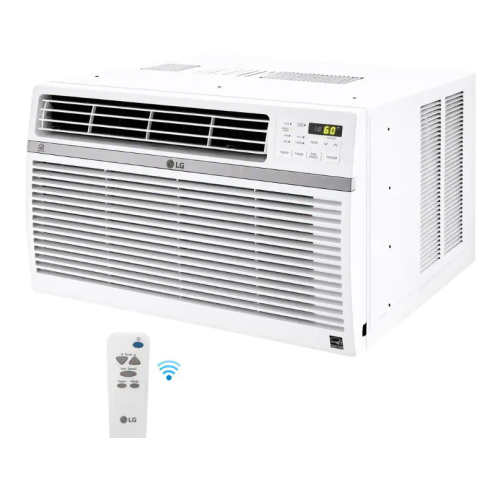
Window air conditioner installation kits address a different set of needs, including support, side-gap coverage, and sealing around the appliance. Depending on the design, a kit may contain side panels, foam strips, mounting hardware, or a support bracket, but no single package should be assumed to include every component. Fit involves more than the window’s width. The opening height, sill shape, frame construction, and air conditioner’s dimensions all affect whether the installation can meet the appliance manufacturer’s requirements. A deep sill in an older house can present a different mounting situation from a shallow frame in a newer apartment. Support components must be suitable for the unit’s weight and the structure they attach to; foam and expandable side panels close gaps but do not replace the required structural support. Metal brackets and fasteners can provide strength, while protective finishes help resist corrosion where parts are exposed to moisture. Plastic side panels offer lightweight gap coverage, though their rigidity and attachment points matter when the window is opened and closed around the installation. Sealing materials also deserve attention. Compressible foam can accommodate small irregularities along a frame, but excessive compression, torn edges, or gaps at the corners can reduce its effectiveness. Renters may prefer arrangements that can be removed without permanent alterations, subject to the appliance’s installation requirements and the property owner’s rules. In a condominium, exterior appearance and mounting restrictions may also affect the choice. Any setup needs to preserve required exits and avoid obstructing normal access through nearby doors or walkways. Drainage requirements are another important distinction: the specified angle and handling of condensate depend on the appliance, so a generic bracket or seal package cannot determine them. Compatibility information and clearly stated dimensions are more useful than a broad claim that a kit fits most windows.
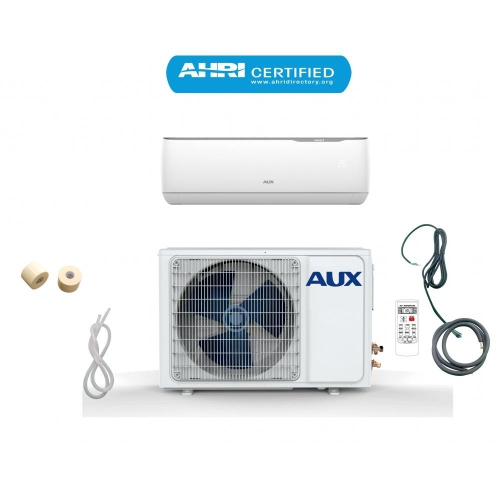
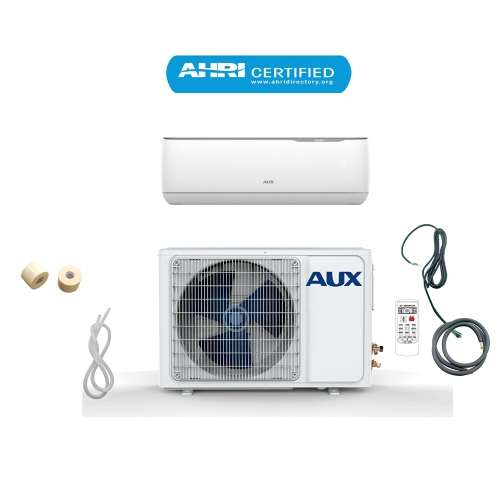
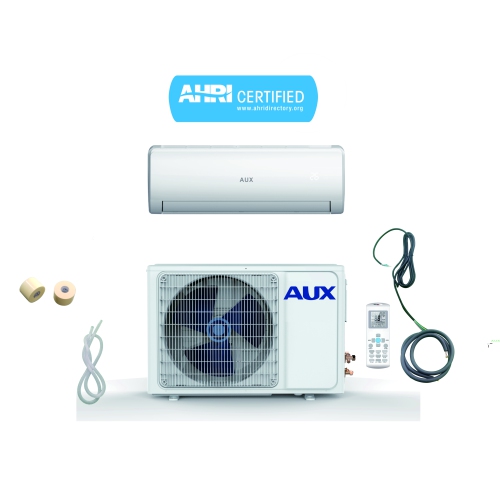
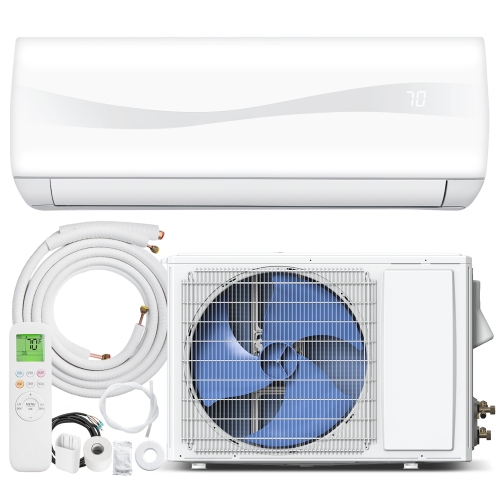
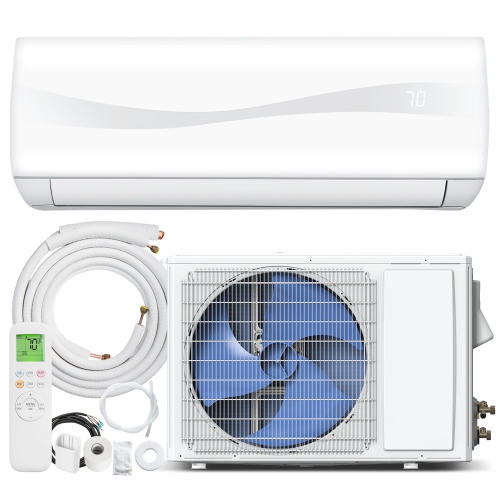
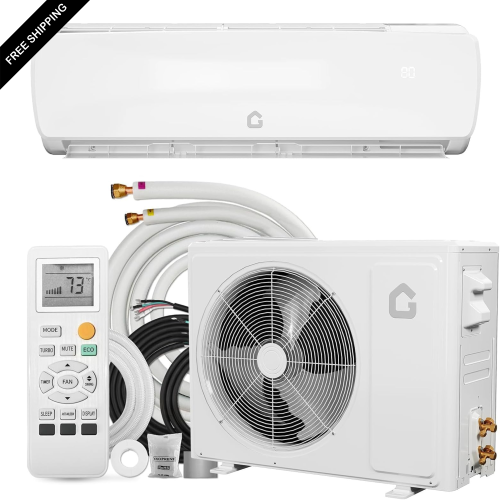
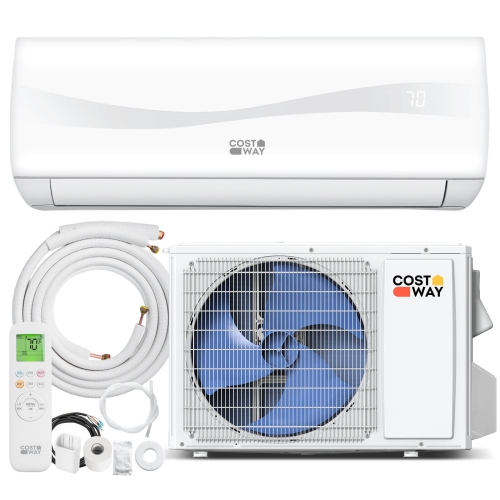
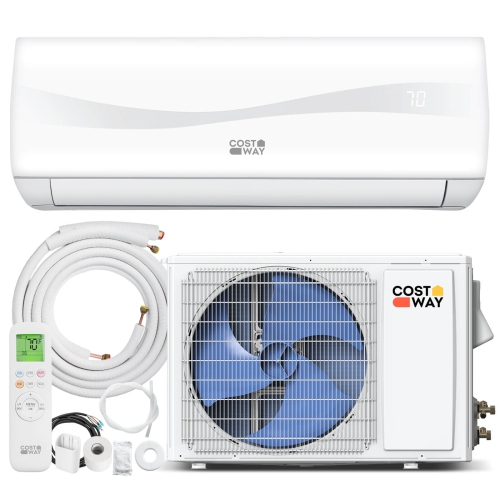
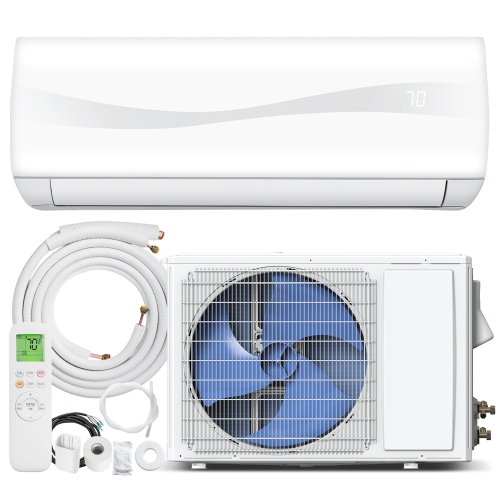
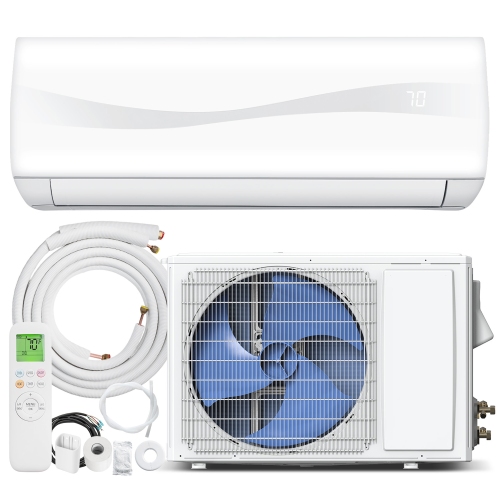
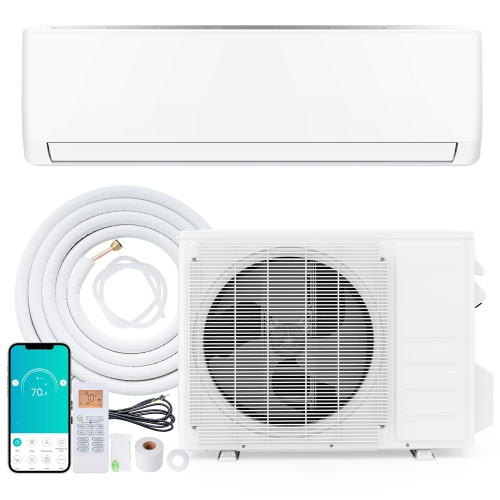
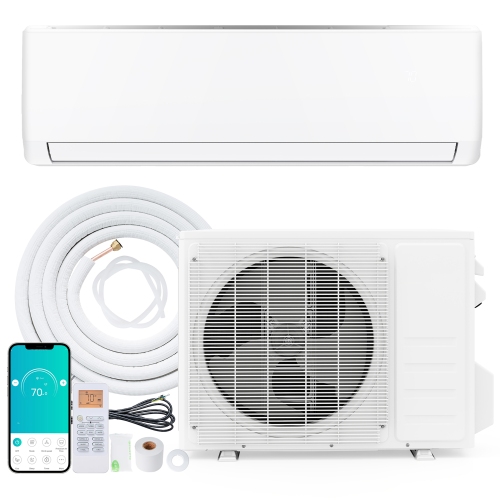
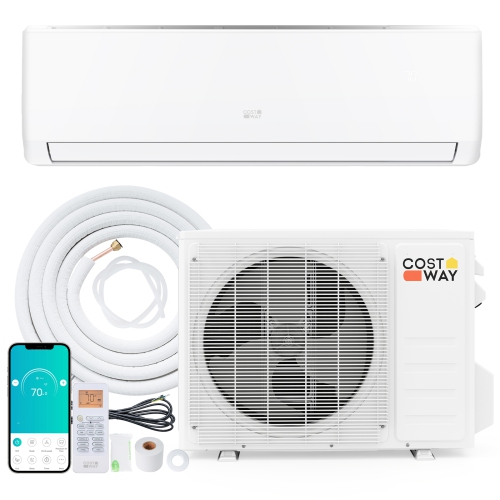
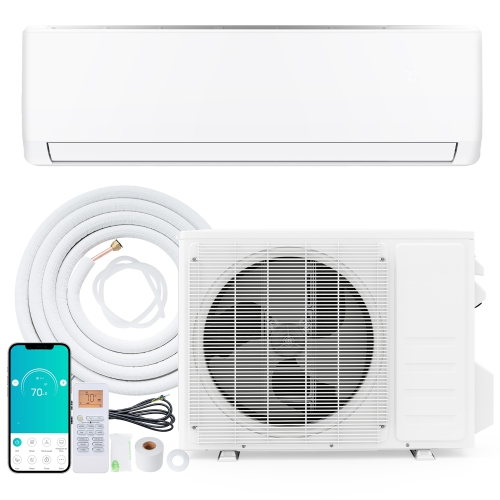
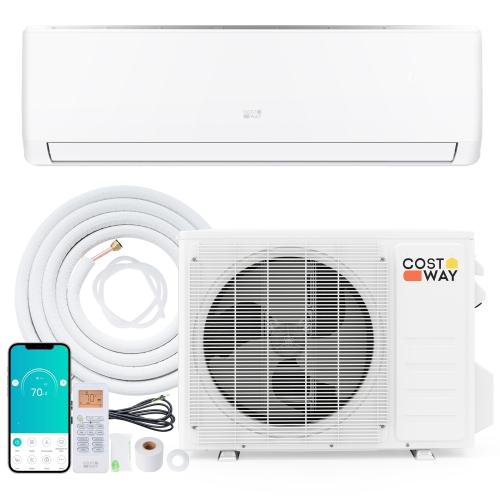
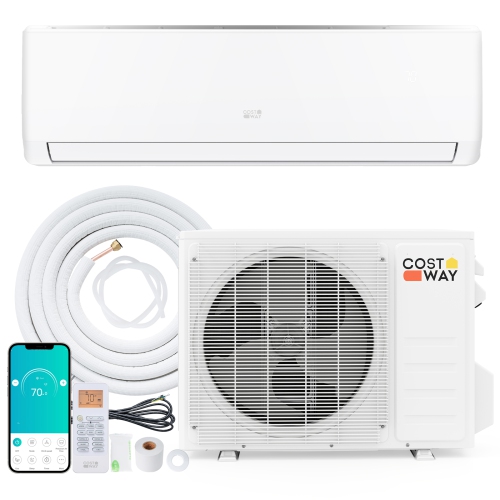
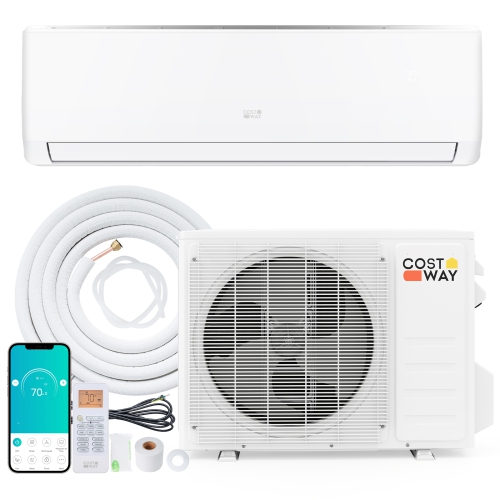
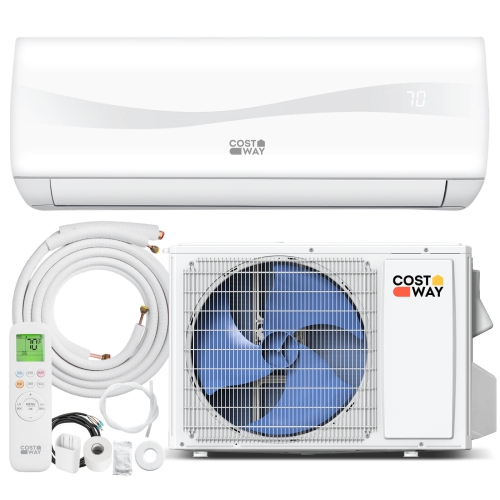
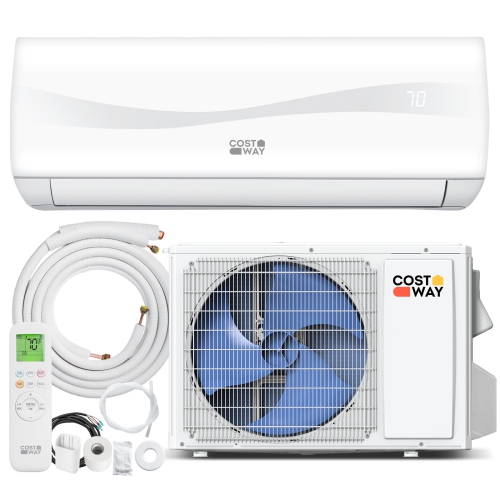
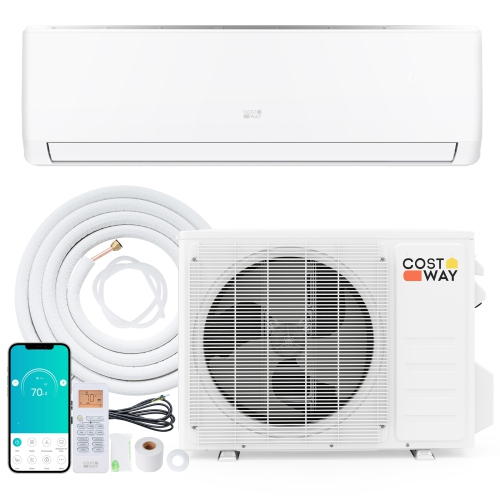
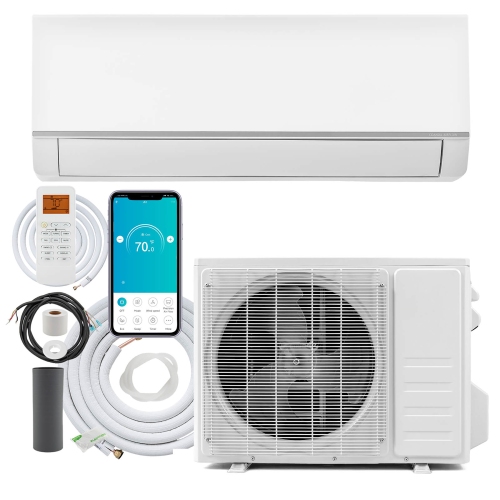
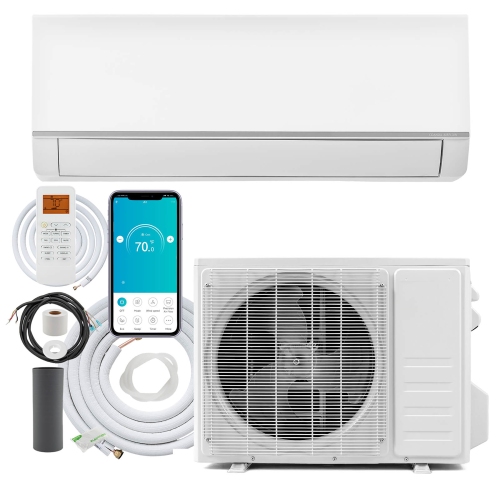
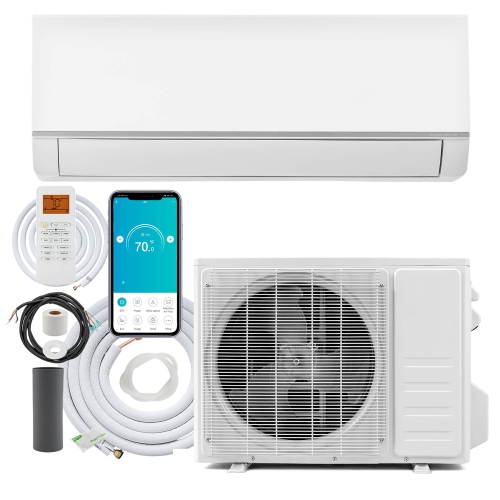
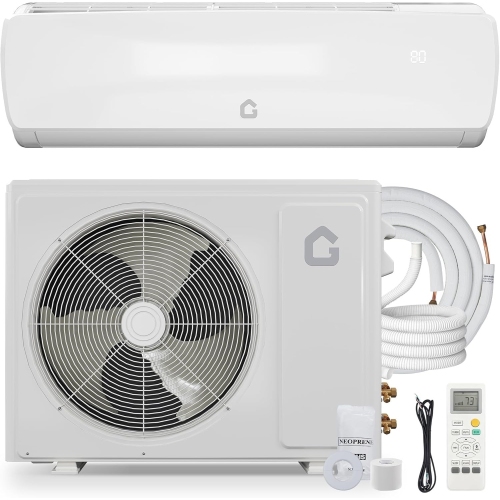
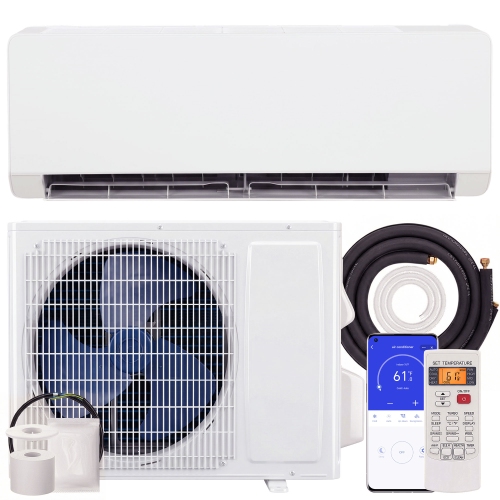
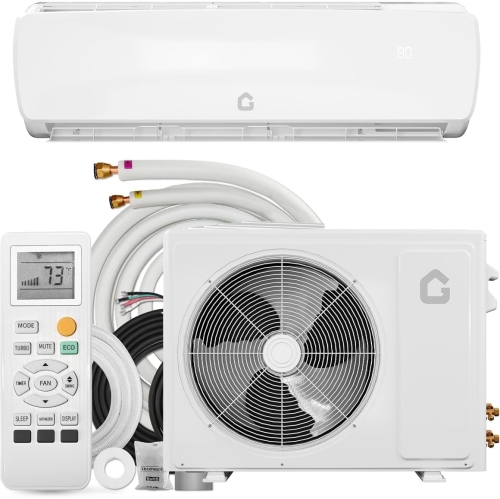
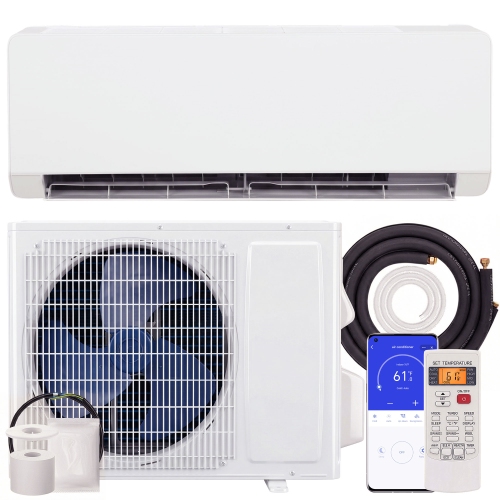
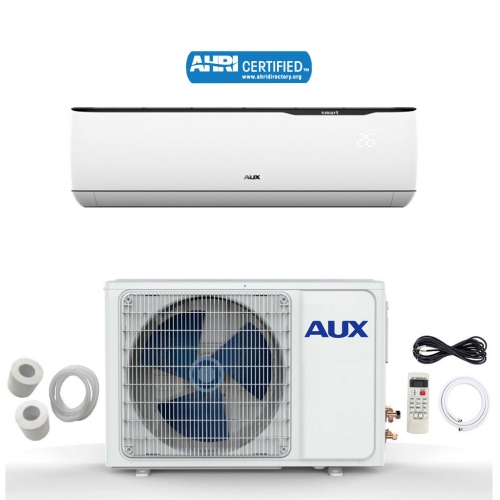
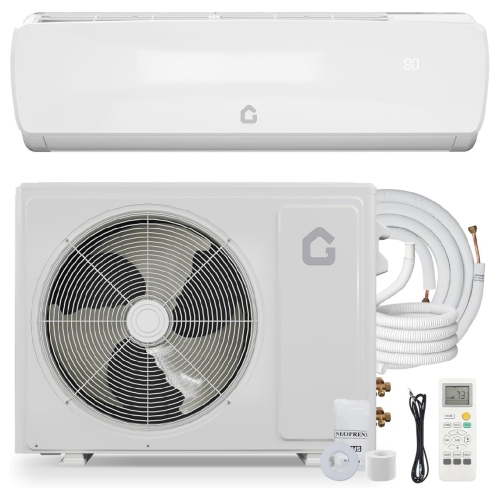
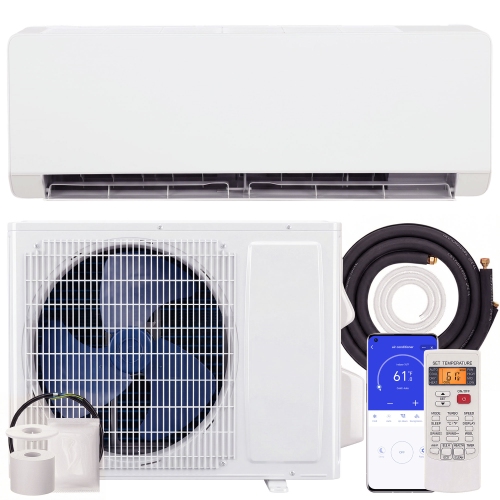
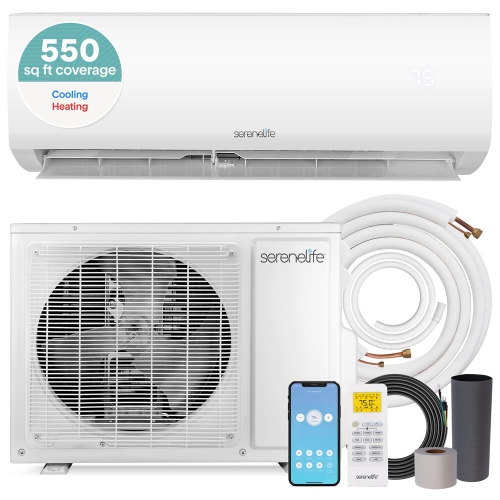
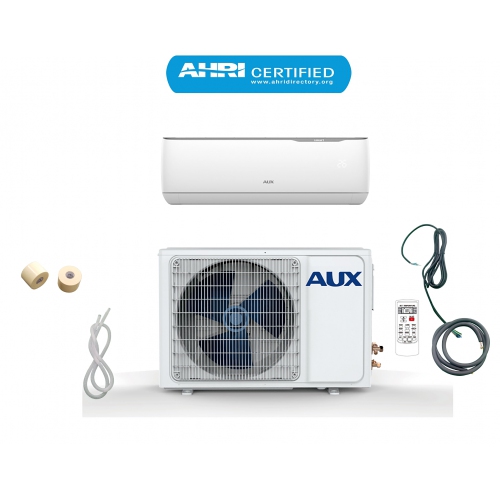
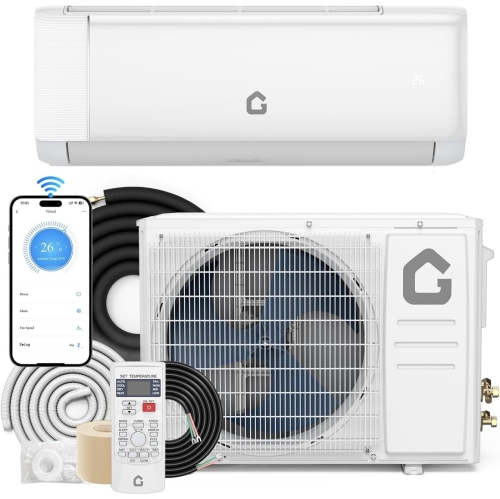
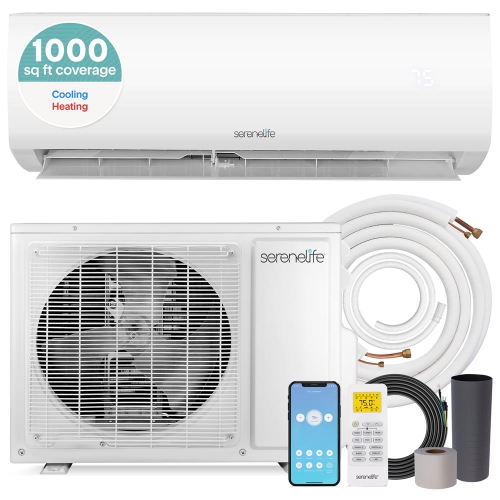
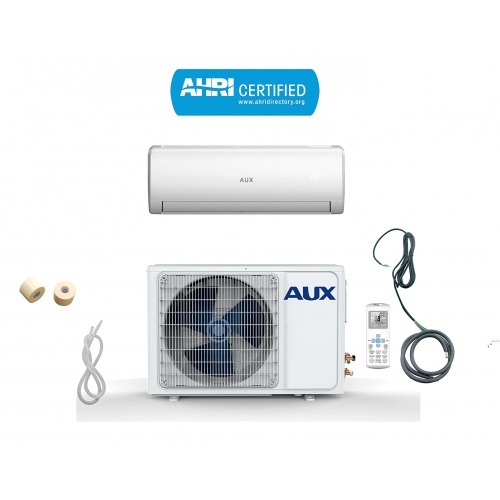
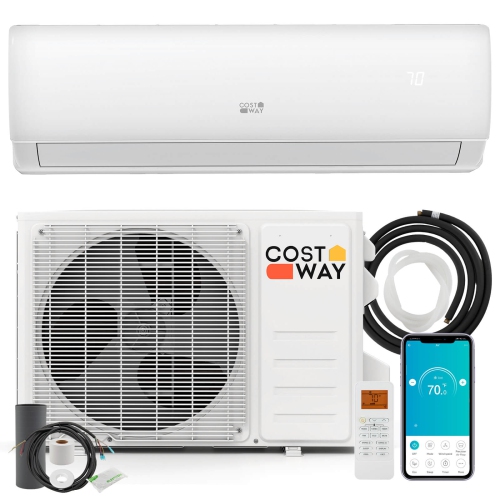
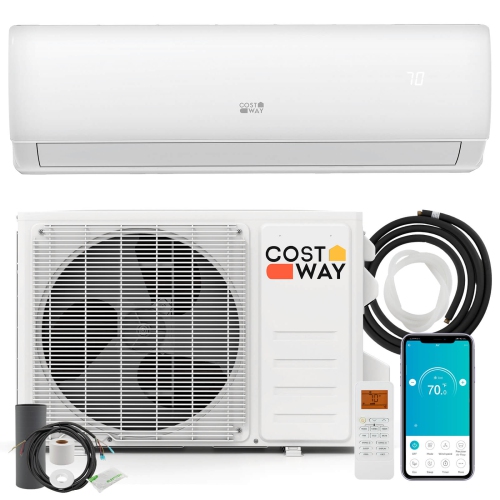
Ductless mini-split installation kits typically relate to the connection between an indoor unit and an outdoor unit rather than to a window opening. Depending on the package, components may include refrigerant tubing, insulation, a condensate drain hose, a wall sleeve, mounting hardware, or a protective line cover. These components have separate roles, and a kit containing one group does not necessarily include the others. Refrigerant line sizes and permitted lengths must match the system specifications, while insulation helps limit unwanted heat transfer and condensation on the tubing. Drain routing must suit the installation, and a cover intended to tidy visible lines is not a replacement for proper insulation or support. For a finished basement or a home office with a wall-mounted indoor unit, the distance and route to the outdoor unit can make the connection requirements quite different from those of a compact room installation. Refrigerant connections and electrical work can require qualified professionals and must meet applicable local requirements; an accessory kit does not make every system suitable for self-installation. Across all air conditioner installation kits, durability comes from suitable materials, correct fit, and appropriate handling. Smooth plastic surfaces are generally easy to wipe down, while foam seals benefit from gentle cleaning and inspection for flattening or separation. Flexible hoses should be checked for splits, damaged ends, and crushed sections, particularly after being moved into storage. Removable panels and adapters are easier to reuse when their fasteners are kept together and their edges are protected from bending. Replacement components should retain the original specifications rather than merely resemble the old parts. For a renter relocating a portable unit, a homeowner replacing worn seals, or someone preparing a room for a different air conditioner, the practical value of a kit lies in how well its parts match the appliance and the space. Clear component lists, accurate measurements, and model-specific compatibility details help distinguish a suitable installation package from one that would still require additional fittings or a different mounting approach.
Top selling and popular products
-
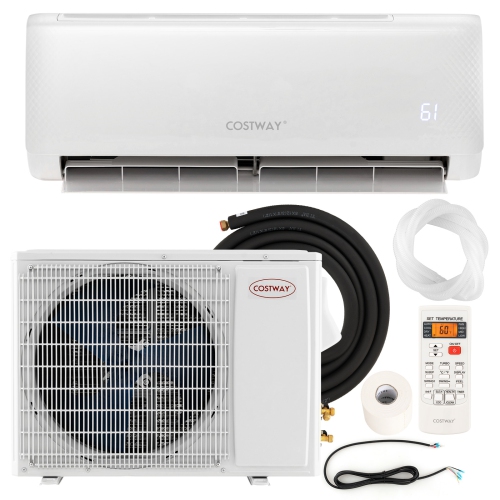 Your price for this item is $807.99
-
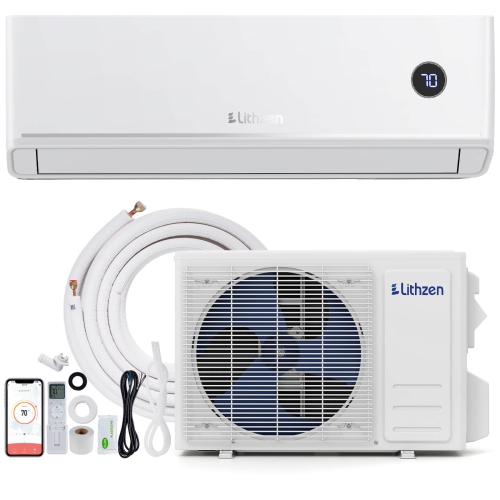 Your price for this item is $679.99
-
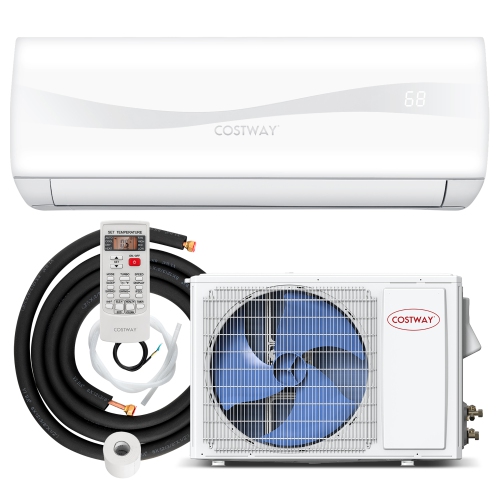 Your price for this item is $768.99
-
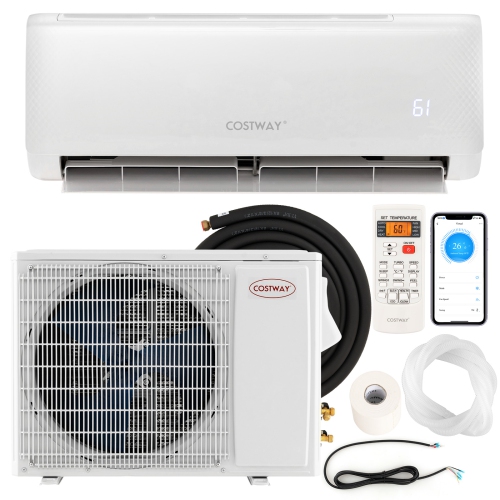 Your price for this item is $1575.99
-
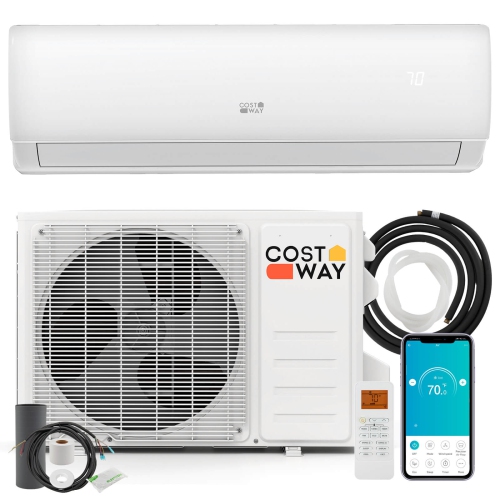 Your price for this item is $709.99
-
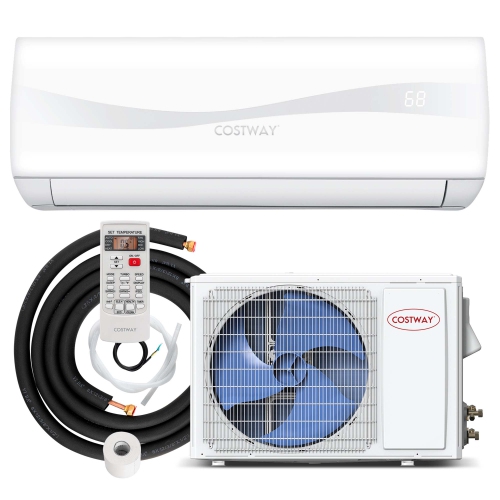 Your price for this item is $757.99
-
 Your price for this item is $1029.99
-
 Your price for this item is $1369.99
Discover more categories related to Air Conditioner Installation Kits


Top Collections:
Pokemon Centers, Best Cameras for Sports Photography, Kindle Devices, Samsung Galaxy Phones, Canon G7X Cameras, Pokémon 30th Celebration Cards, Refurbished Apple Laptops, iPhone 15 Apple, Laptops for Students, Budget Smartphones
Some products may be subject to Environmental Handling Fees
(EHF) depending on your province.
Learn more about EHFs.