Air Purifiers for Cooking Smells
If you're cooking and your kitchen smells like garlic or onions, it's time to get an air purifier for cooking smells. These machines will remove the odors from the air so you can enjoy your meal in peace. Here are some of our favorites.
Sort
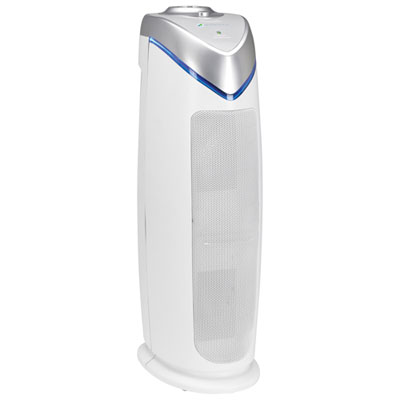
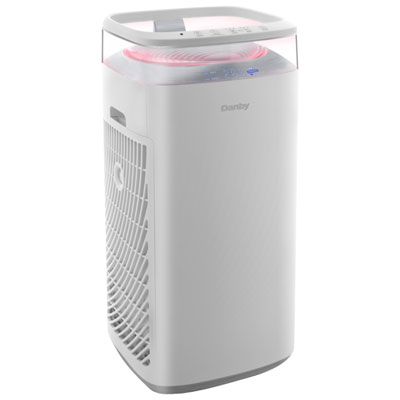
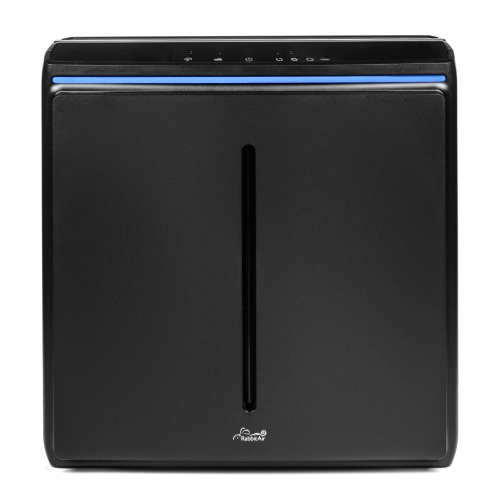
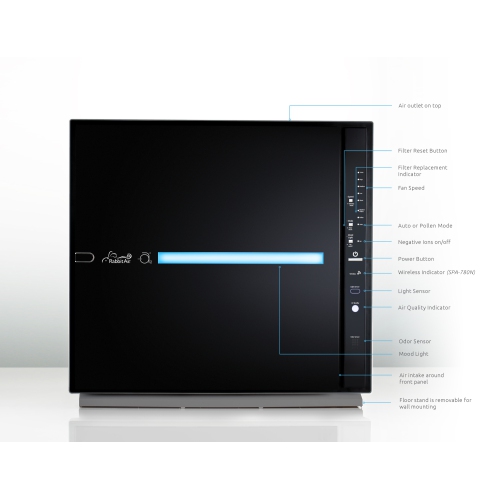

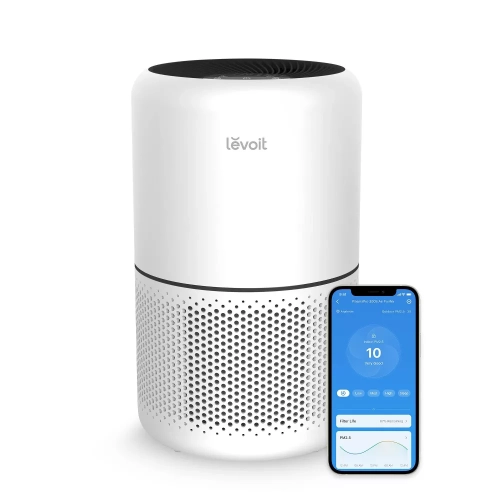



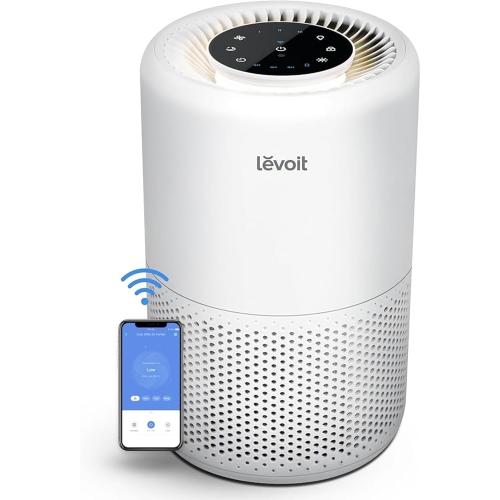
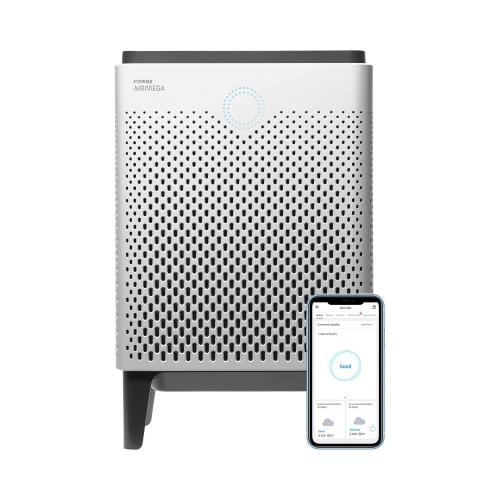
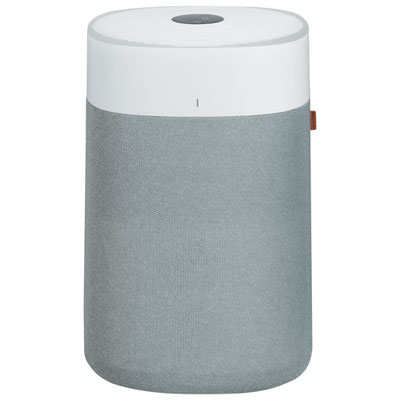
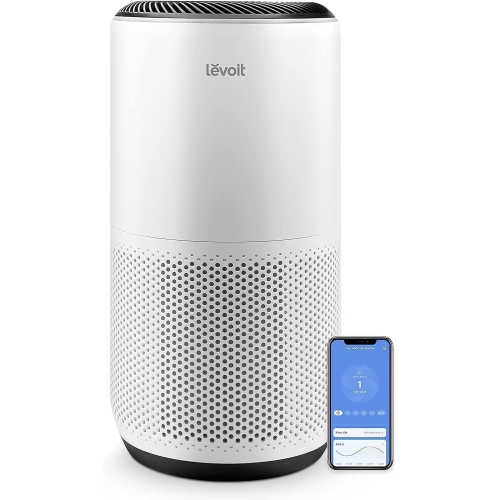
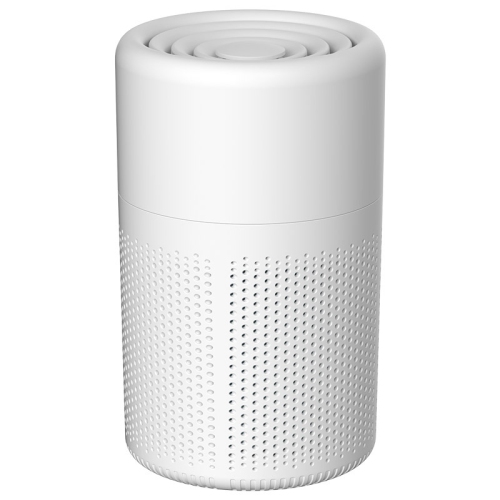
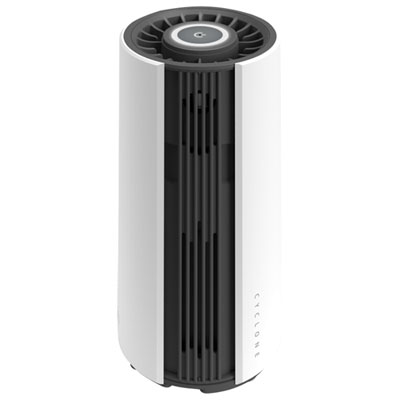
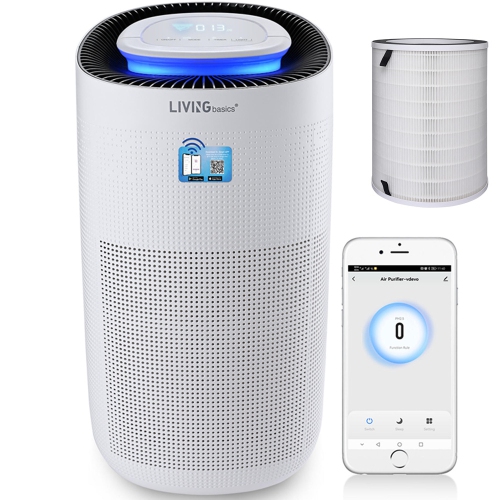
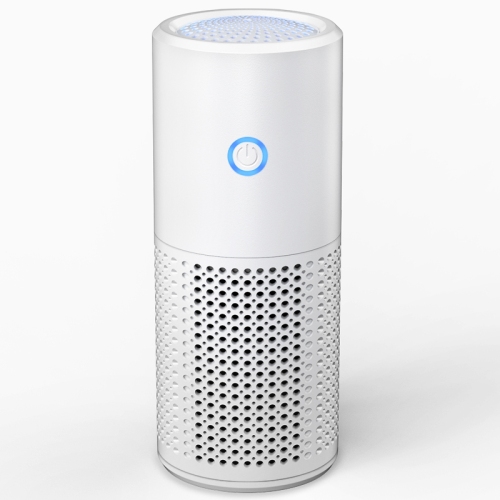
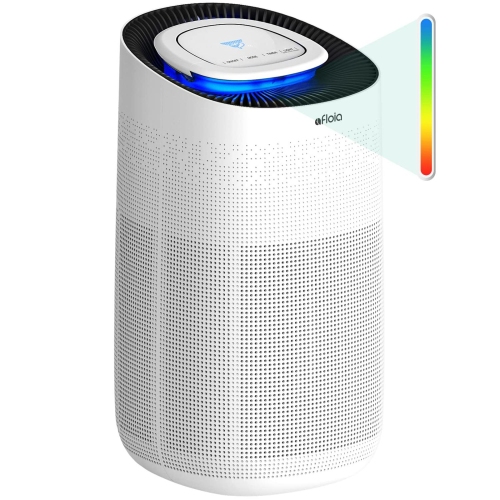

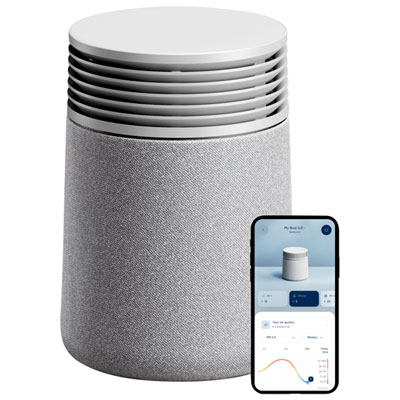
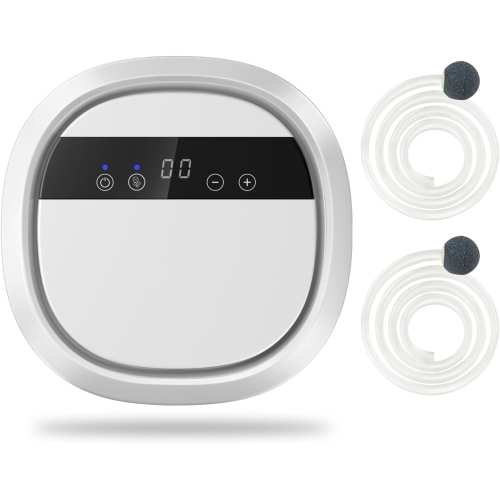
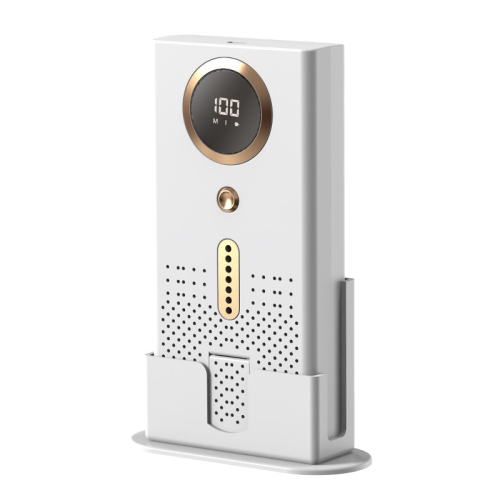
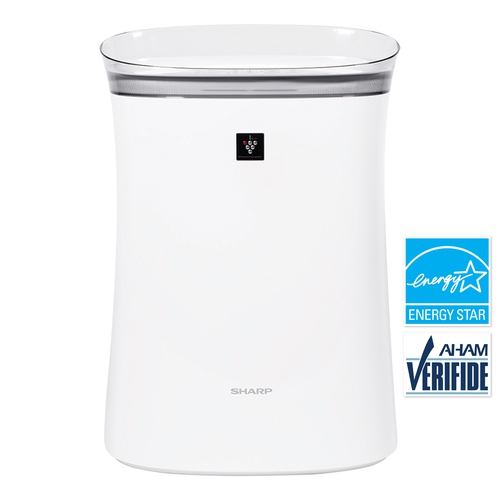
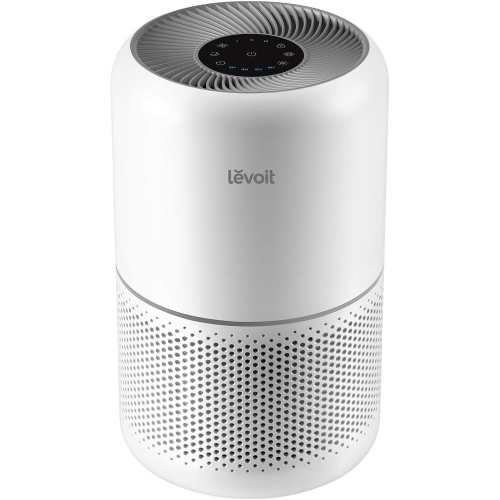
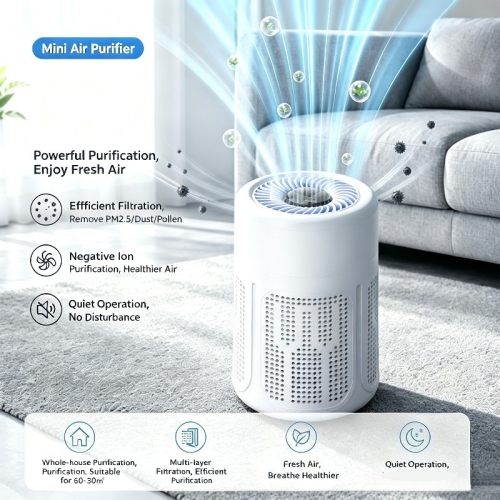
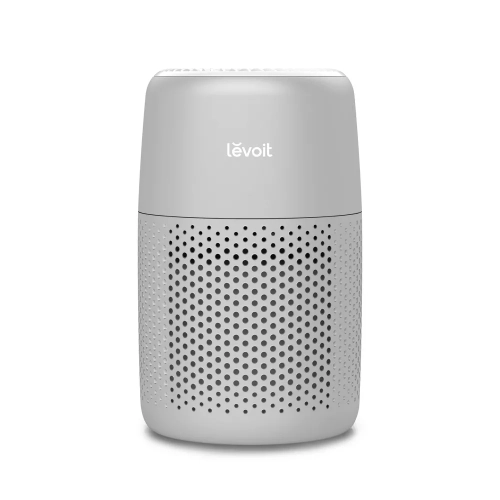
![LEVOIT Core 300 True Hepa Air Purifier In White [Employee of bestbuy] Still run great ,love it](https://multimedia.bbycastatic.ca/multimedia/products/500x500/171/17157/17157111.webp)
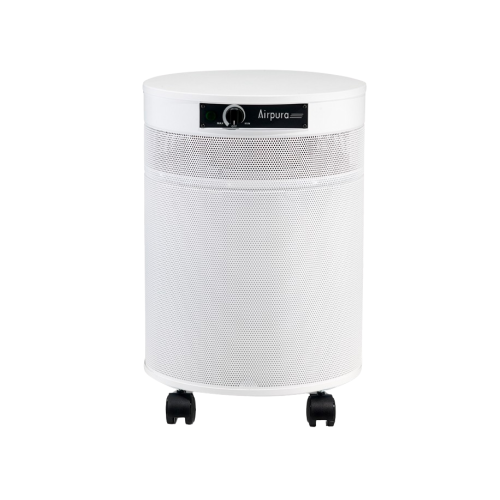
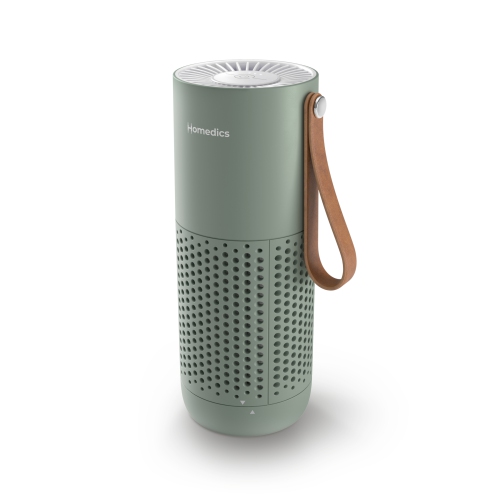
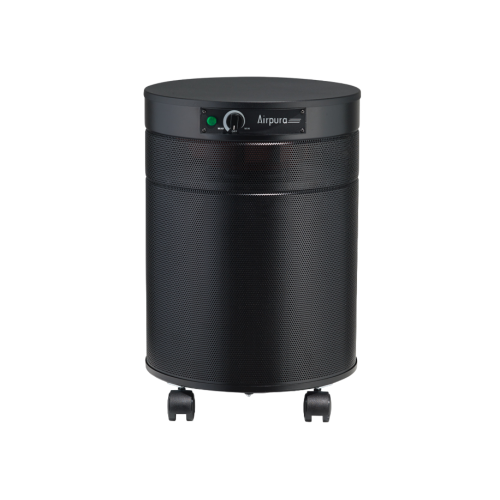
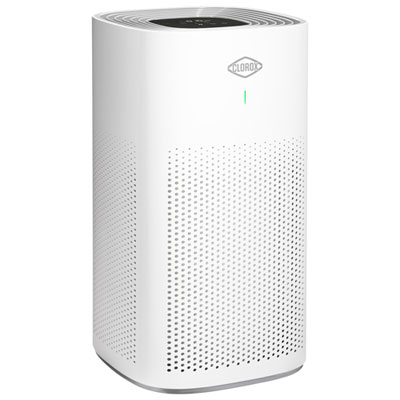
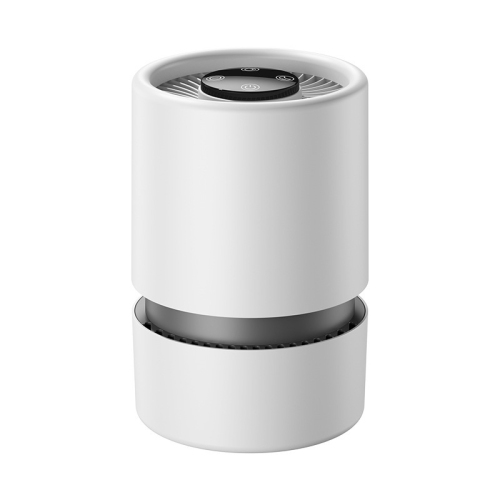
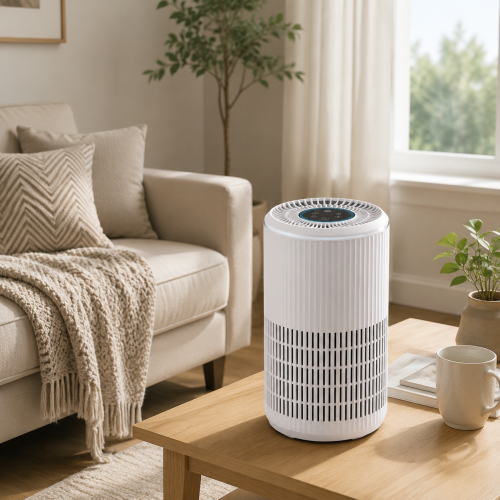
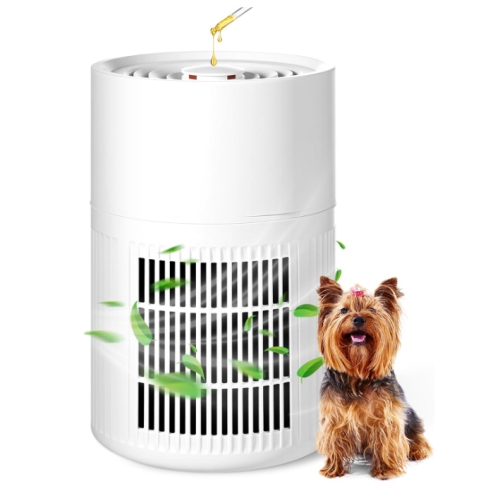
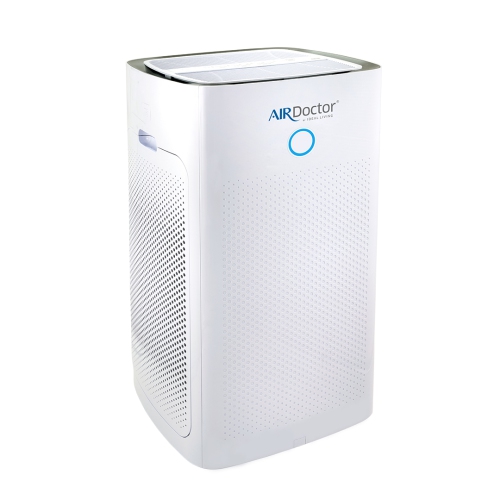
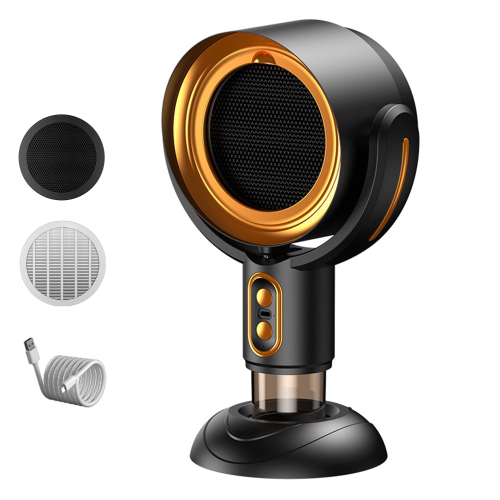
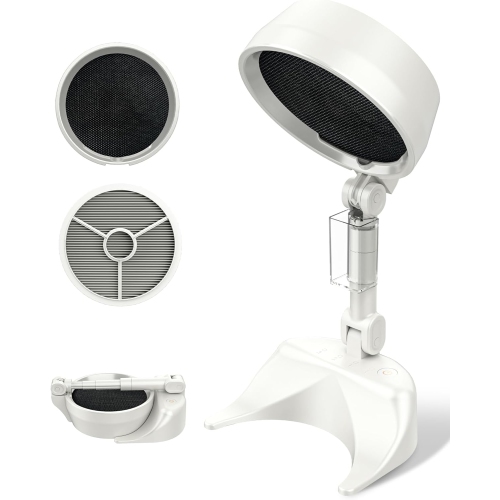
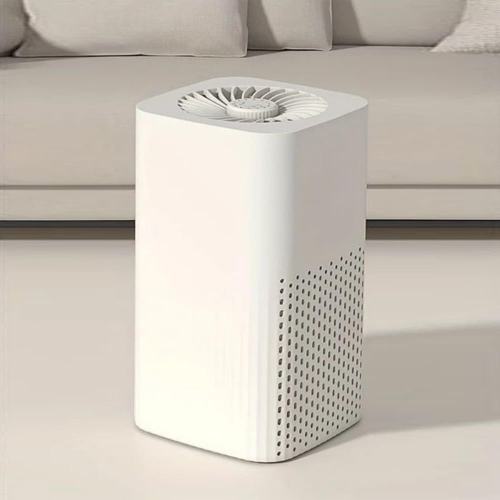
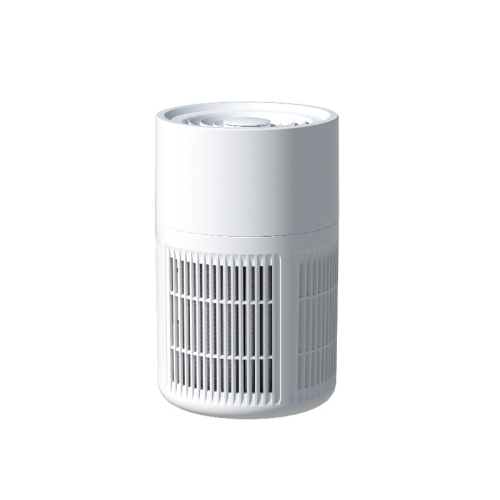

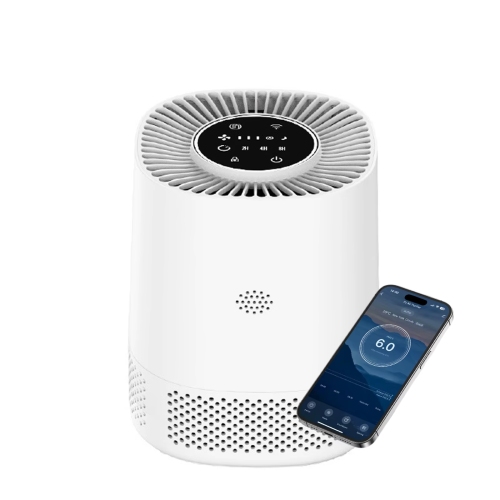
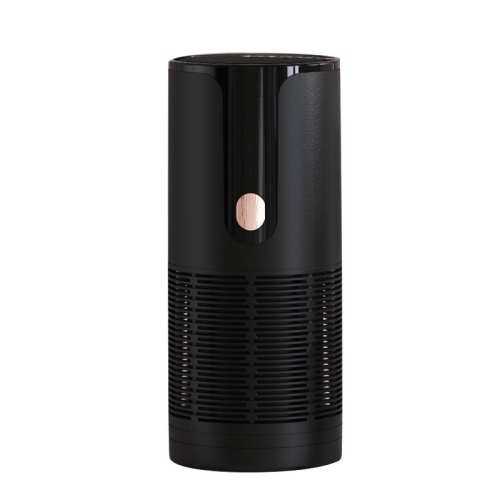
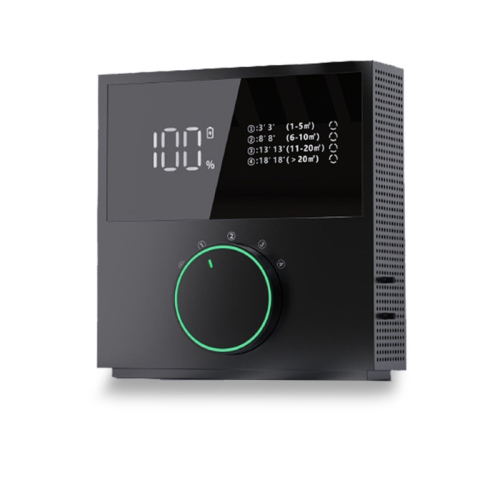
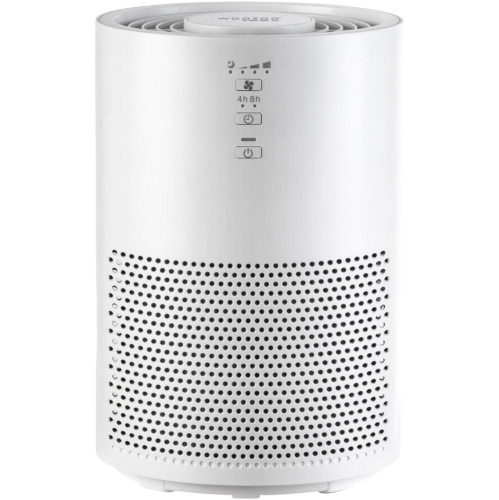
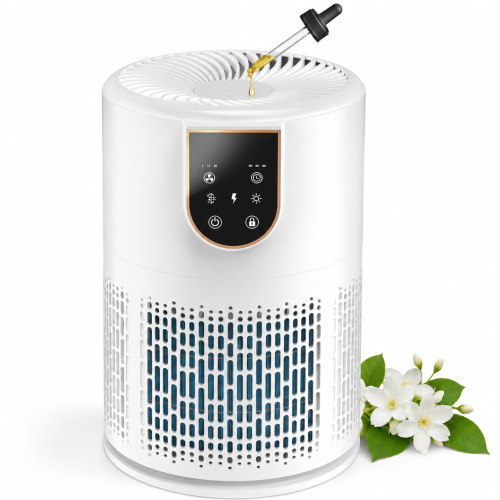
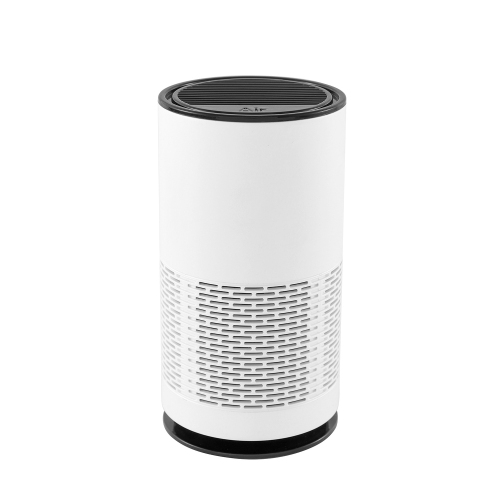
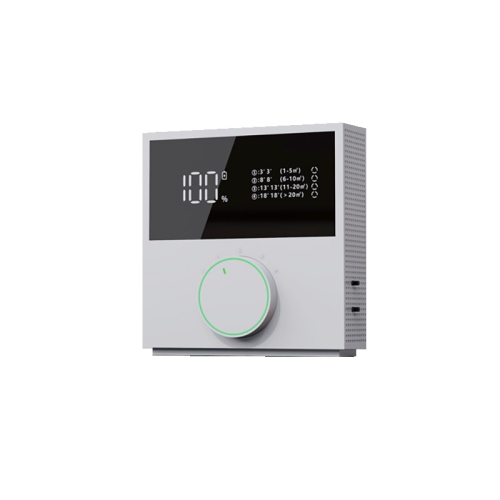
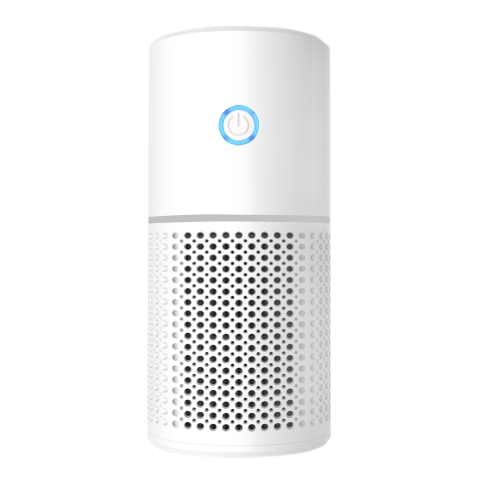
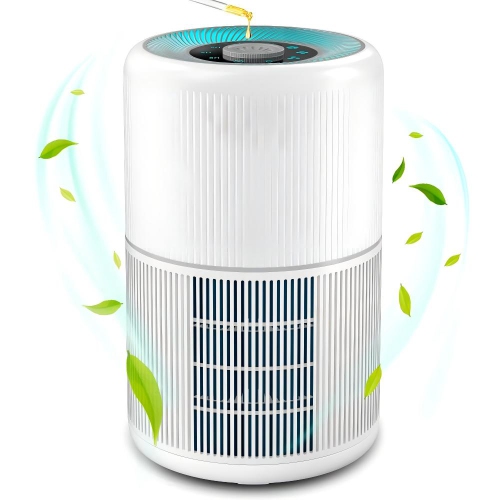

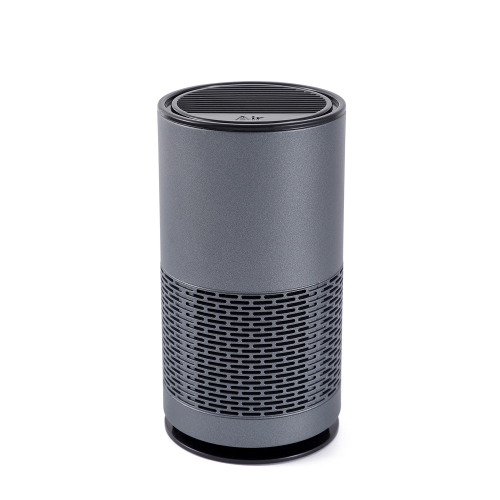
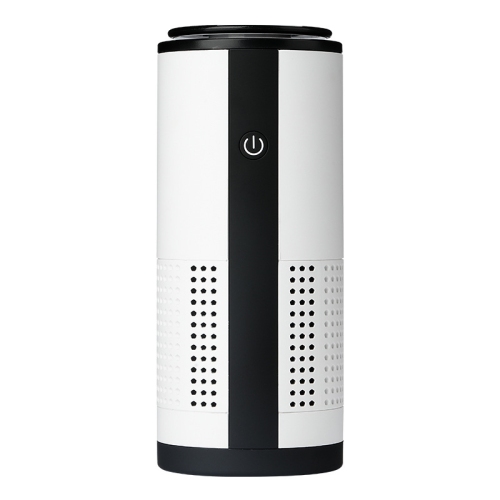
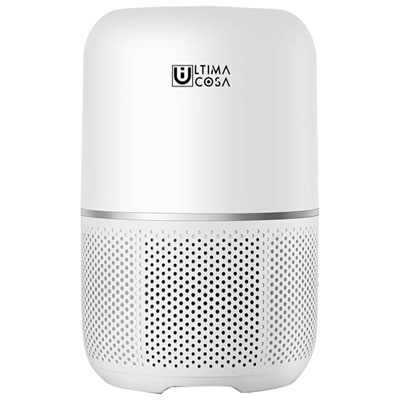
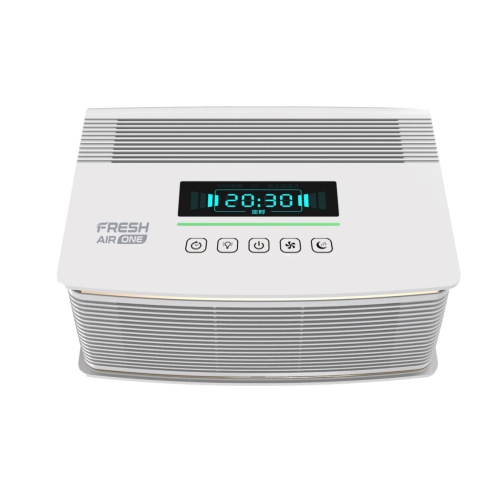
![GREEN SCENIC [Plug-In] Mini Desktop Range Hood, Suitable for Hot Pot And Barbecue, Fume Purification, Washable Activated Carbon Filter, Bass Noise](https://multimedia.bbycastatic.ca/multimedia/products/500x500/194/19493/19493482.jpeg)
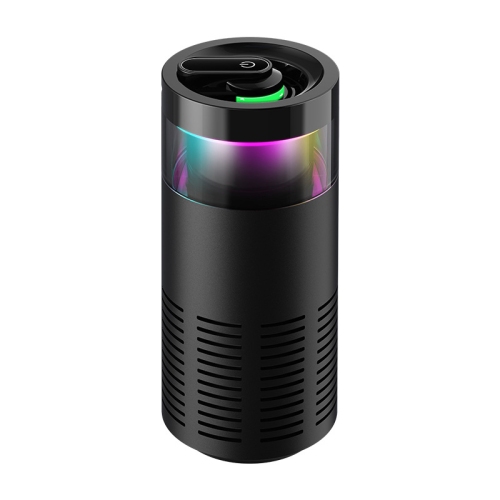
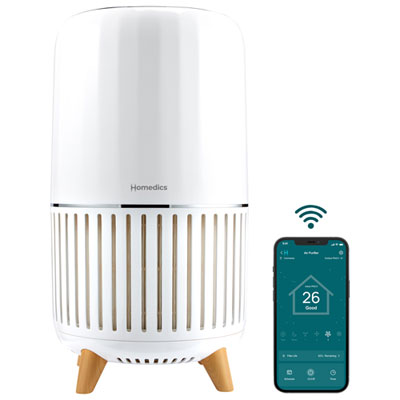
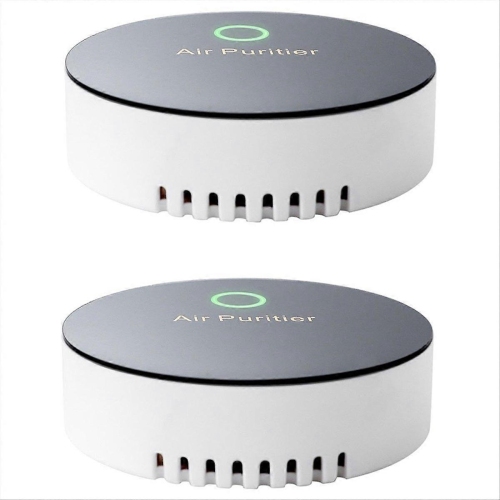
Activated carbon and HEPA filtration support fresher kitchen air
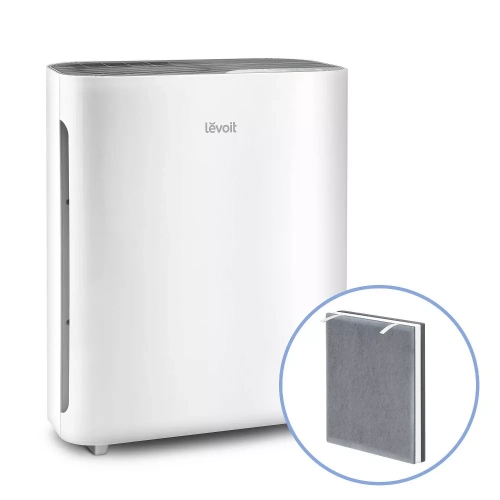
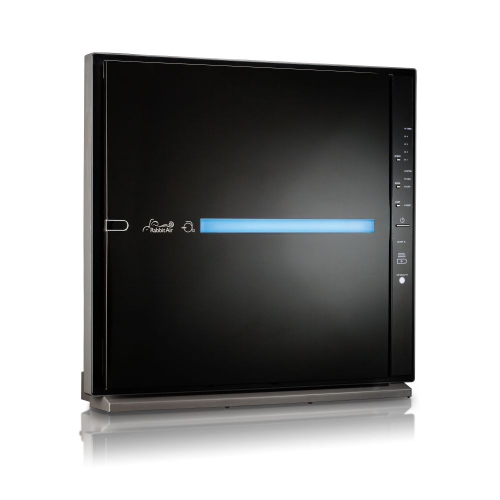
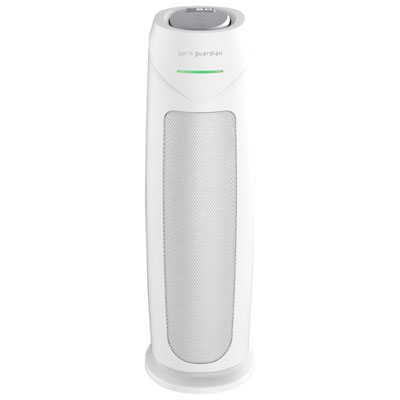
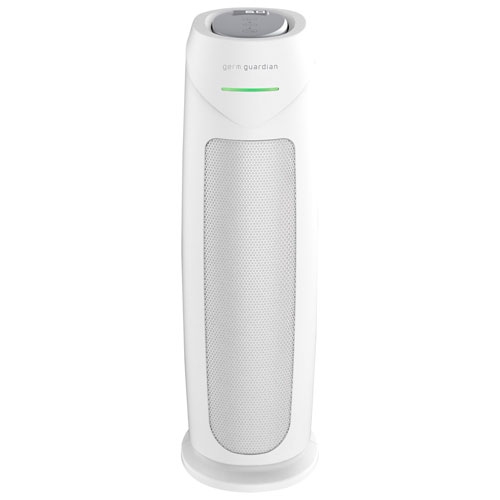
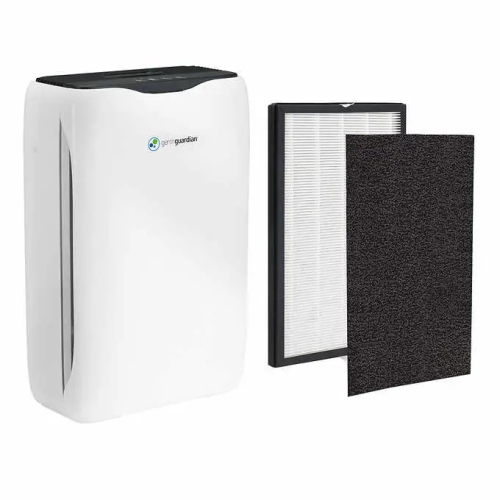
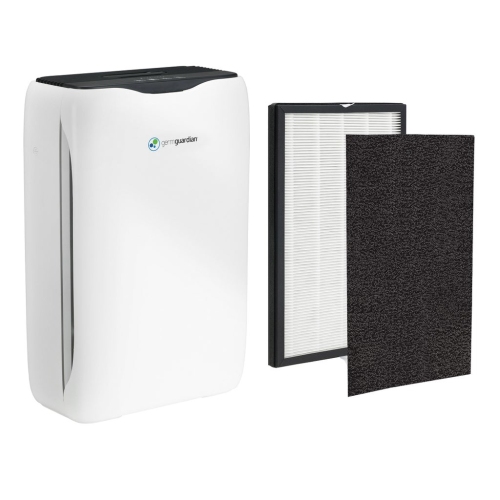
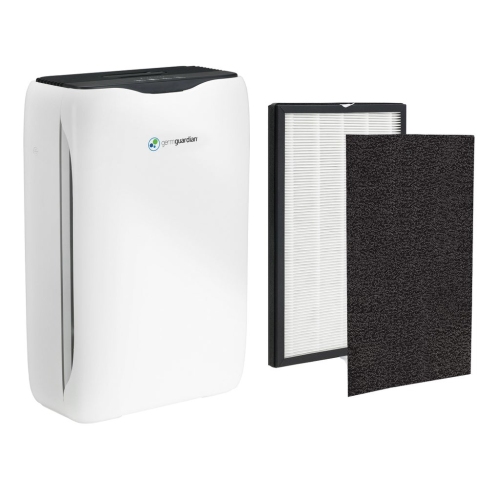
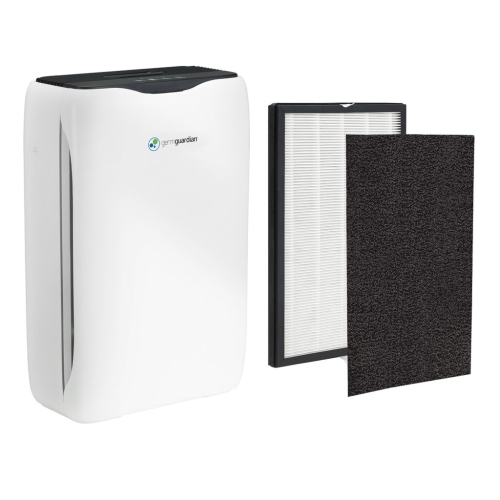
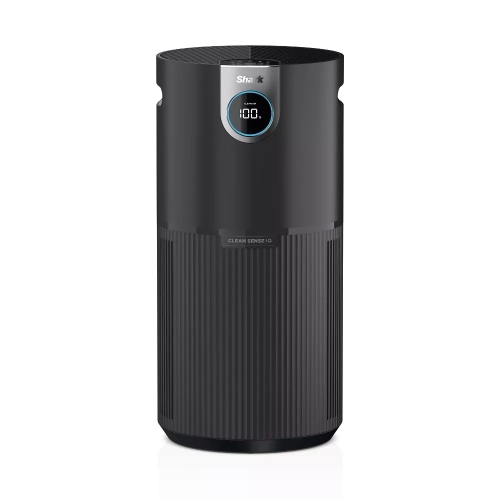
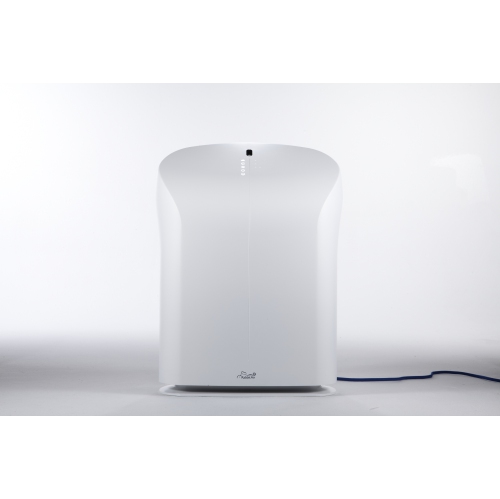
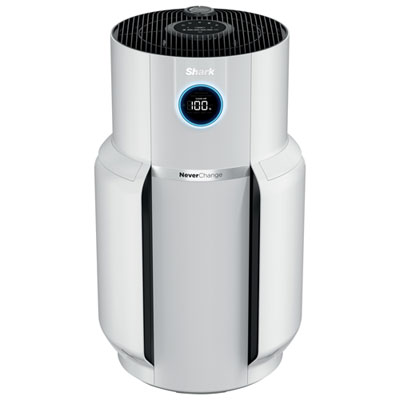
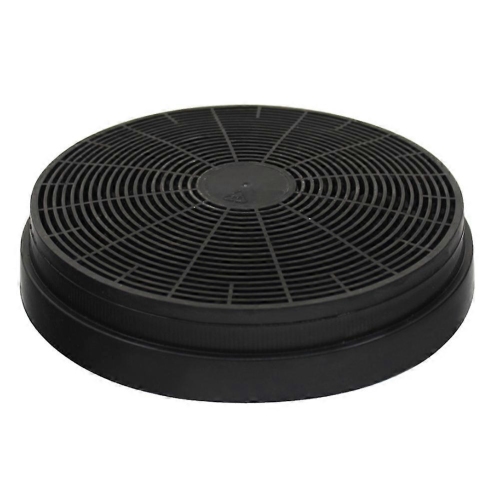
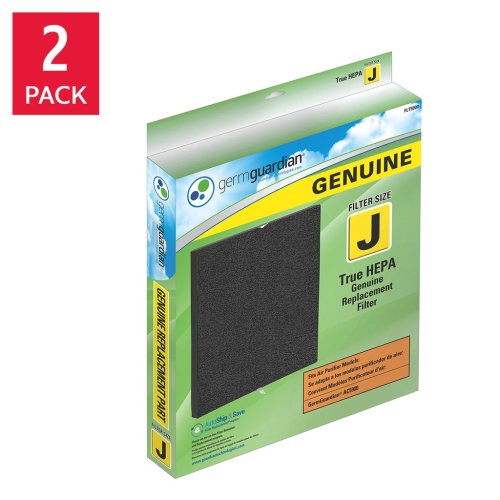
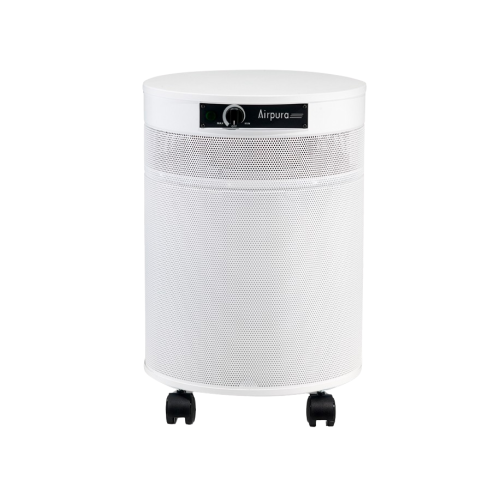
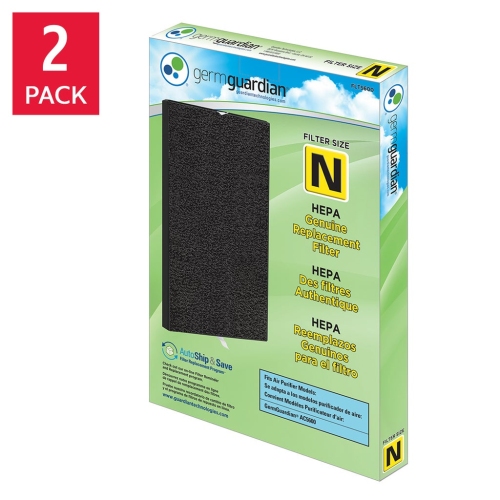
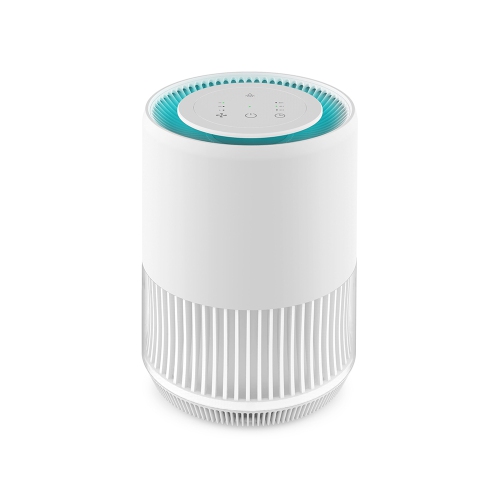
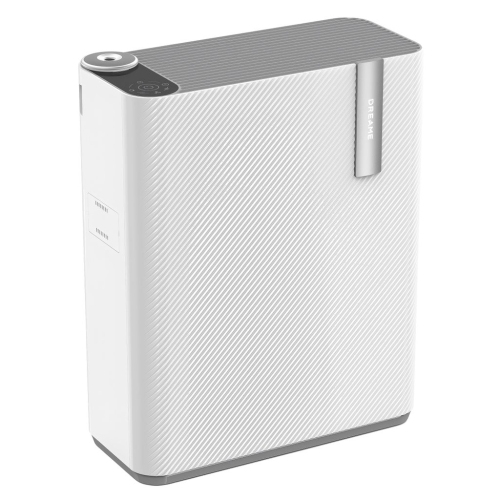
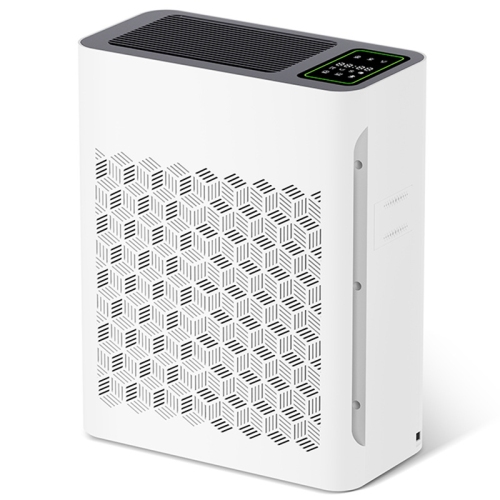
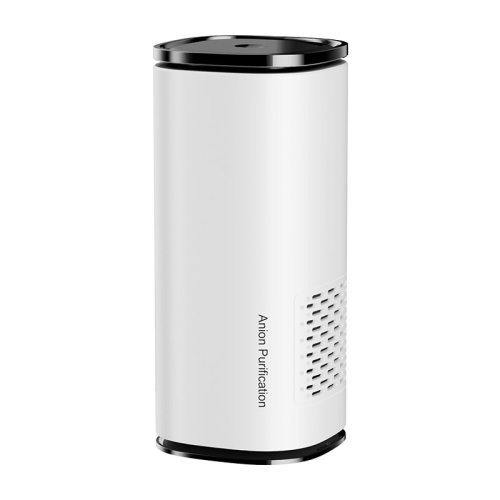
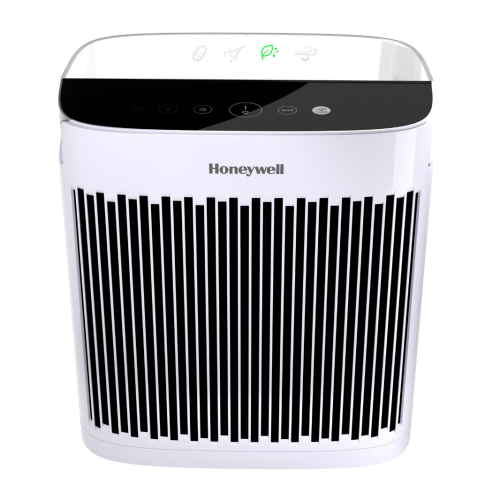
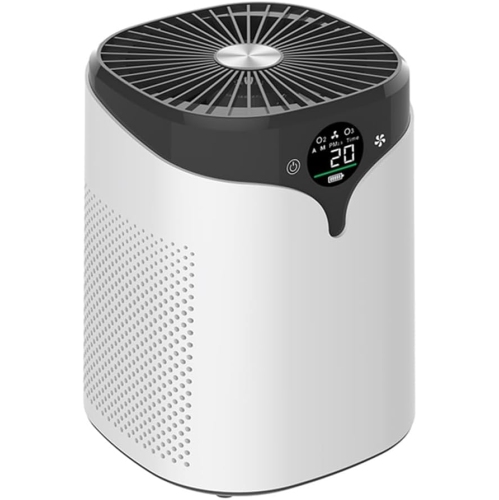
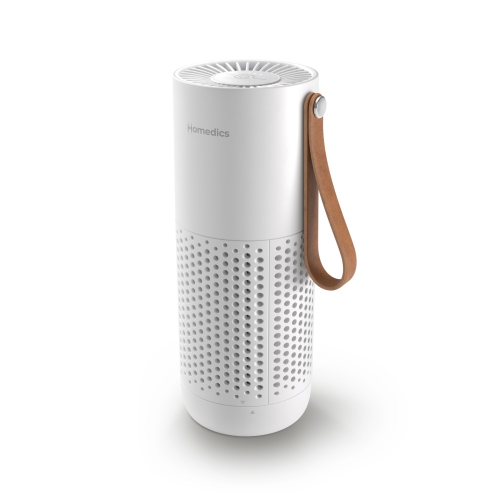
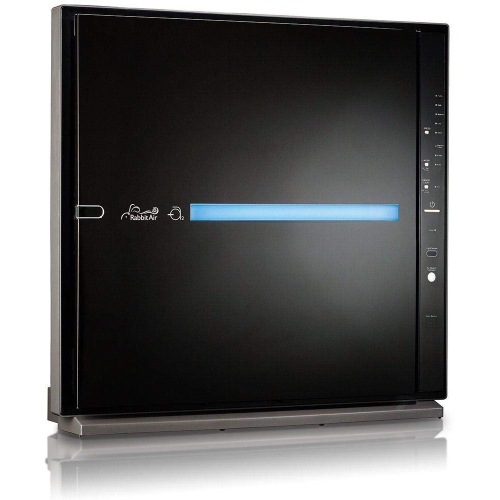
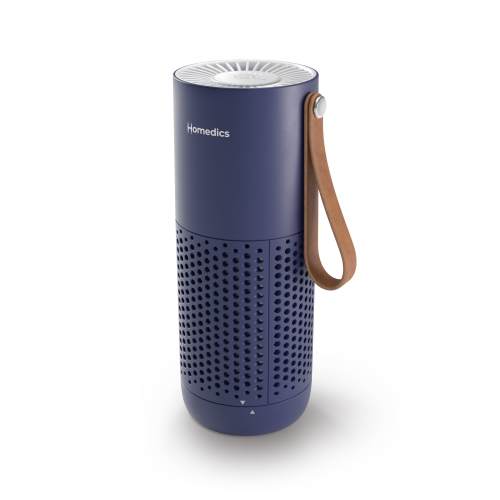
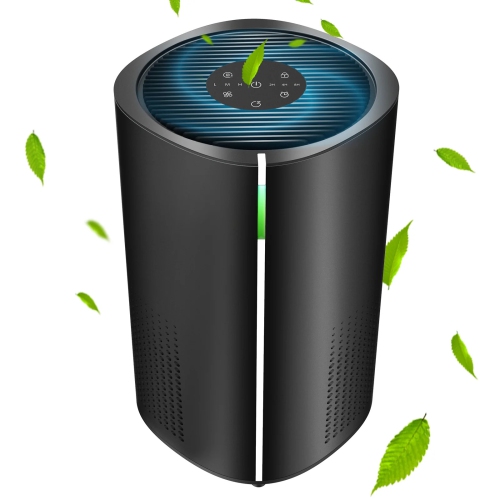
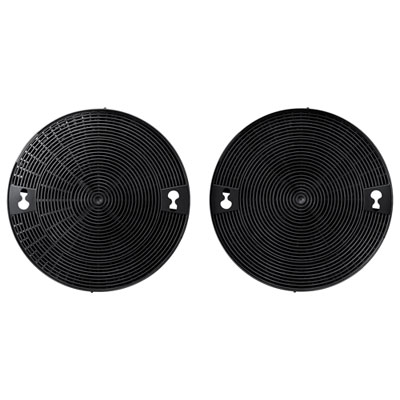
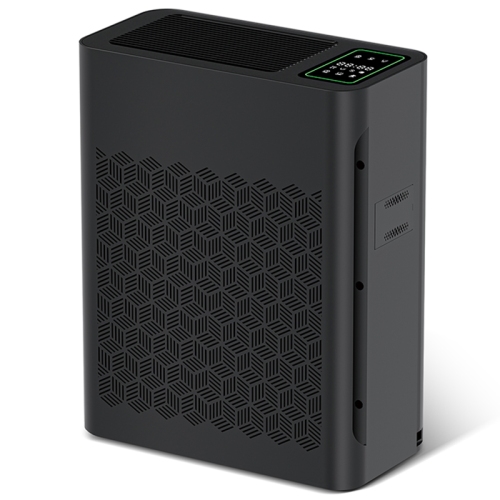
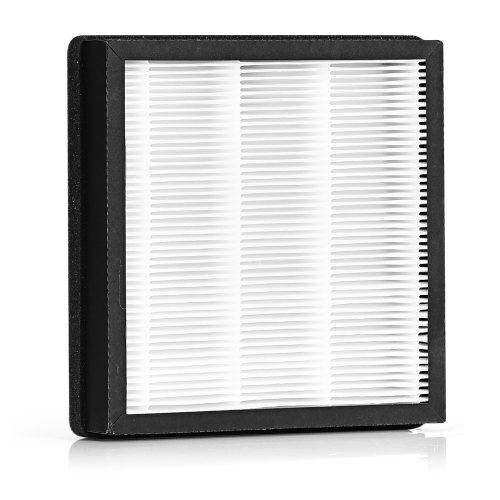
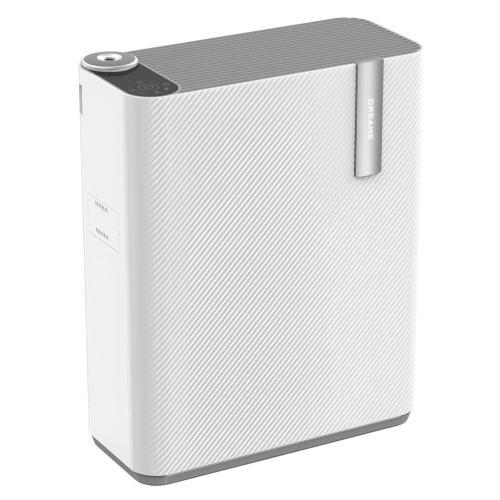
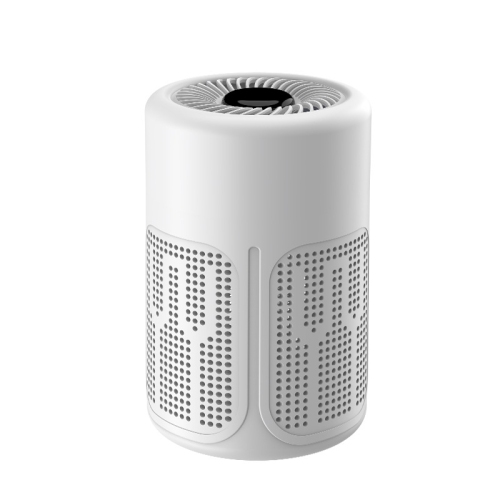
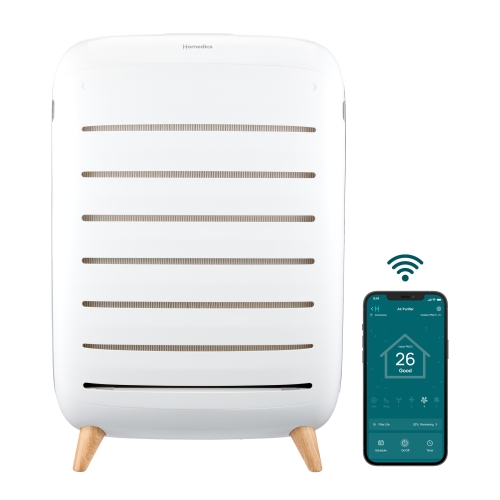
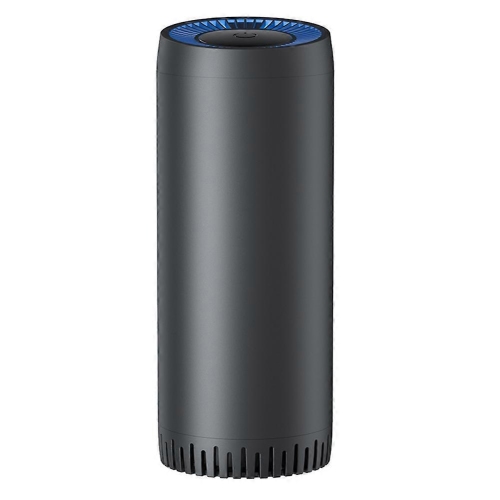
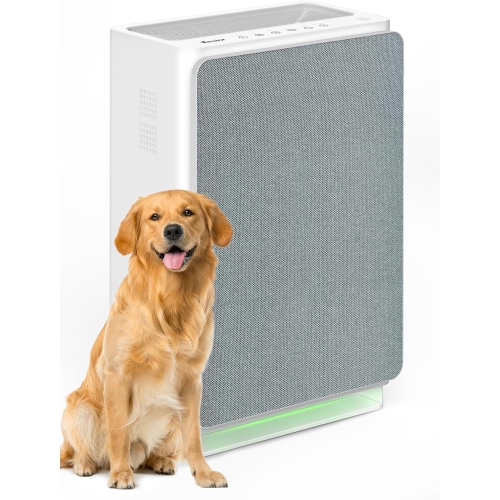
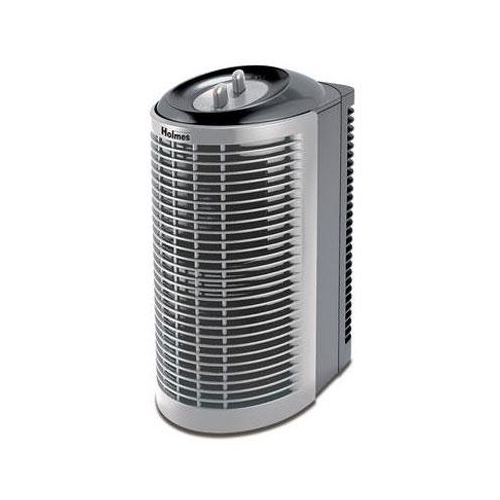
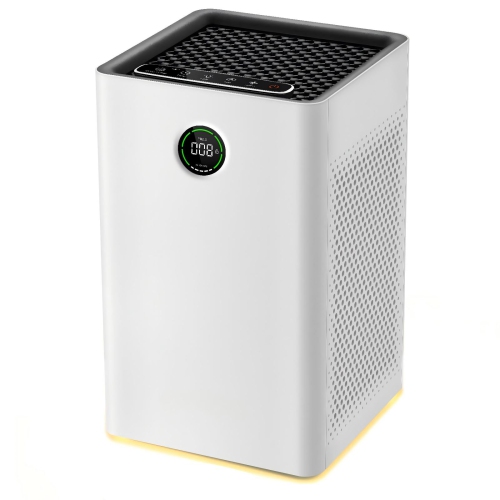
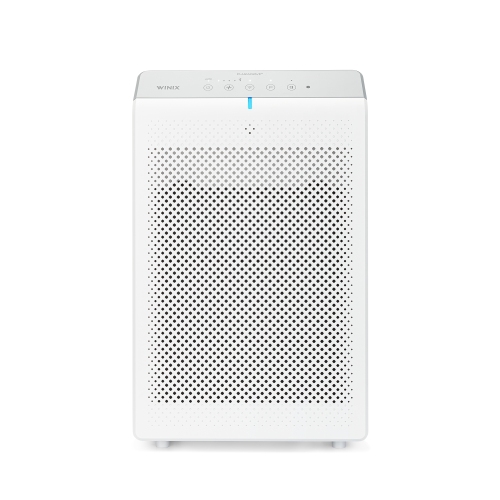
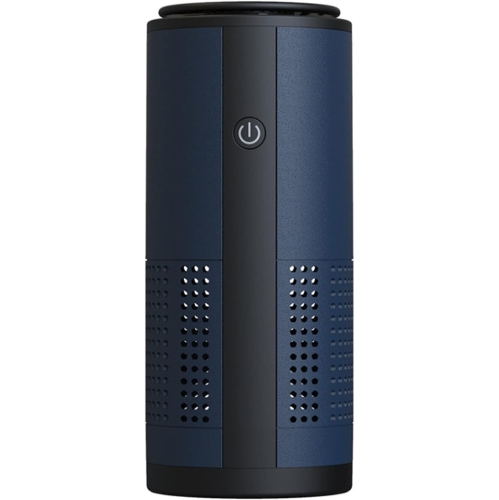
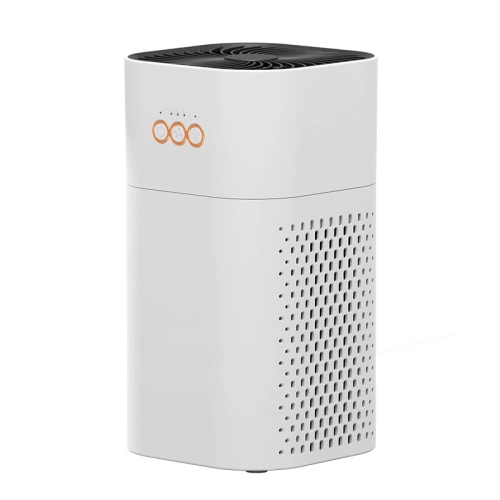
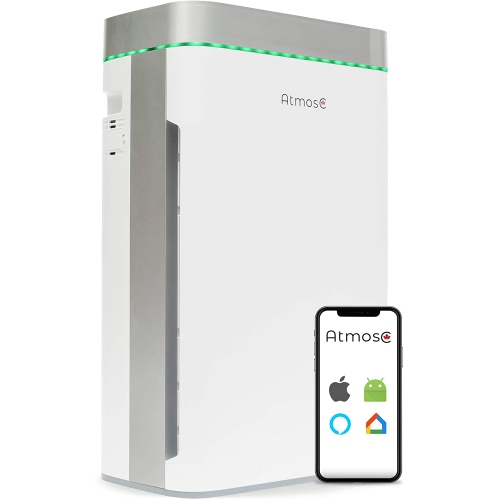
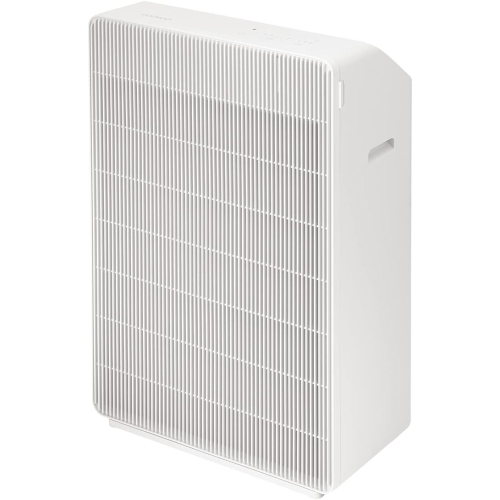
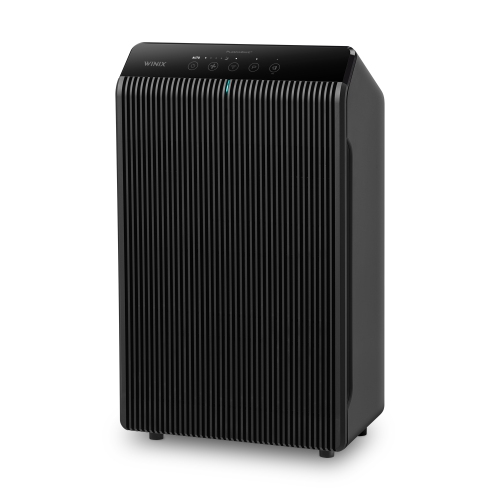
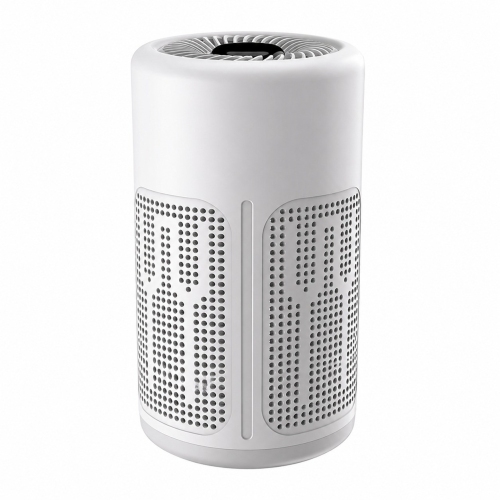
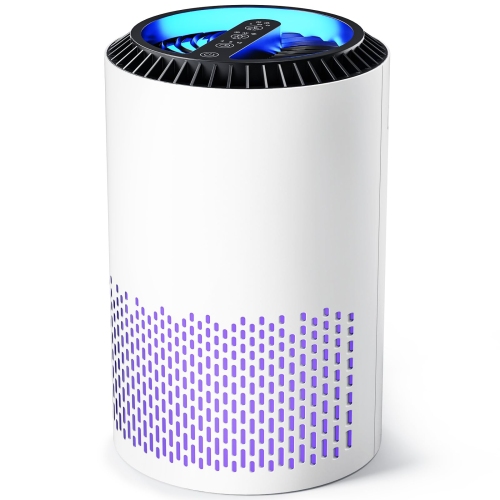
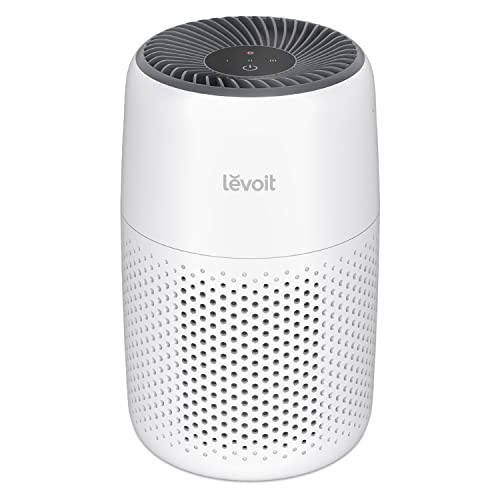
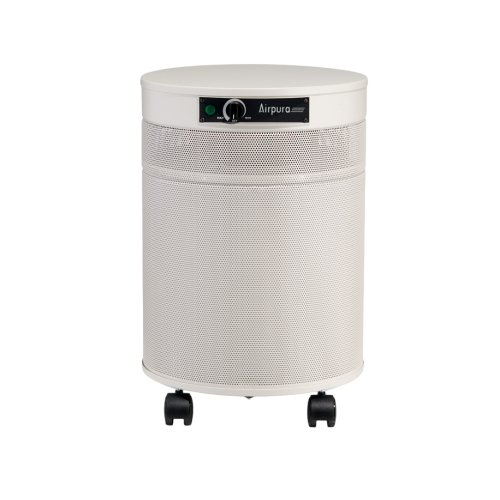
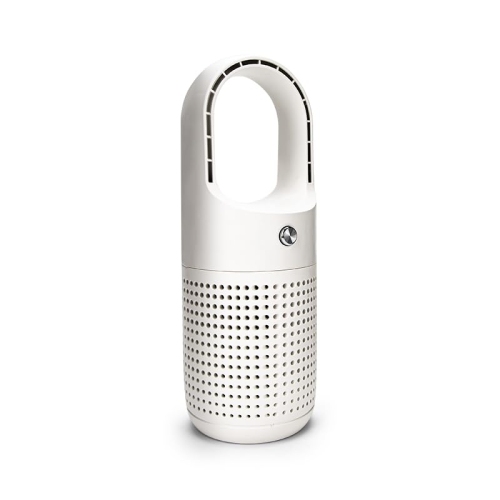
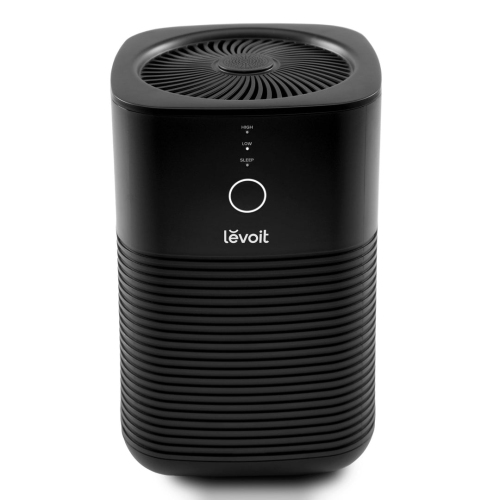
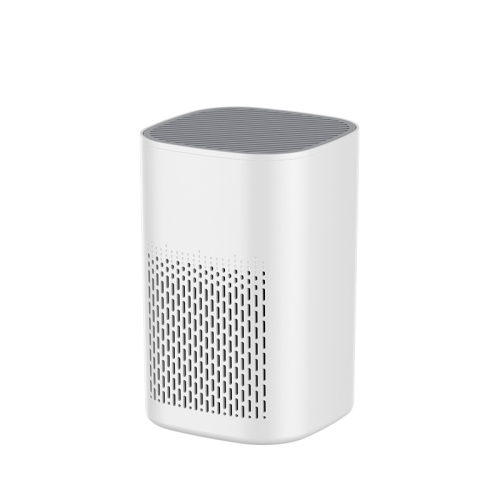
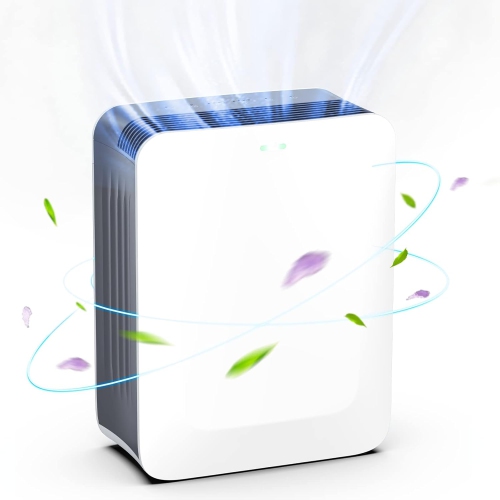
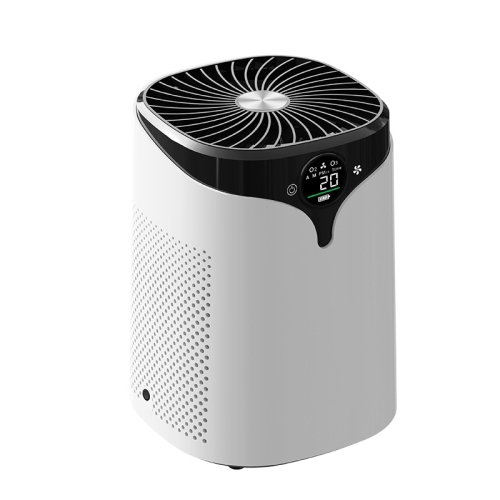
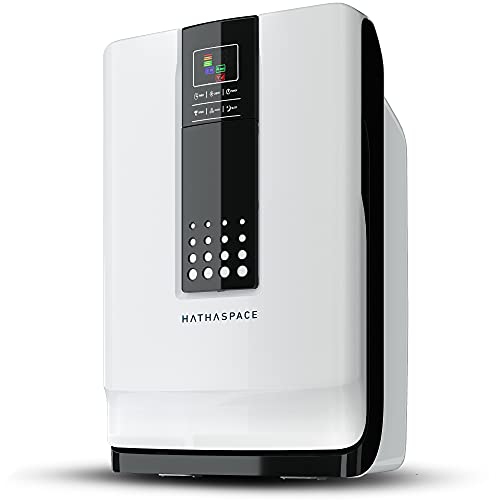
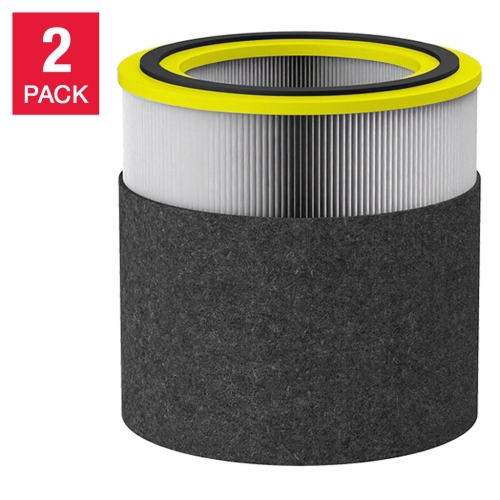
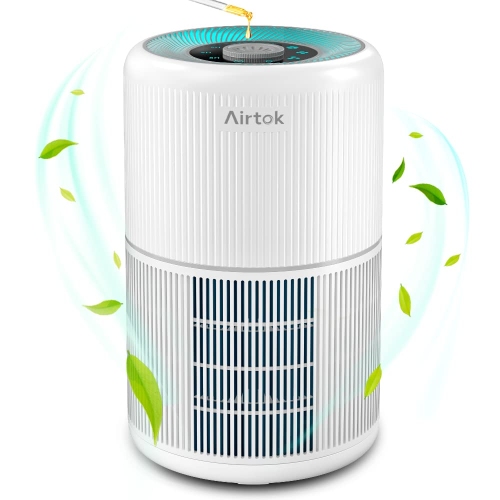
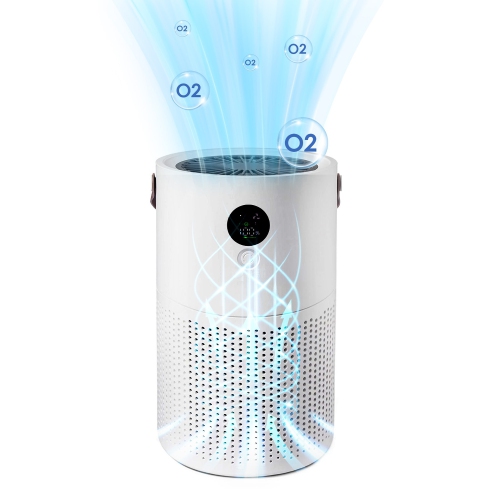
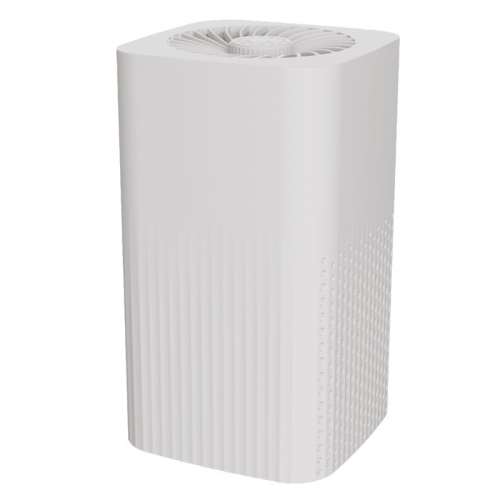
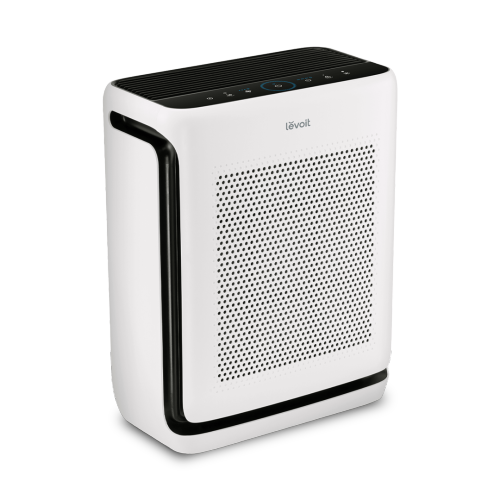
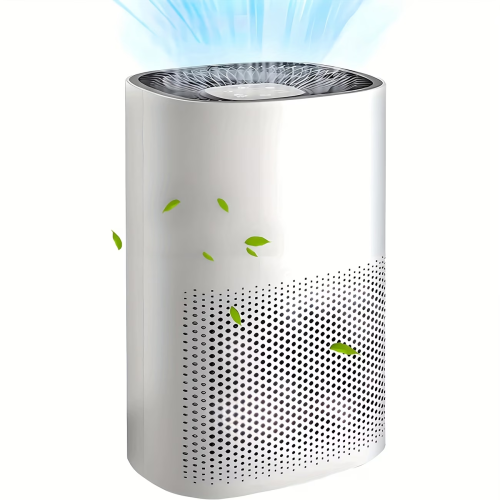
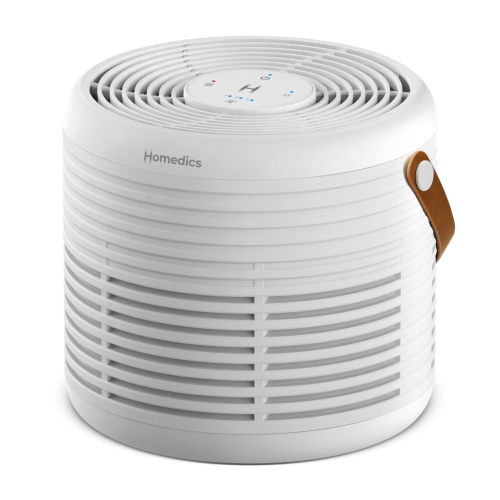
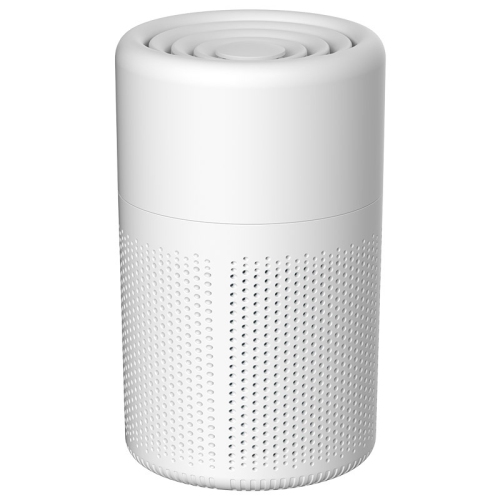
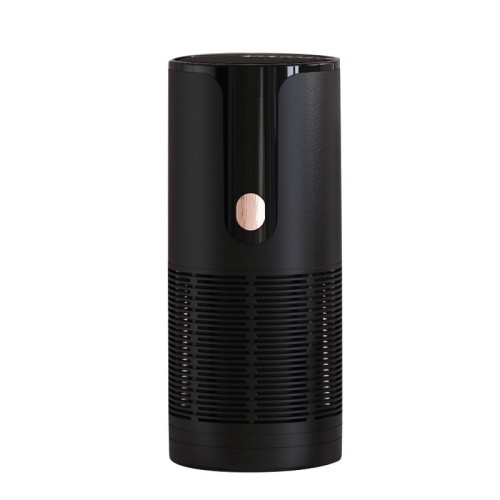
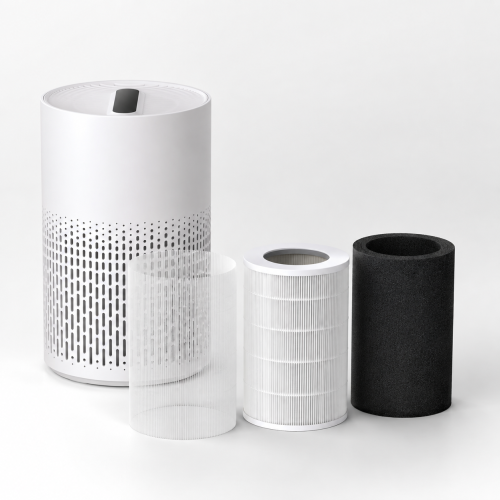
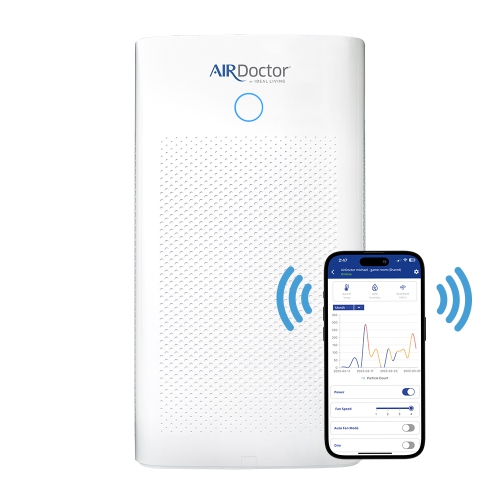
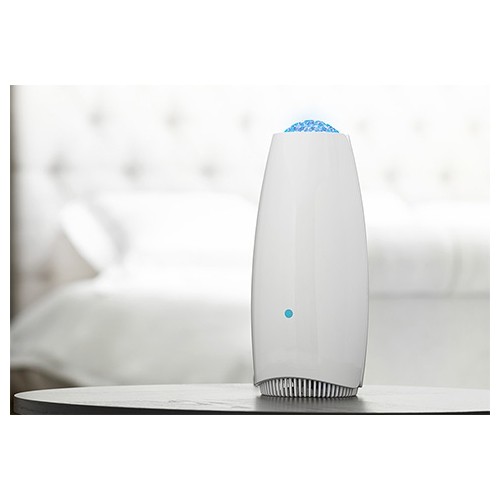
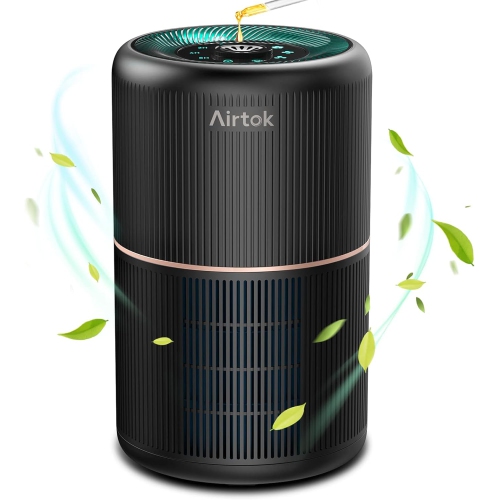
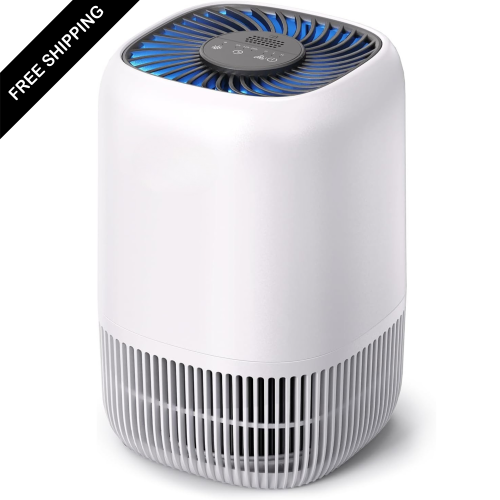
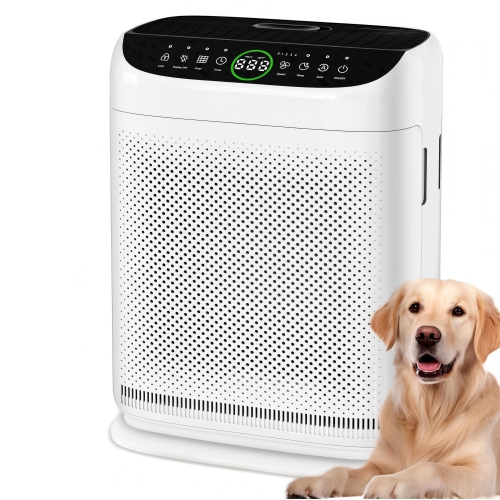
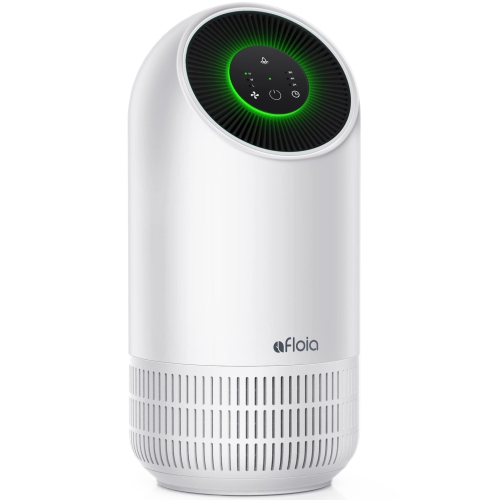
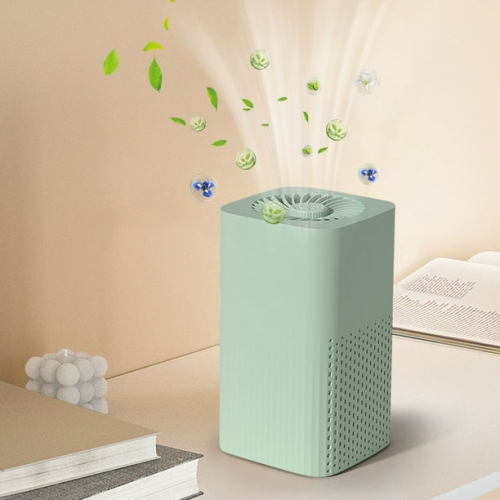
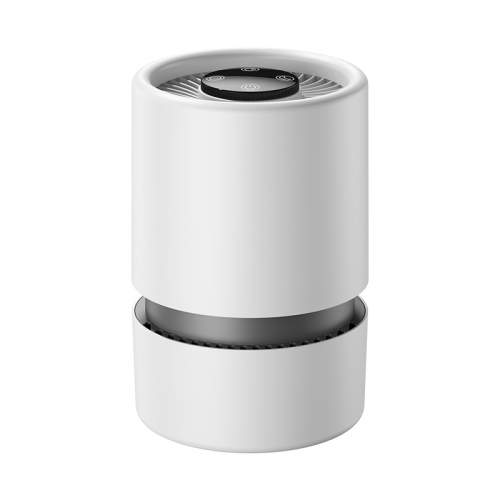
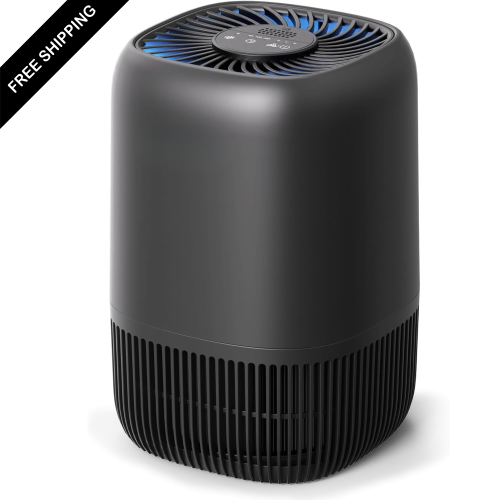
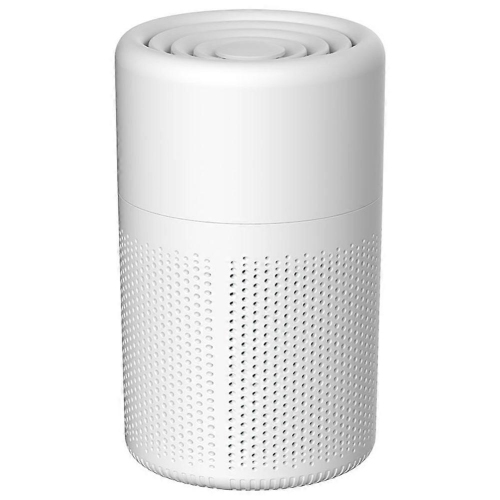
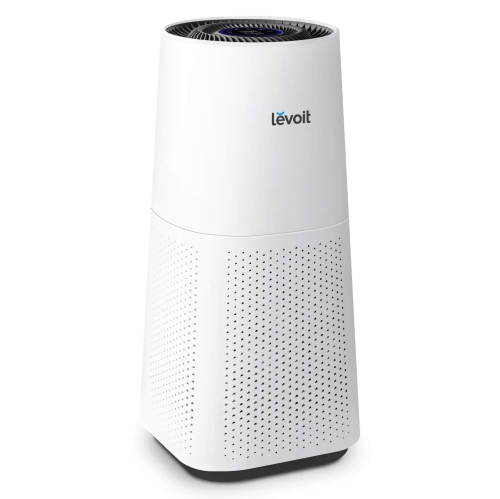
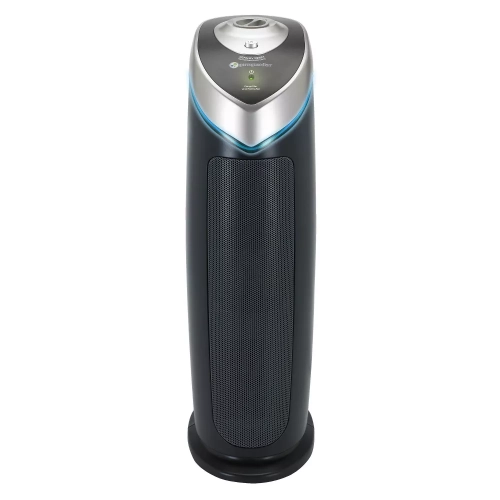
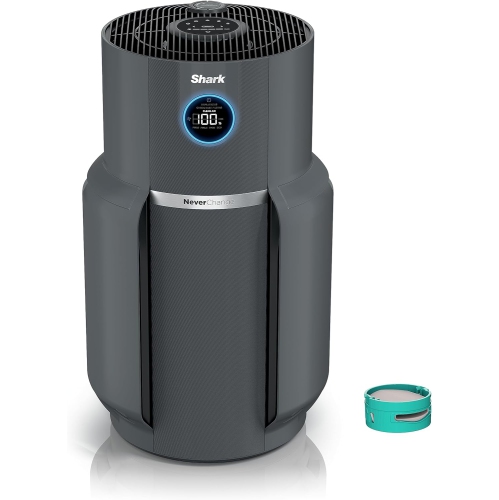
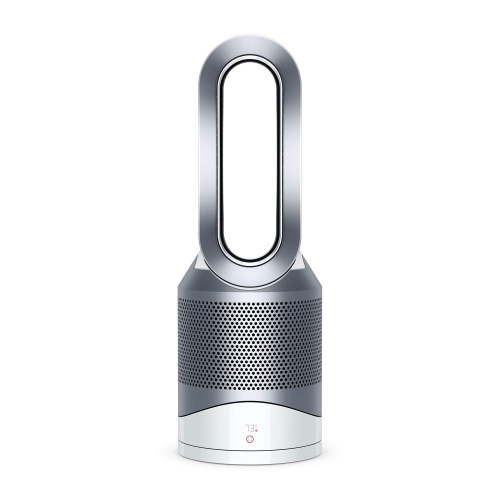
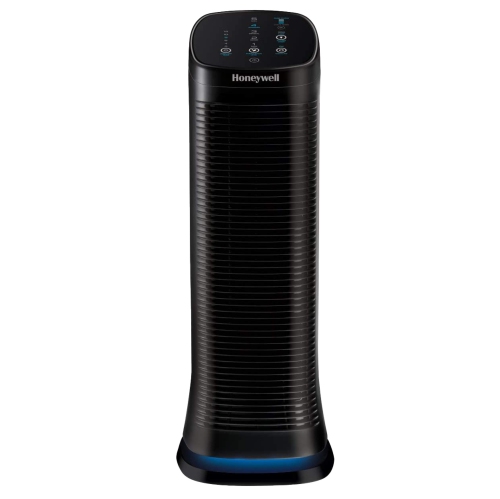
Cooking can fill a home with more than the aroma of a favourite meal. Sautéed onions, toasted spices, seared meat, fried foods and baked dishes can leave lingering odours that travel well beyond the kitchen, especially in an open-concept home. An air purifier for cooking smells can help reduce those airborne odours and particles by drawing room air through a combination of filters. For kitchen use, an activated carbon filter is especially important because carbon is designed to adsorb many of the gases and compounds associated with food odours, spices and smoke. A thicker carbon layer or a filter that contains a substantial amount of carbon can be a better choice for persistent smells than a very thin carbon sheet. A True HEPA filter serves a different purpose by capturing very small airborne particles, including fine smoke and ash produced during frying, grilling or roasting. Together, these filtration stages can help freshen the air after cooking and limit the way smoky or savoury smells settle into nearby rooms. It is worth remembering that an air purifier complements, rather than replaces, a range hood. If your kitchen has a hood that vents outdoors, turn it on before cooking and leave it running for a while afterwards to remove heat, steam and heavier grease at the source. A purifier is best used as an additional layer of air cleaning for the particles and odours that escape into the room. Homes without outdoor ventilation, apartments with compact kitchens and open-concept spaces may find this combination particularly useful during the cooler months, when windows are often kept closed and indoor air has fewer opportunities to circulate outdoors.
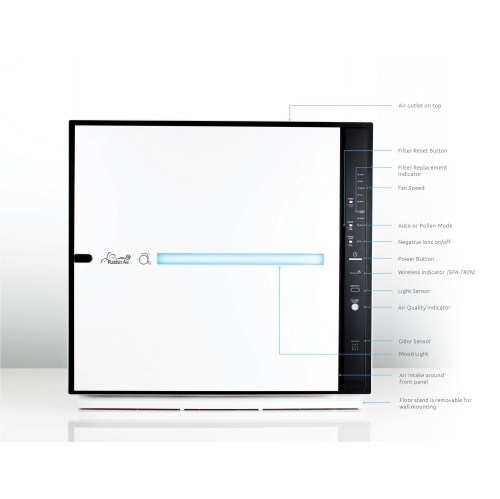
When choosing an air purifier for cooking smells, start by considering the size and layout of the area where it will operate. A compact kitchen may suit a smaller unit, while an open-concept kitchen, dining area and living room usually need stronger airflow and a room rating that covers the full shared space. Look for clear coverage information and compare it with the square footage of the room rather than selecting a unit based only on its footprint. Air changes per hour, clean air delivery information and multiple fan speeds can also help you understand how quickly a purifier may circulate filtered air. An auto mode with an air-quality sensor can be convenient while preparing a meal: the purifier can detect a change in airborne particles and increase fan speed without requiring constant adjustments. Sensors are generally more responsive to smoke and particles than to odour alone, so auto mode should not be considered a complete substitute for a carbon filter or good ventilation. Noise level matters as well, particularly when the purifier will run during dinner, conversation or quiet evenings at home. A sleep mode, dimmable display and straightforward controls may be useful if the unit is placed near a dining or living area. Filter replacement requirements are another practical consideration. Check how often filters should be changed, whether the purifier provides a replacement reminder and how easy it is to access the filter compartment. Cooking can expose nearby surfaces and filters to airborne grease, so positioning the unit away from direct splashes and maintaining it according to the manufacturer’s instructions can help it perform as intended. For additional options suited to everyday household odours, browse Air Purifiers for Odor.
Placement can make a noticeable difference in how effectively a purifier responds to cooking activity. Set it near the entrance to the kitchen or at the edge of an open-concept living area, where it can intercept air before odours drift through the rest of the home. Avoid placing it directly beside a stovetop, sink or source of steam, where splashes, heat and grease may reach the unit. Leave space around the air intake and outlet so air can move freely, and keep curtains, chairs and other furnishings from blocking the vents. For a strong-smelling meal, running the purifier before cooking can give it time to establish airflow, while continuing to run it after the meal can help address lingering particles and odours. Closing nearby bedroom doors during cooking may also help prevent smells from settling into bedding and clothing. These appliances can be a thoughtful choice for people who cook often, live in a condo or apartment, share an open kitchen with a living room, or are sensitive to smoky or heavily spiced cooking smells. They may also suit a new homeowner, a student moving into a smaller space, or someone setting up a guest room near a kitchen. As a gift, an air purifier can be practical for a household that enjoys frying, baking, roasting or entertaining, provided the recipient has a suitable place to operate it and can replace the filters when needed. During the cooler months, when cooking often takes place with doors and windows closed, a purifier can become part of a simple indoor-air routine: use the range hood while preparing food, keep the purifier circulating air nearby, and allow both to run briefly after the meal. Choosing the right combination of activated carbon, HEPA filtration, airflow, room coverage and convenient controls helps match the appliance to the way your home is used, whether you are trying to manage everyday food odours or keep a welcoming living space feeling fresher after a busy kitchen session.
When choosing an air purifier for cooking smells, start by considering the size and layout of the area where it will operate. A compact kitchen may suit a smaller unit, while an open-concept kitchen, dining area and living room usually need stronger airflow and a room rating that covers the full shared space. Look for clear coverage information and compare it with the square footage of the room rather than selecting a unit based only on its footprint. Air changes per hour, clean air delivery information and multiple fan speeds can also help you understand how quickly a purifier may circulate filtered air. An auto mode with an air-quality sensor can be convenient while preparing a meal: the purifier can detect a change in airborne particles and increase fan speed without requiring constant adjustments. Sensors are generally more responsive to smoke and particles than to odour alone, so auto mode should not be considered a complete substitute for a carbon filter or good ventilation. Noise level matters as well, particularly when the purifier will run during dinner, conversation or quiet evenings at home. A sleep mode, dimmable display and straightforward controls may be useful if the unit is placed near a dining or living area. Filter replacement requirements are another practical consideration. Check how often filters should be changed, whether the purifier provides a replacement reminder and how easy it is to access the filter compartment. Cooking can expose nearby surfaces and filters to airborne grease, so positioning the unit away from direct splashes and maintaining it according to the manufacturer’s instructions can help it perform as intended. For additional options suited to everyday household odours, browse Air Purifiers for Odor.
Placement can make a noticeable difference in how effectively a purifier responds to cooking activity. Set it near the entrance to the kitchen or at the edge of an open-concept living area, where it can intercept air before odours drift through the rest of the home. Avoid placing it directly beside a stovetop, sink or source of steam, where splashes, heat and grease may reach the unit. Leave space around the air intake and outlet so air can move freely, and keep curtains, chairs and other furnishings from blocking the vents. For a strong-smelling meal, running the purifier before cooking can give it time to establish airflow, while continuing to run it after the meal can help address lingering particles and odours. Closing nearby bedroom doors during cooking may also help prevent smells from settling into bedding and clothing. These appliances can be a thoughtful choice for people who cook often, live in a condo or apartment, share an open kitchen with a living room, or are sensitive to smoky or heavily spiced cooking smells. They may also suit a new homeowner, a student moving into a smaller space, or someone setting up a guest room near a kitchen. As a gift, an air purifier can be practical for a household that enjoys frying, baking, roasting or entertaining, provided the recipient has a suitable place to operate it and can replace the filters when needed. During the cooler months, when cooking often takes place with doors and windows closed, a purifier can become part of a simple indoor-air routine: use the range hood while preparing food, keep the purifier circulating air nearby, and allow both to run briefly after the meal. Choosing the right combination of activated carbon, HEPA filtration, airflow, room coverage and convenient controls helps match the appliance to the way your home is used, whether you are trying to manage everyday food odours or keep a welcoming living space feeling fresher after a busy kitchen session.
Top selling and popular products
-
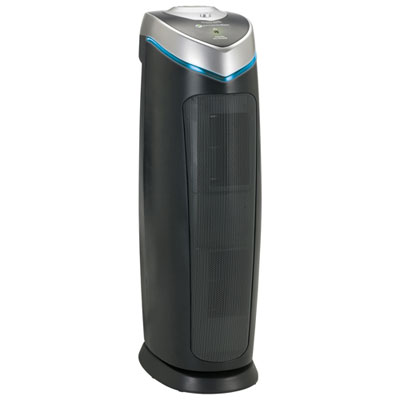 Your price for this item is $139.99
 -
 Your price for this item is $323.72
 -
 Your price for this item is $999.99
 -
 Your price for this item is $729.99
 -
 Your price for this item is $583.14
 -
 Your price for this item is $719.39
 -
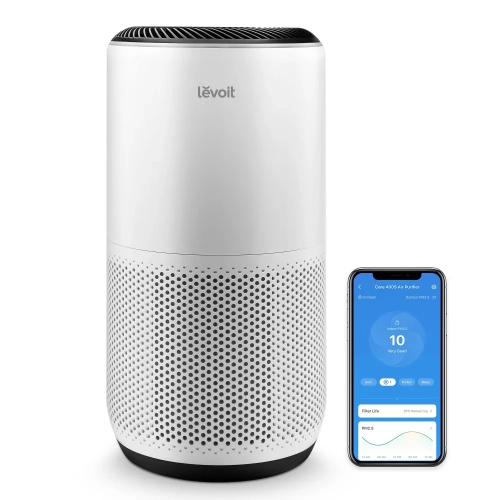 Your price for this item is $699.99
 -
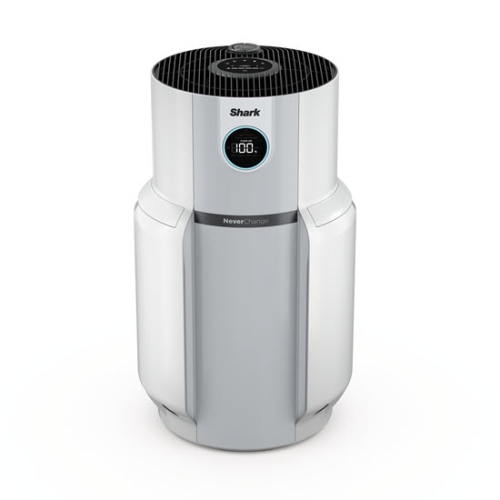 Your price for this item is $229.95
Discover more categories related to Air Purifiers for Cooking Smells
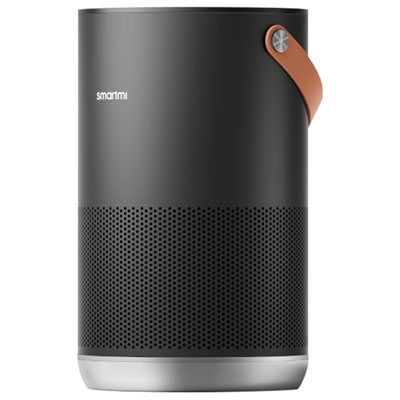
Top Collections:
Pokemon Centers, Best Cameras for Sports Photography, Kindle Devices, Samsung Galaxy Phones, Canon G7X Cameras, Pokémon 30th Celebration Cards, Refurbished Apple Laptops, iPhone 15 Apple, Laptops for Students, Budget Smartphones
Some products may be subject to Environmental Handling Fees
(EHF) depending on your province.
Learn more about EHFs.