Auto Heaters 12V
Auto Heaters 12V offer a convenient way to keep your vehicle comfortable during colder months. Designed for easy integration with your car's power system, these heaters help maintain a pleasant temperature inside your vehicle. Whether you're preparing for early morning commutes or long road trips, Auto Heaters 12V provide an effective solution to enhance your driving experience. Explore a range of options to find the right fit for your needs and enjoy added comfort on every journey.
Sort









What plug-in car heaters can and cannot do
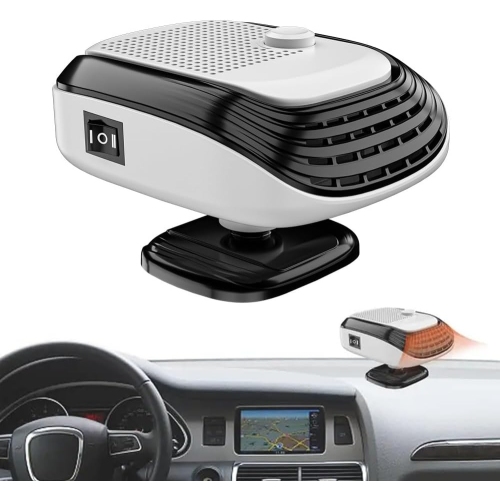
12V auto heaters are compact electrical accessories that provide targeted warmth or help clear light condensation from a small area of glass. Many portable designs connect to a vehicle’s 12V accessory socket, sometimes called a cigarette lighter socket, and use a fan to move air across a heating element. Their role is supplemental: a plug-in car heater cannot match the output of a vehicle’s built-in heating system, quickly warm an entire cabin, or reliably remove heavy ice from a windshield. For a commuter dealing with a lightly misted side window or a driver seeking a little extra warmth near the seating area, a compact heater may offer modest assistance when used as directed. Results depend on the heater’s output, airflow, placement, and the conditions inside and outside the vehicle. Moisture from wet boots, damp coats, and passengers’ breath can continue to fog glass, so the vehicle’s ventilation and defrost settings remain important. Thick frost and exterior ice still call for proper scraping and the vehicle’s defroster, and driving should wait until the required windows and mirrors are clear. Some 12V car heaters offer separate heat and fan-only settings, allowing the same accessory to circulate unheated air when warmth is not needed. A fan-only mode does not provide air conditioning or lower air temperature below the surrounding cabin air. Adjustable outlets or swivelling mounts can help aim the airflow, but their range of movement and mounting requirements vary. A small dashboard footprint may be useful in a compact car, although the heater still needs a stable position with unobstructed air intake and outlet openings. The most useful comparison is therefore not simply how much heat a unit promises, but whether its intended function matches the task: localized airflow, light mist assistance, or supplemental warmth within the limits of a low-voltage accessory.
Electrical compatibility is one of the most important considerations for a 12V portable car heater because heating draws considerably more current than many small vehicle accessories. At a nominal 12 volts, a 150-watt heater draws approximately 12.5 amps, while a 200-watt heater draws approximately 16.7 amps. These figures describe electrical demand, not guaranteed heating performance, and actual current can vary with operating voltage and the heater’s design. A socket marked for a lower load is not suitable simply because the plug fits. The vehicle owner’s manual, the socket’s stated limit, and the heater manufacturer’s requirements should agree before use. Some vehicles also place several outlets on a shared circuit, so another connected accessory can affect the total load. Splitters and extension leads can introduce additional connection points and may not be rated for a heating appliance; use them only where both the vehicle and accessory instructions expressly permit it. A fuse that repeatedly blows is a sign to stop using the heater and have the cause checked, not a reason to install a higher-rated fuse. Loose plugs, damaged cords, discoloured connectors, a burning smell, or unusual heat at the socket also warrant immediate attention. The heater’s outlet may become hot during normal operation, so hands, upholstery, paper, and clothing need to remain clear of it. Automatic temperature controls and overheat protection can be useful features, but they do not make an incompatible circuit safe or replace supervision. Whether the socket remains powered after the ignition is switched off matters as well: a heater can discharge a vehicle battery if left running, potentially leaving insufficient power to start the engine. Follow the vehicle’s instructions on accessory use, and never run an engine in an enclosed garage to power cabin equipment. These practical limits help explain why 12V auto heaters are best treated as modest comfort accessories rather than substitutes for repairs to a faulty blower, heating system, or defroster.
Fit, construction, and everyday handling make a noticeable difference to how comfortably a portable heater works in a vehicle. Before choosing a mounting style, consider the shape of the dashboard, the distance to the accessory socket, and the path the cord would take. A cable should not cross the pedals, gear selector, steering controls, or a passenger’s entry and exit route. Mounting must also keep the heater clear of airbag deployment zones, existing vents, displays, and the driver’s view. An adjustable base is useful only if it holds its position securely; a unit that slides during braking or needs frequent repositioning can become a distraction. Heat-resistant housings, firmly attached grilles, secure controls, and appropriate cord strain relief are relevant construction details, while a ceramic heating element describes the heating technology rather than guaranteeing superior performance. Fan noise may also matter in a small cabin, particularly for drivers who need to hear navigation instructions or carry on a conversation. For care, switch the heater off, disconnect it, and allow it to cool before cleaning according to its instructions. Keeping dust and lint away from the intake helps preserve airflow, while avoiding liquid cleaners inside the housing protects electrical components. Periodic checks of the plug, cable, mounting hardware, and grille can reveal wear before the next use. When not needed, a cooled heater should be stored securely in a dry location rather than left loose on a seat or dashboard. As a practical gift for a driver, compatibility matters more than novelty, especially when the vehicle’s socket rating or available mounting space is unknown. Related categories such as Auto Radiator Heaters merit a separate look at their stated purpose and installation requirements rather than an assumption that all vehicle heaters work alike. Matching the power source, physical fit, and intended task is what makes a 12V heating accessory a sensible addition to a vehicle.
Top selling and popular products
-
 Your price for this item is $179.99
-
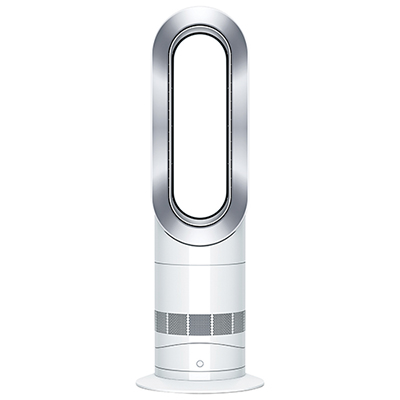 Your price for this item is $549.99
-
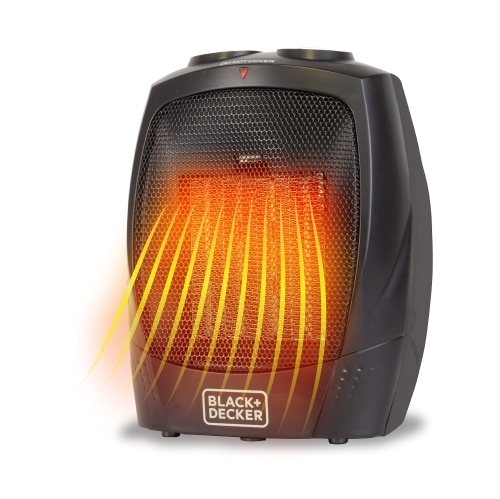 Your price for this item is $41.99
-
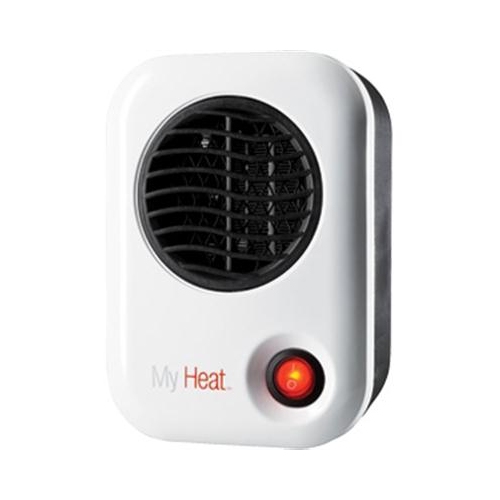 Your price for this item is $89.99
-
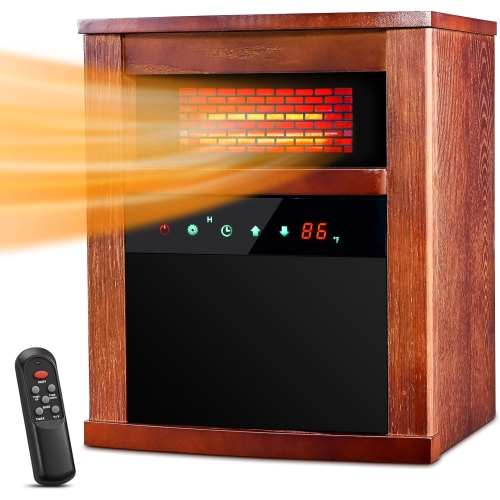 Your price for this item is $219.95
-
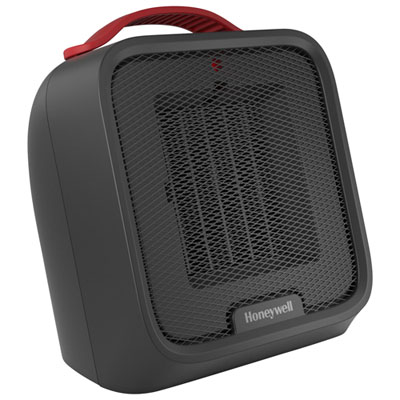 Your price for this item is $55.98
-
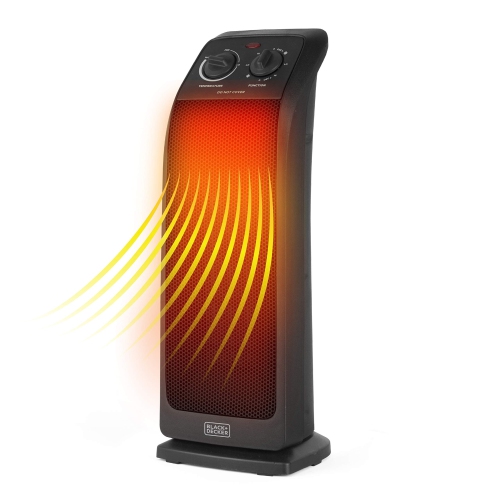 Your price for this item is $68.99
-
 Your price for this item is $50
Discover more categories related to Auto Heaters 12V

Top Collections:
Pokemon Centers, Best Budget Office Chairs, Kindle Devices, Best Cameras for Sports Photography, Pokémon 30th Celebration Cards, Best Laptops for Writers, Canon G7X Cameras, iPhone 15 Apple, Best Cell Phones Under $300, Apple iPhones 16
Some products may be subject to Environmental Handling Fees
(EHF) depending on your province.
Learn more about EHFs.