Automatic Coffee Grinders
Elevate your daily coffee routine with an Automatic Coffee Grinder, designed to help you enjoy fresh grounds and rich flavors at home. Whether you prefer a bold espresso or a smooth drip brew, these grinders offer convenience and consistency for every cup. Explore a wide selection of options to find the perfect fit for your kitchen and brewing style, making it easy to start each morning with the aroma of freshly ground coffee.
Sort

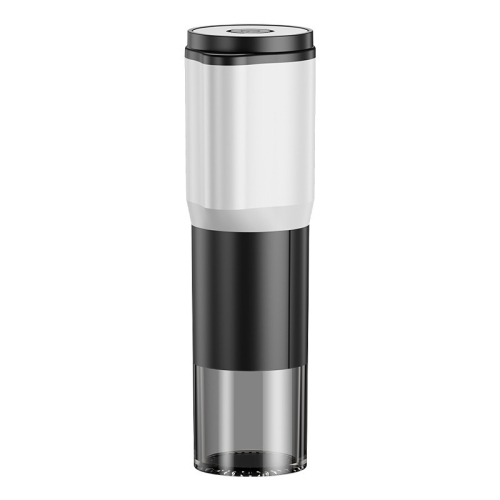
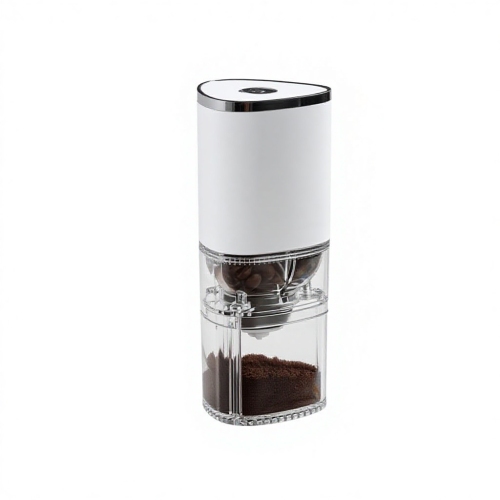
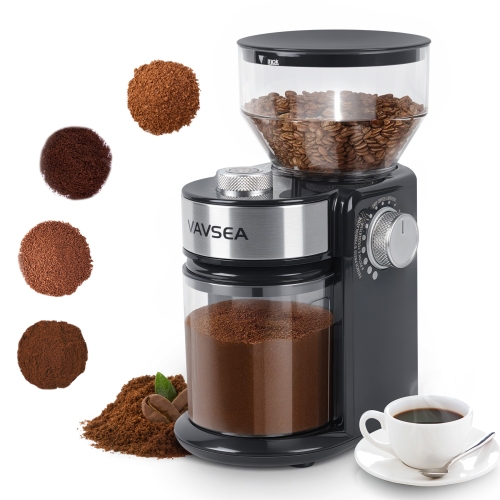
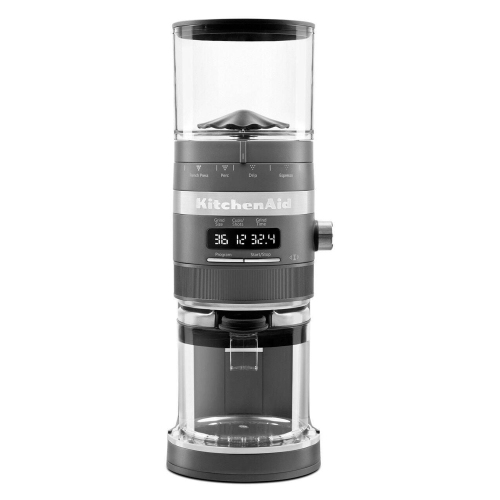

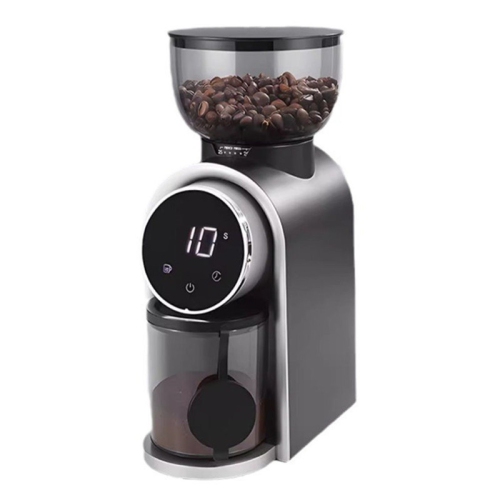
Why grind consistency matters for your daily brew
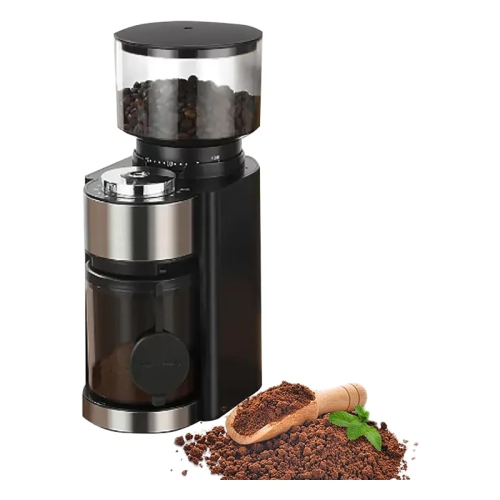
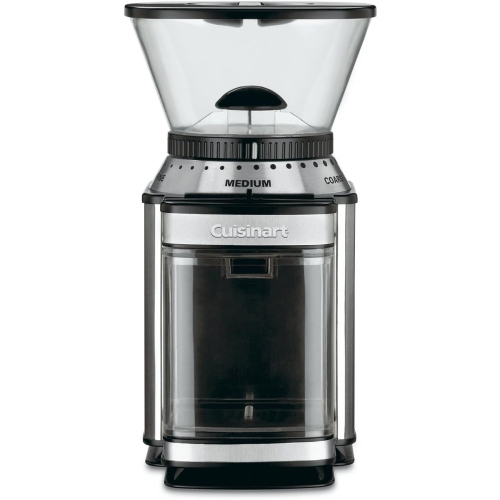
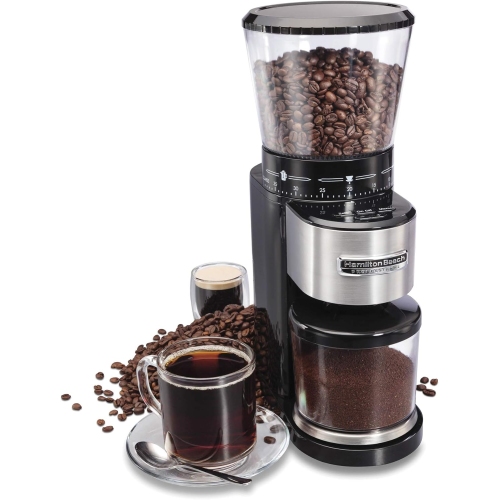
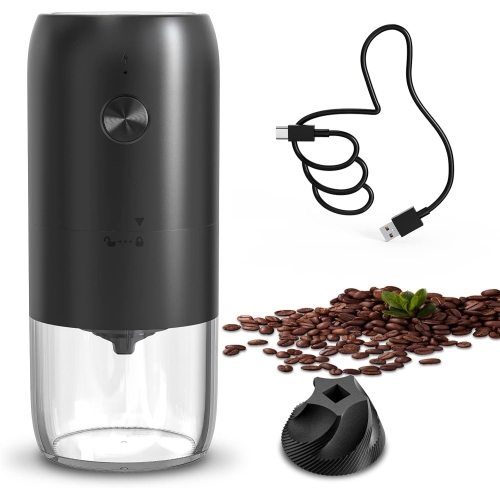
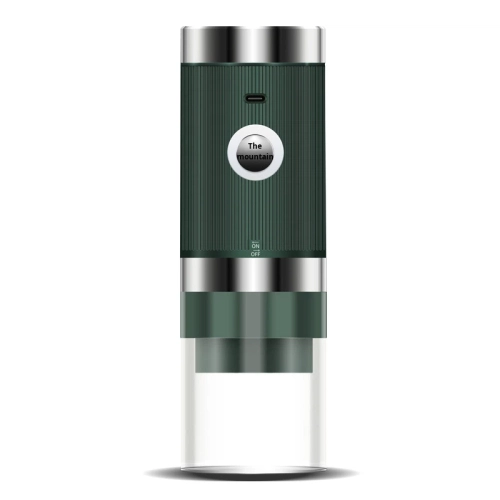
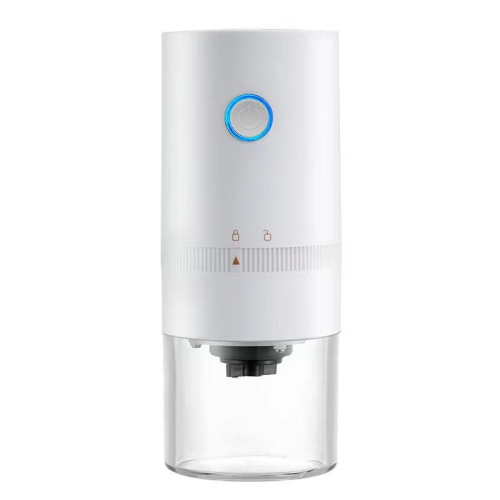
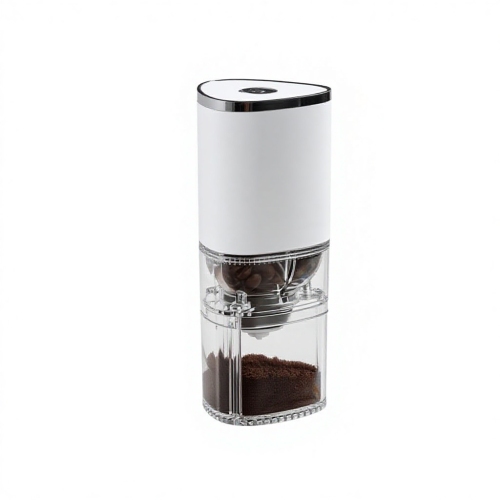
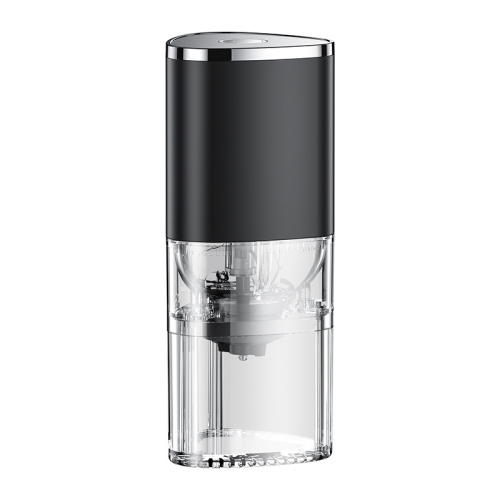
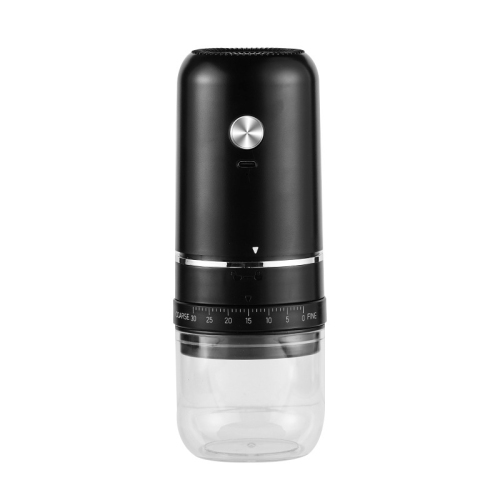
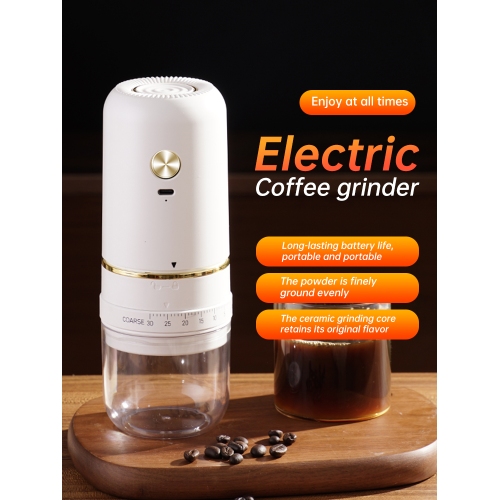
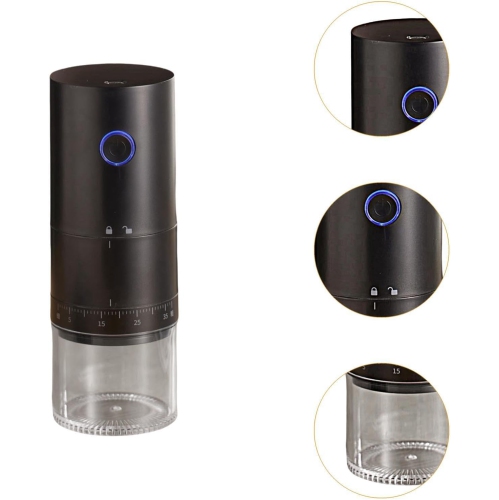
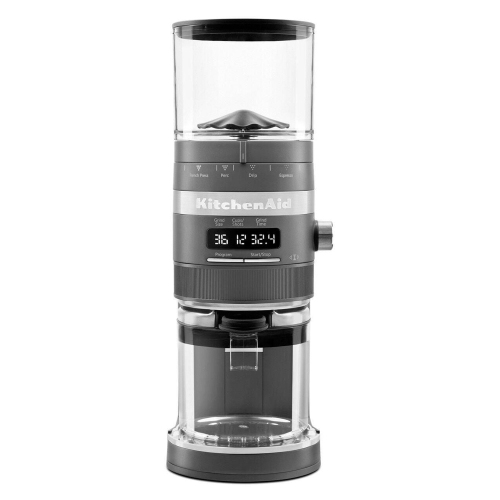
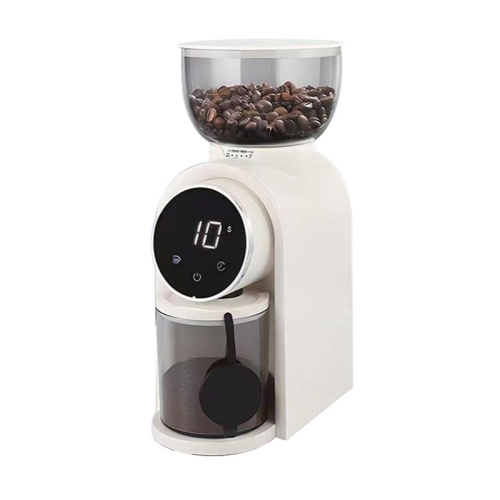
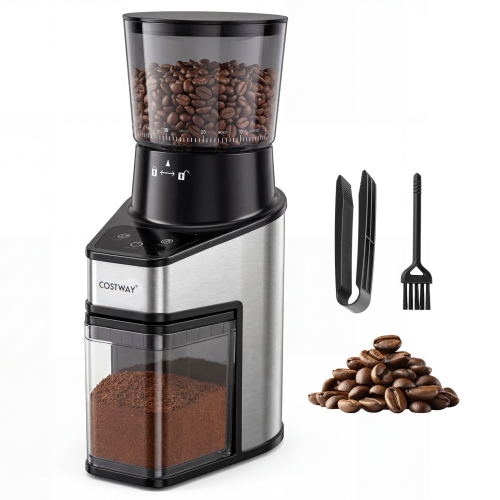
Automatic coffee grinders turn whole beans into ground coffee using an electric motor, reducing the effort involved in preparing a fresh batch for brewing. Depending on the design, automatic operation can include a timed grinding cycle, a preset portion, or a stop function linked to a selected weight. An automatic burr coffee grinder crushes beans between two burr surfaces, producing a more consistent particle size than a blade grinder, which chops beans with a spinning blade. That consistency matters because differently sized particles release flavour at different rates: a mixture of powder and large fragments can make extraction less predictable. Adjustable grind settings help match the grounds to the brewing method, from the coarse texture typically used for French press to medium grounds for many drip coffee makers and finer grounds for espresso. These are starting points rather than fixed rules, since the beans, brewer, filter, and recipe also affect the result. Espresso preparation often requires particularly small adjustments, so a grinder’s suitability for espresso depends on its fine-grinding capability and adjustment precision, not simply the number of settings printed on its dial. A broad range of settings is useful for a household that switches between a press pot and a drip brewer, while closely spaced adjustments can matter more to someone refining an espresso shot. Grinding shortly before brewing also preserves more of the aroma released when beans are broken apart, bringing the scent of freshly ground coffee into an everyday kitchen routine. Within the wider range of Coffee Grinders, automatic designs suit coffee drinkers who want repeatable preparation without hand-cranking beans for each serving. They can support anything from a single morning cup to a full carafe, provided the grind range, dosing method, and capacity match the way the coffee is made. The useful distinction is not just electric versus manual operation, but how much control the grinder offers over particle size and the amount dispensed.
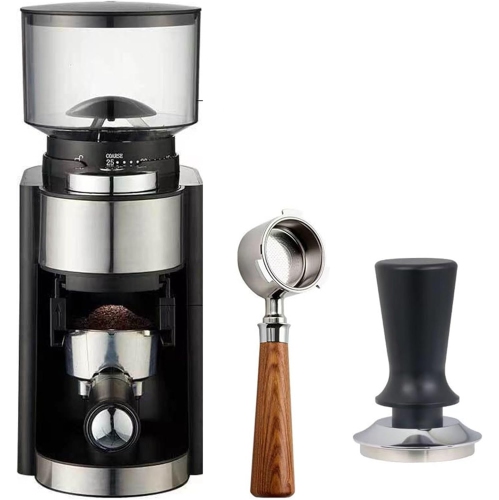
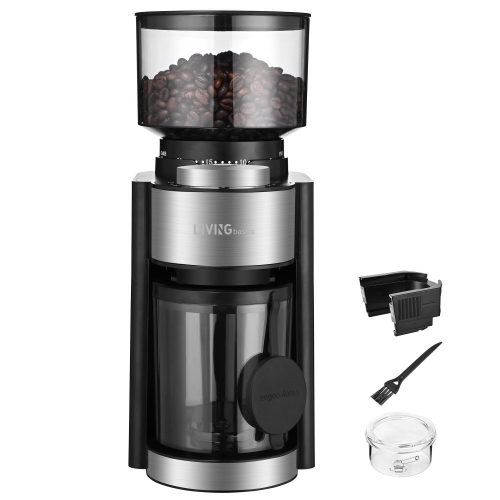
Dosing features shape how an automatic coffee grinder fits into daily use. Timed grinding runs the motor for a selected interval, while weight-based dosing uses a scale to measure the output on models equipped with that function. A cup selector estimates a portion for the chosen number of servings, but cup markings do not necessarily correspond to a favourite mug or a preferred coffee strength. Bean density and changes to the grind setting can also affect how much coffee a timed cycle produces, making a separate coffee scale useful for checking a recipe. For someone preparing a full drip pot before breakfast, a grounds container with clear markings and a lid can make transfer straightforward. For espresso preparation, a compatible portafilter holder can position the basket beneath the chute, reducing the need to move grounds between containers. The holder still needs to suit the portafilter’s size and shape; hands-free dispensing is not a universal fit. Hopper capacity is another practical distinction. A larger hopper can reduce refilling in a household that makes several coffees each day, while a single-dose design suits someone who weighs beans before each brew or frequently changes between regular and decaffeinated coffee. Beans stored in a hopper remain exposed to some air and light, so hopper size is best understood as a convenience feature rather than a substitute for suitable bean storage. Clear displays, readable controls, and settings that stay securely in place help make repeated preparation easier. Automatic shutoff ends the grinding cycle where that feature is included, but it does not remove the need to follow operating instructions. Sound and vibration also matter in shared spaces, especially when coffee preparation happens while others are sleeping or working nearby. A stable base, secure grounds container, and manageable dispensing height all contribute to a less fussy routine. Static can cause grounds to cling to a container or scatter around the chute, although the amount varies with the beans, grinder construction, and surrounding humidity.
Materials, dimensions, and access for cleaning influence how well an automatic coffee grinder holds up to regular use. Steel burrs are common in electric grinders, and some designs use ceramic burrs; both require protection from stones or other hard objects that can occasionally be mixed with beans. Conical and flat burr arrangements can both produce consistent grounds when properly designed and maintained, so burr shape alone does not establish overall grinding quality. Exterior construction is a separate consideration. A metal housing can add weight and a solid feel, while a lighter plastic body may be easier to move into a cupboard after use. A stainless steel finish does not necessarily indicate the material used for the burrs inside. Countertop fit includes more than the footprint: clearance above the hopper is needed for refilling, and front access matters when removing the grounds container. Cord placement and the distance to an outlet can also affect where the grinder sits beside a coffee maker or espresso machine. Regular care helps prevent old grounds and coffee oils from accumulating around the burrs, chute, and collection area. Removable components make those spaces easier to reach, although removal and washing instructions differ by design. The motor housing should not be immersed, and burrs should only be cleaned using the method specified by the manufacturer; parts that are washed need to dry fully before reassembly. Dark, oily beans can leave more residue, while flavoured or coated beans may be unsuitable for some mechanisms. Replaceable burrs and accessible service parts can extend useful life, particularly in a household where the grinder runs several times a day. For gifting, an automatic grinder is especially relevant to someone who already brews with whole beans or wants more control than pre-ground coffee allows. Matching it to the recipient’s usual brewing method, available counter space, and comfort with cleaning makes the gift more practical. A straightforward routine may suit an occasional coffee drinker, while precise dosing and fine adjustment can appeal to someone who enjoys experimenting with recipes and comparing the character of different beans.
Top selling and popular products
-
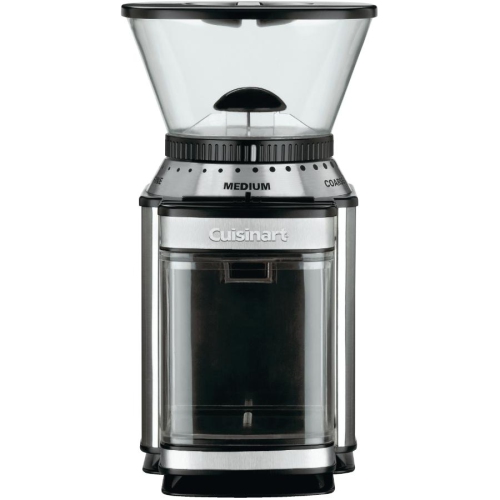 Your price for this item is $70.21
-
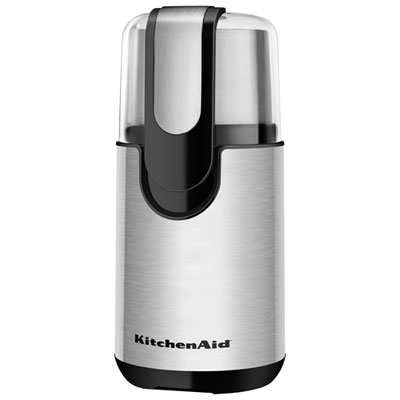 Your price for this item is $74.99
-
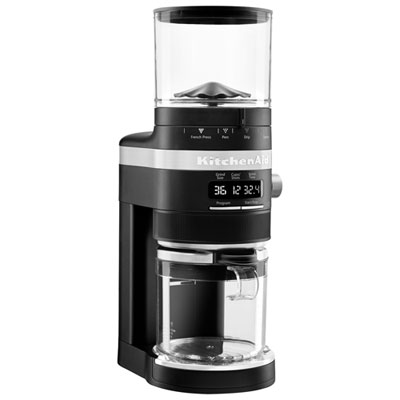 Your price for this item is $189.98
-
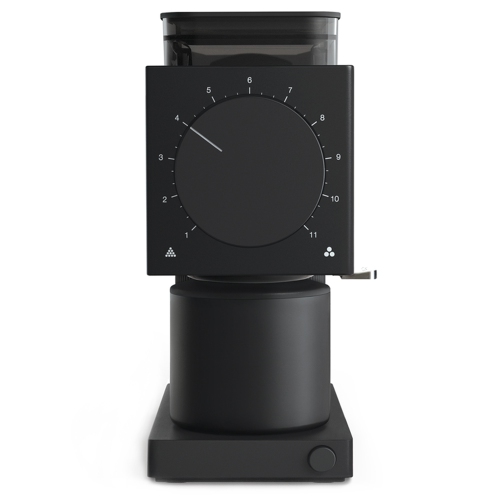 Your price for this item is $499
-
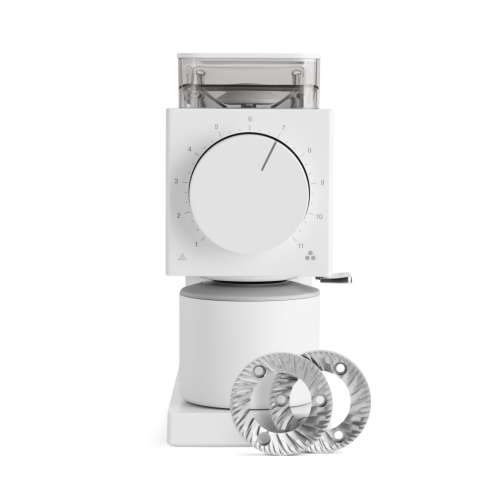 Your price for this item is $499
-
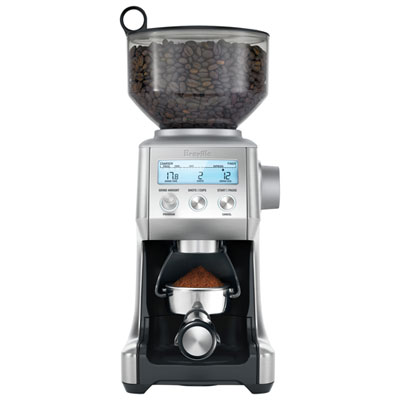 Your price for this item is $219.99
-
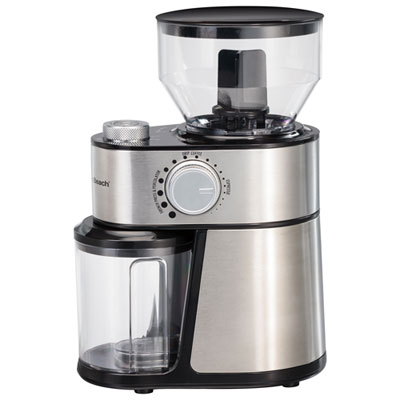 Your price for this item is $77.99
-
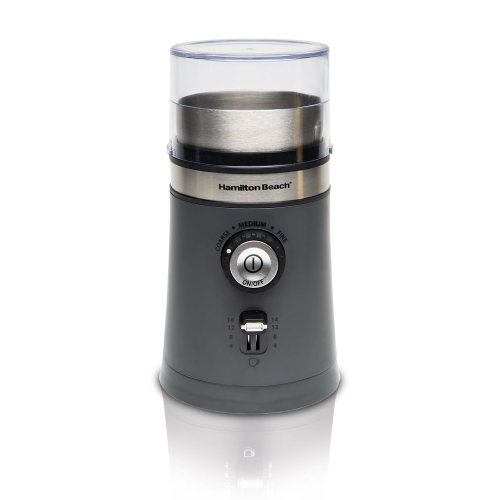 Your price for this item is $44.99
Discover more categories related to Automatic Coffee Grinders

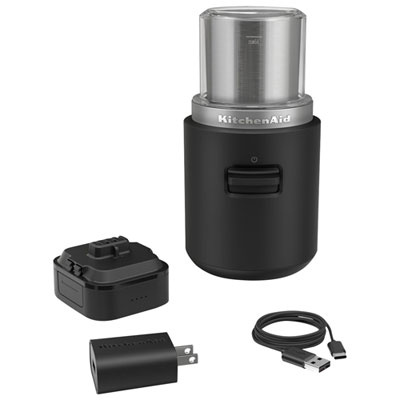

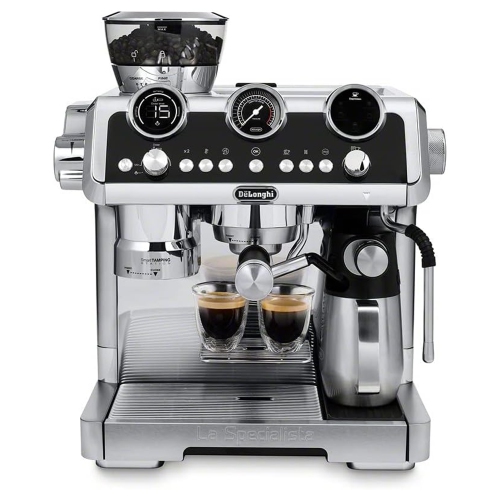
Top Collections:
Best Black Friday Deals This Year, Best Black Friday Deals On Electronics, Kindle Devices, Pokemon Centers, Best Black Friday Deals On Apple Products, Best Cameras for Sports Photography, Dyson Airwrap, Pokémon 30th Celebration Cards, Apple iPhone 17 Pro, Canon G7X Cameras
Some products may be subject to Environmental Handling Fees
(EHF) depending on your province.
Learn more about EHFs.