Automatic Coffee Makers With Timer
If you're looking for a coffee maker that can brew a pot of coffee before you wake up, look no further than our list of the best automatic coffee makers with timers. These machines are designed to make a fresh pot of coffee before you wake up, so you can enjoy a hot cup of joe without waiting for it. Here are some of our favorites.
Sort
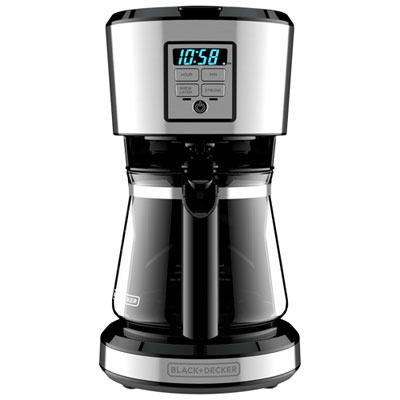
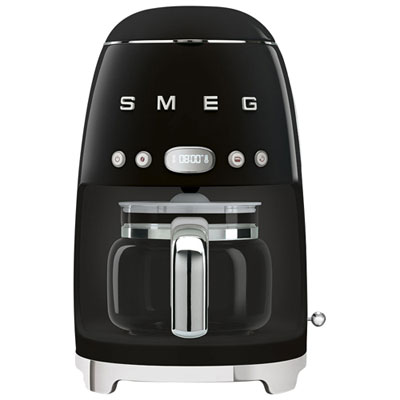
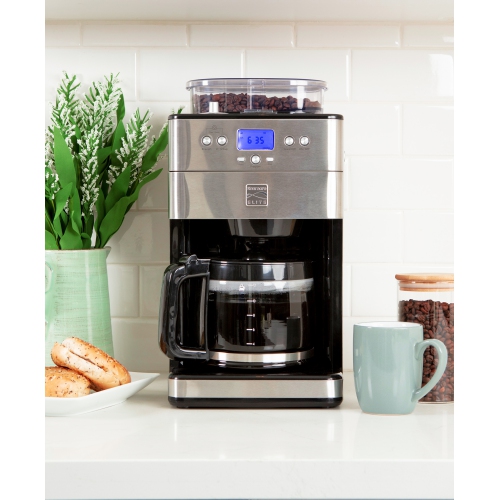
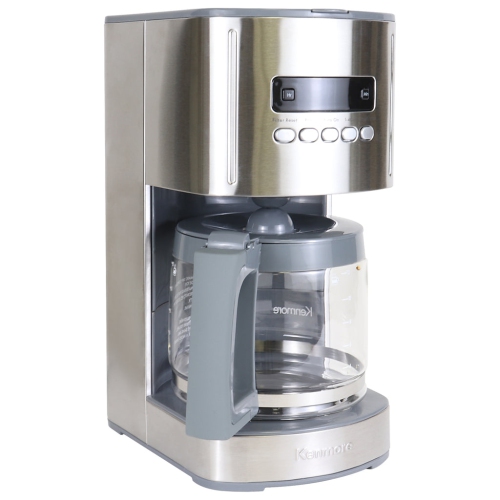
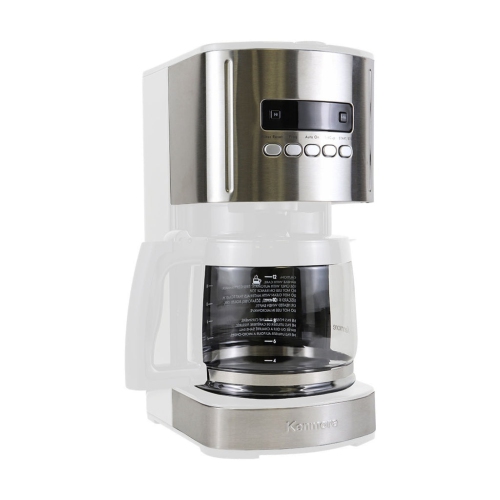
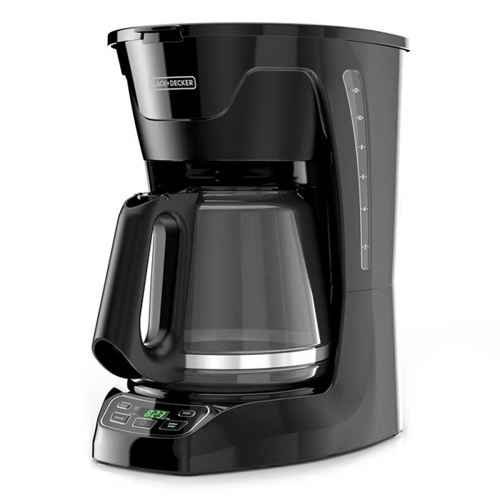
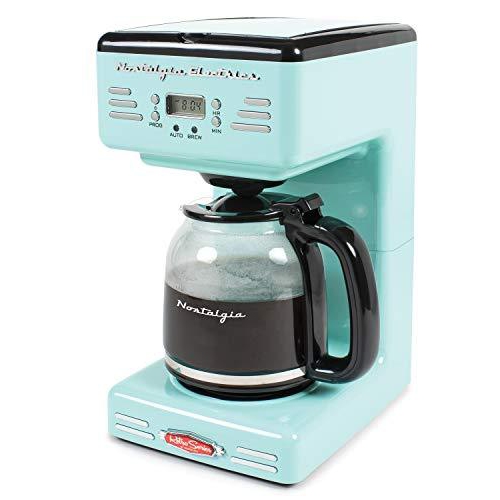
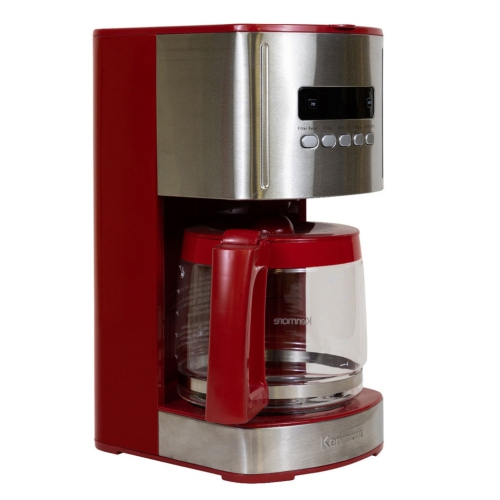

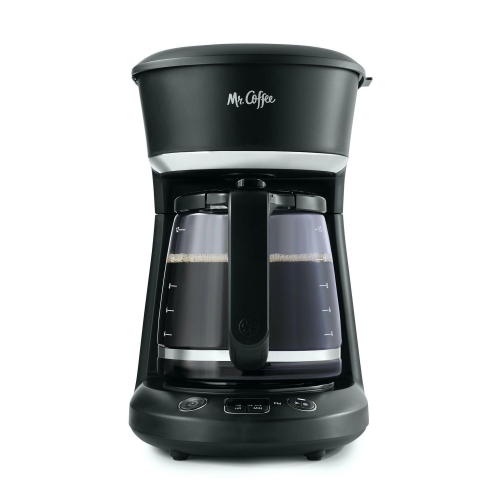
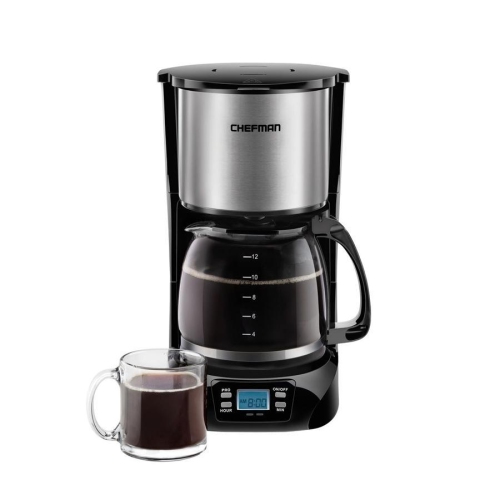
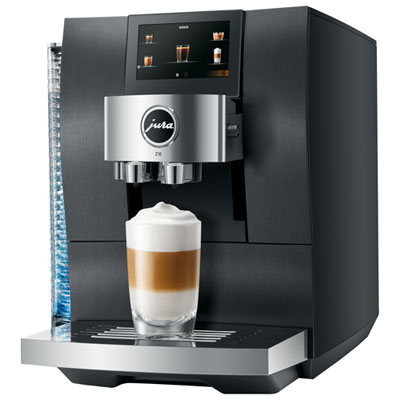
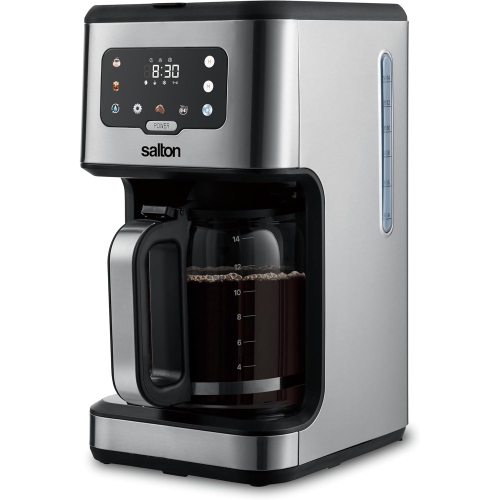
Freshly brewed coffee before the kitchen lights come on
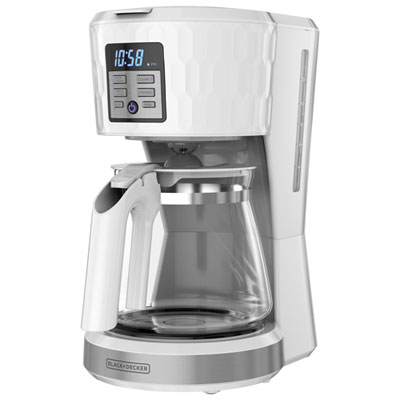
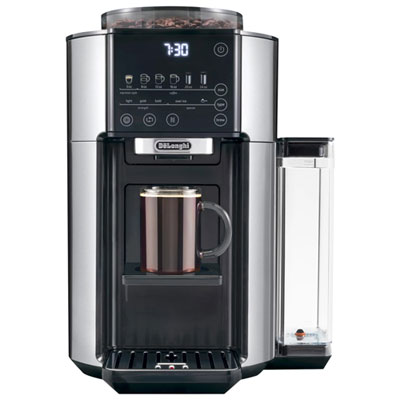
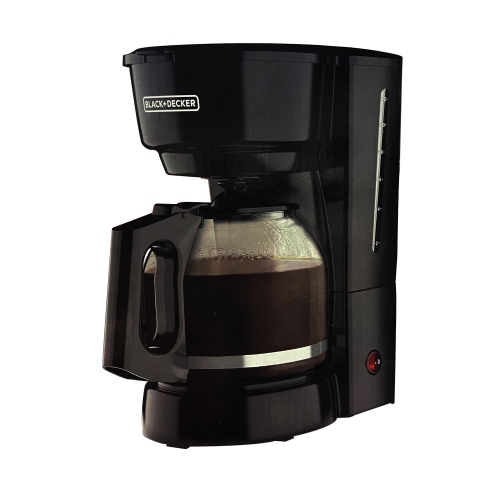
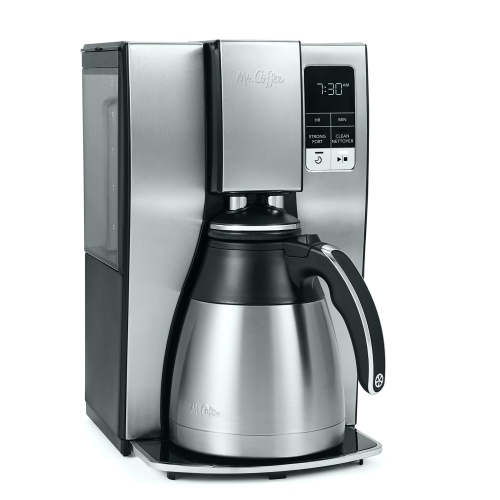
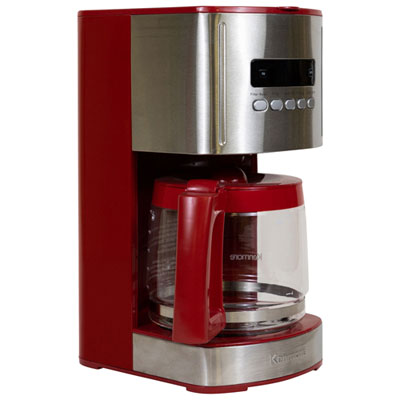
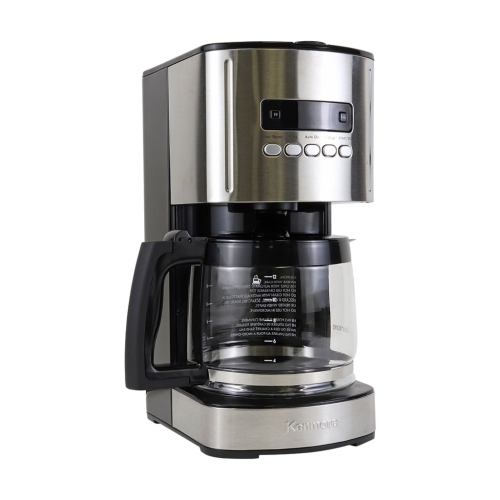
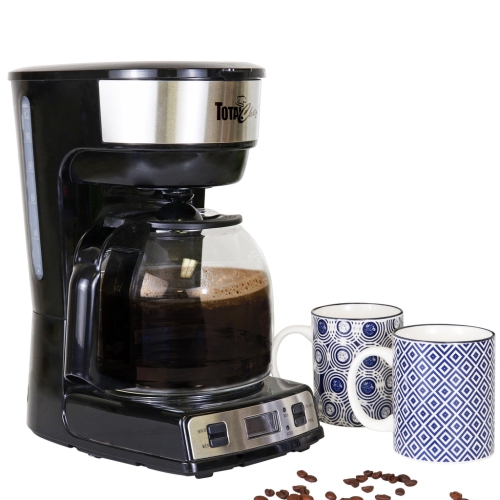
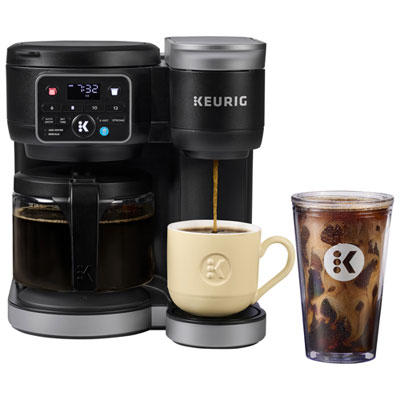
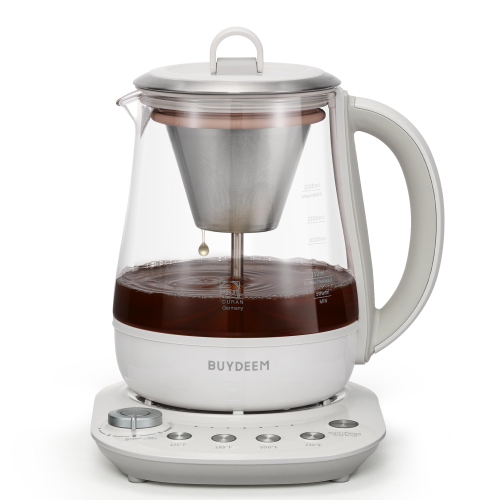
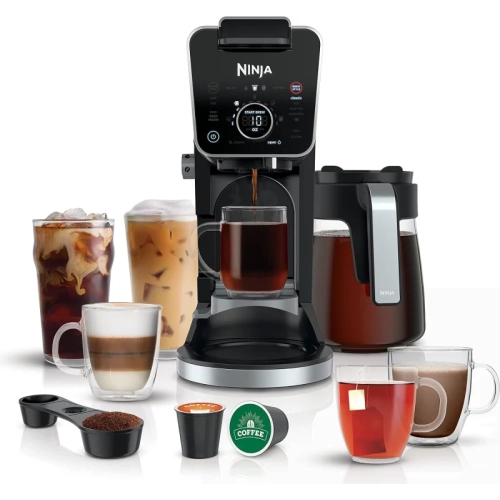
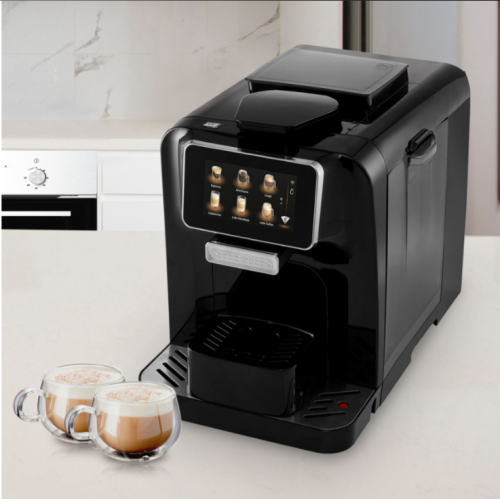
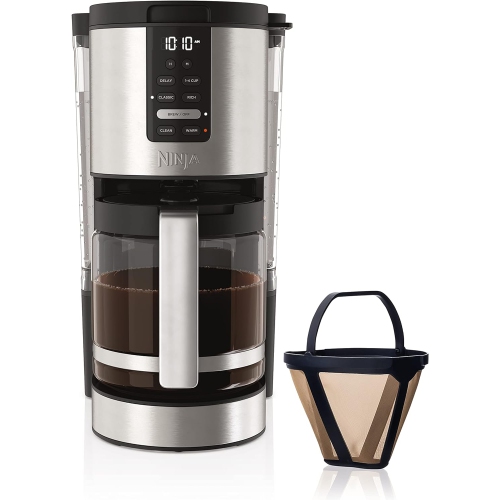
Automatic coffee makers with timer functions bring a familiar comfort to busy mornings: the smell of freshly brewed coffee before the kitchen lights are on. A programmable brew timer starts the brewing cycle at a selected time, provided the machine has been prepared with water, coffee grounds, and a correctly positioned filter and carafe. Many models allow programming up to 24 hours ahead, although the scheduling window varies by design. This delayed-start feature is different from an automatic shutoff, which turns off the appliance or warming plate after a set period. It also differs from a freshness timer, which shows how long the coffee has been sitting since brewing. For households that follow a regular routine, a clear digital clock, straightforward controls, and an obvious indicator confirming that the timer is set can matter more than a long menu of settings. A scheduled start is useful for early commutes, getting children ready for school, or settling into a home office without stopping to prepare a full pot. It can be just as welcome on slower mornings during the cooler months, when breakfast stretches out and another cup accompanies a book or conversation. Most programmable drip coffee makers brew into a carafe, making them well suited to people who drink several cups or share coffee with others. Listed cup capacities often refer to smaller servings than a typical large mug, so the water capacity and the size of the mugs used at home give a clearer picture of how much a batch will serve. A small-batch setting, where included, may adjust the brewing cycle for a partially filled reservoir. Brew-strength controls can offer another way to tailor the result, often by changing how water passes through the grounds rather than simply making the coffee hotter. Together, these features support everyday convenience while leaving room for different tastes and household schedules.
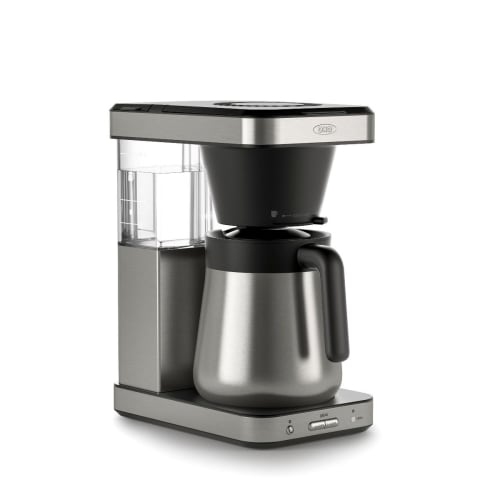
Carafe construction has a noticeable effect on how coffee fits into the morning. A glass carafe makes it easy to see what remains and usually sits on a warming plate that maintains serving temperature. This arrangement suits a household that pours most of the pot soon after brewing, though prolonged heating can change the flavour and make coffee taste bitter. Adjustable warming settings and automatic shutoff times vary between machines. A stainless steel thermal carafe uses insulation to hold heat without relying on a warming plate, which can suit staggered breakfasts or someone who returns for another mug later. Heat retention depends on the carafe design, how full it is, and how often the lid is opened; it should not be treated as a fixed promise across all coffee makers. A comfortable handle, controlled pouring spout, and lid that is easy to remove make a difference when serving a full pot. Glass needs protection from knocks and sudden temperature changes, while stainless steel is less vulnerable to breakage but may show fingerprints or develop coffee stains inside. The appliance housing may combine plastic and stainless steel, with durability depending on the quality of hinges, buttons, seals, and other frequently handled parts as well as the exterior finish. Fit involves more than the space occupied by the base. There needs to be enough clearance to lift the reservoir lid, add grounds, and remove the filter basket without catching the underside of a cabinet. A removable water tank can simplify filling in a compact kitchen, while a visible water-level window helps with measuring each batch. Front-facing controls are useful when the machine sits beneath shelving. Features such as pause-and-serve can allow a brief pour during brewing, but the carafe must be returned within the interval specified for the machine to prevent the basket from overflowing. These practical details shape daily use just as much as the timer itself.
Consistent flavour starts with the relationship between the coffee, water, and brewing system. A medium grind generally suits drip brewing, while the appropriate filter shape and size depend on the basket. Paper filters offer straightforward grounds disposal and tend to hold back more fine particles and oils; washable mesh filters can produce a fuller-bodied cup but need thorough rinsing to keep residue from building up. Preparing the machine at night makes a timed morning brew convenient, although coffee ground immediately before brewing will generally retain more aroma than grounds left in the basket overnight. A tightly sealed container stored away from heat and light helps keep the remaining coffee fresh. For routine care, the carafe, lid, and removable basket need regular washing according to their material and care instructions; not every removable part is dishwasher-safe. Descaling addresses mineral deposits inside the water path, with the appropriate frequency influenced by water hardness and how often the machine is used. A cleaning reminder can be helpful, but it does not replace the cleaning process. Easy access to the basket and reservoir, a wide carafe opening, and parts that lift out without awkward twisting make this upkeep less of a chore. The timer also deserves attention after a power interruption, since some machines lose their clock or programmed start time unless they have a backup function. A standard programmable coffee maker does not need an internet connection to follow a schedule set on its controls. For households interested in app-based scheduling or other connected features, Smart Coffee Makers offer a related option, with capabilities and connection requirements varying by model. For a housewarming gift, a shared kitchen, or a coffee drinker establishing a new morning routine, a timer-equipped machine is most useful when its capacity, controls, and carafe match the way it will actually be used. Someone who finishes one mug before leaving has different needs from a couple sharing a pot over several hours. The right combination keeps the process familiar: fill, measure, set the start time, and have coffee ready when the day begins.
Carafe construction has a noticeable effect on how coffee fits into the morning. A glass carafe makes it easy to see what remains and usually sits on a warming plate that maintains serving temperature. This arrangement suits a household that pours most of the pot soon after brewing, though prolonged heating can change the flavour and make coffee taste bitter. Adjustable warming settings and automatic shutoff times vary between machines. A stainless steel thermal carafe uses insulation to hold heat without relying on a warming plate, which can suit staggered breakfasts or someone who returns for another mug later. Heat retention depends on the carafe design, how full it is, and how often the lid is opened; it should not be treated as a fixed promise across all coffee makers. A comfortable handle, controlled pouring spout, and lid that is easy to remove make a difference when serving a full pot. Glass needs protection from knocks and sudden temperature changes, while stainless steel is less vulnerable to breakage but may show fingerprints or develop coffee stains inside. The appliance housing may combine plastic and stainless steel, with durability depending on the quality of hinges, buttons, seals, and other frequently handled parts as well as the exterior finish. Fit involves more than the space occupied by the base. There needs to be enough clearance to lift the reservoir lid, add grounds, and remove the filter basket without catching the underside of a cabinet. A removable water tank can simplify filling in a compact kitchen, while a visible water-level window helps with measuring each batch. Front-facing controls are useful when the machine sits beneath shelving. Features such as pause-and-serve can allow a brief pour during brewing, but the carafe must be returned within the interval specified for the machine to prevent the basket from overflowing. These practical details shape daily use just as much as the timer itself.
Consistent flavour starts with the relationship between the coffee, water, and brewing system. A medium grind generally suits drip brewing, while the appropriate filter shape and size depend on the basket. Paper filters offer straightforward grounds disposal and tend to hold back more fine particles and oils; washable mesh filters can produce a fuller-bodied cup but need thorough rinsing to keep residue from building up. Preparing the machine at night makes a timed morning brew convenient, although coffee ground immediately before brewing will generally retain more aroma than grounds left in the basket overnight. A tightly sealed container stored away from heat and light helps keep the remaining coffee fresh. For routine care, the carafe, lid, and removable basket need regular washing according to their material and care instructions; not every removable part is dishwasher-safe. Descaling addresses mineral deposits inside the water path, with the appropriate frequency influenced by water hardness and how often the machine is used. A cleaning reminder can be helpful, but it does not replace the cleaning process. Easy access to the basket and reservoir, a wide carafe opening, and parts that lift out without awkward twisting make this upkeep less of a chore. The timer also deserves attention after a power interruption, since some machines lose their clock or programmed start time unless they have a backup function. A standard programmable coffee maker does not need an internet connection to follow a schedule set on its controls. For households interested in app-based scheduling or other connected features, Smart Coffee Makers offer a related option, with capabilities and connection requirements varying by model. For a housewarming gift, a shared kitchen, or a coffee drinker establishing a new morning routine, a timer-equipped machine is most useful when its capacity, controls, and carafe match the way it will actually be used. Someone who finishes one mug before leaving has different needs from a couple sharing a pot over several hours. The right combination keeps the process familiar: fill, measure, set the start time, and have coffee ready when the day begins.
Top selling and popular products
-
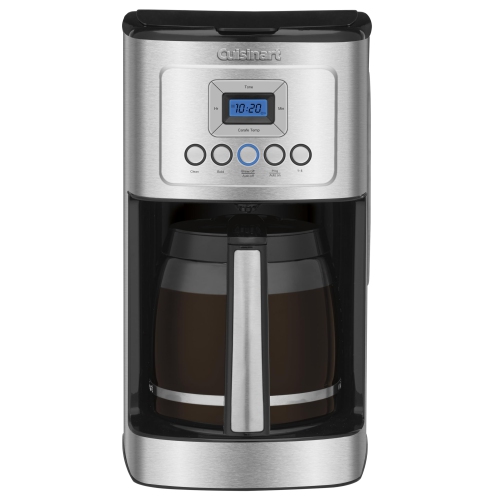 Your price for this item is $179.99
 -
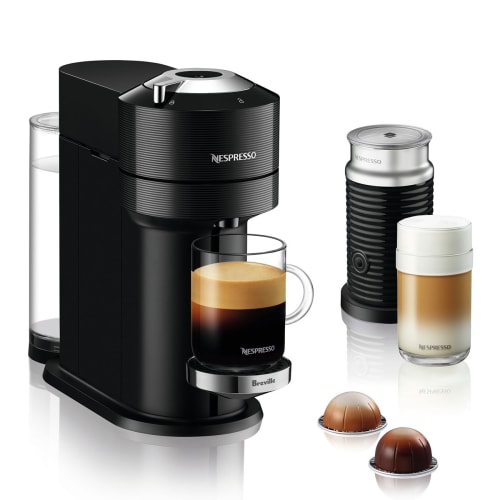 Your price for this item is $299.99
 -
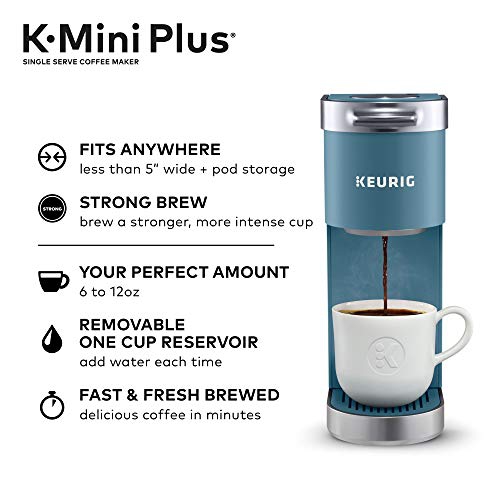 Your price for this item is $240.08
 -
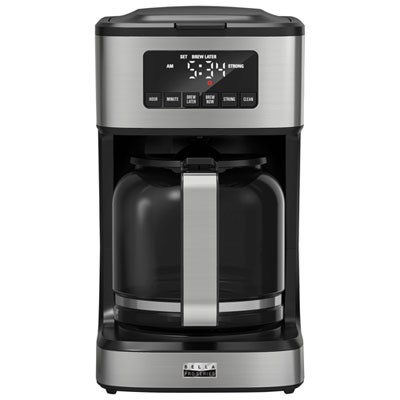 Your price for this item is $44.99
 -
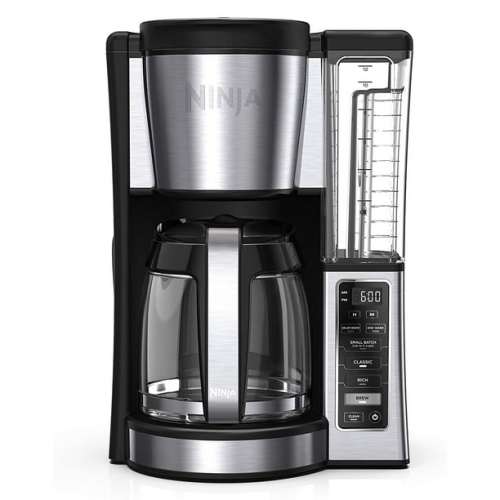 Your price for this item is $173
 -
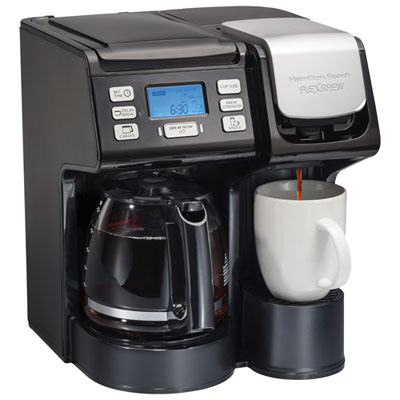 Your price for this item is $109.99
 -
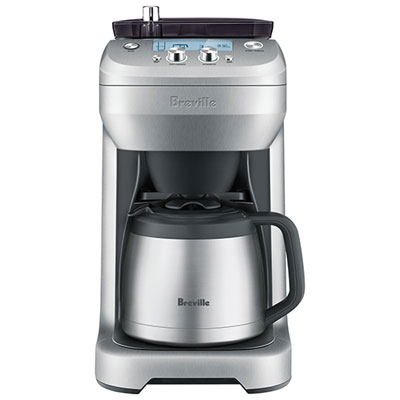 Your price for this item is $369.98
 -
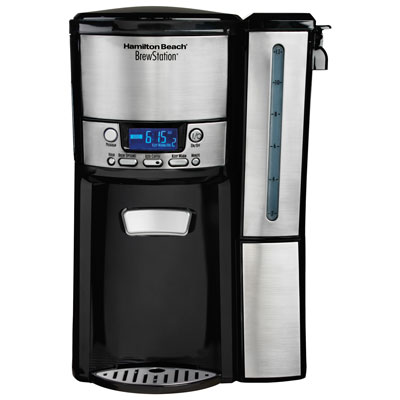 Your price for this item is $117.99
Discover more categories related to Automatic Coffee Makers With Timer
Top Collections:
Pokemon Centers, Kindle Devices, Best Budget Office Chairs, Apple iPhones 16, Best Laptops for Writers, iPhone 15 Apple, Canon G7X Cameras, Refurbished Apple Laptops, Alarm Clock, Motorola Razr Phones
Some products may be subject to Environmental Handling Fees
(EHF) depending on your province.
Learn more about EHFs.