Black Coffee Makers
Coffee is one of the most popular drinks in the world, and it's no wonder why. It's delicious, it's versatile, and it can be made in so many ways. But if you're looking for a new way to brew your morning cup of joe, you might want to consider a black coffee maker. These appliances are designed to enhance the flavor of your coffee while also making the process easier and more convenient. Black coffee maker models come in a variety of sizes and styles, so you can find one that fits your needs. Here are some great options.
Sort
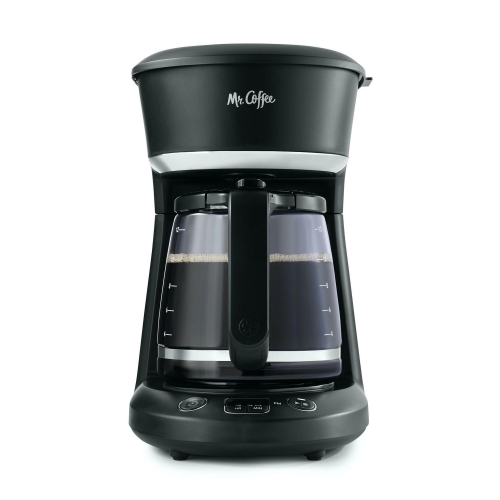
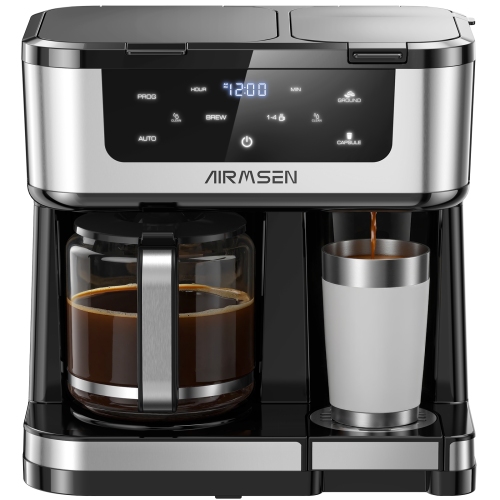

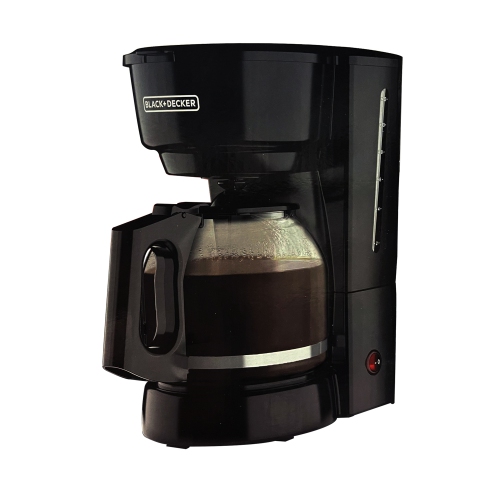

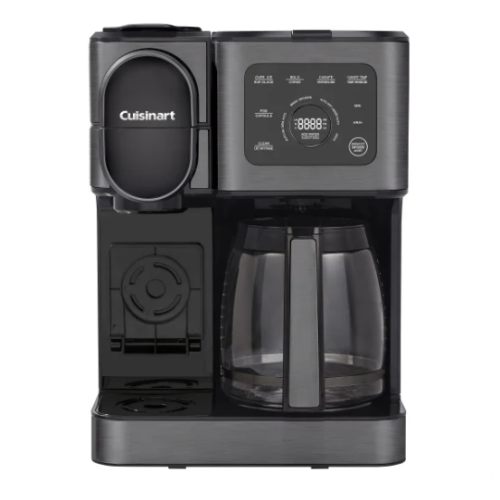
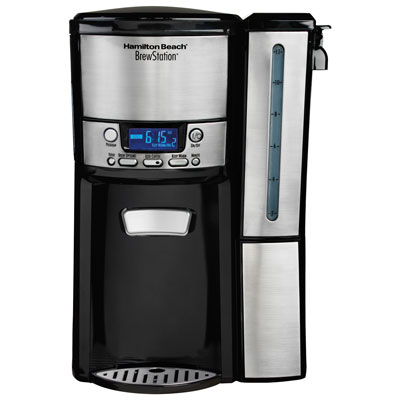
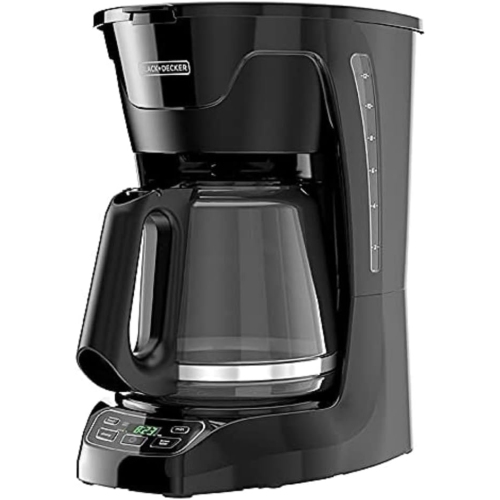

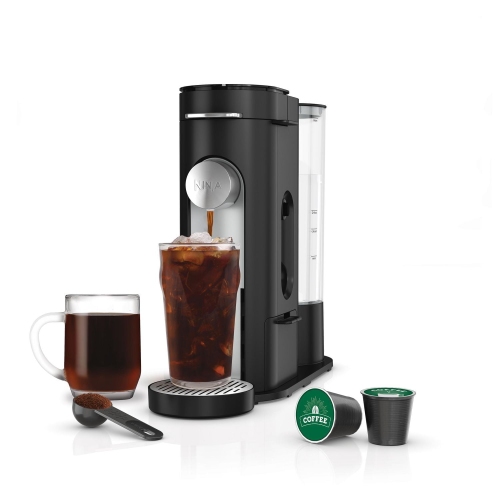
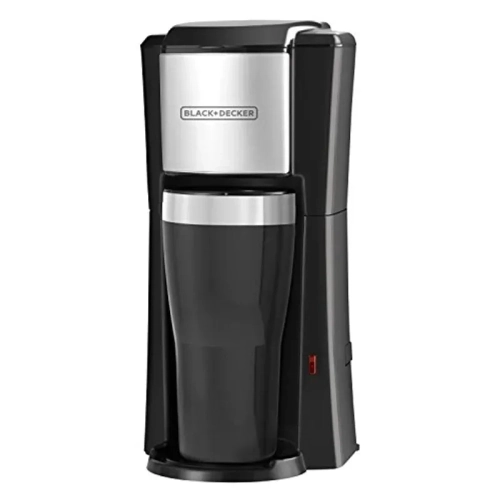
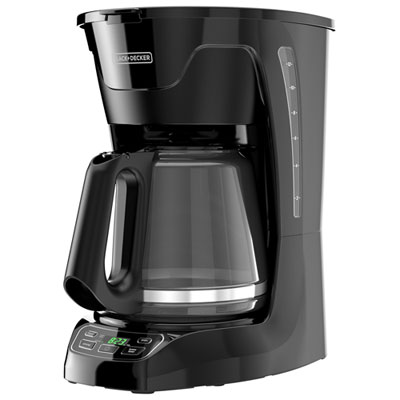
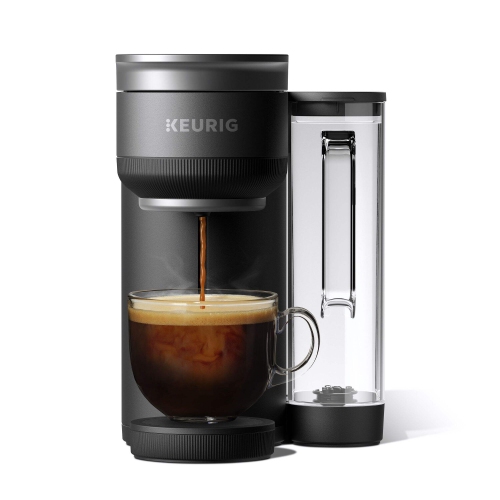

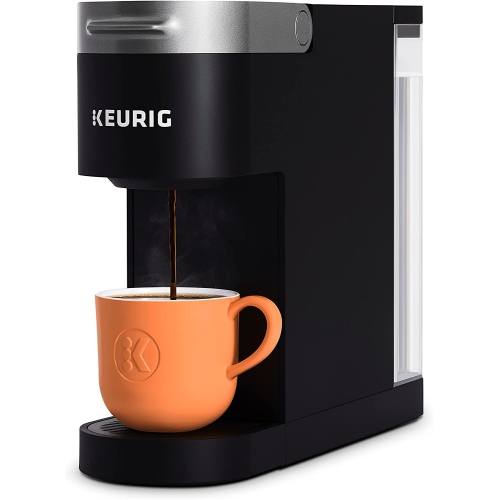


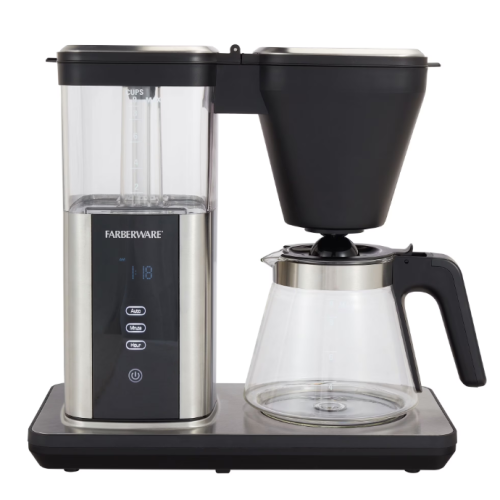
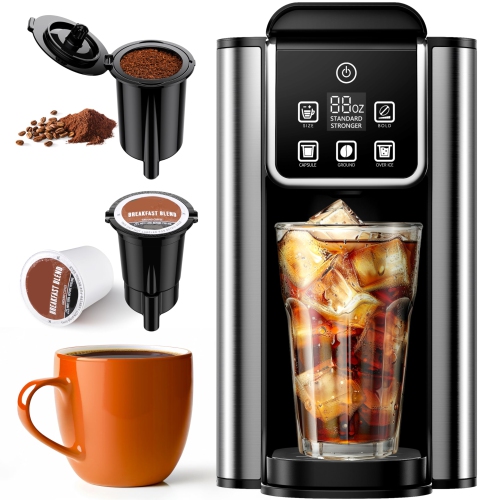
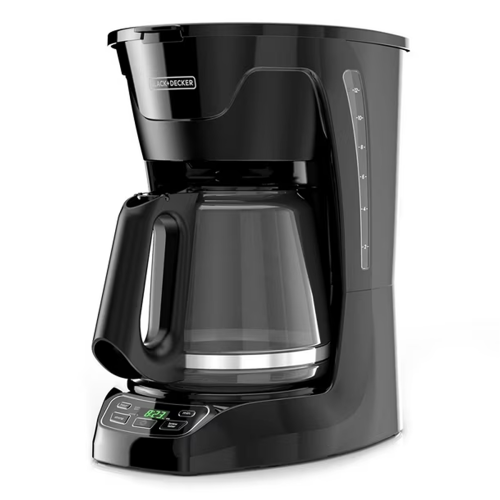

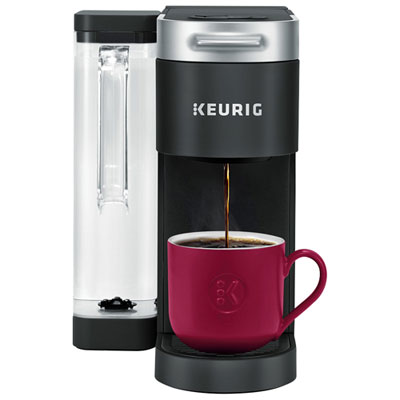
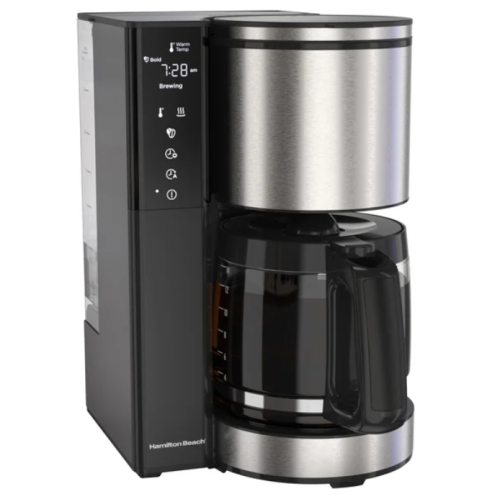
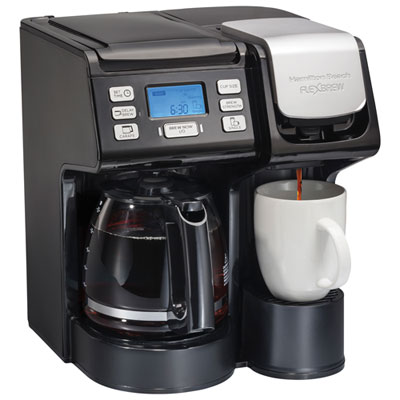
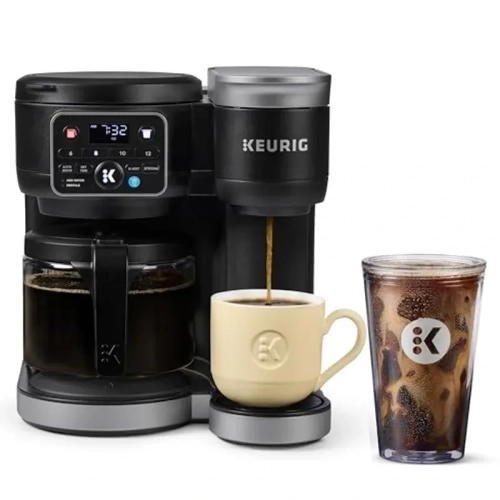
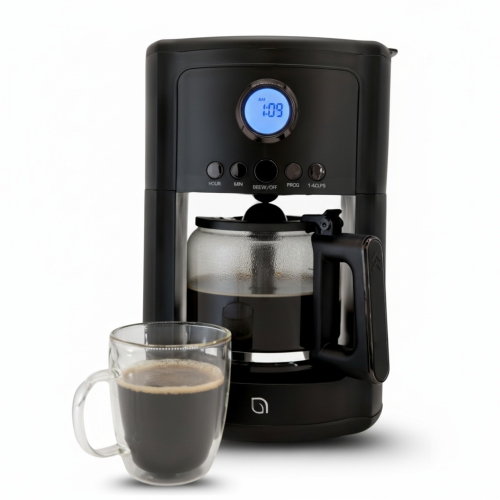
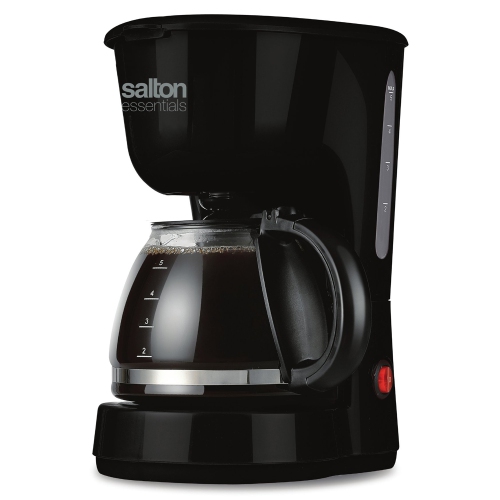

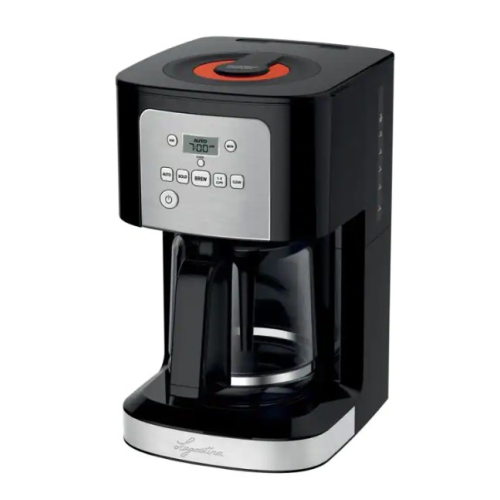
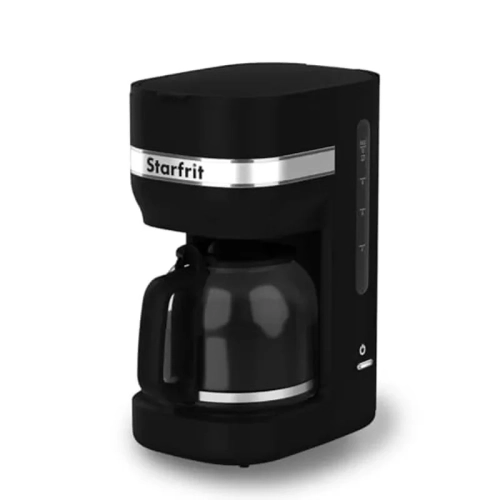
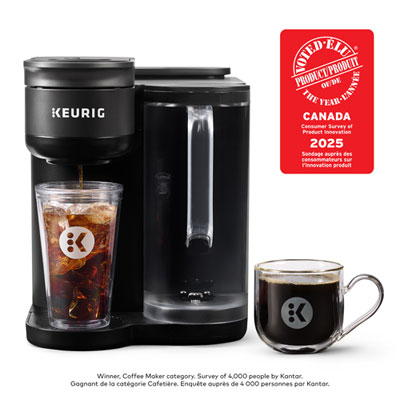
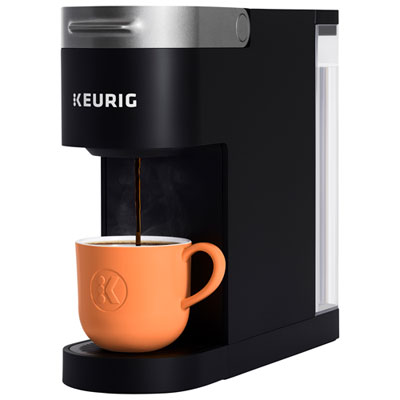
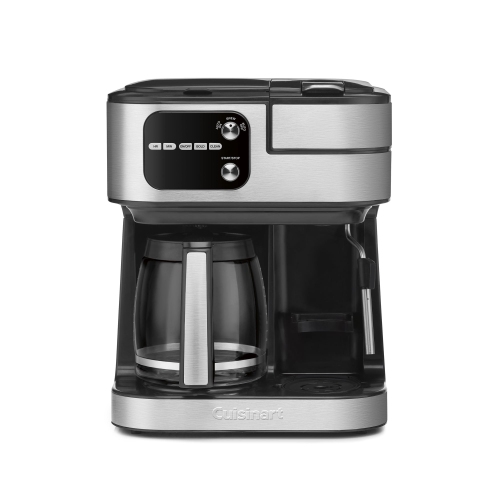
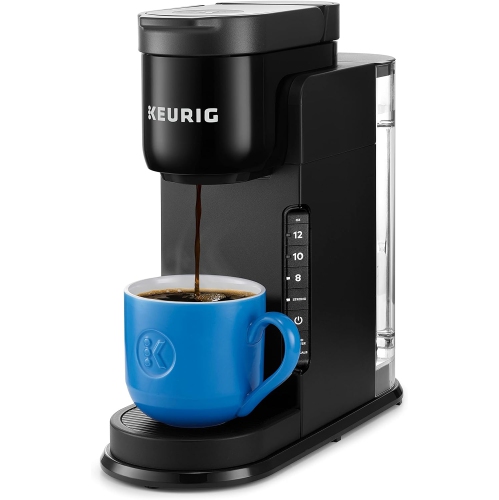

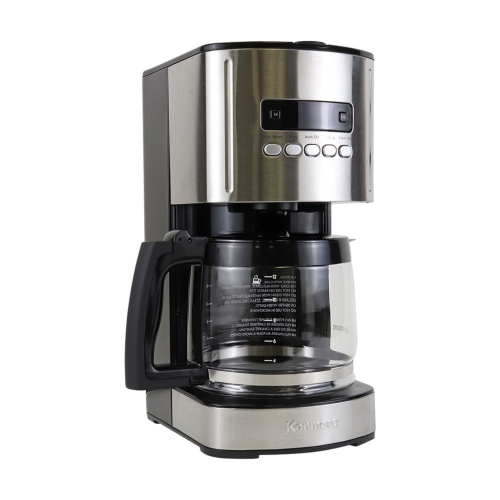
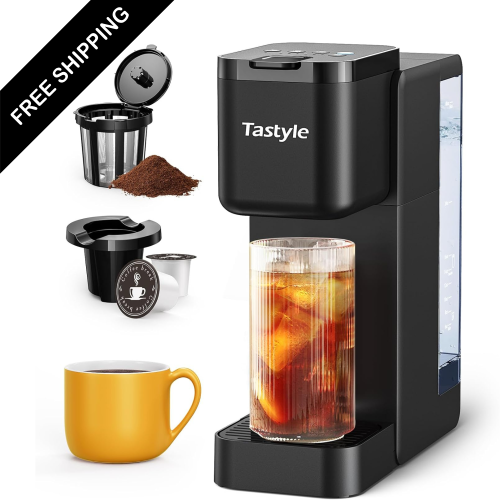
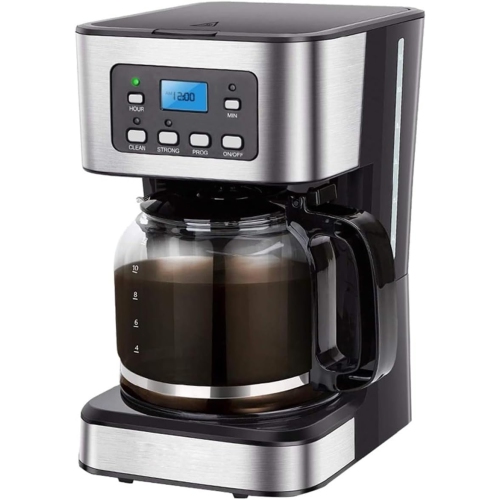

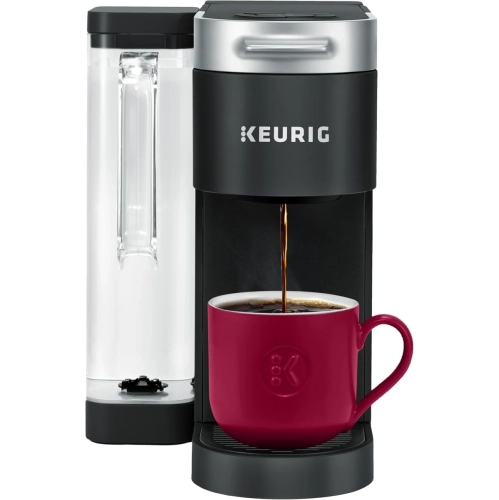
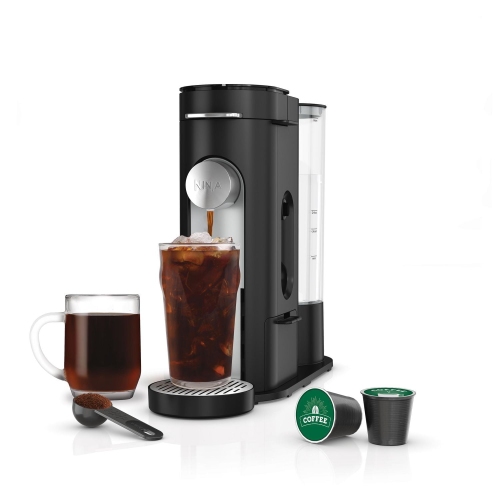

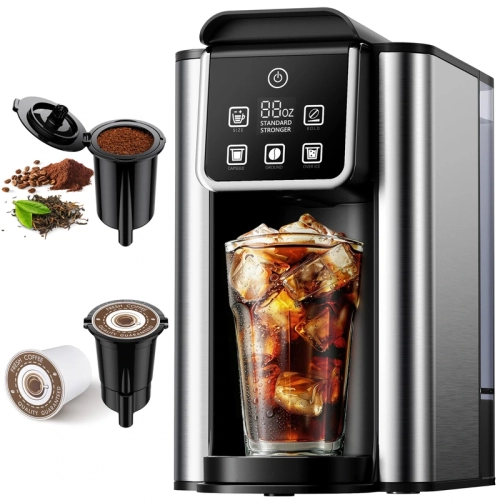

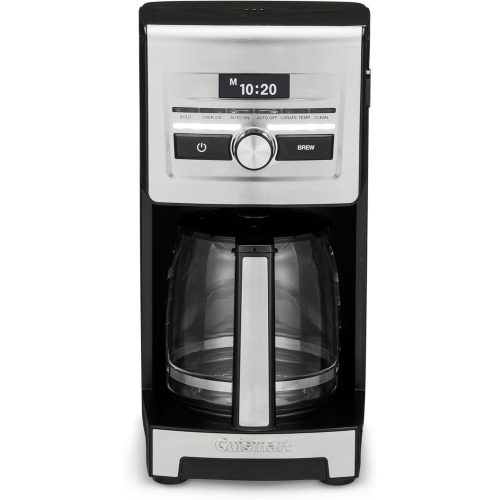
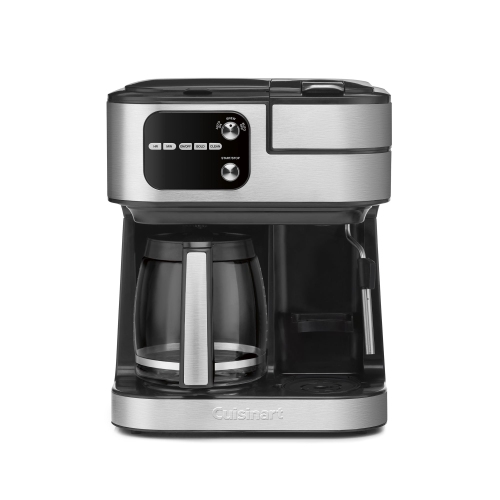
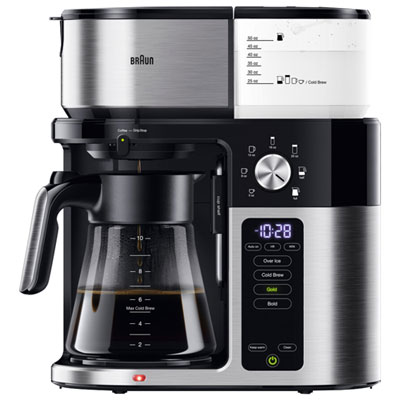
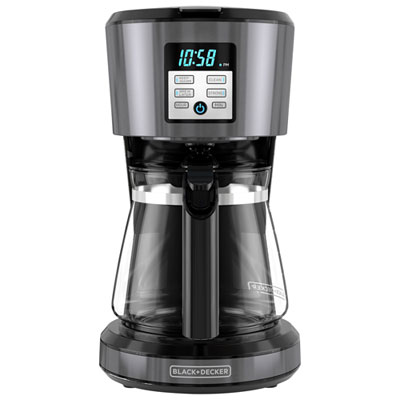

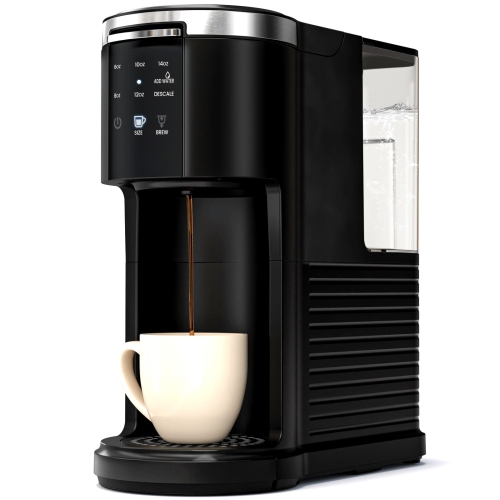
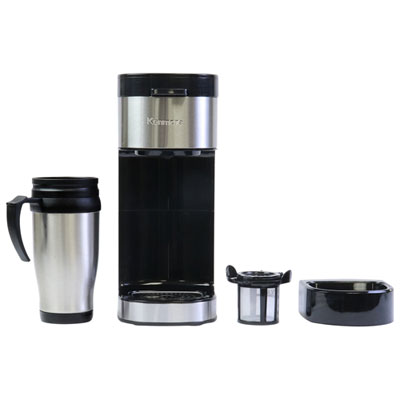
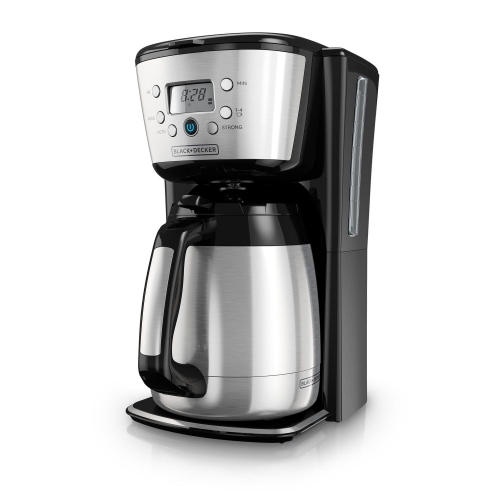
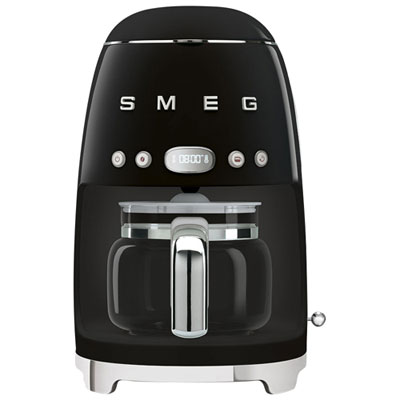


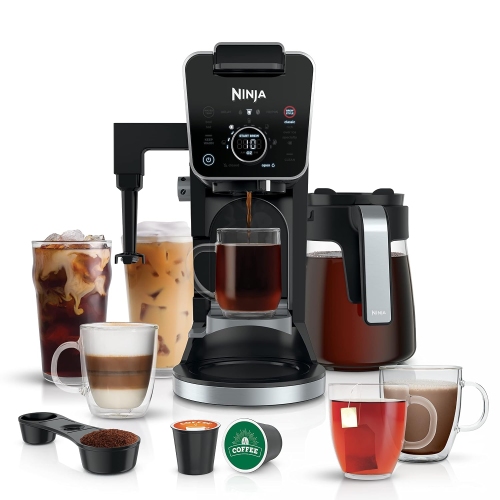
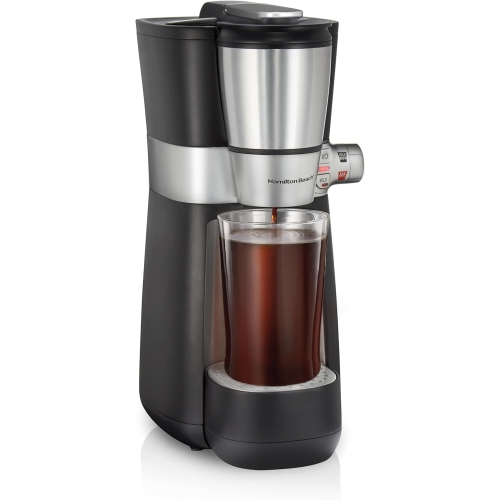
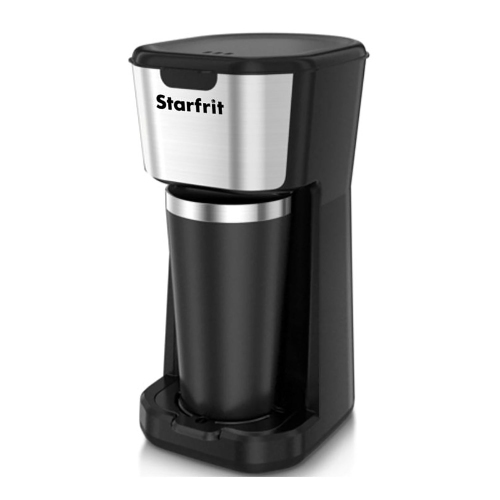
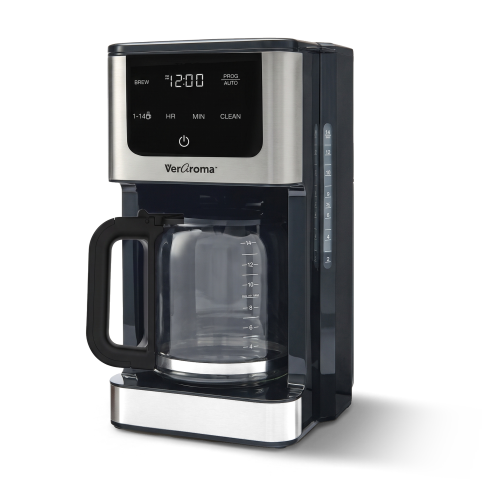
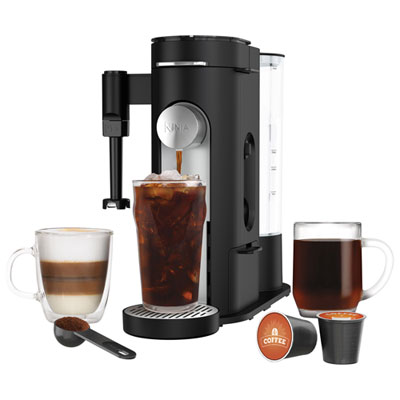
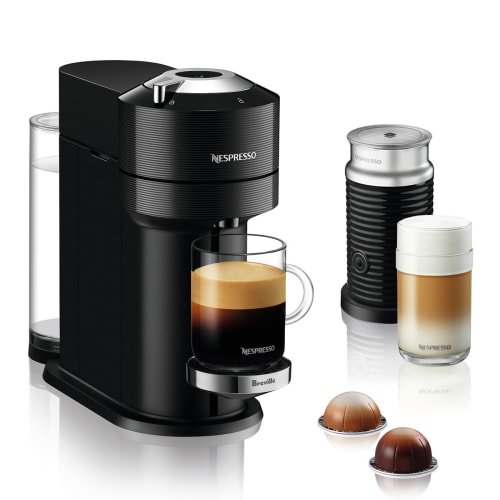
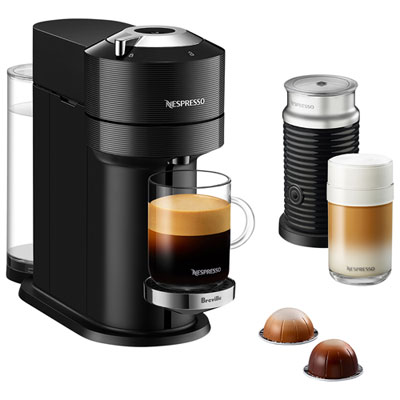
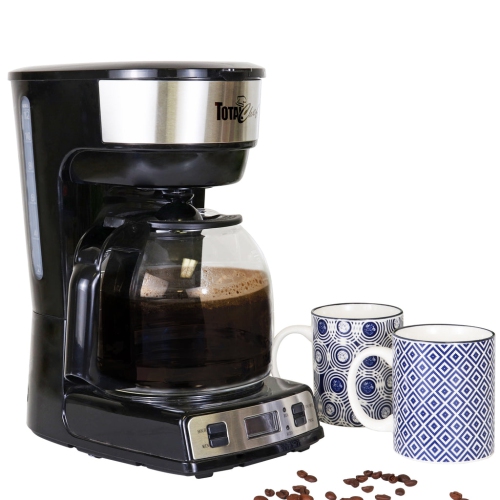
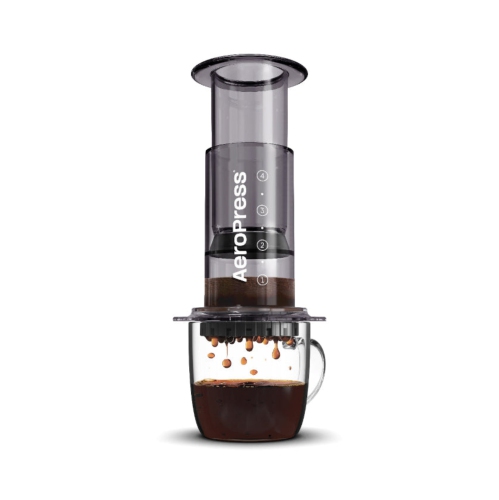

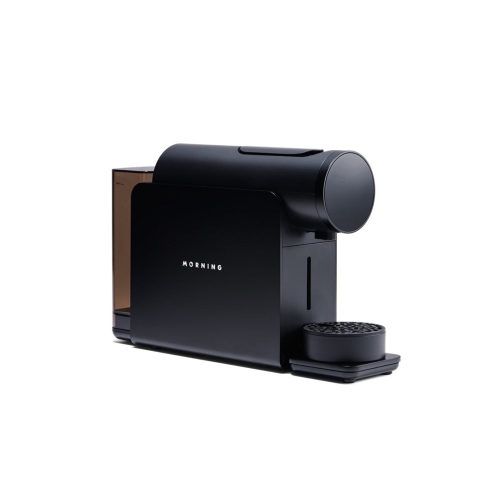


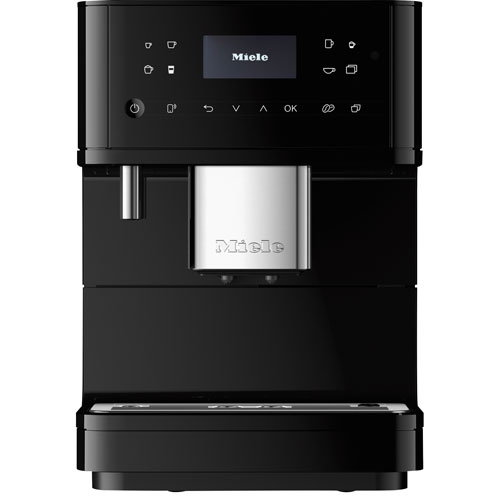
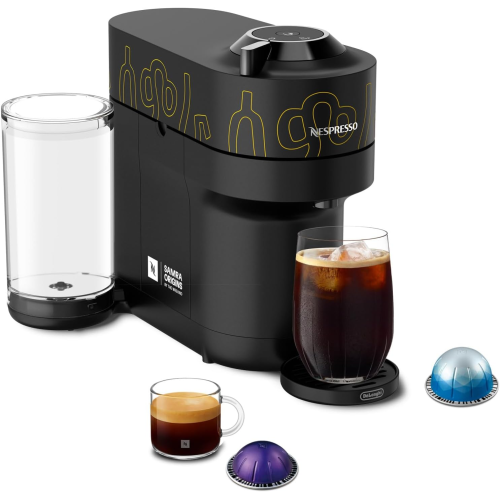
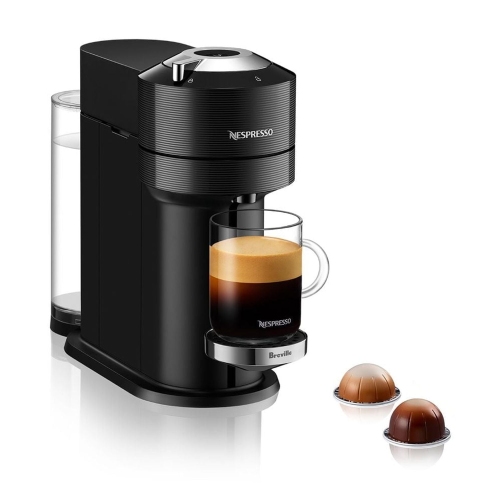
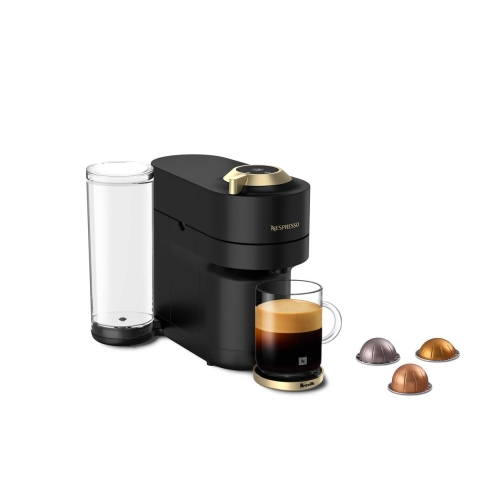
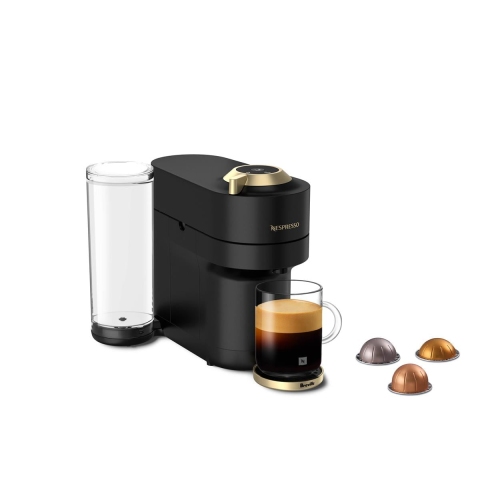
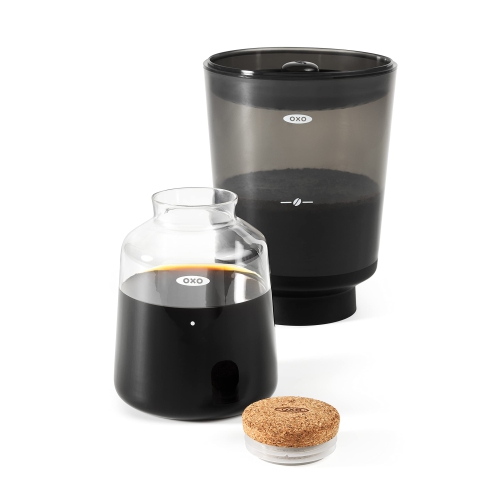
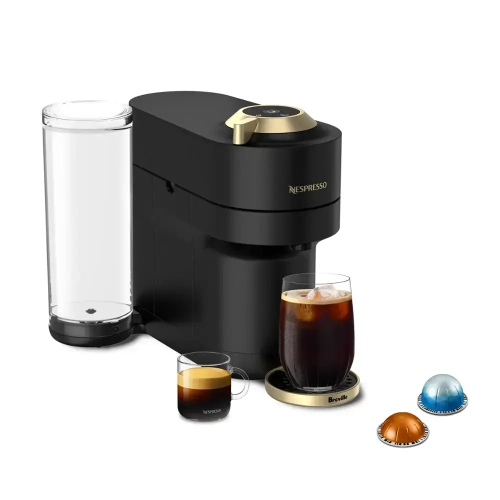
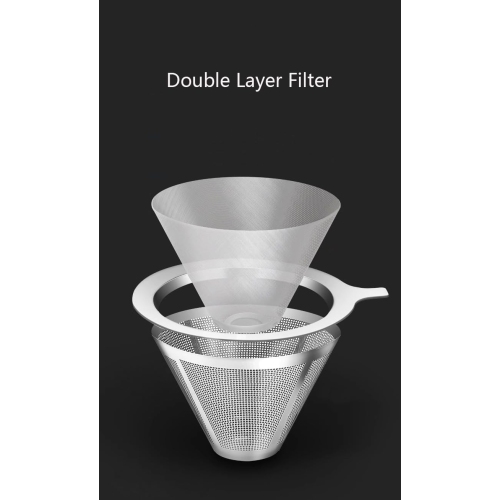

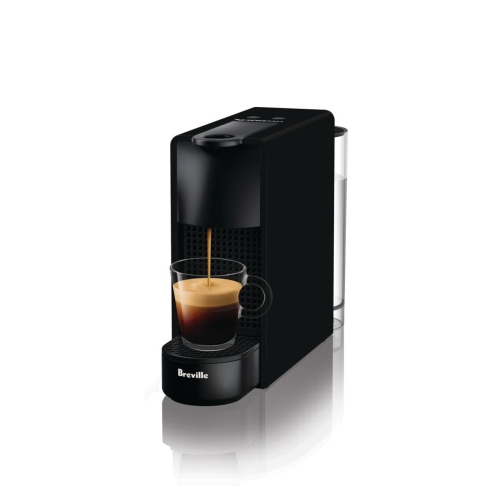
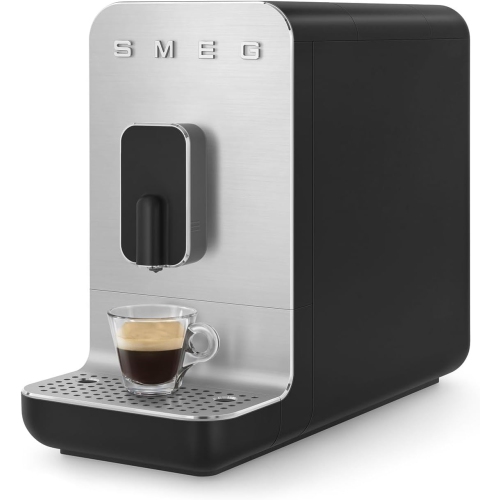
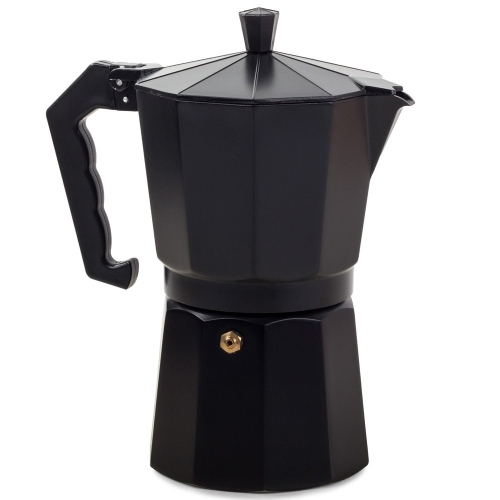
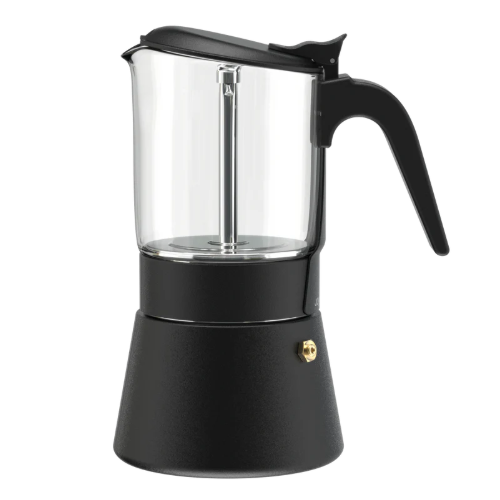
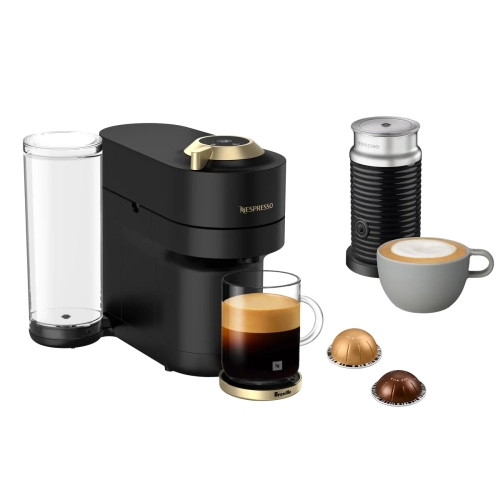
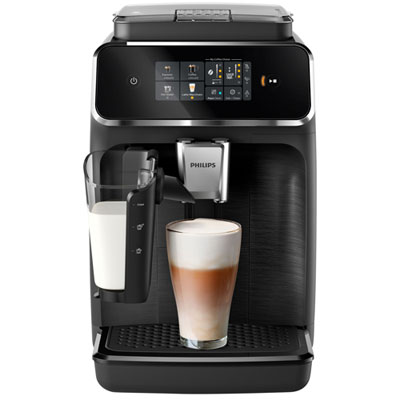
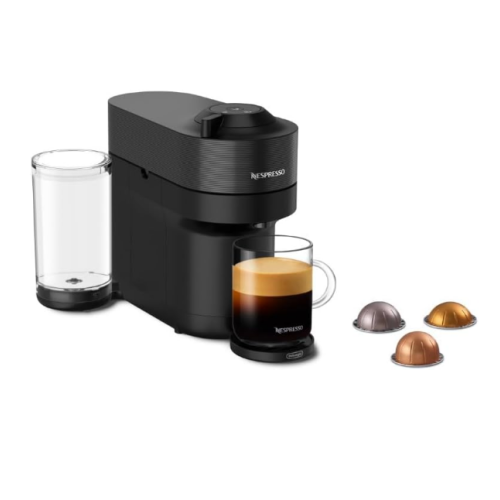
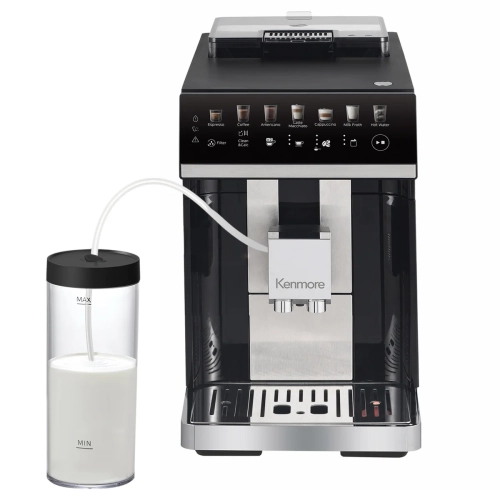
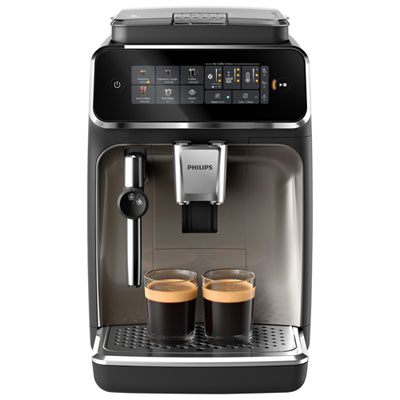
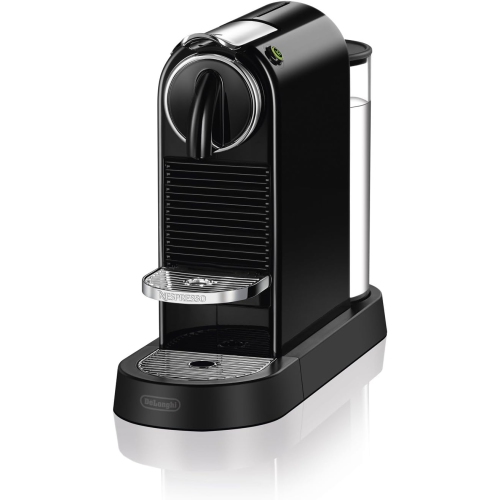
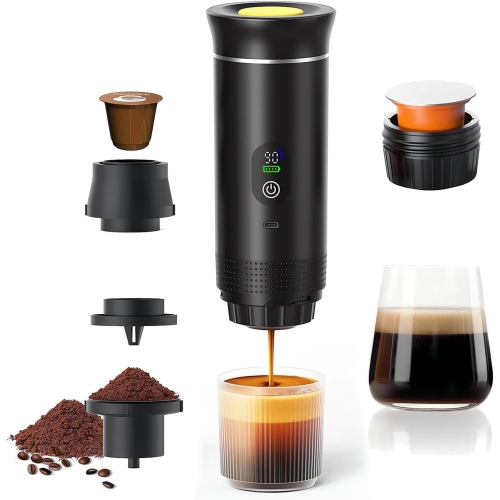
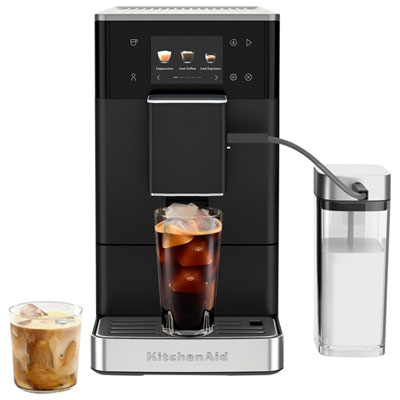
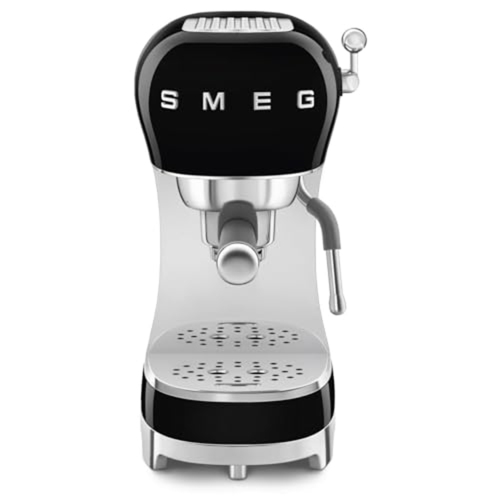

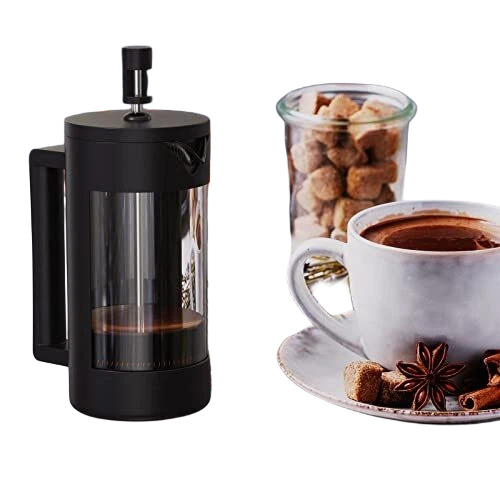
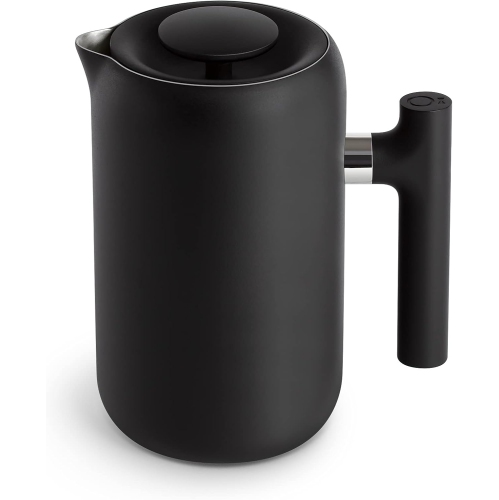
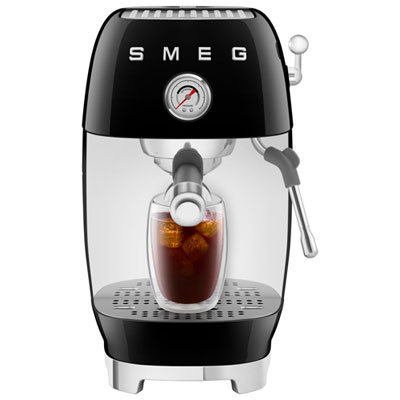
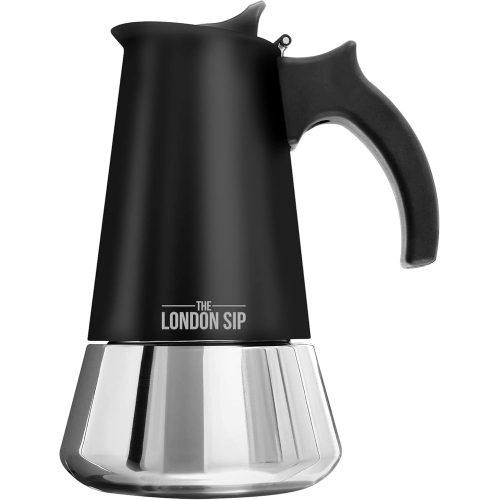
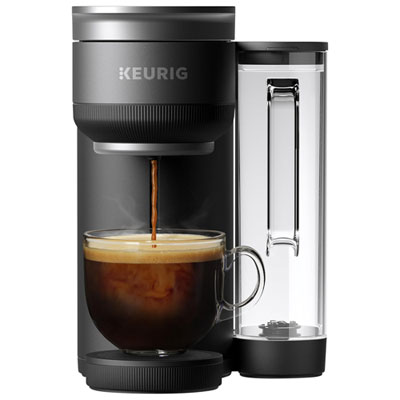
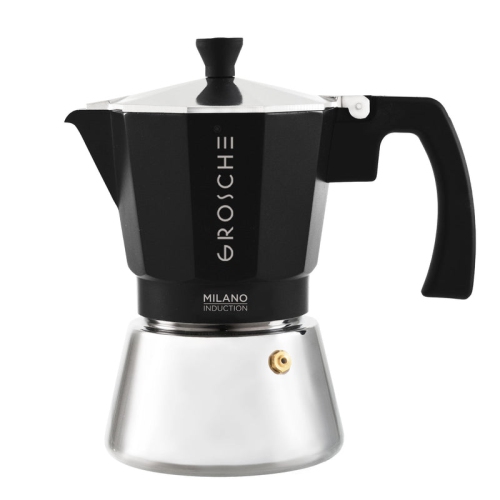
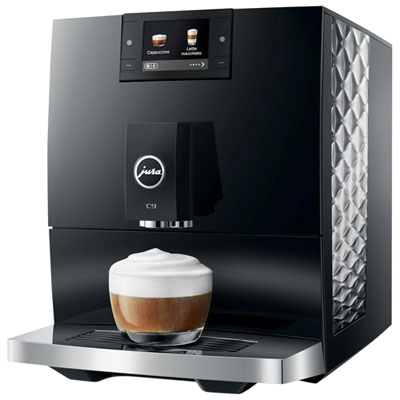


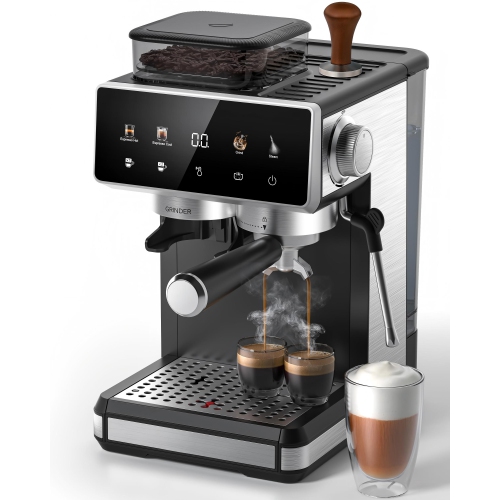
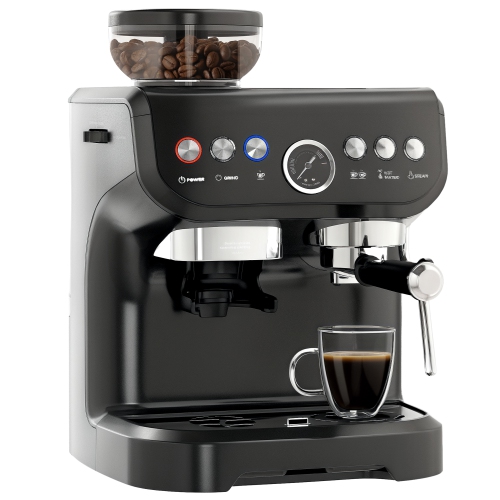
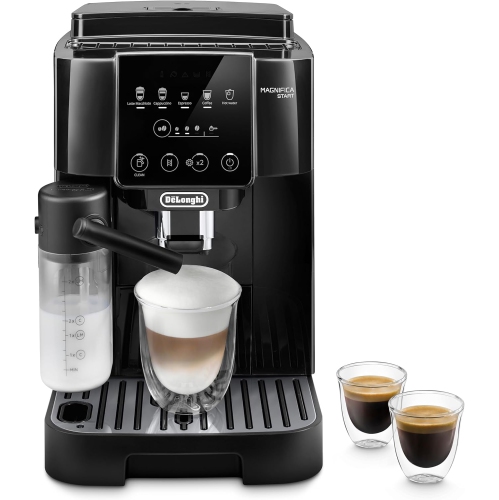
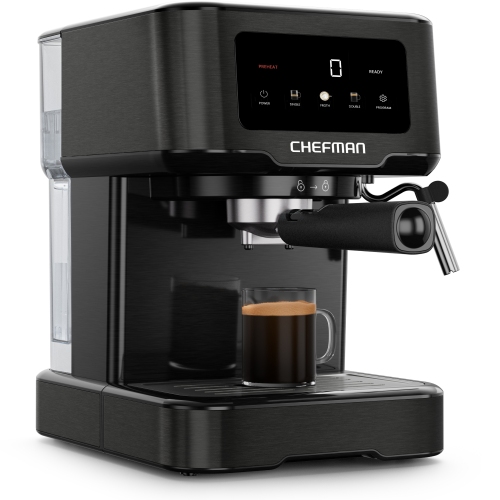
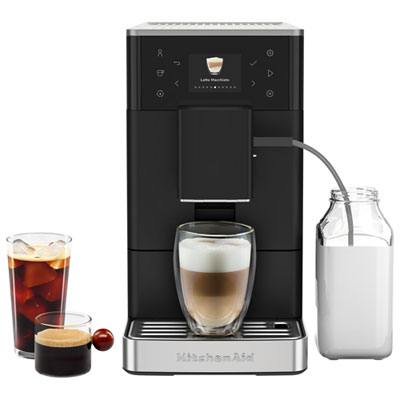
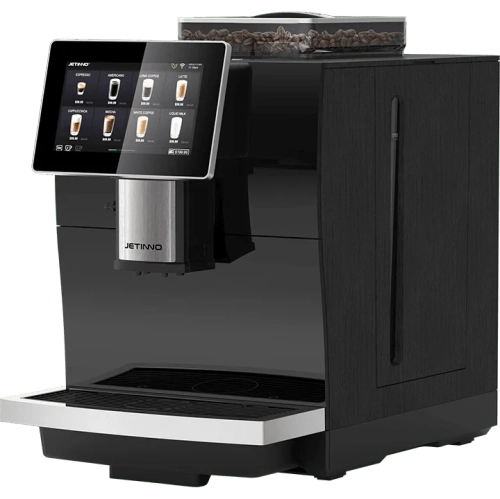
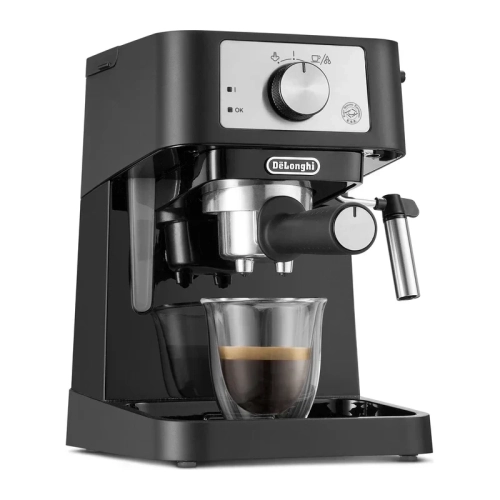
Brewing style matters as much as the black finish
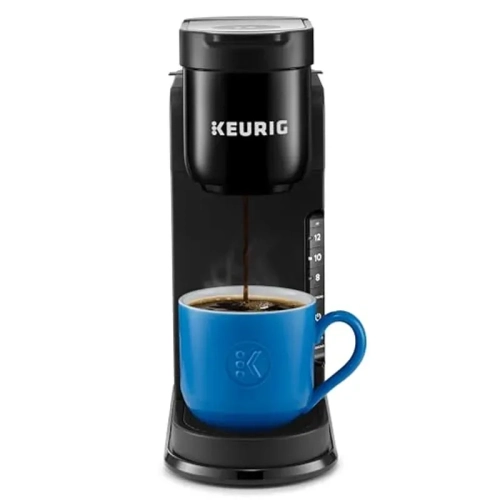
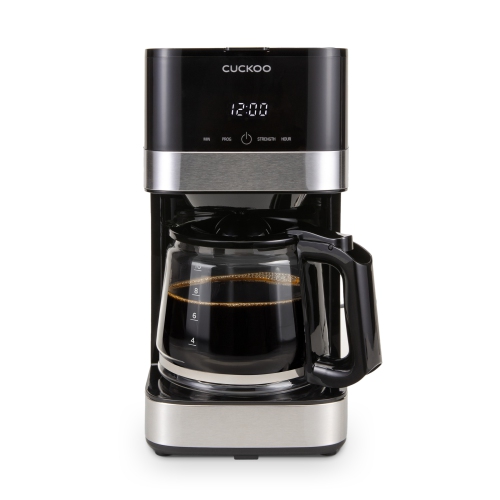
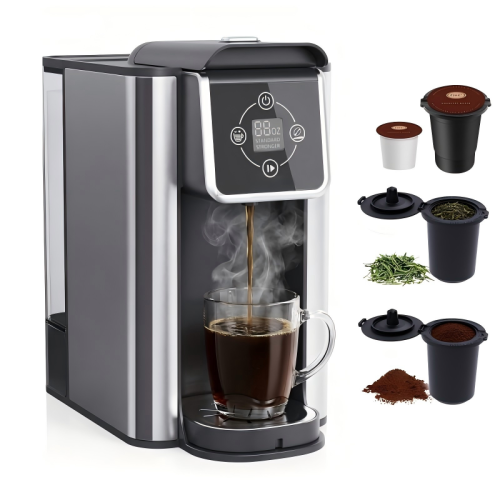
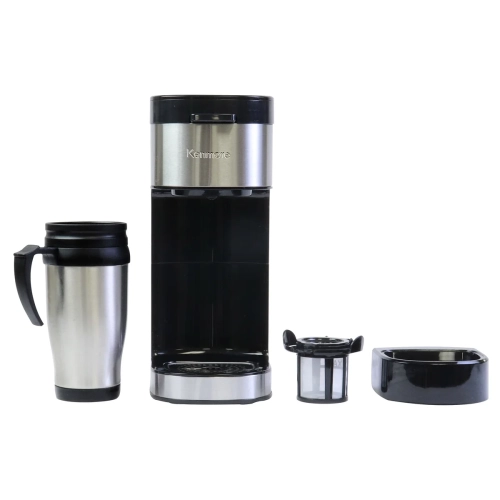
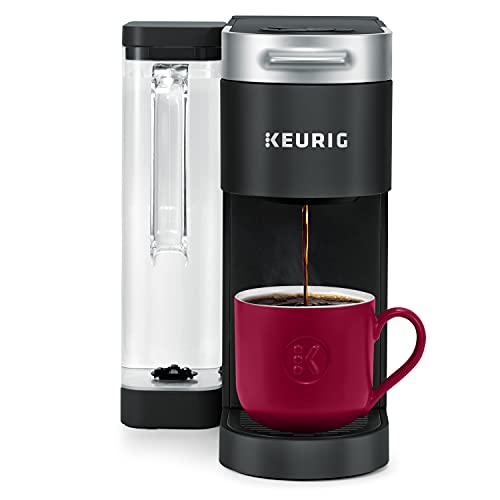
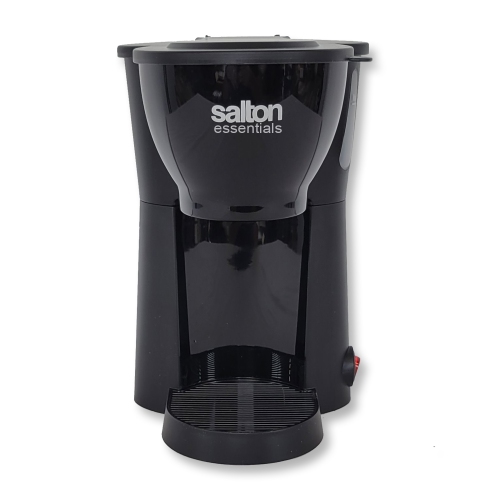
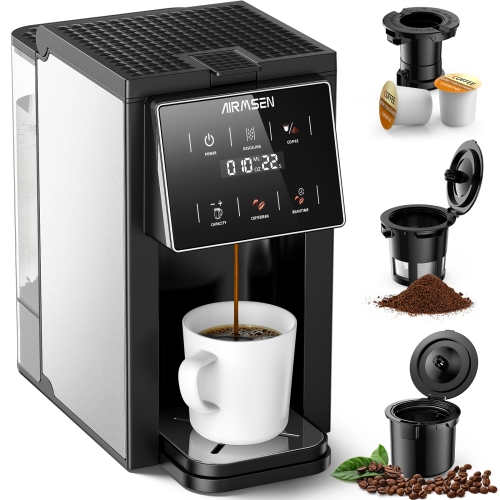
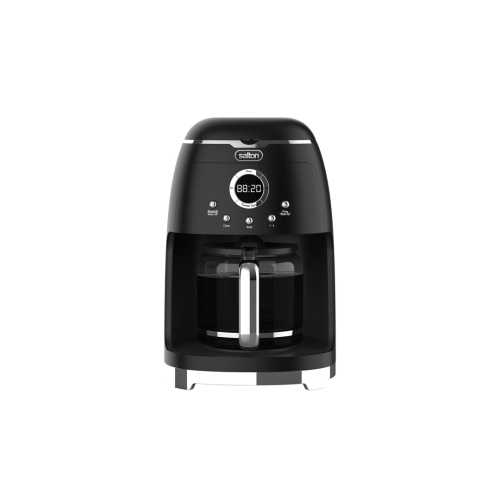
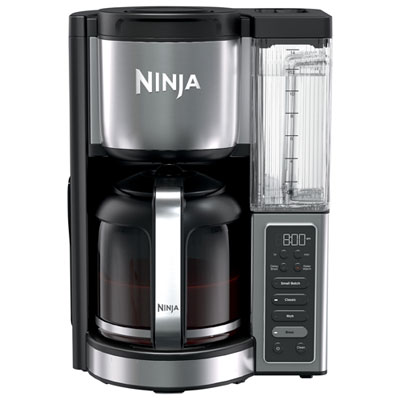
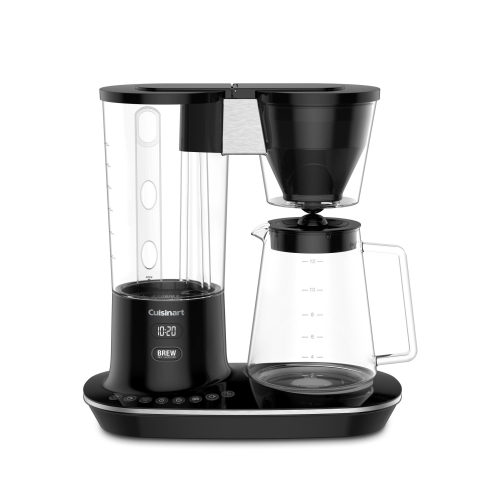
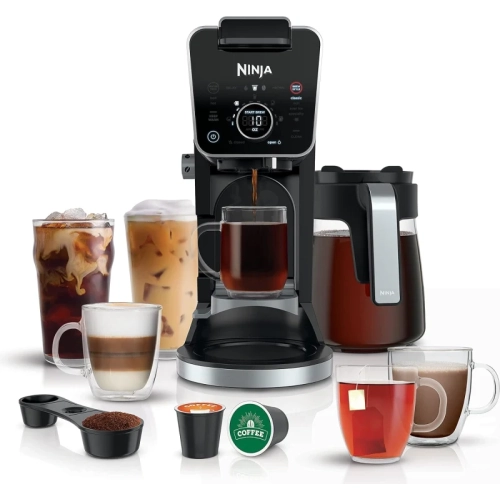
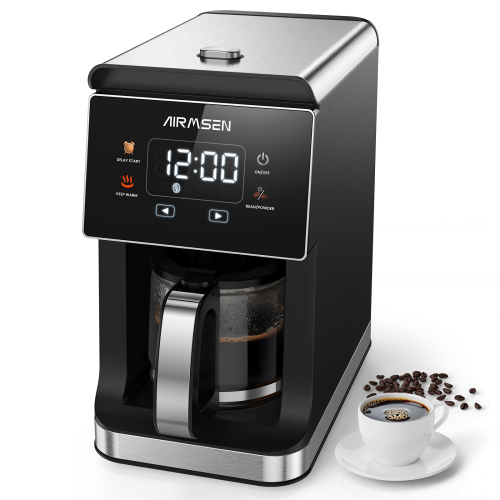
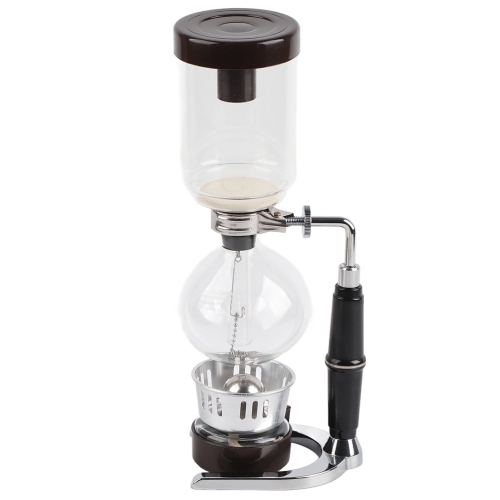
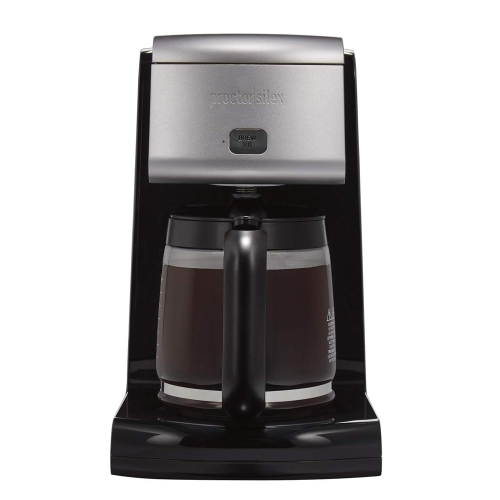
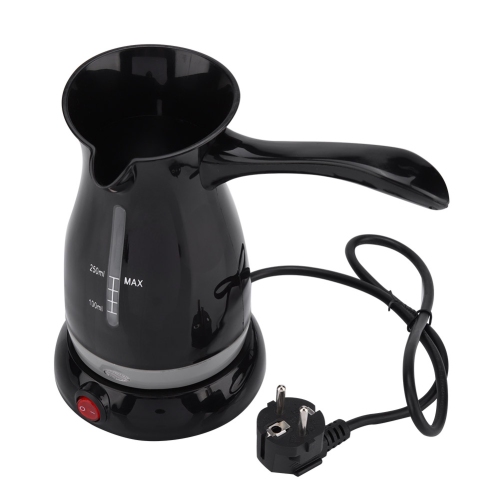
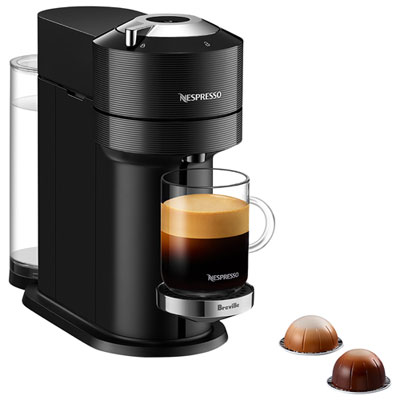
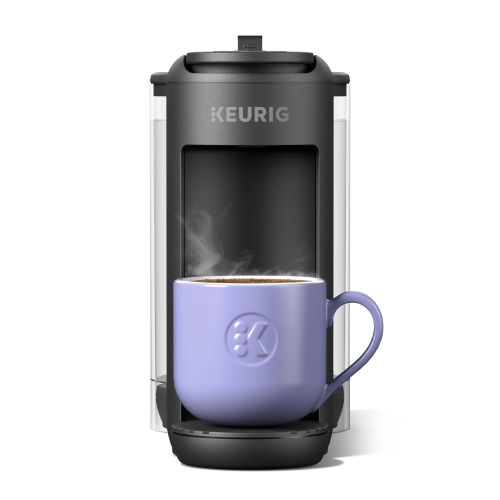
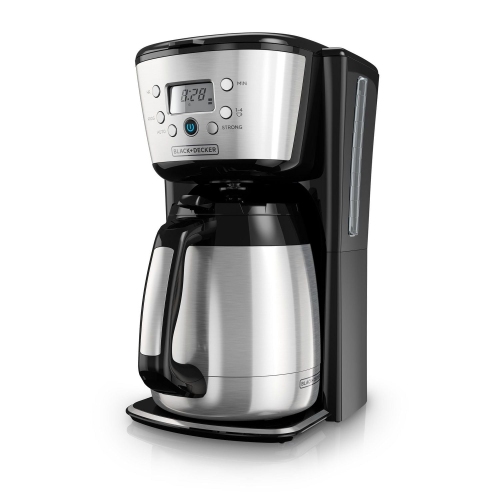
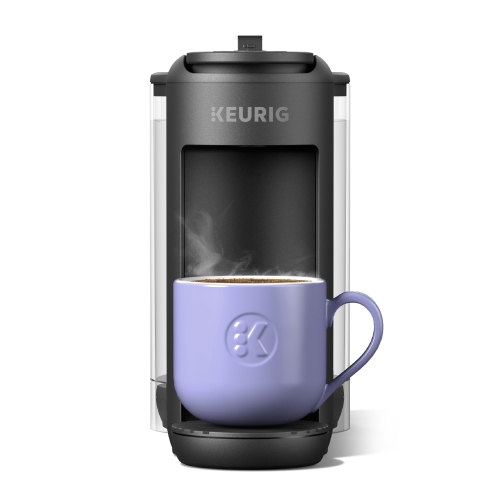
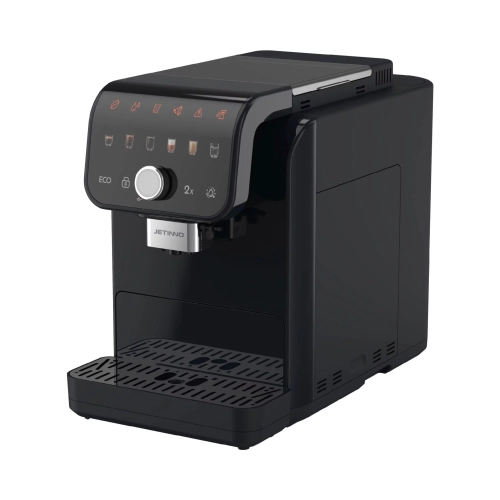
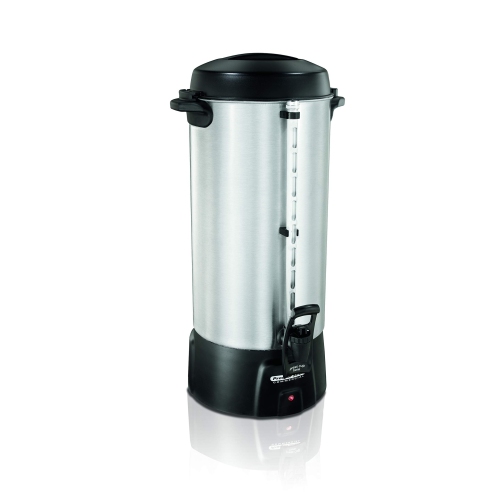
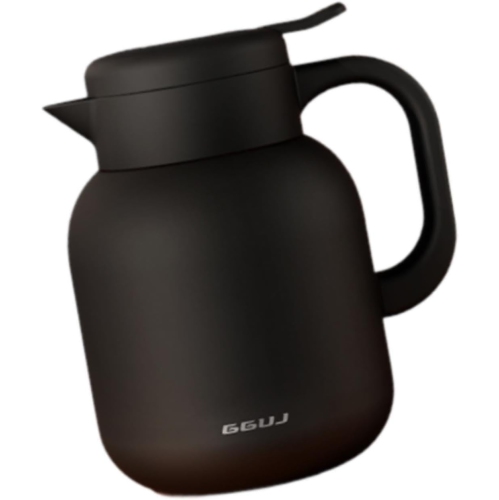
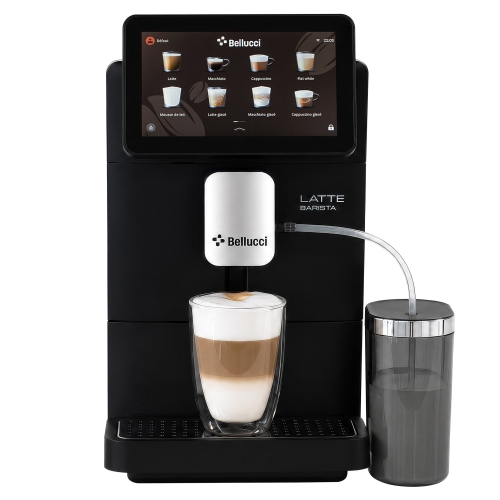
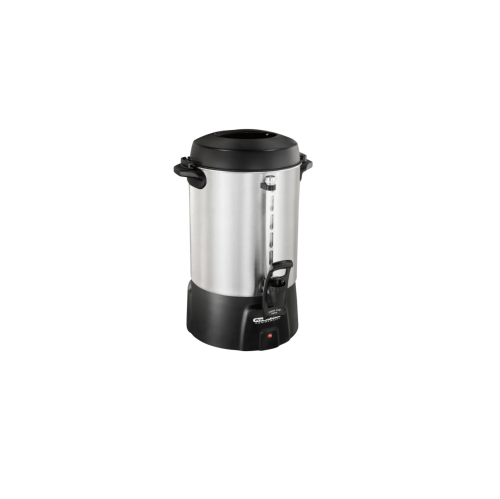
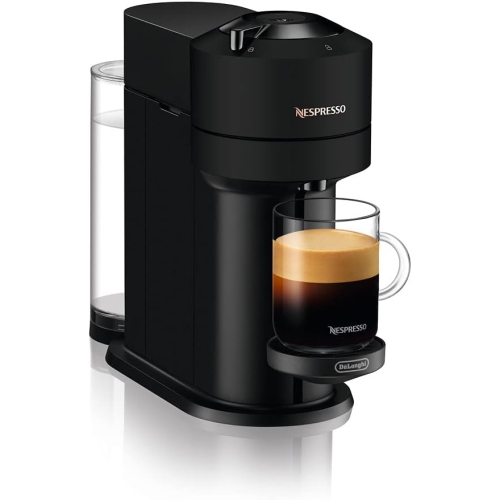
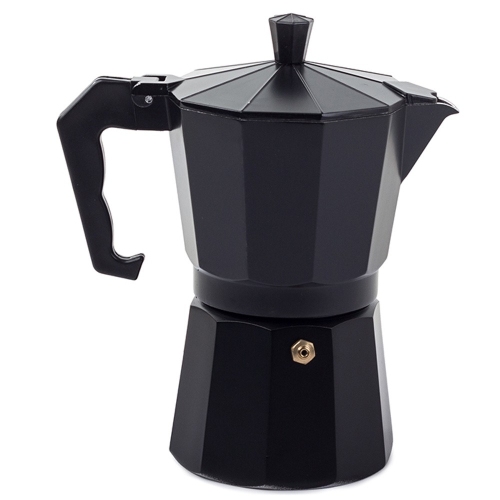
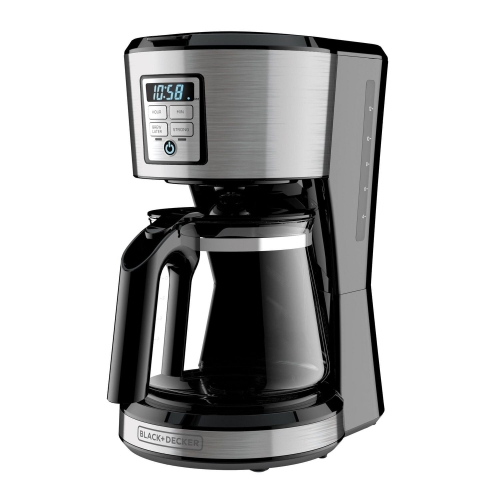
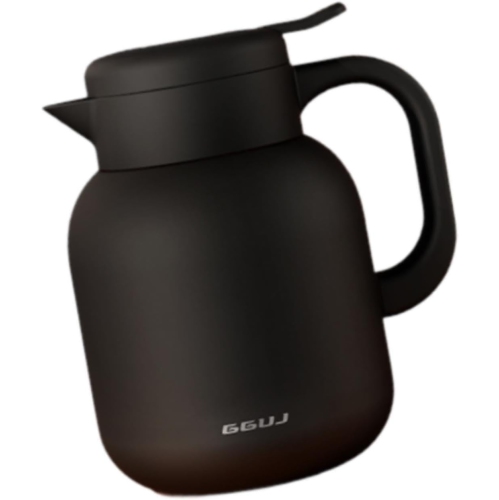
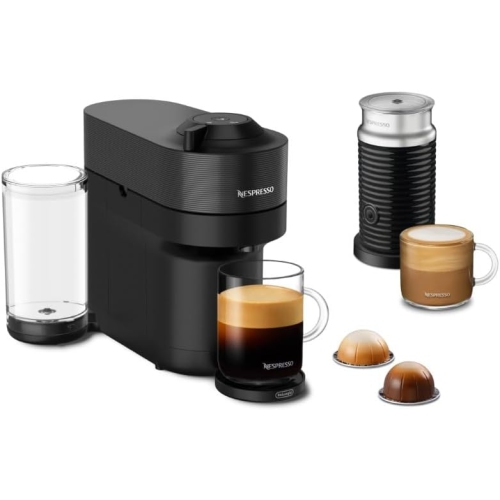
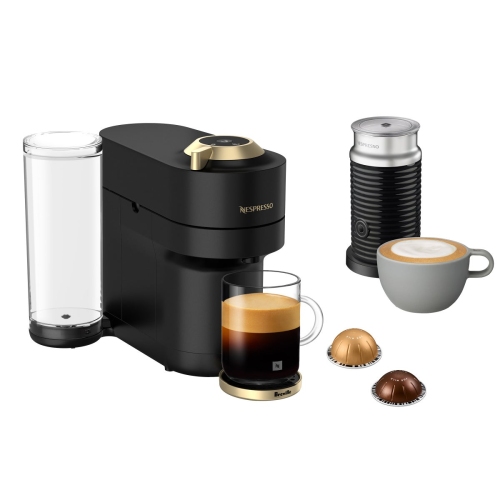
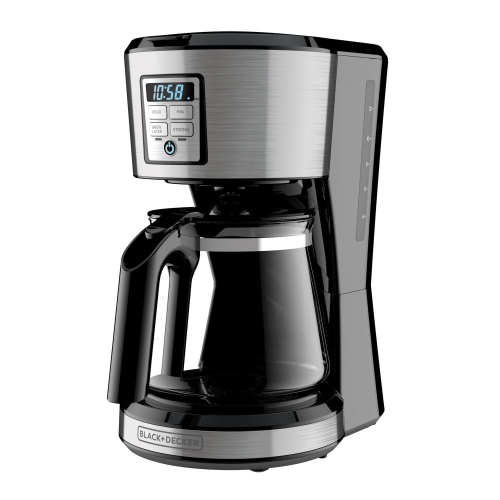
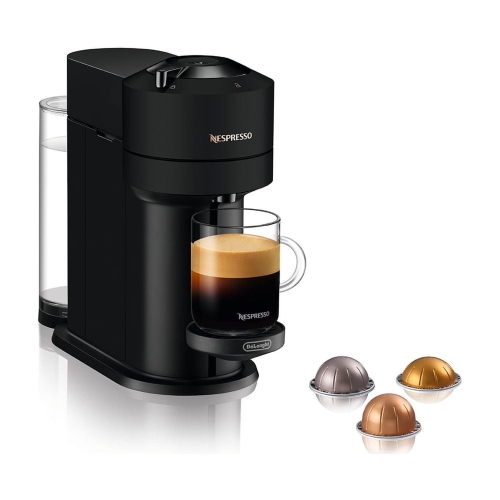
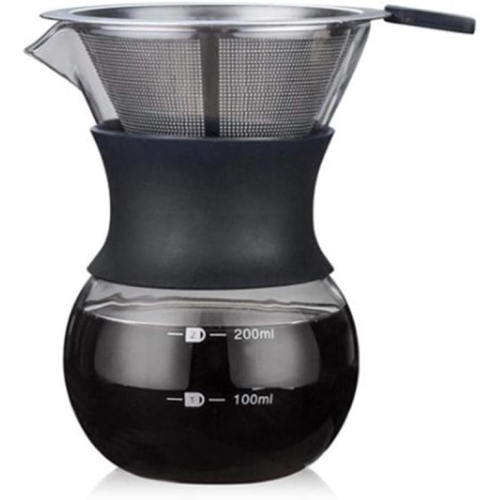
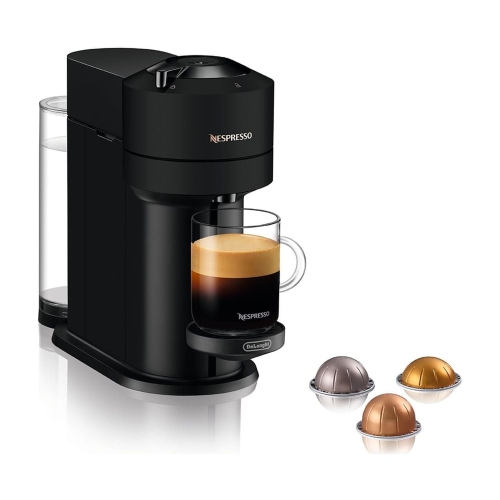
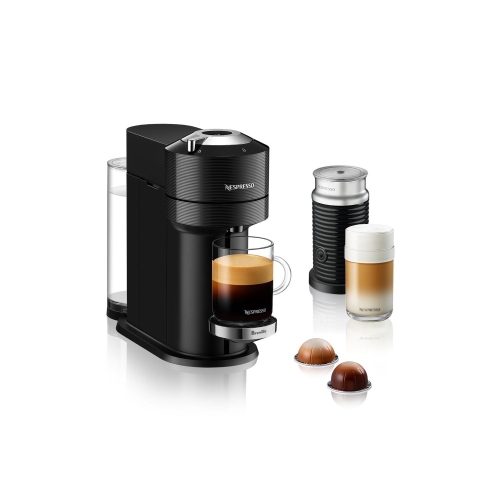
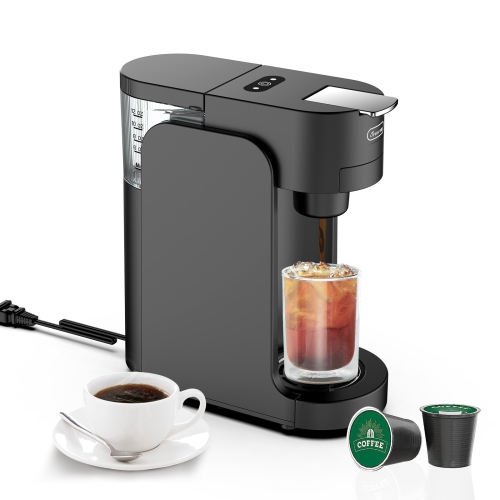
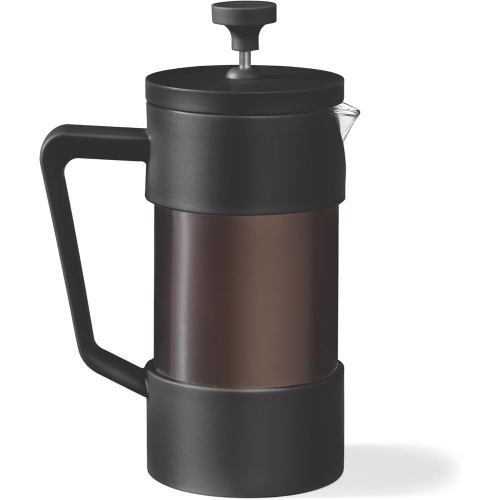
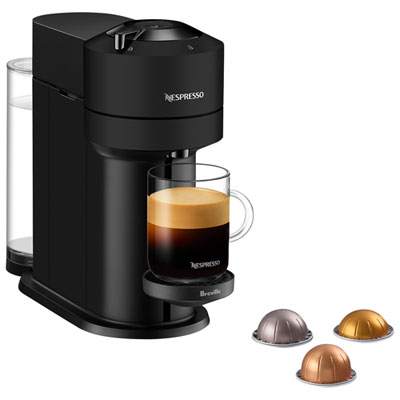
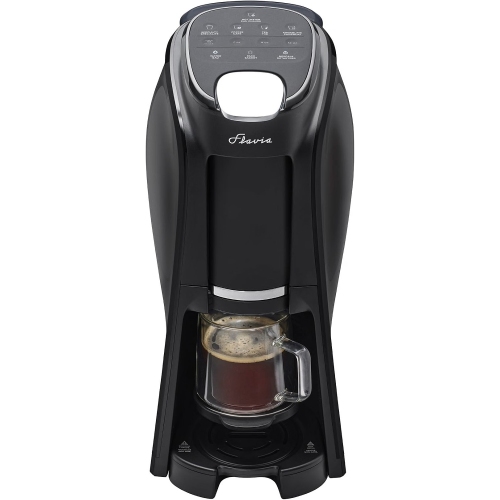
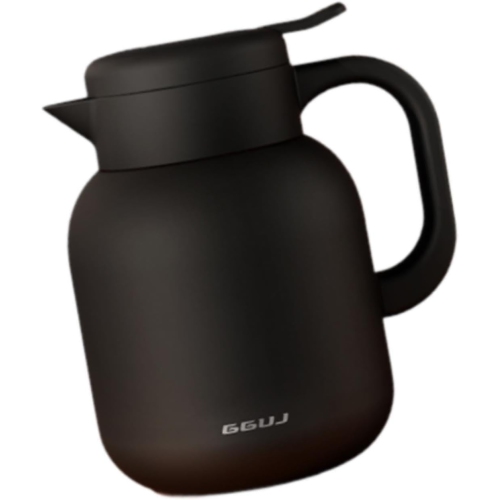
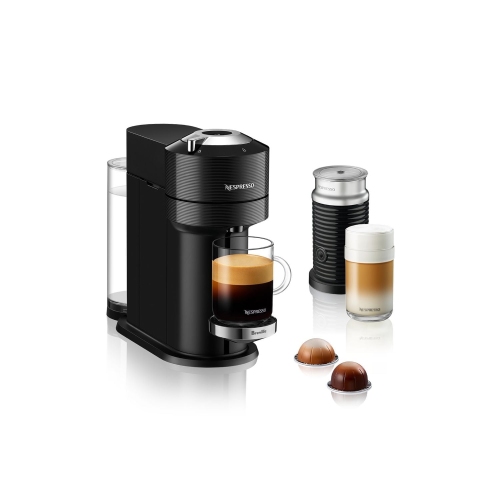
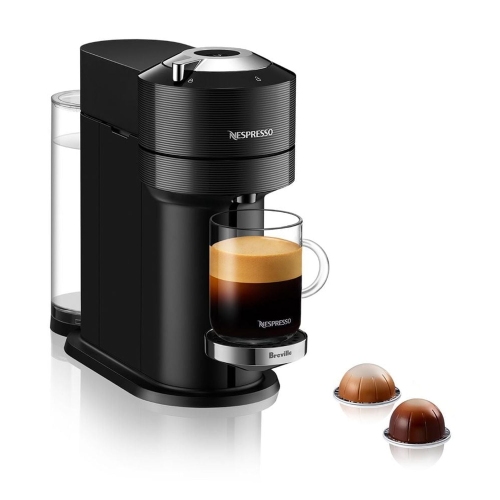
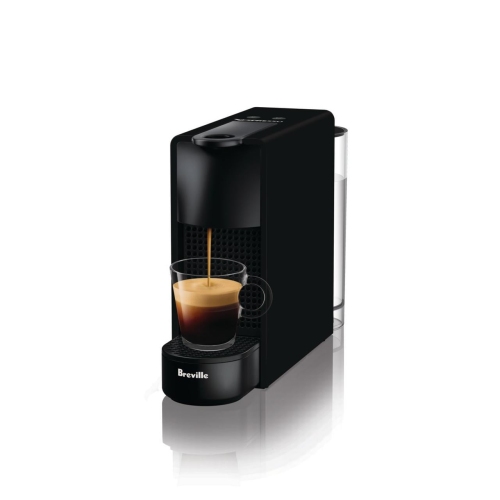
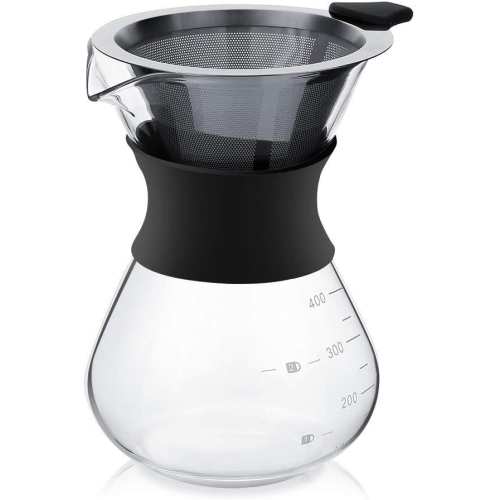
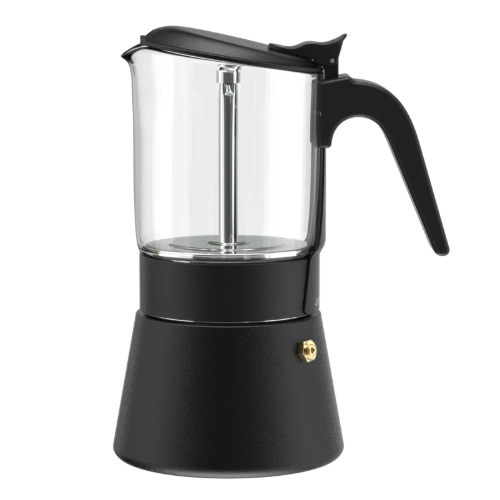
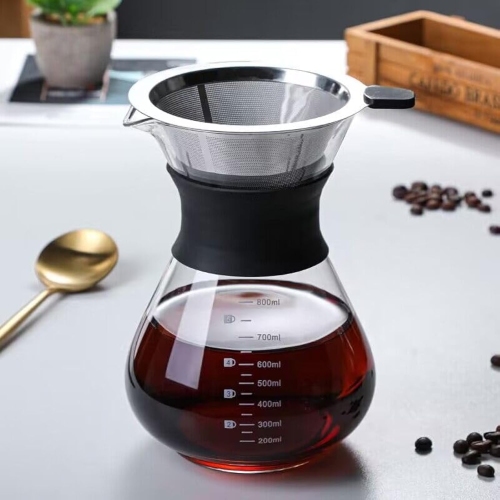
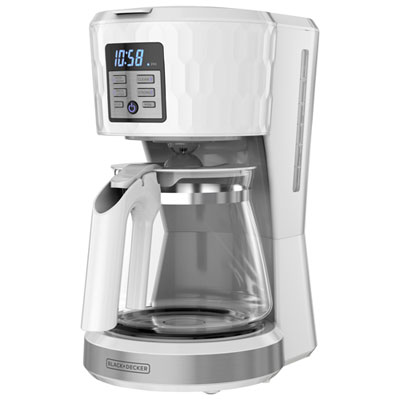
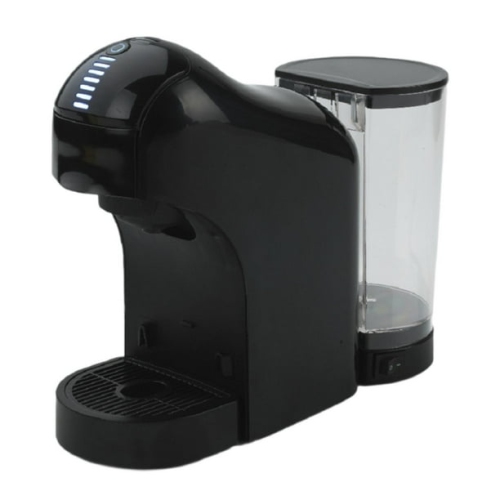
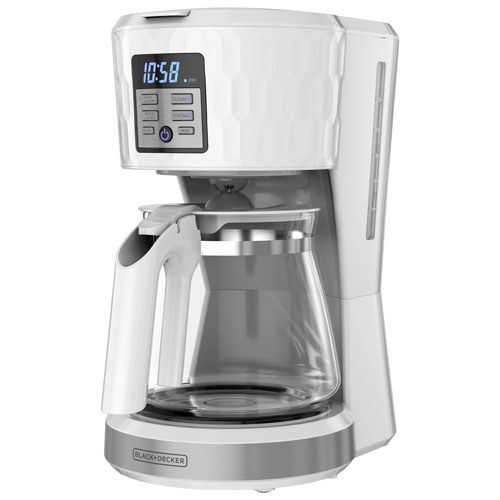
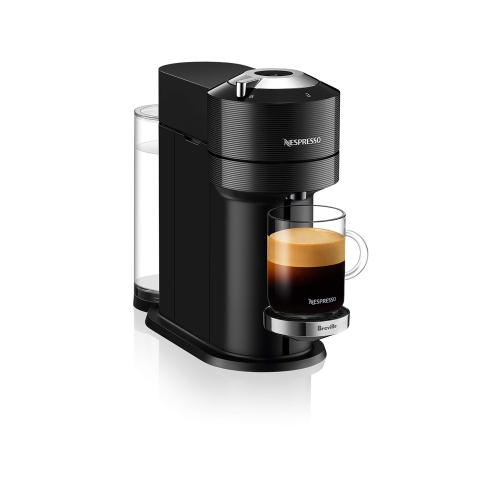
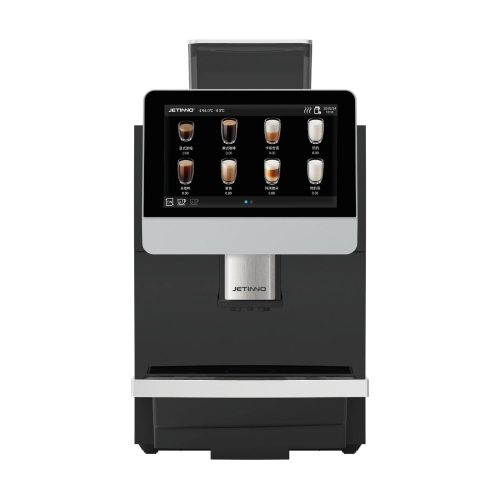
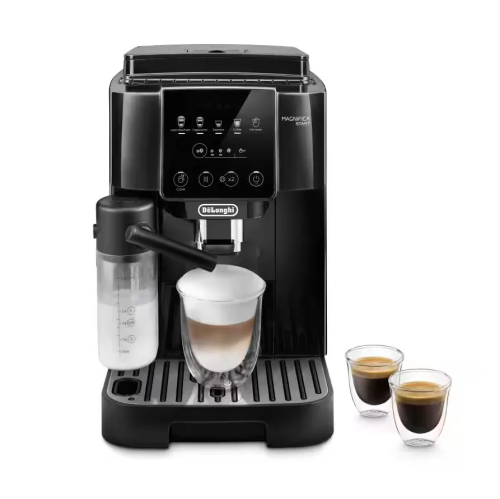
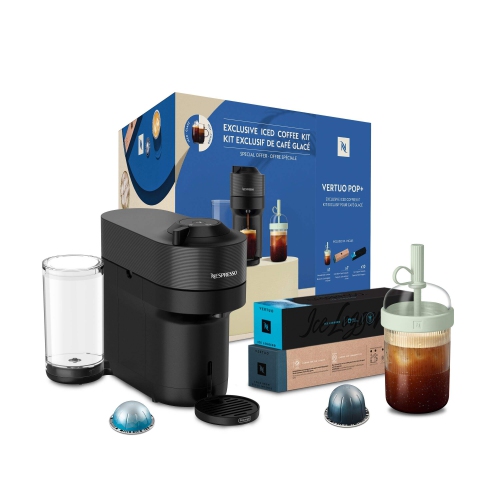
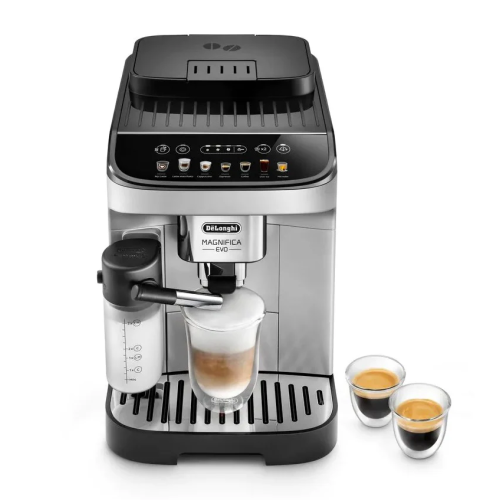
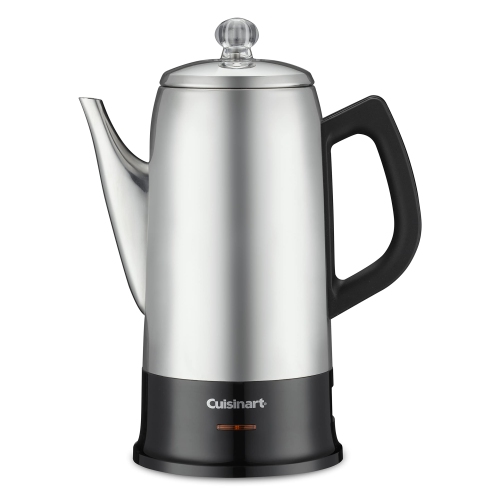
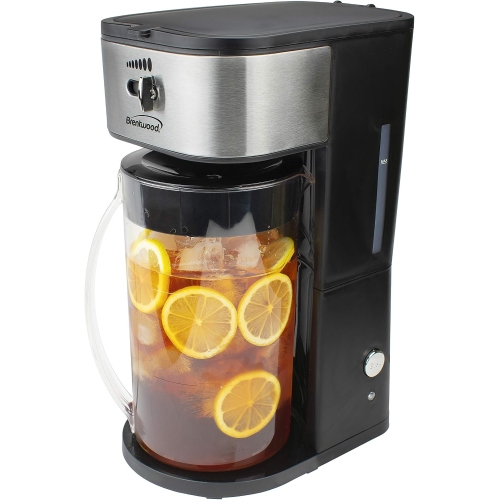
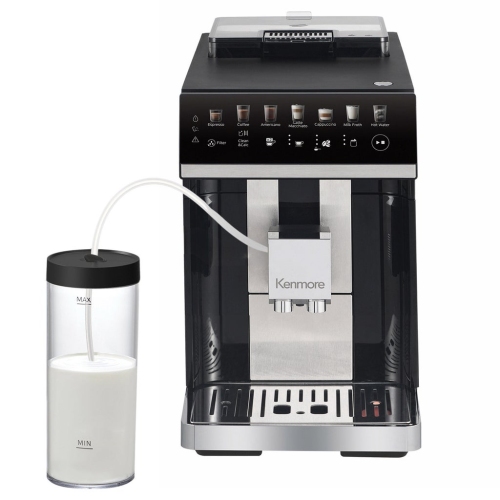
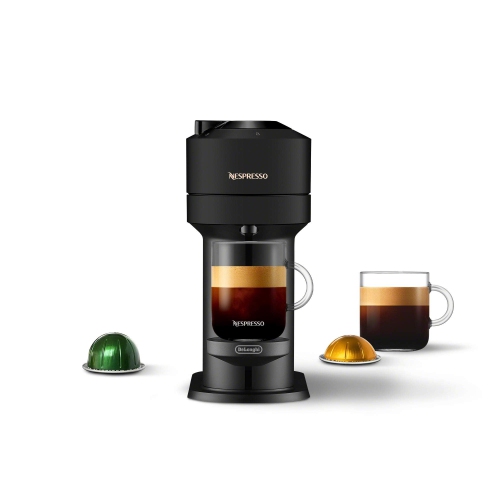
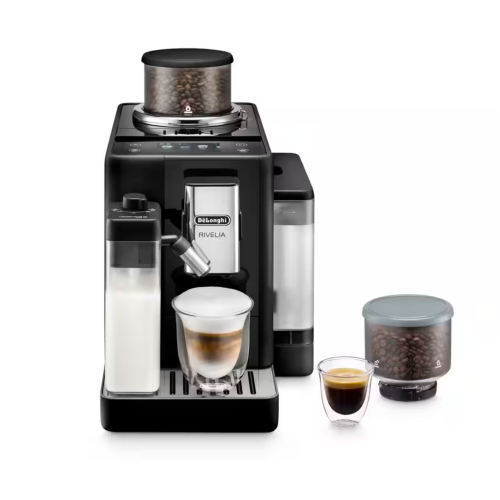
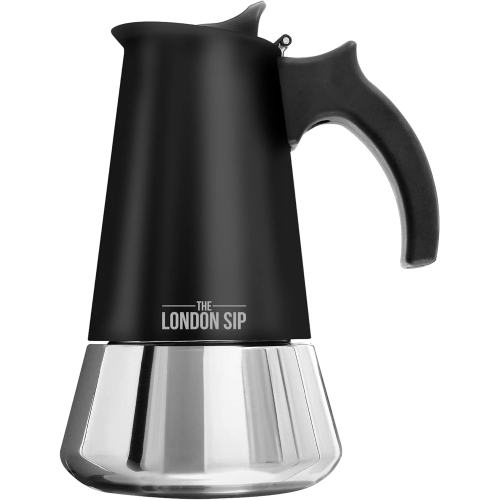
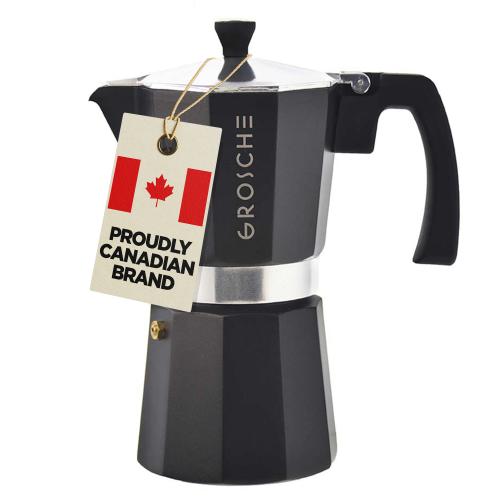
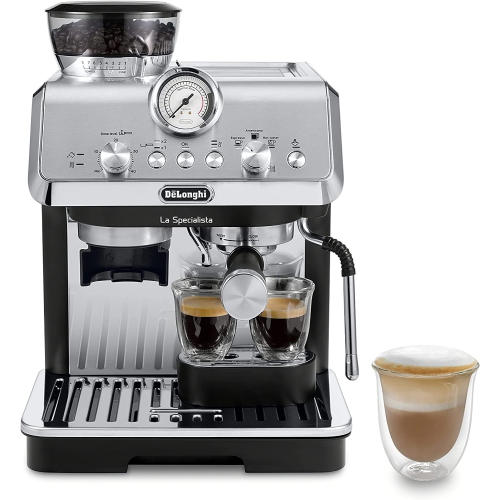
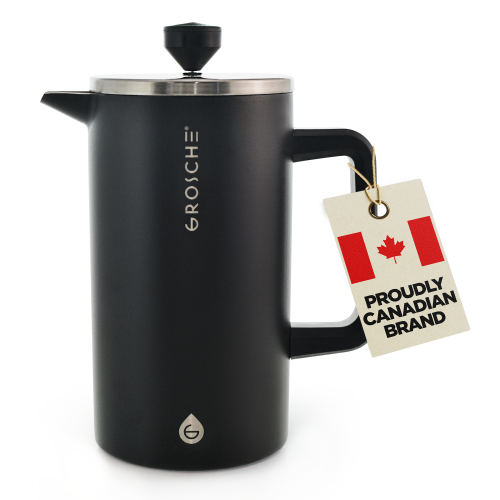
Black coffee makers include drip brewers, single-serve machines, espresso machines, French presses, and manual pour-over brewers with black finishes or components. The colour refers to the appliance’s appearance rather than a particular brewing method, so a black coffee maker can suit anything from a straightforward morning cup to espresso-based drinks with milk. A black finish can blend into dark cabinetry, complement stainless steel appliances, or create a strong contrast against a pale countertop. Matte surfaces tend to have a softer appearance, while glossy finishes catch the light and create a more polished look. The brewing format matters just as much as the finish. Drip coffee makers are practical for households that prepare several cups at once, especially when more than one person reaches for coffee around breakfast time. Single-serve brewers suit individual portions and households where people prefer different flavours or drink sizes, although capsule compatibility and support for ground coffee vary by machine. Espresso machines prepare concentrated coffee and may include a steam wand or milk system for cappuccinos and lattes. French presses offer manual immersion brewing with a fuller texture, while pour-over brewers give the person making the coffee direct control over how water passes through the grounds. These manual formats generally require a separate source of hot water. Capacity is worth considering in everyday terms: a manufacturer’s stated cup size may be smaller than a favourite mug, so the water capacity and serving volume are more useful than the cup count alone. Someone filling a large travel mug before a commute has different needs from a household sharing a carafe over breakfast. A compact brewer can also make sense for an apartment kitchen, a home office, or a dedicated coffee corner where counter space is limited. For shared spaces, clearly marked controls, an easy-to-read water level, and a carafe that pours cleanly can make repeated use more convenient. The most useful format is one that matches both the amount of coffee being made and the attention someone wants to give the brewing process.
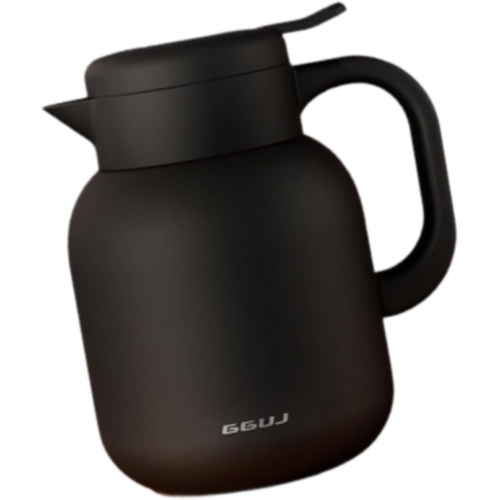
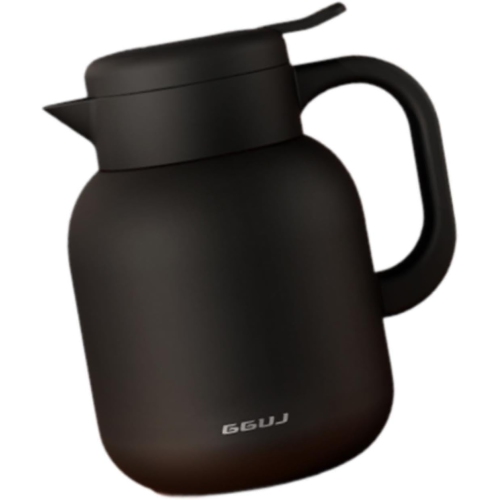
The fit of a black coffee maker involves more than its footprint. Space above the machine is important when a lid opens upward to fill the water reservoir or remove a filter basket, and space in front helps when pulling out a drip tray or lifting away a carafe. A brewer tucked beneath a cabinet may fit neatly when closed but be awkward to refill without moving it. Removable reservoirs can simplify filling at the sink, provided there is enough clearance to lift them out and carry them comfortably. Cup clearance also deserves attention, particularly for tall mugs; some single-serve and espresso machines have adjustable supports or removable trays, but the usable height differs between designs. Materials influence handling, appearance, and care. Black coffee makers may combine moulded plastic housings, painted metal panels, stainless steel details, and glass brewing vessels. A plastic exterior can keep the appliance lighter, while metal panels may provide a more substantial feel. Neither material alone determines how long a machine will last; construction, component quality, and regular maintenance all matter. Glass carafes make it easy to see how much coffee remains, while insulated carafes help retain heat without relying on a warming plate. A comfortable handle and a well-shaped spout are useful when pouring into several cups, especially when the carafe is full. For drip brewing, programmable start times can support a predictable routine, while automatic shut-off offers added convenience. A pause-and-pour feature can allow a brief pour before brewing finishes when used as directed. For espresso, the differences between manual, semi-automatic, and automatic operation affect how much grinding, dosing, tamping, and milk preparation the user handles. Built-in grinders save a separate appliance footprint, although they also add parts that need cleaning. Straightforward buttons may suit a shared kitchen, while adjustable strength settings and drink volumes can appeal to someone who likes to fine-tune each cup. Useful features are those that make a familiar routine easier rather than adding steps that rarely get used.
Regular care helps a black coffee maker remain pleasant to use and keeps old coffee residue from affecting the next brew. Removable baskets, carafes, drip trays, and other washable parts need cleaning according to the manufacturer’s directions, and dishwasher suitability should be checked rather than assumed. Coffee oils can collect around filter holders and brewing surfaces, while grounds left in damp corners can create unpleasant odours. Emptying used grounds promptly and allowing cleaned parts to dry makes the next brewing session simpler. Exterior care is usually gentle: a soft cloth helps lift splashes and dust without scouring the finish, while abrasive pads or harsh cleaners may damage coatings. Glossy black surfaces can show fingerprints and dried water marks, and matte finishes may need careful wiping to avoid streaks. Mineral deposits inside a brewer require a different approach from everyday washing. Descaling frequency depends on water hardness, use, and the machine’s care requirements, so a maintenance reminder is helpful but does not replace the recommended cleaning routine. Machines with milk systems need particular attention because milk-contact parts should be cleaned promptly after use. Manual brewers have fewer powered components, but glass vessels still need protection from knocks and sudden temperature changes, and press filters benefit from thorough rinsing between batches. Accessible replacement carafes, seals, and filter components can also matter for long-term ownership. As a gift, a black coffee maker works best when its brewing style matches the recipient’s habits: a simple drip brewer for someone who enjoys a familiar pot of coffee, a compact single-serve format for individual portions, or a hands-on espresso setup for someone who enjoys practising preparation techniques. The neutral finish is easy to coordinate with many kitchens without dictating the rest of the décor. For a contrasting colour choice, Green Coffee Makers offer another direction for a coffee station. Whether the setting is a busy family kitchen or a small personal workspace, practical access, manageable cleaning, and the right serving capacity help make the appliance a comfortable part of daily life.
Top selling and popular products
-
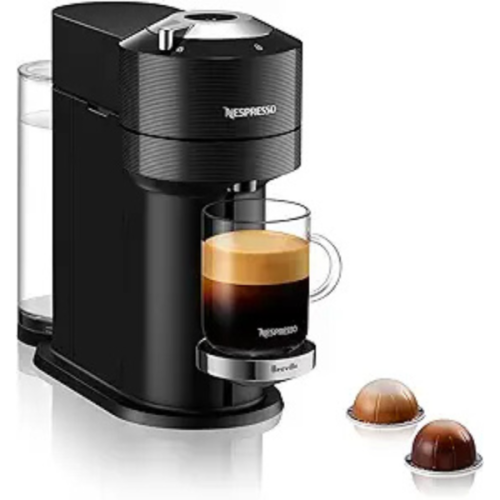 Your price for this item is $279
-
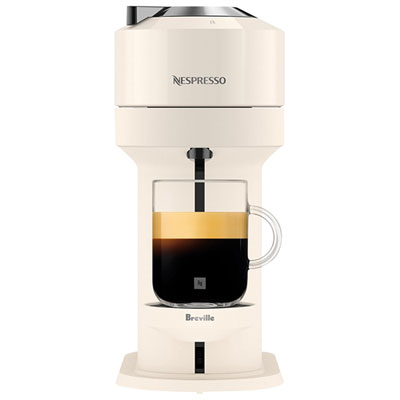 Your price for this item is $249.99
-
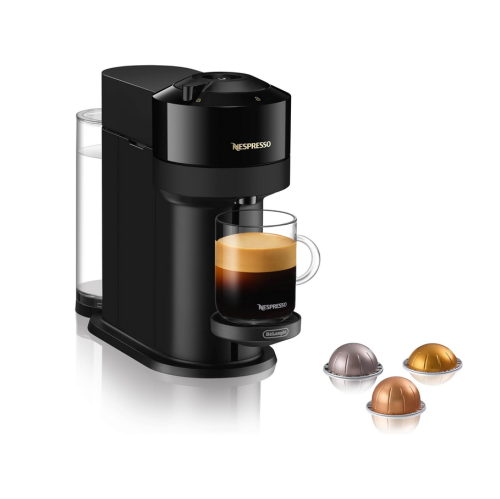 Your price for this item is $196
-
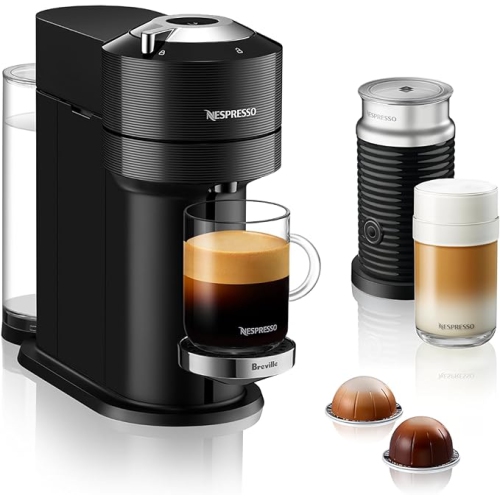 Your price for this item is $279.89
-
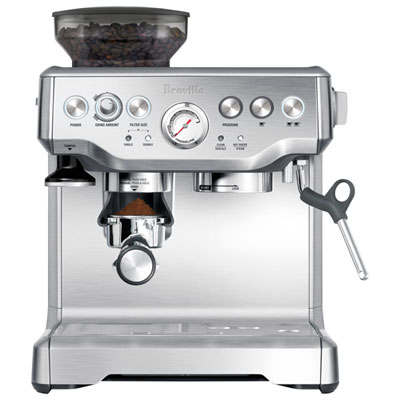 Your price for this item is $749.99
-
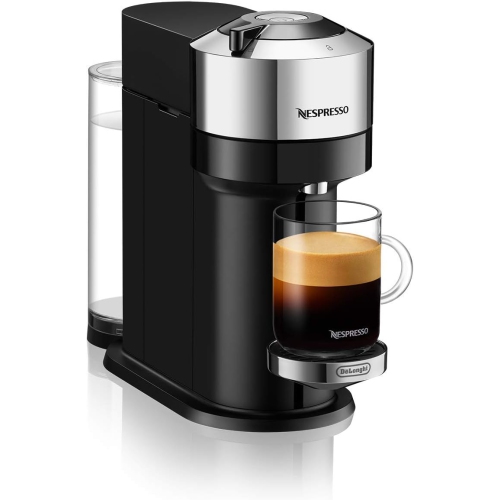 Your price for this item is $109.99
-
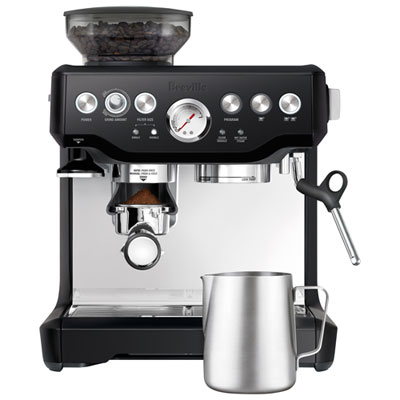 Your price for this item is $999.99
-
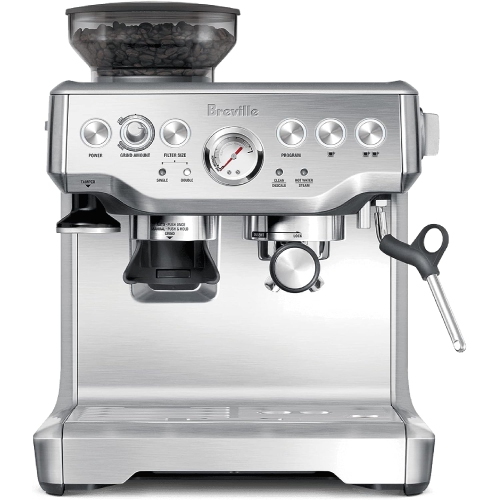 Your price for this item is $849
Discover more categories related to Black Coffee Makers
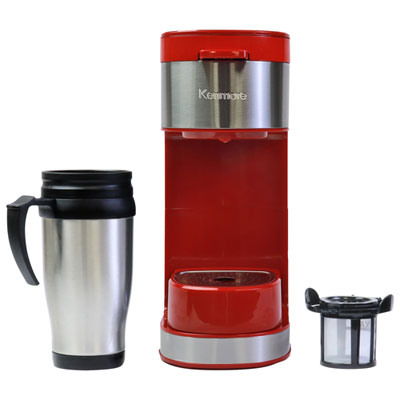


Top Collections:
Best Black Friday Deals This Year, Best Black Friday Deals On Electronics, Kindle Devices, Pokemon Centers, Best Black Friday Deals On Apple Products, Best Cameras for Sports Photography, Dyson Airwrap, Pokémon 30th Celebration Cards, Apple iPhone 17 Pro, Canon G7X Cameras
Some products may be subject to Environmental Handling Fees
(EHF) depending on your province.
Learn more about EHFs.