Belgian Waffle Irons
If you're looking to elevate your breakfast game, look no further than these Belgian waffle irons. These kitchen essentials are designed to help you create deliciously golden and fluffy waffles right in the comfort of your own home. With their unique grid patterns and adjustable temperature settings, these Belgian waffle irons ensure that every bite is perfectly crispy on the outside and irresistibly soft on the inside. Whether you prefer classic buttermilk waffles or want to experiment with fun toppings and flavors, these Belgian Waffle Irons are here to make your breakfast dreams come true.
Sort
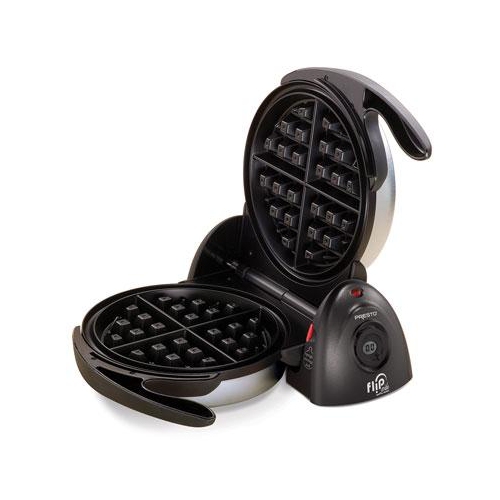
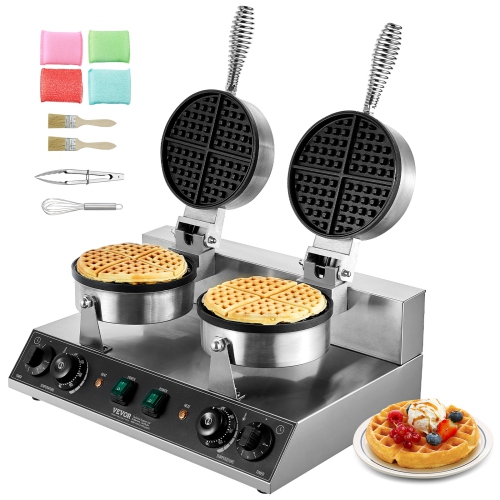
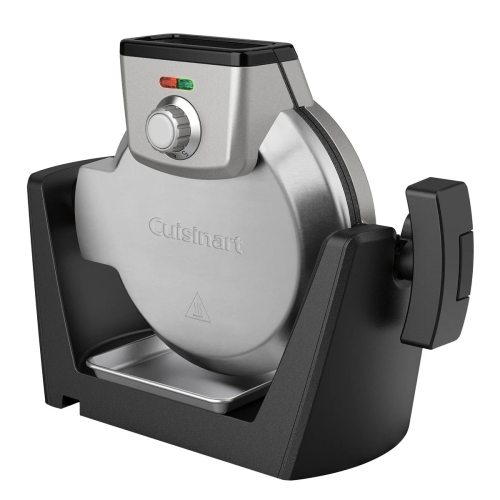
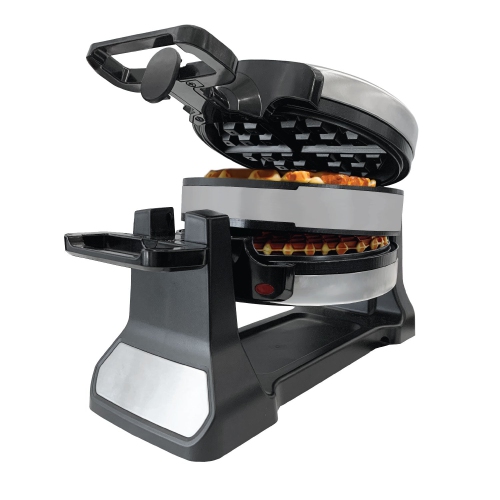

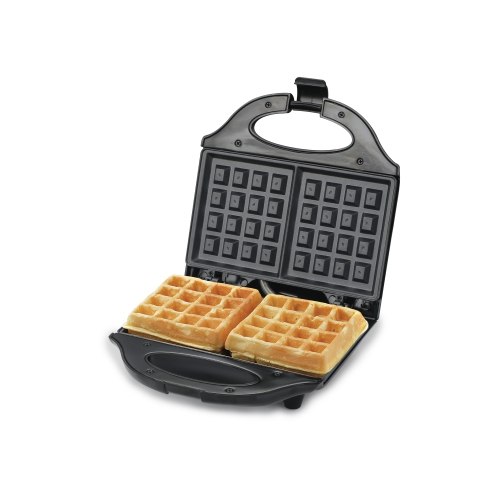

Deep pockets and crisp edges for café-style breakfasts
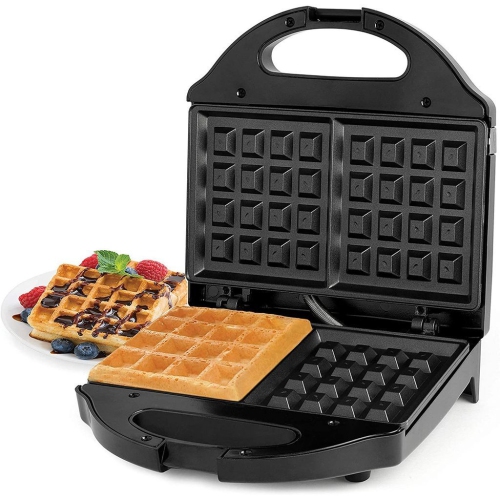
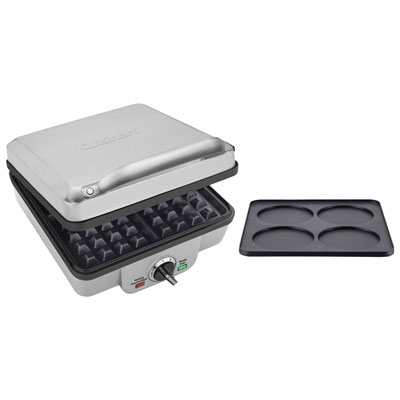
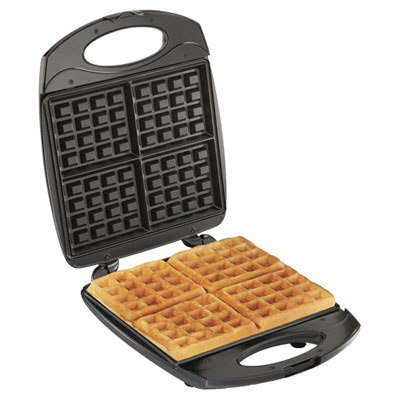
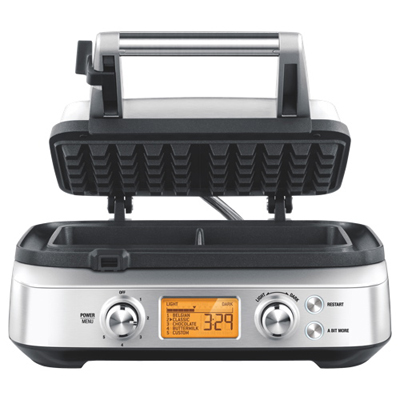
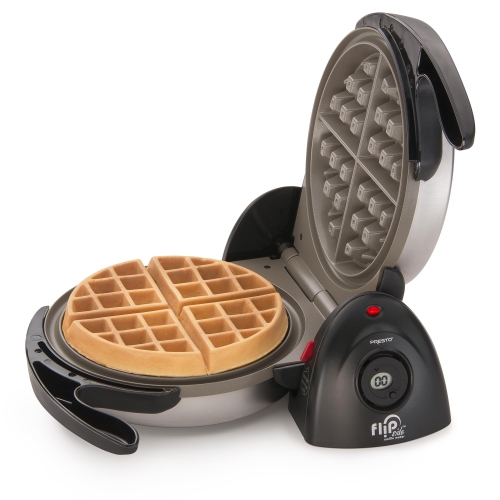
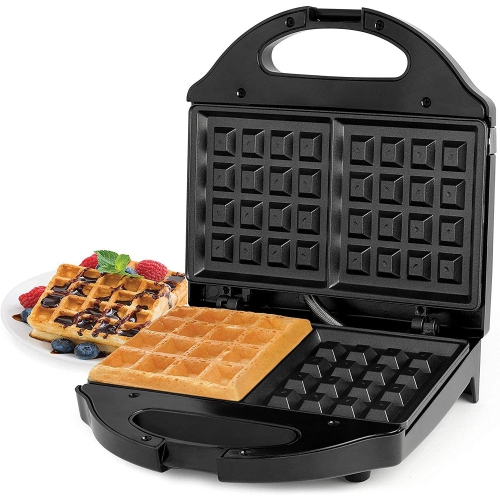
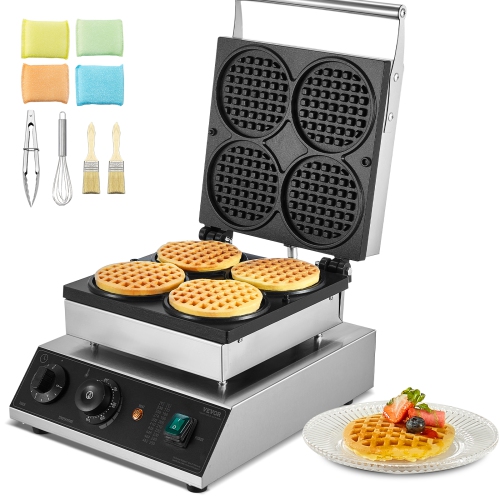
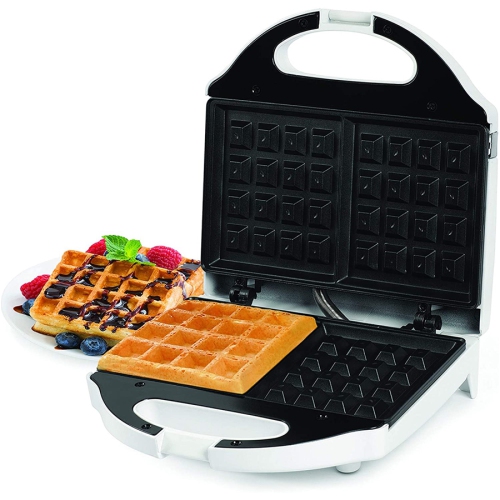
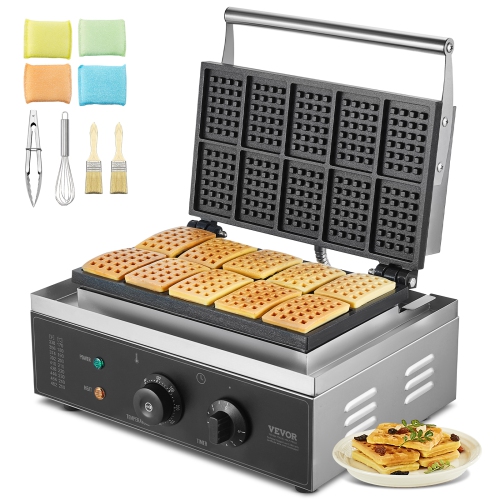
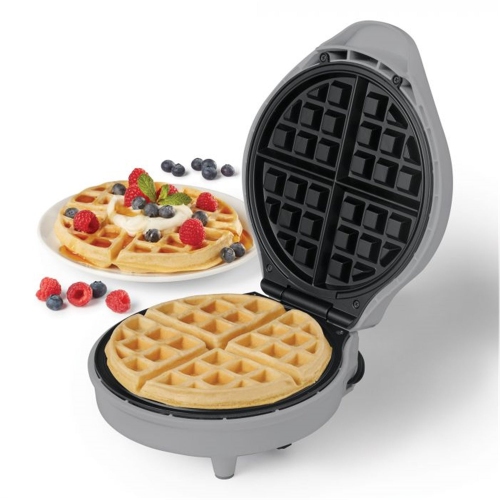
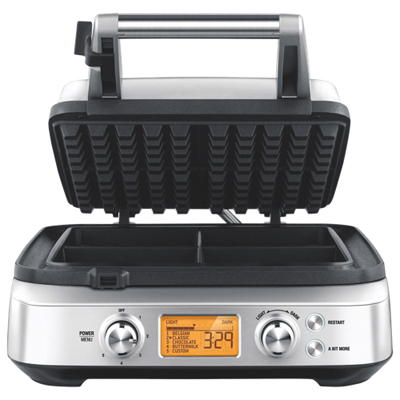
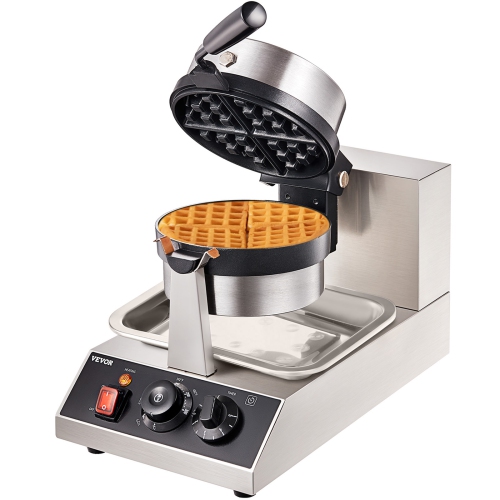
Belgian waffle irons bring the thick shape, deep pockets, and crisp edges of café-style waffles to a home kitchen. Their deeper cooking grids distinguish them from irons designed for thin, traditional waffles, leaving more room for an airy interior and toppings such as maple syrup, berries, or a spoonful of yogurt. Belgian waffle irons and Belgian Waffle Makers generally refer to the same category of appliance: heated, patterned plates that cook batter on both sides at once. The finished texture depends on the recipe as well as the appliance. A yeast-raised batter can develop a light interior and a more complex flavour, while baking powder recipes offer a convenient option for breakfasts prepared without an overnight rest. Recipes that fold in whipped egg whites are another way to create a lighter centre. Deep grids give toppings somewhere to settle, whether the meal is a simple breakfast with butter or a more generous brunch with fruit, whipped cream, and chopped nuts. They also suit savoury combinations, such as a plain waffle served alongside eggs or topped with fried chicken. Round waffles often have dividing lines that make them easy to separate into quarters, while square or rectangular shapes can be convenient for portioning and arranging on plates. Shape alone does not determine serving size; grid dimensions and depth also matter. For someone making breakfast for one or two people, a single-waffle design may be a comfortable fit. For a household that wants to sit down together, a design that cooks two waffles at once can reduce the number of batches. Total preparation time still depends on preheating, cooking time, and how quickly the plates regain heat between rounds. The appeal is as much about routine as presentation: a familiar batter, a measured pour, and a waffle with enough structure to hold its toppings without losing its tender middle.
The differences between Belgian waffle irons become especially useful when considered in the context of an everyday kitchen. Fixed designs cook with the plates resting in one position, while rotating or flip designs allow the closed cooking chamber to turn during preparation. That movement can help spread batter across the grids, although the right batter quantity and consistency remain important, and a well-designed fixed iron can also cook evenly. Adjustable browning controls offer flexibility for households where one person prefers a pale, soft waffle and another likes a deeper golden crust. These controls vary by appliance and may adjust cooking time, heat, or a combination of the two. Indicator lights and audible signals can make it easier to follow the cooking cycle while preparing coffee or setting the table, but they do not all communicate the same information. A power light may simply show that the appliance is switched on, whereas a ready light may indicate that the plates have reached cooking heat. Construction also affects daily handling. Many electric waffle irons use metal cooking plates with a non-stick coating to help release batter from the deep pattern. The coating still needs gentle treatment; it does not make the surface immune to scratches or baked-on residue. Stainless steel outer panels can provide a sturdy finish, while moulded housings may reduce weight and make an appliance easier to move. Neither finish alone establishes cooking quality, which also depends on the heating system, plate design, and overall construction. A stable base, a comfortable handle, and a lid that opens smoothly are useful details when pouring batter or lifting out a finished waffle. Counter space needs extend beyond the appliance’s closed dimensions. The lid requires clearance, and a rotating design needs room for its full movement. Cord placement, access to an outlet, and the space needed for a plate beside the iron can all affect how comfortably it fits into a breakfast setup. Upright storage, a locking handle, or built-in cord storage can be helpful where cupboard space is limited, provided the appliance is designed for those storage positions.
Care and ease of cleaning play a large part in how often a Belgian waffle iron becomes part of the breakfast routine. Removable cooking plates can make deep grooves easier to reach, but dishwasher suitability depends on the manufacturer’s directions rather than on removability alone. Fixed plates usually need to be cleaned in place after the appliance has been unplugged and allowed to cool as directed. A soft cloth or non-abrasive brush can help lift crumbs and batter from the patterned surface without scraping the coating. Electrical housings should not be immersed in water. Overflow channels and removable drip trays can contain some stray batter, though they are not a substitute for using the recommended fill amount. A measured portion is especially helpful with recipes that rise substantially during cooking: too much batter can escape around the edges, while too little may leave incomplete corners. Cooking spray is another detail worth checking in the care instructions, since some manufacturers advise against it because residue can build up on the plates. Silicone or wooden utensils, where recommended, are gentler on coated surfaces than metal forks or knives. Careful handling, cleaning after use, and storage without heavy objects pressing against the appliance can help protect its working surfaces and moving parts. For frequent use, accessible grooves, secure hinges, and controls that are easy to read may matter more than a long list of settings. Someone who enjoys relaxed weekend breakfasts may appreciate precise browning adjustment, while a busy household may place greater value on batch capacity and straightforward cleanup. Waffle irons can also make thoughtful housewarming or wedding gifts for people who enjoy cooking, particularly when the size suits their kitchen and the capacity matches their household. For occasional hosts, a waffle station with separate bowls of fruit, sauces, and other toppings lets guests assemble their own plates. Keeping finished waffles on a rack rather than stacking them helps steam escape and preserves more of the crisp exterior. Those practical details make the appliance useful beyond a single brunch, whether the goal is a small breakfast, a shared meal, or extra portions to freeze and reheat later.
The differences between Belgian waffle irons become especially useful when considered in the context of an everyday kitchen. Fixed designs cook with the plates resting in one position, while rotating or flip designs allow the closed cooking chamber to turn during preparation. That movement can help spread batter across the grids, although the right batter quantity and consistency remain important, and a well-designed fixed iron can also cook evenly. Adjustable browning controls offer flexibility for households where one person prefers a pale, soft waffle and another likes a deeper golden crust. These controls vary by appliance and may adjust cooking time, heat, or a combination of the two. Indicator lights and audible signals can make it easier to follow the cooking cycle while preparing coffee or setting the table, but they do not all communicate the same information. A power light may simply show that the appliance is switched on, whereas a ready light may indicate that the plates have reached cooking heat. Construction also affects daily handling. Many electric waffle irons use metal cooking plates with a non-stick coating to help release batter from the deep pattern. The coating still needs gentle treatment; it does not make the surface immune to scratches or baked-on residue. Stainless steel outer panels can provide a sturdy finish, while moulded housings may reduce weight and make an appliance easier to move. Neither finish alone establishes cooking quality, which also depends on the heating system, plate design, and overall construction. A stable base, a comfortable handle, and a lid that opens smoothly are useful details when pouring batter or lifting out a finished waffle. Counter space needs extend beyond the appliance’s closed dimensions. The lid requires clearance, and a rotating design needs room for its full movement. Cord placement, access to an outlet, and the space needed for a plate beside the iron can all affect how comfortably it fits into a breakfast setup. Upright storage, a locking handle, or built-in cord storage can be helpful where cupboard space is limited, provided the appliance is designed for those storage positions.
Care and ease of cleaning play a large part in how often a Belgian waffle iron becomes part of the breakfast routine. Removable cooking plates can make deep grooves easier to reach, but dishwasher suitability depends on the manufacturer’s directions rather than on removability alone. Fixed plates usually need to be cleaned in place after the appliance has been unplugged and allowed to cool as directed. A soft cloth or non-abrasive brush can help lift crumbs and batter from the patterned surface without scraping the coating. Electrical housings should not be immersed in water. Overflow channels and removable drip trays can contain some stray batter, though they are not a substitute for using the recommended fill amount. A measured portion is especially helpful with recipes that rise substantially during cooking: too much batter can escape around the edges, while too little may leave incomplete corners. Cooking spray is another detail worth checking in the care instructions, since some manufacturers advise against it because residue can build up on the plates. Silicone or wooden utensils, where recommended, are gentler on coated surfaces than metal forks or knives. Careful handling, cleaning after use, and storage without heavy objects pressing against the appliance can help protect its working surfaces and moving parts. For frequent use, accessible grooves, secure hinges, and controls that are easy to read may matter more than a long list of settings. Someone who enjoys relaxed weekend breakfasts may appreciate precise browning adjustment, while a busy household may place greater value on batch capacity and straightforward cleanup. Waffle irons can also make thoughtful housewarming or wedding gifts for people who enjoy cooking, particularly when the size suits their kitchen and the capacity matches their household. For occasional hosts, a waffle station with separate bowls of fruit, sauces, and other toppings lets guests assemble their own plates. Keeping finished waffles on a rack rather than stacking them helps steam escape and preserves more of the crisp exterior. Those practical details make the appliance useful beyond a single brunch, whether the goal is a small breakfast, a shared meal, or extra portions to freeze and reheat later.
Top selling and popular products
-
 Your price for this item is $68.33
 -
 Your price for this item is $65.93
 -
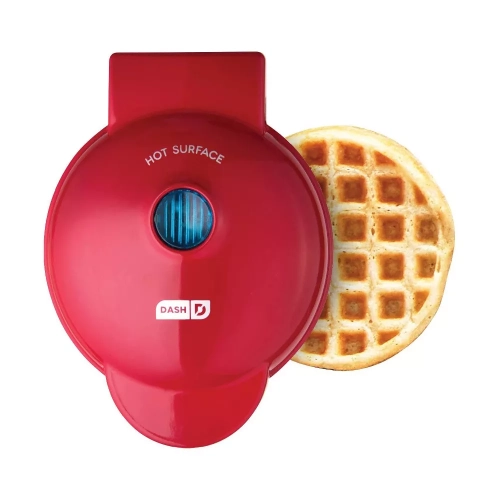 Your price for this item is $64.73
 -
 Your price for this item is $64.73
 -
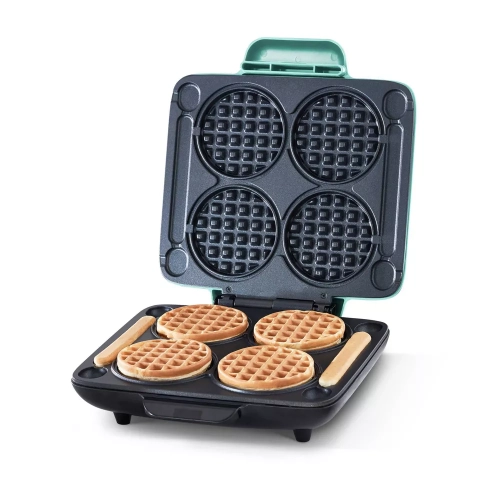 Your price for this item is $134.28
 -
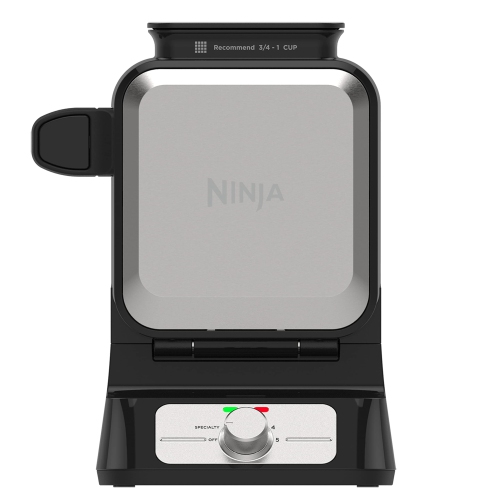 Your price for this item is $149.97
 -
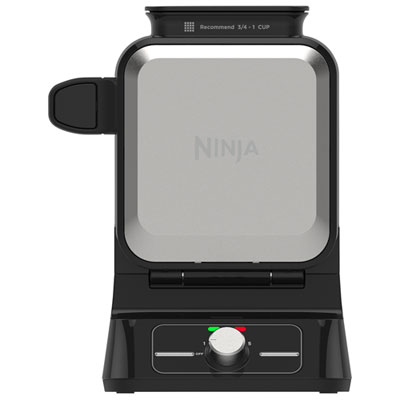 Your price for this item is $89.99
 -
 Your price for this item is $64.73
Discover more categories related to Belgian Waffle Irons
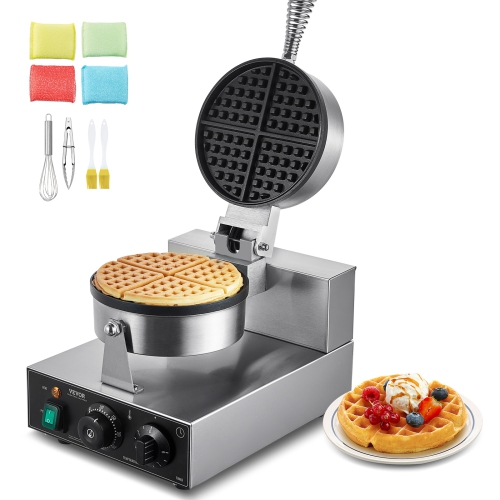
Top Collections:
Pokemon Centers, Kindle Devices, Best Budget Office Chairs, Apple iPhones 16, Canon G7X Cameras, iPhone 15 Apple, Alarm Clock, Refurbished Apple Laptops, Flip Phones, Best Laptops for Writers
Some products may be subject to Environmental Handling Fees
(EHF) depending on your province.
Learn more about EHFs.