Best Air Purifiers for Pet Allergies And Asthma
Find the best air purifiers for pet allergies and asthma with this selection ranked by customer review ratings. Air purifiers with HEPA filtration can help capture airborne pet dander, dust and pollen, making them a useful addition to your home’s allergy-management routine. Compare options by room coverage, noise level and filter replacement costs to find the right fit for your space, while keeping in mind that air purification does not replace prescribed asthma treatment.

Read More

What to look for in air purifiers for pet allergies and asthma

1. Particle Filtration

Look for HEPA filtration to capture airborne particles such as pet dander, dust and pollen. Air purifiers can help reduce airborne allergens but do not replace asthma treatment or regular cleaning.

2. Room Coverage and CADR

Choose a model with a clean air delivery rate (CADR) and recommended room size suited to your space. Compare coverage ratings at the same air changes per hour, as a large advertised coverage area may mean less frequent filtration.

3. Ozone Emissions

Avoid ozone-generating air purifiers, since ozone can irritate the lungs and worsen asthma symptoms. If a model includes an ionizer or other electronic air-cleaning feature, check its emissions information and whether that feature can be switched off.

4. Noise and Filter Maintenance

Compare noise levels at the fan speed you expect to use, especially for bedrooms, as quieter settings may provide less airflow. Check replacement filter costs and availability, and look for an easy-to-clean pre-filter to collect pet hair before it reaches the main filter.
  1. 1

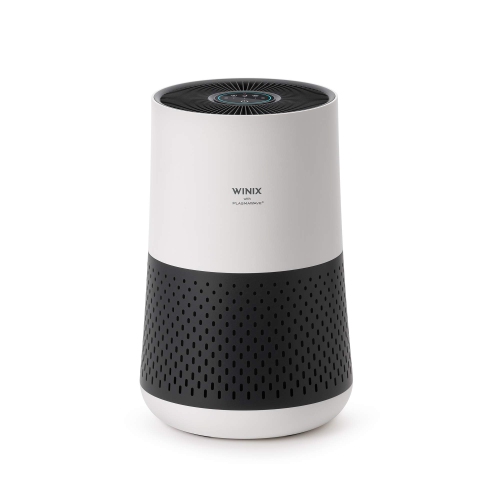
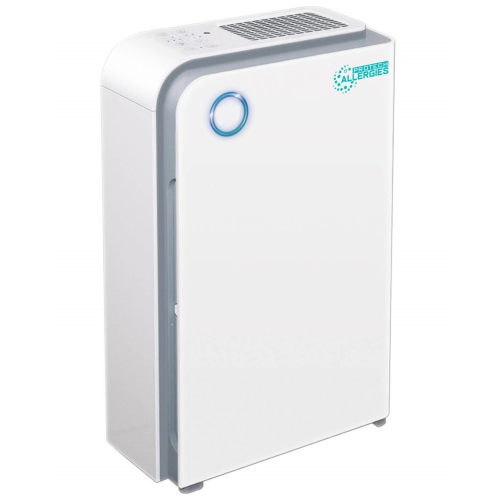
    WINIX A231 Air Purifier for Bedroom Up to 1110 Ft² In 1 Hr w Air Quality Monitor, True Hepa, Carbon Filter And Auto Mode, Captures Pet Allergies

    About this product

    A four-stage air purifier with H13 True HEPA filtration in white and charcoal grey for cleaner air.

    What customers like

    • Compact and portable
    • Easy to use and maintain
    • Quiet operation
    • Effective air purification
    • Improved sleep and breathing
    (33)
    $164.99 Your price for this item is $164.99
  2. 2

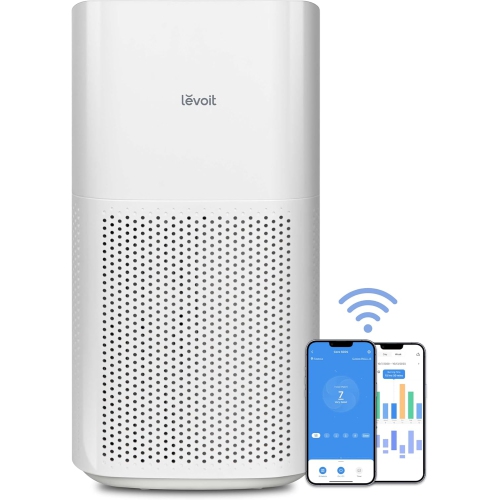
    LEVOIT Air Purifiers for Large Room Home Up to 3175 Sq Ft, Smart Wifi Alexa Control, Pm2.5 Monitor, H13 True Hepa Air Filter Removes 99.97% Of

    About this product

    A smart air purifier with H13 True HEPA filter, WiFi Alexa control, and PM2.5 monitoring.

    What customers like

    • Large room coverage
    • Effective air purification
    • Quiet operation
    • Easy setup and use
    • Smart features and app control
    (567)
    $709.78
    SAVE $354
    Your price for this item is $709.78
  3. 3

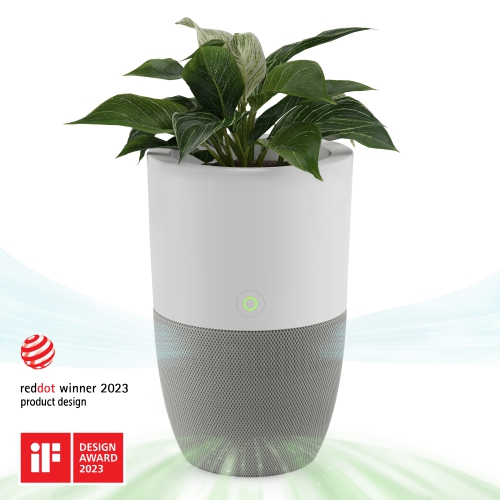
    DUPRAY Bloom Hepa Air Purifier Planter: Home, Large Room, Pets, Allergies

    About this product

    A medical-grade HEPA-13 air purifier with an integrated planter and adaptive air quality monitoring.

    What customers like

    • Attractive and sleek design
    • Improves air quality and helps with allergies
    • Easy to use and maintain
    • Quiet operation
    • Effective air purification
    (79)
    $299.99 Your price for this item is $299.99
  4. 4

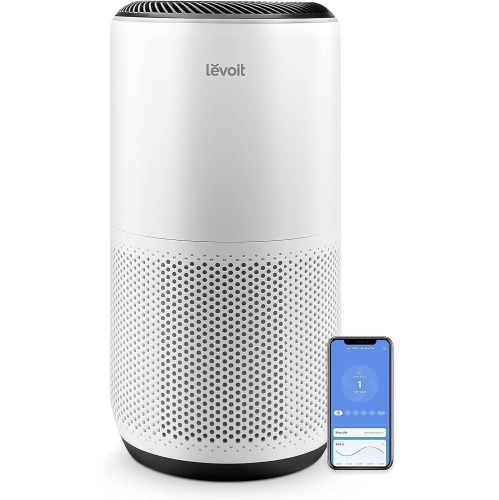
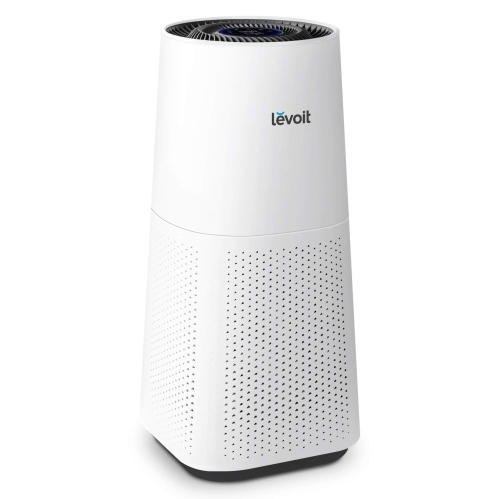
    LEVOIT Air Purifiers Large Room Home Up to 1980 Ft², Smart Wifi And Auto Mode With Alexa Control, True Hepa Filter

    About this product

    A smart WiFi air purifier with True HEPA filter, Alexa control, and air quality monitor in white.

    What customers like

    • Easy to set up and use
    • Effective at removing odors and smoke
    • Attractive and modern design
    • Quiet operation
    • Smart features and app control
    (56)
    $400.00 Your price for this item is $400
  5. 5

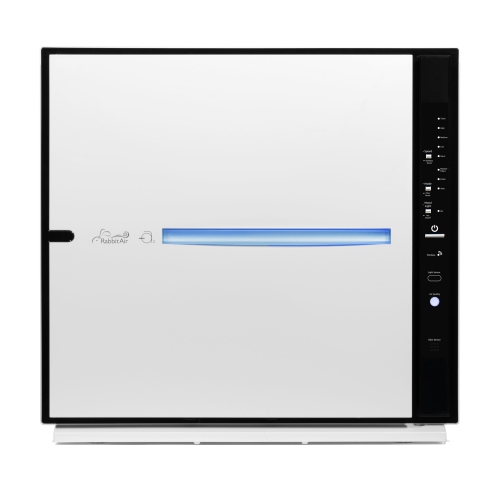
    RABBIT AIR Minusa2 Ultra Quiet Hepa Air Purifier (White-Pet Allergy)

    About this product

    An ultra-quiet white air purifier with 6-stage HEPA filtration, targeting pet dander, VOCs, and odors.

    (5)
    $889.95 Your price for this item is $889.95

Why pet allergen filtration takes more than HEPA

The best air purifiers for pet allergies and asthma pair effective particle filtration with enough airflow for the room where they will run. True HEPA filtration captures fine airborne particles, including pet dander, while activated carbon helps reduce some pet-related odours. These filters serve different purposes: particle filtration matters most for airborne allergens, and carbon adds odour control rather than replacing a HEPA filter. Pet allergens come from proteins found in dander, saliva, and urine, not simply from visible fur. They can travel on small particles, linger in the air, and settle into rugs, upholstery, and bedding. A purifier can capture particles that pass through it, but it cannot remove everything already resting on a sofa or carpet. For households managing allergies or asthma, air purification is an addition to regular cleaning and a clinician-directed care plan, not a treatment or a guarantee of symptom relief. A dog stretching out beside the couch or a cat sleeping near a bedroom window can make those rooms practical places for filtration, provided the unit has adequate capacity. A pre-filter catches larger debris such as hair and lint before it reaches the finer filter, helping keep the air path clear in homes where shedding is a daily reality. True HEPA filters are typically rated to capture at least 99.97% of particles measuring 0.3 micrometres under test conditions, though that filter rating does not mean a purifier removes the same percentage of allergens from an entire room. Whole-room results also depend on airflow, placement, operating time, and how often particles are introduced. Activated carbon performance varies with the amount of carbon and the substances present; a thin carbon layer should not be expected to handle persistent litter-box odours on its own. For broader pet-focused filtration needs, Best Air Purifiers for Pets offers a related selection, while households concerned about asthma will want particular attention to particle removal and ozone-free operation.

Room fit is as important as filter type when choosing an air purifier for pet allergies and asthma. Clean Air Delivery Rate, usually shortened to CADR, describes how quickly a purifier supplies filtered air, with separate ratings often listed for smoke, dust, and pollen. Higher CADR values generally mean faster particle removal under comparable conditions. Advertised floor coverage needs context because a large coverage figure may be based on only one air change per hour. A smaller stated coverage area at several air changes per hour can be more useful for comparing units intended to filter a frequently occupied room. Ceiling height also matters: a living room with a vaulted ceiling holds more air than a room with the same floor area and a standard ceiling. In an open-concept home, connecting hallways and adjoining spaces add to the volume, while a closed bedroom is a more clearly defined area. A single unit downstairs should not be expected to clean the air effectively in every upstairs bedroom. Fan speed affects both filtration and sound, so the quietest setting is not necessarily the setting that delivers the advertised CADR. For someone who sleeps lightly, a purifier with enough capacity to provide useful airflow at a tolerable sound level may suit a bedroom better than a smaller unit that must run at full speed. A display that dims, a sleep timer, and controls that do not beep loudly can also make nighttime use less disruptive. Automatic modes adjust fan speed using built-in sensors, but most particle sensors do not identify pet allergens specifically, and a favourable display reading does not prove that the air is allergen-free. Wi-Fi controls can make it easier to adjust settings without entering a sleeping child's room, while straightforward physical buttons may be preferable in a shared household. During the cooler months, when windows may stay closed more often, a purifier that is comfortable to run consistently is more useful than one switched off because its fan interrupts conversation or sleep.

Everyday construction and upkeep help determine whether an air purifier fits comfortably into a home with pets. A stable base, secure filter cover, and well-fitted housing are useful details around a curious cat or an energetic dog. Smooth outer surfaces are easier to wipe free of dust and fur, while an accessible pre-filter makes routine cleaning less of a chore. Washable pre-filters should be cleaned and dried as directed before being put back into service; HEPA and carbon filters should not be washed unless their care instructions explicitly allow it. Moisture can damage filter materials, and a filter that looks reasonably clean may still need replacement according to its maintenance schedule. Homes with heavy shedding may need more frequent pre-filter checks, especially when a blanket-covered chair or a pet bed sits nearby. Filter-change indicators are helpful reminders, although some track operating time rather than measuring the filter's actual condition. Properly fitted replacement filters and intact seals help keep air moving through the filter instead of around its edges. Placement deserves the same attention as maintenance: air inlets and outlets need the clearance specified for the unit, rather than being tucked behind curtains, pressed against furniture, or covered by a hanging throw. Cords should sit away from chewing pets and busy walking paths, and the purifier should remain clear of water bowls. For asthma-sensitive households, mechanical filtration without intentional ozone production is an important consideration, since ozone can irritate the lungs. Ionizing or other electronic air-treatment features warrant close attention to their emissions information and whether they can be switched off; they are not a substitute for adequate particle filtration. Fragrance dispensers are also distinct from filtration, and added scents may bother people with sensitive airways. Alongside a purifier, washing pet bedding, vacuuming with effective filtration, and keeping pets out of the bedroom can help limit allergen exposure. These appliances may suit pet owners, shared households, or families preparing a guest room for someone with allergies, with the recipient's room size and sound preferences guiding any gift choice. The most useful match combines suitable airflow, manageable care, and practical controls that support regular use.
Read More

FAQ

Some products may be subject to Environmental Handling Fees (EHF) depending on your province. Learn more about EHFs.