Black Stainless Steel Electric Ranges
Black stainless steel electric ranges are a great choice for any kitchen. They're stylish, functional, and durable. The best electric ranges are the ones that do almost everything well. They heat quickly, evenly, and safely. They're easy to use and clean. And they look great doing it.
Sort

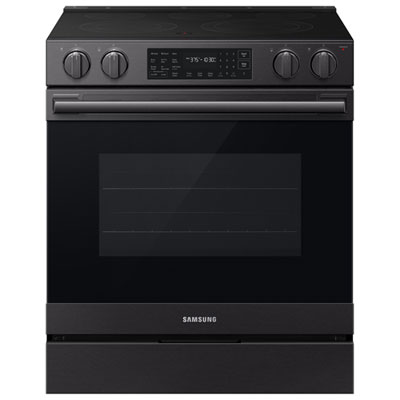

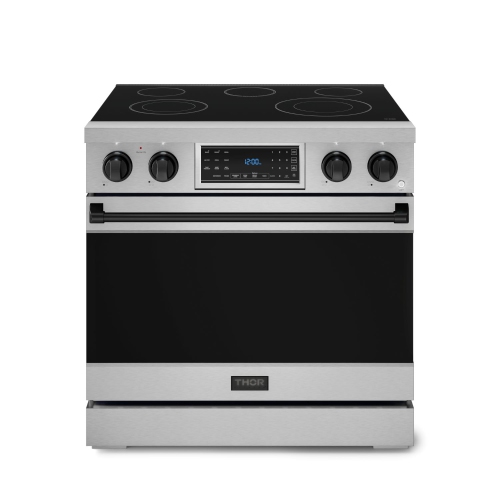
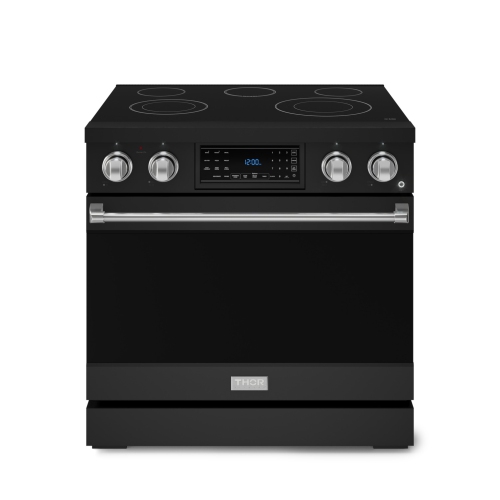
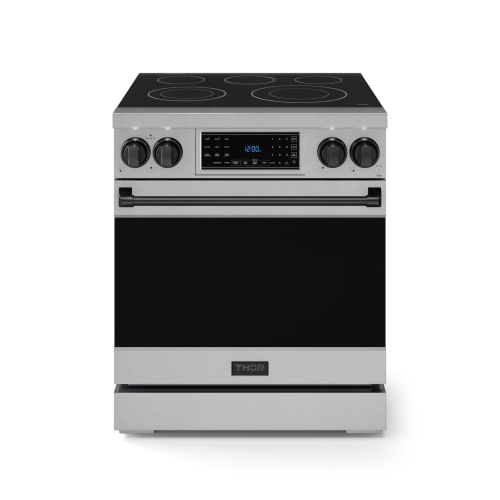
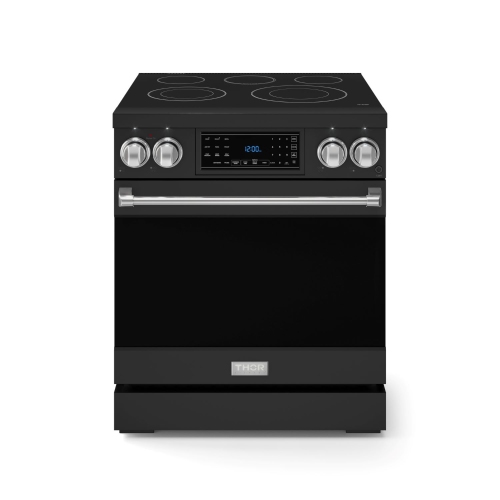
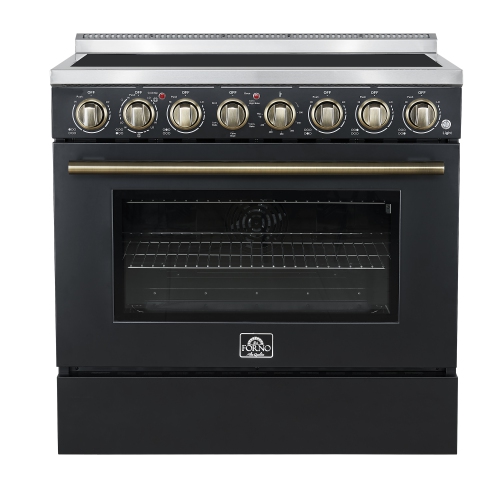
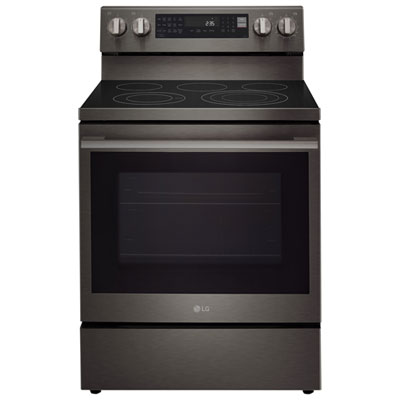
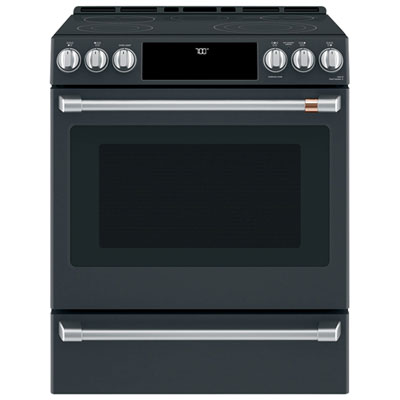
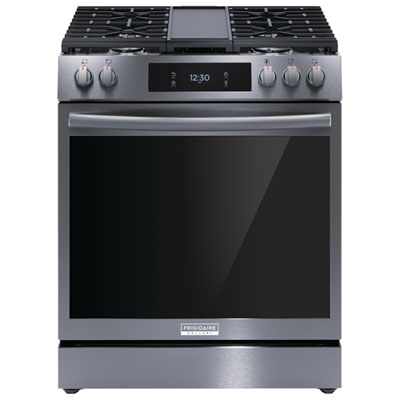

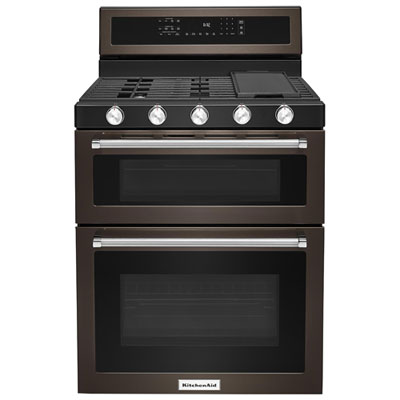
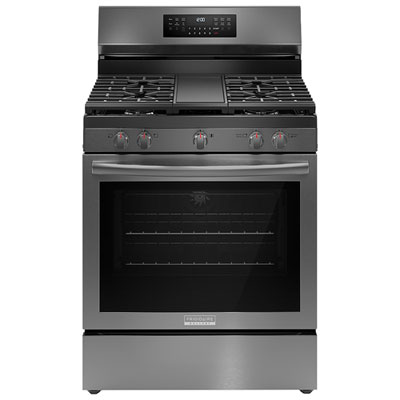
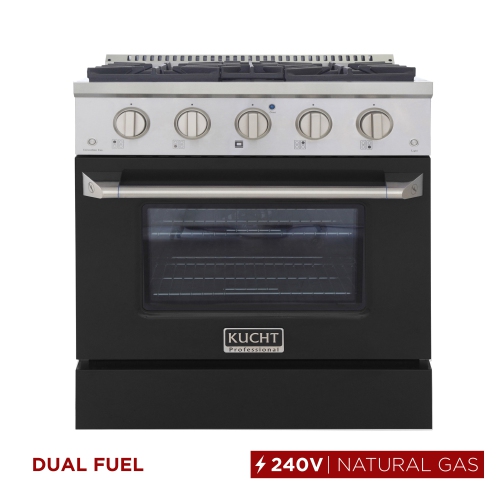
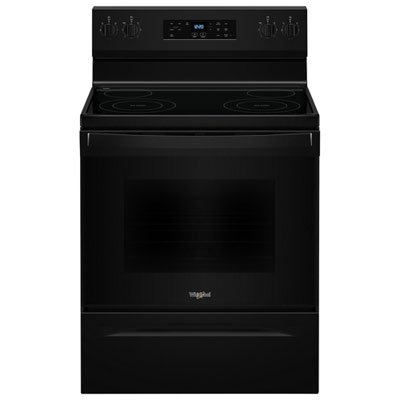
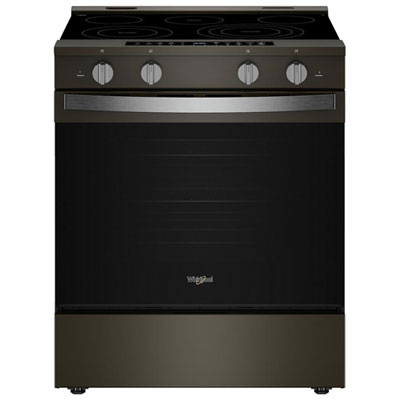
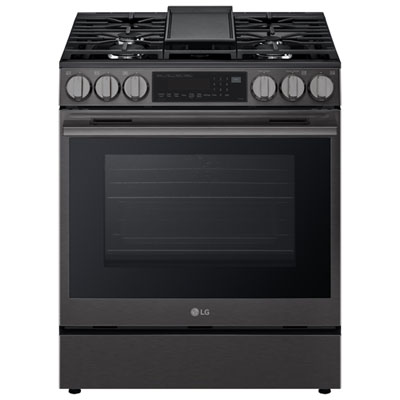
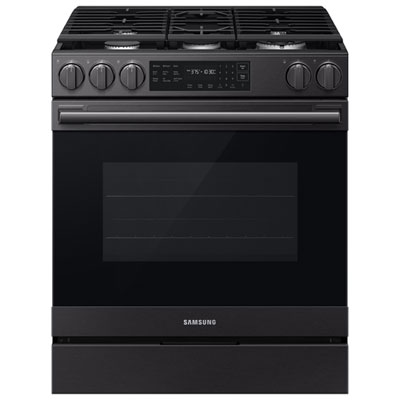
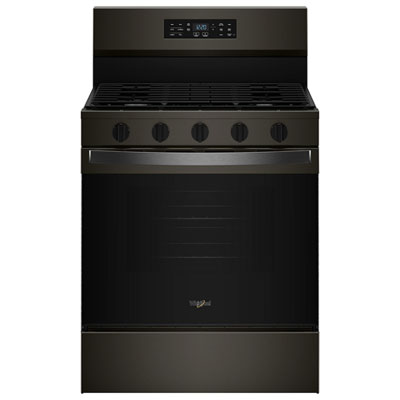
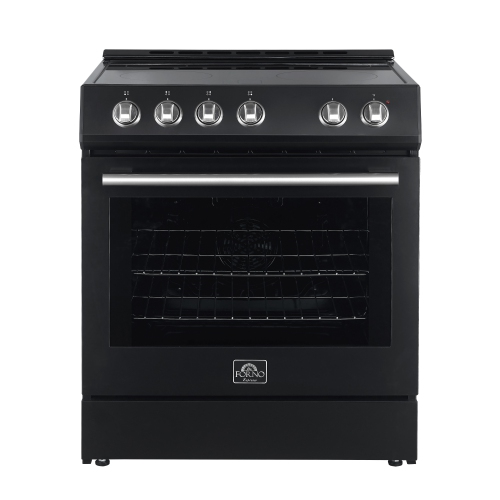
Dark metallic style meets everyday cooking versatility
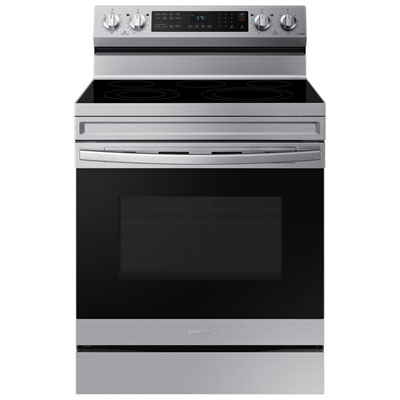
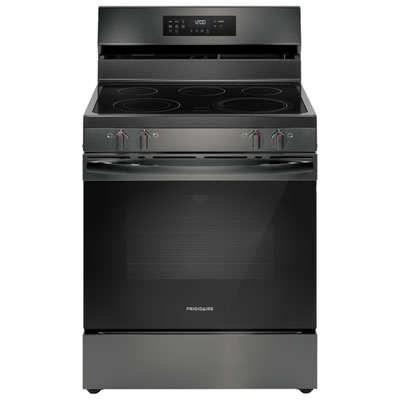
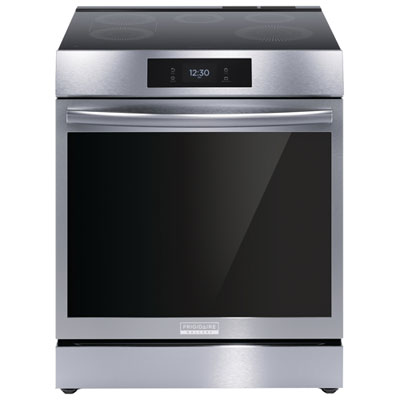
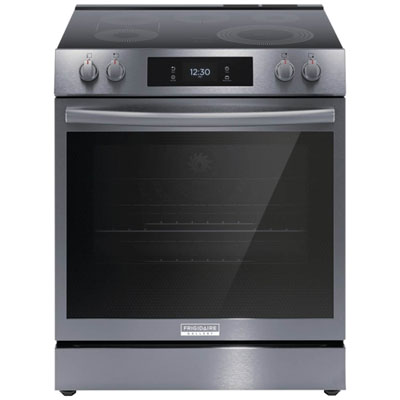
Black stainless steel electric ranges combine an electric cooktop and oven in one appliance, with a dark metallic exterior that gives the kitchen a distinctive finish. Many pair a smooth glass-ceramic cooking surface with features such as convection baking, flexible element sizes, and dedicated cooking modes, though the combination varies by range. The appeal is both practical and visual: the charcoal-toned finish creates contrast against pale cabinetry, complements dark stone counters, and brings a softer metallic accent to wood-grain kitchens than traditional stainless steel. Black stainless steel typically gets its colour from a surface treatment or coating over stainless steel, so its appearance and care requirements differ from painted black appliances. Some finishes are designed to resist fingerprints and smudges, but none should be treated as scratchproof. Colour, sheen, and handle detailing can also vary between appliance families; a dark finish on a range may not be an exact match for an existing refrigerator or dishwasher. Looking at the overall balance of cabinetry, hardware, and neighbouring appliances helps create a coordinated kitchen without assuming every dark metal surface will look identical. For households that cook most meals at home, these ranges offer a familiar layout for moving between stovetop tasks and oven cooking, whether that means simmering pasta sauce while vegetables roast or preparing a batch of muffins before dinner goes in. A smooth cooktop provides a continuous surface that can be wiped down once it has cooled, while clearly marked cooking zones help position pots and pans. Radiant electric elements beneath the glass transfer heat to cookware and retain heat after being switched off, making residual-heat indicators useful during cooking and cleanup. Some electric ranges instead use induction, which heats compatible cookware directly. The black stainless steel finish describes the exterior, not the heating technology, so the cooktop type remains an important distinction.
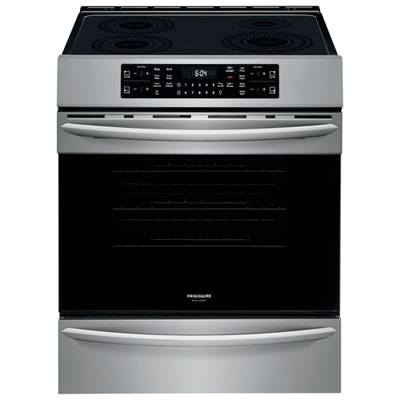
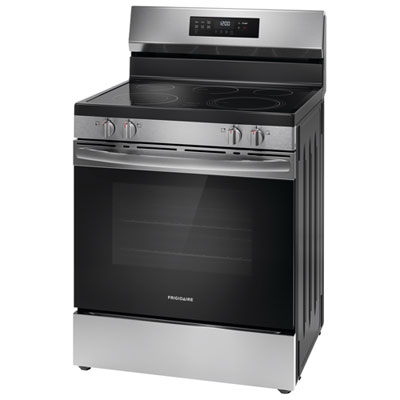
Fit is about more than the width printed in an appliance description. A range needs to suit the cabinet opening, surrounding counters, electrical connection, and space available for opening the oven door. A 30 inch format is common in home kitchens, but the actual appliance dimensions and required clearances should always be checked against the installation specifications. Measure the opening at more than one point, account for baseboards or trim, and consider whether the handle will project into a walkway or interfere with an adjacent drawer. The delivery route matters too, particularly in homes with narrow doorways, tight corners, or stairs between the entrance and kitchen. Freestanding ranges generally have finished sides and often place controls on a raised rear panel, making them suitable for several kitchen layouts. Slide-in designs usually position controls at the front and create a lower profile against the backsplash, although side finishing and countertop requirements vary. Front controls can be easier to reach without leaning over cookware; households with young children may also want to consider control locks and knob placement. Neither style should be assumed to fit an existing opening without checking its specifications. Electric ranges commonly require a dedicated 240-volt circuit, with the correct receptacle, circuit rating, and connection determined by the appliance and local electrical requirements. A qualified installer can confirm the connection and secure the required anti-tip bracket. Ventilation deserves equal attention, since boiling, frying, and roasting produce steam, odours, and cooking particles regardless of the range’s power source. Oven capacity is another fit consideration, but a volume measurement alone does not show how a favourite roasting pan or wide baking sheet will sit inside. Rack spacing, usable interior width, and door clearance can make a noticeable difference in everyday use. For a comparison with a lighter metallic finish in a common kitchen size, 30 inch stainless steel electric ranges offer a related option, with the same need to confirm dimensions and installation details.
Cooking features are most useful when they match the way a household actually prepares food. Expandable radiant elements accommodate different pan diameters, while a warming zone can hold a finished side dish briefly as the rest of the meal comes together. Element layout matters as much as element count: a large stockpot and a broad frying pan need enough room to sit comfortably beside each other. Flat-bottomed cookware makes good contact with a radiant glass-ceramic surface, and lifting pans rather than sliding them helps protect the glass from scratches. Induction surfaces require cookware with a compatible magnetic base. Inside the oven, convection uses a fan to circulate hot air and can support more even baking or roasting, although results depend on the recipe, rack position, and oven design. Some convection systems include an additional heating element around the fan. Air fry modes also use circulating hot air, generally with a tray or basket that exposes more of the food’s surface; spreading food in a single layer and following the appliance instructions helps with browning. A double-oven layout can be useful for dishes that need different settings, but each cavity’s dimensions and the lower oven’s access height deserve consideration. Adjustable racks, a clear interior light, and an easy-to-read display often matter just as much as additional cooking modes. Where offered, Wi-Fi features may provide notifications or remote functions, subject to setup requirements and safety restrictions; they do not replace attentive cooking. Long-term care helps preserve both appearance and performance. A soft cloth and a cleaner approved for the particular black stainless steel finish are safer choices than abrasive pads or harsh compounds, which can damage the dark surface. Cooktop spills should be addressed according to the manufacturer’s directions, especially sugary spills that can damage glass if handled incorrectly. Oven cleaning methods vary, with manual, steam-assisted, and high-heat self-cleaning options requiring different preparation. Removable parts may have separate care instructions. With suitable cookware, careful cleaning, and a layout that fits the kitchen, a black stainless steel electric range can support everyday meals and larger cooking projects while adding a distinctive dark metallic finish to the room.
Fit is about more than the width printed in an appliance description. A range needs to suit the cabinet opening, surrounding counters, electrical connection, and space available for opening the oven door. A 30 inch format is common in home kitchens, but the actual appliance dimensions and required clearances should always be checked against the installation specifications. Measure the opening at more than one point, account for baseboards or trim, and consider whether the handle will project into a walkway or interfere with an adjacent drawer. The delivery route matters too, particularly in homes with narrow doorways, tight corners, or stairs between the entrance and kitchen. Freestanding ranges generally have finished sides and often place controls on a raised rear panel, making them suitable for several kitchen layouts. Slide-in designs usually position controls at the front and create a lower profile against the backsplash, although side finishing and countertop requirements vary. Front controls can be easier to reach without leaning over cookware; households with young children may also want to consider control locks and knob placement. Neither style should be assumed to fit an existing opening without checking its specifications. Electric ranges commonly require a dedicated 240-volt circuit, with the correct receptacle, circuit rating, and connection determined by the appliance and local electrical requirements. A qualified installer can confirm the connection and secure the required anti-tip bracket. Ventilation deserves equal attention, since boiling, frying, and roasting produce steam, odours, and cooking particles regardless of the range’s power source. Oven capacity is another fit consideration, but a volume measurement alone does not show how a favourite roasting pan or wide baking sheet will sit inside. Rack spacing, usable interior width, and door clearance can make a noticeable difference in everyday use. For a comparison with a lighter metallic finish in a common kitchen size, 30 inch stainless steel electric ranges offer a related option, with the same need to confirm dimensions and installation details.
Cooking features are most useful when they match the way a household actually prepares food. Expandable radiant elements accommodate different pan diameters, while a warming zone can hold a finished side dish briefly as the rest of the meal comes together. Element layout matters as much as element count: a large stockpot and a broad frying pan need enough room to sit comfortably beside each other. Flat-bottomed cookware makes good contact with a radiant glass-ceramic surface, and lifting pans rather than sliding them helps protect the glass from scratches. Induction surfaces require cookware with a compatible magnetic base. Inside the oven, convection uses a fan to circulate hot air and can support more even baking or roasting, although results depend on the recipe, rack position, and oven design. Some convection systems include an additional heating element around the fan. Air fry modes also use circulating hot air, generally with a tray or basket that exposes more of the food’s surface; spreading food in a single layer and following the appliance instructions helps with browning. A double-oven layout can be useful for dishes that need different settings, but each cavity’s dimensions and the lower oven’s access height deserve consideration. Adjustable racks, a clear interior light, and an easy-to-read display often matter just as much as additional cooking modes. Where offered, Wi-Fi features may provide notifications or remote functions, subject to setup requirements and safety restrictions; they do not replace attentive cooking. Long-term care helps preserve both appearance and performance. A soft cloth and a cleaner approved for the particular black stainless steel finish are safer choices than abrasive pads or harsh compounds, which can damage the dark surface. Cooktop spills should be addressed according to the manufacturer’s directions, especially sugary spills that can damage glass if handled incorrectly. Oven cleaning methods vary, with manual, steam-assisted, and high-heat self-cleaning options requiring different preparation. Removable parts may have separate care instructions. With suitable cookware, careful cleaning, and a layout that fits the kitchen, a black stainless steel electric range can support everyday meals and larger cooking projects while adding a distinctive dark metallic finish to the room.
Top selling and popular products
-
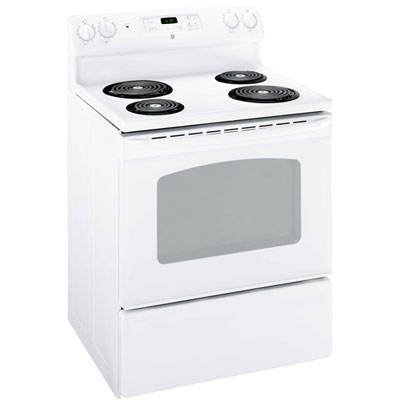 Your price for this item is $849.99
 -
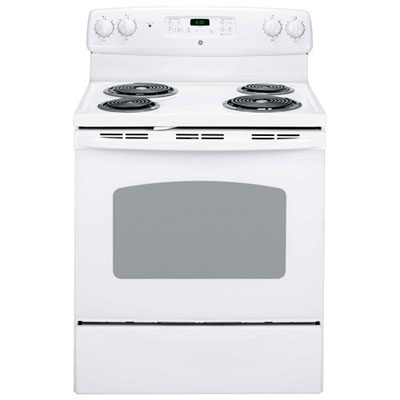 Your price for this item is $899.99
 -
 Your price for this item is $1195.99
 -
 Your price for this item is $1649.97
 -
 Your price for this item is $999.99
 -
 Your price for this item is $1449.99
 -
 Your price for this item is $1999.99
 -
 Your price for this item is $2049.99
Discover more categories related to Black Stainless Steel Electric Ranges
Top Collections:
Pokemon Centers, Kindle Devices, Best Budget Office Chairs, Apple iPhones 16, Best Laptops for Writers, iPhone 15 Apple, Canon G7X Cameras, Refurbished Apple Laptops, Alarm Clock, Motorola Razr Phones
Some products may be subject to Environmental Handling Fees
(EHF) depending on your province.
Learn more about EHFs.