Ceiling Fans With Lights
Upgrade your home's style and comfort with our collection of ceiling fans with lights. Perfect for any room in your house, these dual-function fixtures not only provide a cooling breeze on warm days but also illuminate your space with a soft, inviting glow. From sleek and modern designs to classic and elegant models, our ceiling fans with lights are sure to enhance both the aesthetics and functionality of your living space. Say goodbye to stuffy rooms and outdated lighting fixtures – shop our selection today and bring a breath of fresh air into your home.
Sort
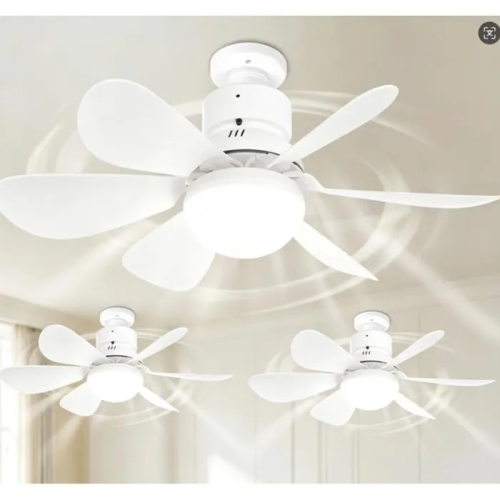
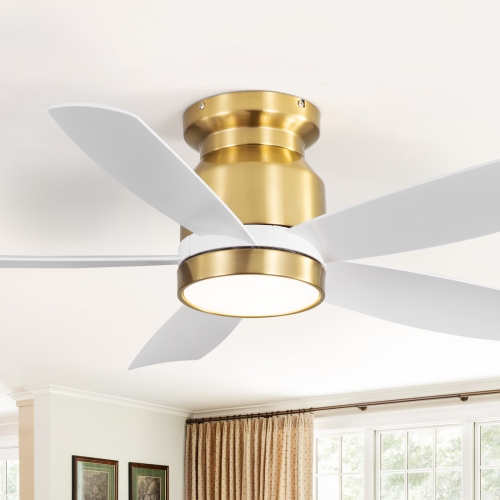
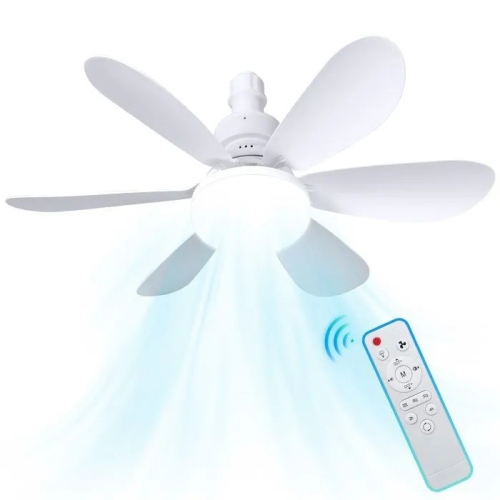

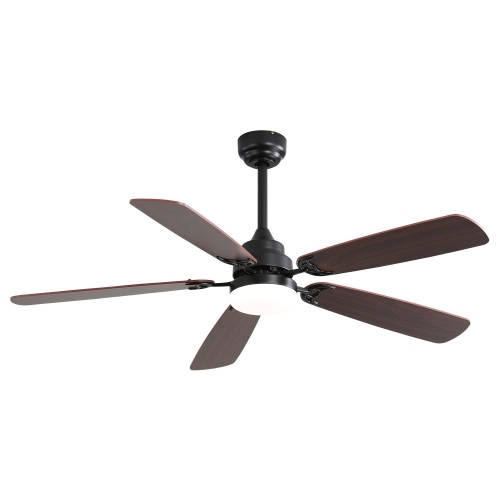

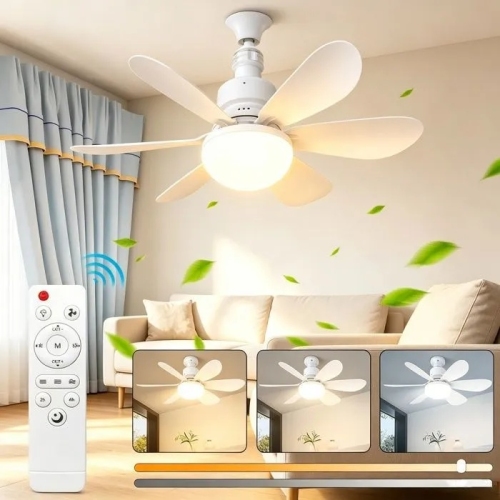

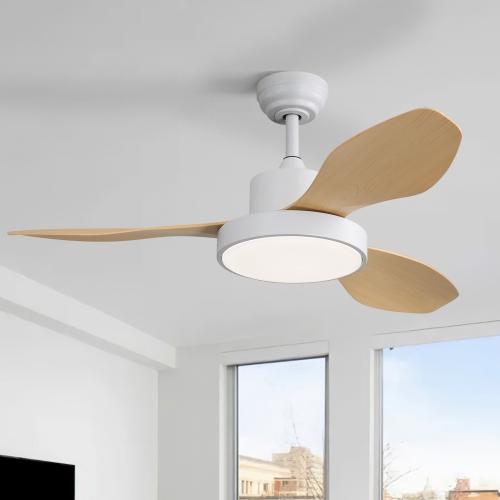


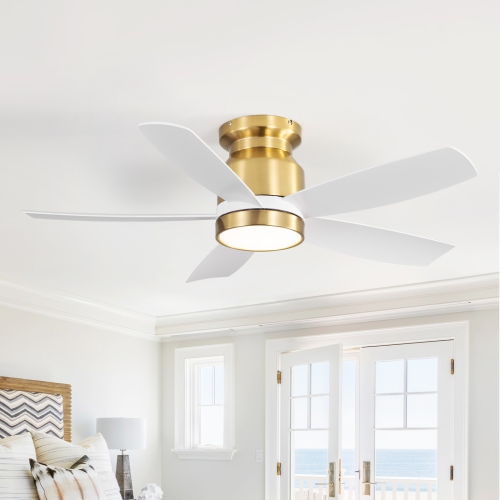
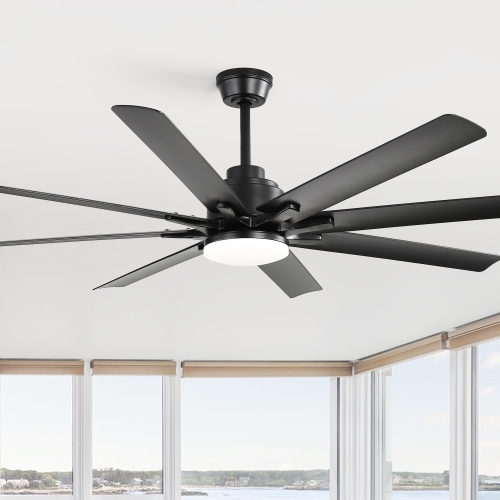
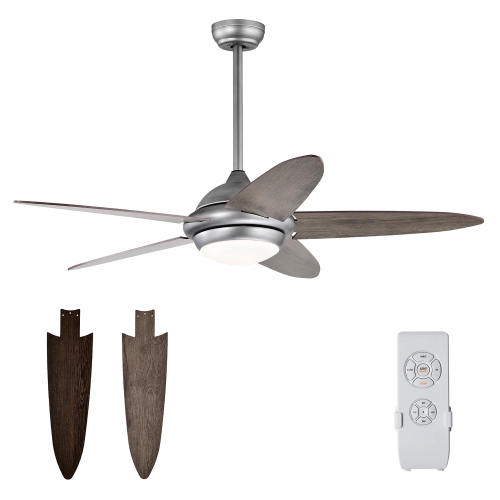


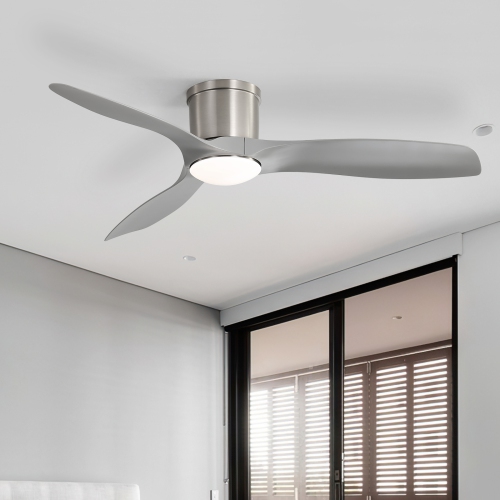
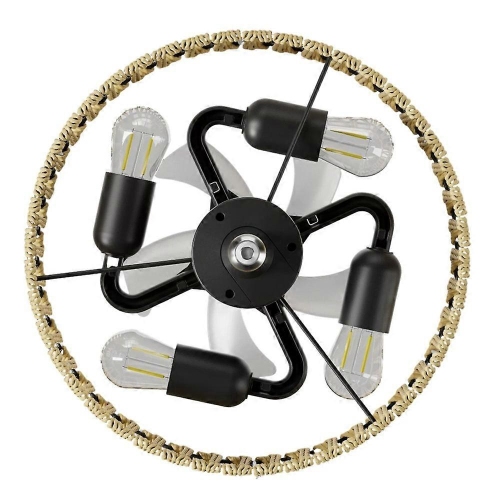
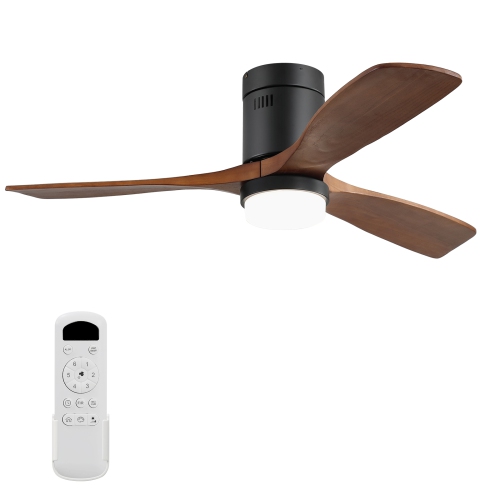
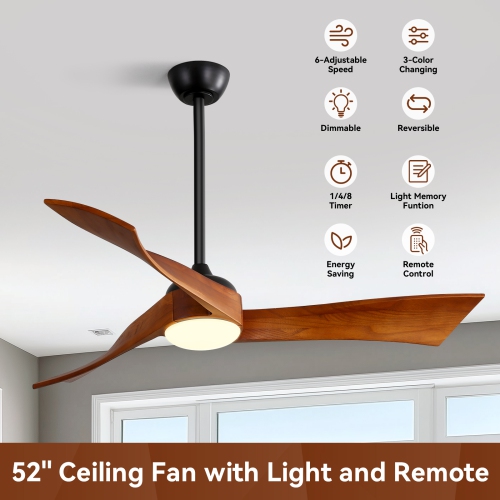

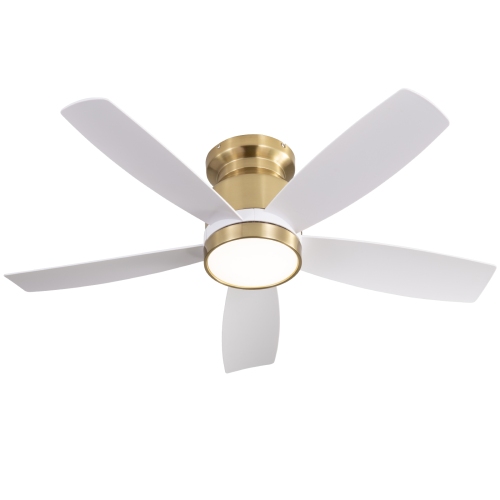




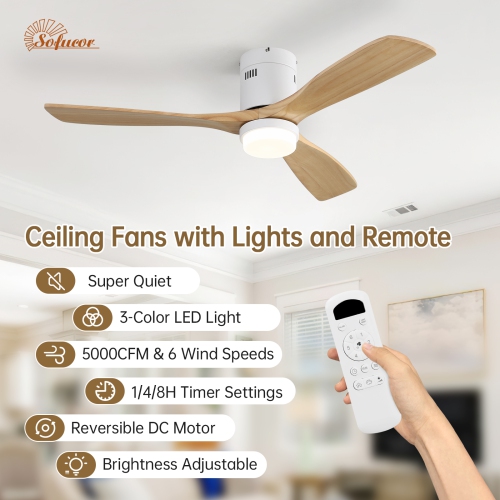







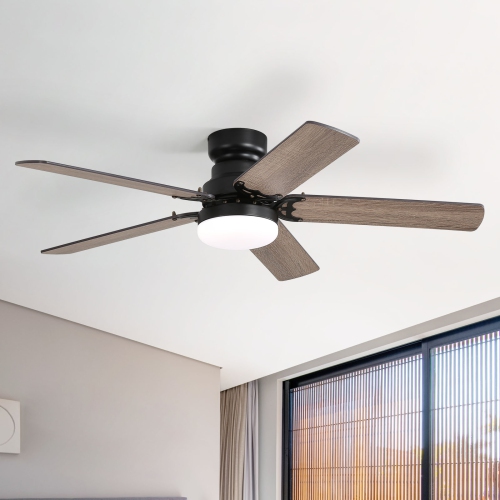
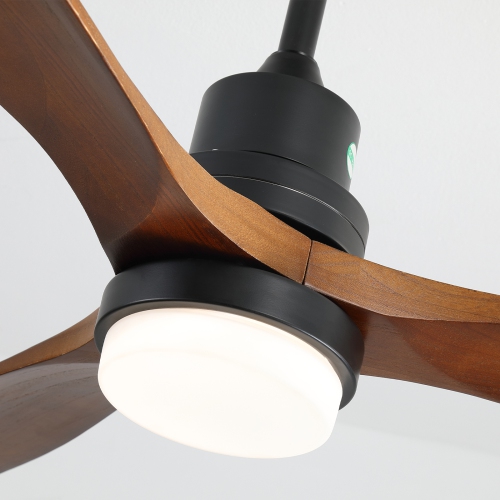
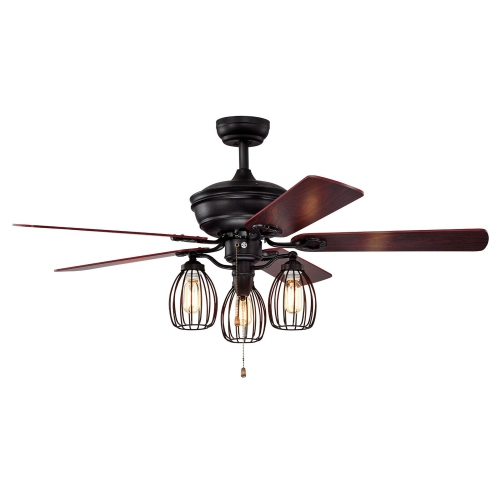
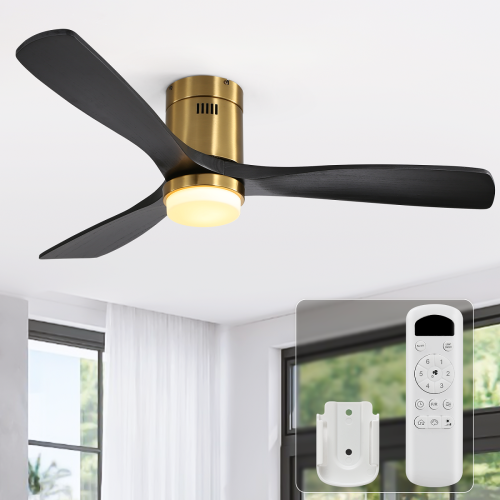
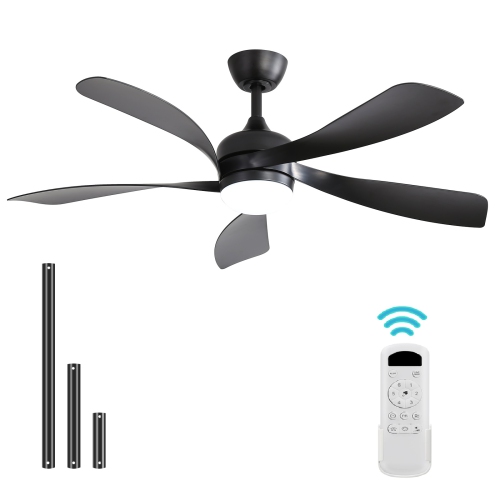

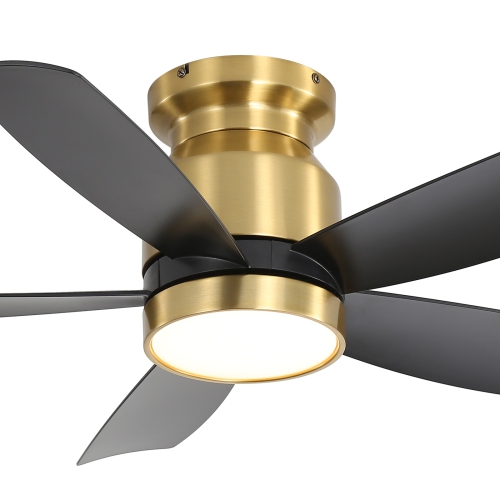

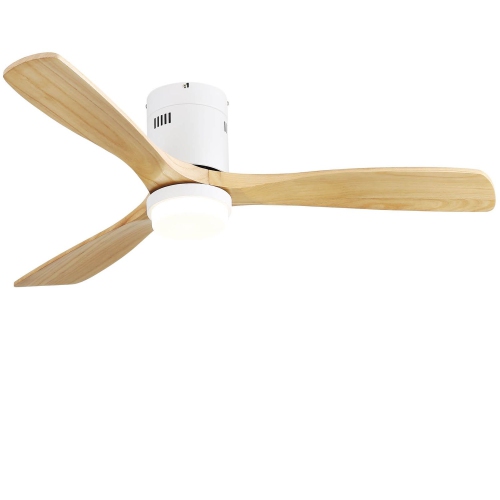

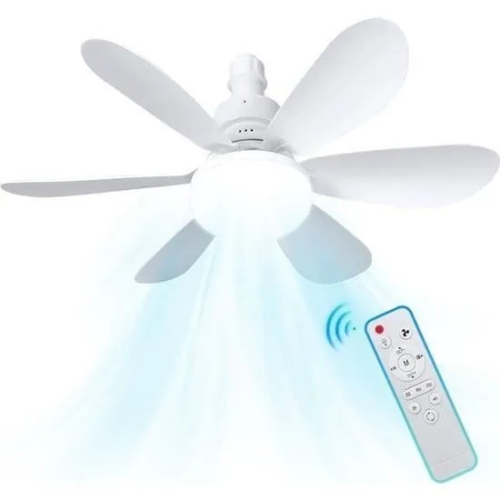


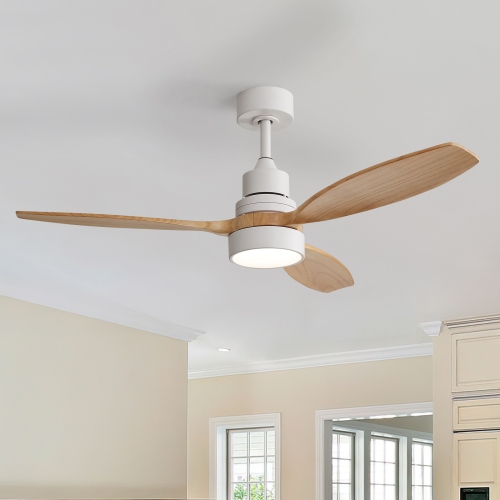
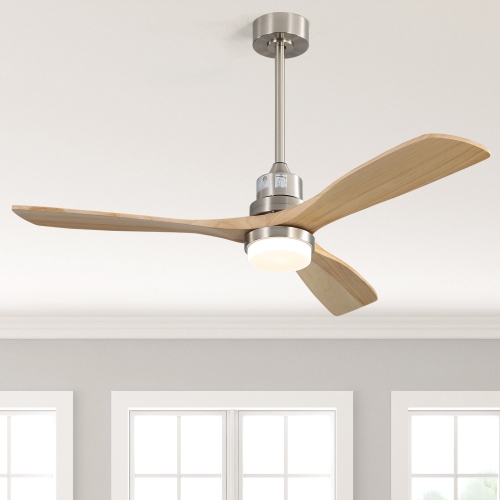


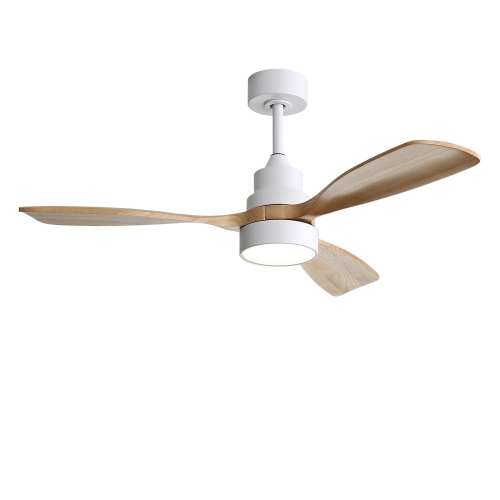


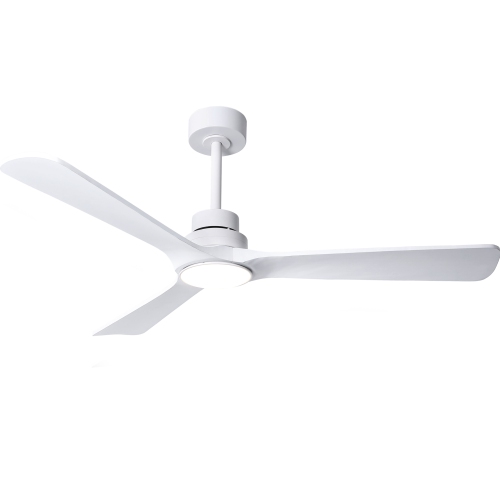

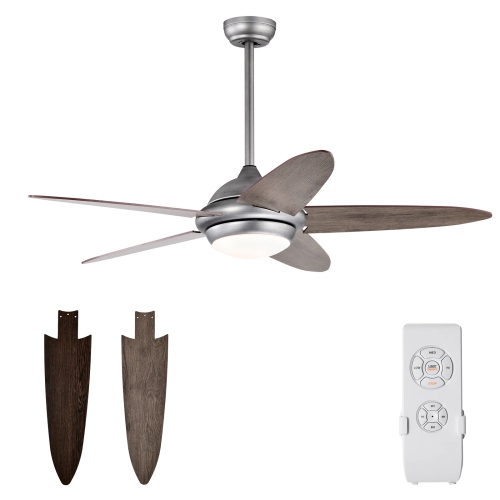

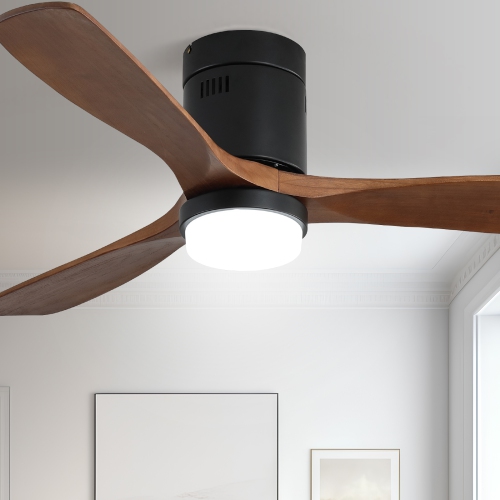
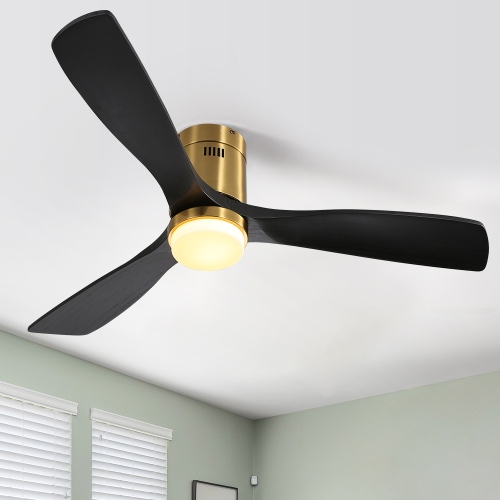
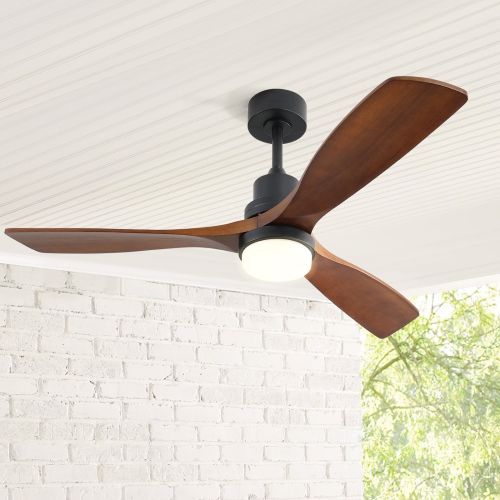

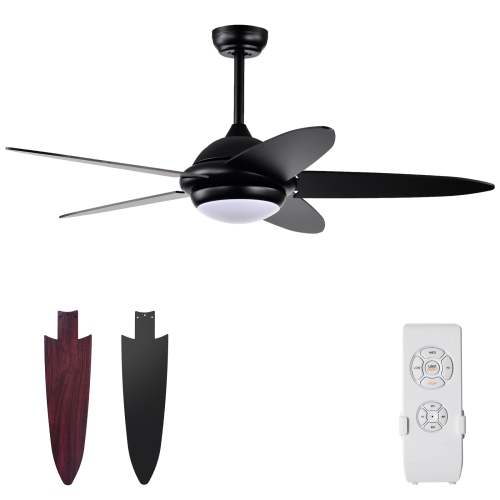
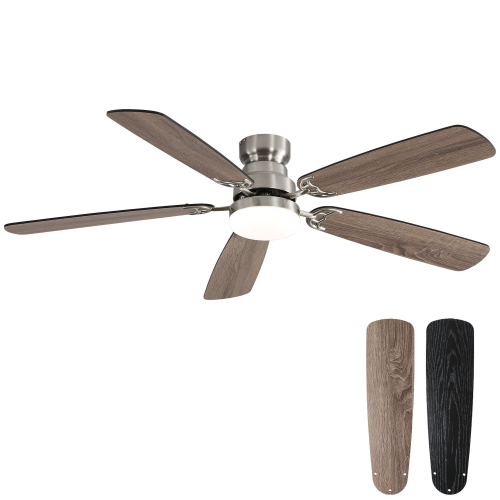


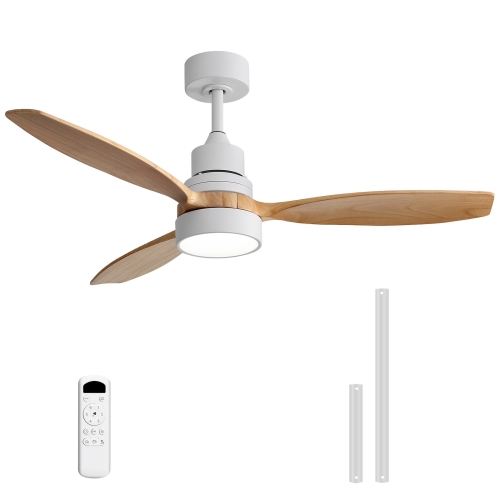
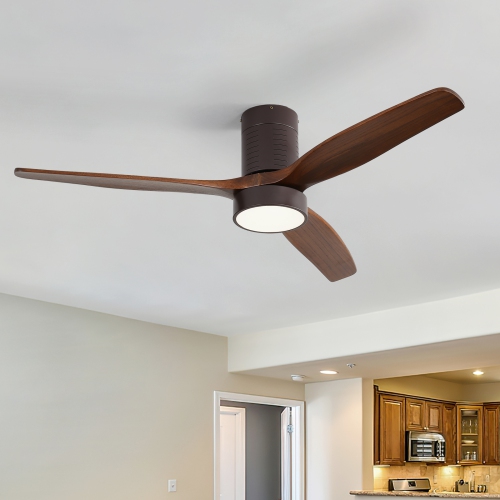

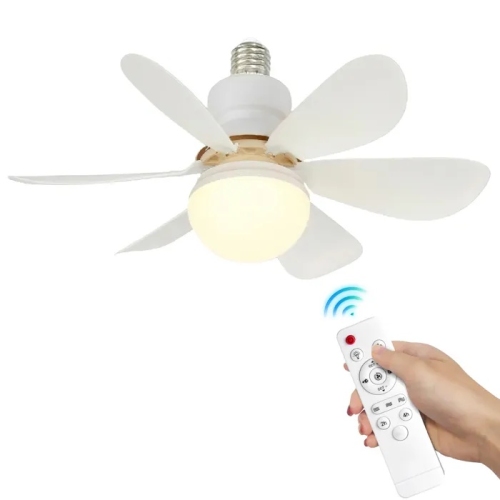


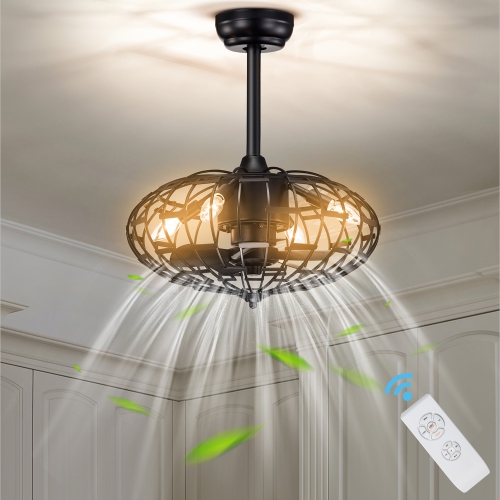


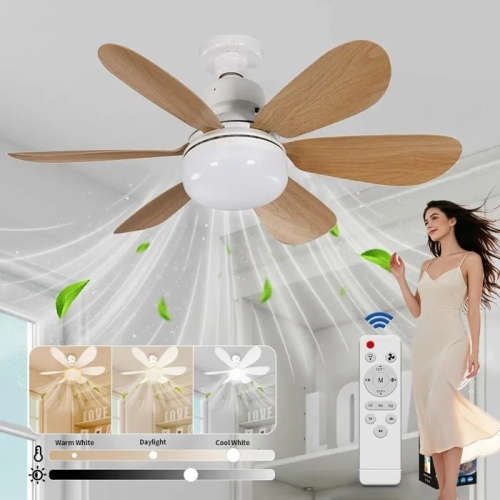
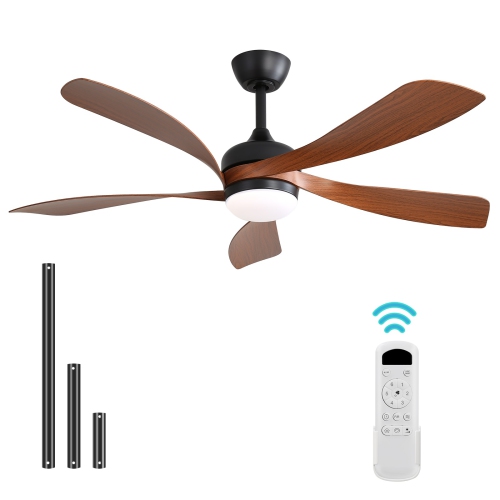

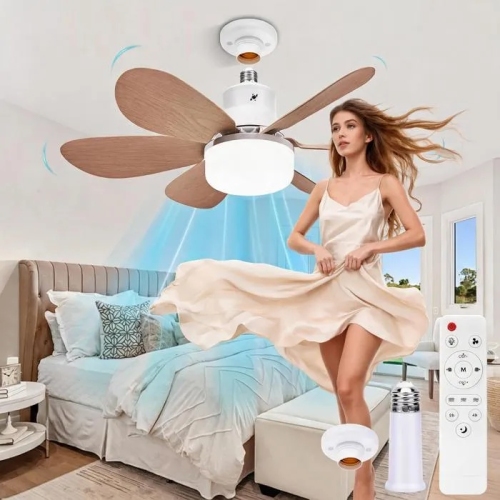
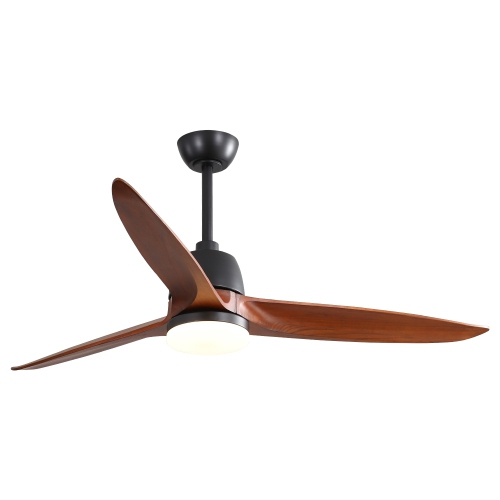
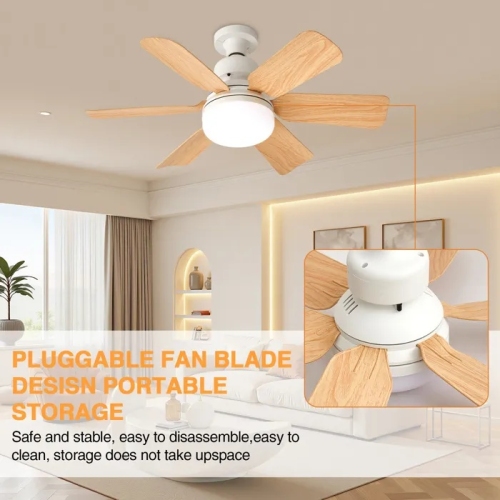

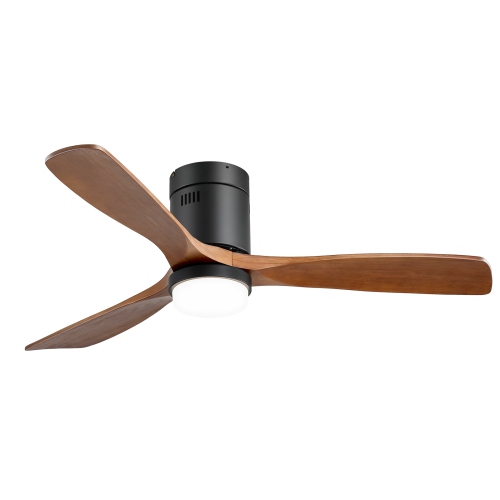
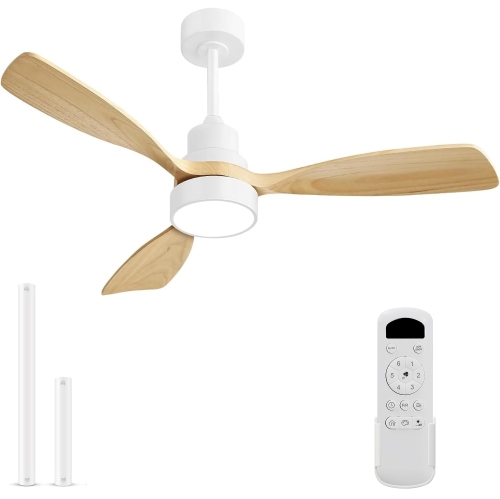
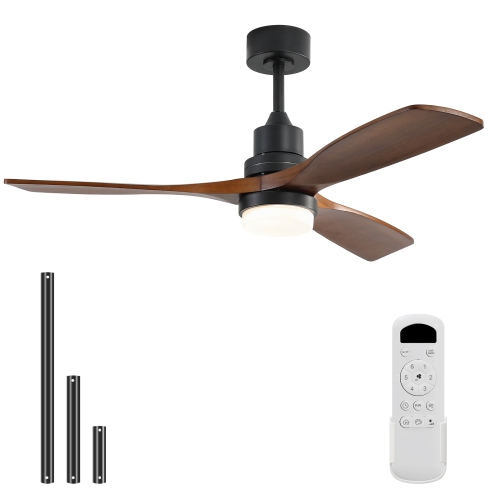
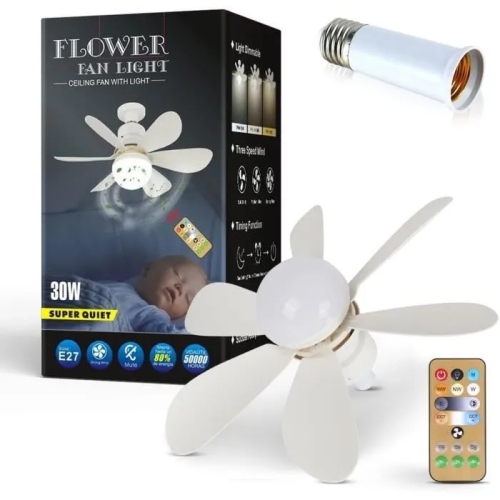
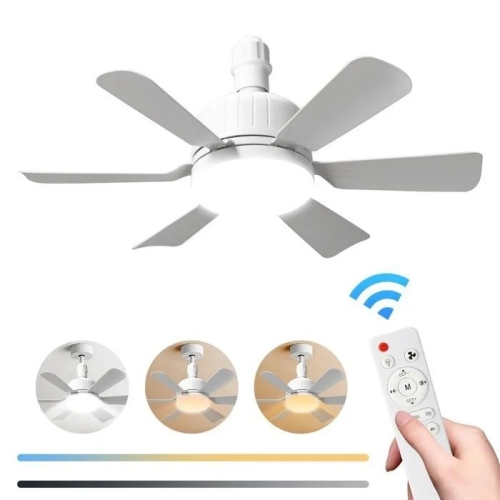
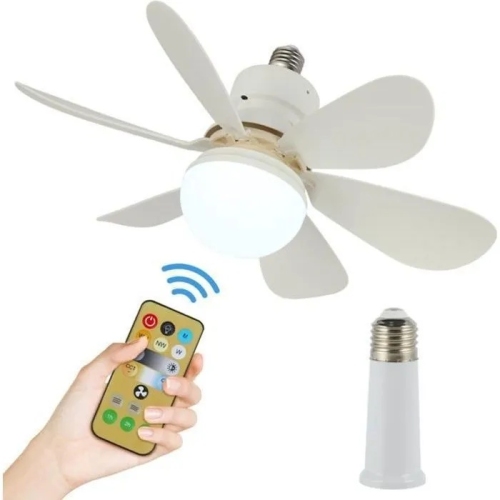
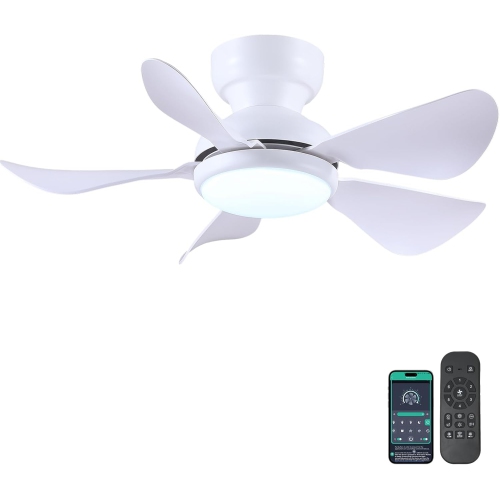
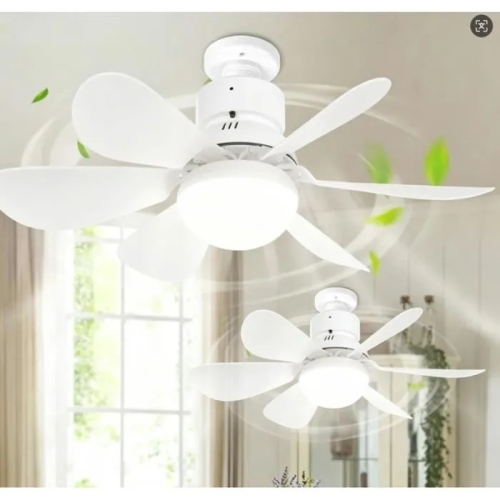
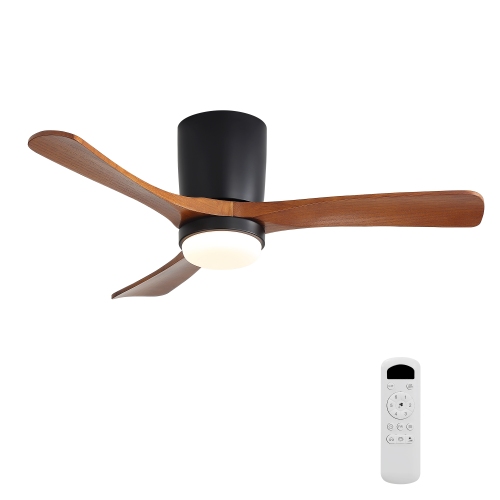


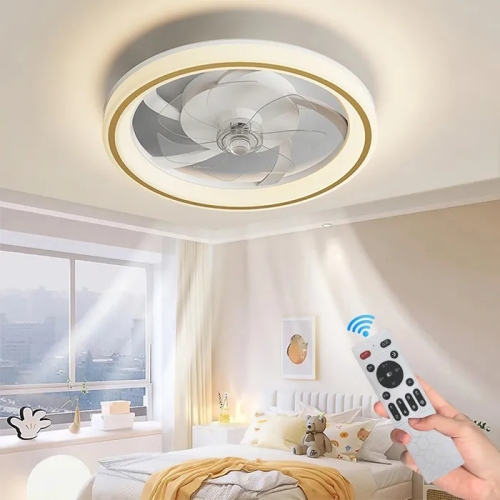
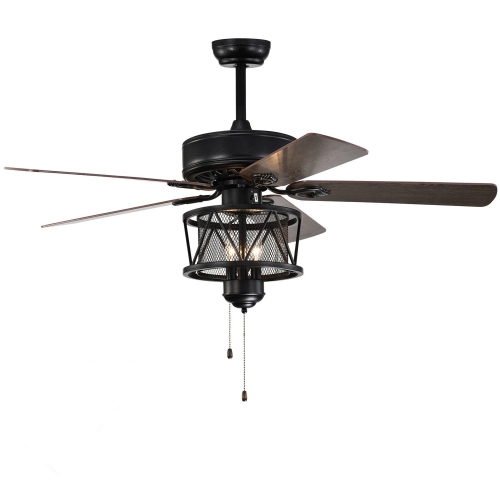

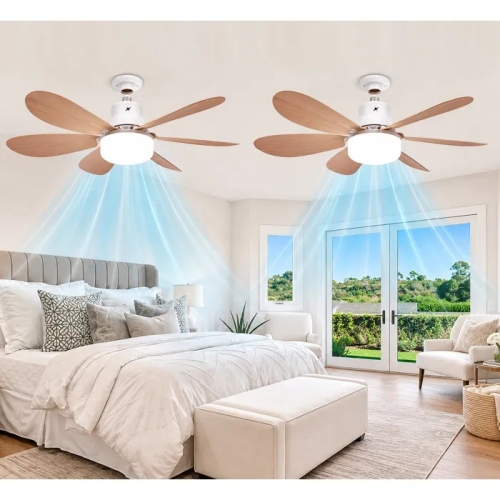
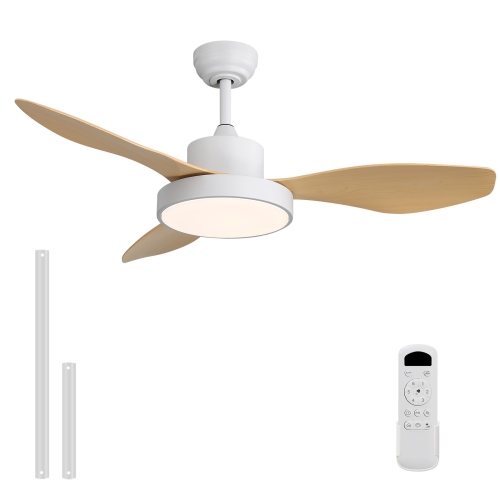


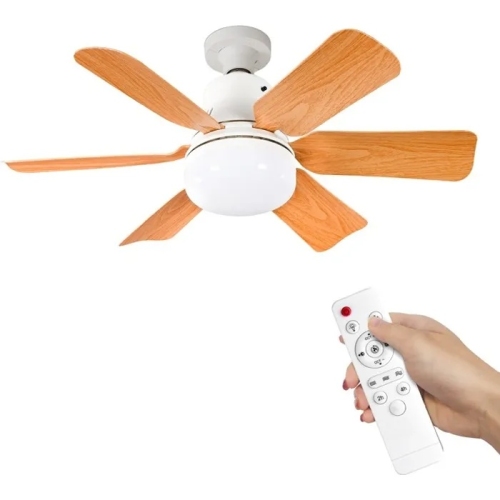
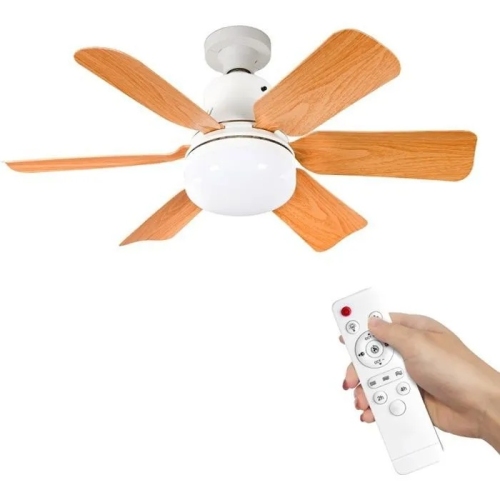
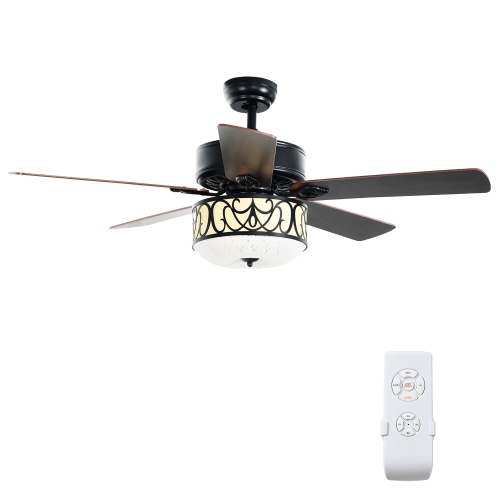
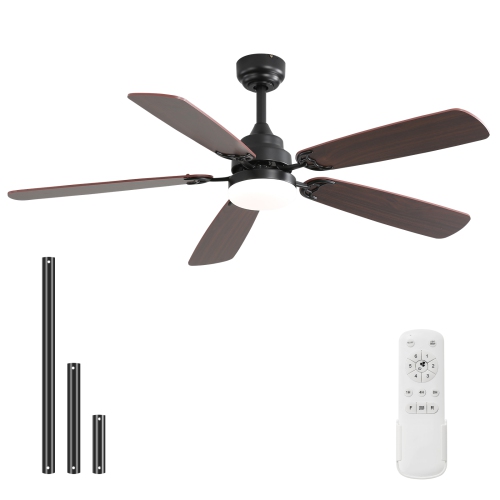
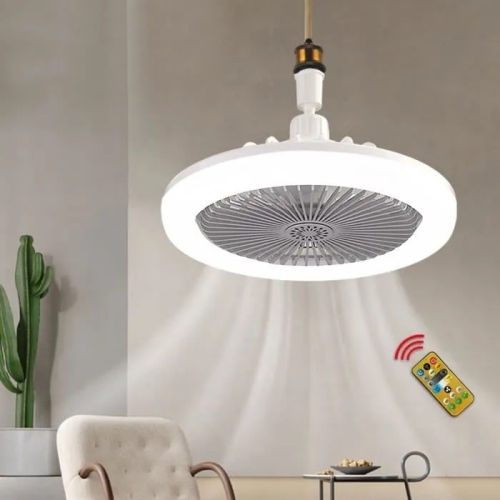
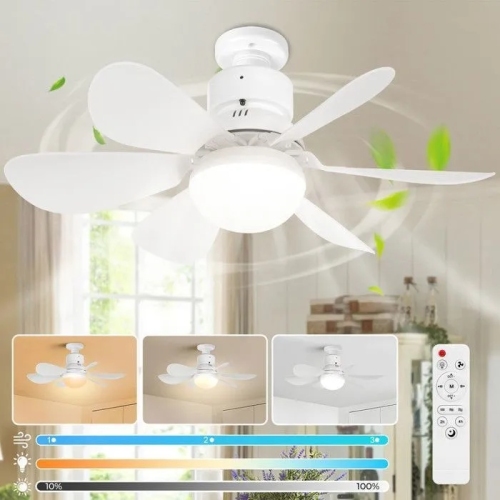
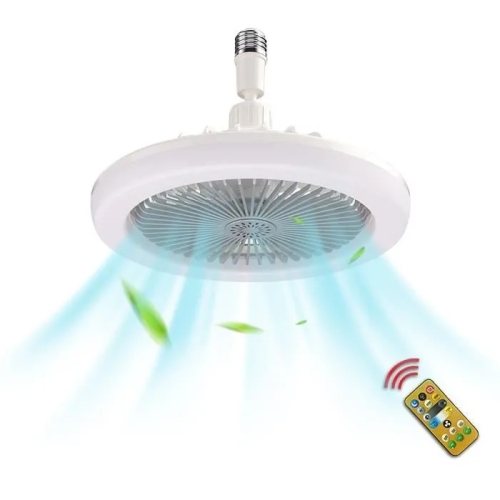
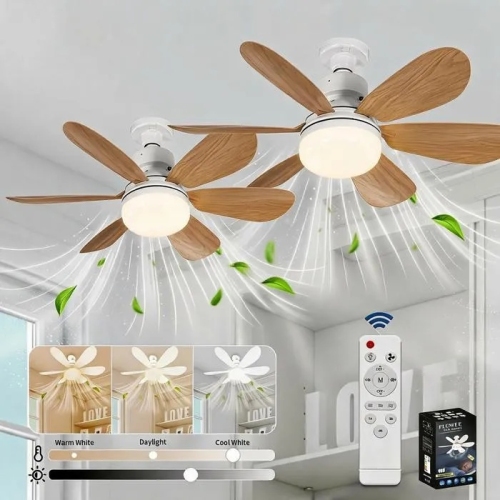

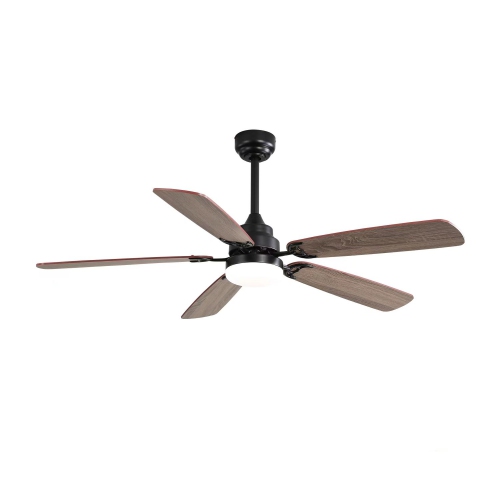

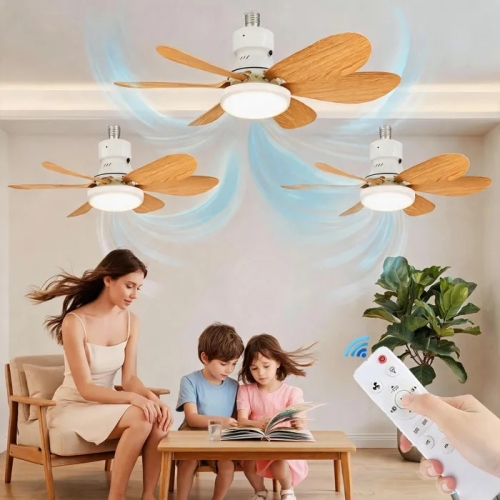
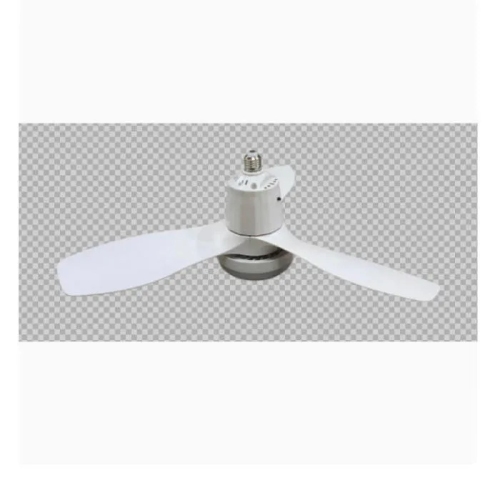

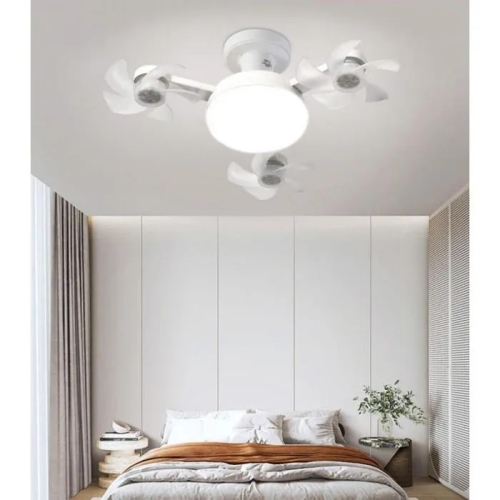
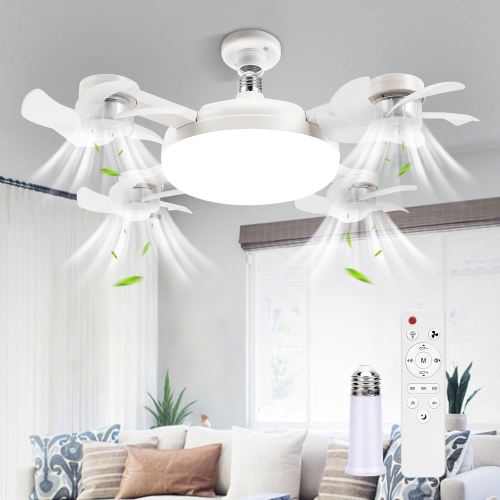

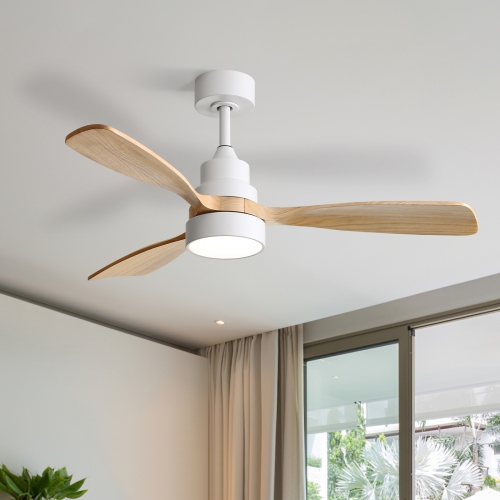
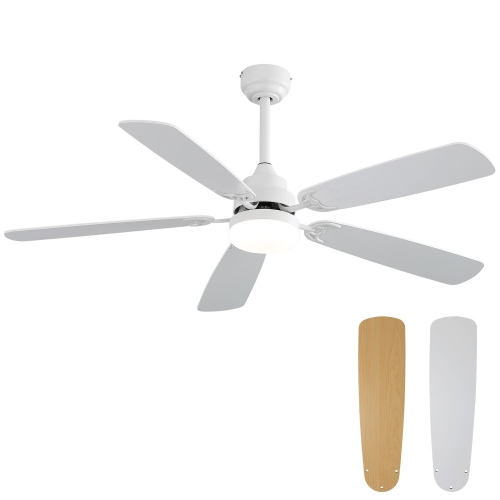
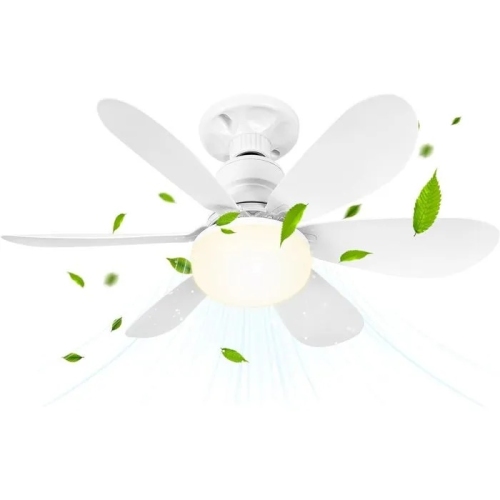
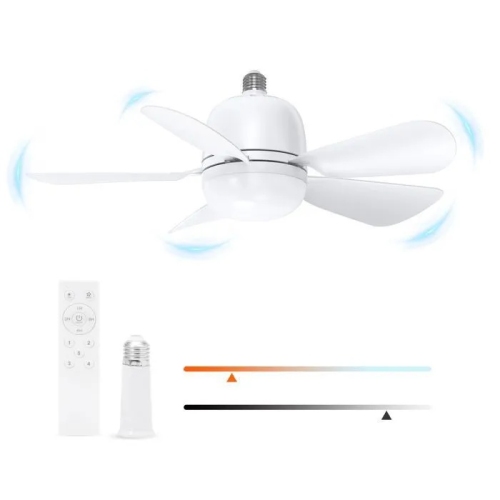
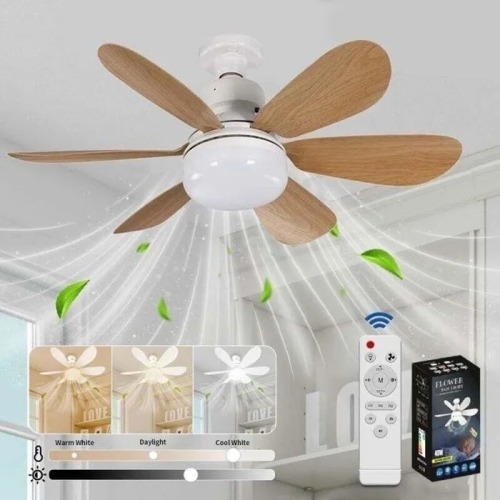
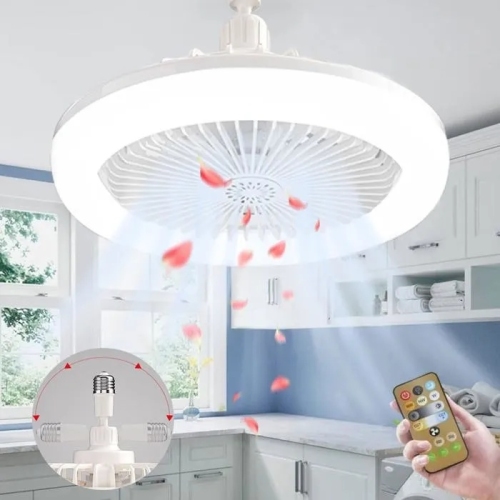


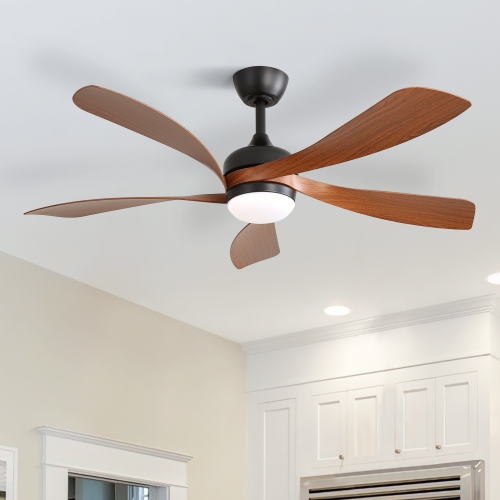


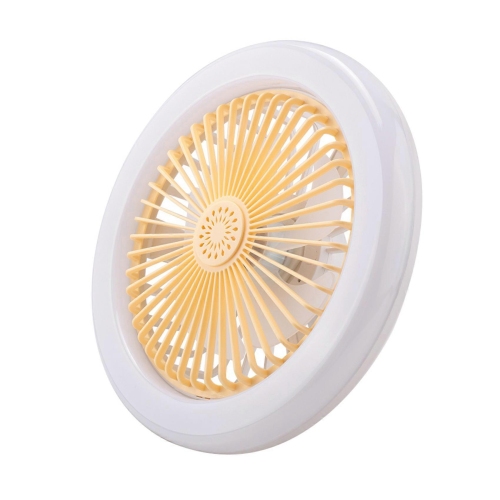

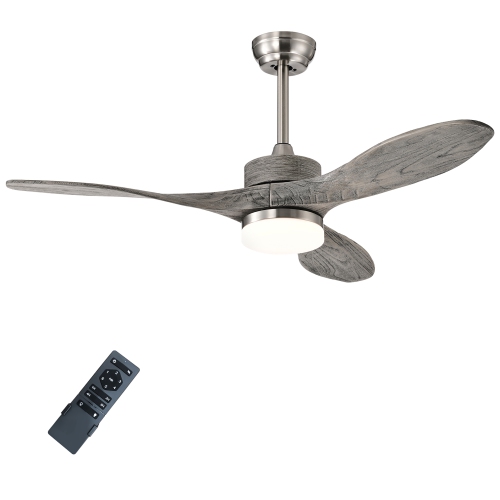
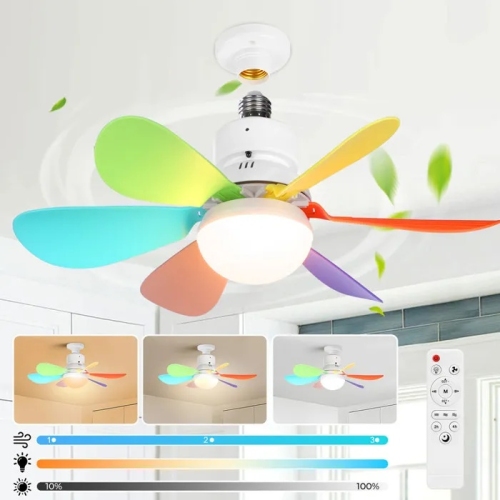
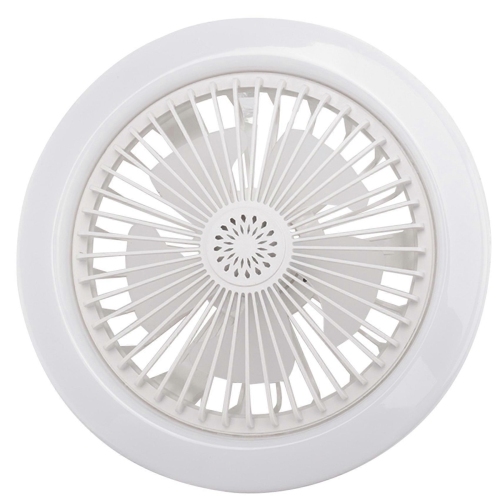


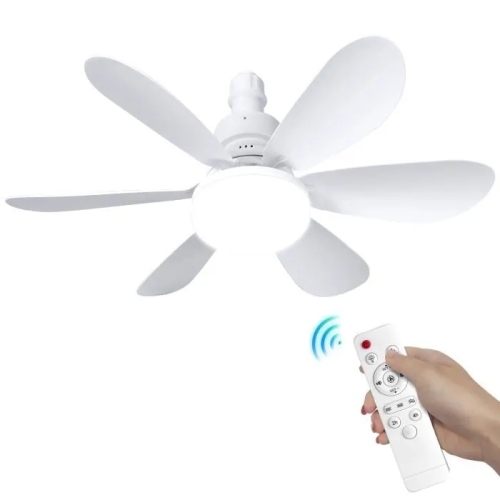
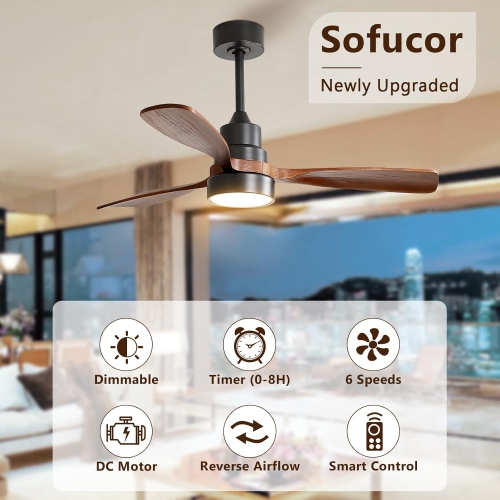
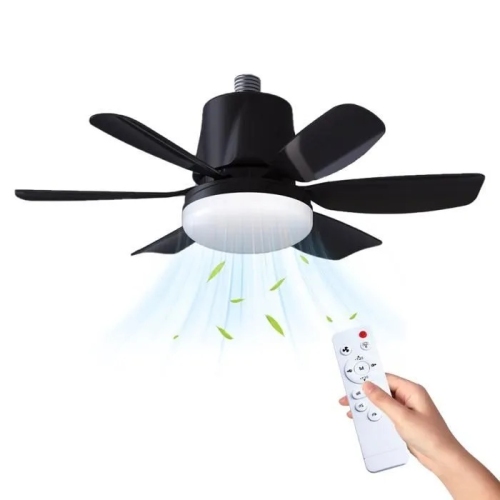
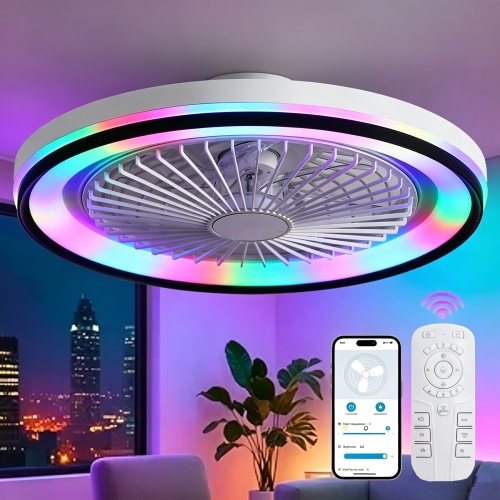





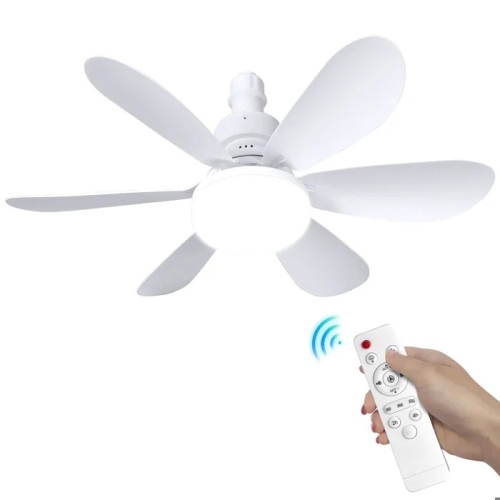


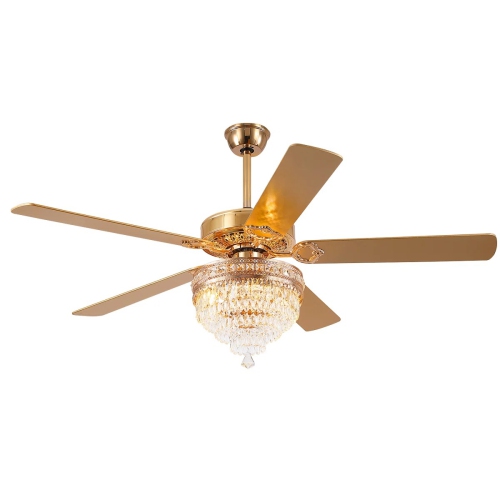
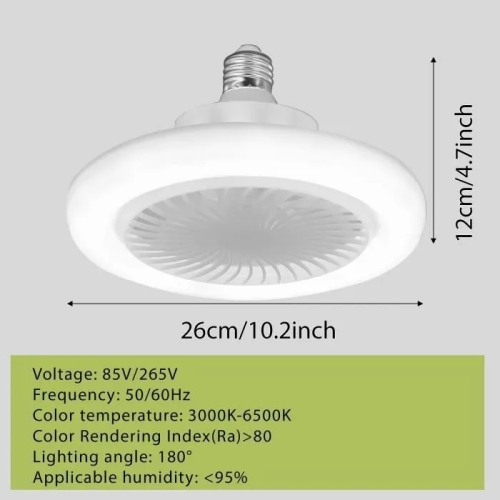
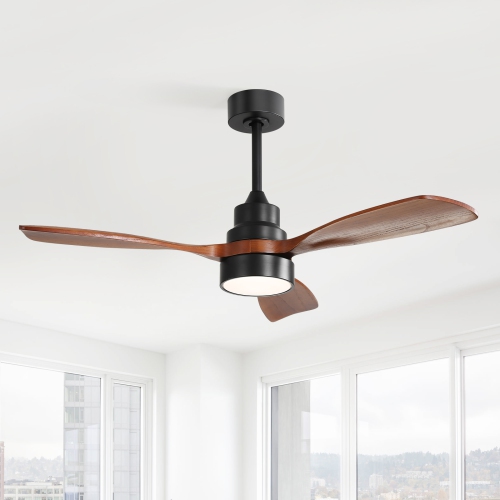
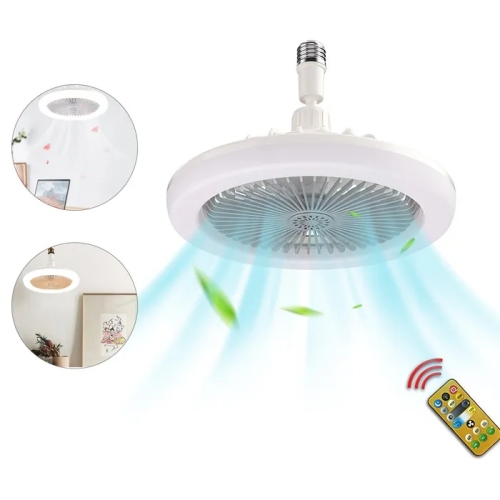
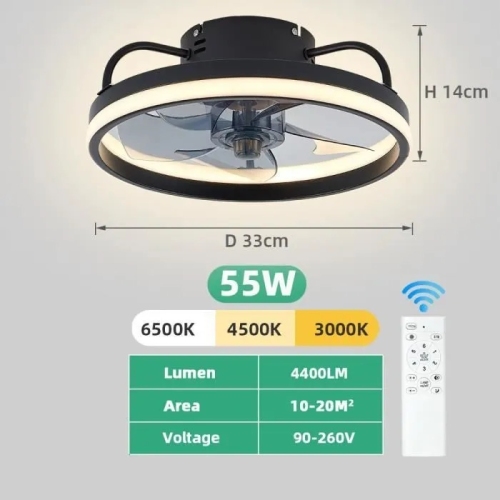
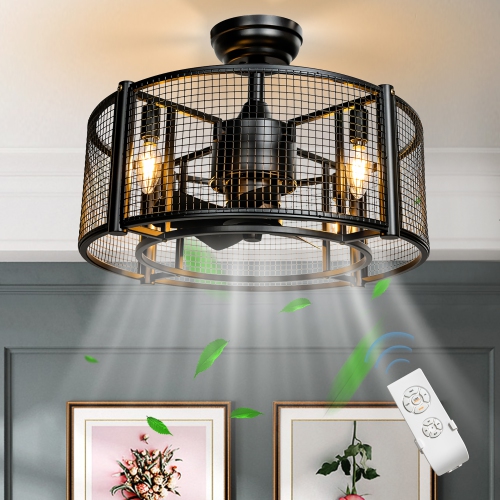
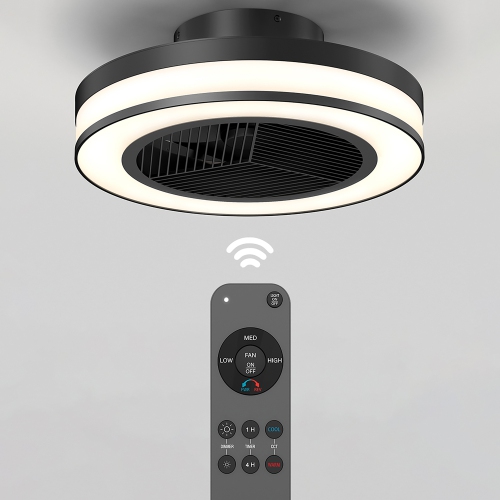
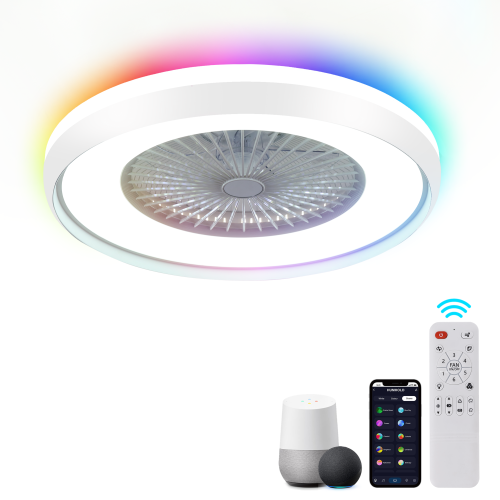

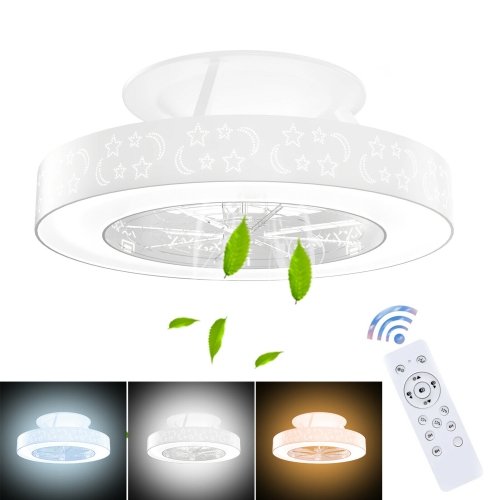
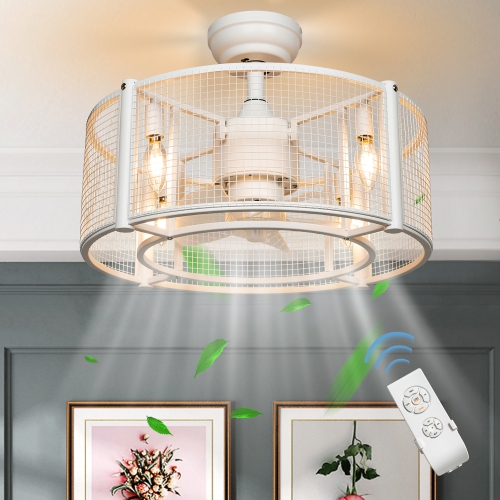

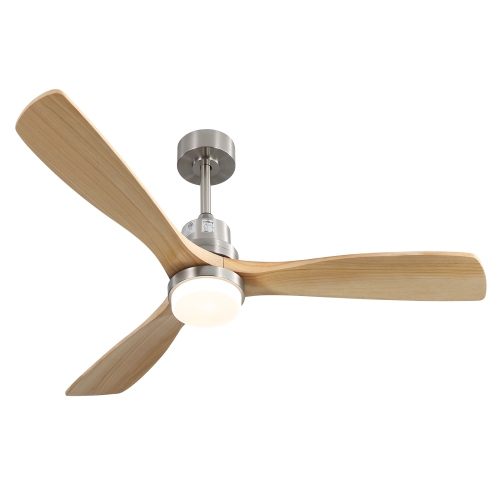

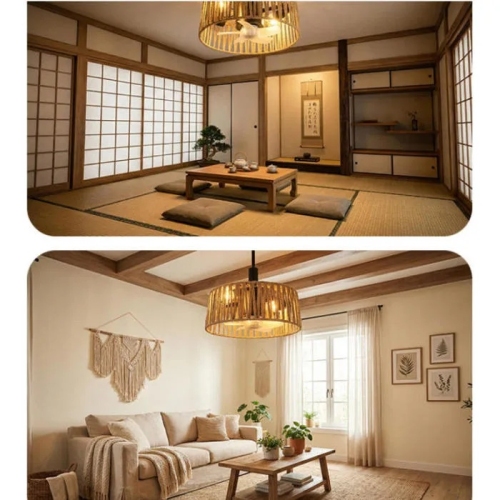
How one ceiling fixture delivers light and airflow
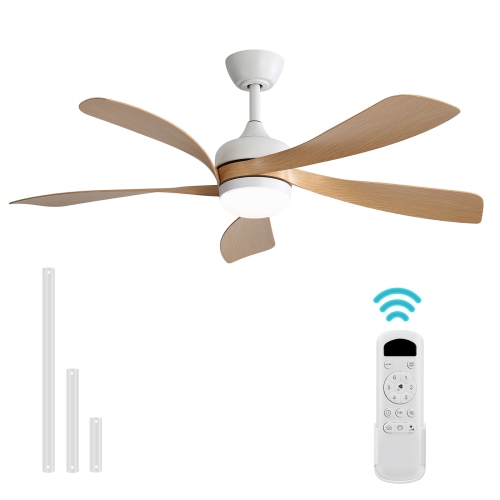
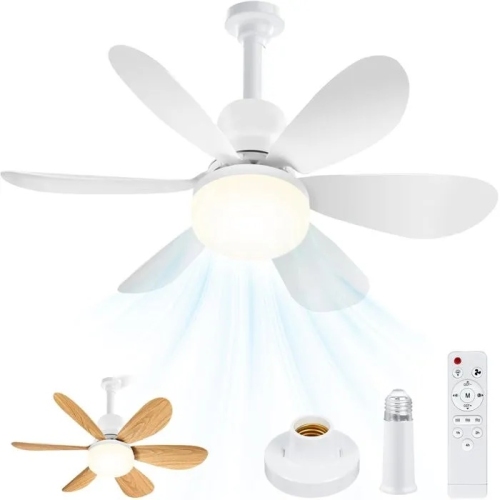
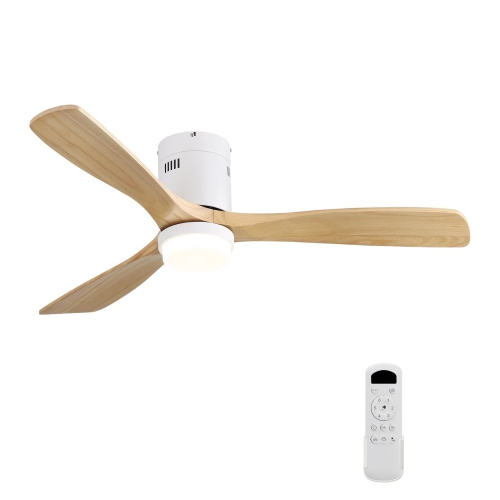
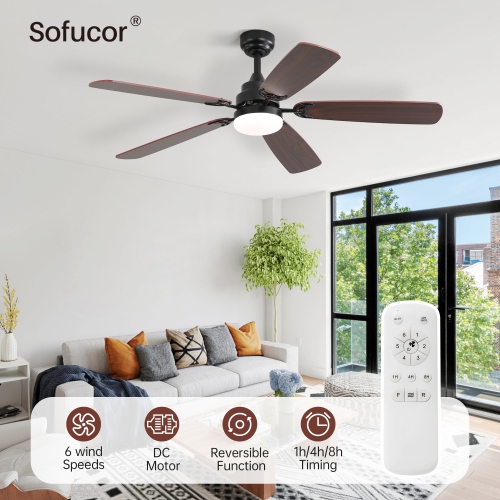
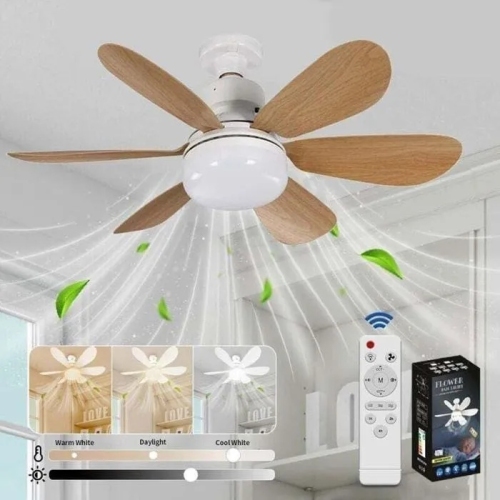
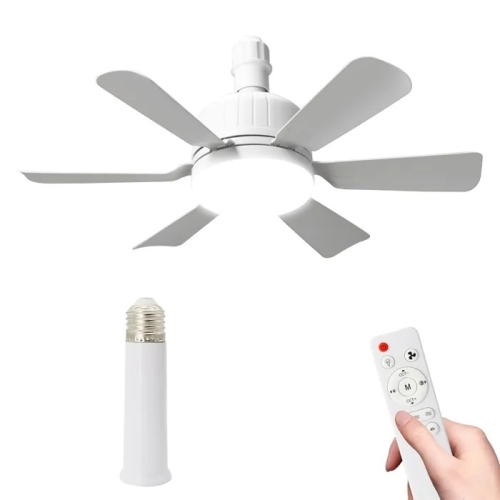
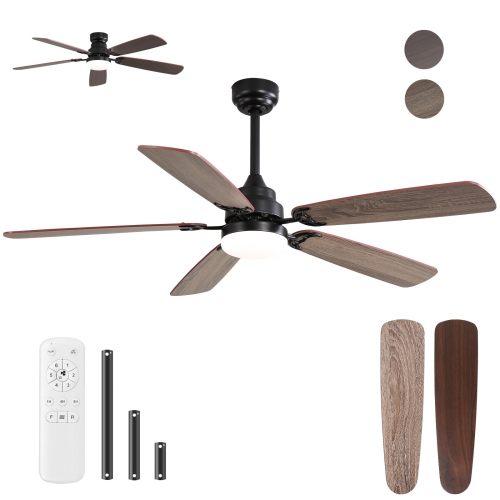
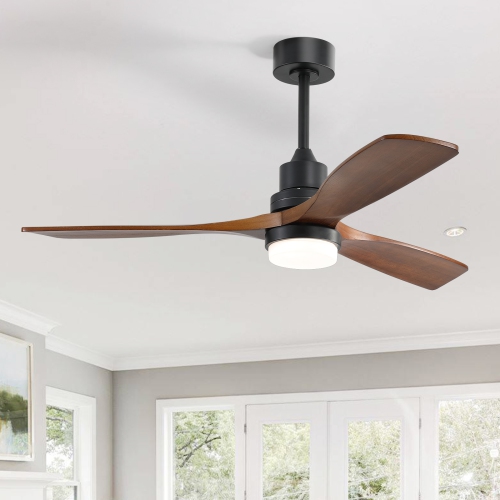
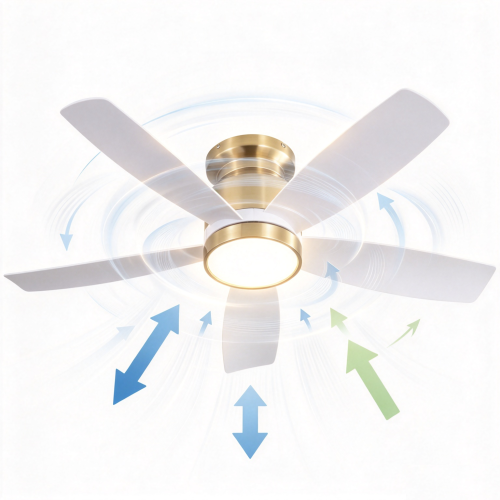
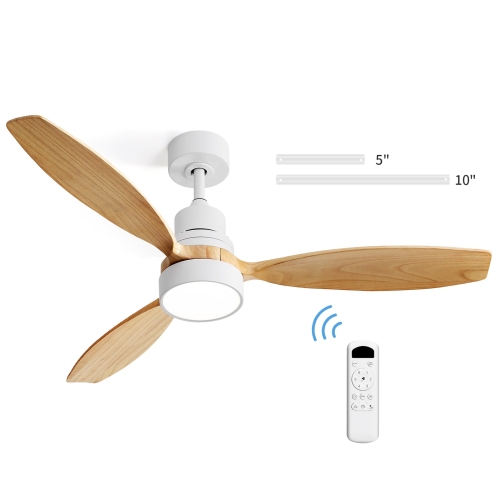
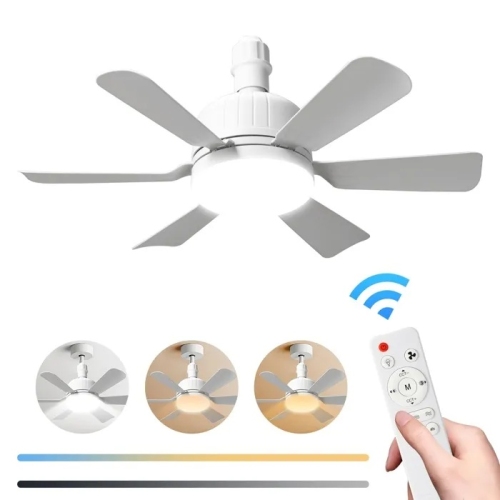
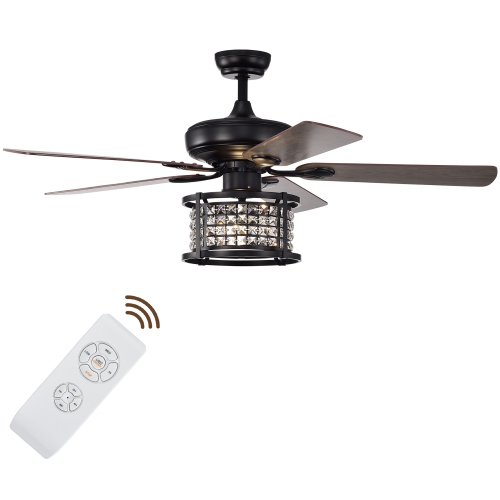
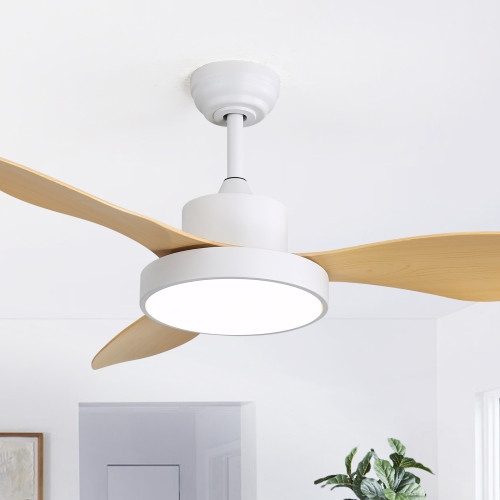
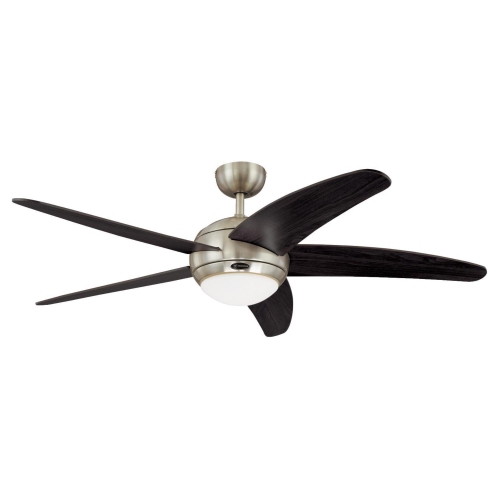
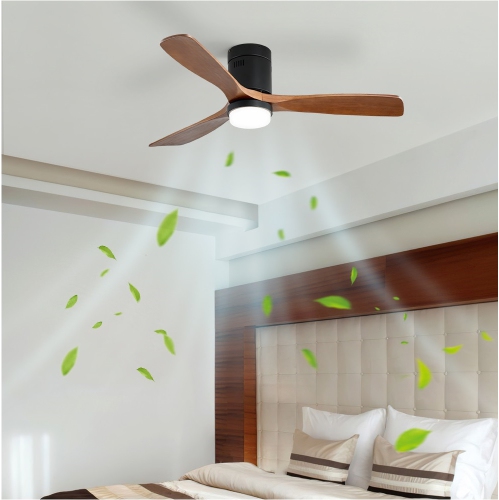
Ceiling fans with lights combine overhead illumination and air circulation in a single fixture, making them a practical addition to bedrooms, living rooms, dining areas, and home offices. The light serves the room while the fan moves air around the space, with separate controls on many designs so either function can operate on its own. This combination is especially useful where one ceiling connection needs to support both functions without adding a floor fan or another standing lamp. A good fit starts with the room’s proportions, ceiling height, and furniture layout. Blade span is the diameter of the circle traced by the rotating blades, rather than the length of an individual blade. A compact span can suit a smaller bedroom or study, while a broader span may better serve an open living area, subject to the manufacturer’s room-size recommendations. Blade count alone does not indicate how much air a fan moves; motor performance, blade shape, pitch, and speed also contribute. Where airflow ratings are provided, cubic feet per minute, or CFM, offers a useful comparison alongside the recommended room size. Ceiling height affects the mounting style as much as appearance. Flush-mount and hugger designs sit close to the ceiling, while downrod-mounted fans extend farther into the room and can suit higher ceilings. For spaces with limited overhead room, Ceiling Fans for Low Ceilings with Lights provide a focused starting point, though the fixture’s total height and required blade clearance still need checking. Sloped ceilings may require a compatible mounting system or adapter. Clearance from walls, cupboard doors, beams, and bunk beds matters too, particularly where furniture sits near the blade path. A ceiling connection that previously held a light is not automatically suitable for a fan: the electrical box and structural support must be rated for the moving load, with installation completed according to the manufacturer’s directions and local electrical requirements.
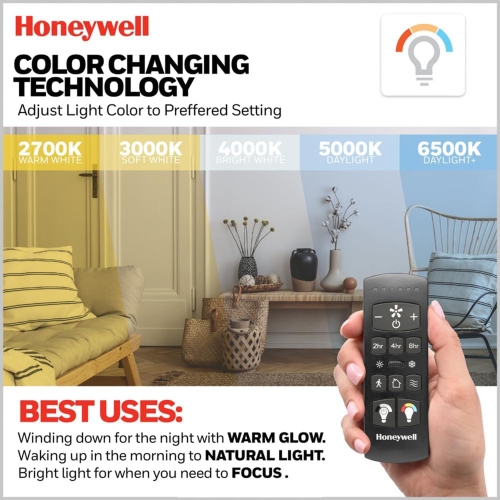
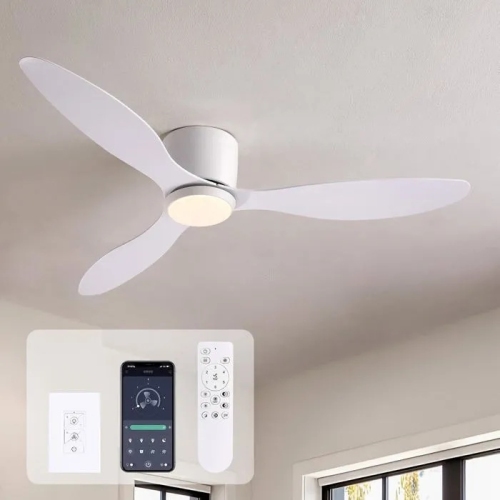
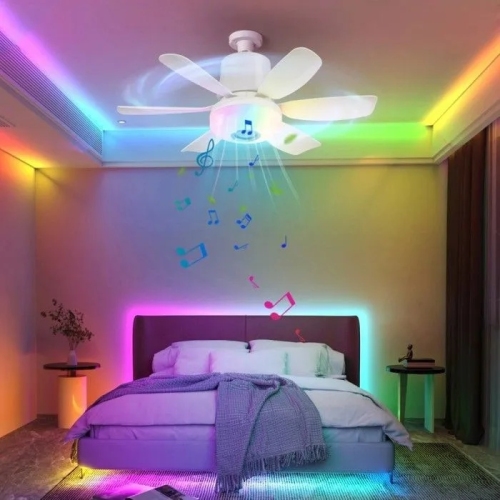
Lighting makes a noticeable difference to how a ceiling fan works in everyday life. A softly diffused light can provide comfortable general illumination in a bedroom, while a brighter output may be more useful over a multipurpose living area where people read, play games, or sort paperwork. Lumens describe light output, so they are more helpful than wattage alone when comparing brightness. The shade also matters: frosted glass or a diffusing cover can soften the appearance of the light source, while an exposed-bulb design creates a more defined decorative effect. Light distribution deserves attention, since a central fixture may illuminate the middle of a room more strongly than its corners. Table lamps or task lighting can still be useful beside a reading chair or desk. Colour temperature describes the appearance of white light, measured in Kelvin. Light around 2700K to 3000K generally has a warmer appearance, while light around 4000K looks more neutral. Selectable settings can make it easier to coordinate the ceiling light with other fixtures, but the available settings vary by design. Dimming is another separate feature rather than something to assume from the presence of an LED light. An integrated LED assembly contains its own light source, so checking its serviceability and replacement requirements helps establish what future maintenance could involve. A fixture with replaceable bulbs offers a different approach, with bulb shape, base type, maximum wattage, and suitability for enclosed fixtures determined by its specifications. Controls shape the daily experience just as much as brightness. A bedside remote can make adjustments convenient without getting up, while a wall control provides a consistent place to operate the fixture. Some designs include timers, multiple fan speeds, or memory settings, although these functions should be confirmed individually. Smart controls may require Wi-Fi, an app, or a compatible home platform. A standard light dimmer is not a substitute for a fan-speed control, and any wall controls must be compatible with the fan and its lighting system.
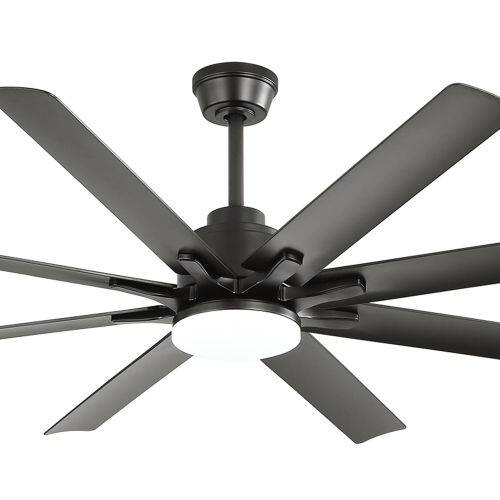
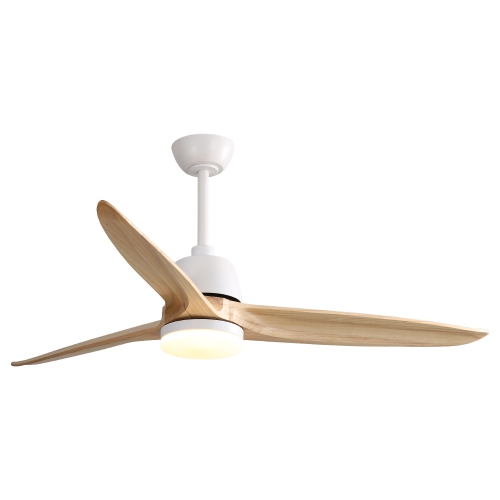
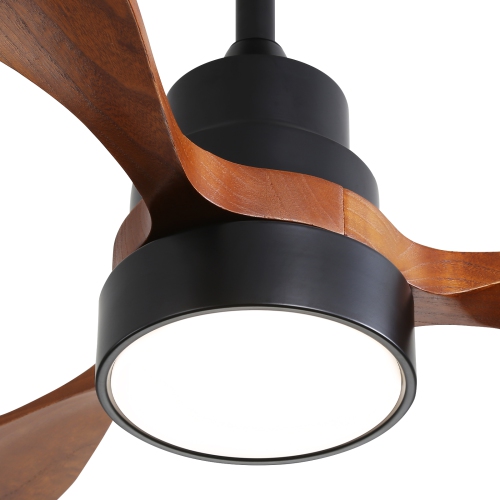
The right ceiling fan with a light should also feel at home among the room’s finishes and furnishings. Matte black can create a defined outline against a pale ceiling, white can blend into the overhead space, and brushed metal can coordinate with door hardware or nearby light fixtures. Wood-look blades introduce visible grain and warmth of appearance, whether their construction is solid wood, engineered material, or a printed finish. The underlying material matters for care and intended use, not just style. Metal housings, plastic blades, and engineered-wood components have different cleaning requirements, and suitability for moisture exposure depends on the complete fixture’s rating rather than how sturdy it looks. A fan intended for a dry indoor room should not be assumed suitable for a bathroom, covered porch, or another location with damp conditions. In a dining space, the fixture’s scale can relate to the table and surrounding furniture without crowding the room visually. In a bedroom, restrained lighting, convenient controls, and unobtrusive operation may matter more than a statement silhouette. Motor design, blade balance, mounting quality, and speed all affect operating sound; no motor type alone guarantees silent performance. Lower speed settings can be useful where gentle air movement is preferred, such as beside a desk with loose papers. Keeping the fan running smoothly also depends on straightforward upkeep. Dust can collect along blade edges and on light covers, so regular cleaning with the power switched off helps maintain a tidy appearance and even light distribution. A soft cloth and the manufacturer’s recommended cleaning method are generally preferable to abrasive tools or excess moisture. Blades should not be bent or pulled during cleaning, and persistent wobbling or unusual sounds call for inspection rather than simply increasing the speed. Accessible light covers, clear care instructions, and information about replacement parts can make ownership easier over time. For renters, permission and installation requirements are worth confirming before changing an overhead fixture. With room fit, lighting needs, controls, and maintenance considered together, a ceiling fan with lights can become a well-used part of the space rather than an awkward addition overhead.
Top selling and popular products
-
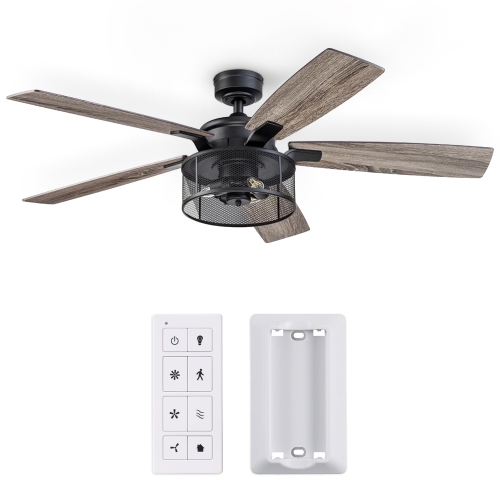 Your price for this item is $256.99
-
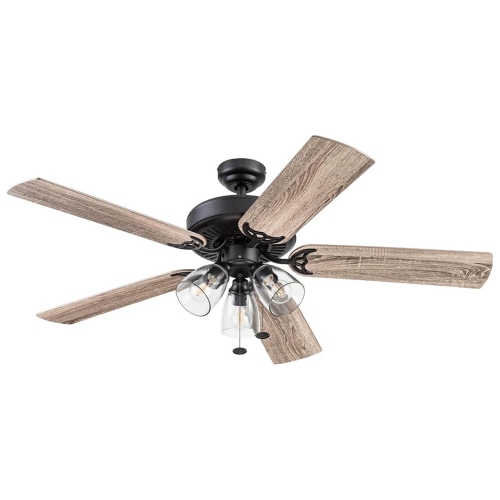 Your price for this item is $238.99
-
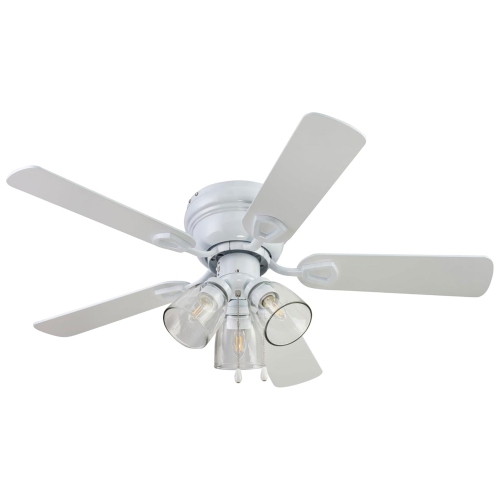 Your price for this item is $232.99
-
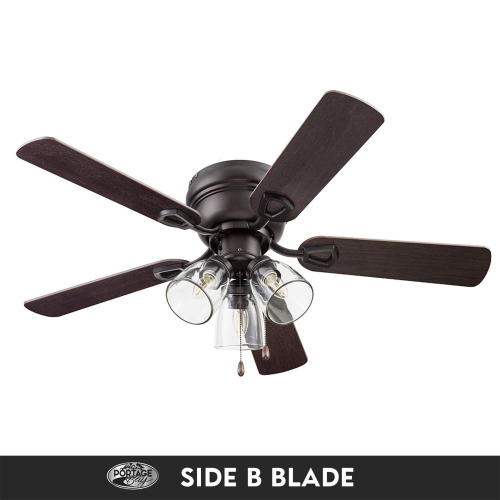 Your price for this item is $165.99
-
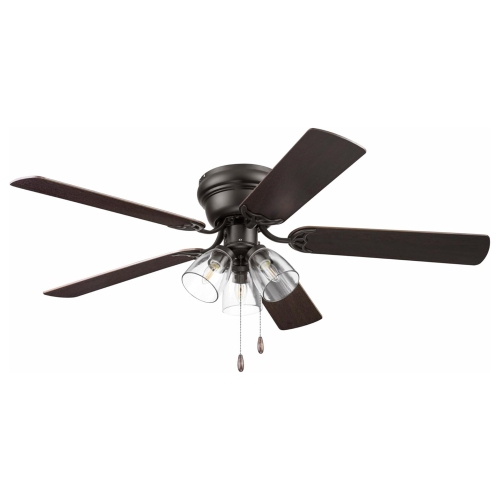 Your price for this item is $228.99
-
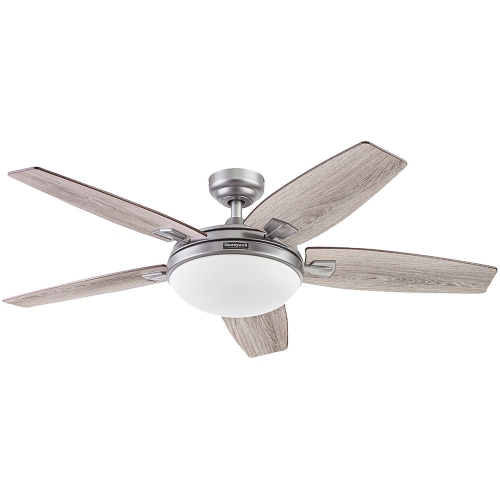 Your price for this item is $286.99
-
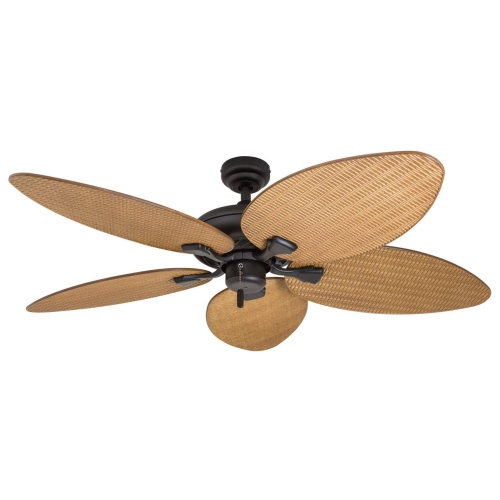 Your price for this item is $308.99
-
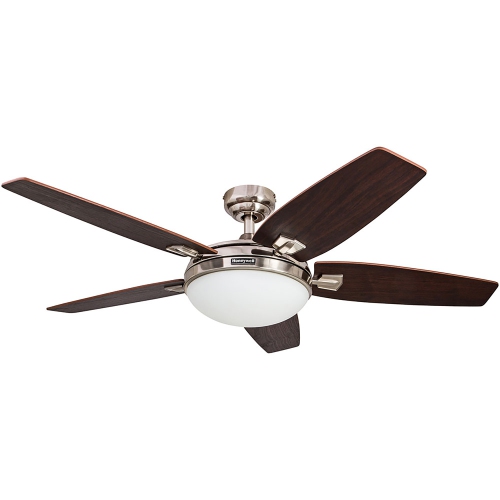 Your price for this item is $277.99
Discover more categories related to Ceiling Fans With Lights
Top Collections:
Pokemon Centers, Kindle Devices, Best Cameras for Sports Photography, Pokémon 30th Celebration Cards, Apple iPhones 16, Canon G7X Cameras, iPhone 15 Apple, Flip Phones, Samsung Galaxy Phones, Alarm Clock
Some products may be subject to Environmental Handling Fees
(EHF) depending on your province.
Learn more about EHFs.