Colorful Balls
Dive into a world of vibrant fun with our extensive selection of colorful balls! Perfect for playtime, fitness routines, or adding a splash of color to your next event, these versatile and eye-catching balls cater to all ages and activities. From bouncy balls that bring joy to children’s games to durable, high-quality options for sports enthusiasts, there’s something here for everyone. Explore the endless possibilities and find the perfect ball to brighten up your day.
Sort


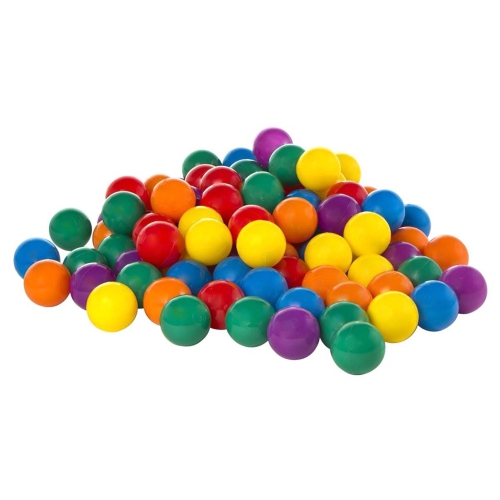
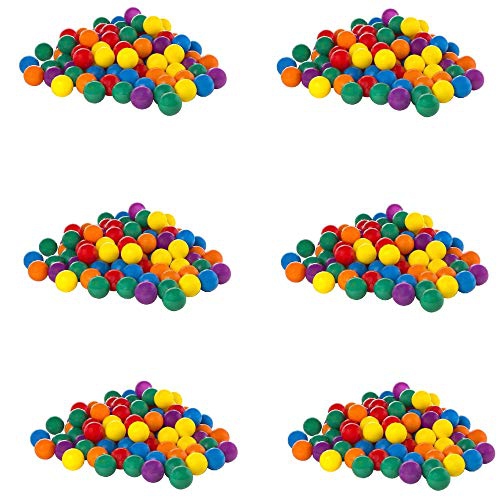
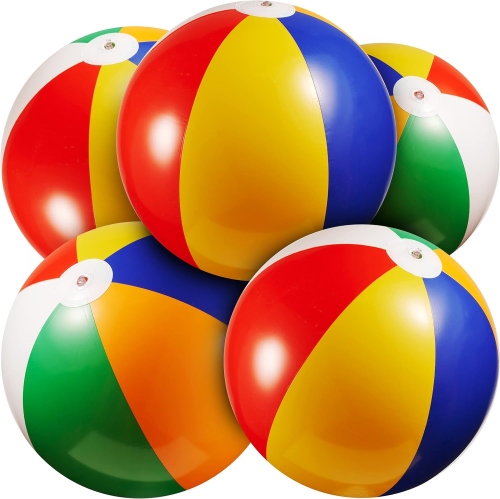
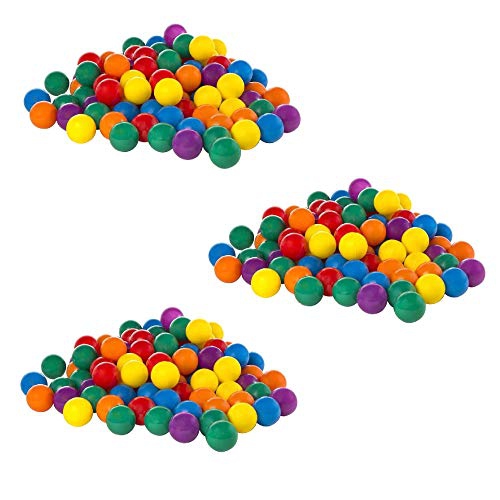
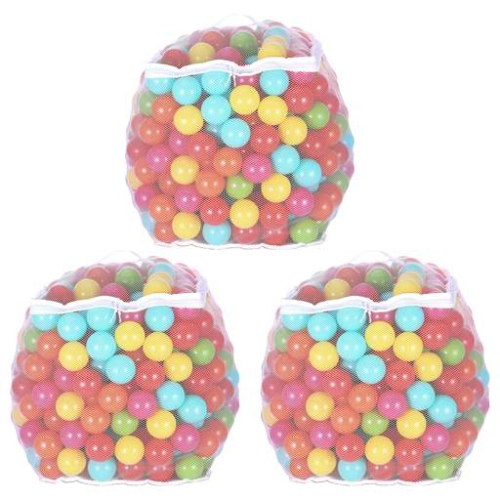
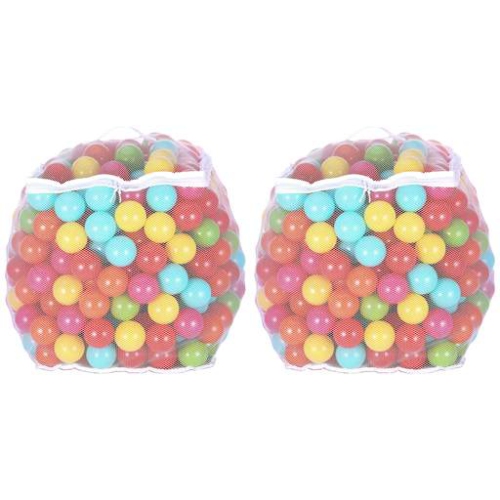

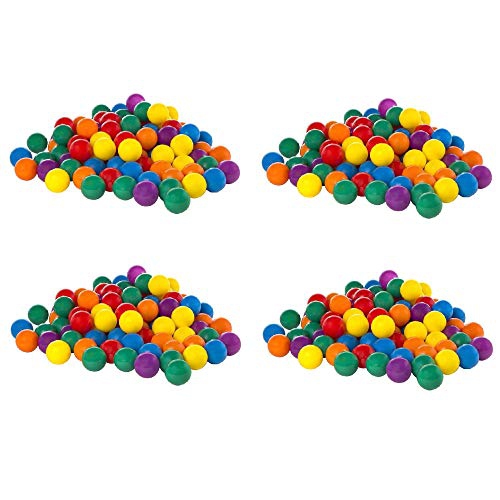
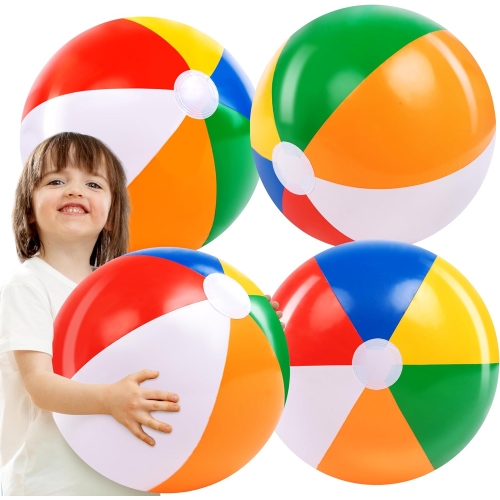
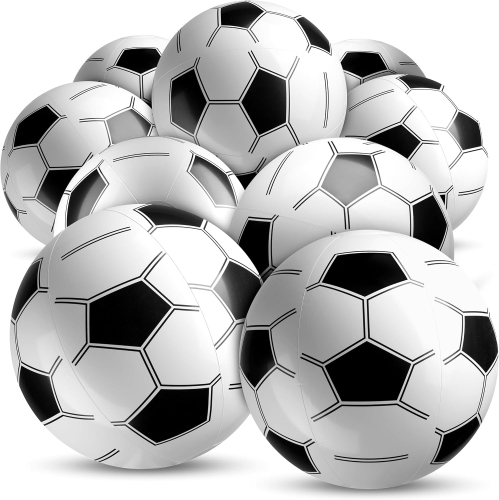
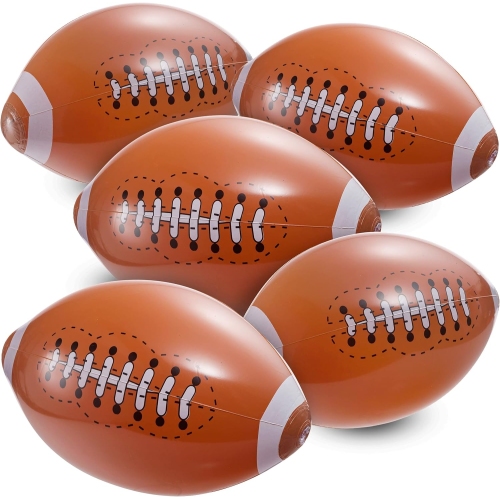
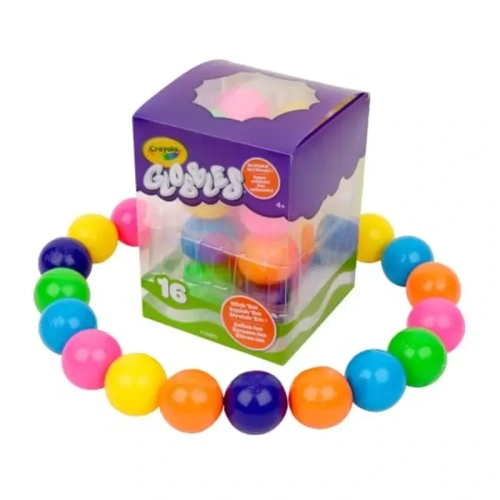
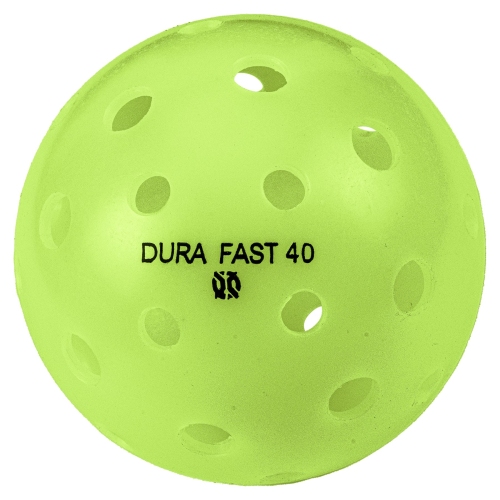

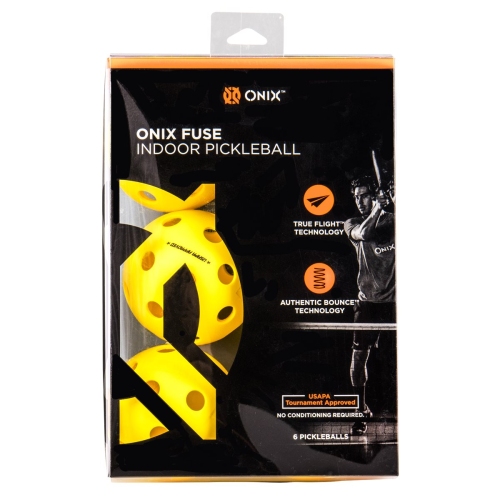
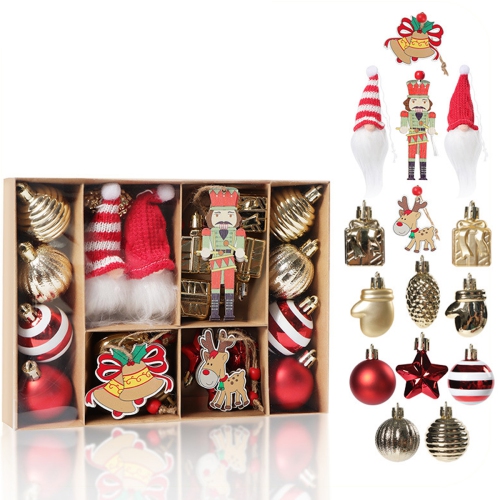
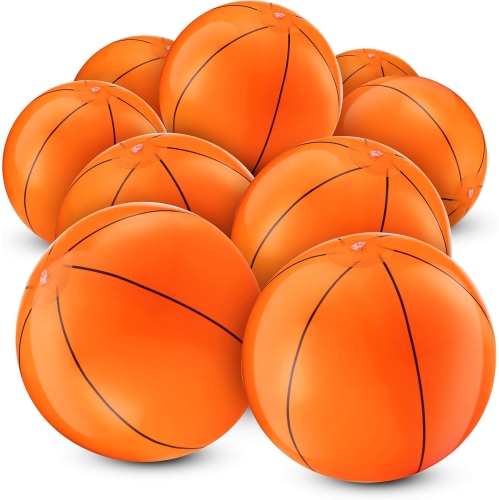
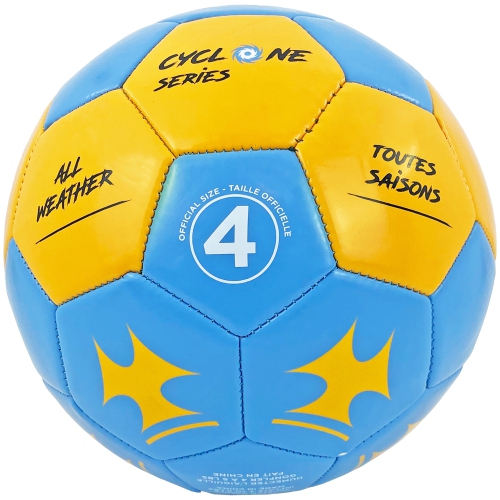
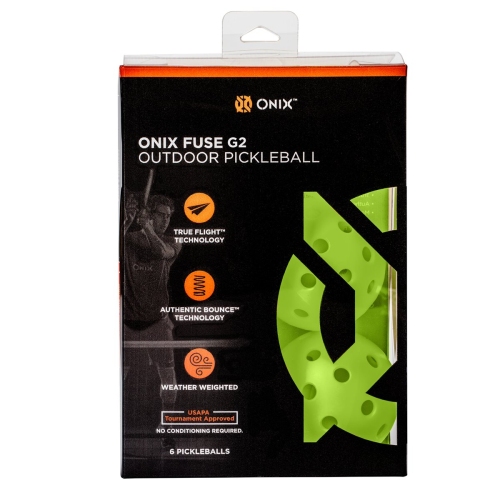
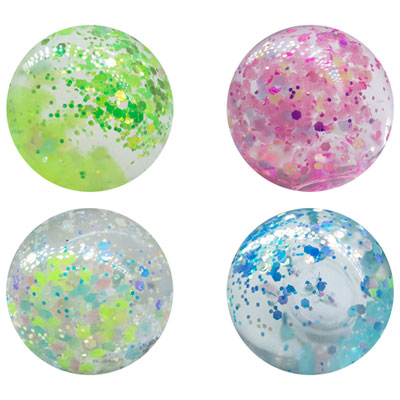
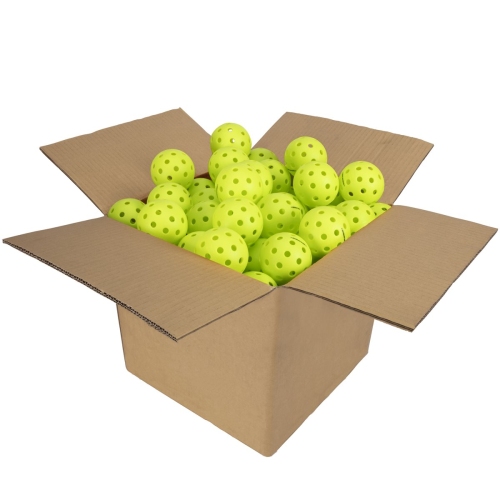


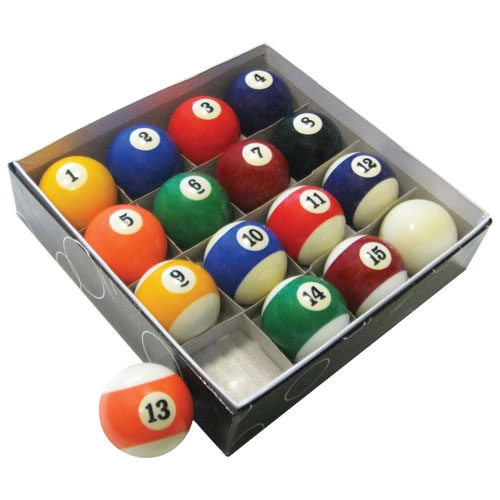
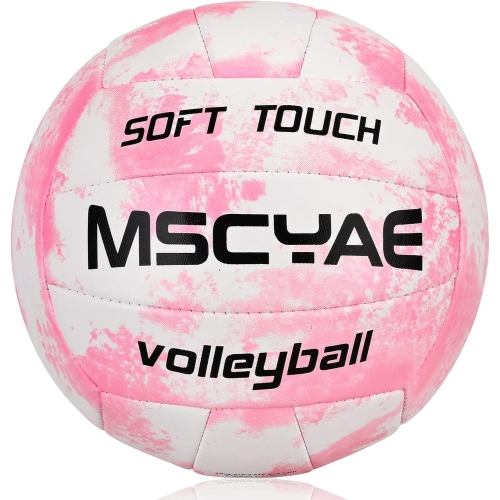
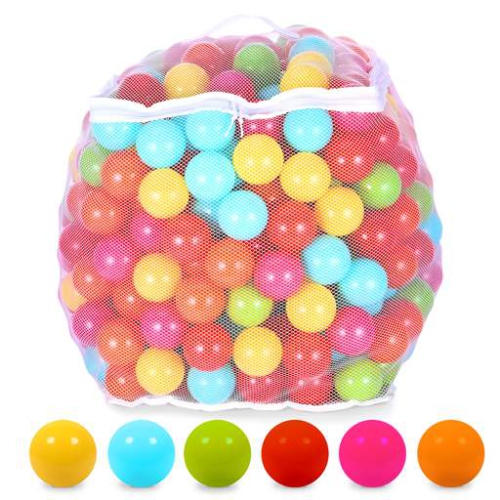
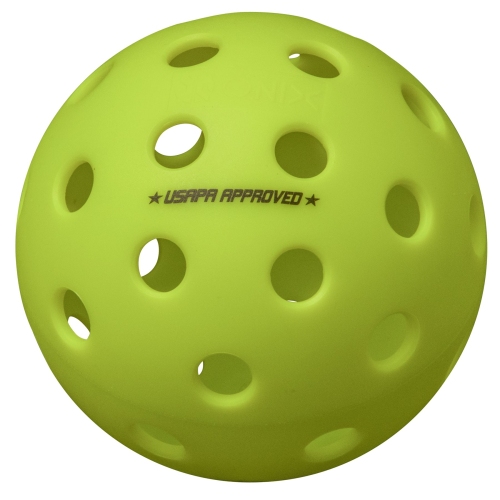
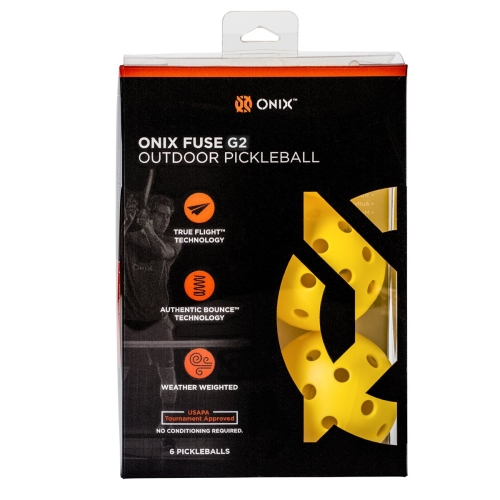
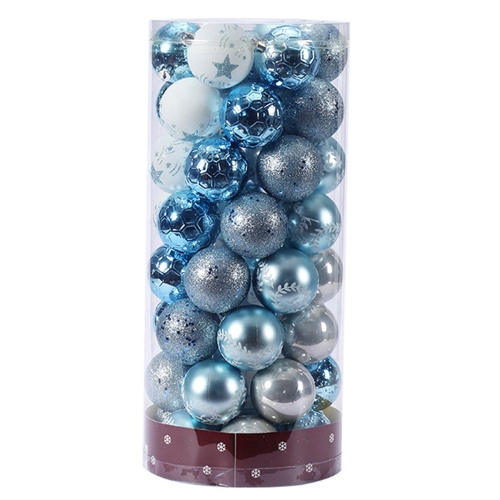

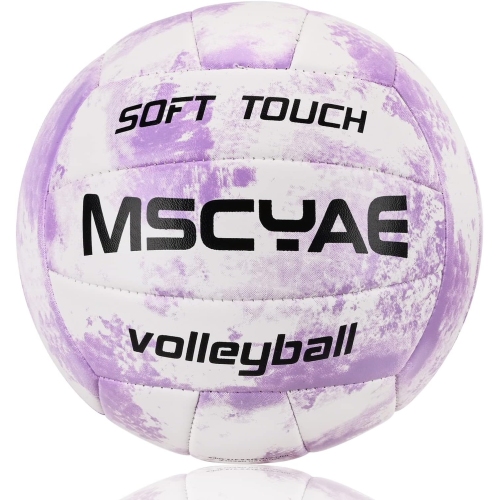

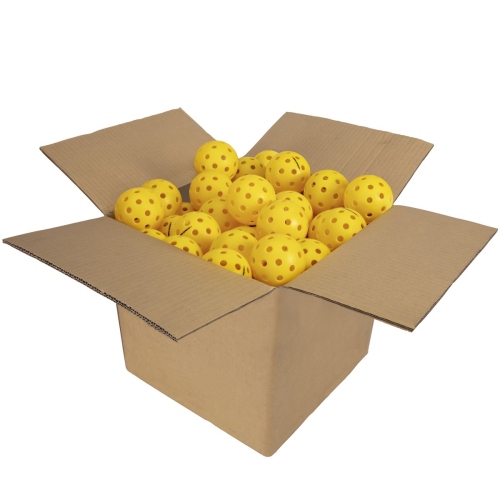
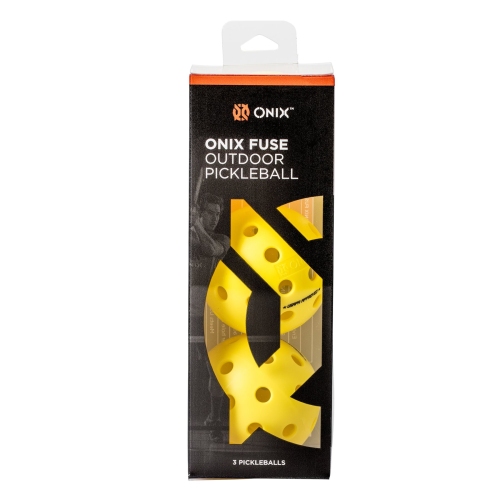




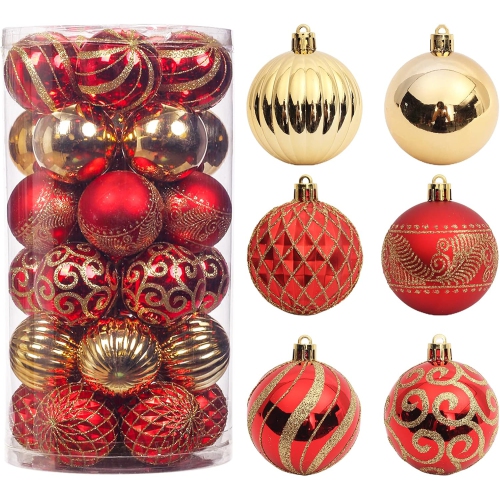
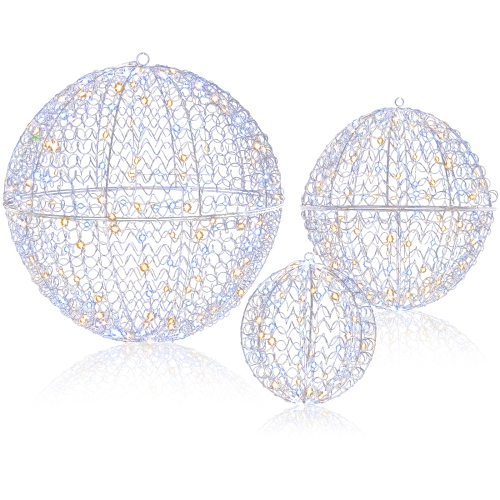
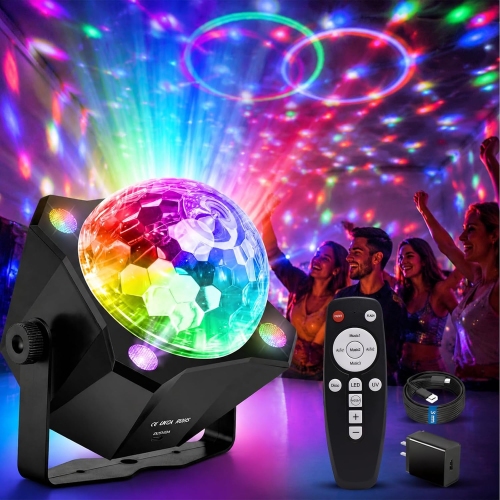


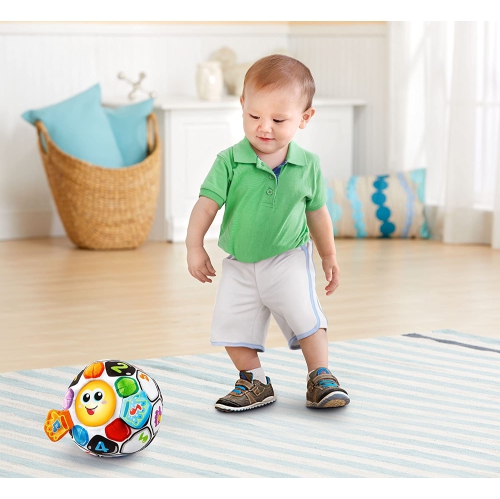


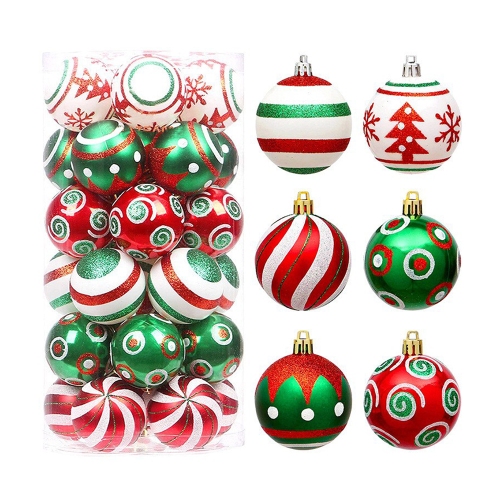
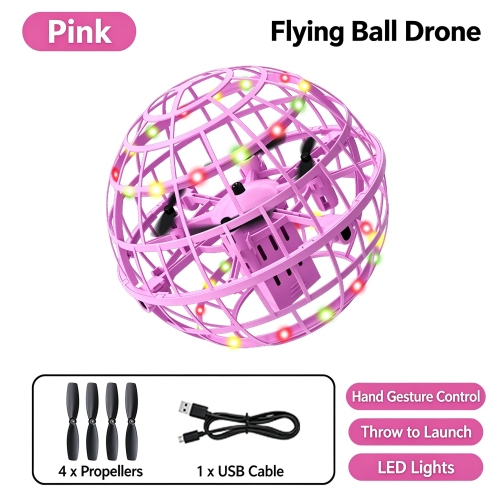
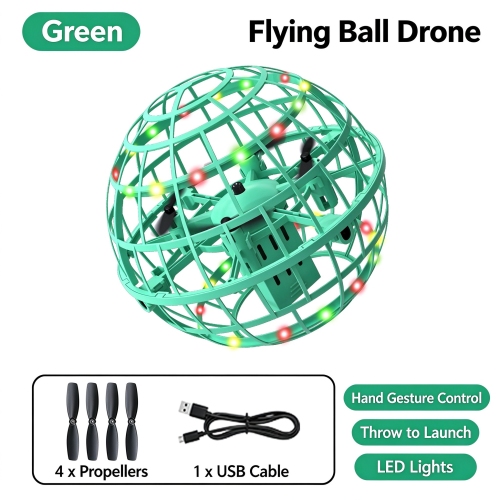
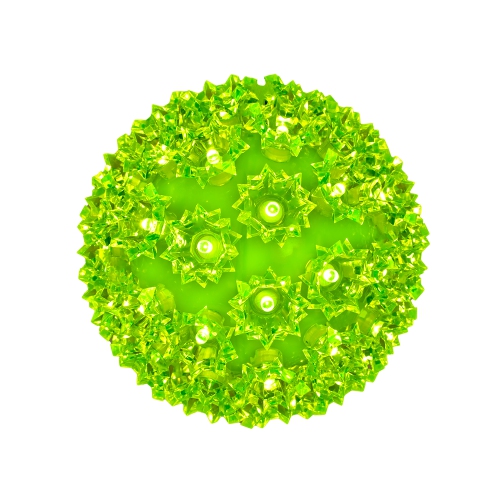
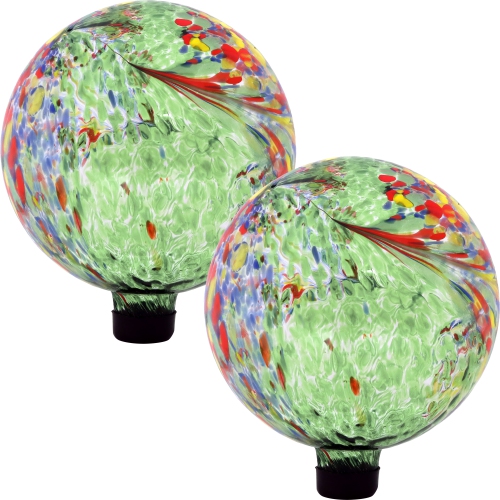
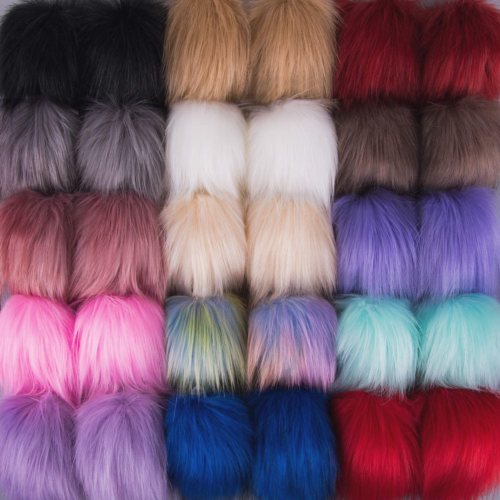
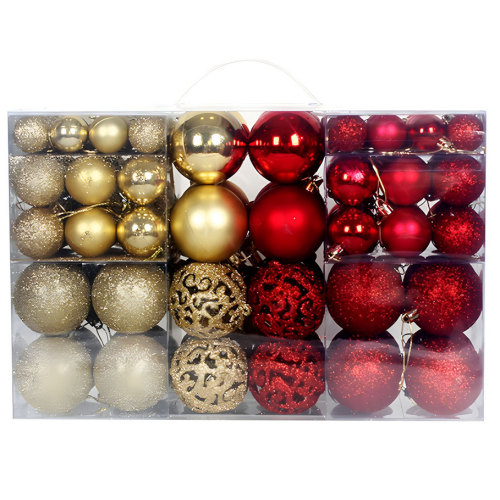

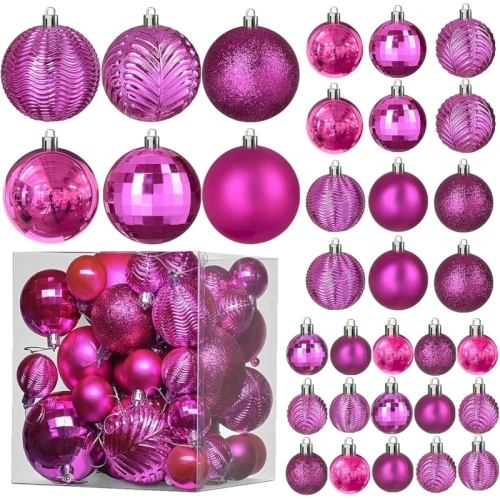



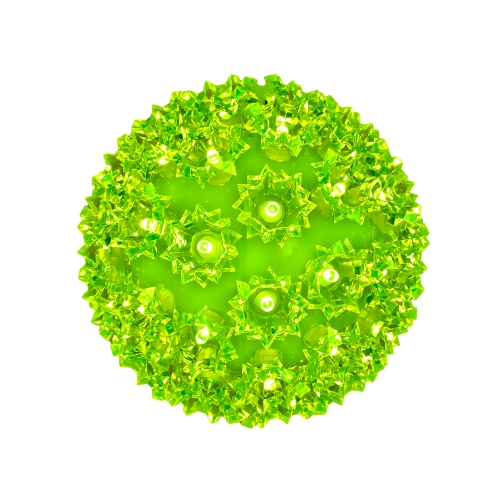

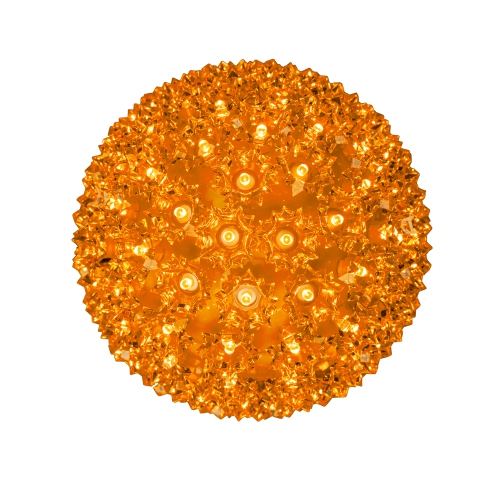
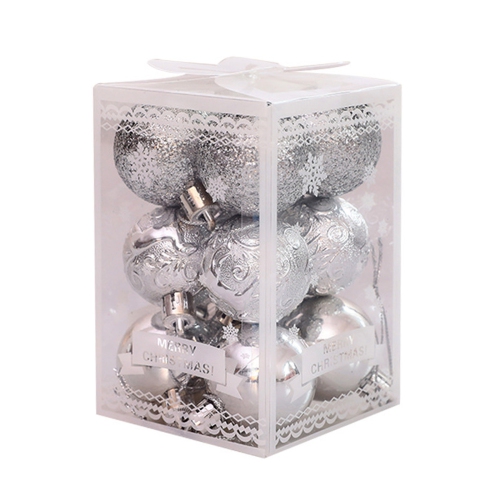
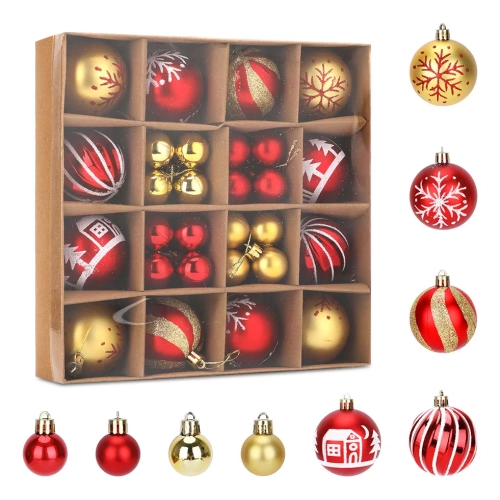
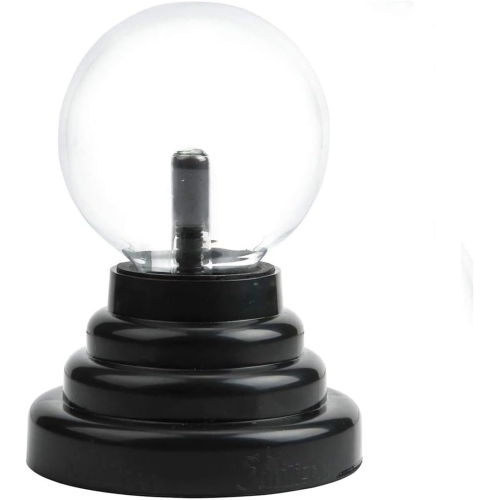
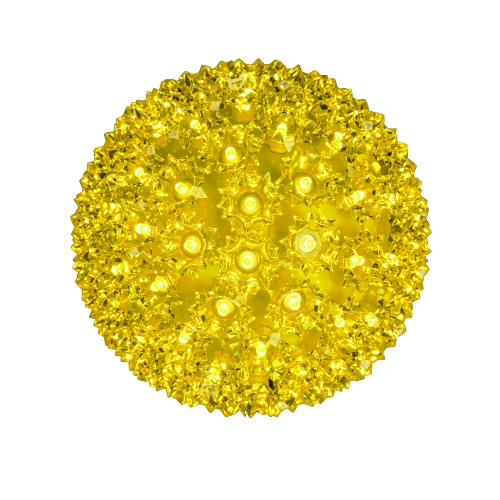
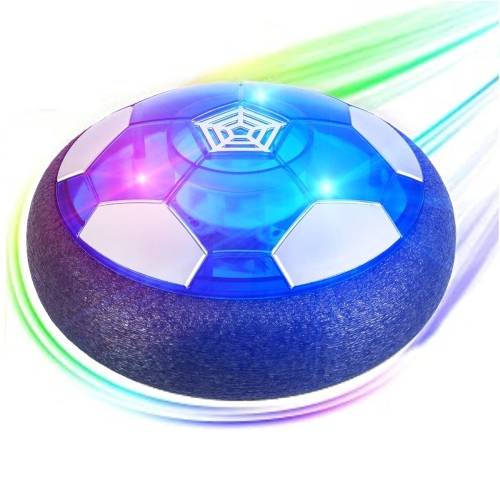
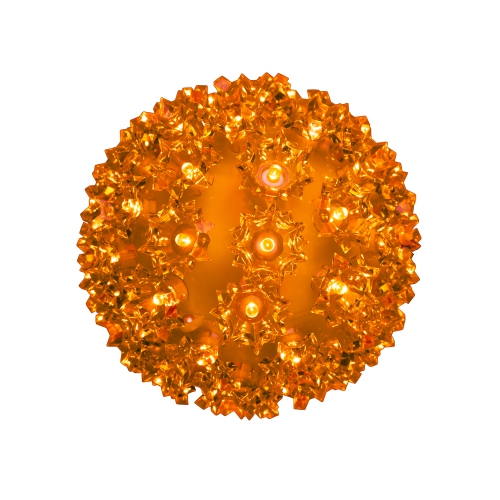

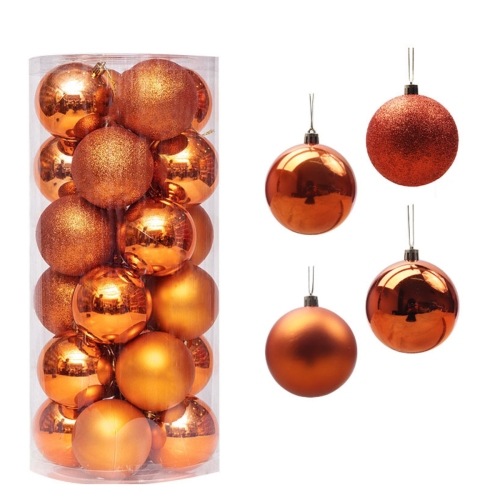
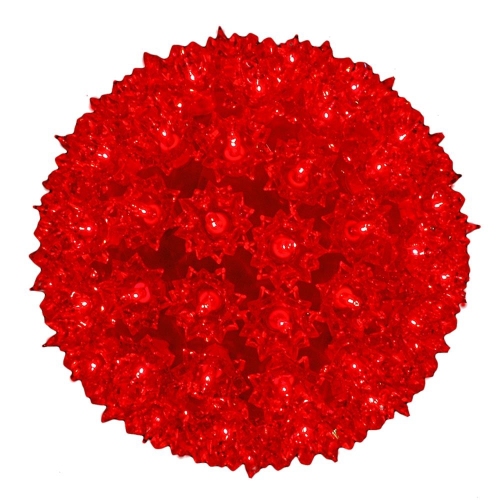
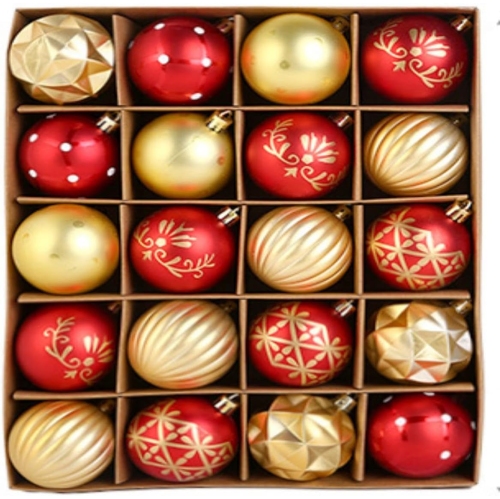
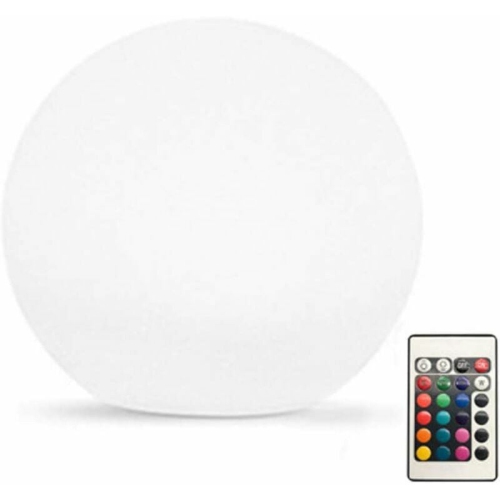
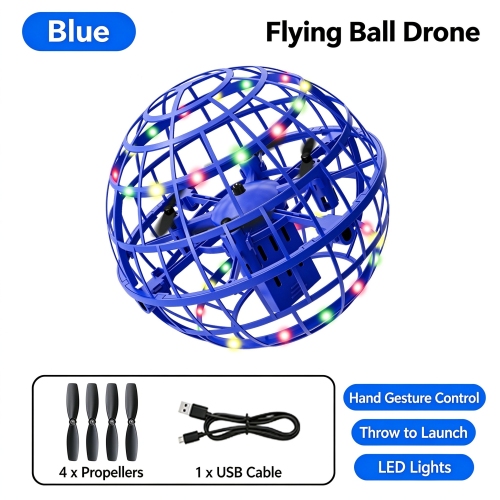
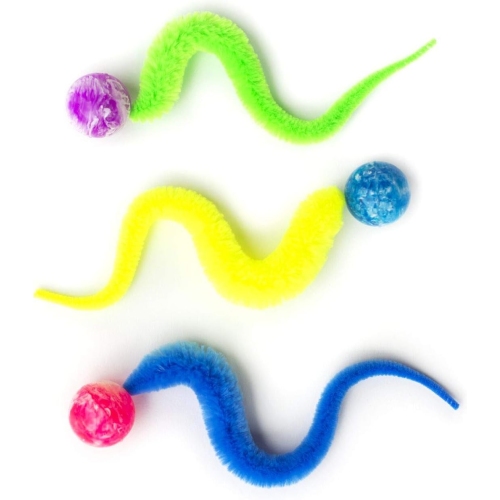
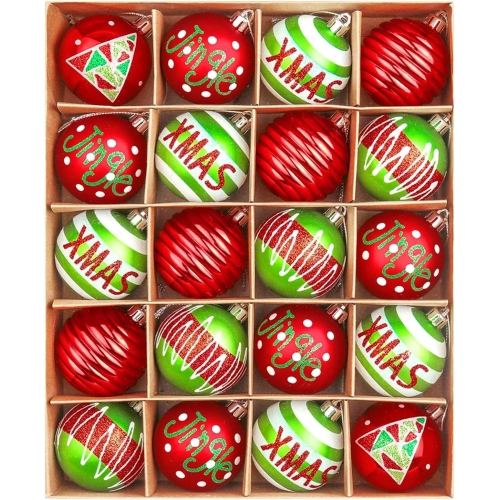
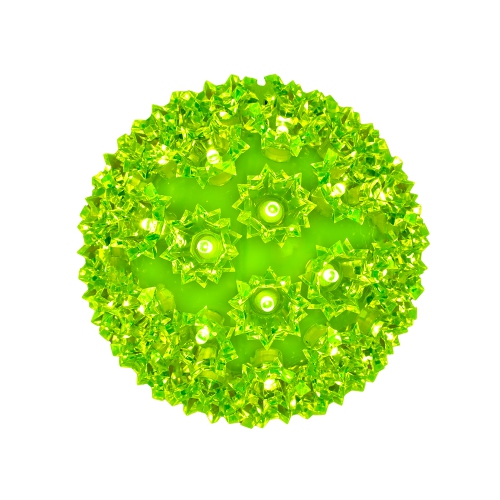
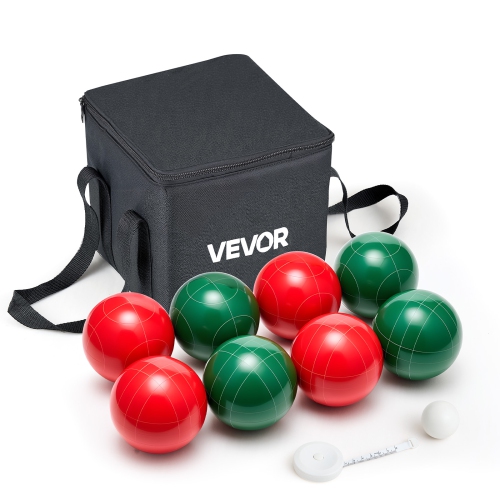

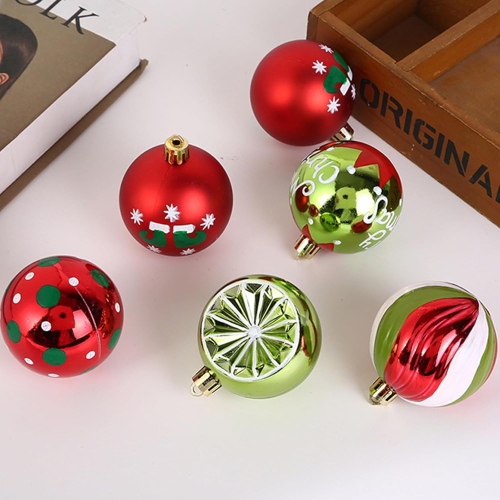
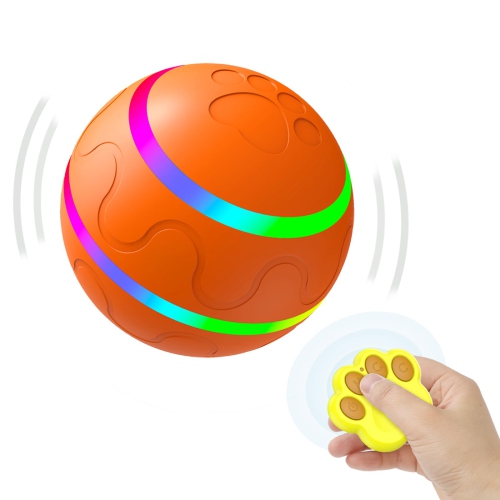
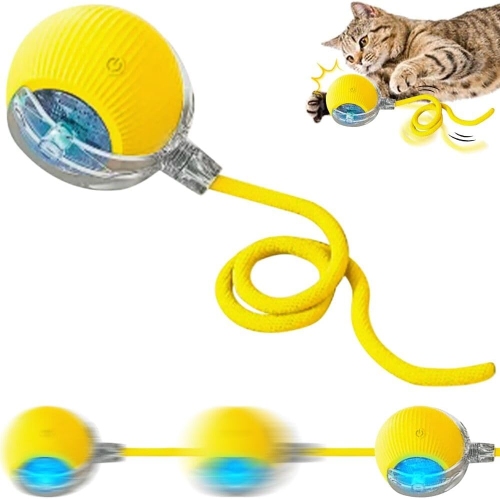
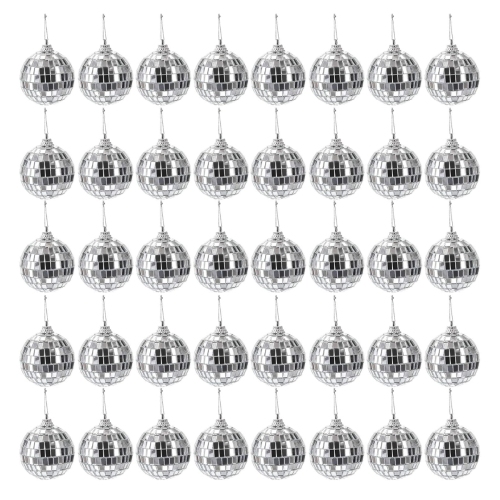
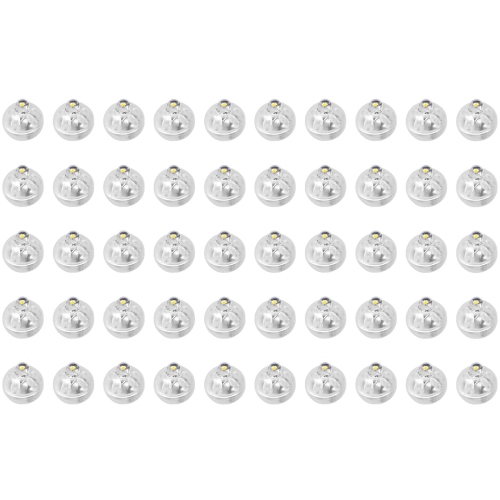
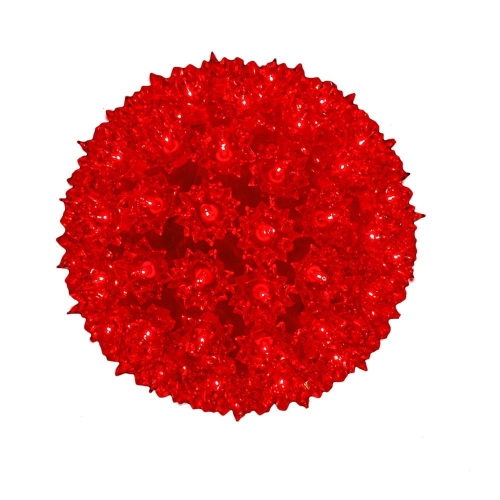
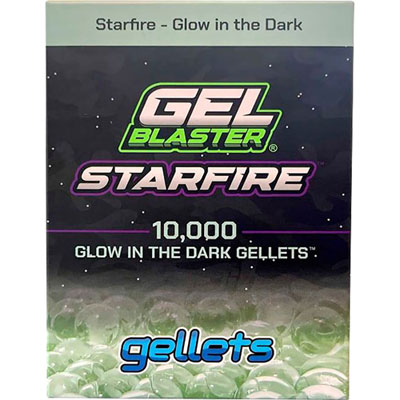

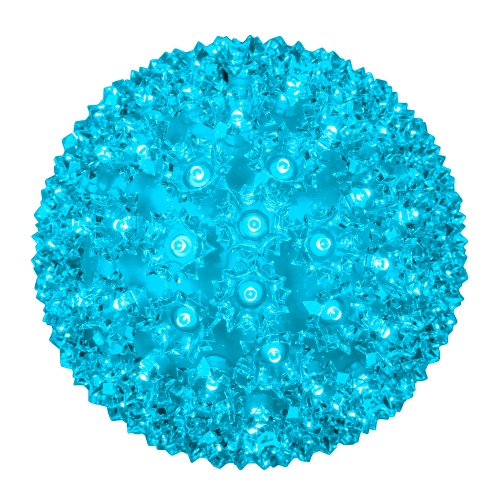
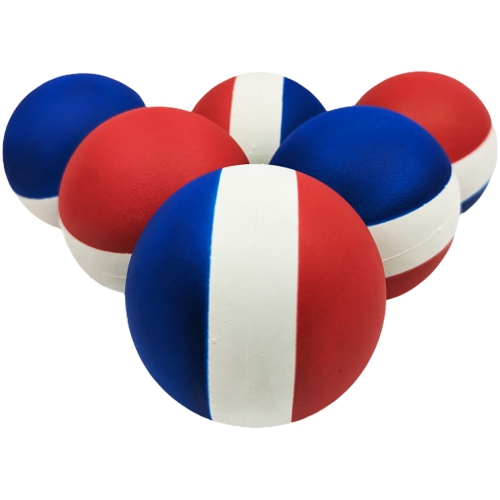
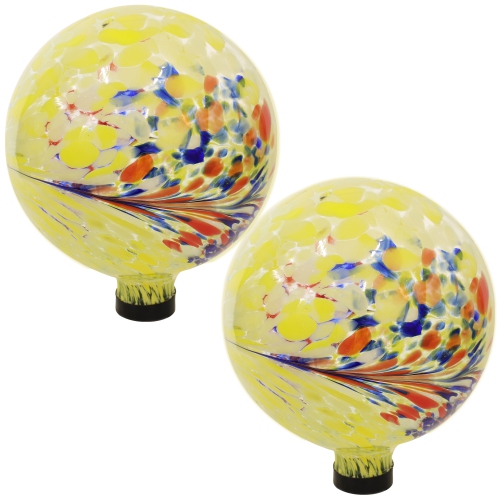
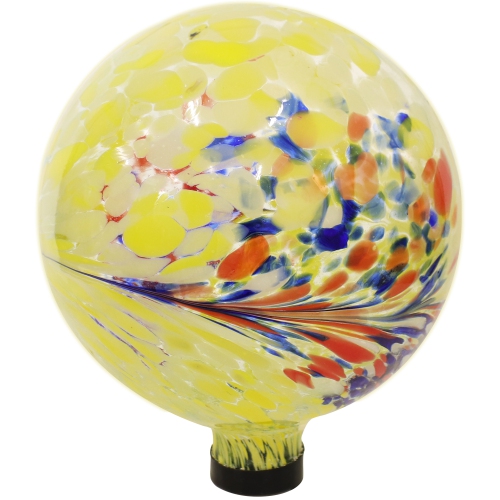

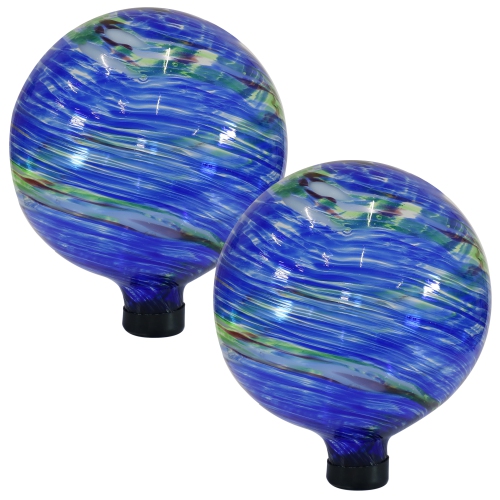
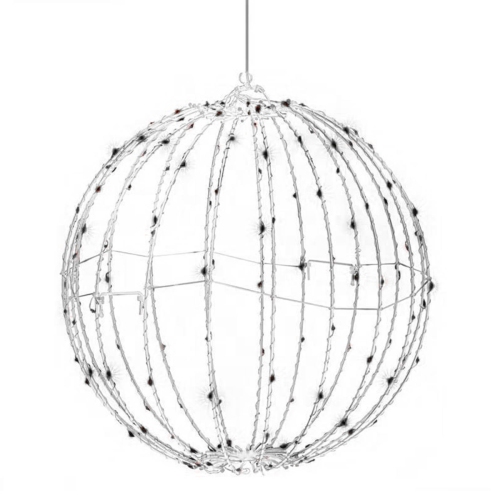

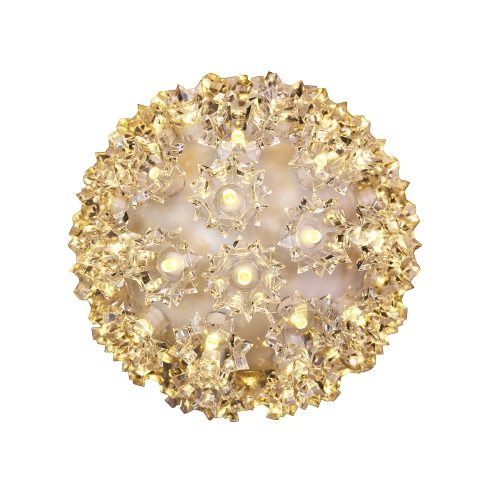
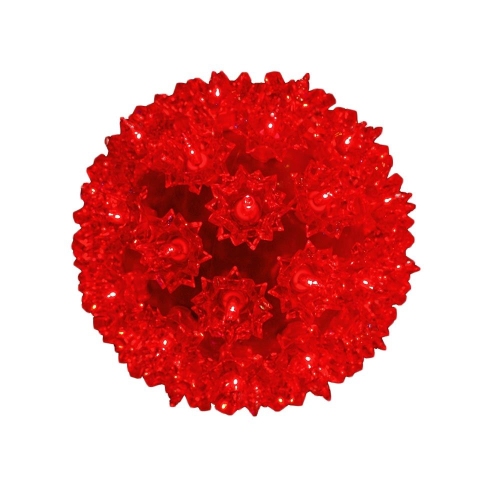
The right ball depends on more than colour
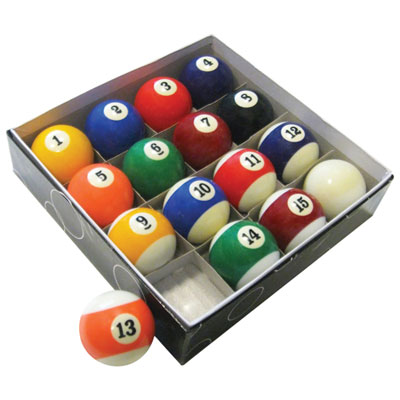
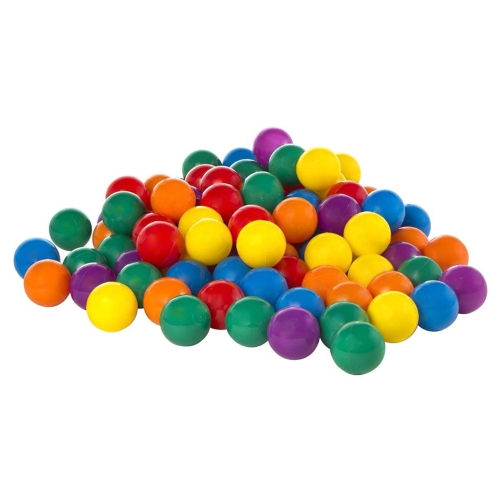
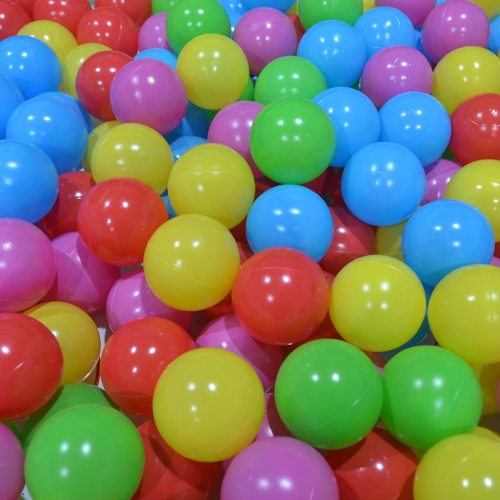
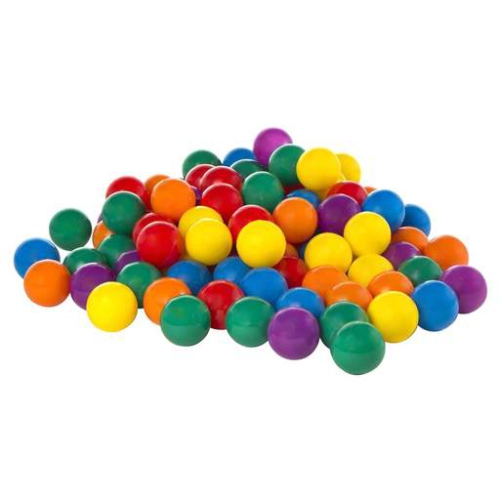
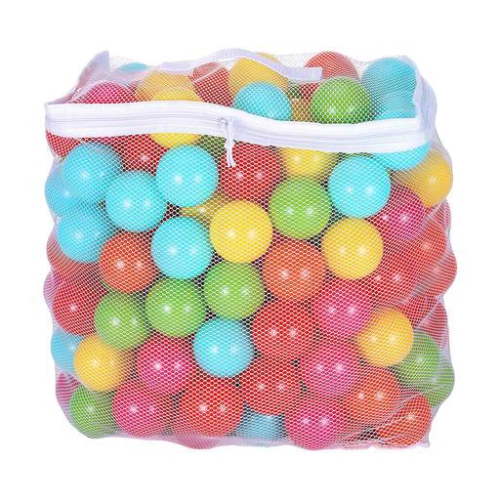
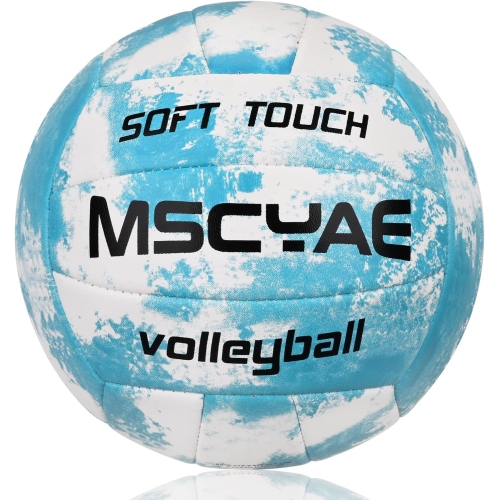
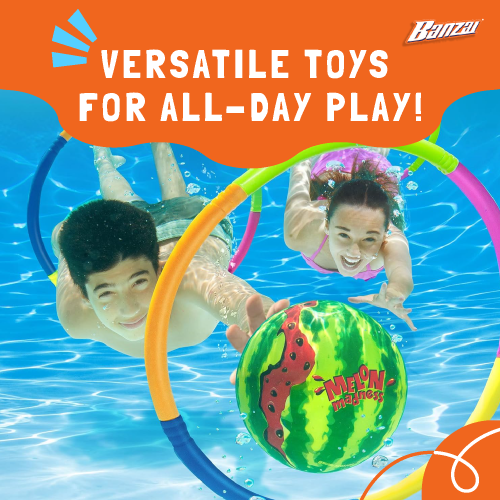
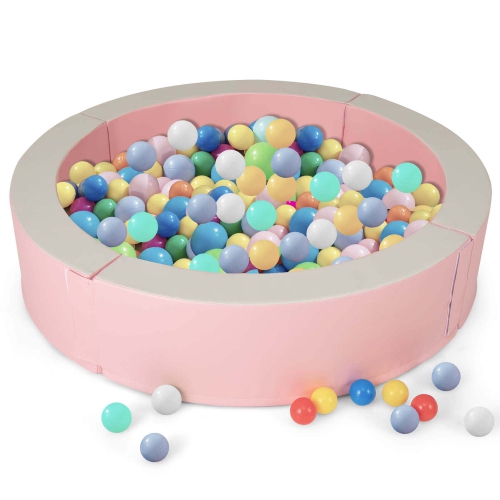
Colourful balls are versatile play and activity products used for children’s games, colour sorting, sensory exploration, crafts, and recreational exercise. Their appeal comes from a simple combination of movement, shape, and colour: a bright ball is easy to notice as it rolls across a play mat, while a group of differently coloured balls creates possibilities for matching, counting, and imaginative play. Different styles suit different activities. Lightweight play balls can fill a ball pit or become pretend fruit in a toy kitchen; soft fabric balls lend themselves to gentle rolling games; and bouncier designs can add movement to catching and target activities. For young children, rolling a ball back and forth with an adult offers a straightforward way to practise taking turns and following movement. Sorting red, blue, and yellow balls into matching containers brings colour recognition into a familiar hands-on activity without needing complicated rules. Older children might enjoy aiming at a floor target, passing a ball around a circle, or inventing a points system based on colour. The best match depends on the user’s age, the space, and the intended activity rather than appearance alone. A ball that works well for tossing into a basket may not have the weight, grip, or rebound needed for a sport. Likewise, decorative or craft balls should not automatically be treated as children’s toys, since their size, coatings, or construction may be unsuitable for play. Age ratings and warnings are especially important for babies and toddlers, who may put objects in their mouths. Small balls can present a choking hazard, and a soft texture does not remove that risk. Supervision, an uncluttered play area, and a design suited to the child’s abilities help keep the activity appropriate. Bright colours can make play inviting, but size, construction, and intended use remain the most important distinctions between different types of balls.
Materials affect how colourful balls feel in the hand, how they move, and how well they stand up to repeated use. Rubber balls often have a lively bounce and a grippy surface, although their firmness and weight vary. Foam can provide a softer feel for gentle tossing, but some foam surfaces are vulnerable to tearing or picking, making the stated age range particularly important. Hollow plastic play balls are generally lightweight, with their resistance to dents depending on wall thickness and construction. Fabric-covered balls offer a different experience, with stitched panels and soft filling that may suit quiet rolling or catching activities when the design is age-appropriate. Texture matters as much as material. Raised patterns, shallow grooves, and pebbled finishes can change the grip, while a smooth surface may be easier to wipe clean. For smaller hands, a manageable diameter and comfortable grip can make the difference between confidently holding a ball and repeatedly dropping it. A larger ball may be easier to track visually or push with both hands, but it also needs enough room to move without knocking into furniture. Weight and bounce deserve similar attention: a firm, energetic rebound can be enjoyable in an open play space yet impractical beside shelves or screens. Surface compatibility also matters, since rough paving can wear a ball differently from a smooth floor or padded mat. Care requirements should follow the manufacturer’s directions rather than a single cleaning method for every material. Some surfaces allow wiping with a damp cloth and mild soap, whereas washable fabric designs may have separate instructions for their covers and filling. Electronic components, openings, and absorbent interiors can make soaking unsuitable. After cleaning, allowing the ball to dry fully before storage helps prevent trapped moisture. Regular checks for split seams, cracks, exposed filling, damaged valves, or loose pieces are worthwhile, particularly when a ball is shared between children or used frequently. Damaged play balls should be taken out of use rather than left in the play area.
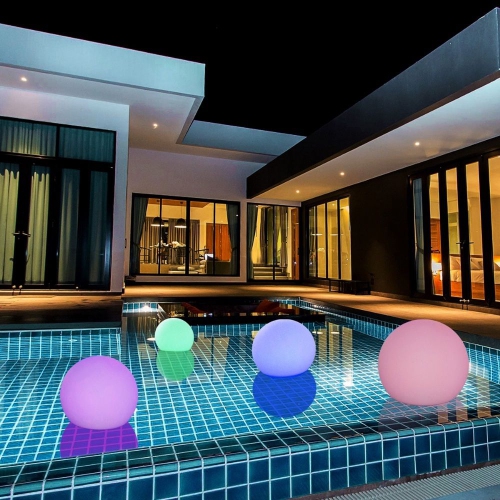
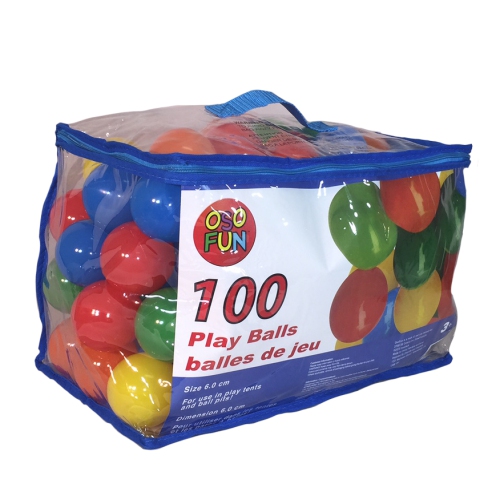
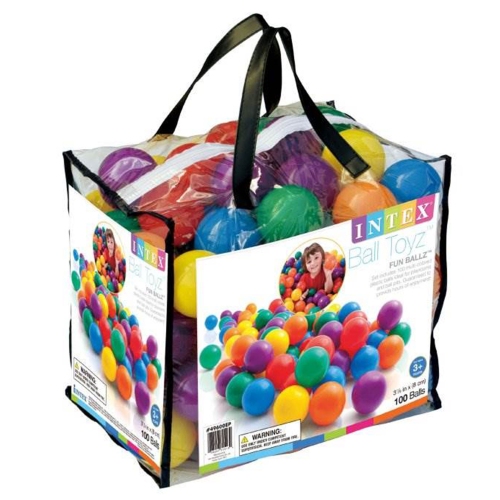
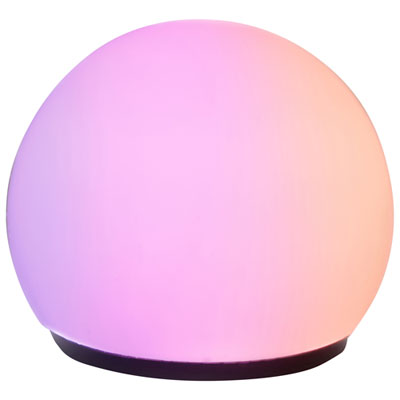
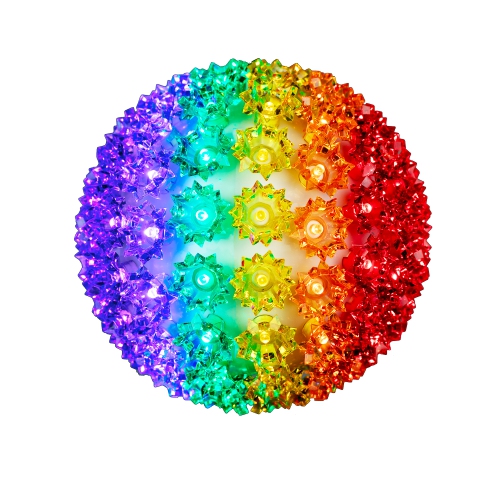
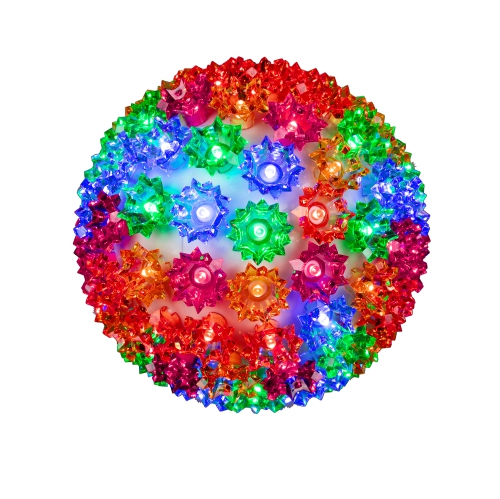
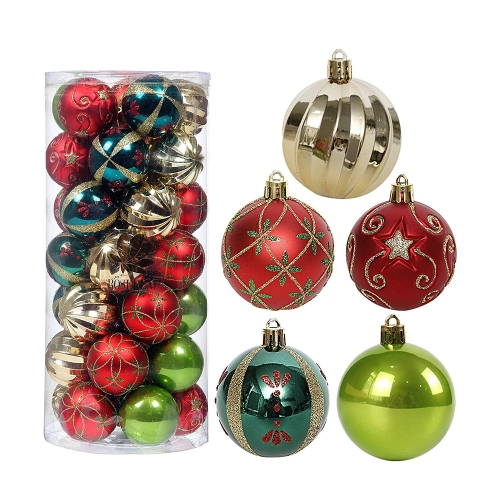
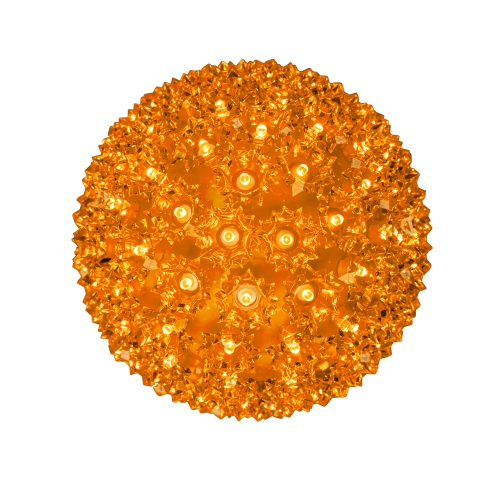
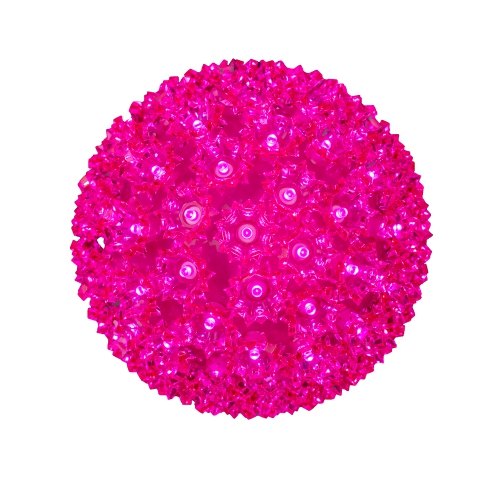
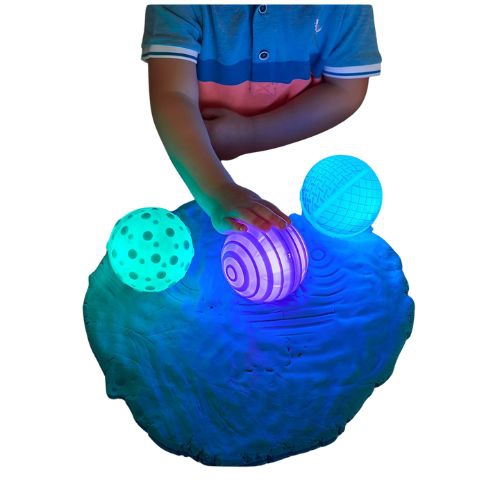
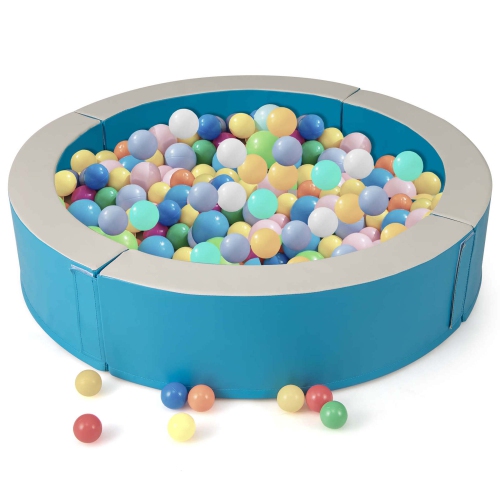
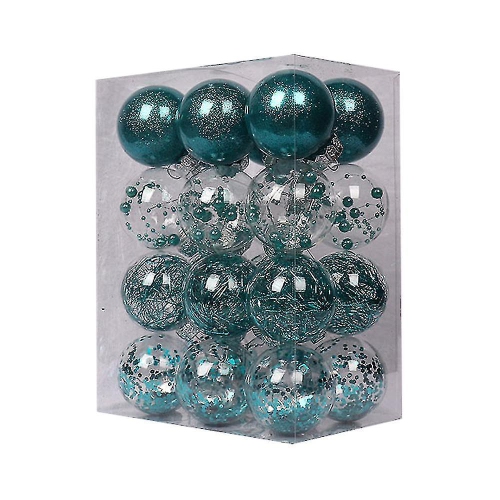
Colour and finish can make the same basic shape feel quite different in a playroom, activity corner, or craft project. Bold primary colours create clear contrasts for matching games, while softer shades may suit a coordinated play space or decorative arrangement. Multicoloured patterns add visual interest as a ball spins, although a single solid colour may be easier to use when an activity depends on identifying a particular shade. For children who enjoy tactile variety, a mix of smooth and textured surfaces can offer different sensations without requiring elaborate equipment. Preferences vary: some people enjoy a pronounced texture or springy squeeze, while others prefer a softer, quieter ball. Designs intended for squeezing should be used according to their stated purpose, since not every hollow, foam, or decorative ball is made to withstand that pressure. In craft activities, colourful balls can become parts of models, hanging decorations, or playful centrepieces, with the material determining which adhesives and finishes are appropriate. These projects need a clear distinction between finished decorations and objects intended for handling by young children. For a related visual effect, Glowing Balls introduce another dimension to colour-focused play or decoration, depending on their intended use. Light-reactive and illuminated designs may work differently, so any requirements for exposure to light, batteries, or care should be checked individually. As gifts, colourful balls can suit children who enjoy active games, families building a collection of open-ended play materials, or adults organizing group activities. A useful choice reflects how the recipient will actually use it: rolling across a small play mat calls for different characteristics from practising catches in a recreation space. For ball pits and storage baskets, both the ball diameter and the container’s dimensions matter, since a photograph alone cannot show how much space a group of balls will occupy. Storage is simpler when balls have a dedicated basket or age-appropriate container away from walkways. Whether the activity involves sorting, tossing, building a game, or adding colour to a creative project, a well-matched ball brings together an appealing look, comfortable handling, and construction suited to the task.
Top selling and popular products
-
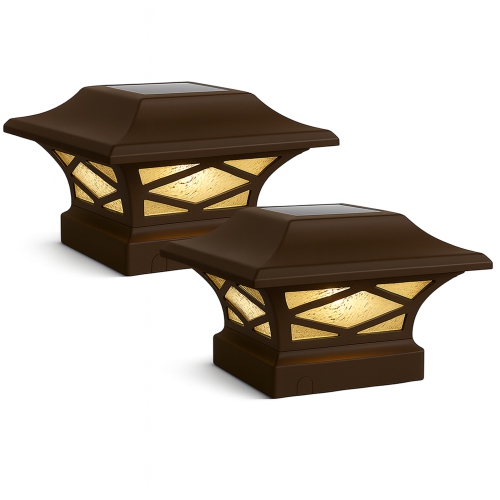 Your price for this item is $99.99
-
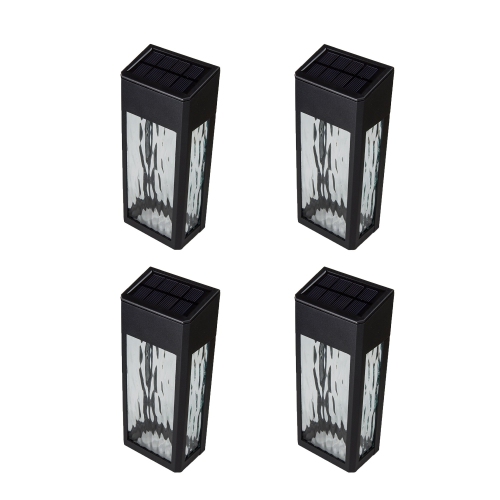 Your price for this item is $73.99
-
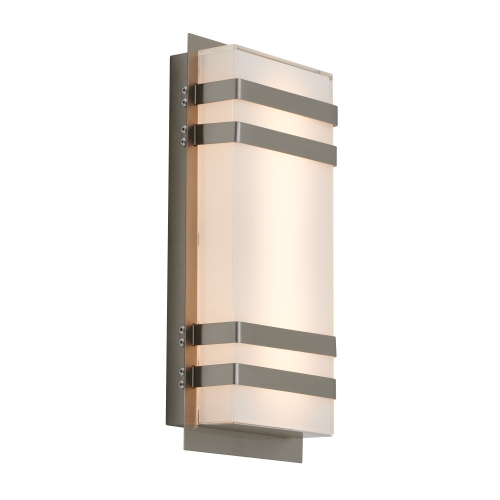 Your price for this item is $69.99
-
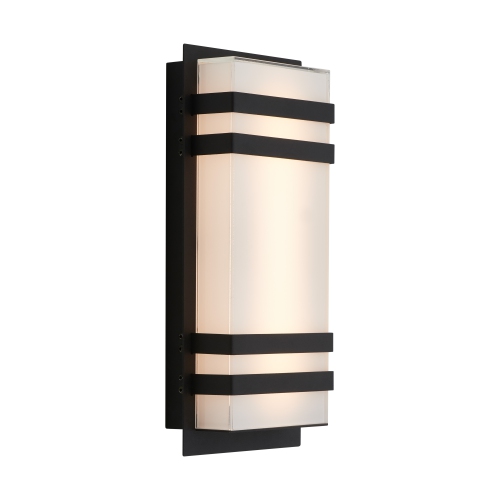 Your price for this item is $59.99
-
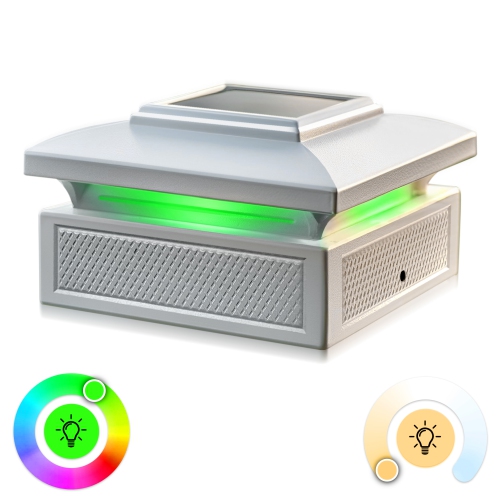 Your price for this item is $99.99
-
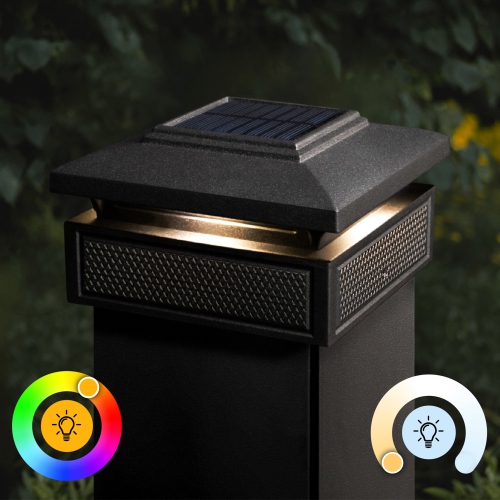 Your price for this item is $99.99
-
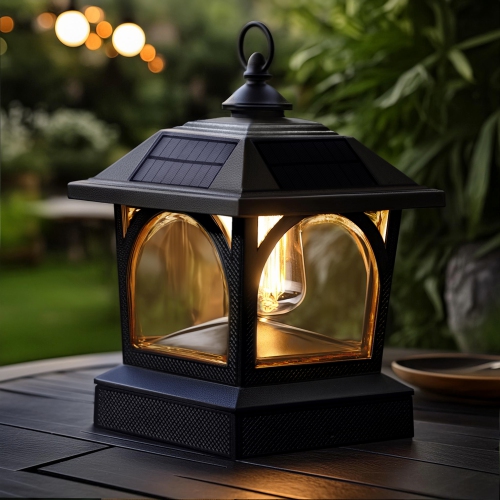 Your price for this item is $99.99
-
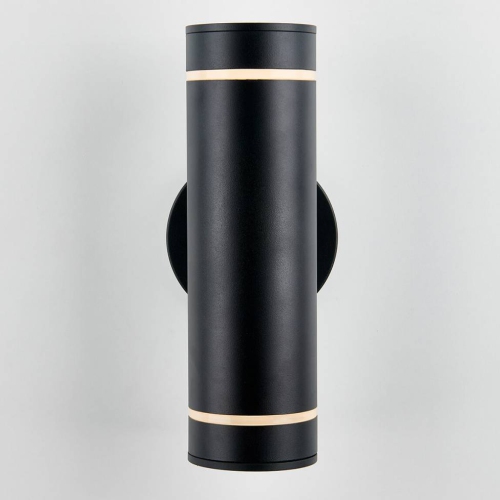 Your price for this item is $99
Discover more categories related to Colorful Balls
Top Collections:
Best Black Friday Deals This Year, Best Black Friday Deals On Electronics, Kindle Devices, Dyson Airwrap, Best Cameras for Sports Photography, Best Budget Office Chairs, Canon G7X Cameras, PS5 Pro Consoles, Best Black Friday Deals On Apple Products, XBOX One S Consoles
Some products may be subject to Environmental Handling Fees
(EHF) depending on your province.
Learn more about EHFs.