Commercial Style Dough Mixers for Home
Elevate your baking experience with commercial style dough mixers for home, designed to bring professional-level performance right to your kitchen. Perfect for avid bakers and culinary enthusiasts, these mixers make it easier to tackle large batches of dough and streamline your preparation process. Explore a wide selection of commercial style dough mixers for home that combine durability and power, helping you achieve consistent results whether you’re making bread, pizza, or pastries. Find the ideal mixer to suit your baking needs and enjoy efficient mixing every time.
Sort







What bowl size won’t tell you about kneading
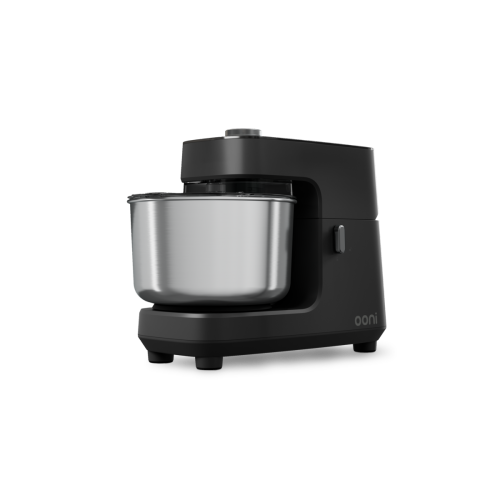
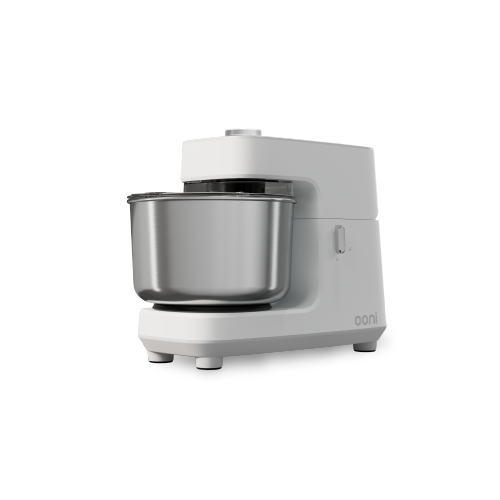
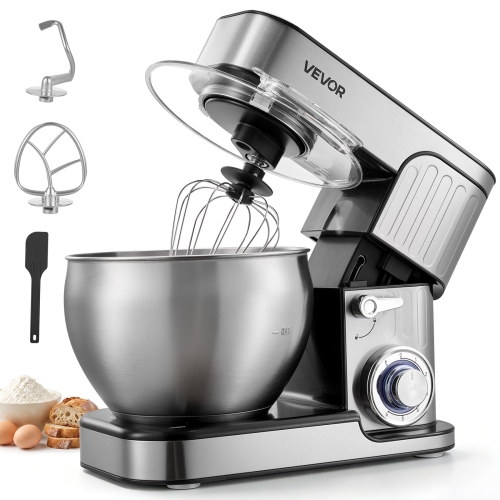
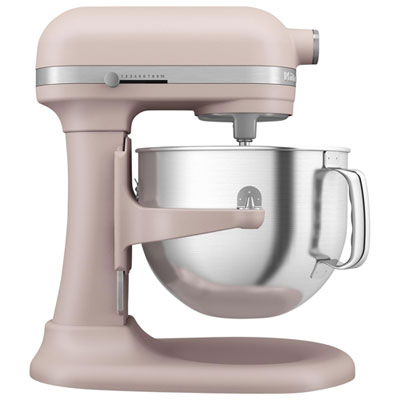
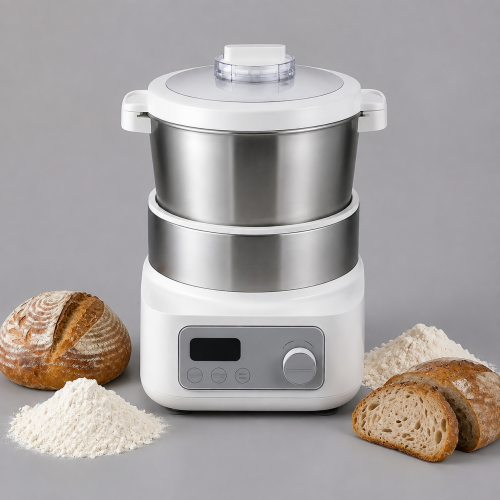
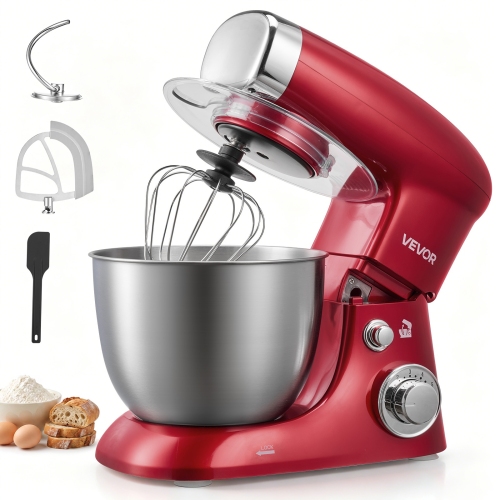
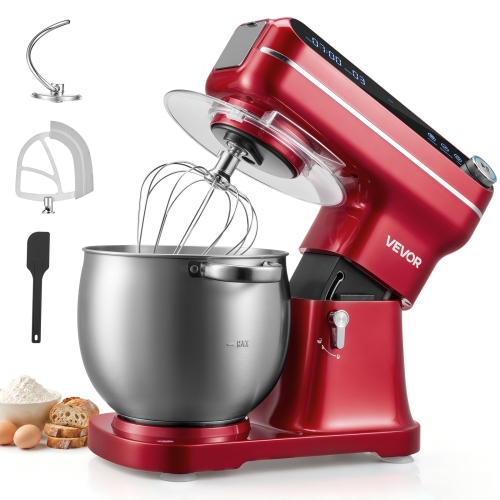
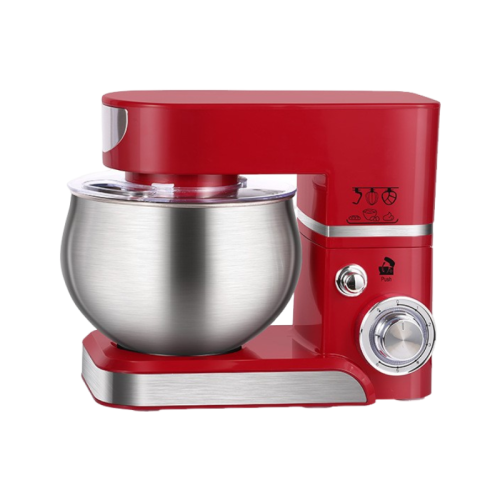
Commercial-style dough mixers for home use bring heavy-duty kneading and larger batch capacity to a countertop format that takes up less space than a full-size bakery mixer. They suit home bakers who make bread or pizza often enough that mixing by hand takes up a fair share of the work. A countertop mixer can take a batch from shaggy flour and water to a cohesive dough while leaving the work surface free for weighing the next batch or setting out pans. The commercial-style label describes the design rather than establishing how much dough the machine can handle or how long it can run. Bowl volume, usually listed in litres, describes the size of the bowl, not how much dough the mixer can safely knead. Dough limits are more useful when they specify whether the figure refers to flour weight or to the total weight of the dough. A batch of stiff bagel dough can put more strain on a mixer than a softer sandwich loaf dough of the same weight, so the limit for one may not apply to the other. Small batches matter, too. In a large bowl, a single loaf’s worth of dough may sit too low for the hook to pick it up consistently. A spiral mixer typically turns the bowl as the hook rotates, repeatedly drawing the dough back into the path of the hook. In a planetary mixer, the bowl stays still while the hook spins and travels around it. Planetary designs that accept a paddle or whisk can also handle tasks such as creaming butter or whipping egg whites. That versatility can make a difference in a kitchen where the same machine might mix pizza dough one day and cake batter the next. For a wider look at mixers that can serve either routine, browse Dough Mixers for Bakers.
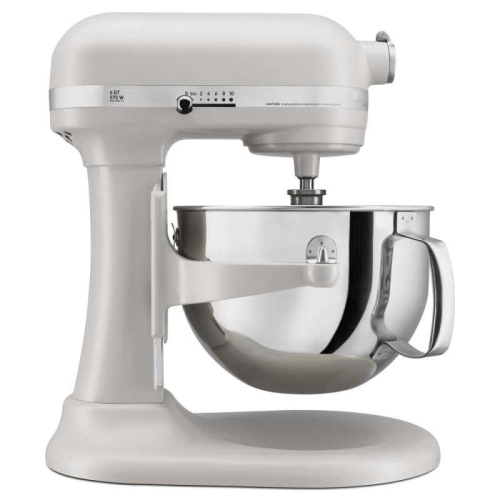
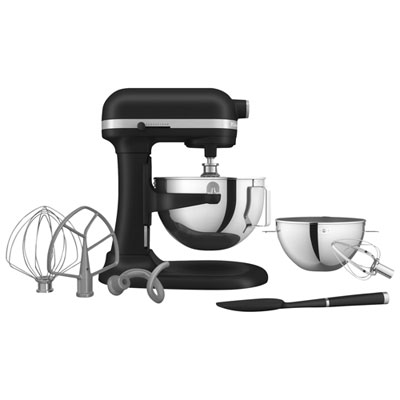
On a home countertop, the space a mixer needs in use can be greater than the dimensions of its base suggest. A tilt-head design needs room under overhead cabinets for the head to swing up, while a bowl-lift design needs enough space at the front to lower, release and remove the bowl. A guard or lid can also need clearance to open fully. Even when the mixer fits neatly into a corner, there should be room beside it for a scale, a container of flour and a place to set the hook without trailing dough across the counter. A substantial base and grippy feet help keep the mixer steady as a firm batch pulls against the hook. That weight can be welcome during kneading but awkward if the machine has to be lifted out of a low cupboard every time it’s used. A stainless steel bowl offers a hard, non-porous surface that stands up to repeated mixing, while the hook may be made from stainless steel or from coated or uncoated aluminum. These materials can have different care requirements, even when the attachments look alike. For bakers who regularly run several batches in a row, the manufacturer’s limits on kneading speed, run time and rest between batches say more about how the mixer will fit that routine than motor wattage alone. A low kneading speed is particularly useful for bringing flour and liquid together without throwing flour over the rim. It also lets a dense batch gather around the hook without the abrupt movement that can come with starting at a higher speed. In a kitchen that opens onto a dining or living area, the sound under load matters as well: a mixer may run fairly quietly with an empty bowl but sound different once the hook starts pulling through dough.
Day-to-day care depends largely on which parts come off and how easily they can be reached. A removable bowl can go to the sink, leaving the countertop clear for dividing dough, while a fixed bowl needs to be cleaned in place. With the mixer unplugged, a soft cloth can pick up flour around the controls and along the seams of the housing without pushing it farther into the machine. Dough is usually easier to lift from the hook and bowl before it dries, especially where the hook joins its shaft or where the bowl curves into its base. Dishwasher instructions may differ for the bowl and hook: a stainless steel bowl may be dishwasher-safe even when a coated or bare aluminum attachment needs to be washed by hand. A soft sponge protects coated surfaces better than an abrasive pad, and drying the parts before putting them away keeps water from collecting around fittings. How much that routine matters depends on who’ll be baking and what goes into the bowl. A baker who makes several loaves at a time to slice and freeze may value the ability to mix them in one batch. Someone who makes pizza for a crowd may want enough room to knead a single batch and portion it into dough balls of the same weight. A baker who mainly makes one small loaf at a time may get more use from a mixer that reliably picks up that smaller amount than from one with a much larger bowl. As a gift, a commercial-style dough mixer makes the most sense for someone who already enjoys baking bread and has a sturdy place to keep it. The best fit is a machine that handles the dough they make most often and is straightforward enough to set up and clean that it feels worth using for an ordinary batch, not just a big baking day.
Top selling and popular products
-
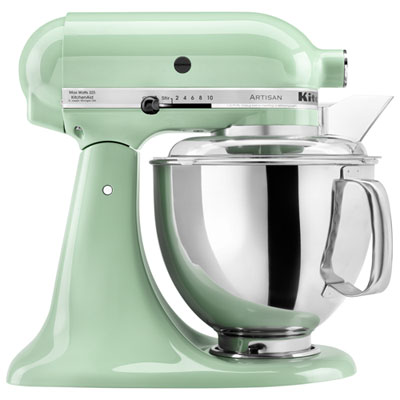 Your price for this item is $379.98
-
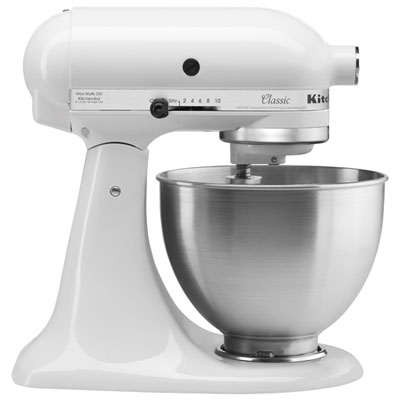 Your price for this item is $299.99
-
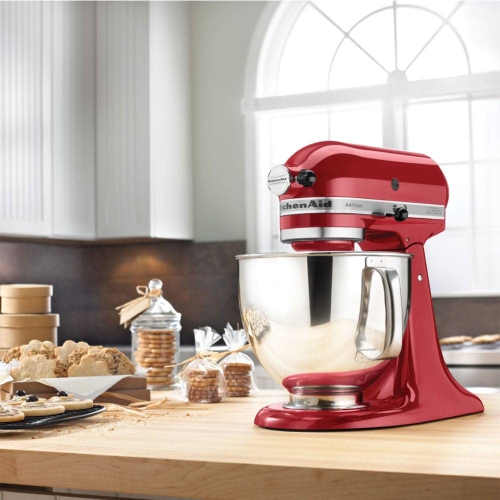 Your price for this item is $949.05
-
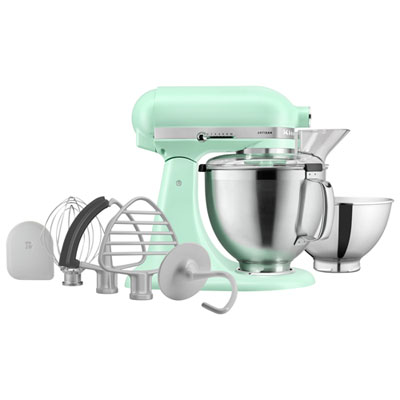 Your price for this item is $544.99
-
 Your price for this item is $399.99
-
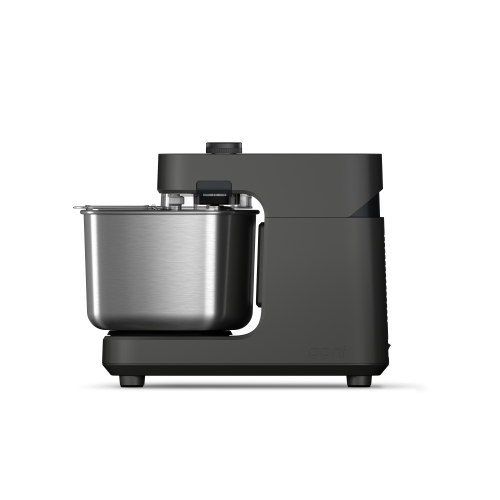 Your price for this item is $1099
-
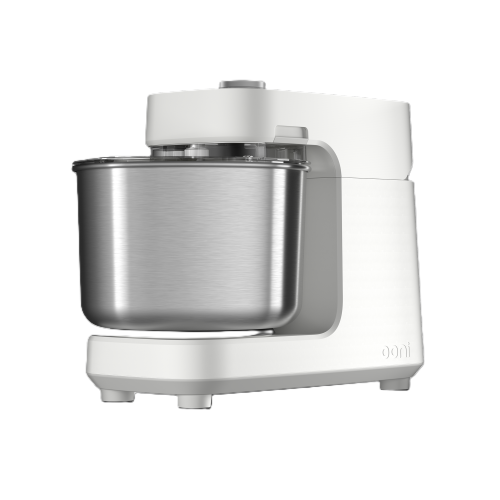 Your price for this item is $1099
-
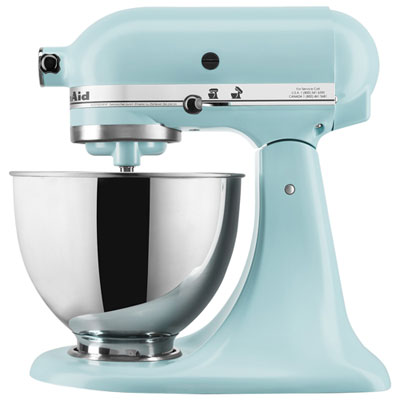 Your price for this item is $499.99
Discover more categories related to Commercial Style Dough Mixers for Home
Top Collections:
Best Black Friday Deals This Year, Best Black Friday Deals On Electronics, Kindle Devices, Pokemon Centers, Best Black Friday Deals On Apple Products, Best Cameras for Sports Photography, Dyson Airwrap, Pokémon 30th Celebration Cards, Apple iPhone 17 Pro, Canon G7X Cameras
Some products may be subject to Environmental Handling Fees
(EHF) depending on your province.
Learn more about EHFs.