Commercial Vacuum Sealers
A commercial vacuum sealer is a must-have appliance for any professional kitchen or avid home cook. These powerful machines use vacuum technology to remove air from specially designed bags, sealing in freshness and flavor while preventing freezer burn. Whether you're looking to preserve meats, vegetables, or leftovers, a commercial vacuum sealer is an essential tool that can help you save time and money in the long run. Browse our selection of commercial vacuum sealers to find the perfect solution for your food storage needs.
Sort
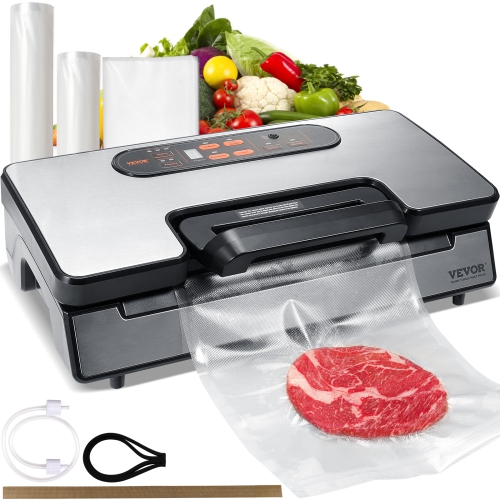
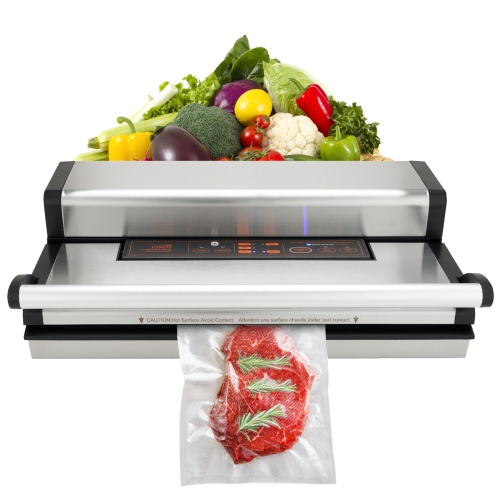
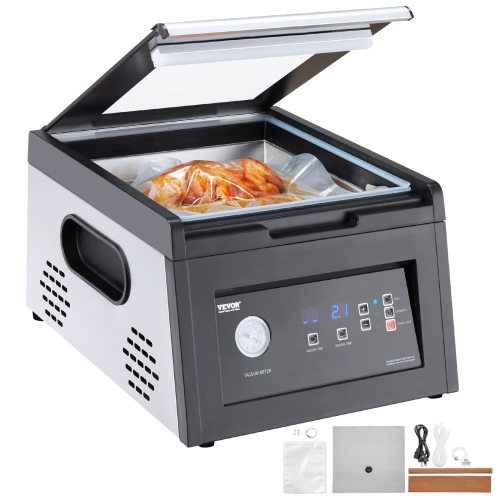
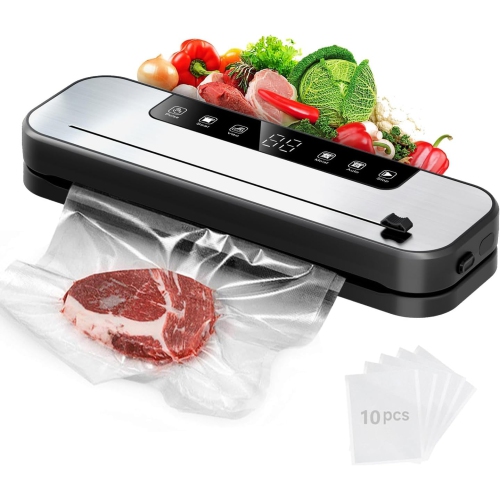
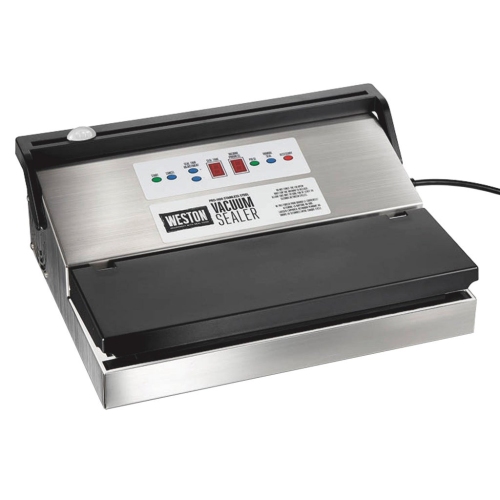
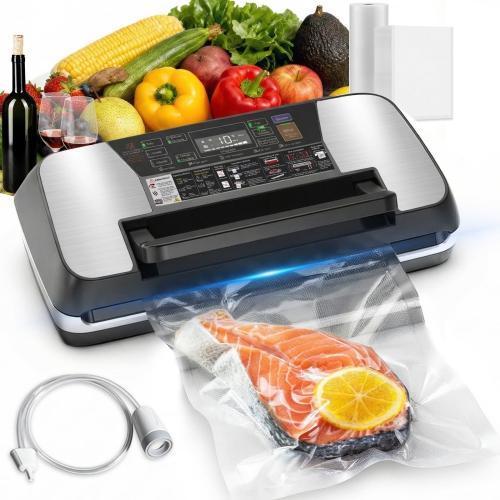
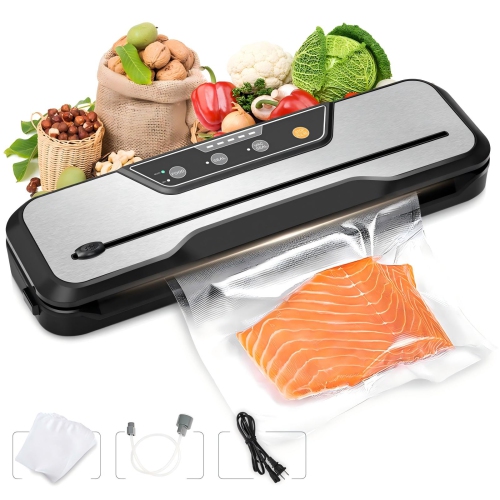
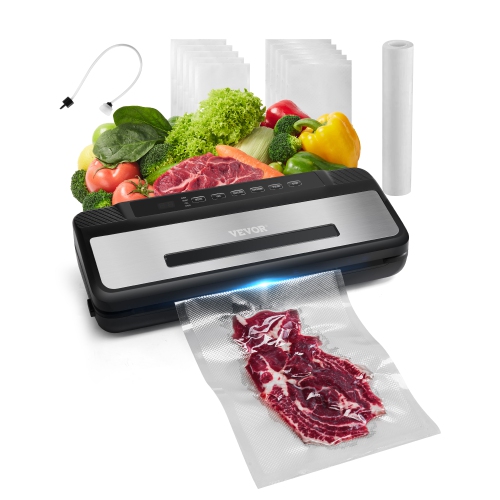
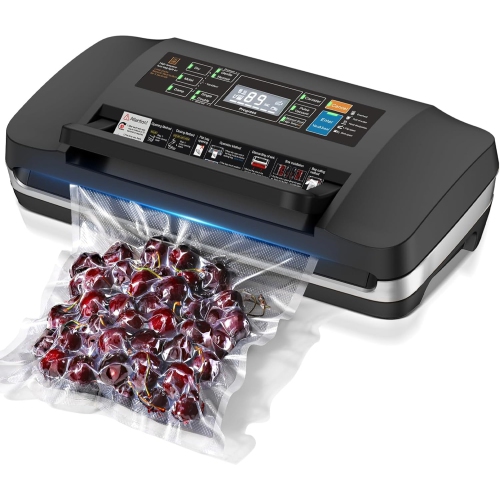
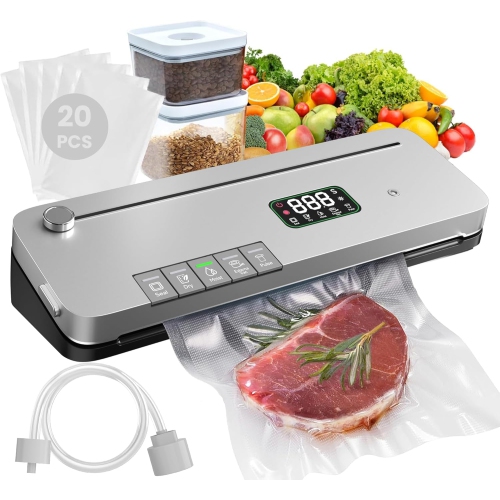
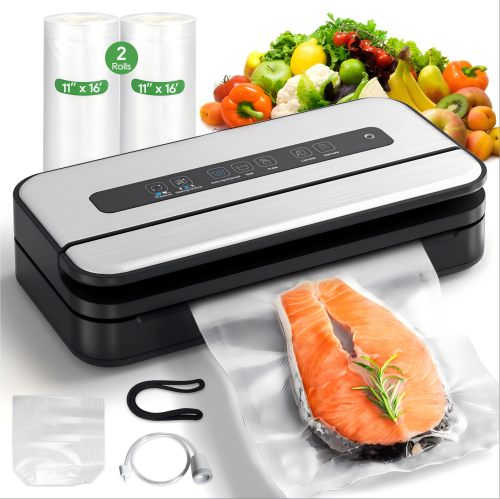
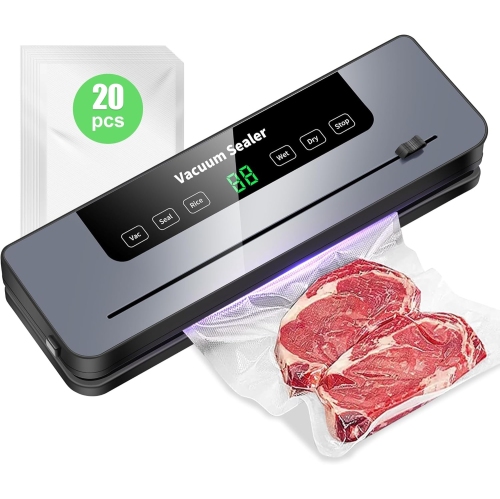
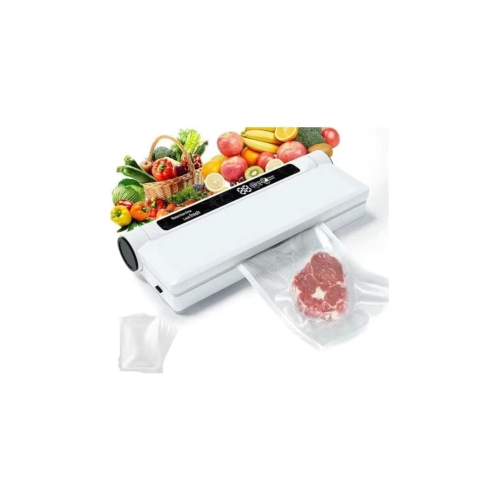

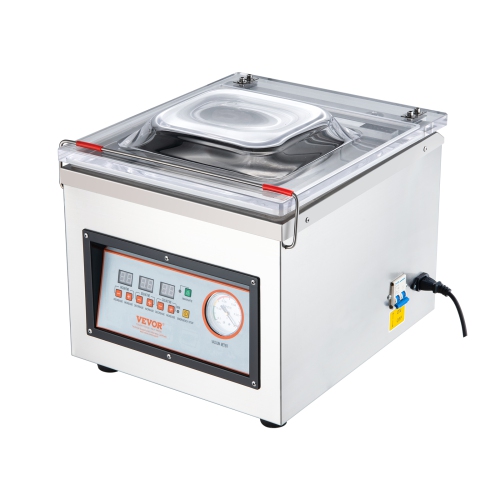
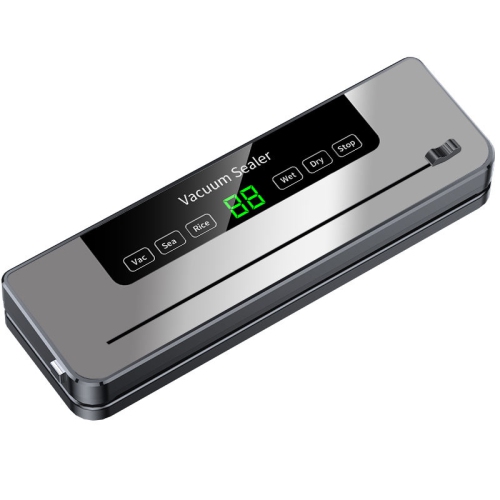
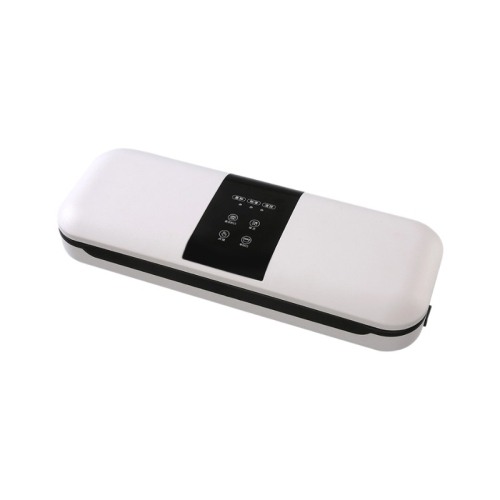

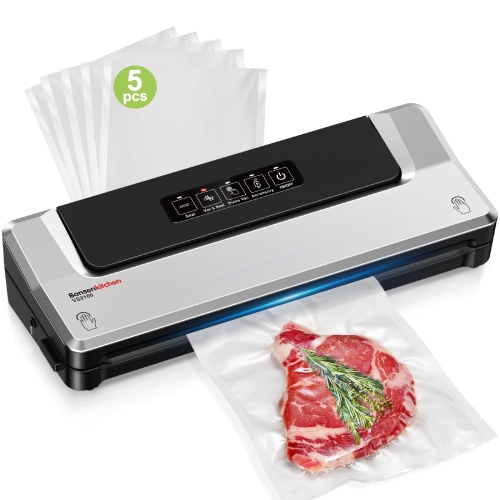
Built for high-volume prep and dependable daily sealing
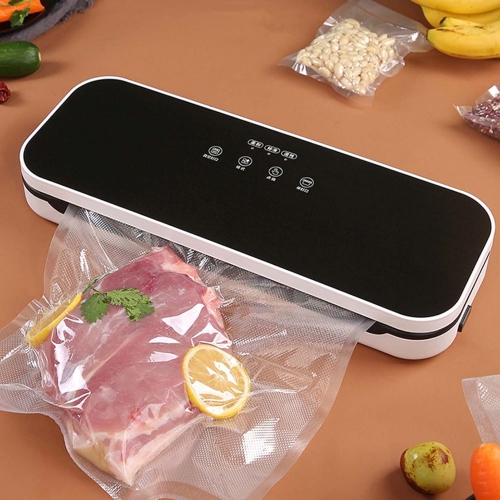
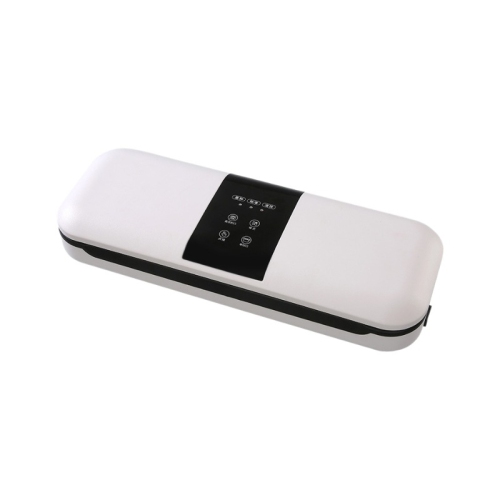
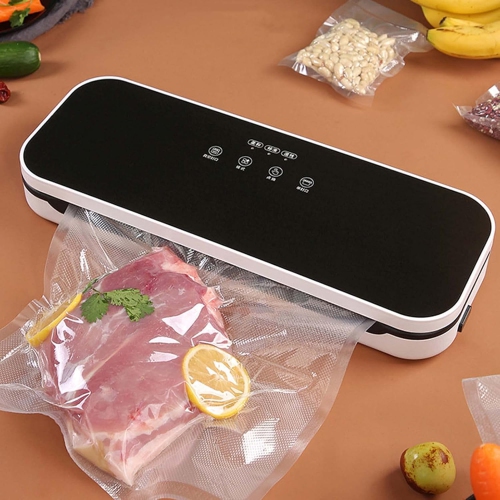
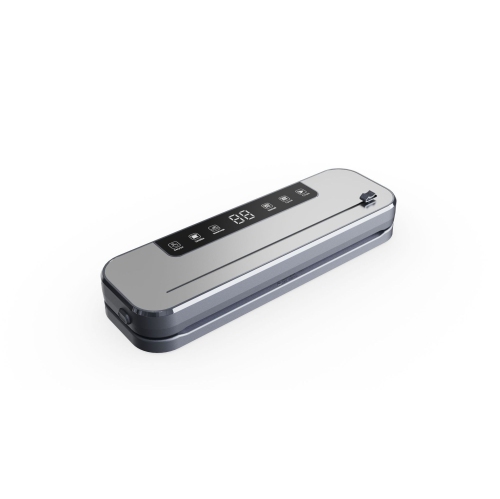
Commercial vacuum sealers are built for kitchens, food businesses, caterers, butcher shops, farms, hunting camps, and serious home cooks who need dependable performance beyond occasional meal preparation. Unlike light-duty models intended for a few bags at a time, commercial machines are designed to handle repeated sealing cycles, larger portions, and demanding preparation routines. They can help package meat, fish, cheese, vegetables, baked goods, coffee, dry ingredients, prepared meals, marinades, soups, sauces, and sous-vide portions. Removing air from a sealed pouch helps limit exposure to oxygen and moisture, which can support orderly food storage and help reduce freezer burn when food is properly handled and stored. A commercial vacuum sealer can also make a busy prep area feel more manageable: bulk ingredients can be portioned after a delivery, individual servings can be labelled and stacked, and prepared food can move from the refrigerator or freezer to the cooking station without loose wrapping or awkward containers. During the warmer seasons, the equipment may be useful for preserving the results of fishing, gardening, or outdoor cooking, while cooler months often bring more batch cooking, baking, and preparation for family gatherings. For everyday household use, a commercial model may be more equipment than necessary, but it can be a practical choice for anyone who regularly buys in bulk, prepares food ahead, or needs a machine that can withstand frequent use.
The most important distinction is between an external, also called edge-type, sealer and a chamber vacuum sealer. External sealers draw air out through the opening of a specially textured or channelled bag. They are often well suited to dry foods, large cuts of meat, fish, and other items where speed and a broad working area matter. Because the bag is exposed to the outside air during the vacuum cycle, liquids can be more difficult to manage and may be pulled toward the sealing strip; using chilled ingredients, leaving adequate headspace, or selecting a machine with a liquid-management setting can help. Chamber vacuum sealers work differently by removing air from the entire chamber, allowing pressure to equalize inside and outside the pouch before the seal is formed. This design is especially useful for soups, sauces, marinades, brines, and other high-liquid foods, since the contents are less likely to be drawn out of the bag during the cycle. Chamber models generally use smooth pouches, which can be economical for high-volume packaging, while external sealers require compatible textured bags. When comparing machines, consider the seal bar length because it determines the maximum bag width; compact commercial units may offer a seal bar around 12 inch, while larger countertop and floor models can accommodate 20 inch or more. Also check the chamber dimensions, maximum product height, cycle time, and whether the machine can accommodate the portion sizes used in your kitchen.
Pump construction and controls can make a noticeable difference when a sealer is used throughout the day. Oil pumps are often chosen for quieter operation, strong vacuum performance, and durability during continuous commercial cycles, although they require routine oil checks and maintenance according to the manufacturer’s instructions. Dry pumps are generally easier to maintain and can be a convenient option for lighter commercial workloads or users who prefer a simpler cleaning routine. Programmable controls let you adjust vacuum intensity, sealing time, and cool-down settings for different foods and pouch materials. A gentler vacuum can help preserve delicate items such as pastries, soft fruit, fresh pasta, or potato chips, while a stronger cycle may be appropriate for dense meat portions or tightly packed dry goods. Some machines include a gas-flush function that replaces part of the air with an inert gas before sealing, helping delicate foods retain their shape rather than becoming compressed. Construction is another practical consideration: stainless steel surfaces can suit busy food-preparation areas, while removable components and an accessible sealing strip can make daily cleaning easier. Think about where the machine will live, how much counter or floor space is available, the electrical requirements, and whether staff can comfortably lift and position a full pouch. Commercial vacuum sealers can range from approximately $1,400 for compact chamber units to $4,500 or more for larger floor-standing models, so expected bag volume and the types of food being packaged should guide the investment. For lower-volume household preparation, explore Vacuum Sealers for Food Storage for machines designed around everyday storage needs.
The most important distinction is between an external, also called edge-type, sealer and a chamber vacuum sealer. External sealers draw air out through the opening of a specially textured or channelled bag. They are often well suited to dry foods, large cuts of meat, fish, and other items where speed and a broad working area matter. Because the bag is exposed to the outside air during the vacuum cycle, liquids can be more difficult to manage and may be pulled toward the sealing strip; using chilled ingredients, leaving adequate headspace, or selecting a machine with a liquid-management setting can help. Chamber vacuum sealers work differently by removing air from the entire chamber, allowing pressure to equalize inside and outside the pouch before the seal is formed. This design is especially useful for soups, sauces, marinades, brines, and other high-liquid foods, since the contents are less likely to be drawn out of the bag during the cycle. Chamber models generally use smooth pouches, which can be economical for high-volume packaging, while external sealers require compatible textured bags. When comparing machines, consider the seal bar length because it determines the maximum bag width; compact commercial units may offer a seal bar around 12 inch, while larger countertop and floor models can accommodate 20 inch or more. Also check the chamber dimensions, maximum product height, cycle time, and whether the machine can accommodate the portion sizes used in your kitchen.
Pump construction and controls can make a noticeable difference when a sealer is used throughout the day. Oil pumps are often chosen for quieter operation, strong vacuum performance, and durability during continuous commercial cycles, although they require routine oil checks and maintenance according to the manufacturer’s instructions. Dry pumps are generally easier to maintain and can be a convenient option for lighter commercial workloads or users who prefer a simpler cleaning routine. Programmable controls let you adjust vacuum intensity, sealing time, and cool-down settings for different foods and pouch materials. A gentler vacuum can help preserve delicate items such as pastries, soft fruit, fresh pasta, or potato chips, while a stronger cycle may be appropriate for dense meat portions or tightly packed dry goods. Some machines include a gas-flush function that replaces part of the air with an inert gas before sealing, helping delicate foods retain their shape rather than becoming compressed. Construction is another practical consideration: stainless steel surfaces can suit busy food-preparation areas, while removable components and an accessible sealing strip can make daily cleaning easier. Think about where the machine will live, how much counter or floor space is available, the electrical requirements, and whether staff can comfortably lift and position a full pouch. Commercial vacuum sealers can range from approximately $1,400 for compact chamber units to $4,500 or more for larger floor-standing models, so expected bag volume and the types of food being packaged should guide the investment. For lower-volume household preparation, explore Vacuum Sealers for Food Storage for machines designed around everyday storage needs.
Top selling and popular products
-
 Your price for this item is $159.99
 -
 Your price for this item is $36.97
 -
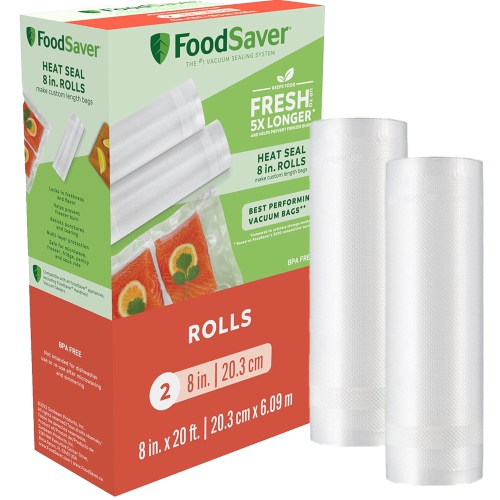 Your price for this item is $36.97
 -
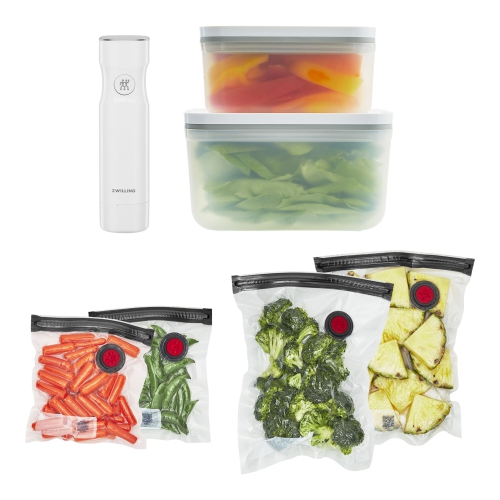 Your price for this item is $159.99
 -
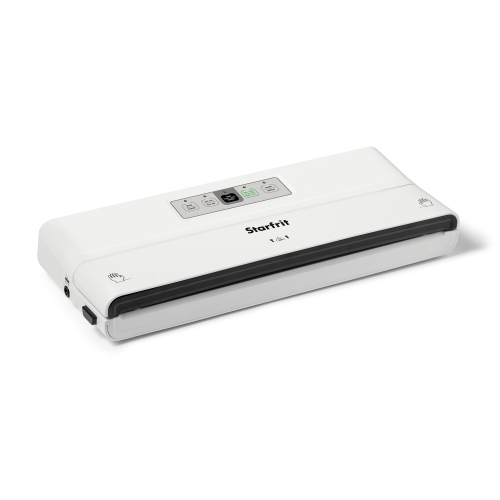 Your price for this item is $49.99
 -
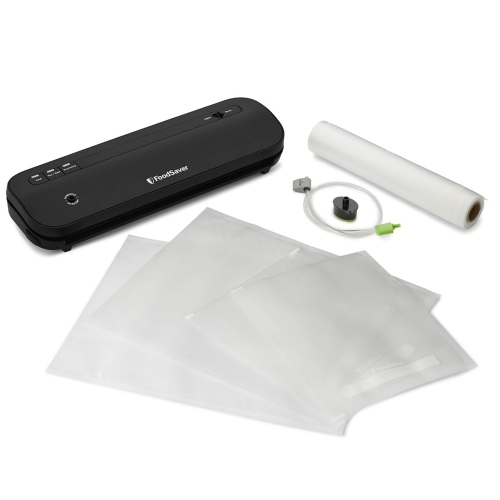 Your price for this item is $165.97
 -
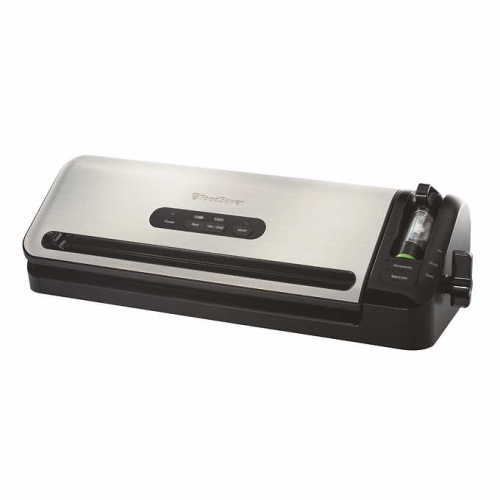 Your price for this item is $129.99
 -
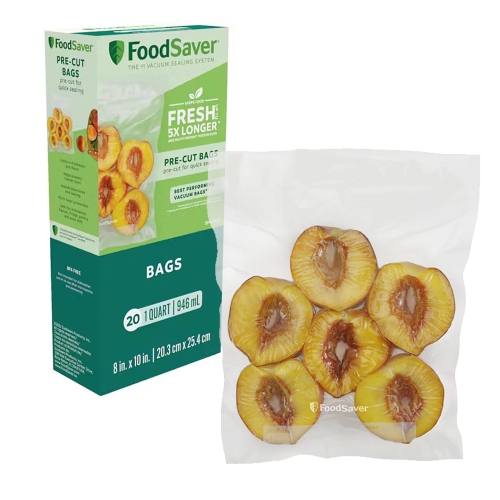 Your price for this item is $22.97
Discover more categories related to Commercial Vacuum Sealers
Top Collections:
Pokemon Centers, Best Cameras for Sports Photography, Kindle Devices, Samsung Galaxy Phones, Canon G7X Cameras, Pokémon 30th Celebration Cards, Refurbished Apple Laptops, iPhone 15 Apple, Laptops for Students, Budget Smartphones
Some products may be subject to Environmental Handling Fees
(EHF) depending on your province.
Learn more about EHFs.