Lego Flowers
Lego flowers are a fun and creative way to make beautiful decorations out of your favorite building blocks. These colorful and vibrant creations can be used to brighten up almost any room or as a special gift for friends or family. Here are some great options available.
Sort

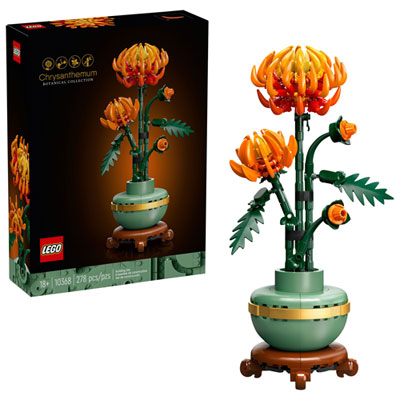
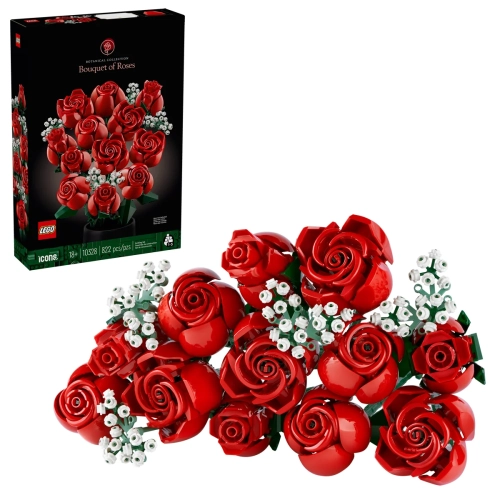
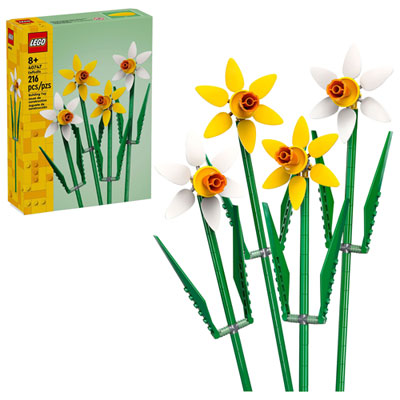
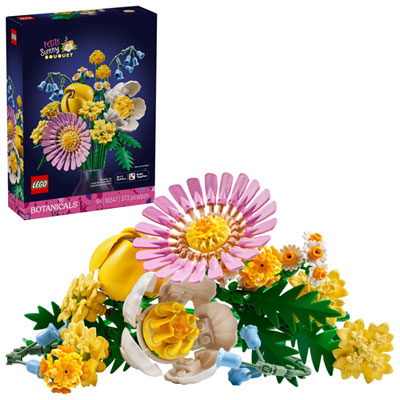
![LEGO Botanicals: Hibiscus - 660 Pieces (10372) [Employee of bestbuy] I love how Best Buy always offers really great deals, espeically on Legos!](https://multimedia.bbycastatic.ca/multimedia/products/400x400/193/19335/19335496.jpg)
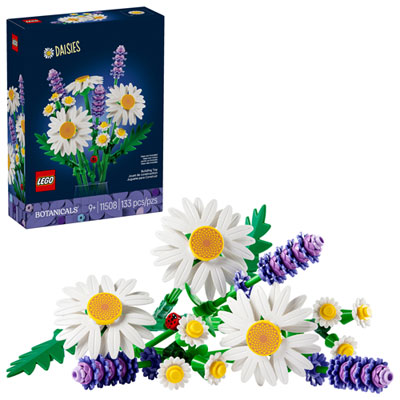
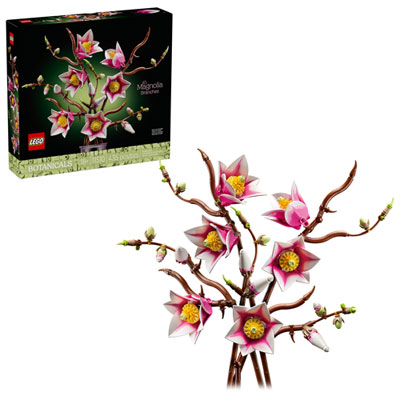
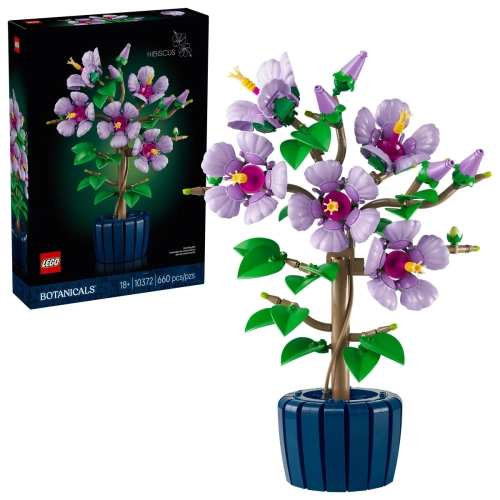
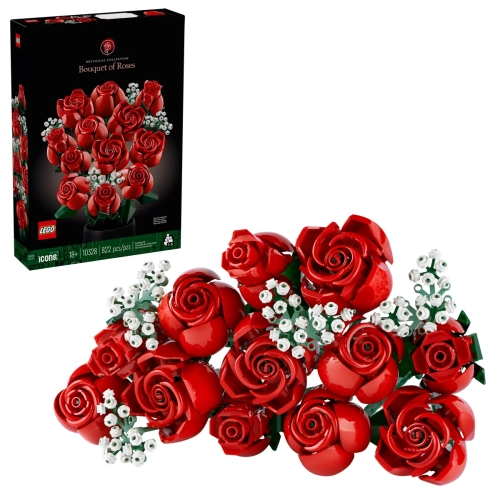
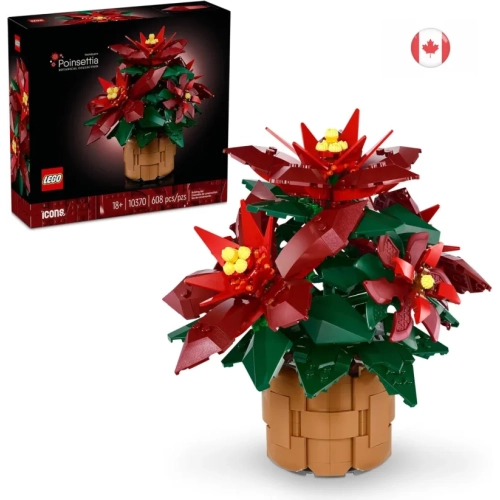
Small bricks capture the soft curves of blooms
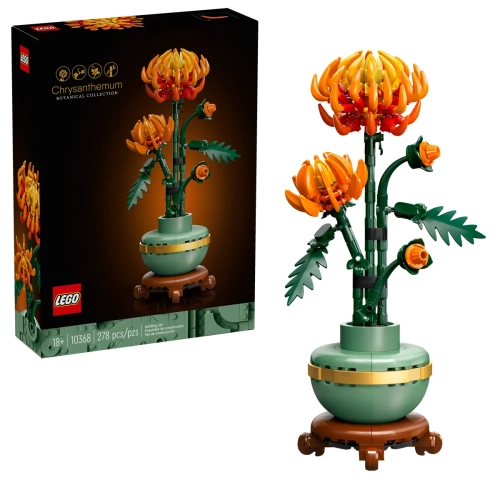
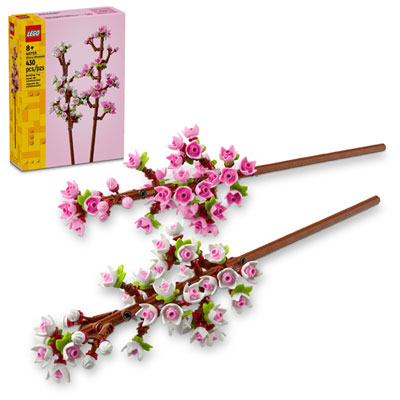
Brick-built flowers bring the familiar shapes of petals, leaves, and stems into a hands-on building project that doubles as a lasting display. Their appeal lies in the contrast: small, precisely shaped pieces come together to suggest the soft curve of a bloom, the layered centre of a flower, or a slender stem reaching above a bouquet. From a distance, the arrangement adds colour and shape to a room; up close, the individual connections reveal how it was made. These flower-building sets suit people who enjoy puzzles, model making, floral arrangements, or a quiet activity with a finished piece to show for it. The building experience is part of the attraction, whether it takes place over one uninterrupted afternoon or in shorter sessions at a kitchen table. Different designs create different impressions. A few upright stems can look crisp and understated on a desk, while a fuller arrangement brings more visual weight to a dining table or entryway console. Colour matters as much as size: pale petals can sit comfortably among light wood and neutral textiles, while brighter blooms draw attention against a simple wall or dark shelving. Shoppers interested in leafy shapes alongside flowers can also explore Plant LEGO for related building themes. For a floral display, the most useful starting point is the space it will occupy. A tall arrangement needs clearance beneath shelves, and an open flower head may extend farther to the side than its stem suggests. On a working desk, a compact footprint leaves room for a keyboard, notebook, and lamp. On a dining table, a lower arrangement can preserve sightlines between people. Thinking about the finished shape helps connect the pleasure of building with a display that feels at home rather than squeezed into a spare corner.
The construction of flower-building sets rewards a closer look at both the materials and the intended building experience. Most use moulded plastic elements with fitted connections, combining familiar brick shapes with smaller curved or angled pieces that suggest botanical details. The result is stylized rather than a direct imitation of a living flower, and that visible ingenuity often gives the finished arrangement its character. Piece count offers a rough sense of the scope of a project, but it does not tell the whole story. Repeated petal assemblies, small connectors, and carefully positioned stems can require patience even when the completed display is modest in size. Recommended age ranges and the stated level of complexity are more useful than appearance alone when choosing for a child, a first-time builder, or someone who prefers an intricate project. Small parts can present a choking hazard, so these sets need to be kept away from children under three, with the manufacturer's age guidance followed for every build. A clear tabletop and a few shallow sorting trays make it easier to distinguish similar pieces and keep tiny connectors from rolling away. Strong, even lighting is helpful when matching subtle colours or checking the direction of a connection. For shared building, designs with separate stems may allow participants to work on individual flowers before bringing them together, depending on how the instructions are organized. Some arrangements offer adjustable stem lengths or movable leaves, but that flexibility varies by design and should not be assumed. The same is true of display containers: a pictured vase may be a styling accessory rather than part of the set. Where a separate vase is needed, its opening, depth, and weight all affect how the stems sit. A narrow neck can gather flowers into a tighter cluster, while a wider opening allows a looser shape but may provide less support. Checking the assembled dimensions and included components helps avoid a top-heavy arrangement or a container that hides too much of the finished work.
Once assembled, brick-built flowers are best treated as display models rather than flexible artificial stems or toys intended for rough handling. The individual plastic pieces can stand up well to ordinary handling, but narrow stems, projecting leaves, and layered petals may come apart if knocked or squeezed. Moving a bouquet is easier when its container is supported from underneath; lifting it by a flower head puts unnecessary pressure on small connections. A level surface away from the edge of a shelf helps protect the finished arrangement from passing sleeves, curious pets, and everyday bumps. These flowers do not need watering, and a vase used solely for a brick-built arrangement should remain dry. Regular light dusting with a soft brush can reach between petals without pulling the model apart. For more thorough cleaning, follow the manufacturer's directions, particularly where pieces include printed details or other finishes. Avoid harsh cleaning products and high heat, and keep the display out of prolonged direct sunlight to help preserve its appearance. Holding on to the instructions and spare elements makes later repairs or rebuilding more straightforward. For gifting, flower-building sets offer something different from a bouquet that arrives already arranged: the recipient gets both an activity and a keepsake they have assembled themselves. They can suit birthdays, housewarmings, anniversaries, or a thoughtful thank-you, provided the recipient enjoys working with small pieces. A person who loves arranging a room may appreciate the choice of colours and silhouette, while an experienced builder may be more drawn to unusual connections and detailed flower centres. For someone with limited hand dexterity or difficulty seeing small parts, a simpler design or a shared building session may be a better fit than a densely detailed model. The finished display can also mark time spent together, with each stem recalling a piece of the project. Whether placed beside books, grouped on a sideboard, or kept within view of a favourite chair, a well-chosen arrangement combines a satisfying build with a personal touch that remains part of the room long after the last piece clicks into place.
The construction of flower-building sets rewards a closer look at both the materials and the intended building experience. Most use moulded plastic elements with fitted connections, combining familiar brick shapes with smaller curved or angled pieces that suggest botanical details. The result is stylized rather than a direct imitation of a living flower, and that visible ingenuity often gives the finished arrangement its character. Piece count offers a rough sense of the scope of a project, but it does not tell the whole story. Repeated petal assemblies, small connectors, and carefully positioned stems can require patience even when the completed display is modest in size. Recommended age ranges and the stated level of complexity are more useful than appearance alone when choosing for a child, a first-time builder, or someone who prefers an intricate project. Small parts can present a choking hazard, so these sets need to be kept away from children under three, with the manufacturer's age guidance followed for every build. A clear tabletop and a few shallow sorting trays make it easier to distinguish similar pieces and keep tiny connectors from rolling away. Strong, even lighting is helpful when matching subtle colours or checking the direction of a connection. For shared building, designs with separate stems may allow participants to work on individual flowers before bringing them together, depending on how the instructions are organized. Some arrangements offer adjustable stem lengths or movable leaves, but that flexibility varies by design and should not be assumed. The same is true of display containers: a pictured vase may be a styling accessory rather than part of the set. Where a separate vase is needed, its opening, depth, and weight all affect how the stems sit. A narrow neck can gather flowers into a tighter cluster, while a wider opening allows a looser shape but may provide less support. Checking the assembled dimensions and included components helps avoid a top-heavy arrangement or a container that hides too much of the finished work.
Once assembled, brick-built flowers are best treated as display models rather than flexible artificial stems or toys intended for rough handling. The individual plastic pieces can stand up well to ordinary handling, but narrow stems, projecting leaves, and layered petals may come apart if knocked or squeezed. Moving a bouquet is easier when its container is supported from underneath; lifting it by a flower head puts unnecessary pressure on small connections. A level surface away from the edge of a shelf helps protect the finished arrangement from passing sleeves, curious pets, and everyday bumps. These flowers do not need watering, and a vase used solely for a brick-built arrangement should remain dry. Regular light dusting with a soft brush can reach between petals without pulling the model apart. For more thorough cleaning, follow the manufacturer's directions, particularly where pieces include printed details or other finishes. Avoid harsh cleaning products and high heat, and keep the display out of prolonged direct sunlight to help preserve its appearance. Holding on to the instructions and spare elements makes later repairs or rebuilding more straightforward. For gifting, flower-building sets offer something different from a bouquet that arrives already arranged: the recipient gets both an activity and a keepsake they have assembled themselves. They can suit birthdays, housewarmings, anniversaries, or a thoughtful thank-you, provided the recipient enjoys working with small pieces. A person who loves arranging a room may appreciate the choice of colours and silhouette, while an experienced builder may be more drawn to unusual connections and detailed flower centres. For someone with limited hand dexterity or difficulty seeing small parts, a simpler design or a shared building session may be a better fit than a densely detailed model. The finished display can also mark time spent together, with each stem recalling a piece of the project. Whether placed beside books, grouped on a sideboard, or kept within view of a favourite chair, a well-chosen arrangement combines a satisfying build with a personal touch that remains part of the room long after the last piece clicks into place.
Top selling and popular products
-
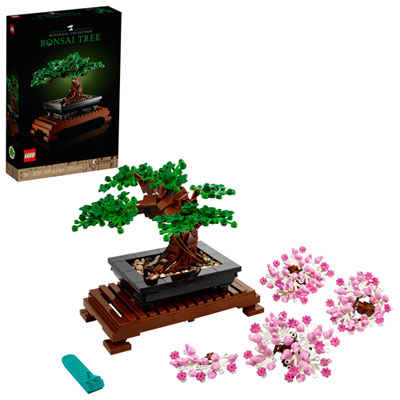 Your price for this item is $69.99
 -
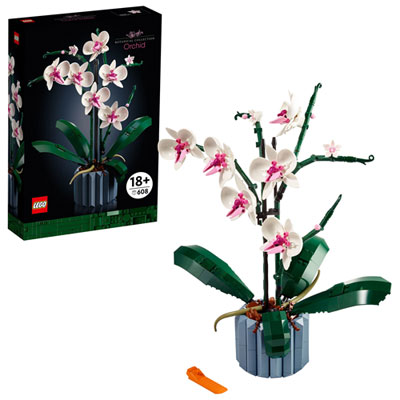 Your price for this item is $69.99
 -
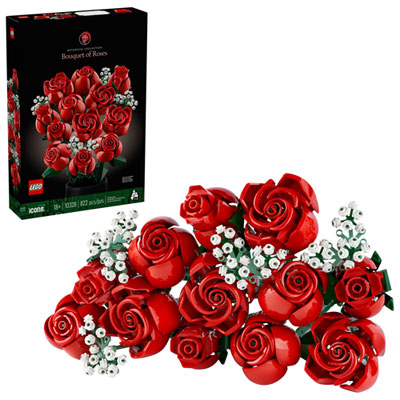 Your price for this item is $79.99
 -
 Your price for this item is $34.99
 -
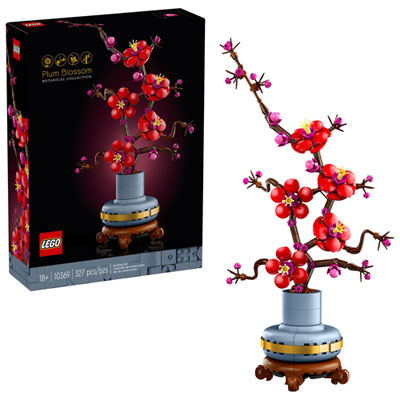 Your price for this item is $39.99
 -
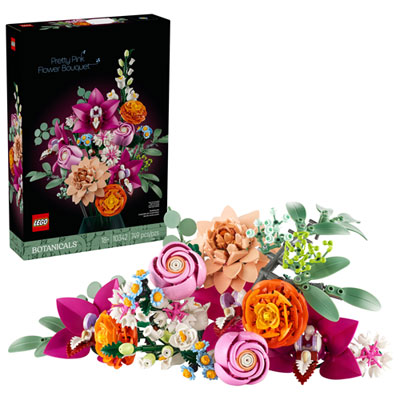 Your price for this item is $79.99
 -
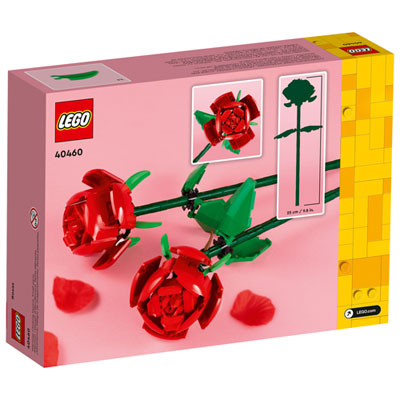 Your price for this item is $14.97
 -
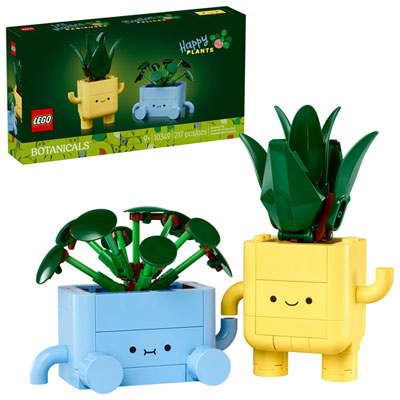 Your price for this item is $24.99
Discover more categories related to Lego Flowers
Top Collections:
Pokemon Centers, Kindle Devices, Best Budget Office Chairs, Apple iPhones 16, Best Laptops for Writers, iPhone 15 Apple, Canon G7X Cameras, Refurbished Apple Laptops, Alarm Clock, Motorola Razr Phones
Some products may be subject to Environmental Handling Fees
(EHF) depending on your province.
Learn more about EHFs.