Compact Washing Machines for Small Spaces
Finding the right laundry solution for apartments, dorms, or other tight living areas is easier with a compact washing machine for small spaces. Designed to fit where traditional washers won’t, these machines help you keep up with laundry needs without taking up too much room. Browse a selection of compact washing machines for small spaces to discover options that combine convenience and efficiency, making them ideal for maximizing your available space.
Sort
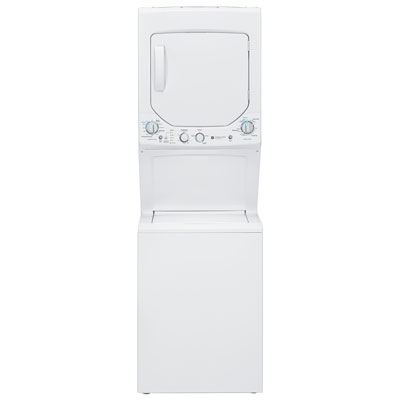
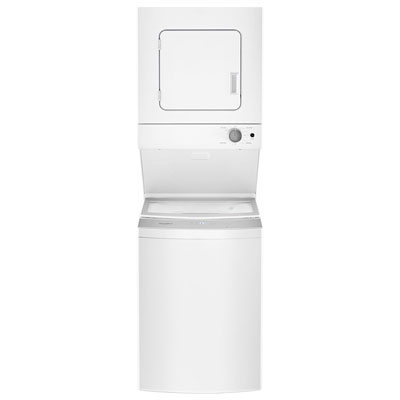
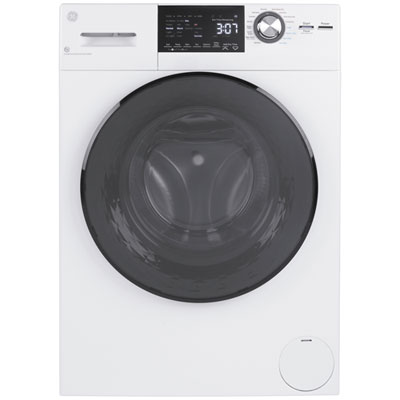
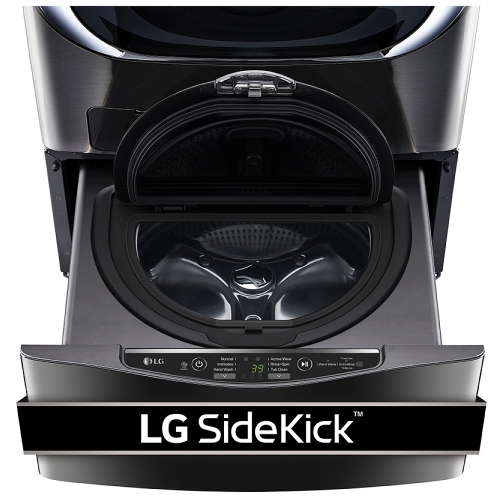
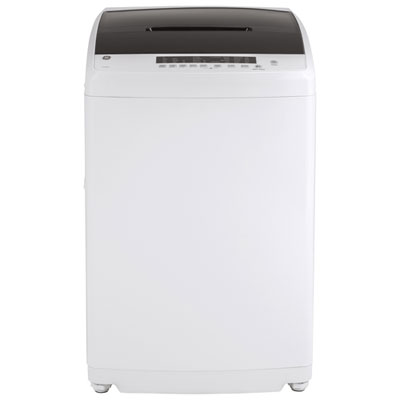
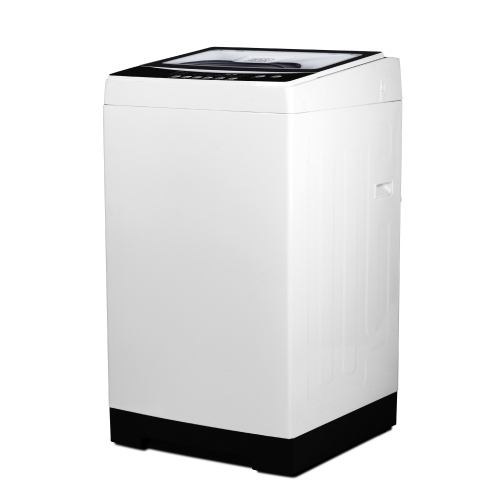

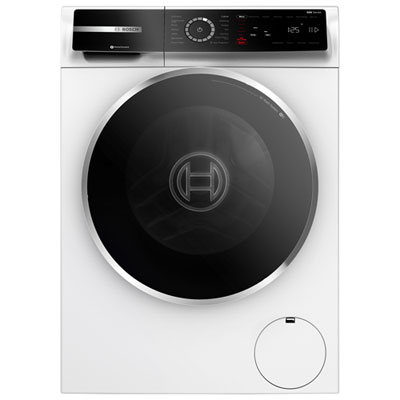
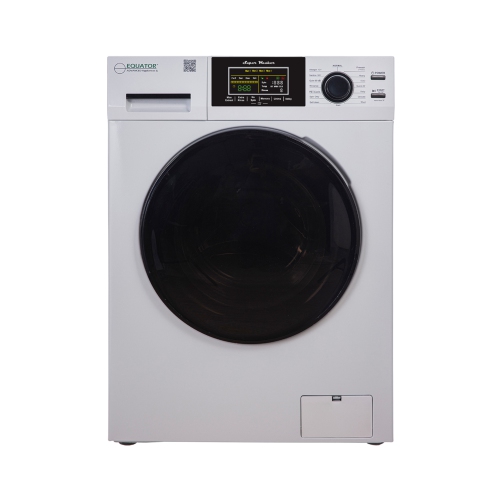
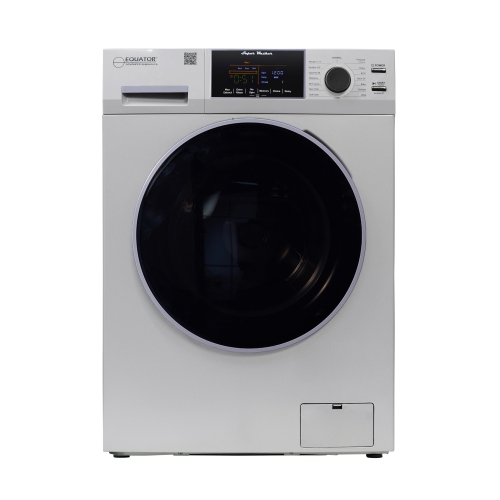
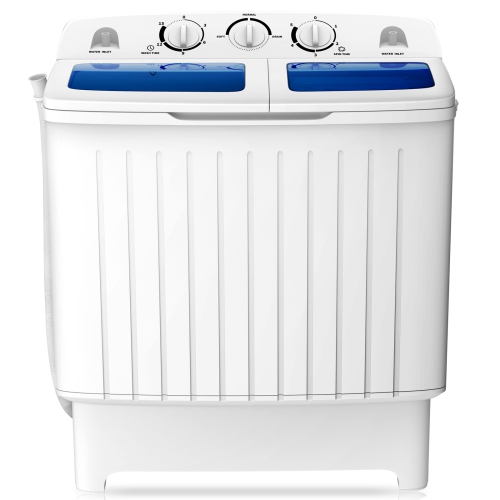
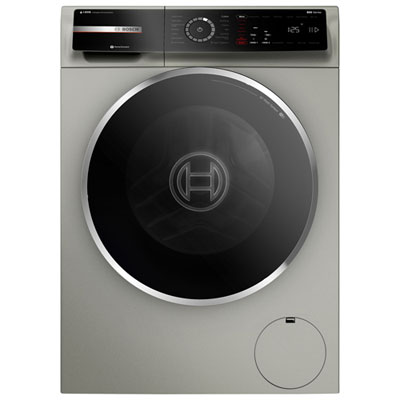
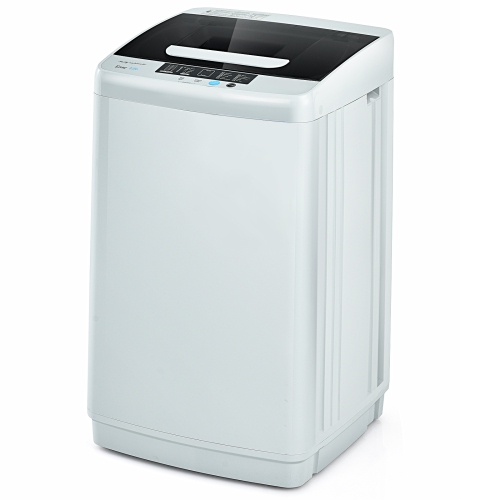
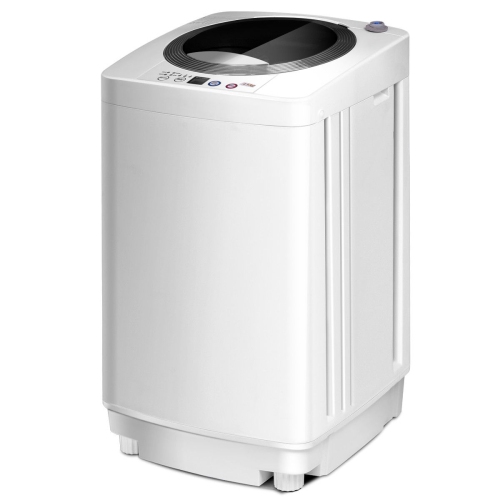
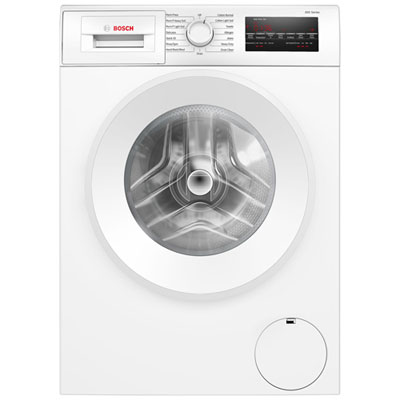
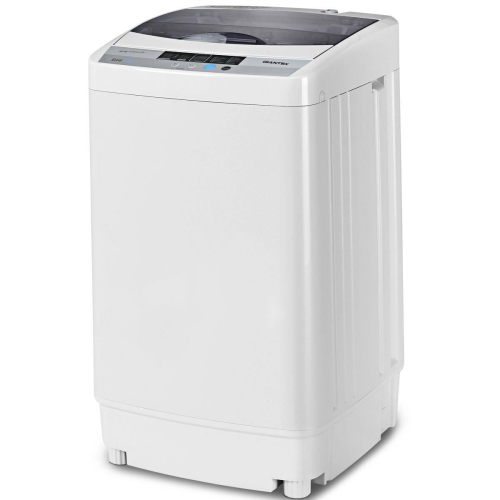
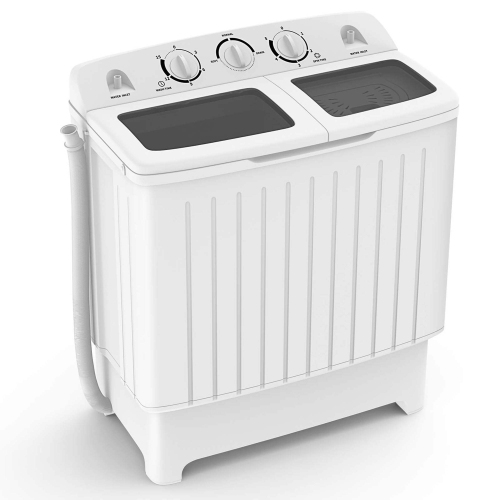
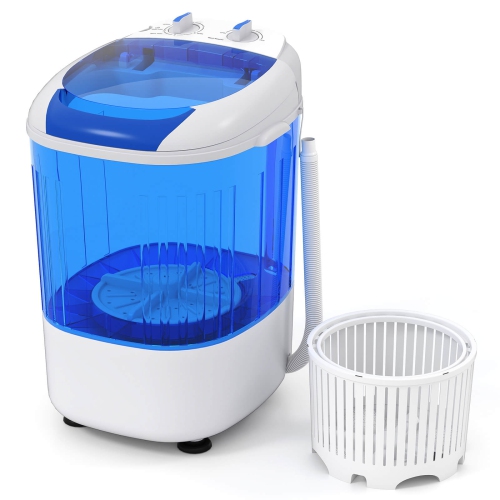
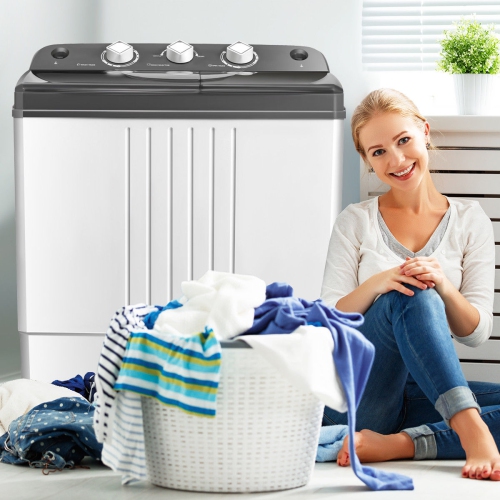
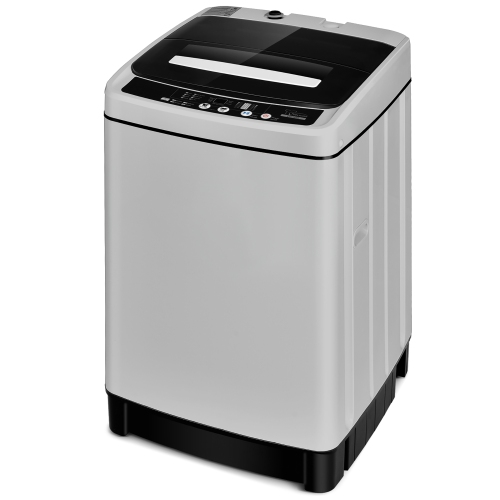
A smaller washer still needs room to work
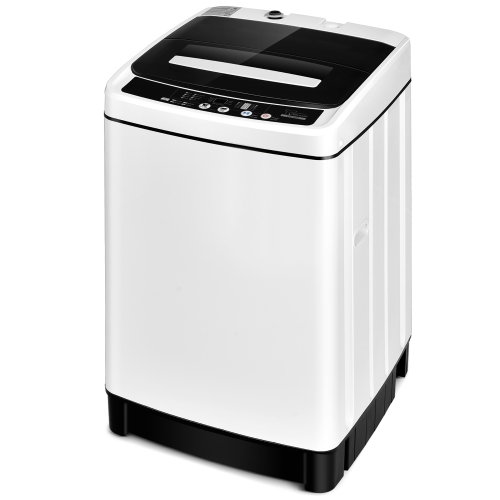
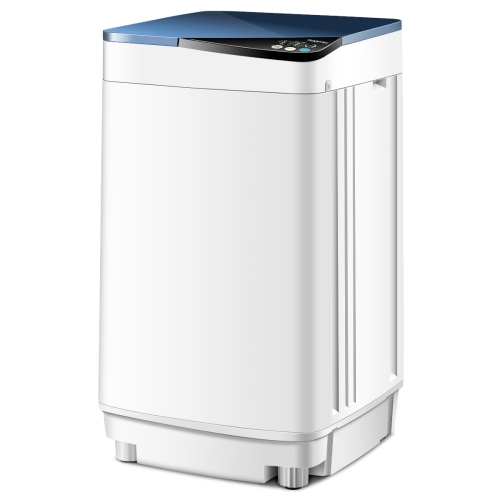
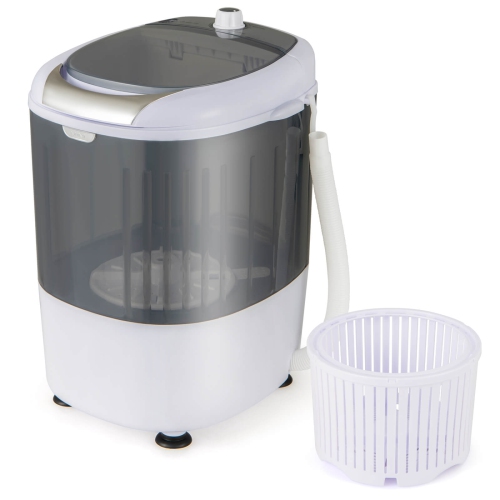
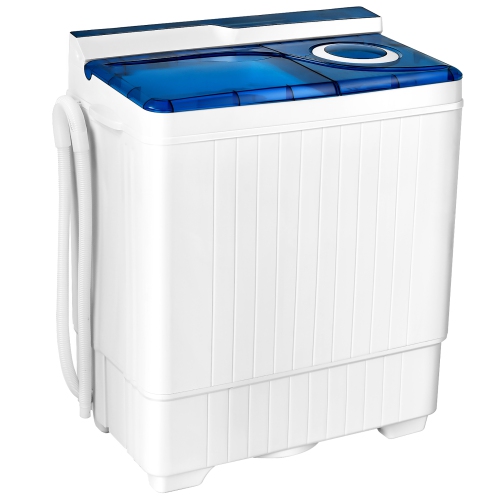
Compact washing machines for small spaces bring everyday laundry into homes where a full-sized appliance would take up too much room. Their smaller footprints suit apartments, condos, secondary suites and other homes with narrow laundry closets or limited floor space. Certain portable designs may also suit dorms or recreational vehicles, provided the property rules, electrical supply and plumbing arrangements allow their use. Within this category, installed compact washers and portable washing machines serve different needs. An installed model generally stays connected to dedicated water and drain connections, creating a permanent laundry area. A portable model may connect to a compatible sink faucet during use and move into a storage space afterwards, although its weight, dimensions and wheel design determine how easily it can be moved. Some compact washers complete washing, rinsing and spinning automatically, while semi-automatic or twin-tub designs may require manual filling, draining or transferring wet clothing into a separate spin basket. These differences affect the amount of hands-on attention each load needs. Capacity matters just as much as the machine’s exterior size: a washer that handles everyday shirts, socks and underwear comfortably may not have enough room for a bulky duvet. Smaller households, people living alone and anyone who prefers frequent, manageable loads may find a compact washer well matched to their routine. Families can also use a smaller machine for separate loads of baby clothing, washable delicates or workout wear, as long as the fabric care labels and washer instructions agree. Clothes need room to move through the wash water, so squeezing a large hamper into a small drum can reduce cleaning and rinsing performance. A useful fit is a machine that accommodates the household’s regular laundry without demanding more space than the home can comfortably spare.
The space a washer needs extends beyond its listed width and depth. Many installed compact washers are approximately 24 inches wide, but dimensions vary, particularly among portable and twin-tub designs. Rear hoses, water valves, door handles and the clearance specified by the manufacturer all contribute to the actual installation footprint. A front-loading washer needs room for its door to swing open and for someone to load the drum comfortably; a top-loading model needs unobstructed space above the lid. In a narrow closet, that can make the difference between an appliance that technically fits and one that is pleasant to use. The route into the room matters, too, including doorways, tight corners and any stairs. Under-counter placement requires a model approved for that installation, while stacking requires a compatible dryer and the manufacturer-approved stacking kit rather than simply placing one appliance on another. Water connections deserve equally close attention. Portable washers that use a faucet adapter need a compatible tap; pull-out, pull-down and other specialty faucets may not accept the connection. Some designs allow manual filling, but that capability should never be assumed. Drainage also differs: a built-in pump moves wastewater through a drain hose within a specified height range, whereas gravity-drain designs require a suitably positioned lower outlet. A nearby sink or bathtub is only useful when the hose arrangement meets the washer’s installation requirements and can be secured against slipping. Access to the sink may be limited while a faucet-connected machine is operating. An appropriate grounded electrical outlet, correctly rated circuit and firm, level floor complete the basic setup. Building or rental rules may restrict portable laundry appliances even where a connection appears possible. These practical details help determine whether a compact washer belongs in a dedicated laundry nook, a bathroom-adjacent utility area or another approved location with suitable connections.
Daily convenience comes from how the washer handles clothing, how it sounds in the room and how straightforward it is to maintain. Wash programs for everyday fabrics, delicates and heavier soil provide different combinations of movement, water temperature and cycle time, although the garment care label remains the starting point. A quick cycle can suit a small, lightly soiled load, while heavily worn clothing may need a longer program within the machine’s stated capacity. Adjustable spin settings can also be useful: faster spinning removes more water before drying, while a lower setting may be appropriate for fabrics that crease easily or require gentler handling. Spin extraction does not fully dry clothing, so a separate dryer or enough suitable air-drying space is still necessary unless the appliance specifically combines washing and drying. In an open-plan apartment, operating noise and vibration are worth considering alongside size. A stable floor, correct levelling and balanced loads support smoother operation, but no washer is completely silent. Materials and construction contribute to long-term use as well. A smooth stainless steel drum offers a durable washing surface, while polymer tubs used in some designs have their own cleaning and care requirements. Accessible filters, clearly marked controls and hoses that can be inspected without dismantling the laundry area make routine upkeep more manageable. The correct detergent type and dose help prevent excessive suds and residue; machines requiring high-efficiency detergent should be used accordingly. Cleaning dispensers, removing lint or debris from user-serviceable filters and following the specified drum-cleaning routine help keep the interior fresh. Door seals and lids also need attention, with the interior allowed to dry between loads as directed and access kept safe around children and pets. For households comparing washing machines for small living spaces, the strongest match balances a manageable footprint with suitable connections, comfortable access and enough capacity for the clothing that regularly fills the hamper.
Top selling and popular products
-
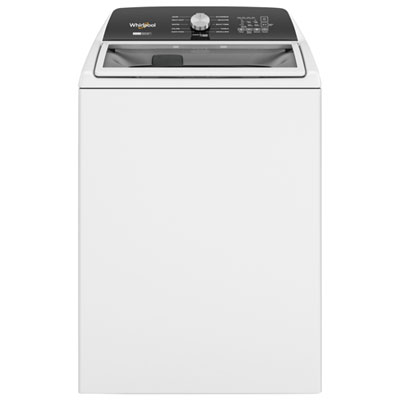 Your price for this item is $949.99
-
 Your price for this item is $474.99
-
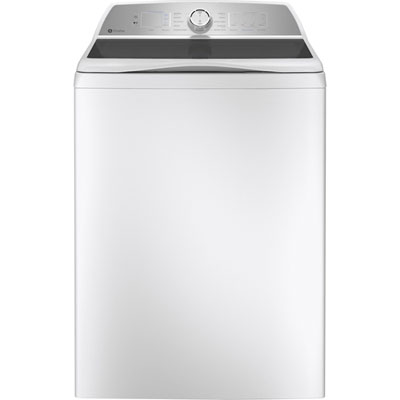 Your price for this item is $1149.99
-
 Your price for this item is $699.99
-
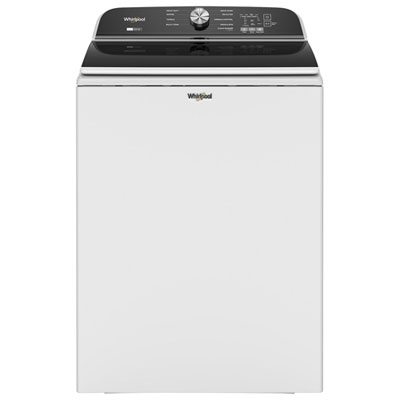 Your price for this item is $1099.99
-
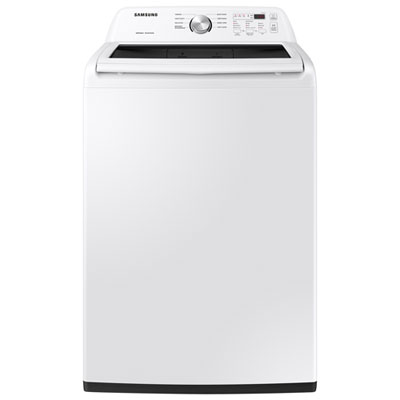 Your price for this item is $749.99
-
 Your price for this item is $849.99
-
 Your price for this item is $499.99
Discover more categories related to Compact Washing Machines for Small Spaces
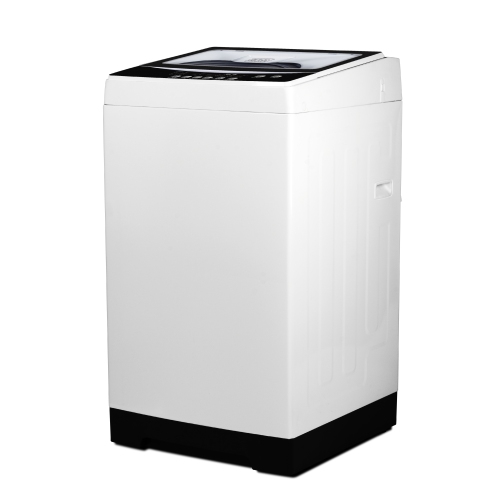
Top Collections:
Best Black Friday Deals This Year, Best Black Friday Deals On Electronics, Kindle Devices, Pokemon Centers, Best Black Friday Deals On Apple Products, Best Cameras for Sports Photography, Dyson Airwrap, Pokémon 30th Celebration Cards, Apple iPhone 17 Pro, Canon G7X Cameras
Some products may be subject to Environmental Handling Fees
(EHF) depending on your province.
Learn more about EHFs.