Cutlery Baskets
Elevate your kitchen organization with our selection of cutlery baskets, designed to bring order and convenience to your culinary space. Whether you're looking to streamline your dishwashing routine or keep your utensils neatly arranged, these versatile baskets offer a practical solution for every home. Perfect for holding forks, knives, spoons, and more, they seamlessly fit into your lifestyle while adding a touch of style to your kitchen decor. Explore the variety of options available and find the perfect cutlery basket that complements your needs and enhances your kitchen's functionality.
Sort



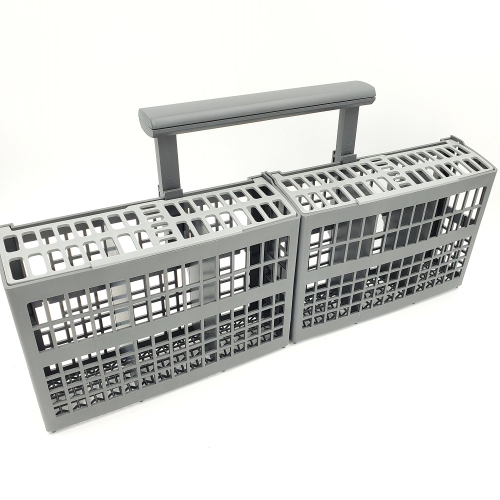

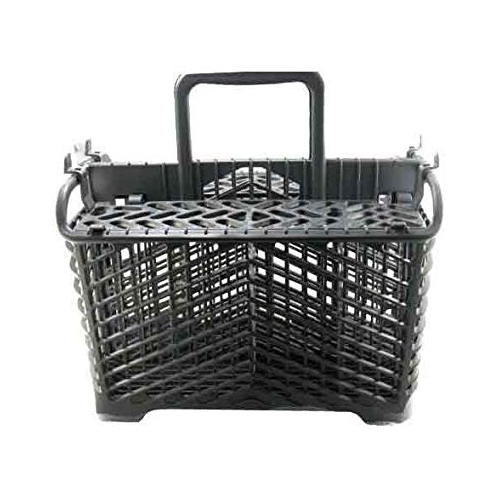
Why dishwasher baskets and tabletop caddies differ
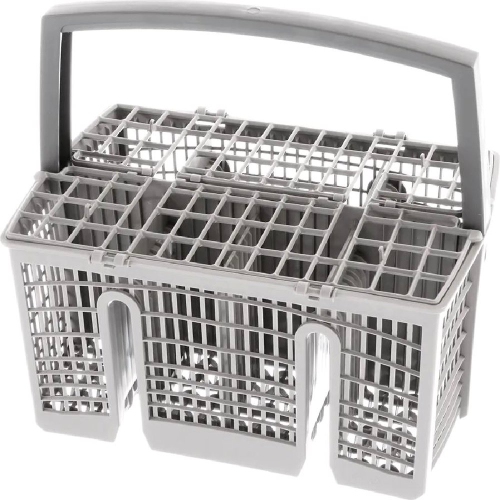
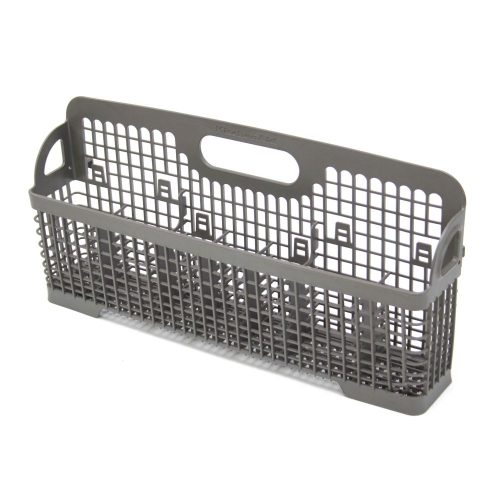
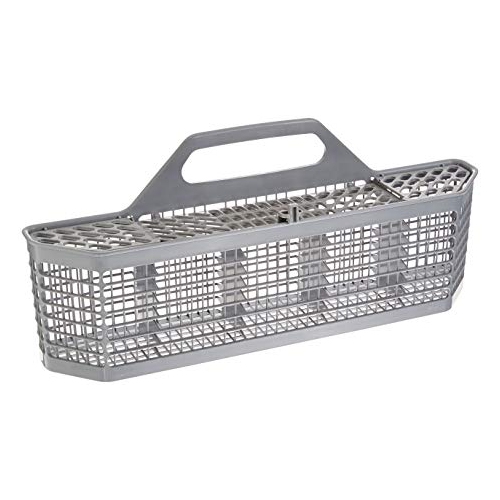
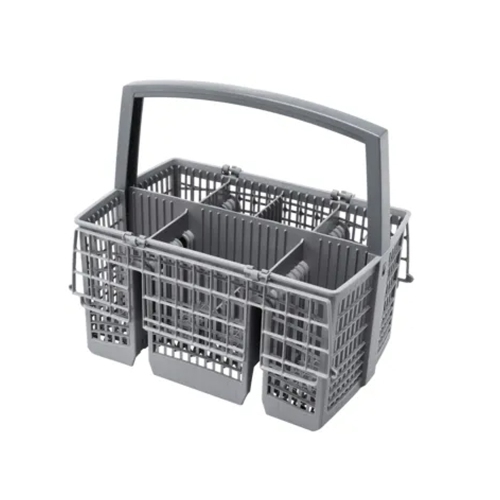
Cutlery baskets keep everyday utensils together, whether they are being washed in a dishwasher or carried from the kitchen counter to the dining table. The term covers two main types: dishwasher cutlery baskets, designed to hold utensils during a wash cycle, and freestanding cutlery caddies, intended for storage and serving. Although they share a compartmented shape, they are not interchangeable. A dishwasher basket needs a perforated base and sides that allow water to reach the contents and drain away, along with materials suitable for repeated exposure to hot water and detergent. A tabletop basket puts more emphasis on easy access, stable placement, and a comfortable handle for carrying. For a replacement dishwasher cutlery basket, compatibility matters more than appearance. The appliance model number, often located on a label along the door edge or door frame, helps identify a suitable replacement. Overall width, depth, and height also matter, but matching those measurements alone does not establish a proper fit. The basket may need to sit between particular rack tines, attach to a designated mounting point, or clear the upper rack when its handle is raised. Its position must also leave the spray arms free to rotate and the detergent dispenser unobstructed. Model-specific baskets are designed around particular dishwasher layouts, while baskets described as universal are intended to suit a range of appliances rather than every machine. Stated compatibility and attachment details remain important for either type. A divided basket can keep teaspoons, dinner forks, and other small utensils from gathering in one dense cluster, while a removable or folding slotted lid may help hold individual pieces apart. Some layouts use one larger basket; others use smaller sections that can be positioned separately where the appliance permits. The practical difference becomes clear after a family meal: the right shape makes room for the utensils without taking over space needed for plates and bowls, and it stays securely in place as the rack slides in and out.
Materials and construction influence how a cutlery basket performs over time. Dishwasher versions are commonly made from moulded plastic formulated for the conditions inside the appliance. Their open grid balances support with access for wash water, so the condition of that grid is worth attention. A cracked base can allow a utensil to slip through and interfere with a spray arm, while damaged dividers may leave pieces leaning together. A secure handle makes a removable basket easier to lift out for unloading, although carrying a heavily filled basket puts more strain on its handle and attachment points. Capacity is therefore about usable space as much as the number of compartments. Deep sections can support longer handles, but very short utensils should remain easy to retrieve rather than disappearing below the rim. Wide serving pieces need enough clearance that they do not block neighbouring sections or extend into moving parts. Slotted covers can reduce contact between utensils, provided the openings accommodate the handles comfortably. When loading, space between pieces allows water to reach more of their surfaces; tightly nested spoons and overlapping forks can retain food residue even when the basket itself is a good fit. Knives belong with their blades pointing down for safer handling, and the dishwasher and utensil manufacturers’ care directions take priority for loading arrangements. Sharp preparation knives, wooden-handled pieces, and other utensils labelled for handwashing should stay out of the dishwasher. Routine basket care is straightforward: remove trapped food, rinse accessible corners, and check the underside for debris caught around the grid. A soft brush can help clean narrow joints without scraping the material. Any removable covers or dividers should be detached only as intended by their design. These small details matter in households that run the dishwasher frequently, shared kitchens where several people load the same appliance, and compact kitchens where every part of the lower rack has a job to do. A well-fitting replacement restores the basket’s intended function without requiring a change to the rest of the appliance.
Freestanding cutlery baskets serve a different purpose, bringing order to clean utensils on a counter, shelf, or table. They are useful where drawer space is limited, where everyday cutlery needs to be within easy reach, or where meals are served buffet-style and guests help themselves. A portable caddy can carry forks, spoons, and table knives in one trip, leaving the other hand free for plates or napkins. Compartment layout makes a noticeable difference here too. Several narrow sections keep utensil types separate, while a wider section may accommodate serving pieces or folded napkins if the basket is designed for them. Handle placement should leave room to grasp it without brushing against the contents, and a broad, steady base helps prevent tipping when one compartment is fuller than another. Material choices range from plastic and metal to bamboo, wood, and woven designs, each with different care needs. Smooth plastic is generally easy to wipe clean, though suitability for dishwasher cleaning must be stated rather than assumed. Stainless steel provides a firm structure, but its finish and care directions still matter, particularly around seams and joins where moisture can collect. Coated metal should be handled in a way that avoids chips and scratches. Bamboo, wood, and natural woven materials typically call for gentle cleaning and thorough drying rather than soaking. A basket intended for dry storage is best filled with fully dried utensils; an open weave alone does not make it a draining rack. Removable liners or inner cups, where included, can make crumbs and small spills easier to clean, while a protective base can help limit contact between a metal basket and the surface beneath it. Colour, texture, and proportion also influence how comfortably a caddy sits alongside dinnerware without crowding the table. For other ways to organize utensils for storage and serving, Cutlery Holders offer a related category to consider. Whether the setting is a breakfast counter, a shared dining space, or a kitchen with shallow drawers, the most useful basket suits the utensils, the available space, and the way meals are prepared and served.
Top selling and popular products
-
 Your price for this item is $34.98
-
 Your price for this item is $151.96
-
 Your price for this item is $75.98
-
 Your price for this item is $105.99
-
 Your price for this item is $105.99
-
 Your price for this item is $249.99
-
 Your price for this item is $269
-
 Your price for this item is $19.99
Discover more categories related to Cutlery Baskets
Top Collections:
Pokemon Centers, Kindle Devices, Best Budget Office Chairs, Canon G7X Cameras, Apple iPhones 16, Samsung Galaxy Phones, Refurbished Apple Laptops, Laptops for Students, iPhone 15 Apple, Budget Smartphones
Some products may be subject to Environmental Handling Fees
(EHF) depending on your province.
Learn more about EHFs.