Kitchen Storage Baskets
If you're looking to declutter and organize your kitchen, look no further than these kitchen storage baskets. These versatile and stylish baskets are the perfect solution for keeping your pantry, cabinets, and countertops neat and tidy. Whether you need a place to store fresh produce, condiments, or even cleaning supplies, these kitchen storage baskets offer functional and aesthetic appeal. With a variety of sizes, materials, and designs to choose from, you'll find the perfect basket to suit your needs and complement your kitchen decor.
Sort
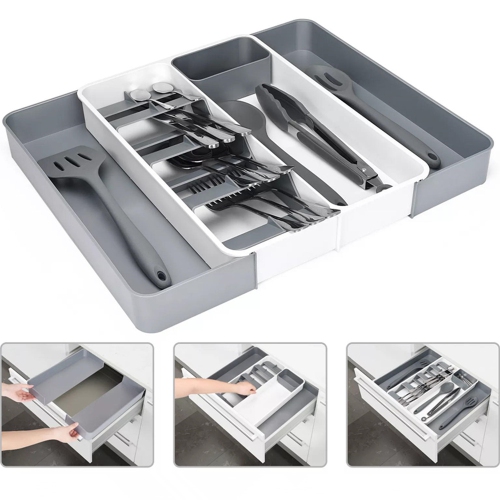
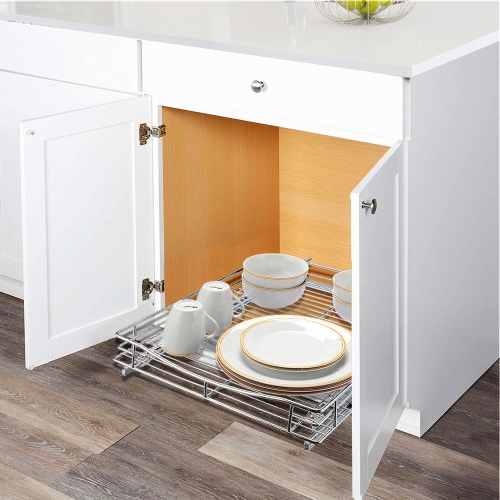
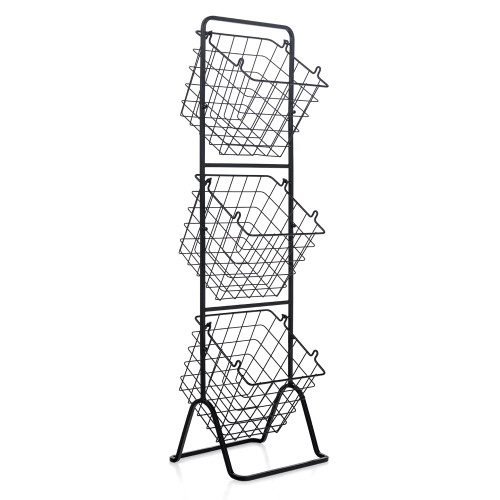
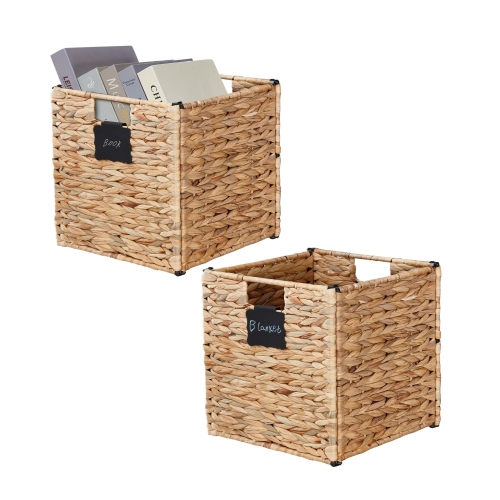
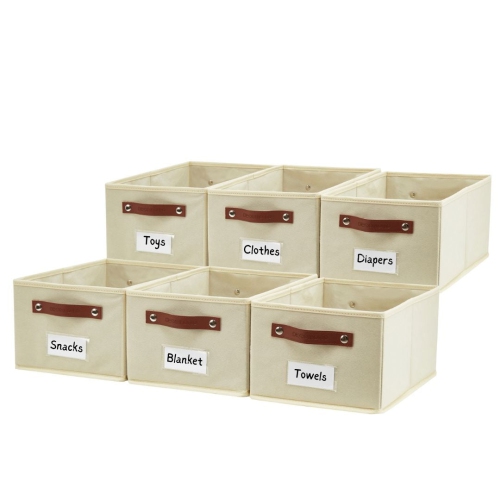
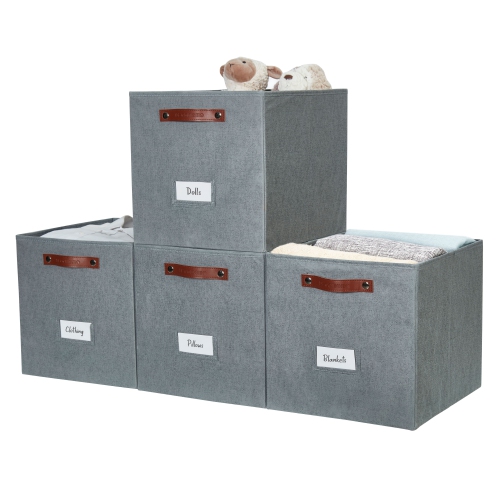
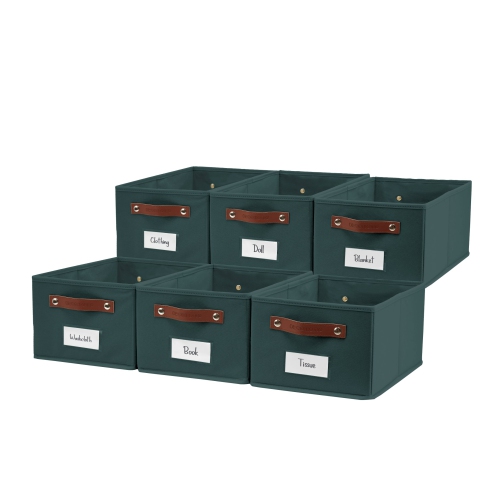
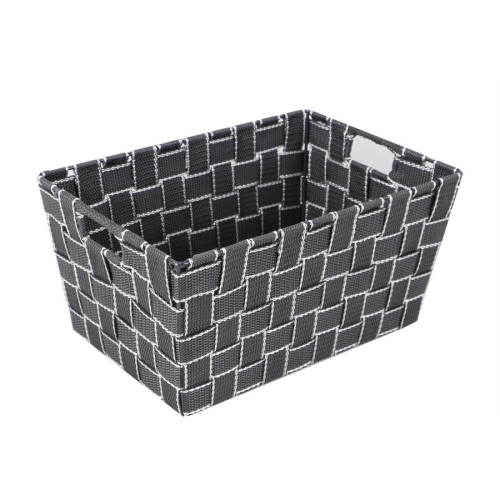
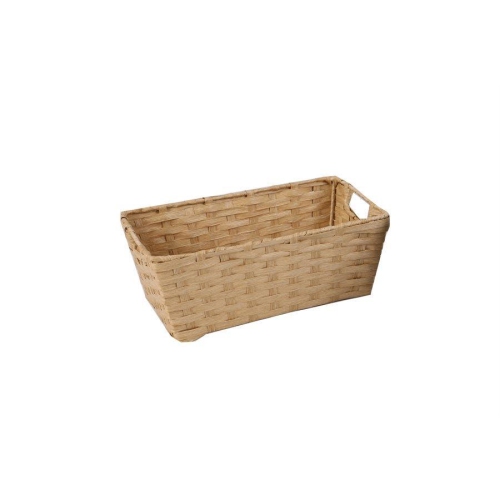
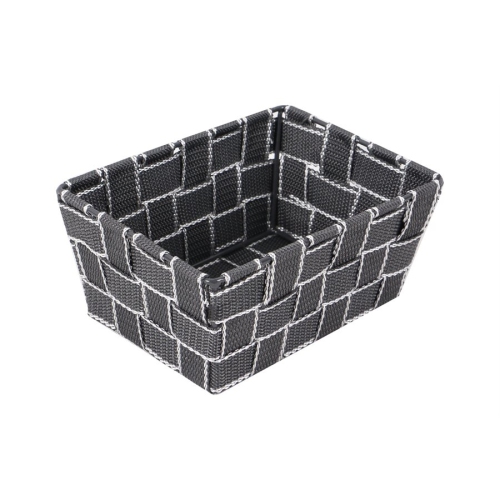
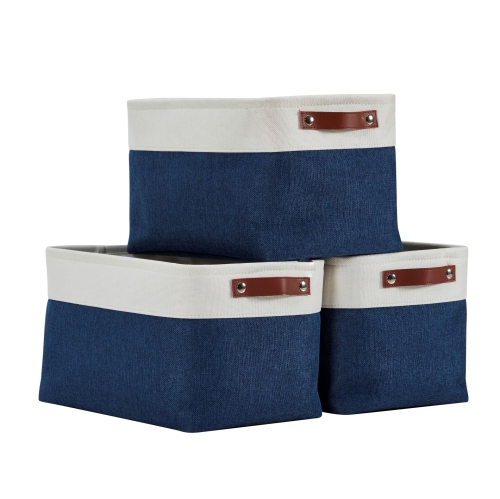
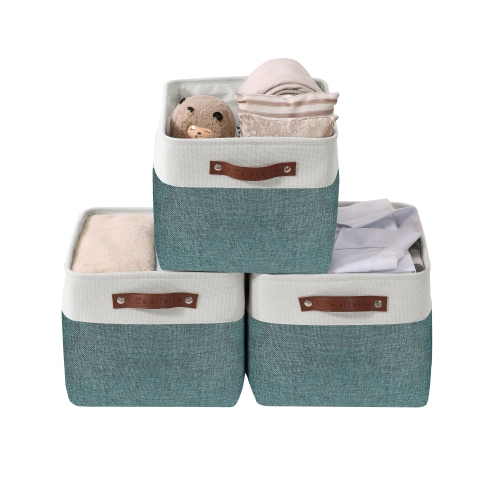

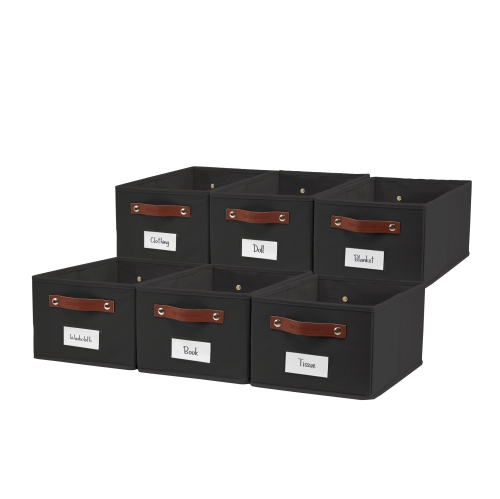
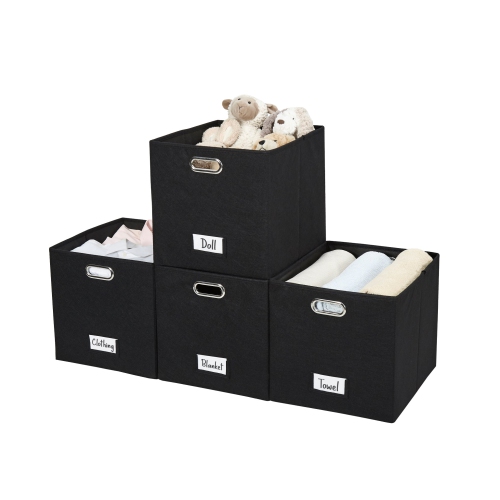
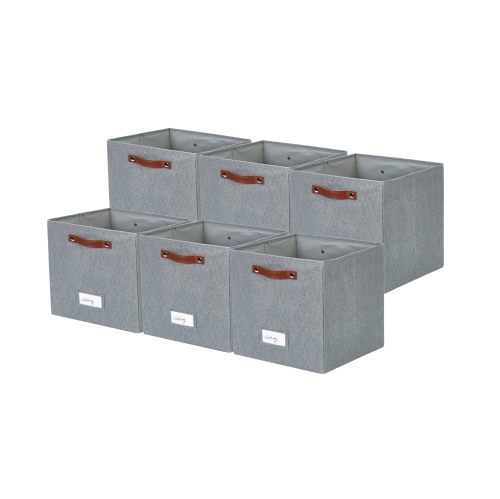
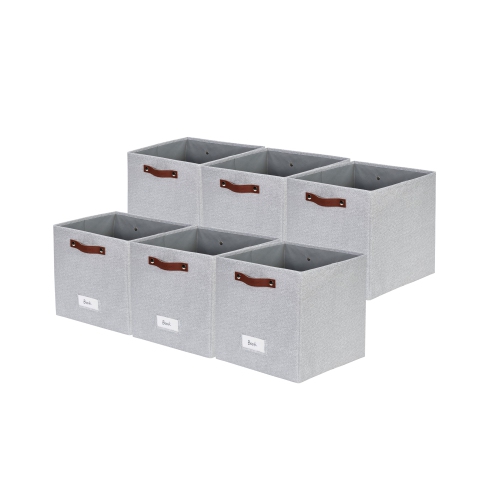
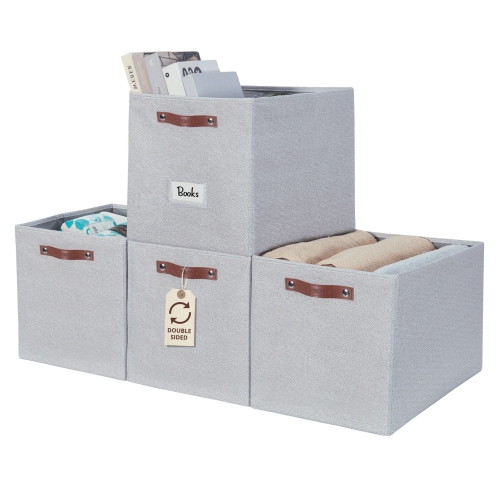
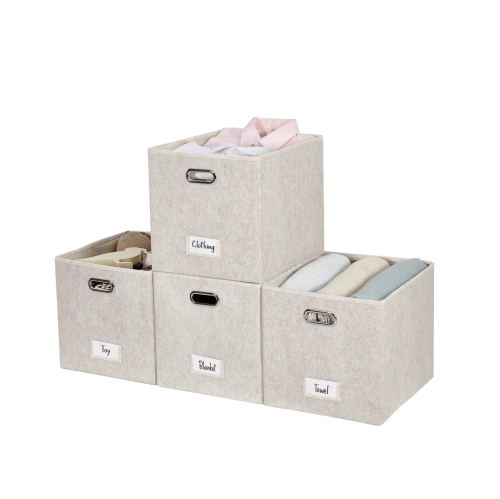


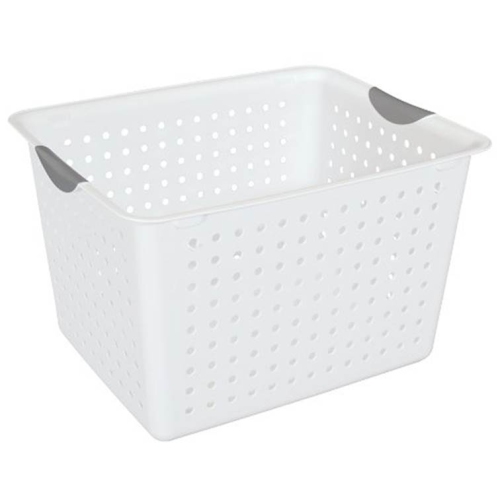
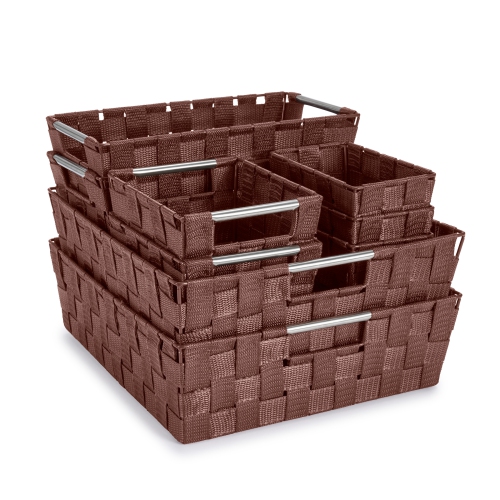



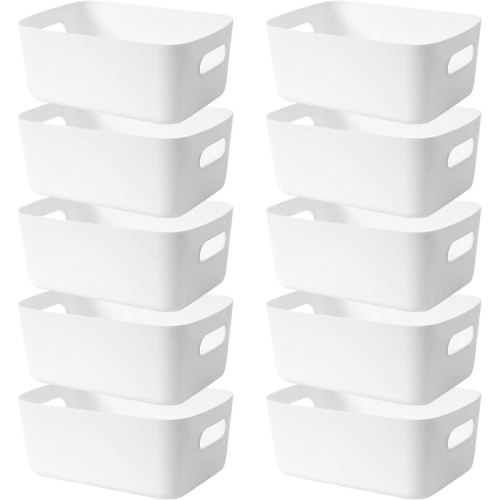
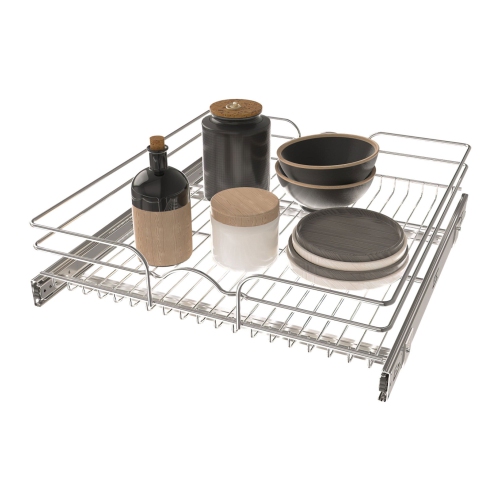


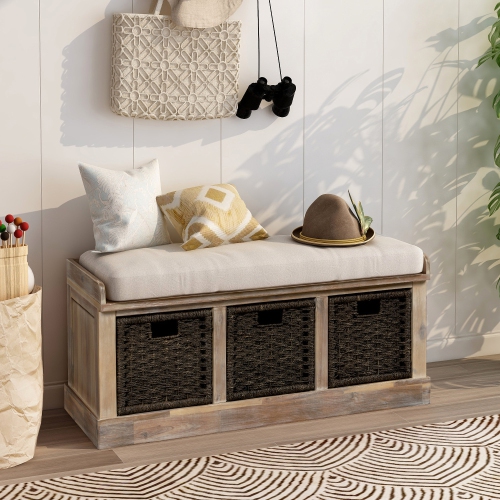
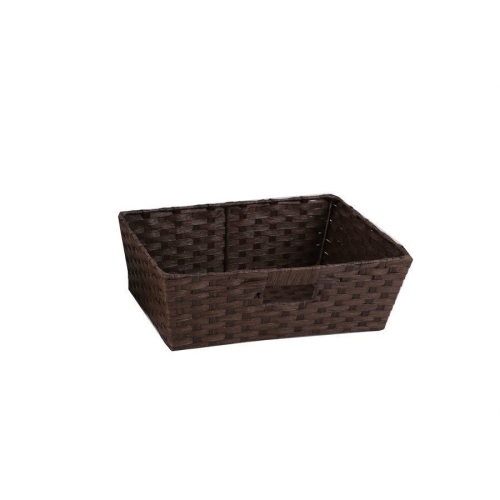
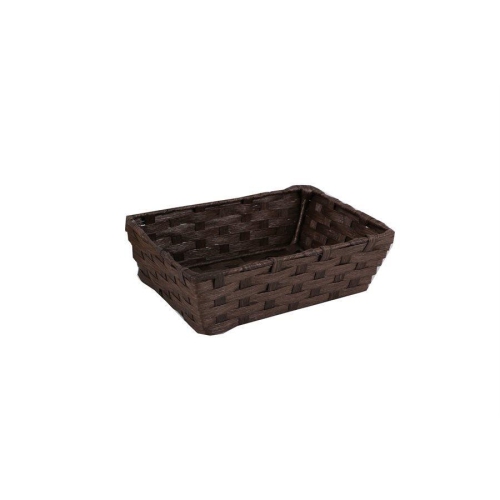
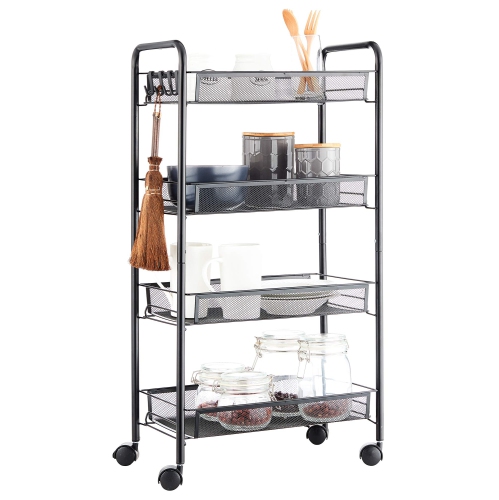
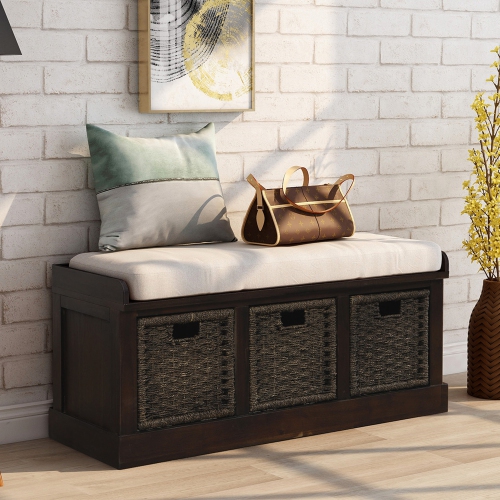
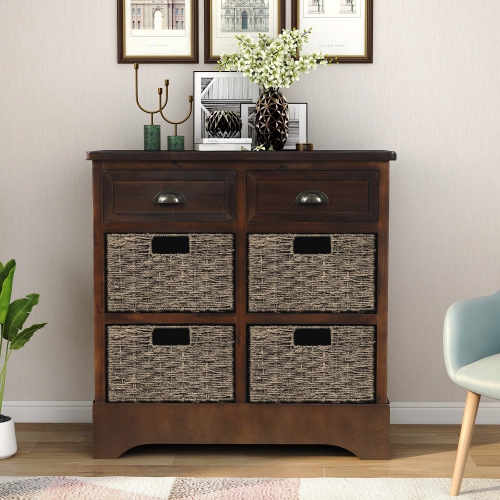
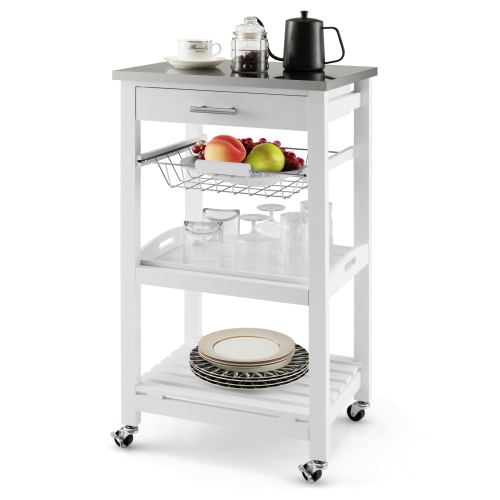
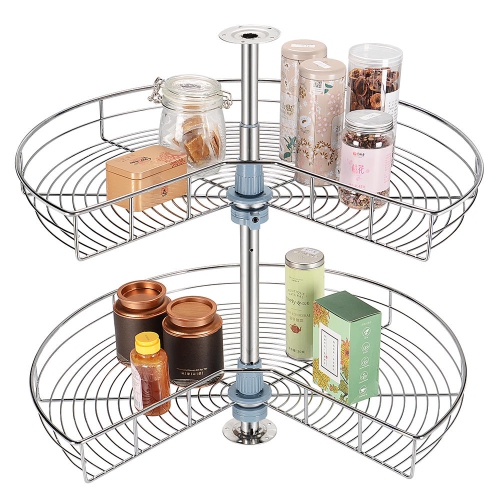
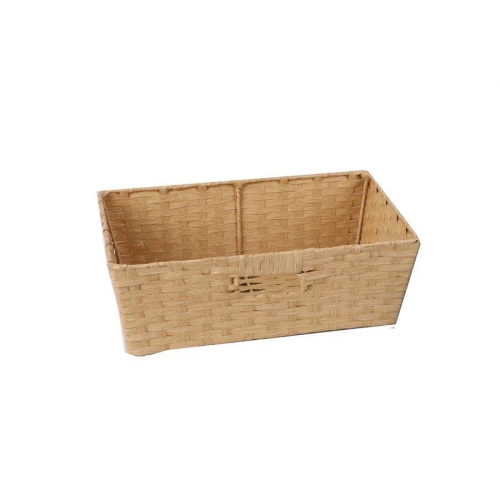
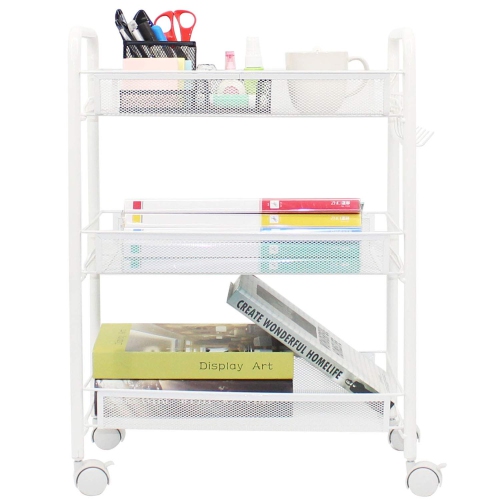
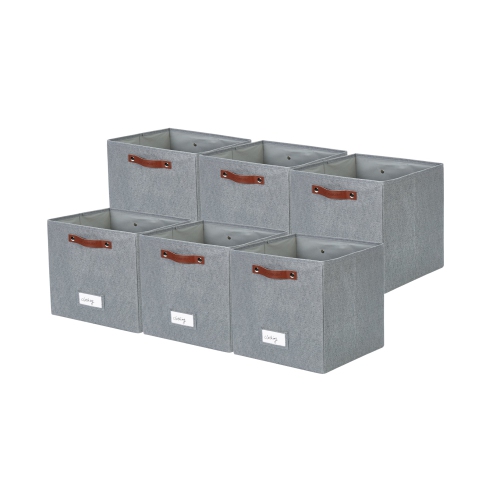

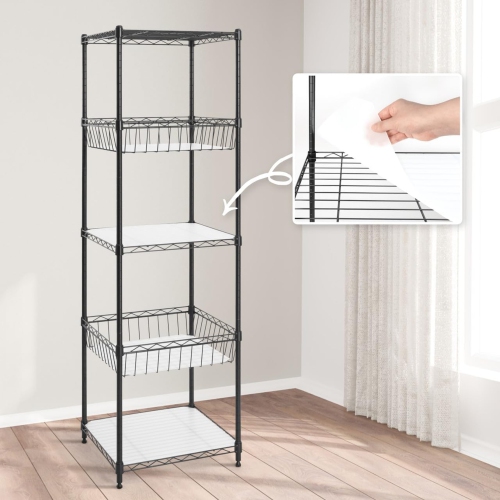
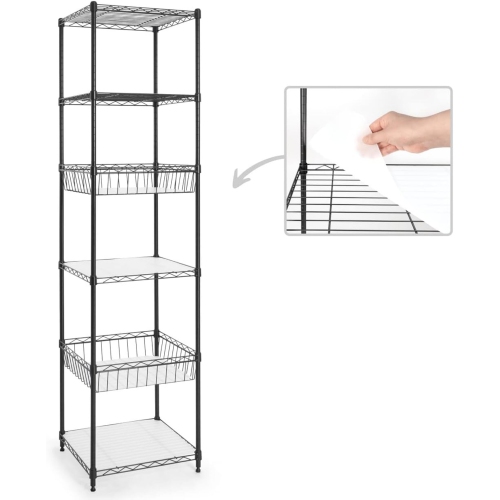
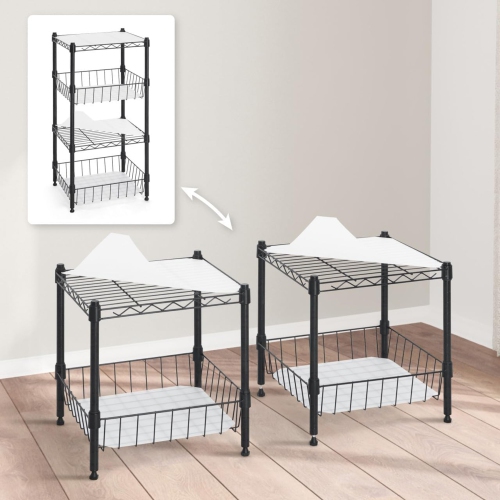


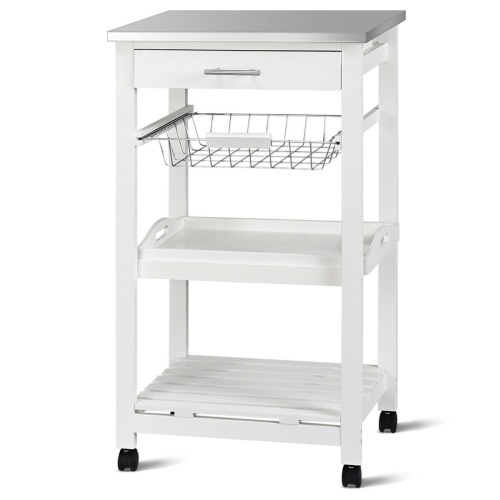

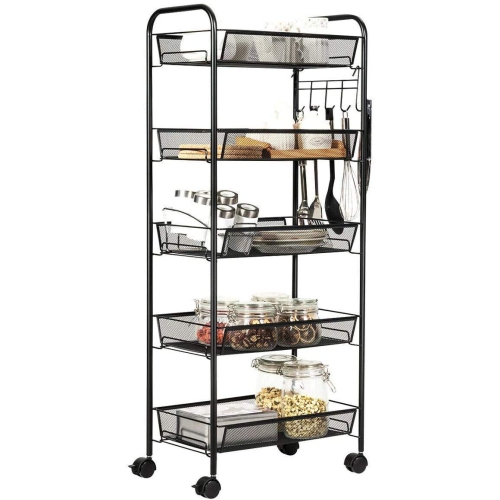
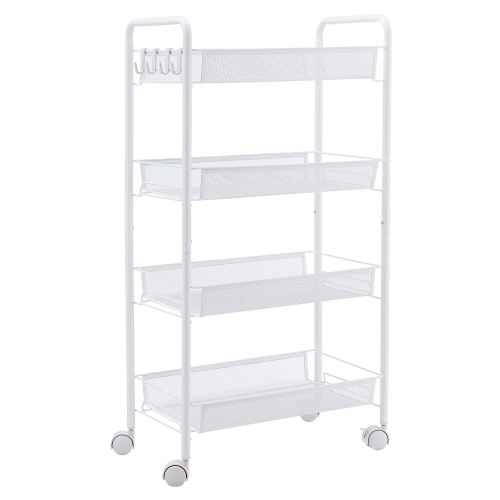
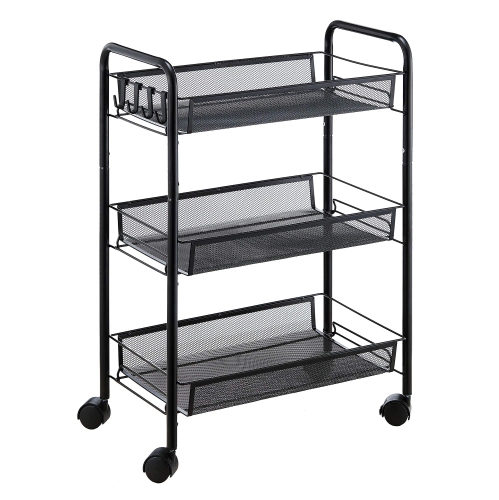
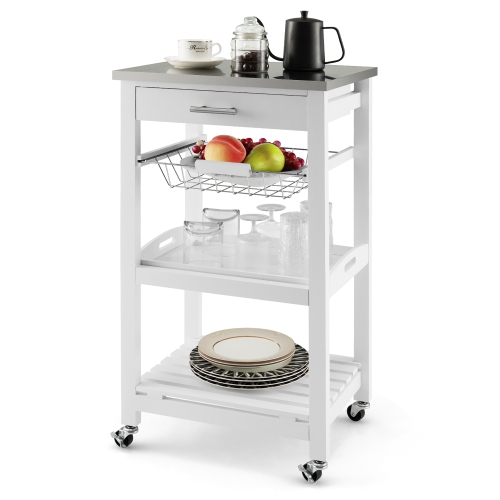
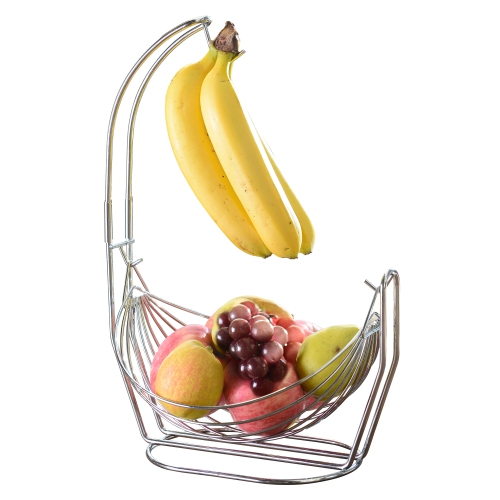
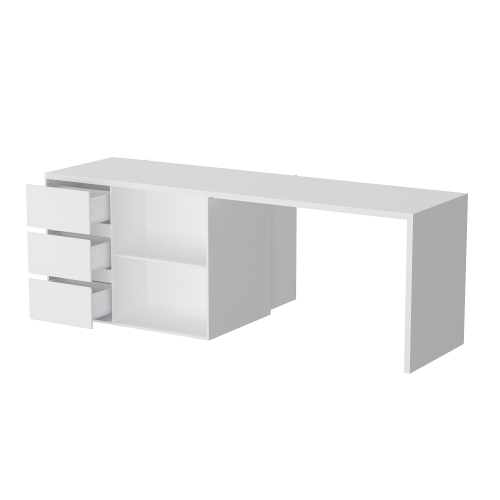
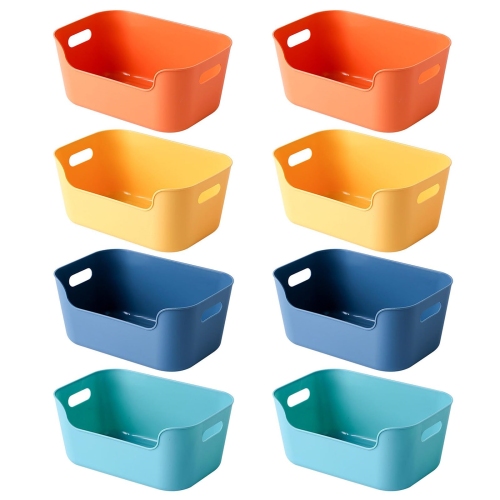
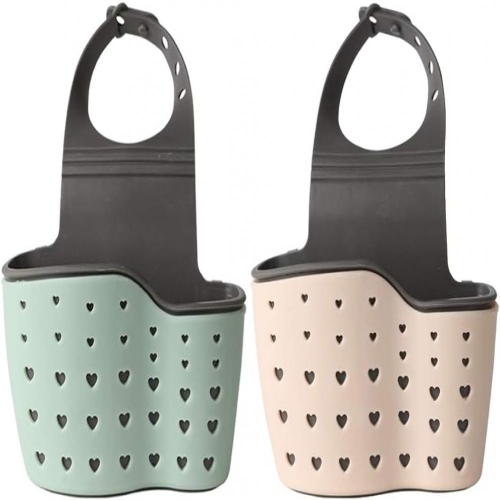
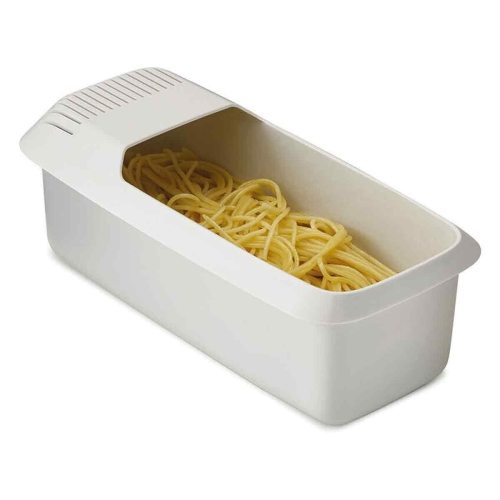
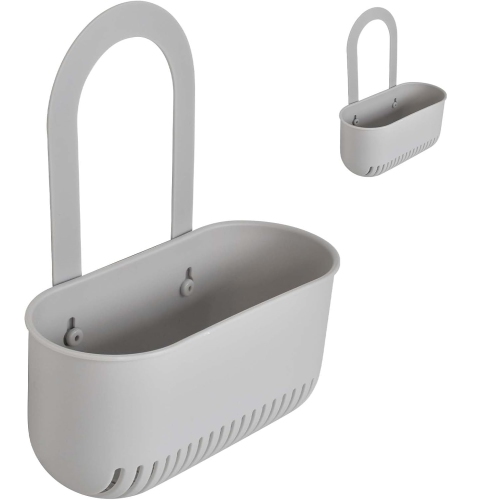
Pantry essentials that move together from shelf to table
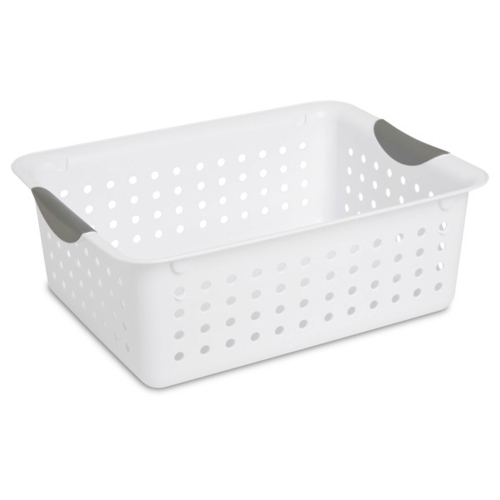
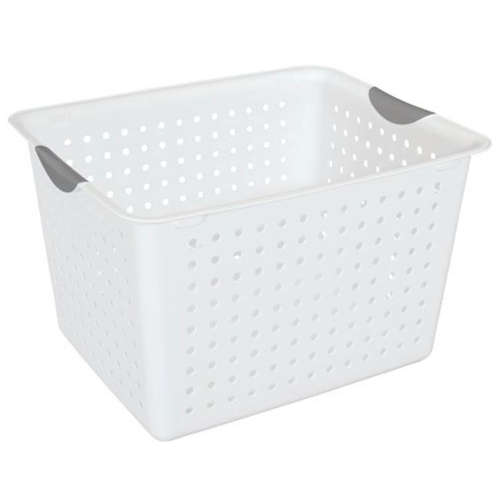
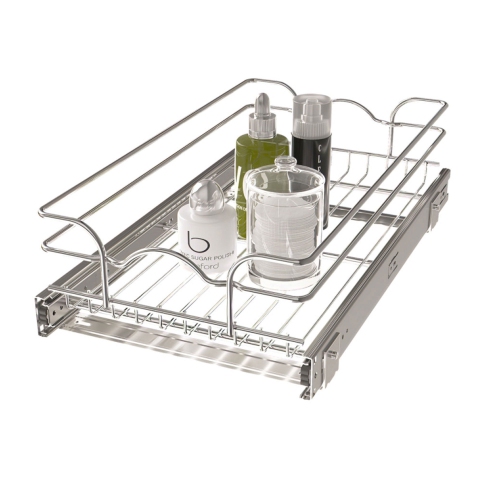
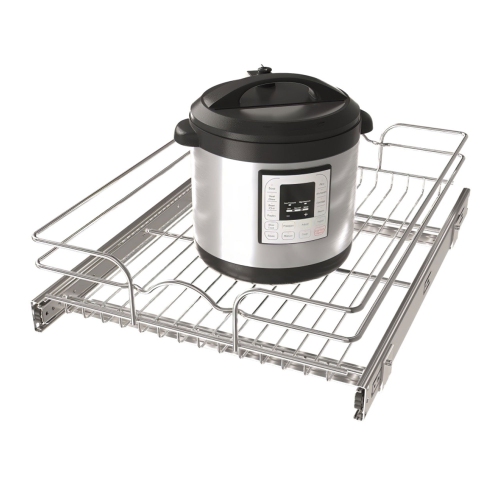
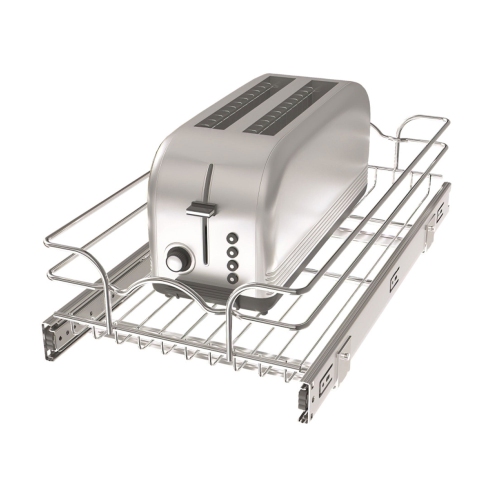
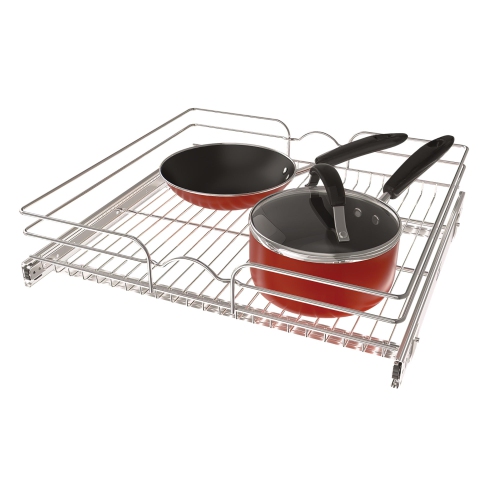
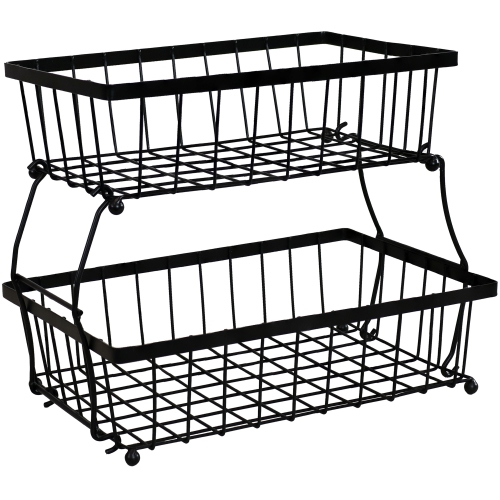
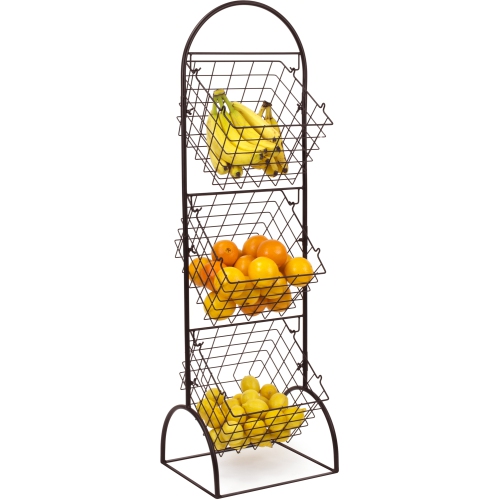
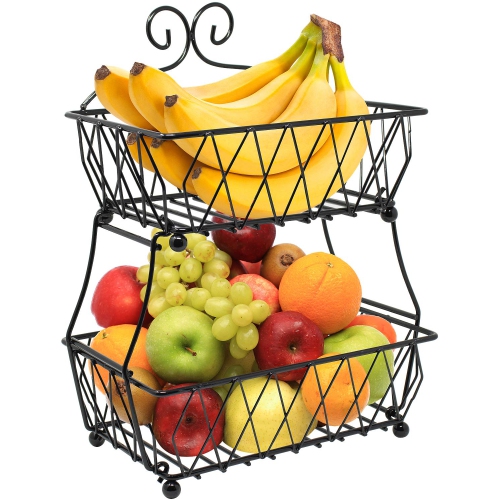
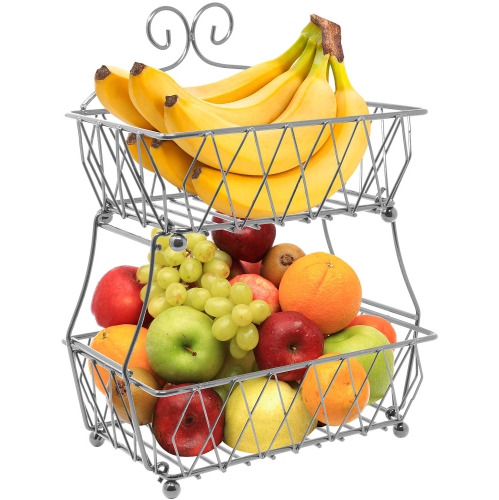
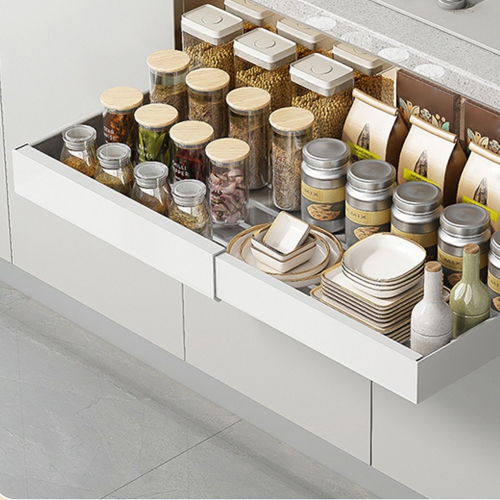
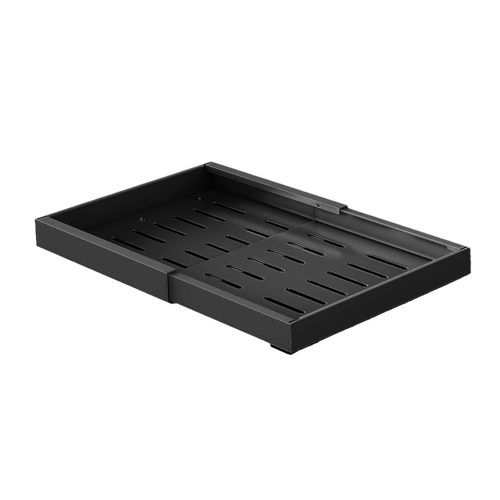
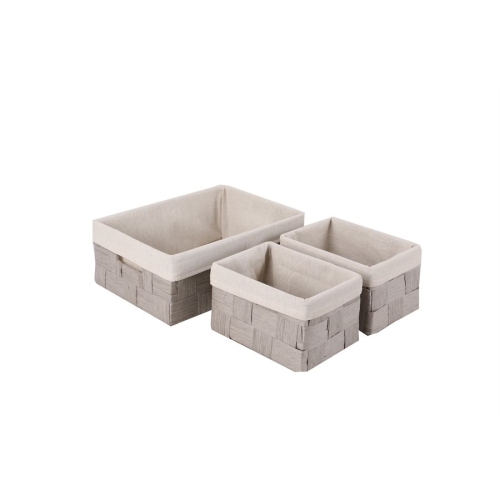
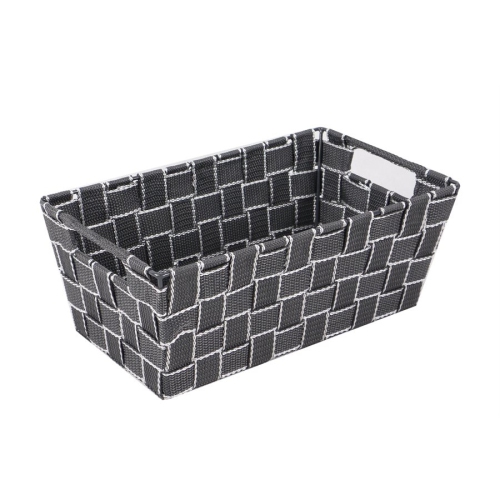
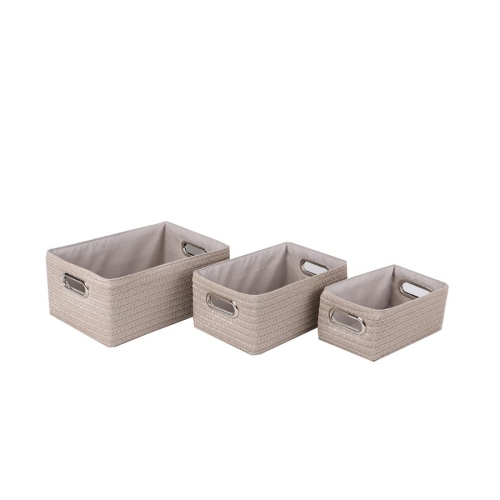
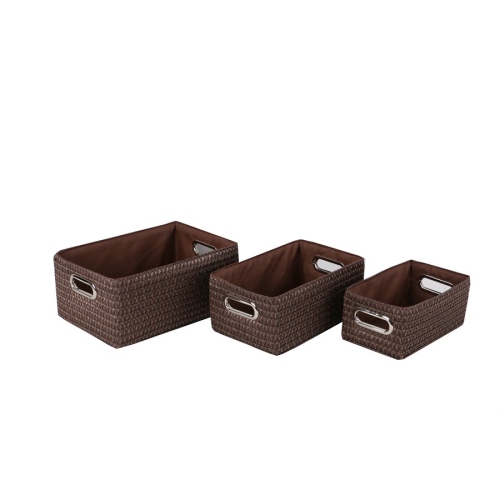
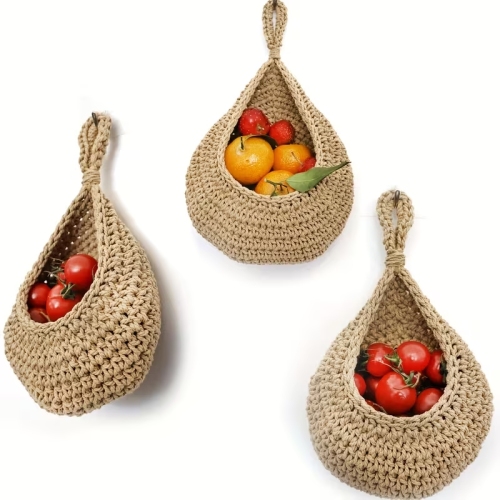
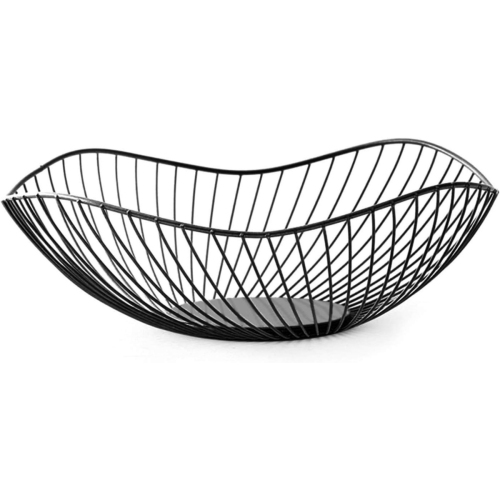
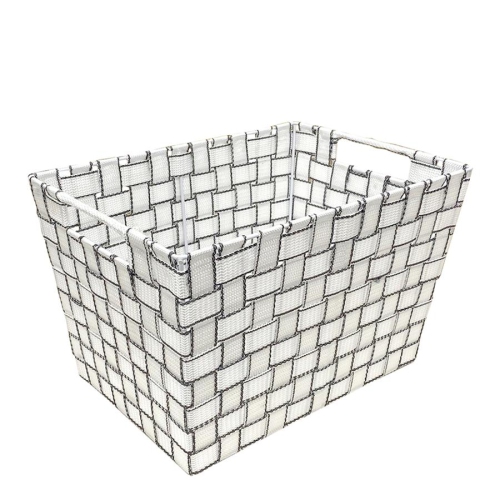
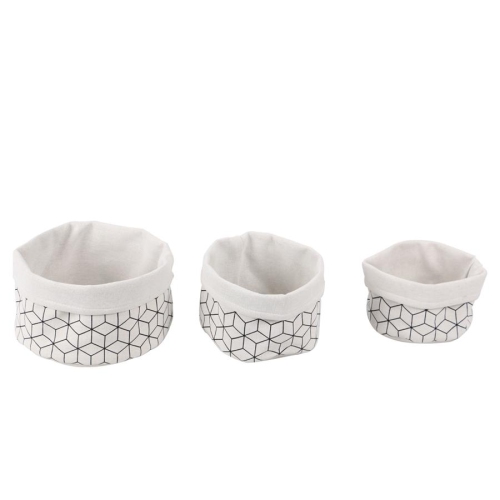
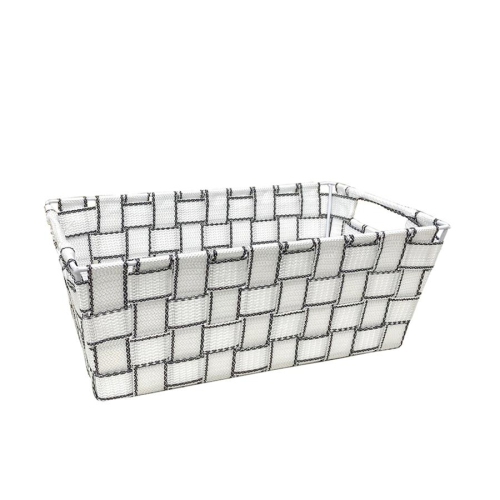
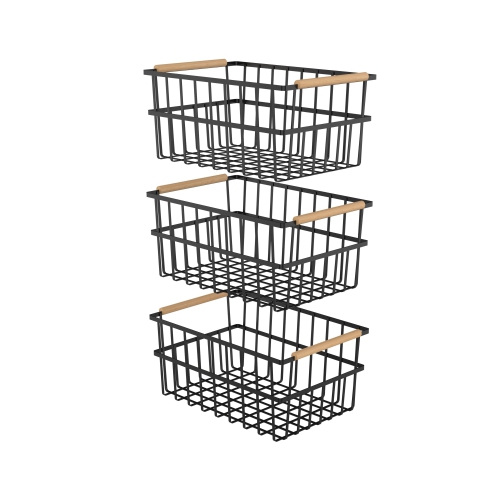
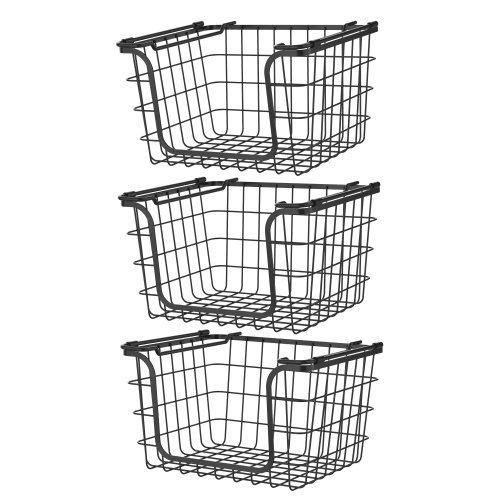
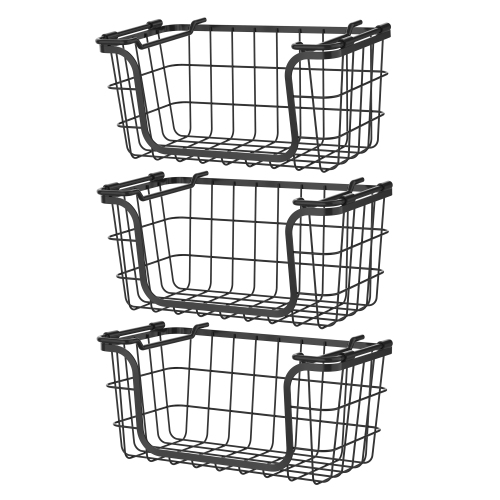
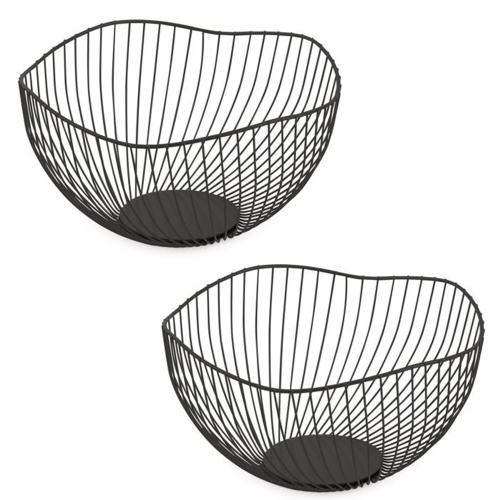
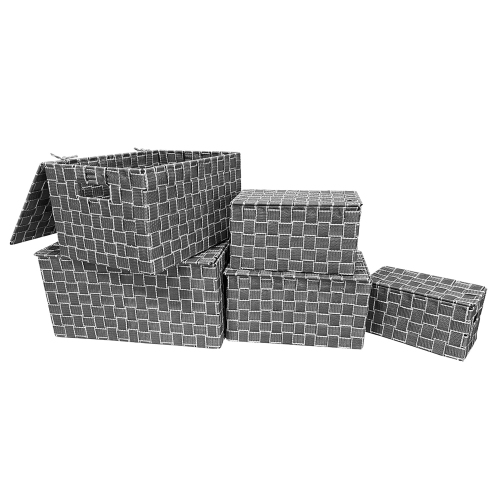
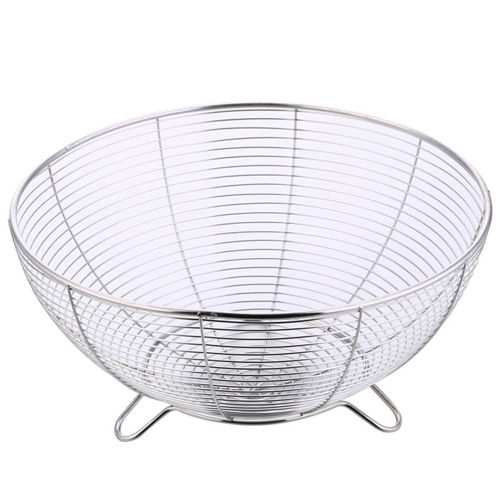
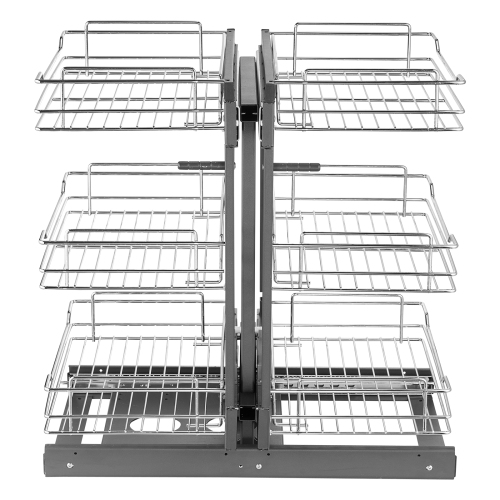
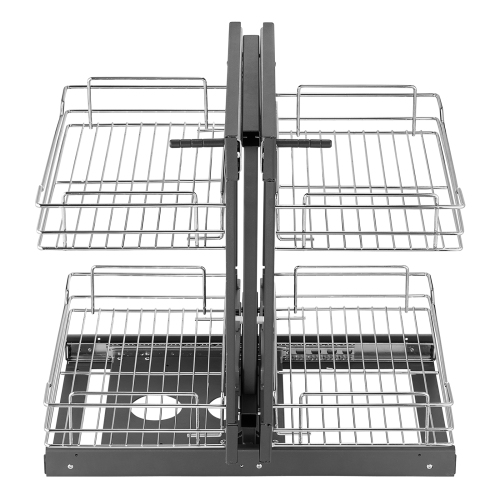
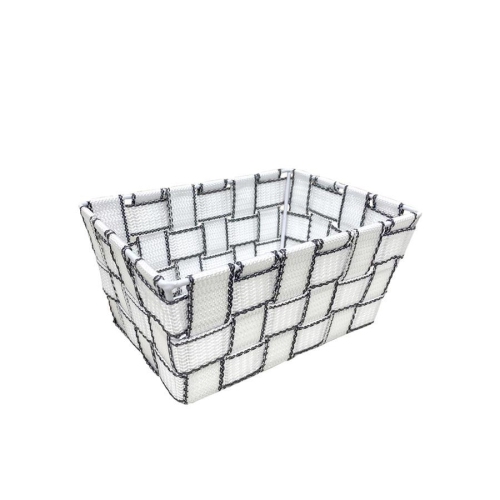
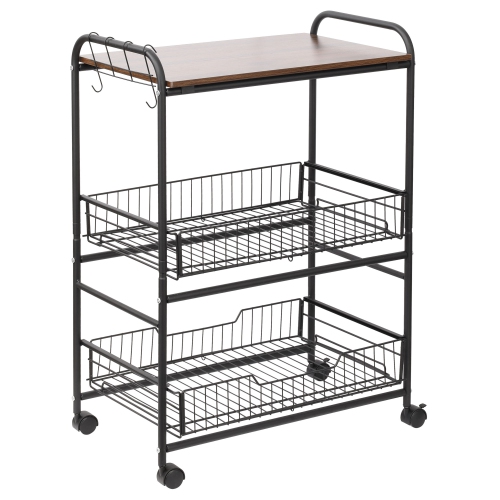
Kitchen storage baskets bring structure to busy counters, pantry shelves, cupboards, and drawers by keeping related essentials together in containers that are easy to reach and move. A basket of breakfast supplies can travel from a shelf to the table, while another holds snack pouches where family members can find them without searching through several cupboards. Unlike a fixed shelf divider, a removable basket lets the whole group come out at once, making it easier to see what is tucked at the back and wipe down the space underneath. Open wire baskets offer visibility and airflow, solid-sided designs help contain small packets and crumbs, and woven baskets add texture while keeping their contents less exposed. The best fit depends on what needs storing and where the basket will sit. For pantry organization, low-front baskets make frequently used ingredients accessible, while deeper sides help keep taller packages upright. On a countertop, a shallow basket can gather tea towels or packaged snacks without overwhelming the work surface. In a drawer, smaller baskets separate loose sachets and other lightweight essentials that otherwise slip between larger containers. Ventilated baskets can be useful for produce that is suitable for storage outside the refrigerator, but airflow alone does not determine freshness: different fruits and vegetables have different storage needs, and some should be kept apart. Potatoes and onions, for example, are better stored separately rather than mixed in one basket. Any basket used for unwrapped food should be identified by its manufacturer as suitable for direct food contact. For households sharing a kitchen, distinct baskets can separate personal snacks, lunch supplies, or ingredients reserved for a particular recipe. They can also help keep labelled packages together when different dietary needs are involved, although a basket does not replace appropriate food handling or precautions against cross-contact. This kind of grouping makes a kitchen easier to navigate without requiring a complete reorganization of every shelf.
Materials influence how kitchen storage baskets look, how much weight they can comfortably carry, and how they stand up to everyday handling. Steel wire offers an open structure that makes contents easy to identify, with closely spaced wires better suited to small packages than wide openings. A smooth finish matters when a basket sits against painted shelving or is lifted past cupboard doors; exposed wire ends and rough edges can catch on packaging or scratch nearby surfaces. Coated metal may provide a protective barrier, but damaged coatings and lingering moisture can contribute to corrosion, so care instructions remain important. Plastic baskets are often lightweight and practical for containing spills or loose crumbs, though their strength depends on the construction rather than the material name alone. A firm base and reinforced handles are useful when a basket will carry heavier pantry goods. Rattan, water hyacinth, and other woven materials bring a softer look to open shelving and work well for dry, packaged contents or kitchen linens. Wicker describes a weaving technique rather than one particular material, so the actual fibres and frame deserve attention. Woven surfaces can catch crumbs in their gaps and are generally less convenient for sticky containers or damp contents. Removable liners may help contain small pieces and protect delicate linens, but their washing requirements vary. For any style, the manufacturer's stated load limit is more reliable than judging strength by appearance. Canned goods can make even a compact basket surprisingly heavy, and a comfortable handle should offer enough room for fingers without digging into the hand. Routine care usually starts with emptying the basket and removing crumbs, followed by cleaning that suits its material and finish. Many plastic and coated-wire designs can be wiped with a soft cloth and mild soap, while woven fibres often need gentler cleaning with limited moisture. Dishwasher suitability should be confirmed rather than assumed, and baskets should be fully dry before being refilled or returned to a cupboard.
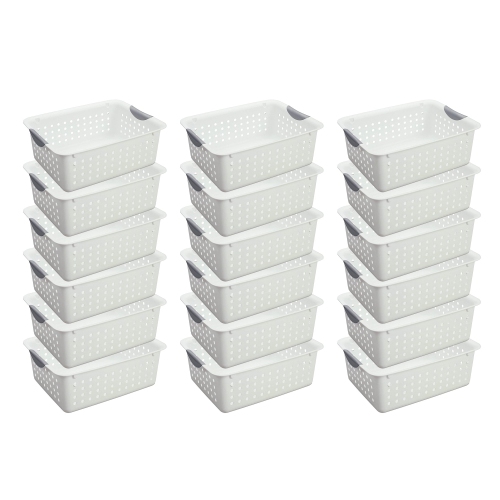
Size and access matter just as much as capacity when choosing baskets for kitchen storage. Useful measurements include the shelf's width and depth, the clear height above it, and the opening through which the basket must pass. A basket may fit inside a cupboard yet still be difficult to remove if a hinge narrows the doorway or a raised shelf edge catches its base. Handles, tapered sides, and protruding rims can also make the outside dimensions larger than the usable interior. Leaving a little space around each basket makes everyday retrieval smoother, especially when several sit side by side. Deep pantry shelves often benefit from longer baskets that bring contents forward in one movement, whereas shallow shelves need a shorter footprint that does not hang over the edge. Stackable kitchen baskets can make better use of shelf height when their bases and rims are designed to sit securely together. Open-front stackable styles allow access without lifting off the upper basket; other designs may require unstacking, which is less convenient for frequently used ingredients. Nesting baskets serve a different purpose, fitting inside one another when empty rather than necessarily supporting filled baskets in a stack. Under-shelf styles can use the gap beneath a shelf, provided their brackets suit its thickness and do not interfere with doors or the contents below. For renters, students, and anyone working with a compact kitchen, movable baskets offer flexible organization without permanent fittings. In larger households, labels on a basket's front can make shared routines clearer, from putting away groceries to gathering lunch supplies. A shallow, easy-to-carry basket filled with folded tea towels can also make a useful housewarming gift when its size and style suit the recipient's kitchen. Households organizing several rooms may find bathroom storage baskets useful for similar grouping, with material and care needs assessed for that space. In the kitchen, the most practical arrangement keeps heavier baskets lower, everyday contents within comfortable reach, and enough clear counter space for preparing food.
Materials influence how kitchen storage baskets look, how much weight they can comfortably carry, and how they stand up to everyday handling. Steel wire offers an open structure that makes contents easy to identify, with closely spaced wires better suited to small packages than wide openings. A smooth finish matters when a basket sits against painted shelving or is lifted past cupboard doors; exposed wire ends and rough edges can catch on packaging or scratch nearby surfaces. Coated metal may provide a protective barrier, but damaged coatings and lingering moisture can contribute to corrosion, so care instructions remain important. Plastic baskets are often lightweight and practical for containing spills or loose crumbs, though their strength depends on the construction rather than the material name alone. A firm base and reinforced handles are useful when a basket will carry heavier pantry goods. Rattan, water hyacinth, and other woven materials bring a softer look to open shelving and work well for dry, packaged contents or kitchen linens. Wicker describes a weaving technique rather than one particular material, so the actual fibres and frame deserve attention. Woven surfaces can catch crumbs in their gaps and are generally less convenient for sticky containers or damp contents. Removable liners may help contain small pieces and protect delicate linens, but their washing requirements vary. For any style, the manufacturer's stated load limit is more reliable than judging strength by appearance. Canned goods can make even a compact basket surprisingly heavy, and a comfortable handle should offer enough room for fingers without digging into the hand. Routine care usually starts with emptying the basket and removing crumbs, followed by cleaning that suits its material and finish. Many plastic and coated-wire designs can be wiped with a soft cloth and mild soap, while woven fibres often need gentler cleaning with limited moisture. Dishwasher suitability should be confirmed rather than assumed, and baskets should be fully dry before being refilled or returned to a cupboard.
Size and access matter just as much as capacity when choosing baskets for kitchen storage. Useful measurements include the shelf's width and depth, the clear height above it, and the opening through which the basket must pass. A basket may fit inside a cupboard yet still be difficult to remove if a hinge narrows the doorway or a raised shelf edge catches its base. Handles, tapered sides, and protruding rims can also make the outside dimensions larger than the usable interior. Leaving a little space around each basket makes everyday retrieval smoother, especially when several sit side by side. Deep pantry shelves often benefit from longer baskets that bring contents forward in one movement, whereas shallow shelves need a shorter footprint that does not hang over the edge. Stackable kitchen baskets can make better use of shelf height when their bases and rims are designed to sit securely together. Open-front stackable styles allow access without lifting off the upper basket; other designs may require unstacking, which is less convenient for frequently used ingredients. Nesting baskets serve a different purpose, fitting inside one another when empty rather than necessarily supporting filled baskets in a stack. Under-shelf styles can use the gap beneath a shelf, provided their brackets suit its thickness and do not interfere with doors or the contents below. For renters, students, and anyone working with a compact kitchen, movable baskets offer flexible organization without permanent fittings. In larger households, labels on a basket's front can make shared routines clearer, from putting away groceries to gathering lunch supplies. A shallow, easy-to-carry basket filled with folded tea towels can also make a useful housewarming gift when its size and style suit the recipient's kitchen. Households organizing several rooms may find bathroom storage baskets useful for similar grouping, with material and care needs assessed for that space. In the kitchen, the most practical arrangement keeps heavier baskets lower, everyday contents within comfortable reach, and enough clear counter space for preparing food.
Top selling and popular products
-
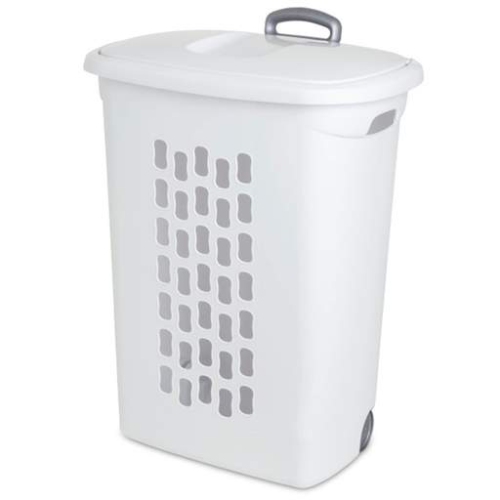 Your price for this item is $1089.99
 -
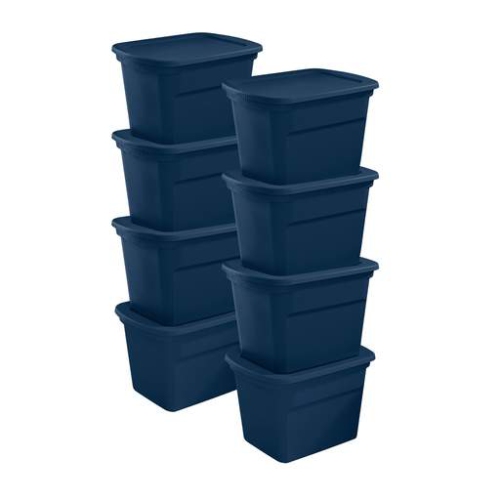 Your price for this item is $246.99
 -
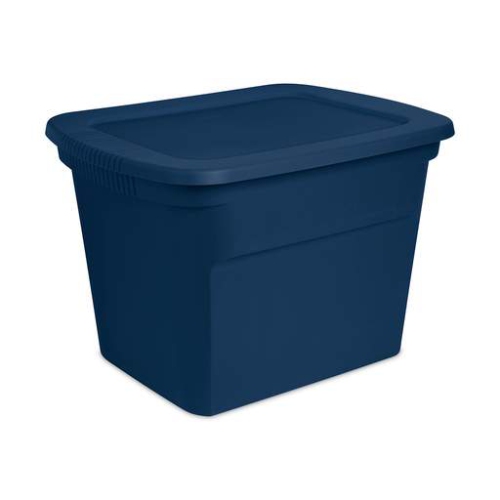 Your price for this item is $679.99
 -
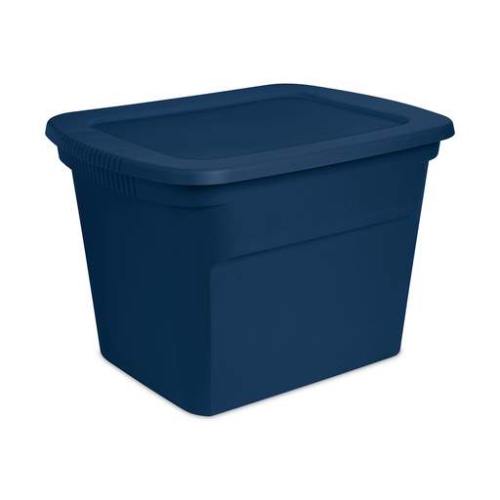 Your price for this item is $906.99
 -
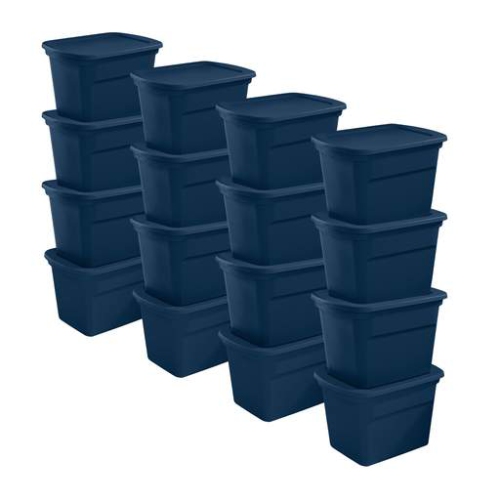 Your price for this item is $452.99
 -
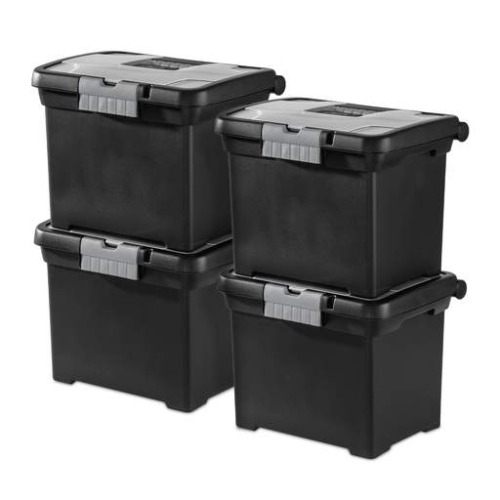 Your price for this item is $133.99
 -
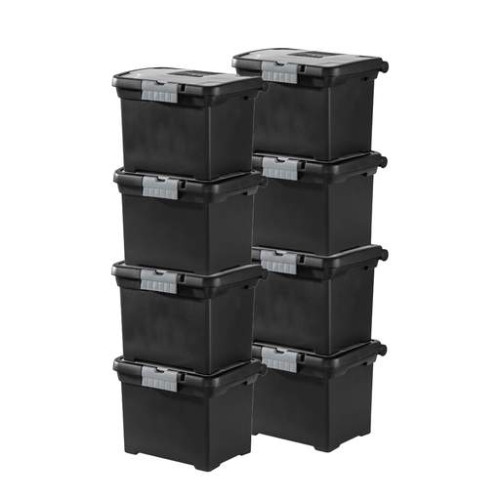 Your price for this item is $264.99
 -
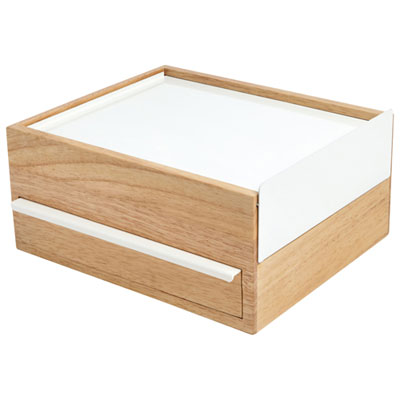 Your price for this item is $64.98
Discover more categories related to Kitchen Storage Baskets
Top Collections:
Pokemon Centers, Kindle Devices, Best Budget Office Chairs, Apple iPhones 16, Best Laptops for Writers, iPhone 15 Apple, Canon G7X Cameras, Refurbished Apple Laptops, Alarm Clock, Motorola Razr Phones
Some products may be subject to Environmental Handling Fees
(EHF) depending on your province.
Learn more about EHFs.