Dehumidifier Air Conditioners
Looking to create a more comfortable and healthier living environment? Look no further than our selection of dehumidifier air conditioners. These versatile appliances not only help regulate the temperature in your space but also reduce excess moisture, preventing the growth of mold and mildew. Whether you're dealing with hot and humid summers or damp basements, our range of dehumidifier air conditioners offers efficient cooling and dehumidification solutions for any room in your home or office. Say goodbye to sticky discomfort and hello to a refreshing, breathable atmosphere with our top-notch selection of dehumidifier air conditioners.
Sort
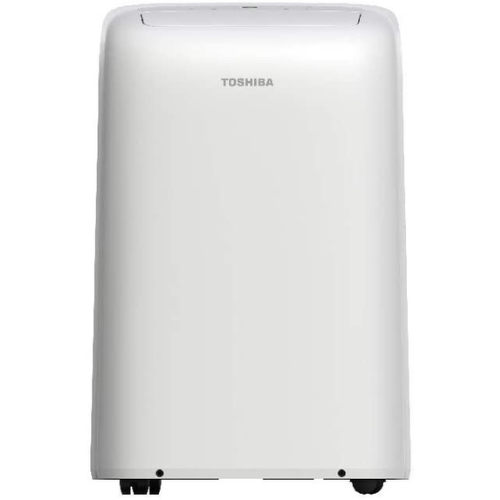
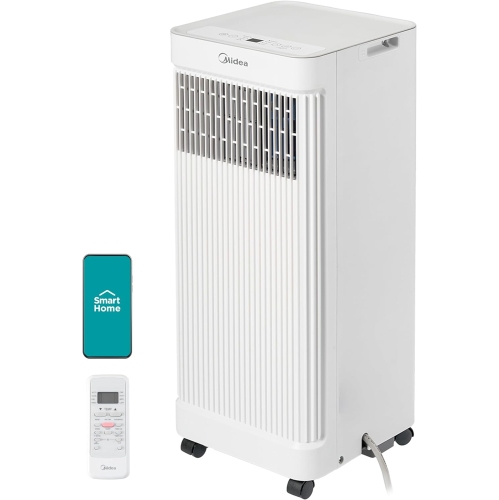
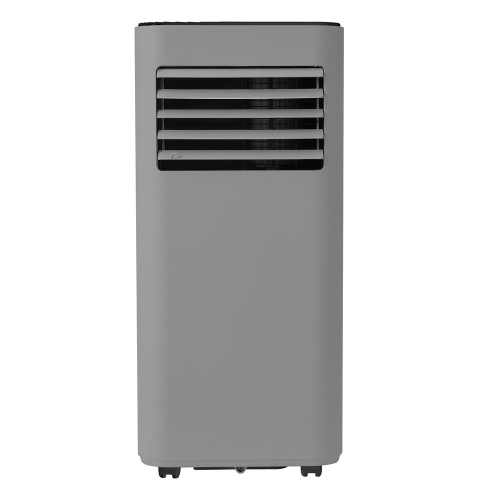
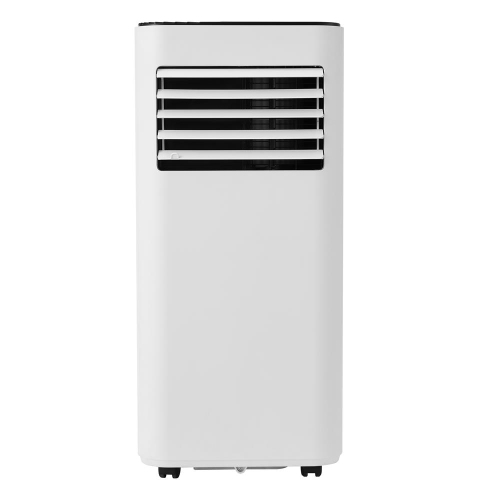
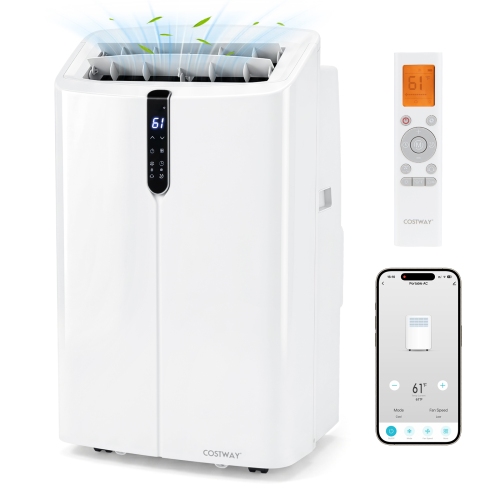
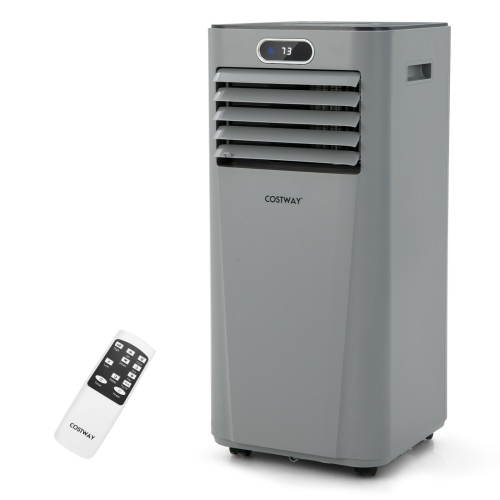
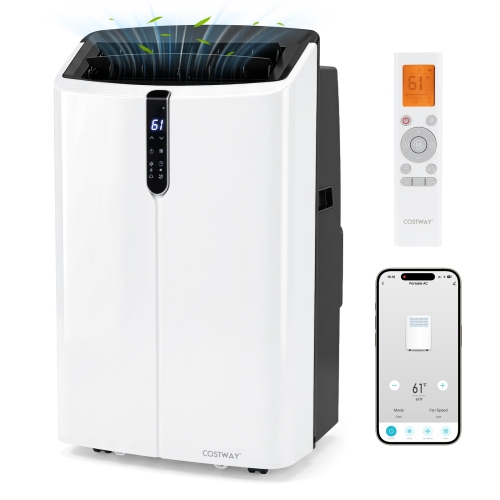
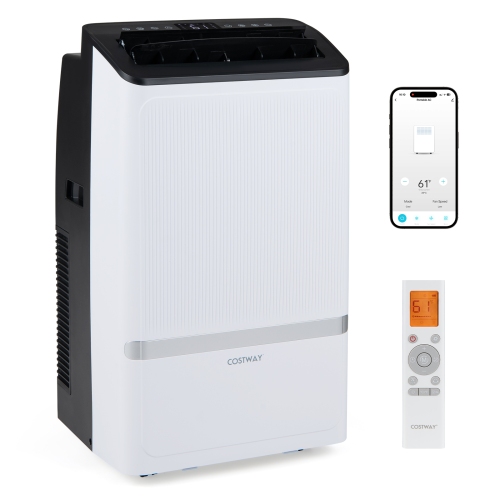
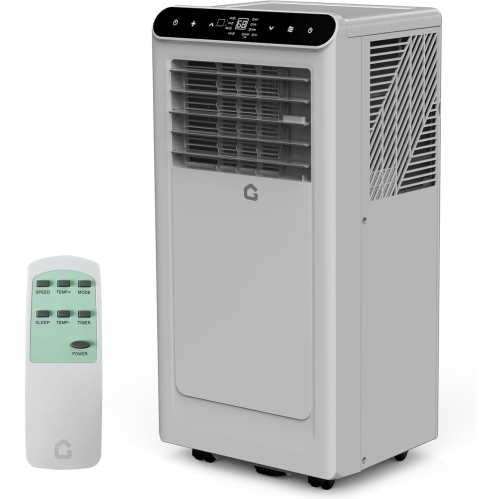
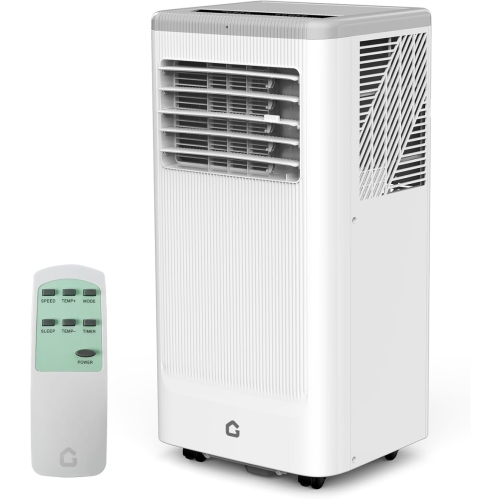
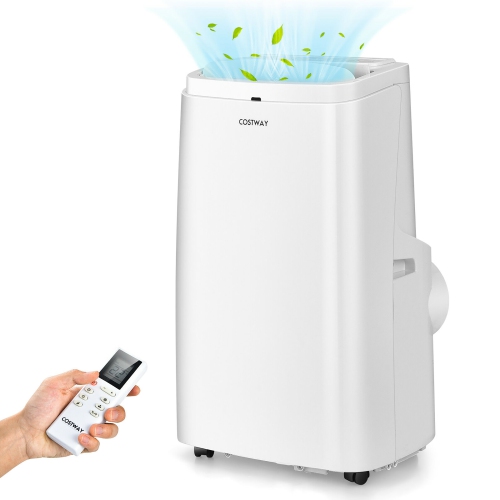
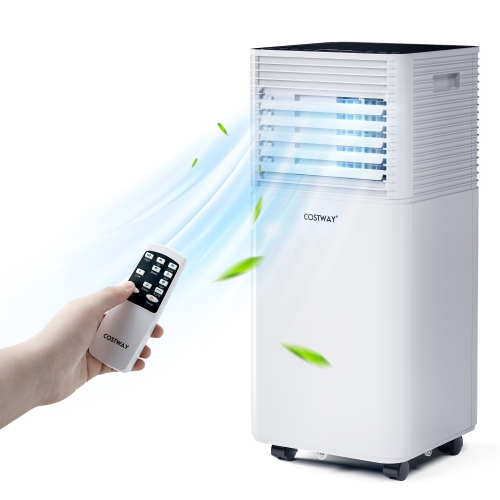
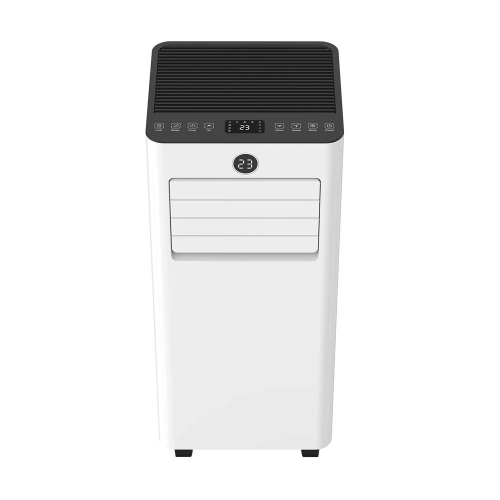
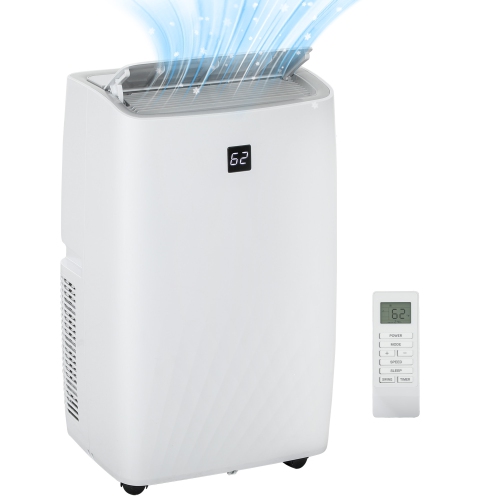
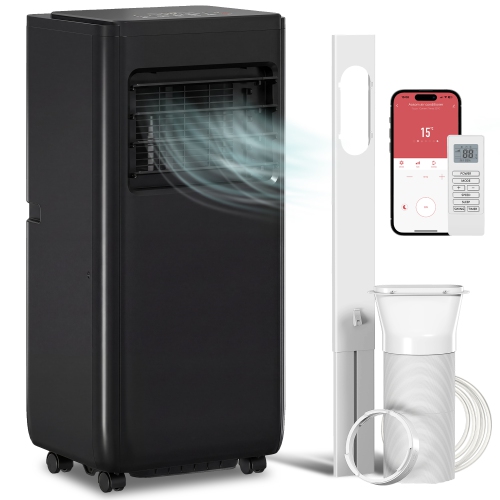
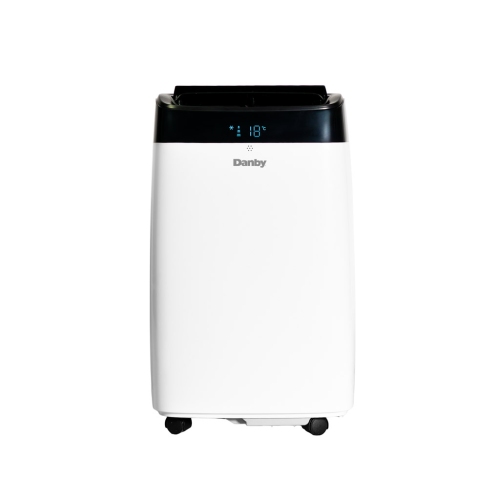
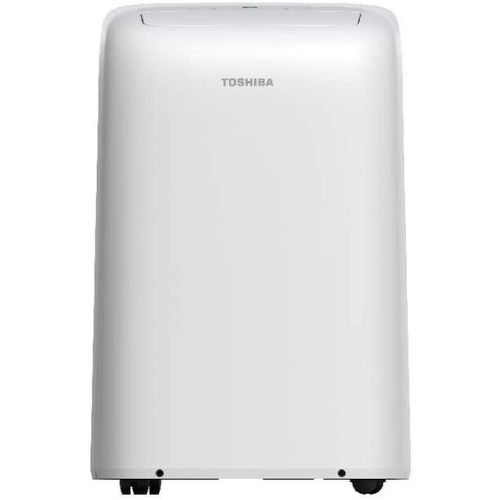
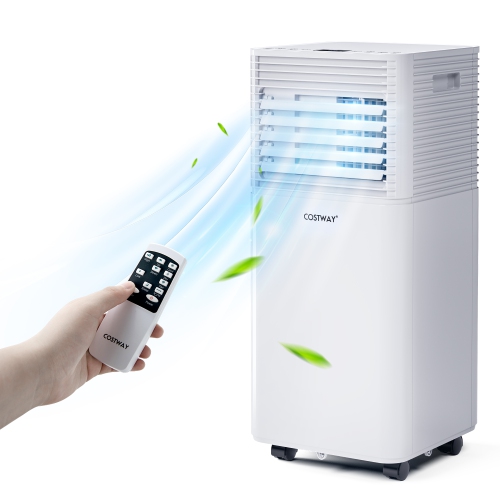
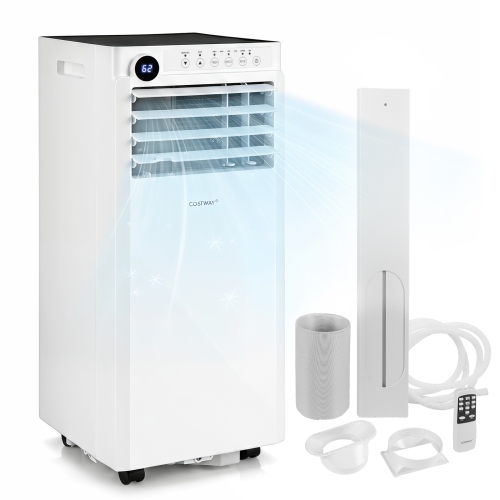

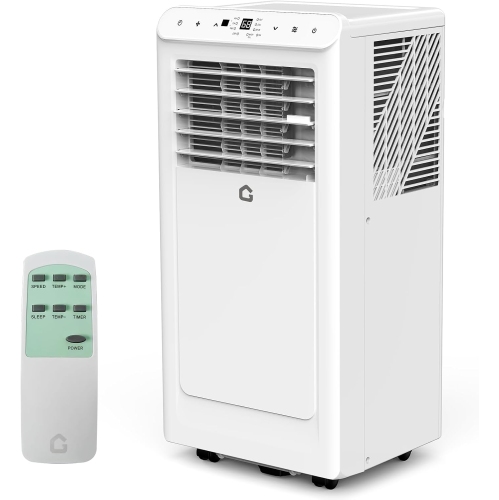
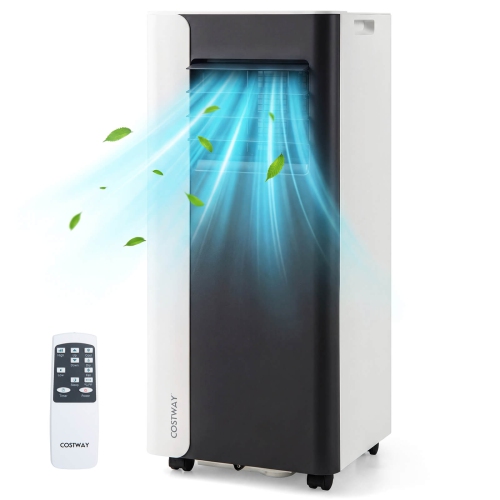
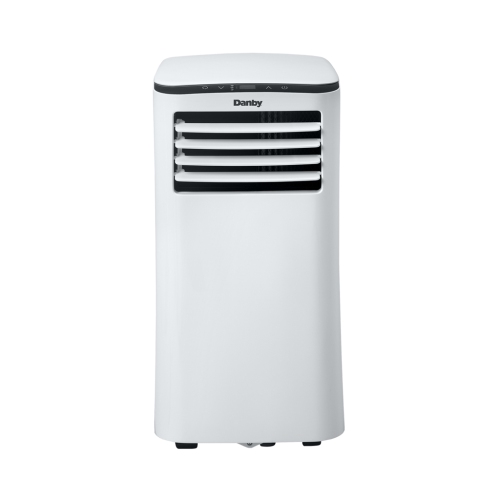
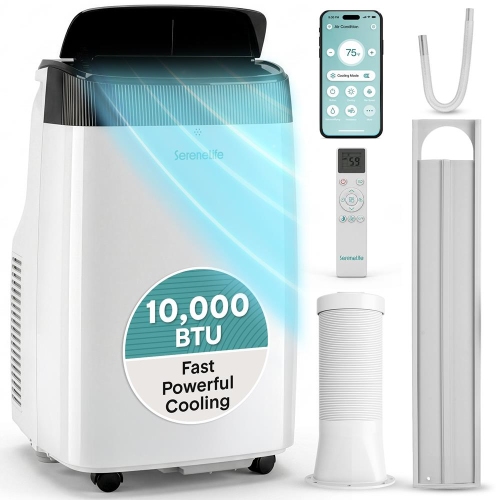
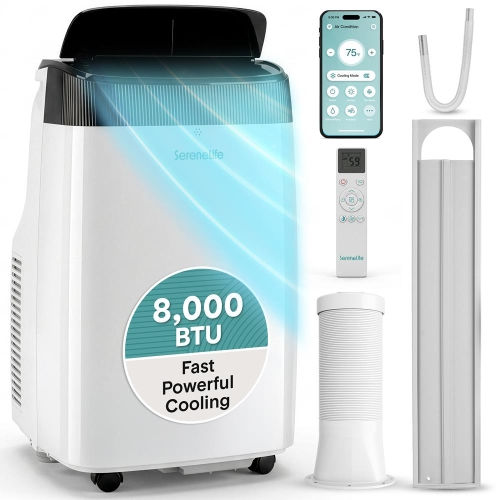
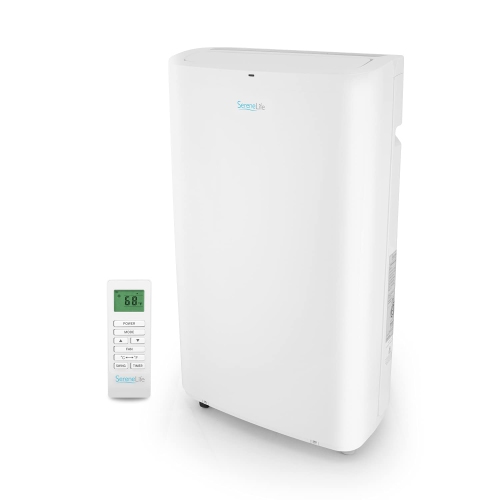
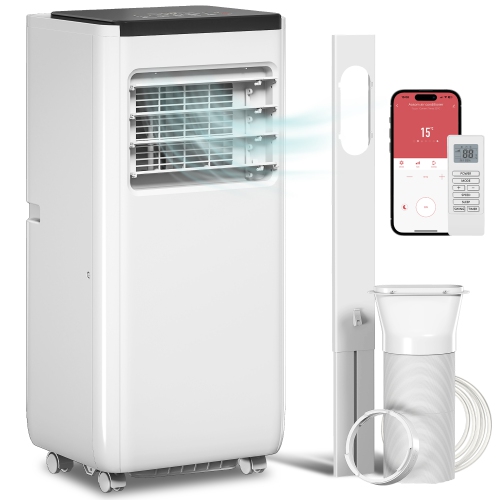
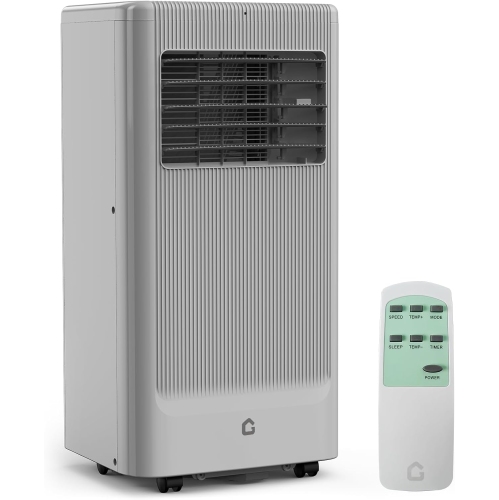
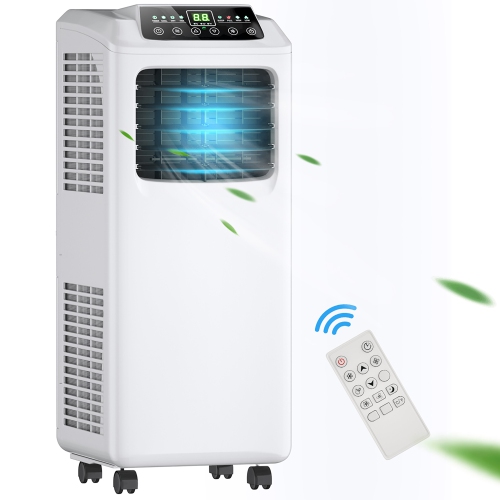
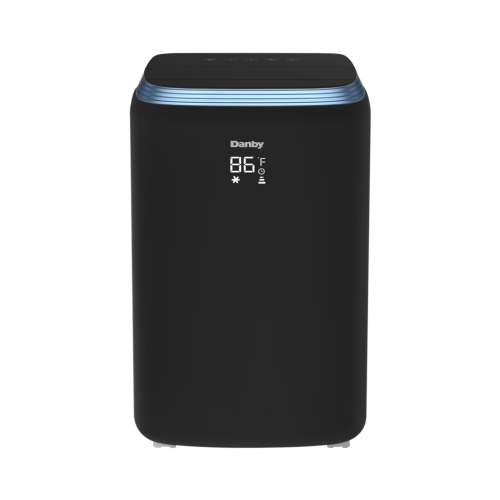
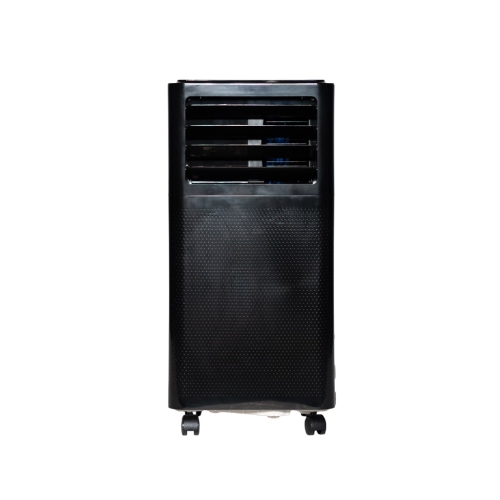
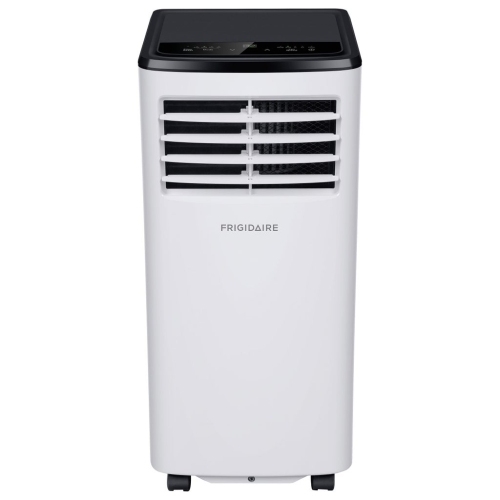
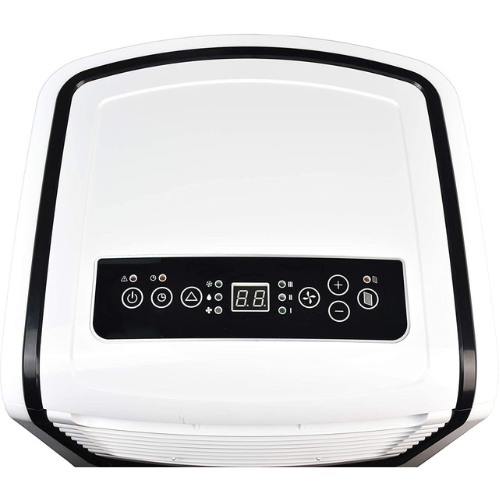
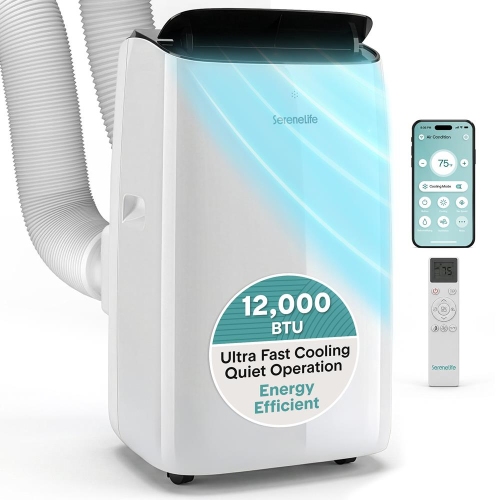
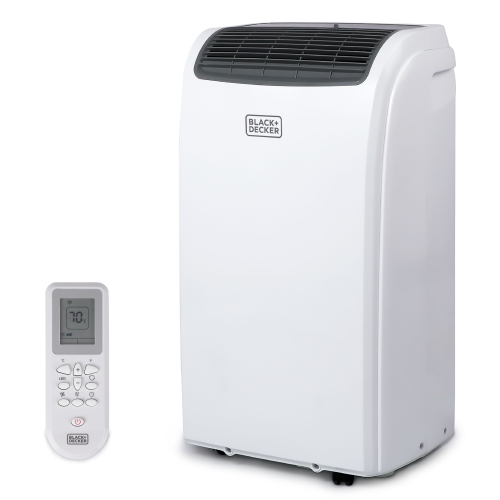
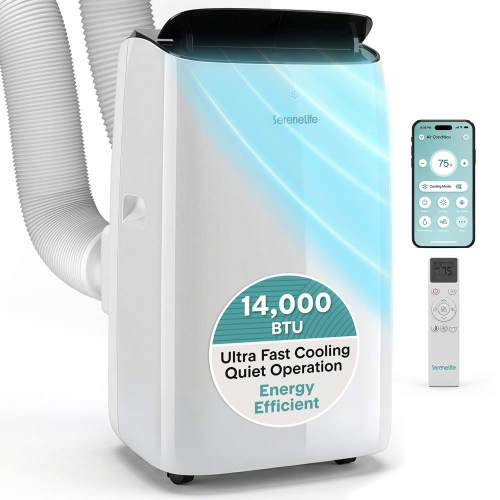
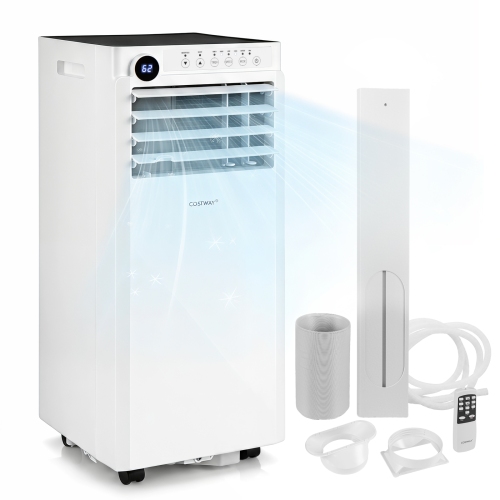
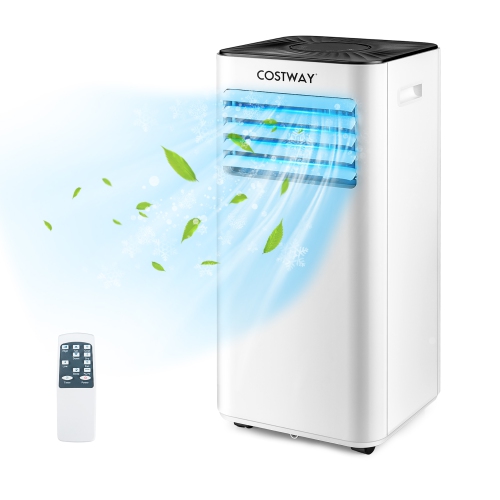
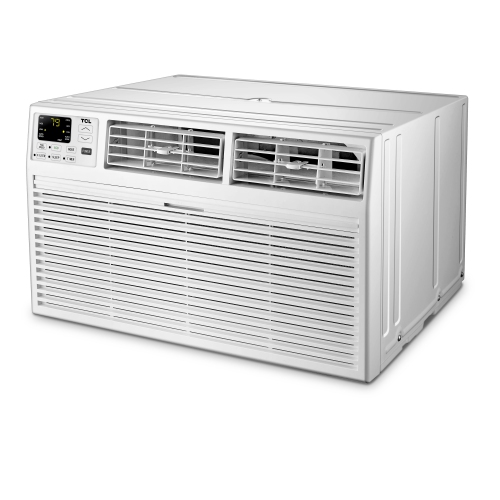
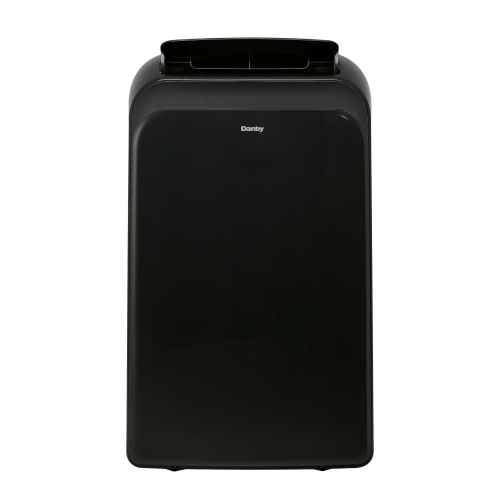
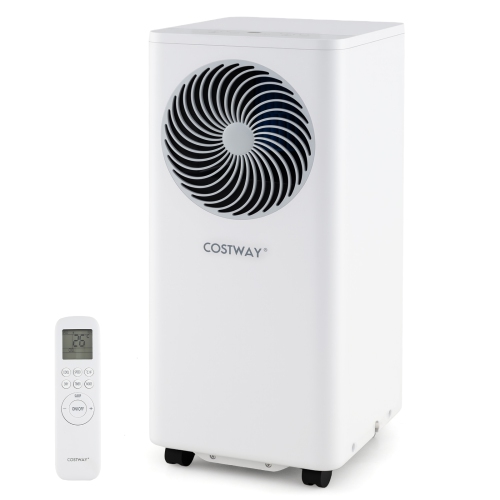
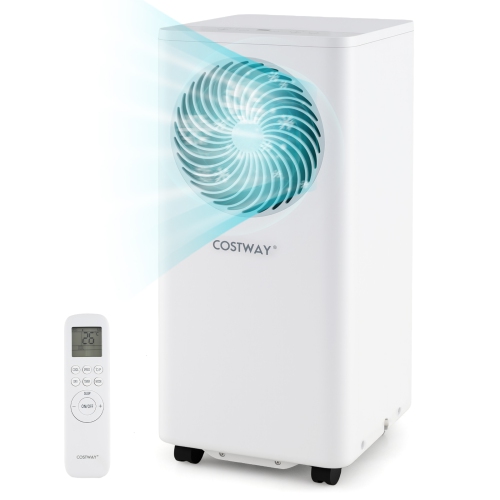
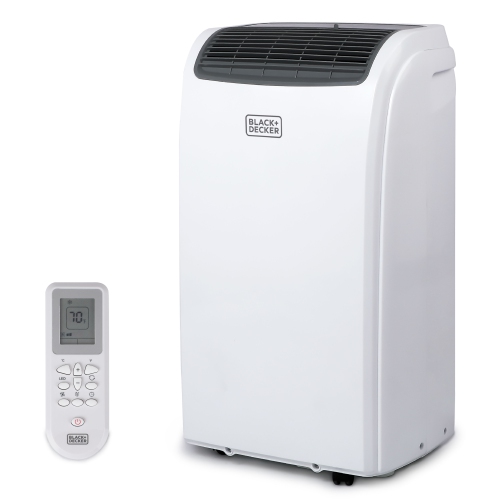

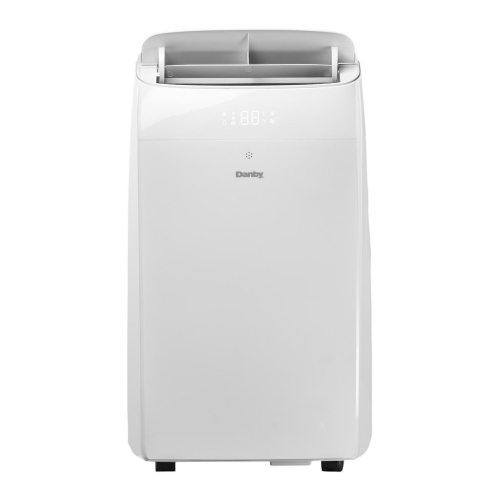
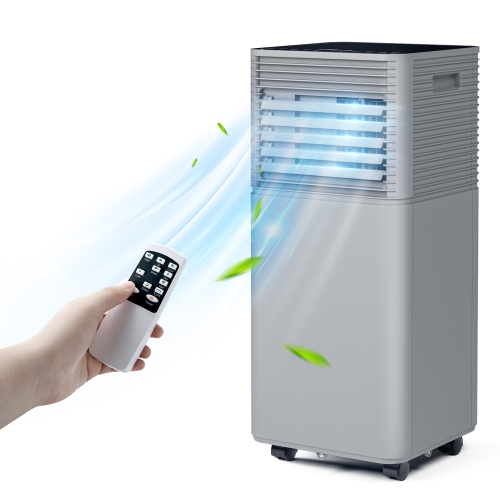
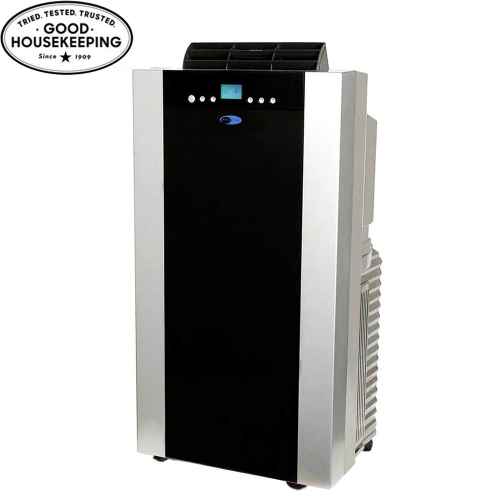
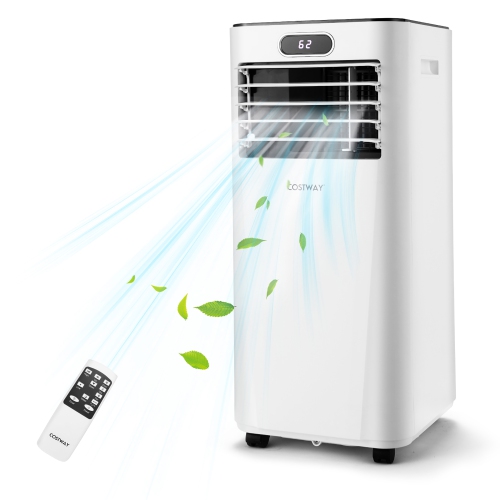
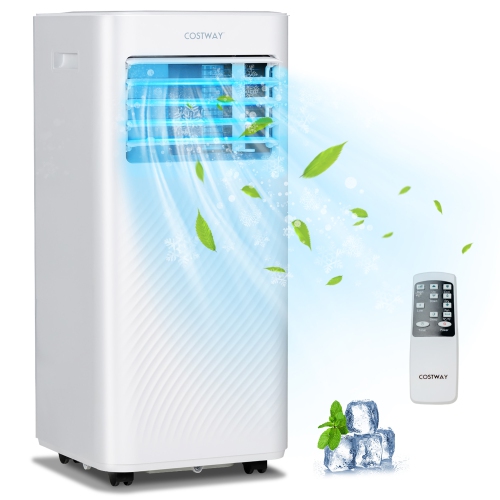
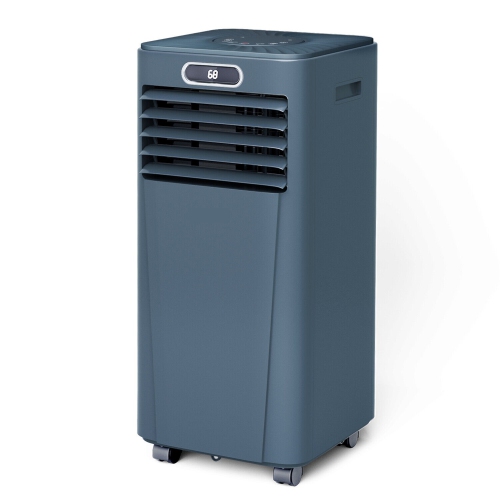



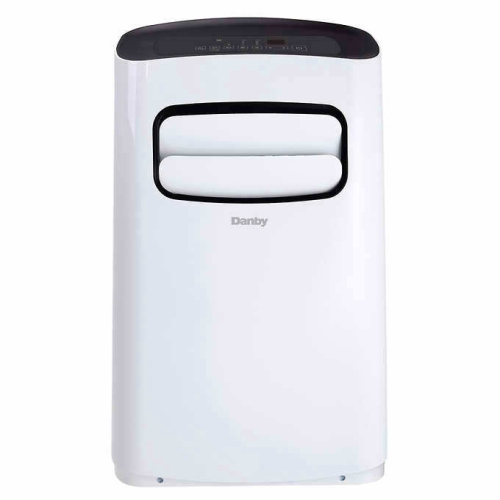
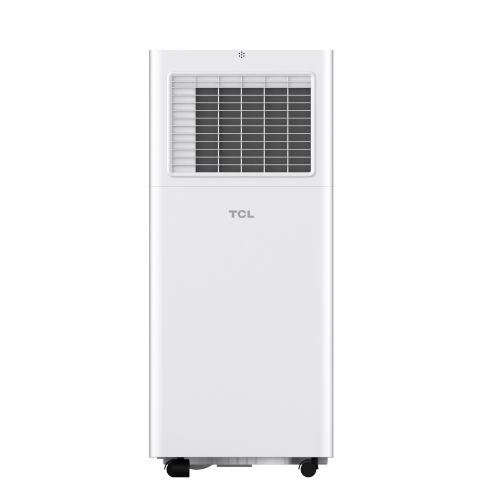
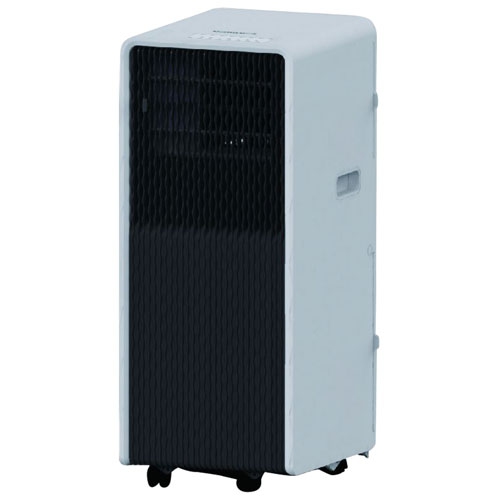
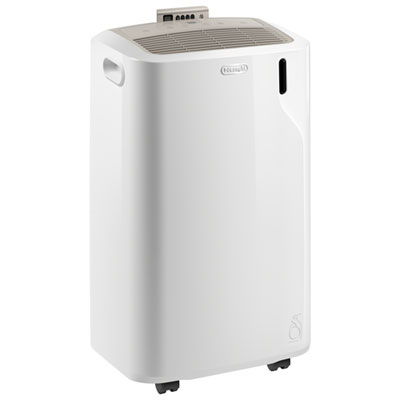
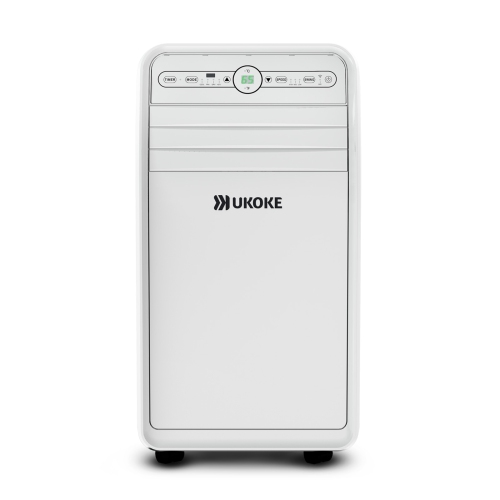
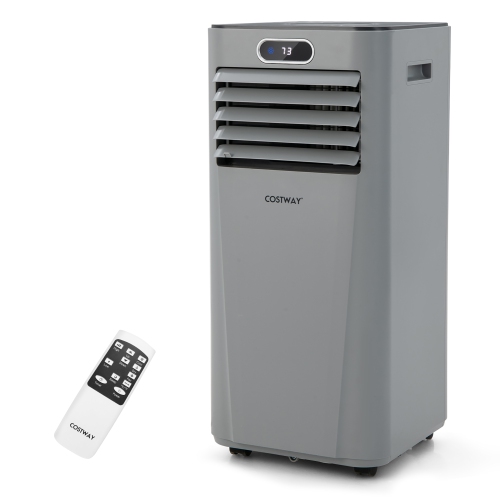
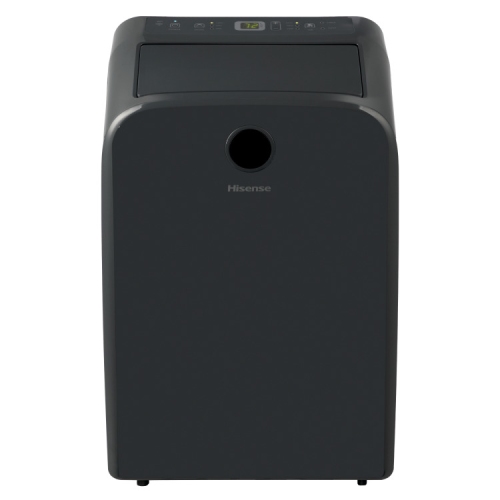
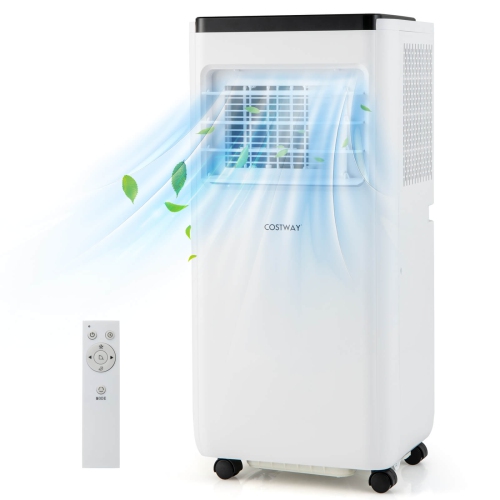
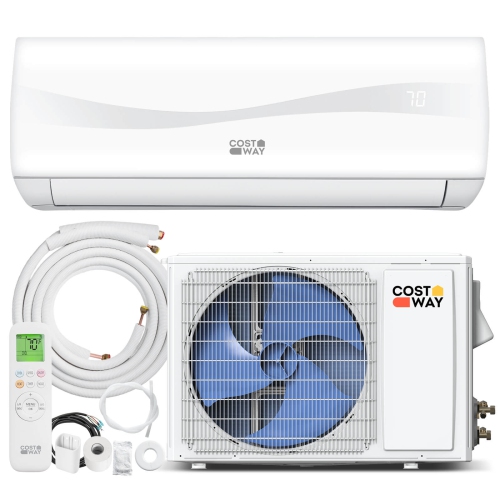
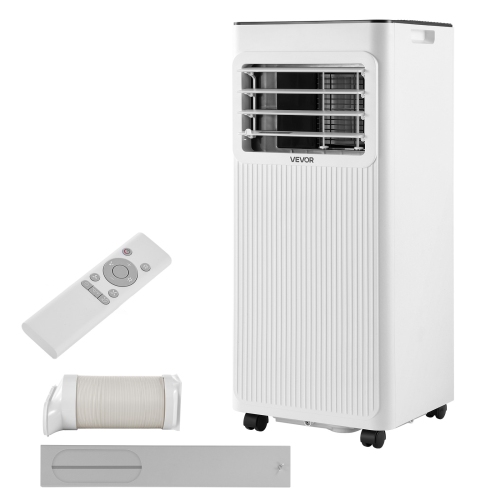
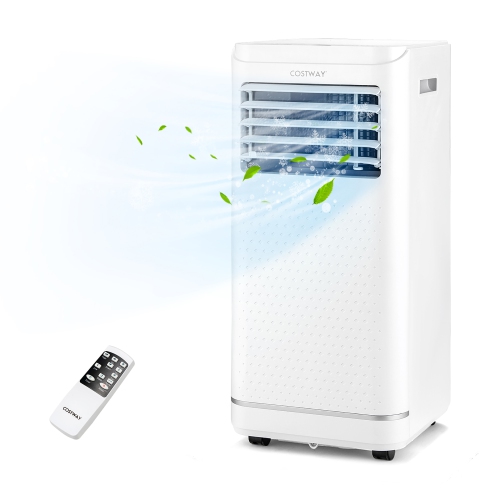
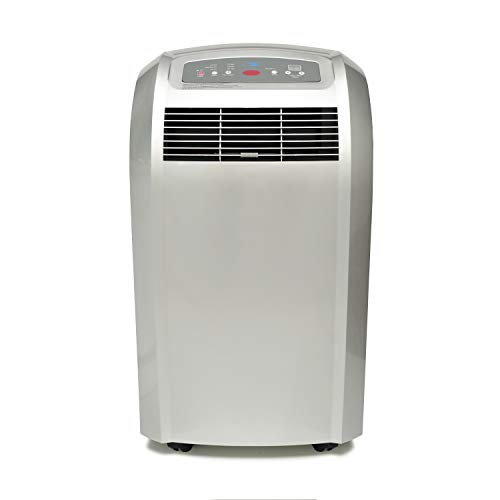
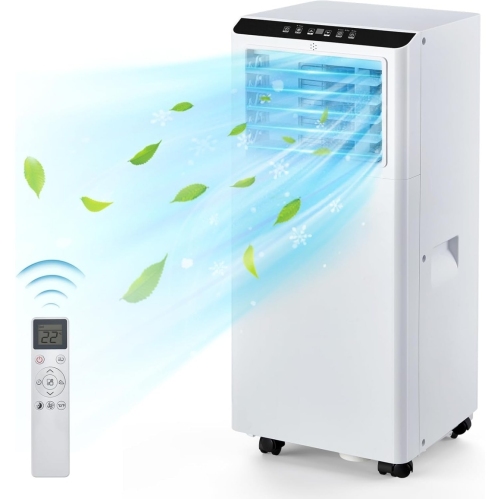
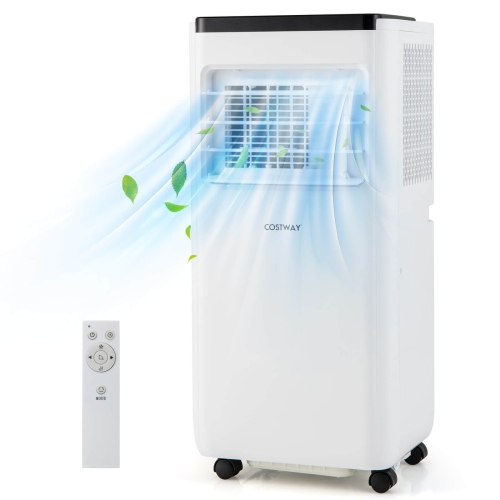
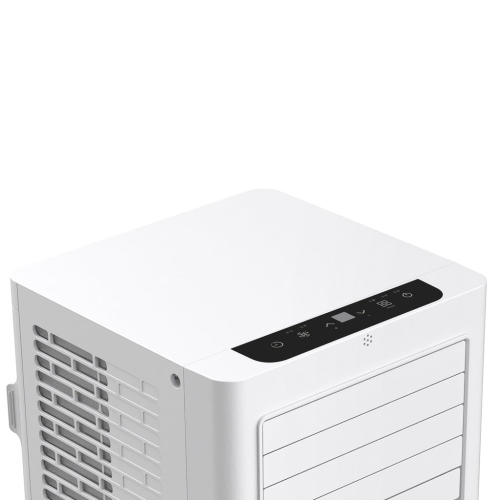
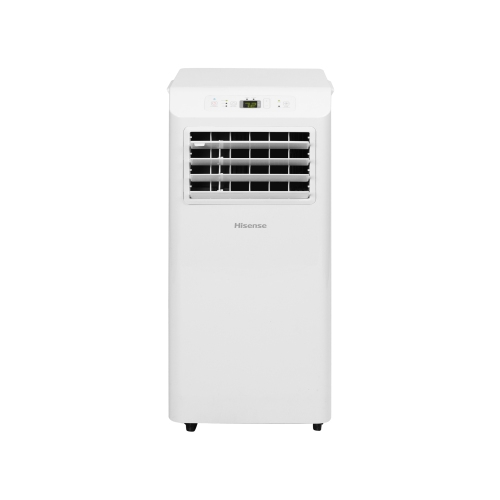
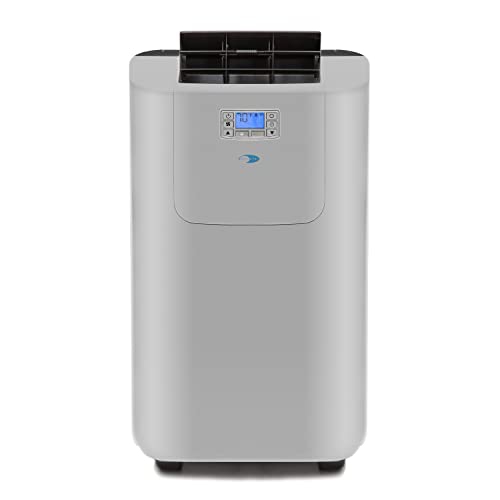
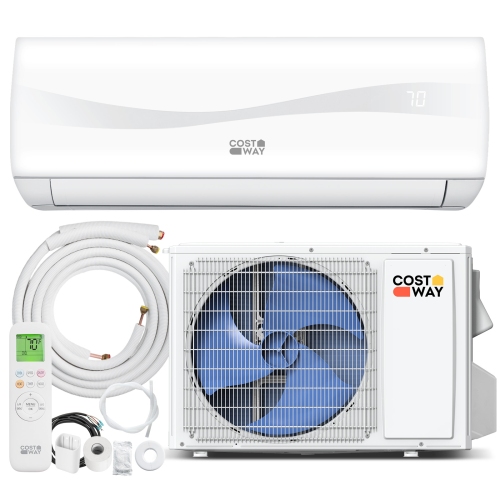
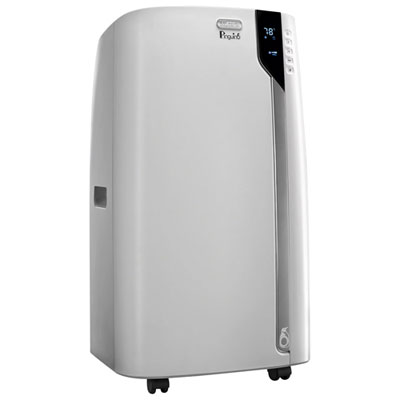
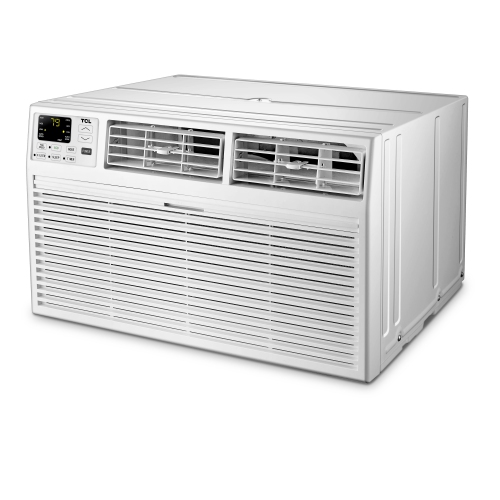
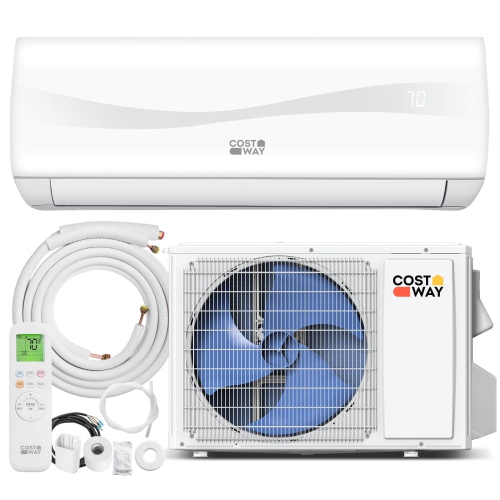
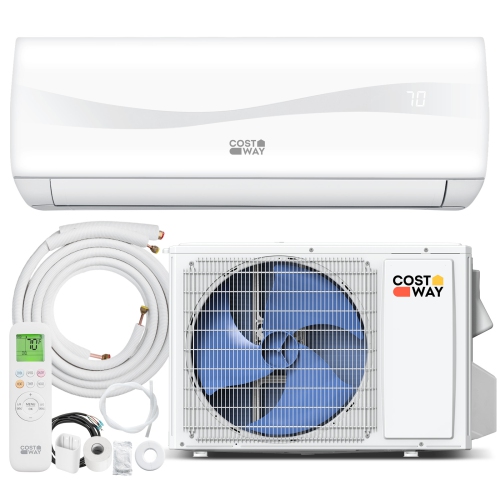
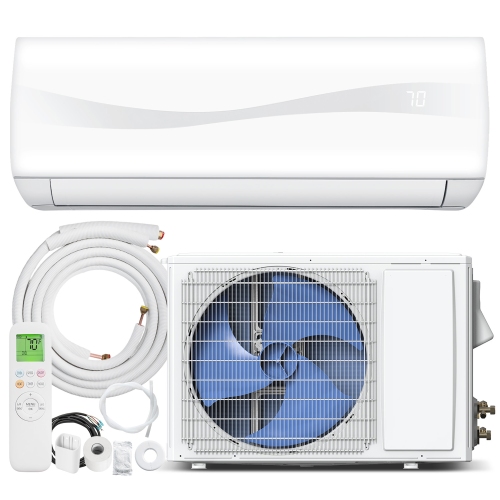
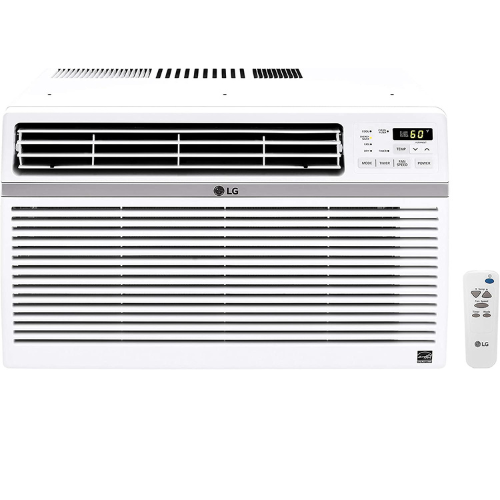
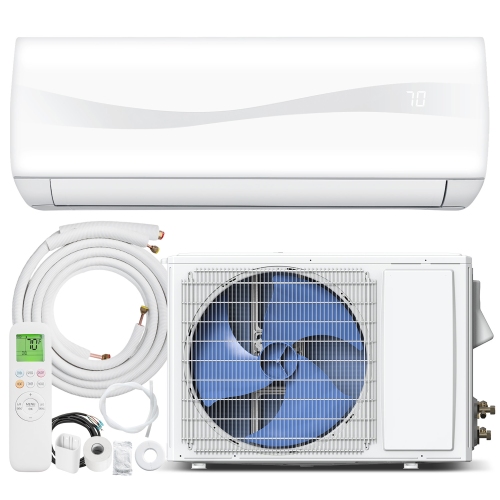
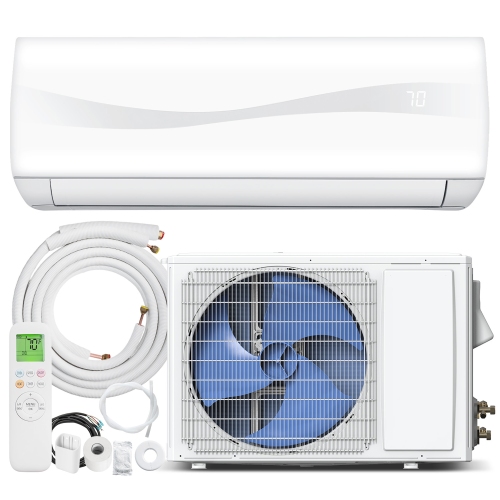
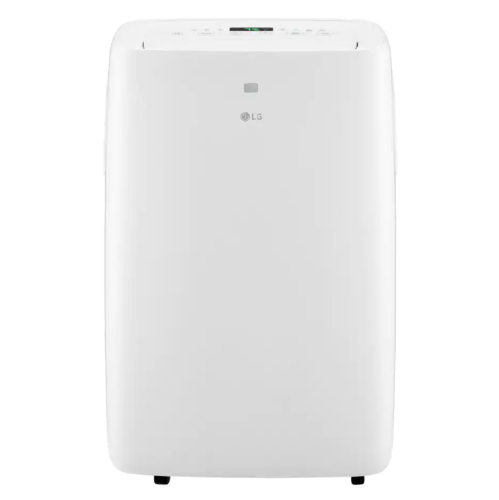
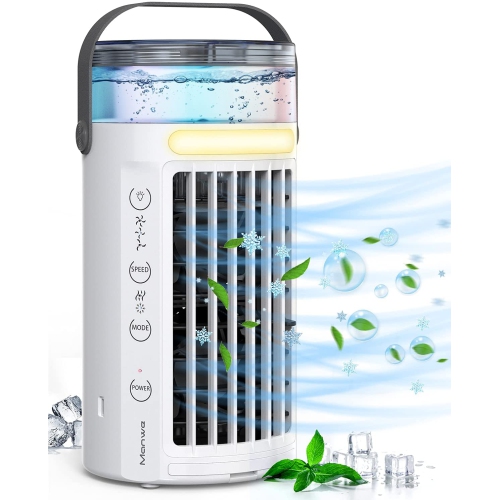
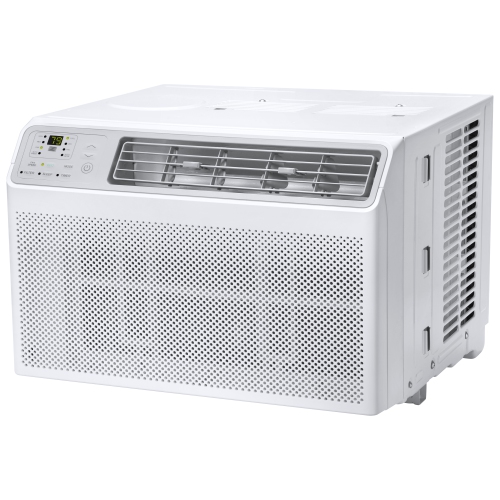
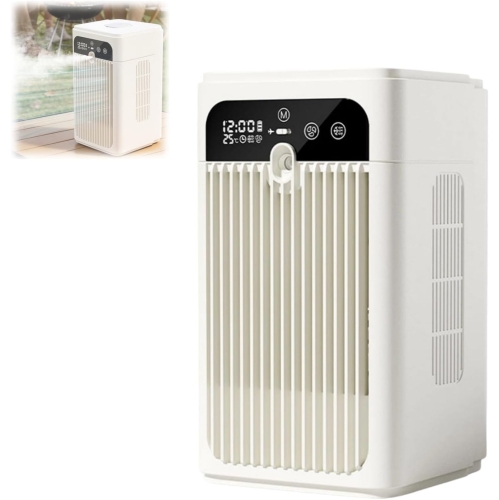

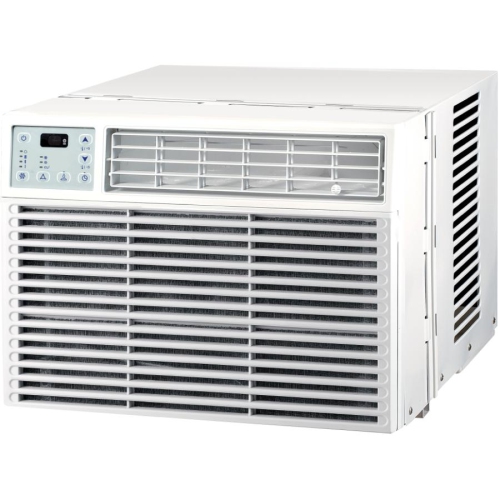
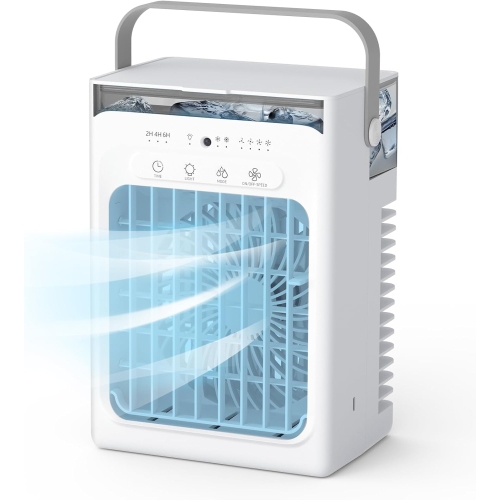

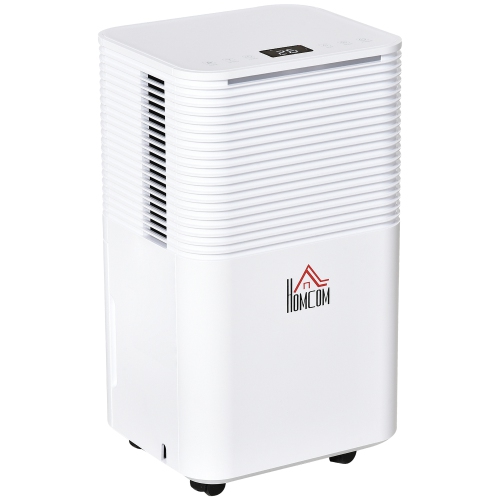
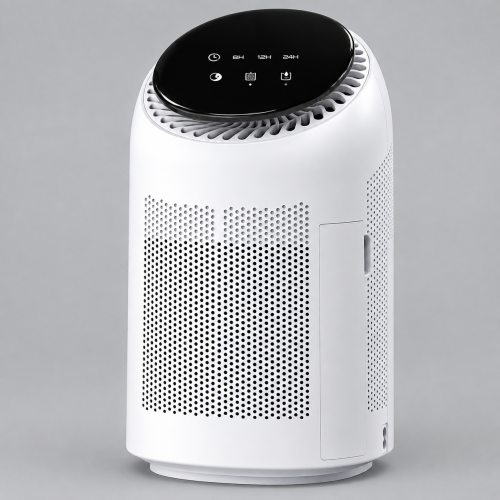
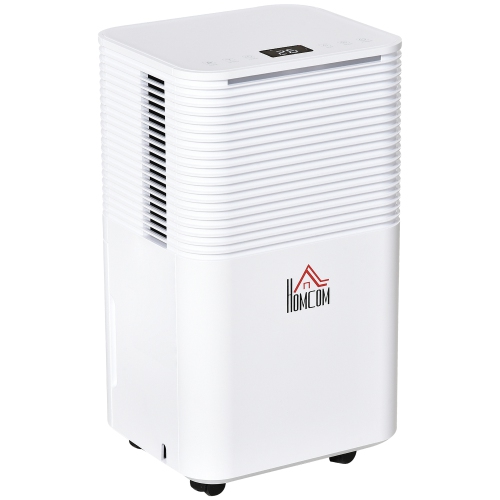
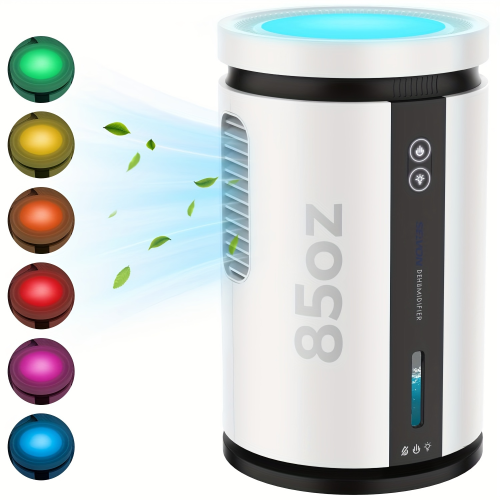

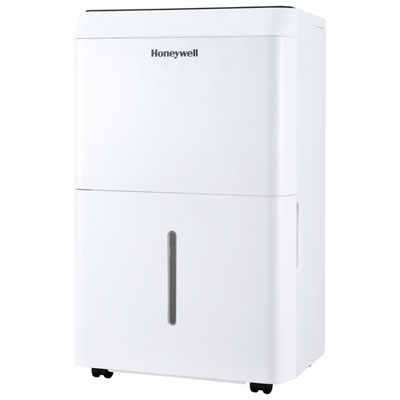
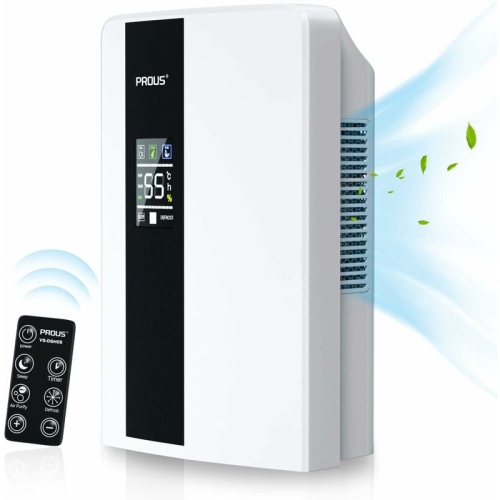
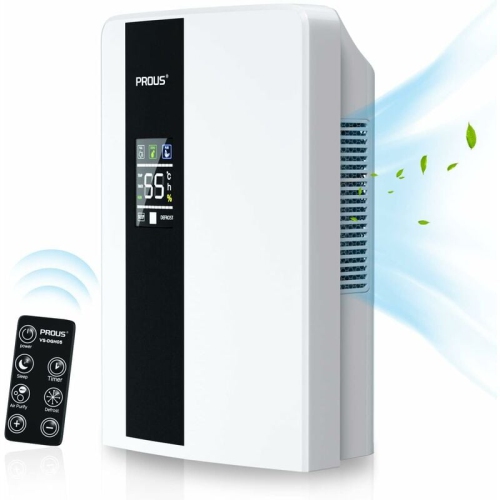

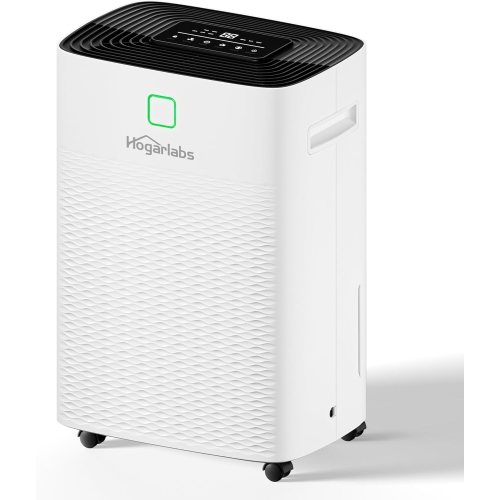
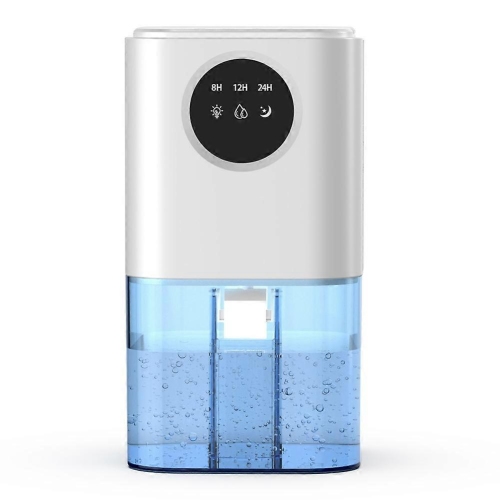
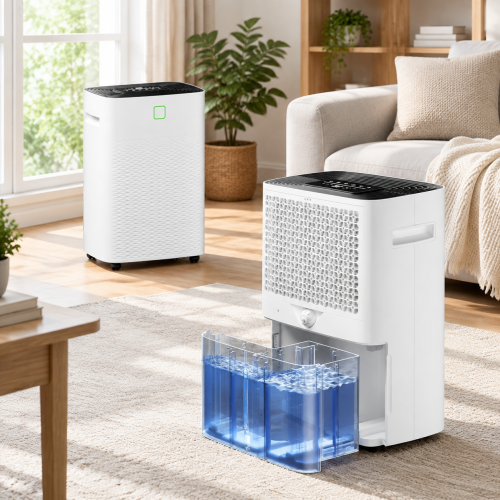
Cooling and moisture removal for muggy rooms
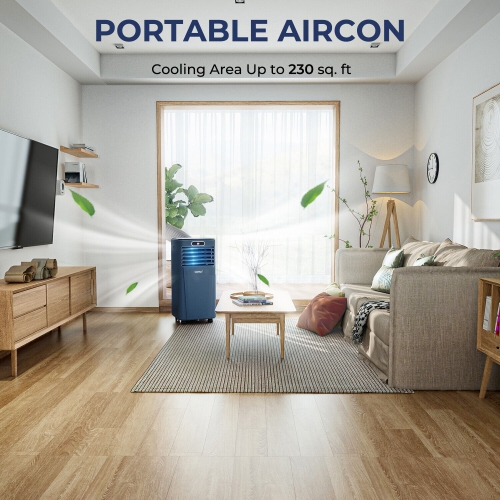
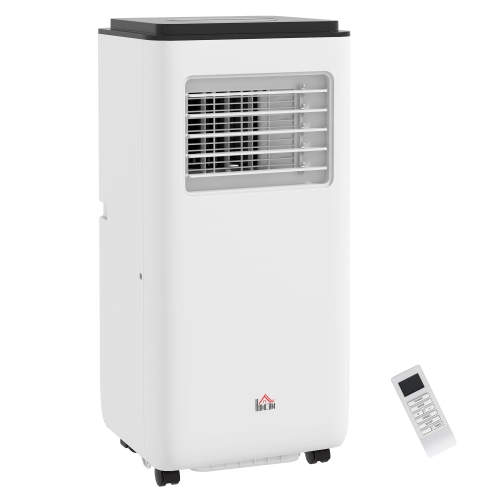
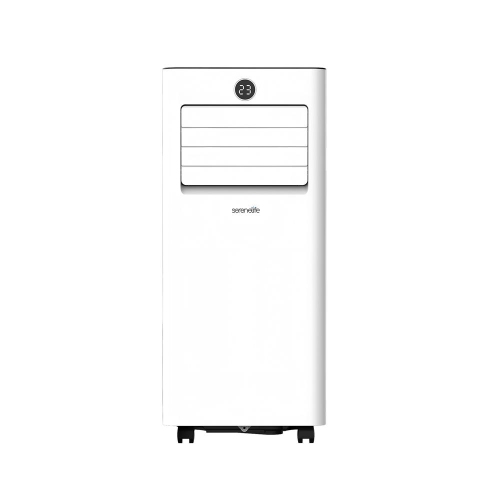
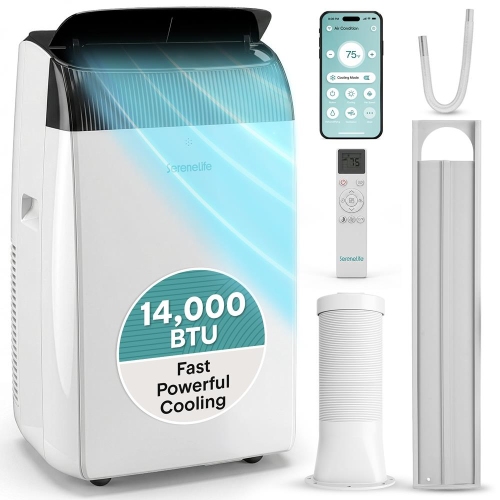
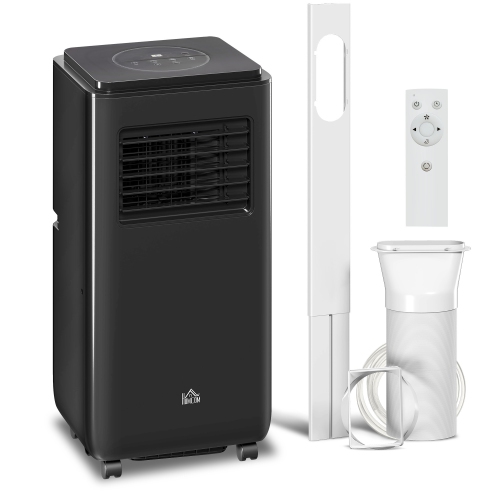
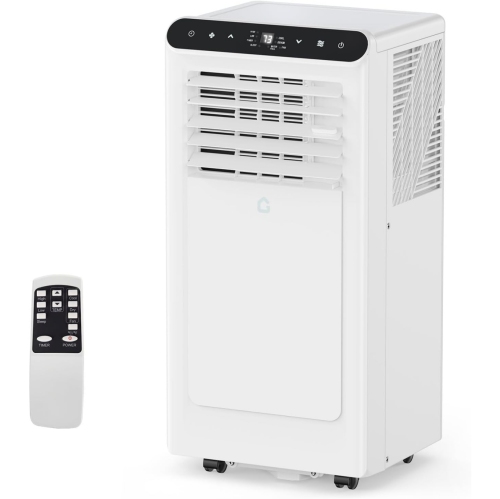
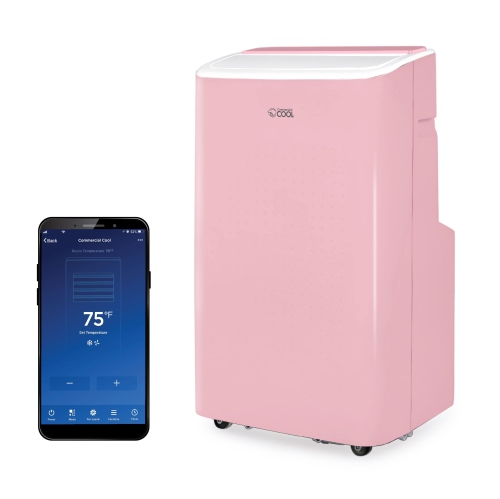
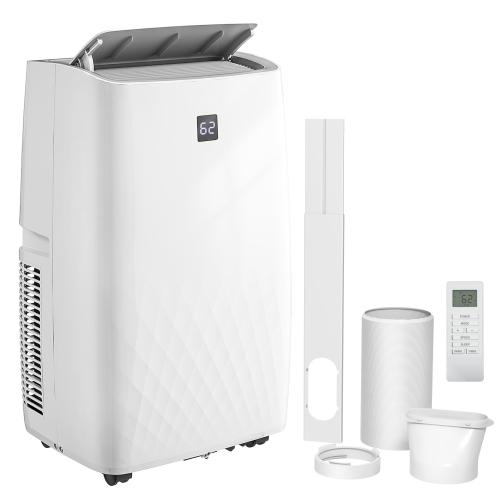
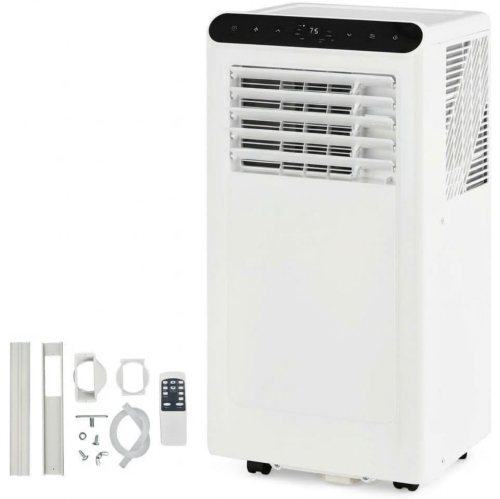
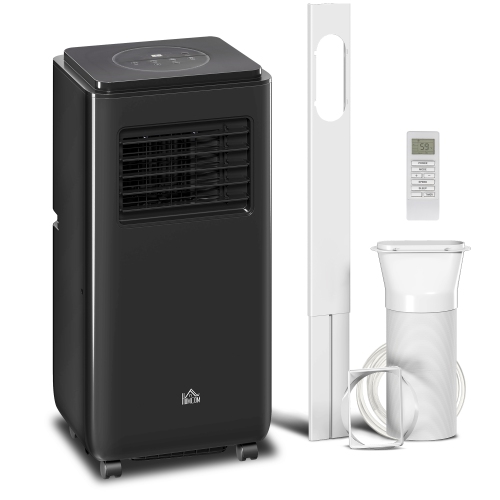
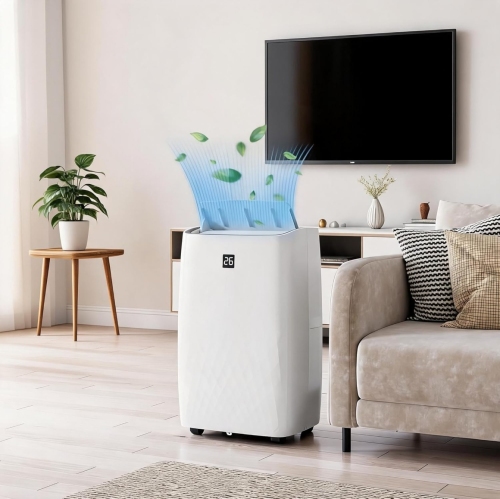
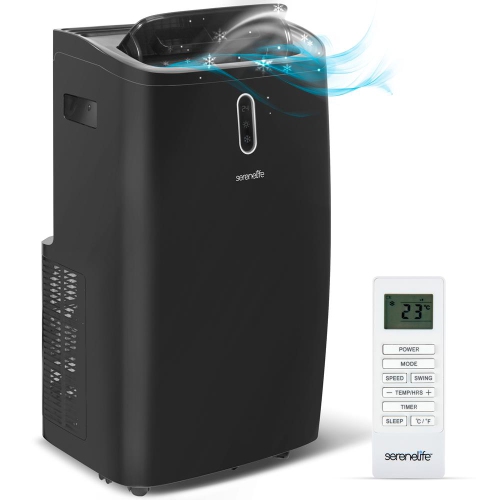
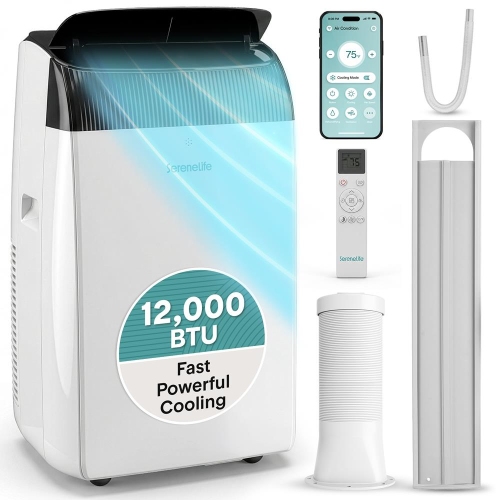
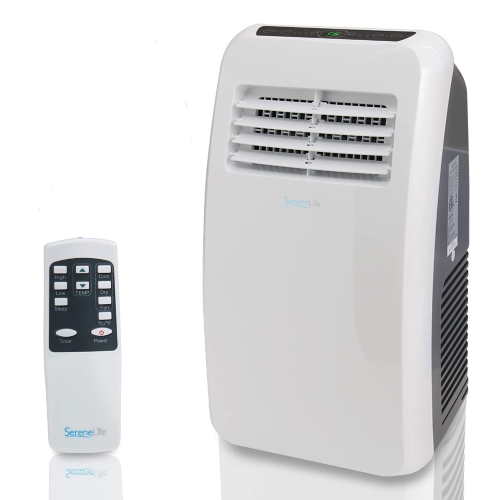
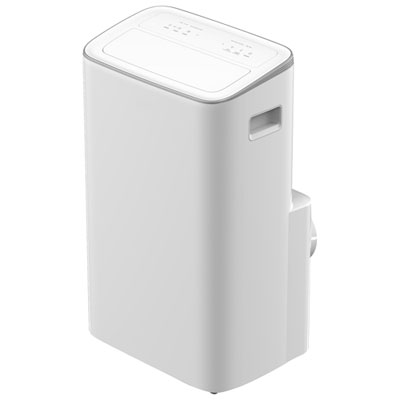
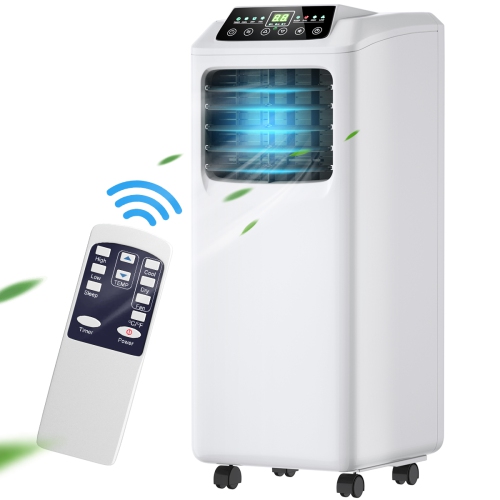
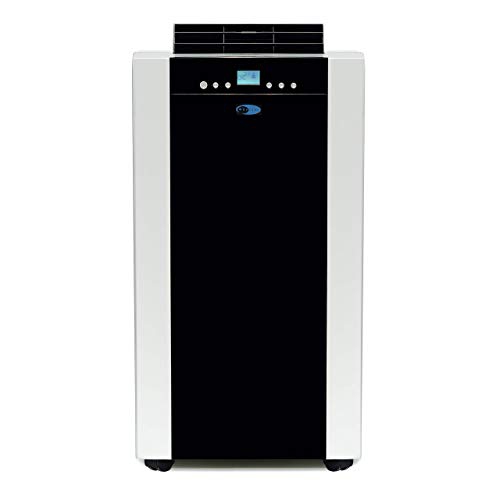
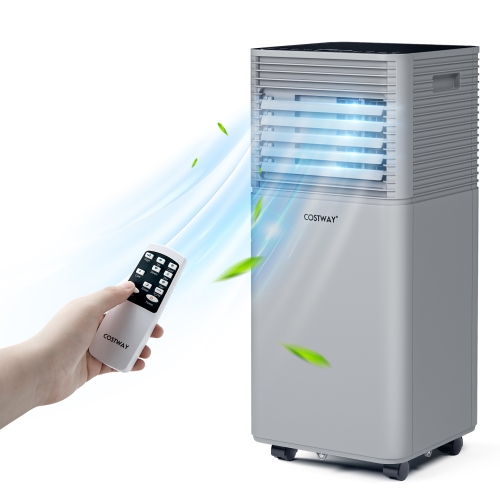
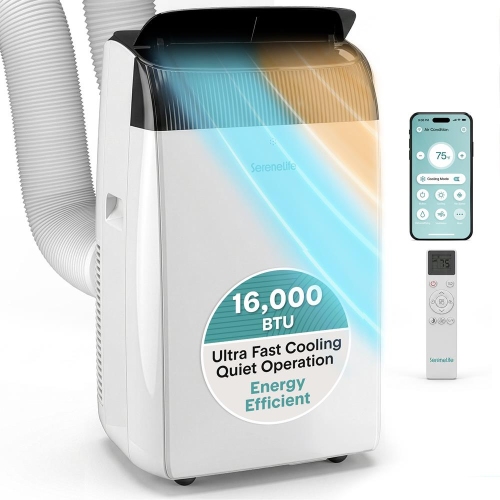
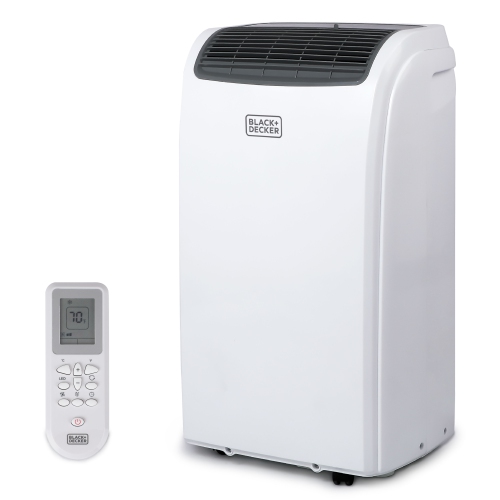
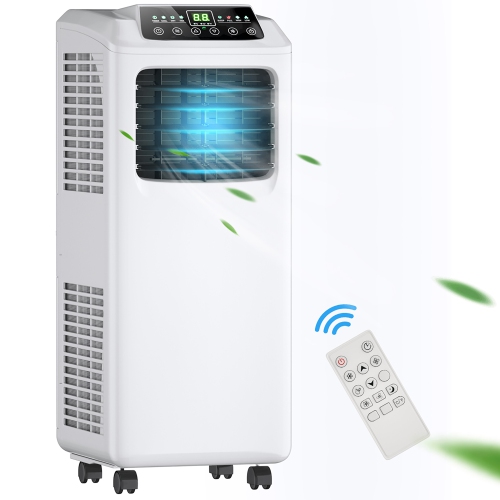
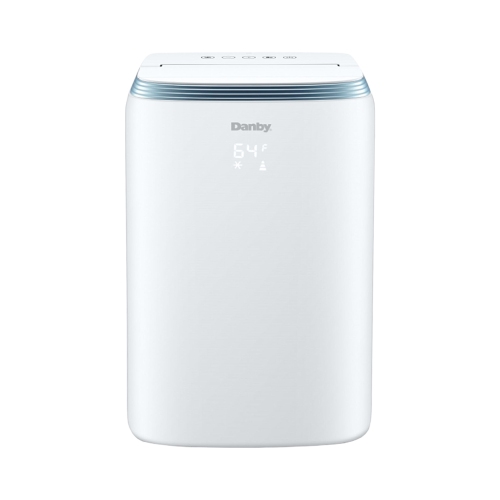
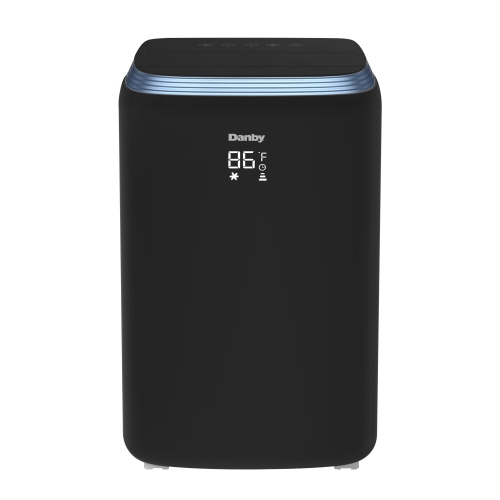
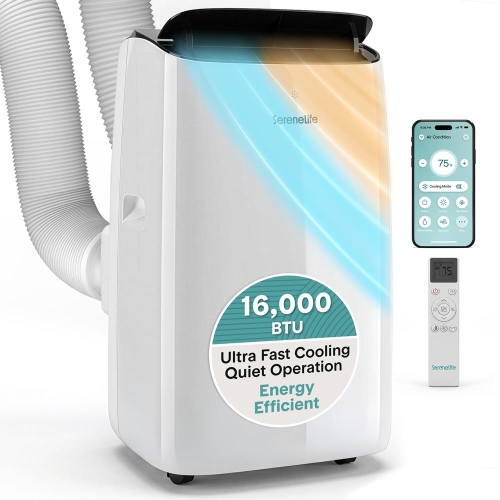
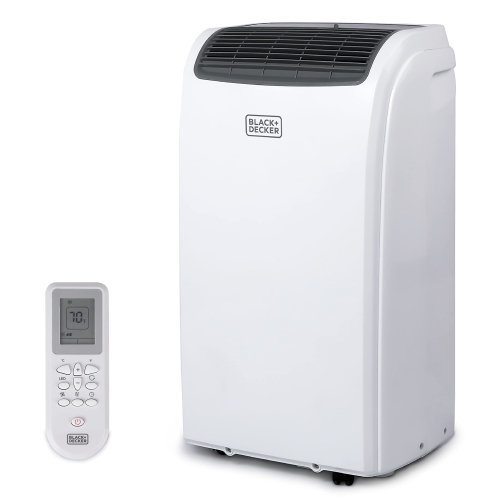
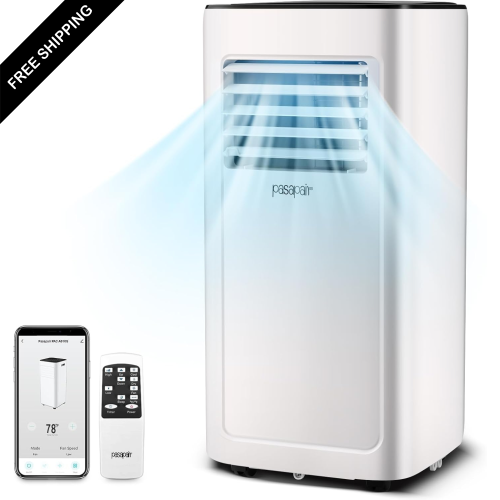
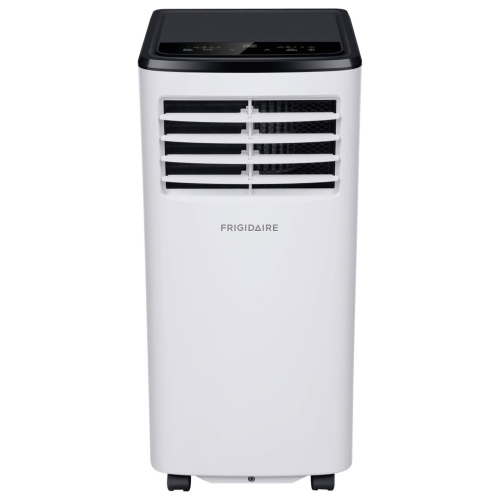
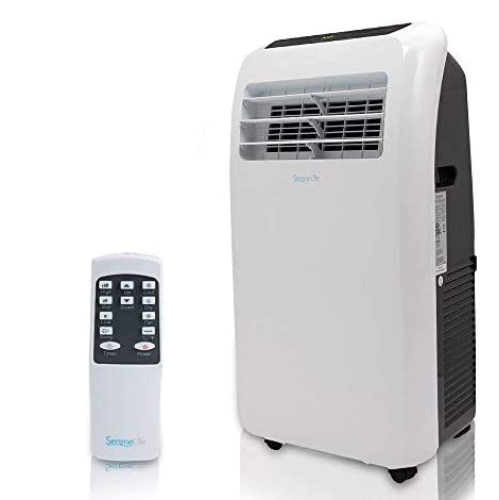
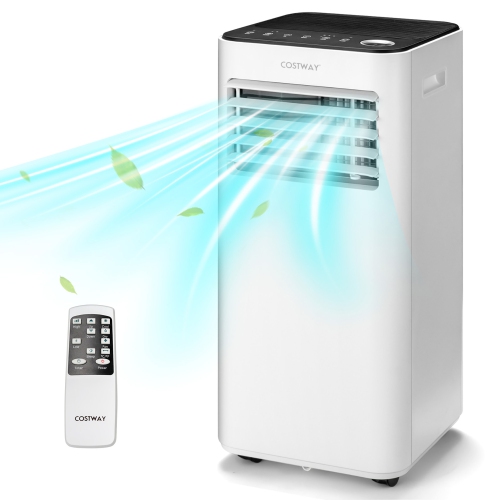
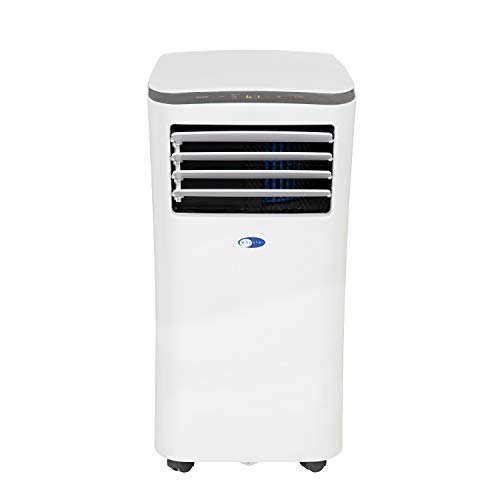
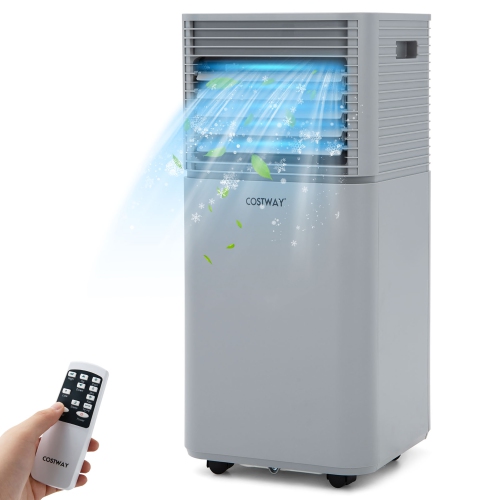
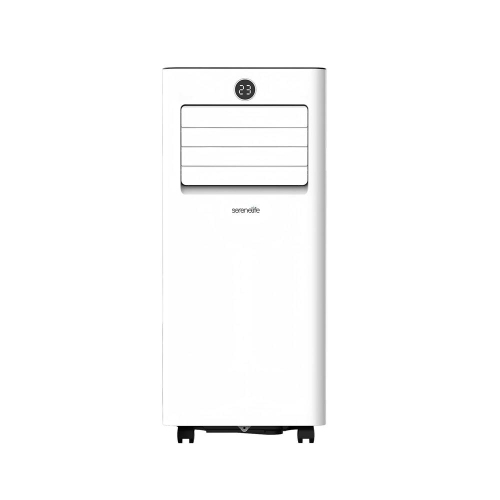
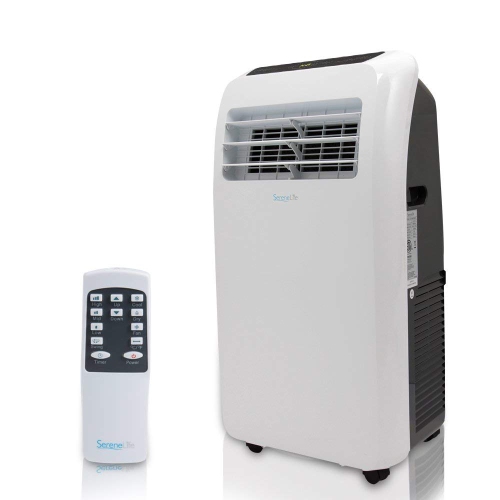
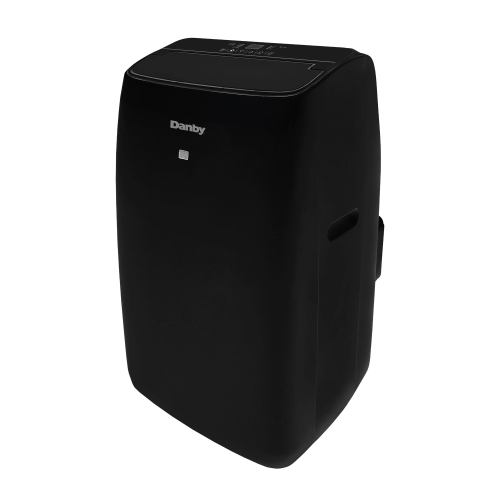
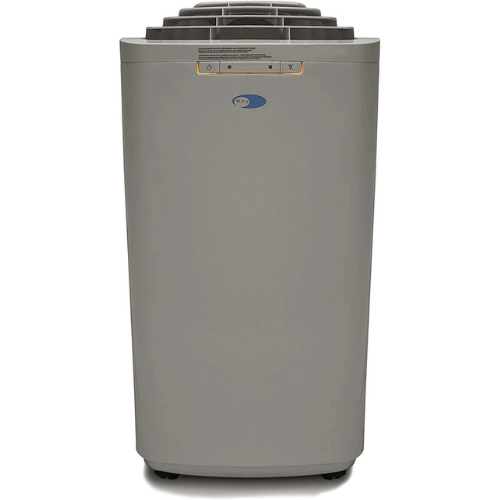
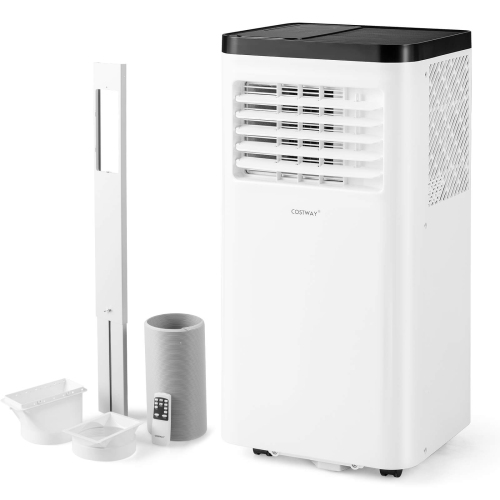
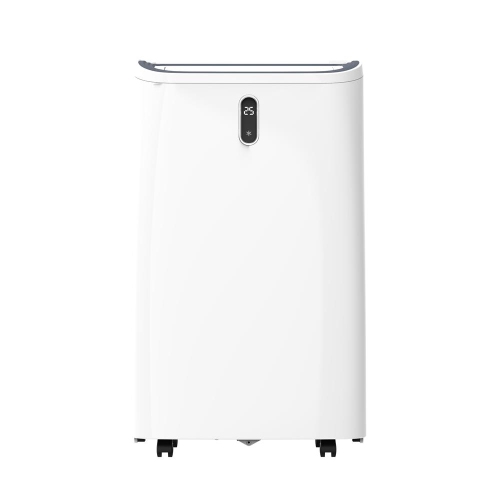
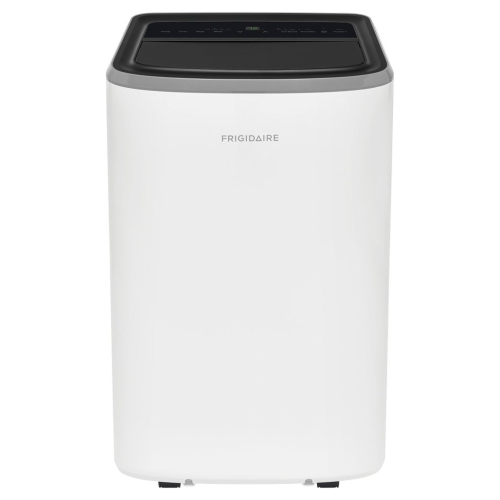
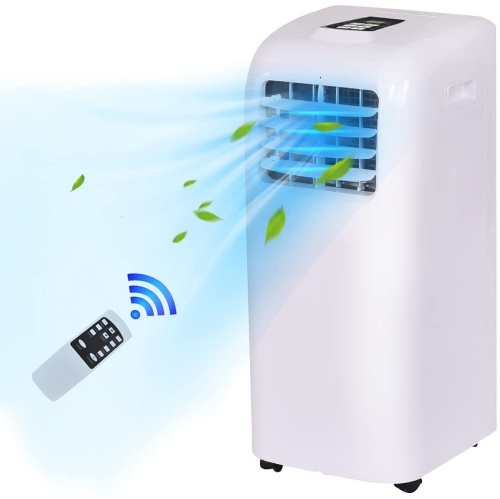
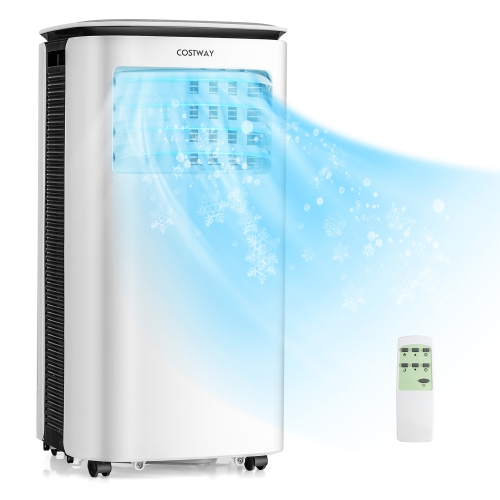
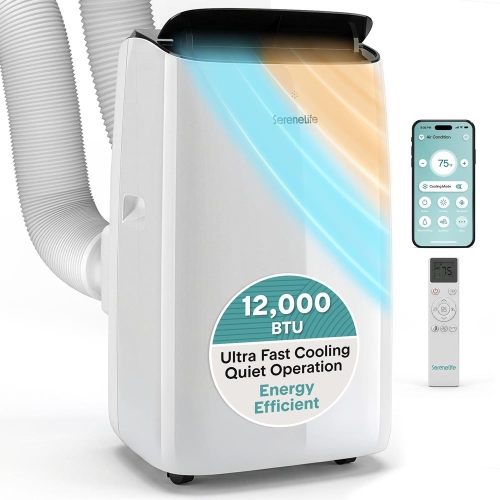
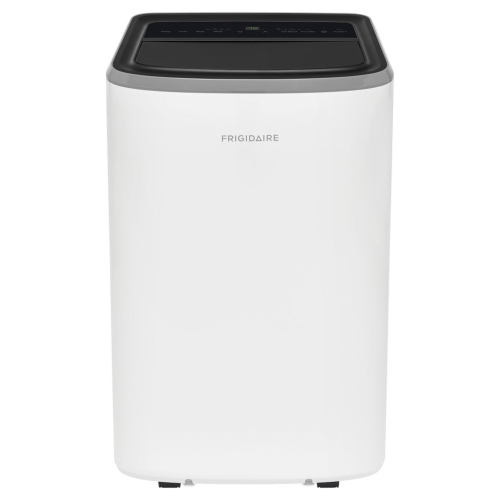
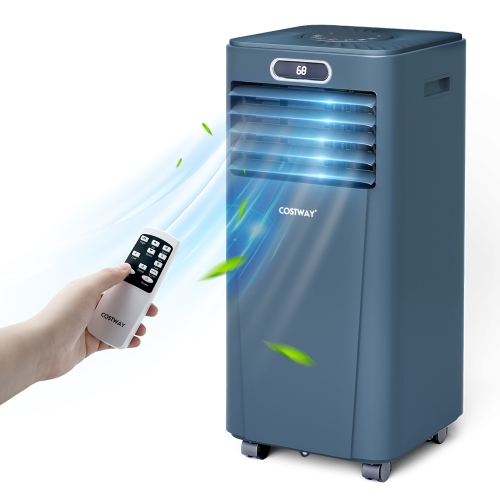
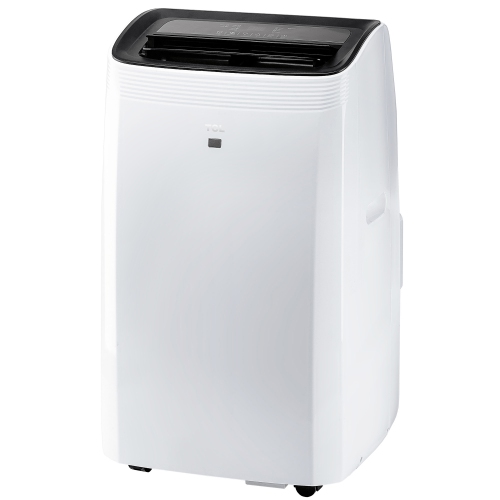
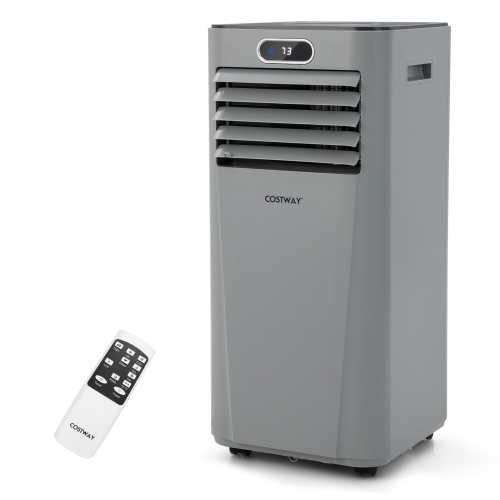
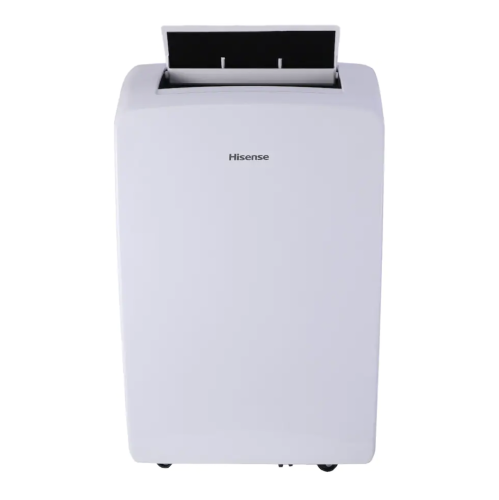
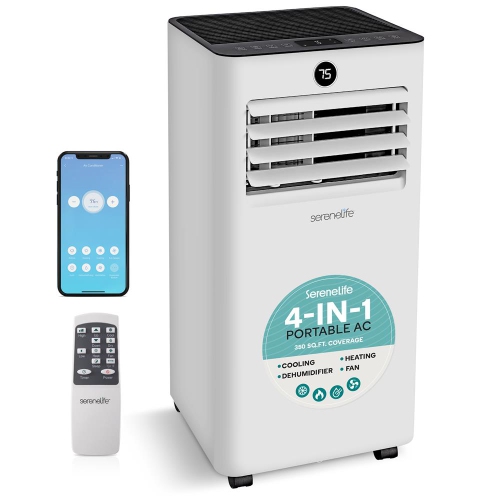
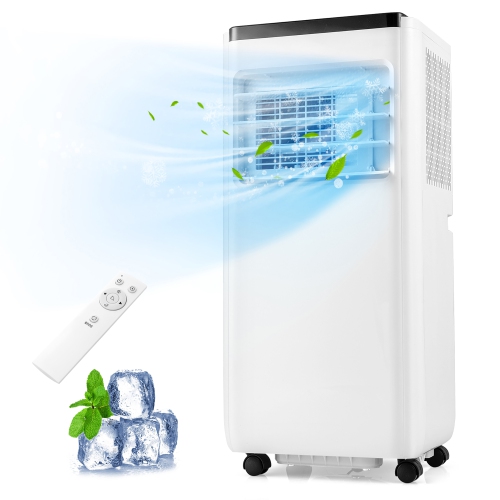
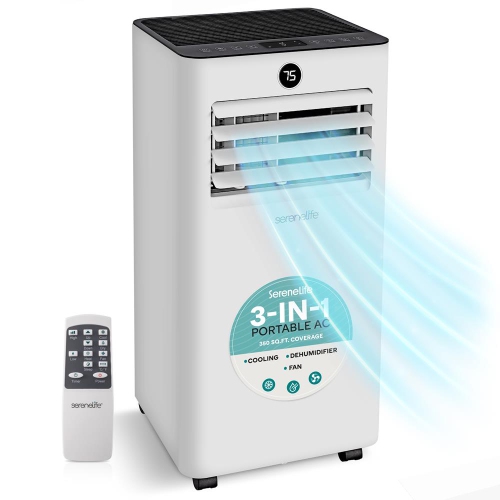
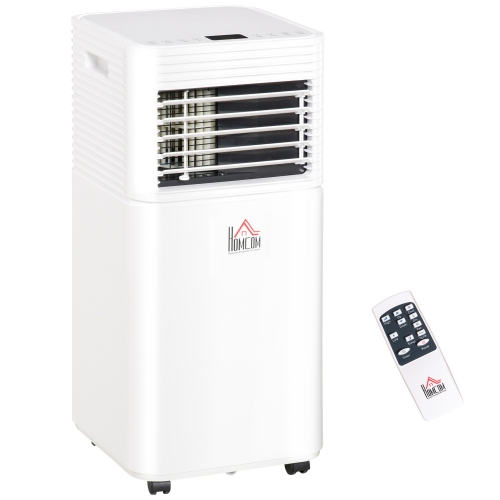
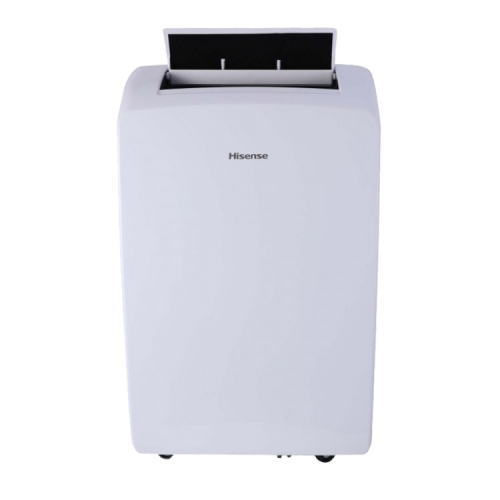
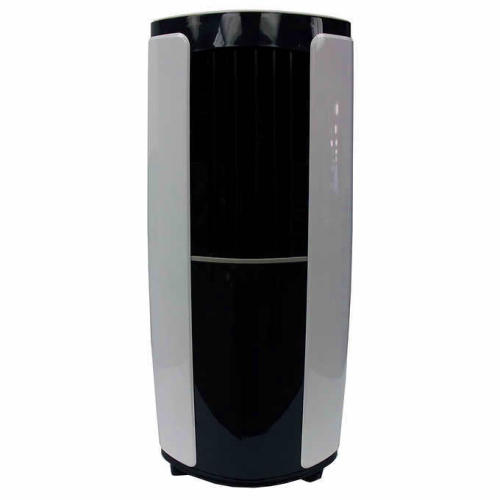
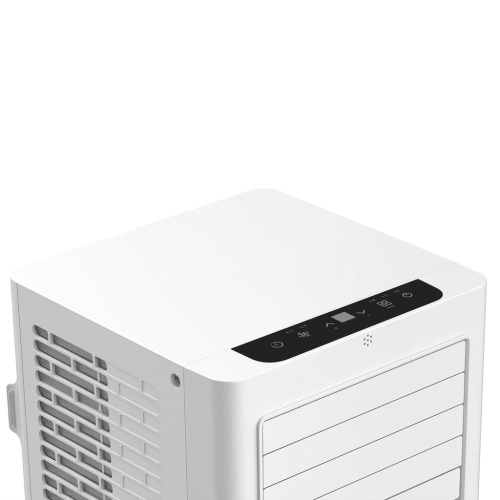
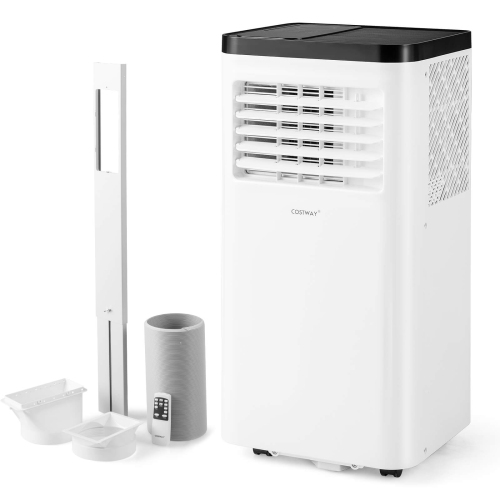
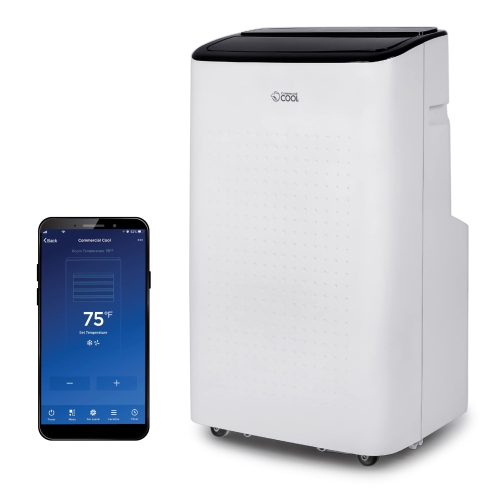
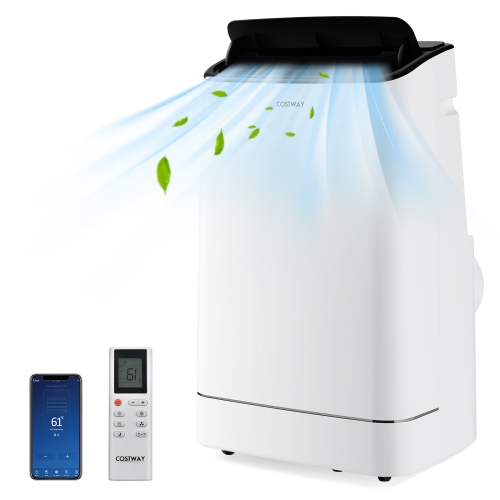
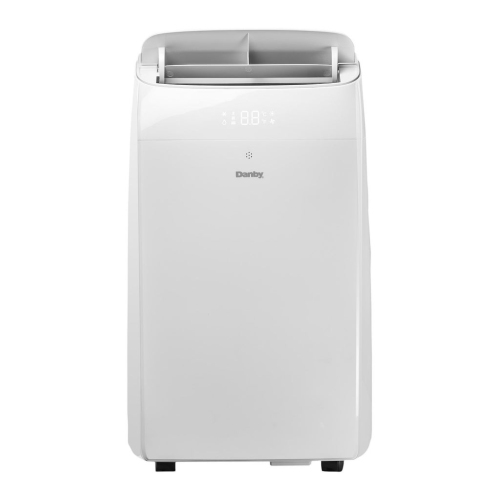
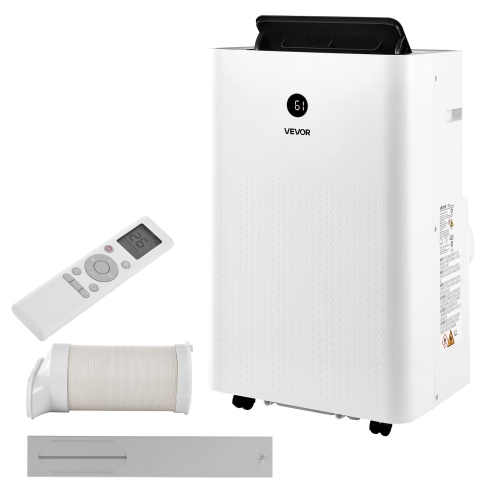
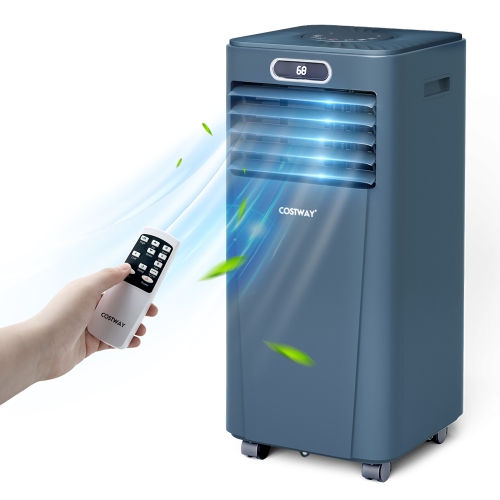
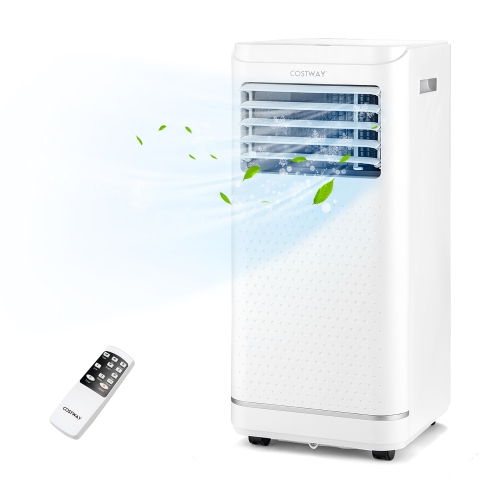
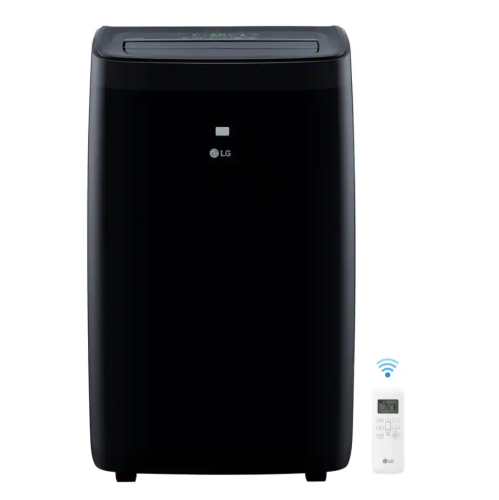
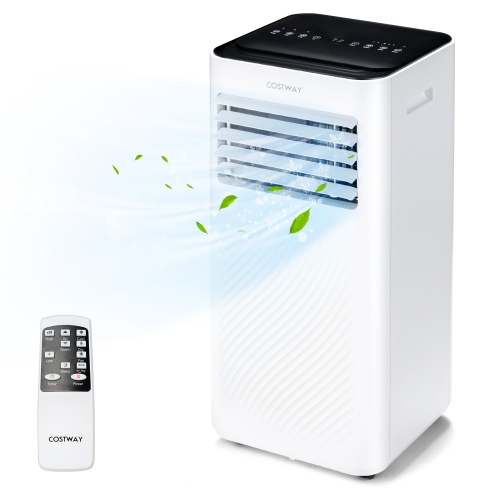
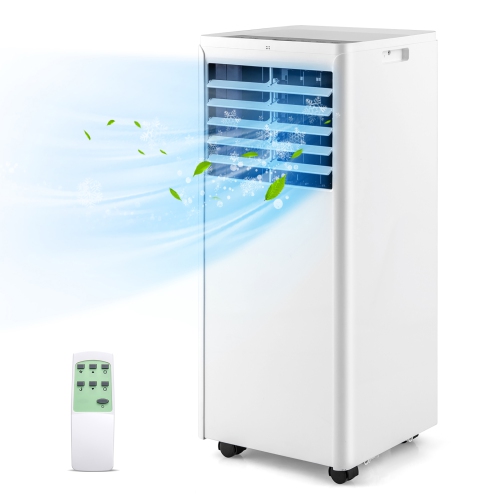
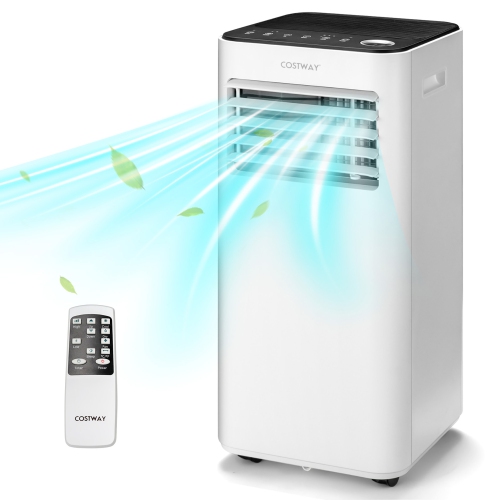
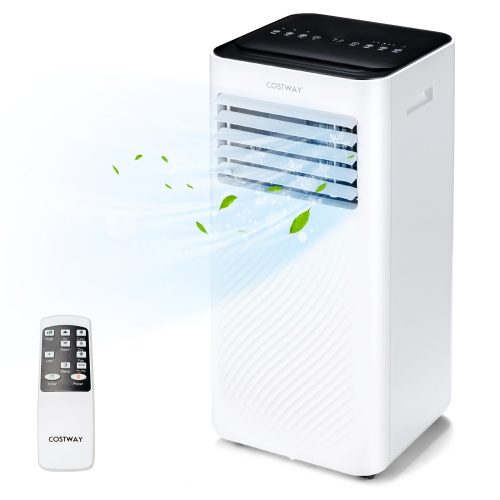
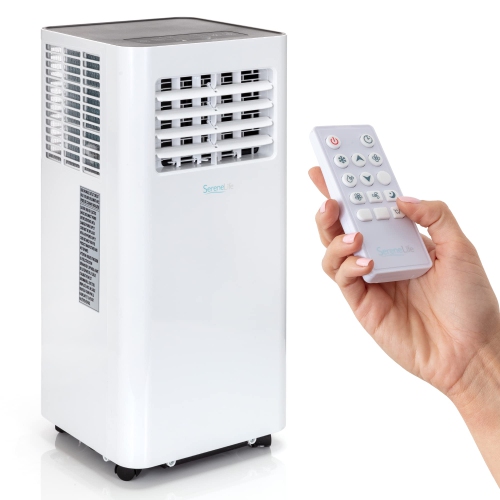
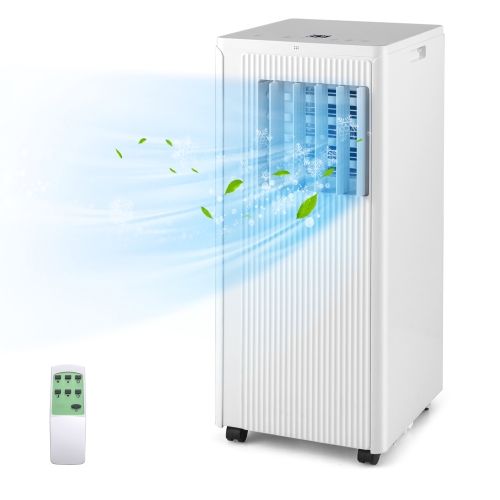
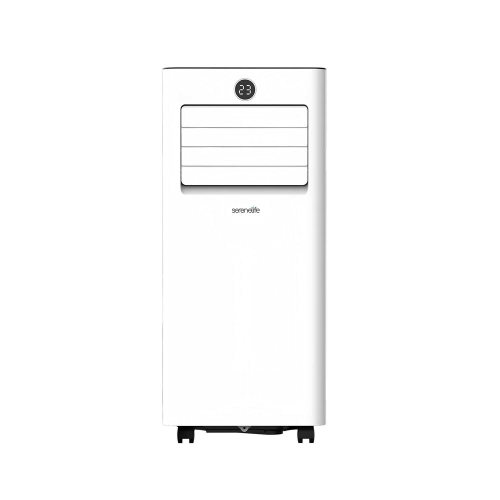
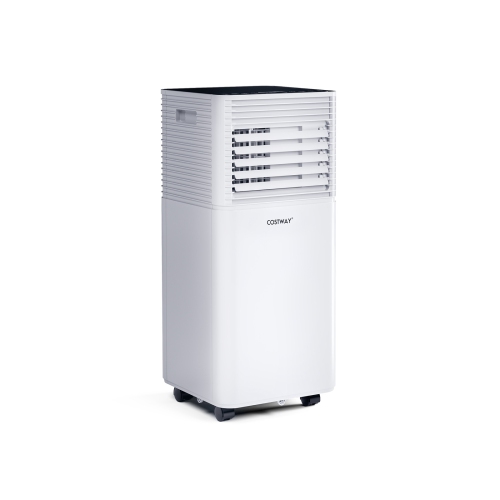
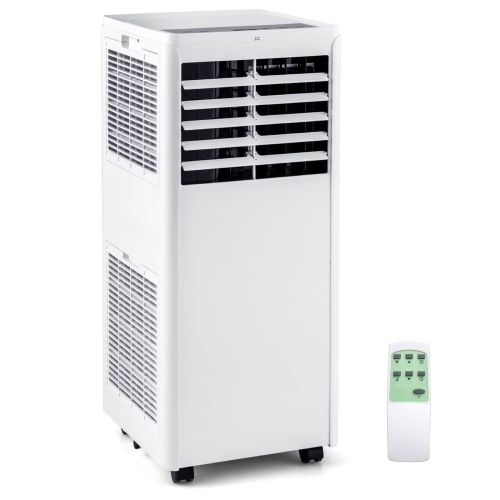
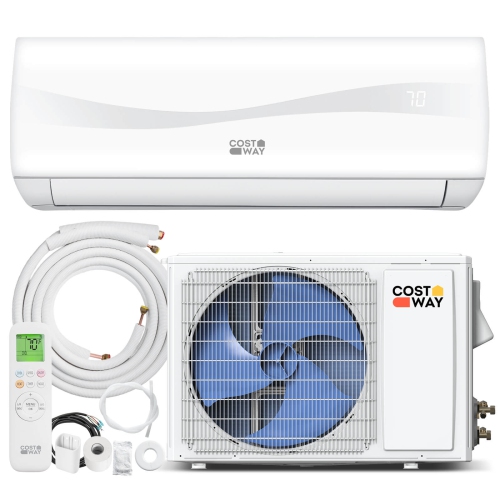
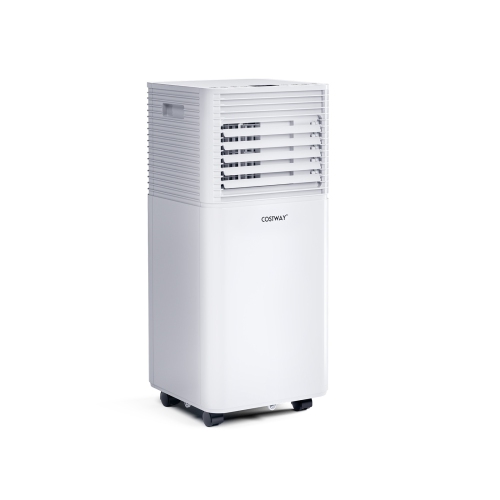
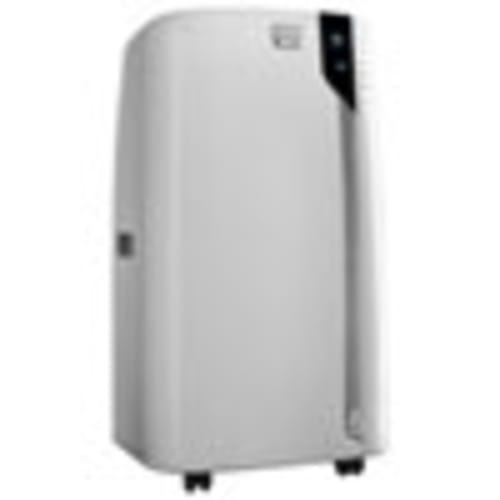
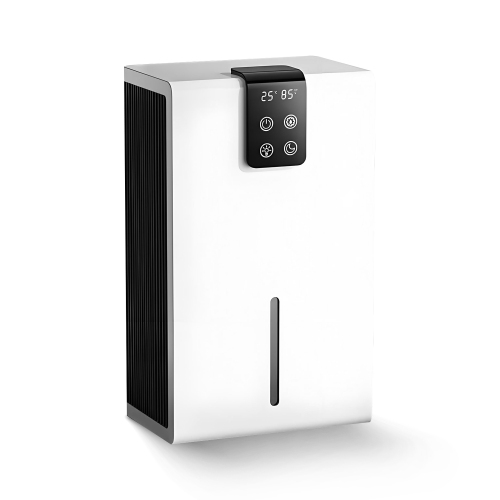
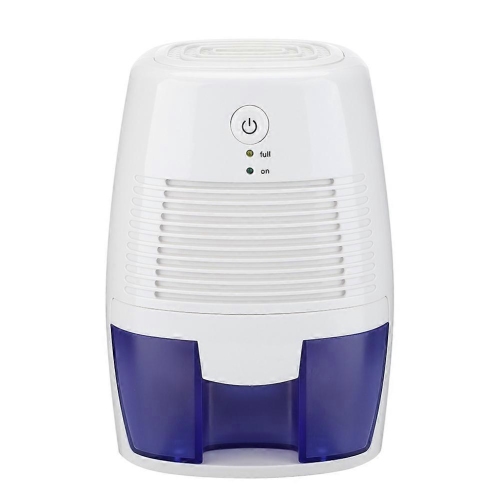
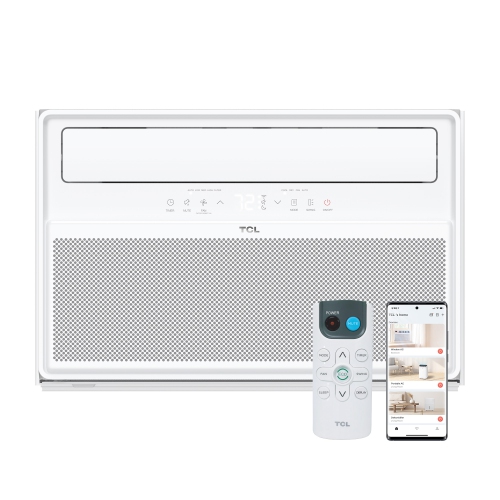
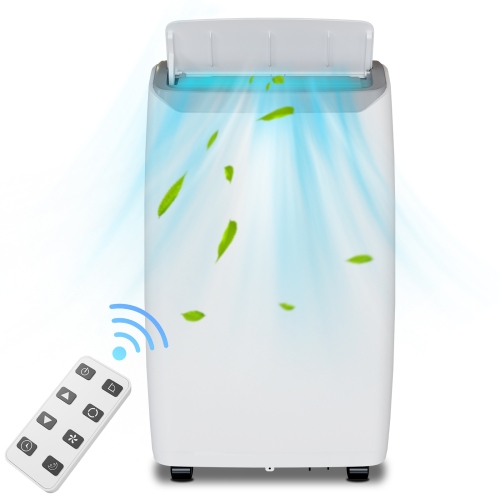
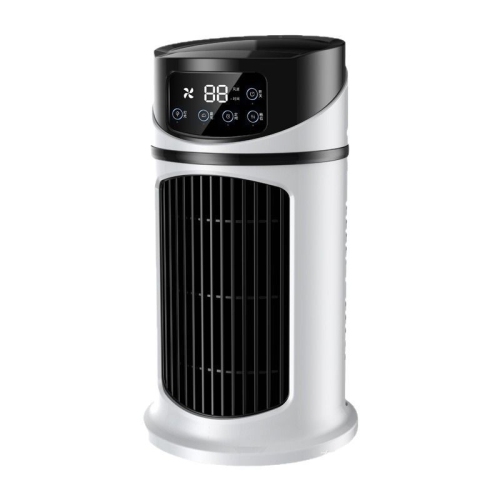
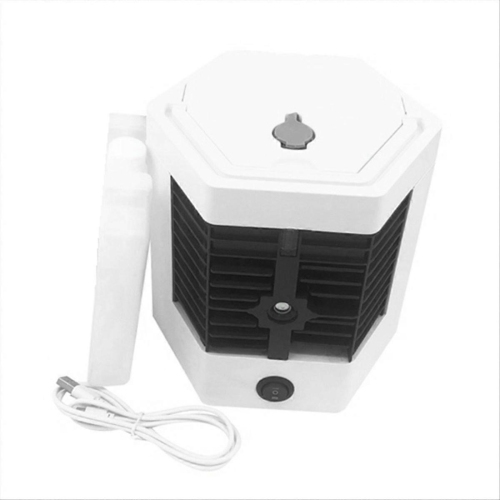
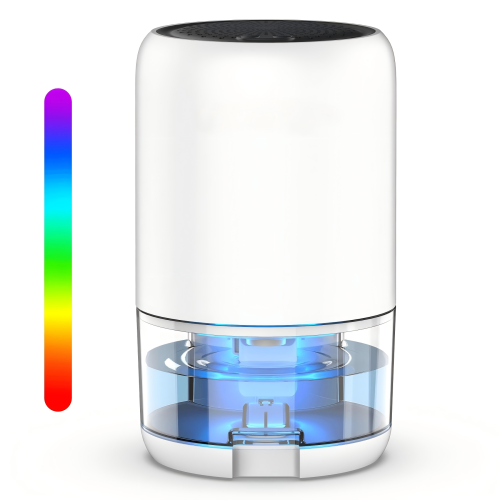
Dehumidifier air conditioners are practical all-in-one solutions for rooms that feel both warm and damp. These portable air conditioners combine cooling with moisture removal, helping make indoor spaces more comfortable as the weather warms and humidity rises. In cooling mode, the unit draws warm room air across cold coils, lowering the temperature while condensation forms and is collected or discharged. Many models also offer a dedicated dry or dehumidifier mode, which places greater emphasis on extracting moisture rather than aggressively lowering the room temperature. This can be useful in a basement family room, bedroom, home office, apartment, cottage, or other space that feels clammy during humid conditions. A dehumidifier air conditioner may also be helpful during the cooler months when indoor air remains damp after wet weather, although its primary purpose is still seasonal cooling. Consider the room size and the unit’s cooling capacity before choosing a model. A unit that is too small may run continuously without providing the desired comfort, while one that is much larger than necessary may cool the space quickly without allowing enough time for effective moisture removal. Look for clearly stated room coverage, cooling capacity, fan-speed settings, adjustable temperature controls, and a dry mode that suits the way you plan to use the appliance. Portable designs can be moved between rooms when needed, making them useful for a bedroom at night and a living area during the day. Casters and built-in handles make relocation easier, while a compact footprint can be especially valuable in apartments or rooms where floor space is limited. Because portable air conditioners need to release warm air outdoors, they generally include a window exhaust kit and hose. Measure the available window before purchasing and check that the kit is compatible with the window style, whether it opens vertically, horizontally, or slides to the side. Keeping the exhaust hose as short and straight as practical helps support smooth airflow and makes installation less cumbersome.
Moisture management is an important part of choosing and using a dehumidifier air conditioner. During regular cooling, many portable units use auto-evaporation to send much of the collected condensation out through the exhaust system along with warm air. In a humid room, however, the unit may collect more water than it can automatically discharge. Depending on the design and operating mode, you may need to empty an internal tank periodically or connect a drain hose for continuous gravity drainage. Before placing the appliance in a basement or another area that may be left unattended, review the drainage instructions and consider whether the hose can reach a suitable drain without kinks or upward bends. A full-tank indicator and automatic shutoff can make operation easier by alerting you before water needs attention. Controls on the unit are useful for straightforward adjustments, while a remote control or app-enabled operation can be convenient when the appliance is across the room or positioned beside a bed. Noise level also matters. A quieter setting can be more comfortable for sleeping, reading, studying, or taking part in video calls, while a higher fan speed may be preferable when the room needs faster circulation. Some models include sleep timers, programmable schedules, fan-only operation, and adjustable louvers that help direct cooled, drier air where it is most useful. Filter care should be part of the regular routine. Dust on the intake filter restricts airflow and can make the appliance work harder, so check the manufacturer’s instructions and clean the washable mesh filter at the recommended interval; frequent use in a dusty room may call for more frequent attention. Allowing removable components to dry fully before reinstalling them is also sensible when moisture has accumulated. Keep the air intake and outlet clear of curtains, furniture, bedding, and storage boxes, and leave the required space around the appliance for proper circulation. These simple habits can help maintain consistent performance from the first hot afternoon through the cooler, damp days that follow.
When comparing dehumidifier air conditioners, think about how the room feels, how often the appliance will be moved, and how much hands-on maintenance fits your routine. Someone working from home may value a timer, remote operation, and a lower-noise setting, while a family may prefer easy controls, a visible water-level indicator, and sturdy wheels for moving the unit between shared spaces. A student in a warm residence room may appreciate a compact portable design, and a new homeowner may find a dual-purpose appliance useful in a guest room, finished basement, or spare room that becomes uncomfortable during humid weather. These units can also be a thoughtful practical gift for someone setting up a first apartment, preparing a cottage for summer use, or creating a more comfortable home office. Keep doors and windows closed while the air conditioner is operating, except when following the installation instructions, so cooled and dried air is not quickly replaced by warmer outdoor air. Curtains or blinds can help limit direct sunlight, while sealing obvious gaps around the window kit can support more consistent cooling. A dehumidifier air conditioner is different from a dedicated dehumidifier: the combination unit is designed first to cool and secondarily to remove moisture, whereas a standalone dehumidifier is generally better suited to precise humidity control in a cool basement or storage area where lowering the temperature is not the goal. If your main concern is damp air rather than heat, browse Dehumidifiers for Summer Humidity to compare options designed specifically for moisture removal. For rooms that become hot and muggy, a portable air conditioner with a dry mode can provide a convenient balance of cooling, air circulation, and condensation management. Reviewing capacity, exhaust requirements, drainage options, noise, filter access, controls, and portability before buying helps ensure the appliance matches the room and your daily habits. With the right placement and regular care, it can make a stuffy bedroom feel more restful, turn a sticky office into a more comfortable workspace, and bring a fresher, more manageable feel to indoor spaces across changing seasons.
Moisture management is an important part of choosing and using a dehumidifier air conditioner. During regular cooling, many portable units use auto-evaporation to send much of the collected condensation out through the exhaust system along with warm air. In a humid room, however, the unit may collect more water than it can automatically discharge. Depending on the design and operating mode, you may need to empty an internal tank periodically or connect a drain hose for continuous gravity drainage. Before placing the appliance in a basement or another area that may be left unattended, review the drainage instructions and consider whether the hose can reach a suitable drain without kinks or upward bends. A full-tank indicator and automatic shutoff can make operation easier by alerting you before water needs attention. Controls on the unit are useful for straightforward adjustments, while a remote control or app-enabled operation can be convenient when the appliance is across the room or positioned beside a bed. Noise level also matters. A quieter setting can be more comfortable for sleeping, reading, studying, or taking part in video calls, while a higher fan speed may be preferable when the room needs faster circulation. Some models include sleep timers, programmable schedules, fan-only operation, and adjustable louvers that help direct cooled, drier air where it is most useful. Filter care should be part of the regular routine. Dust on the intake filter restricts airflow and can make the appliance work harder, so check the manufacturer’s instructions and clean the washable mesh filter at the recommended interval; frequent use in a dusty room may call for more frequent attention. Allowing removable components to dry fully before reinstalling them is also sensible when moisture has accumulated. Keep the air intake and outlet clear of curtains, furniture, bedding, and storage boxes, and leave the required space around the appliance for proper circulation. These simple habits can help maintain consistent performance from the first hot afternoon through the cooler, damp days that follow.
When comparing dehumidifier air conditioners, think about how the room feels, how often the appliance will be moved, and how much hands-on maintenance fits your routine. Someone working from home may value a timer, remote operation, and a lower-noise setting, while a family may prefer easy controls, a visible water-level indicator, and sturdy wheels for moving the unit between shared spaces. A student in a warm residence room may appreciate a compact portable design, and a new homeowner may find a dual-purpose appliance useful in a guest room, finished basement, or spare room that becomes uncomfortable during humid weather. These units can also be a thoughtful practical gift for someone setting up a first apartment, preparing a cottage for summer use, or creating a more comfortable home office. Keep doors and windows closed while the air conditioner is operating, except when following the installation instructions, so cooled and dried air is not quickly replaced by warmer outdoor air. Curtains or blinds can help limit direct sunlight, while sealing obvious gaps around the window kit can support more consistent cooling. A dehumidifier air conditioner is different from a dedicated dehumidifier: the combination unit is designed first to cool and secondarily to remove moisture, whereas a standalone dehumidifier is generally better suited to precise humidity control in a cool basement or storage area where lowering the temperature is not the goal. If your main concern is damp air rather than heat, browse Dehumidifiers for Summer Humidity to compare options designed specifically for moisture removal. For rooms that become hot and muggy, a portable air conditioner with a dry mode can provide a convenient balance of cooling, air circulation, and condensation management. Reviewing capacity, exhaust requirements, drainage options, noise, filter access, controls, and portability before buying helps ensure the appliance matches the room and your daily habits. With the right placement and regular care, it can make a stuffy bedroom feel more restful, turn a sticky office into a more comfortable workspace, and bring a fresher, more manageable feel to indoor spaces across changing seasons.
Top selling and popular products
-
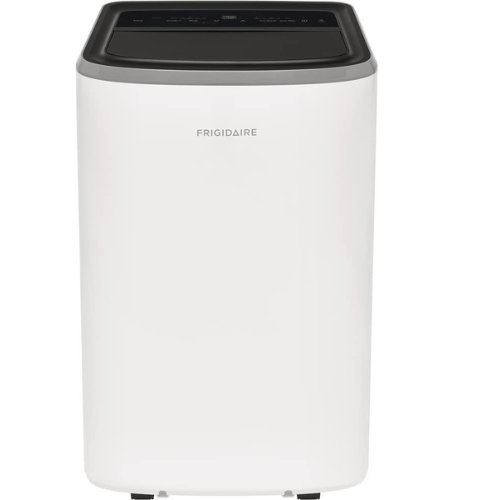 Your price for this item is $860
 -
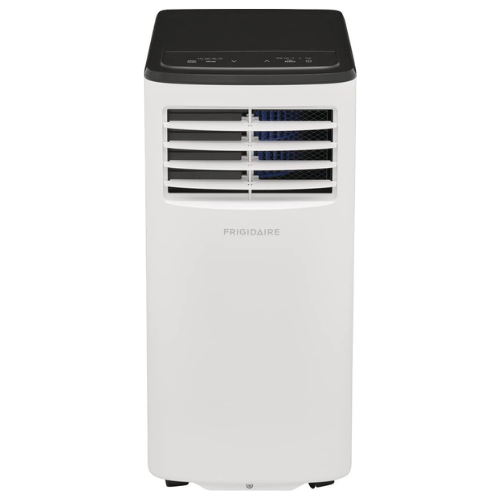 Your price for this item is $599
 -
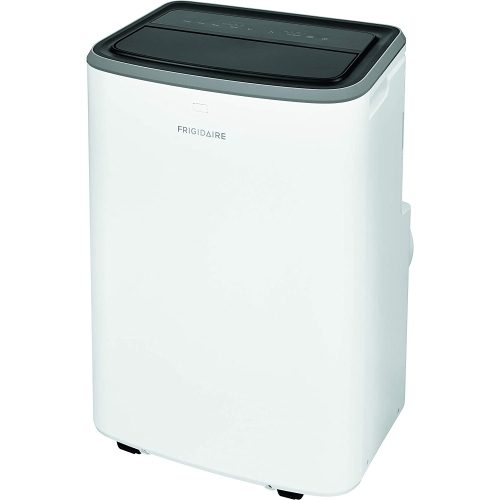 Your price for this item is $1000
 -
 Your price for this item is $999
 -
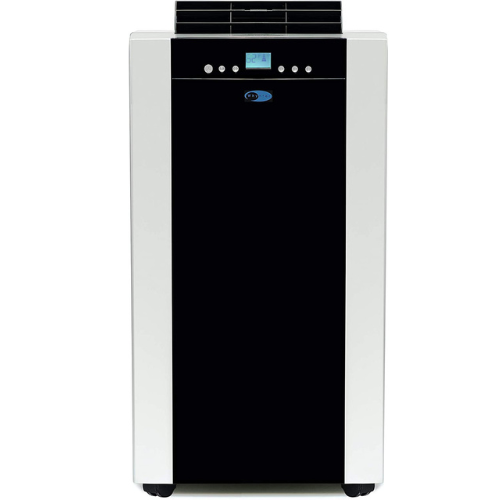 Your price for this item is $1089
 -
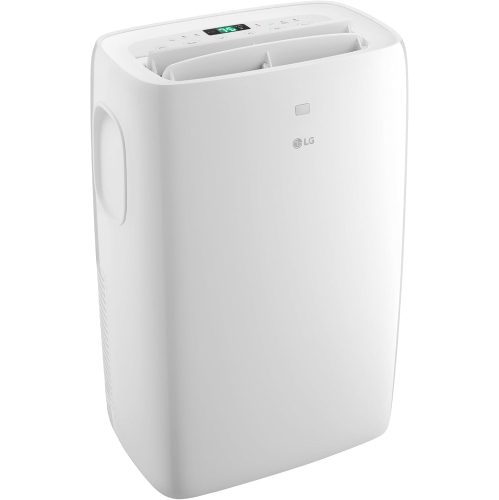 Your price for this item is $839.68
 -
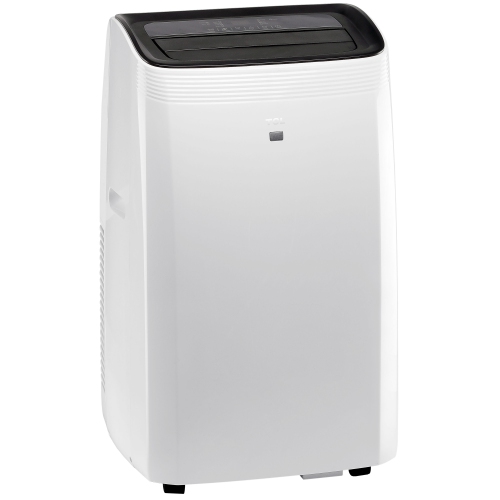 Your price for this item is $549.99
 -
 Your price for this item is $519.99
Discover more categories related to Dehumidifier Air Conditioners
Top Collections:
Pokemon Centers, Kindle Devices, Best Budget Office Chairs, Canon G7X Cameras, Apple iPhones 16, Samsung Galaxy Phones, Refurbished Apple Laptops, Laptops for Students, iPhone 15 Apple, Budget Smartphones
Some products may be subject to Environmental Handling Fees
(EHF) depending on your province.
Learn more about EHFs.