Air Dehumidifiers
If you're looking to create a more comfortable and healthier indoor environment, say goodbye to excess moisture with our selection of air dehumidifiers. Designed to reduce humidity levels in your home, these devices help prevent mold, mildew, and musty odors while improving air quality. Whether you're dealing with damp basements, musty bathrooms, or high humidity levels, this range of air dehumidifiers offers efficient solutions to keep your space dry and comfortable.
Sort


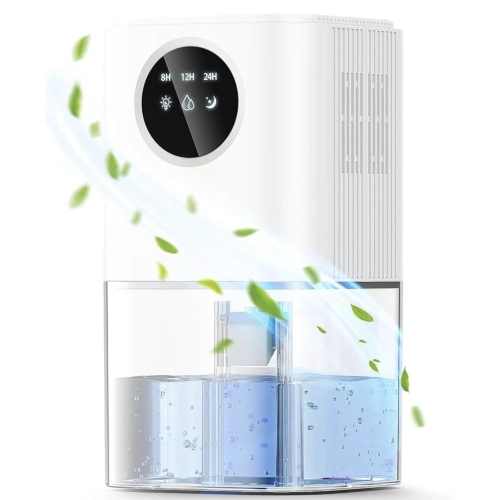
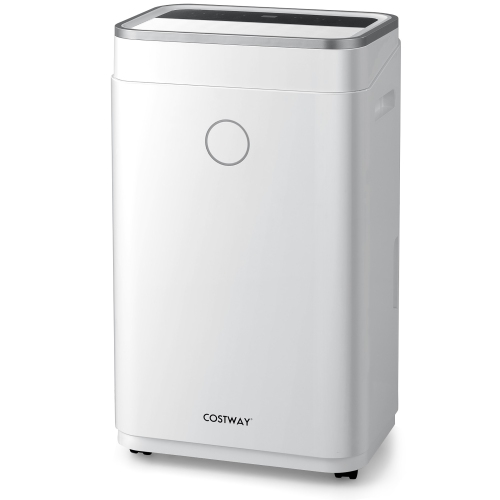
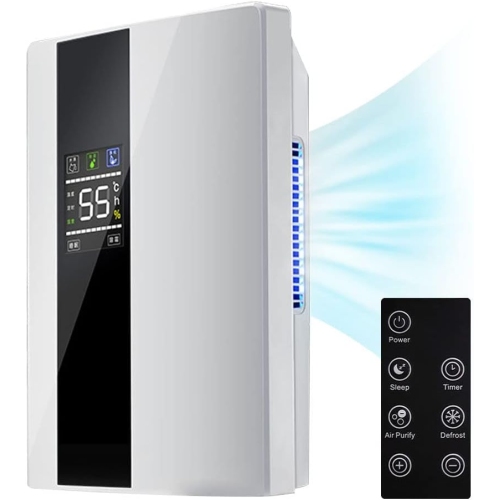
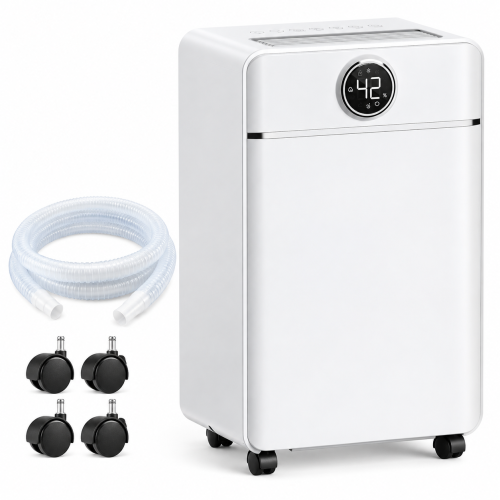
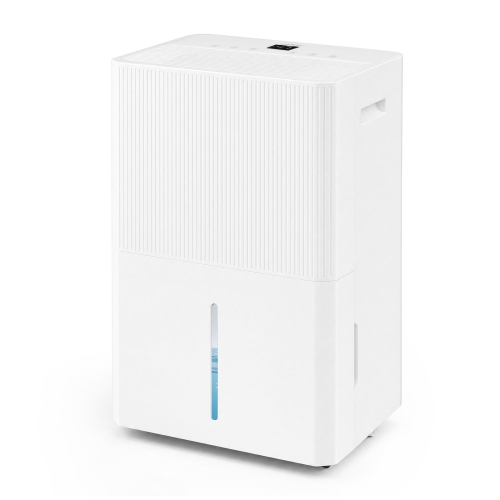
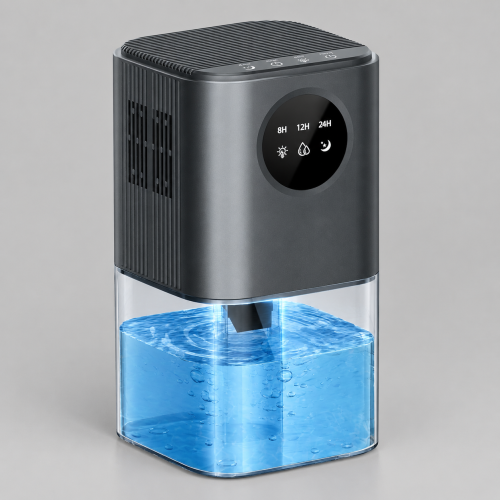
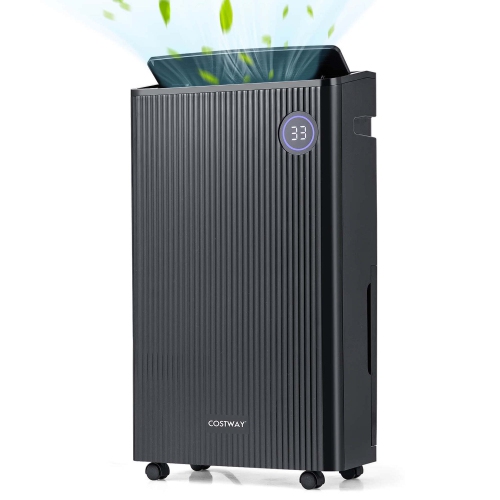
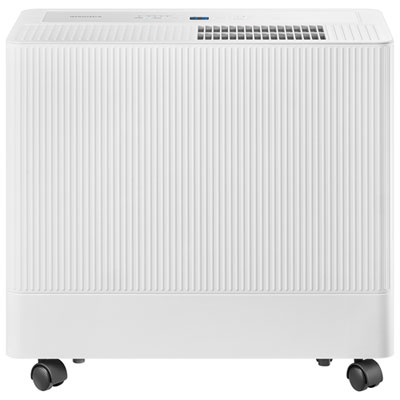
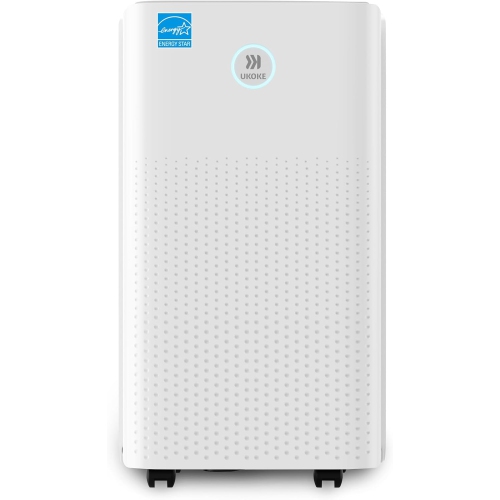
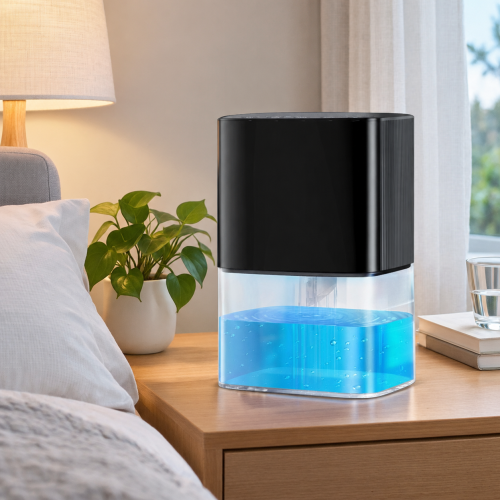
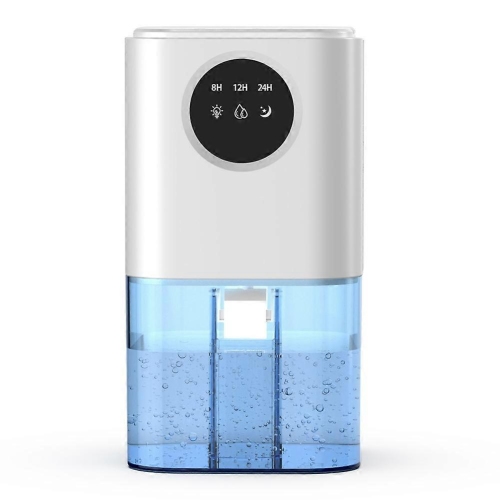
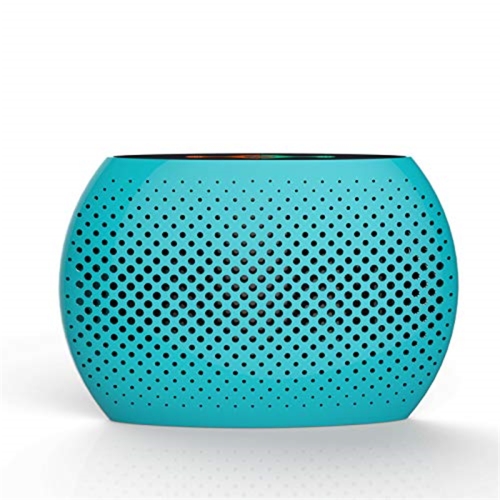
![GLOWWISE 2.4L Dehumidifiers for Bedroom, [Highly Efficient]Dehumidifiers w 10 Color Led Light, Display Screen, 8/12/24H Timer, Small Dehumidifier](https://multimedia.bbycastatic.ca/multimedia/products/500x500/198/19807/19807546.jpeg)
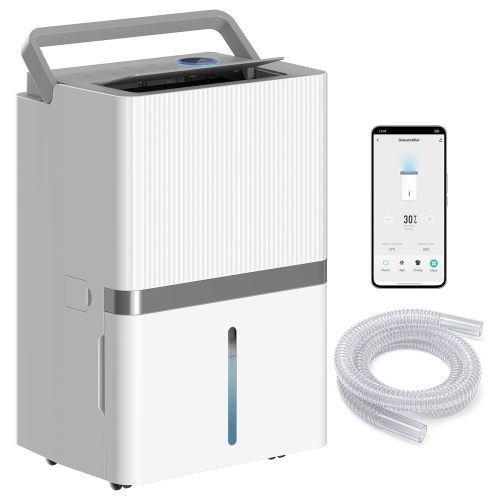
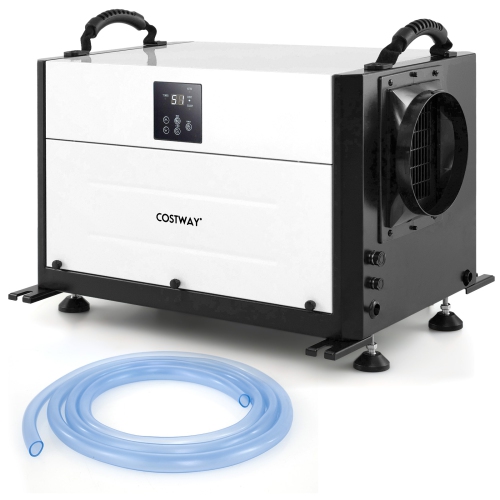
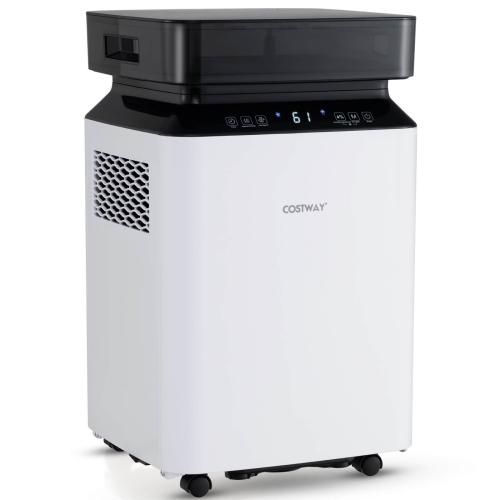
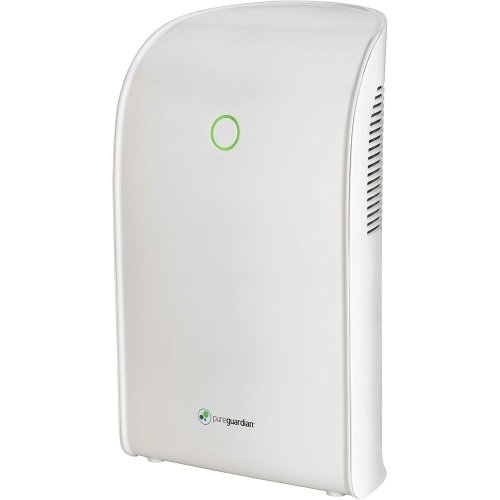
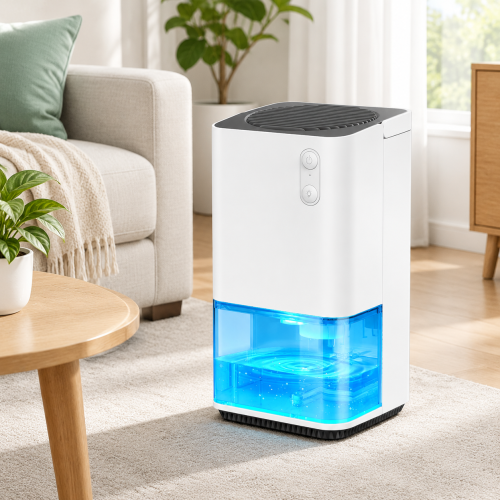
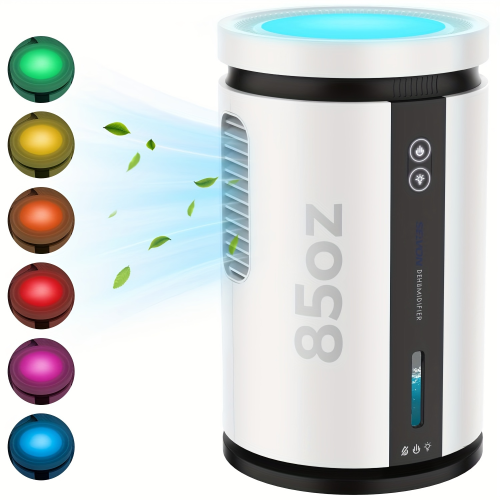
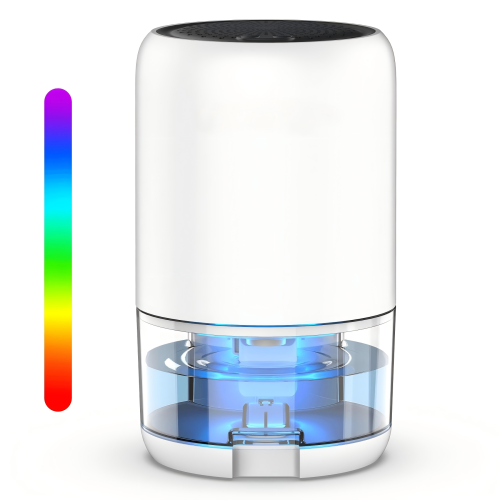
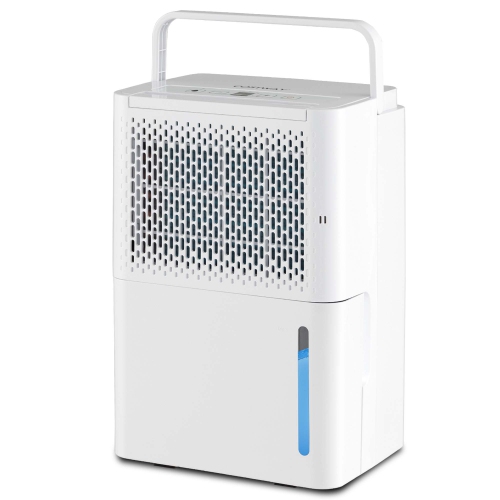
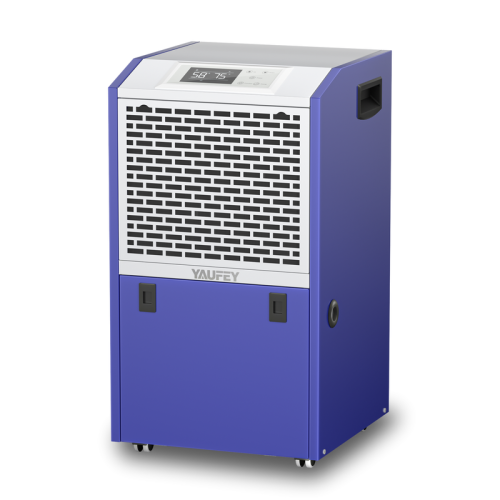
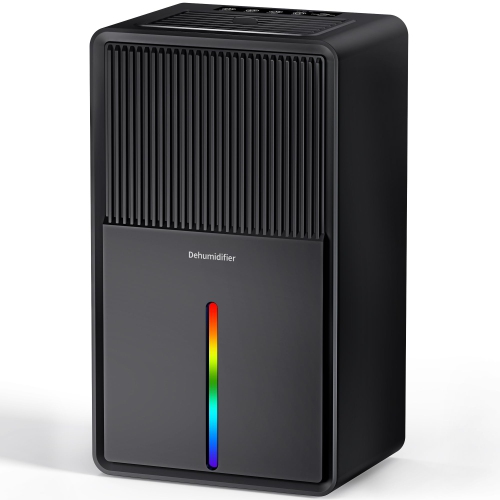
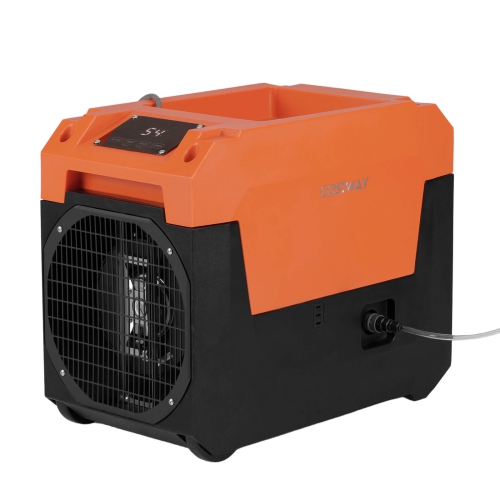
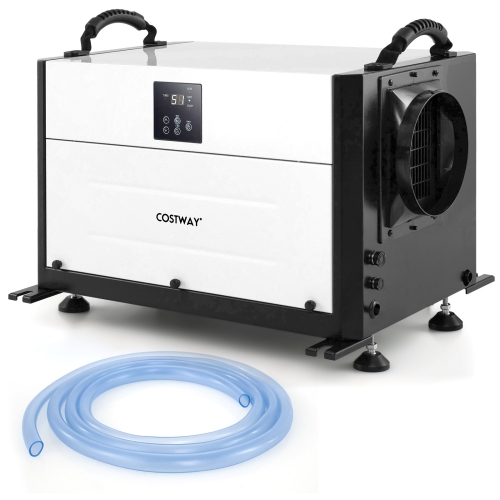
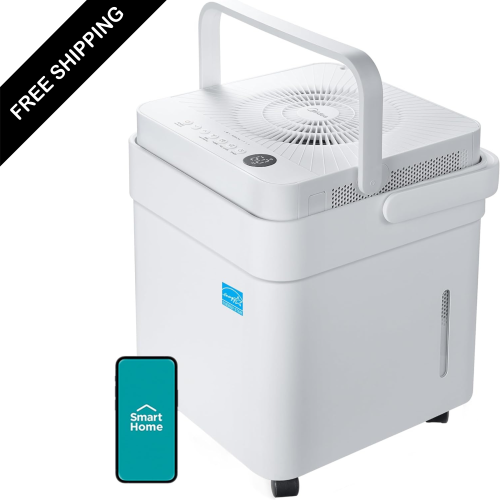
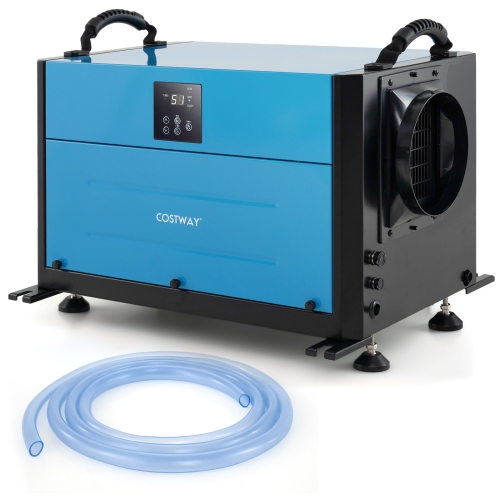
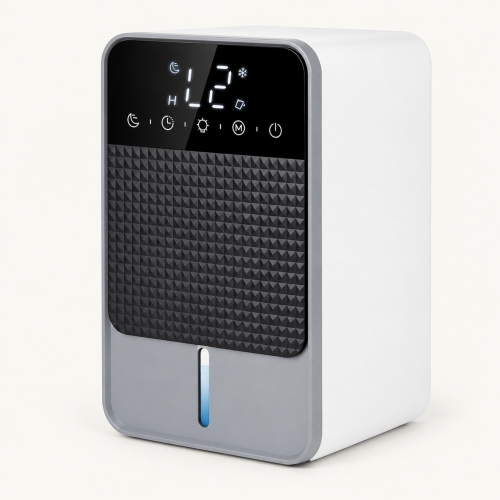
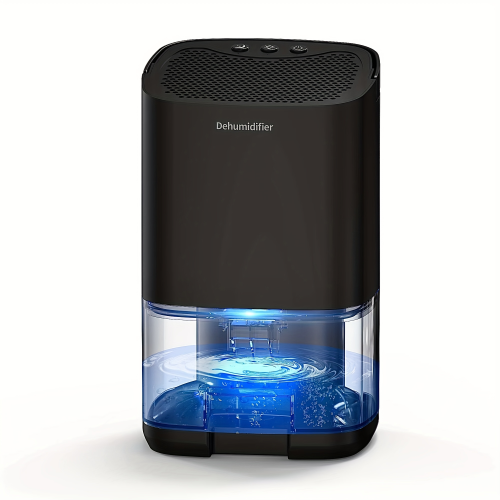
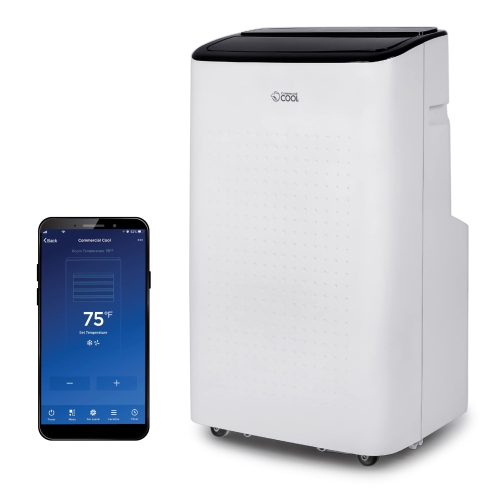
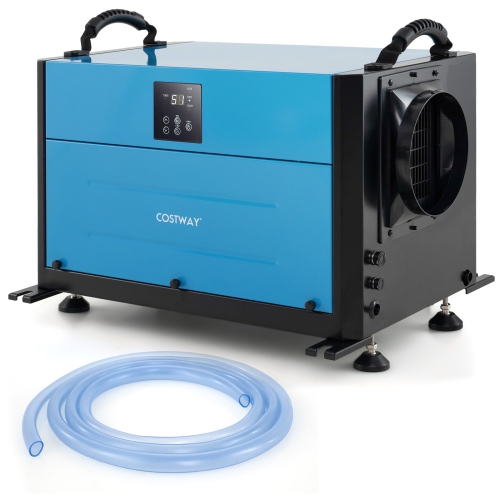
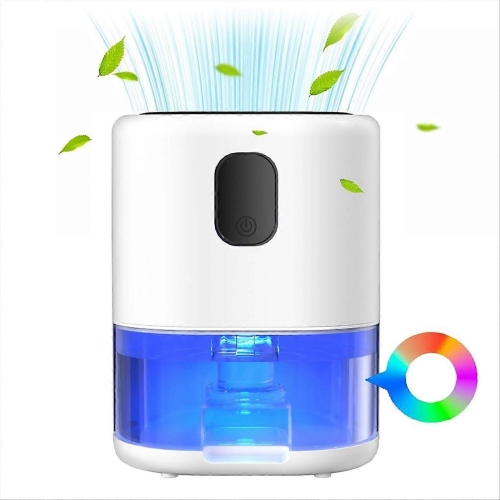
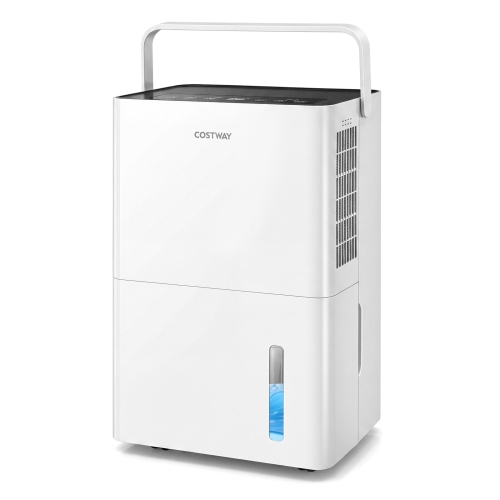
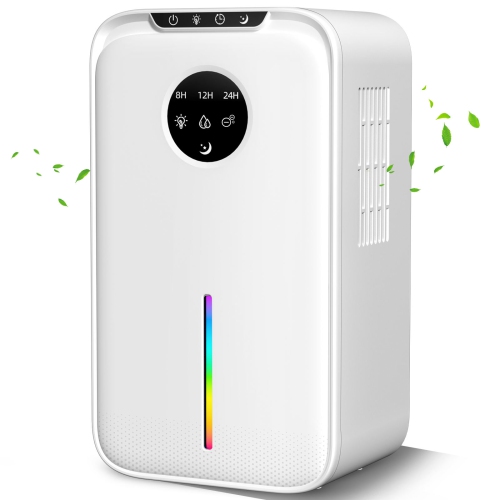
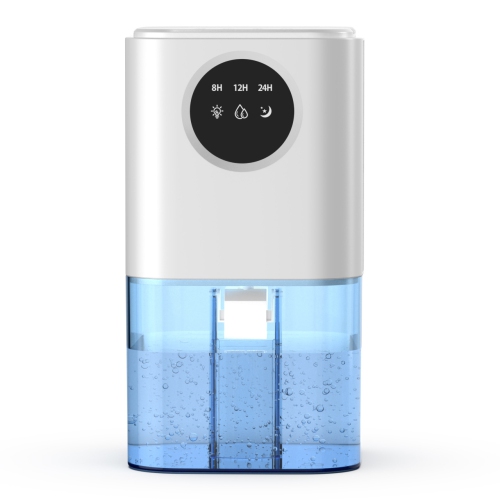
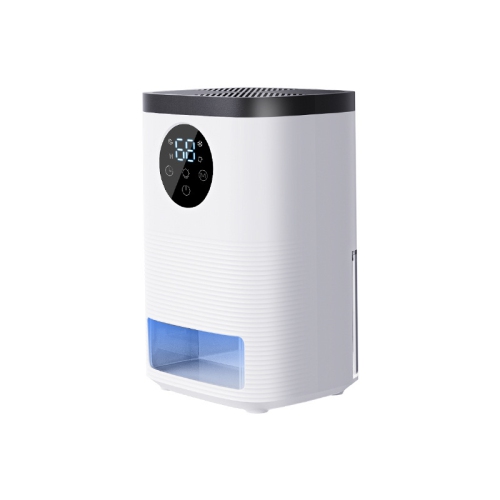
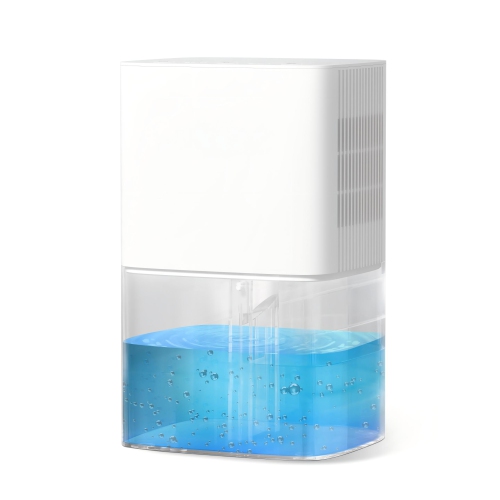
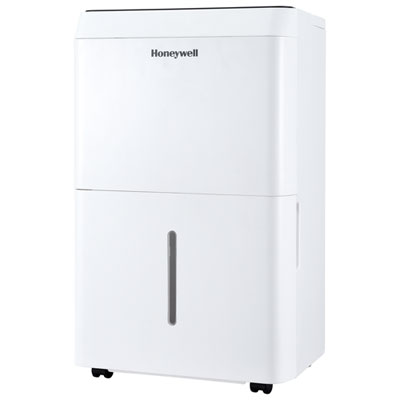
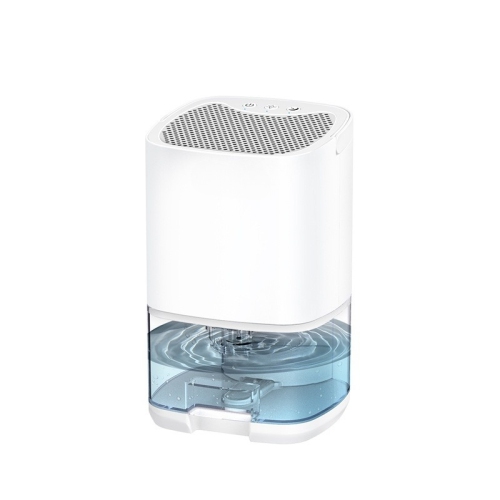
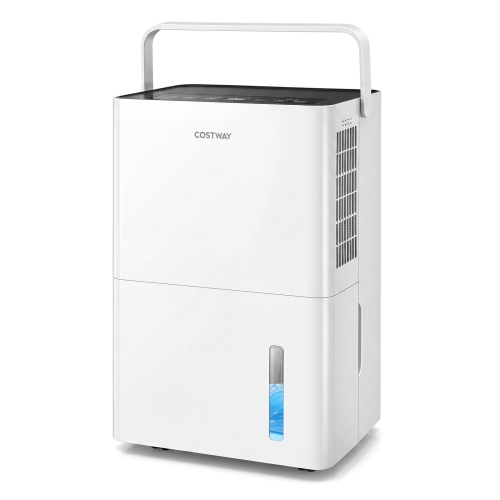
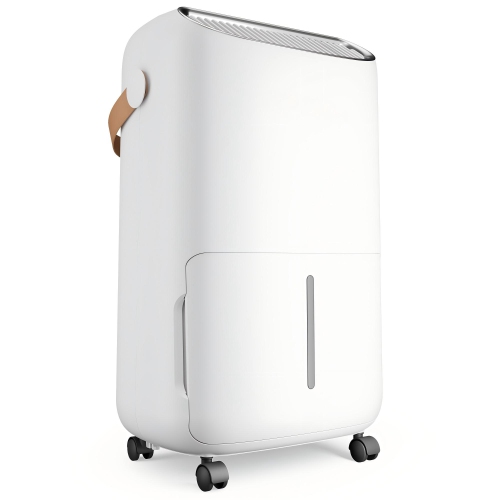
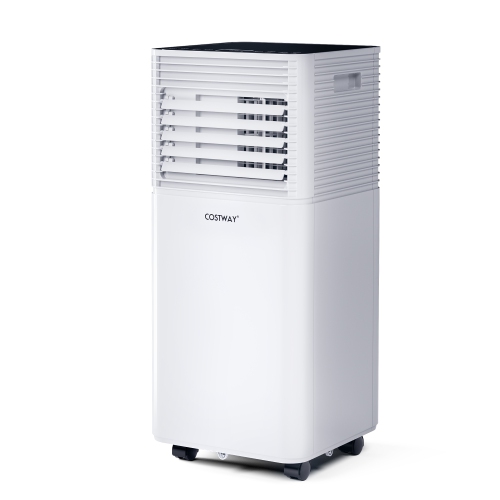
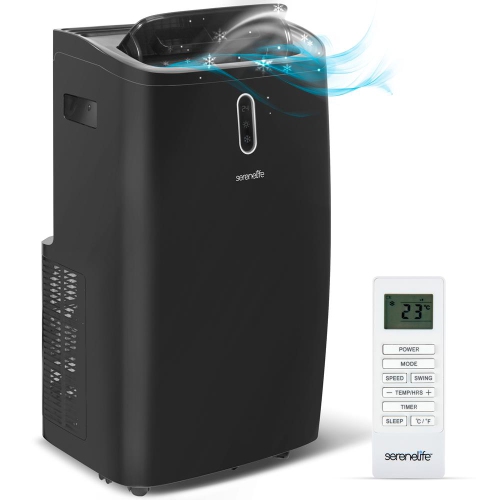
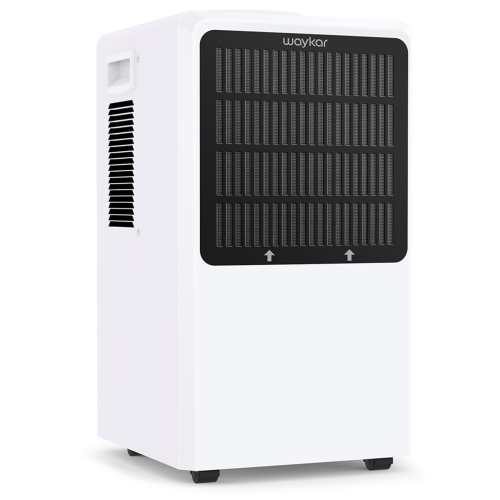
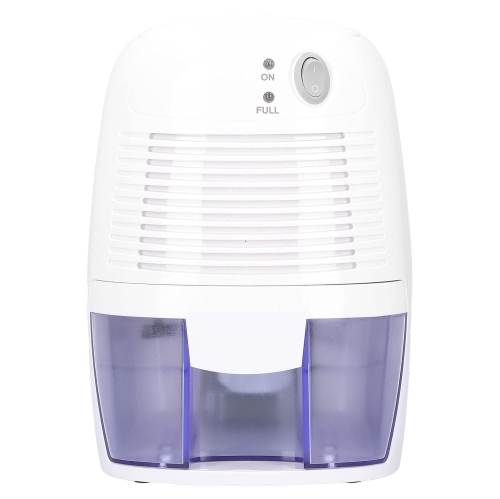
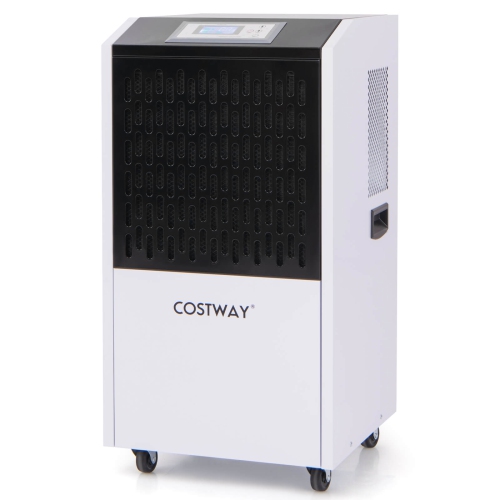
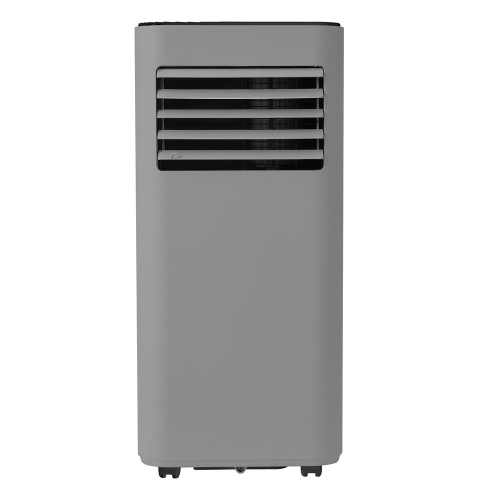
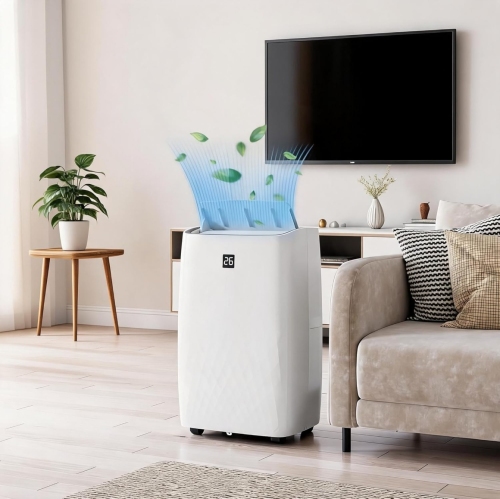
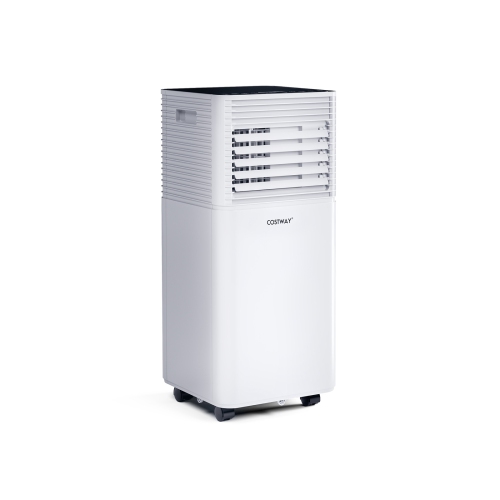
Understanding moisture control, drainage options, and room coverage
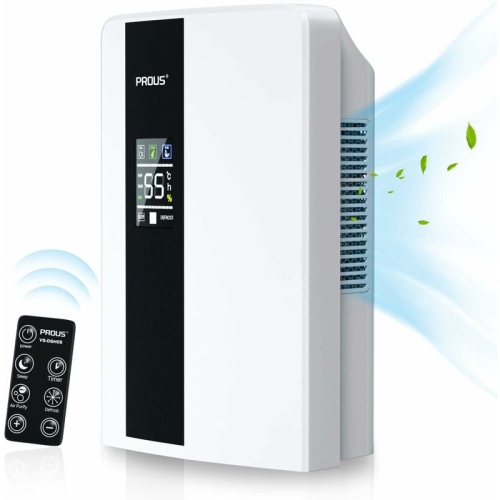
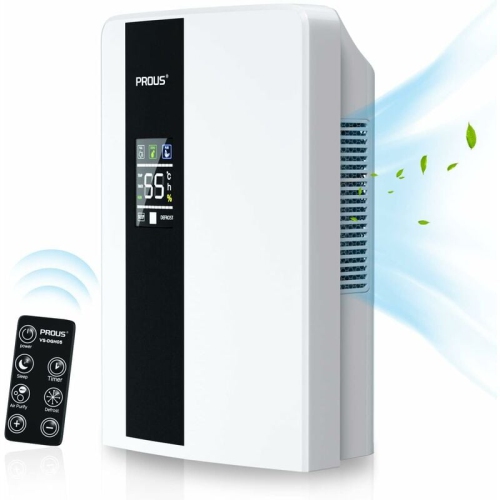
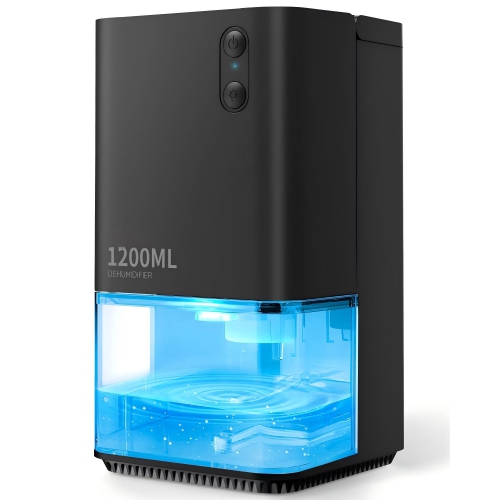
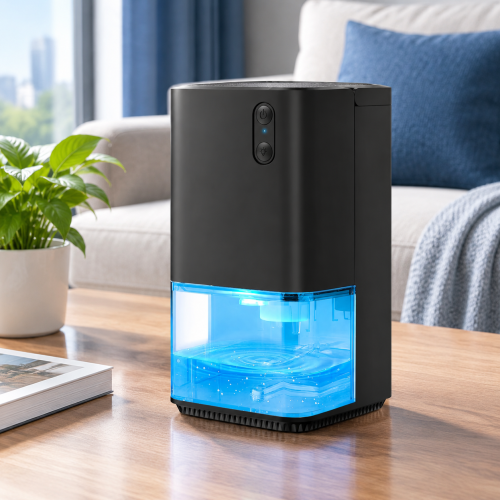
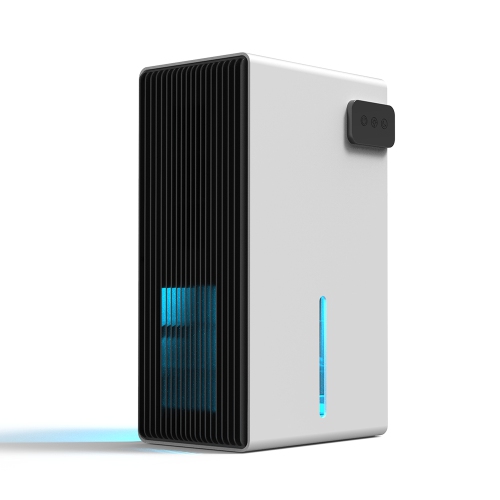
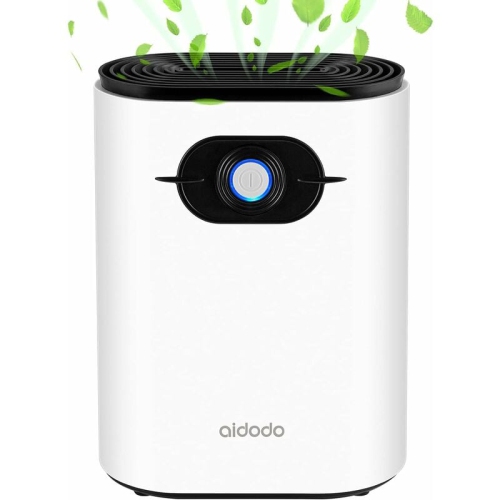
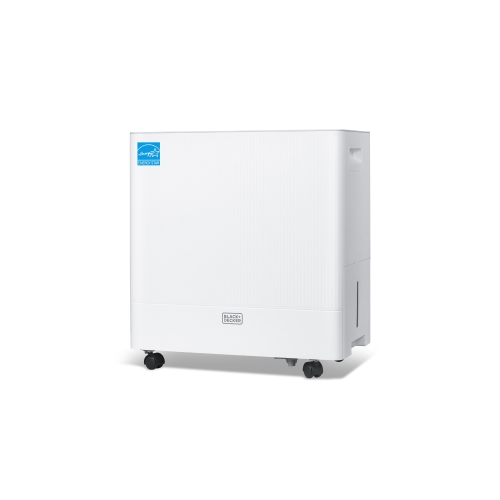
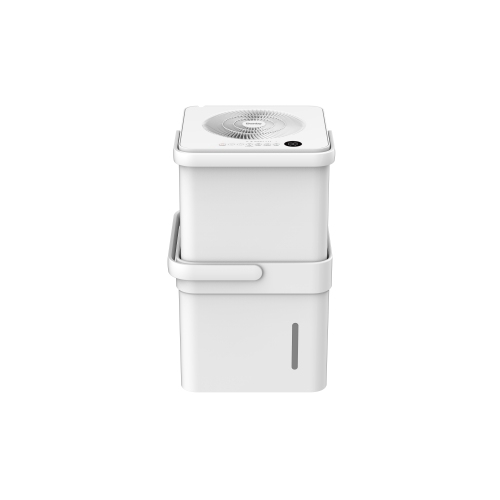
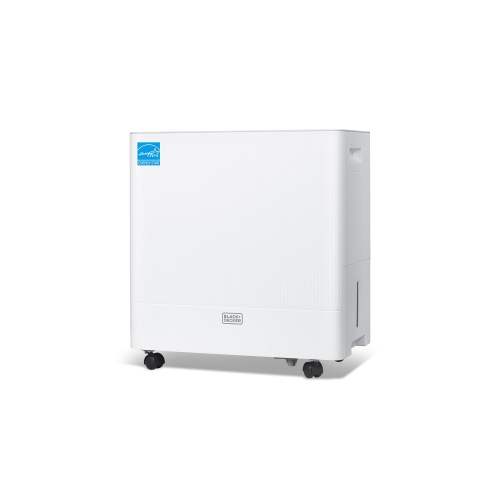
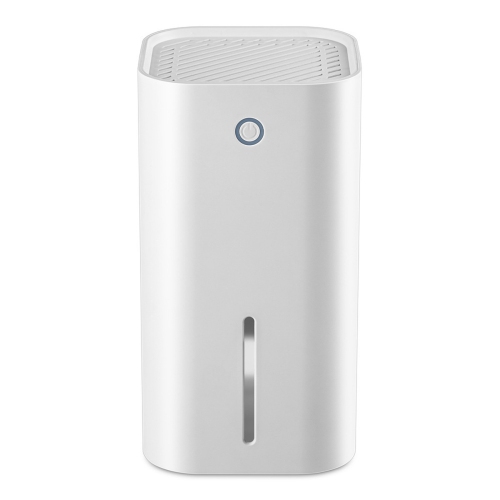
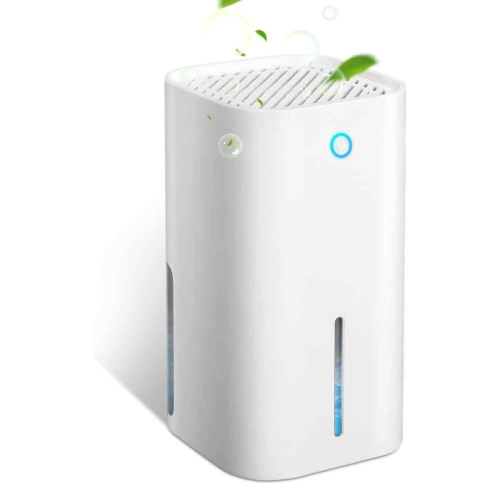
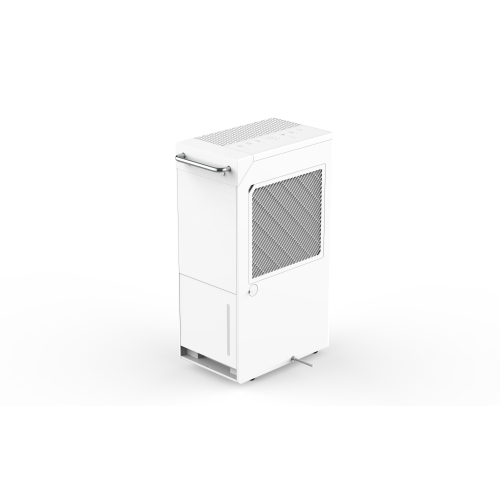
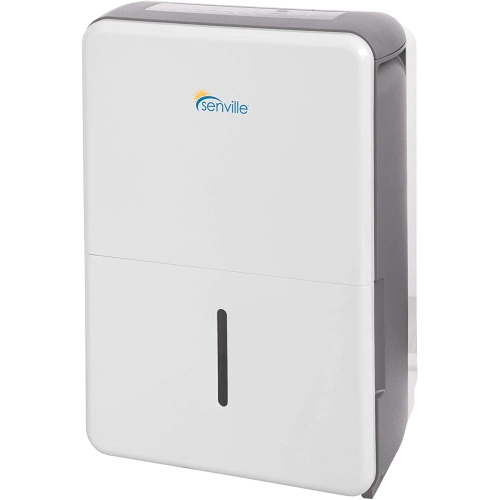
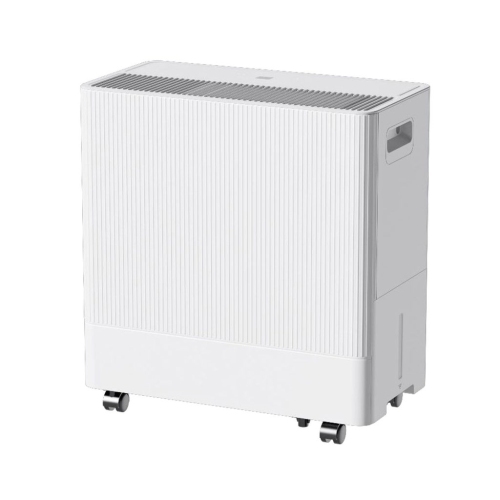
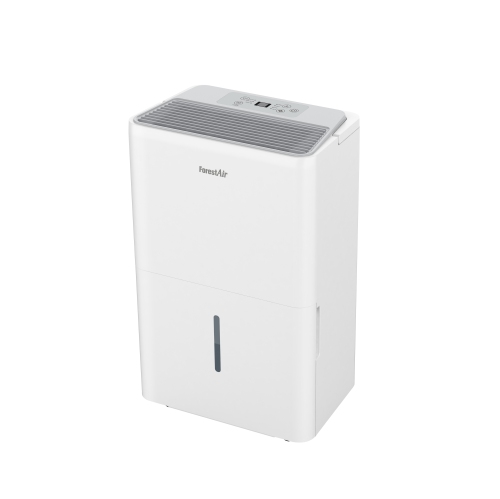
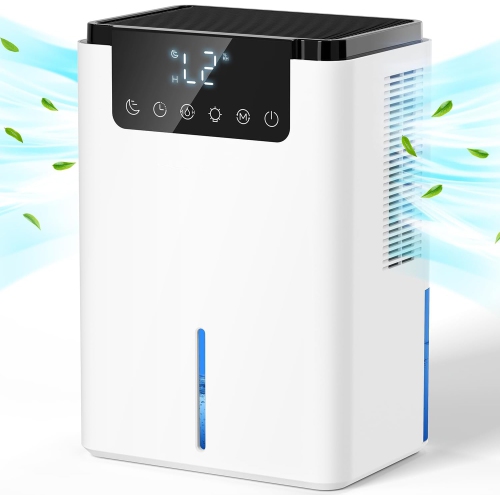
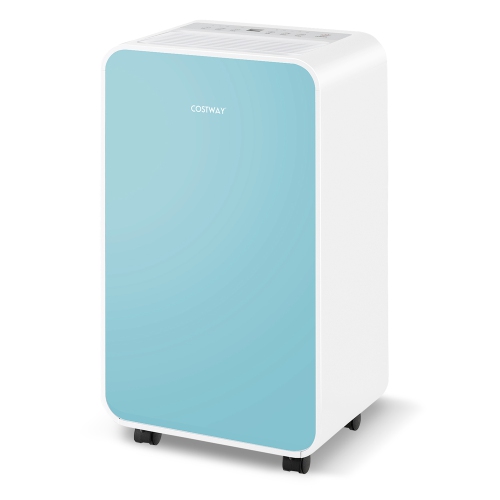
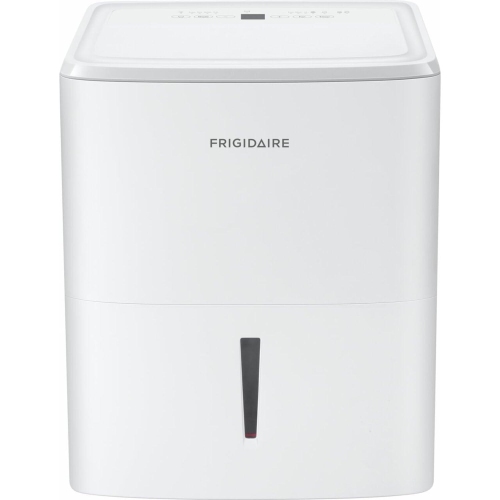
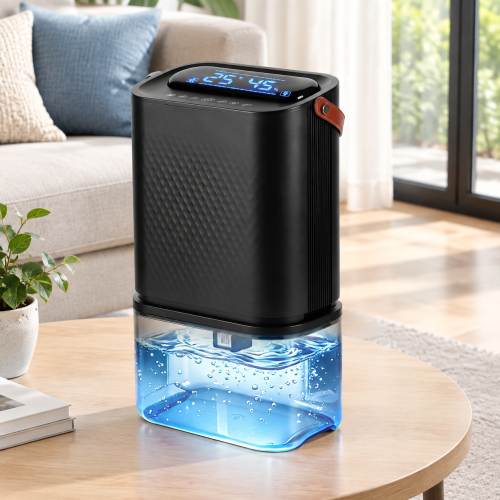
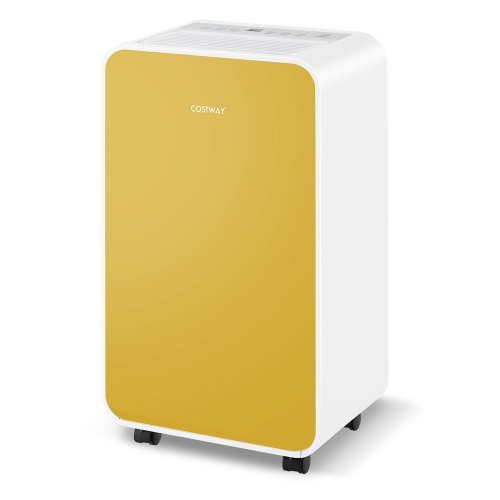
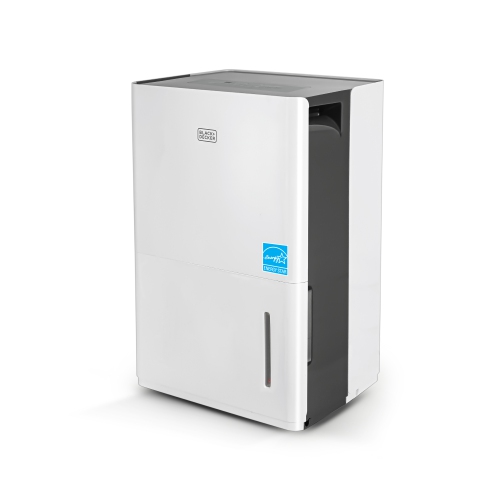
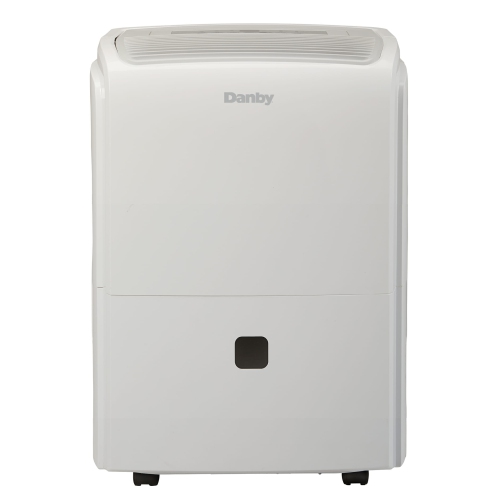
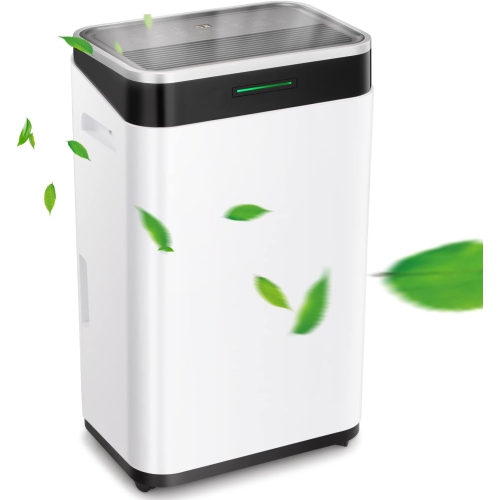
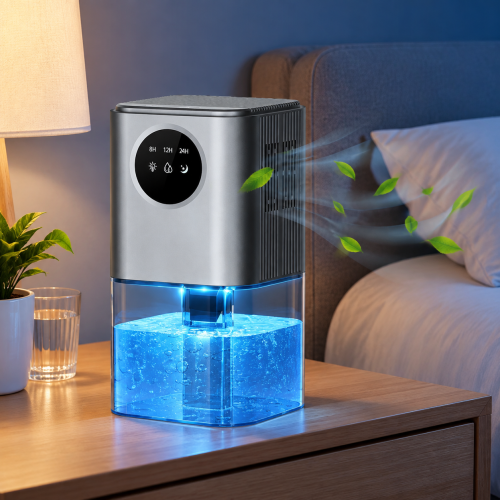
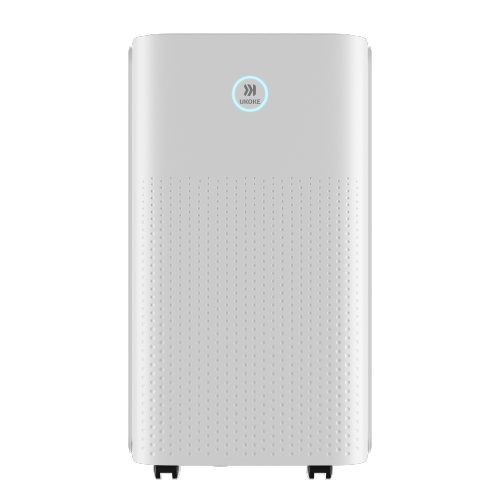
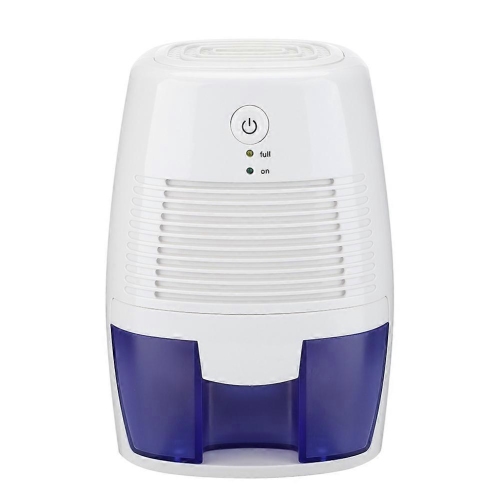
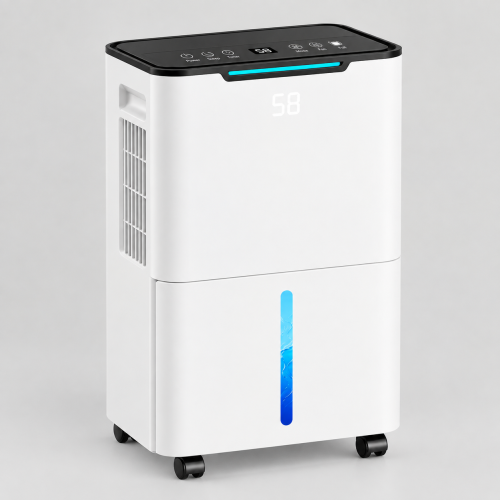
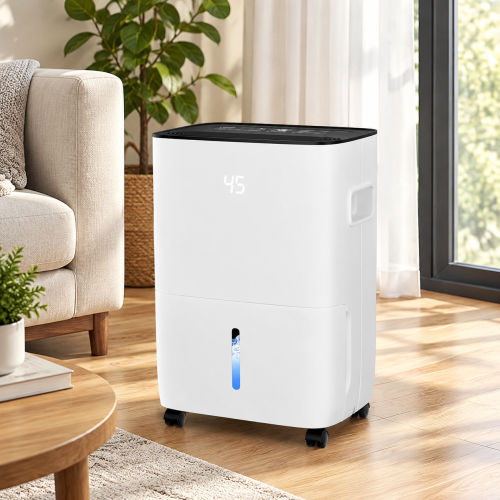
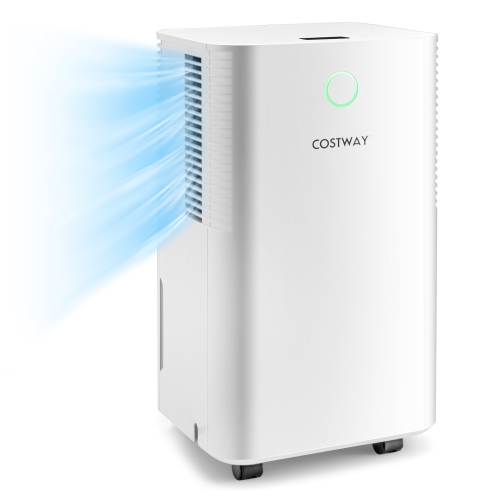
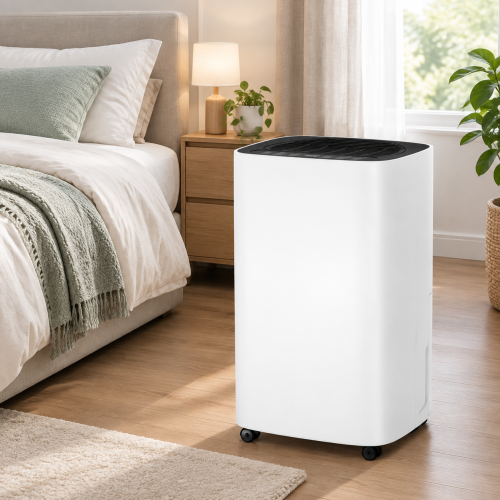
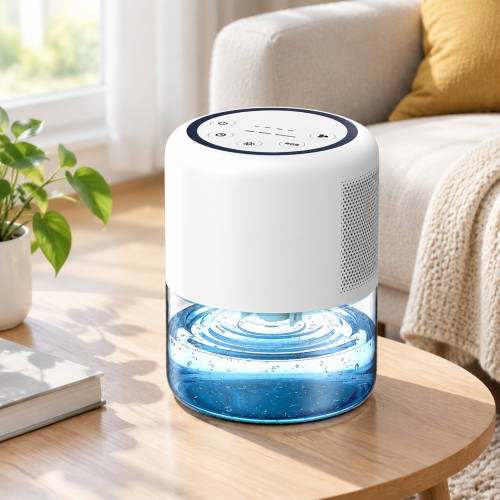
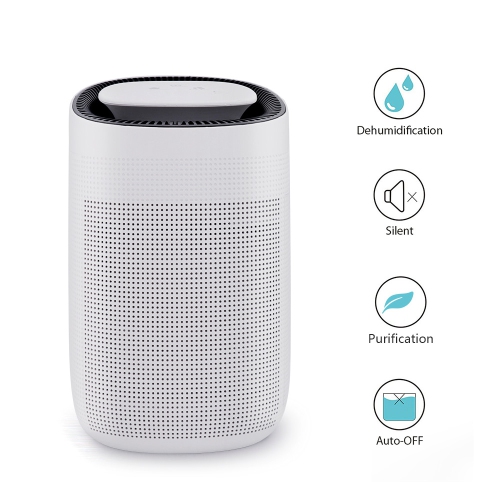
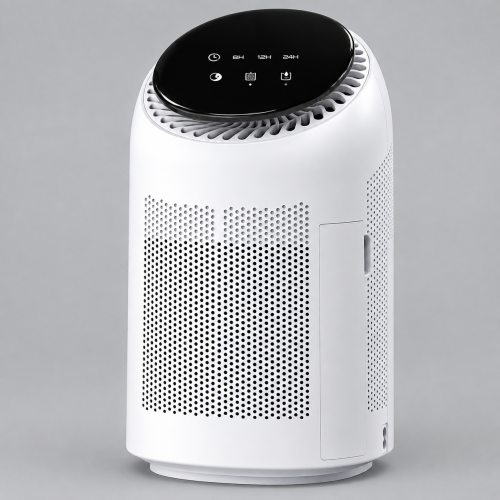
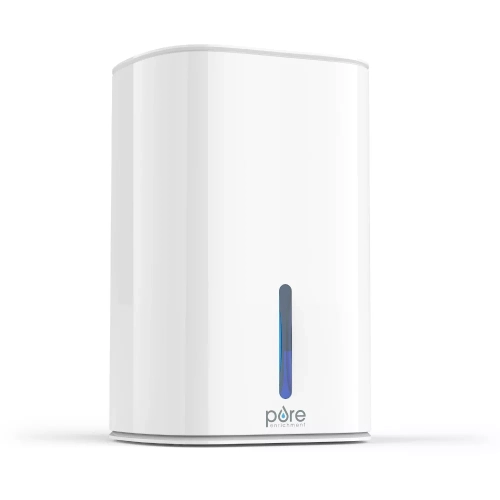
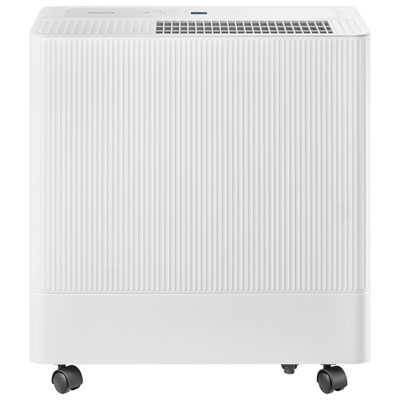
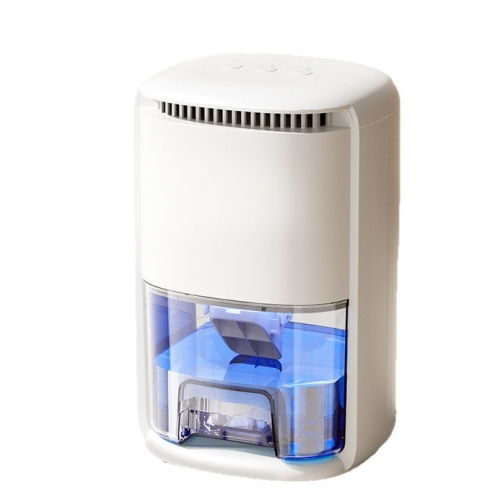
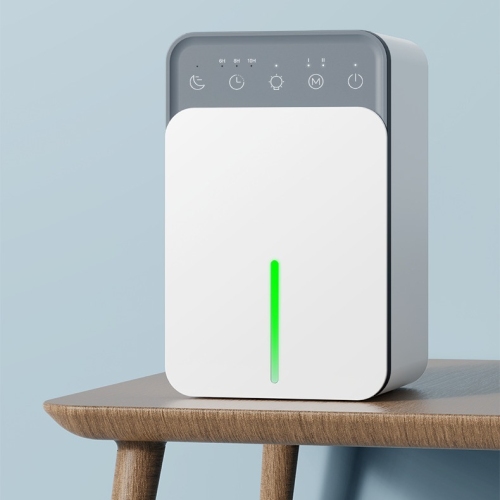
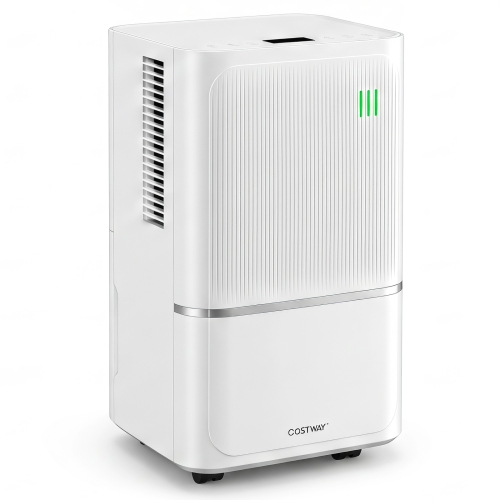
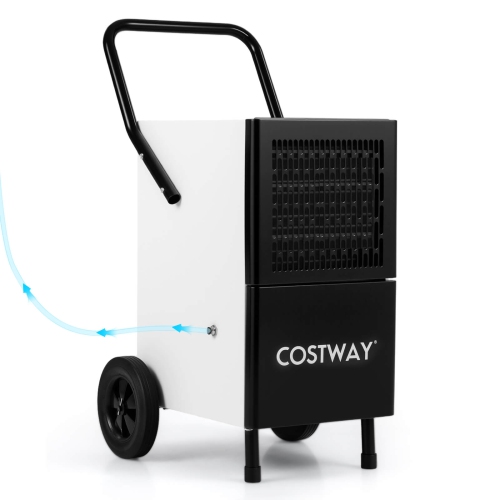
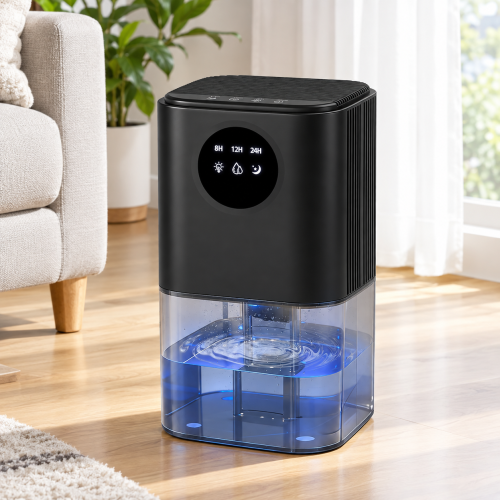
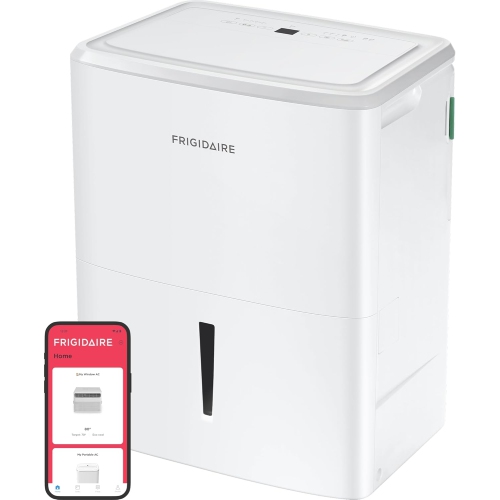
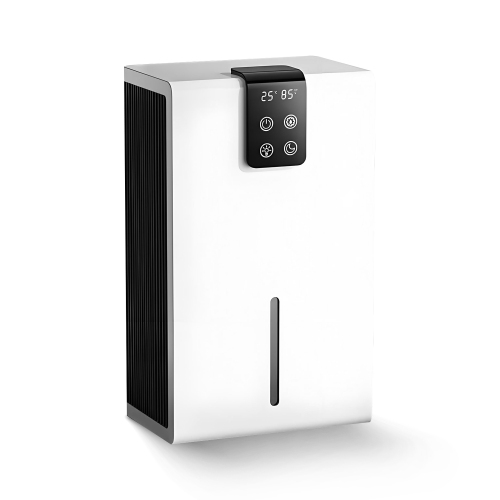
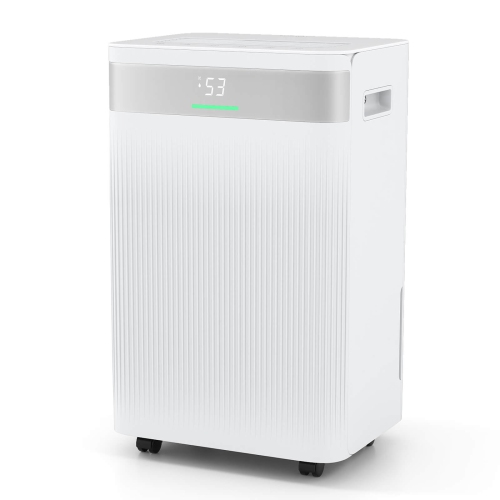
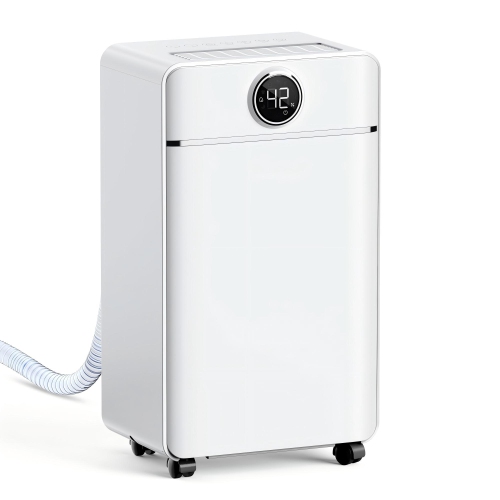
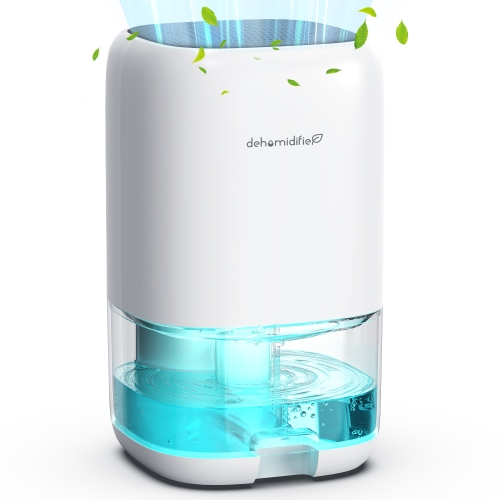
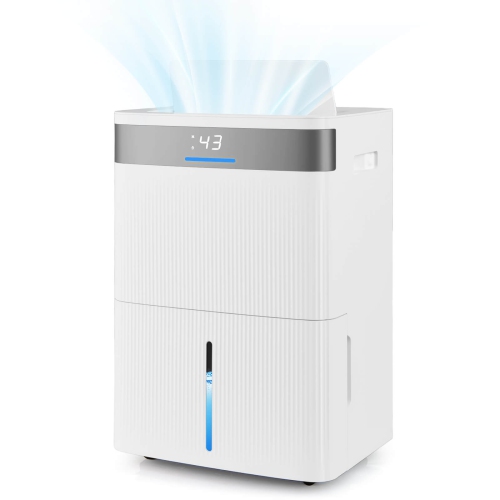
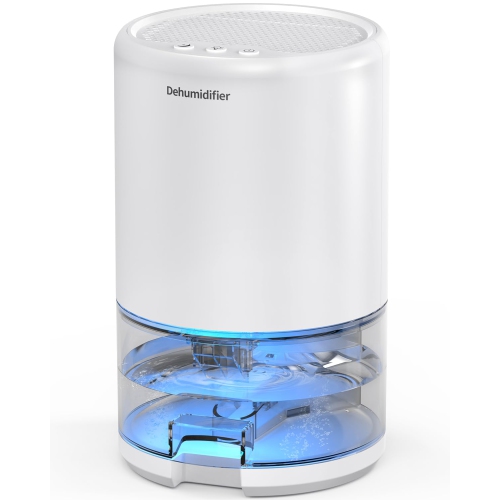
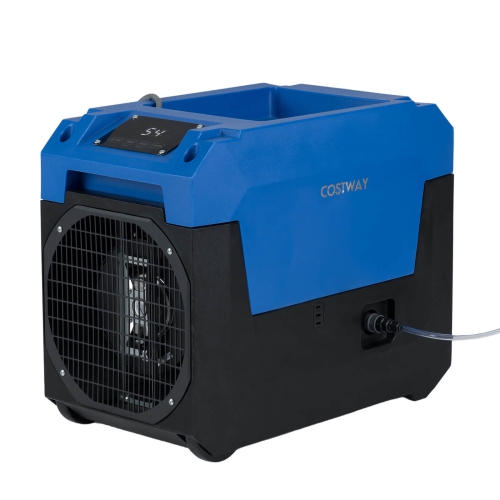
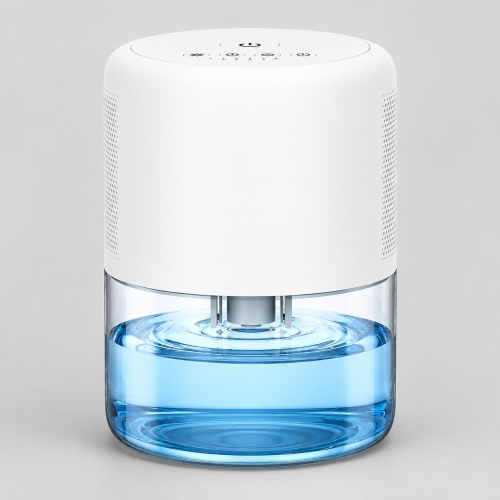
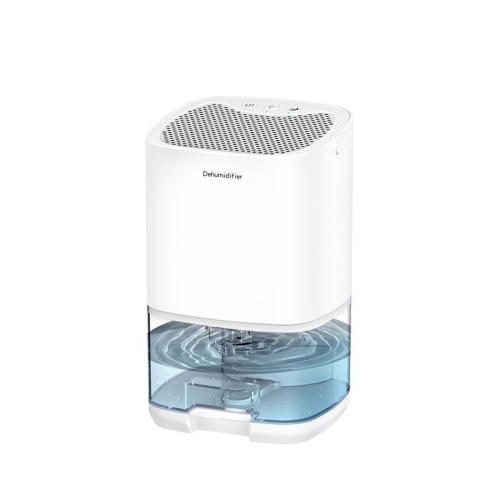
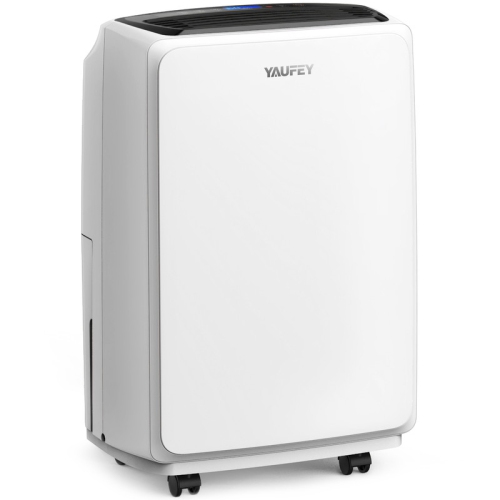
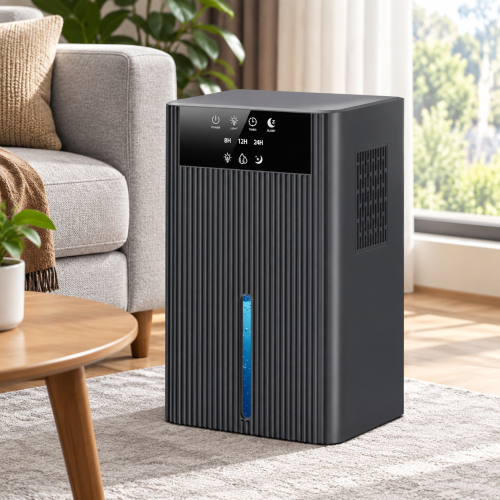
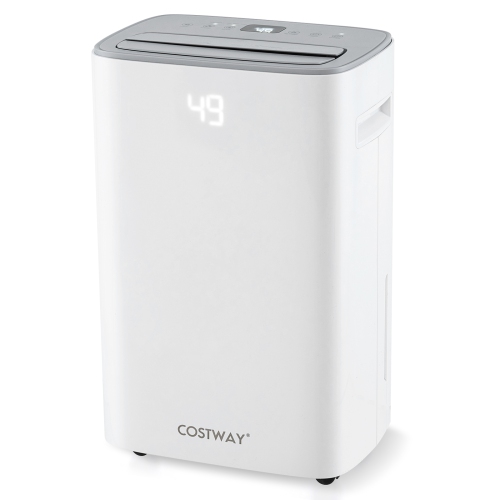
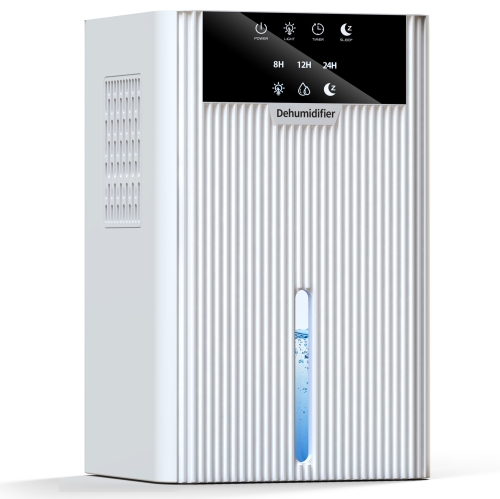
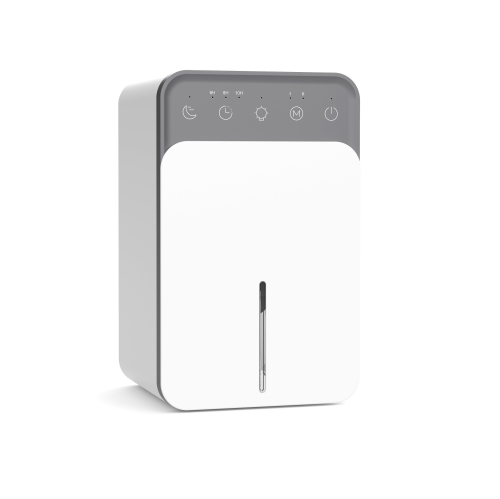
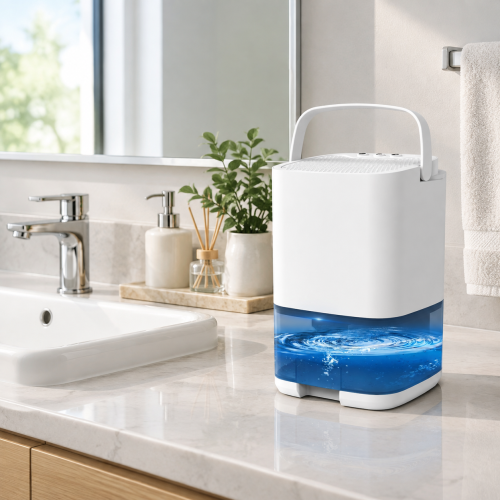
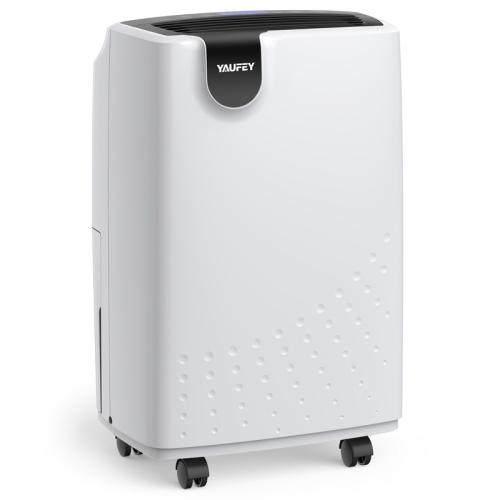
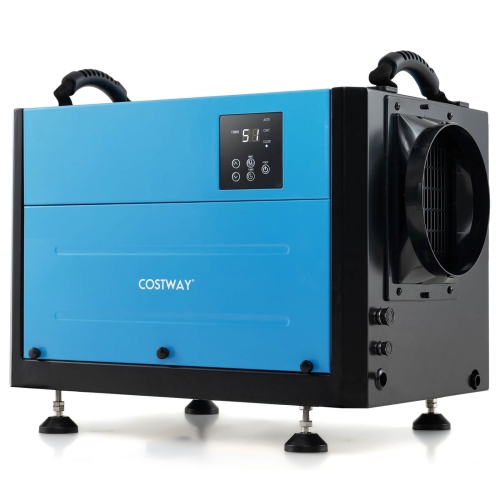
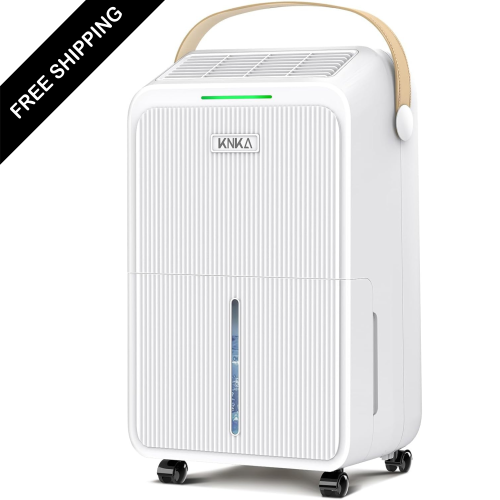
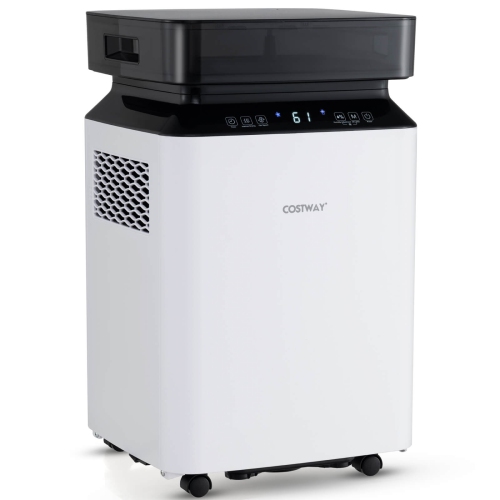
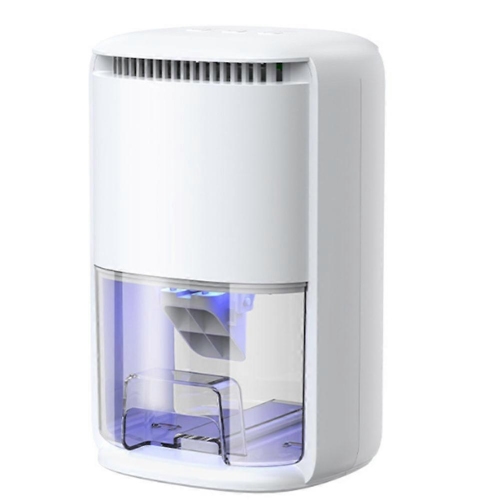
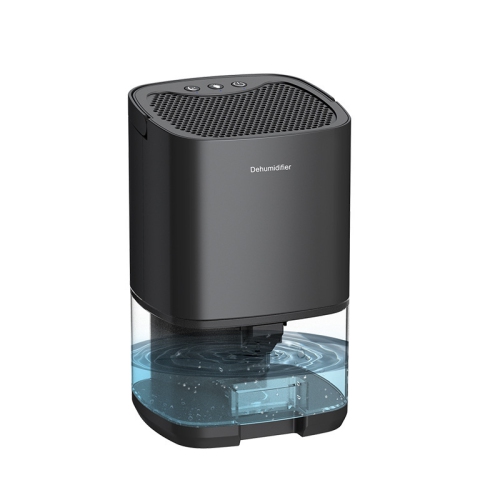
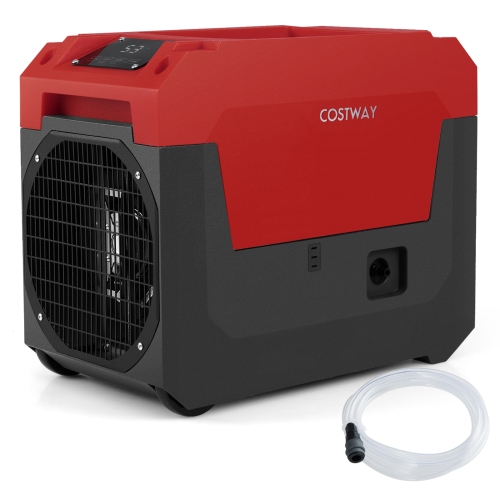
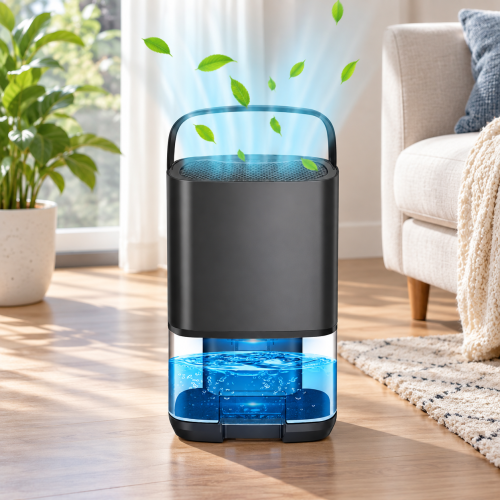
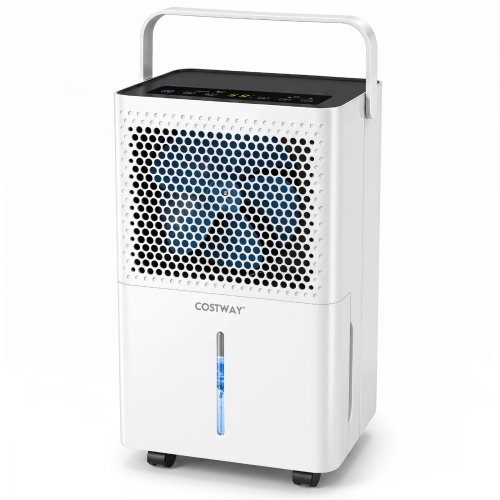
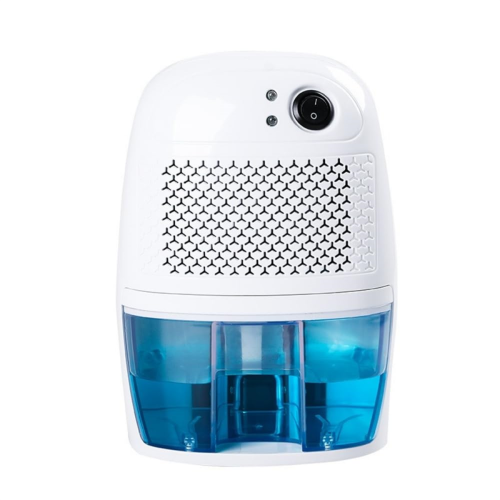
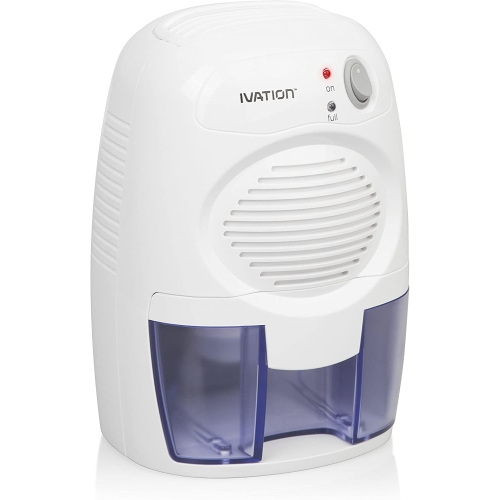
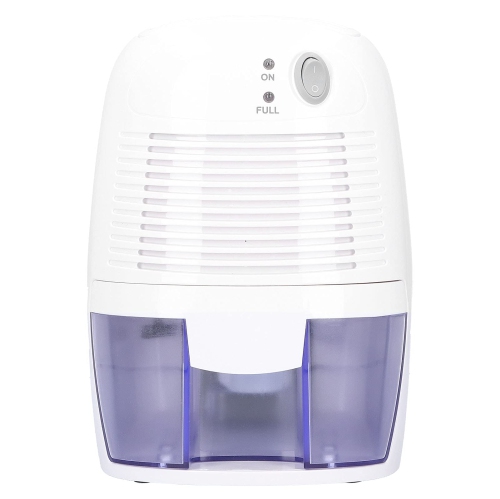
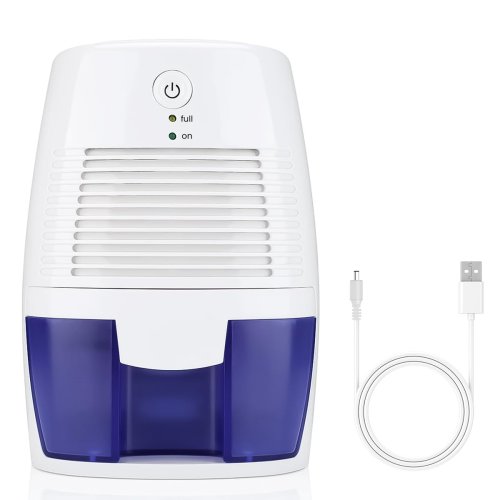
Air dehumidifiers help manage excess moisture by drawing humid room air into the unit, passing it over cooled coils so water vapour condenses, and releasing warmer, drier air back into the room. They can be useful in basements, laundry areas, bathrooms, bedrooms, storage rooms, cottages, and other spaces where damp air lingers. During warmer, more humid weather, a dehumidifier can make a lower-level room feel less heavy and sticky, while during the cooler months it can help manage moisture created by drying clothes indoors, showering, cooking, or everyday household activity. Reducing excess humidity may also help limit musty odours, condensation on windows, and the conditions that allow mould and mildew to develop on suitable surfaces. When choosing among air dehumidifiers, consider the size and layout of the space, how damp it tends to be, and how often you want to empty the water container. A compact model may suit a bedroom, bathroom, office, or small enclosed area, while a higher-capacity unit is generally better for a large basement, open-concept lower level, cottage, or space where moisture returns quickly. Capacity is commonly shown in pints per day, but the actual amount collected depends on room temperature, humidity, ventilation, and operating conditions. As a general starting point, units in the 20- to 32-pint range may be appropriate for smaller spaces, whereas larger areas can call for 50- to 73-pint or higher capacities. Coverage ratings are useful for comparison, though they should be treated as estimates rather than guarantees, especially when several rooms are connected by open doorways or stairwells.
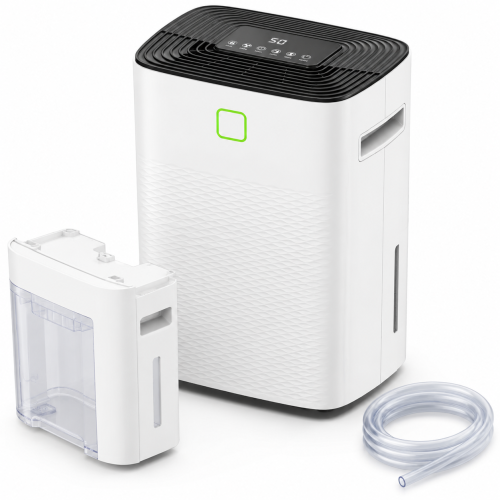
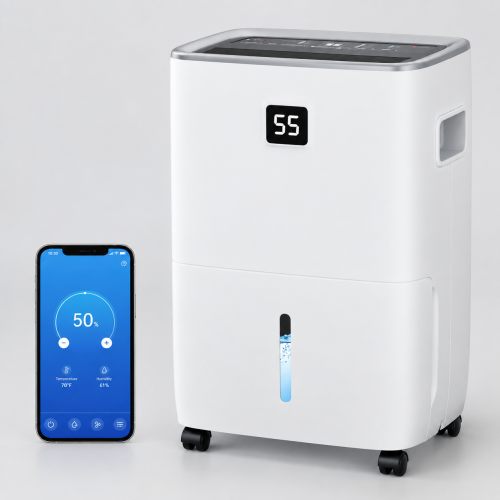
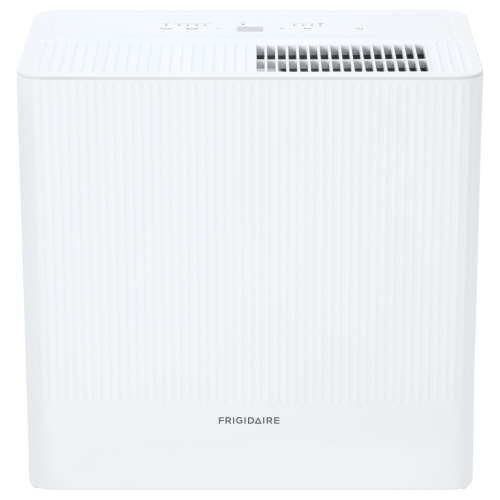
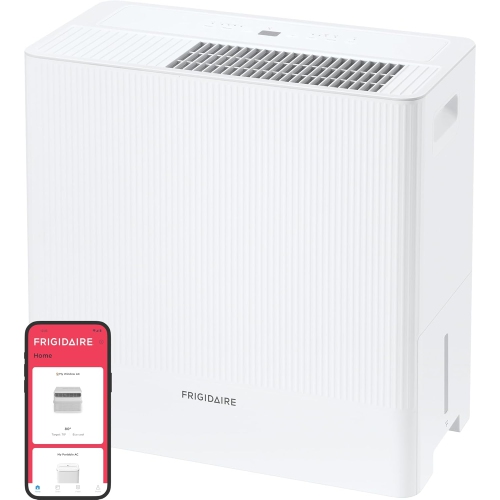
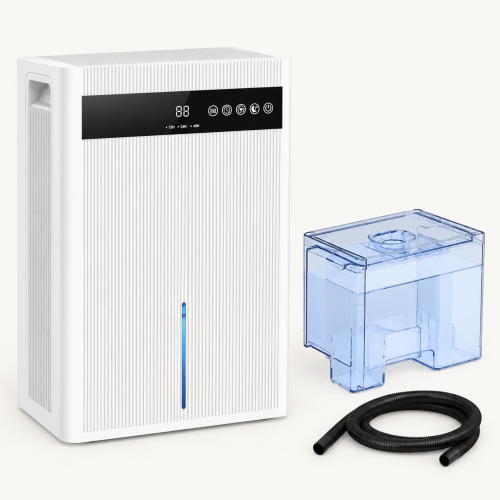
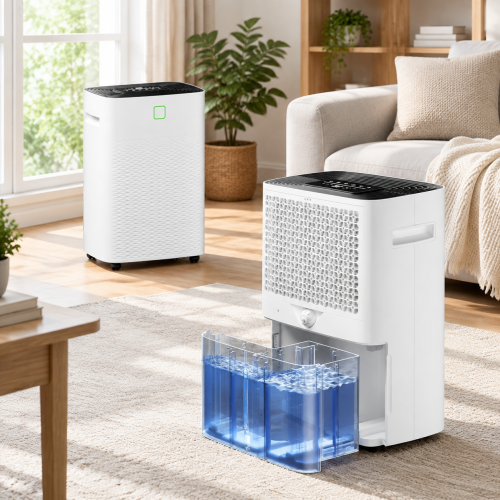
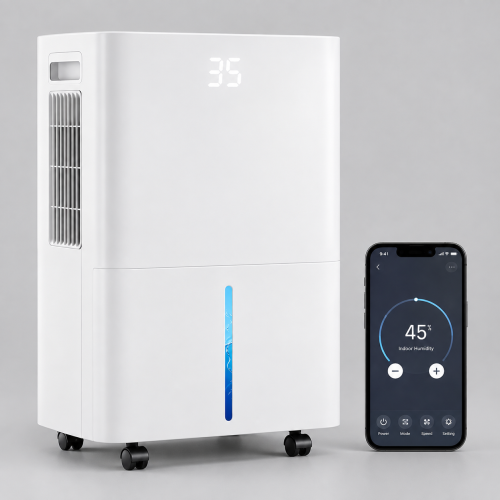
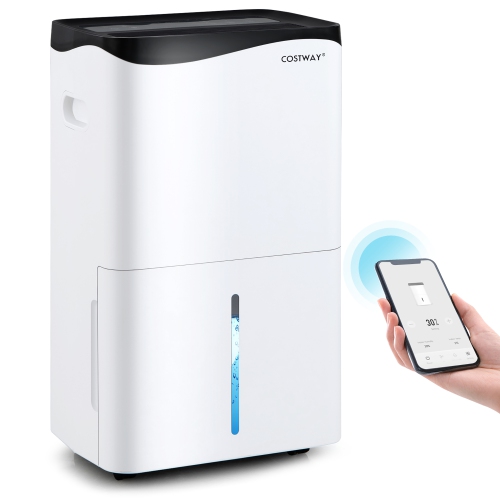
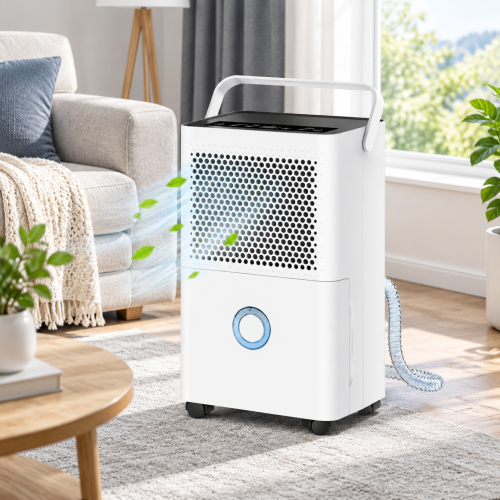
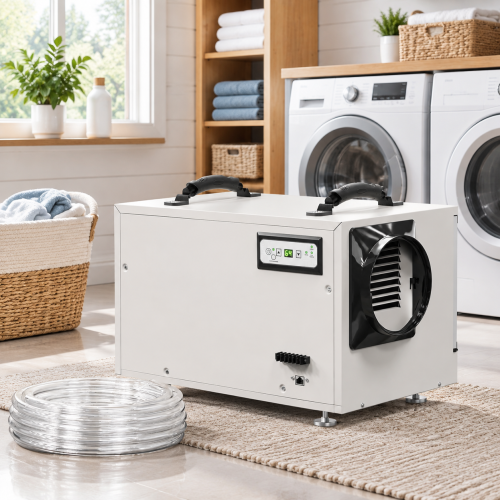
Drainage is another important consideration, particularly if the dehumidifier will run for long periods while you are away from home. Models with a removable water bucket let you empty collected water by hand, and an auto shut-off feature can stop operation when the bucket is full to help prevent overflow. If you prefer less hands-on maintenance, look for a continuous drainage option that connects to a floor drain or another suitable outlet with a hose. Gravity drainage works best when the hose can slope downward naturally, while a built-in pump can help move water upward or across a short distance when a convenient floor-level drain is not available. Placement also affects performance: leave enough clearance around the air intake and exhaust, keep the unit on a stable, level surface, and avoid blocking vents with furniture, curtains, boxes, or laundry. A built-in humidistat lets you select a target humidity level, allowing the dehumidifier to cycle on and off instead of running continuously. Many households find a setting around 40% to 50% relative humidity comfortable, although the best level depends on the room, the season, and personal preference. In cooler basements, an auto-defrost function can be particularly helpful because frost may form on the coils when the surrounding air is cold. A washable or removable filter can make routine upkeep simpler; check it regularly, clean it according to the instructions, and keep the water bucket and drainage components free from residue. Noise level, caster wheels, carrying handles, timer settings, digital controls, and automatic restart are also worth comparing. A quieter unit may be more suitable for a bedroom or home office, while wheels and handles are useful when one dehumidifier needs to move between a laundry room and a basement. Some connected models provide app controls, humidity readings, scheduling, and alerts, which can be convenient for monitoring a cottage, rental property, or storage area from a distance.
Air dehumidifiers can be a practical choice for people moving into a basement suite, setting up a home office in a lower level, storing musical instruments or paper goods, or trying to make a laundry room more comfortable. They may also be a thoughtful housewarming gift for someone in a damp older home, a cottage owner preparing a seasonal property, or a family member who regularly dries clothes indoors. For a gift or shared household purchase, a model with straightforward controls, an easy-to-carry bucket, and a clear full-tank indicator is often easier for everyone to use than a unit with a complicated setup. Before buying, measure the room or area where the appliance will operate and check whether doors will remain open to adjacent spaces. A unit sized for one closed room may not adequately manage moisture throughout an entire floor, and a single portable dehumidifier may not be the right solution for a large or persistently damp home. For broader coverage, explore Whole Home Dehumidifiers. Also consider the available electrical outlet, the path for moving the appliance, the location of a drain, and whether the unit will be used in a cool space. Dehumidifiers work best with doors and windows closed while operating, since outside air can continually introduce more moisture. They are designed to manage humidity, not to correct leaks, flooding, poor grading, or other sources of water intrusion, so persistent dampness may require attention to the underlying cause. With the right capacity, drainage method, controls, and placement, an air dehumidifier can become a dependable part of a home’s comfort routine, quietly collecting moisture in the background while rooms feel fresher and more usable through changing conditions.
Drainage is another important consideration, particularly if the dehumidifier will run for long periods while you are away from home. Models with a removable water bucket let you empty collected water by hand, and an auto shut-off feature can stop operation when the bucket is full to help prevent overflow. If you prefer less hands-on maintenance, look for a continuous drainage option that connects to a floor drain or another suitable outlet with a hose. Gravity drainage works best when the hose can slope downward naturally, while a built-in pump can help move water upward or across a short distance when a convenient floor-level drain is not available. Placement also affects performance: leave enough clearance around the air intake and exhaust, keep the unit on a stable, level surface, and avoid blocking vents with furniture, curtains, boxes, or laundry. A built-in humidistat lets you select a target humidity level, allowing the dehumidifier to cycle on and off instead of running continuously. Many households find a setting around 40% to 50% relative humidity comfortable, although the best level depends on the room, the season, and personal preference. In cooler basements, an auto-defrost function can be particularly helpful because frost may form on the coils when the surrounding air is cold. A washable or removable filter can make routine upkeep simpler; check it regularly, clean it according to the instructions, and keep the water bucket and drainage components free from residue. Noise level, caster wheels, carrying handles, timer settings, digital controls, and automatic restart are also worth comparing. A quieter unit may be more suitable for a bedroom or home office, while wheels and handles are useful when one dehumidifier needs to move between a laundry room and a basement. Some connected models provide app controls, humidity readings, scheduling, and alerts, which can be convenient for monitoring a cottage, rental property, or storage area from a distance.
Air dehumidifiers can be a practical choice for people moving into a basement suite, setting up a home office in a lower level, storing musical instruments or paper goods, or trying to make a laundry room more comfortable. They may also be a thoughtful housewarming gift for someone in a damp older home, a cottage owner preparing a seasonal property, or a family member who regularly dries clothes indoors. For a gift or shared household purchase, a model with straightforward controls, an easy-to-carry bucket, and a clear full-tank indicator is often easier for everyone to use than a unit with a complicated setup. Before buying, measure the room or area where the appliance will operate and check whether doors will remain open to adjacent spaces. A unit sized for one closed room may not adequately manage moisture throughout an entire floor, and a single portable dehumidifier may not be the right solution for a large or persistently damp home. For broader coverage, explore Whole Home Dehumidifiers. Also consider the available electrical outlet, the path for moving the appliance, the location of a drain, and whether the unit will be used in a cool space. Dehumidifiers work best with doors and windows closed while operating, since outside air can continually introduce more moisture. They are designed to manage humidity, not to correct leaks, flooding, poor grading, or other sources of water intrusion, so persistent dampness may require attention to the underlying cause. With the right capacity, drainage method, controls, and placement, an air dehumidifier can become a dependable part of a home’s comfort routine, quietly collecting moisture in the background while rooms feel fresher and more usable through changing conditions.
Top selling and popular products
-
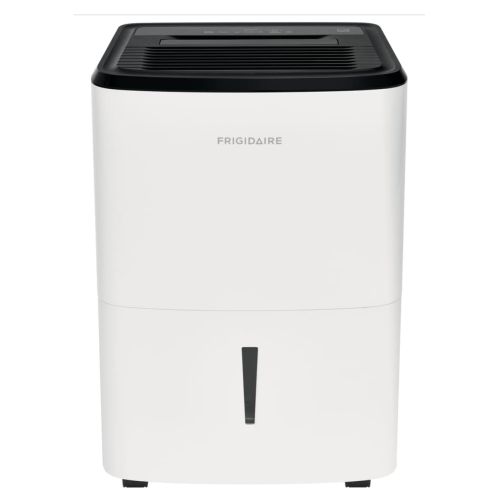 Your price for this item is $879.99
 -
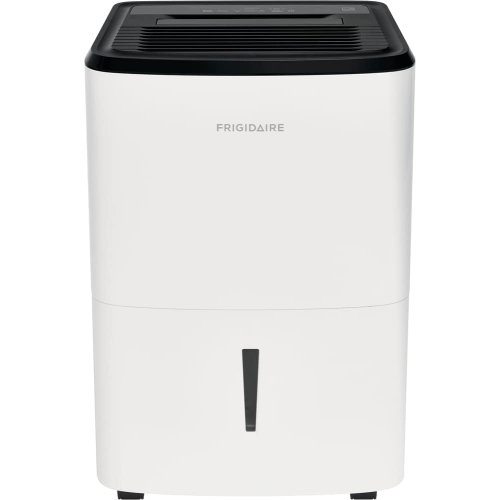 Your price for this item is $750
 -
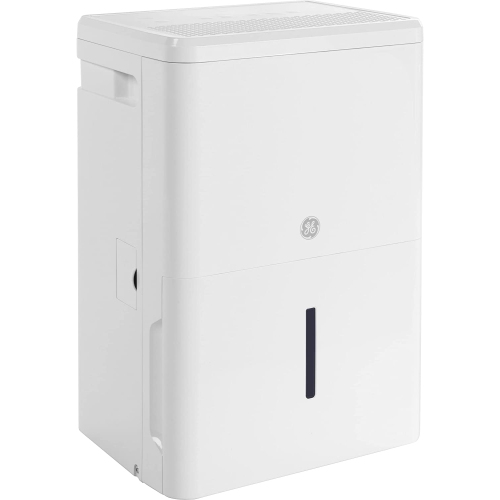 Your price for this item is $637.99
 -
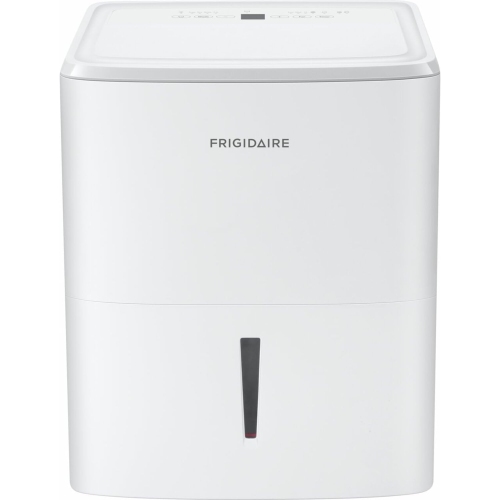 Your price for this item is $599.99
 -
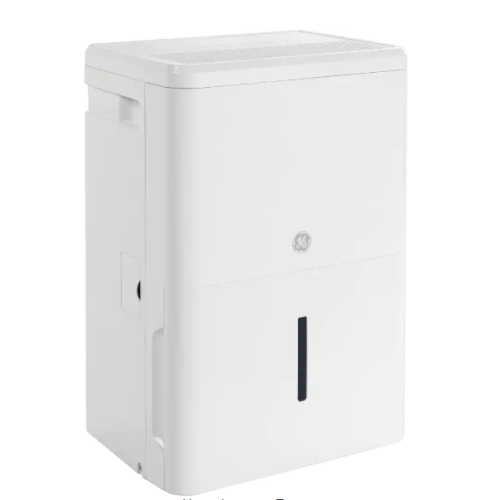 Your price for this item is $539.99
 -
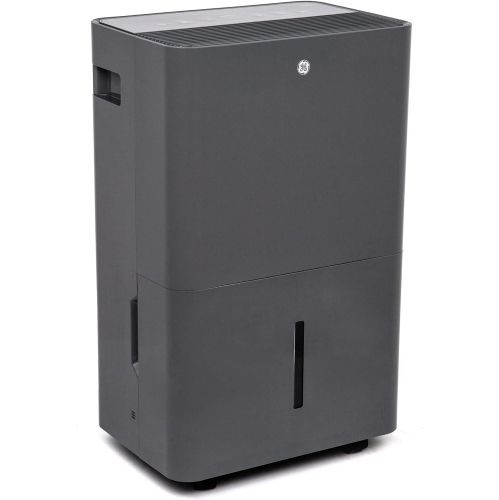 Your price for this item is $945.99
 -
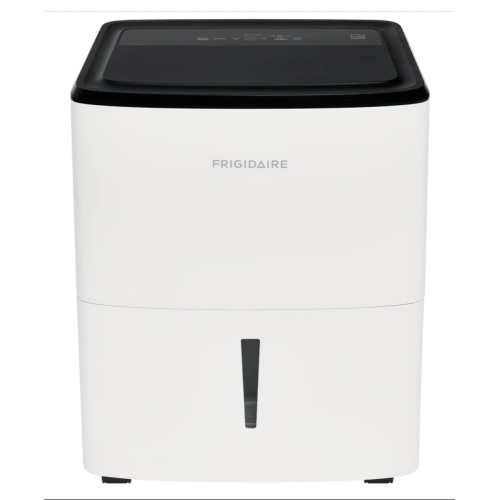 Your price for this item is $582.99
 -
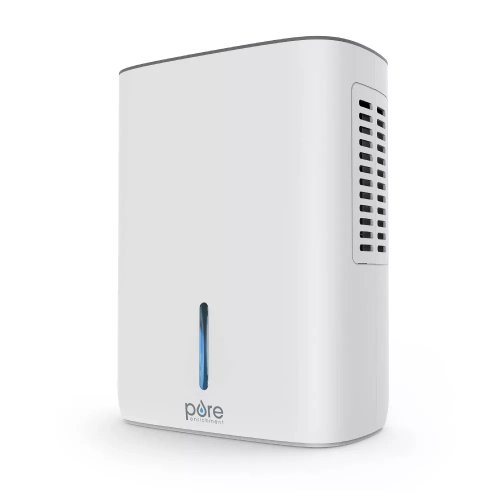 Your price for this item is $329.99
Discover more categories related to Air Dehumidifiers
Top Collections:
Pokemon Centers, Kindle Devices, Best Budget Office Chairs, Canon G7X Cameras, Apple iPhones 16, Samsung Galaxy Phones, Refurbished Apple Laptops, Laptops for Students, iPhone 15 Apple, Budget Smartphones
Some products may be subject to Environmental Handling Fees
(EHF) depending on your province.
Learn more about EHFs.