Dorm Room Ceiling Fans
Dorm Room Ceiling Fans are a great addition to any student living space, helping to create a comfortable space for studying, relaxing, and sleeping. With a variety of sizes and styles available, it’s easy to find an option that fits your room layout and personal taste. Discover ceiling fans designed to suit compact spaces while adding both function and style to your dorm room.
Sort


Why portable fans are often more practical for dorms
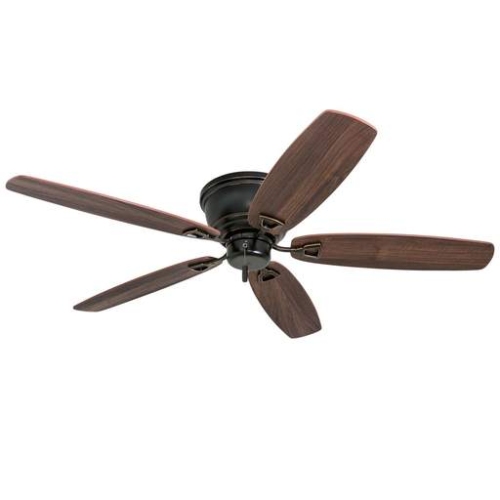
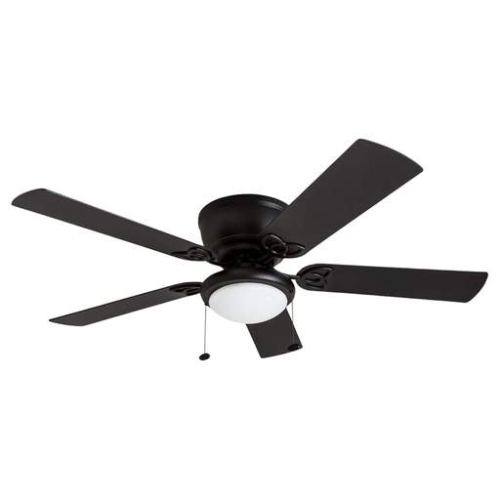
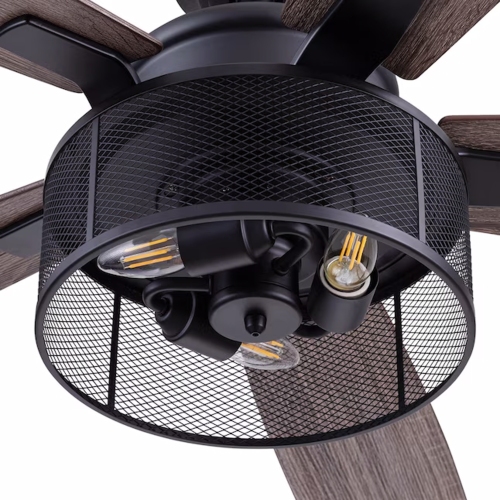
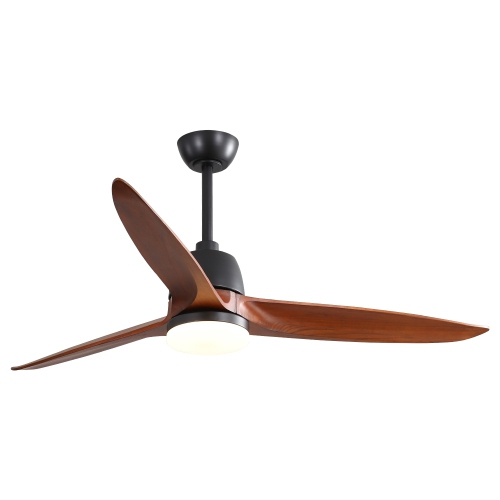
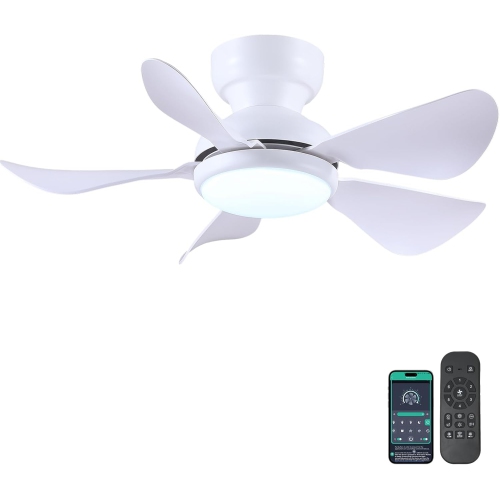
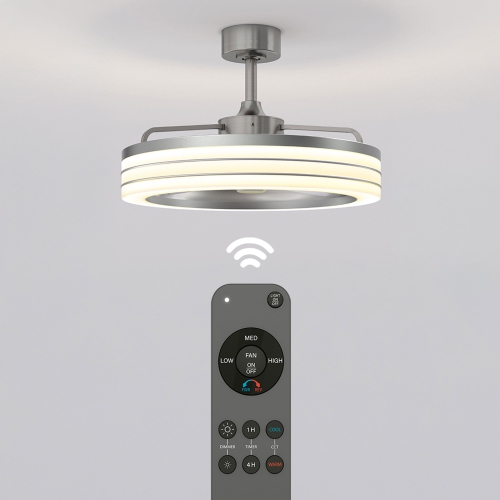
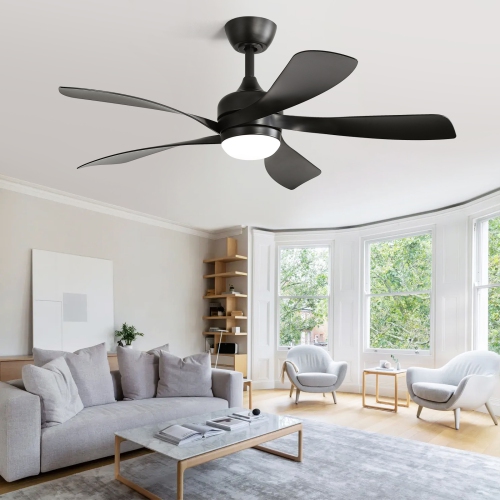
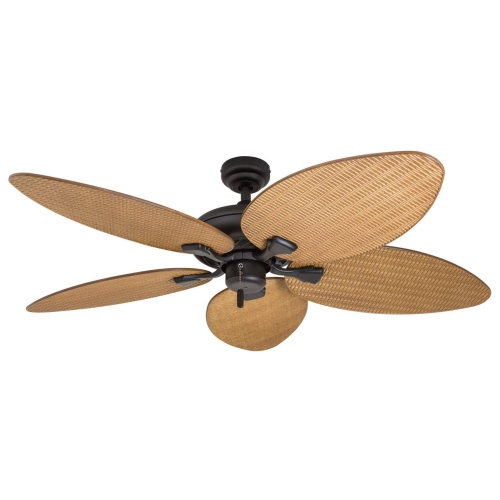
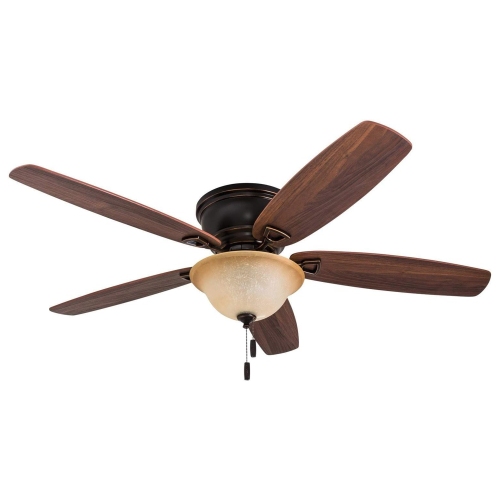
Traditional hardwired ceiling fans are generally unsuitable for dorm rooms because residence policies often prohibit permanent electrical or structural alterations. Installation also requires suitable ceiling support, safe blade clearance and an approved electrical connection, making it more involved than replacing a light fixture. Portable desk, pedestal and tower fans are usually more practical alternatives, provided they meet the residence’s appliance rules. For any ceiling-mounted fan, written housing approval and a suitable installation assessed by qualified professionals are essential. An existing light-fixture box, suspended ceiling tile or convenient hook should never be assumed capable of supporting a fan’s weight and movement. Compact dimensions alone do not make an overhead fan appropriate for student housing. Low ceilings, raised beds and bunk beds can put moving blades within reach, while wardrobe doors and overhead storage may further restrict clearance. Where a residence already has an approved ceiling fan, its suitability depends on the room layout and the manufacturer’s operating requirements. Low-profile designs sit closer to the ceiling than models suspended on a downrod, but they still need the specified clearance from the floor, walls and furnishings. Blade span should suit the usable space rather than simply matching the width of the room. A small room crowded with furniture can present different clearance issues from an open room with the same floor area. Integrated lighting may be useful where an approved fan also serves as the main ceiling fixture, with separate light and fan controls making everyday use more flexible. For most students, however, the useful starting point is not an overhead installation but a fan that fits safely into the space already provided. A compact model on a stable desktop, or a freestanding design beside a dresser, can provide personal airflow without making changes to the building. Housing approval still matters for portable appliances, including any limits on electrical ratings, power connections or where the fan may be placed.
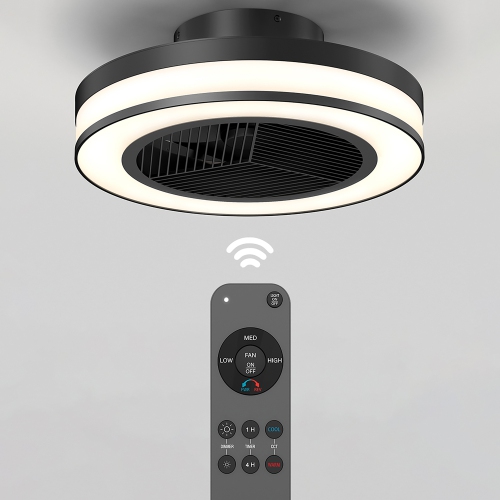
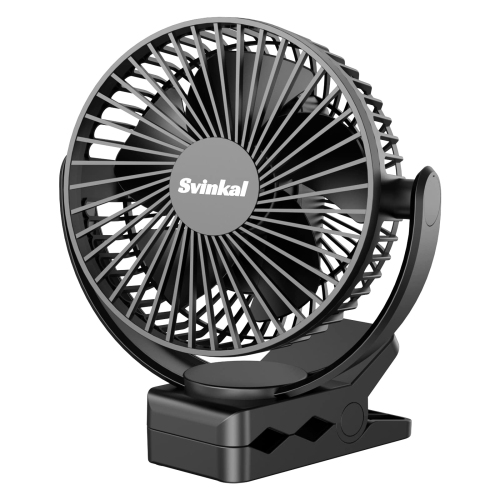
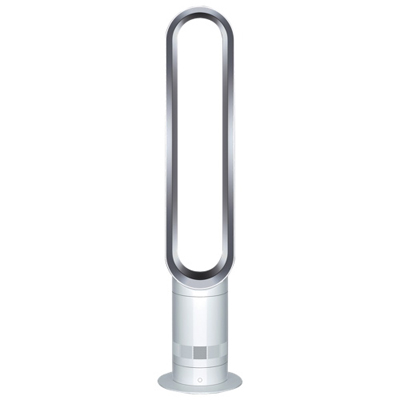
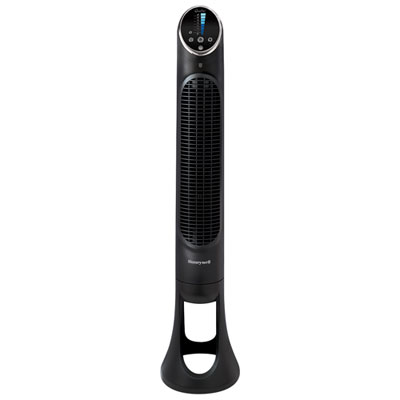
Portable alternatives offer different ways to work around the furniture that defines a dorm room: a narrow bed, a shared desk, a wardrobe and often very little open floor space. Desk fans suit close-range airflow while reading or working at a computer, although their bases need enough room to sit fully on a stable surface. Adjustable tilt can help direct air towards a seated position without aiming it across a roommate’s papers. Pedestal fans offer adjustable height and a broader range of positioning, but their bases can occupy a substantial portion of a walkway. A slender tower design may fit more naturally beside a desk or dresser, especially when the main priority is keeping the desktop clear. The options described on Tower Fans for Dorm provide another relevant format for rooms where permanent ceiling fixtures are not appropriate. For any freestanding design, the full base dimensions matter more than the width of the upper housing. There should be enough space for stable placement, unobstructed air intake and safe movement around the bed and doorway. Oscillation can spread airflow across a seating area, while a fixed direction may be preferable when two roommates have different preferences. Multiple speed settings are useful for moving between focused desk work and quieter activities. Noise deserves particular attention in a shared room: a low setting may be unobtrusive, while higher settings can produce more noticeable airflow sound. Where sound measurements are provided, comparisons are most useful when the operating speed and test conditions are also stated. Timers, clearly marked controls and remote operation can make a fan easier to use from a bed or chair. A remote is especially convenient when reaching the controls would mean leaning across a crowded desktop. Cord length also affects practical placement, since a suitable location needs access to an approved outlet without stretching the cable across a doorway or leaving it where a chair can roll over it.
Materials and construction influence how well a fan handles everyday student use. Moulded plastic housings can be light enough to move between a desk and a storage area, while metal guards and housings may offer a firmer feel at the cost of additional weight. Neither material alone determines durability; a secure base, well-fitted controls, sturdy adjustment points and a properly attached guard are equally important. A fan that wobbles, rattles or gradually droops out of position can become frustrating during long study sessions. Smooth surfaces and accessible intake areas make routine dust removal simpler, particularly in rooms where bedding, clothing and open shelving sit close together. Cleaning should follow the manufacturer’s directions, with the fan switched off and unplugged before any permitted maintenance. Guards or covers should only be removed when the design and instructions allow it, and the motor housing should be kept dry. Regularly clearing dust from accessible vents helps keep airflow paths unobstructed without requiring improvised tools or sprays inside the appliance. Storage matters too: a portable fan needs a place where its cord will not be pinched and its guard will not be pressed under boxes or luggage. For students who move between residences, manageable weight, a carrying handle and straightforward reassembly can be useful practical details. For someone furnishing a first dorm room or giving a fan as a gift, confirmed residence requirements and the recipient’s room measurements are more helpful than assumptions about what will fit. A quiet personal fan may suit a student who studies beside a roommate, while a wider oscillating design may better serve a shared seating area. Appearance can play a role, with a neutral colour or compact profile fitting into a small room without drawing attention away from the rest of the furnishings. The most suitable dorm room fan combines permitted use, safe placement, straightforward care and controls that work comfortably with the student’s daily routine.
Top selling and popular products
-
 Your price for this item is $139.99
-
 Your price for this item is $317.99
-
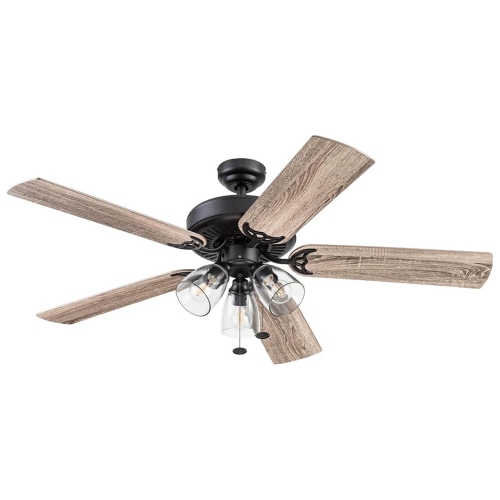 Your price for this item is $299.99
-
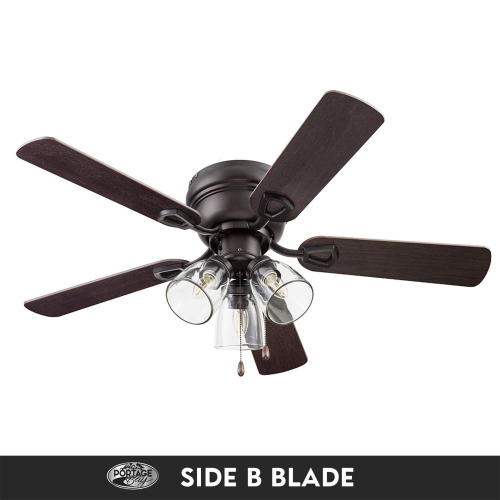 Your price for this item is $208.99
-
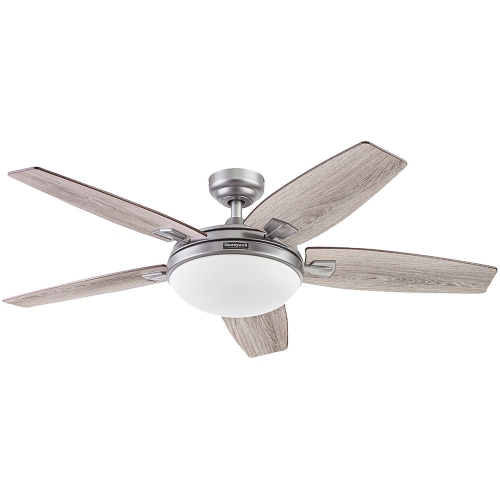 Your price for this item is $362.99
-
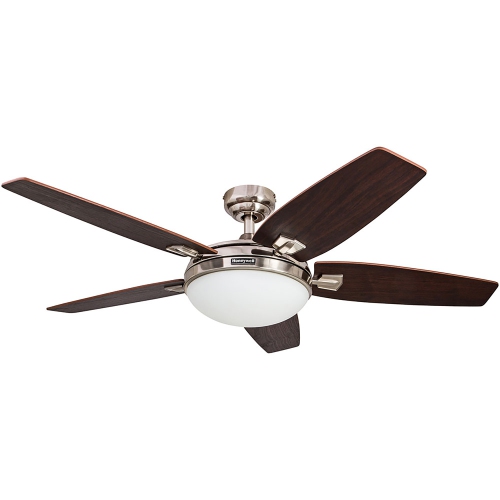 Your price for this item is $338.99
-
 Your price for this item is $404.99
-
 Your price for this item is $321.99
Discover more categories related to Dorm Room Ceiling Fans

Top Collections:
Best Black Friday Deals This Year, Best Black Friday Deals On Electronics, Kindle Devices, Pokemon Centers, Best Black Friday Deals On Apple Products, Best Cameras for Sports Photography, Dyson Airwrap, Pokémon 30th Celebration Cards, Apple iPhone 17 Pro, Canon G7X Cameras
Some products may be subject to Environmental Handling Fees
(EHF) depending on your province.
Learn more about EHFs.