Drawer Microwave Black Stainless
Upgrade your kitchen with a sleek and modern addition drawer microwave in black stainless steel. Combining style and functionality, these innovative appliances seamlessly blend into almost any kitchen decor while providing convenient access to your favorite cooking features. With its space-saving design and easy-to-use controls, a drawer microwave is the perfect choice for busy households and culinary enthusiasts alike. Here are some great options available.
Sort
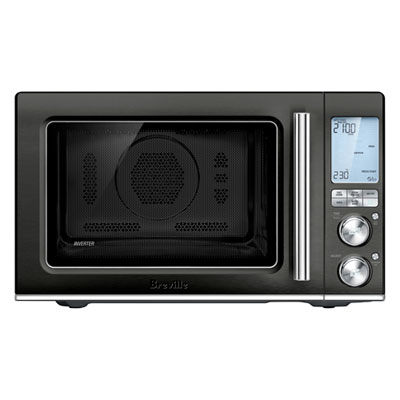
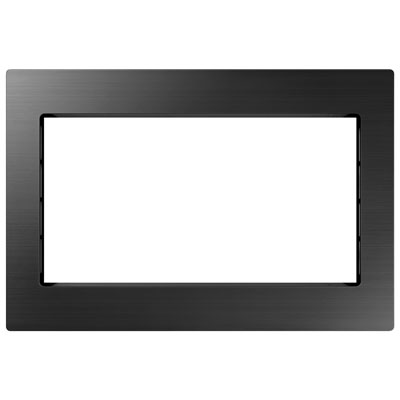
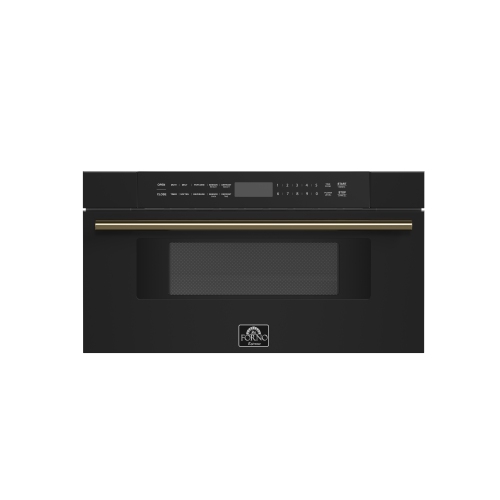
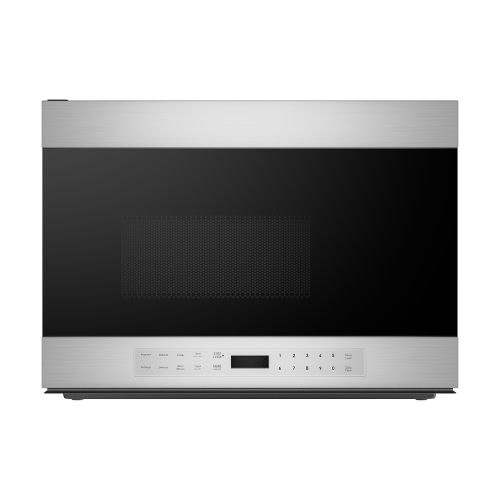
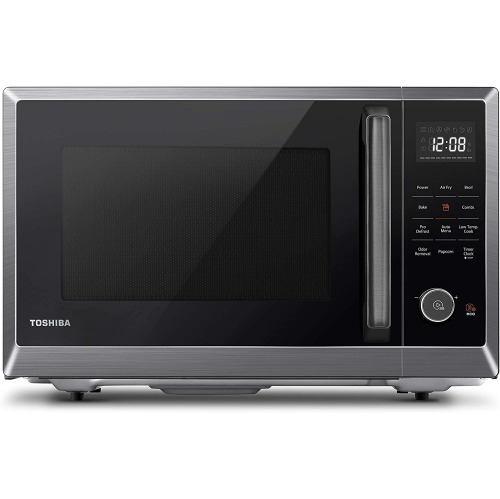
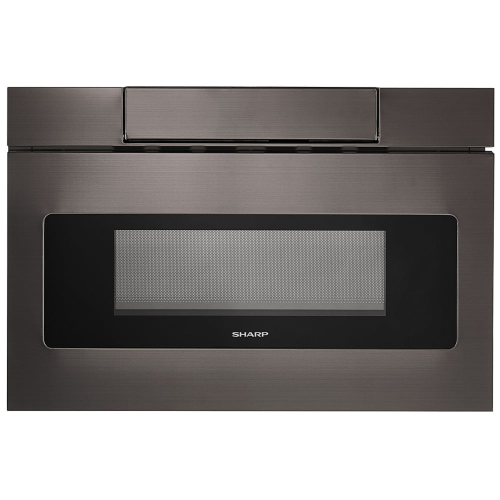
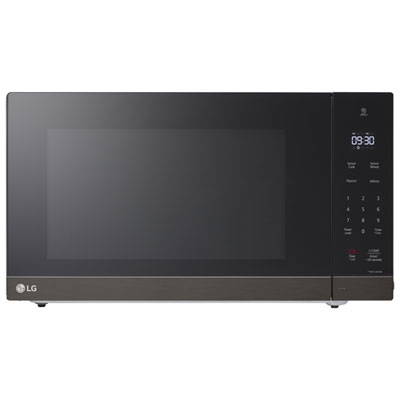

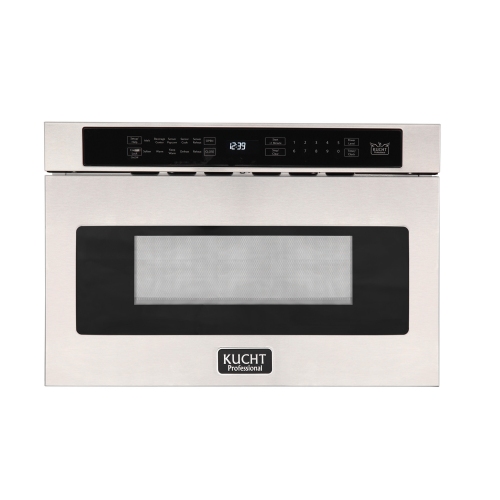
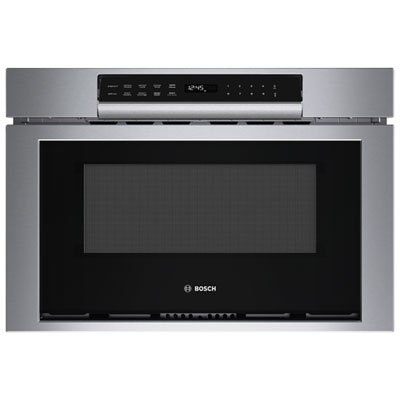
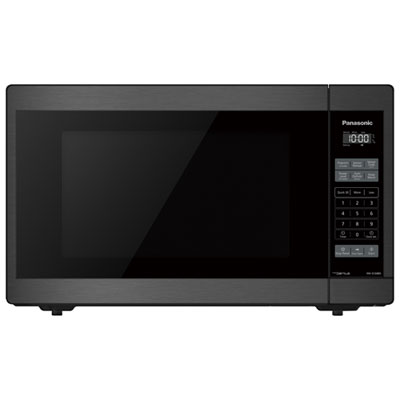
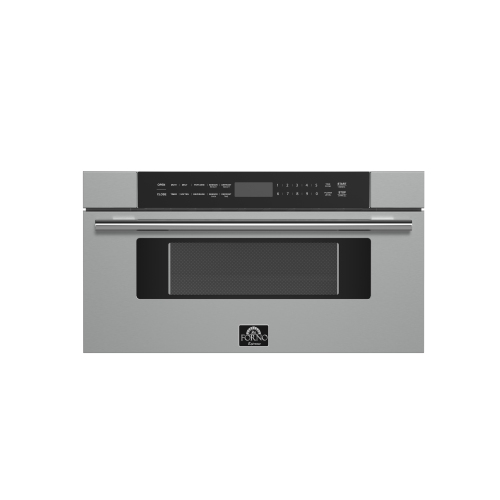
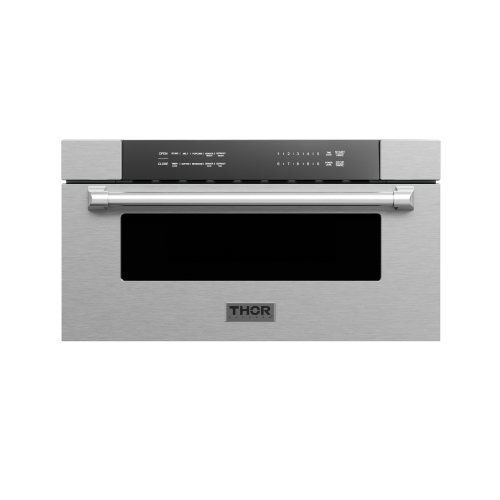

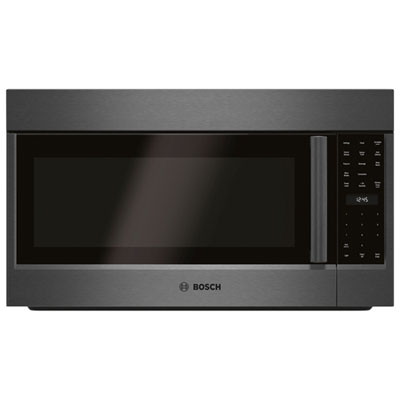
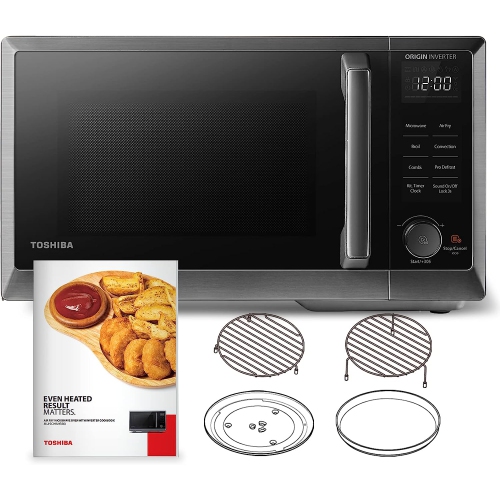
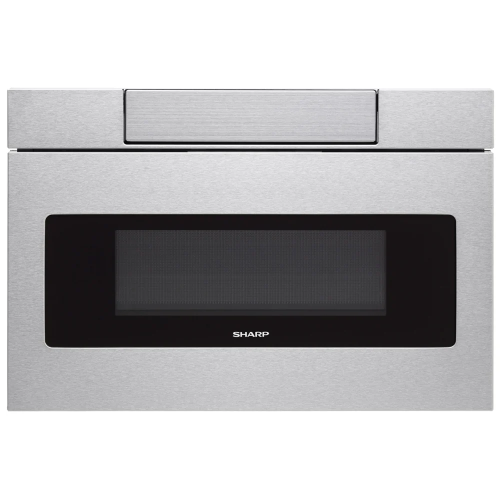

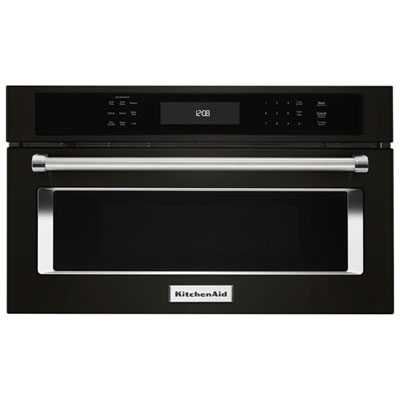
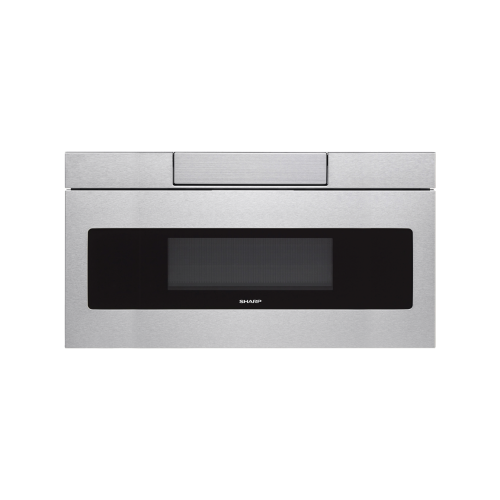
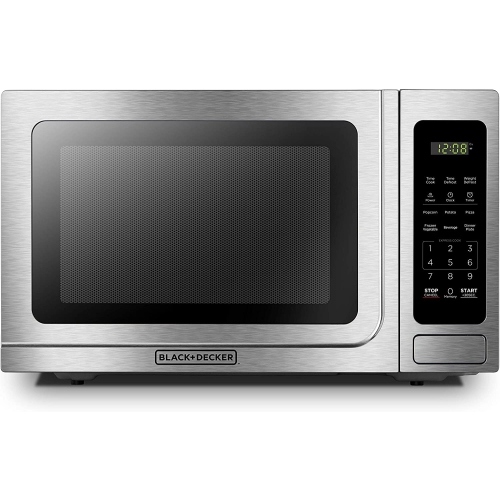
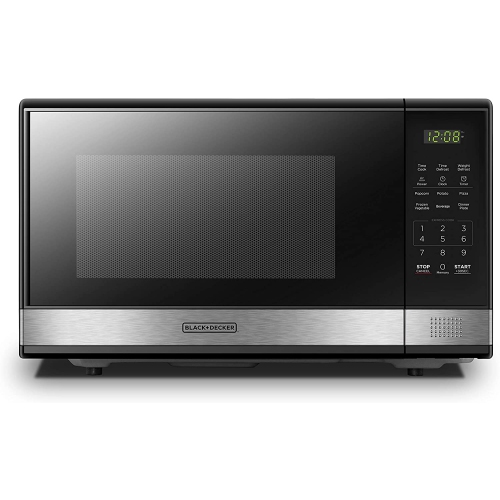
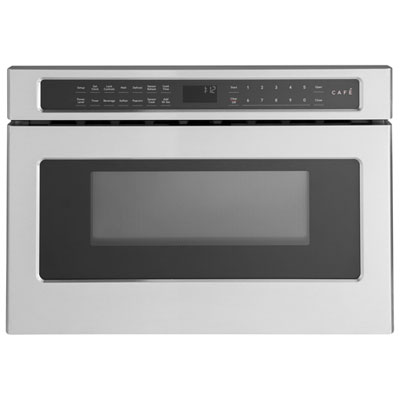
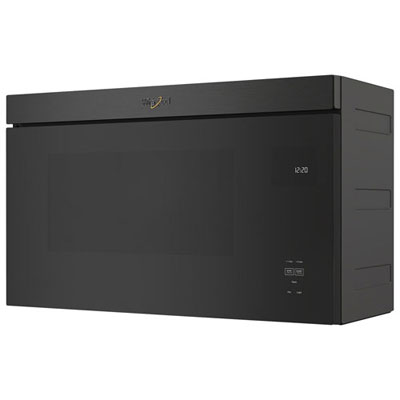
A pull-out design that leaves your countertop clear
A black stainless steel drawer microwave is a built-in microwave with a pull-out cooking compartment and a dark metallic exterior, usually installed beneath a countertop or within a kitchen island. Instead of opening a hinged door and reaching into a cavity, the drawer slides forward so food can be lowered into it from above. This layout keeps the countertop clear and places reheating, defrosting, and everyday food preparation close to the work surface. It suits kitchens where a separate range hood handles ventilation above the cooktop, as well as layouts that keep small appliances away from a main preparation area. Black stainless steel gives the visible front a softer, darker appearance than traditional silver stainless steel, while retaining a metallic character that works with wood, painted cabinetry, stone, and tile. Against pale cabinet doors, the finish creates a defined contrast; alongside charcoal cabinetry, it can produce a more understated look. The exact colour, sheen, and surface treatment vary, so appliances described as black stainless steel will not necessarily match perfectly. Handles, display panels, and trim also influence how the microwave sits visually alongside a wall oven, refrigerator, or dishwasher. For a broader view of this finish across different microwave formats, Black Stainless Microwaves brings the finish into focus beyond drawer-style designs. Within the drawer category, the main appeal is the combination of built-in placement and top-down access. A bowl of oatmeal, a covered dish of leftovers, or a microwave-safe jug can be placed inside without lifting it to an overhead shelf. That can be useful in a busy family kitchen or a compact cooking space where every stretch of countertop has a job. Drawer placement also gives kitchen planners flexibility to position the microwave near serving dishes or a meal preparation zone rather than directly above the range.
Fit involves more than choosing a front width that looks right beside the cabinets. Black stainless drawer microwaves commonly use nominal widths such as 24-inch or 30-inch, but those measurements do not replace the required cabinet cutout dimensions. The installation specifications determine the opening width, height, and depth, along with support requirements, clearances, electrical connection, and any necessary space behind the appliance. Two units with different front widths may have similar cooking capacities, so a wider face does not automatically mean more room for dishes. A capacity around 1.2 cubic feet is common in this category, though usable interior dimensions are more helpful when checking whether a favourite casserole dish will fit. Dish handles, lids, and the height of a measuring jug all count, especially because the compartment must close fully over its contents. Space in front of the cabinetry matters just as much: an open drawer should not obstruct a narrow walkway, collide with an opposing cabinet handle, or prevent someone from moving safely around an island. Placement beside a landing surface makes it easier to set down a hot bowl without carrying it across the kitchen. Controls deserve similar attention. Depending on the design, they may face forward, sit at an angle, or appear on a panel that opens for use. Visibility and reach can change with installation height, so the most convenient arrangement depends on the people using the kitchen. Under-counter access may reduce overhead lifting, but it still involves bending and lifting food out of the drawer; it is not automatically suitable for every mobility need. Households with young children may also value a control lock, while recognizing that lock functions vary and do not replace supervision. A drawer microwave needs installation according to its own instructions and is not simply a countertop microwave placed inside cabinetry. Its ventilation paths, supporting surface, and electrical requirements are part of the overall fit.
Everyday performance depends on the cooking controls and interior layout as much as the exterior finish. Around 1,000 watts of cooking power is common among drawer microwaves, although output varies and cooking times should follow the appliance instructions and food requirements. Multiple power levels help with tasks that benefit from gentler heating, such as softening butter or warming a sauce without bringing it rapidly to a boil. Sensor cooking and reheating settings, where included, use information such as moisture released during heating to adjust operation, but they do not remove the need to check that food is heated thoroughly. Stirring soup, rearranging uneven portions, and allowing the recommended standing time remain useful habits. Many drawer designs have a flat cooking floor rather than a rotating glass plate, which can make it easier to accommodate rectangular dishes and wipe away spills. That layout does not guarantee uniform heating in every container, so dish shape, portion size, and placement still matter. Automatic opening, powered closing, and concealed controls can add convenience, but their operation differs across designs; a motion-activated opening feature should not be assumed to be standard. For daily care, the black stainless exterior deserves a gentle approach. Many black stainless finishes rely on a treated or coated surface, and abrasive pads, harsh cleaners, or polishing methods intended for uncoated stainless steel may damage their appearance. A soft cloth and the cleaning method specified by the manufacturer are the safest starting points. Fingerprint-resistant finishes can reduce visible marks, but they still need routine wiping, particularly around the controls and drawer edge. Inside, prompt cleaning helps prevent splashes from drying onto the walls or collecting around accessible edges. Cleaning should follow the instructions, without allowing liquid into controls or openings. Durability also depends on how the drawer is used: it should not serve as a shelf, a place to lean, or a support for heavy cookware beyond its stated limits. For households that frequently reheat prepared meals, soften baking ingredients, or warm individual servings while the main oven is occupied, this format can keep a familiar daily task neatly integrated into the cabinetry. The strongest match is a microwave whose finish, usable capacity, controls, and installed position all suit the kitchen’s actual routine.
Fit involves more than choosing a front width that looks right beside the cabinets. Black stainless drawer microwaves commonly use nominal widths such as 24-inch or 30-inch, but those measurements do not replace the required cabinet cutout dimensions. The installation specifications determine the opening width, height, and depth, along with support requirements, clearances, electrical connection, and any necessary space behind the appliance. Two units with different front widths may have similar cooking capacities, so a wider face does not automatically mean more room for dishes. A capacity around 1.2 cubic feet is common in this category, though usable interior dimensions are more helpful when checking whether a favourite casserole dish will fit. Dish handles, lids, and the height of a measuring jug all count, especially because the compartment must close fully over its contents. Space in front of the cabinetry matters just as much: an open drawer should not obstruct a narrow walkway, collide with an opposing cabinet handle, or prevent someone from moving safely around an island. Placement beside a landing surface makes it easier to set down a hot bowl without carrying it across the kitchen. Controls deserve similar attention. Depending on the design, they may face forward, sit at an angle, or appear on a panel that opens for use. Visibility and reach can change with installation height, so the most convenient arrangement depends on the people using the kitchen. Under-counter access may reduce overhead lifting, but it still involves bending and lifting food out of the drawer; it is not automatically suitable for every mobility need. Households with young children may also value a control lock, while recognizing that lock functions vary and do not replace supervision. A drawer microwave needs installation according to its own instructions and is not simply a countertop microwave placed inside cabinetry. Its ventilation paths, supporting surface, and electrical requirements are part of the overall fit.
Everyday performance depends on the cooking controls and interior layout as much as the exterior finish. Around 1,000 watts of cooking power is common among drawer microwaves, although output varies and cooking times should follow the appliance instructions and food requirements. Multiple power levels help with tasks that benefit from gentler heating, such as softening butter or warming a sauce without bringing it rapidly to a boil. Sensor cooking and reheating settings, where included, use information such as moisture released during heating to adjust operation, but they do not remove the need to check that food is heated thoroughly. Stirring soup, rearranging uneven portions, and allowing the recommended standing time remain useful habits. Many drawer designs have a flat cooking floor rather than a rotating glass plate, which can make it easier to accommodate rectangular dishes and wipe away spills. That layout does not guarantee uniform heating in every container, so dish shape, portion size, and placement still matter. Automatic opening, powered closing, and concealed controls can add convenience, but their operation differs across designs; a motion-activated opening feature should not be assumed to be standard. For daily care, the black stainless exterior deserves a gentle approach. Many black stainless finishes rely on a treated or coated surface, and abrasive pads, harsh cleaners, or polishing methods intended for uncoated stainless steel may damage their appearance. A soft cloth and the cleaning method specified by the manufacturer are the safest starting points. Fingerprint-resistant finishes can reduce visible marks, but they still need routine wiping, particularly around the controls and drawer edge. Inside, prompt cleaning helps prevent splashes from drying onto the walls or collecting around accessible edges. Cleaning should follow the instructions, without allowing liquid into controls or openings. Durability also depends on how the drawer is used: it should not serve as a shelf, a place to lean, or a support for heavy cookware beyond its stated limits. For households that frequently reheat prepared meals, soften baking ingredients, or warm individual servings while the main oven is occupied, this format can keep a familiar daily task neatly integrated into the cabinetry. The strongest match is a microwave whose finish, usable capacity, controls, and installed position all suit the kitchen’s actual routine.
Top selling and popular products
-
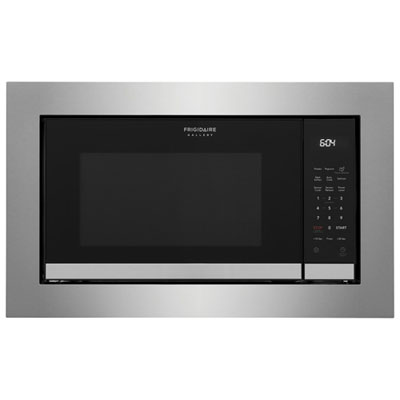 Your price for this item is $749.99
 -
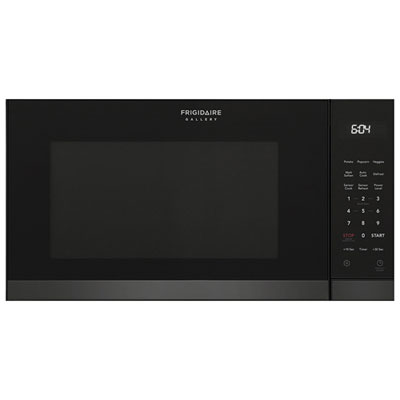 Your price for this item is $699.97
 -
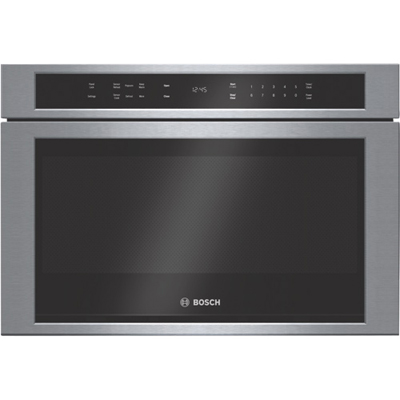 Your price for this item is $2449.99
 -
 Your price for this item is $1199
 -
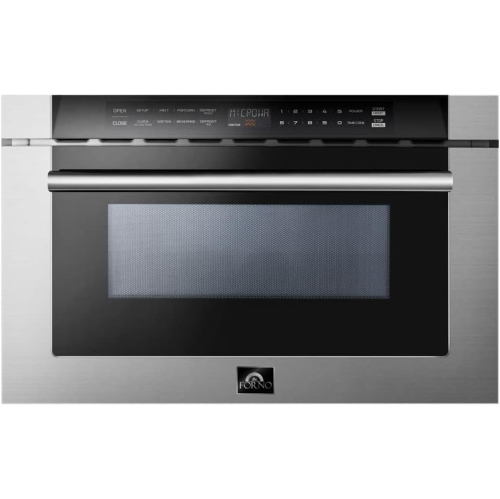 Your price for this item is $1299
 -
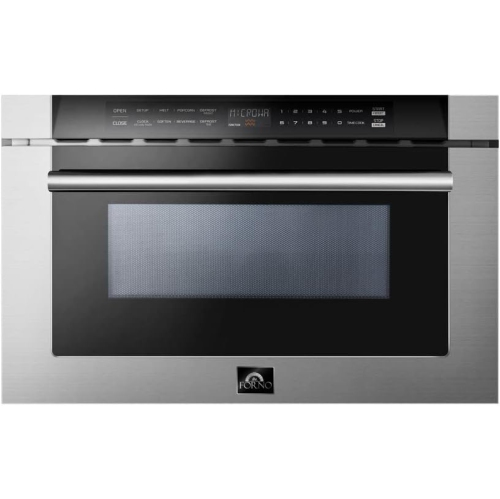 Your price for this item is $1299
 -
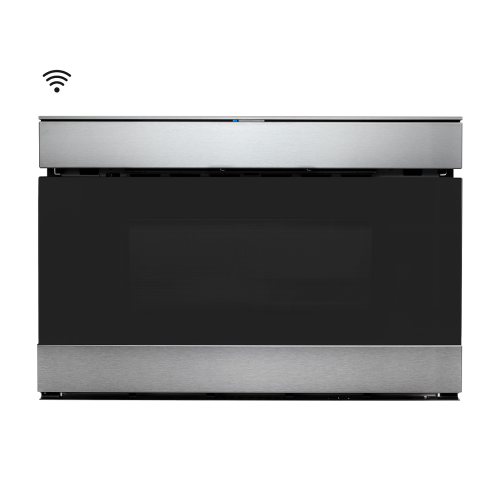 Your price for this item is $3149.99
 -
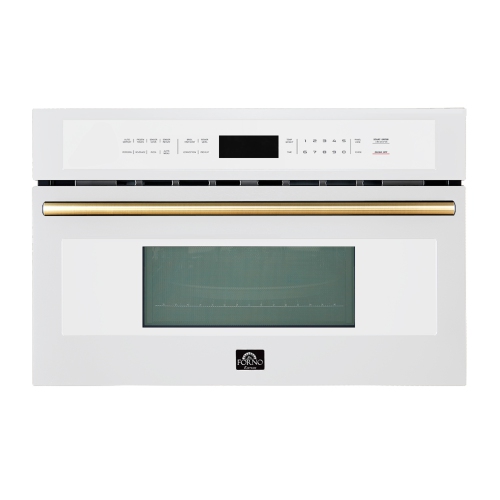 Your price for this item is $1599
Discover more categories related to Drawer Microwave Black Stainless
Top Collections:
Pokemon Centers, Kindle Devices, Best Budget Office Chairs, Apple iPhones 16, Best Laptops for Writers, iPhone 15 Apple, Canon G7X Cameras, Refurbished Apple Laptops, Alarm Clock, Motorola Razr Phones
Some products may be subject to Environmental Handling Fees
(EHF) depending on your province.
Learn more about EHFs.